
Common Myna
Acridotheres tristis
家八哥
Introduction
Native to Asian open woodlands; introduced globally. Inhabits urban areas including gardens, parks, and streets. Omnivorous diet includes garbage and ornamental fruits. Prolific breeder; exhibits strong territorial behavior and aggressive interactions with native hollow-nesting species. Forms pairs and communal roosts. In Australia, identified as a threat to native hollow-nesting birds.
Description
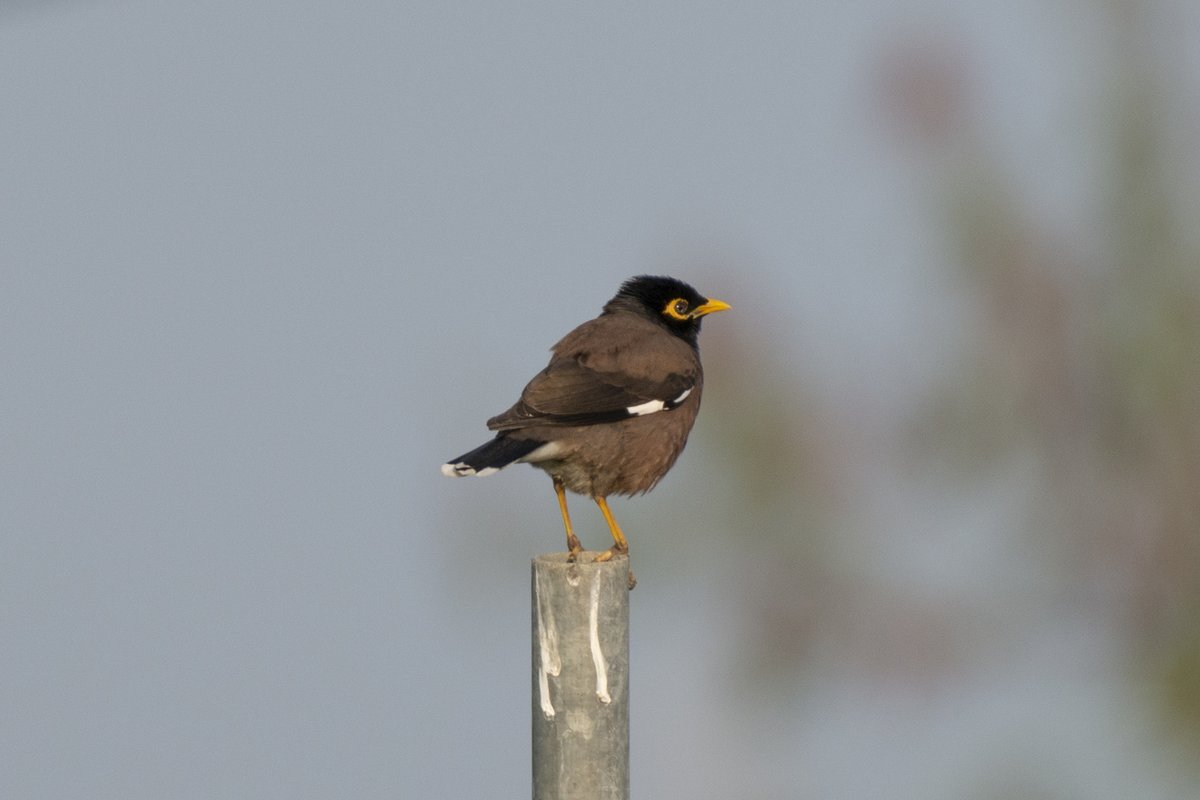
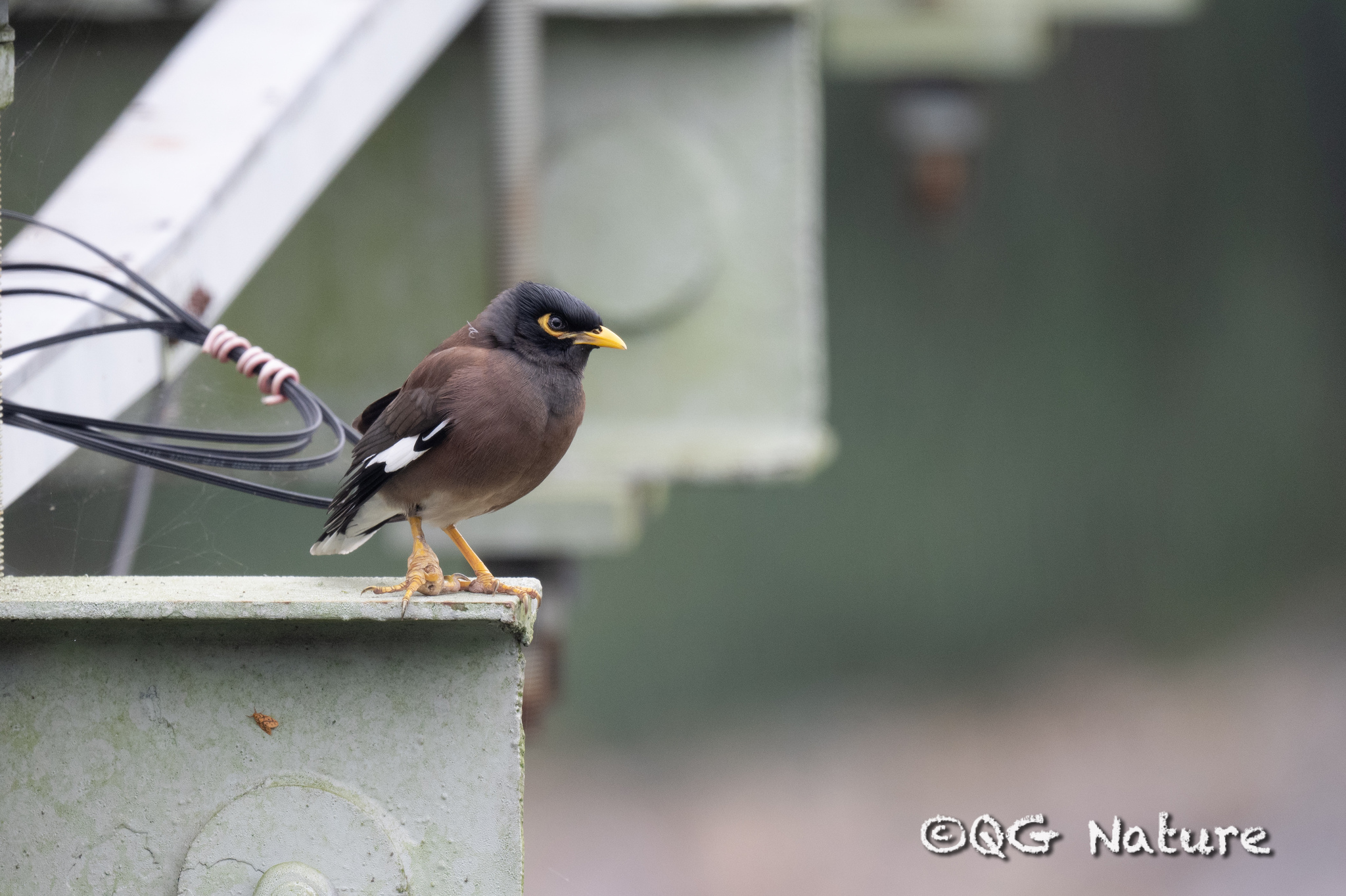
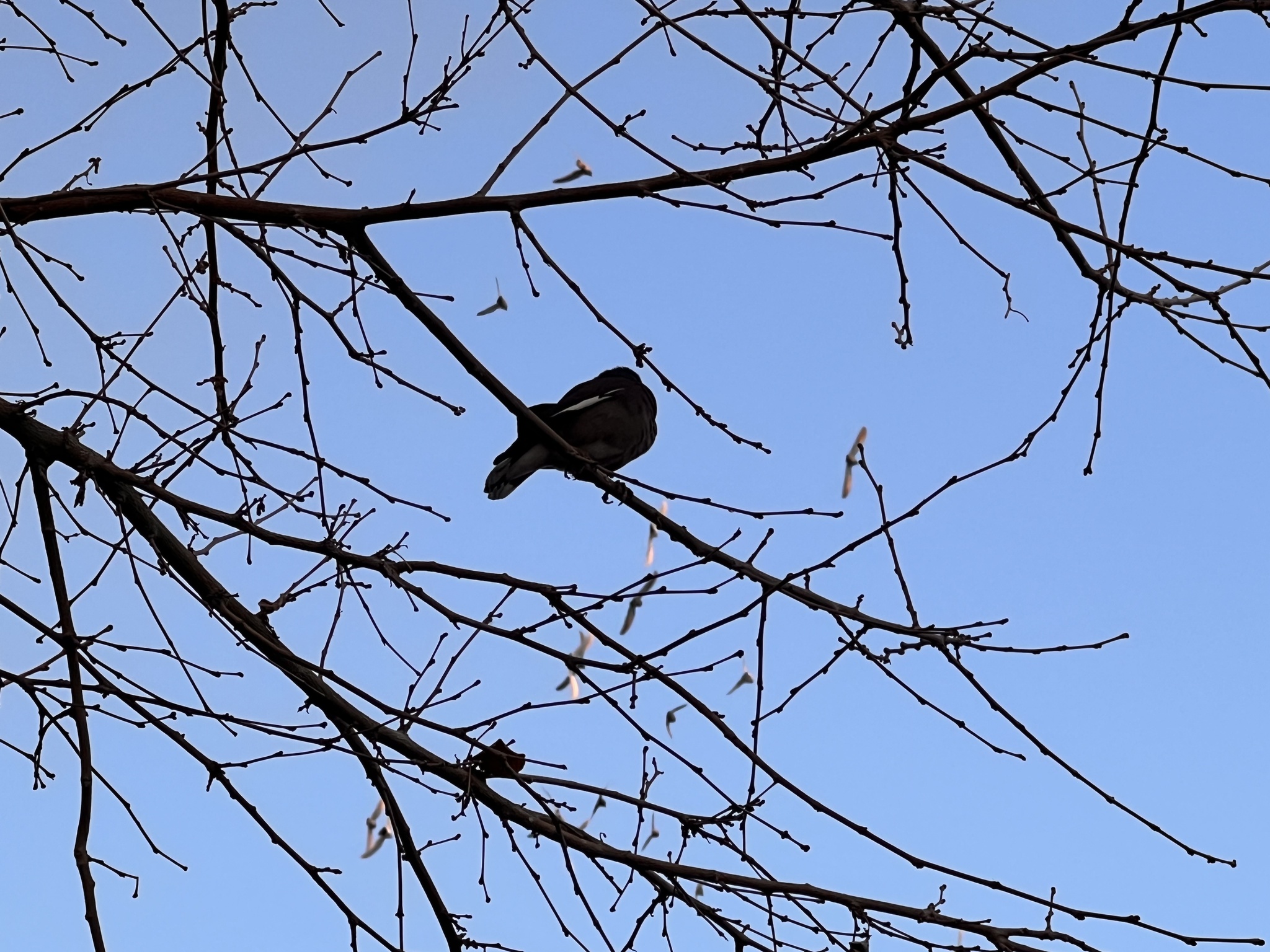
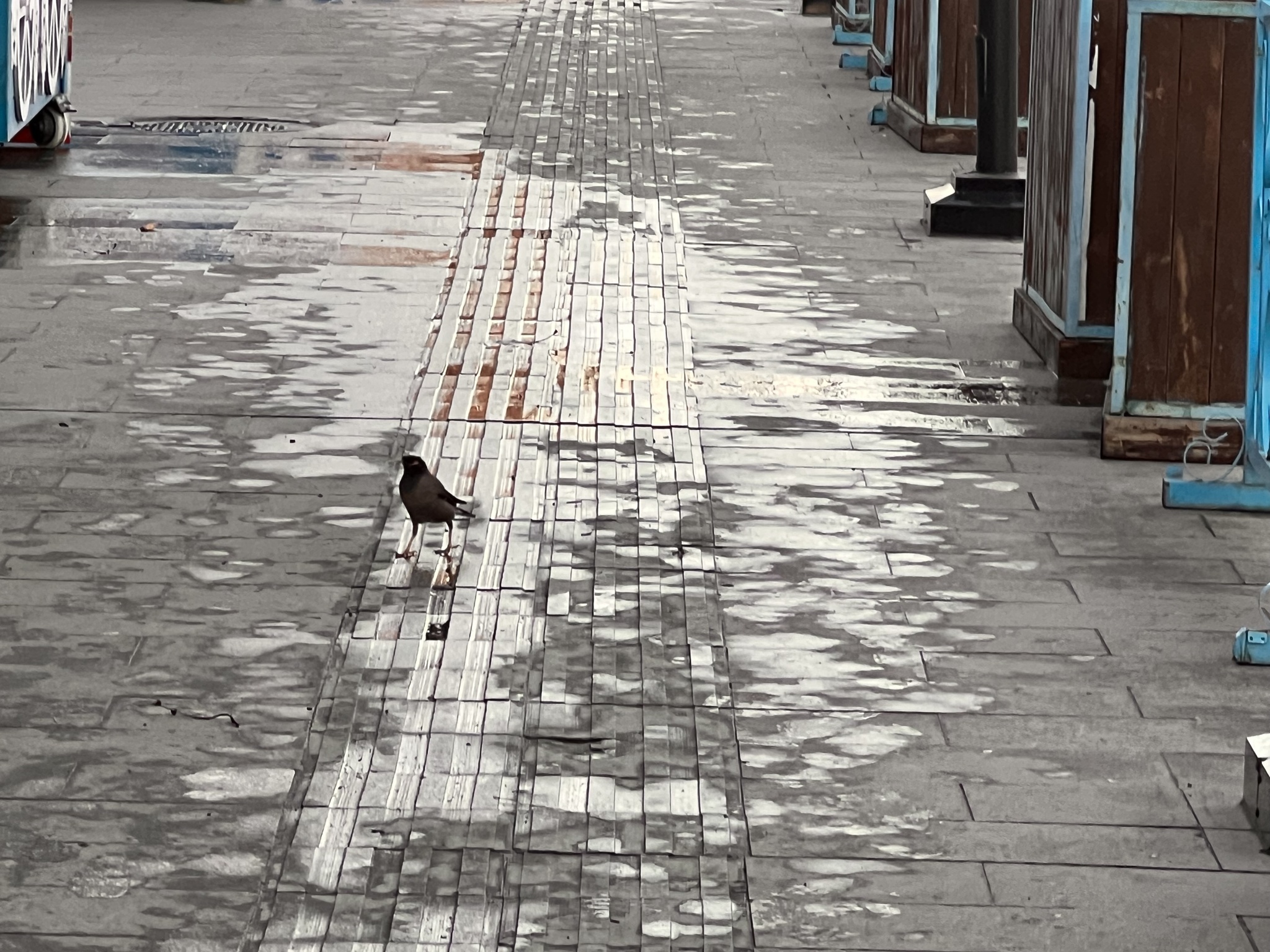
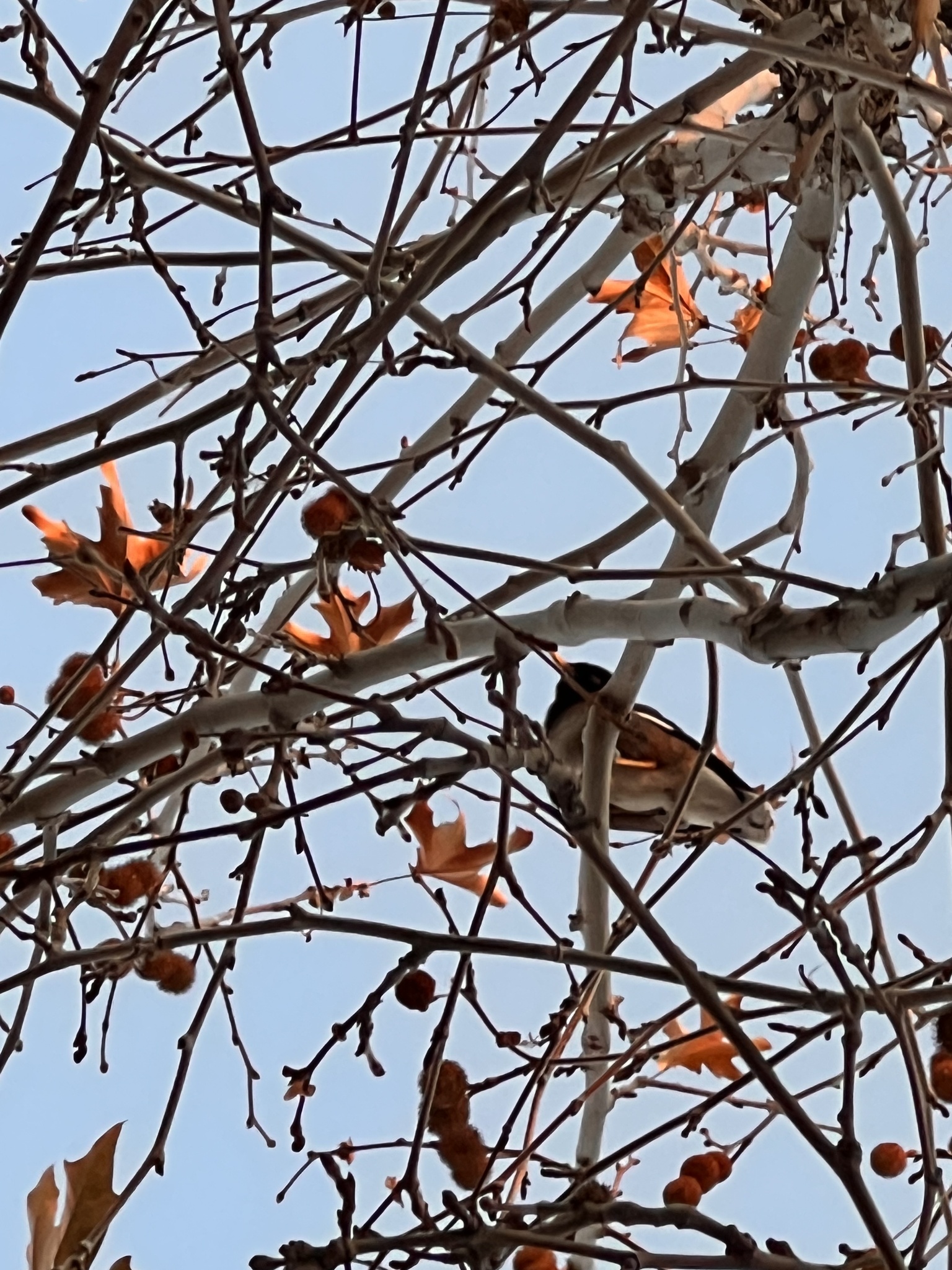
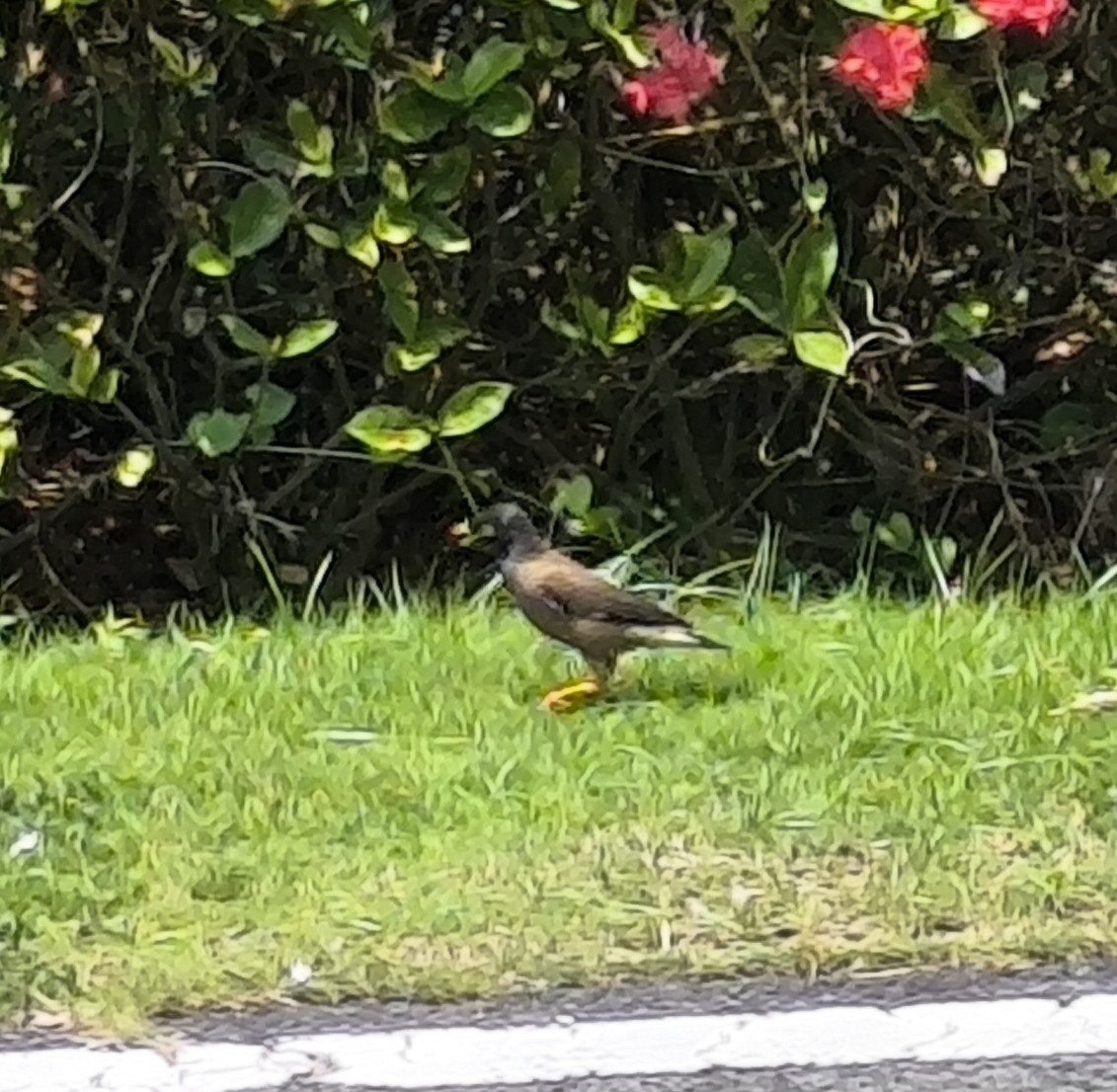
A medium-sized starling reaching 23 centimeters in length with a compact, robust build. The plumage is distinctive: a rich brown body contrasts sharply with a glossy black hood covering the head. A prominent bare yellow patch surrounds the eye, while the bill and legs are a striking bright yellow. The wings are rounded, and the tail is square-tipped with a distinctive white tip visible in flight. The outer primaries display a white patch, and the wing lining is white underneath. Sexes appear identical, making field separation difficult. Populations follow Gloger's rule, with northwestern Indian birds being noticeably paler than darker southern populations.
Identification
This species is immediately recognizable by its combination of brown body, black hooded head, and the diagnostic yellow patch around the eye. The bright yellow bill and legs are additional distinguishing features. In flight, the white wing patches and white tail tip become apparent. It differs from similar starling species in its more contrasting head pattern and the specific yellow facial skin. The Sri Lankan subspecies is darker overall and shows half-black, half-white primary coverts with a larger yellow cheek patch. Unlike many starlings, it moves with a distinctive walking gait rather than continuous hopping.
Distribution & Habitat
Native across a vast Asian range from Iran through the Indian subcontinent to Southeast Asia, southern China, and Japan. It has been introduced widely, including to Australia, New Zealand, South Africa, Israel, Hawaii, Florida, and numerous islands worldwide. In Australia, populations concentrate along the eastern coast around Sydney, with established breeding as far north as Cairns. The species prefers open woodland, cultivation, and human habitation, demonstrating exceptional adaptability to urban and suburban environments. It requires areas where mean monthly temperatures remain between -0.4°C and 23.2°C for sustainable populations.
Behavior & Ecology
Omnivorous diet includes insects, grubs, earthworms, fruit, seeds, nectar, and human food waste. It forages primarily on the ground, walking or hopping through grass and following grazing cattle to catch disturbed insects. Breeding pairs are believed to form lasting bonds, with nesting occurring in tree holes, building cavities, or nest boxes. Clutches contain 4-6 eggs incubated for 17-18 days, with fledging at 22-24 days. Communal roosting occurs year-round in flocks that can number in the thousands, with elaborate pre-roosting aerial displays. Vocal repertoire includes croaks, squawks, chirps, clicks, and whistles; it often bobs its head while singing and may mimic sounds in captivity.
Conservation
Classified by the IUCN as one of the world's 100 worst invasive species, the only bird so designated alongside the red-vented bulbul and common starling. In 2008, Australians voted it 'The Most Important Pest/Problem.' While its global population remains large and stable, it poses serious threats to native hollow-nesting birds through aggressive territorial behavior, nest usurpation, and predation on eggs and young. It damages crops including grapes, berries, and citrus, and can spread weeds like Lantana camara. Control measures include trapping, shooting, and poisoning in affected areas. It has been added to the EU List of Invasive Alien Species of Union concern.
Culture
Known in Sanskrit literature by several descriptive names. Sārikā is the most common, while kalahapriyā ('one fond of arguments') references its quarrelsome nature. Other names include chitranetra ('pretty eyes'), pītanetra ('yellow-eyes'), and pītapāda ('yellow-legs'). Historically kept as cage birds for their singing and mimicking abilities, they were once valued for insect control and even protected by law in some regions. In Singapore, it is locally called 'gembala kerbau' (buffalo shepherd), though its status there has shifted to that of an agricultural pest competing with introduced Javan mynas.
Source: Wikipedia · CC BY-SA 3.0
Taxonomy
- Order
- Passeriformes
- Family
- Sturnidae
- Genus
- Acridotheres
- eBird Code
- commyn
Subspecies (2)
-
Acridotheres tristis melanosternus
Sri Lanka
-
Acridotheres tristis tristis
southeastern Iran to India and southeastern Asia; introduced widely worldwide
Data Sources
Species description from Wikipedia, licensed under CC BY-SA 3.0.
Bird images and sounds sourced from GBIF, contributed by citizen scientists worldwide under Creative Commons licenses.
Taxonomy data from AviList 2025.