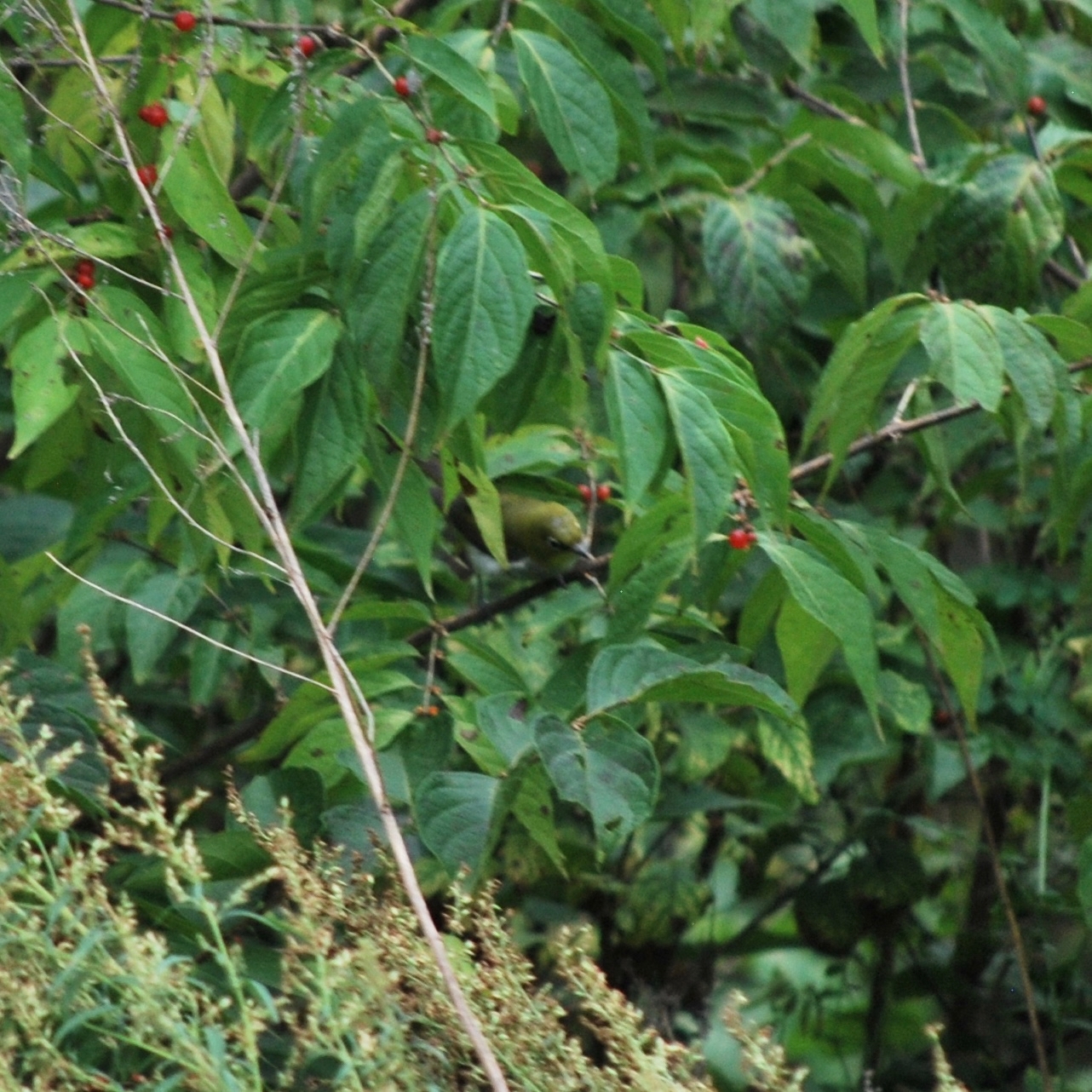
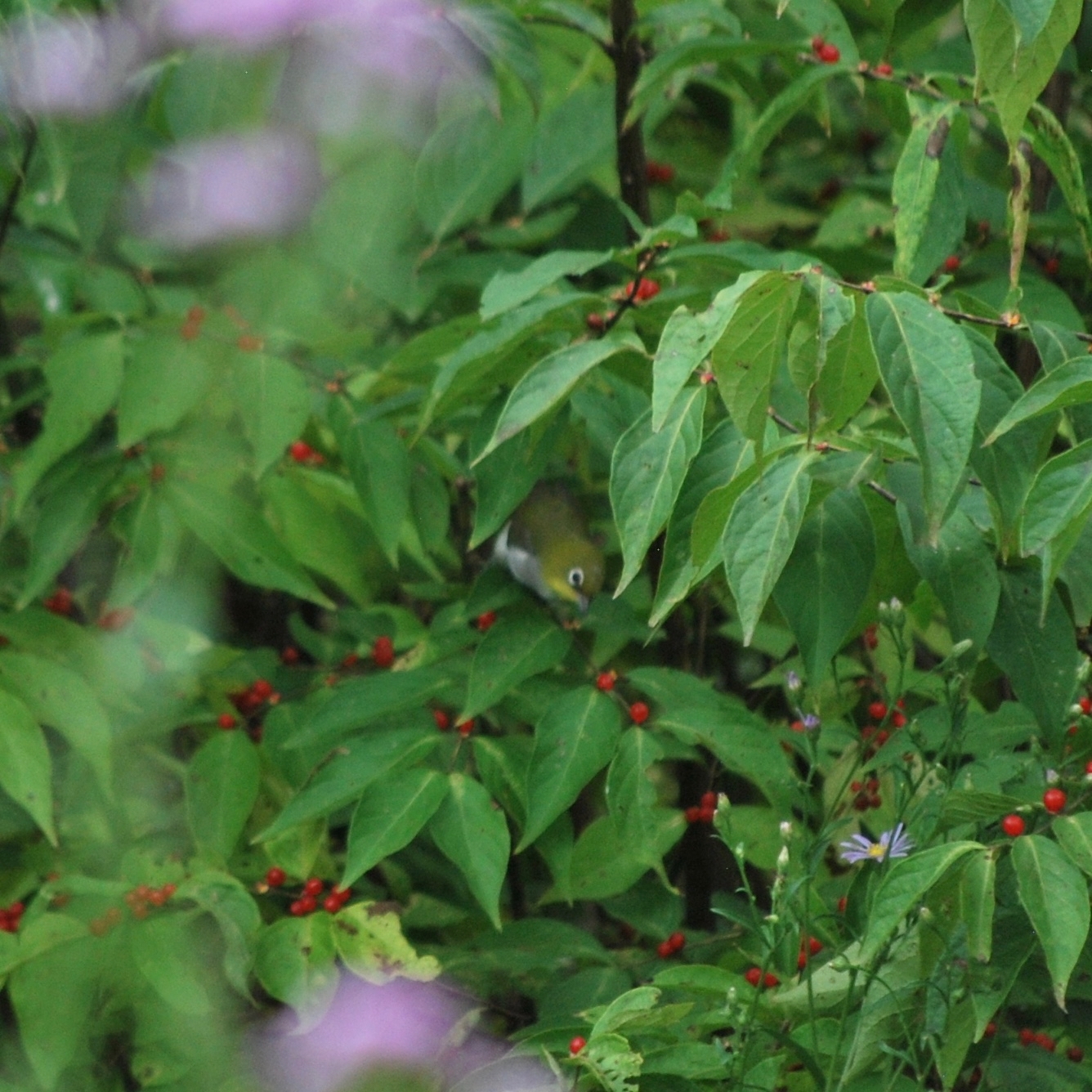
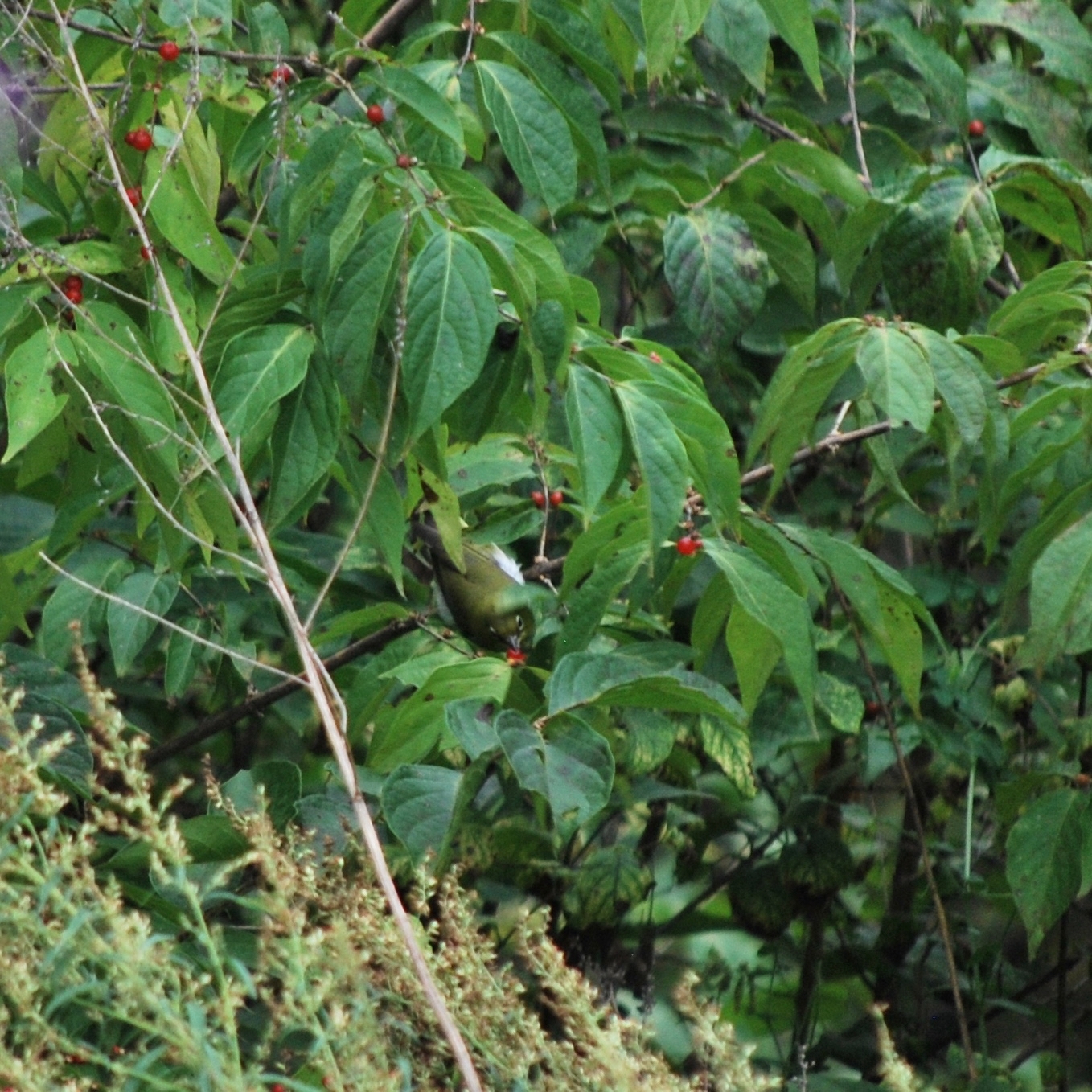
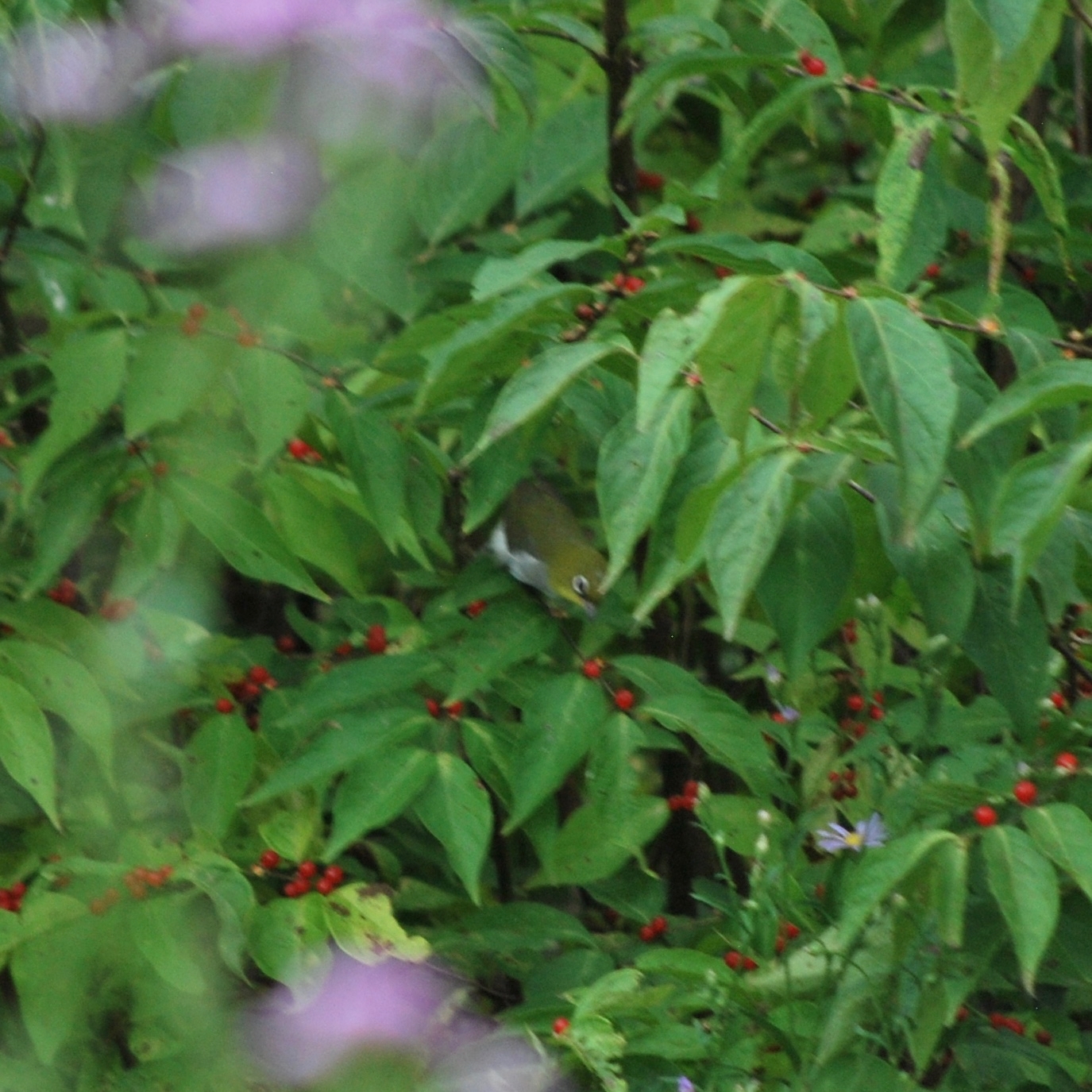
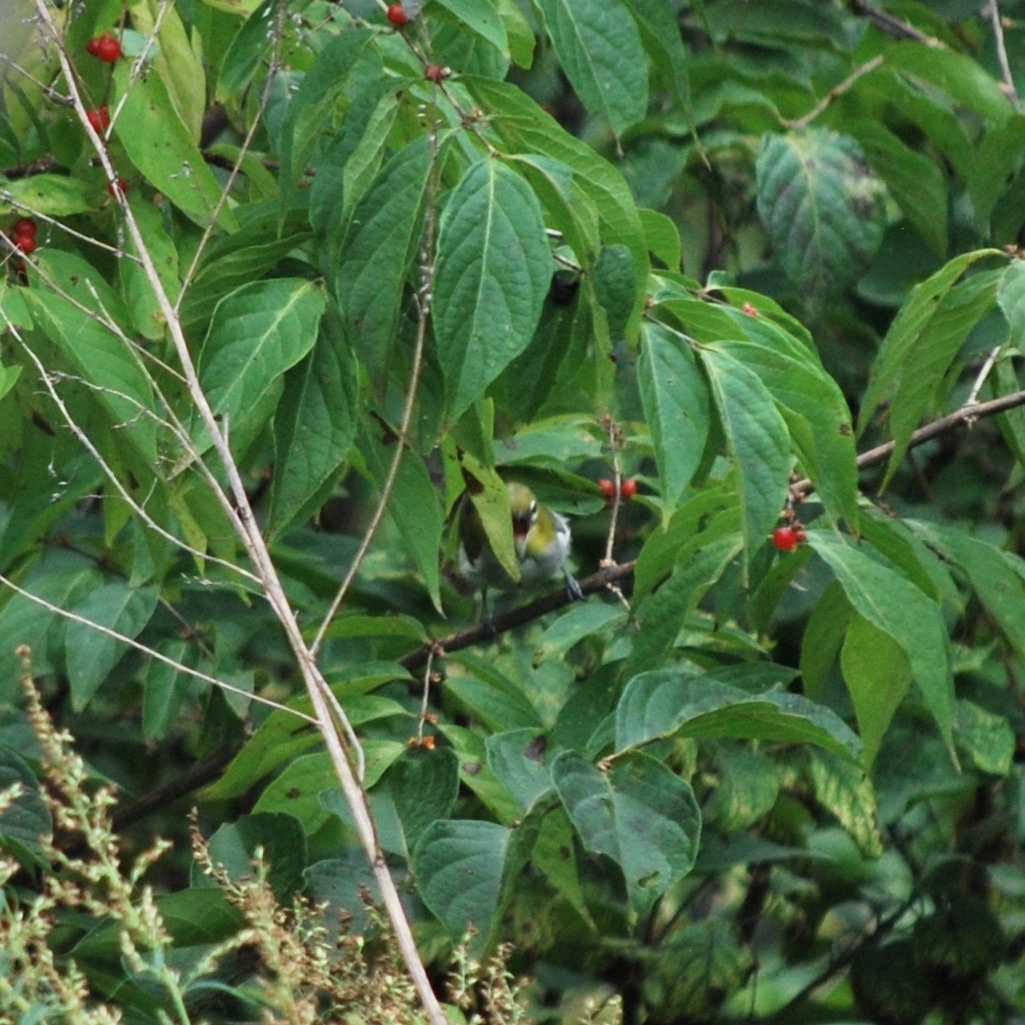
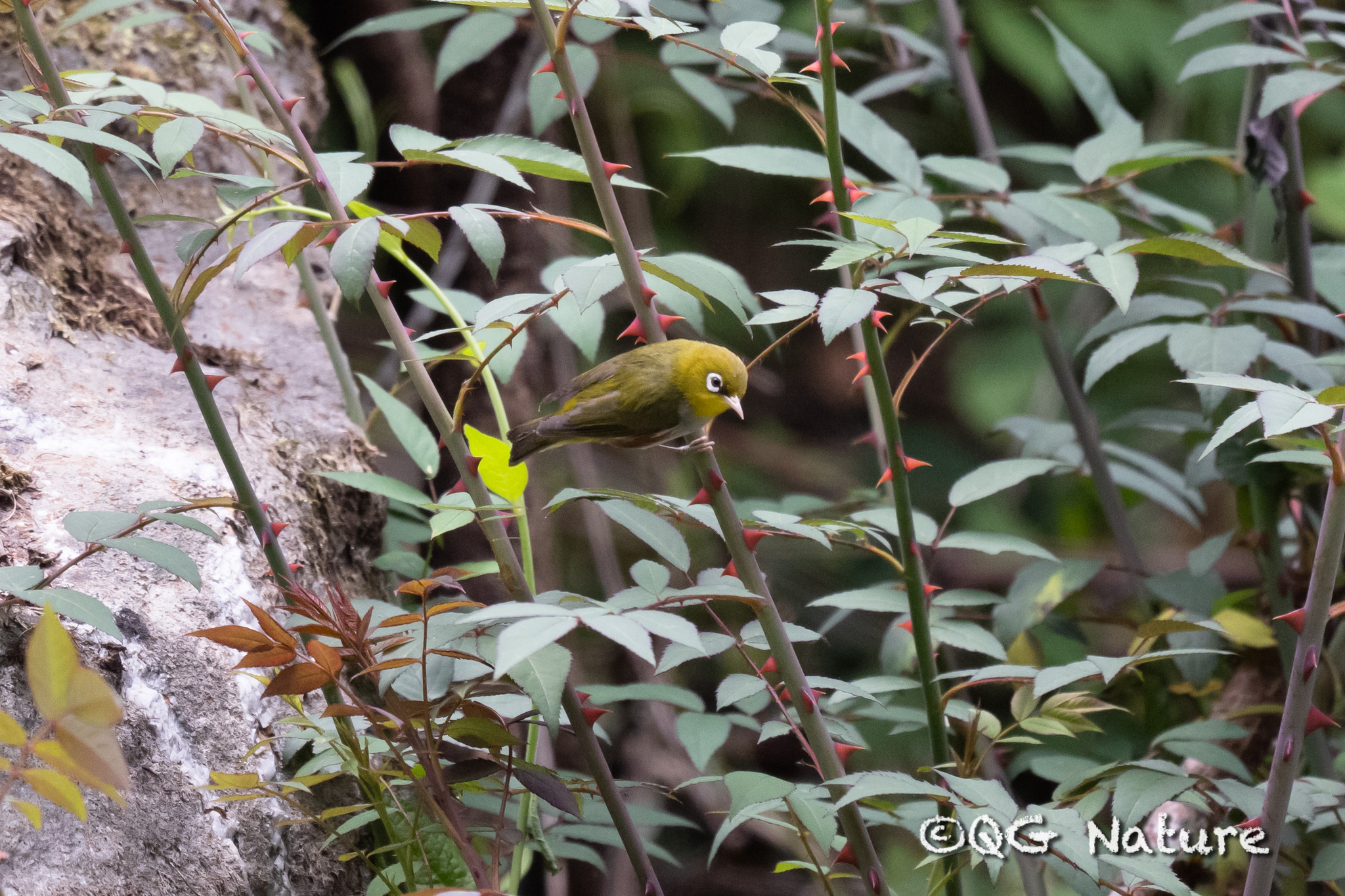
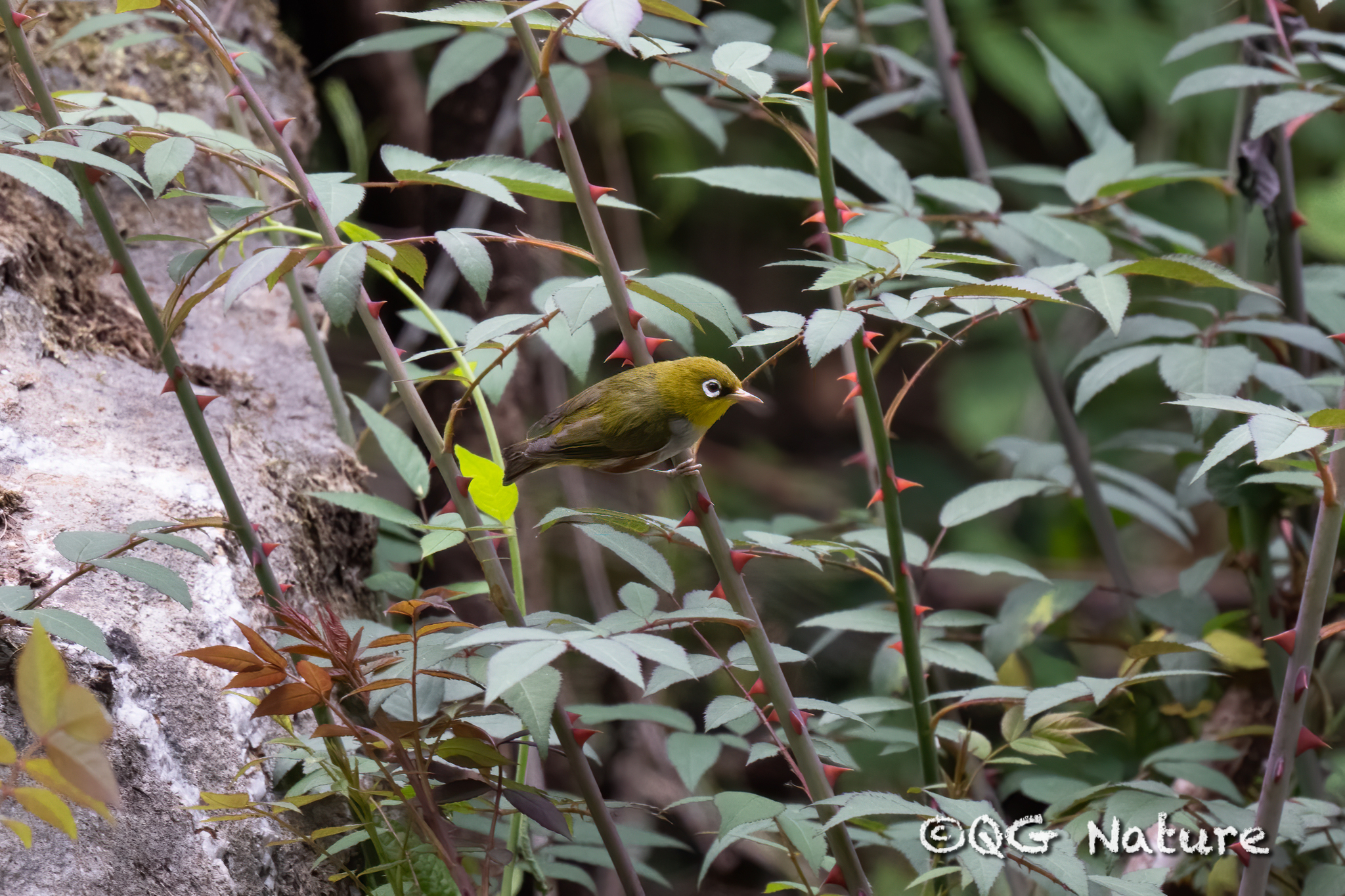
Chestnut-flanked White-eye
Zosterops erythropleurus
红胁绣眼鸟
Introduction
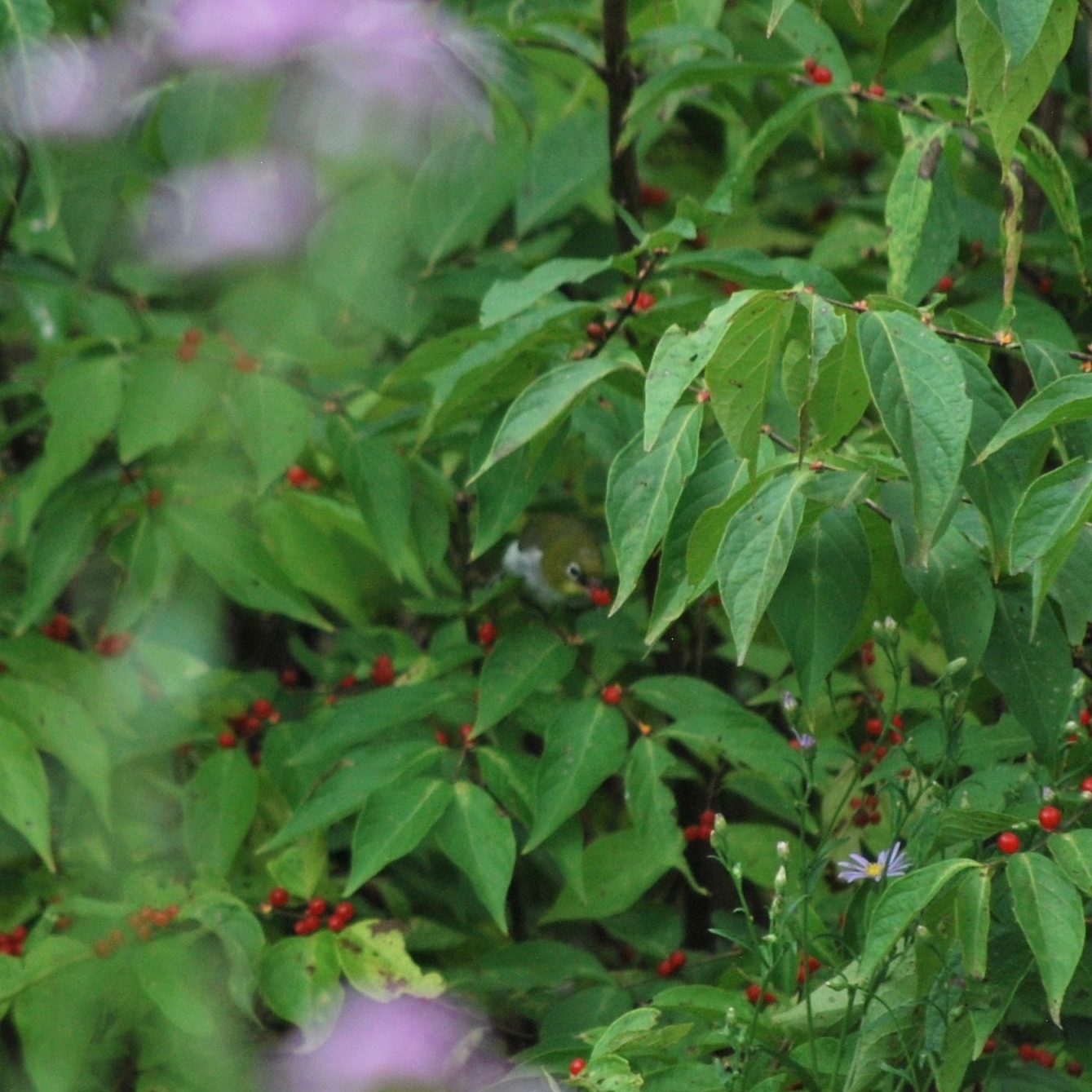
Passerine in the white-eye family (Zosteropidae). Length 10.5 cm. Range includes East Asia. The most migratory white-eye species, undertaking seasonal movements between breeding and wintering grounds. Inhabits mature mixed and coniferous woodlands, riparian corridors with poplar, alder, and willow during breeding season. Wintering habitat consists of evergreen and deciduous forests at higher elevations. Gregarious; detected by flock calls.
Description
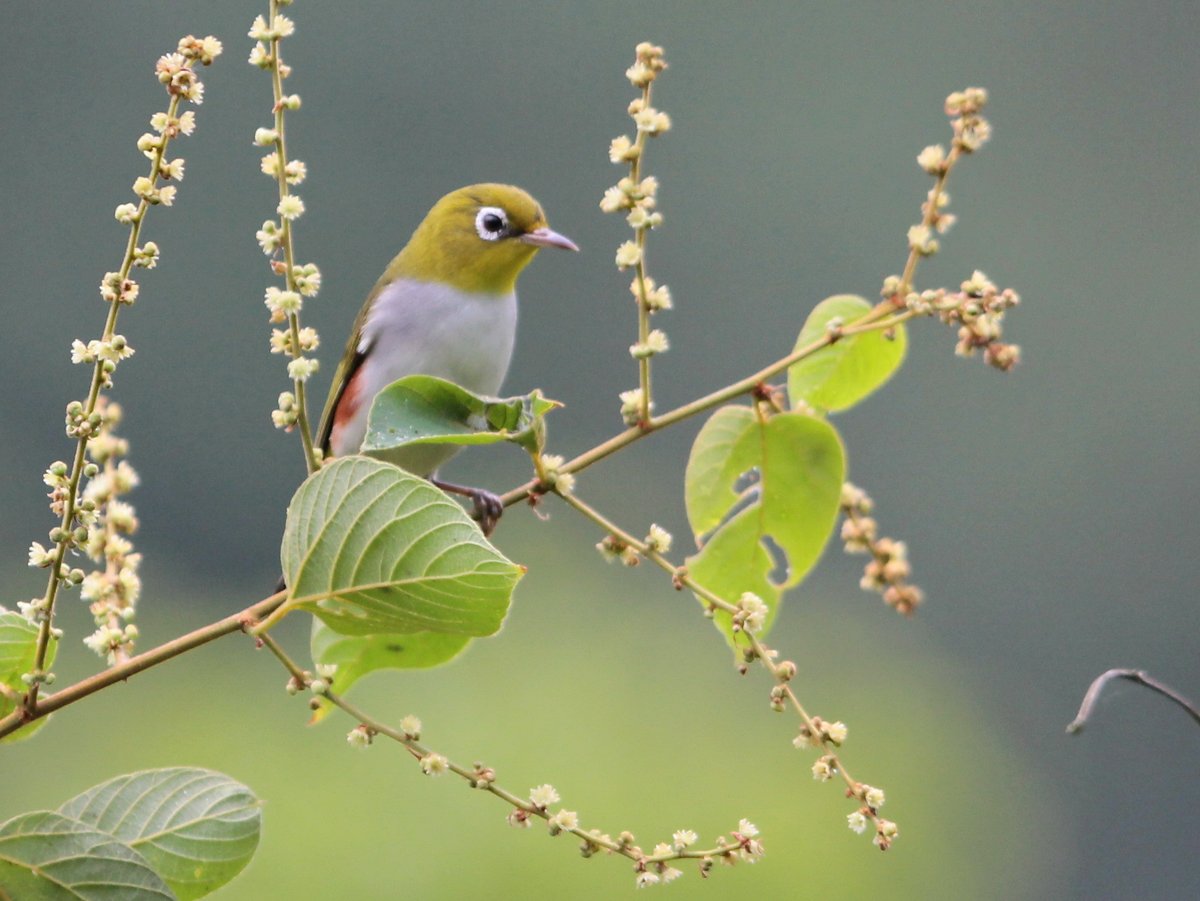
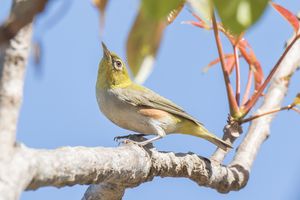
A compact and small passerine reaching 10.5 centimeters in length. The most distinctive feature is the bold chestnut patch contrasting with the otherwise whitish underparts. The bill shows a pinkish hue at the base and along the lower mandible. The overall build is typical of white-eyes—small, active, and agile in the canopy. The upperparts and head retain the characteristic white eye-ring of the family, though the flank coloration provides the key identifying feature.
Identification
The chestnut flank patch serves as the primary field mark distinguishing this species from similar white-eyes. The Japanese white-eye appears pale brown rather than chestnut on the flanks, providing the clearest separation in areas of potential overlap. The combination of small size, prominent white eye-ring, and the warm chestnut flank coloration should confirm identification. Active canopy behavior and tendency to join mixed-species flocks aid detection, though the flank patch is best observed when the bird pauses.
Distribution & Habitat
A migratory species breeding across Manchuria in northeastern Asia. It moves southward for the winter, reaching central China, Yunnan province, and northern Southeast Asia. The species is the most migratory of all white-eye species. Breeding habitat consists of poplar, alder, and willow forests, thickets, and groves. Wintering birds utilize both deciduous and evergreen forest types, typically found above 1000 meters elevation.
Source: Wikipedia · CC BY-SA 3.0
Taxonomy
- Order
- Passeriformes
- Family
- Zosteropidae
- Genus
- Zosterops
- eBird Code
- cfweye1
Distribution
breeds southeastern Siberia to southwestern China and northeastern Manchuria; winters to southeastern Asia
Data Sources
Species description from Wikipedia, licensed under CC BY-SA 3.0.
Bird images and sounds sourced from GBIF, contributed by citizen scientists worldwide under Creative Commons licenses.
Taxonomy data from AviList 2025.