White's Thrush
Zoothera aurea
虎斑地鸫
Introduction
This thrush was once considered a subspecies of the scaly thrush but is now recognized as a separate species. It occurs in the eastern Palearctic and breeds in wet coniferous taiga habitats. Northern populations are more strongly migratory than southern ones, with the species moving to southeastern Asia for the winter. It has a melodious song. Vagrant records occur in western Europe.
Description
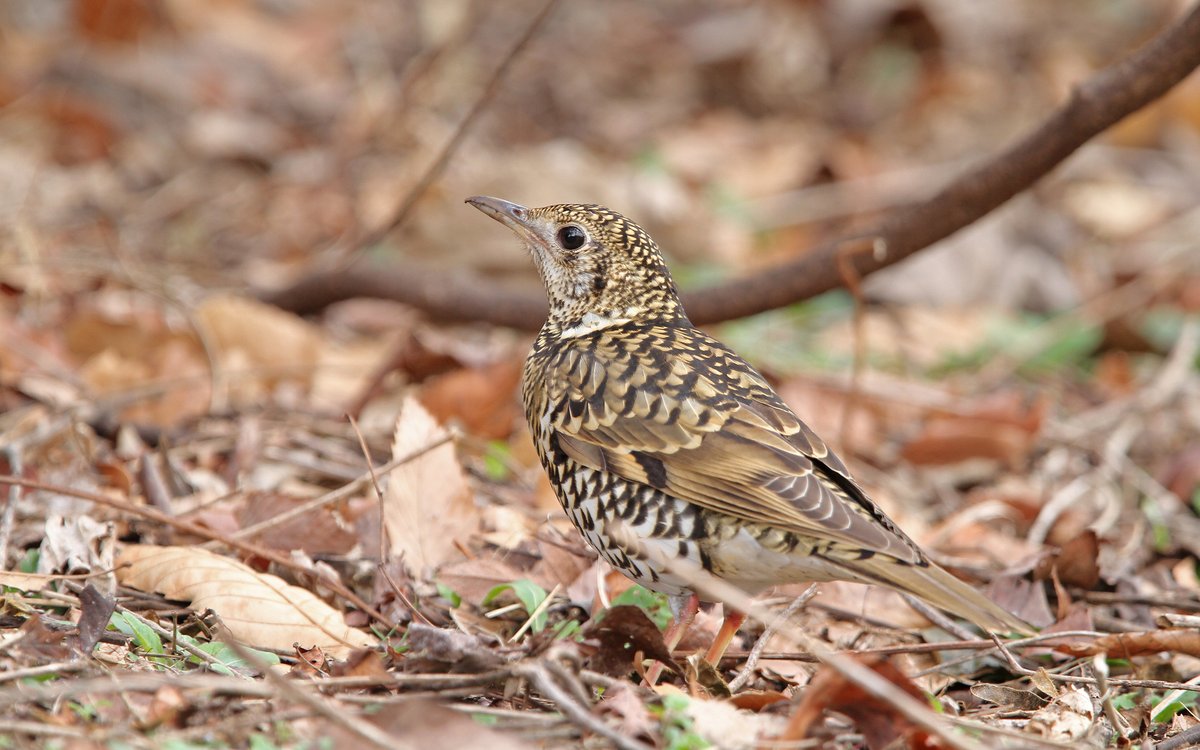
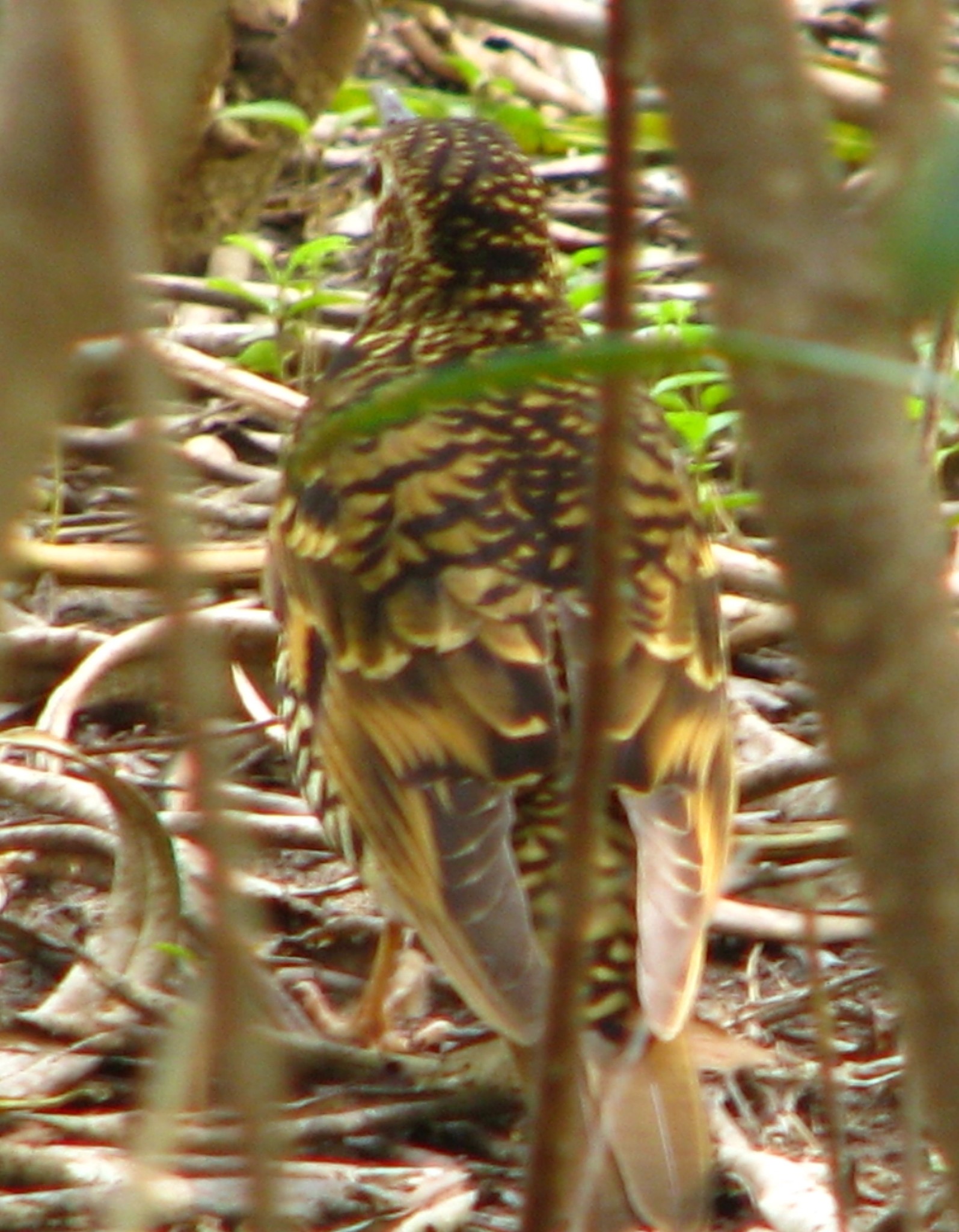
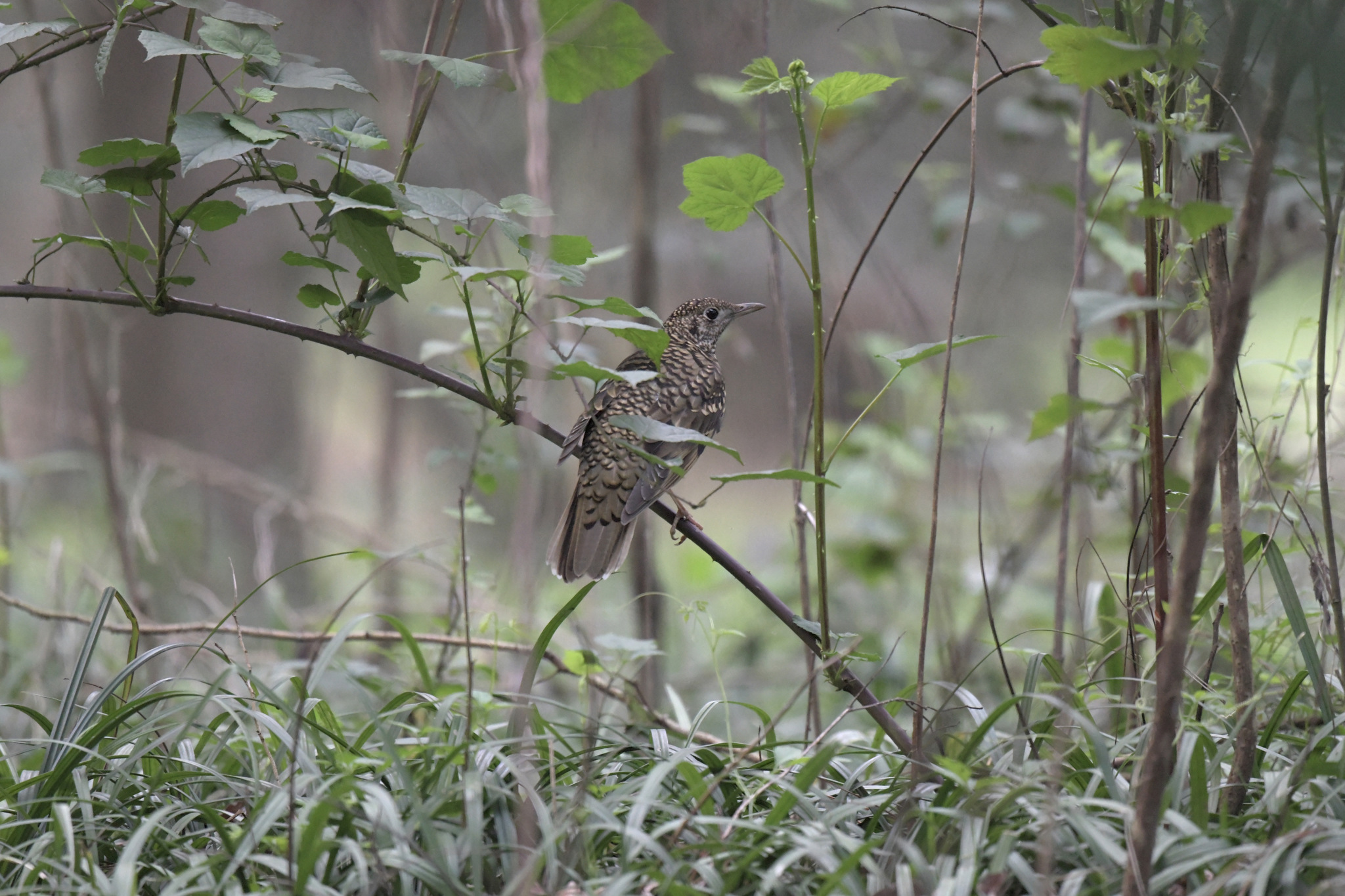
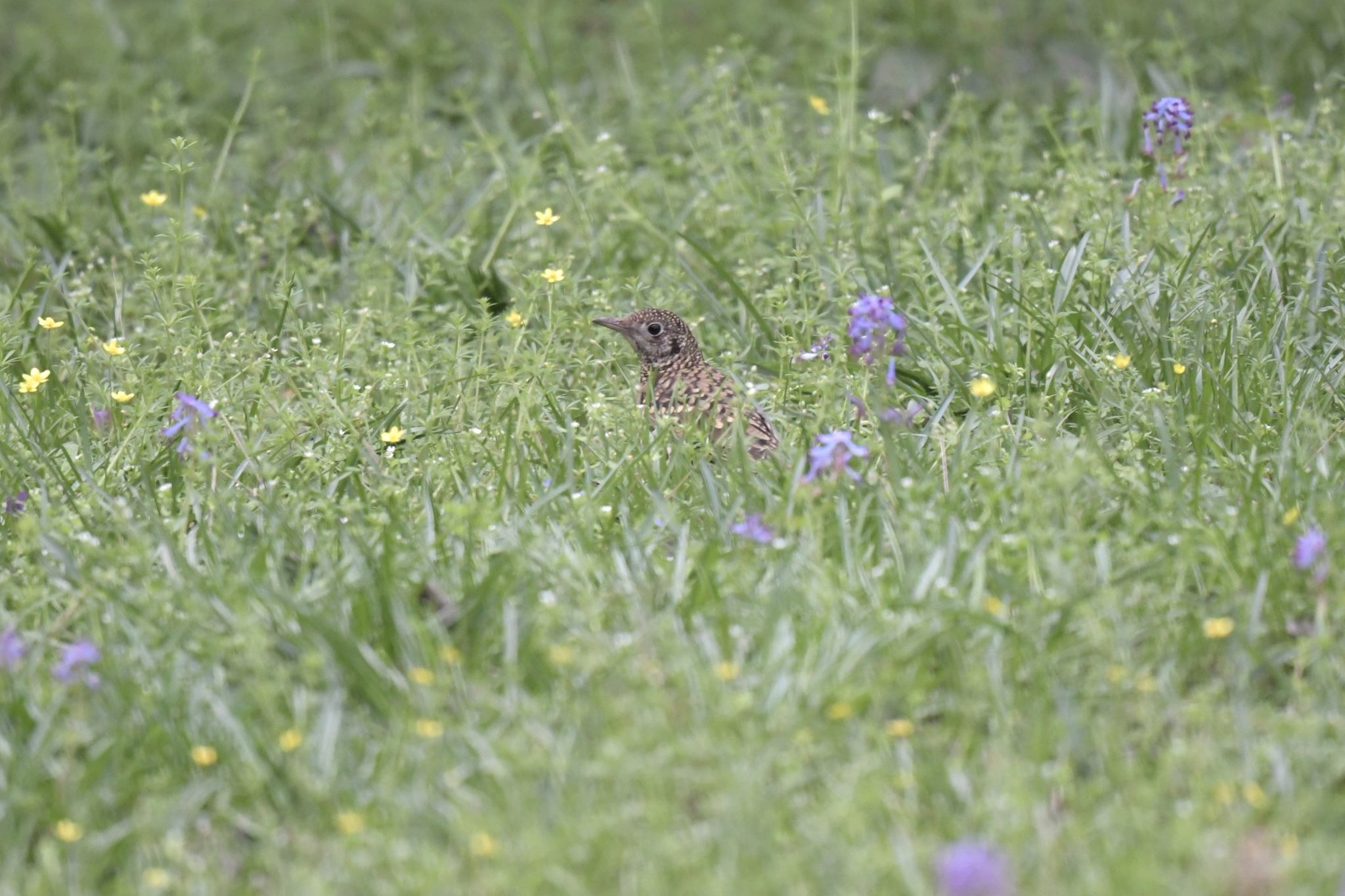
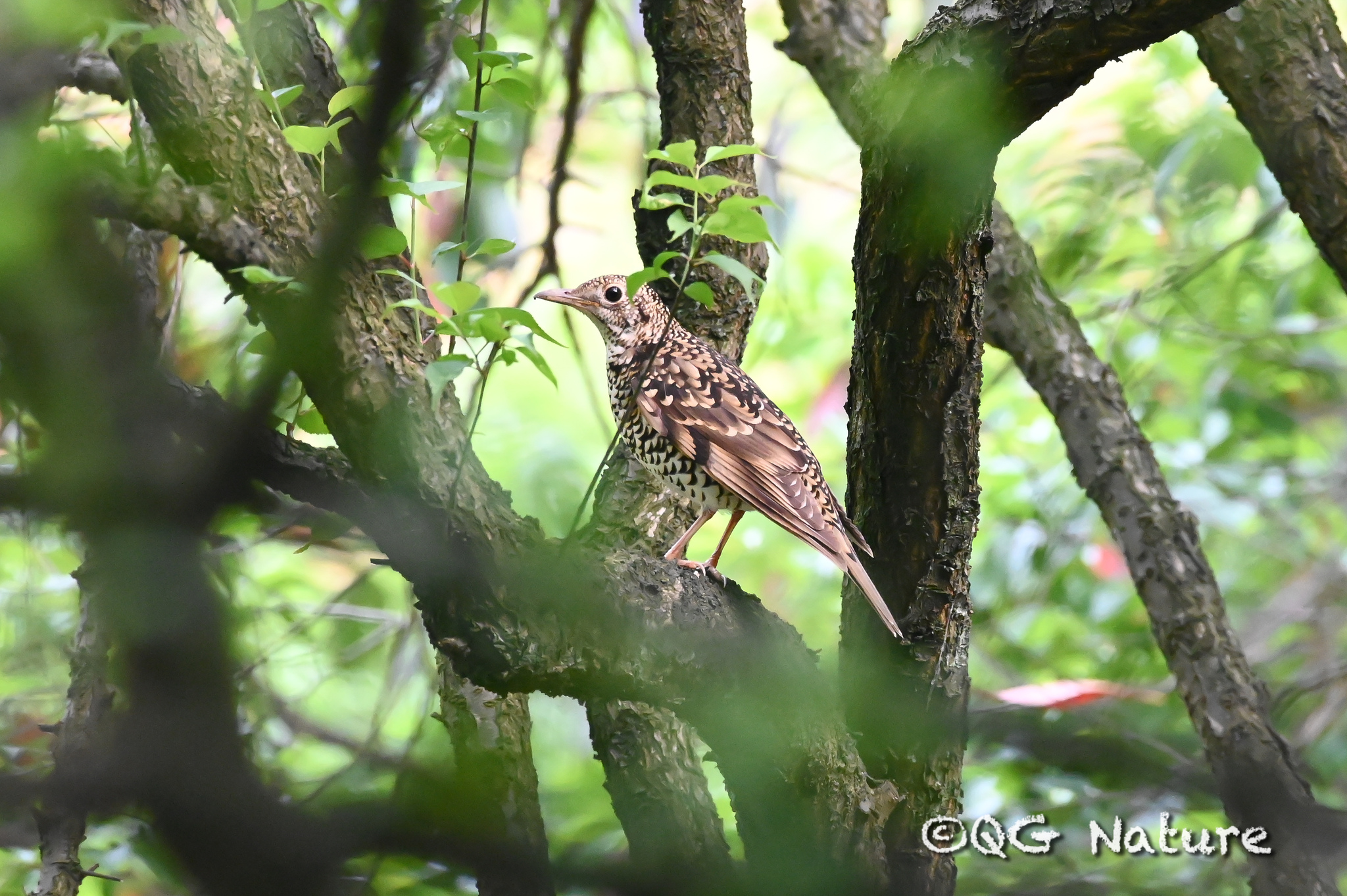
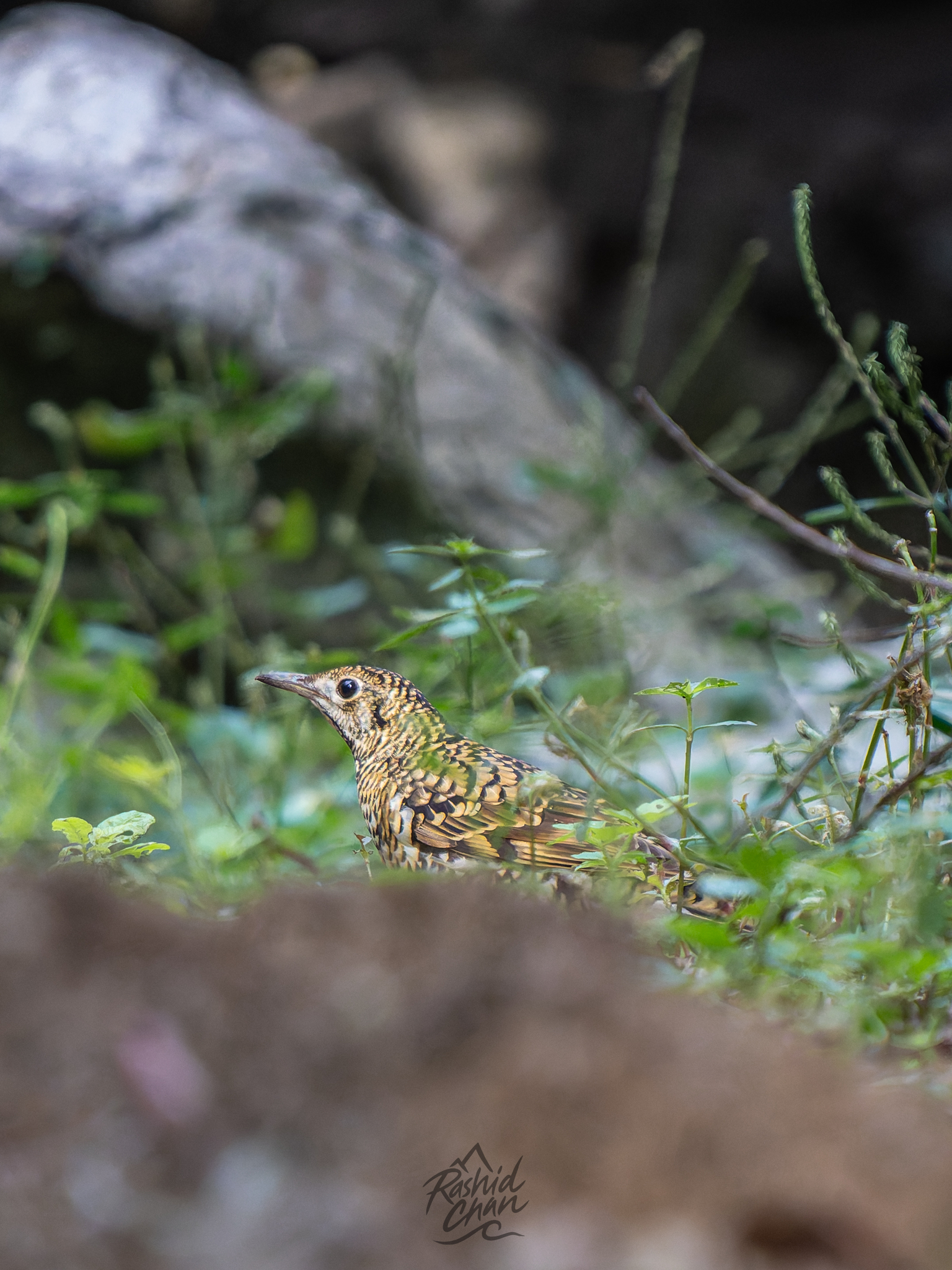
A medium-large thrush measuring 27-31 cm in length. The plumage features distinctive black scaling on a paler white or yellowish background, creating a scaly appearance across the upperparts. The underwings are white with a striking black band visible during flight - a key identification feature shared with its close relative, the Siberian thrush. The sexes are similar in appearance, both displaying this characteristic scaled pattern.
Identification
The black band on the white underwings is the most reliable field mark, particularly visible in flight. This feature distinguishes it from most other thrushes and confirms identification when seen. The male's song is another diagnostic characteristic - a loud, far-carrying mechanical whistle consisting of repeated phrases lasting about one second, separated by distinctive 5-10 second pauses.
Distribution & Habitat
Breeds in wet coniferous taiga across the eastern Palearctic, from Siberia through Manchuria, Korea, and Japan. Northern populations are strongly migratory, moving south to winter in southeastern Asia. It is a very rare vagrant to western Europe, with only occasional records making it an exceptional sighting for European birders.
Behavior & Ecology
The male's song is a loud, far-carrying mechanical whistle. Each phrase lasts approximately one second and is followed by distinctive pauses of 5-10 seconds between phrases. This advertising song is delivered from perches in the forest canopy and carries considerable distance through the breeding habitat.
Conservation
IUCN conservation status and population trends are not detailed in available sources.
Source: Wikipedia · CC BY-SA 3.0
Taxonomy
- Order
- Passeriformes
- Family
- Turdidae
- Genus
- Zoothera
- eBird Code
- scathr2
Vocalizations
Subspecies (2)
-
Zoothera aurea aurea
breeds Siberia to Manchuria and Korea; winters to southern China and Indochina
-
Zoothera aurea toratugumi
breeds Manchuria and Japan; winters in Taiwan including Lan-yü Island
Data Sources
CBR Notes: 中文名由怀氏虎斑地鸫改为虎斑地鸫
Species description from Wikipedia, licensed under CC BY-SA 3.0.
Bird images and sounds sourced from GBIF, contributed by citizen scientists worldwide under Creative Commons licenses.
Taxonomy data from AviList 2025.