

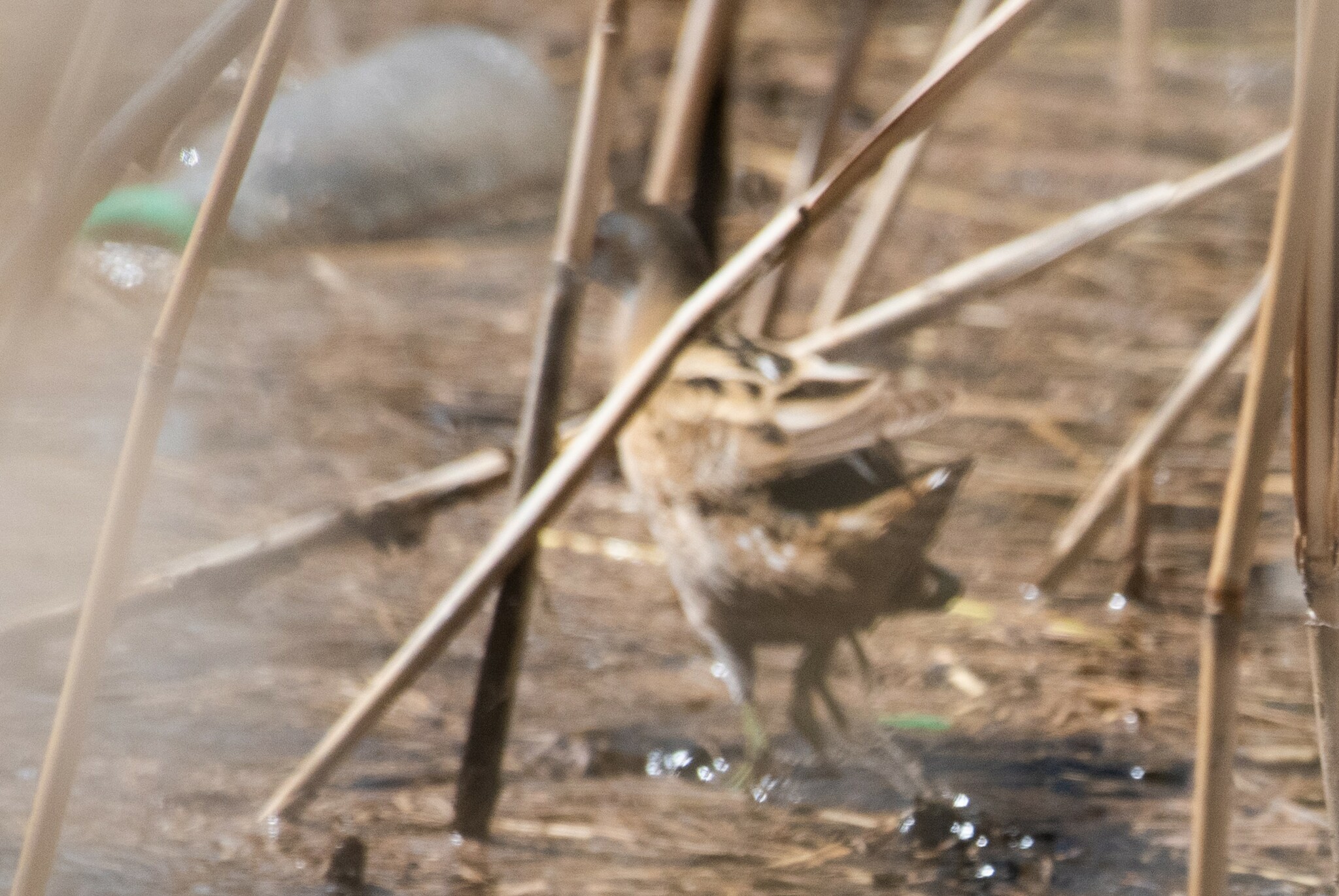

Little Crake
Zapornia parva
姬田鸡
Introduction
Very small waterbird in the rail family Rallidae. Formerly classified in the genus Porzana. Breeds in reed beds across eastern Europe and into western Asia. Migratory species that winters in Africa. Notable for its strong sexual dimorphism and extremely small size among rallids. Protected under the Agreement on the Conservation of African-Eurasian Migratory Waterbirds (AEWA).
Description
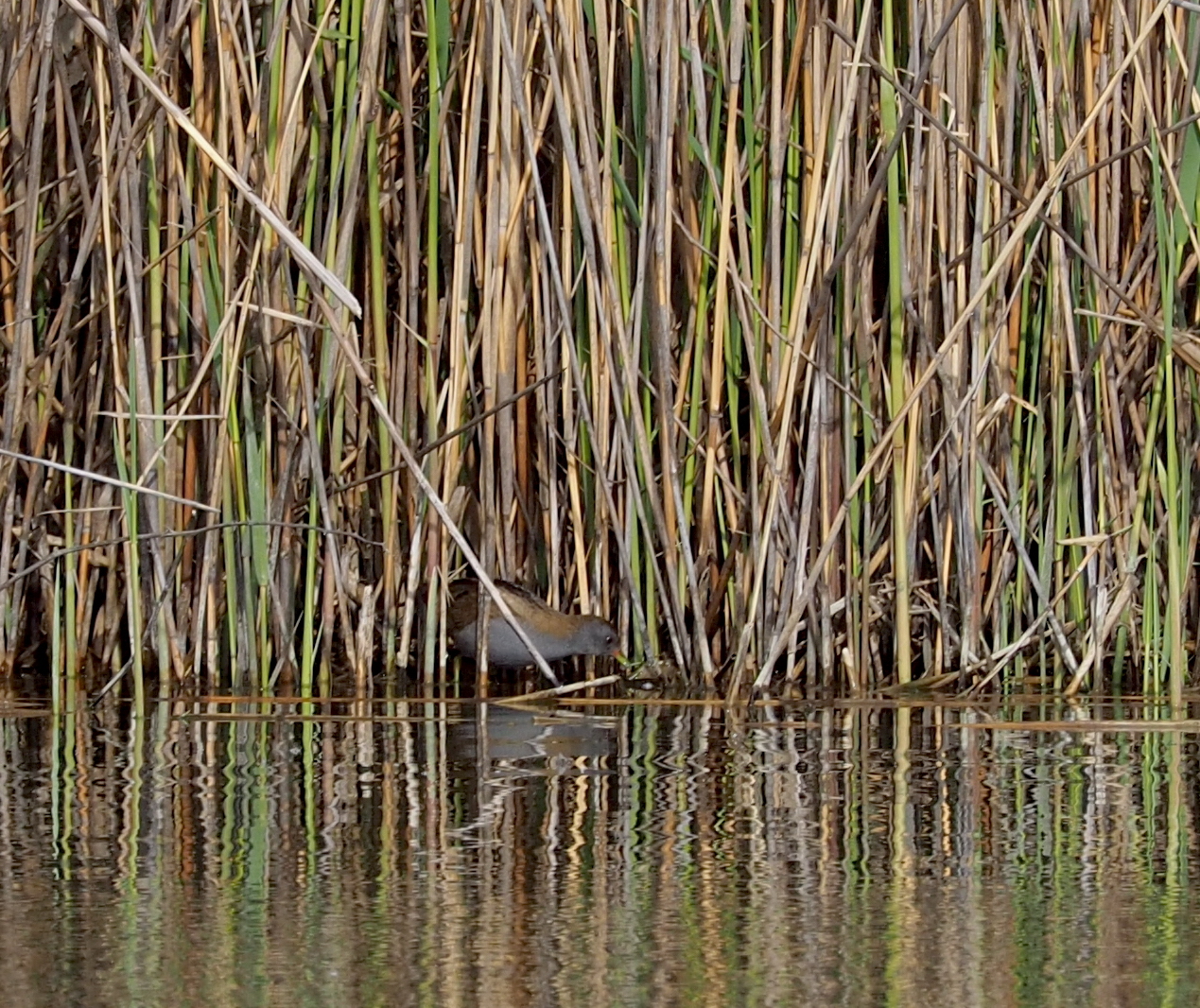
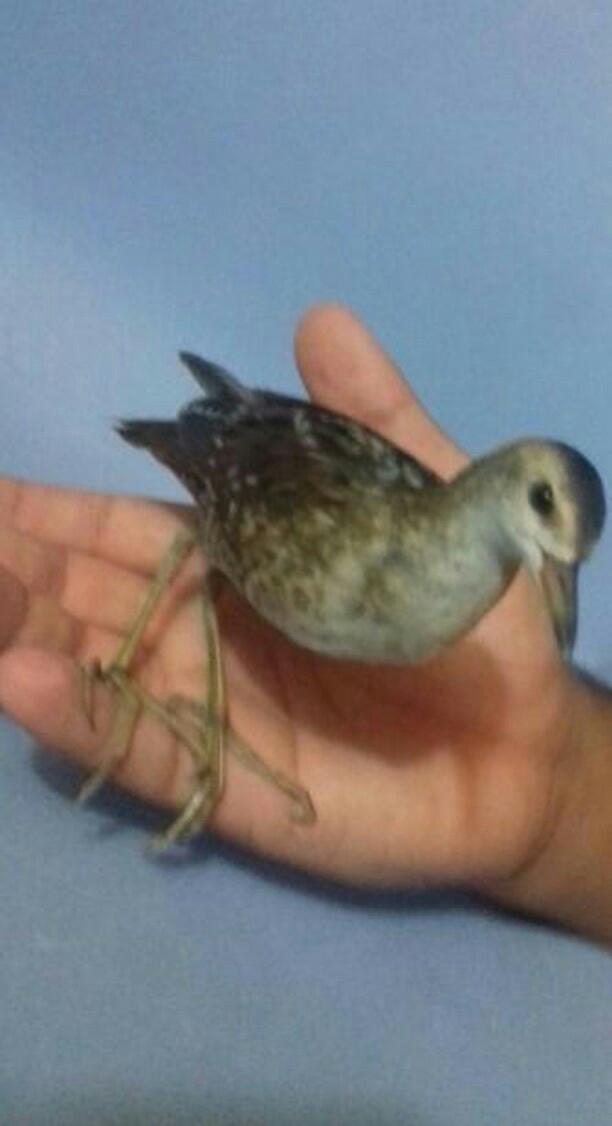
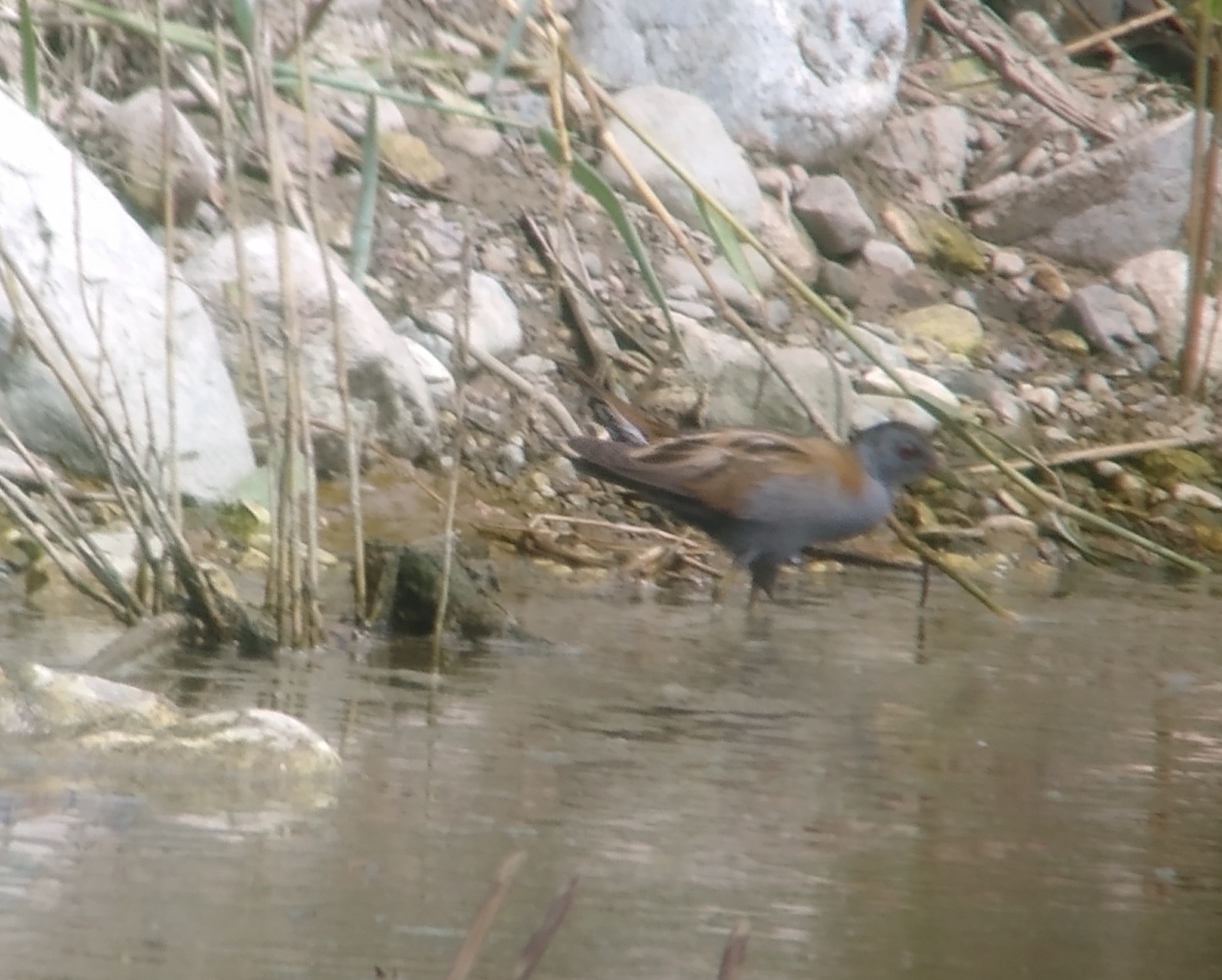
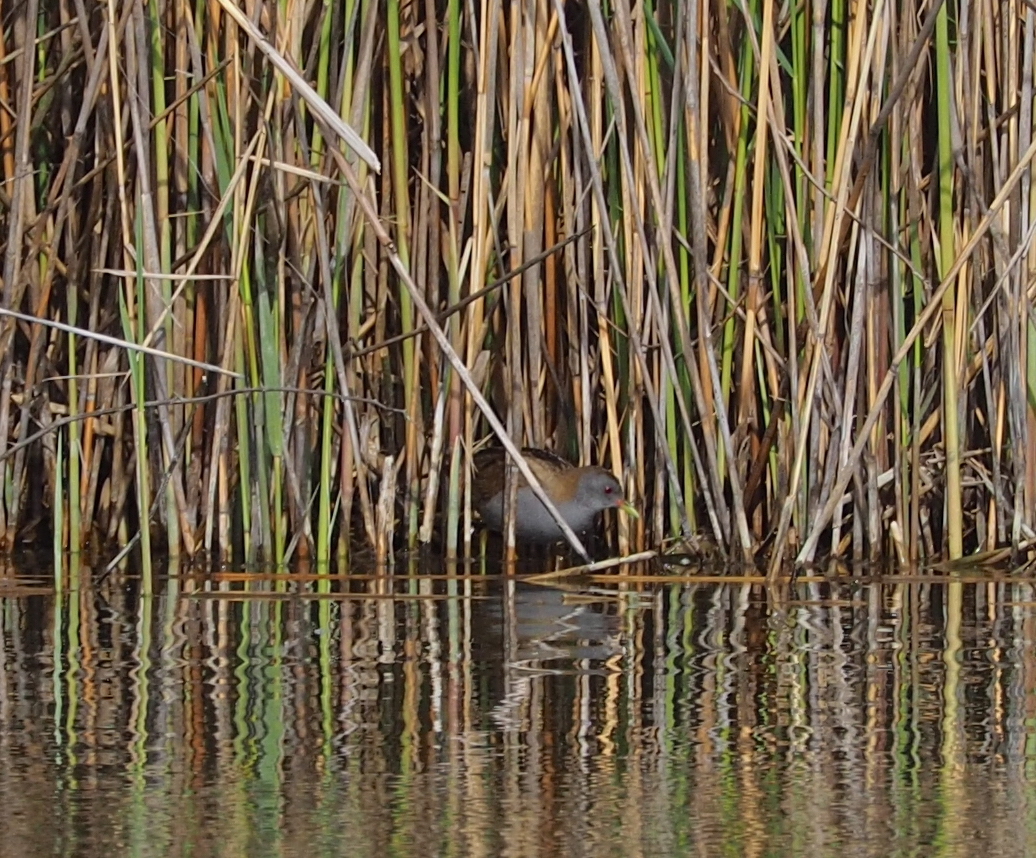
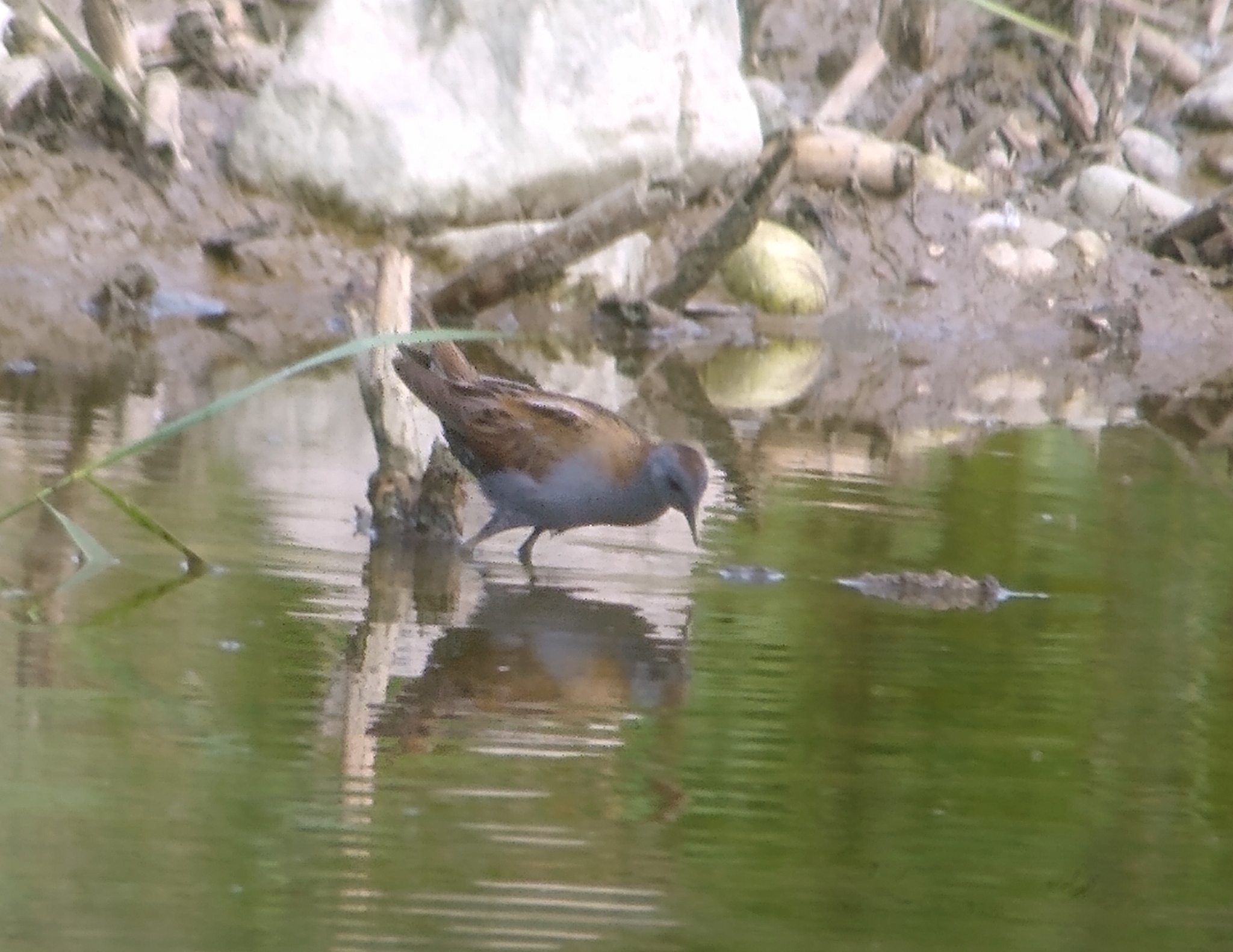
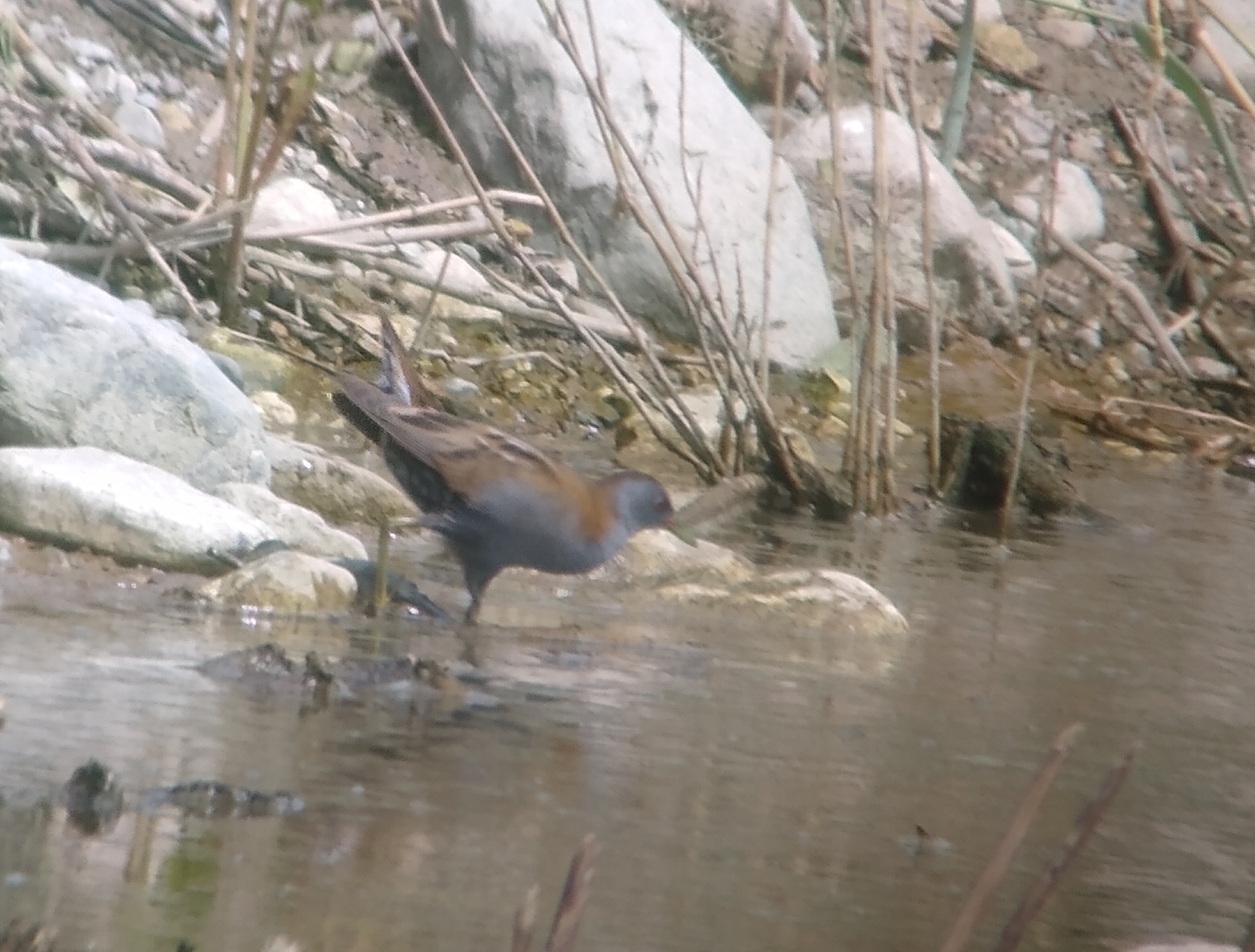
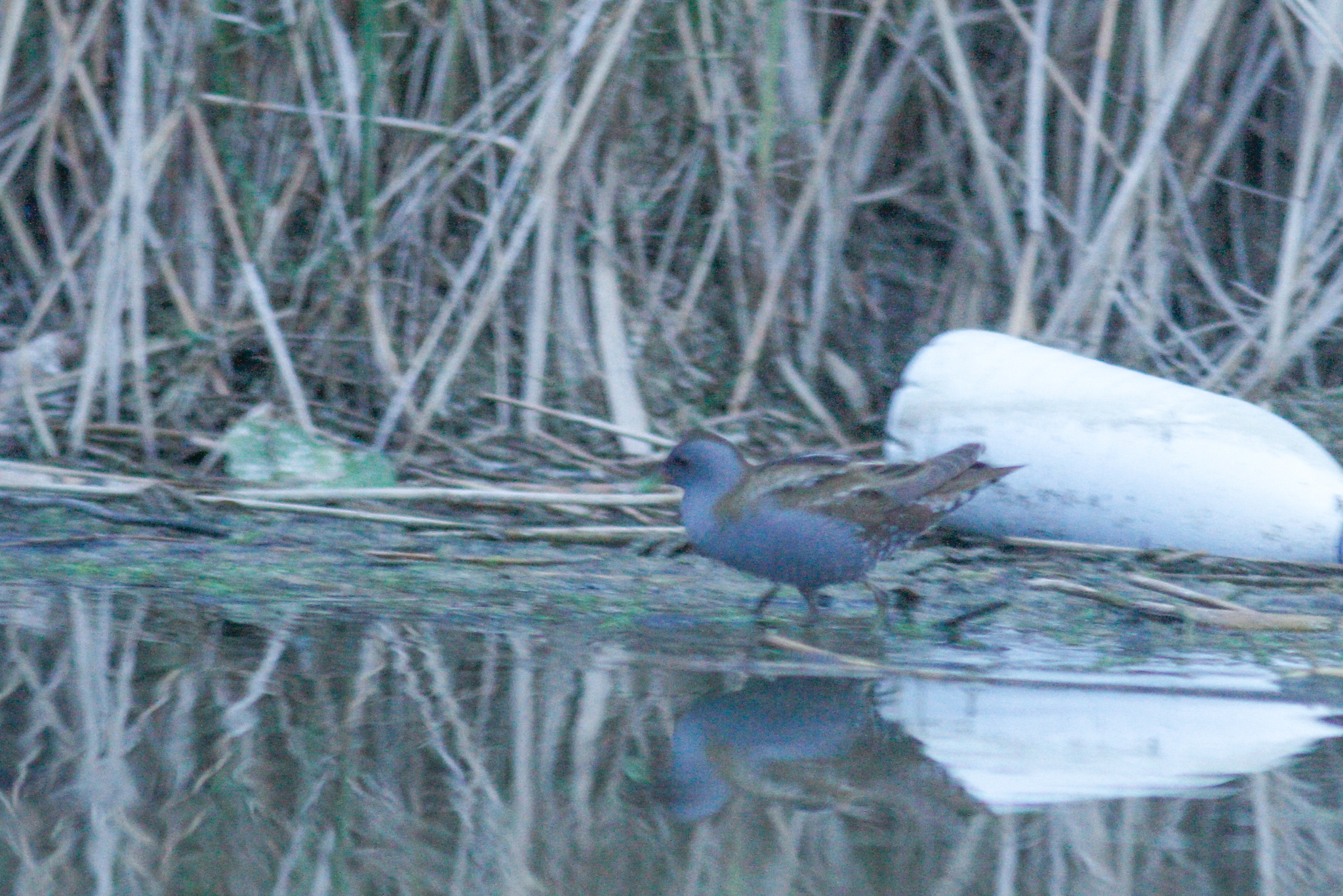
A diminutive rail measuring 17-19 cm (6.7-7.5 in) in length. The bill is short and straight, yellow with a red base. Legs are green with notably long toes. The short tail displays black and white barring underneath. Adult males exhibit brown upperparts with blue-grey face and underparts. Females have buff underparts with grey confined to the face. Immature birds resemble females but show white on the face and breast. Downy chicks are entirely black like all rail species.
Identification
Slightly smaller than the spotted crake but distinguished by the absence of dark barring and white spots on the flanks. Males' combination of brown upperparts and blue-grey underparts is diagnostic. Similar to the sympatric Baillon's crake but larger with less strongly barred flanks. Females may be confused with the yellow-breasted crake of the American tropics but have more restricted grey coloring on the face.
Distribution & Habitat
Breeds across eastern Europe and into western Asia, occupying reed bed habitats. Migratory population that winters in sub-Saharan Africa.
Behavior & Ecology
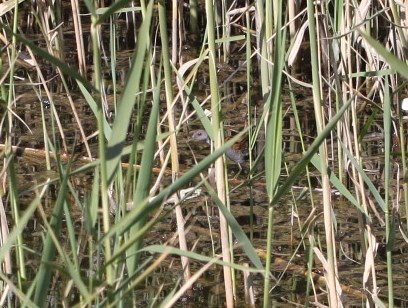
Feeds by probing in mud and shallow water and by picking up prey visually; diet consists primarily of insects and aquatic invertebrates. Extremely secretive during breeding season, detected mainly by voice; more visible during migration. Produces a distinctive yapping 'kua' call when migrating. Nests in dry locations within reed vegetation, producing clutches of 4-7 eggs.
Conservation
Protected under the Agreement on the Conservation of African-Eurasian Migratory Waterbirds (AEWA).
Source: Wikipedia · CC BY-SA 3.0
Taxonomy
- Order
- Gruiformes
- Family
- Rallidae
- Genus
- Zapornia
- eBird Code
- litcra1
Distribution
breeds locally in Europe eastward to western Tajikistan, Kazakhstan, and western Xinjiang; winters Mediterranean to Africa and India
Data Sources
Species description from Wikipedia, licensed under CC BY-SA 3.0.
Bird images and sounds sourced from GBIF, contributed by citizen scientists worldwide under Creative Commons licenses.
Taxonomy data from AviList 2025.