
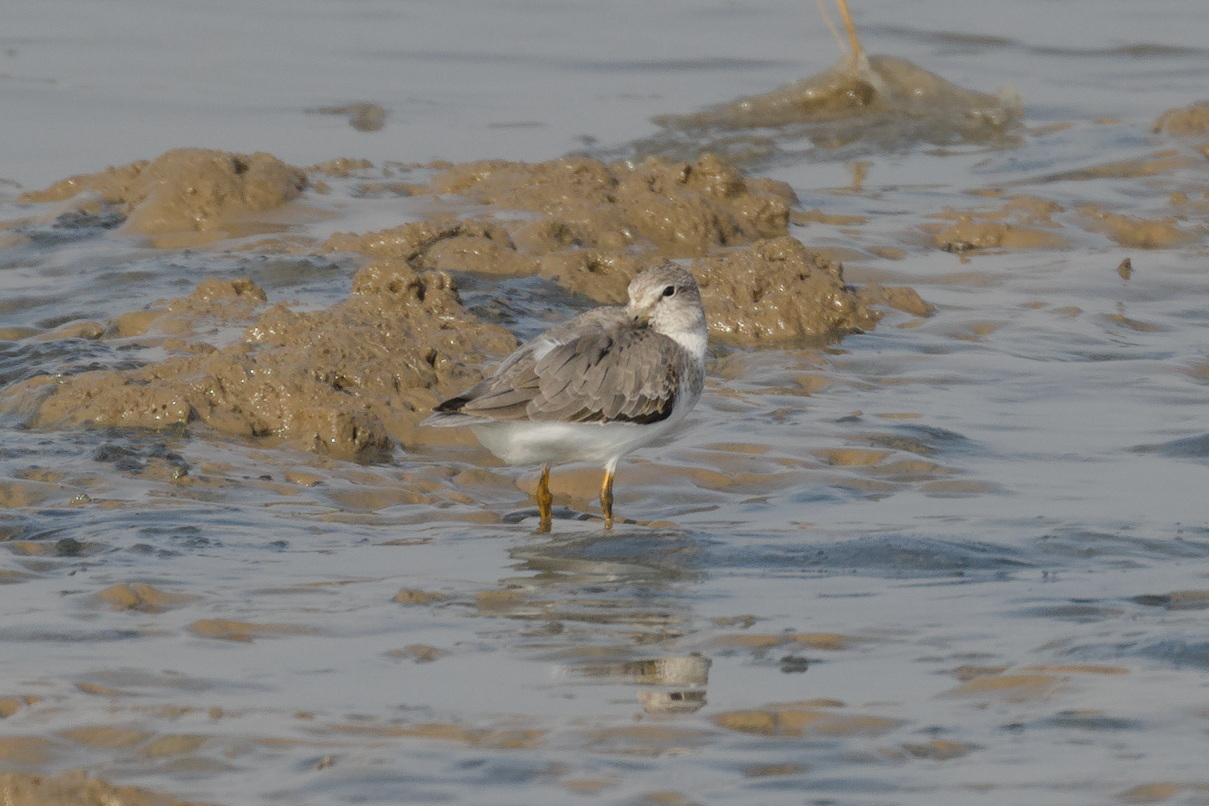
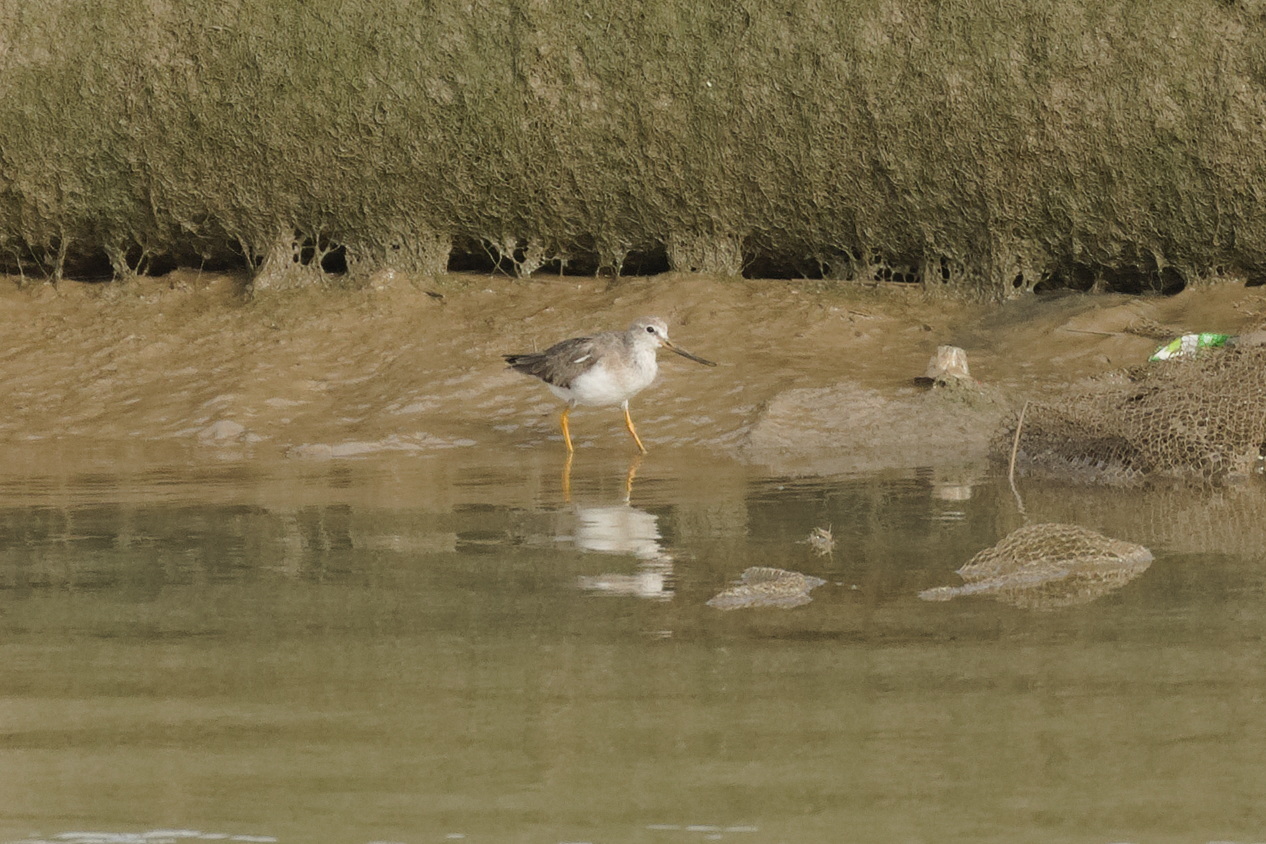
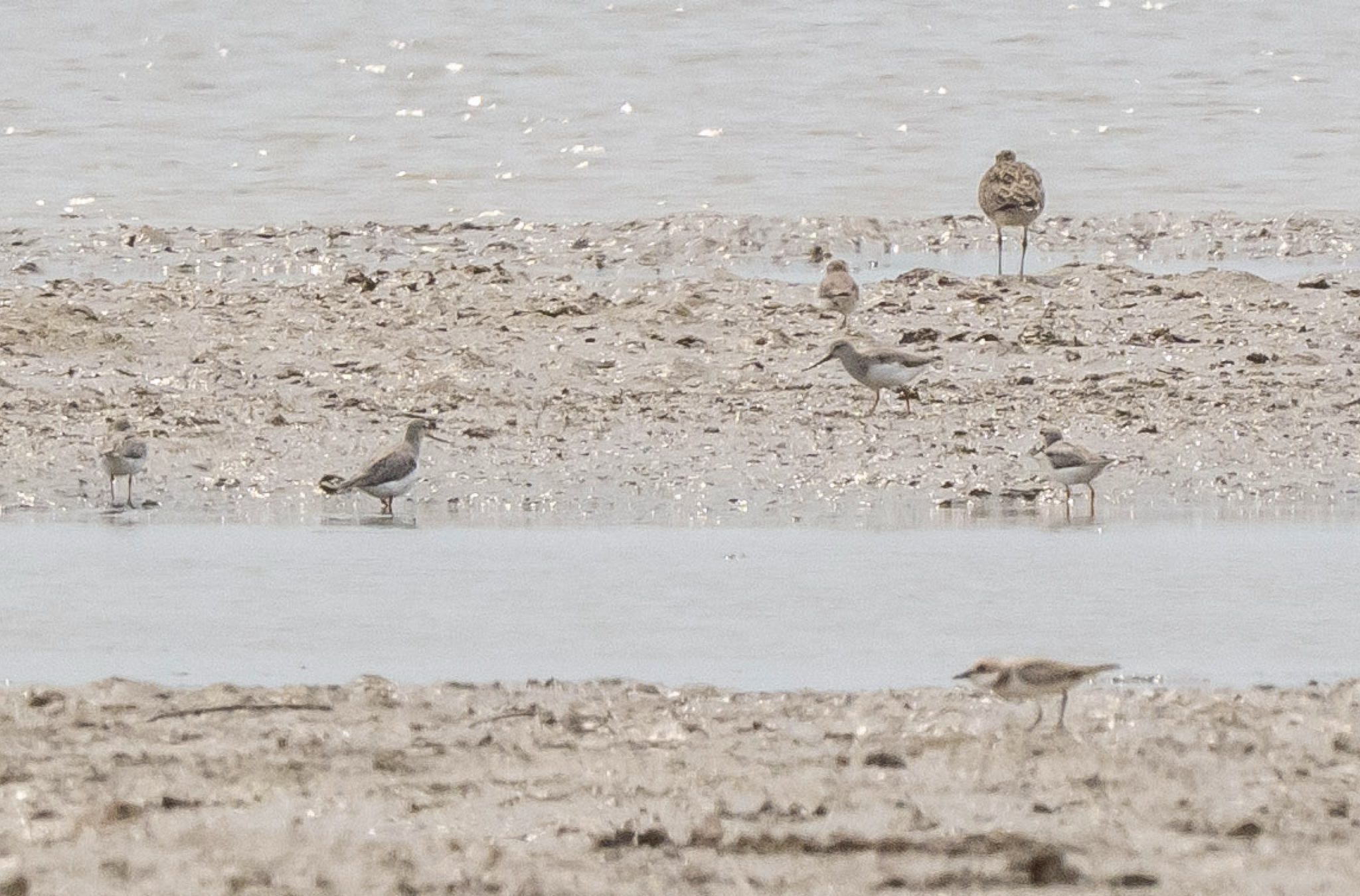
Terek Sandpiper
Xenus cinereus
翘嘴鹬
Introduction
Small migratory Palearctic wader (family Scolopacidae), the only member of the genus Xenus. Breeds near water in taiga from Finland through northern Siberia to the Kolyma River. Winters on tropical coasts of east Africa, south Asia, and Australia. Distinctive for its long upcurved bill and active feeding behavior, chasing insects and running to water's edge to wash prey. Widespread and commonly seen, not considered threatened by IUCN. Covered by the Agreement on the Conservation of African-Eurasian Migratory Waterbirds (AEWA).
Description
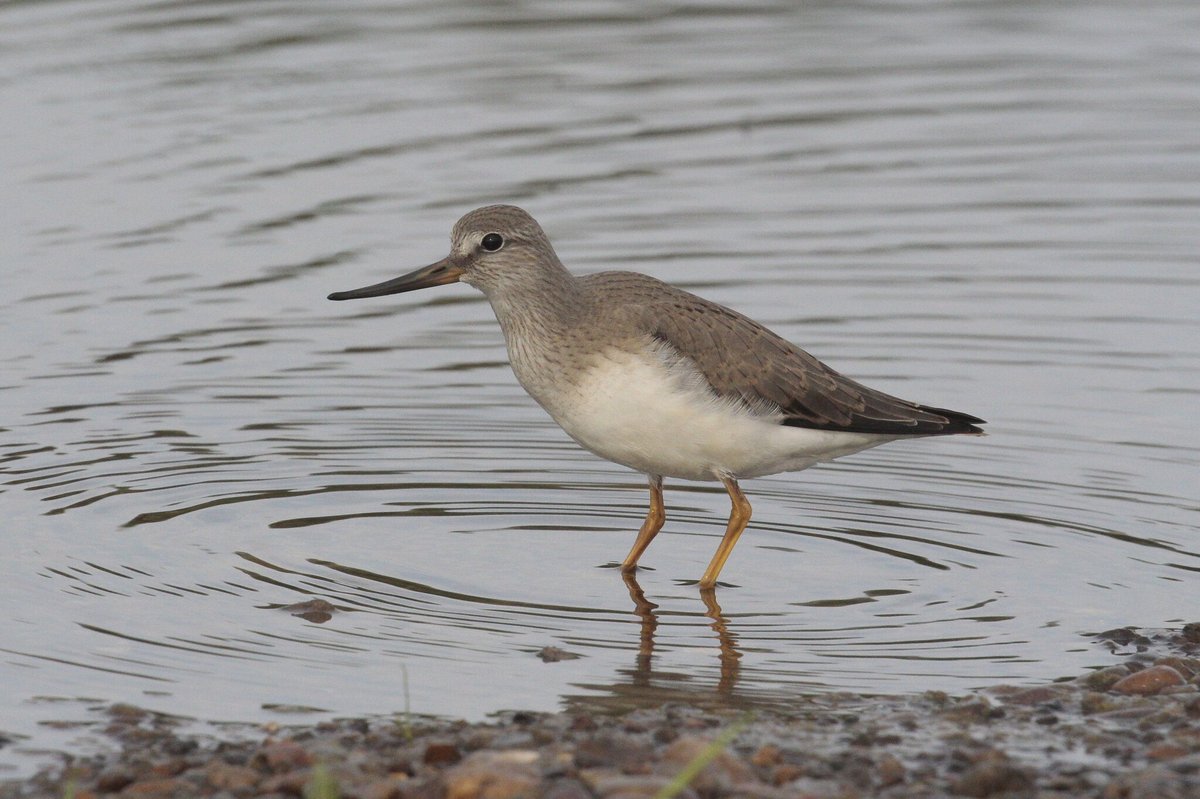
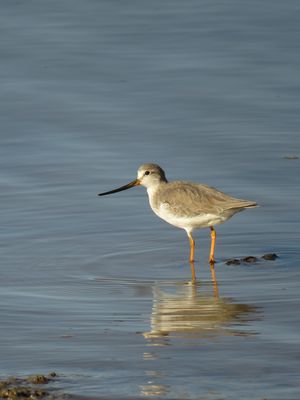
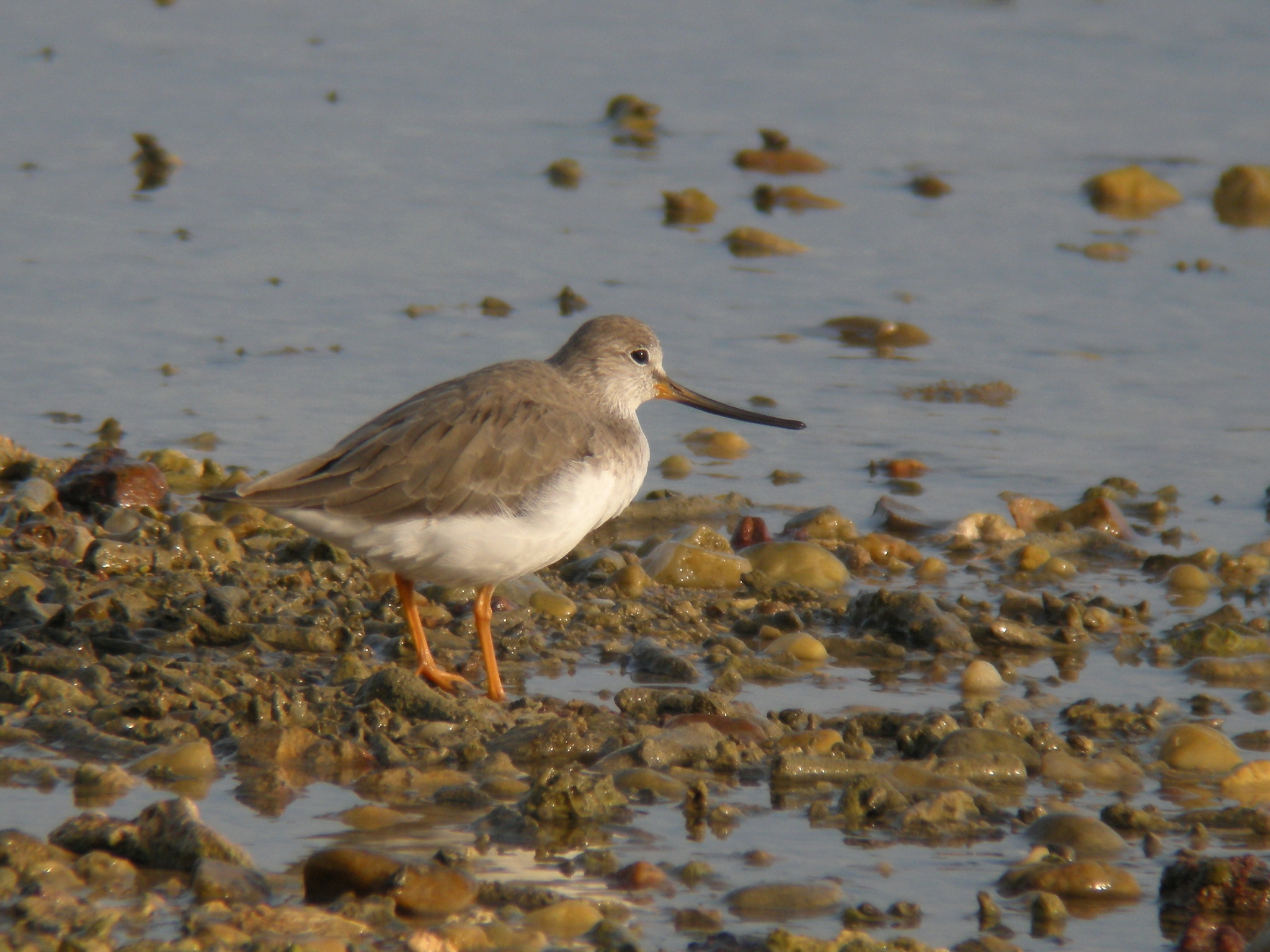
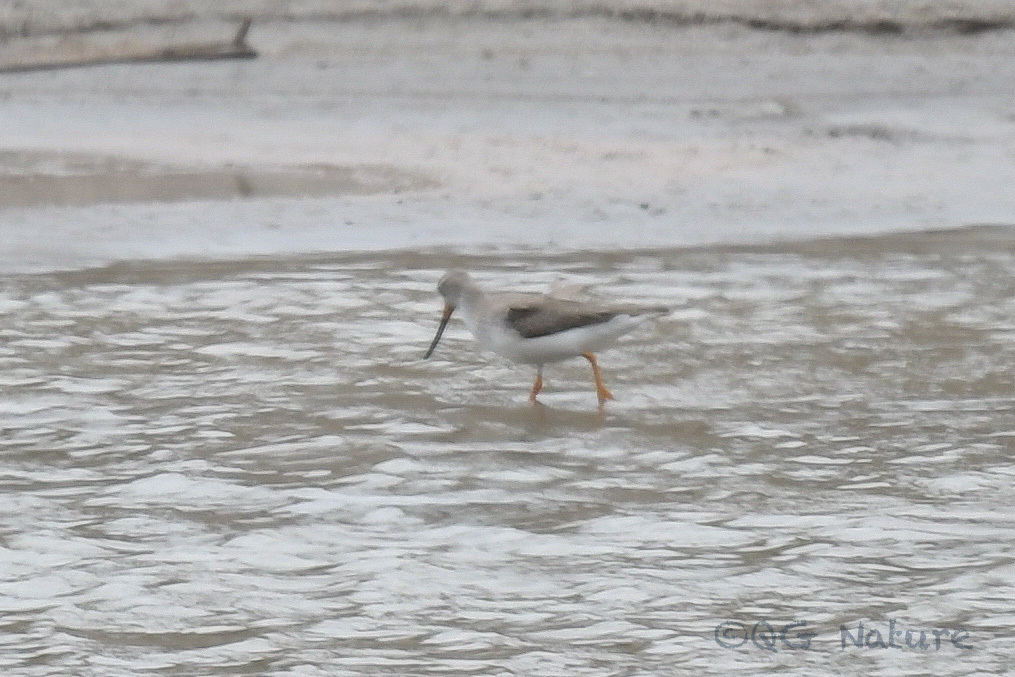
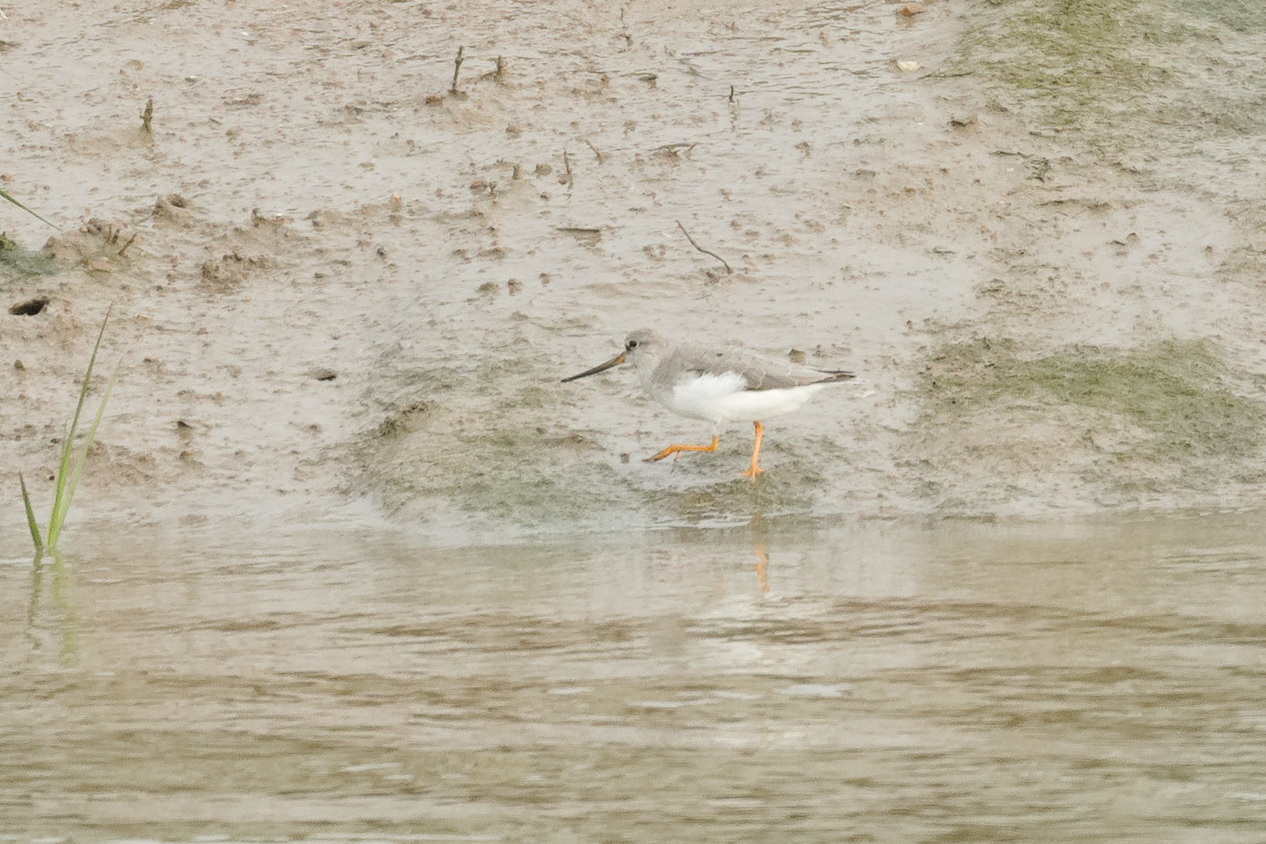
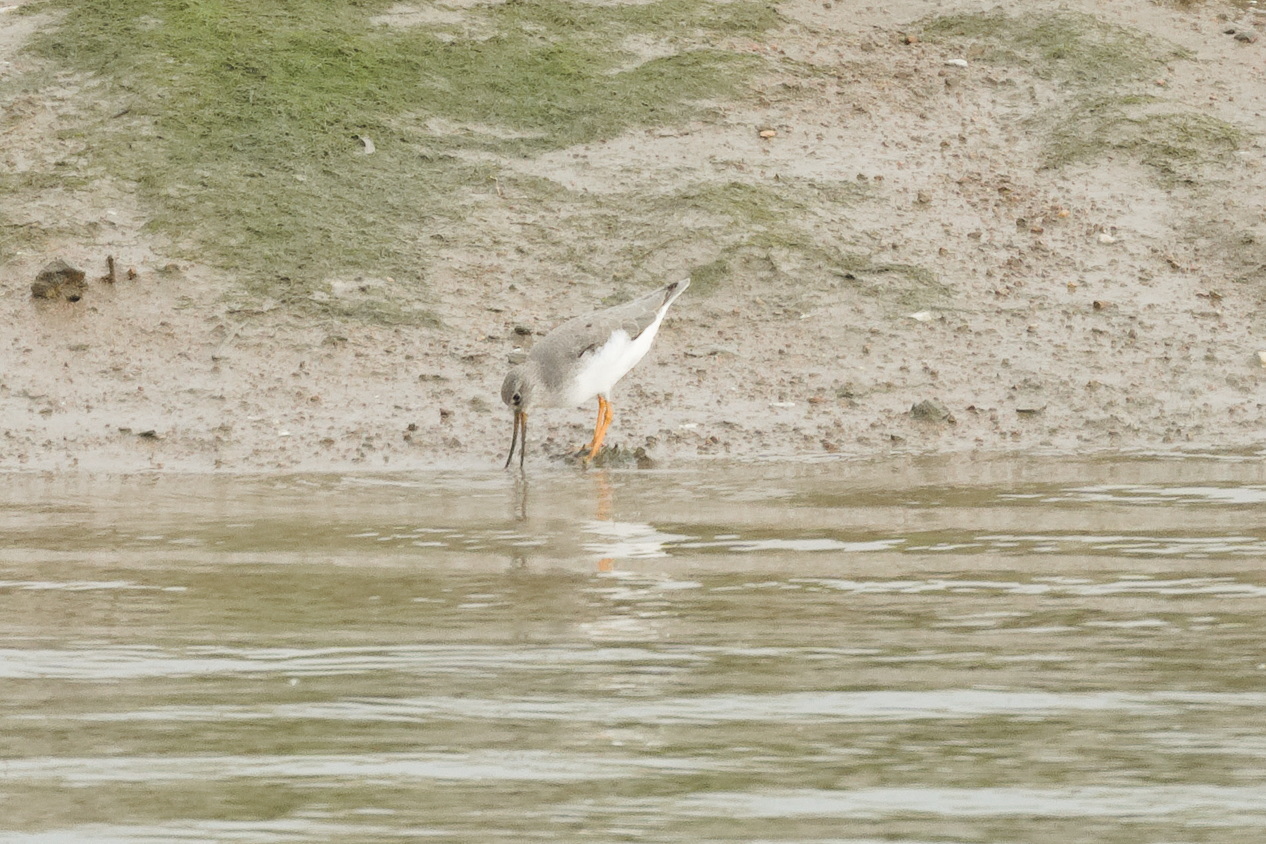
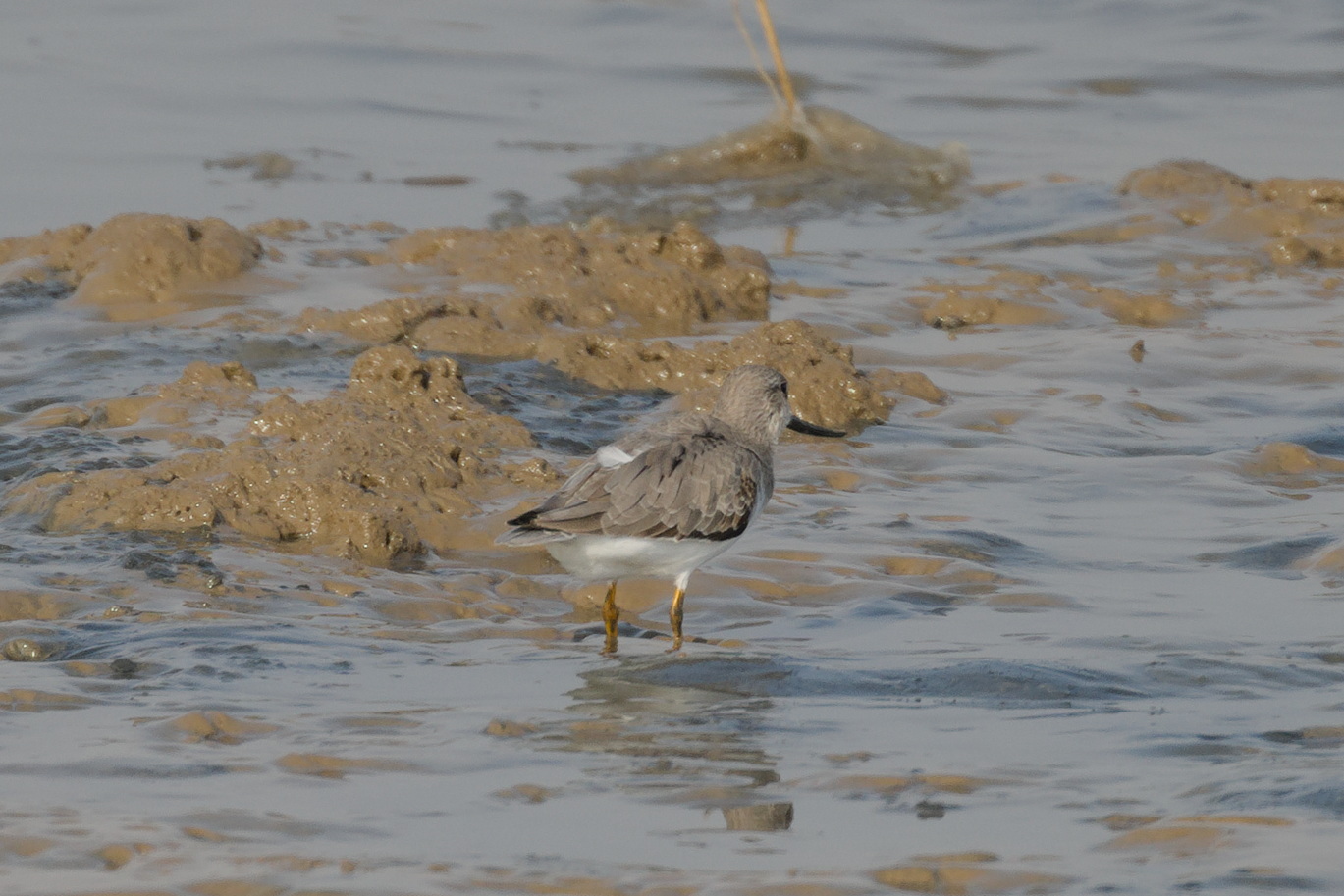
Slightly larger than the common sandpiper at 22-25 cm length. The long upcurved bill, reminiscent of an avocet but less strongly curved, is the most distinctive feature. Plumage is grey on the back, face, and breast in all plumages; a white supercilium may appear more or less distinct. The belly is whitish. Feet are yellow, and the bill has a yellowish base with the rest being black. The call is a high whistle.
Identification
Recognized by the long, slightly upcurved bill and grey plumage. The yellowish base of the bill combined with yellow feet distinguishes it from similar sandpipers. Slightly larger than the common sandpiper with more pronounced bill curvature. The grey face and breast in all plumages, along with the white supercilium, provide additional identification clues.
Distribution & Habitat
Breeds in taiga regions from Finland across northern Siberia to the Kolyma River. Migrates south to winter on tropical coasts of east Africa, south Asia, and Australia, preferring muddy areas. Rare vagrant to western Europe. Regular passage migrant through Marianas in autumn; uncommon on Palau. Increasing frequency of vagrancy to Alaska and the Aleutian and Pribilof Islands. Individual vagrants recorded in the Neotropics, with records as far south as Argentina. The Dnieper River population in Eastern Europe shows significant genetic differentiation from other populations.
Behavior & Ecology
Feeds in a distinctive active manner, chasing insects and other mobile prey, then running to water's edge to wash the catch. Lays three or four eggs in a lined ground scrape. Associates with ruddy turnstones, small calidrids, and Charadrius plovers. A vagrant individual in Brazil was observed pairing with a spotted sandpiper. Vocalization is a high whistle.
Conservation
IUCN status: Not considered threatened. Widespread and often quite commonly seen throughout its range. The species benefits from coverage under AEWA. Overall genetic variation across the range is low, with some evidence of historical contractions followed by expansion.
Culture
No cultural or folklore information provided in the source material.
Source: Wikipedia · CC BY-SA 3.0
Taxonomy
- Order
- Charadriiformes
- Family
- Scolopacidae
- Genus
- Xenus
- eBird Code
- tersan
Distribution
breeds low Arctic tundra and taiga from Finland and Ukraine eastward to Chukotskiy Peninsula and southward to western Amurland (eastern Russia); winters mainly coastal mudflats and estuaries from eastern Africa eastward to Taiwan and northern Australia
Vocalizations
Data Sources
Species description from Wikipedia, licensed under CC BY-SA 3.0.
Bird images and sounds sourced from GBIF, contributed by citizen scientists worldwide under Creative Commons licenses.
Taxonomy data from AviList 2025.