

Sabine's Gull
Xema sabini
叉尾鸥
Introduction
This small Arctic gull migrates 32,000 to 39,000 kilometers annually between breeding grounds in the high Arctic and wintering areas in the Southern Hemisphere. Adults have a reversed moult strategy: complete moult in spring before migration and partial moult in autumn after reaching wintering grounds. Juveniles retain first plumage through autumn, beginning moult at wintering areas and achieving full adult plumage in two years. The species breeds in loose colonies on Arctic coasts and tundra, nesting on the ground lined with grass. Outside the breeding season, it is pelagic.
Description
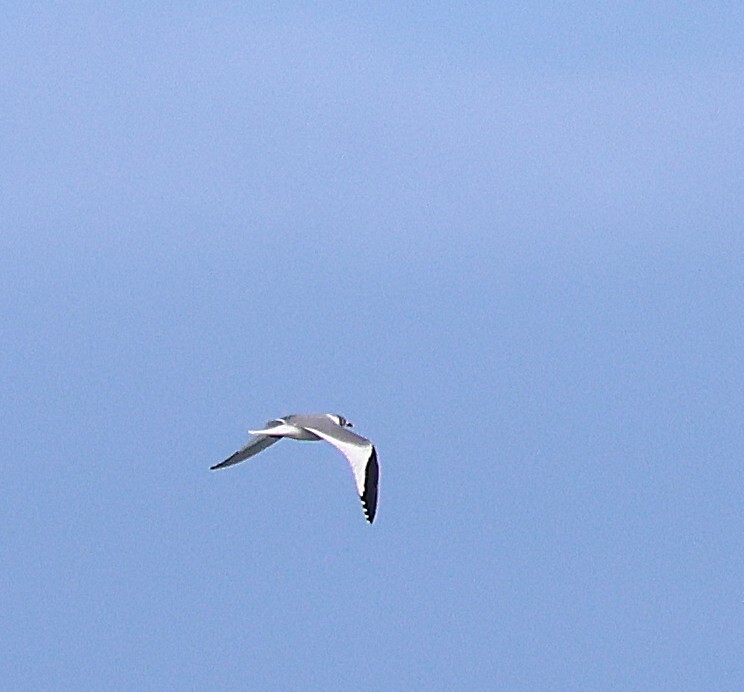
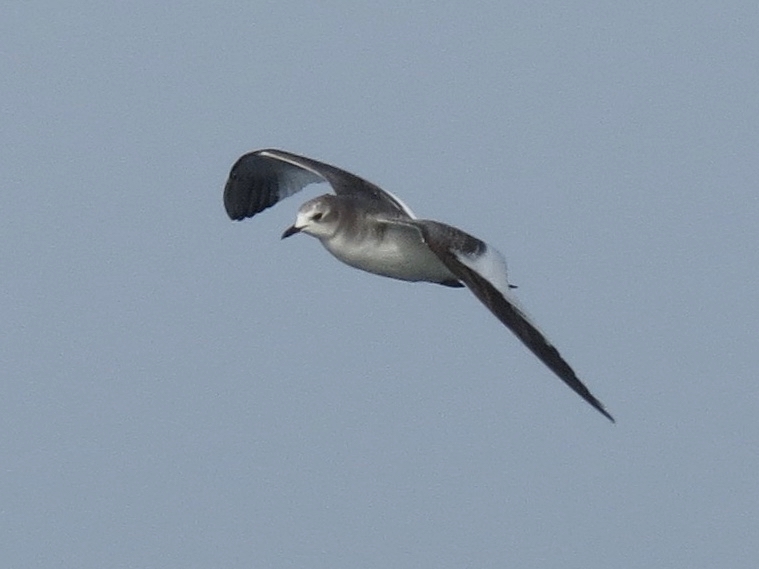
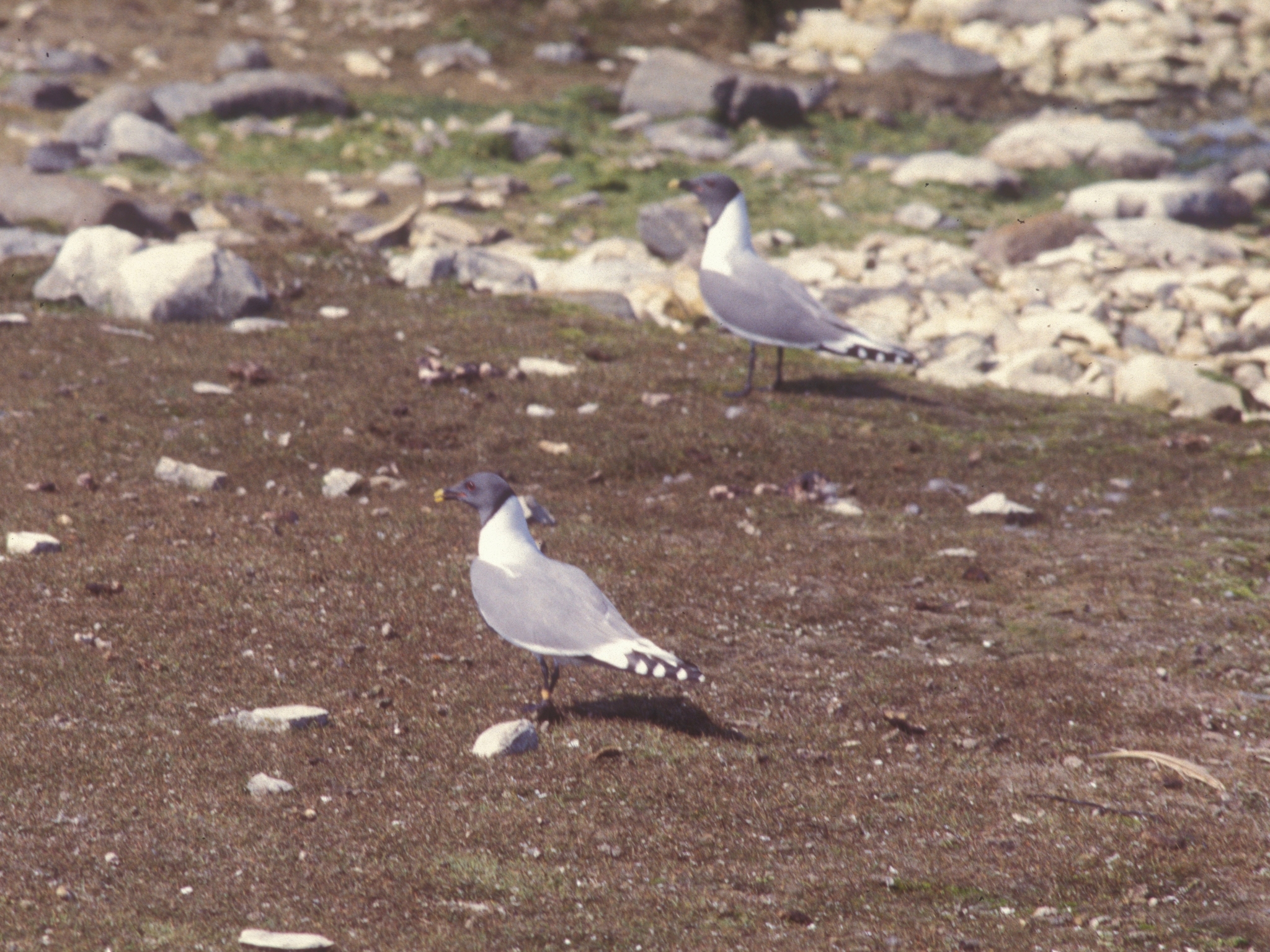
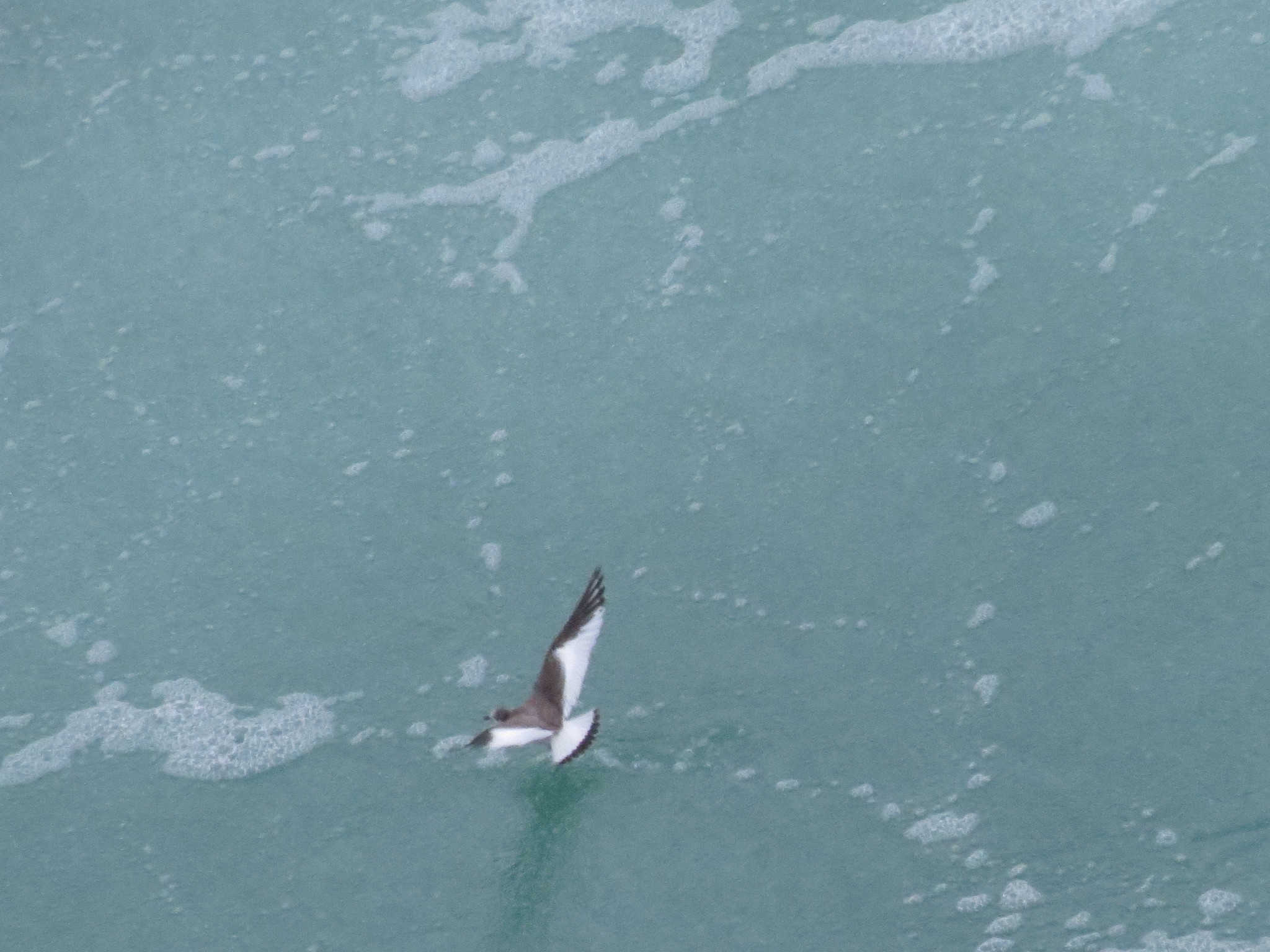
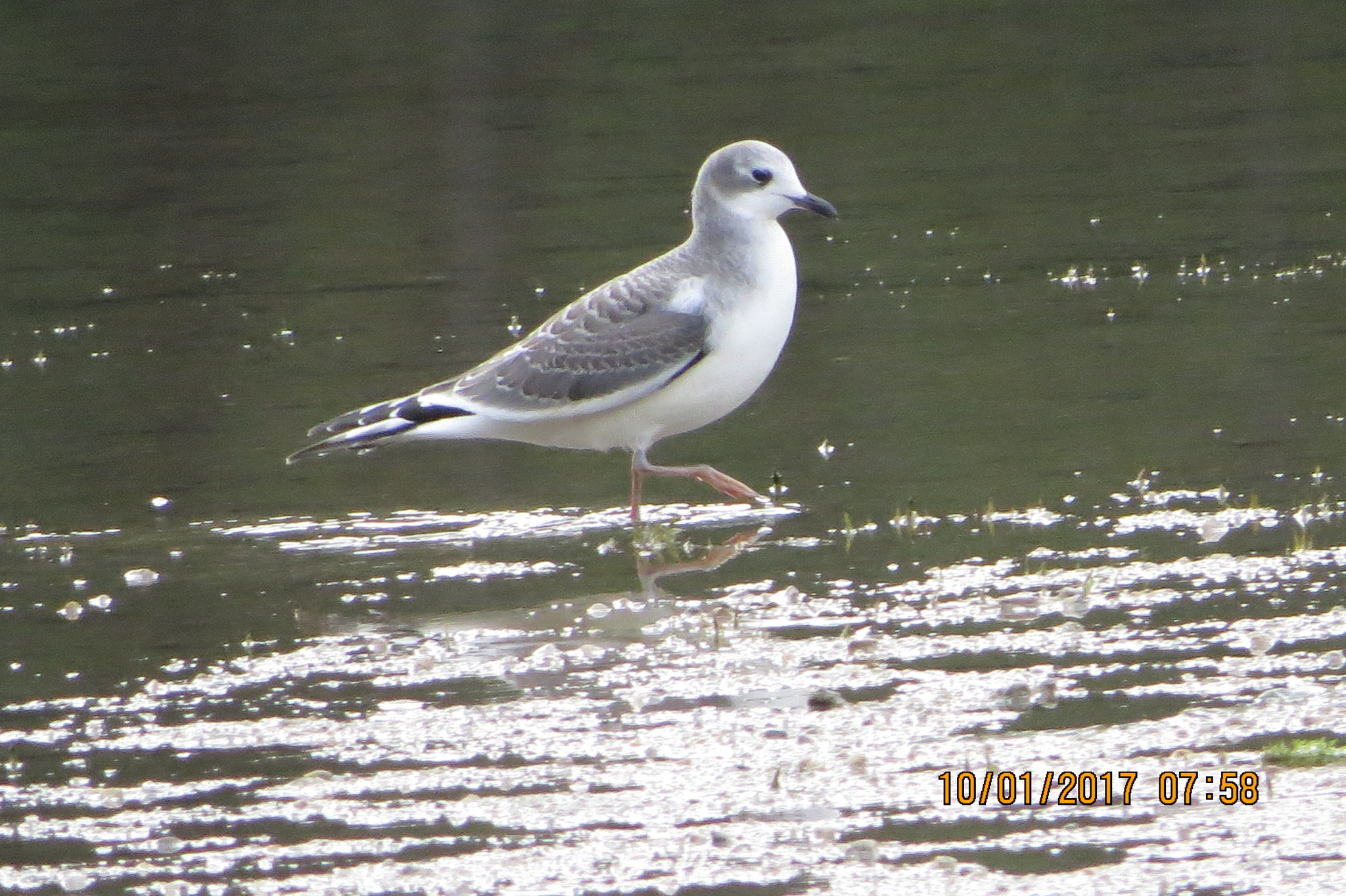
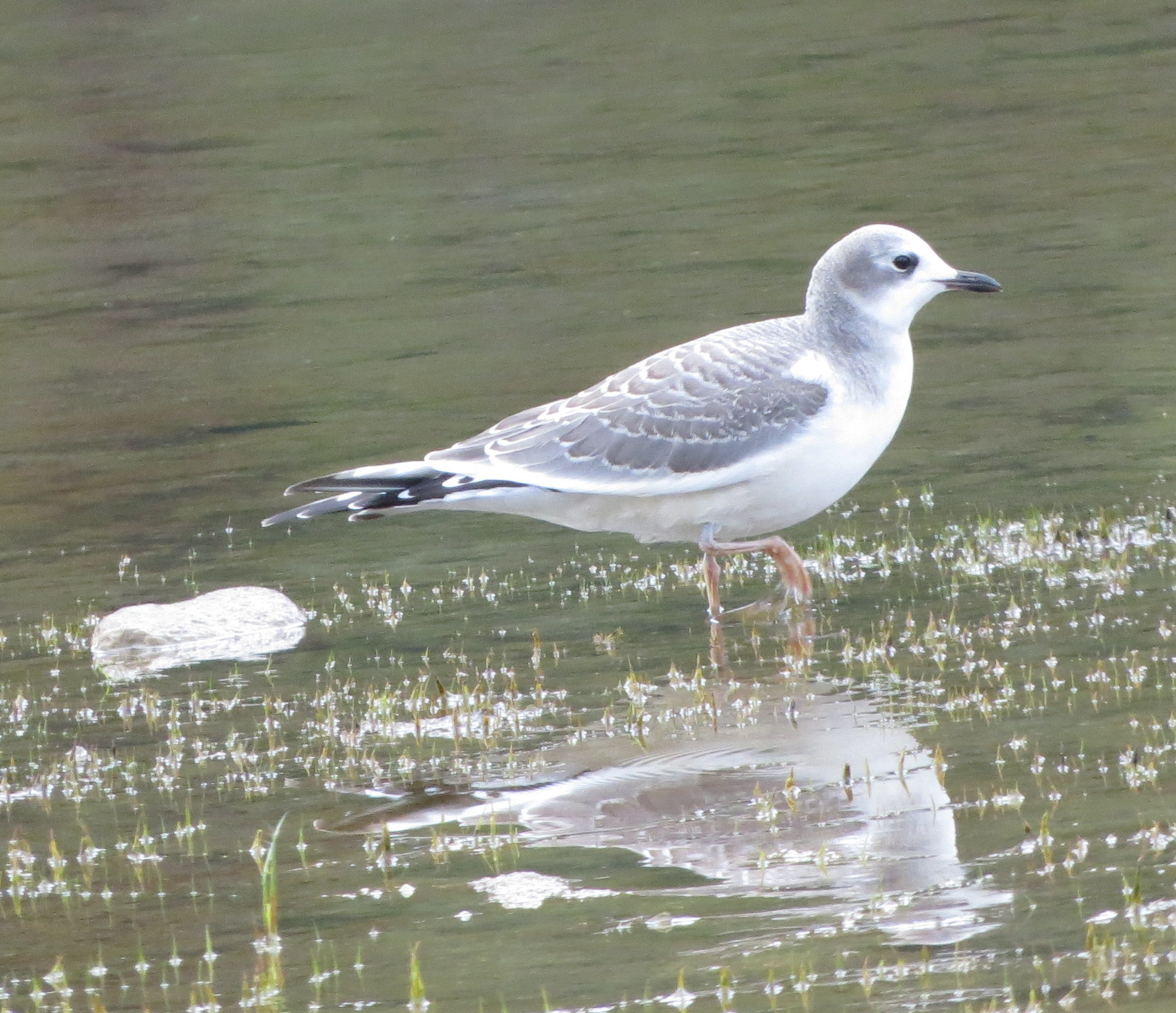
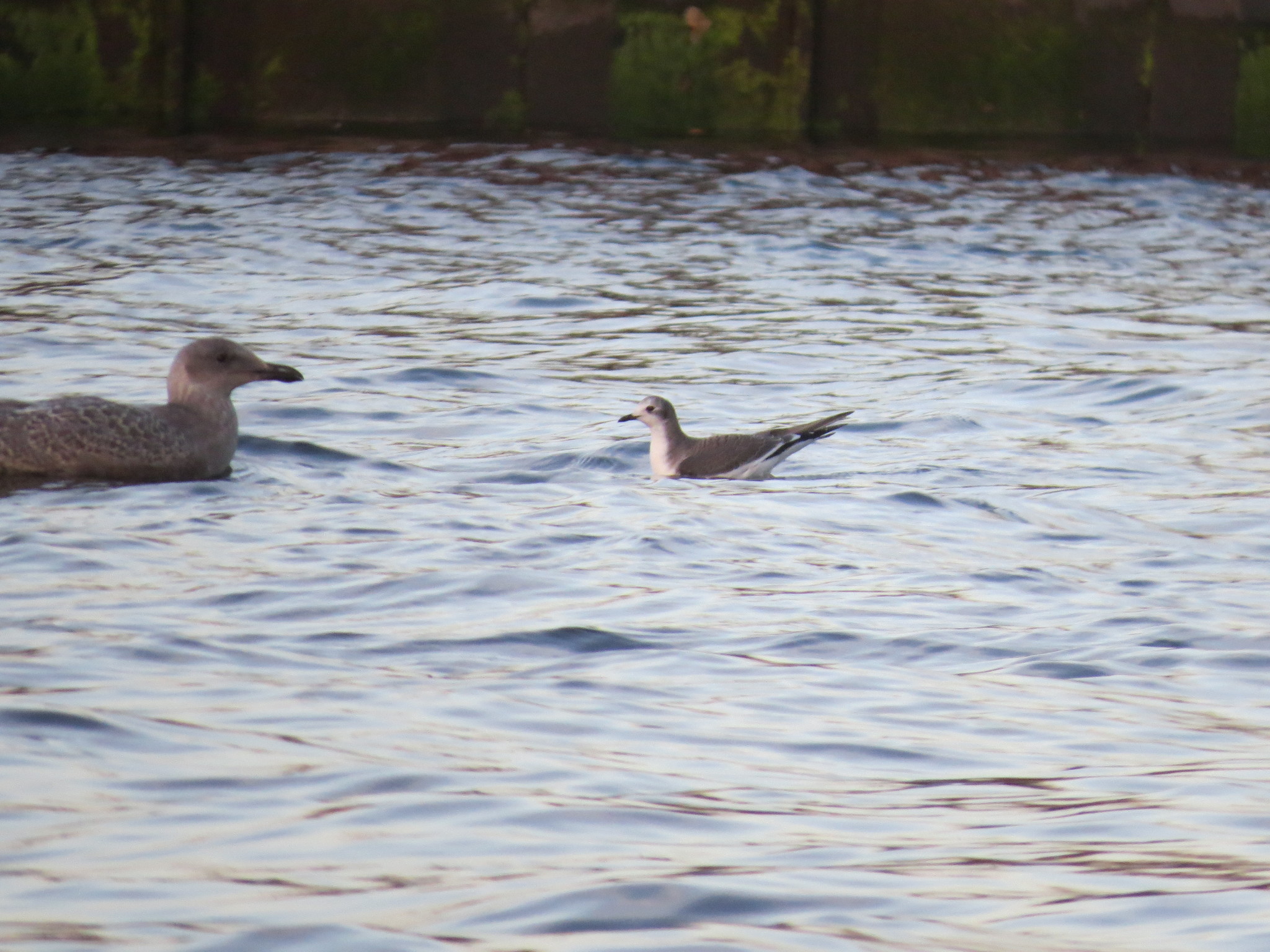
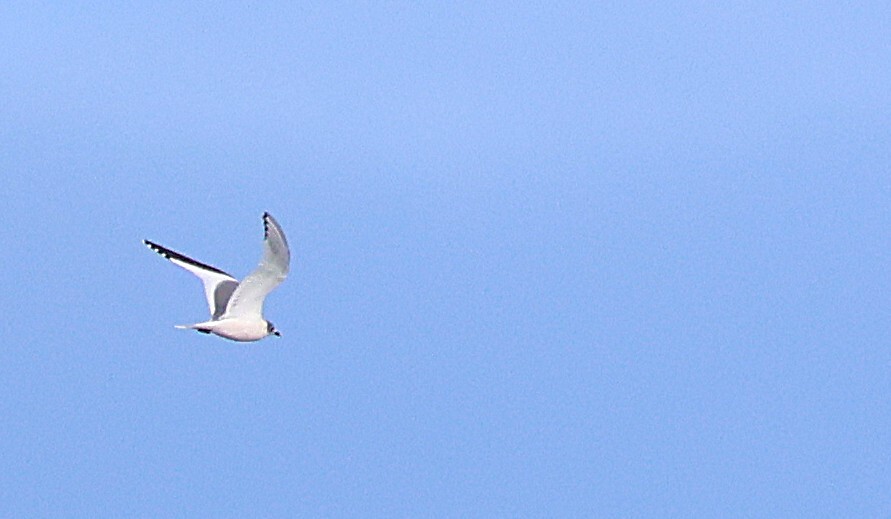
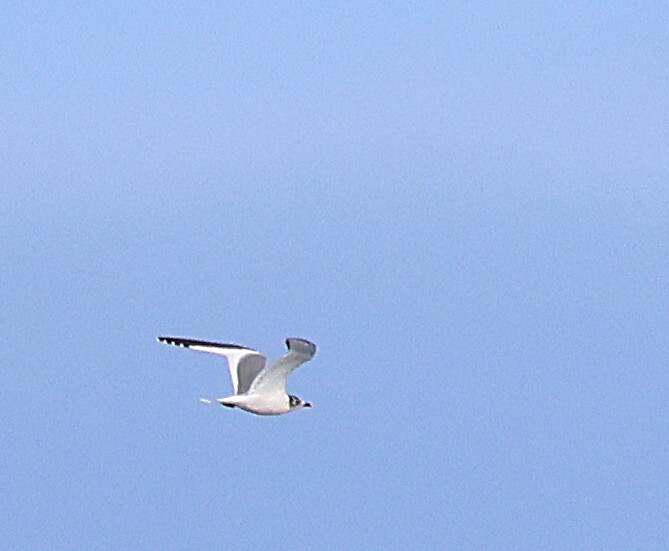
This is a small, elegant gull measuring 27 to 33 centimeters in length and weighing 135 to 225 grams, with a wingspan of 81 to 87 centimeters. The black bill, approximately 2.5 centimeters long, bears a striking yellow tip. The wing pattern is diagnostic: long, thin, and pointed wings display four black outer primary flight feathers contrasting with white inner primaries and secondaries. Adults have a pale grey back and wing coverts, while the white tail is distinctly forked. During the breeding season, the head develops a dark grey hood with a narrow black collar at its base. juveniles show brown instead of grey on the upperparts and possess a black terminal band on the tail. The species shares its yellow-tipped bill and forked tail only with the swallow-tailed gull of the Galapagos.
Identification
The striking wing pattern makes this species relatively easy to identify at close range, though at long distances it can be confused with immature black-legged kittiwakes. The combination of the yellow-tipped black bill and forked tail is distinctive among gulls and helps separate it from similar species. The tricolored wing pattern—black outer primaries, grey panel, and white inner wing—is a key field mark. The high-pitched, squeaking call is also characteristic and can aid identification when birds are heard but not seen well.
Distribution & Habitat
This species has a near-circumpolar distribution across the high Arctic of North America and Eurasia. Populations show two main migration routes: Atlantic populations from Svalbard, Greenland, and eastern Canada cross western Europe to winter off Namibia and South Africa in the Benguela Current, typically stopping to feed for about 45 days in the Bay of Biscay. Western North American and Siberian populations migrate down the Pacific to winter along the South American west coast from the Galapagos Islands to northern Chile in the Humboldt Current, with stops along the US West Coast and Central America. The species is occasionally recorded inland across North America, Europe, and Siberia, demonstrating cross-continental migration patterns.
Behavior & Ecology
Breeding occurs in loose colonies on Arctic coasts and tundra, where pairs lay two or three spotted olive-brown eggs in a grass-lined ground nest. The diet is diverse and opportunistic, varying by season and habitat. During the breeding season, birds consume freshwater and terrestrial prey including beetles, springtails, craneflies, mosquitoes, midges, flower flies, molluscs, arachnids, water bugs, larvae, crustaceans, fish, and occasionally nestling birds or eggs—including those of waterfowl, black turnstones, Lapland longspurs, and other gulls. Outside the breeding season, the species is pelagic. The call is described as very high-pitched and squeaking.
Conservation
The species is currently listed as Least Concern by the IUCN, indicating it does not face immediate significant threats to its global population. While specific population trends are not extensively documented in available sources, the species' wide distribution and large range suggest generally stable populations. However, as an Arctic breeder with a long migration corridor, it remains potentially vulnerable to climate change impacts on both breeding and wintering habitats, as well as pollution and disturbance at stopover sites.
Culture
No significant cultural or folklore associations were documented for this species in the available sources.
Source: Wikipedia · CC BY-SA 3.0
Taxonomy
- Order
- Charadriiformes
- Family
- Laridae
- Genus
- Xema
- eBird Code
- sabgul
Distribution
breeds patchily on Arctic coasts of Greenland, Svalbard, and Siberia eastward to Chukotka Peninsula, St. Lawrence Island, western and northern Alaska, and Arctic Canada; winters coastal and offshore waters of northern South America to northern Chile and western Africa from Angola to southern Africa
Data Sources
Species description from Wikipedia, licensed under CC BY-SA 3.0.
Bird images and sounds sourced from GBIF, contributed by citizen scientists worldwide under Creative Commons licenses.
Taxonomy data from AviList 2025.