Long-tailed Paradise Whydah
Vidua paradisaea
乐园维达雀
Introduction
This passerine inhabits eastern and southern Africa, ranging from Ethiopia south to South Africa and west to Angola. It occurs in grassland, savanna, and open woodland, favoring bushed areas around cultivation while typically avoiding open water sources. The species is predominantly granivorous, feeding on seeds on the ground using a 'double scratch' foraging technique where both feet work simultaneously. Males grow elongated tail feathers up to 36 centimeters or more, sometimes exceeding three times their body length. This African species is a brood parasite, laying its eggs in the nests of other songbirds without destroying existing host eggs. Males mimic the songs of their host species, particularly the Melba Finch, and females use this mimicry in mate selection. The species is common and widespread throughout its range but can be agricultural pests, particularly in the highlands of Guinea and Sierra Leone where they consume cultivated fonio seeds.
Description
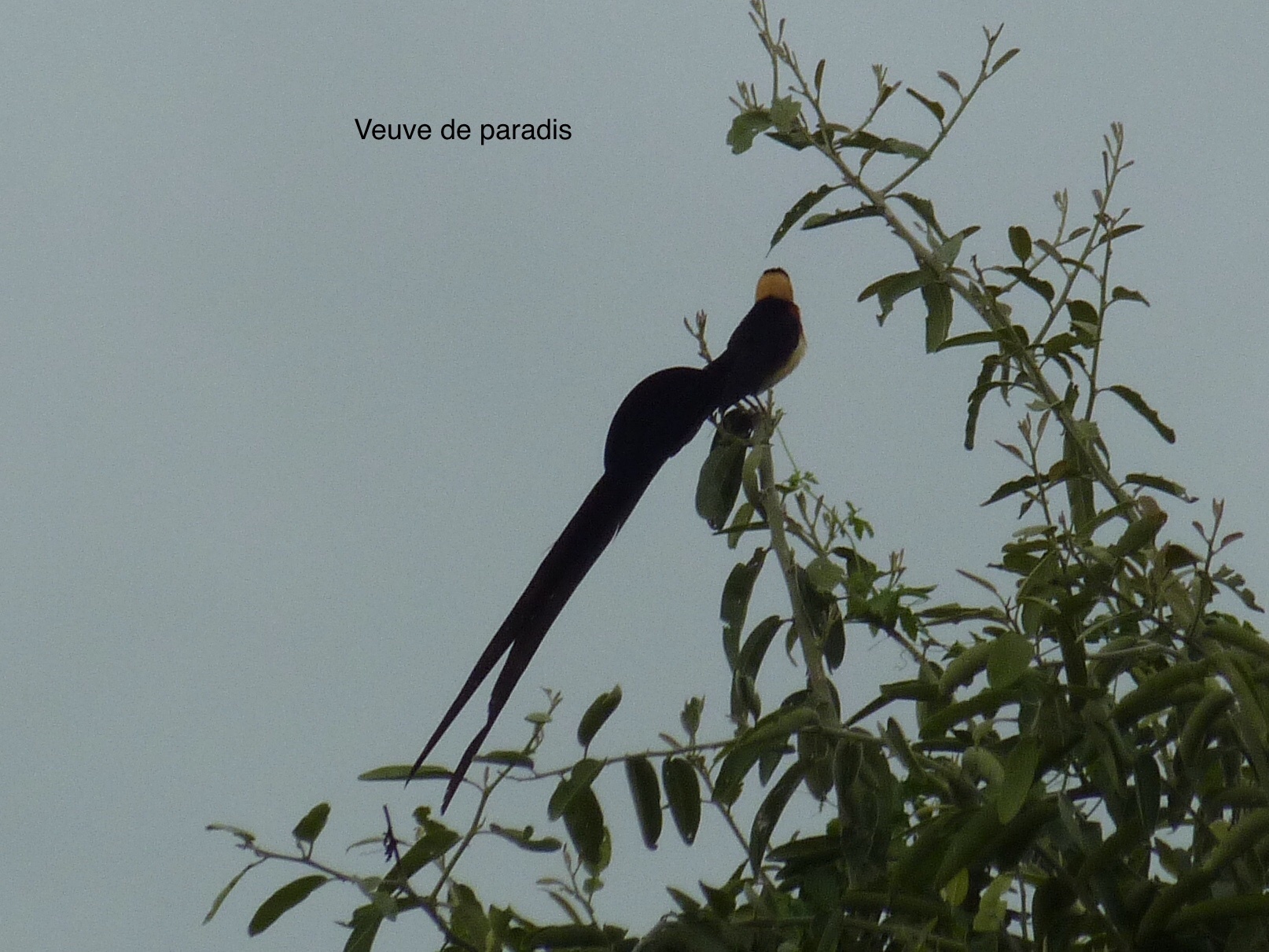
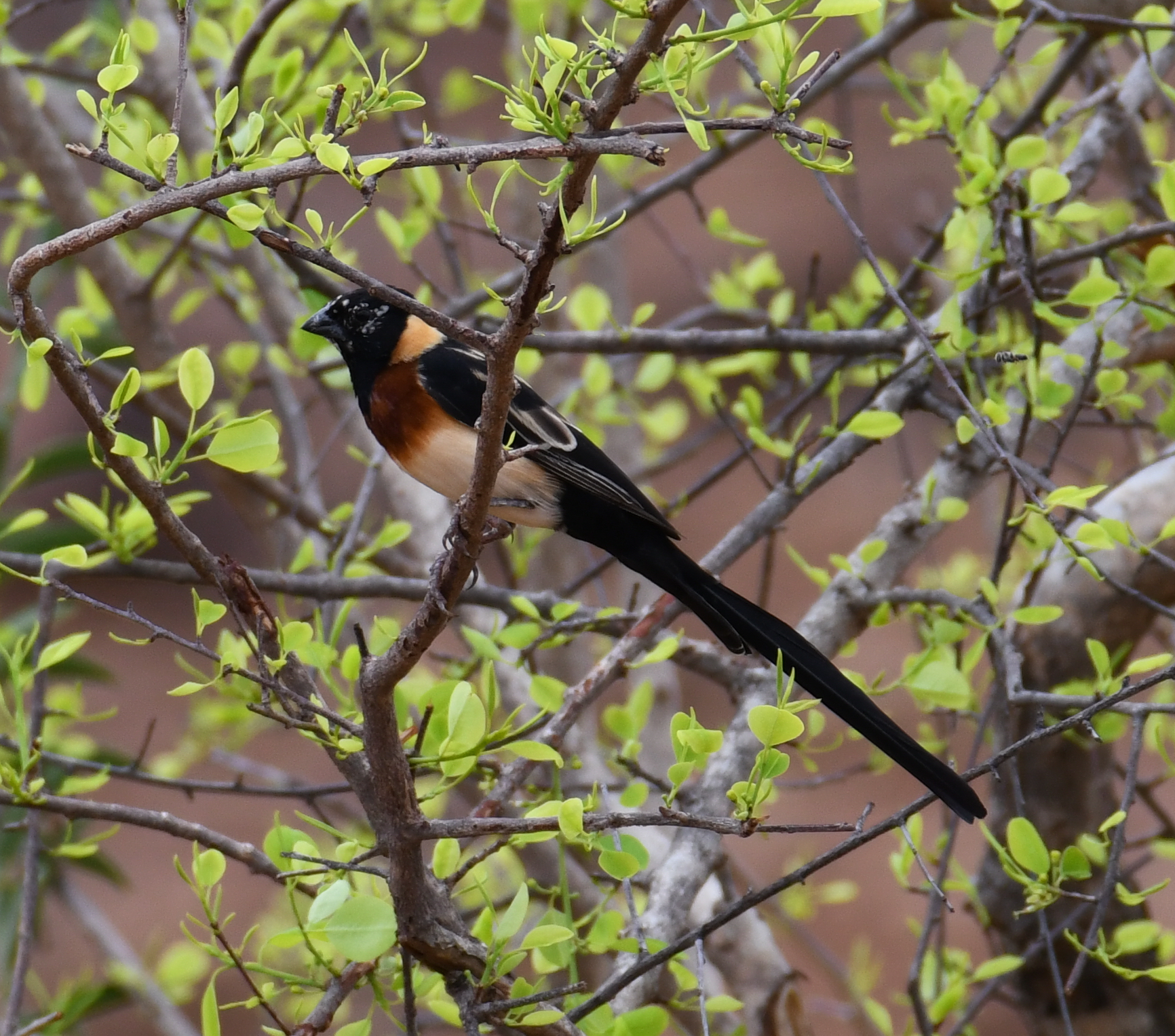
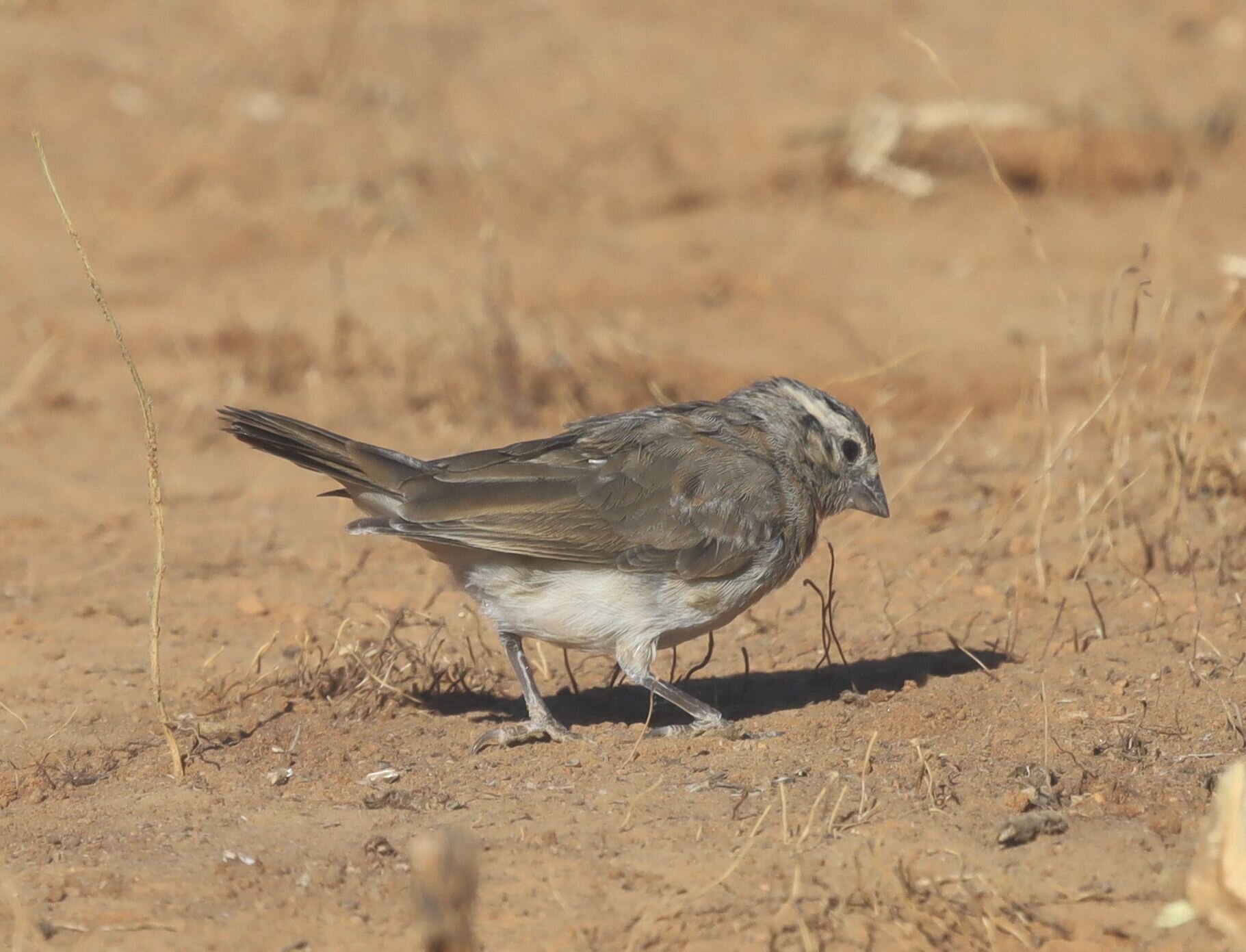
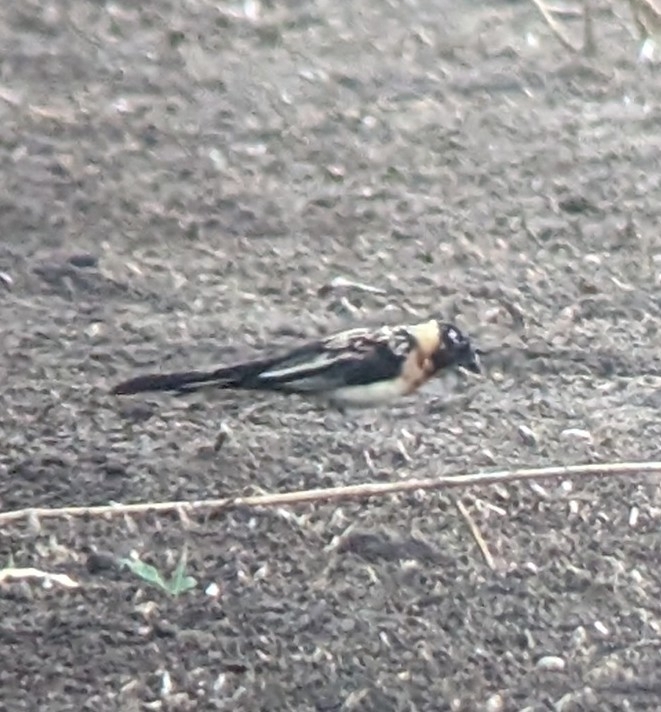
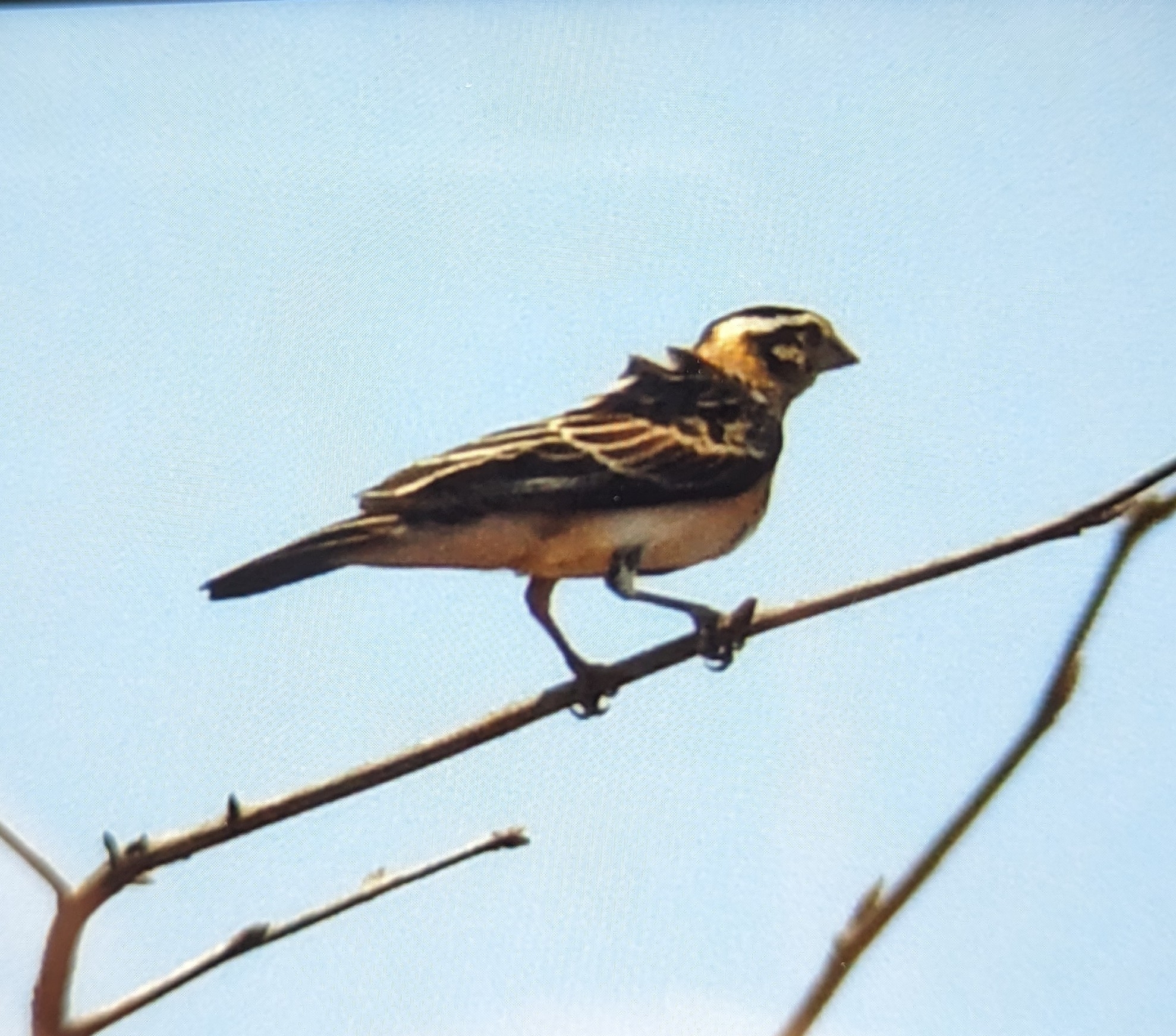
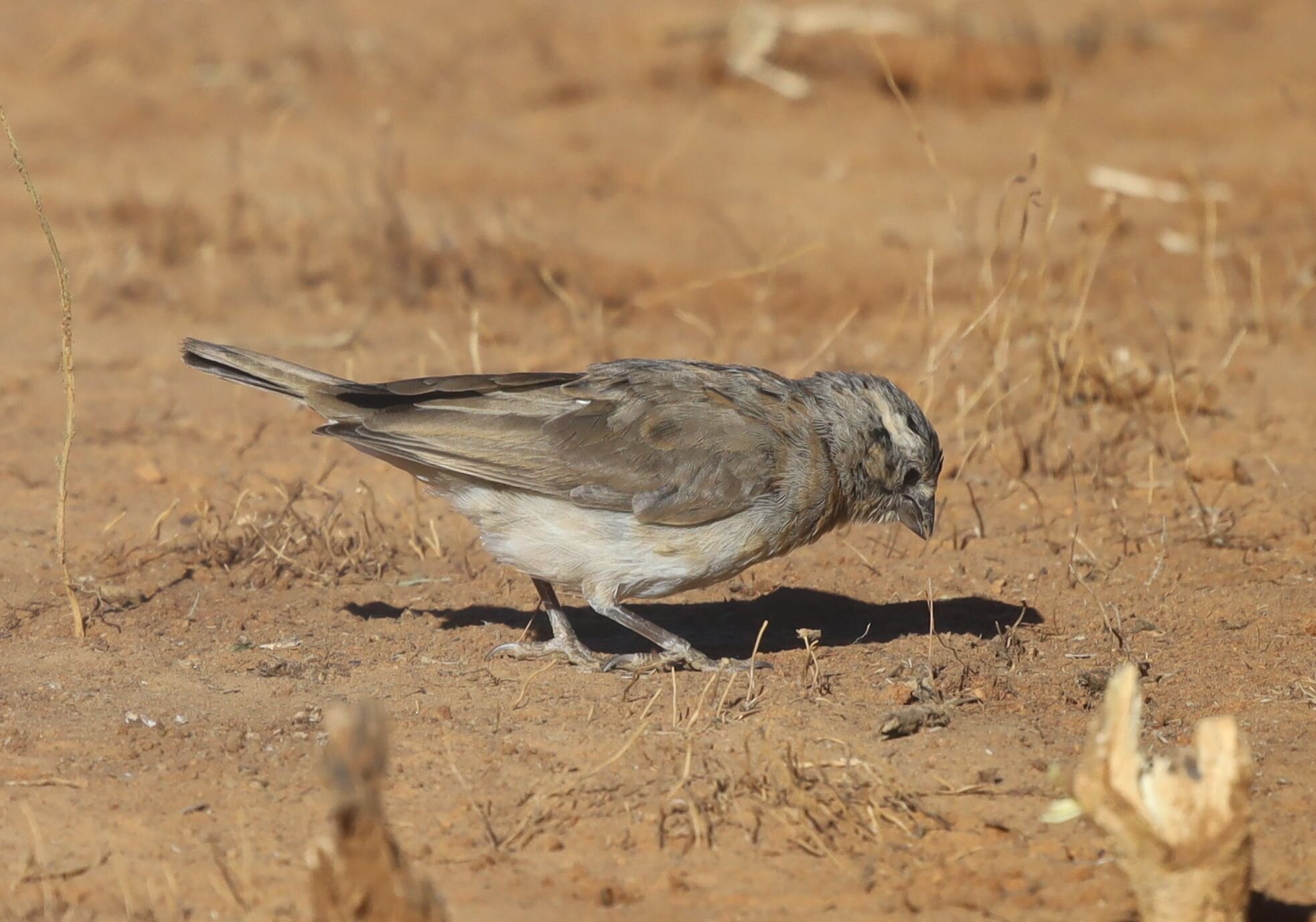
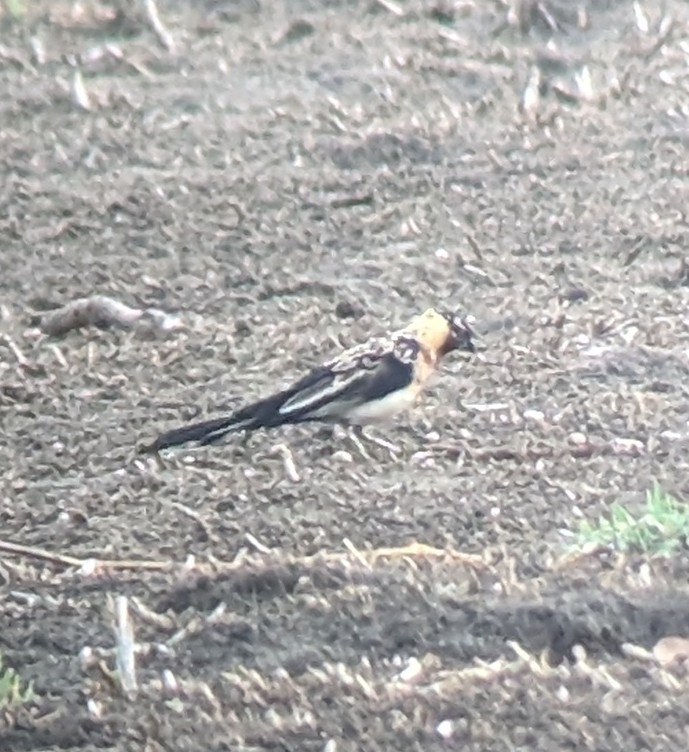
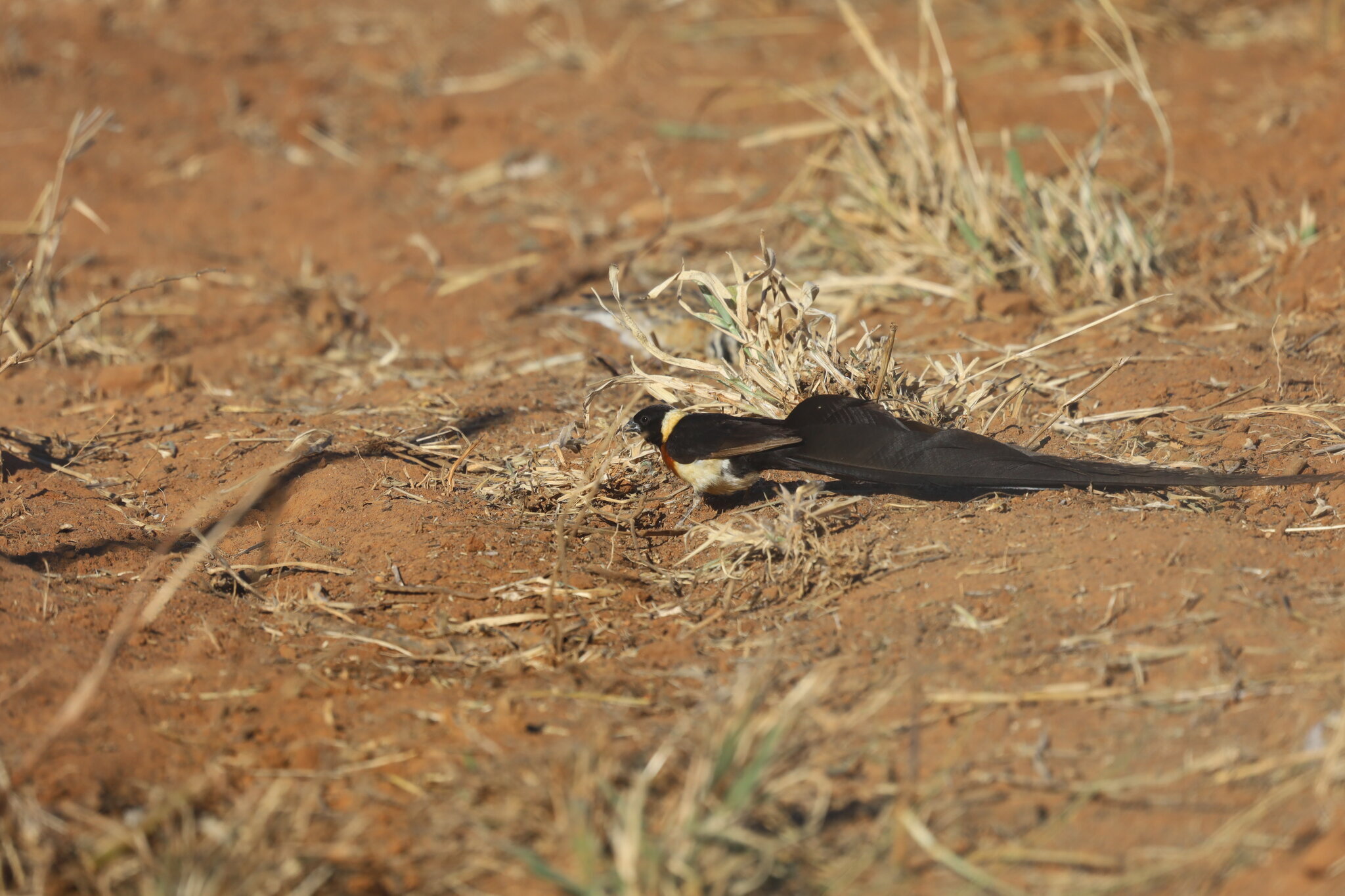
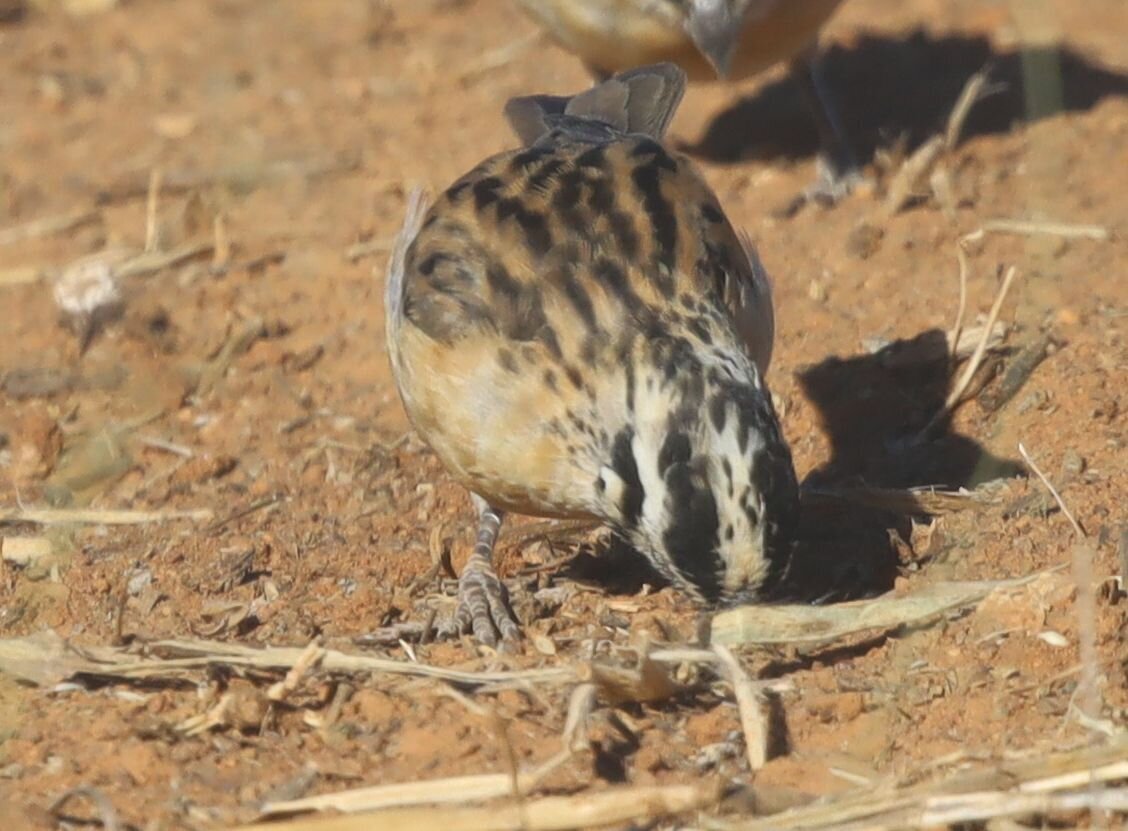
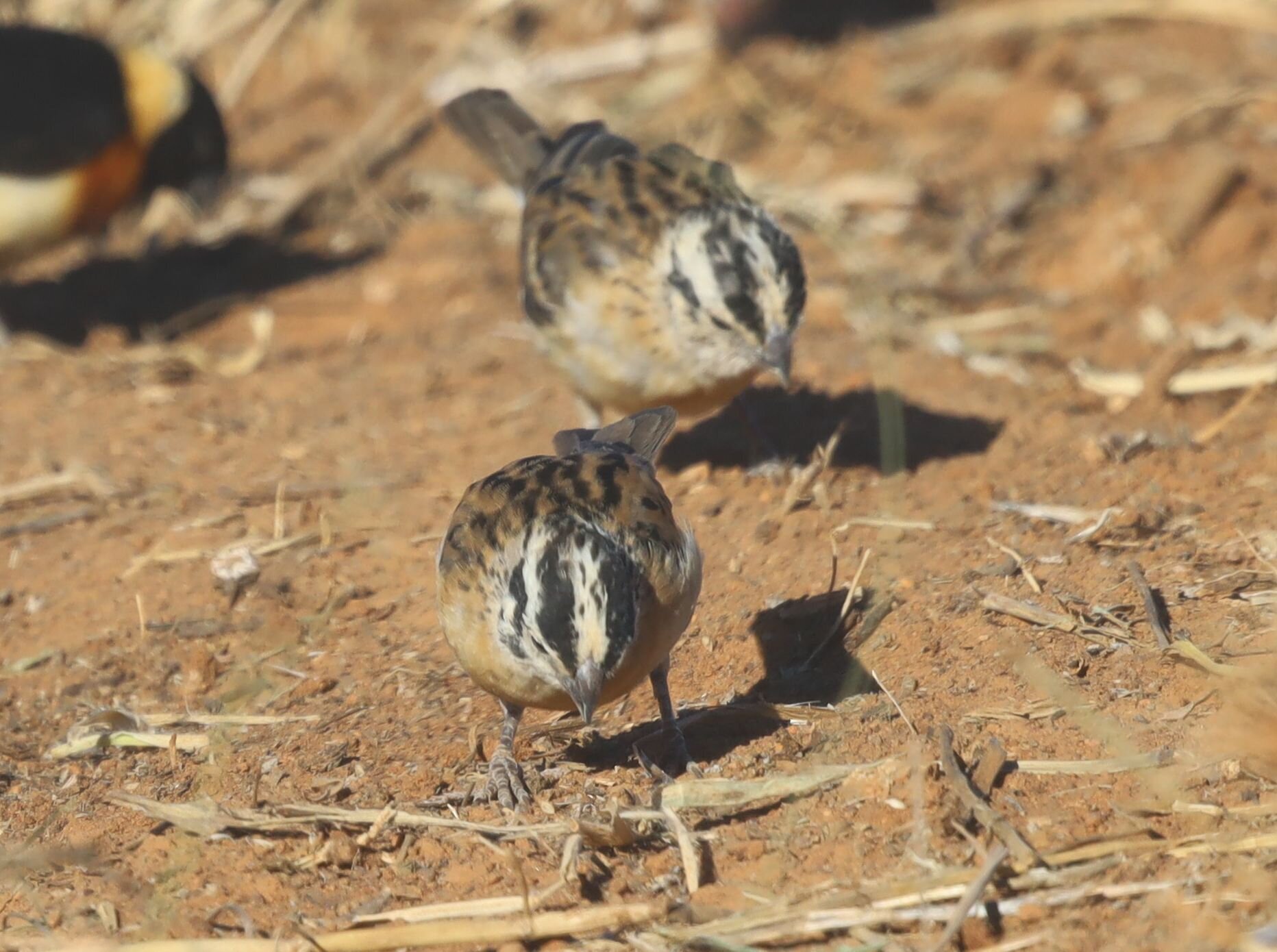
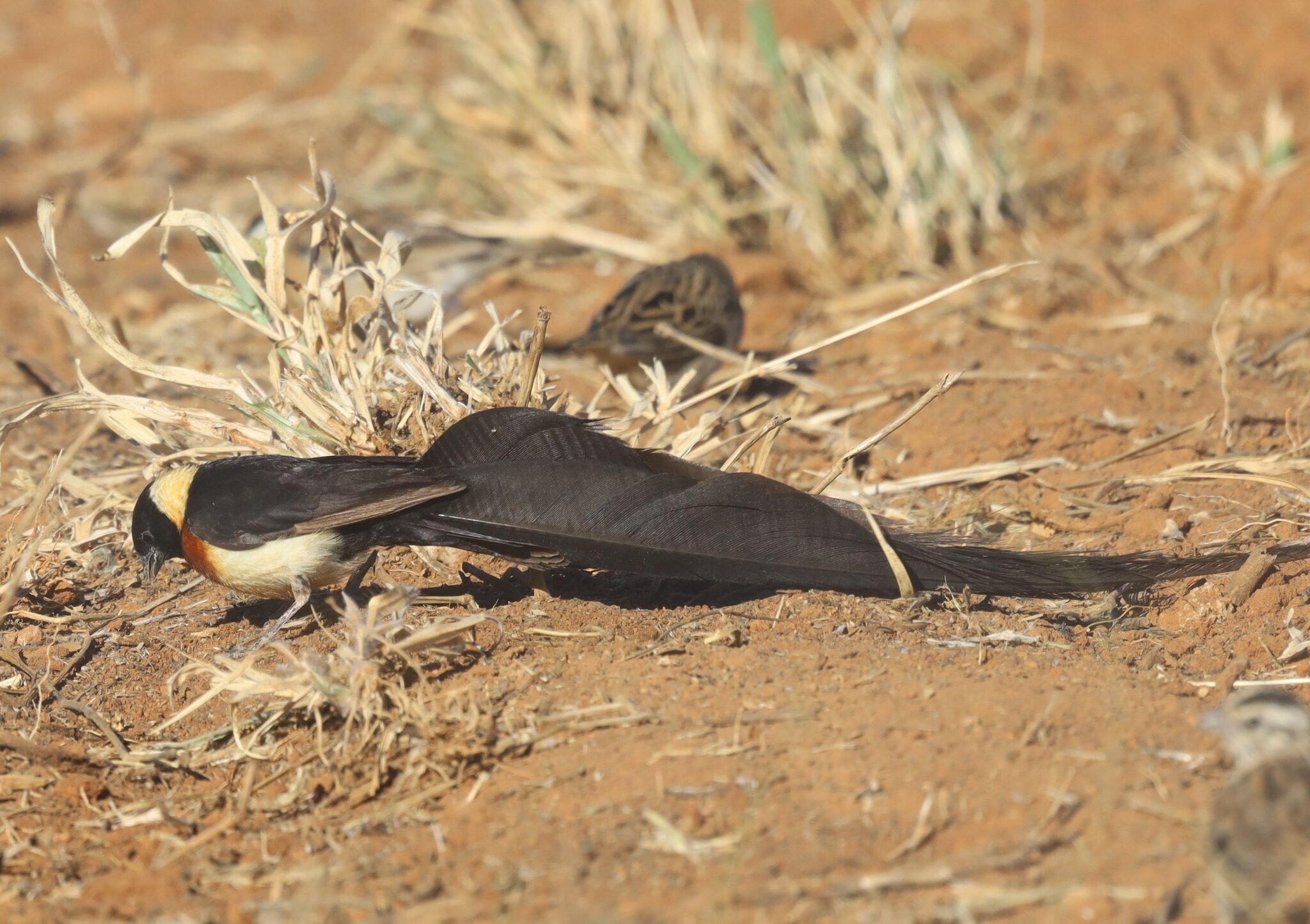
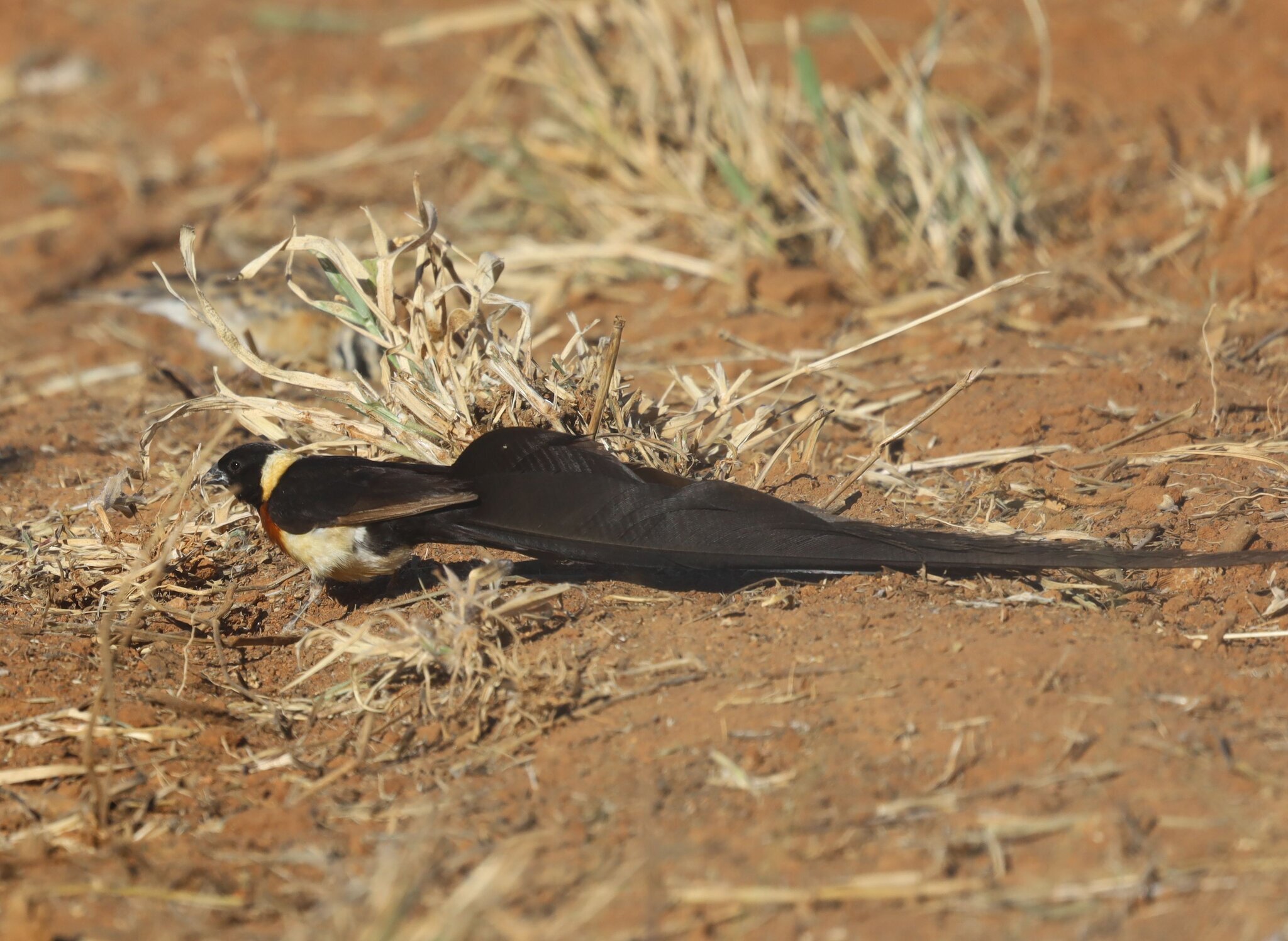
Breeding males display striking plumage with black heads and backs, a rusty-colored breast, a bright buffy-yellow nape, and a white abdomen. Their most distinctive feature is the pair of broad, elongated black tail feathers that can grow to 36 centimeters or longer. Non-breeding males transition to brownish plumage with black stripes on the crown, black facial markings, a deeper brown chest, and cream-colored abdomen. Females possess a grey bill and greyish-brown feathers marked with blackish streaks, along with whitish under tail coverts. In non-breeding plumage, both sexes appear remarkably similar to each other and to other Viduidae species. The species measures approximately 13 centimeters in length and weighs around 21 grams.
Identification
Breeding males are unmistakable due to their extraordinarily long tail feathers, which distinguish them from all other African passerines. Outside the breeding season, identification becomes considerably more difficult, as males resemble females and other Viduidae species. Separating non-breeding individuals from related whydahs and indigobirds requires attention to subtle differences in size, plumage coloration, and song. The species is best identified by vocalizations when possible, particularly the characteristic mimicry of its host species.
Distribution & Habitat
This species occurs across eastern and southern Africa, from Ethiopia south through Tanzania, Zambia, and Mozambique to South Africa, with the range extending west to Angola. It inhabits grassland, savanna, and open woodland environments, showing a particular preference for bushed grassland surrounding agricultural areas. The birds typically remain within their range year-round without undertaking significant migrations, though local movements may occur in response to seasonal seed availability.
Behavior & Ecology
The diet consists almost exclusively of small grass seeds that have ripened and fallen to the ground. Foraging involves a 'double scratch' technique where both feet work simultaneously to disturb soil and leaf litter, followed by hopping backward to retrieve exposed seeds. The species also uses its tongue to dehusk grass seeds by rolling them against the ridge of the palate. As a brood parasite, it lays eggs in the nests of other songbirds, primarily Estrildidae waxbills, without destroying existing host eggs. Males develop the ability to mimic the songs of their host species, and females preferentially respond to males raised by the same host species. Roosting occurs in flocks throughout both breeding and non-breeding seasons. Hybrids occasionally form with other paradise whydahs when females prioritize male plumage and display over song mimicry, or when suitable singing males are unavailable.
Conservation
Evaluated as Least Concern on the IUCN Red List due to its extensive range and apparently stable population numbers. The species is widespread throughout its geographic distribution and no major population declines have been documented. While not considered threatened, these birds can occasionally conflict with human interests, particularly in parts of West Africa where they consume cultivated fonio seeds before harvest, representing a localized nuisance to farmers.
Culture
Paradise whydahs have been kept as cage birds for centuries, prized both for their melodious songs and the spectacular breeding plumage of males. Historical records indicate these birds were maintained in the Medici aviaries in Florence during the 16th century, where they were observed by the Renaissance scholar Michel de Montaigne in 1581. Montaigne described them as having 'a tail of two long plumes like those of a rooster.' The Medici court's chief botanical painter, Joris Hoefnagel (known as Ligozzi), illustrated these whydahs in artwork depicting the common fig, later identified by researchers. While appreciated for their beauty, the species can become problematic in agricultural regions, notably in the highlands of Guinea and Sierra Leone where their consumption of fonio seeds competes directly with human food supplies during the post-rainy season.
Source: Wikipedia · CC BY-SA 3.0
Taxonomy
- Order
- Passeriformes
- Family
- Viduidae
- Genus
- Vidua
- eBird Code
- eapwhy1
Distribution
southeastern Sudan, Ethiopia, and Somalia southward to northeastern South Africa, also westward across southern Africa to Angola and northern Namibia
Data Sources
Species description from Wikipedia, licensed under CC BY-SA 3.0.
Bird images and sounds sourced from GBIF, contributed by citizen scientists worldwide under Creative Commons licenses.
Taxonomy data from AviList 2025.