Red-wattled Lapwing
Vanellus indicus
肉垂麦鸡
Introduction
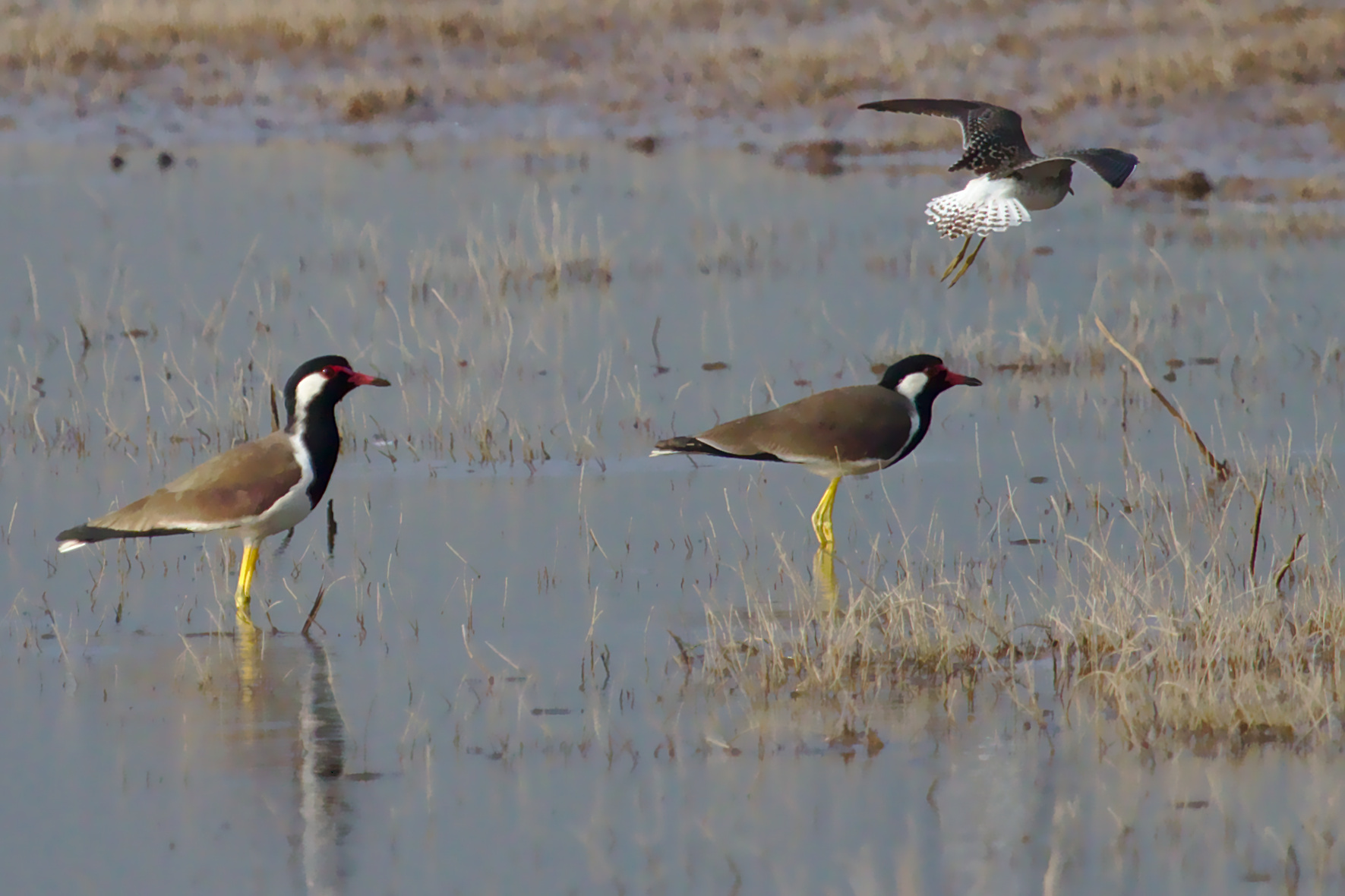
The red-wattled lapwing is an Asian lapwing or large plover, a wader in the family Charadriidae. Ground birds incapable of perching, they are characterized by loud alarm calls rendered as 'did he do it' or 'pity to do it,' earning the colloquial name 'did-he-do-it' bird. Usually seen in pairs or small groups near water, they form large aggregations of 26-200 birds in the non-breeding season. They nest in ground scrapes laying 3-4 camouflaged eggs. Adults defend nests by diving at predators while calling noisily. Cryptically patterned chicks hatch synchronously and immediately follow parents to feed, hiding by lying low when threatened. Four subspecies are recognized: V. i. aigneri (Turkey to Pakistan), V. i. indicus (central Pakistan to Bangladesh), V. i. lankae (Sri Lanka), and V. i. atronuchalis (northeast India to north Sumatra).
Description
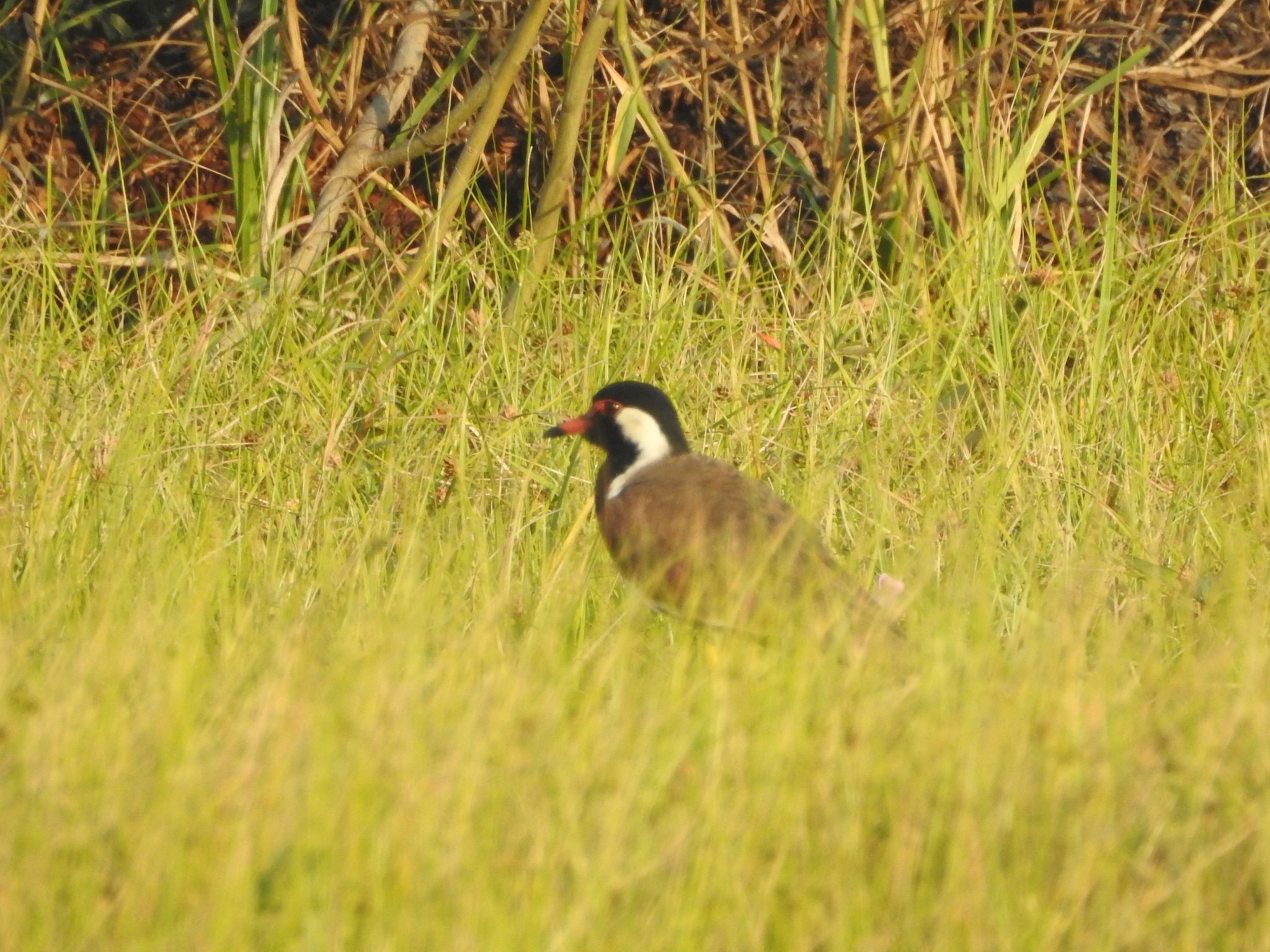
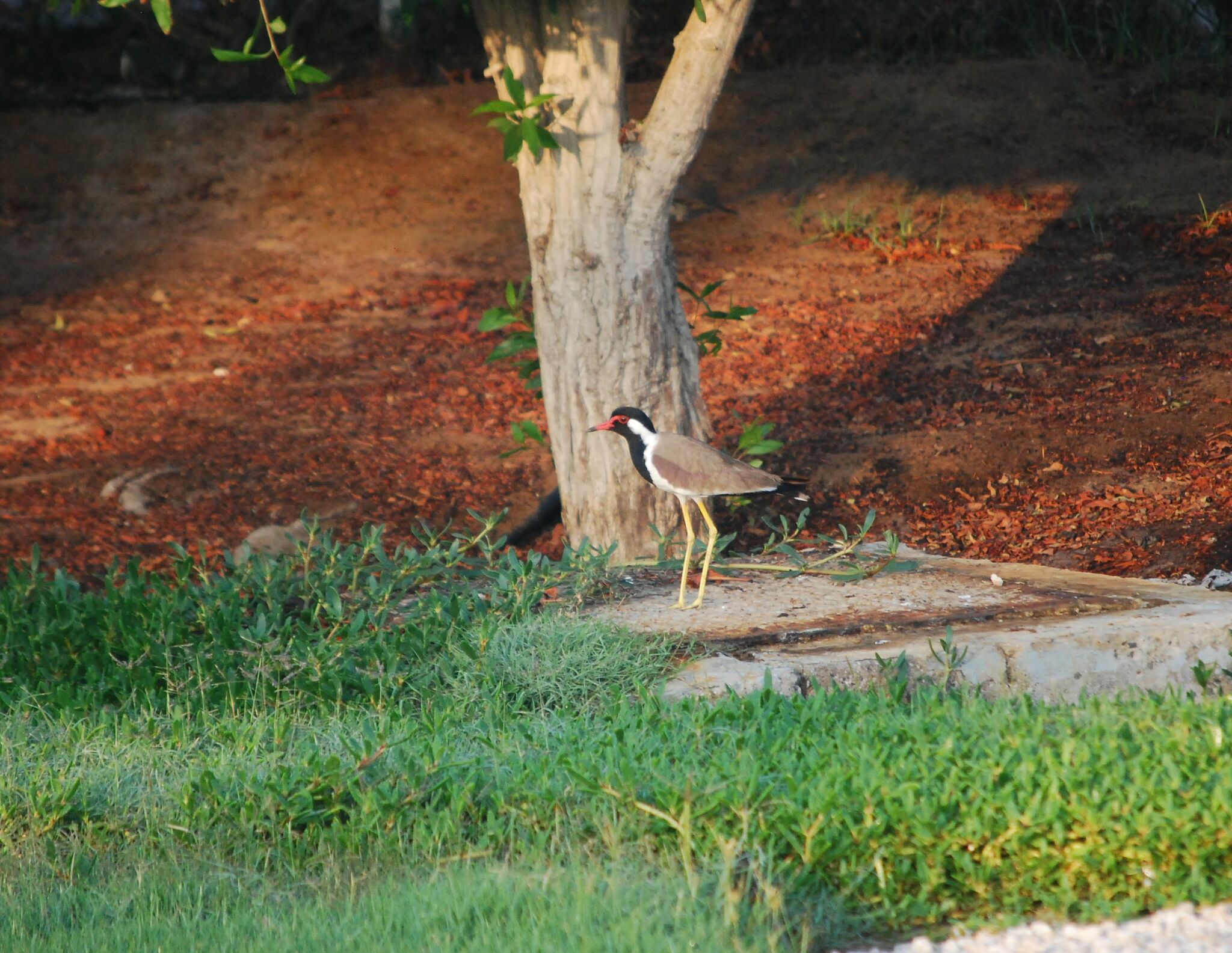
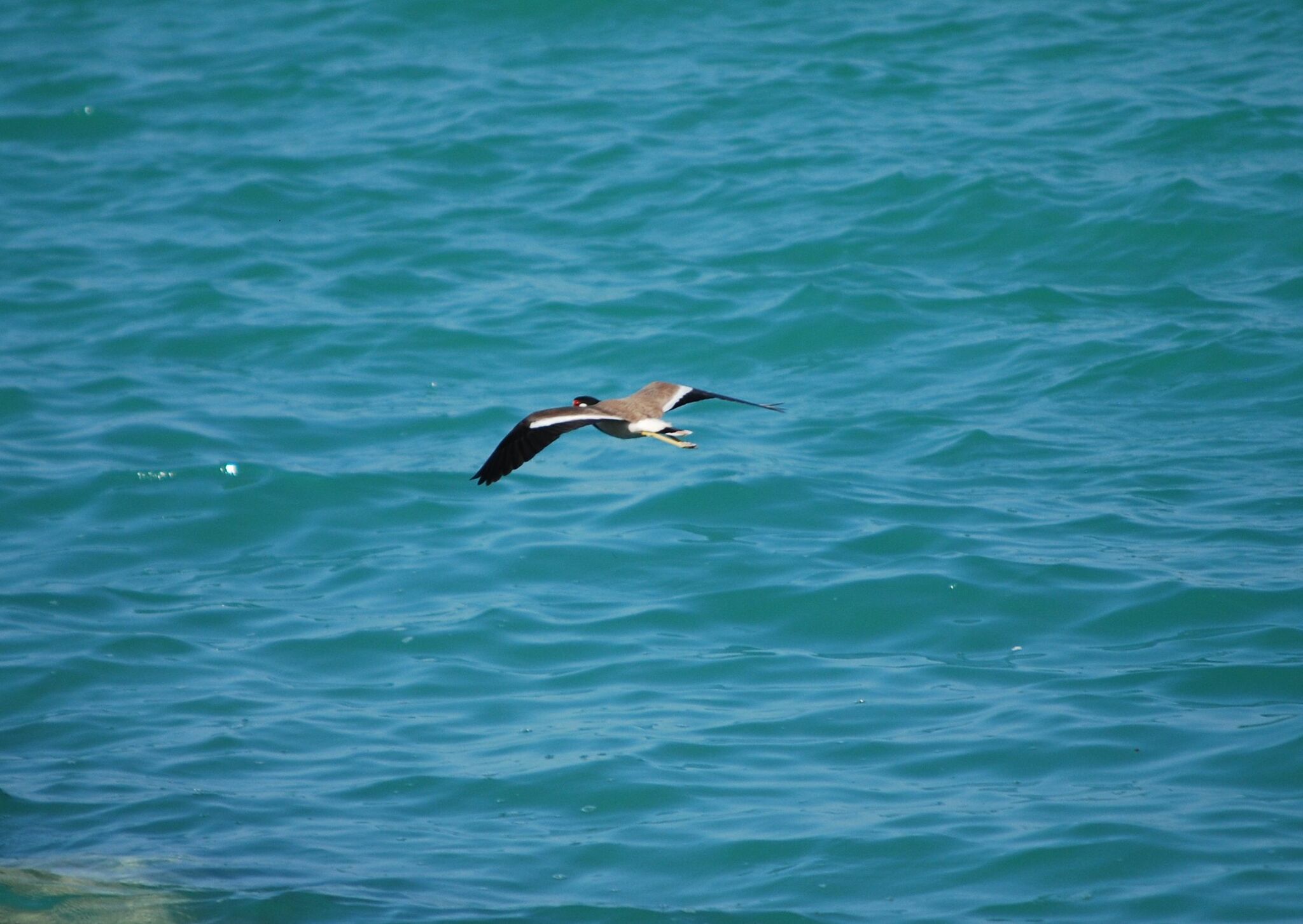
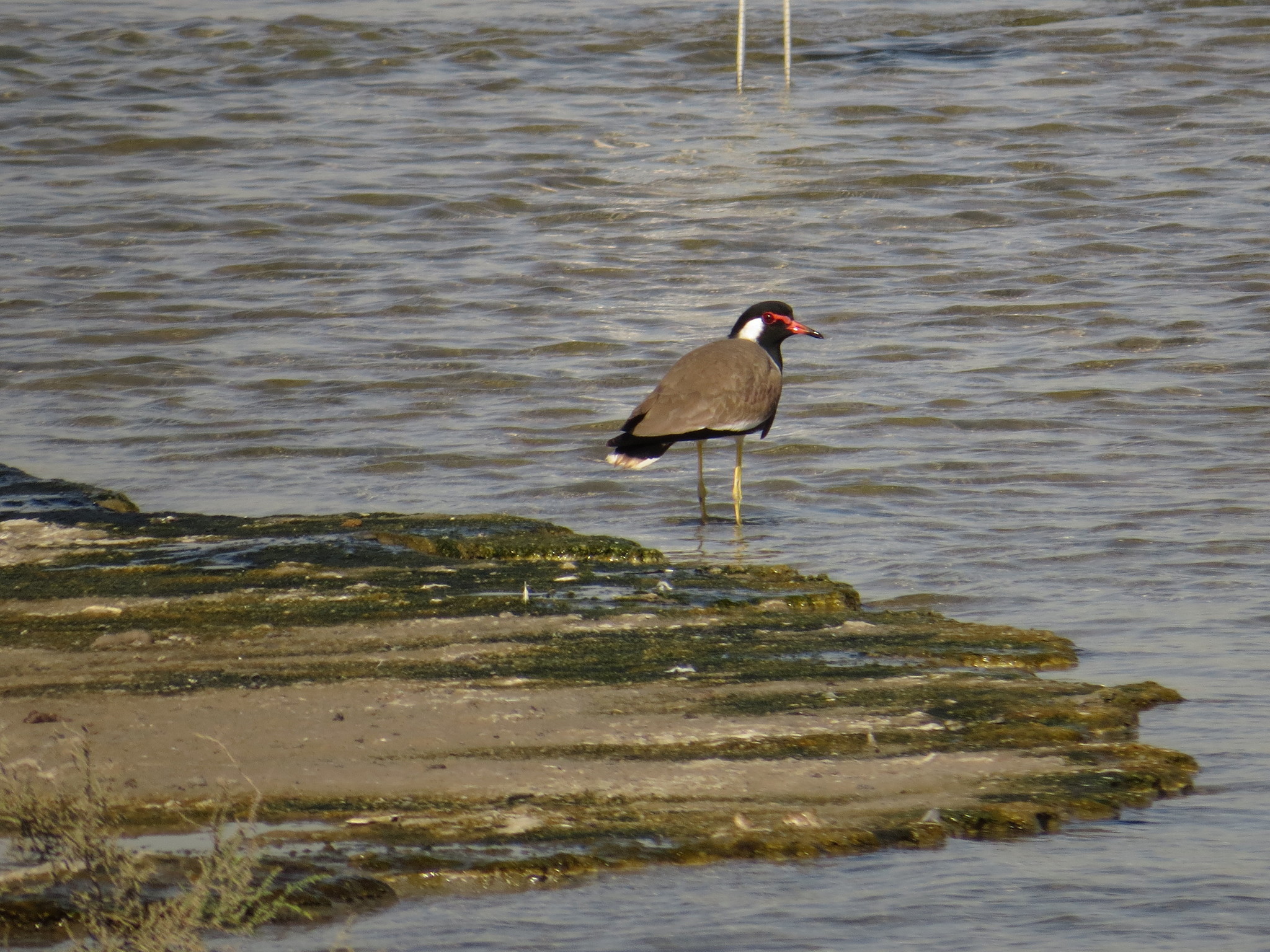
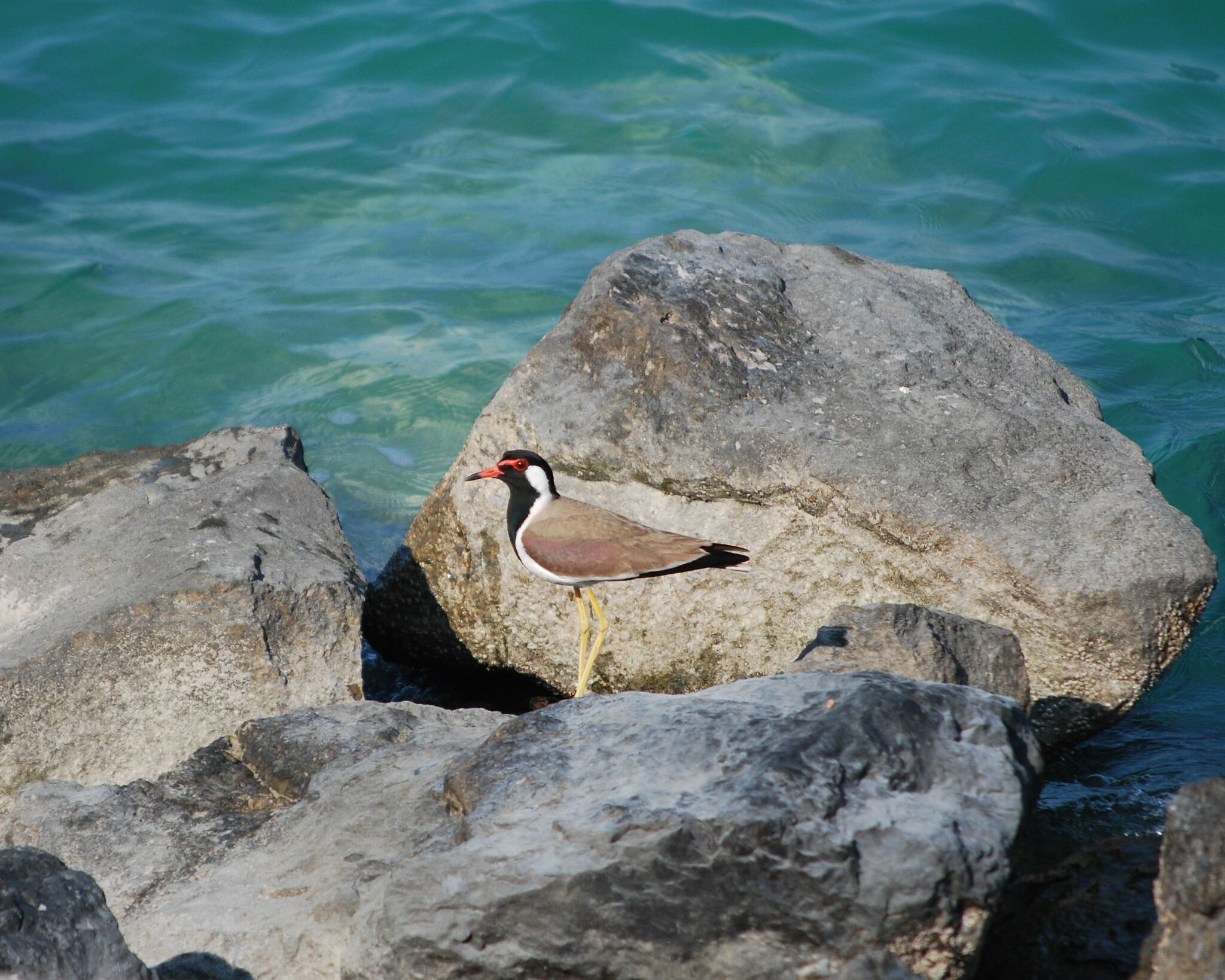
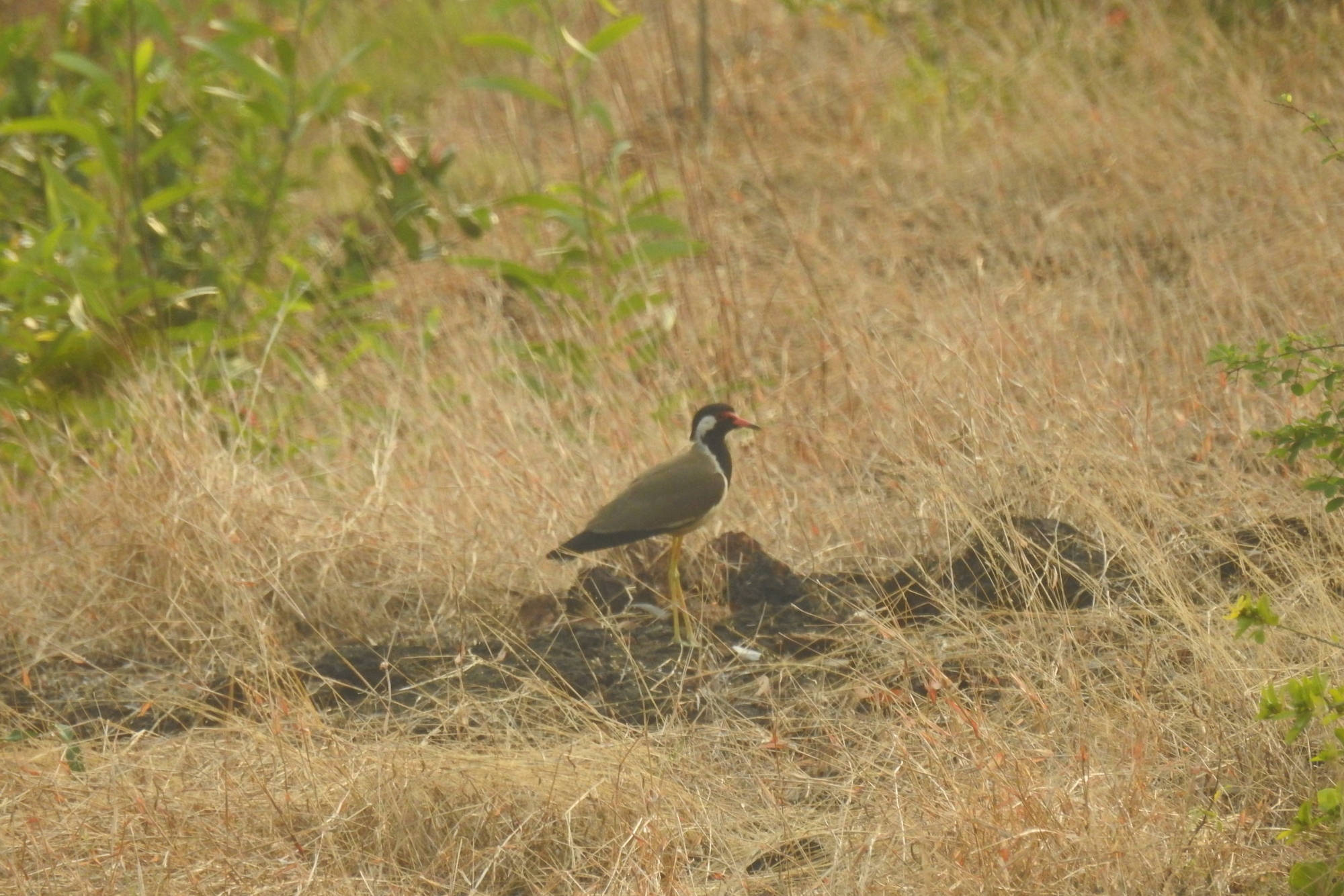
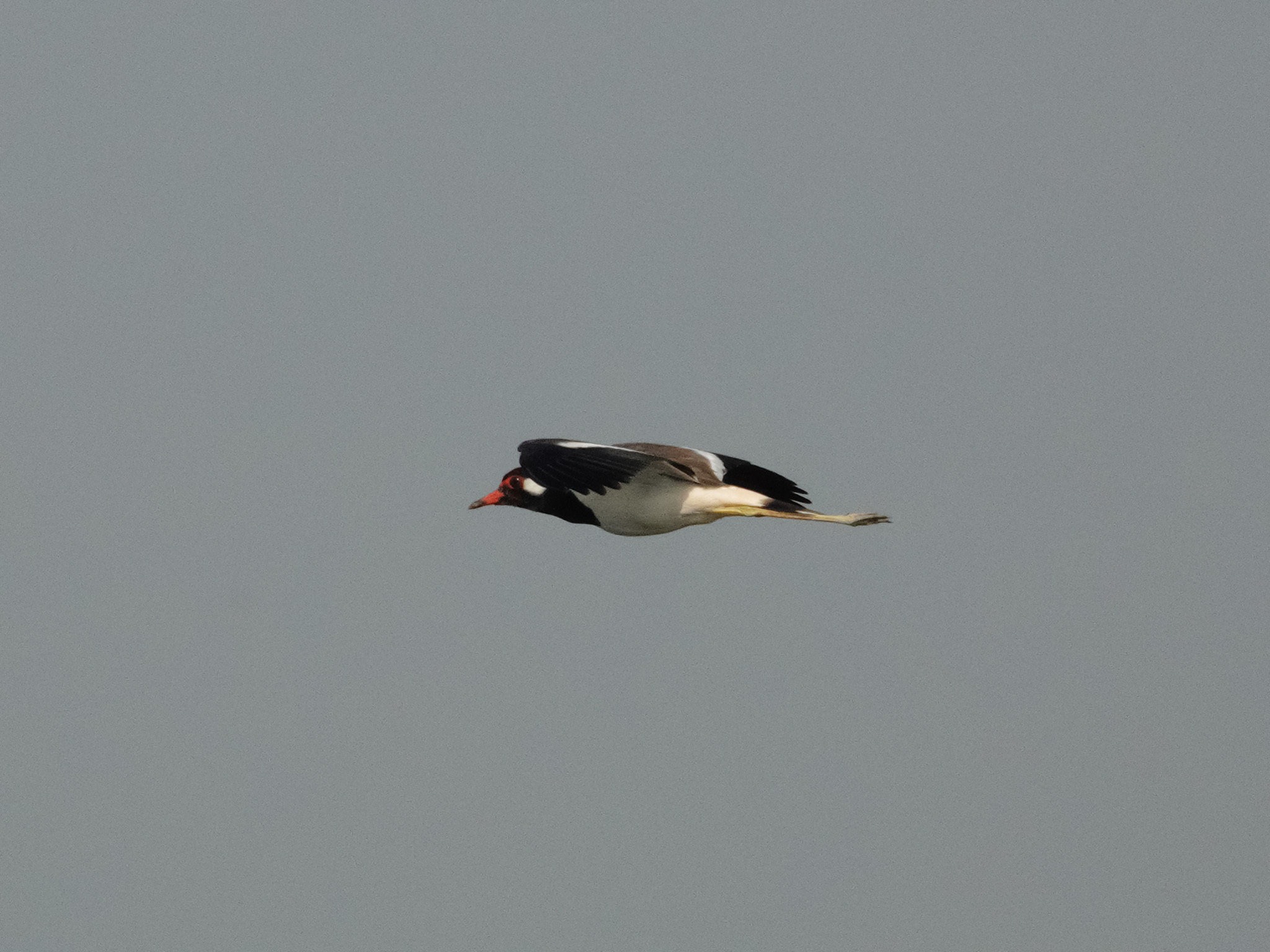
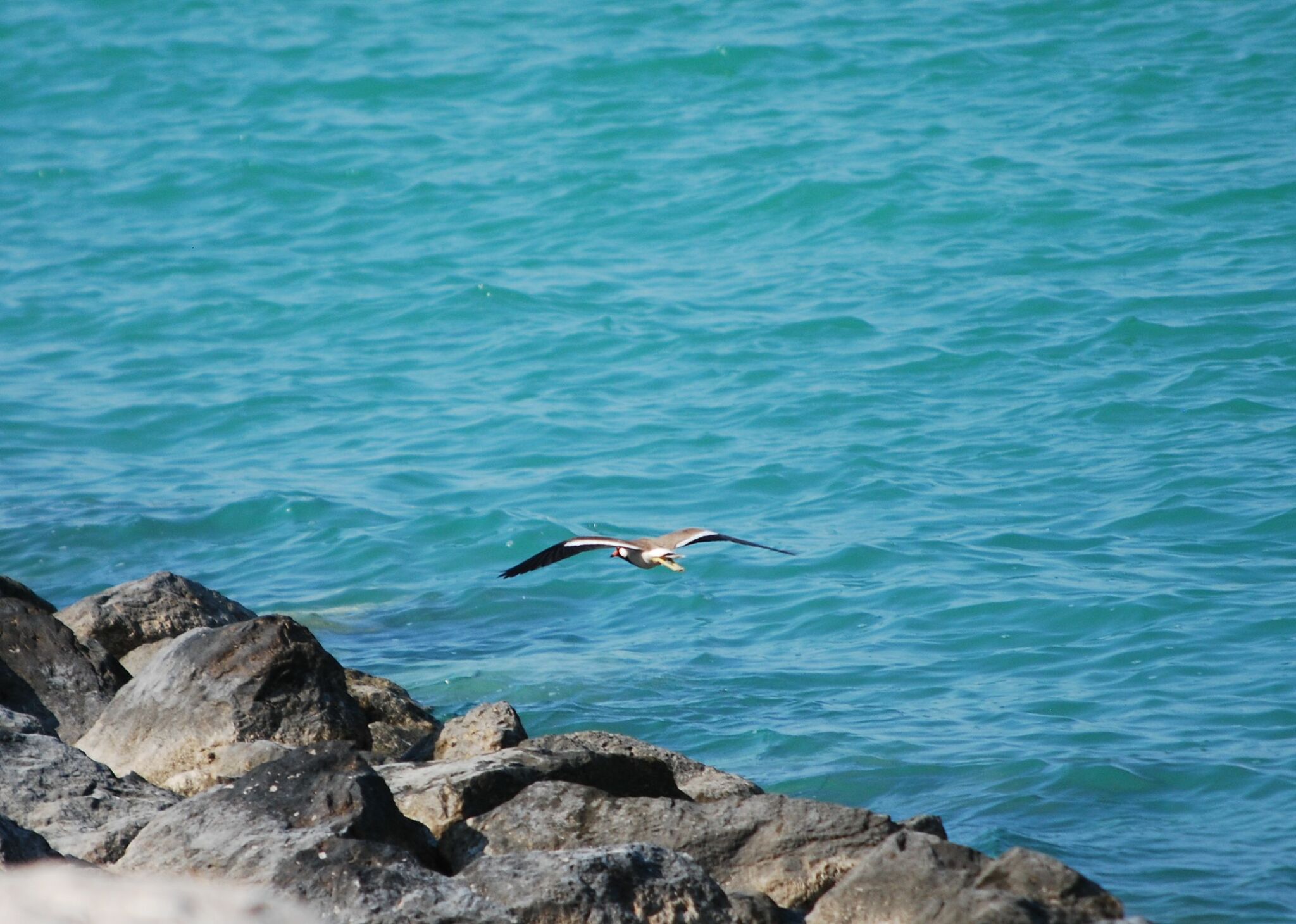
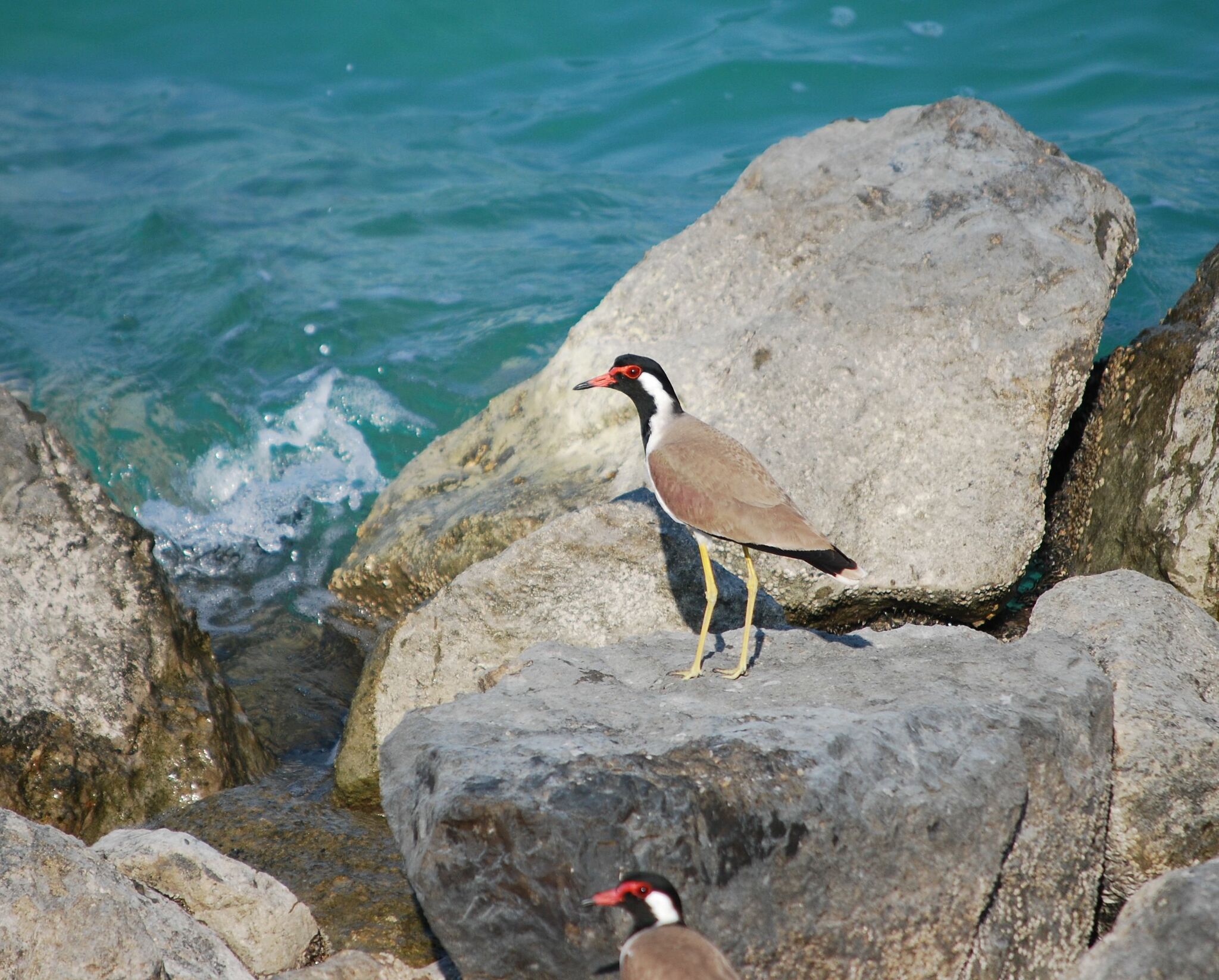
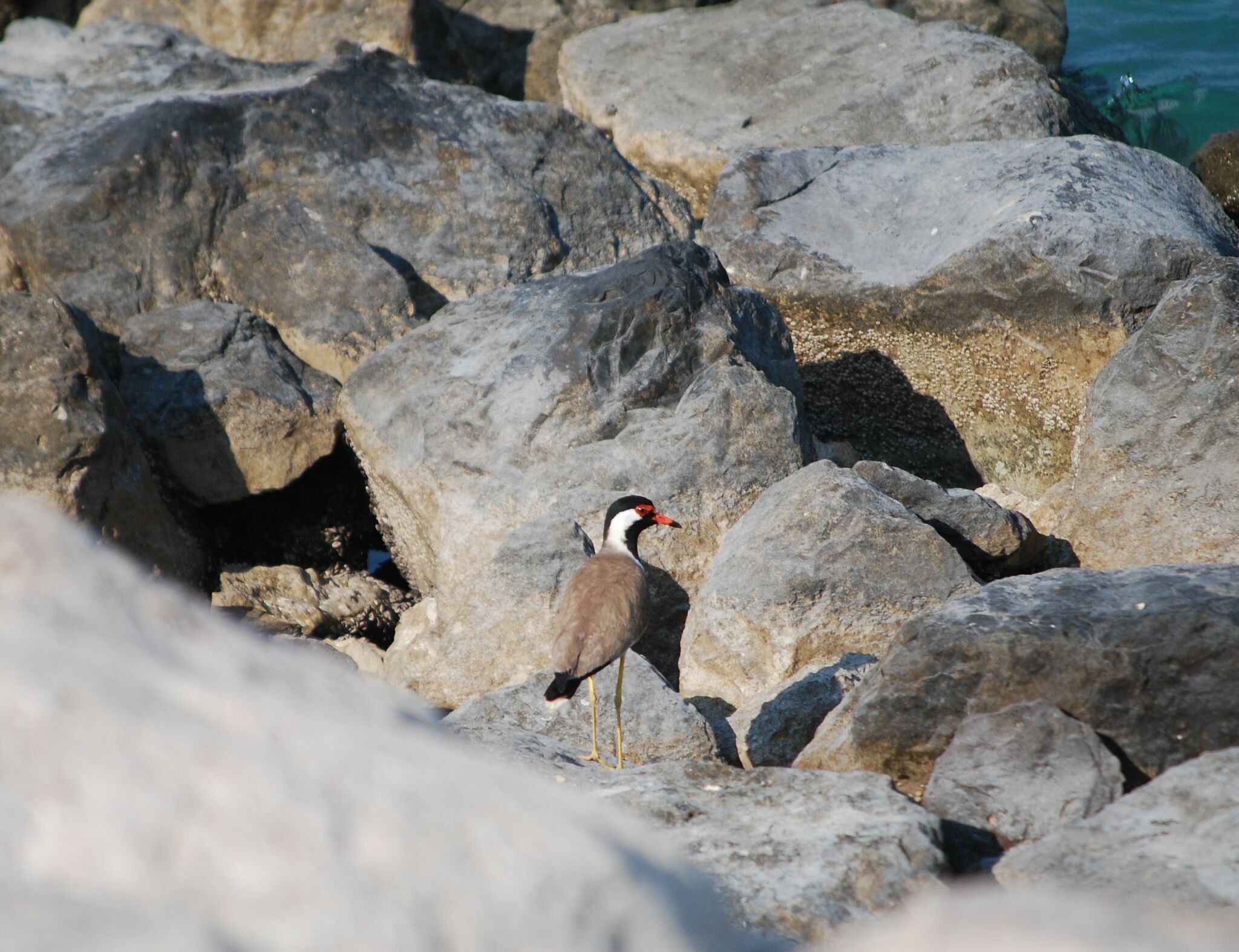
Large wader about 35 cm long with body length 320-350 mm. Wings and back are light brown with purple to green sheen. Head and a bib on front and back of neck are black, with a prominent white patch running between these black areas from belly and tail, flanking the neck to the sides of crown. Short tail is tipped black. Diagnostic features include a red fleshy wattle in front of each eye, black-tipped red bill, and long yellow legs. In flight, prominent white wing bars are visible on the secondary coverts. Males and females have similar plumage, but males average 5% longer wings (wing 208-247 mm, tail 104-128 mm, bill 31-36 mm, tarsus 70-83 mm).
Identification
In flight, the combination of white wing bars and black-tipped white tail is diagnostic. The red wattle in front of the eye distinguishes it from other lapwings. Race aigneri is larger and paler, found in Turkey and Middle East. Race atronuchalis shows a white ear patch surrounded by black. Race lankae in Sri Lanka is smaller and darker than the nominate. The loud, scolding 'did-he-do-it' call is characteristic, given both day and night.
Distribution & Habitat
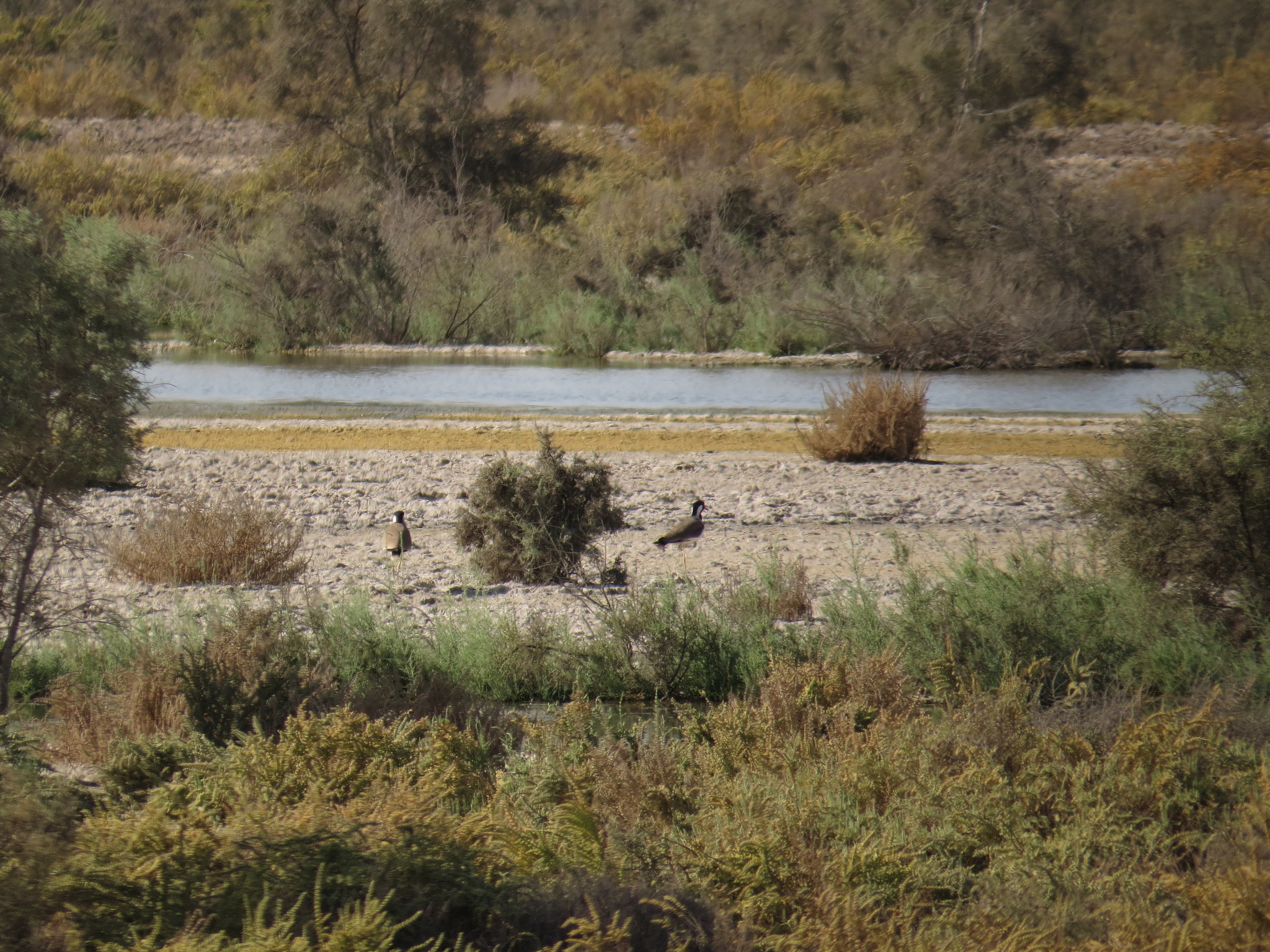
Breeds from West Asia (Iraq, southwest Iran, Persian Gulf) eastwards across South Asia (Baluchistan, Sri Lanka, Afghanistan, Pakistan, Indian subcontinent up to Kanyakumari and 1800m in Kashmir/Nepal). Subspecies V. i. atronuchalis extends through northeast India to south China, southeast Asia, Malay Peninsula and north Sumatra. Populations are largely resident but may migrate altitudinally in spring and autumn in northern regions. Spreads widely during monsoons when habitats are created. Found in well-watered open country, ploughed fields, grazing land, margins of water bodies, and forest clearings around rain-filled depressions.
Behavior & Ecology
Breeding season is March to August. Courtship involves males puffing feathers and pointing beaks upward while shuffling around females. Nests are ground scrapes lined with pebbles or droppings, containing 3-4 black-blotched buff eggs (42x30 mm average). Both parents incubate for 28-30 days and defend nest with distraction displays and wing-flashing. Reproductive success is about 40%; egg mortality is 43% from predators including mongooses, crows, and kites. Diet consists of insects, snails, and other invertebrates picked from ground, occasionally grains. Feeds mainly during day but also at night, using legs to disturb soil. Soaks belly feathers to provide water for chicks and cool eggs in hot weather.
Conservation
Populations are declining in the western range (Middle East) but remain abundant in much of South Asia, occupying almost any wetland habitat in its range. No specific IUCN assessment mentioned, but western subspecies V. i. aigneri appears to be of conservation concern. Threats include habitat degradation and agricultural operations. Eggs have been successfully translocated when threatened by farming activities. Healthy adults have few predators and can evade hawks and falcons through rapid, agile flight.
Culture
In parts of India, a local belief holds that the bird sleeps on its back with legs upwards. The Hindi metaphor 'Titahri se asman thama jayega' ('can the lapwing support the heavens?') refers to persons undertaking tasks beyond their ability. In Rajasthan, laying of eggs on high ground is believed to indicate good rains to come. The Bhils of Malwa consider egg-laying in dry stream beds as forewarnings of delayed rains or droughts, while eggs on banks indicate normal rains. Eggs are collected by practitioners of folk medicine. Local names are mainly onomatopoeic: titahri (Hindi), titawi (Marathi), tittibha (Kannada), tatihari (Sindhi), titodi (Gujarati), balighora (Assamese), yennappa chitawa (Telugu), aal-kaati (Tamil, meaning 'human indicator').
Source: Wikipedia · CC BY-SA 3.0
Taxonomy
- Order
- Charadriiformes
- Family
- Charadriidae
- Genus
- Vanellus
- eBird Code
- rewlap1
Vocalizations
Subspecies (4)
-
Vanellus indicus aigneri
southeastern Türkiye eastward to Pakistan
-
Vanellus indicus atronuchalis
northeastern India and Myanmar to southeastern China, Vietnam, and the Thai-Malay Peninsula
-
Vanellus indicus indicus
central Pakistan eastward to Nepal and Bangladesh
-
Vanellus indicus lankae
Sri Lanka
Data Sources
Species description from Wikipedia, licensed under CC BY-SA 3.0.
Bird images and sounds sourced from GBIF, contributed by citizen scientists worldwide under Creative Commons licenses.
Taxonomy data from AviList 2025.