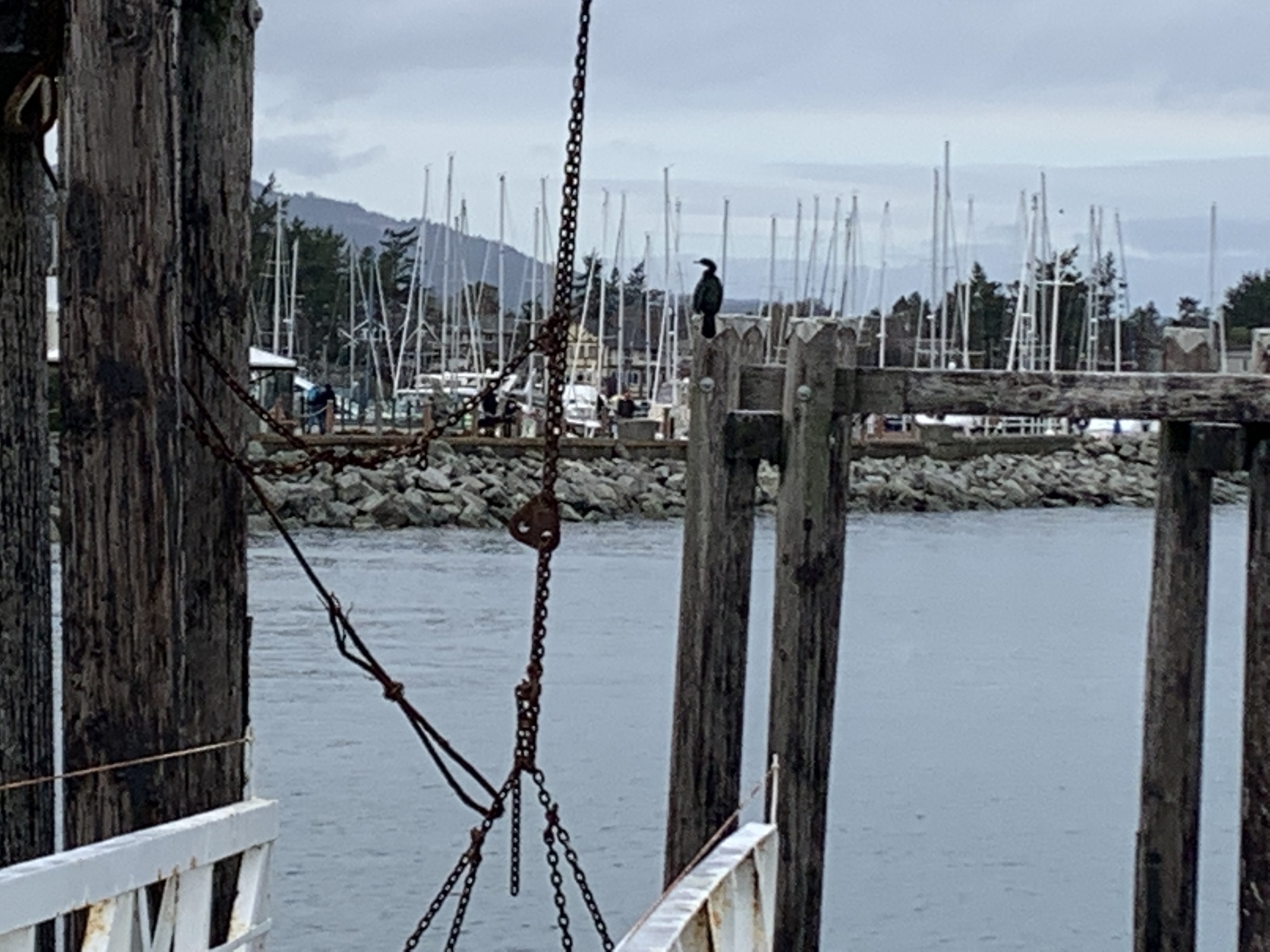
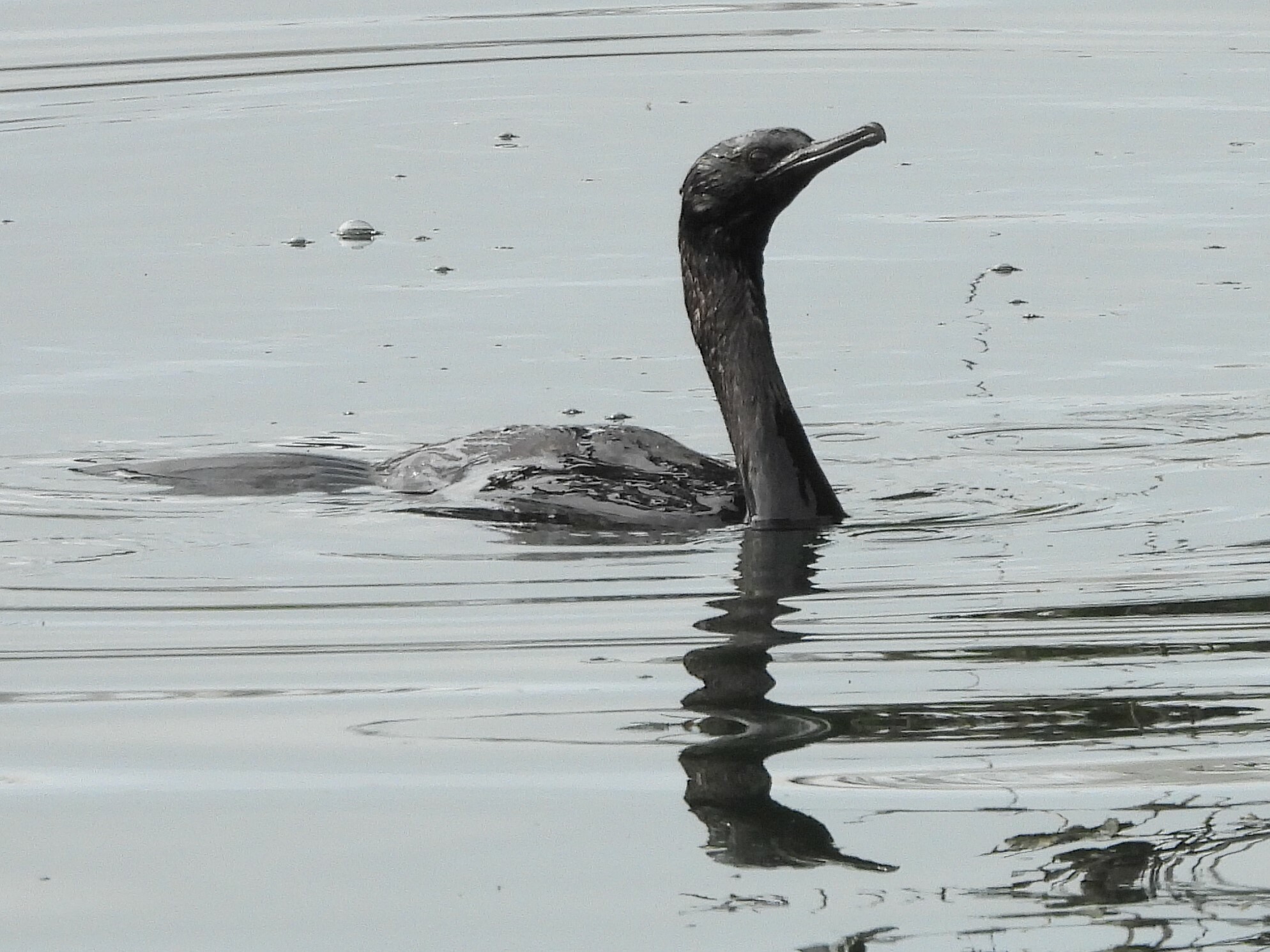
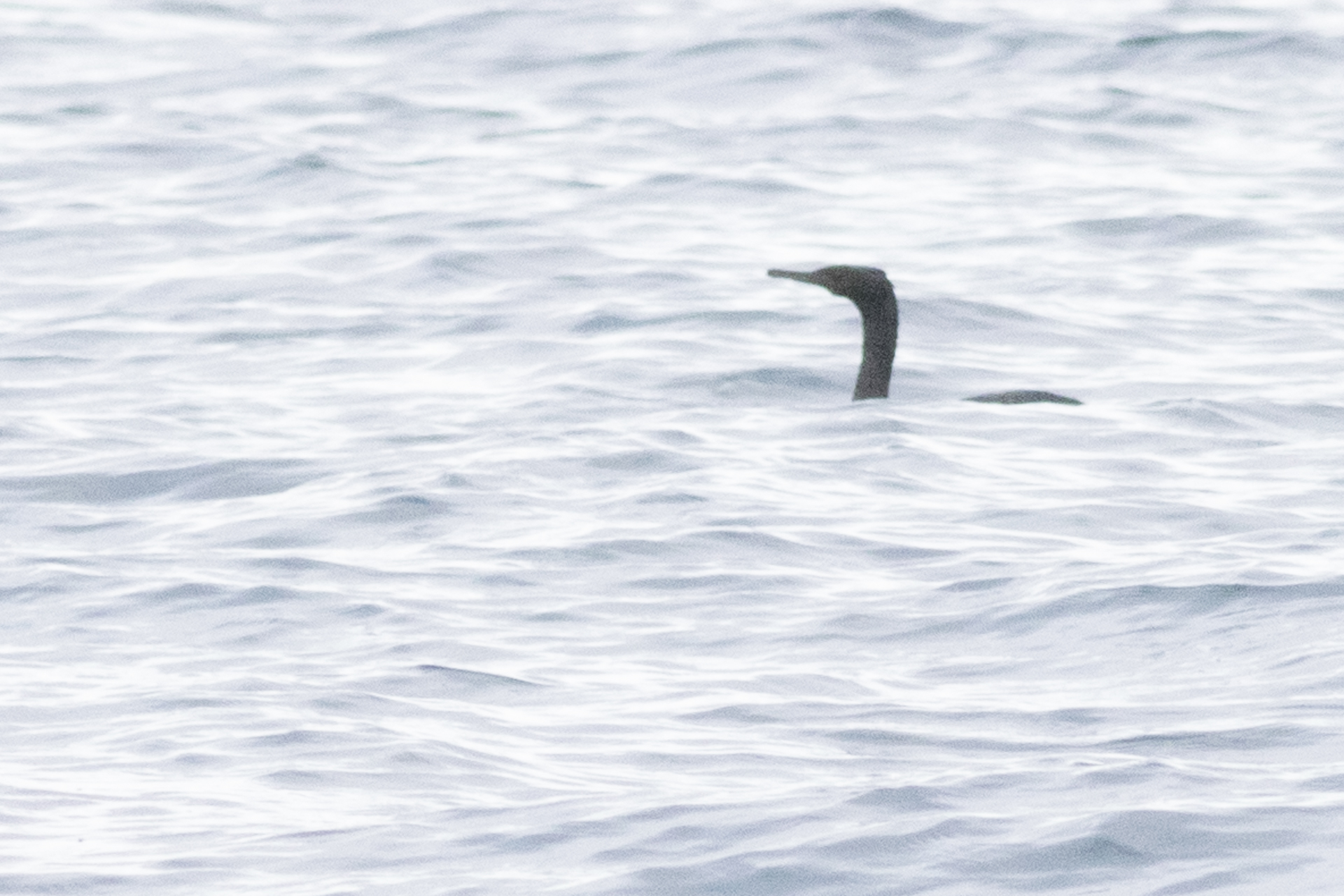
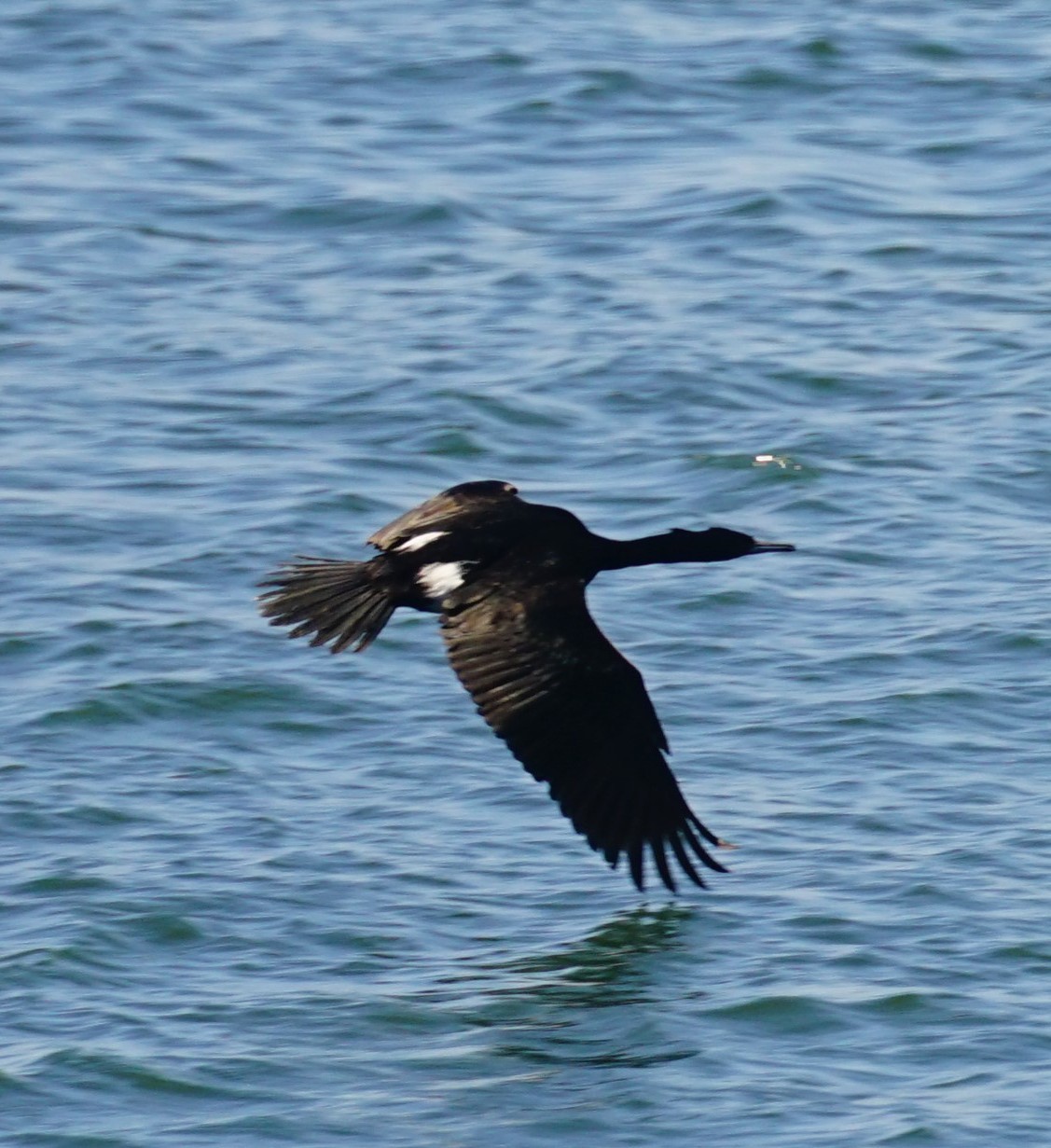
Pelagic Cormorant
Urile pelagicus
海鸬鹚
Introduction
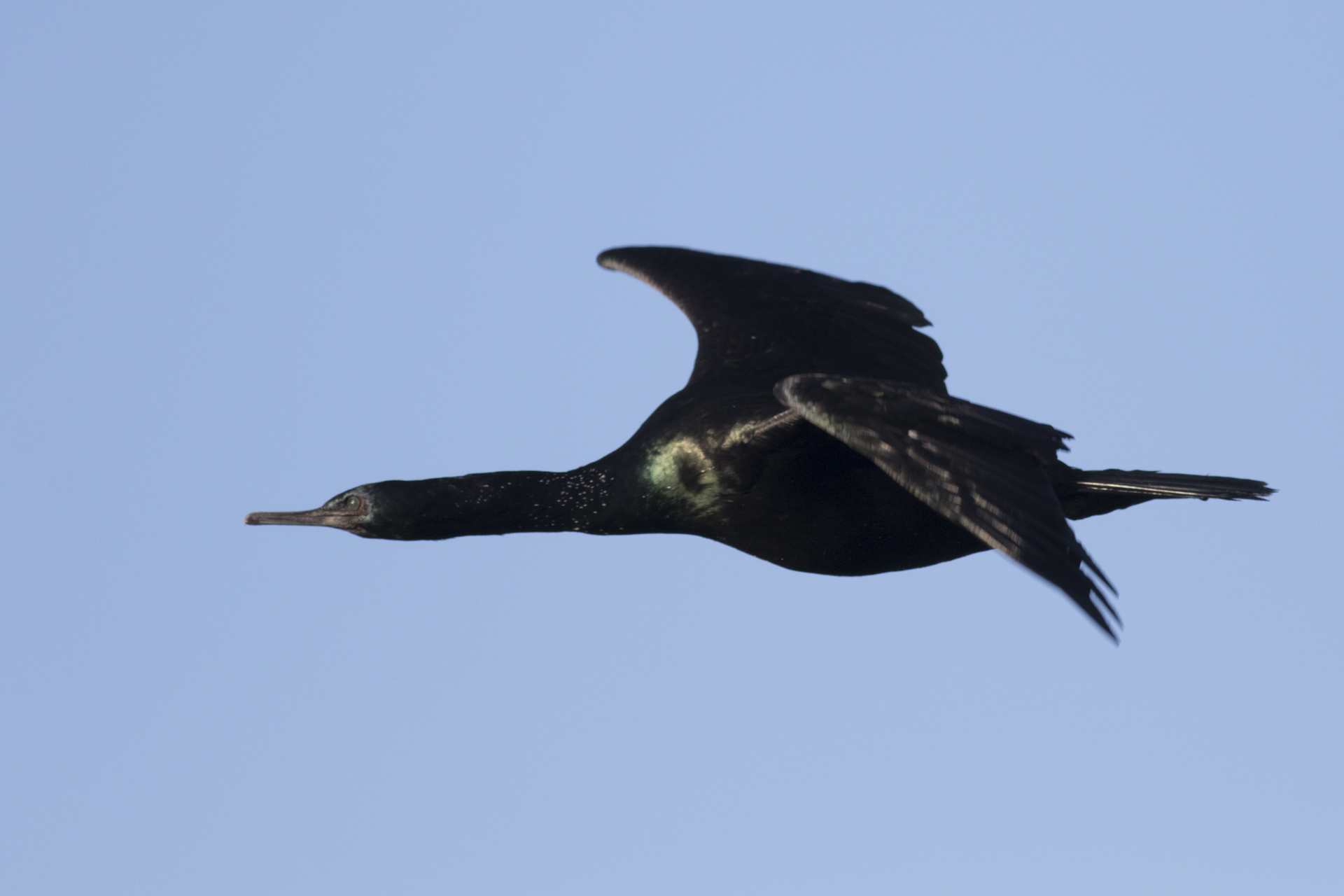
Species of seabird in the cormorant family Phalacrocoracidae. Inhabits shores and neritic zone of the North Pacific, ranging from Alaska to Baja California Peninsula, Aleutian and Bering Strait islands, Russian Far East south to Kyūshū. Distinguished by having relatively short wings due to economical underwater movement, resulting in the highest flight costs of any bird. Found along coastlines during breeding season; winters in open ocean or along shores. Not considered threatened by IUCN due to large population concentrated in inaccessible Bering Sea waters.
Description
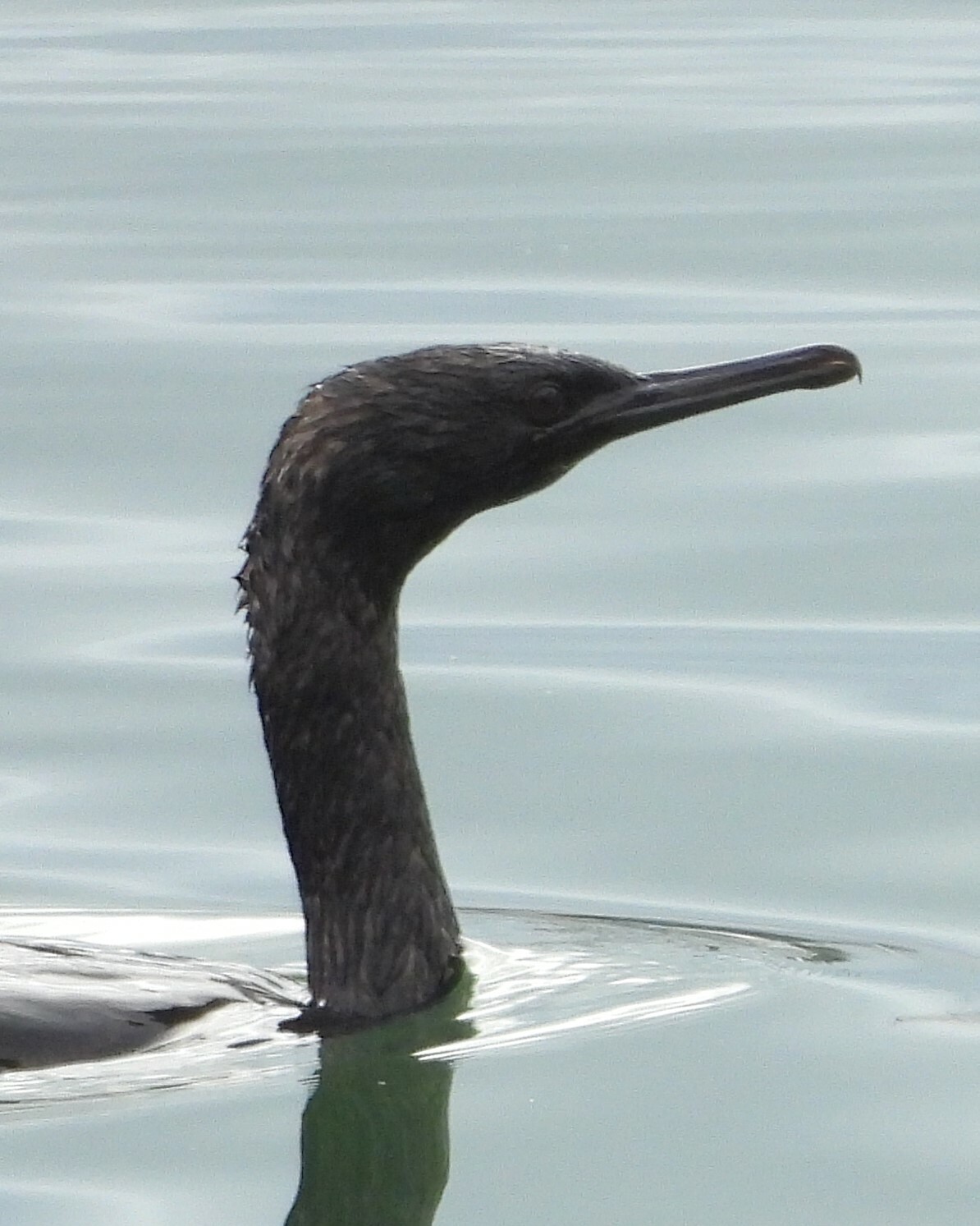
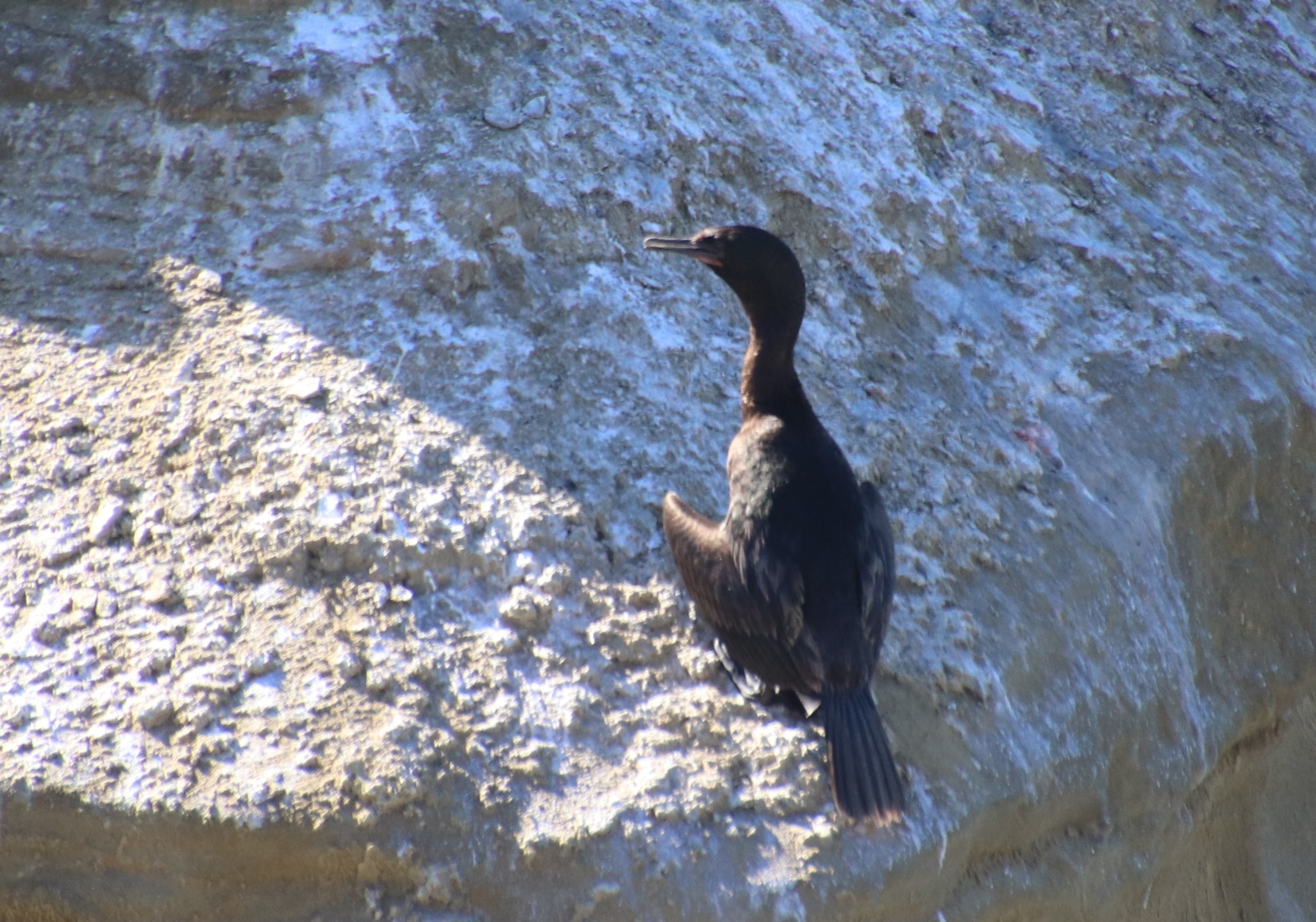
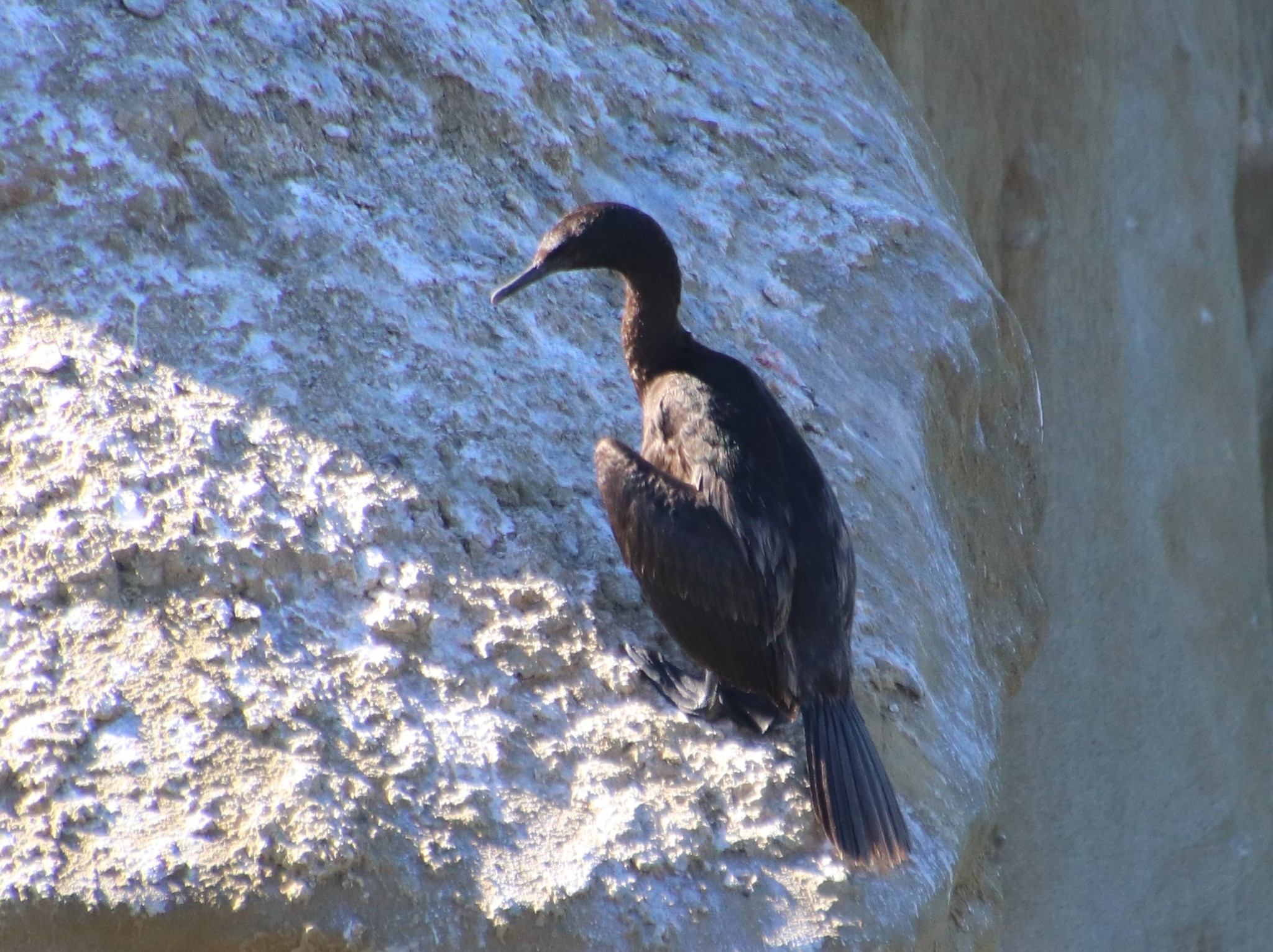
Small cormorant measuring 25-35 inches (64-89 cm) in length with wingspan of about 3.3 feet (1.0 m). Adults in nonbreeding plumage are all-black with metallic iridescence. Breeding plumage features two short crests on head and nape, white thighs, and scattered white filoplumes on head and neck. The long thin bill and large all-webbed feet are black year-round; the naked skin patch below the eye turns vivid magenta during breeding season. Sexes appear similar, though females are smaller. Immature birds are dark brown without iridescence, lighter brown on underside.
Identification
Distinguished from the similar red-faced cormorant by the extent of naked facial skin, which in this species does not extend notably beyond the eye, versus extending to above the bill and around the eye in red-faced cormorants. Red-faced cormorants also have larger crests. This species typically calls before taking off during breeding season. Other North Pacific cormorants are larger with thicker bills and lack white thigh patches. Juveniles and nonbreeding adults of the two species are often indistinguishable in mixed flocks or at distance.
Distribution & Habitat
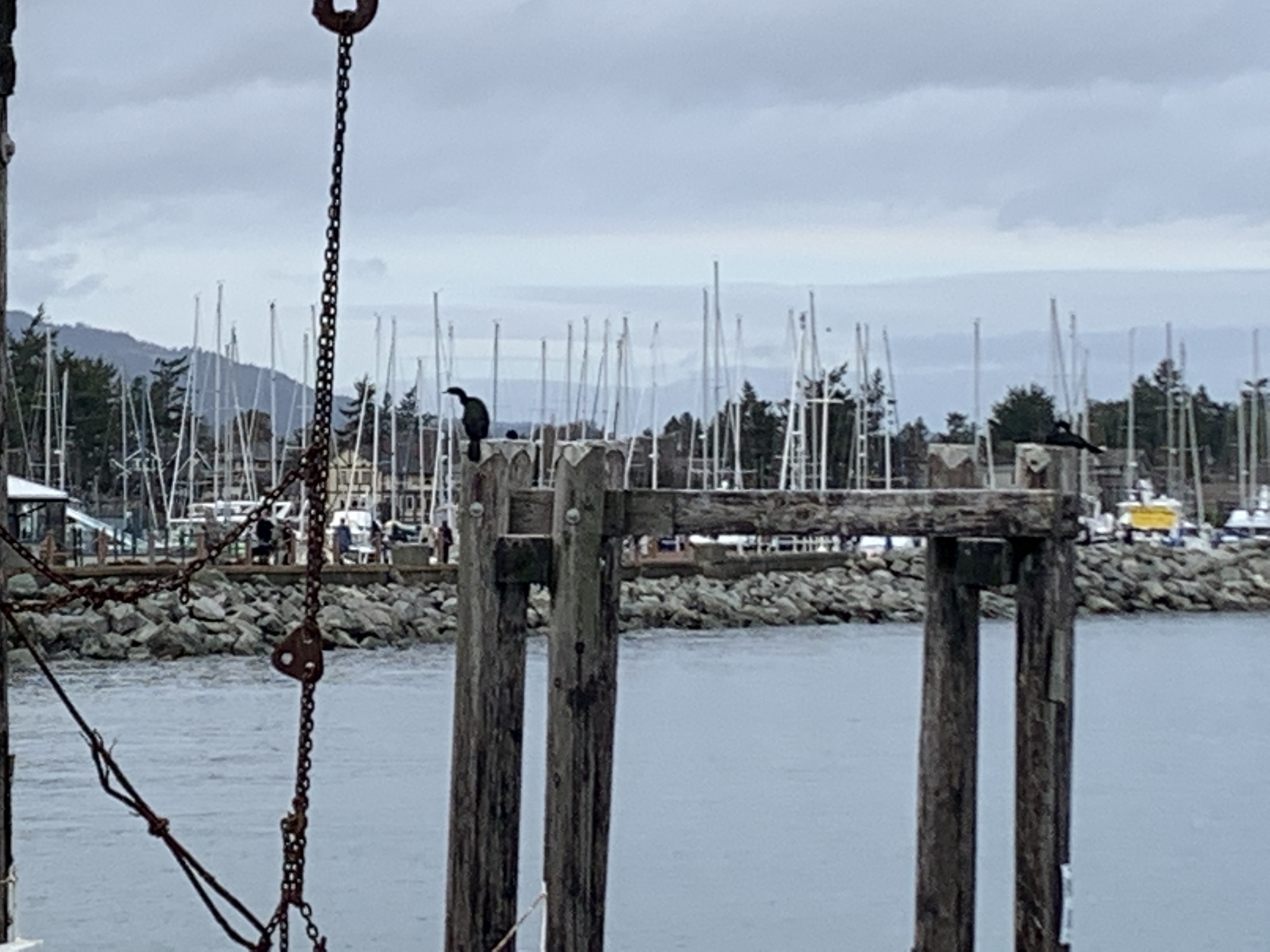
Inhabits shores and neritic zone of North Pacific. North American range extends from Alaska to Baja California Peninsula, including Aleutian and Bering Strait islands. Asian range spans Chukchi Peninsula south through Sakhalin and Kamchatka to Kyūshū. Subarctic populations are migratory; temperate and subtropical birds disperse locally post-breeding, with Asian birds occasionally reaching China or Korea. Has occurred as vagrant in Hawaiian Islands.
Behavior & Ecology
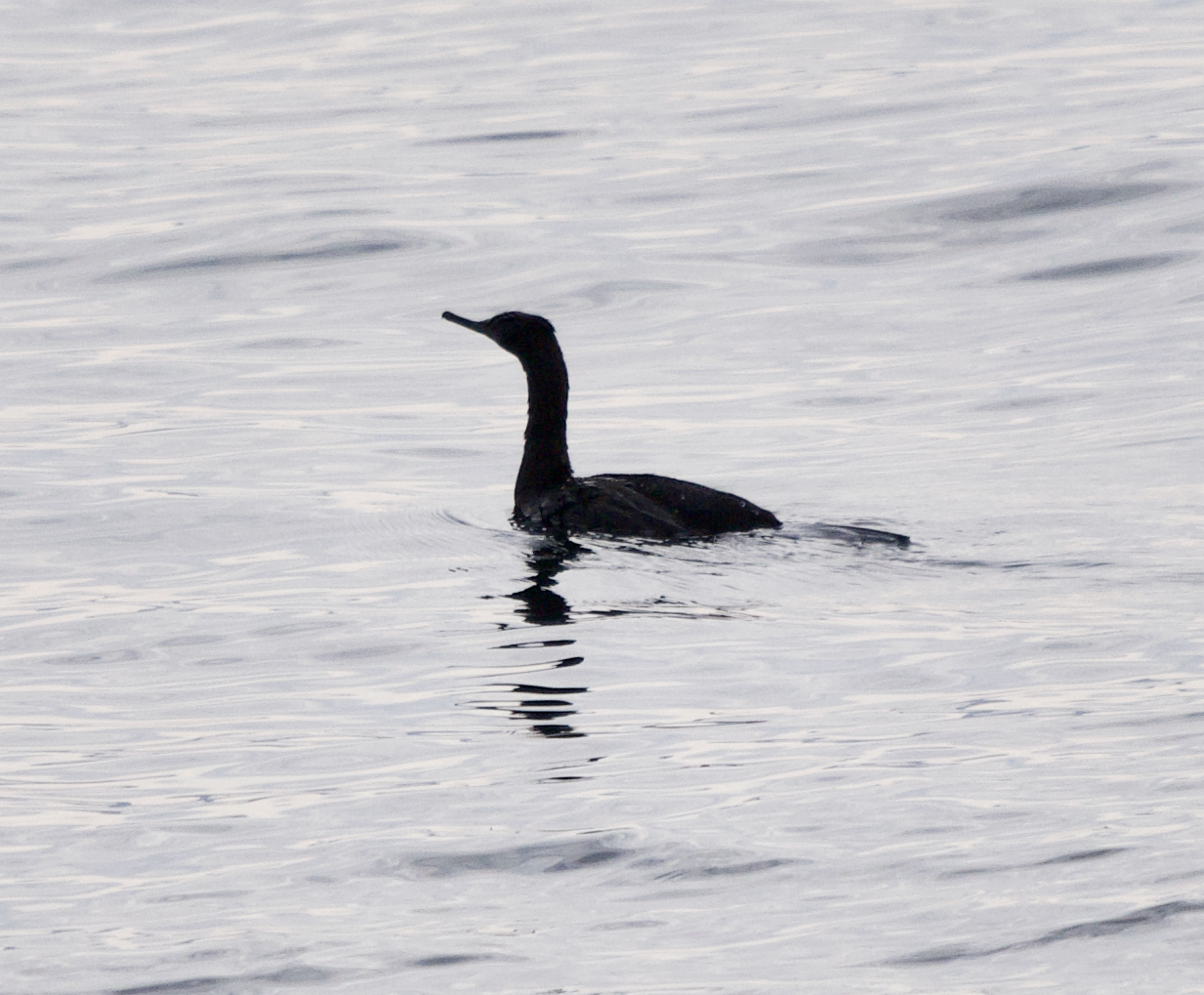
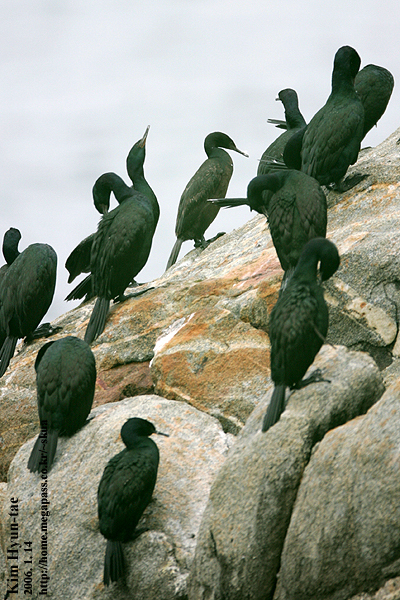
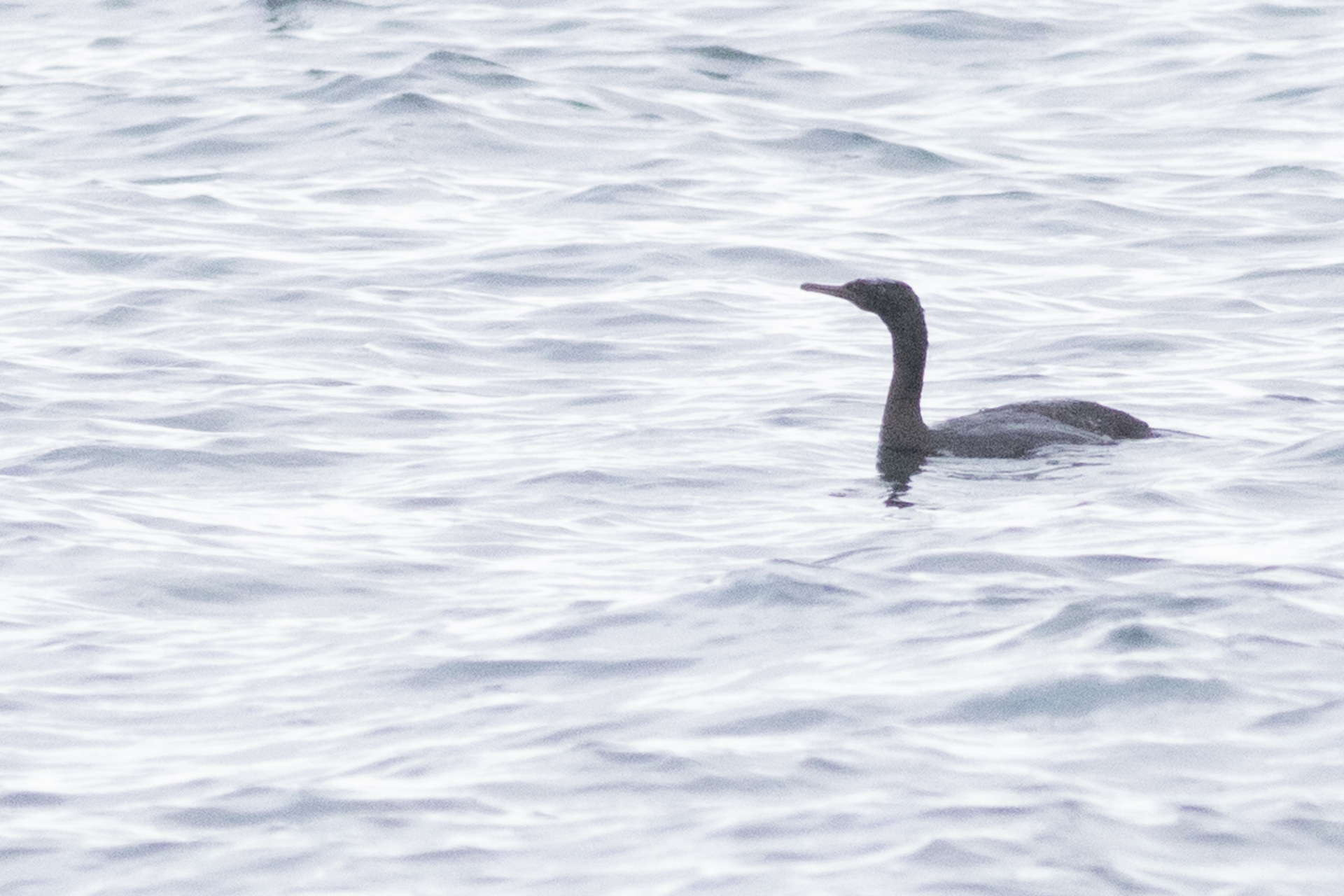
Forages by swimming to locate prey, then diving and pursuing underwater using feet and wings. Dives up to 140 feet (43 m) to feed on or near seafloor, preferring sheltered inlets, bays, and kelp beds. Diet consists primarily of bottom-dwelling fish including sand eels, sculpins, gunnels, and rockfish, plus shrimp. Joins mixed-species feeding flocks for Pacific herring. On land walks with high-stepped waddling gait. Breeding occurs on rocky shores and islands; nests on cliff ledges, less often in crevices or caves. Nests built from grasses and seaweed, growing up to 5 feet (1.5 m) deep. Clutch typically 2-5 eggs, usually 3-4. Courtship includes gular sac stretching, yawning, neck arching, and wing-fluttering. Sexual maturity at 2 years; maximum recorded age nearly 18 years.
Conservation
IUCN status: Least Concern. Numerous and widespread species with bulk of population in inaccessible Bering Sea region. Approximately 50,000 breed in Kuril Islands, Bering Sea islands, and Alaska; 25,000 along Pacific coast of North America, with 60% in California. Local populations temporarily affected by oil spills. Main threats include competition with gillnet fisheries and drowning in such nets. Previously described 'Kenyon's shag' from Aleutian Islands bones was determined to represent small females of this species.
Culture
No cultural or folklore information available.
Source: Wikipedia · CC BY-SA 3.0
Taxonomy
- Order
- Suliformes
- Family
- Phalacrocoracidae
- Genus
- Urile
- eBird Code
- pelcor
Subspecies (2)
-
Urile pelagicus pelagicus
breeds from Chukotka and Kamchatka (eastern Russia) southward to northern Honshu (northern Japan) and islets off Liaoning (northeastern China), and eastward through Aleutian Islands to British Colombia (southwestern Canada); winters southward to east-central China
-
Urile pelagicus resplendens
coastal southwestern British Columbia (southwestern Canada) to southern Baja California (northwestern Mexico)
Data Sources
Species description from Wikipedia, licensed under CC BY-SA 3.0.
Bird images and sounds sourced from GBIF, contributed by citizen scientists worldwide under Creative Commons licenses.
Taxonomy data from AviList 2025.