Eastern Grass Owl
Tyto longimembris
草鸮
Introduction
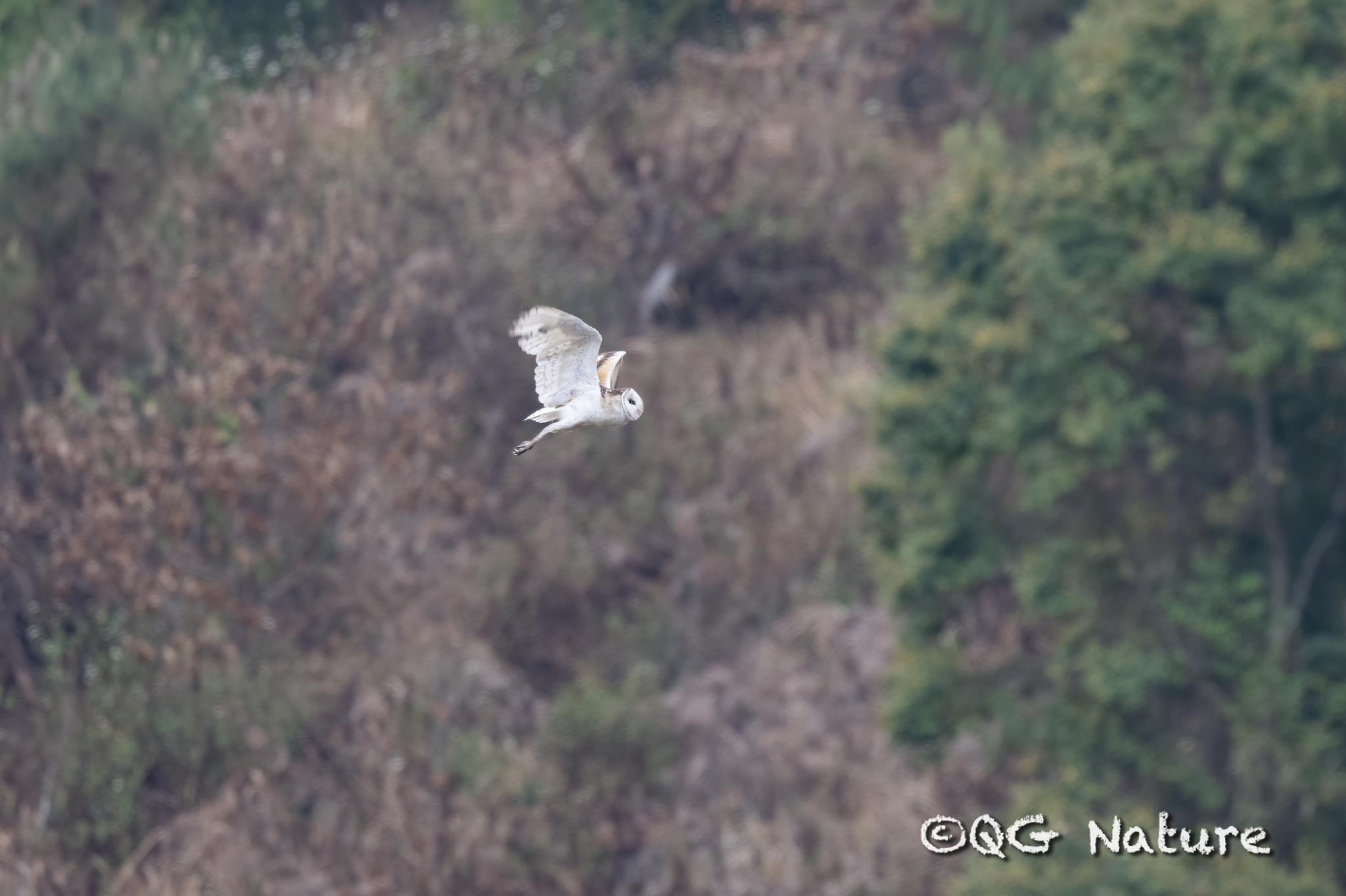
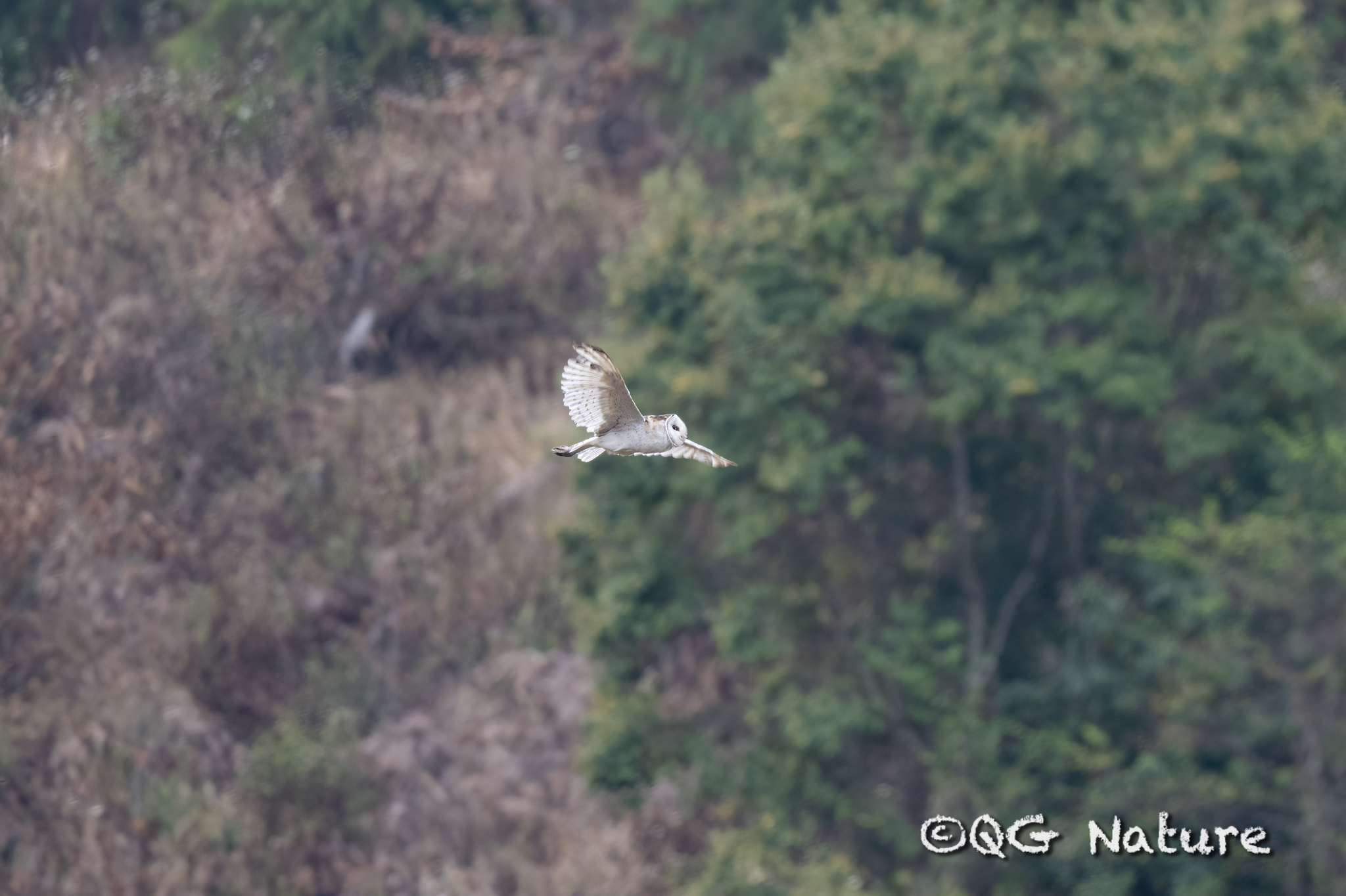
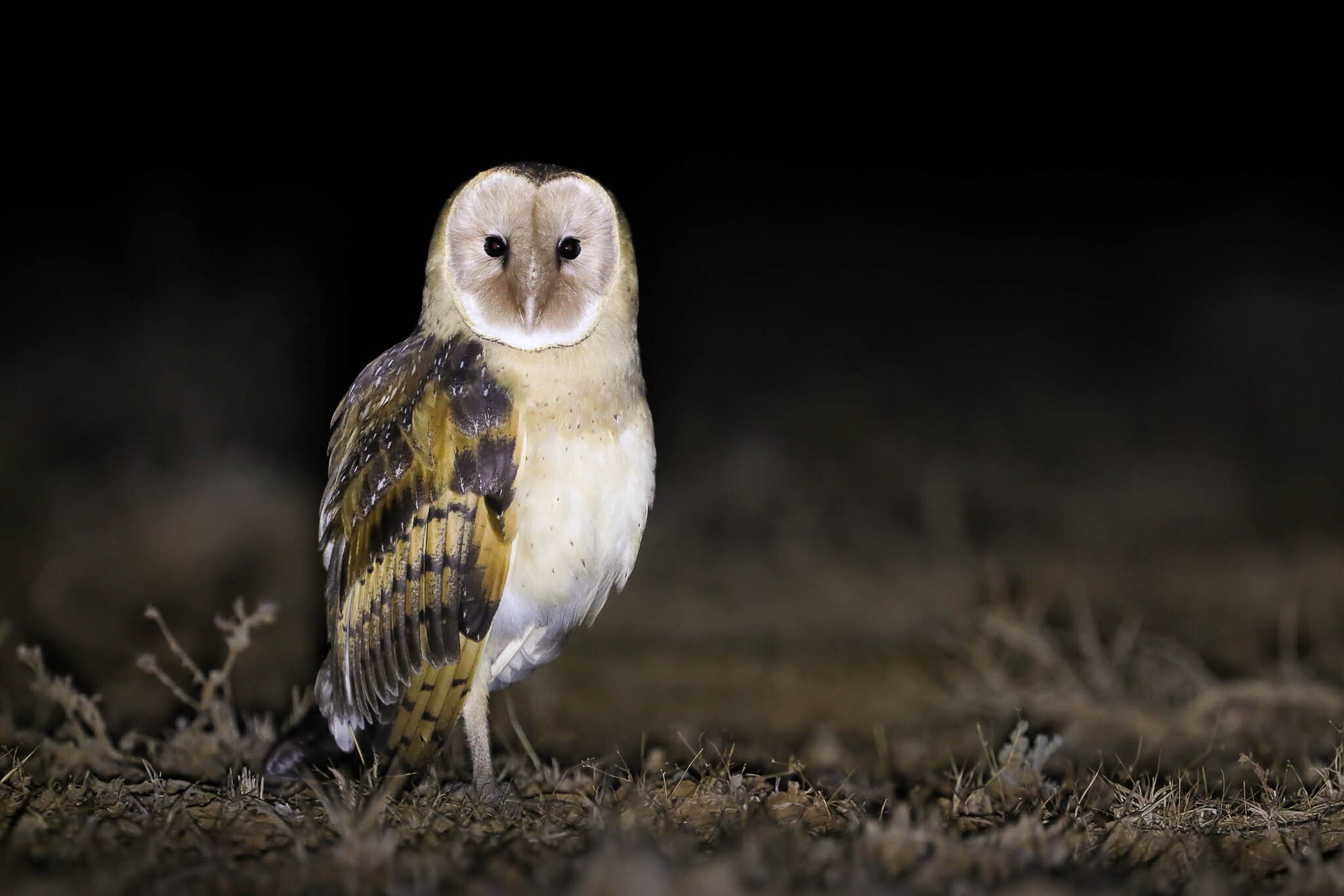
The eastern grass owl (Tyto longimembris) is a medium-sized owl of the barn owl family (Tytonidae). It occurs across eastern and southern Asia, Australia, and the western Pacific. Its habitat consists of open grasslands, wetlands, grassy swamps, and wet meadows, where it occupies dense tall grassland and moves through tunnel systems. It has a heart-shaped face characteristic of its family, darker upperparts with pale spotting, and a barred wing pattern. The species possesses unusually long legs relative to its body size. It is nocturnal, hunting by flying low over open areas and using its legs to plunge through vegetation to capture small mammals. Its vocalization is a loud, hissing screech. Taxonomic relationships remain unresolved, with some authorities considering it conspecific with the African grass owl (Tyto capensis).
Description
This medium-sized owl resembles the barn owl in overall proportions. Males measure 32 to 38 cm in length, while the larger females reach 35 to 42 cm. The wingspan spans 100 to 116 cm, with females weighing approximately 460 g and males around 400 g. The upperparts are dark brown or tan with scattered pale spots, while the wings display black and tan barring. The legs are fully feathered, and the beak is very pale. The eyes are dark brown. As with all Tyto owls, the facial disk is heart-shaped, featuring brownish-buff coloration with a distinctive white border.
Identification
The eastern grass owl is most easily distinguished from the similar barn owl by its darker, spotted upperparts and barred wing plumage. The call provides a reliable diagnostic feature: a loud, hissing screech that is louder than a barn owl's call but quieter than that of the masked owl. The heart-shaped facial disk with white edging is shared with other Tyto owls but combined with the plumage characteristics helps separate it from congeners within its range. The relatively long legs, adapted for hunting in dense vegetation, may also be noticeable in flight or when the bird is perched.
Distribution & Habitat
This species occupies a vast range extending through eastern, southern, and southeast Asia, including parts of New Guinea, the Philippines, and the western Pacific islands. In Australia, populations are concentrated mainly in Queensland. The preferred habitat consists of tall grasslands and swamps, where the owls utilize systems of tunnels through dense vegetation for roosting and nesting. The Taiwanese subspecies T. l. pithecops inhabits southern lowlands and foothills.
Behavior & Ecology
The eastern grass owl is a nocturnal hunter that specializes in preying upon small rodents. Studies in Australia have documented that long-haired rats and cane rats constitute the most common prey items. The owl hunts by flying low over open areas and detecting prey from the air, then using its long legs to penetrate dense ground cover and seize victims. It is generally solitary outside the breeding season. The primary vocalization is a loud, hissing screech typical of the barn owl family.
Conservation
Globally assessed as Least Concern due to its extensive range, the eastern grass owl faces localized threats. In Australia, it is listed as vulnerable in New South Wales under state legislation. The Taiwanese subspecies T. l. pithecops is rare and considered endangered, prompting legal protection under Taiwan's Wildlife Conservation Act. The primary threats include secondary poisoning from anticoagulant rodenticides used in agricultural rodent control and habitat loss from afforestation of abandoned farmland. Taiwan has responded by terminating proactive rodenticide distribution and implementing the Ecosystem Service Payment Program, which provides financial incentives to farmers who avoid rodenticides and herbicides in habitats supporting this species.
Culture
The Taiwanese subspecies has acquired the local name 'monkey-faced owl' among residents, a reference to its distinctive facial appearance that evokes a monkey-like expression. This colloquial name reflects the unique appearance of the heart-shaped facial disk in this particular population. Beyond this regional nickname, the species does not appear prominently in broader cultural or folklore traditions.
Source: Wikipedia · CC BY-SA 3.0
Taxonomy
- Order
- Strigiformes
- Family
- Tytonidae
- Genus
- Tyto
- eBird Code
- ausgro1
Subspecies (5)
-
Tyto longimembris amauronota
Philippines
-
Tyto longimembris chinensis
southeastern China (southeastern Yunnan to Jiangsu) and Vietnam
-
Tyto longimembris longimembris
northeastern India to Indochina, Sulawesi, Lesser Sundas, New Guinea (scarce), and central, northern, and eastern Australia (Kimberley, northern Northern Territory, eastward to Cape York Peninsula and to southern Victoria, inland to northeastern South Australia); at least formerly also Peninsular India
-
Tyto longimembris papuensis
west-central New Guinea (Baliem Valley) and eastern New Guinea (highlands of the Eastern Range, Huon Peninsula, and southeastern Peninsula)
-
Tyto longimembris pithecops
Taiwan
Data Sources
Species description from Wikipedia, licensed under CC BY-SA 3.0.
Bird images and sounds sourced from GBIF, contributed by citizen scientists worldwide under Creative Commons licenses.
Taxonomy data from AviList 2025.