Red-throated Thrush
Turdus ruficollis
赤颈鸫
Introduction
The red-throated thrush (Turdus ruficollis) is a Palearctic species recently split from the black-throated thrush based on plumage differences and vocalizations. It breeds in taiga and mountain forests of Siberia, Mongolia, and northern China. The species occurs as a very rare vagrant to western Europe. Conservation status is Least Concern.
Description
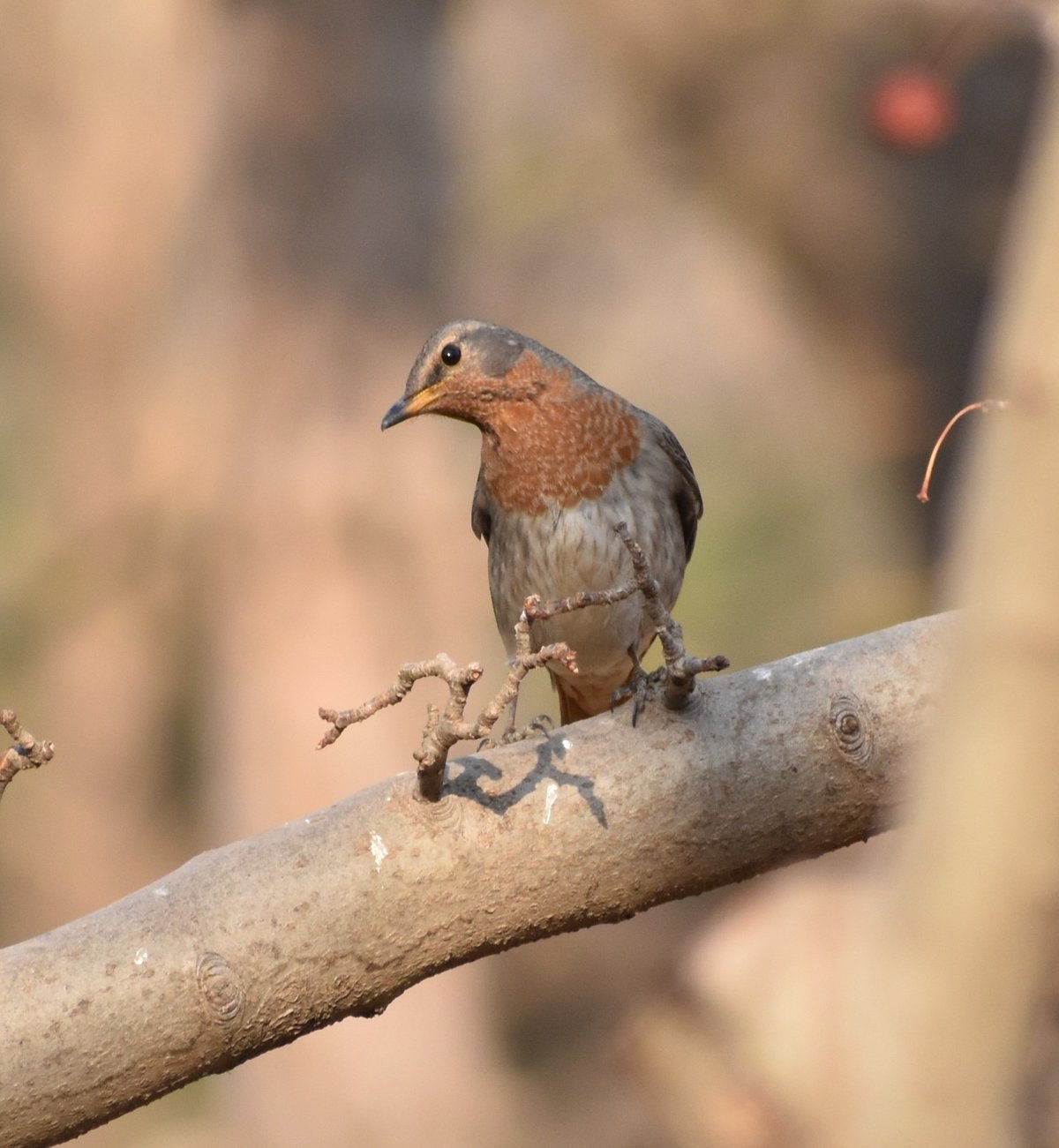
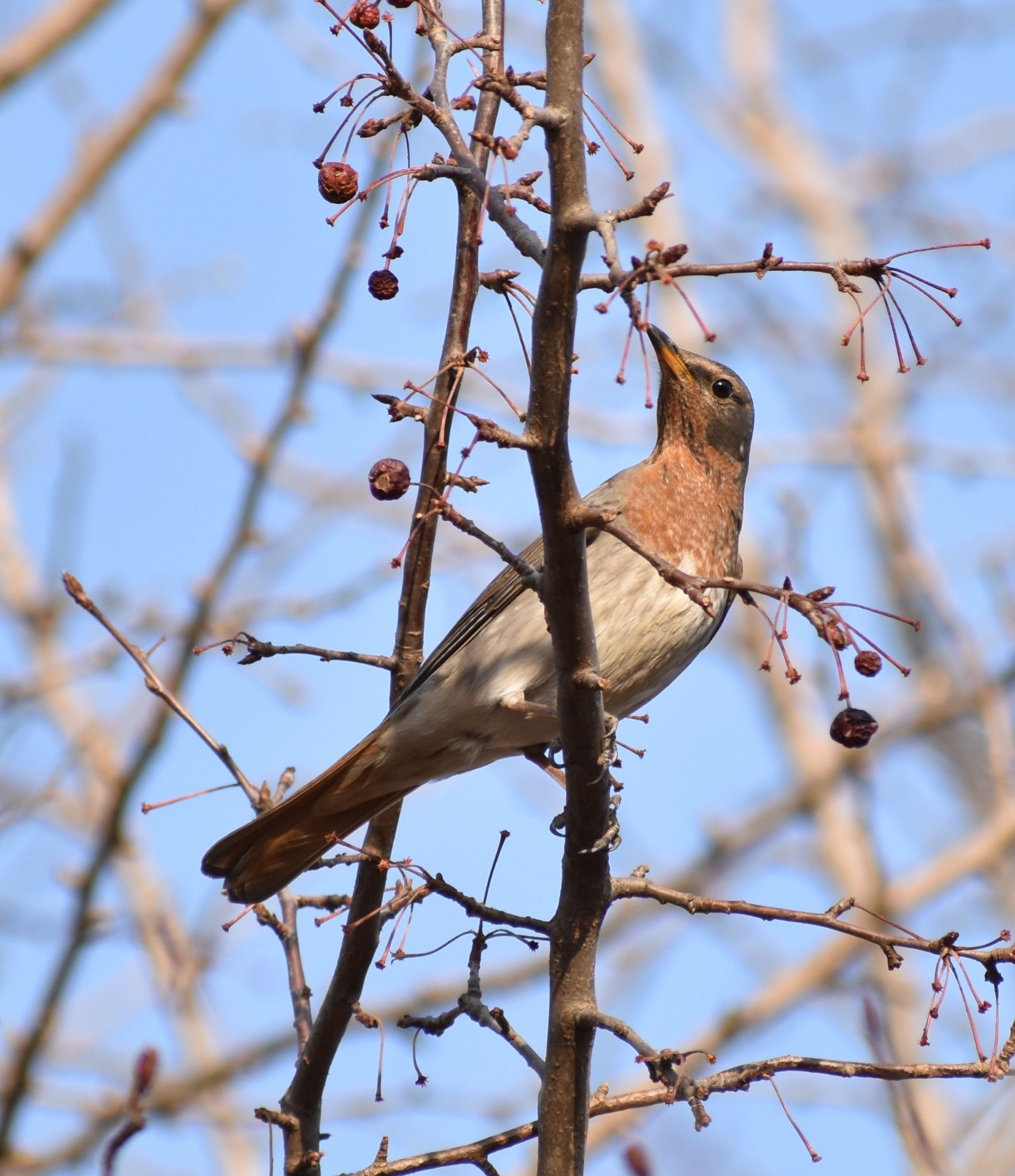
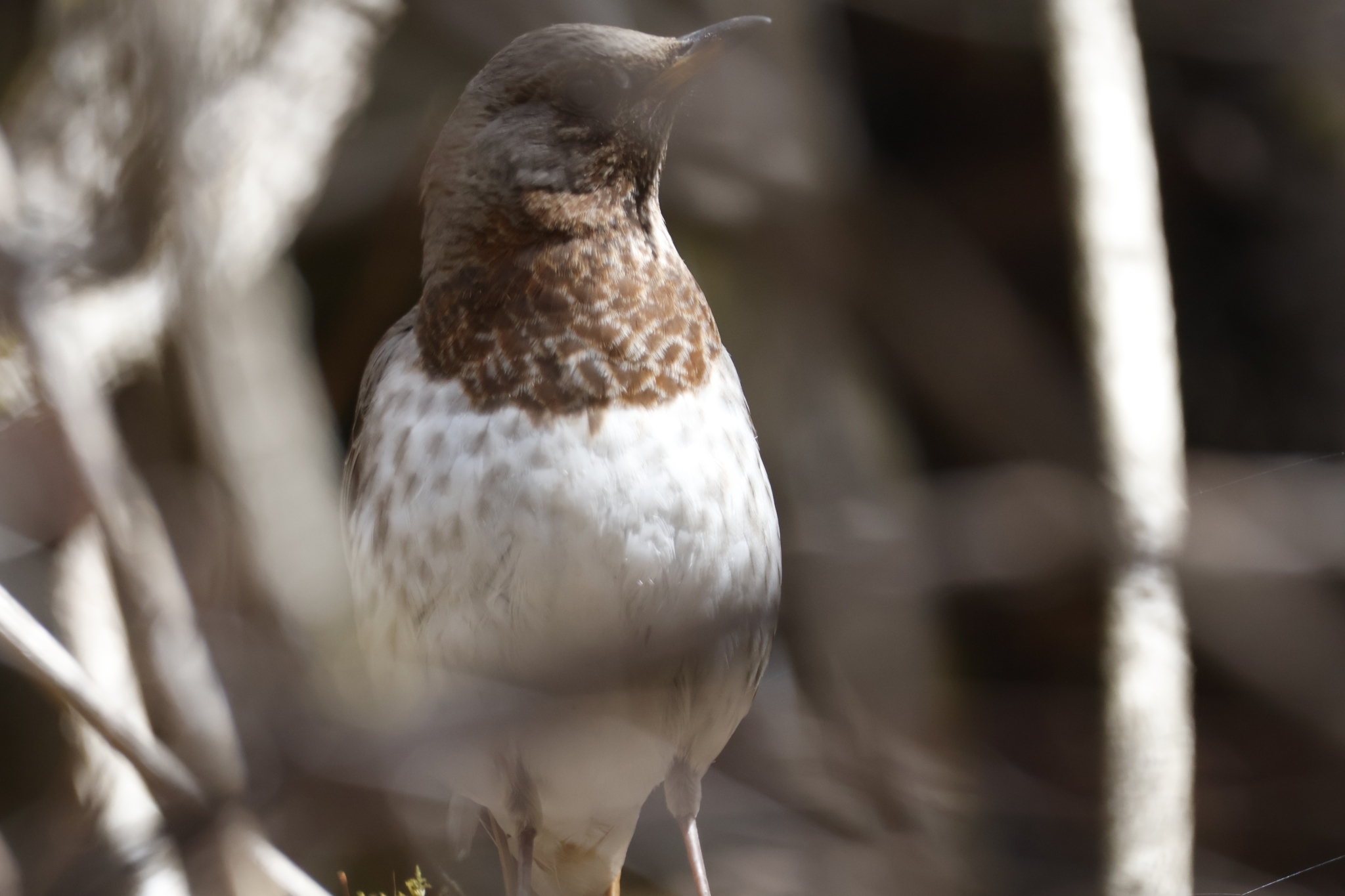
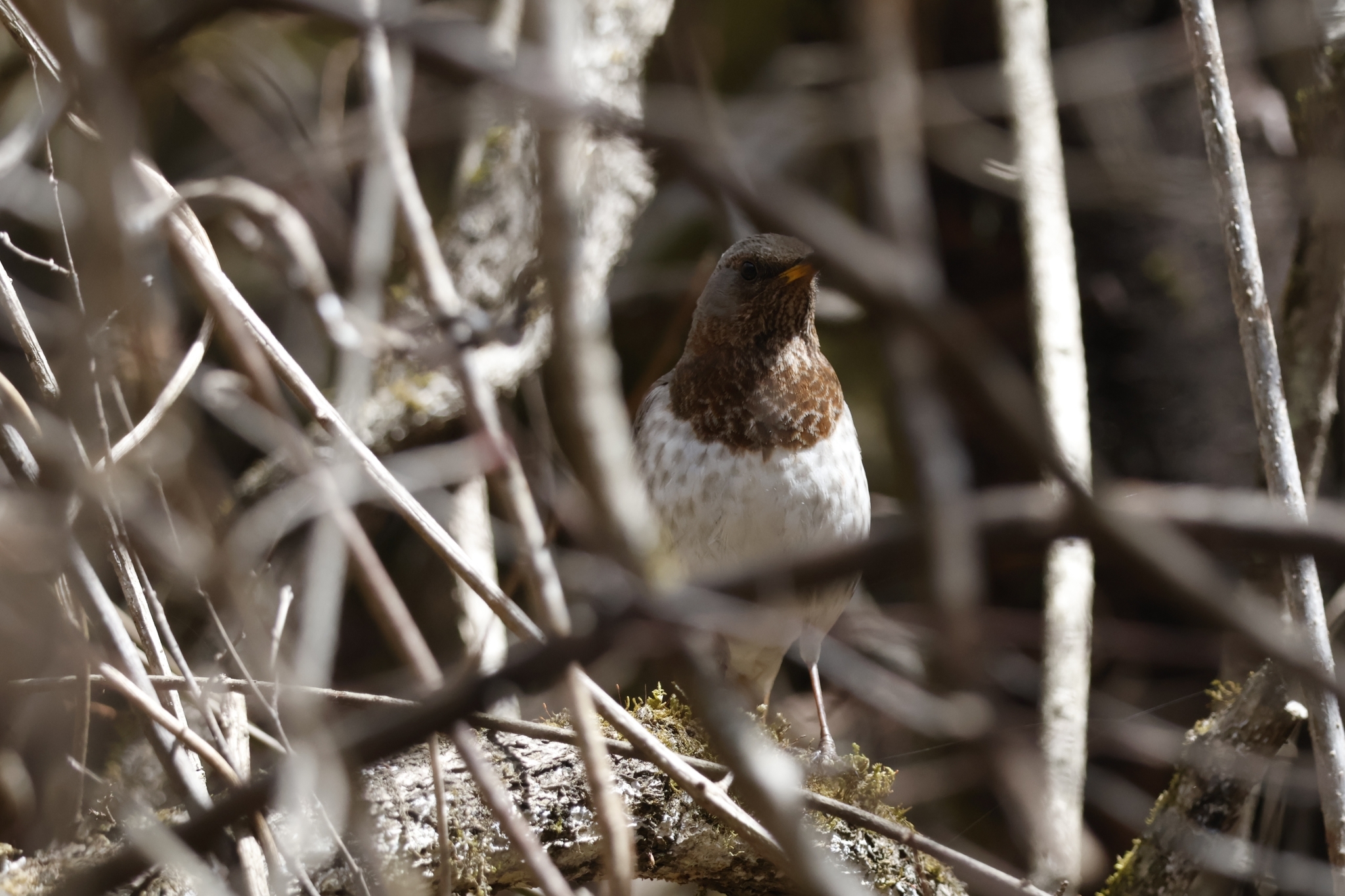
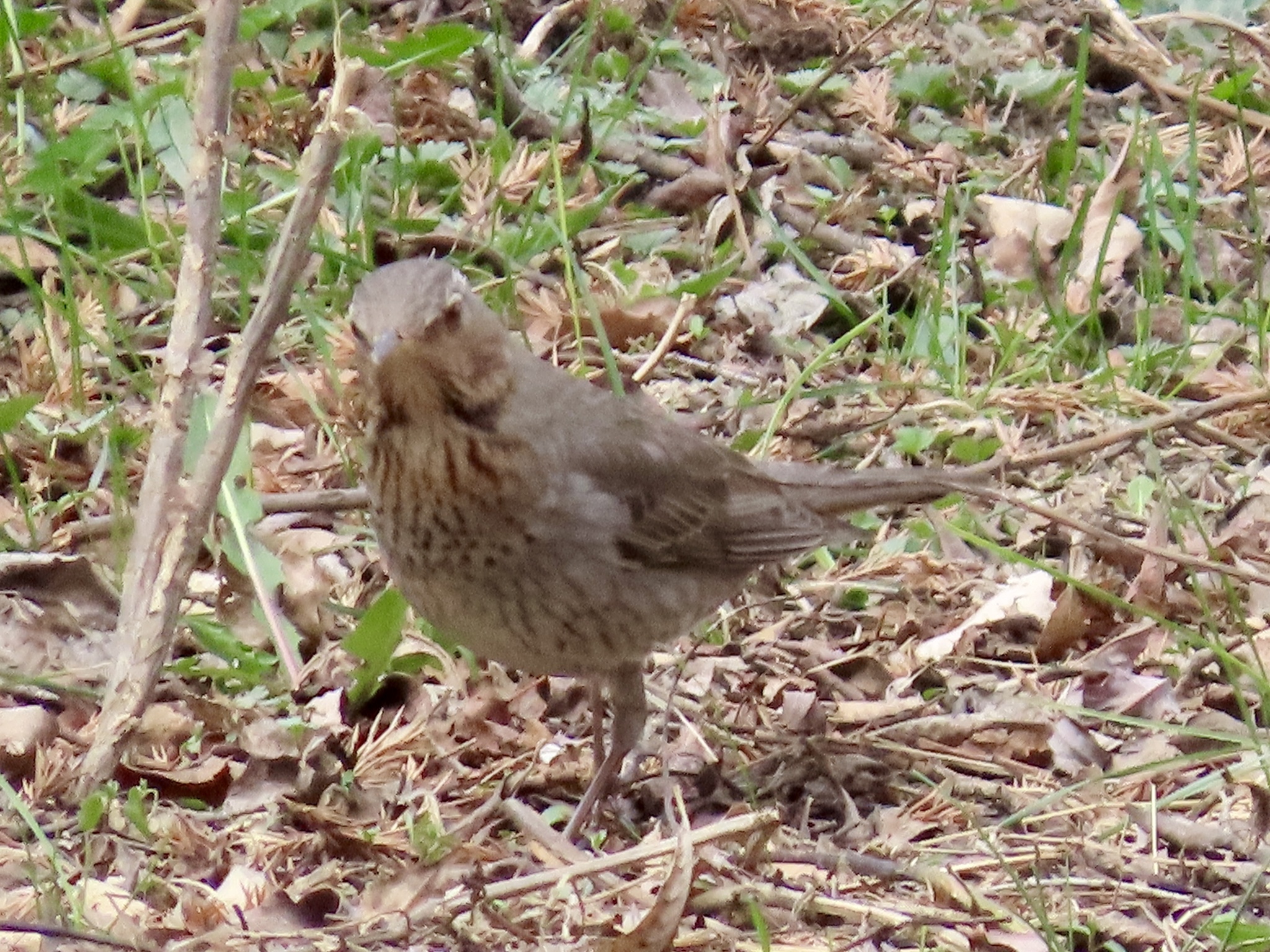
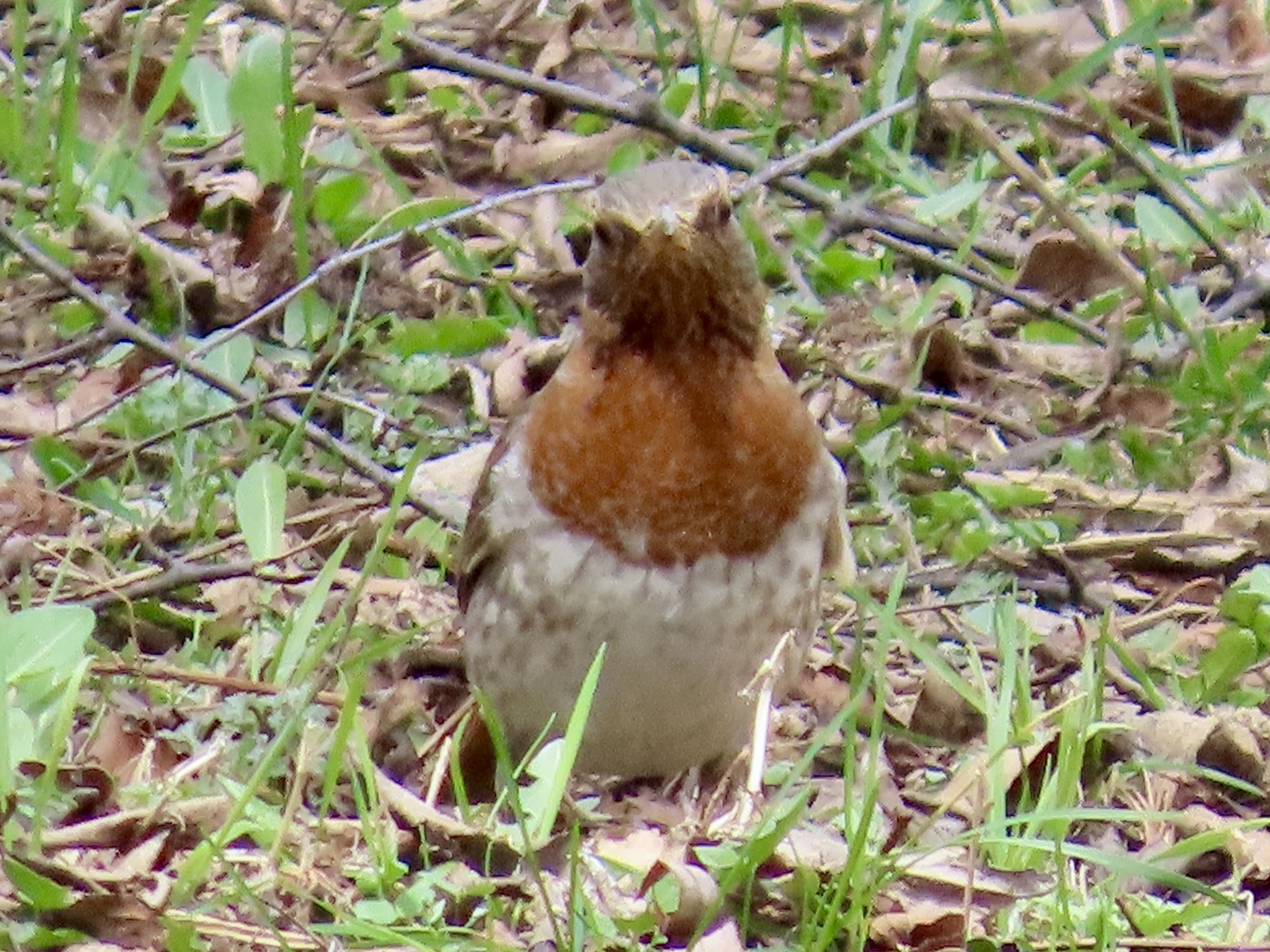
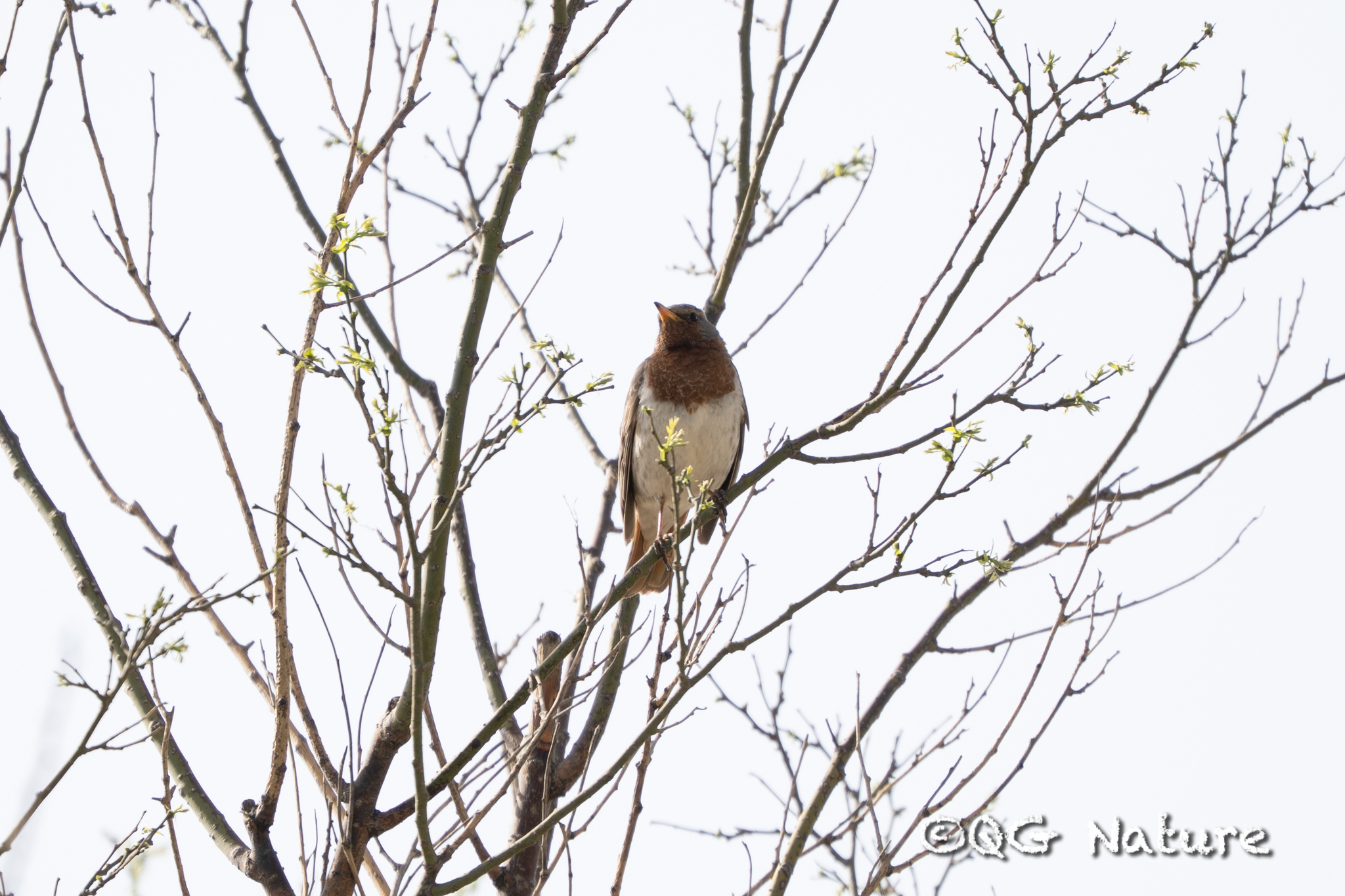
This is a large thrush species, belonging to the same genus as the familiar European thrushes. The upperparts are uniformly plain grey, lacking the warm brown tones seen in many related species. The underwings display a distinctive reddish coloration, visible when the bird is in flight. Adult males possess a bold red throat patch that contrasts sharply with the grey breast and belly. Females and juvenile birds lack the red throat entirely; instead, they show black-streaked underparts that provide camouflage in their forested habitat. The overall impression is of a somewhat plain-backed thrush with a striking throat element in breeding males.
Identification
The adult male's red throat is the definitive identification feature, separating this species from the black-throated thrush, which has a black or dark throat. The reddish underwings also distinguish the two forms, with black-throated thrushes showing darker underwing coverts. Females and first-year birds present greater identification challenges, as both species show streaked underparts in these plumages; the red-throated form typically shows less extensive streaking and a slightly greyer overall appearance. When encountered as a vagrant in western Europe, separation from locally common thrush species such as fieldfare and redwing is straightforward due to the larger size, plain grey upperparts, and distinctive throat coloration of adult males.
Distribution & Habitat
This thrush breeds across eastern Siberia from the Altai Mountains eastward to the Pacific coast, extending south to northern Manchuria. Its wintering range extends from western China through Myanmar to northeastern India, with some populations reaching northern Southeast Asia. The species inhabits coniferous and mixed forest edges, mountain taiga, and open woodland with dense understory vegetation. It breeds at elevations between 1,600 and 3,000 meters, descending to lower elevations during the winter months. The species' breeding range overlaps with that of the black-throated thrush in parts of central Asia, and both forms may be found in the same areas during migration. Vagrant records from western Europe remain exceptionally rare, with only a handful of accepted records.
Behavior & Ecology
The red-throated thrush is typically encountered as solitary birds or pairs during the breeding season, becoming more gregarious during migration and winter when small flocks may form. Like other thrushes, it forages on the ground, turning over leaf litter to find invertebrates including insects, worms, and snails. Berries and fruits form an important part of the diet, particularly during winter. The breeding season begins in late May, with nests constructed in trees or shrubs using moss, grass, and mud. The species produces two to three broods per season in favorable conditions. The song consists of melodious phrases similar to other thrushes, though detailed comparative studies of vocalizations between this and the black-throated thrush are limited. Contact calls are described as harsh, chattering notes.
Conservation
The red-throated thrush is currently assessed as Least Concern by the IUCN, reflecting its relatively large range and population size within its core distribution. However, population trends are not well documented, and comprehensive monitoring programs are lacking across much of its remote breeding range. Potential threats include habitat loss from logging and agricultural expansion in mountain forest regions, though these impacts appear to be localized rather than widespread. Climate change effects on mountain forest ecosystems represent a long-term concern, particularly given the species' reliance on specific elevation bands. As a rare vagrant to western Europe, the species does not feature in regional conservation assessments.
Culture
This species holds no prominent position in cultural traditions or folklore, reflecting its restricted distribution and limited contact with human populations. Within the birding community, the red-throated thrush has gained attention primarily as an identification challenge following its taxonomic separation from the black-throated thrush. Enthusiasts studying Asian thrushes find it significant as one of two distinct forms that were long considered conspecific, with the red-throated and black-throated thrushes representing a classic example of speciation through geographical isolation. European birders particularly prize vagrant records, which generate substantial interest and documentation when individuals are detected far outside their normal range.
Source: Wikipedia · CC BY-SA 3.0
Taxonomy
- Order
- Passeriformes
- Family
- Turdidae
- Genus
- Turdus
- eBird Code
- retthr1
Distribution
breeds eastern Siberia to northern Manchuria; winters to western China, Myanmar, and northeastern India
Data Sources
Species description from Wikipedia, licensed under CC BY-SA 3.0.
Bird images and sounds sourced from GBIF, contributed by citizen scientists worldwide under Creative Commons licenses.
Taxonomy data from AviList 2025.