Pale Thrush
Turdus pallidus
白腹鸫
Introduction
The pale thrush is a medium-sized thrush species of the genus Turdus. Its breeding range extends across northeastern Asia, including parts of China, Japan, Korea, and Russia. During the breeding season, it inhabits coniferous and mixed forests, typically occurring in the understory. It is a migratory species, moving seasonally across the eastern Palearctic region. In winter, it occurs in parks, gardens, and woodland areas. The species congregates around berry-bearing shrubs and trees during migration and winter. It is considered common throughout its range and is part of a diverse thrush community in East Asia, occurring alongside the eye-browed thrush and grey-backed thrush.
Description
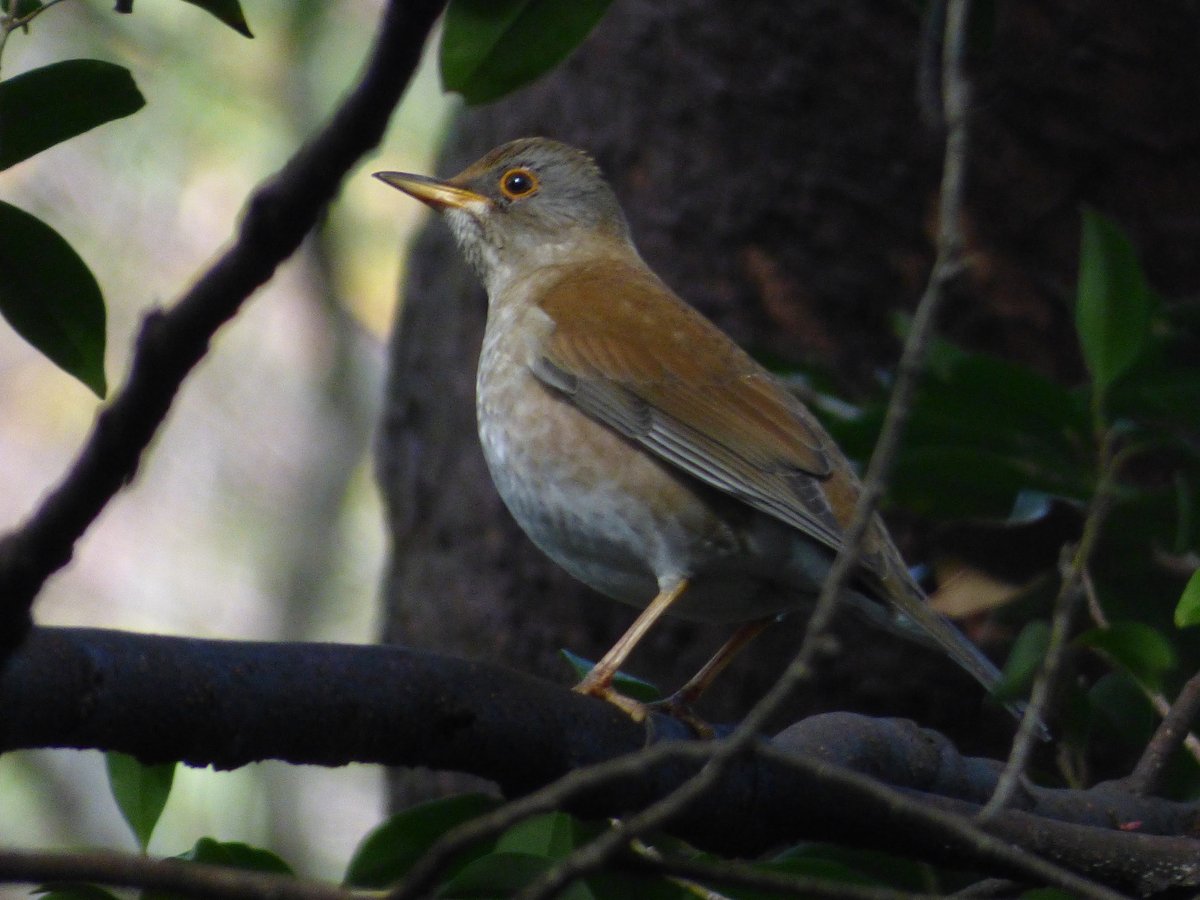
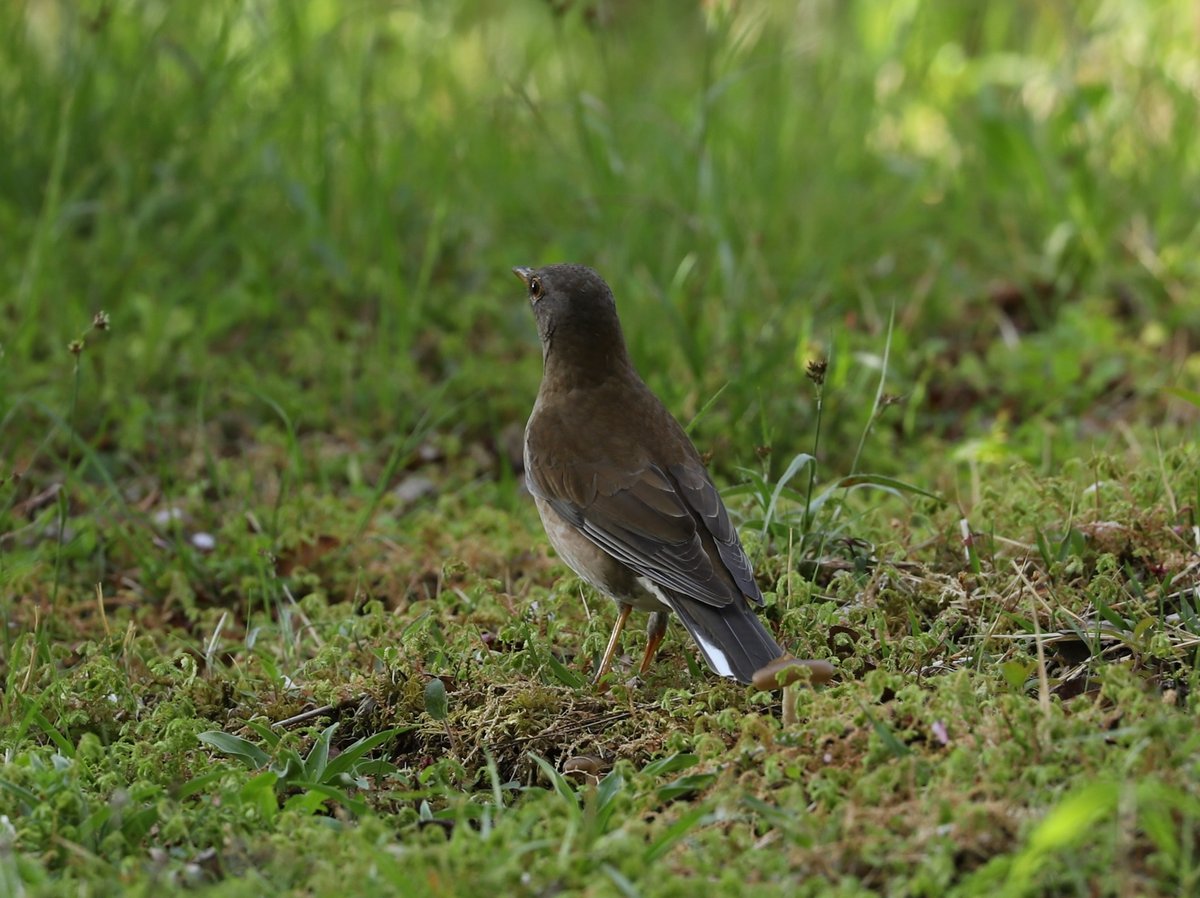
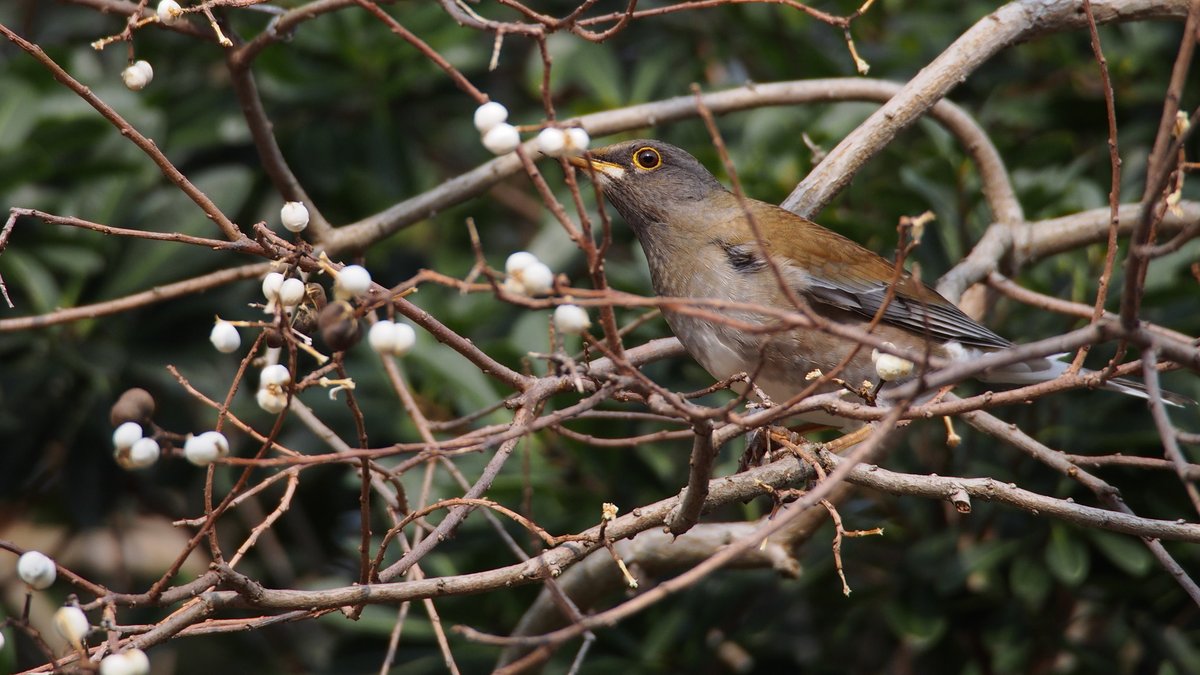
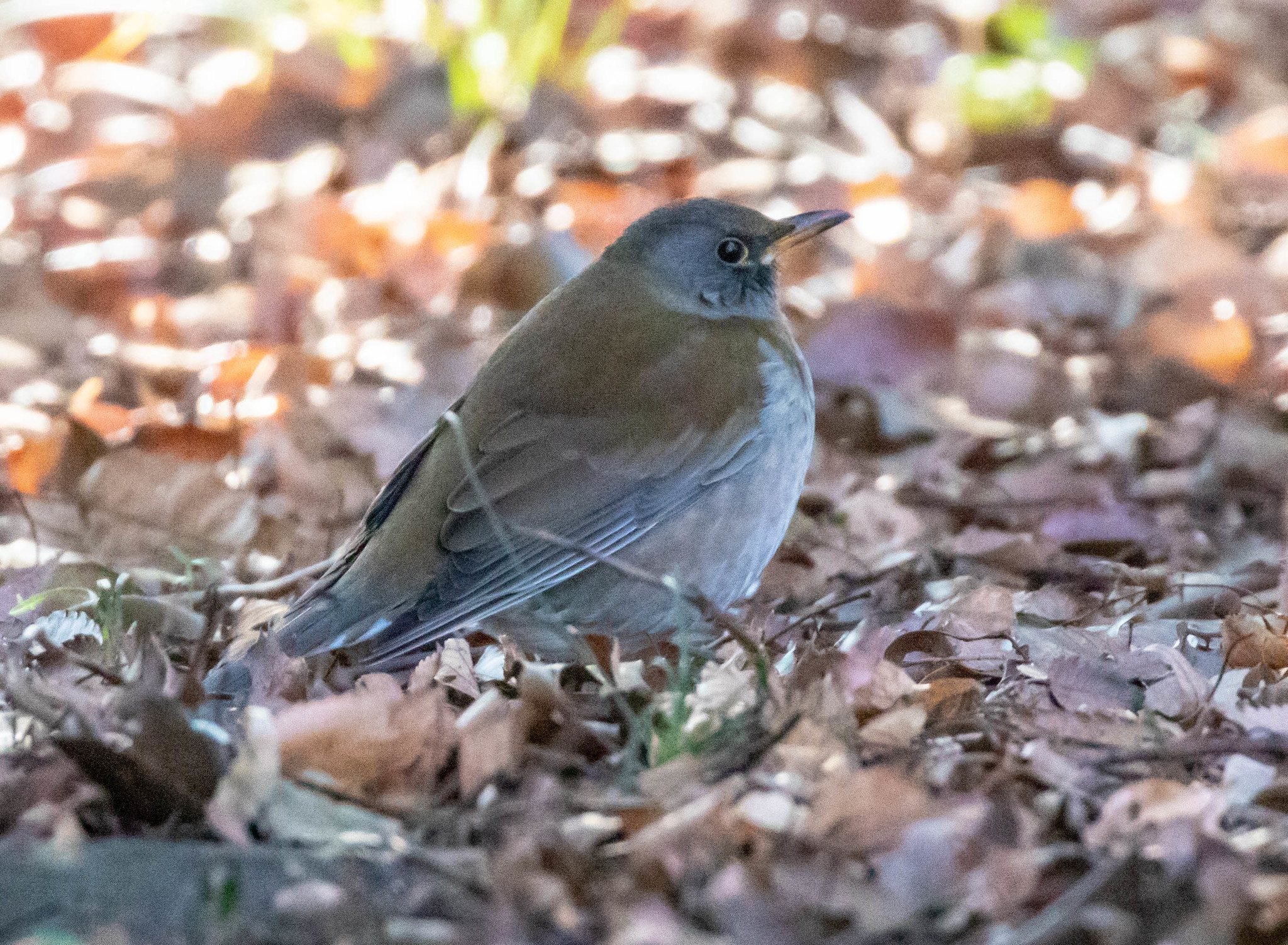
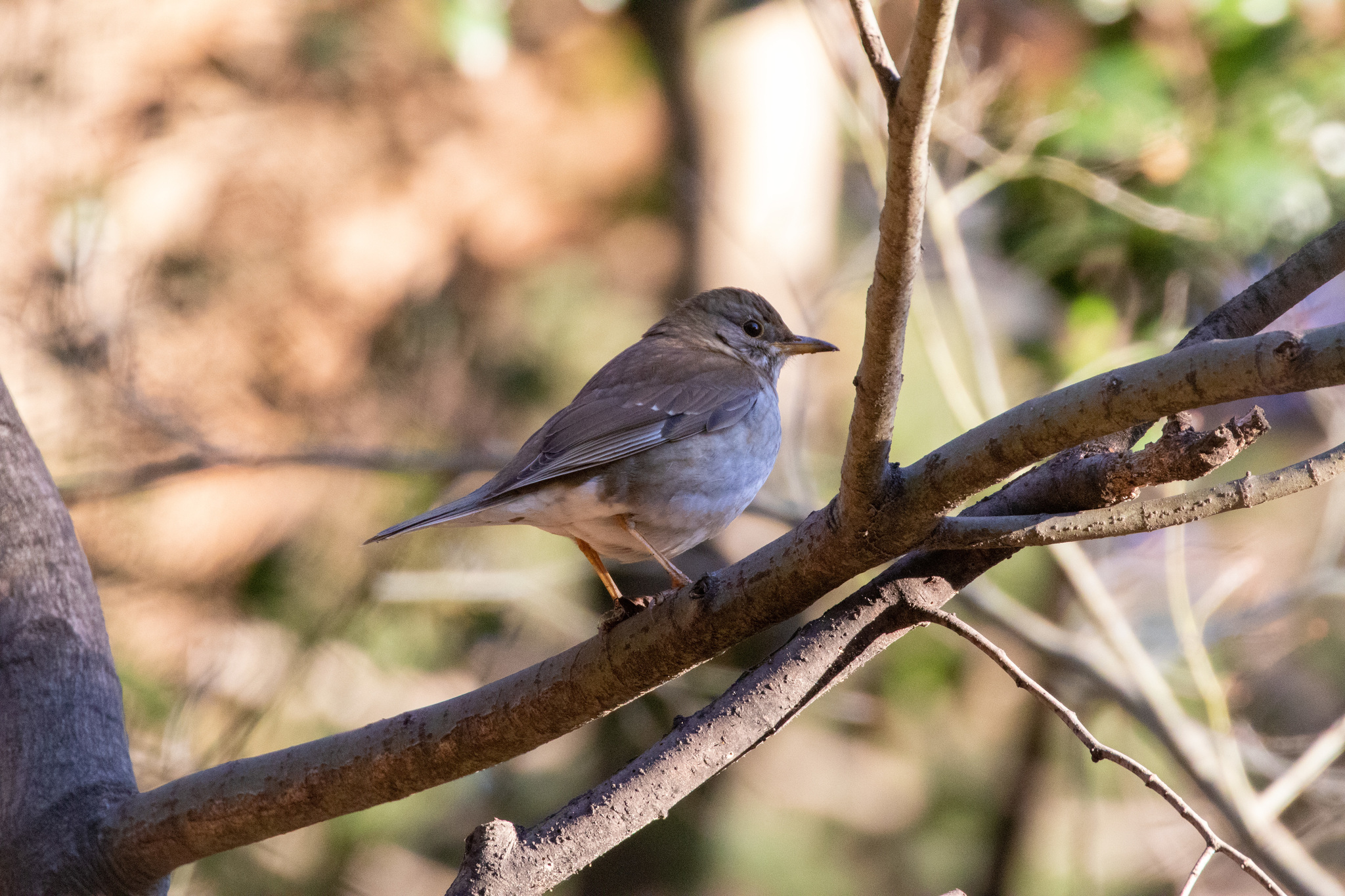
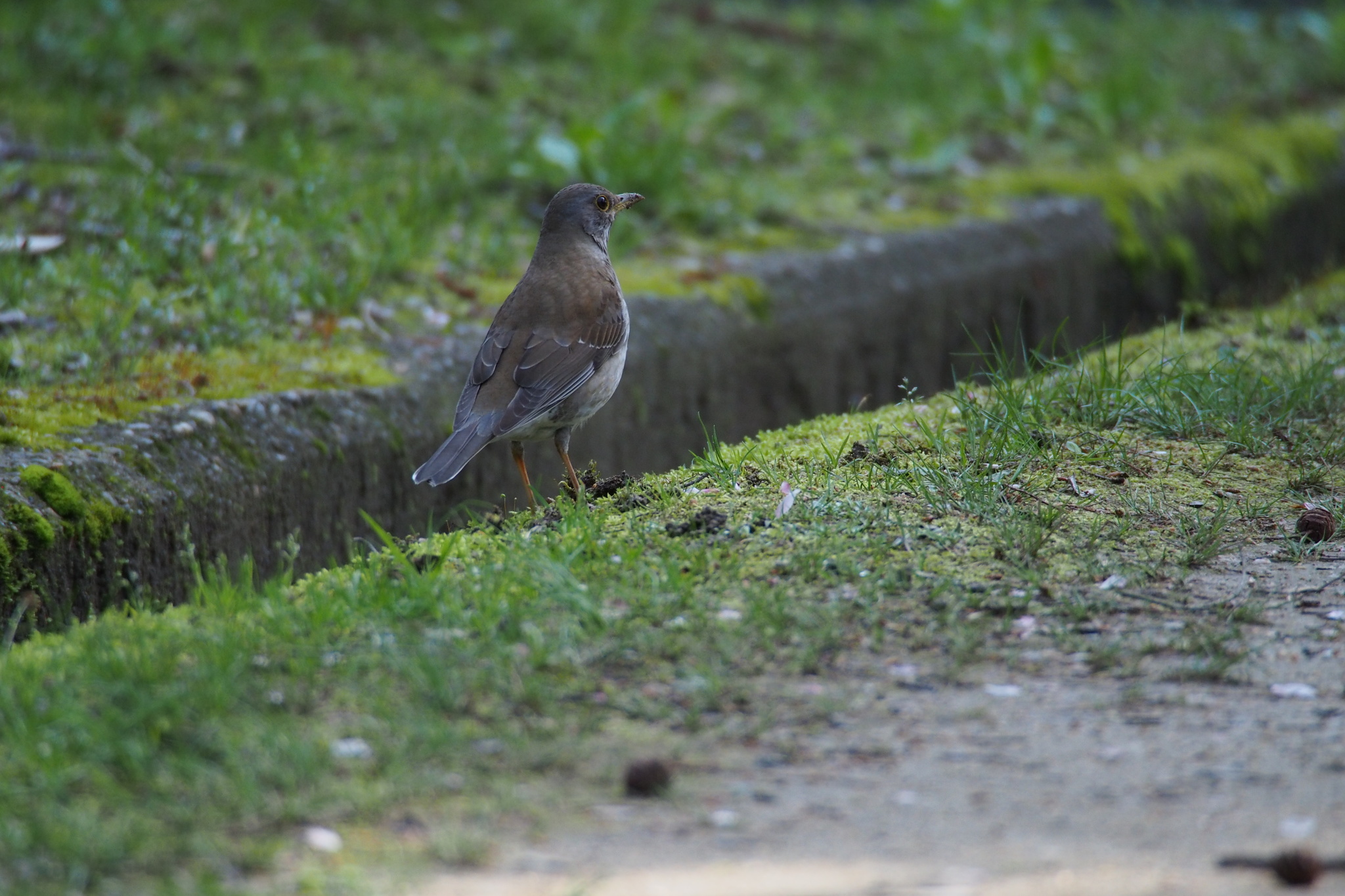
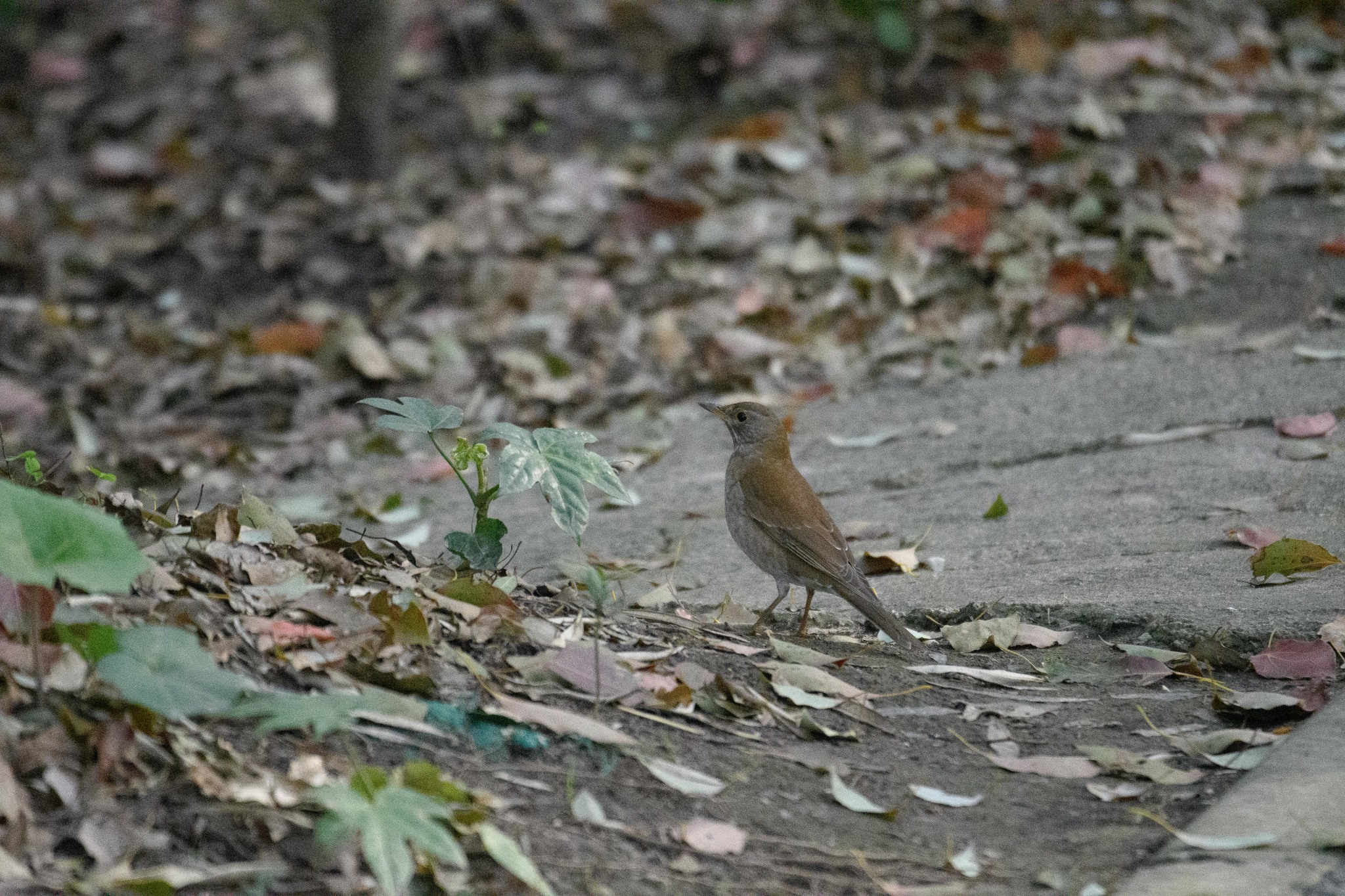
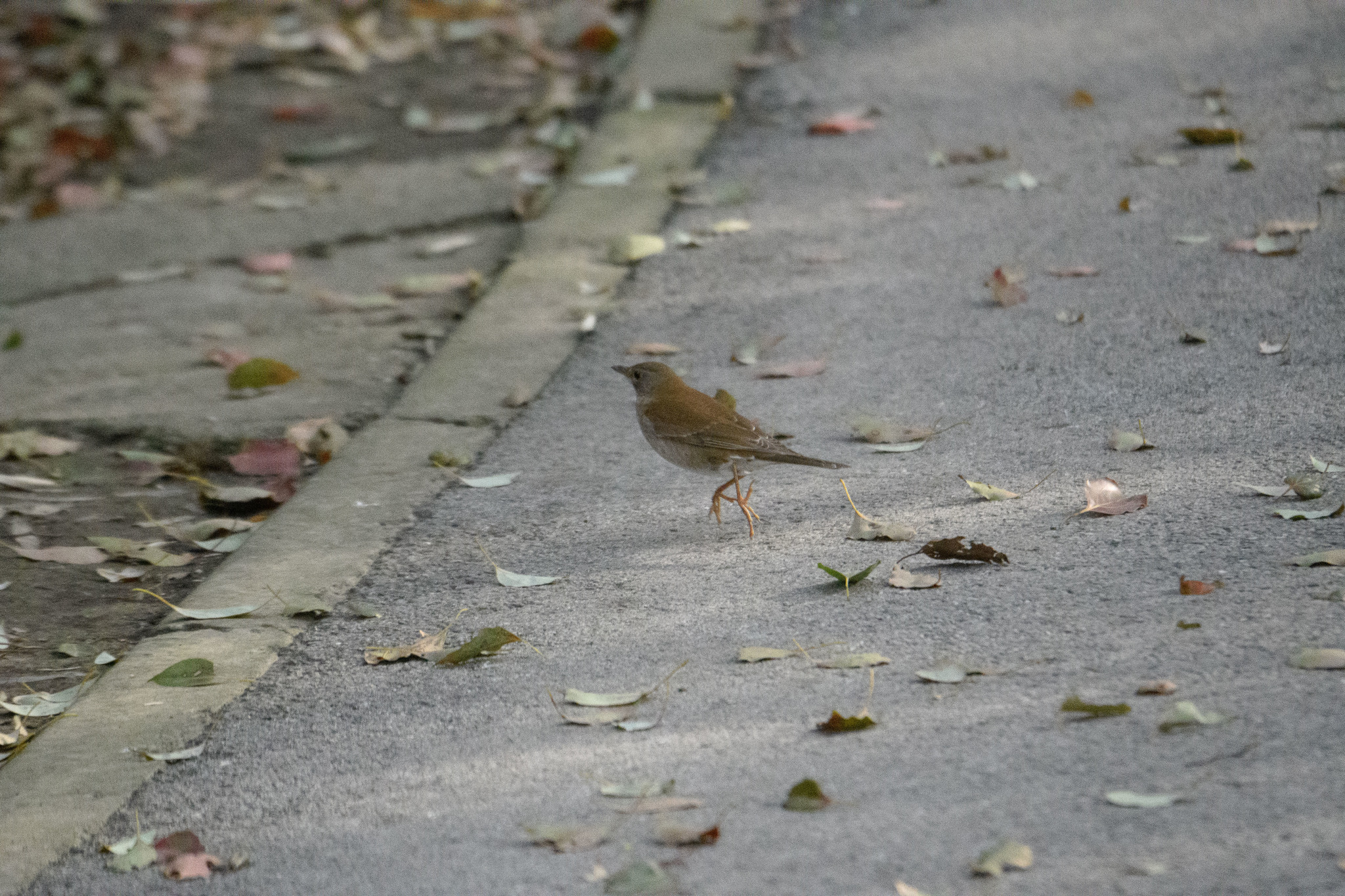
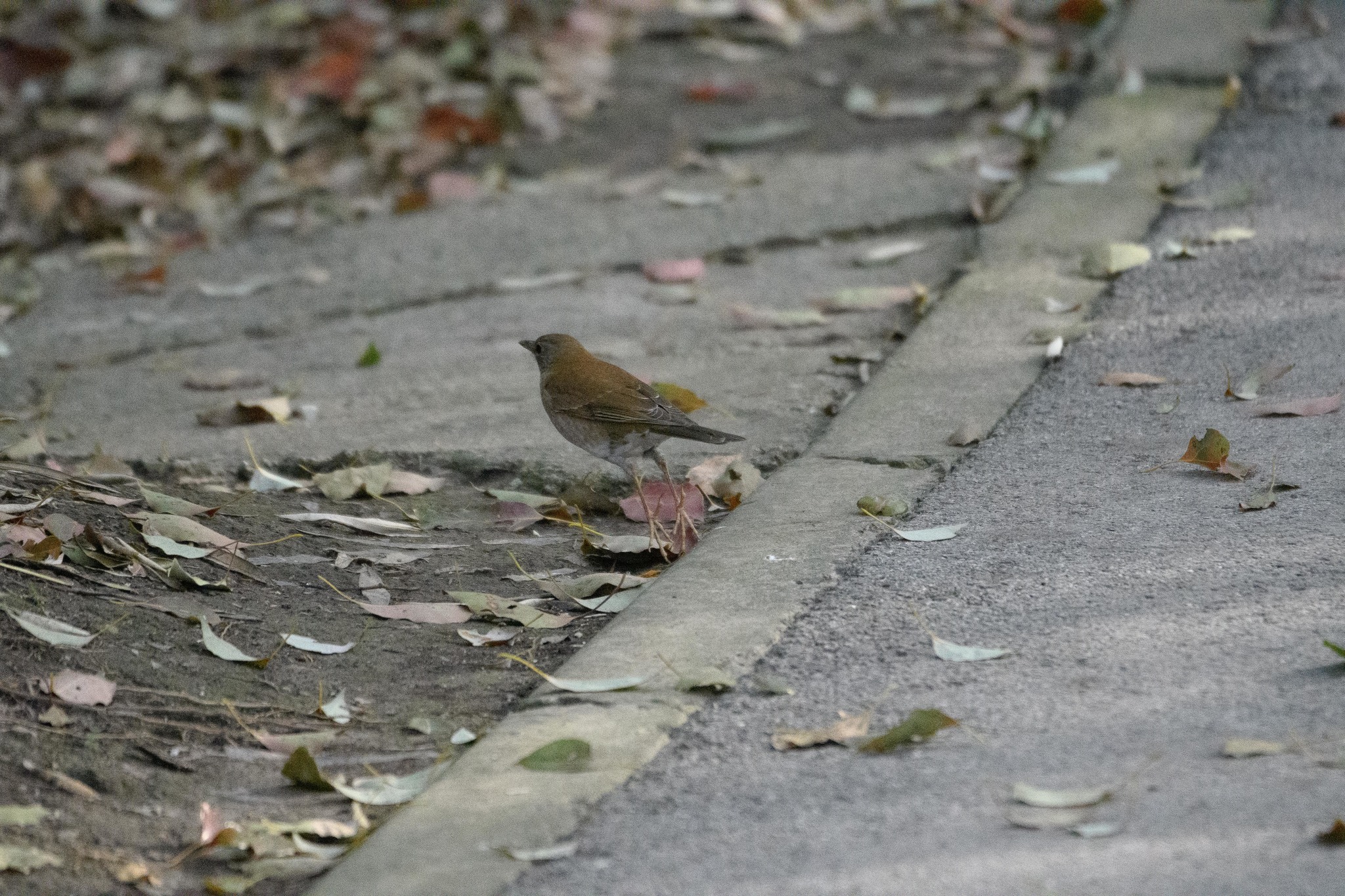
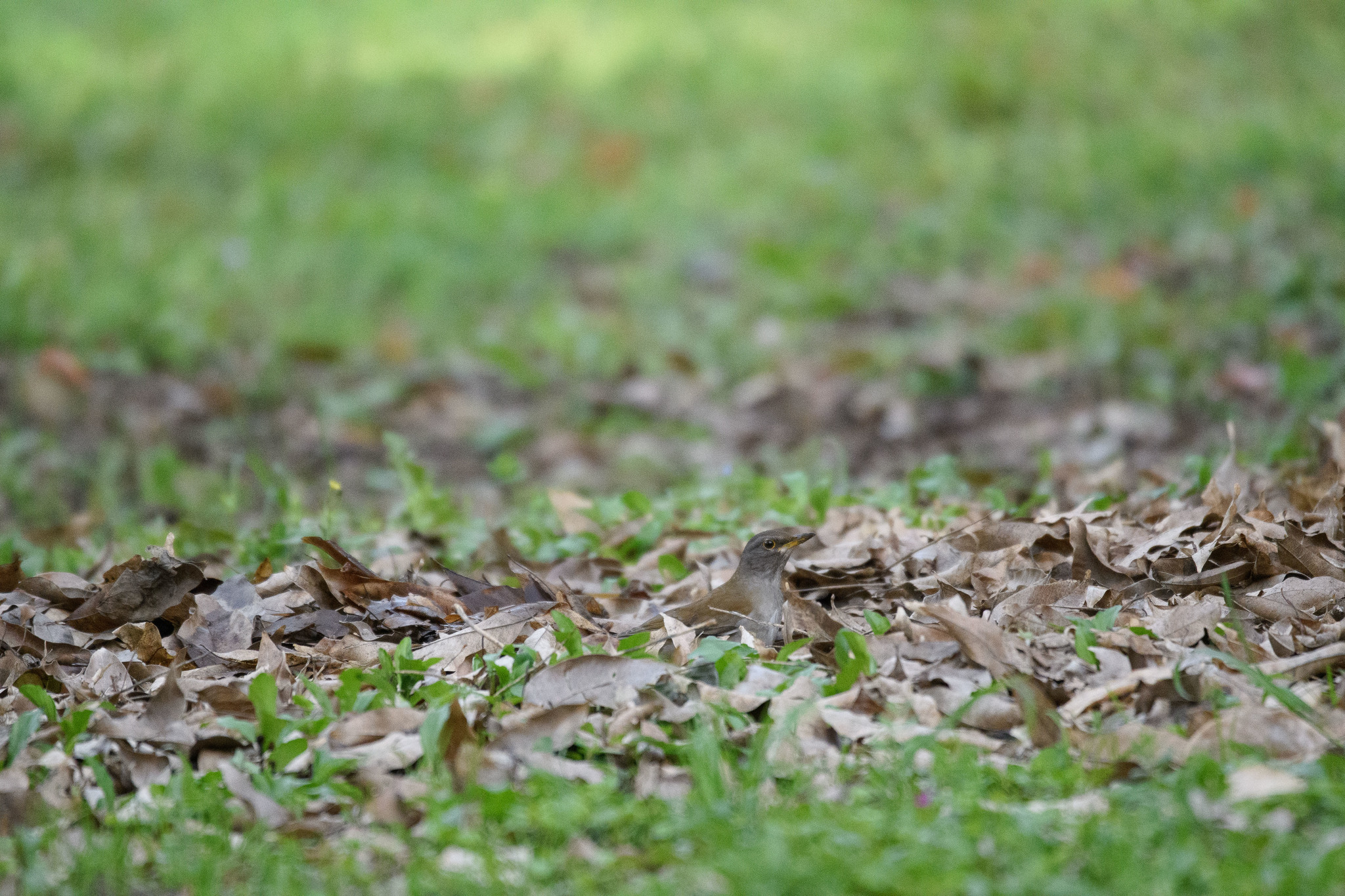
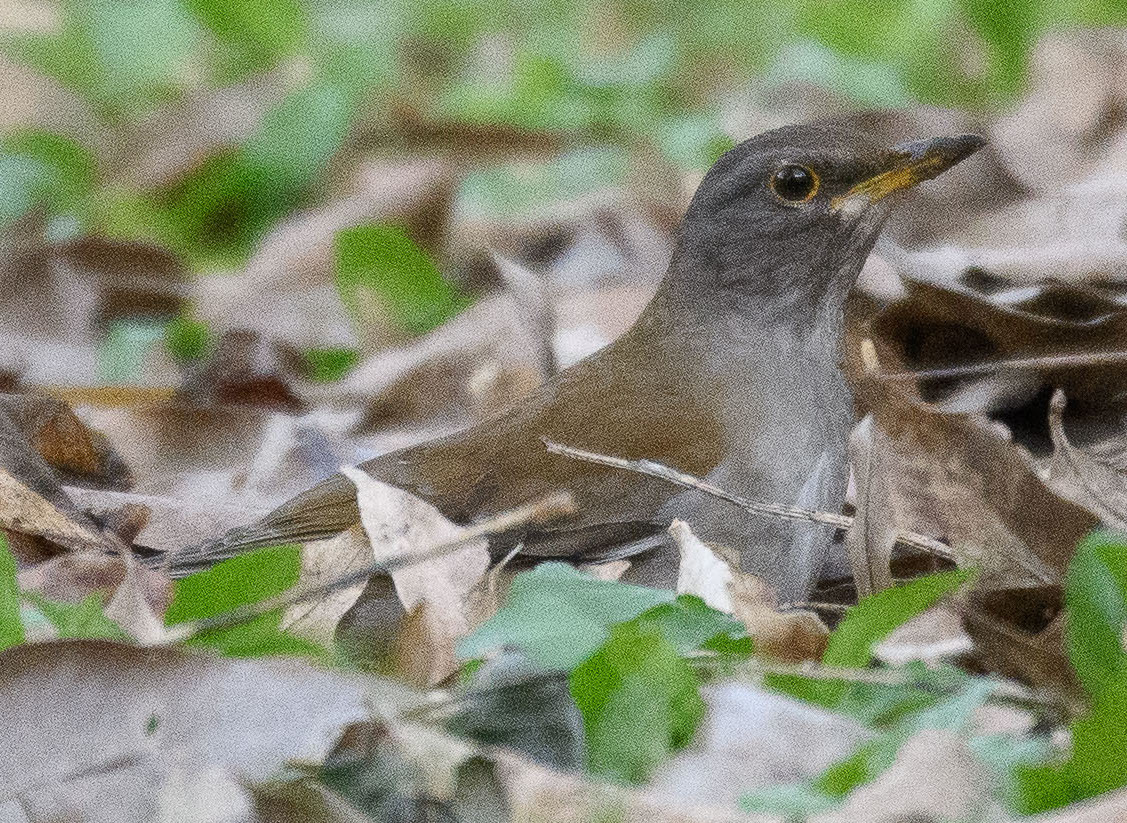
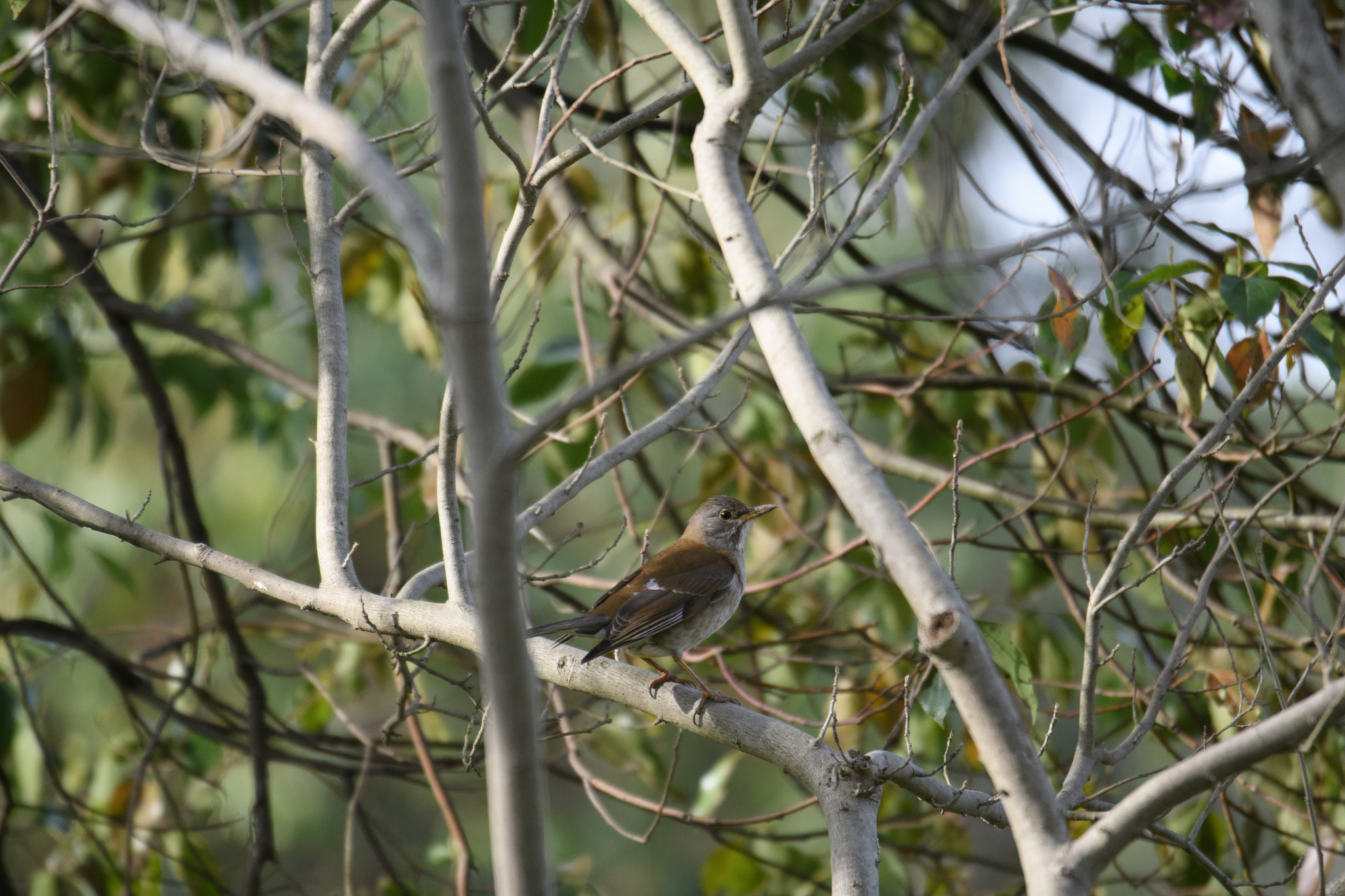
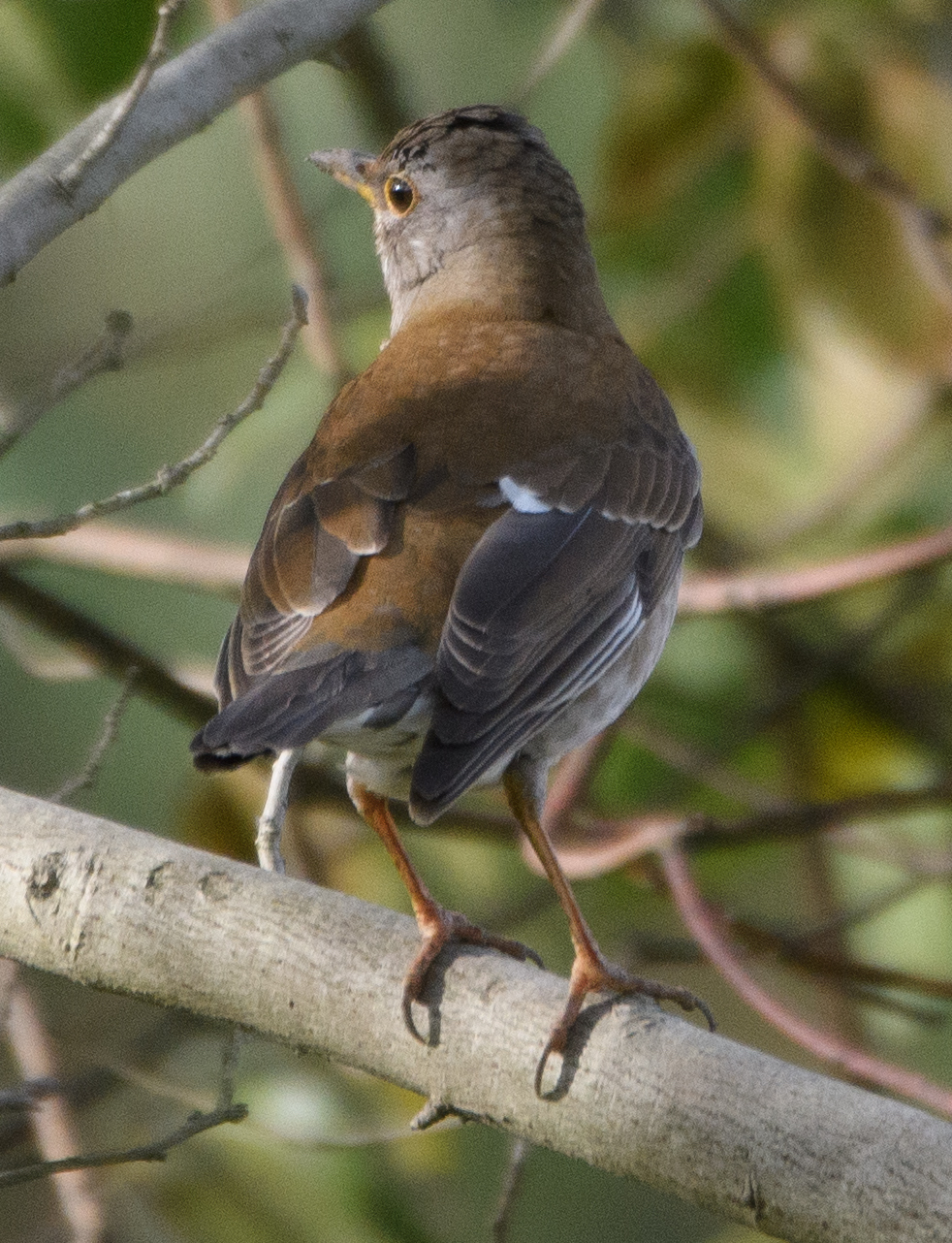
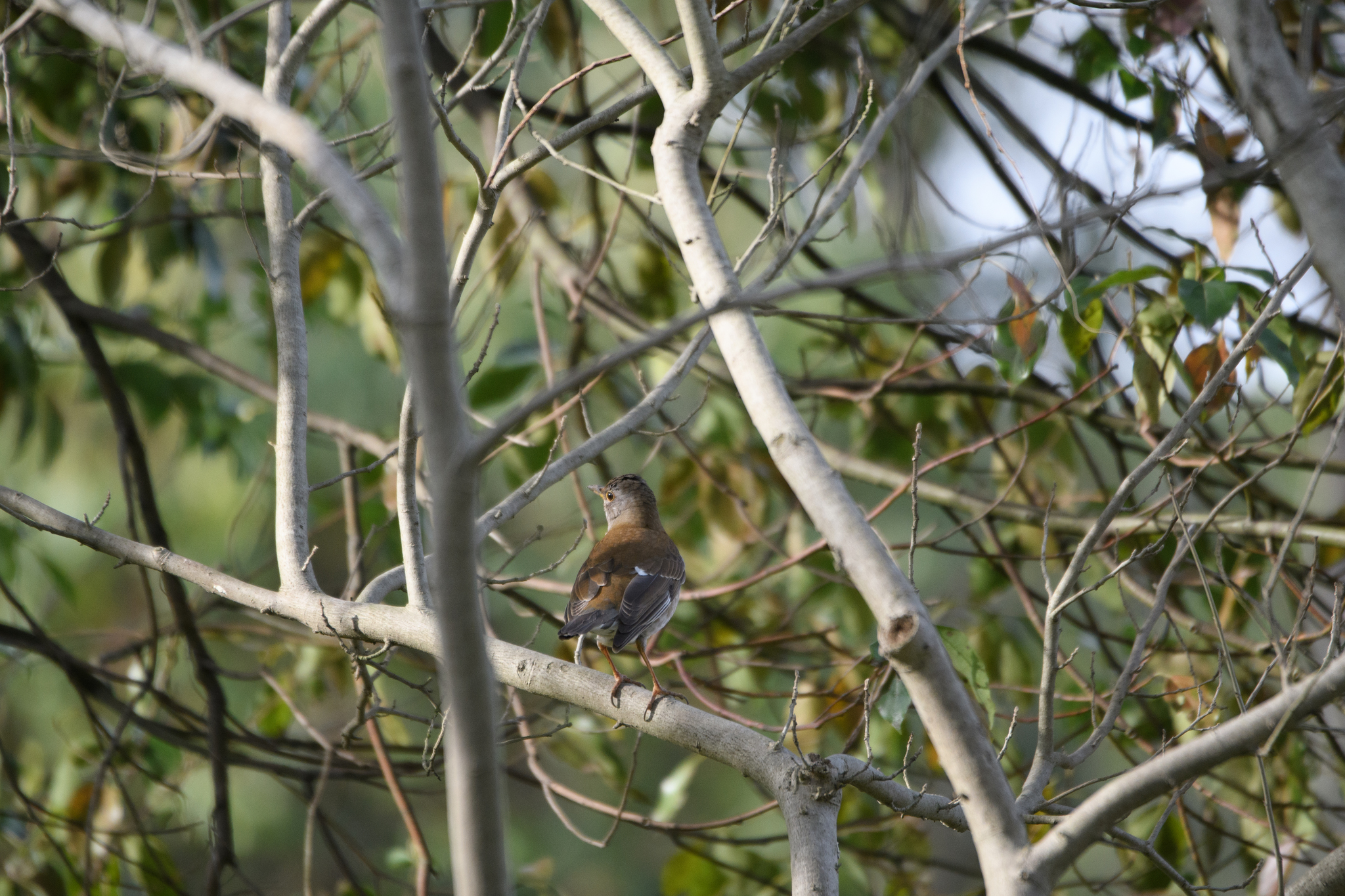
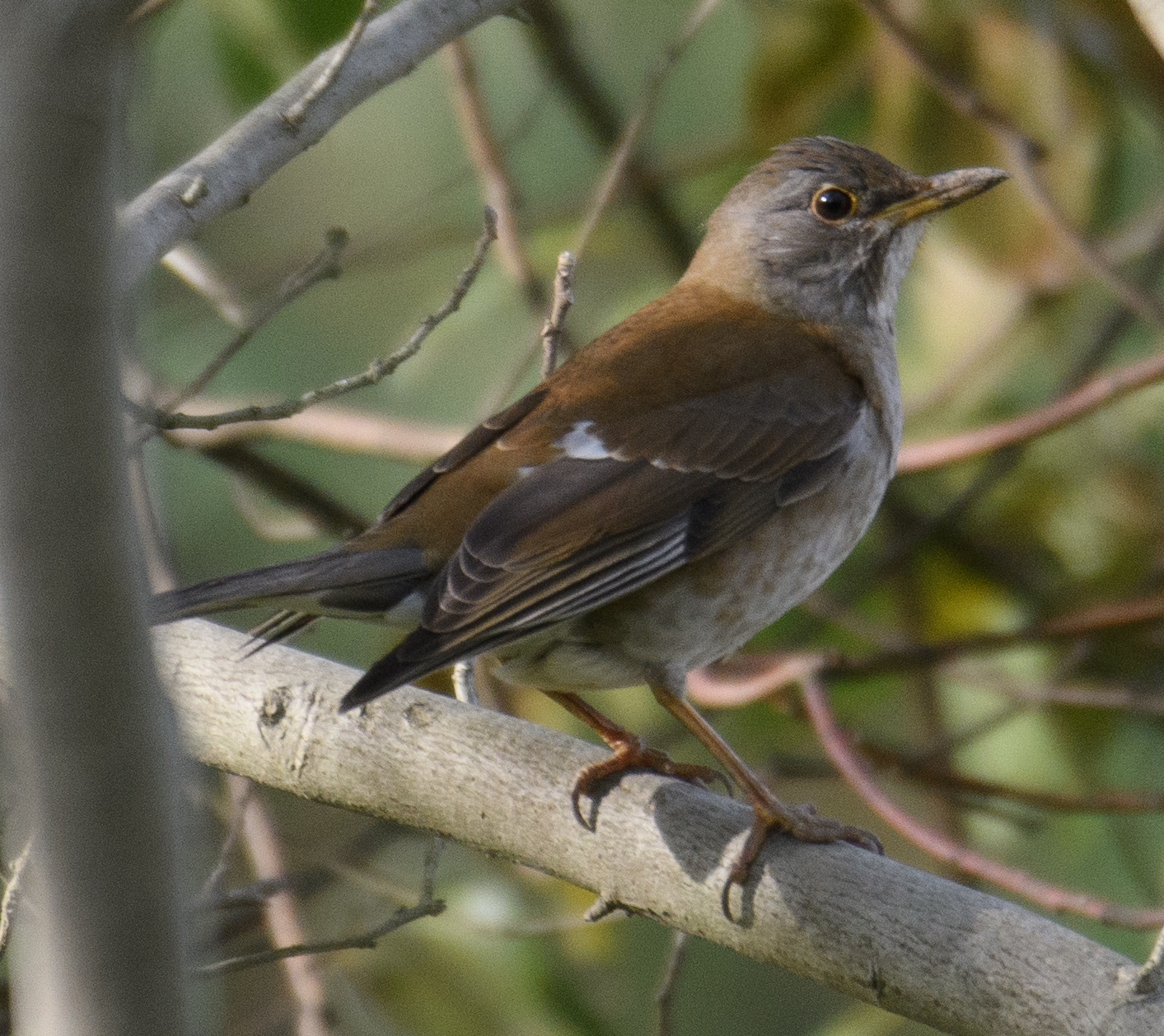
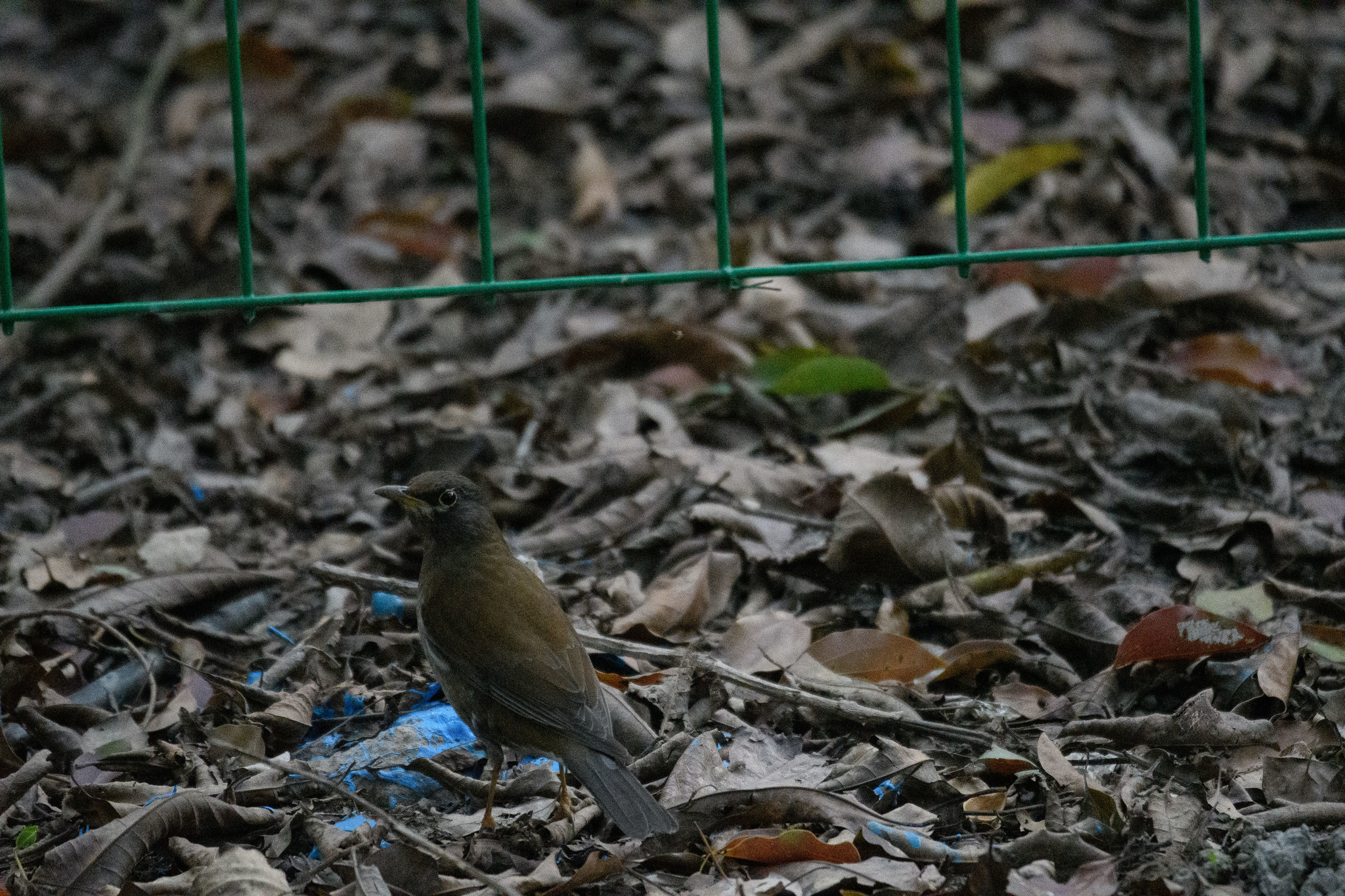
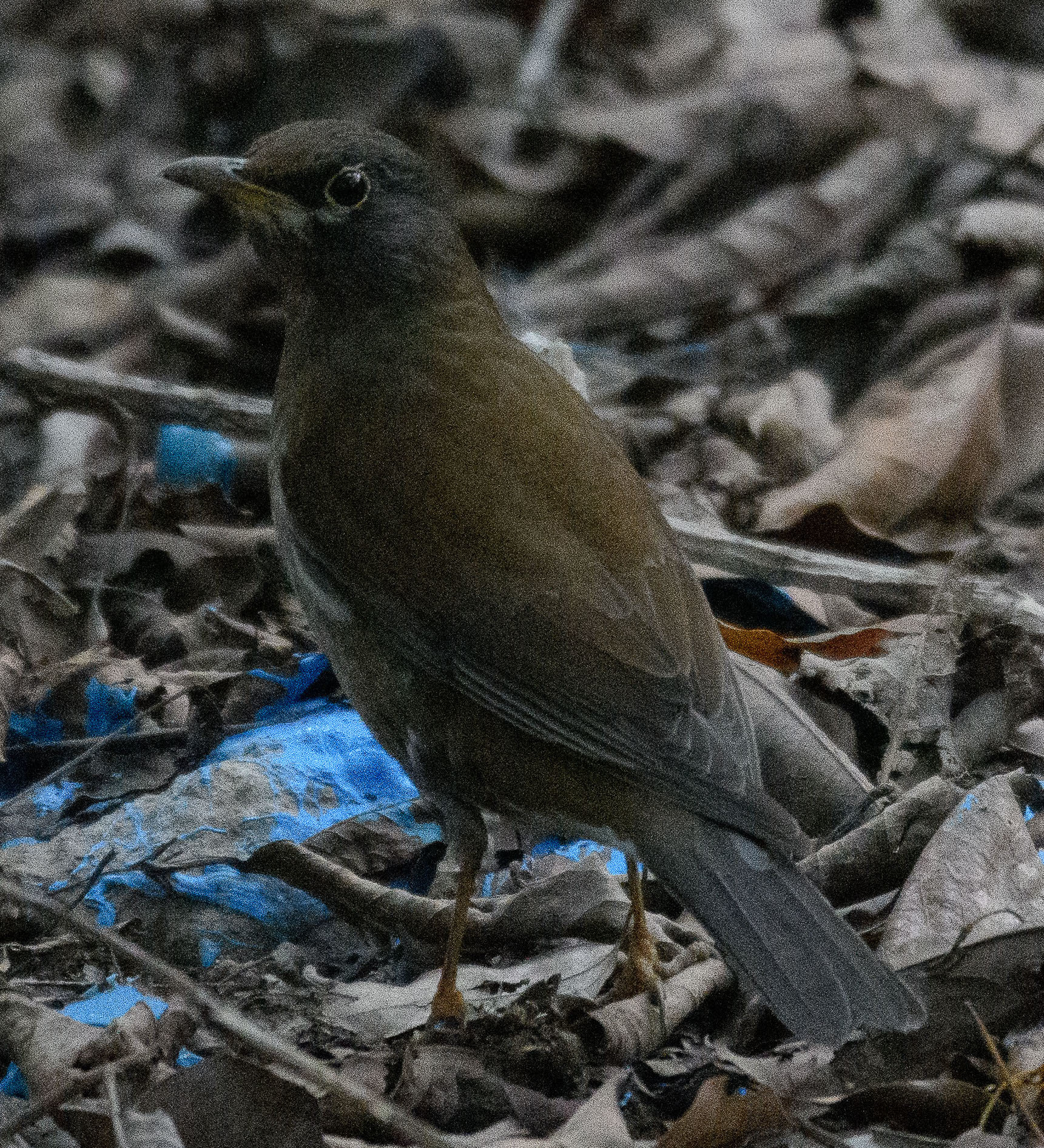
This is a compact thrush measuring 23 centimeters in length. The legs and feet are pale pinkish-brown, while the bill is distinctive with a grey upper mandible and yellow lower mandible. The male has brown upperparts with a striking blue-grey head and throat. The underparts are pale brown, becoming darker on the flanks and contrasting with the whitish belly and undertail-coverts. The wings show dark grey flight feathers with grey or white underwing-coverts. The tail is dark grey, highlighted by white tips on the outer feathers. The female resembles the male but appears duller overall, with a browner head and a pale throat that distinguishes her from the male's blue-grey throat.
Identification
This species can be identified by its medium size, pale underparts, and the combination of brown upperparts with a blue-grey head in males. The yellow base of the bill is a useful field mark. It closely resembles other Turdus thrushes in its range, particularly the eye-browed thrush and grey-backed thrush, from which it is best distinguished by voice and subtle plumage differences. The pale thrush has a more uniform brown back compared to the grey-backed thrush, and lacks the prominent eye stripe of the eye-browed thrush. Females can be more challenging to identify and are often best distinguished by their association with males and by their harsh call notes.
Distribution & Habitat
This thrush breeds across the eastern Palearctic, occurring in southeastern Siberia, northeastern China, and Korea, with possible breeding populations on Tsushima Island in Japan. It is largely migratory, spending the winter months in southern and central Japan, South Korea, and southern China. Some individuals wander further, occasionally reaching Yunnan, Taiwan, and the Philippines. Its preferred habitats include forests, scrubland, gardens, and parks. The species is shy and typically remains within cover, though it may form large flocks during migration, particularly where berry-producing vegetation provides food.
Behavior & Ecology
The pale thrush maintains a shy and secretive lifestyle, staying within cover during the breeding season. It becomes more sociable during migration, gathering in flocks where food is abundant, especially around berry-bearing shrubs and trees. The species has a distinctive vocal repertoire, giving harsh chuck-chuck and see-ip calls, along with a bubbling alarm note. While the article does not provide detailed information on specific dietary items or breeding behavior, its foraging habits likely follow the typical thrush pattern of searching the ground and vegetation for insects, worms, and fruit.
Conservation
The pale thrush is not considered globally threatened. It has a wide distribution across its migratory range and occurs in multiple habitat types, including human-modified landscapes such as parks and gardens. While specific population data and conservation assessments are not detailed in the available article, the species appears to maintain stable populations throughout its range and is not currently listed as threatened or endangered.
Culture
The article does not contain information regarding cultural significance, folklore, or historical references to this species.
Source: Wikipedia · CC BY-SA 3.0
Taxonomy
- Order
- Passeriformes
- Family
- Turdidae
- Genus
- Turdus
- eBird Code
- palthr1
Distribution
breeds northeastern Siberia to Kuril Islands and Japan; winters to southeastern Asia and Sumatra
Data Sources
Species description from Wikipedia, licensed under CC BY-SA 3.0.
Bird images and sounds sourced from GBIF, contributed by citizen scientists worldwide under Creative Commons licenses.
Taxonomy data from AviList 2025.