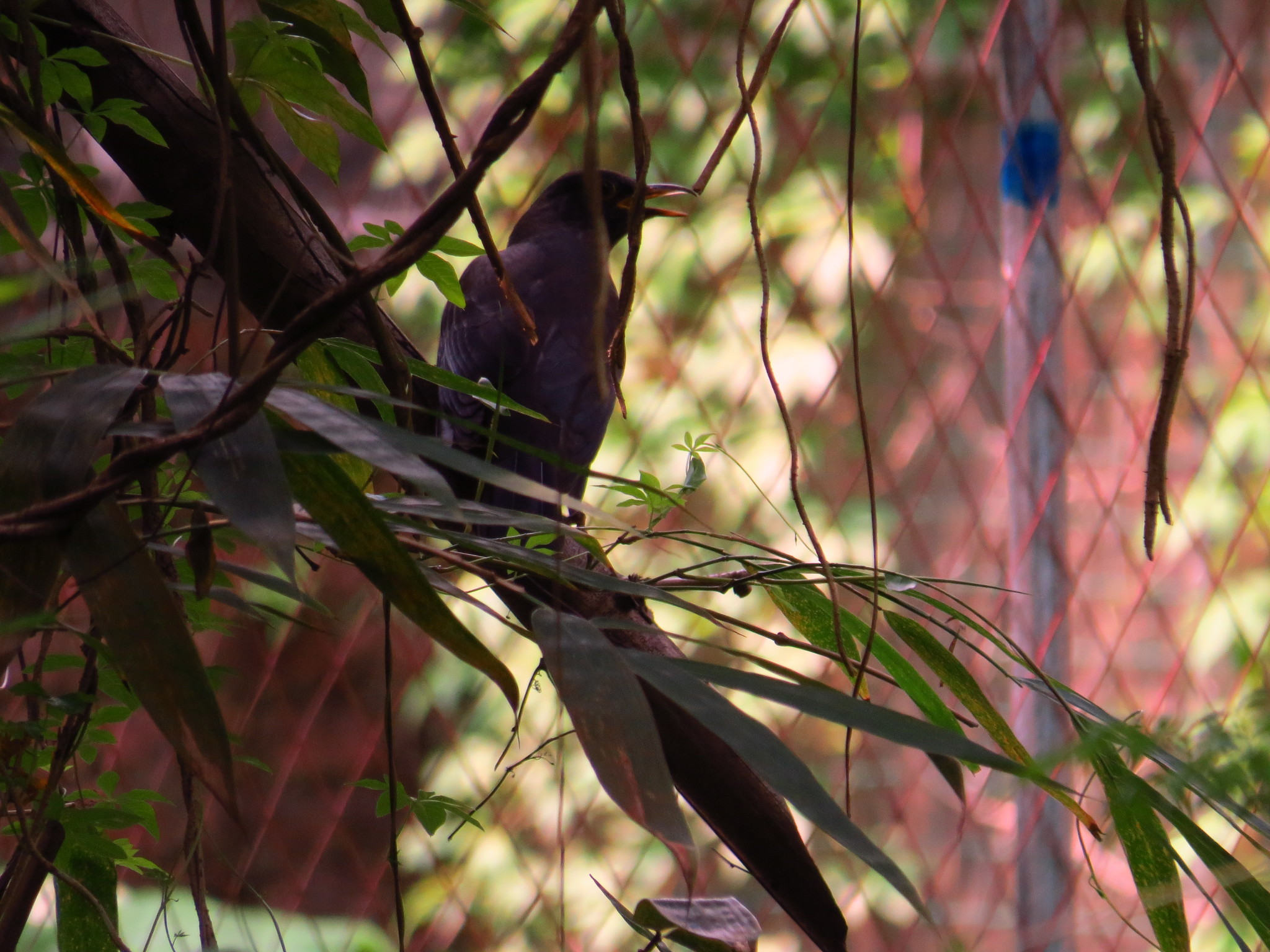
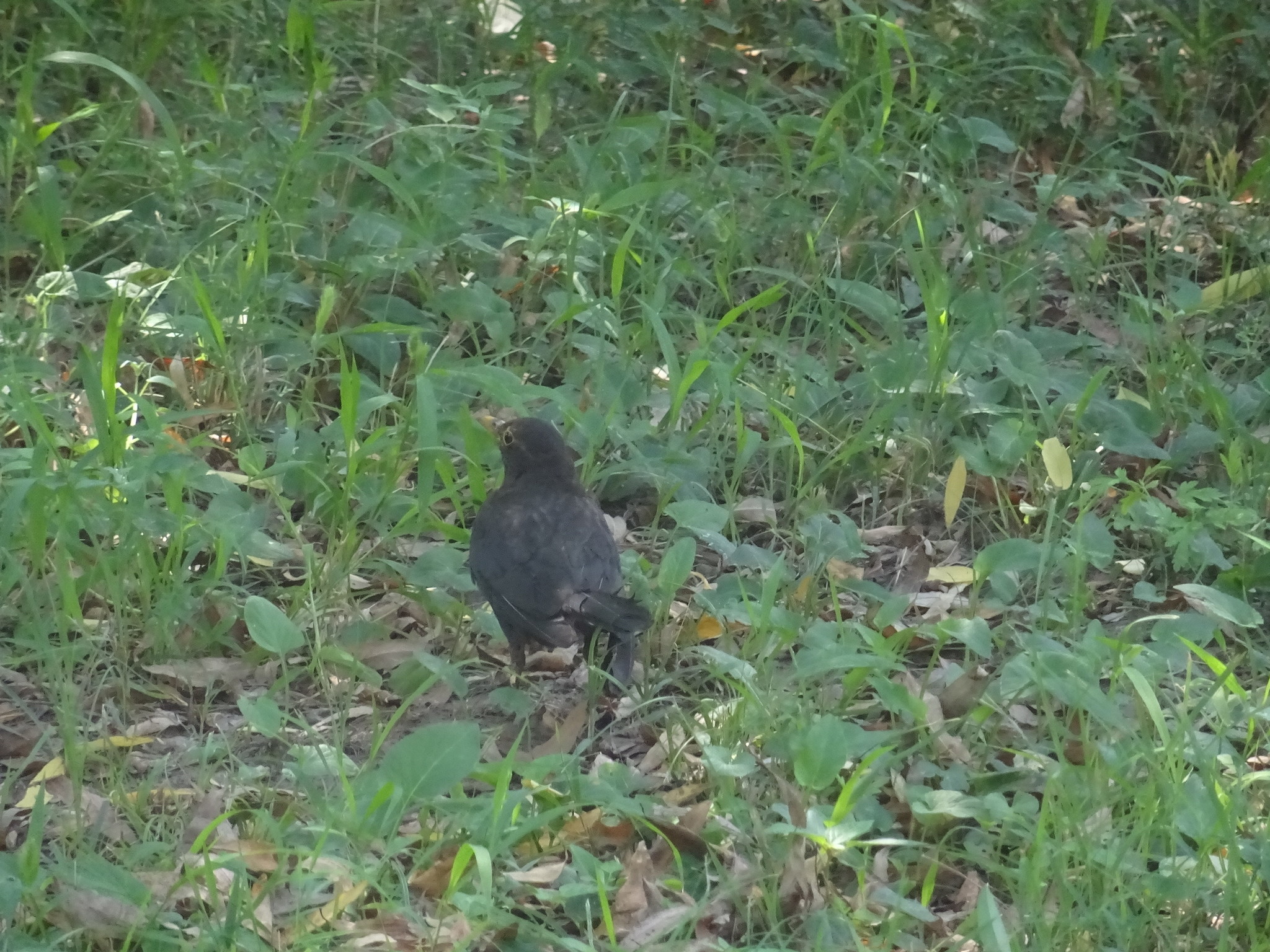
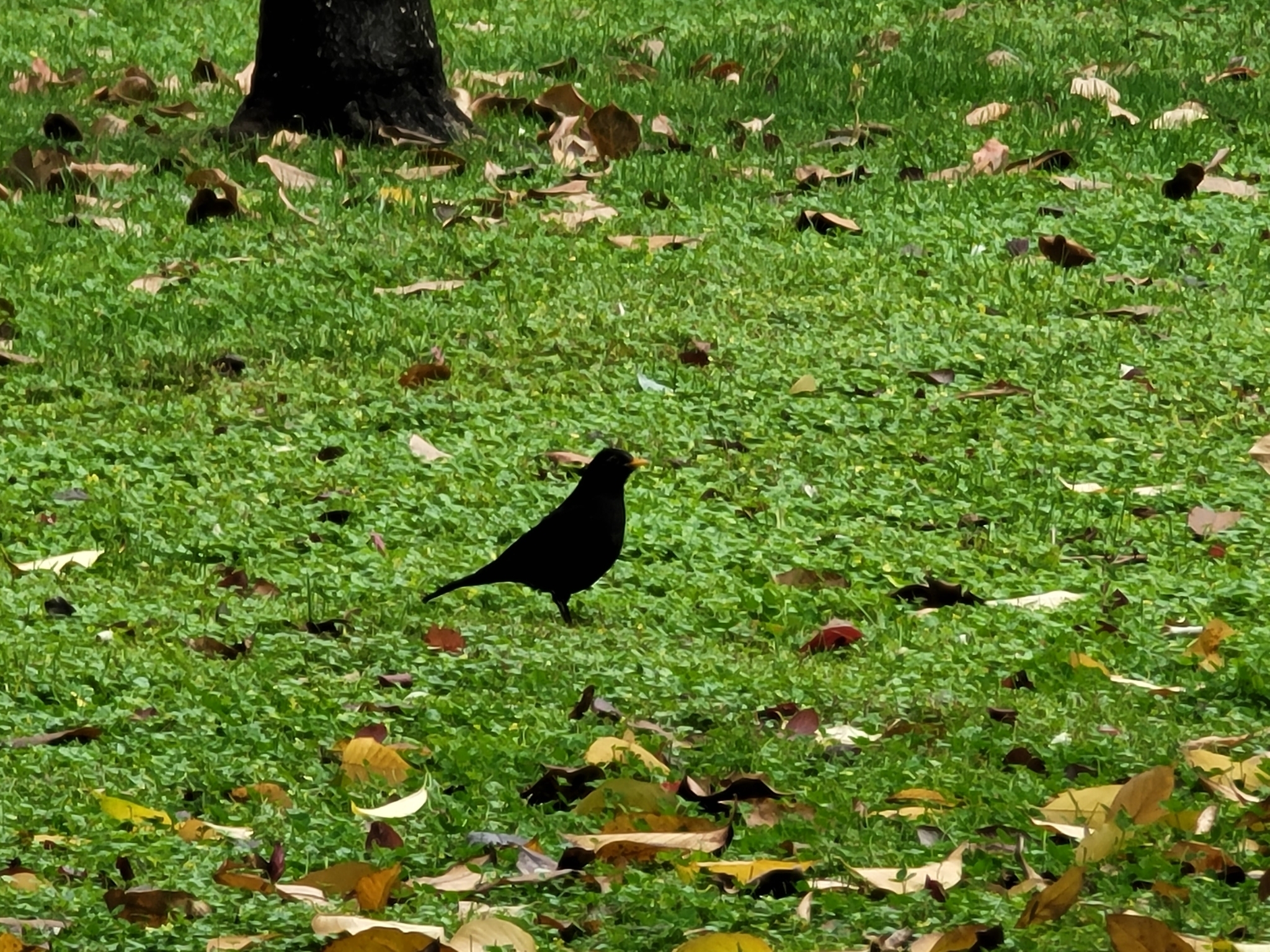
Chinese Blackbird
Turdus mandarinus
乌鸫
Introduction
This species is a member of the thrush family Turdidae and was formerly considered conspecific with the widespread common blackbird of Europe and Asia. It occupies forests, woodlands, and cultivated areas across southern, central, and eastern China, including urban parks and gardens. Some populations migrate southward in winter to regions including Hong Kong, Laos, and Vietnam, while others remain resident year-round. During the breeding season, males establish territories and attract mates through song. The species is classified as common throughout its range.
Description
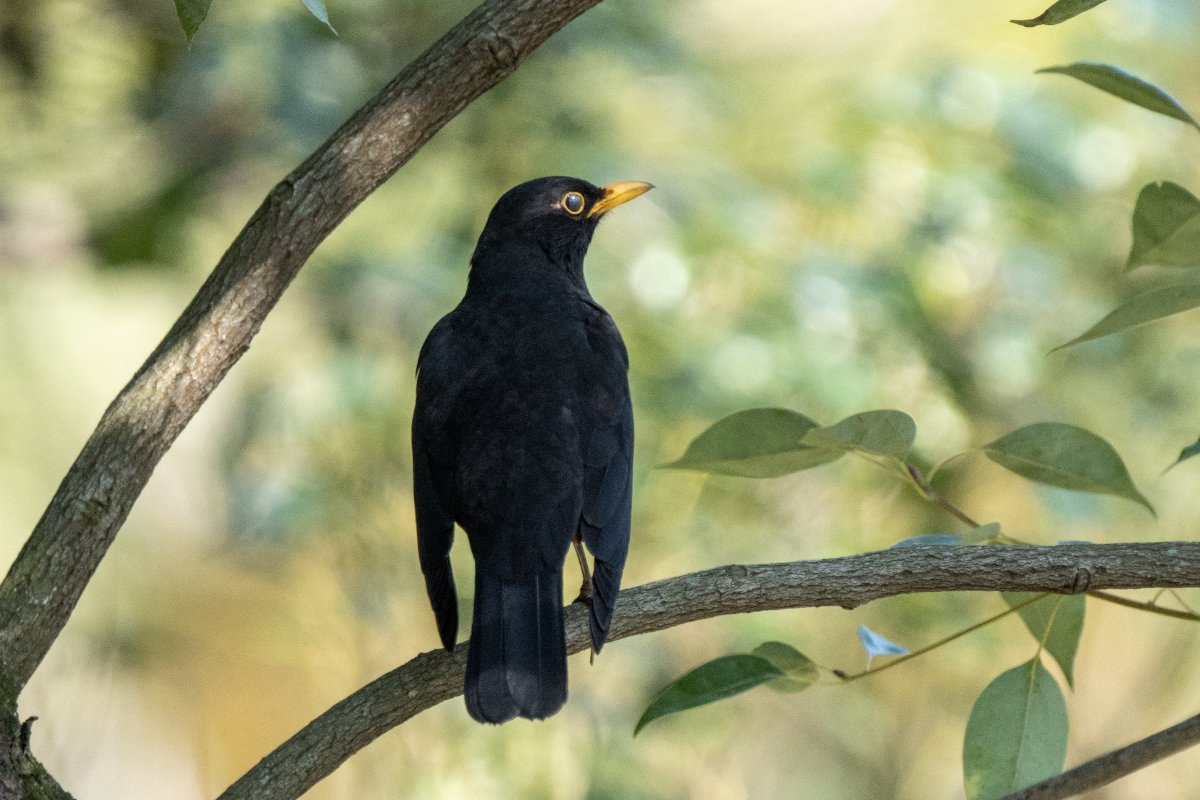
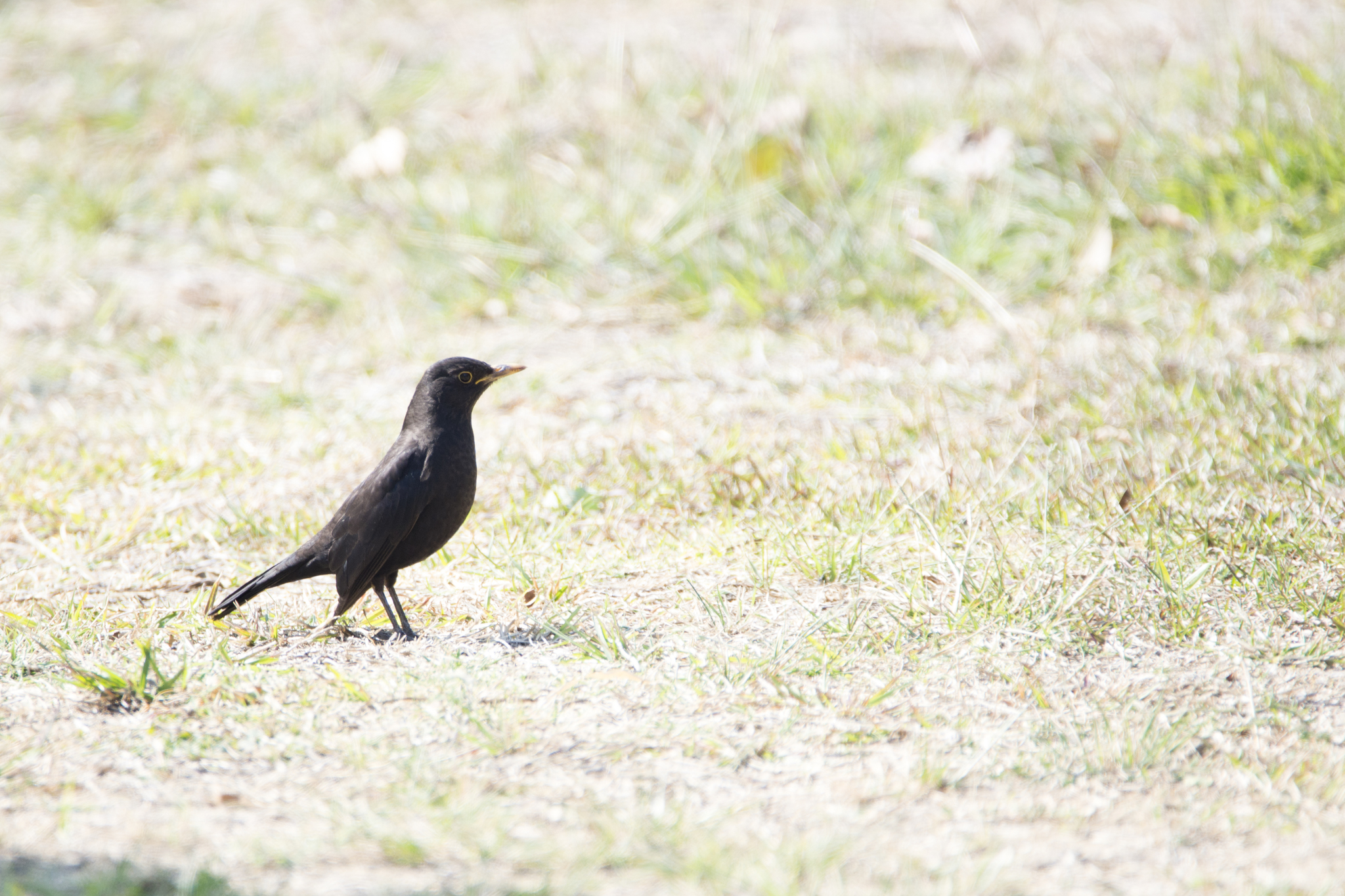
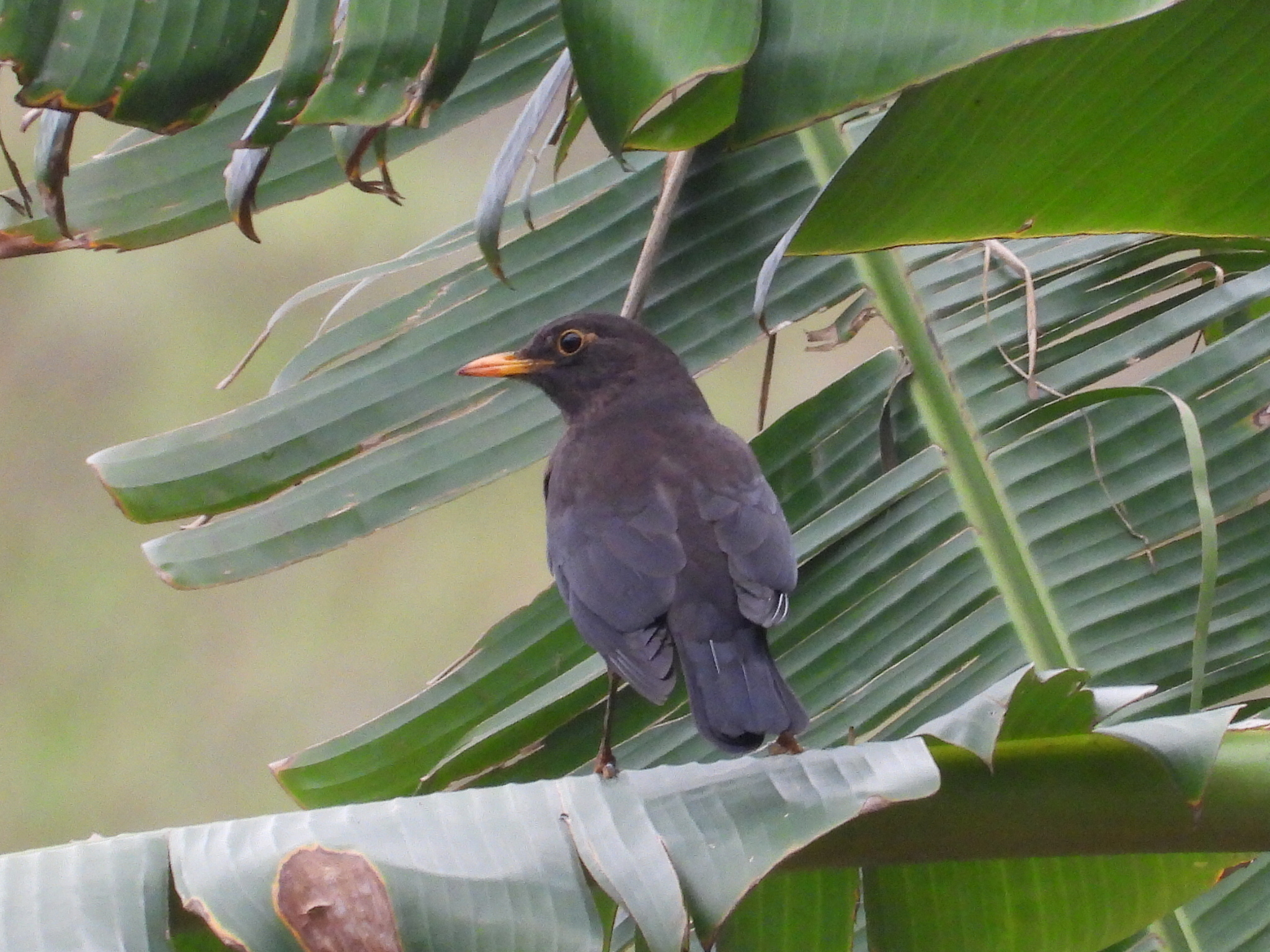
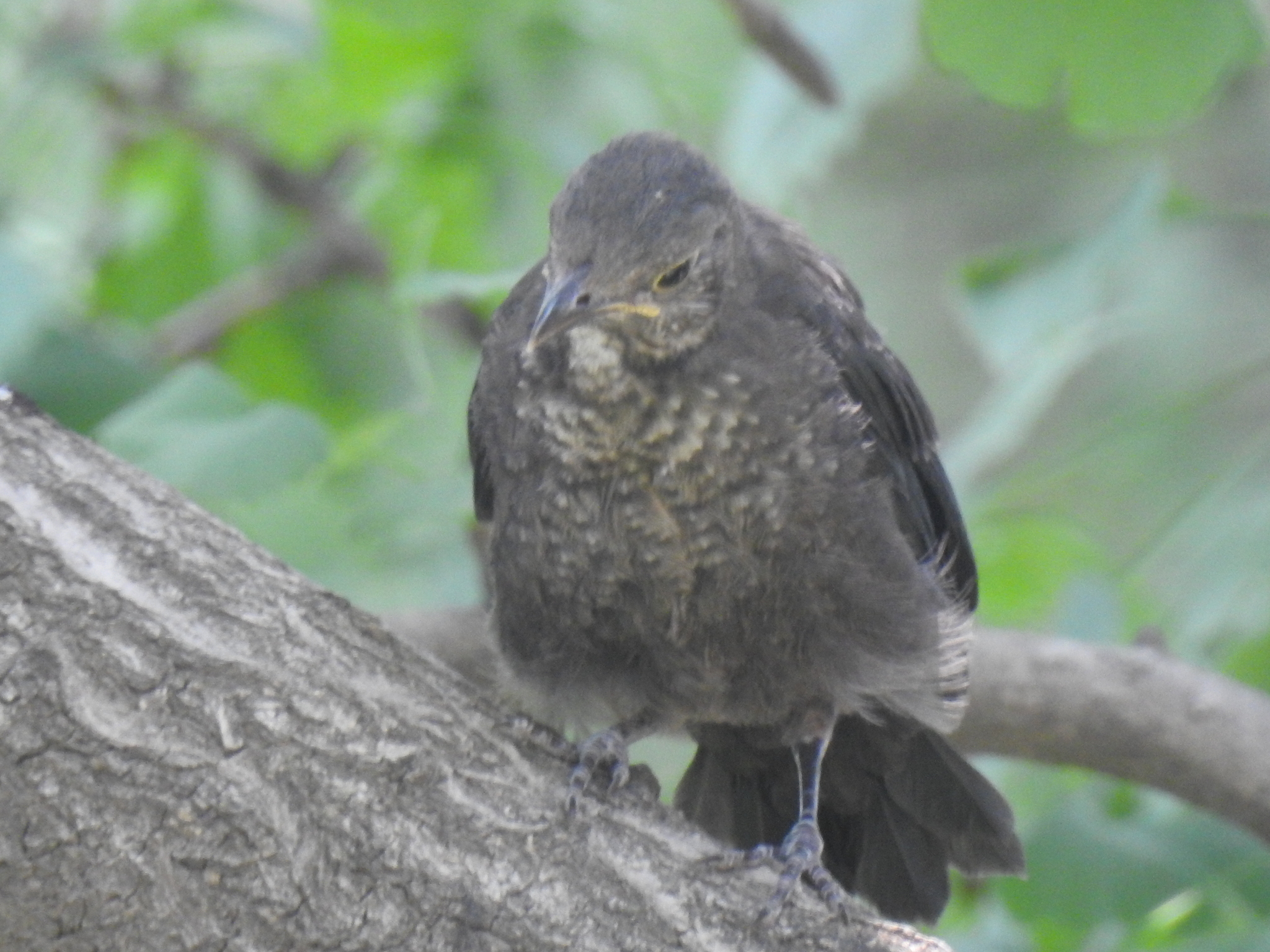
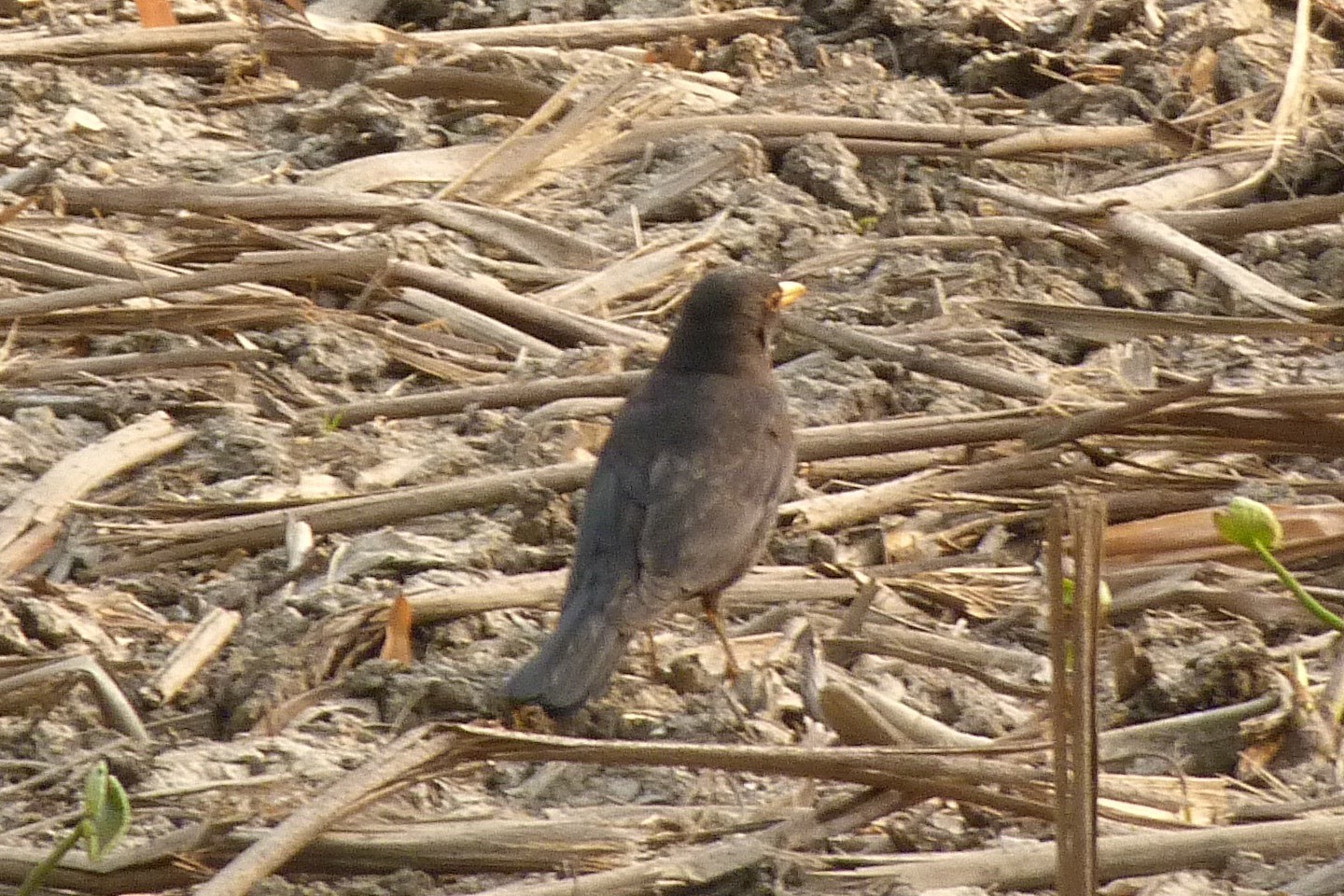
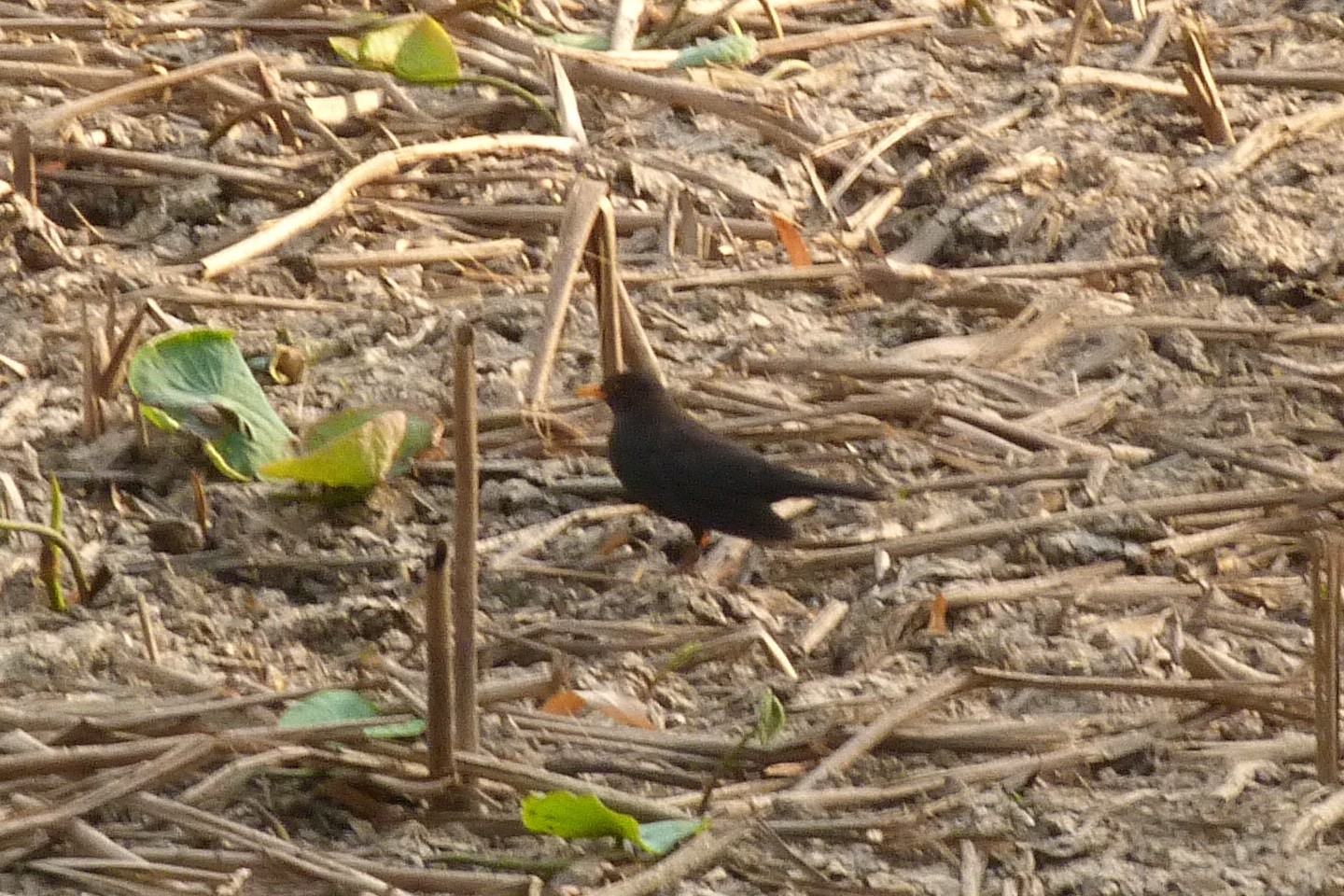
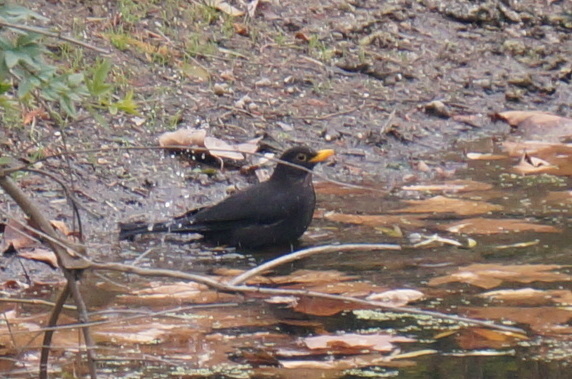
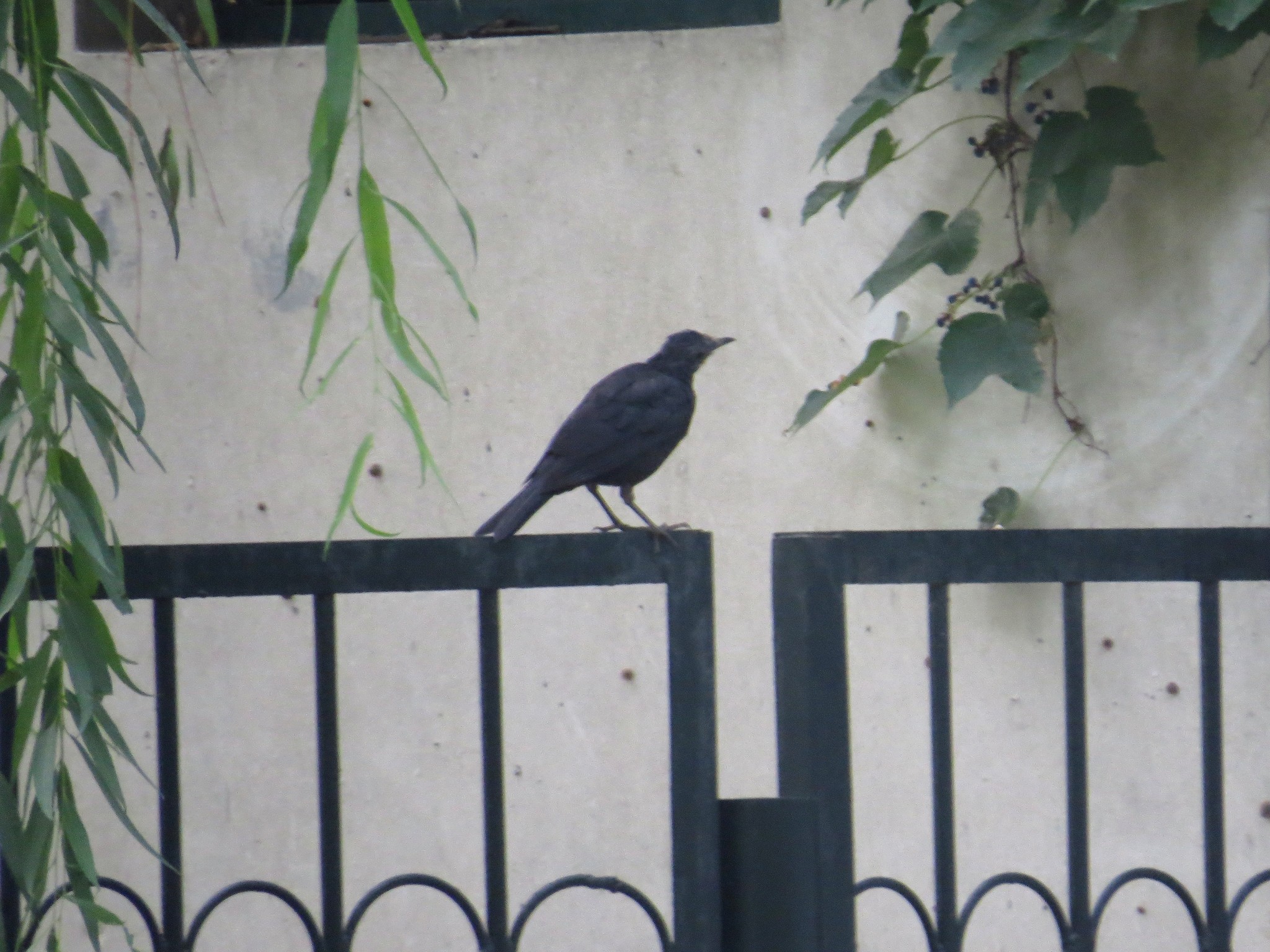
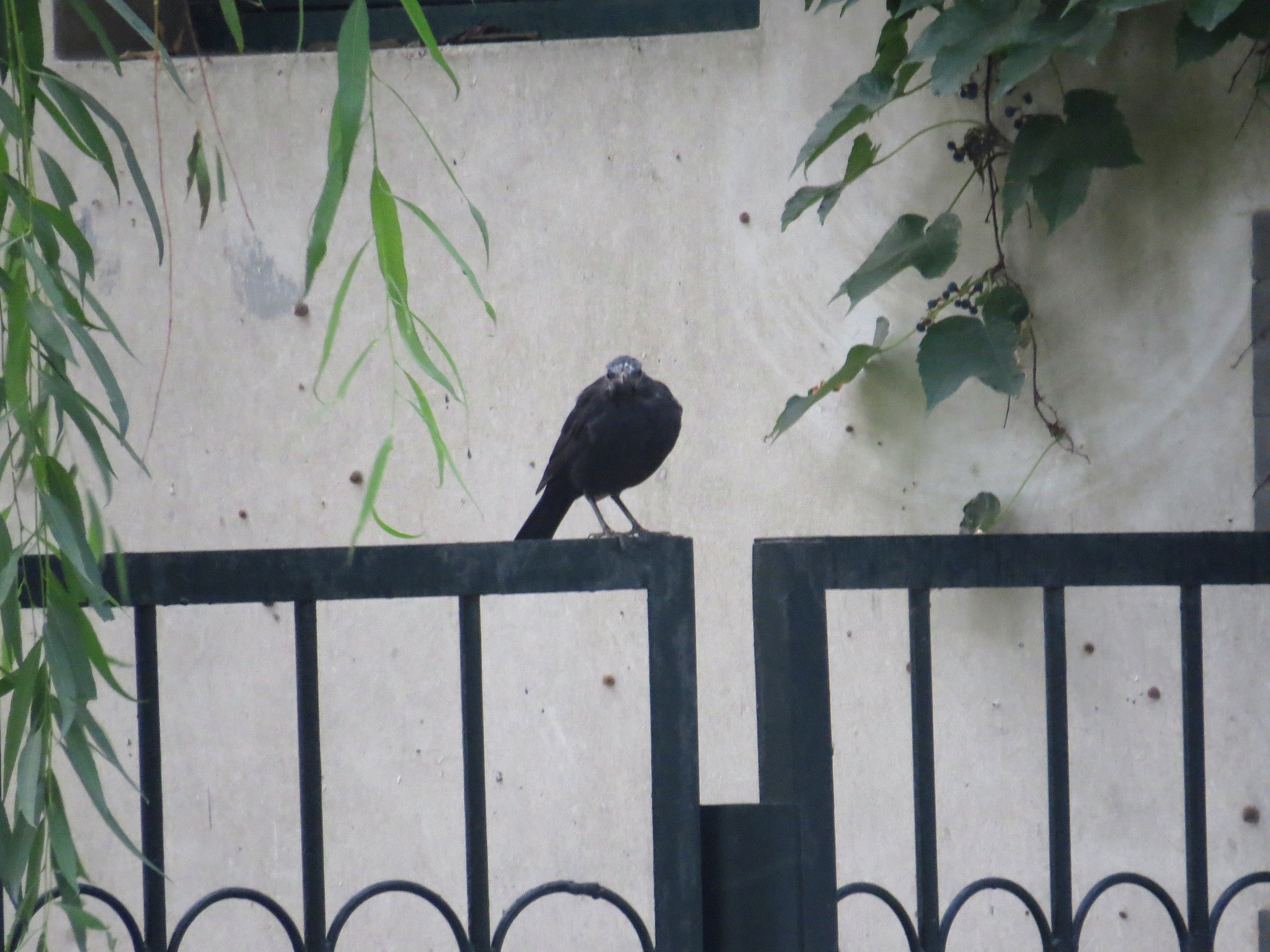
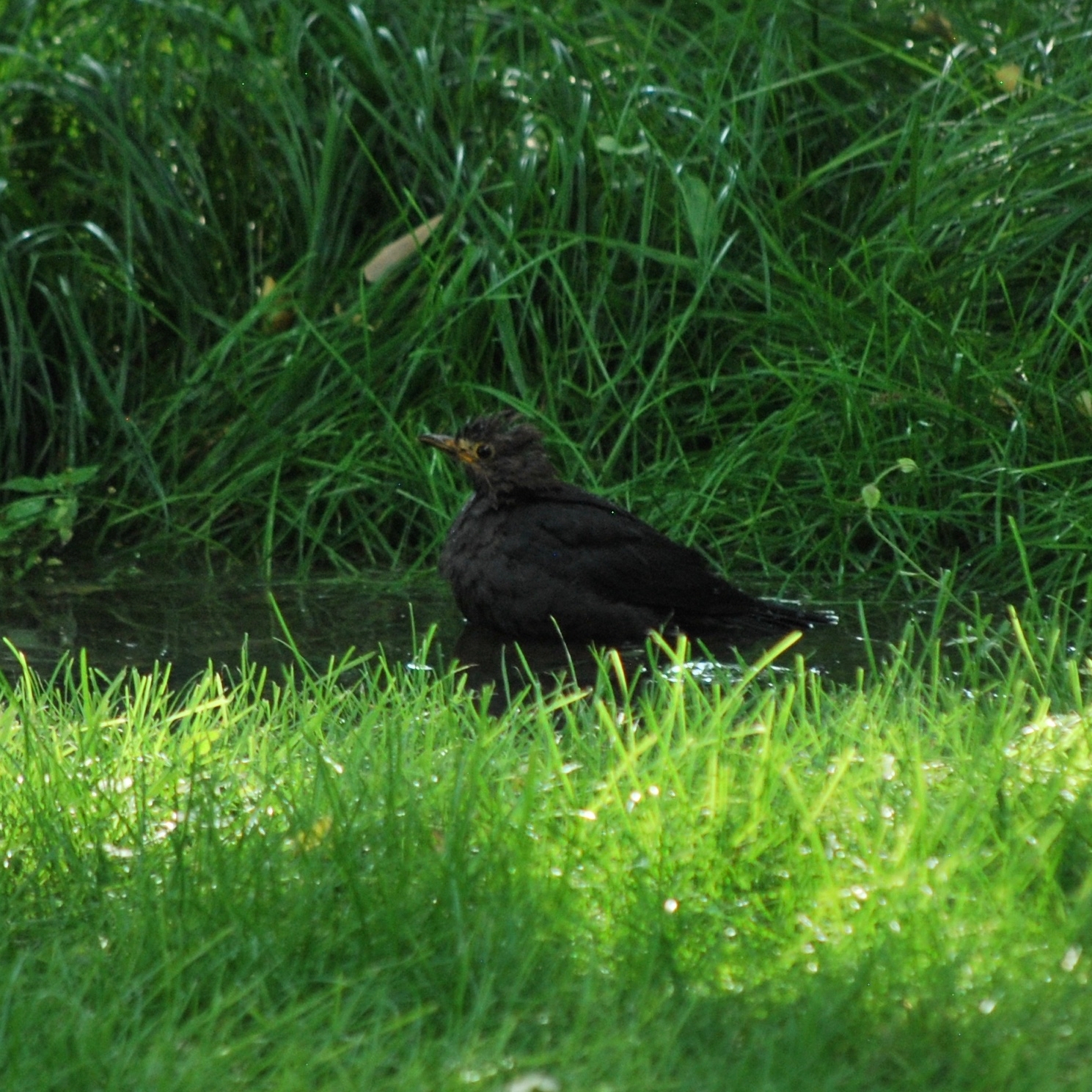
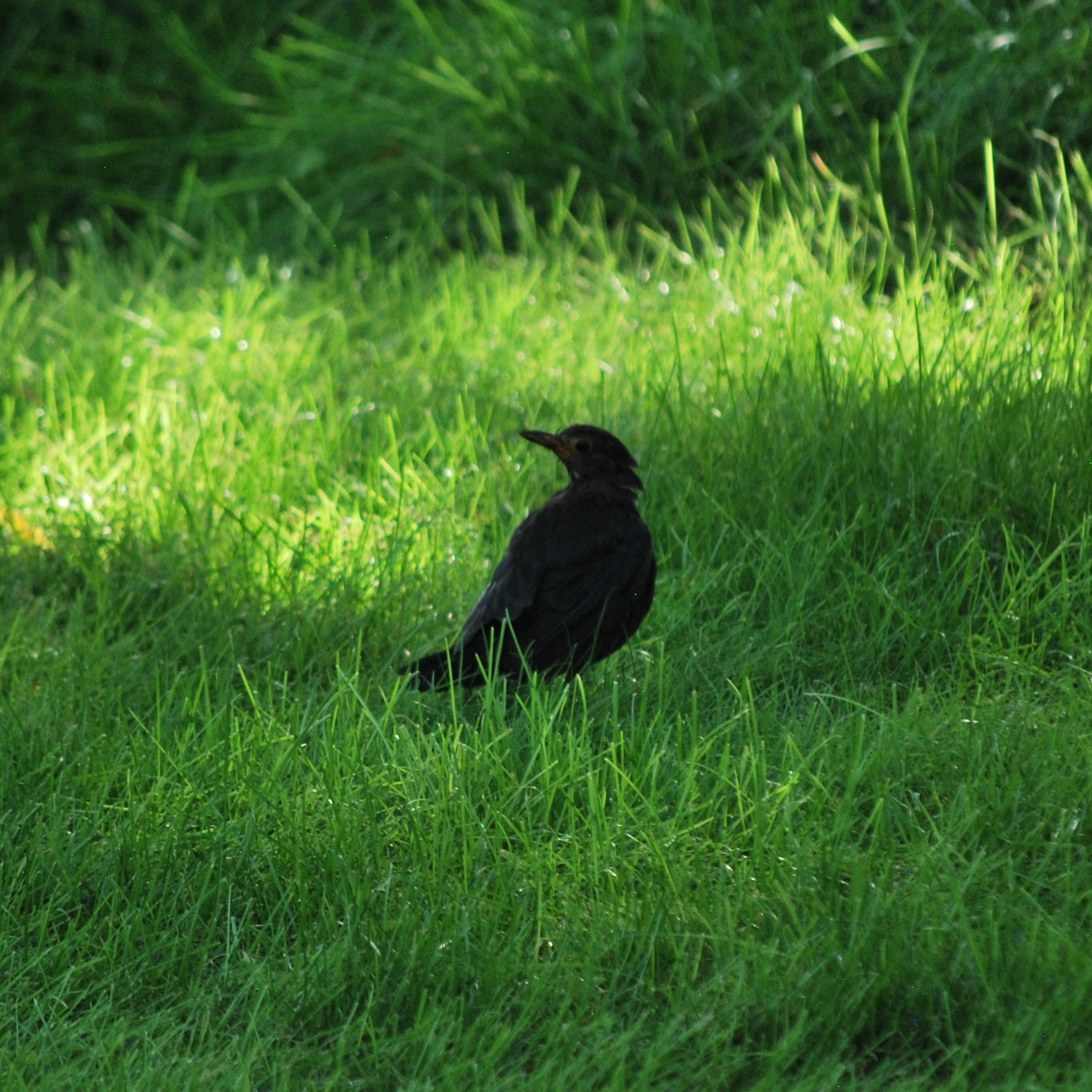
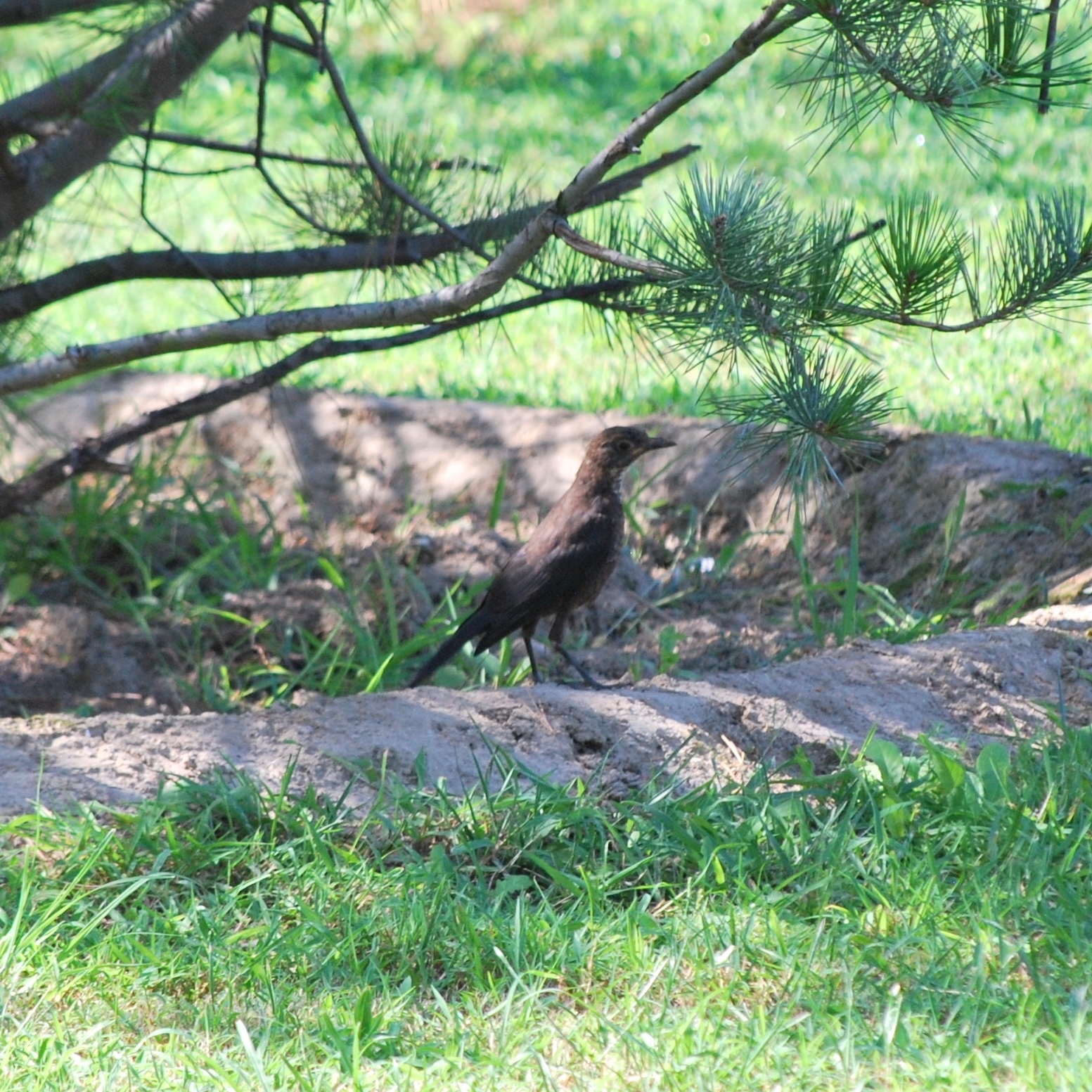
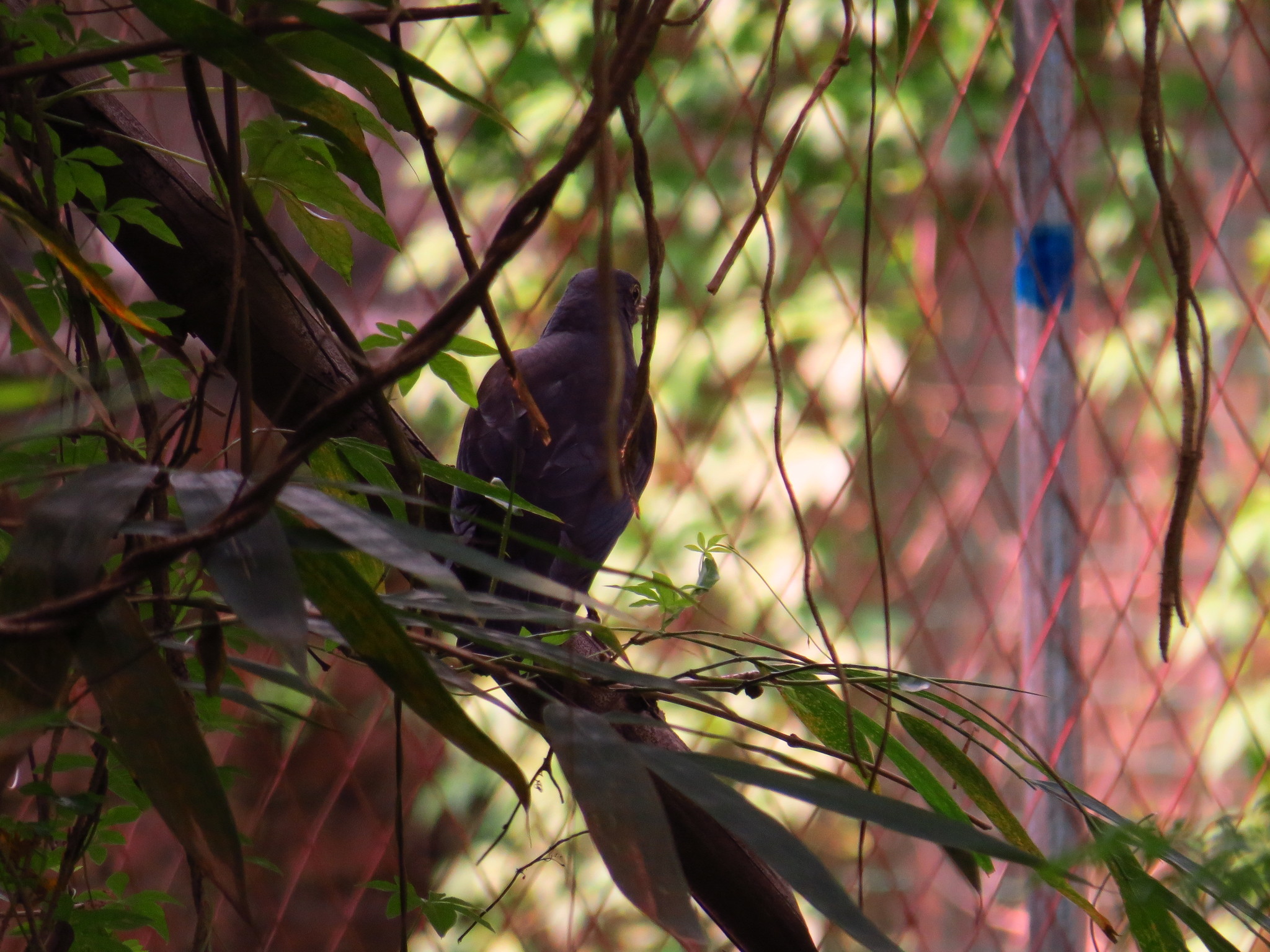
This thrush exhibits sexual dimorphism in plumage. Males display uniform sooty black coloration throughout their plumage, appearing almost uniformly dark in the field. Females are similarly patterned but show brownish tones in their feathers, particularly on the upperparts, and exhibit paler coloration on the underparts. As a large subspecies within this group, it demonstrates the robust build characteristic of its family, with a medium-sized thrush structure featuring a moderately long tail and a slightly curved bill adapted for its omnivorous diet. The legs and feet are dark, matching the overall dark appearance of the male.
Identification
This species presents a challenge for field identification, particularly given its recent taxonomic separation from the common blackbird. The most reliable distinguishing features involve subtle plumage characteristics and geographic location. Males can be distinguished by their sooty black appearance without the warmer brown tones sometimes seen in common blackbirds. Females show more pronounced brown plumage compared to the darker females of other populations. Size can be a helpful clue, as this represents a relatively large form. The species' range in southern, central, and eastern China provides important context for identification, as sightings outside this region would suggest a different species.
Distribution & Habitat
This thrush occupies a broad geographic range across southern, central, and eastern China. Its breeding distribution encompasses much of this extensive area, where it inhabits various woodland and forest habitats. The species demonstrates partial migratory behavior, with some populations moving southward during the winter months to reach Hong Kong, Laos, and Vietnam. Other individuals remain in their breeding territories year-round, particularly in milder southern regions. The species adapts readily to human-modified landscapes and can be found in parks, gardens, and cultivated areas.
Behavior & Ecology
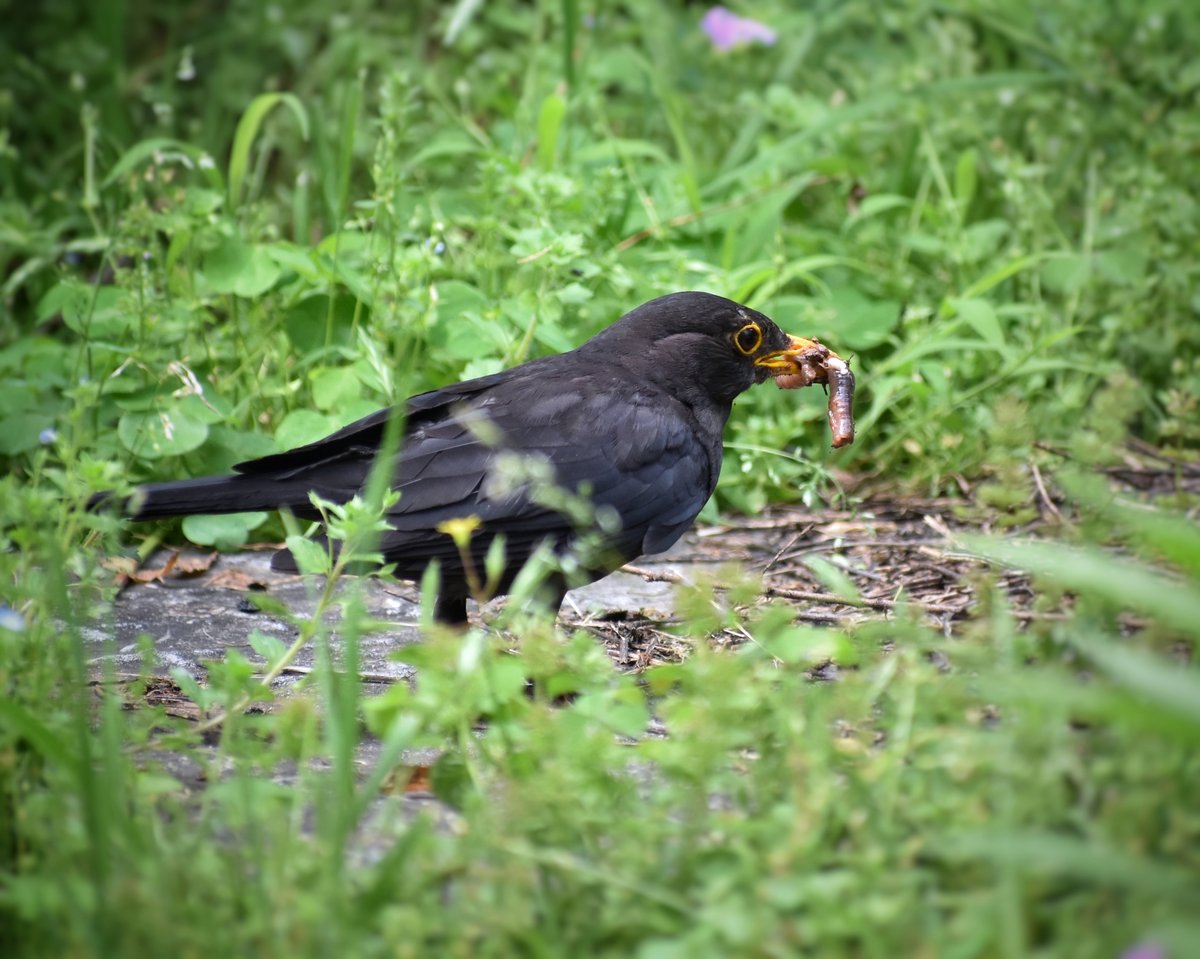
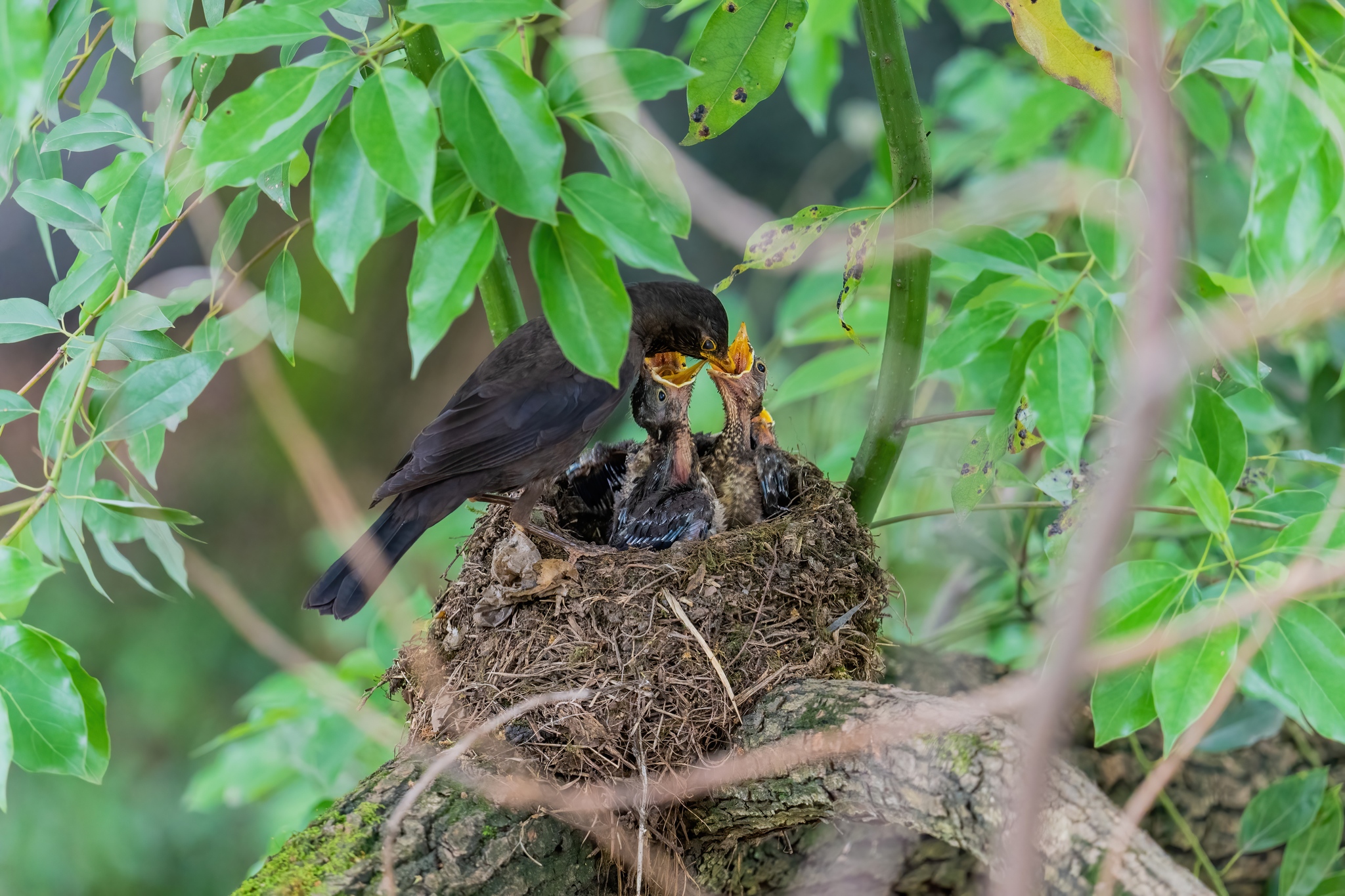
This thrush typically forms monogamous pairs during the breeding season, though some exceptions to this pattern have been observed. Its omnivorous diet provides dietary flexibility, with earthworms forming a primary food source during the breeding season when protein demands are highest. The species forages by walking or running across the ground in characteristic thrush fashion, then suddenly stopping to capture prey. Outside the breeding season, these birds may form small flocks, particularly in areas with abundant food resources.
Source: Wikipedia · CC BY-SA 3.0
Taxonomy
- Order
- Passeriformes
- Family
- Turdidae
- Genus
- Turdus
- eBird Code
- chibla1
Vocalizations
Subspecies (2)
-
Turdus mandarinus mandarinus
breeds breeds eastern China (from southern Gansu and southern Shaanxi southward through eastern Sichuan to western Yunnan, eastward to Hebei and Guangdong); partially migratory, wintering to Hainan and northern Indochina
-
Turdus mandarinus sowerbyi
east-central China (central Sichuan); resident?
Data Sources
Species description from Wikipedia, licensed under CC BY-SA 3.0.
Bird images and sounds sourced from GBIF, contributed by citizen scientists worldwide under Creative Commons licenses.
Taxonomy data from AviList 2025.