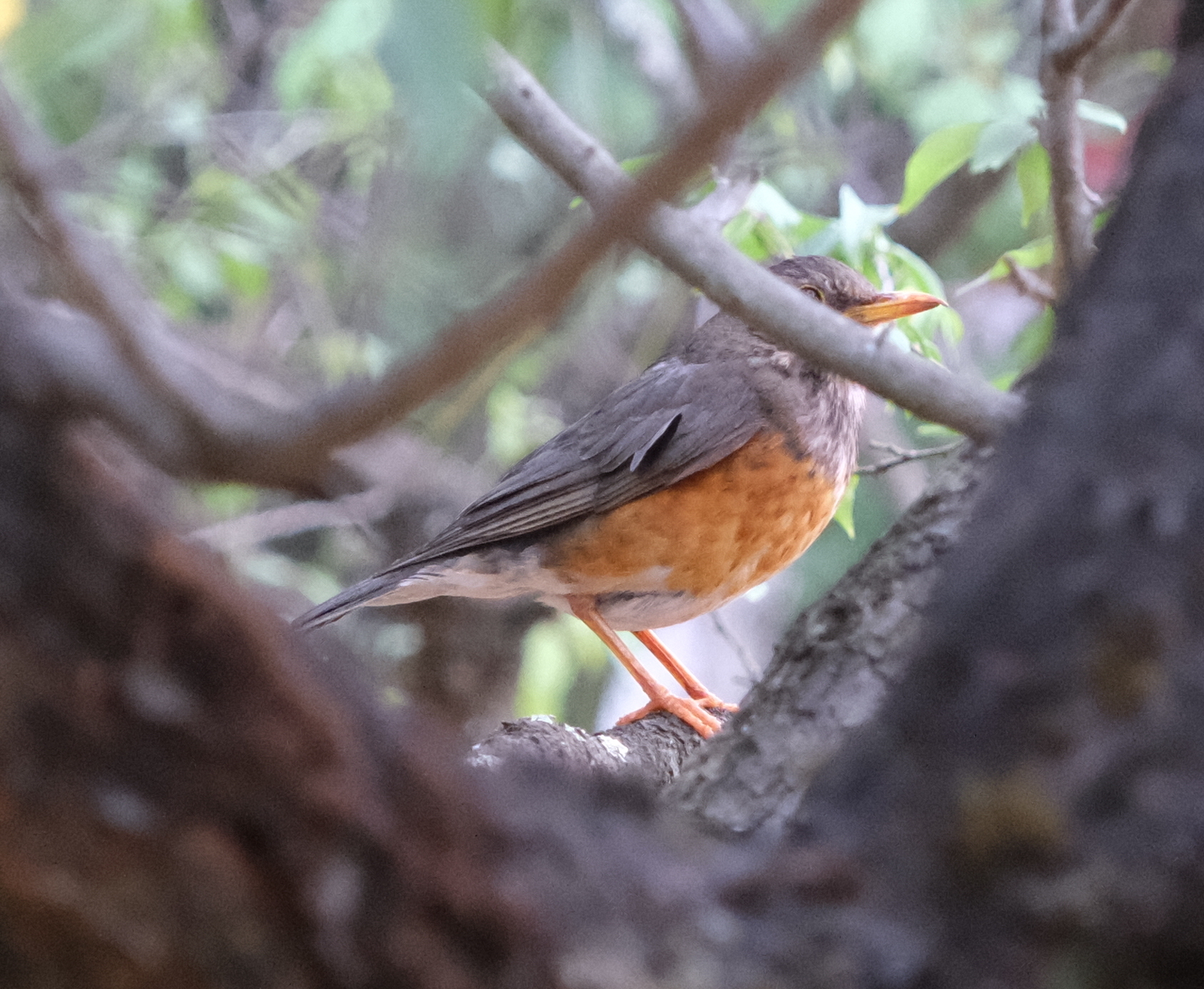
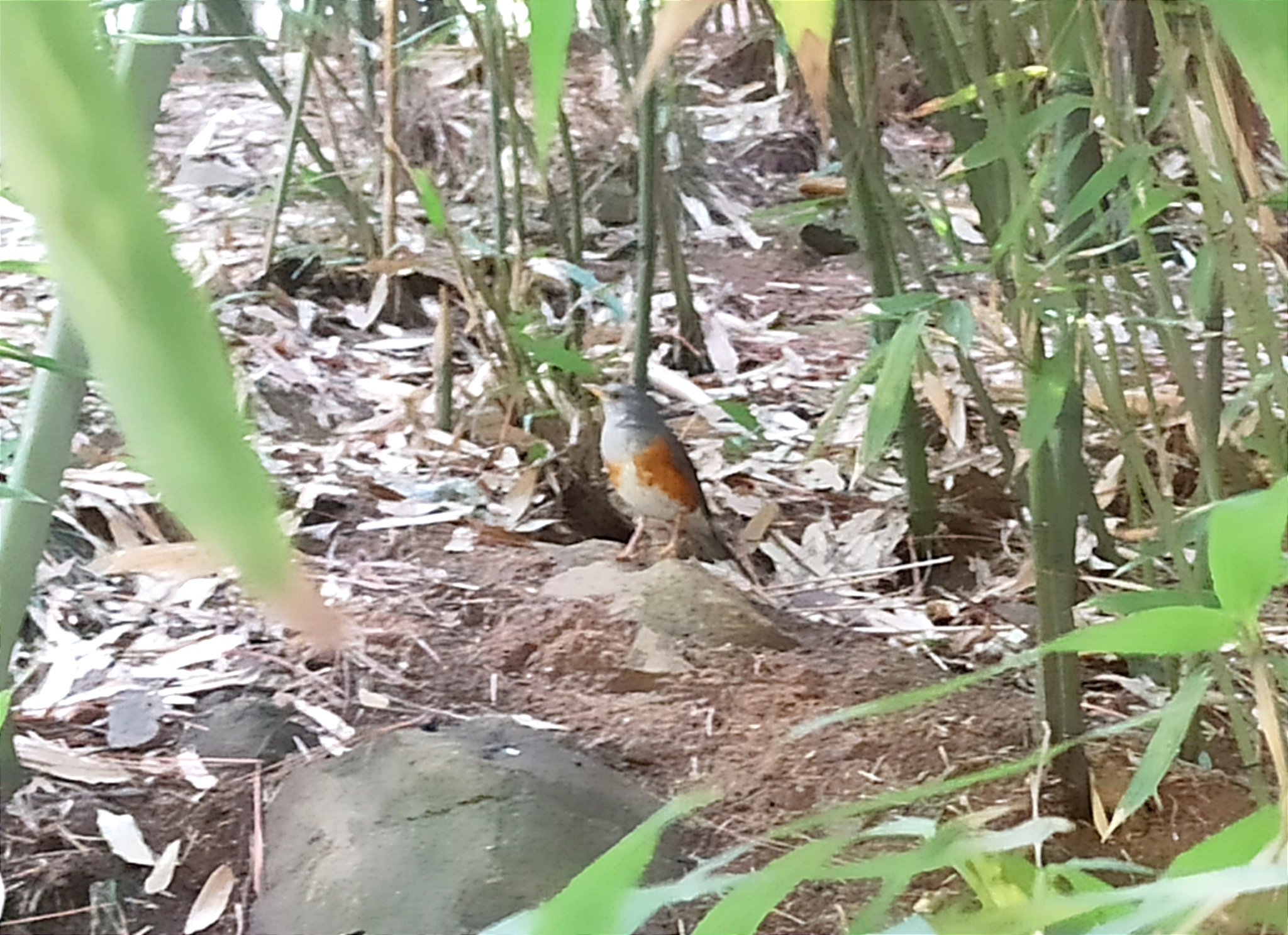
Grey-backed Thrush
Turdus hortulorum
灰背鸫
Introduction
This medium-sized thrush is a migratory songbird of East Asian temperate forests. It breeds in northeastern China and the Russian Far East, and winters in southern China and northern Vietnam. The species inhabits both deciduous and evergreen forest environments with rolling terrain, typically occurring below 1100 meters in elevation. The global population is stable. It has a conservation status of Least Concern.
Description
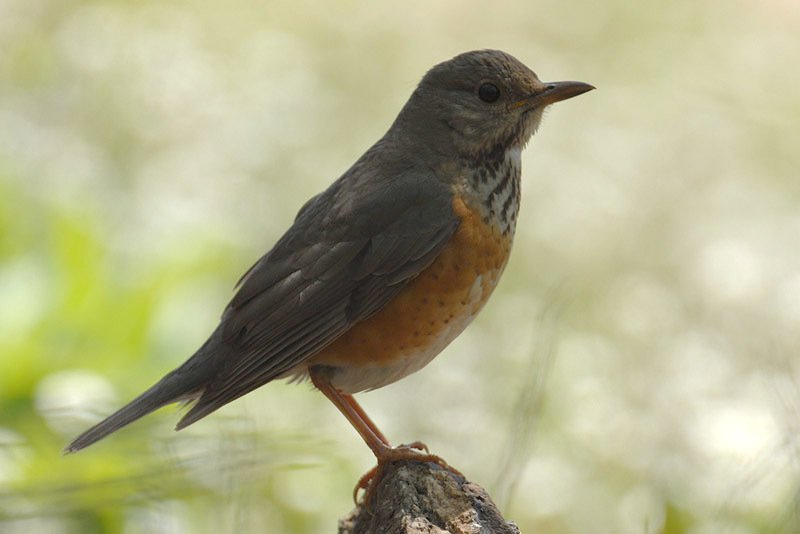
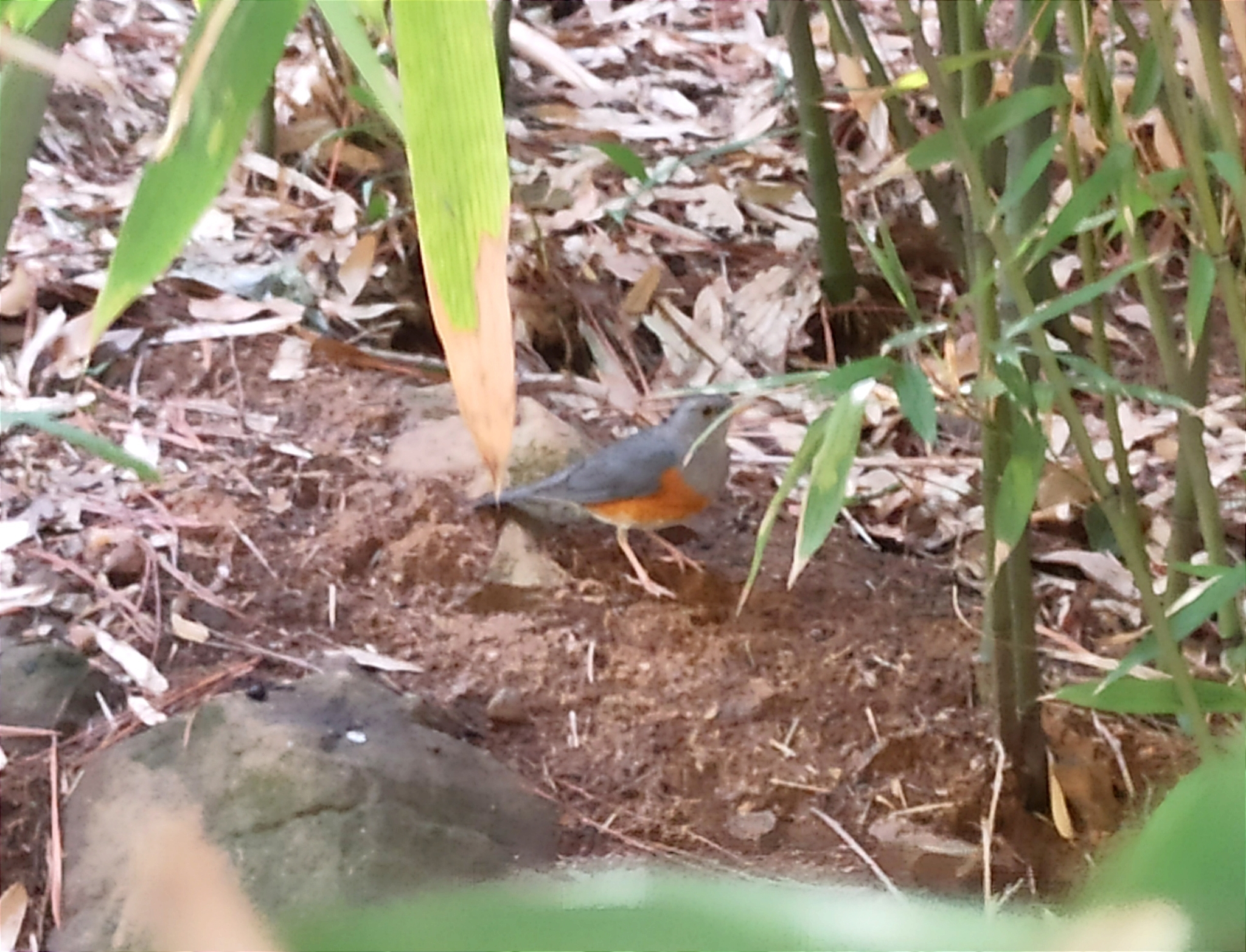
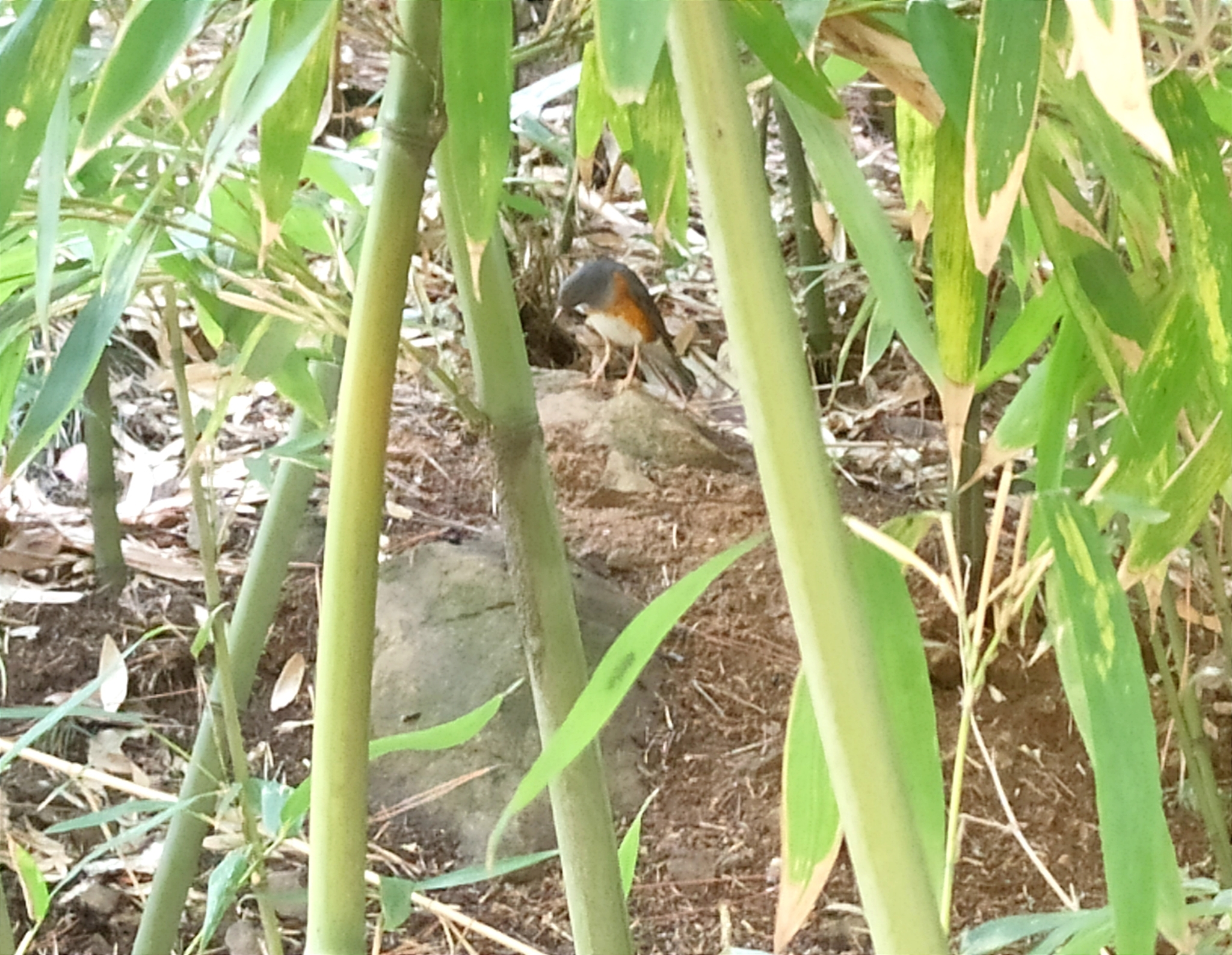
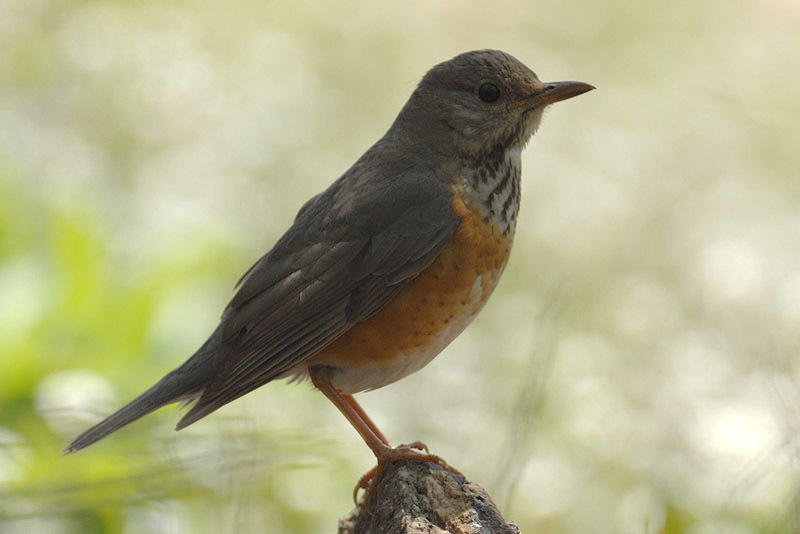
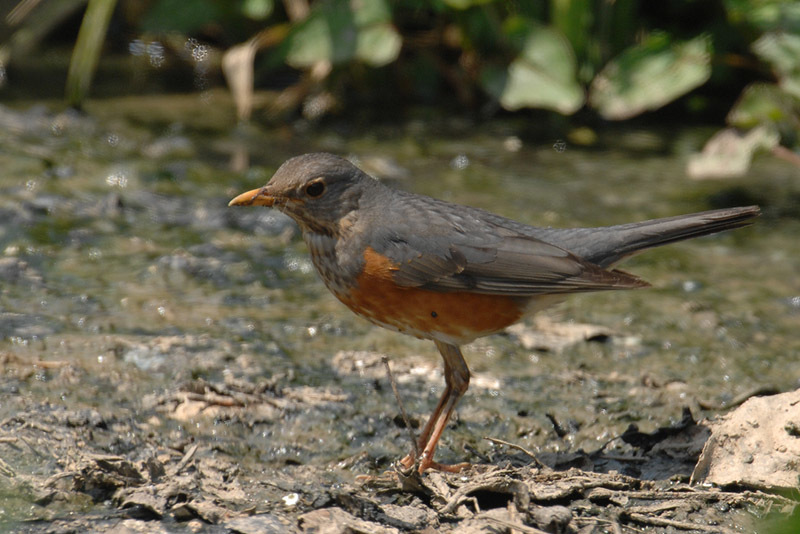
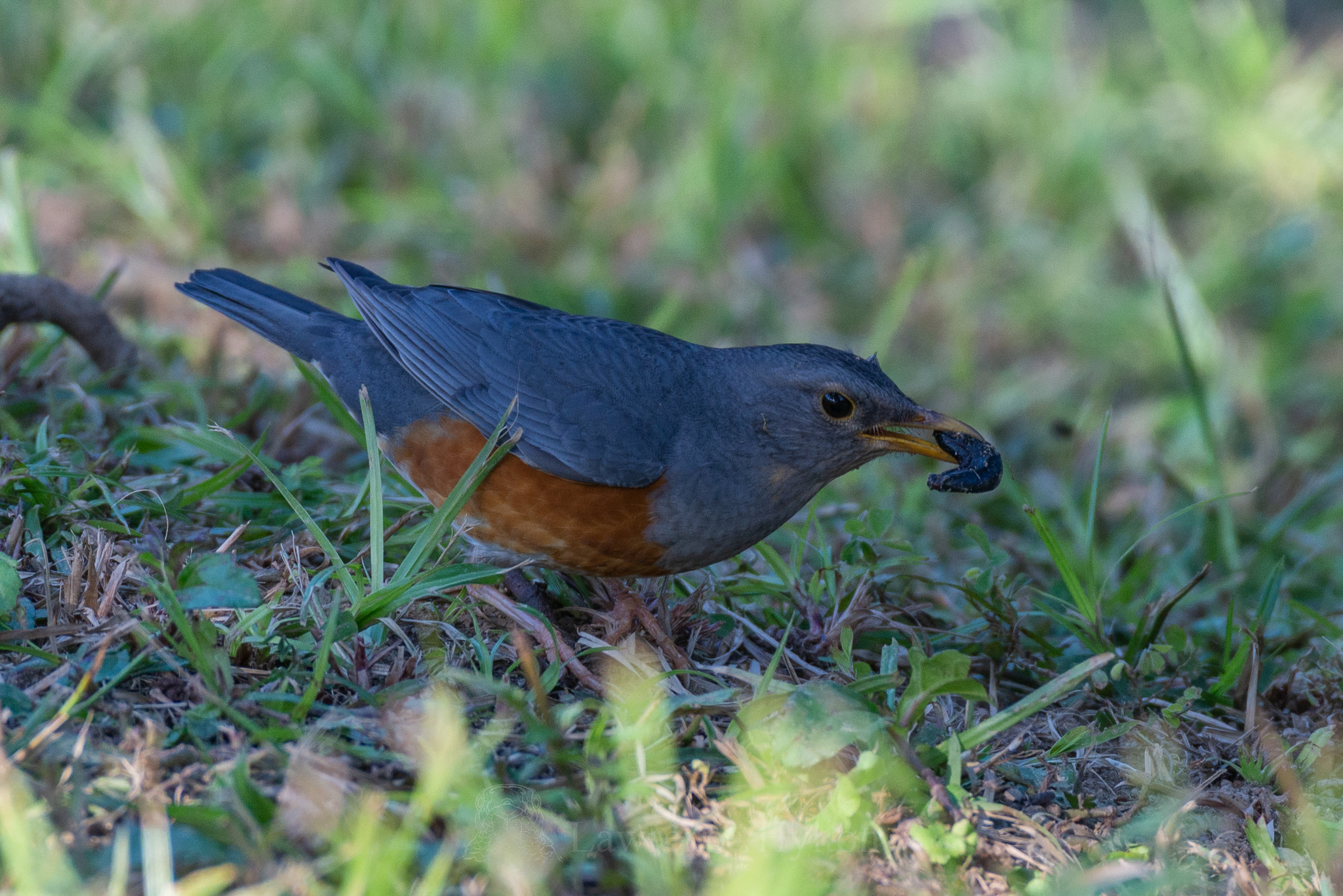
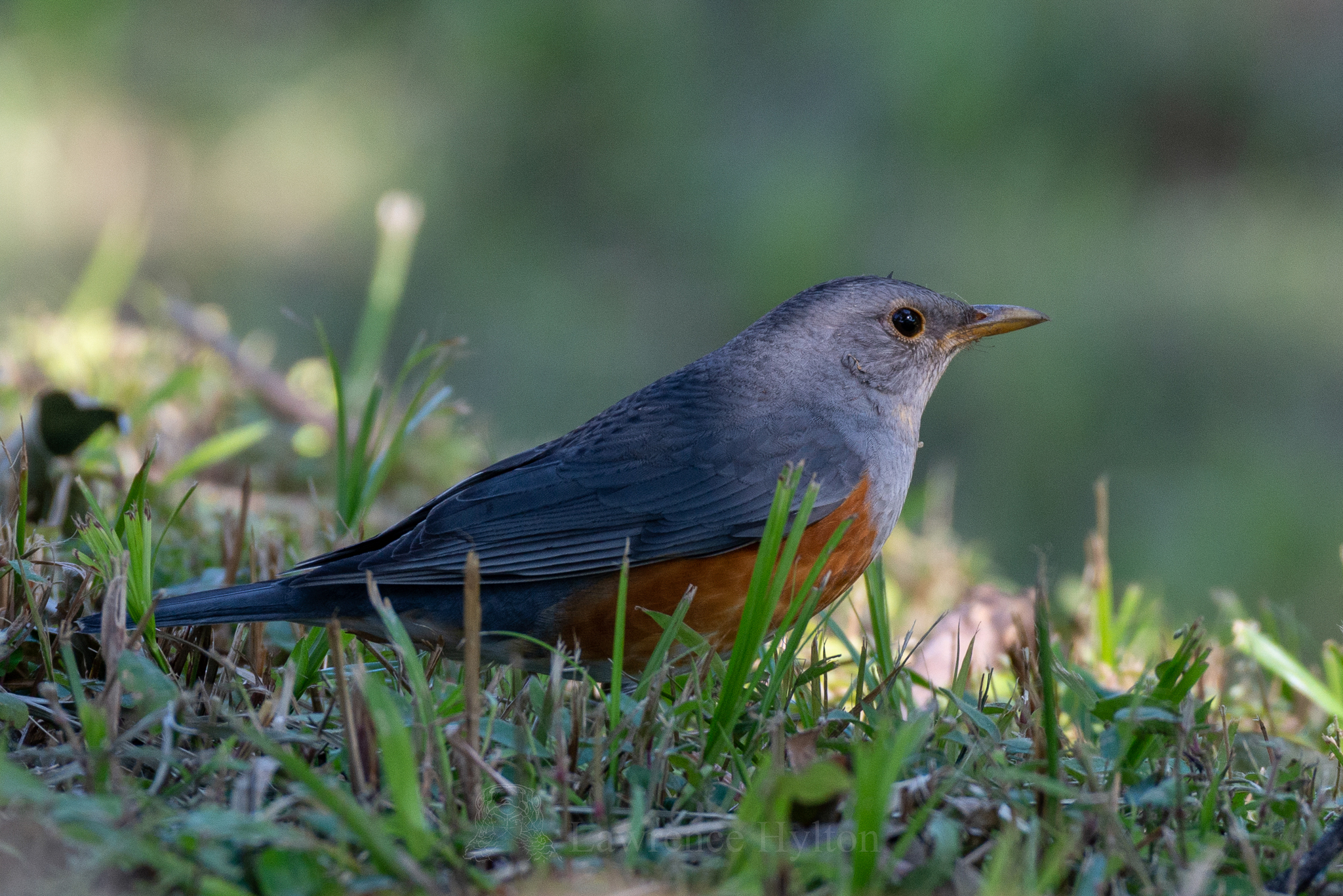
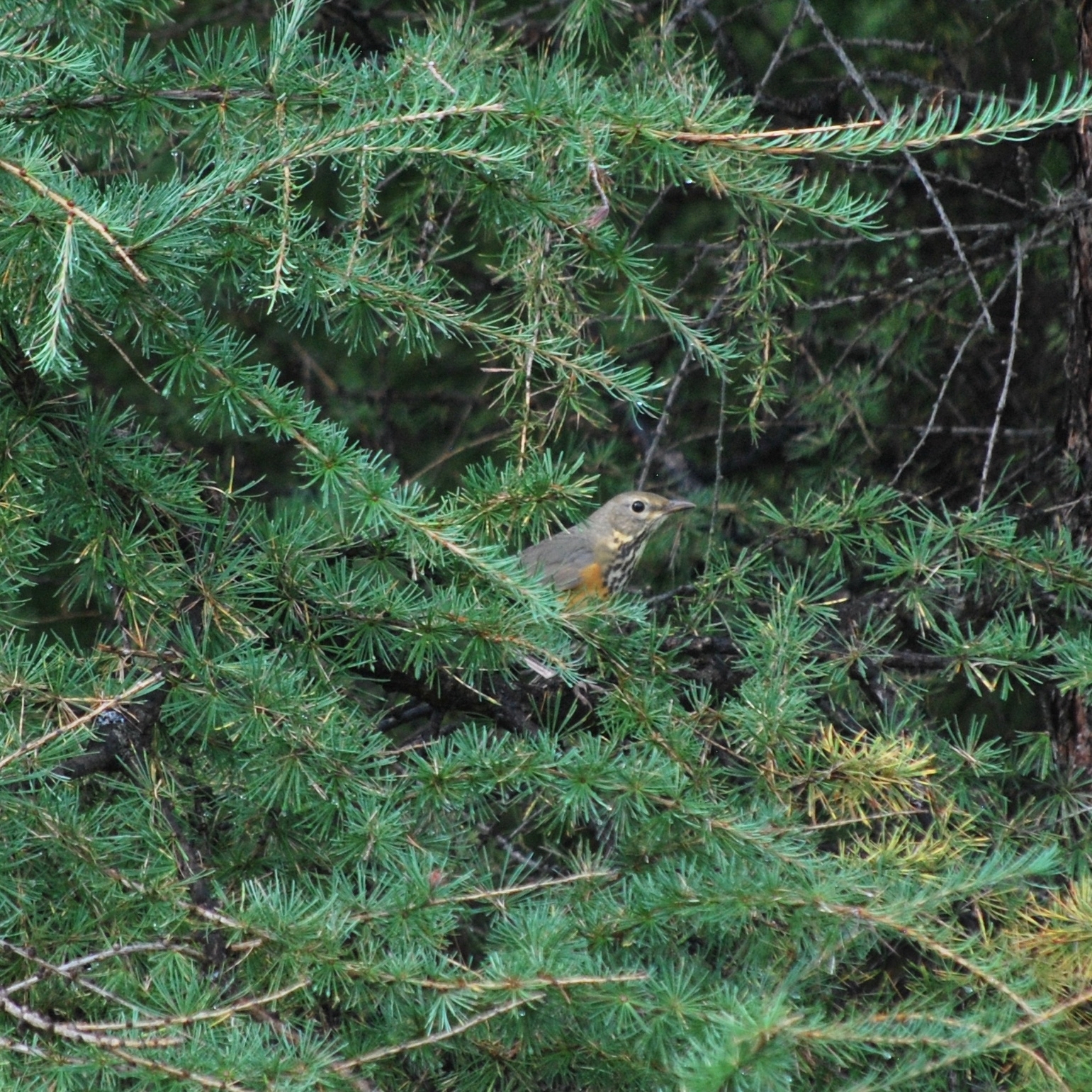
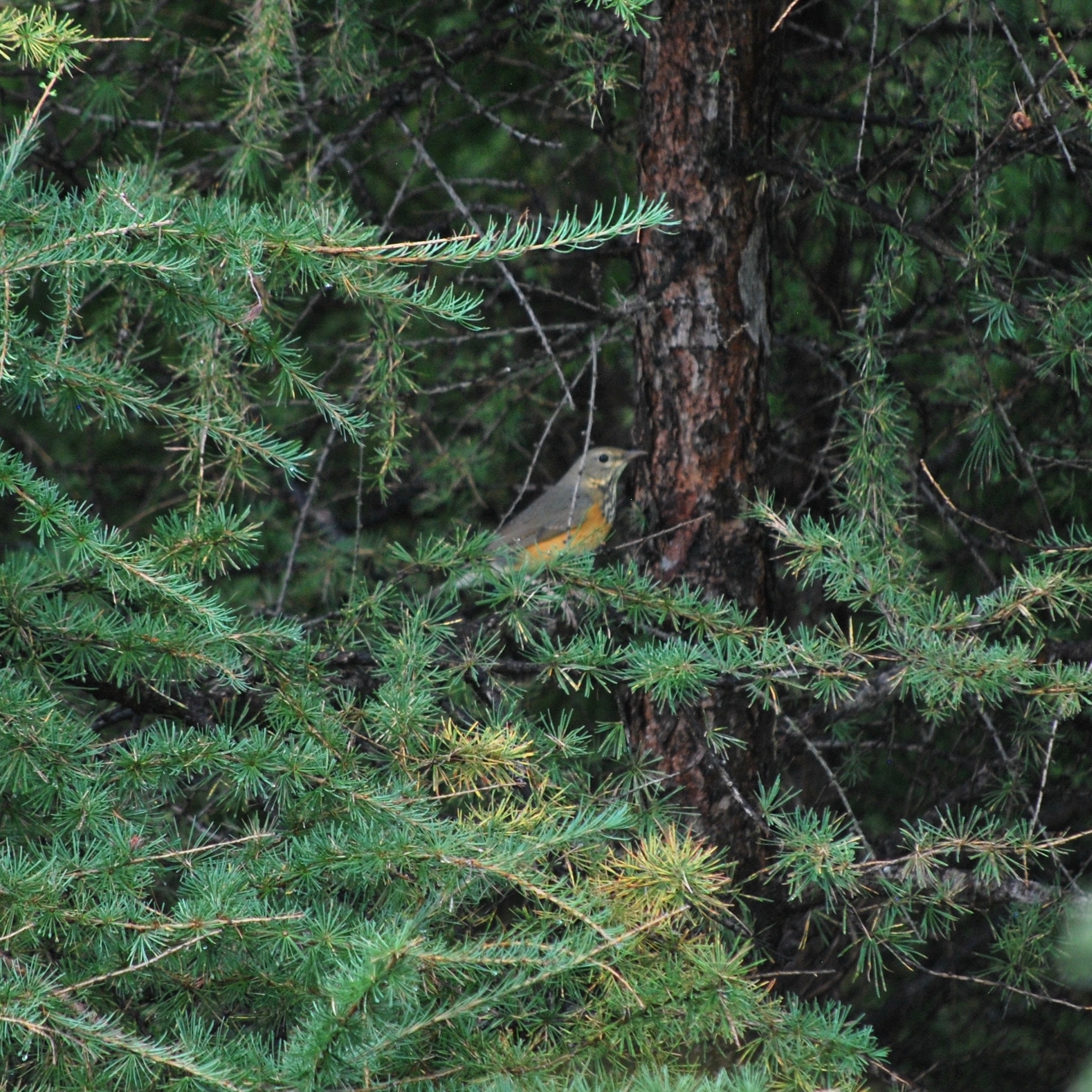
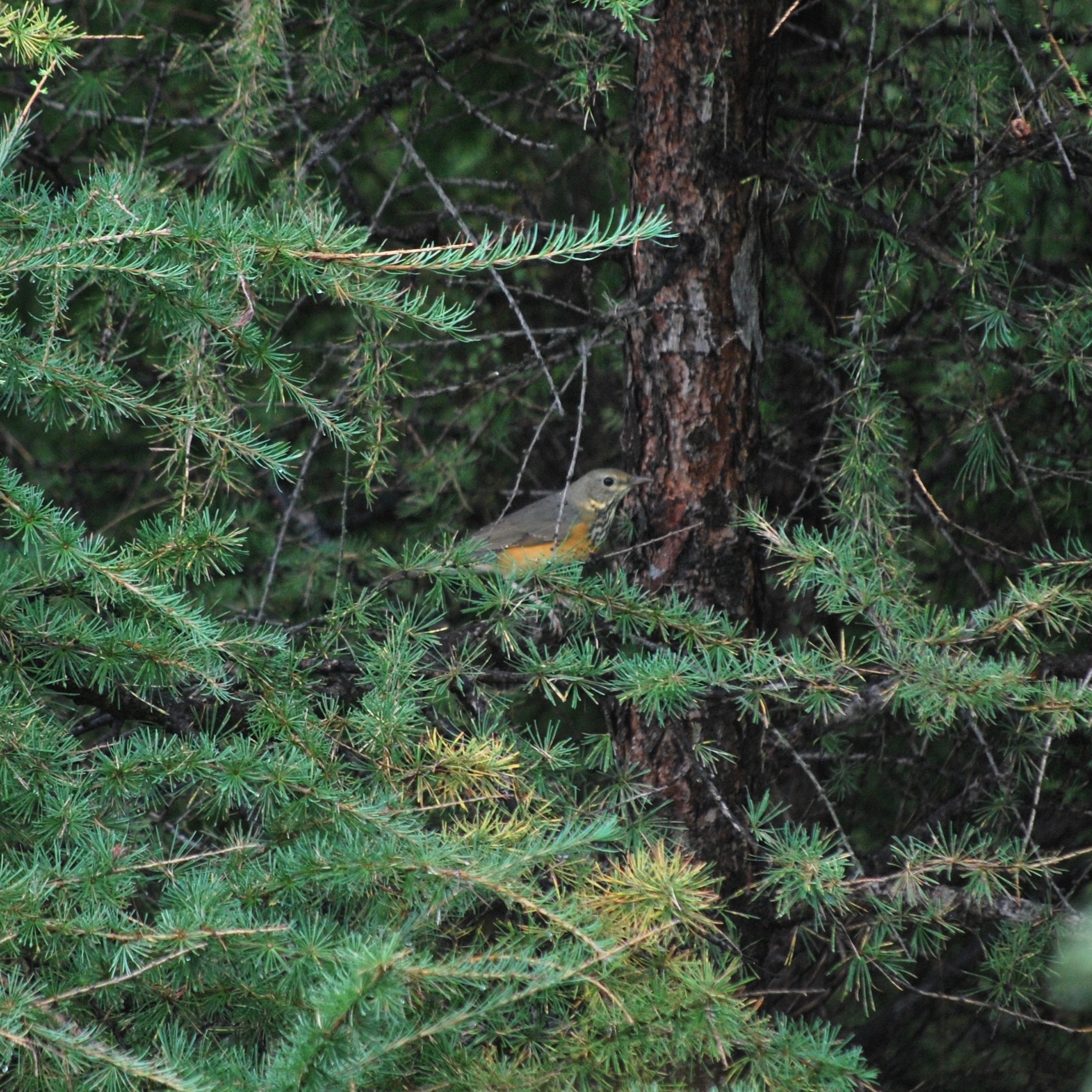
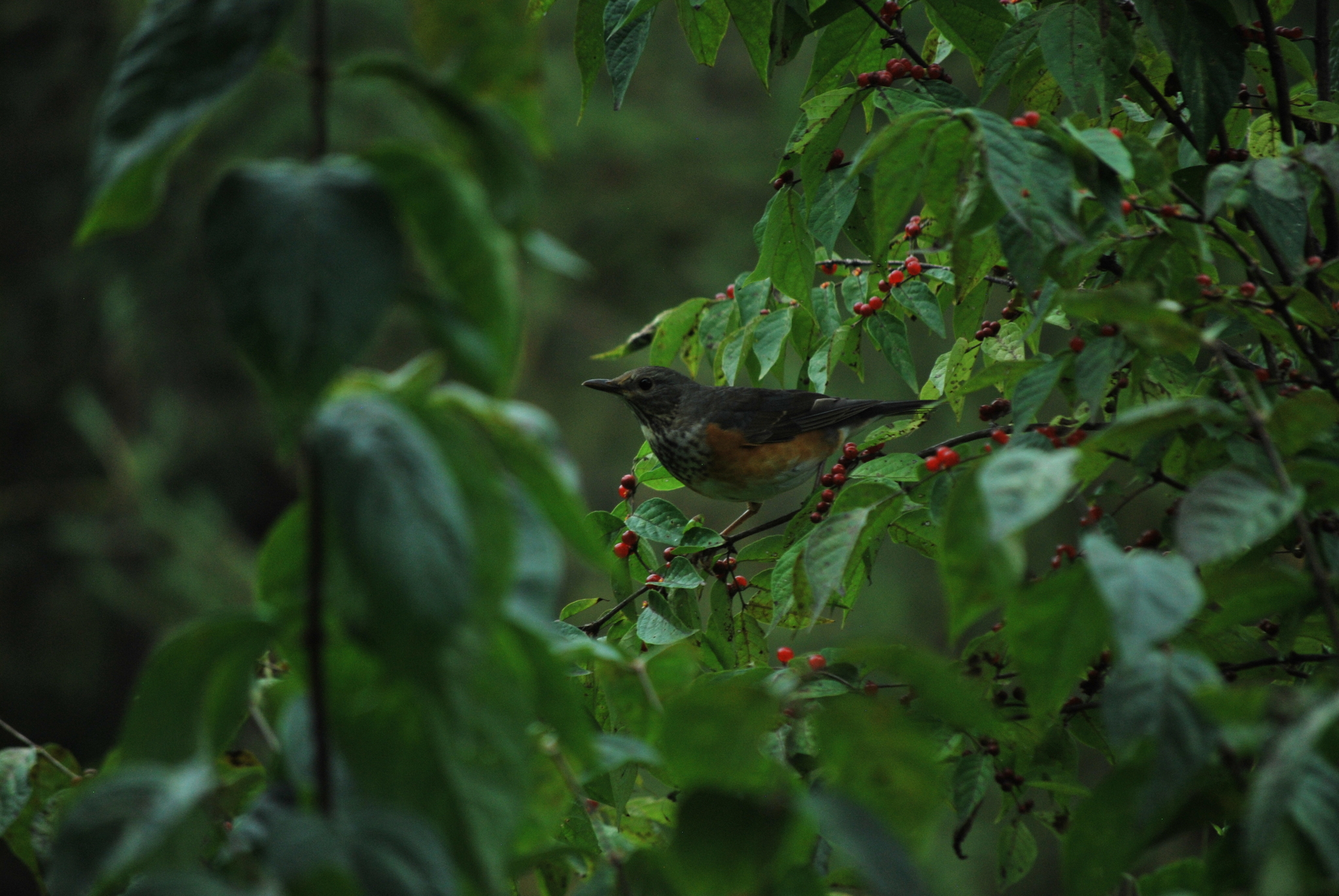
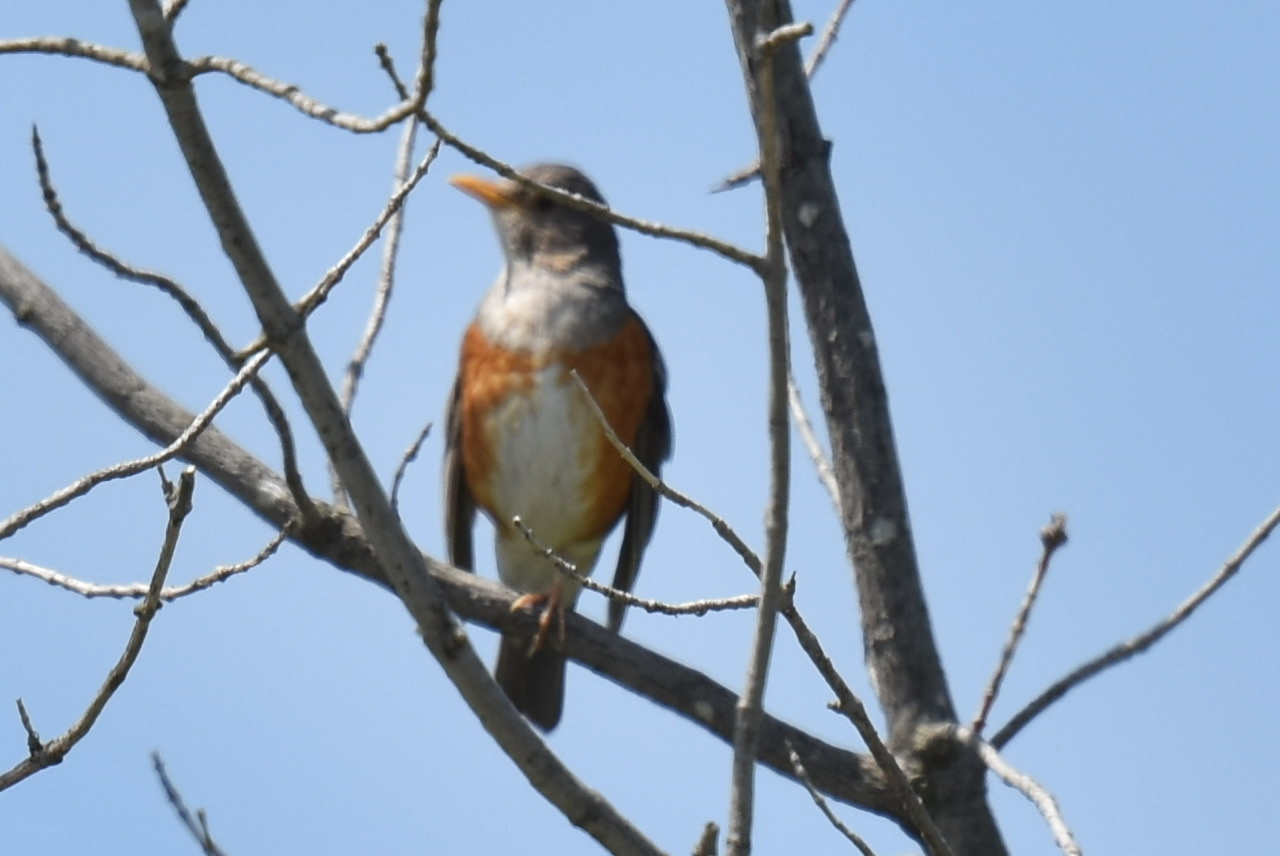
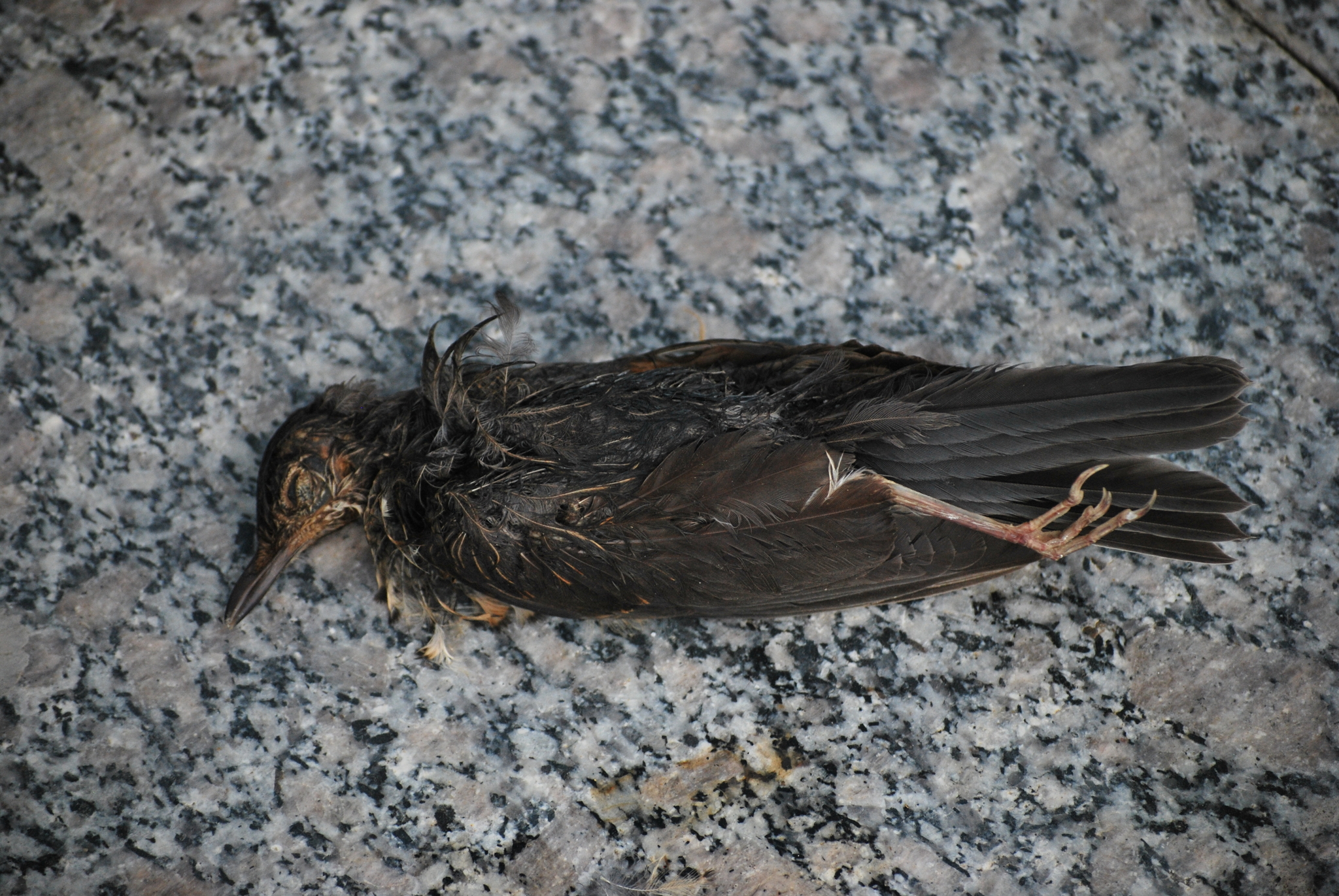
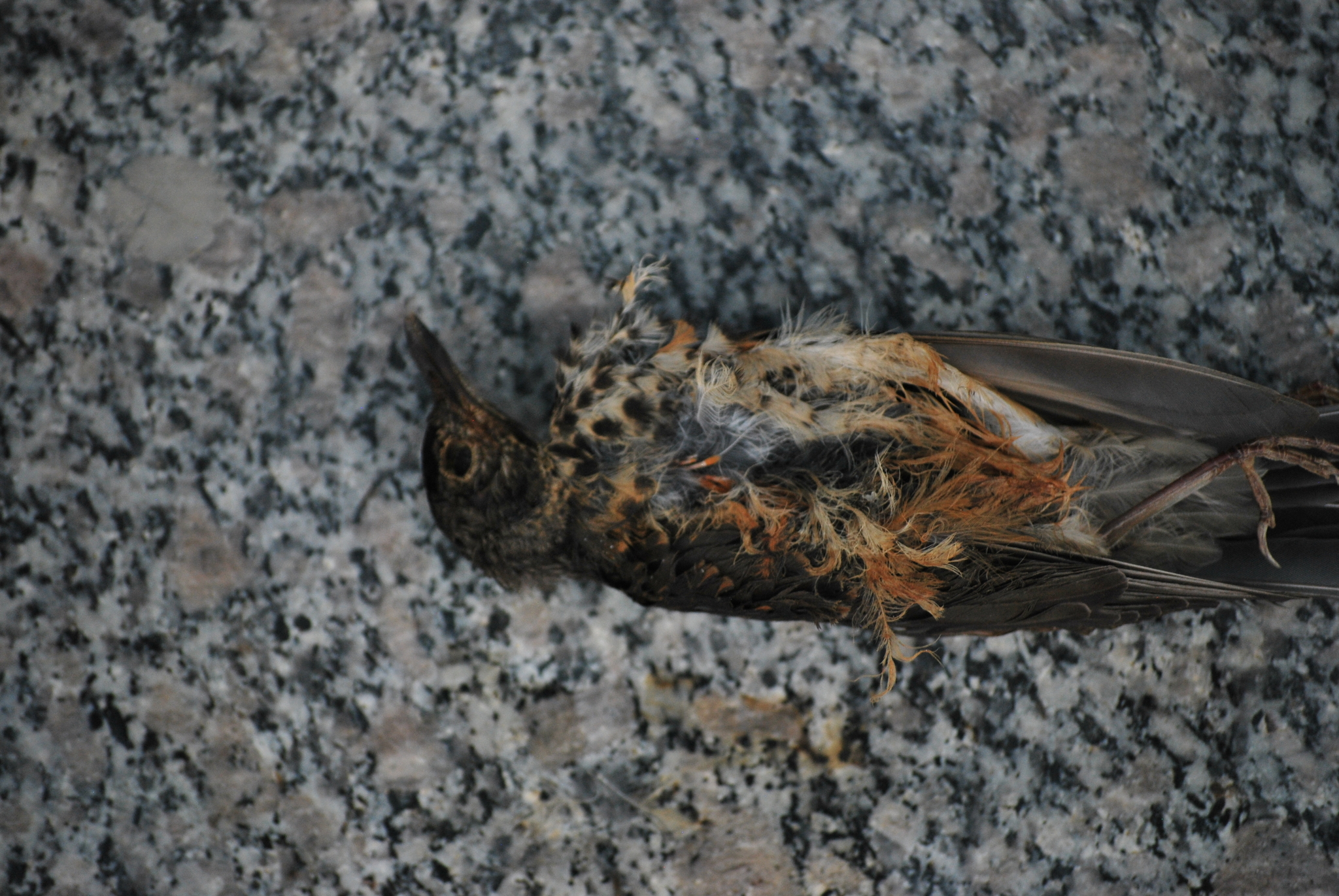
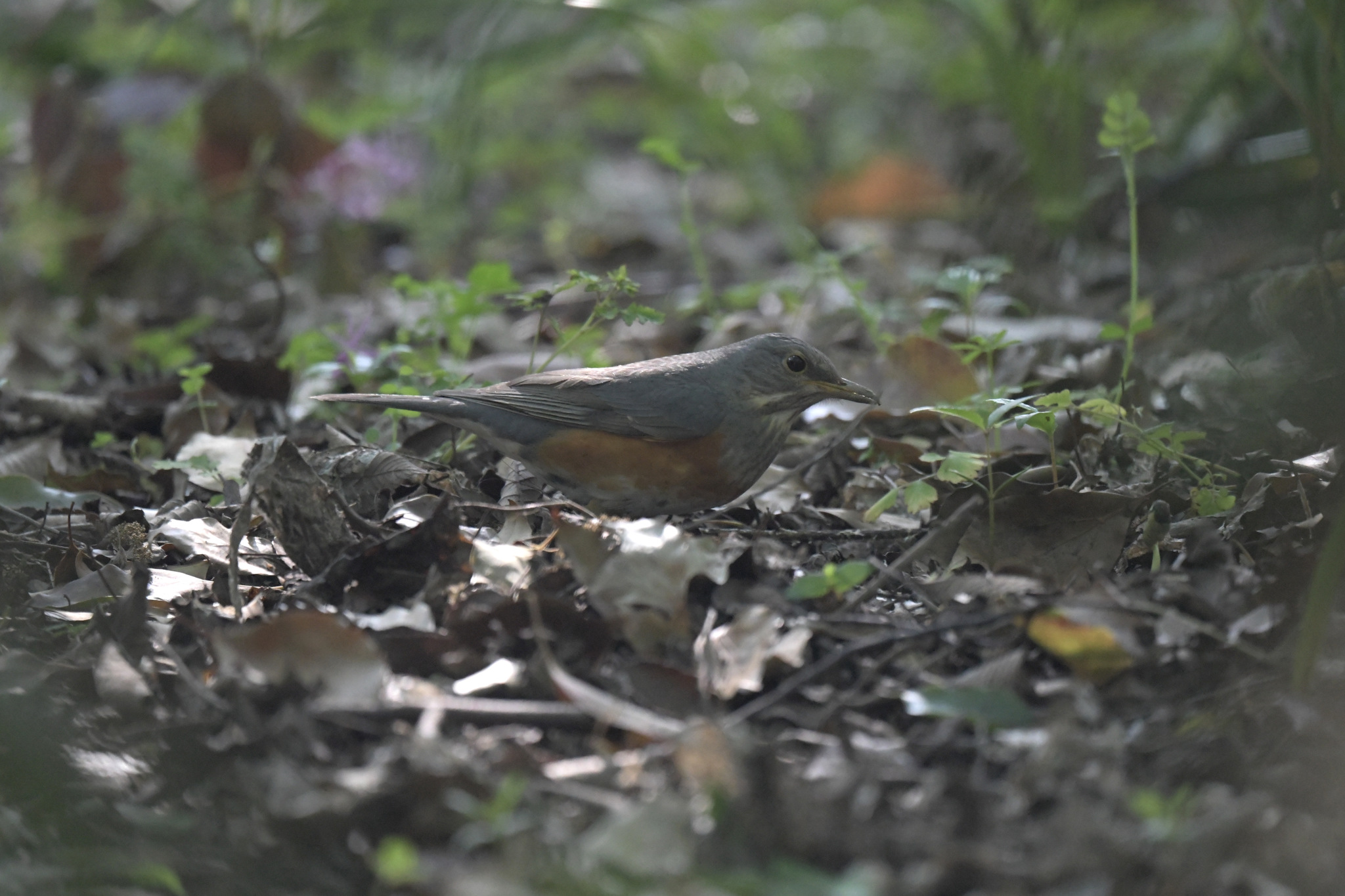
A medium-sized thrush measuring 20-23 cm in length with an average weight of 66.7 g (range 61-69 g). Adult males display a distinctive slate-grey back and chest, contrasting with a white chin and belly, while rufous flanks add color contrast. Females exhibit more subdued plumage with grey or brown upperparts and dark spotting on the chest, though they share the white belly and rufous flanks of the males.
Distribution & Habitat
Breeds across northeastern China and the Russian Far East in temperate forest habitats. Winters in southern China and northern Vietnam. The species inhabits both deciduous and evergreen forests with undulating terrain, rarely occurring above 1100 meters in elevation.
Behavior & Ecology
An active forager in forest habitats, consuming a varied diet of both fruit and insects. Captive breeding records indicate a clutch size of five eggs, with an incubation period of approximately 14 days from the laying of the first egg. Nestlings leave the nest about 12 days after hatching.
Conservation
Currently classified as Least Concern on the IUCN Red List, indicating that the species does not face immediate significant threats to its global population at present.
Source: Wikipedia · CC BY-SA 3.0
Taxonomy
- Order
- Passeriformes
- Family
- Turdidae
- Genus
- Turdus
- eBird Code
- gybthr1
Distribution
breeds eastern Siberia, Manchuria, and northern Korea; winters to southeastern Asia
Data Sources
Species description from Wikipedia, licensed under CC BY-SA 3.0.
Bird images and sounds sourced from GBIF, contributed by citizen scientists worldwide under Creative Commons licenses.
Taxonomy data from AviList 2025.