Dusky Thrush
Turdus eunomus
斑鸫
Introduction
This medium-sized thrush breeds across Siberia from central regions east to Kamchatka, migrating south to winter in Korea, Japan, southern China, and Myanmar. It occupies open woodland habitats and demonstrates greater tolerance for mountainous terrain and tundra-edge environments compared to Naumann's thrush. The species undertakes lengthy migrations to southeast Asia each autumn. It occasionally appears as a rare vagrant in western Europe.
Description
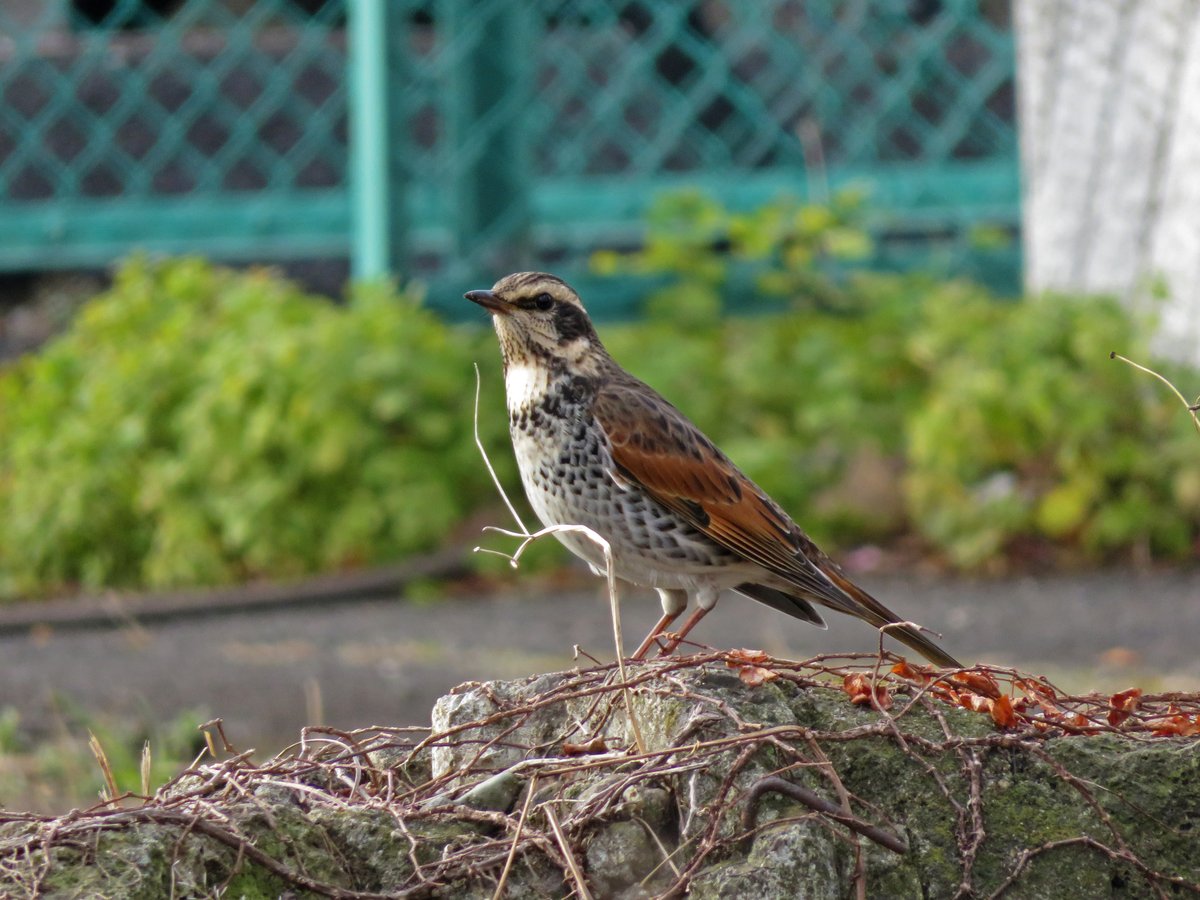
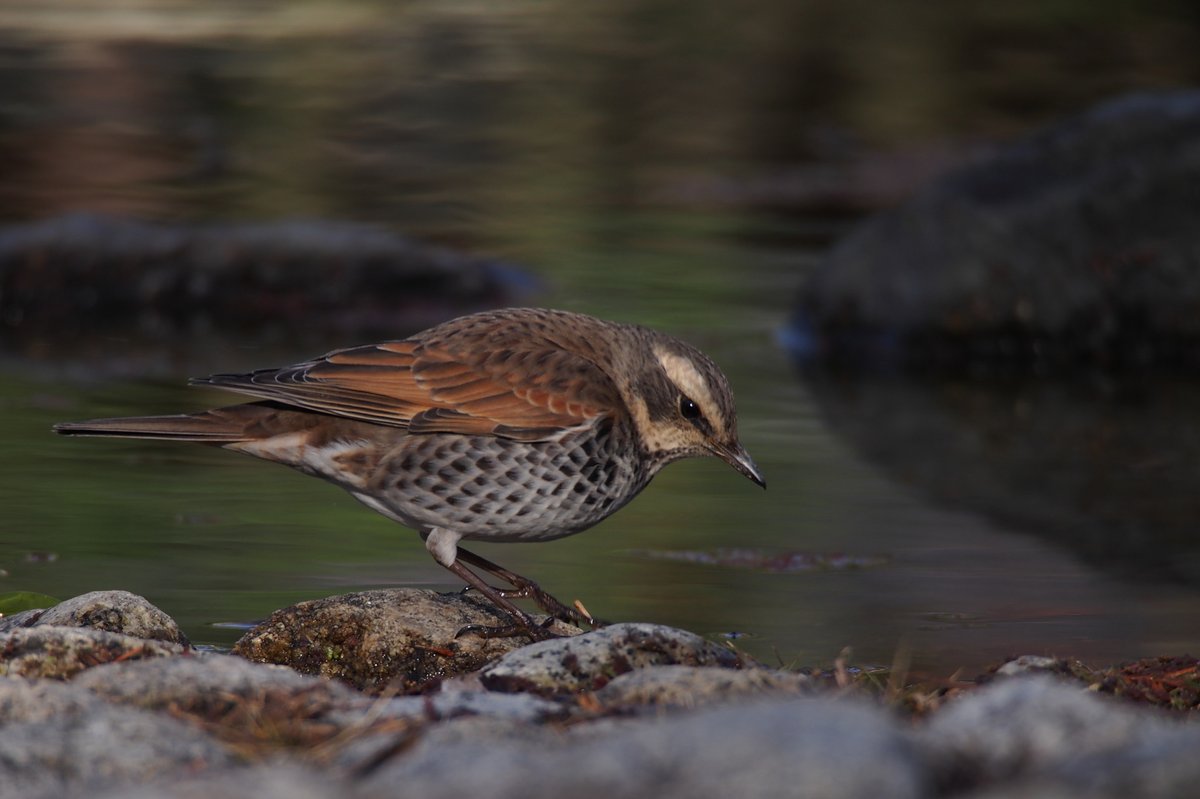
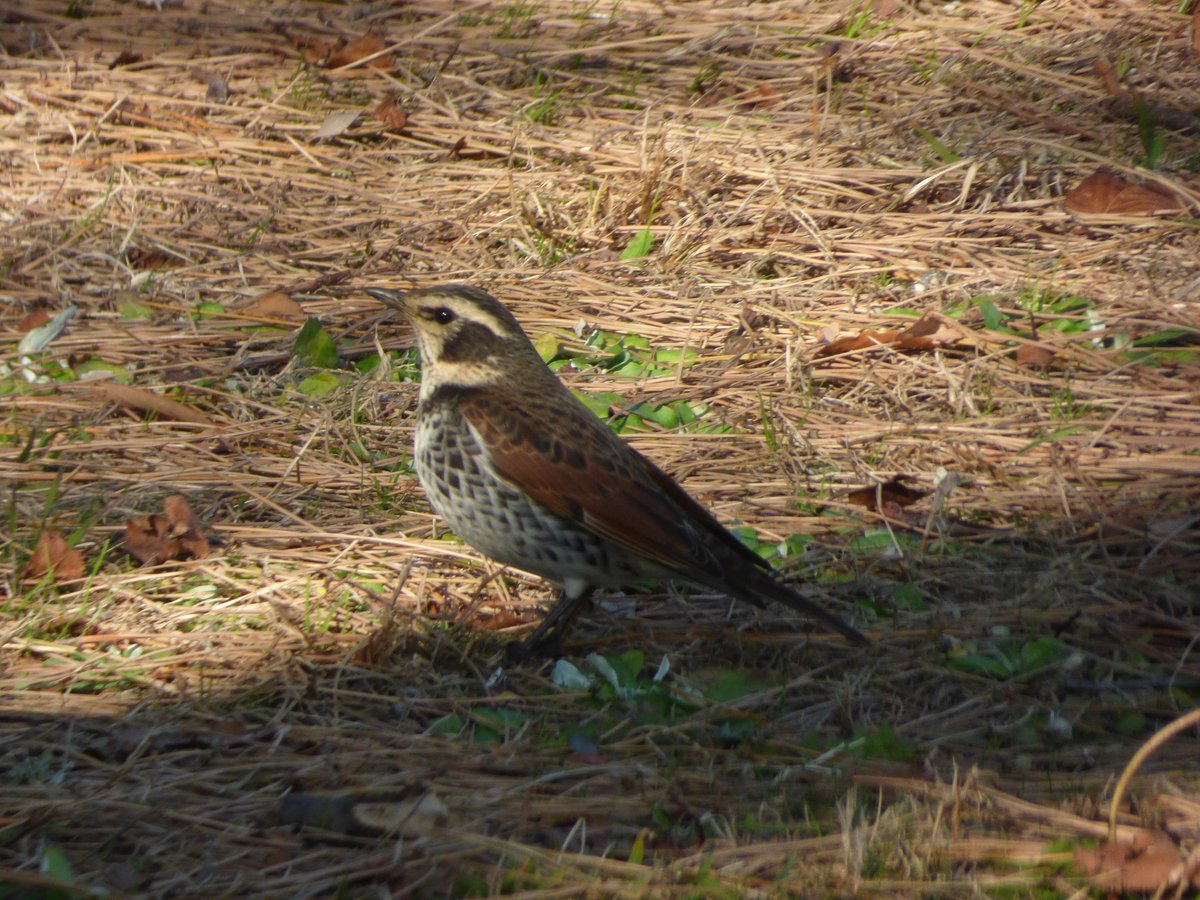
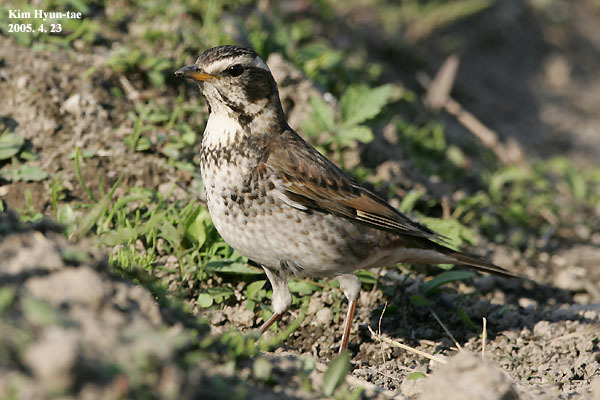
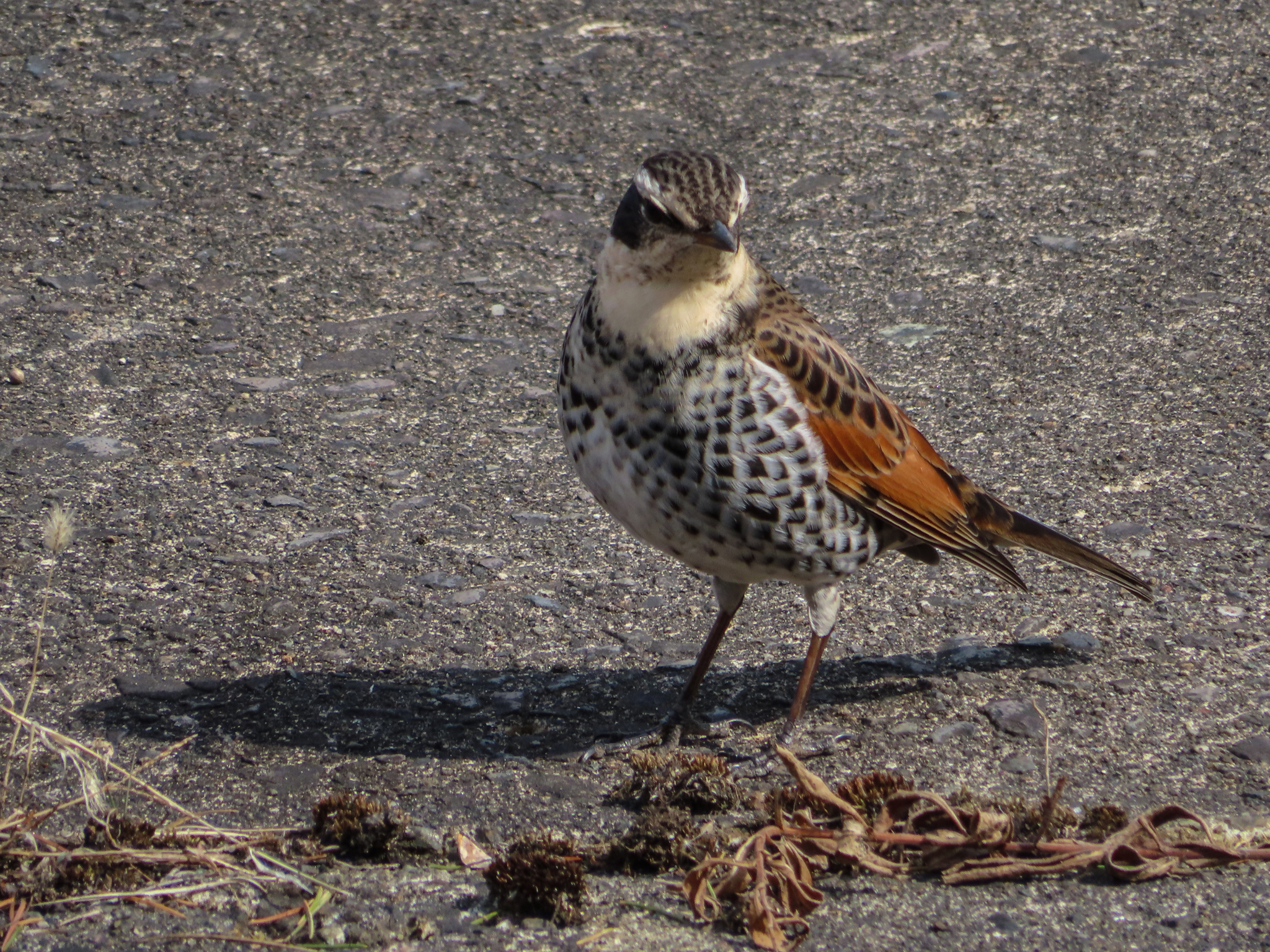
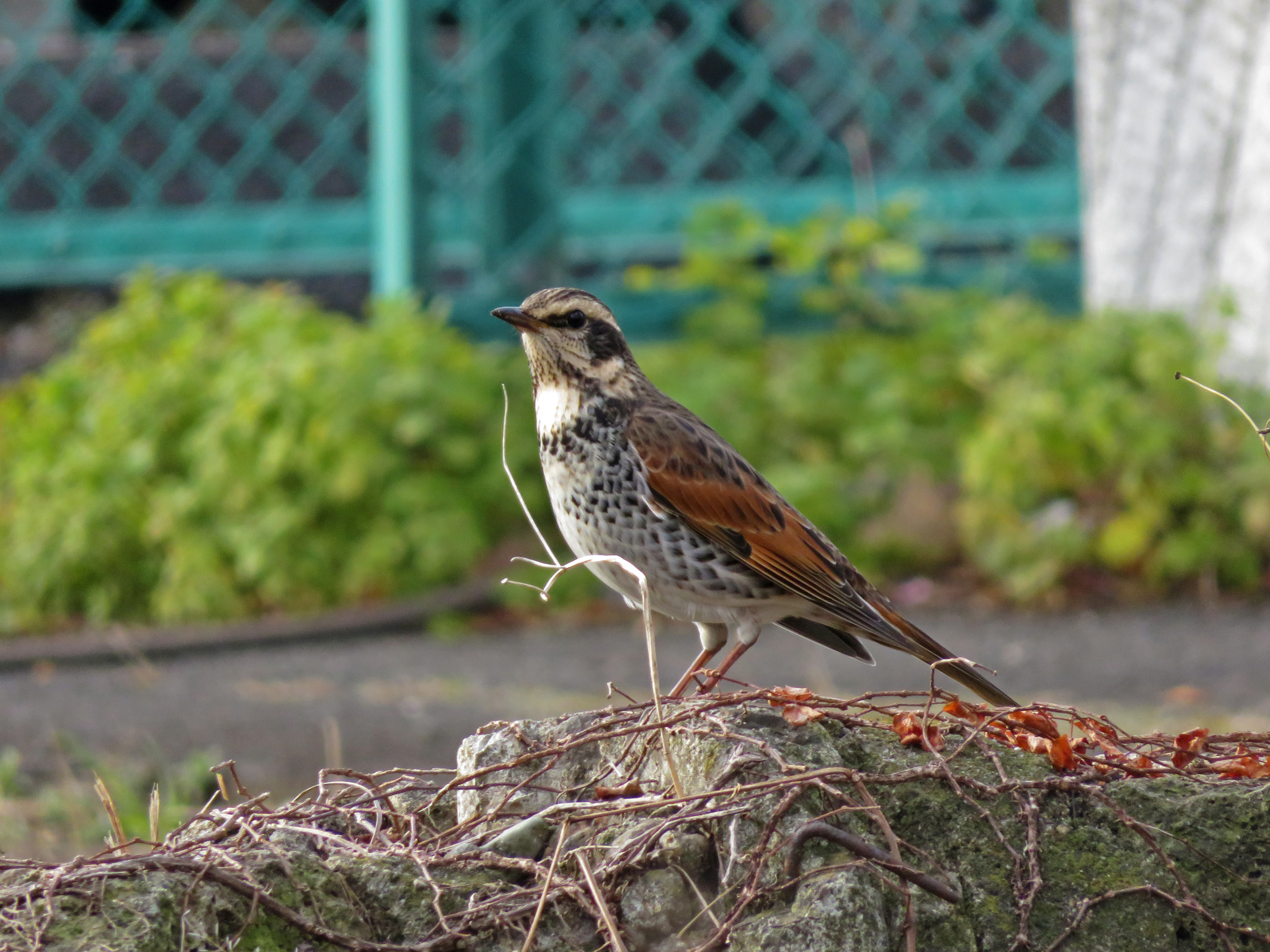
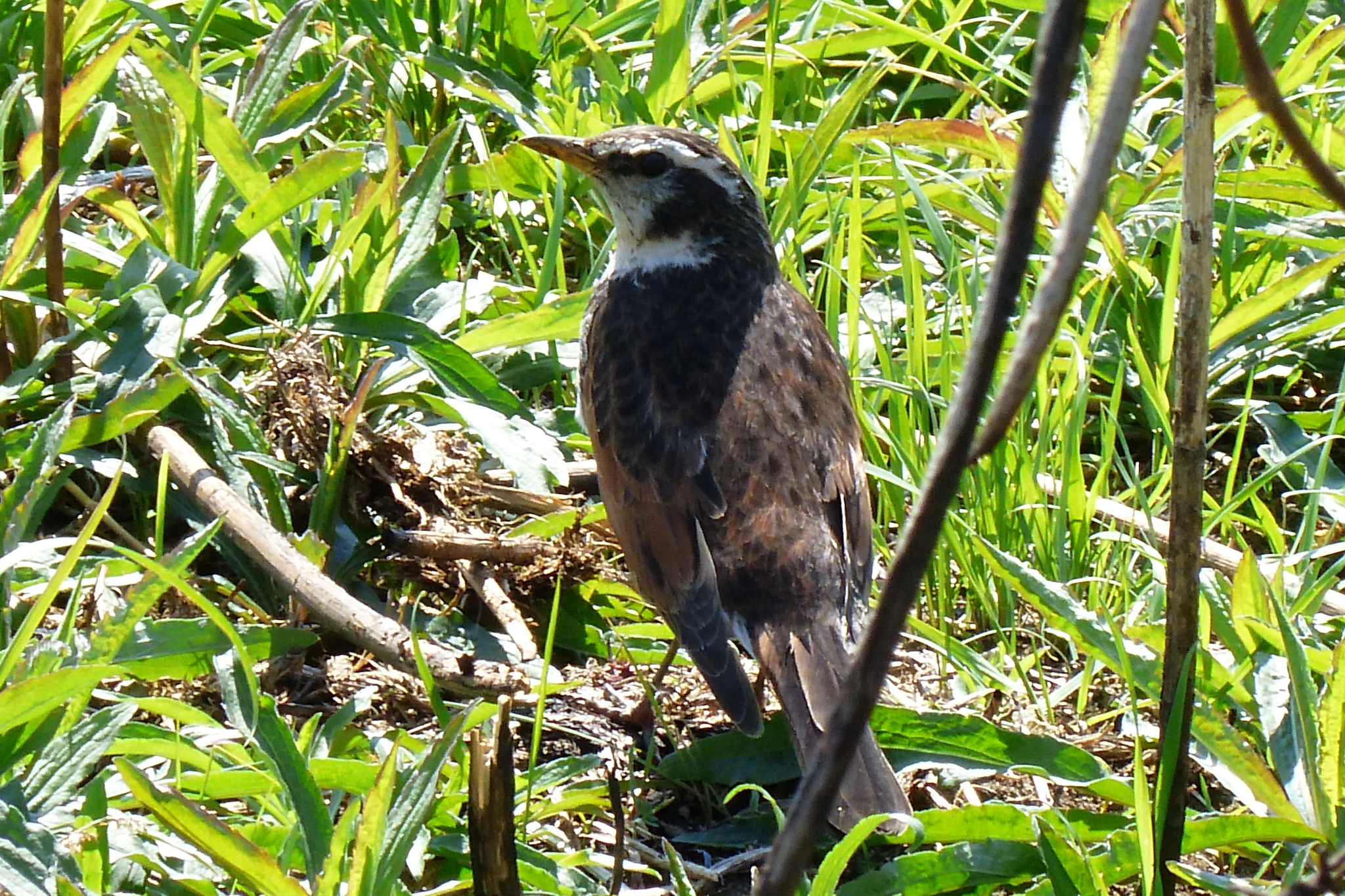
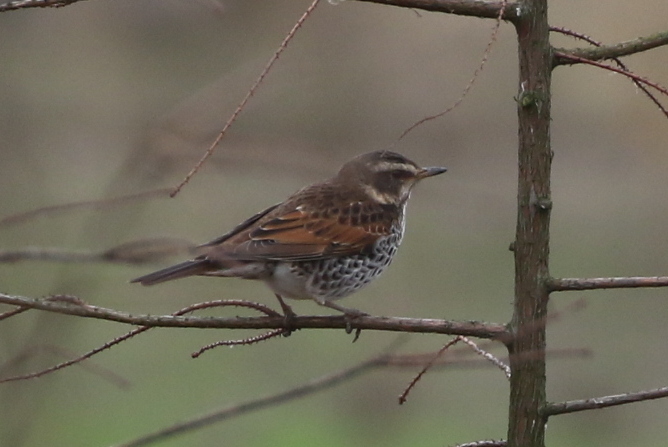
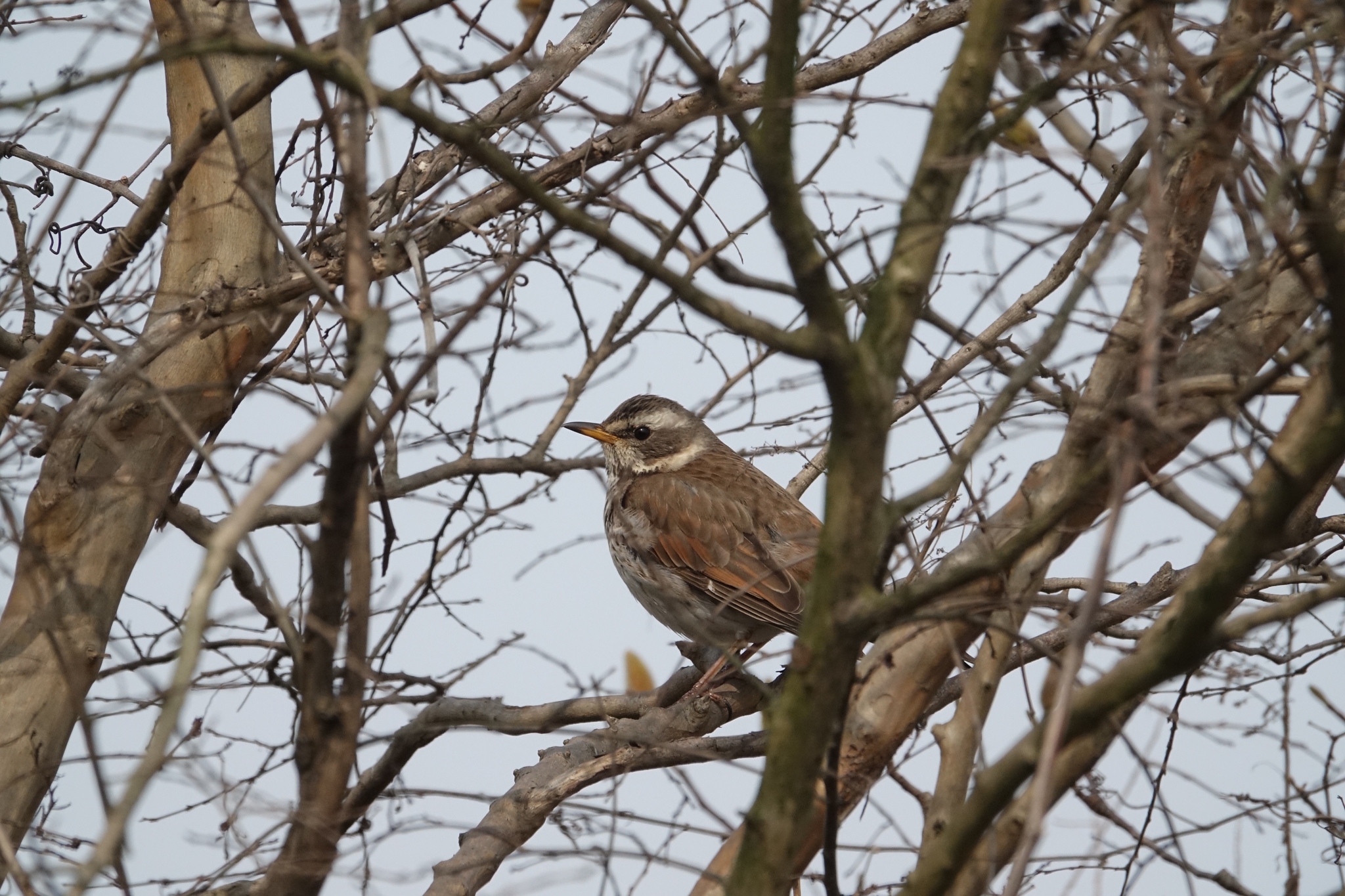
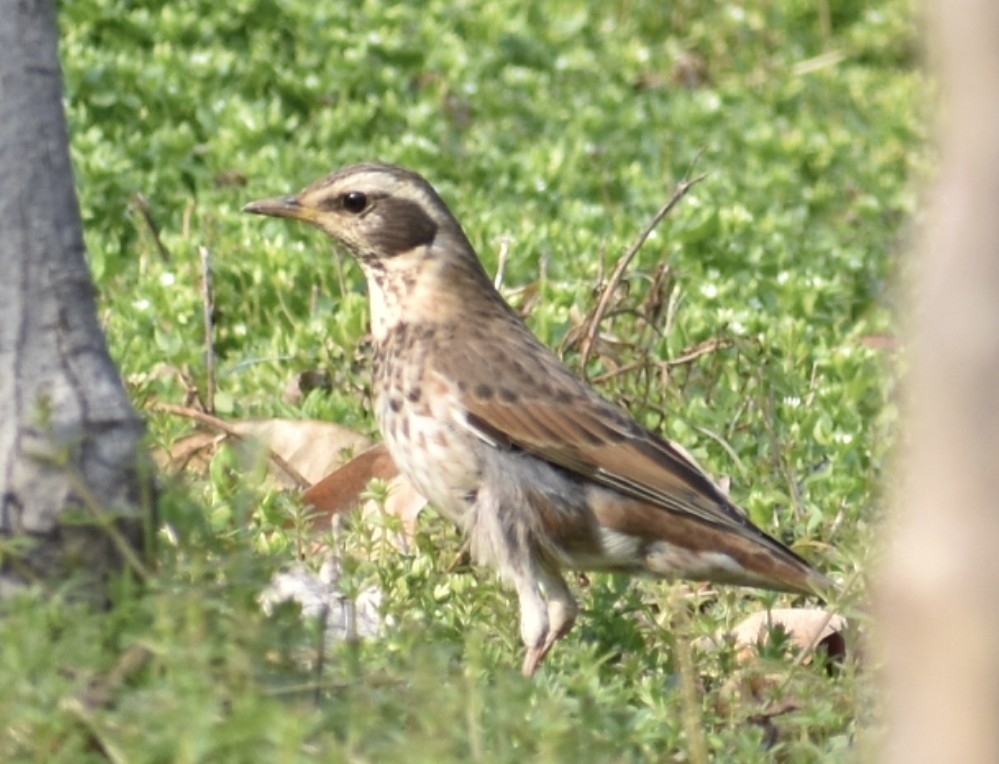
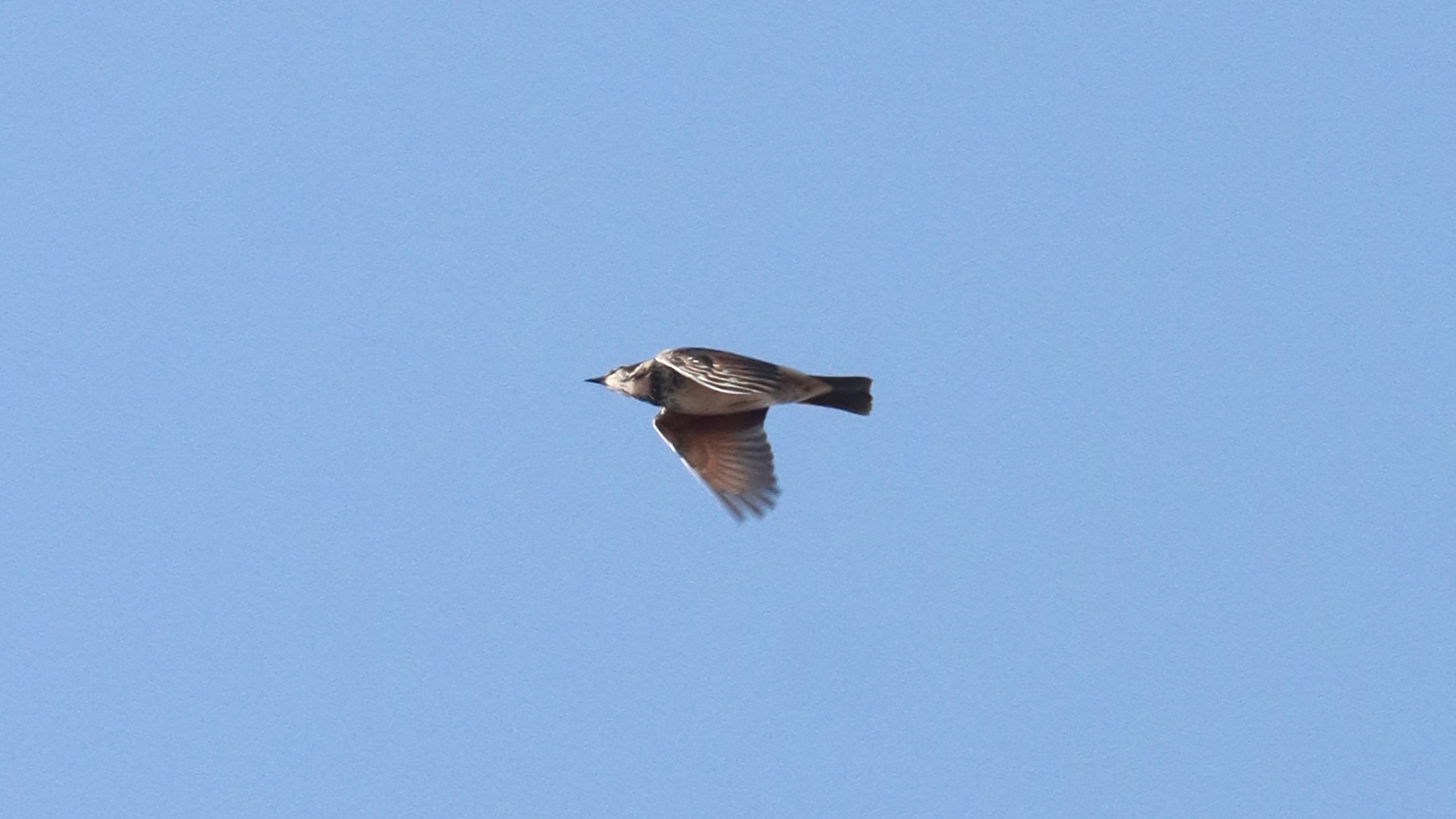
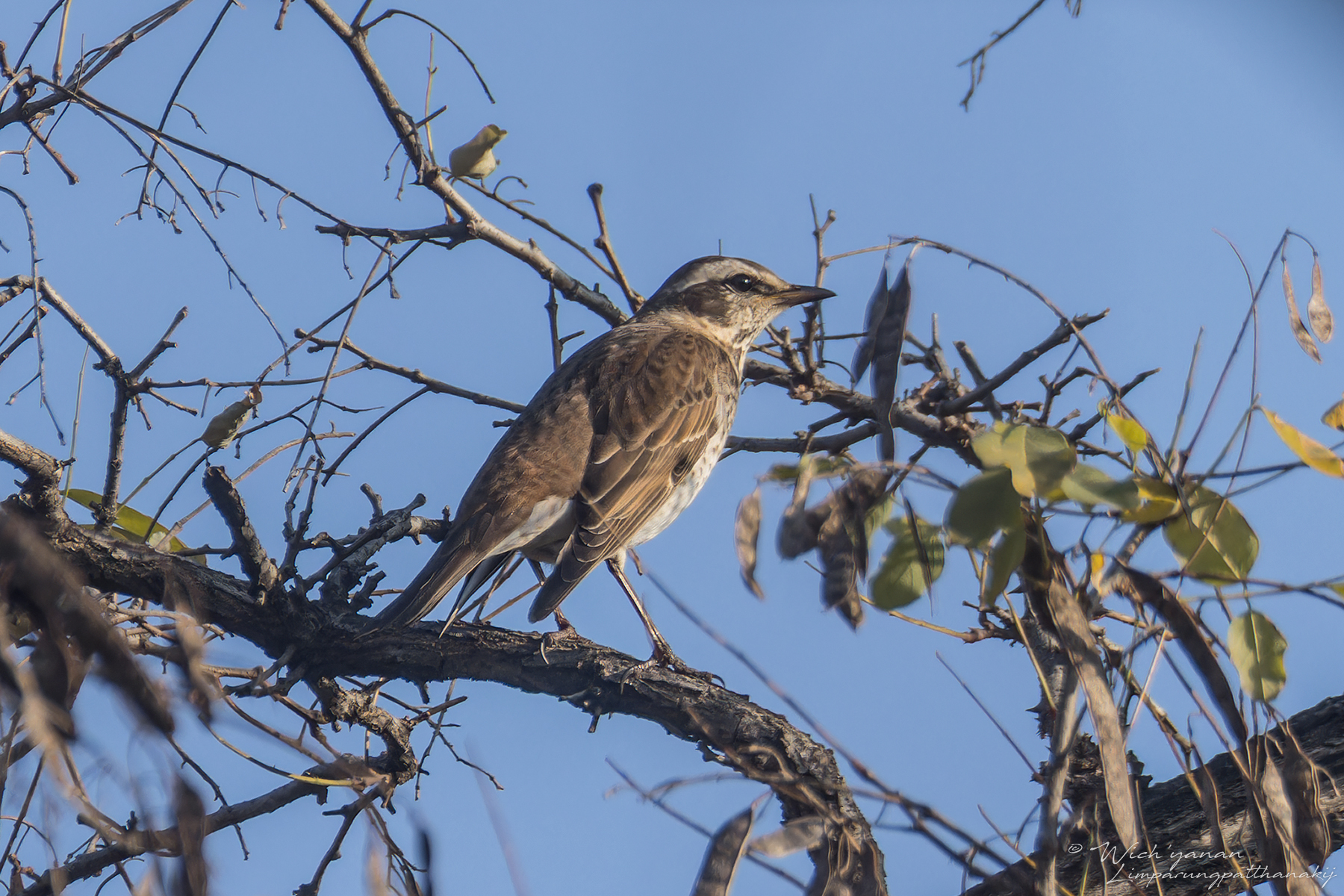
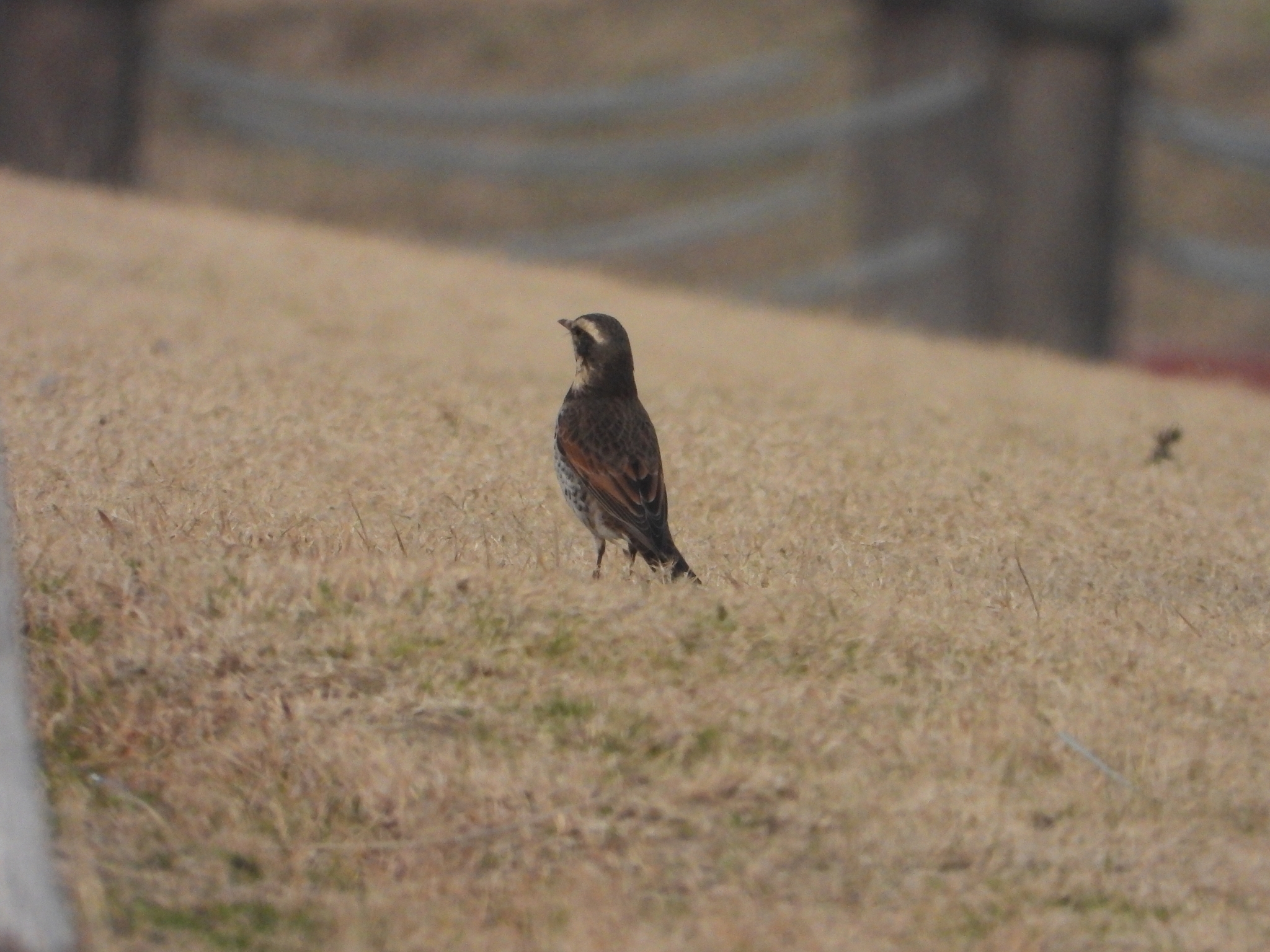
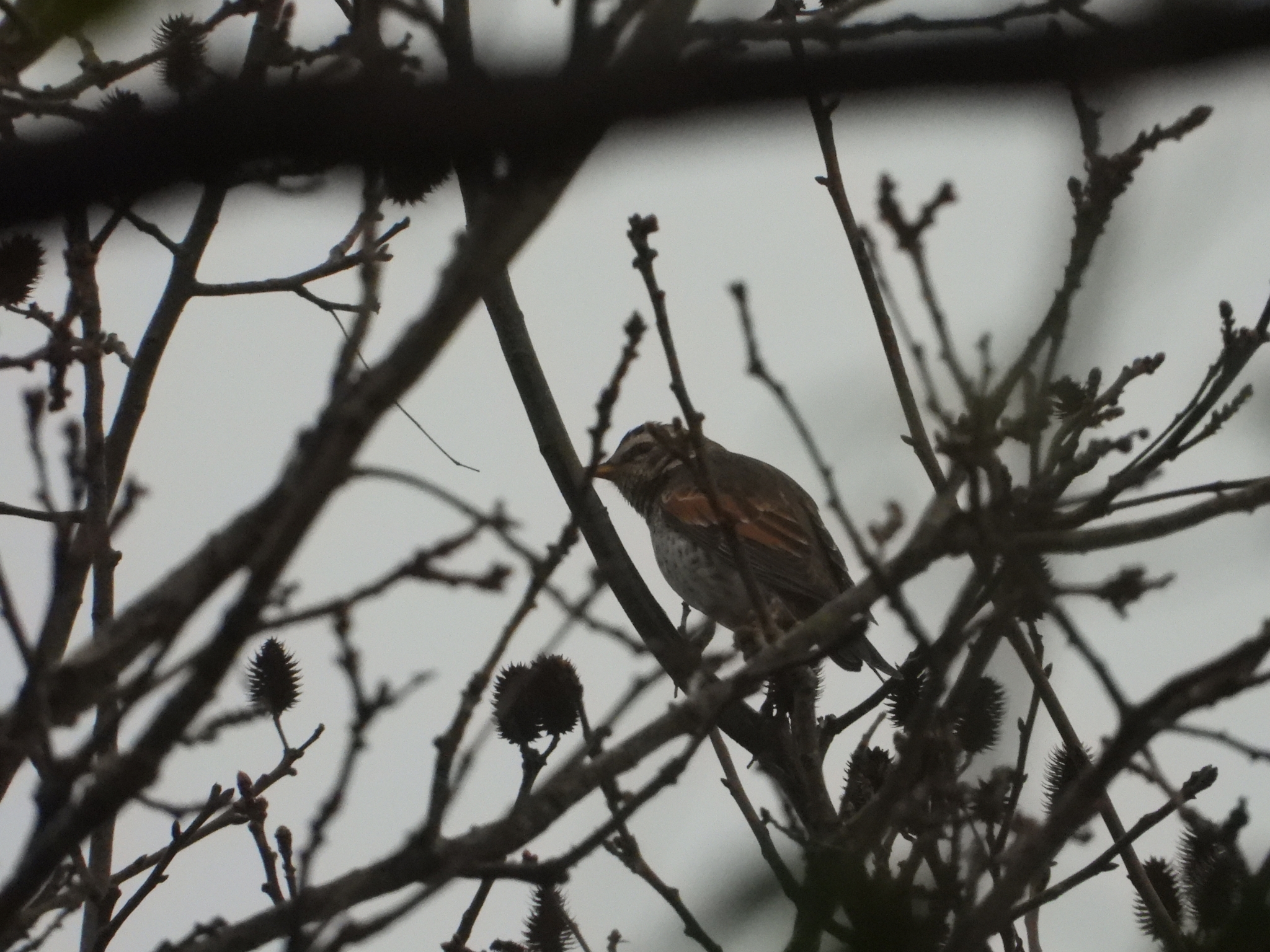
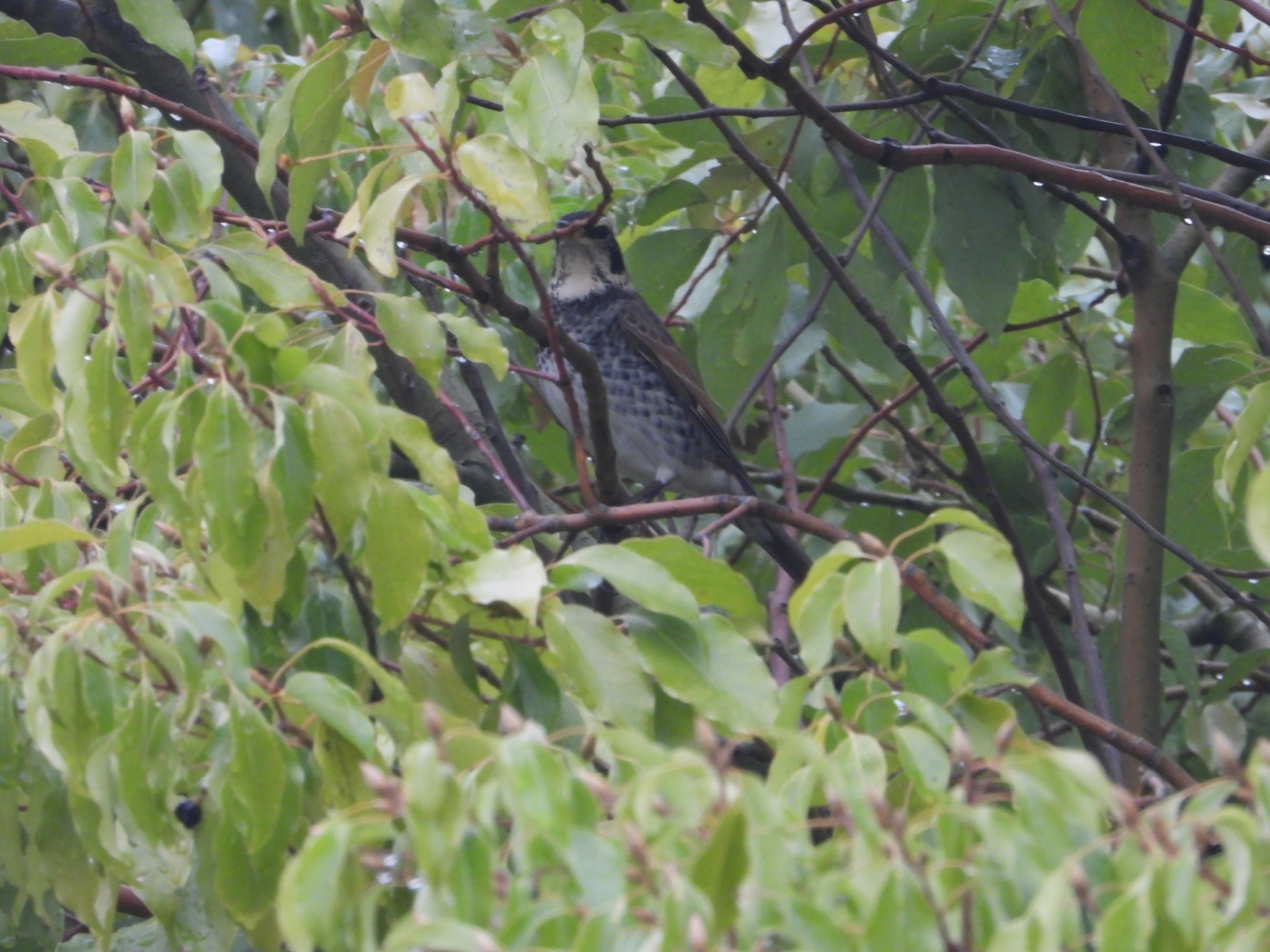
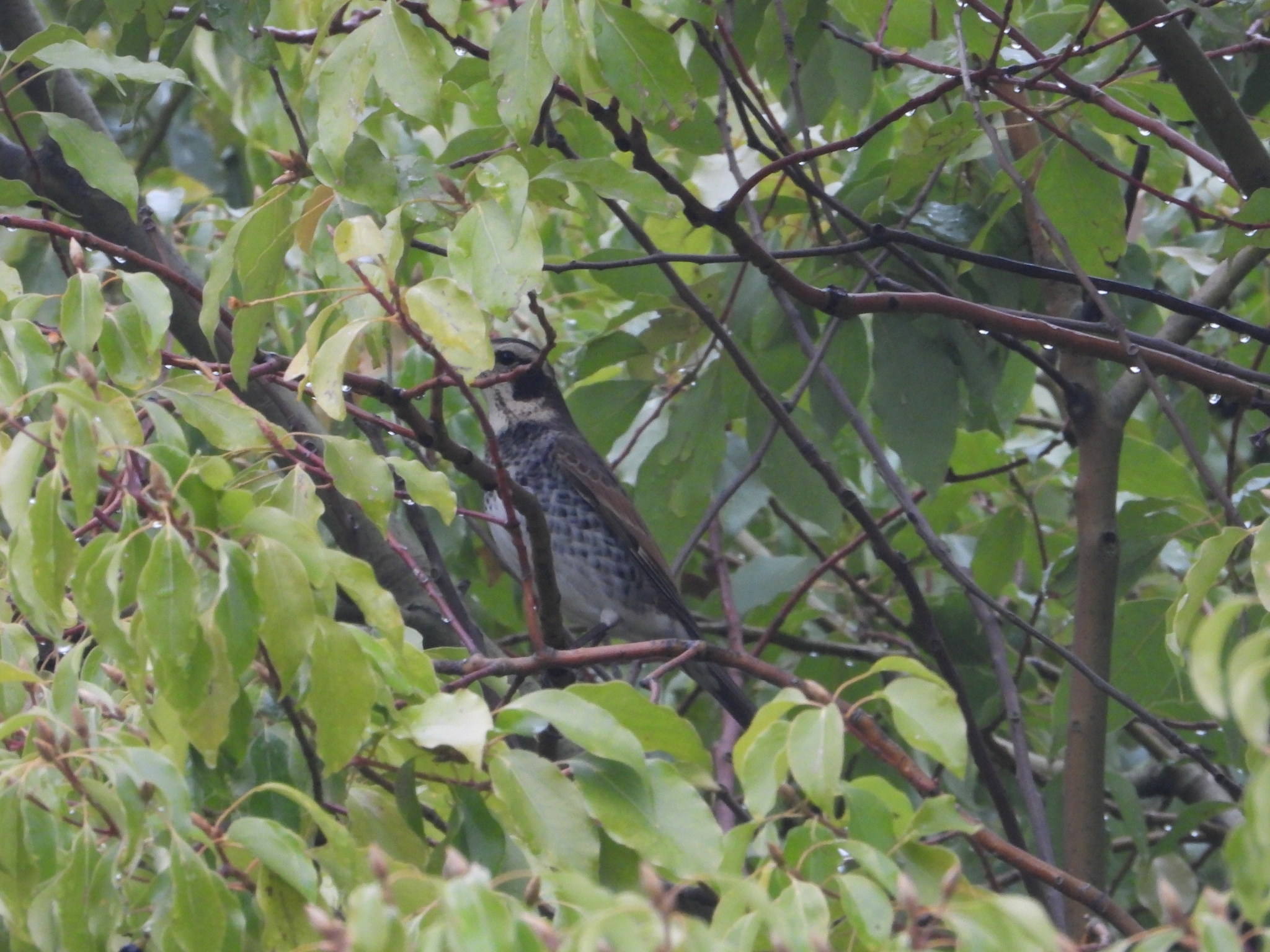
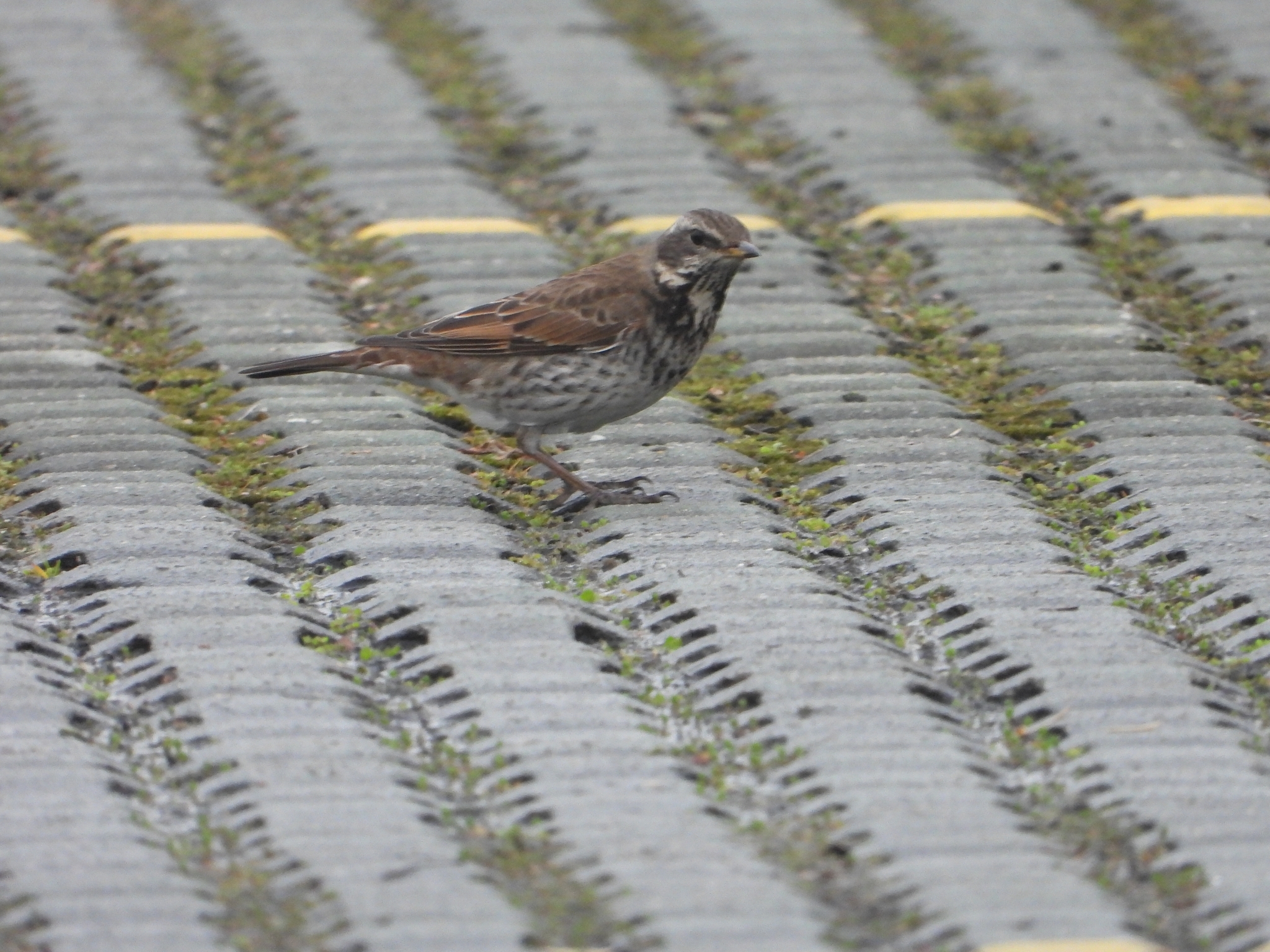
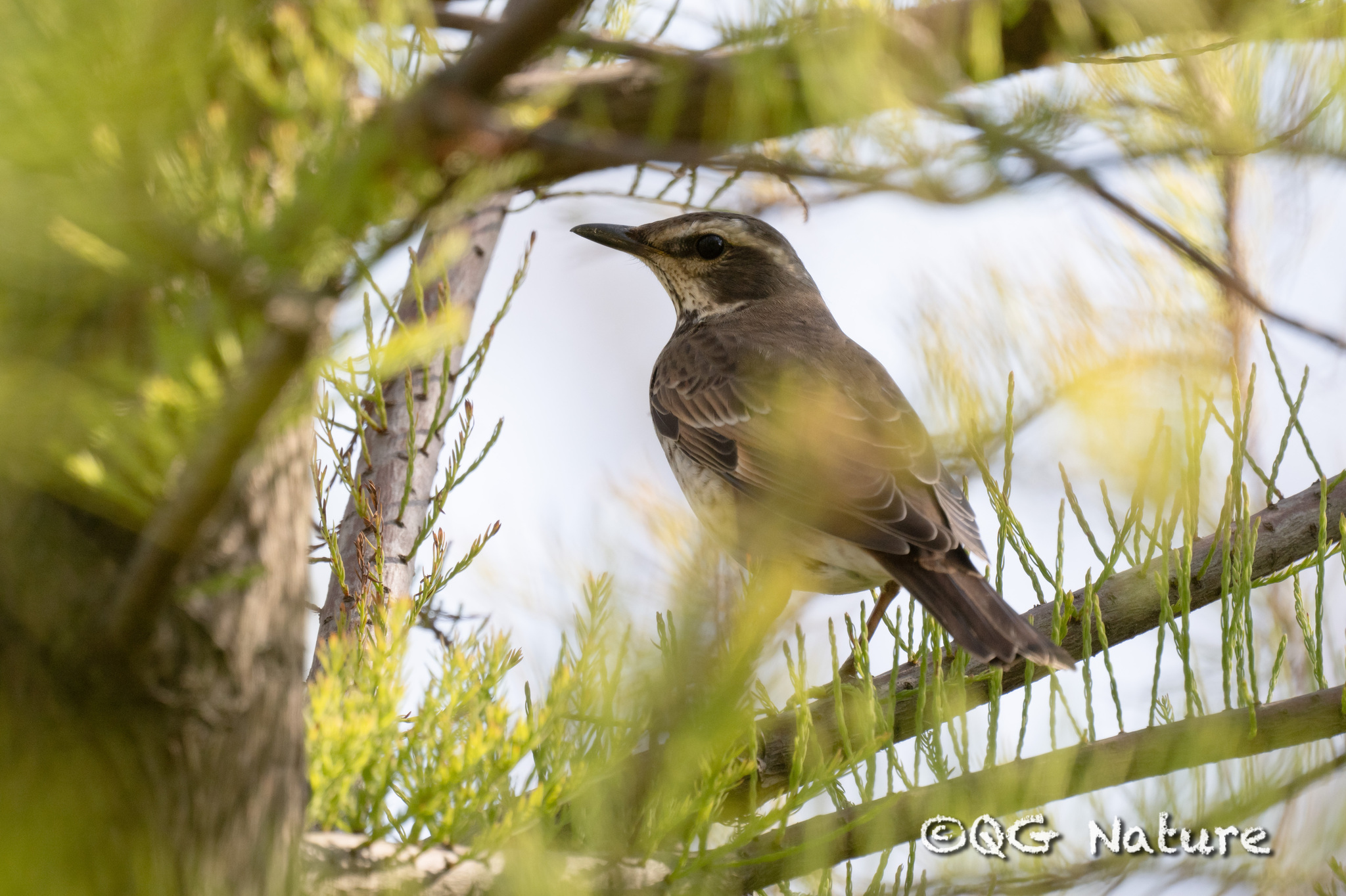
A compact, stocky thrush with proportions recalling a smaller fieldfare. The upperparts are dark brown from the back to the rump, while the underparts feature black spotting on the face, breast, and flanks, contrasting with a white belly and undertail. The underwing displays reddish-brown coloration, and a pale supercilium arches above the eye. Males and females appear fairly similar, though juveniles show weaker and less defined plumage patterning.
Identification
Distinguished from the similar Naumann's thrush by its darker brown upperparts and head versus the paler brown coloration of its relative. The face, breast, flank spots, and rump are black on the dusky thrush, compared to the reddish tones found in Naumann's thrush. Both species share white underparts. Voice may also provide clues, with suggestions that their songs differ, though both produce simple fluted or whistling phrases reminiscent of the redwing.
Distribution & Habitat
Breeding range extends across Siberia from central areas east to Kamchatka. Winters principally in China and neighboring countries including Korea, Japan, South China, and Myanmar. Inhabits open woodland during the breeding season, with a particular tolerance for mountainous regions and tundra-edge environments. A rare but annual vagrant to western Europe.
Behavior & Ecology
Constructs untidy but neatly lined nests in trees, where the female lays a clutch of 3-5 eggs. During migration and winter, individuals form small flocks. Omnivorous diet includes a wide range of insects with particular preference for mosquitoes, along with earthworms and berries. Males deliver a simple fluted or whistling song during the breeding season.
Conservation
IUCN assessment and specific population data not available from source material.
Culture
A 2016 sighting in Derbyshire, United Kingdom, attracted hundreds of birdwatchers eager to observe this Asian visitor, demonstrating the excitement generated when rare vagrants appear in unexpected locations.
Source: Wikipedia · CC BY-SA 3.0
Taxonomy
- Order
- Passeriformes
- Family
- Turdidae
- Genus
- Turdus
- eBird Code
- dusthr2
Distribution
breeds northern Siberia to Kamchatka; winters to Japan, southern China, and Myanmar
Data Sources
Species description from Wikipedia, licensed under CC BY-SA 3.0.
Bird images and sounds sourced from GBIF, contributed by citizen scientists worldwide under Creative Commons licenses.
Taxonomy data from AviList 2025.