Black-breasted Thrush
Turdus dissimilis
黑胸鸫
Introduction
The black-breasted thrush (Turdus dissimilis) is a member of the order Passeriformes in the family Turdidae. It occupies a geographic range extending from north-eastern India to northern Vietnam. This species inhabits tropical and subtropical montane moist forests at elevations between 1,220 and 2,500 meters, descending to approximately 200 meters during winter. A key distinguishing feature is pronounced sexual dimorphism: males display black coloration on the head, neck, back, and breast, while females are gray-brown with a buff wash on the throat and breast. The species has been classified as Least Concern on the IUCN Red List despite a declining population trend over the past decade. The estimated distribution range covers approximately 752,000 square kilometers, with population decline attributed to ongoing habitat destruction and degradation.
Description
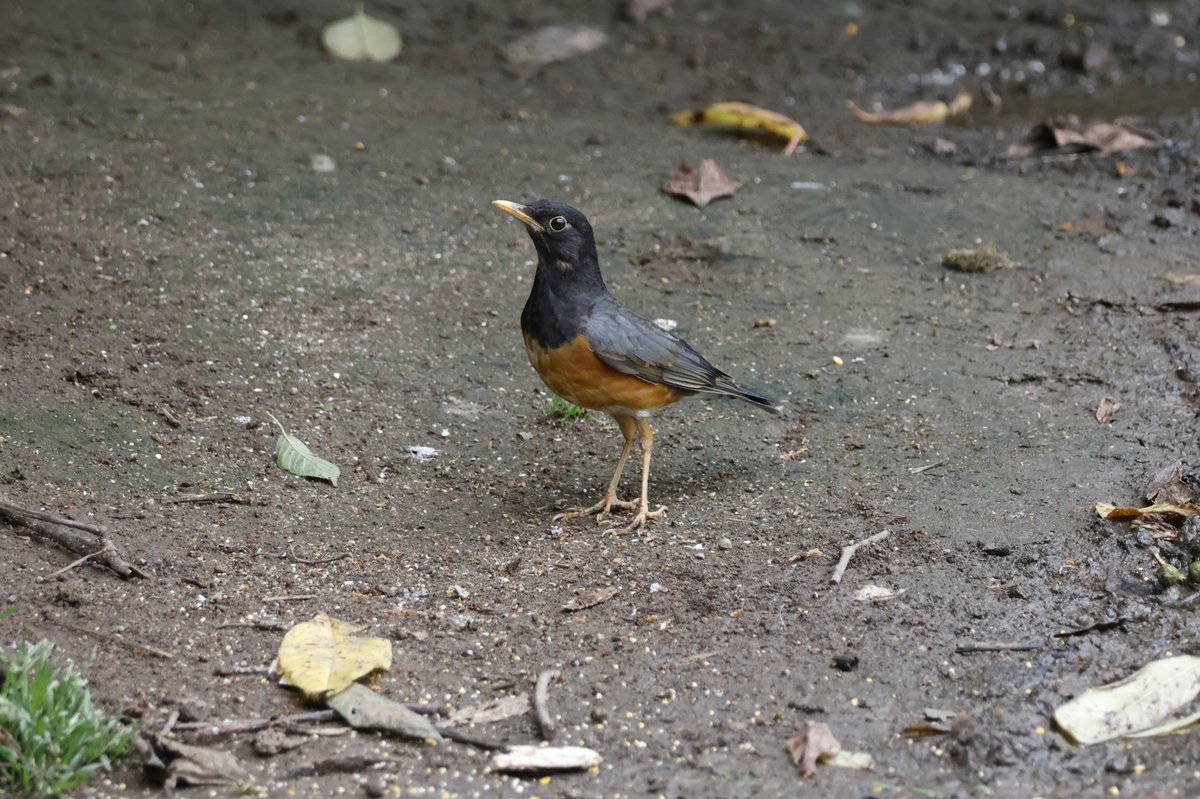
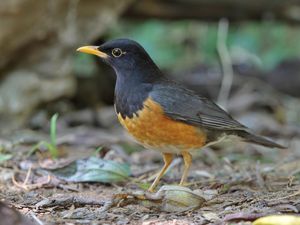
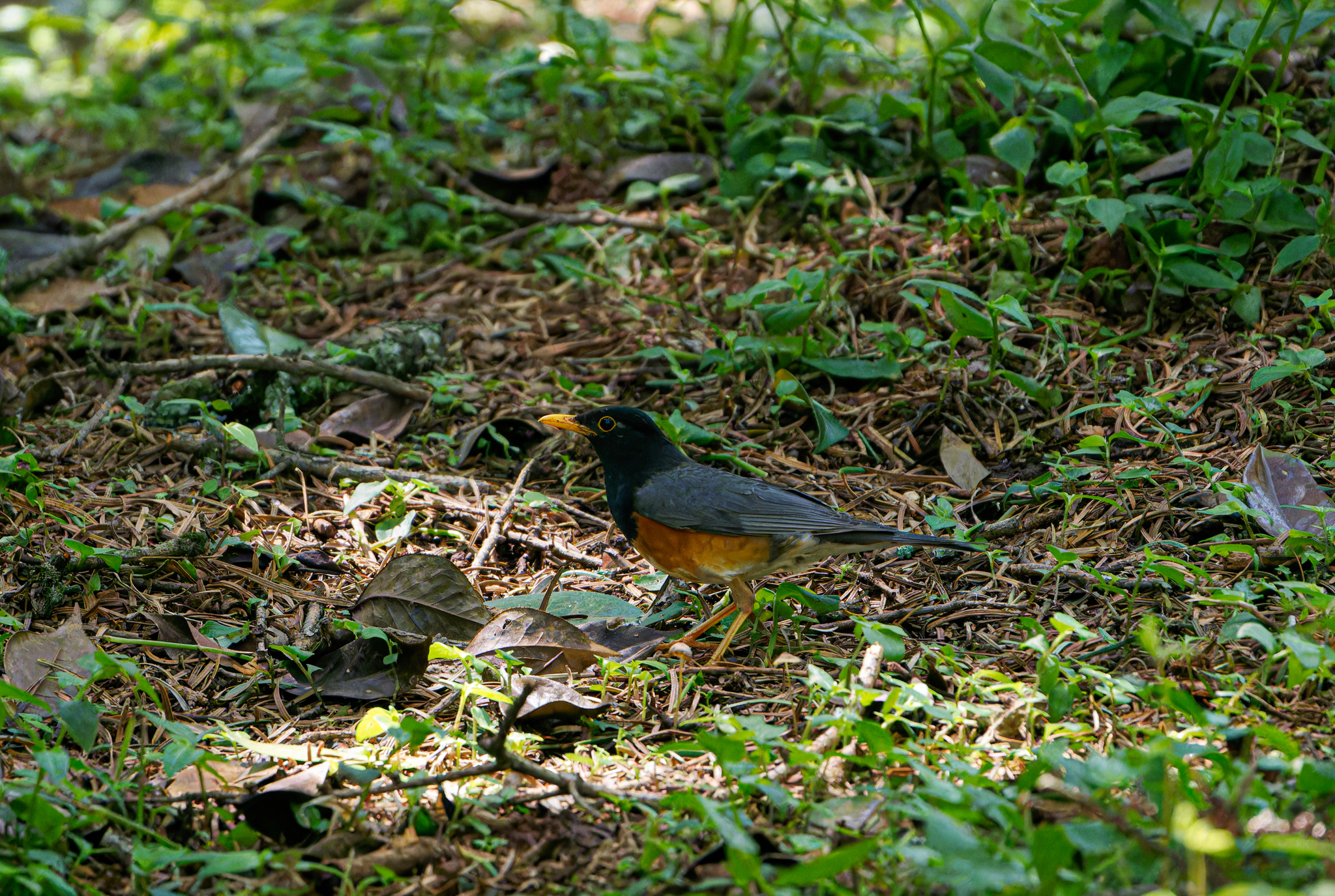
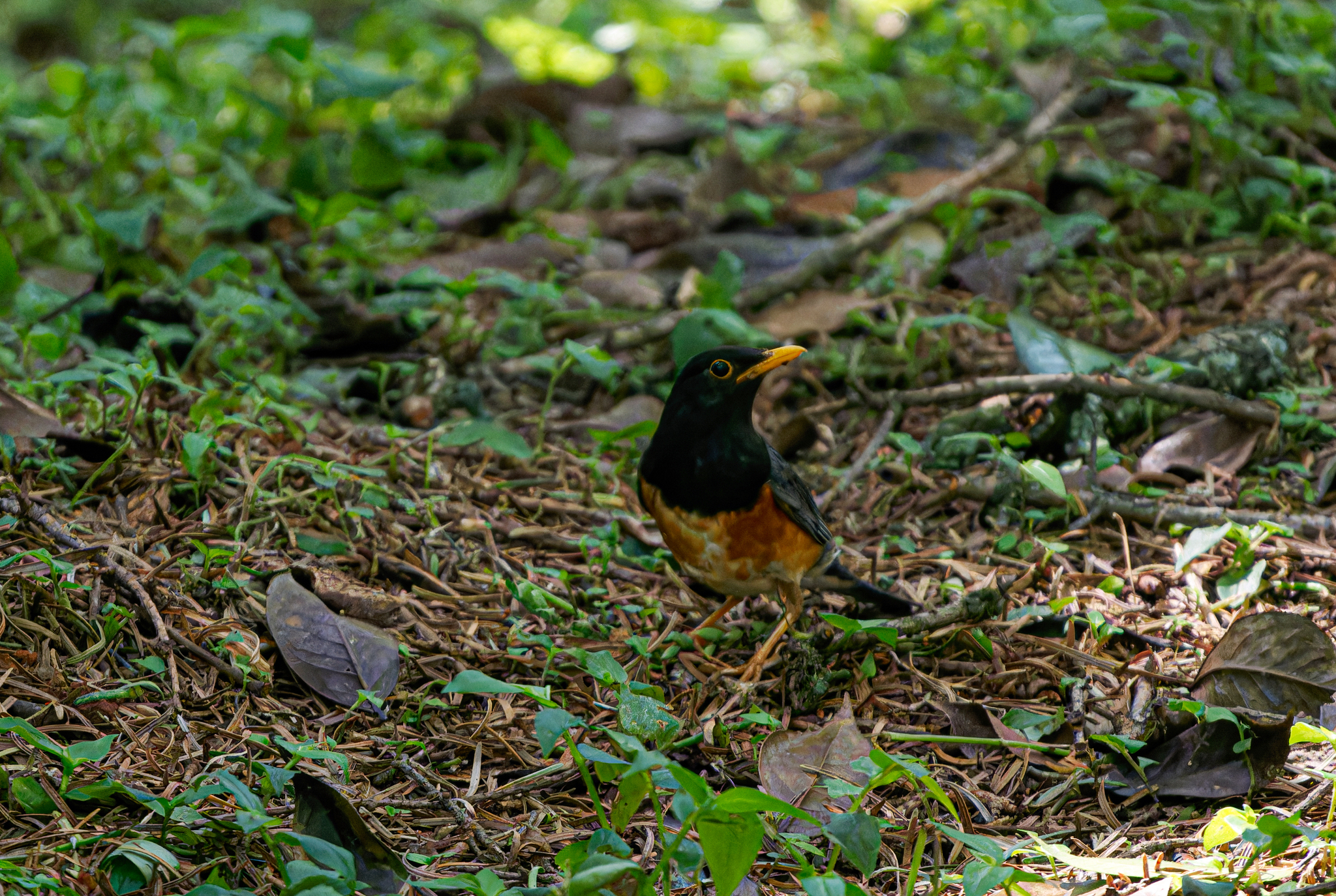
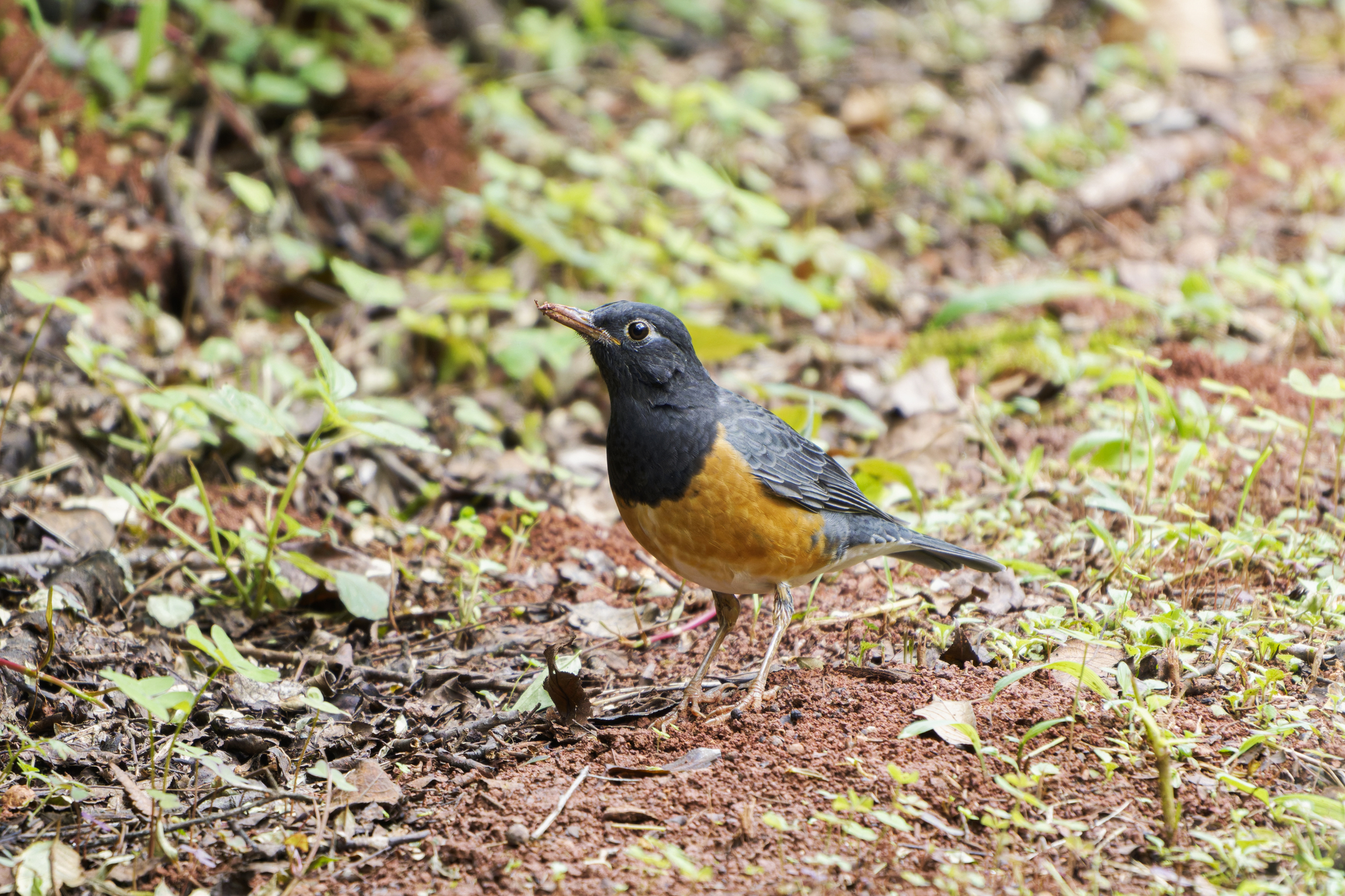
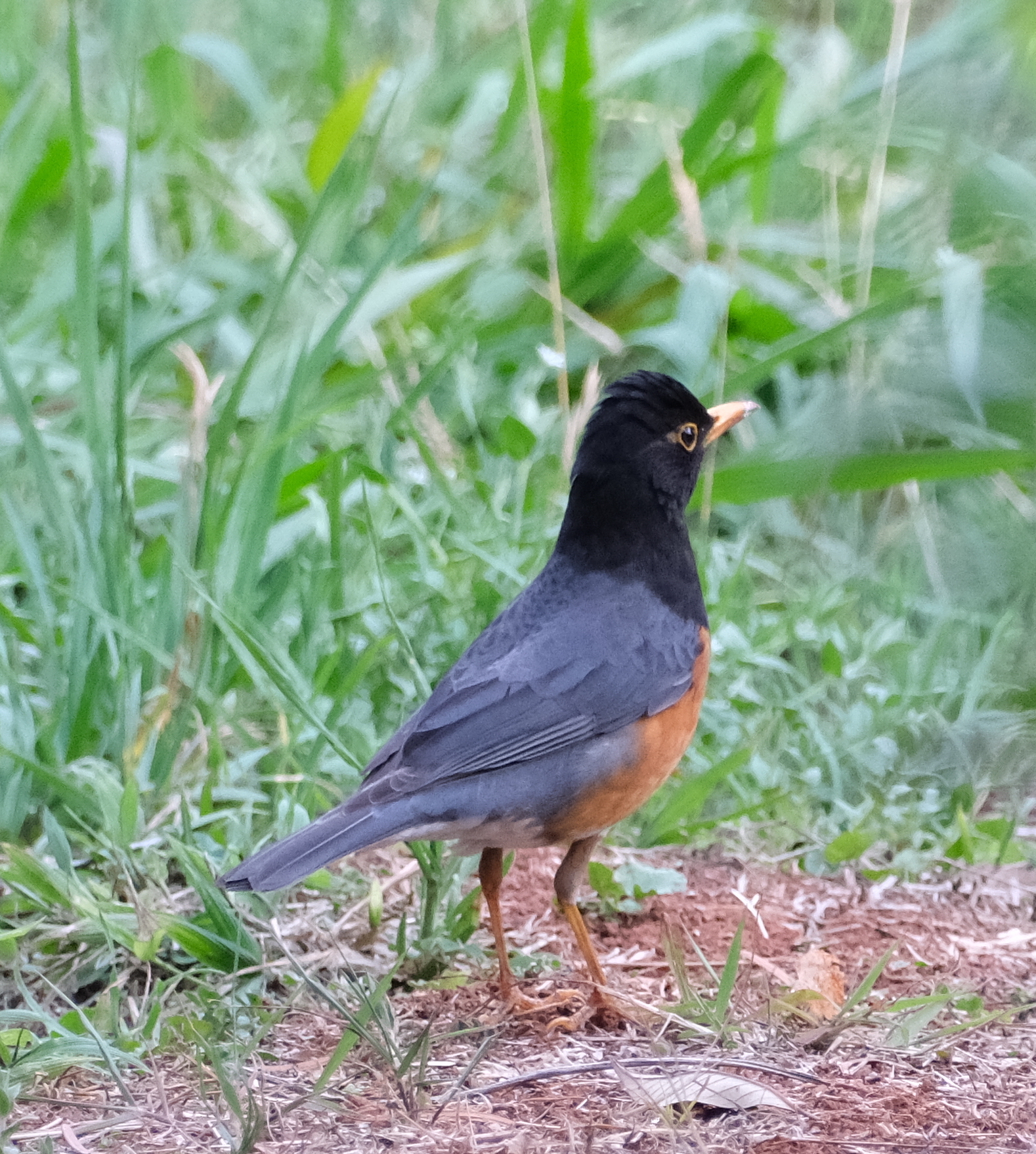
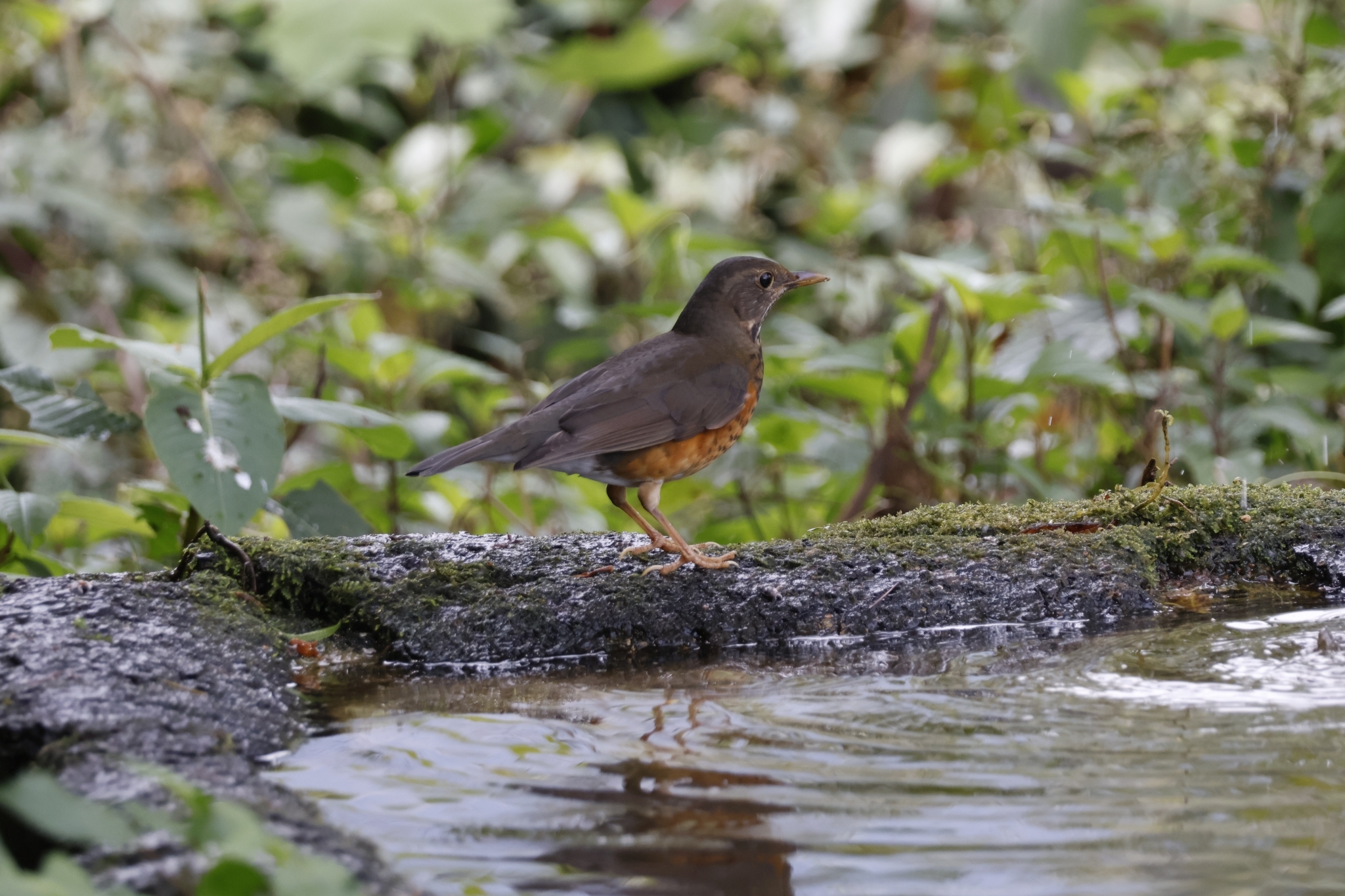
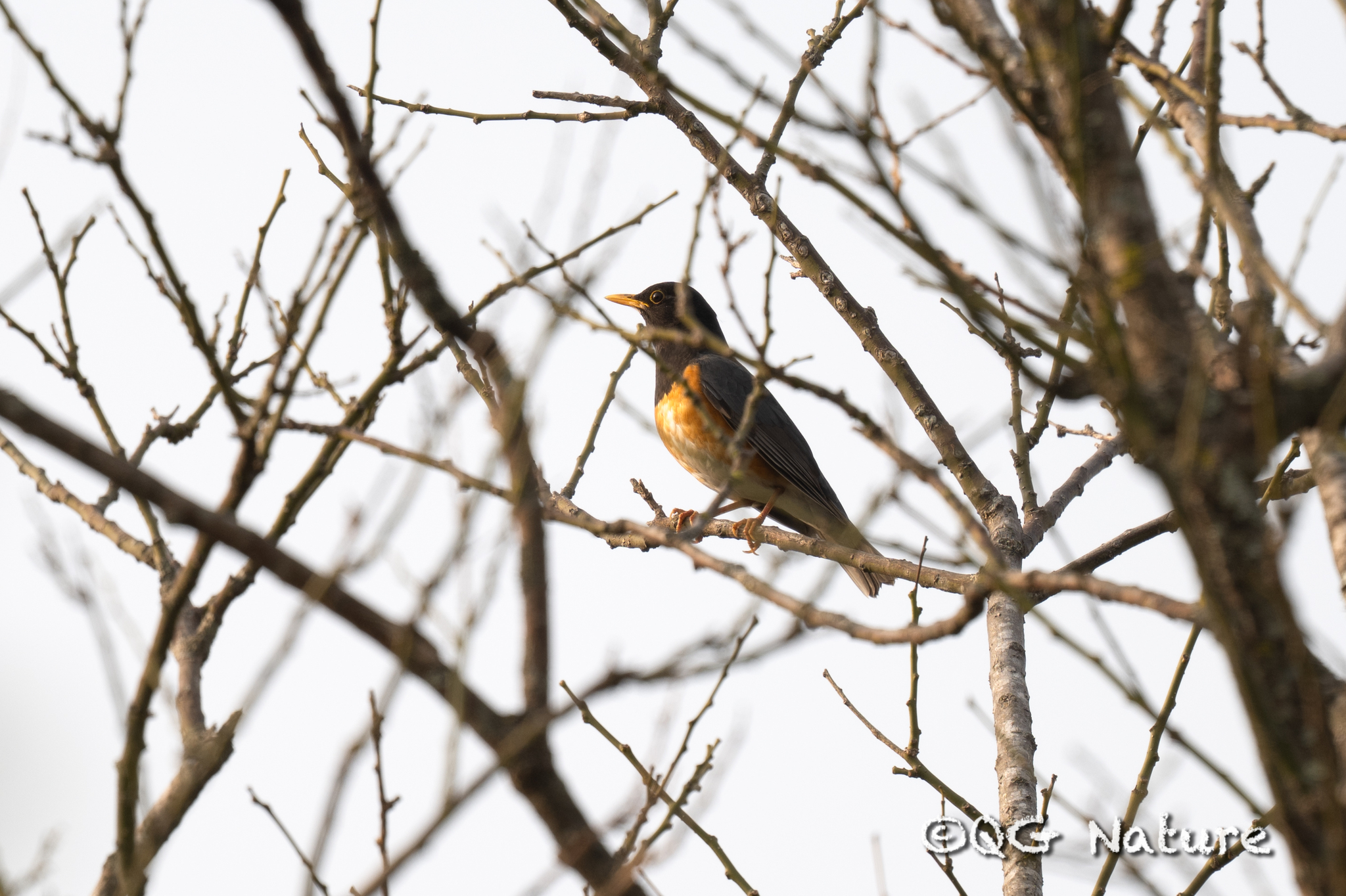
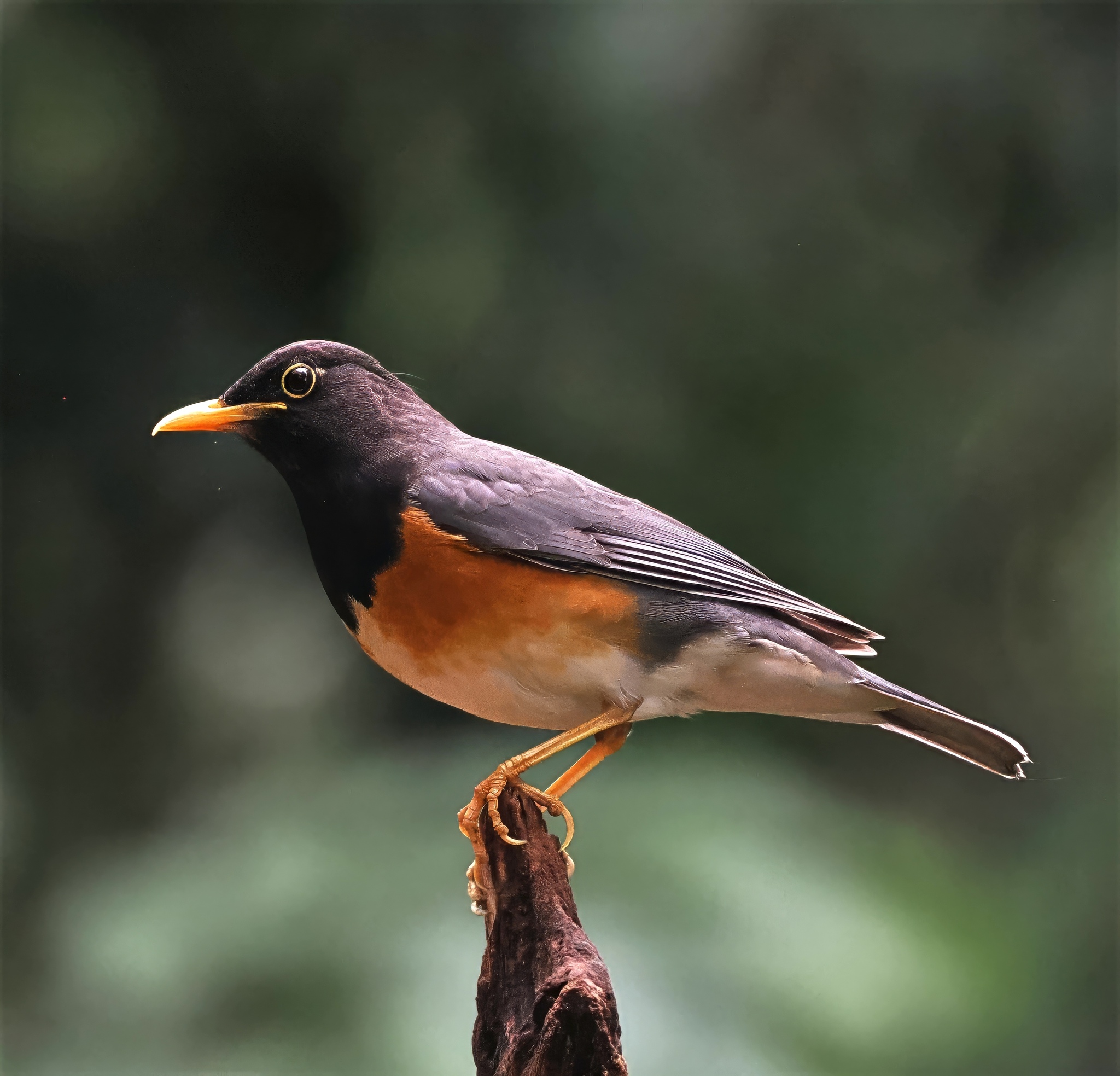
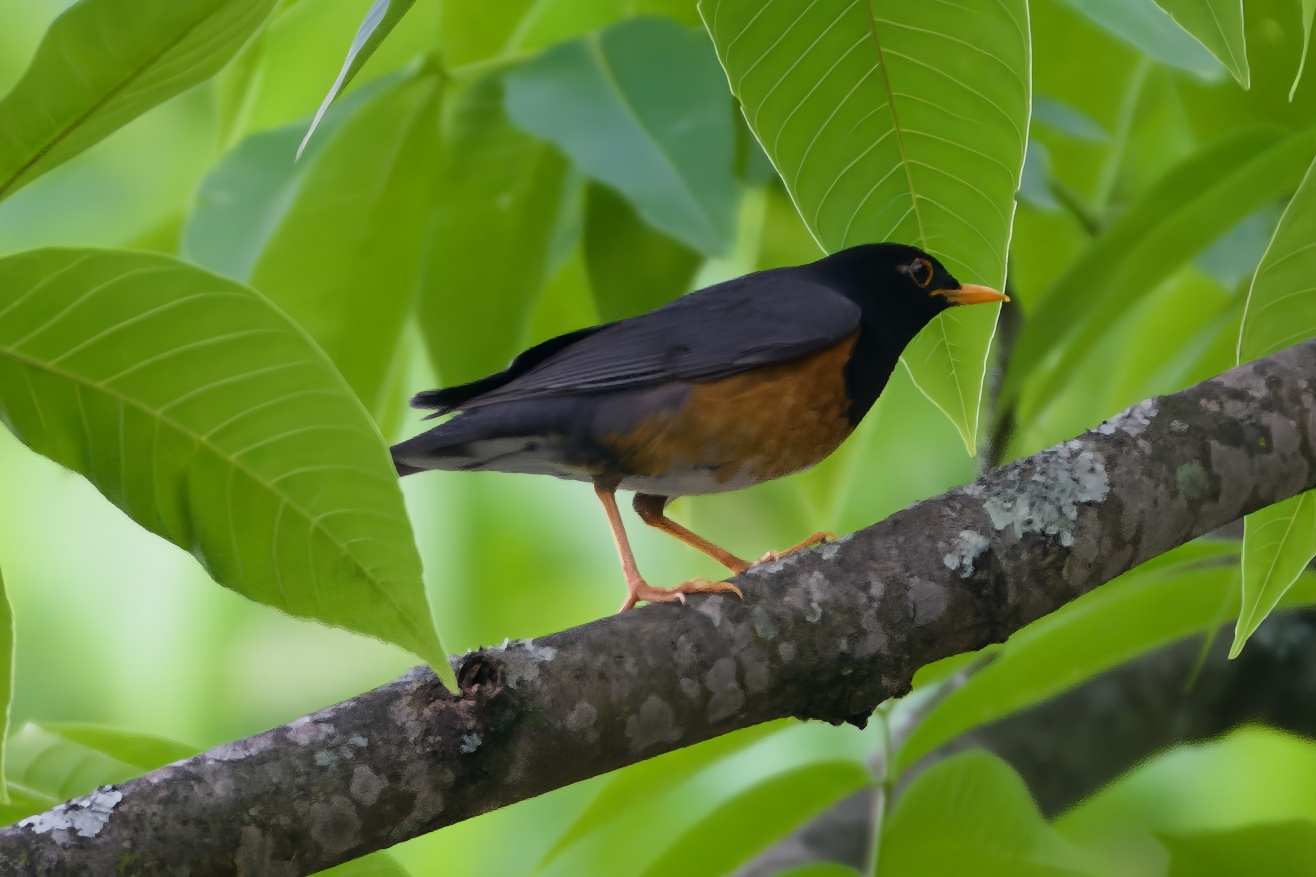
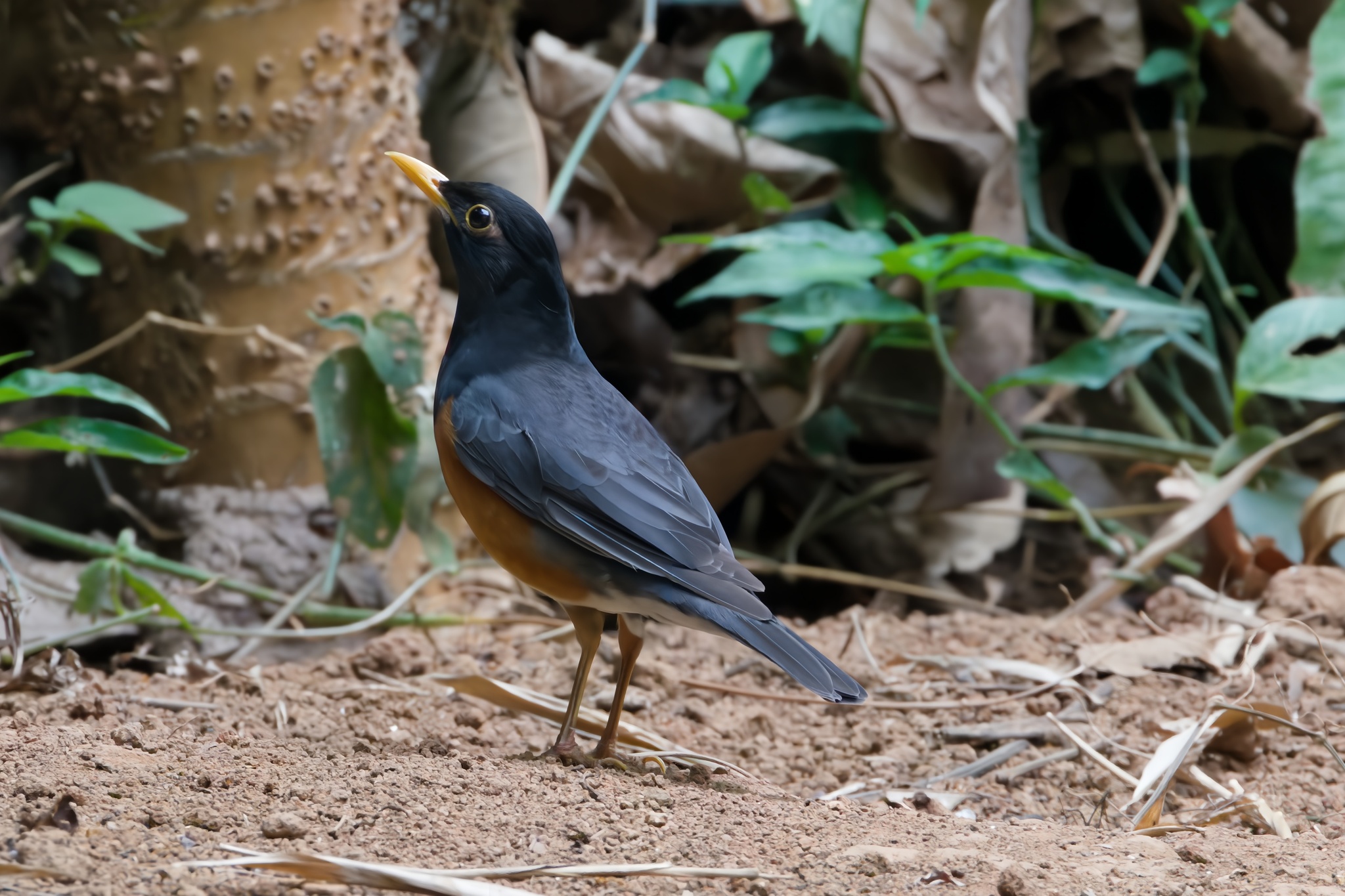
A medium-sized thrush measuring 22 to 23.5 centimeters in total length including the tail. Males have black plumage on the head, back of the neck, and breast, with slate-gray coloring on the remaining upper parts. The underparts are orange-rufous in both sexes. Females exhibit gray-brown coloration from the eye to the tail, with a diffused buff coloring on the throat and breast.
Identification
Males are distinctive with their black head, breast, and upperparts contrasting with an orange-rufous belly. Females are more subdued, displaying gray-brown upperparts and a buff-washed breast. The orange underparts distinguish both sexes from similar thrush species. The combination of sexual dimorphism and geographic range aids identification.
Distribution & Habitat
Found from north-eastern India through Myanmar and southern China to northern Vietnam. In southwestern China, populations occur in hilly areas. Primary habitat consists of tropical and subtropical montane moist forests. Secondary habitats include tropical and subtropical dry forests, shrublands, and mangroves above high tide. Occurs at elevations of 1,220 to 2,500 meters, moving to lower elevations around 200 meters during winter.
Behavior & Ecology
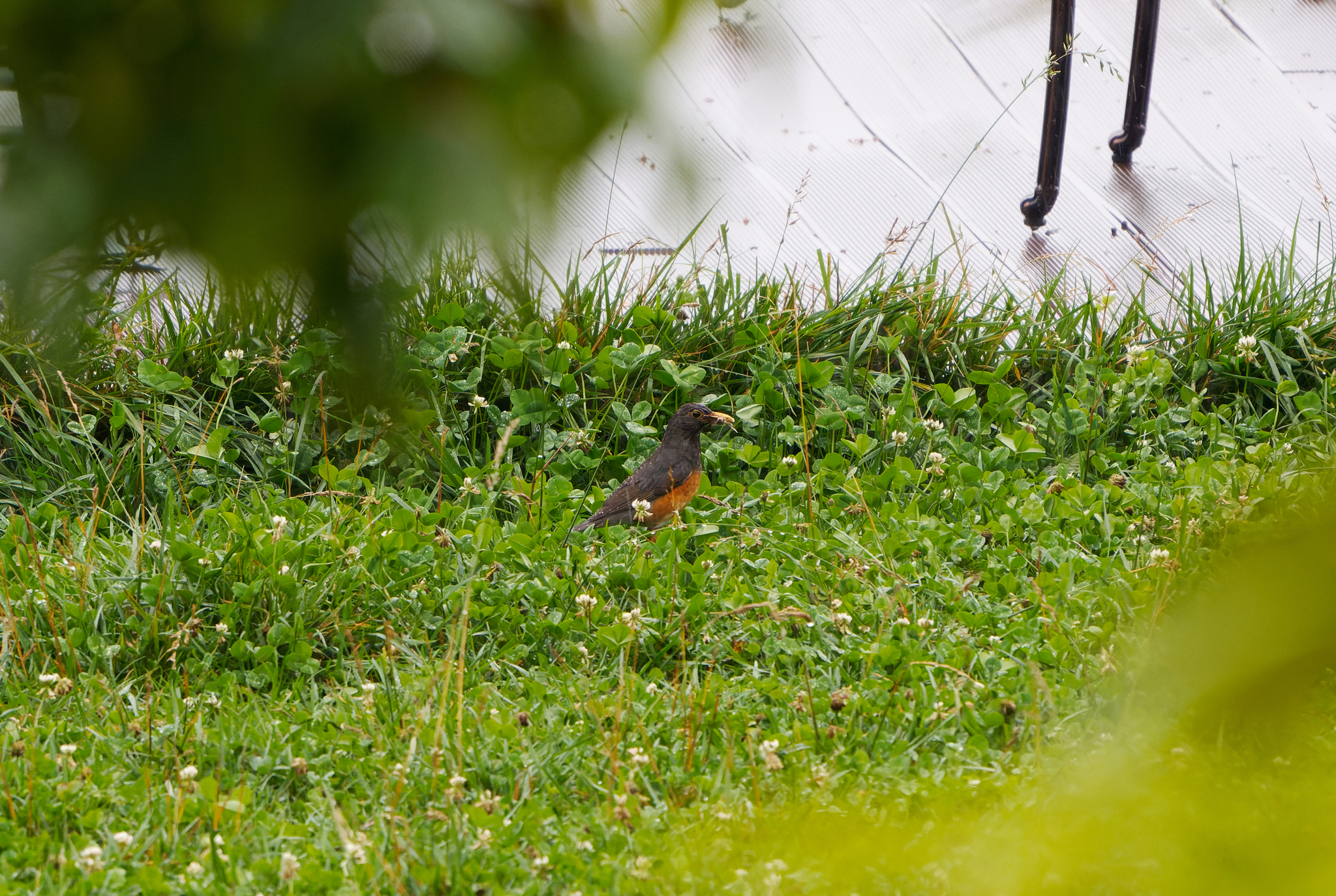
The song consists of sweet, mellow, and melodious phrases spanning 3 to 8 notes. Diet includes insects, molluscs, and berries, with foraging primarily conducted on the ground but occasionally in fruit trees. Breeding season varies by region: April to July in India, April to June in Myanmar, and May to June in China.
Conservation
Classified as Least Concern on the IUCN Red List. Population has decreased over the last ten years, though not at a rate sufficient to meet Vulnerable status criteria (which requires a decline exceeding 30% over ten years or three generations). The primary threat is continuing destruction and degradation of its natural habitat throughout its range of approximately 752,000 square kilometers.
Source: Wikipedia · CC BY-SA 3.0
Taxonomy
- Order
- Passeriformes
- Family
- Turdidae
- Genus
- Turdus
- eBird Code
- blbthr2
Distribution
mountains of Assam to southwestern China, northern Myanmar, and northern southeastern Asia
Data Sources
Species description from Wikipedia, licensed under CC BY-SA 3.0.
Bird images and sounds sourced from GBIF, contributed by citizen scientists worldwide under Creative Commons licenses.
Taxonomy data from AviList 2025.