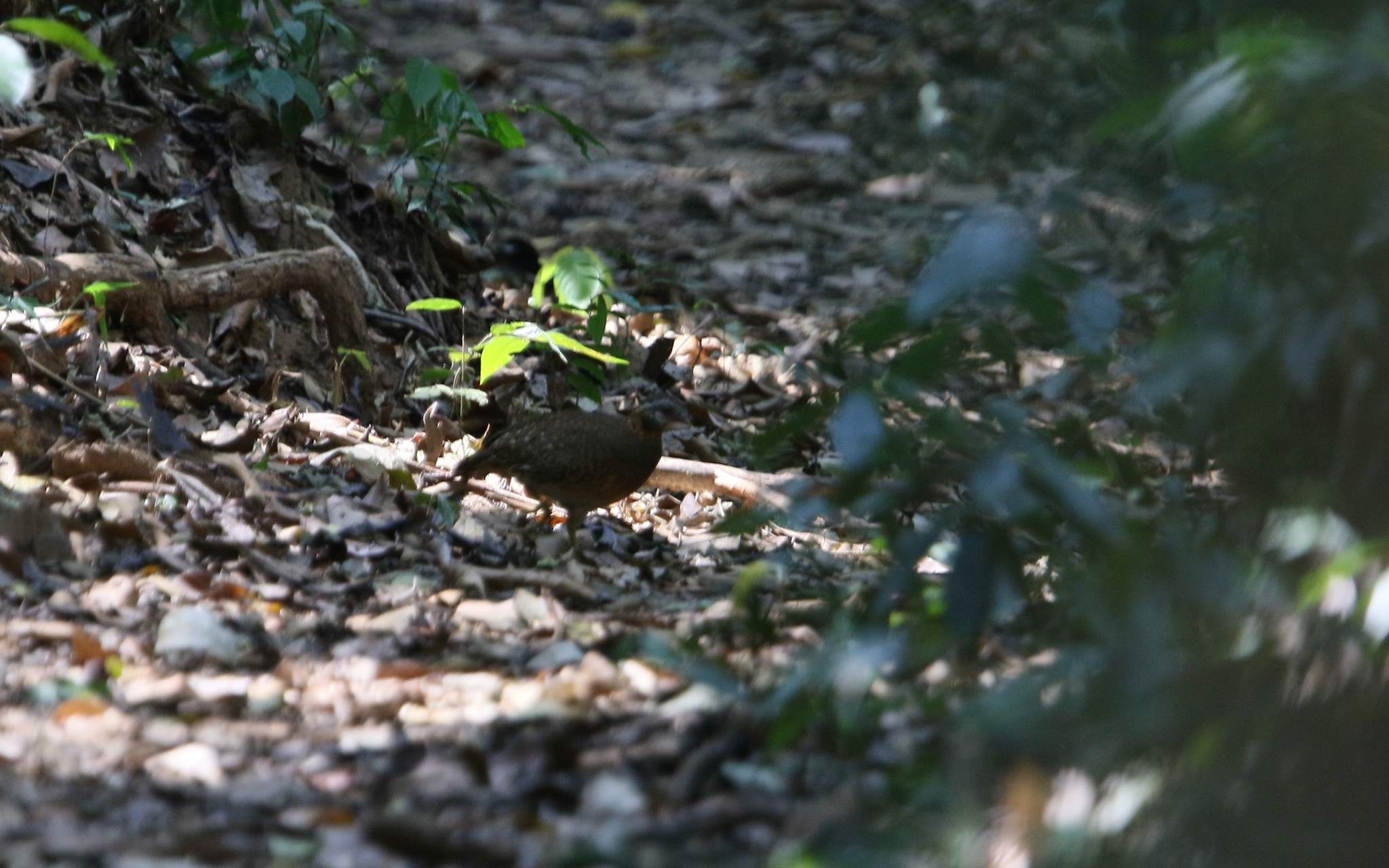
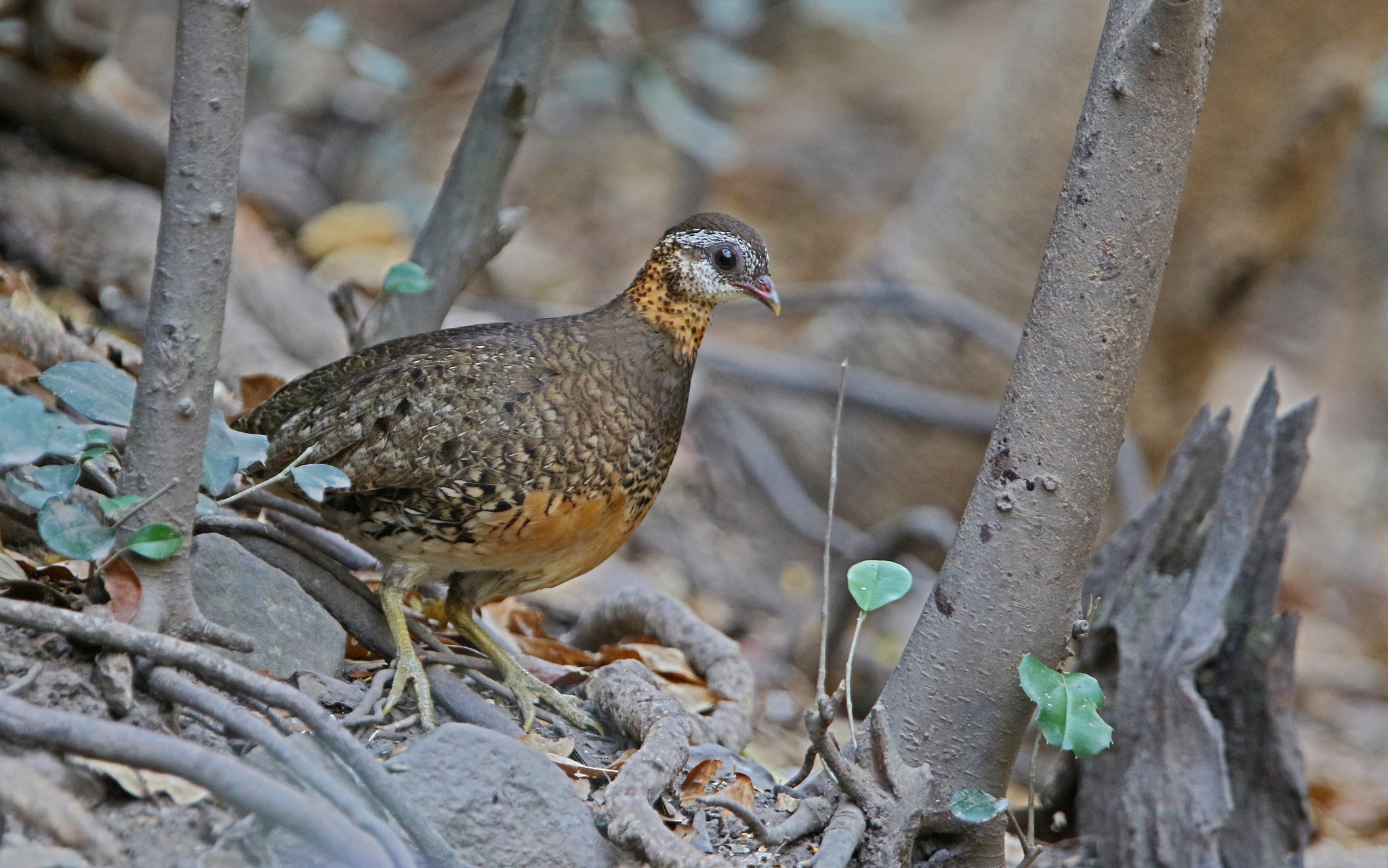
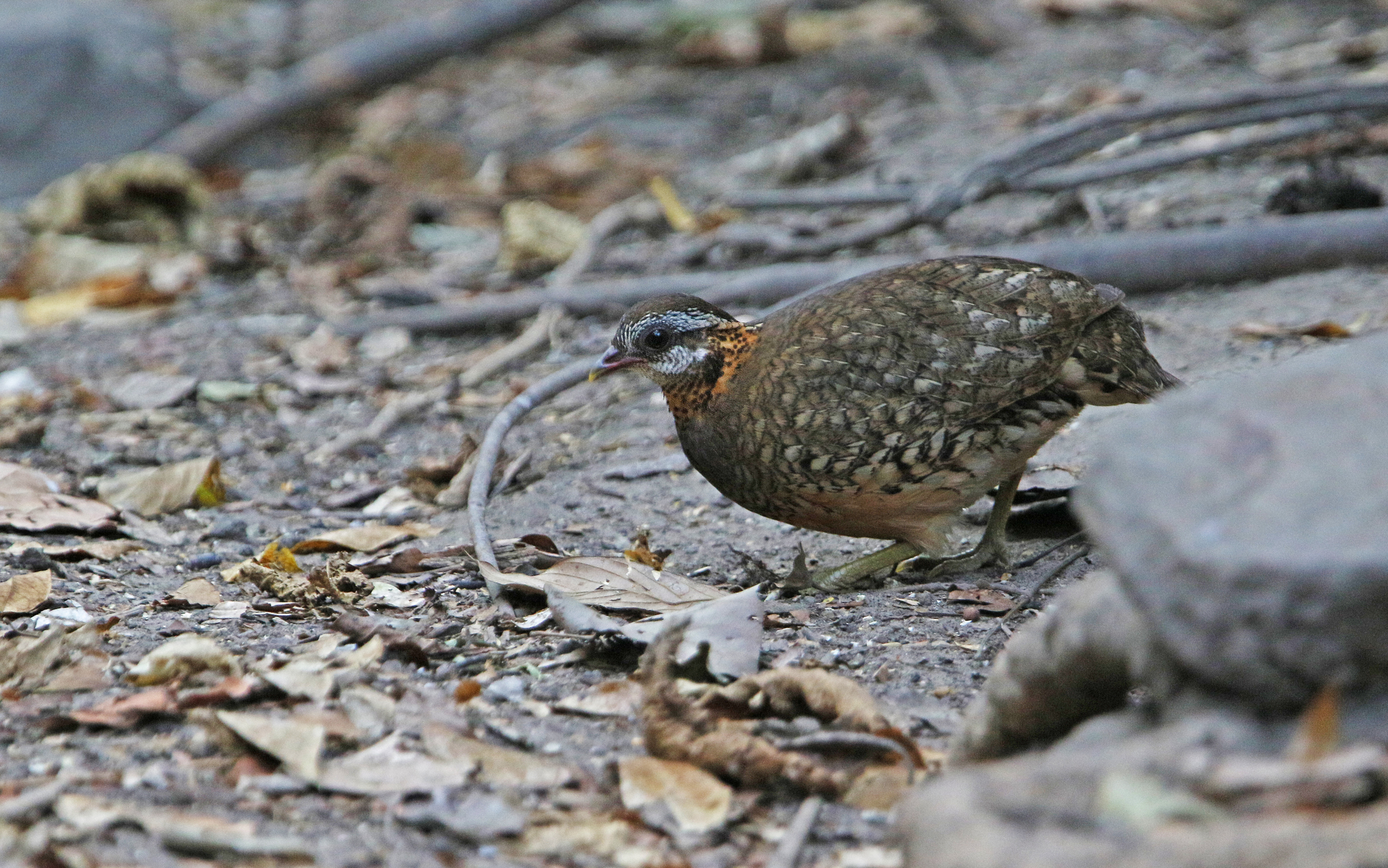
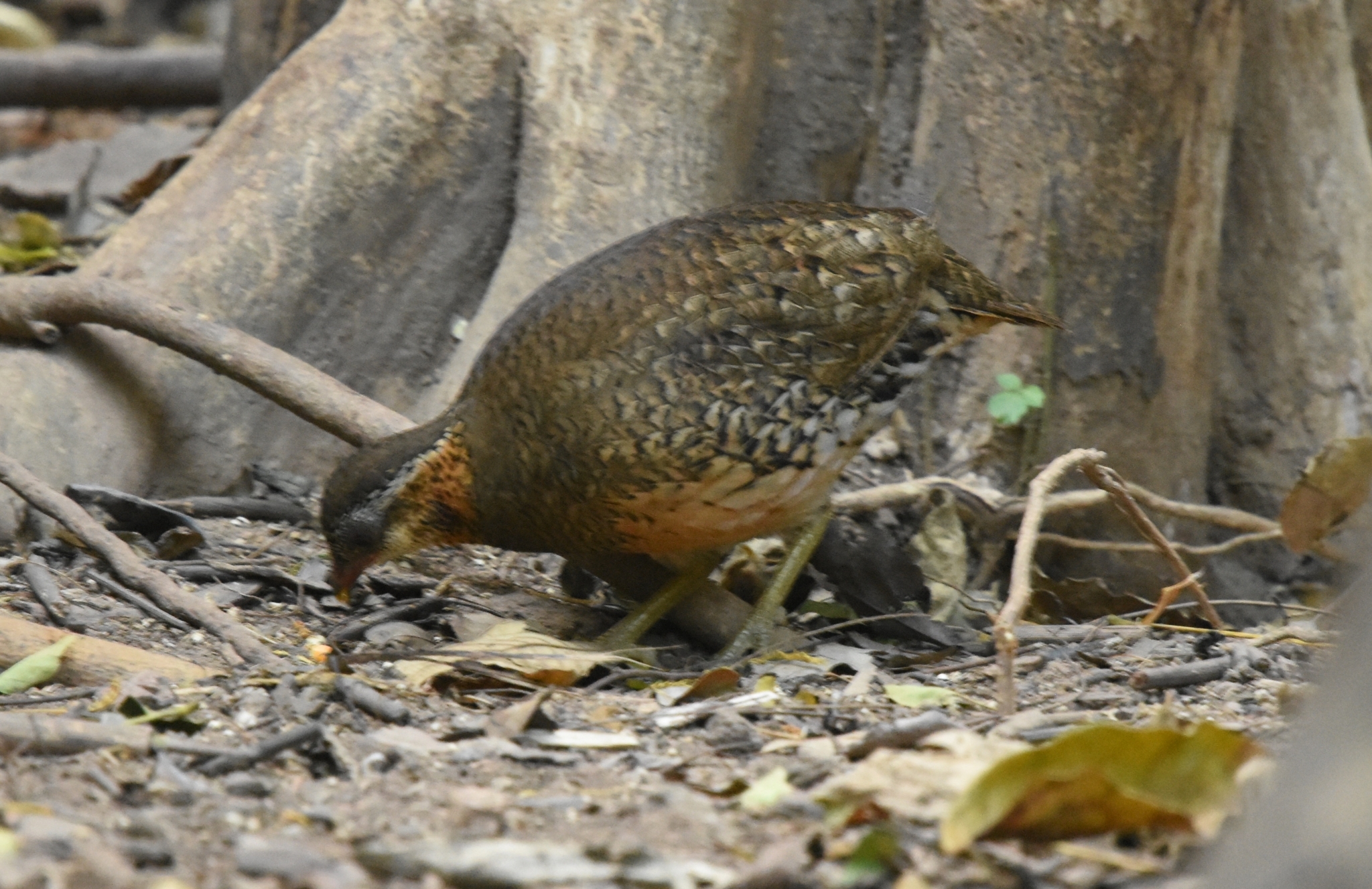
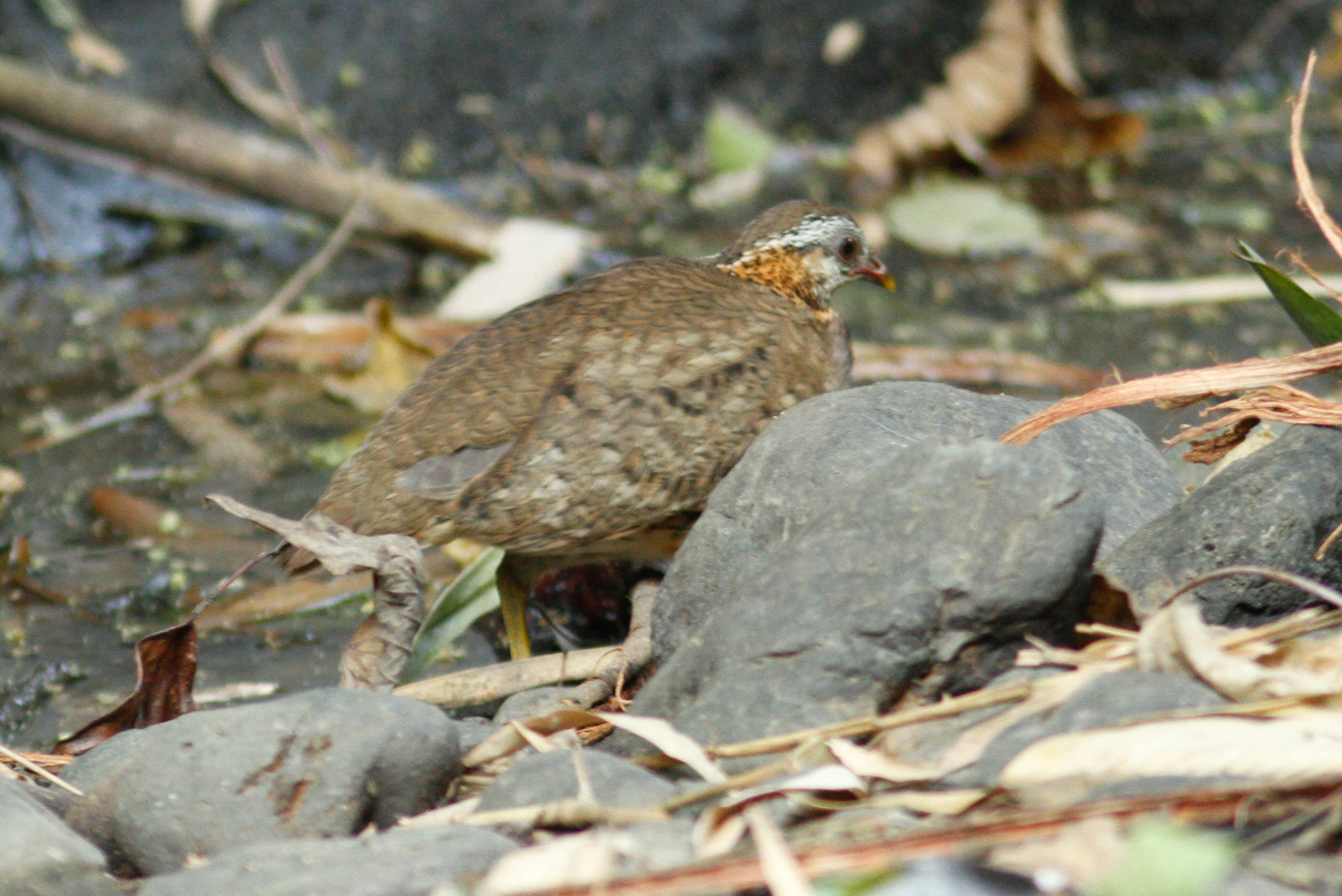
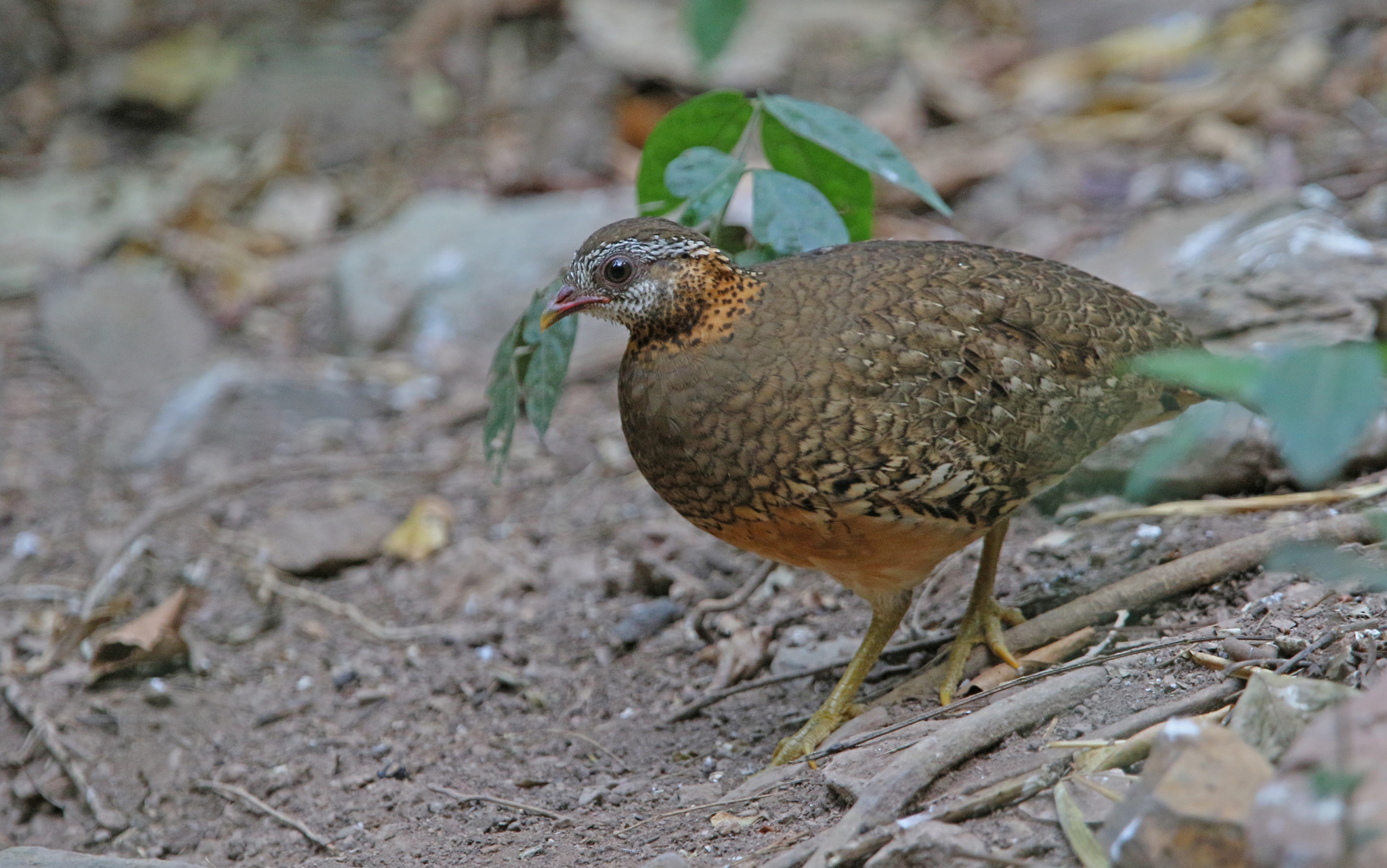
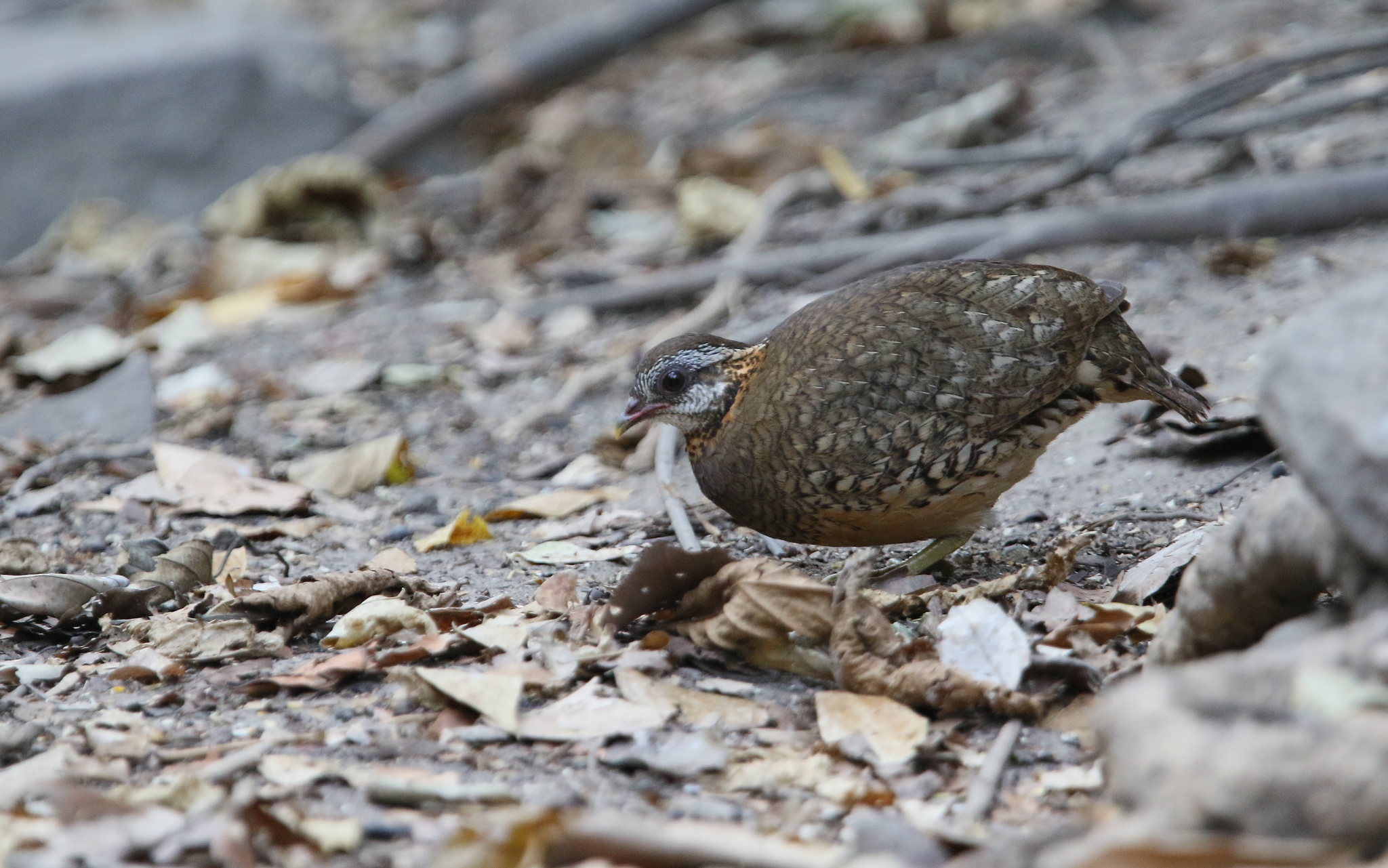
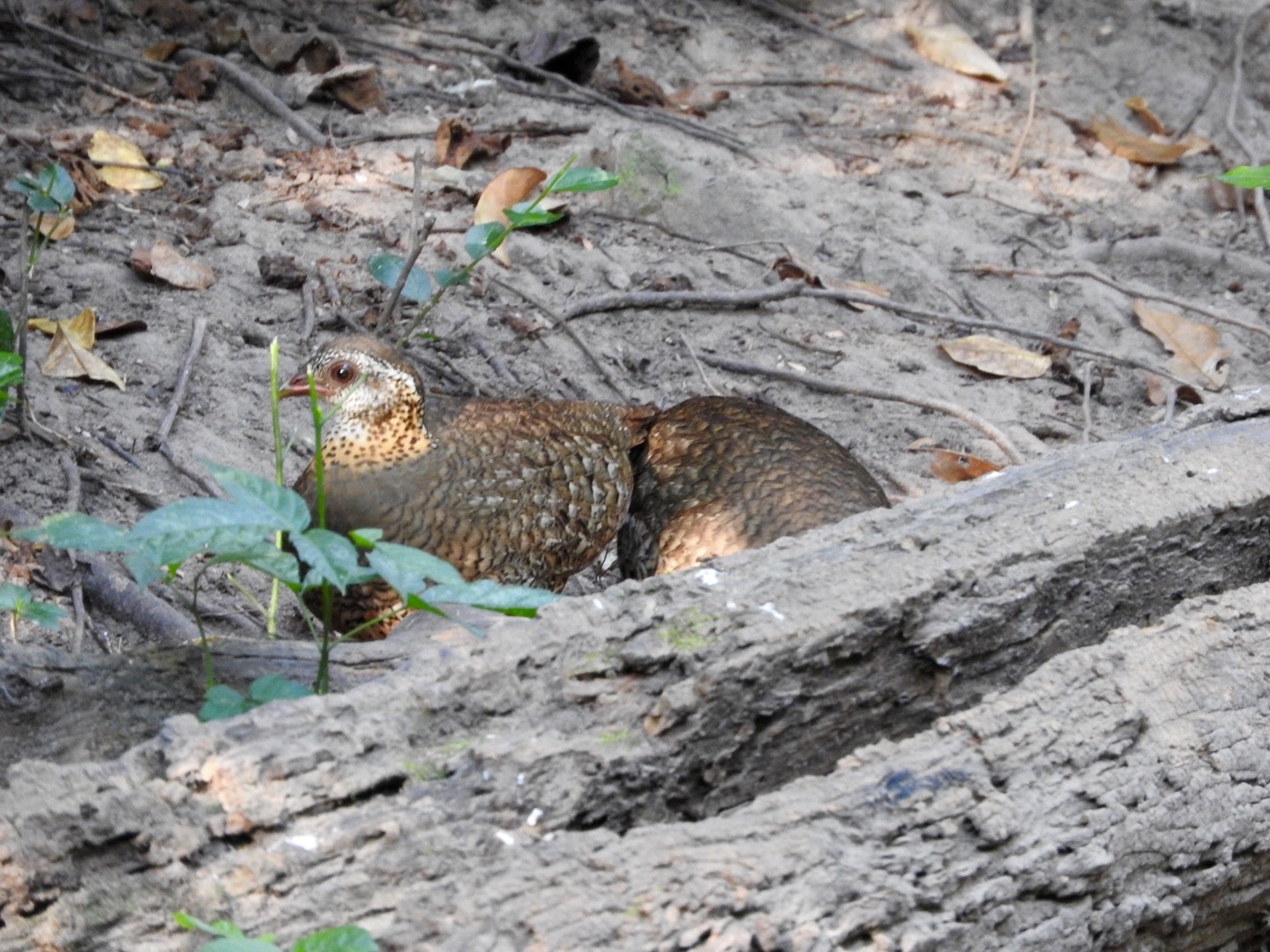
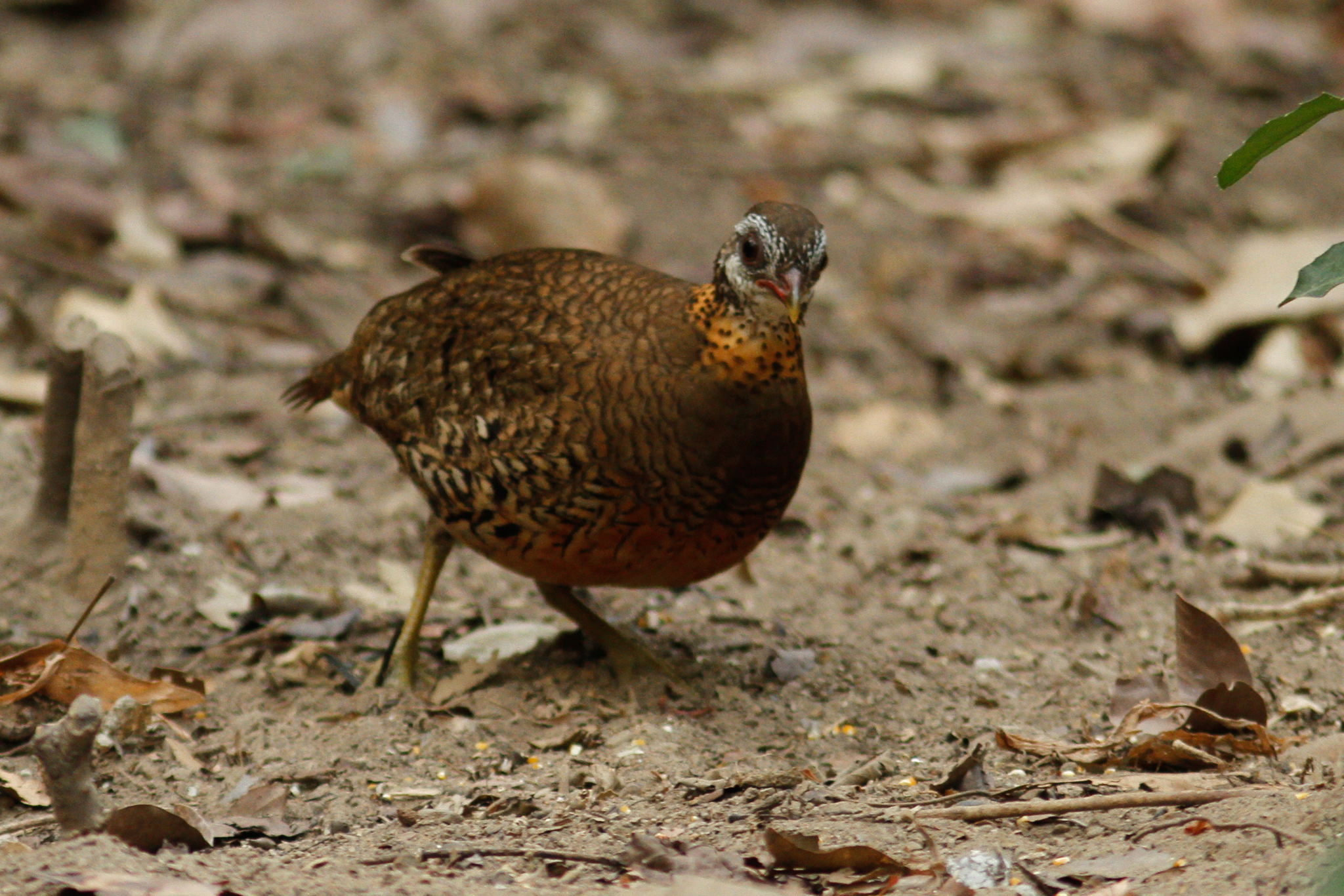
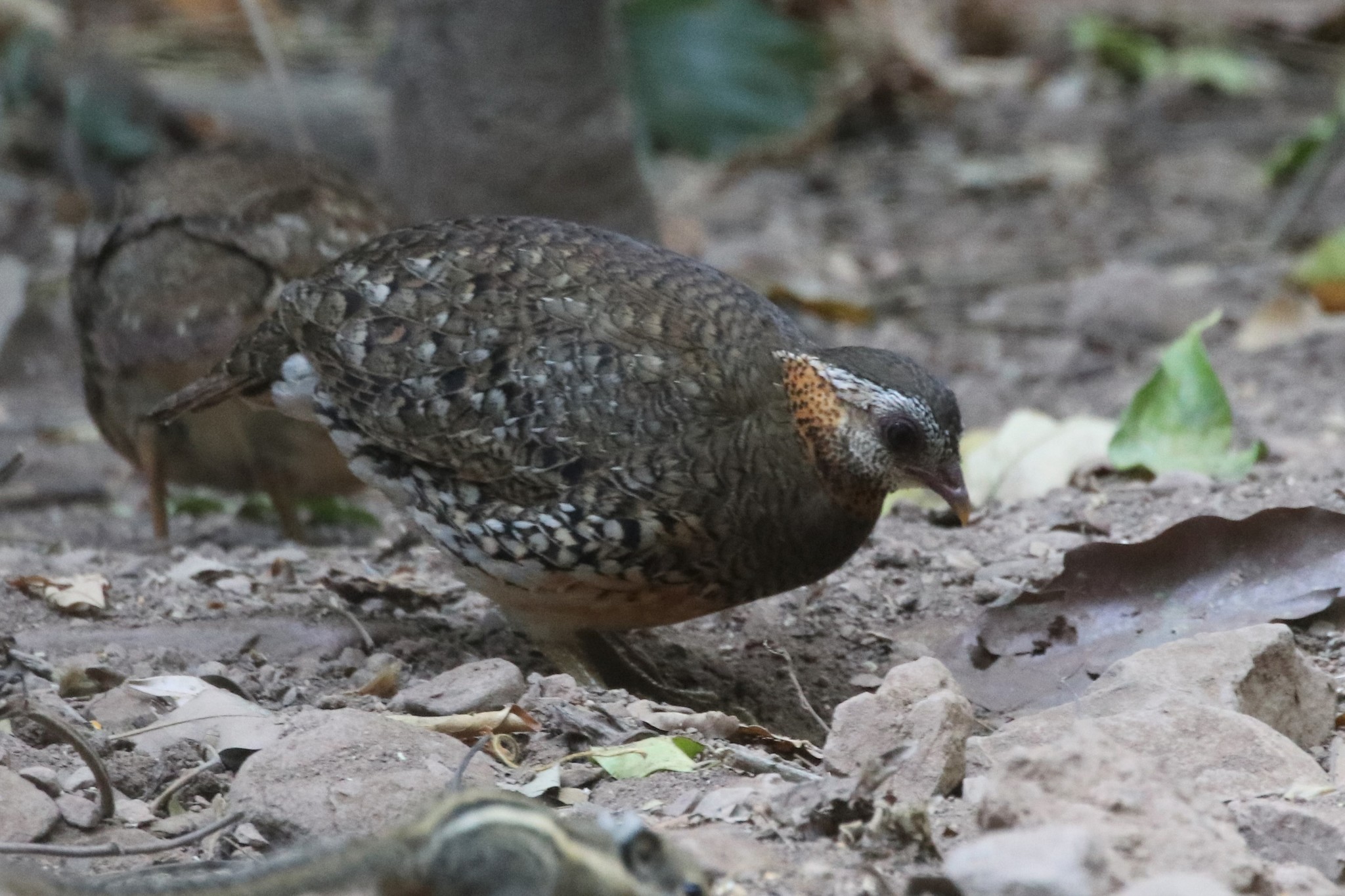
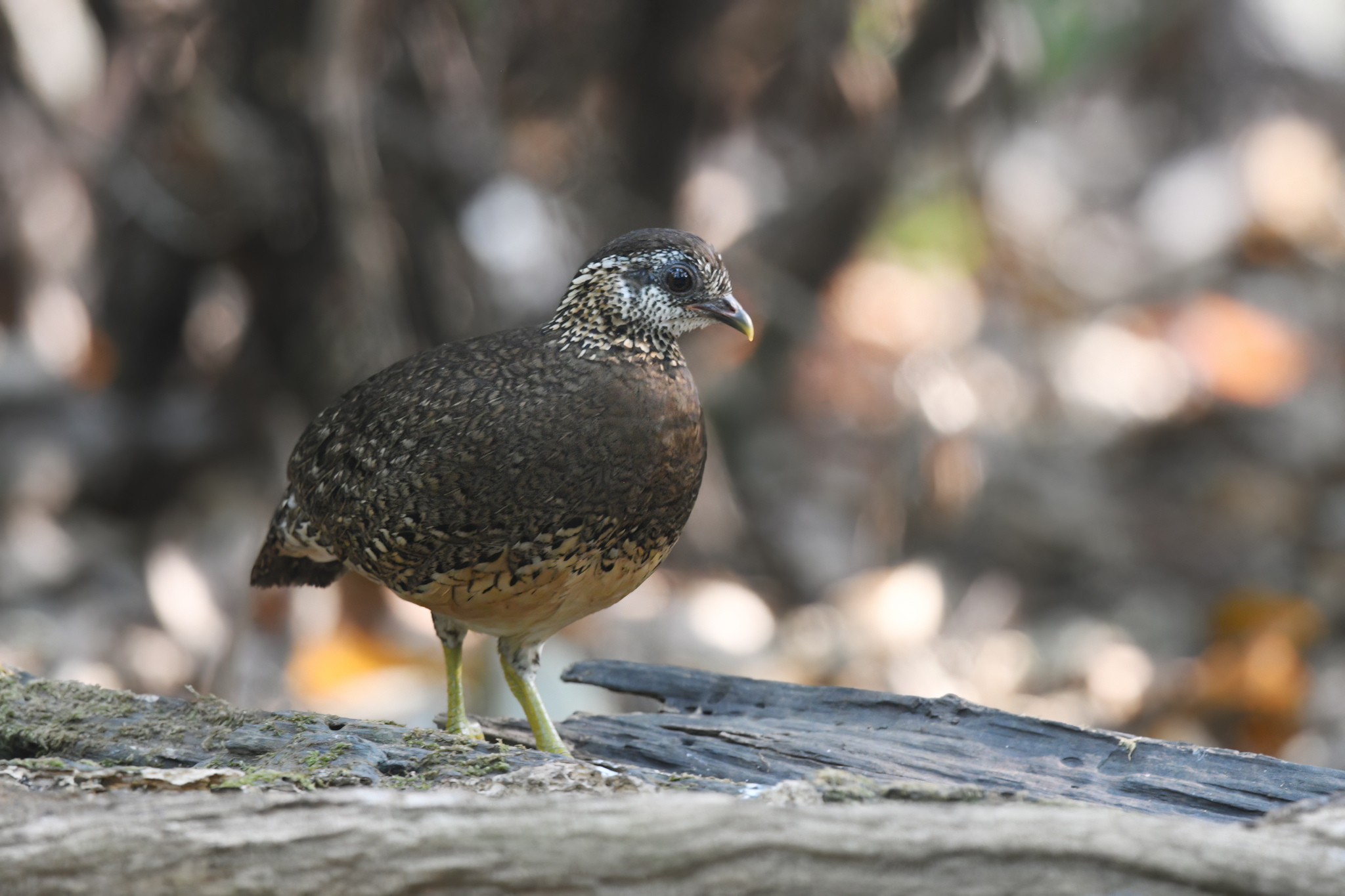
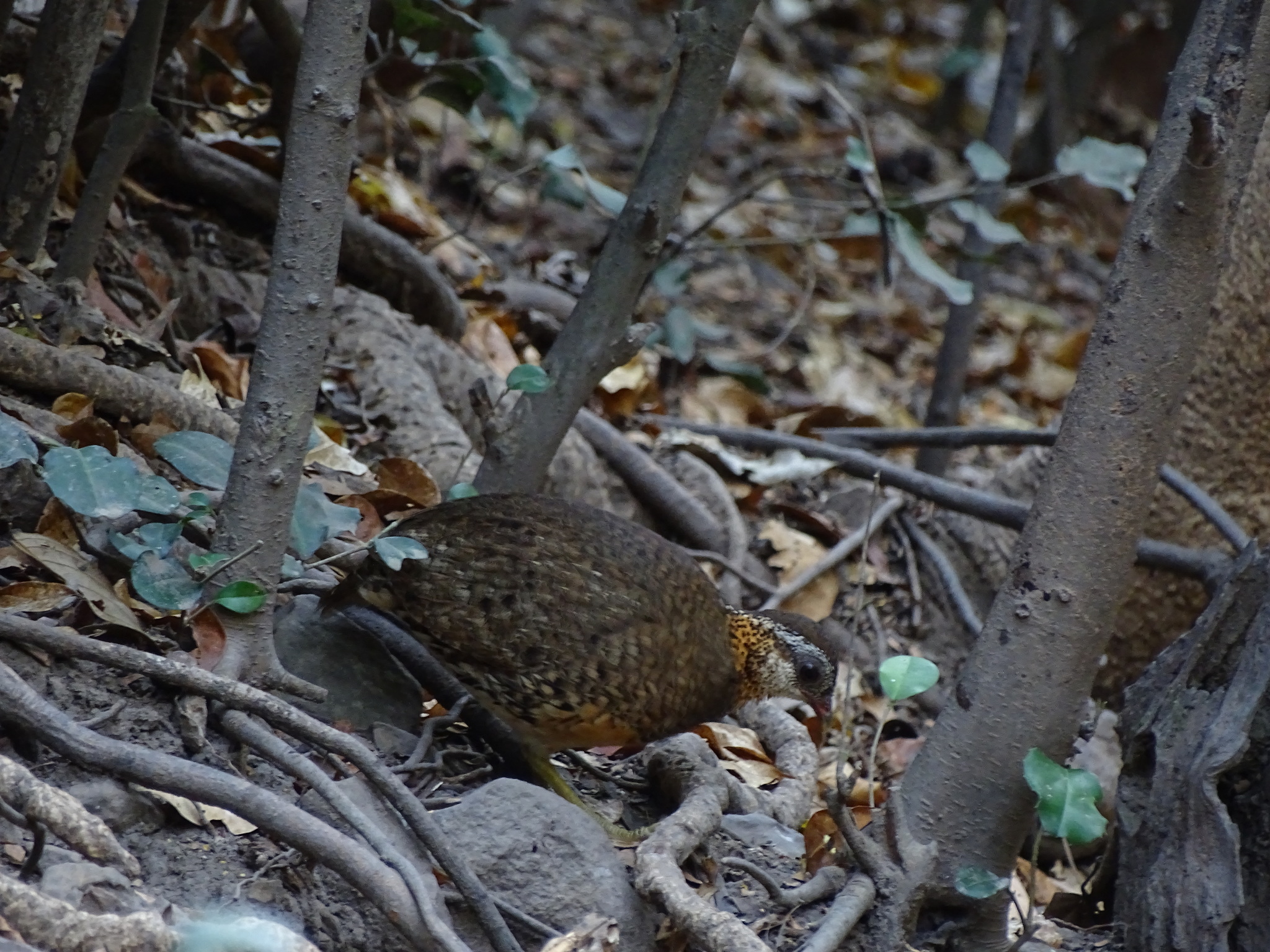
Green-legged Partridge
Tropicoperdix chloropus
绿脚树鹧鸪
Introduction
A Polish breed of domestic chicken, characterised by the distinctive reseda green colour of the shanks (legs). First described in 1879 by Bronisław Obfidowicz. The breed standard was established in 1921 and officially recognised in 1923. By 1930 it comprised approximately 70% of the national chicken population, but numbers declined sharply; between 1961 and 1973 its share fell from 11.4% to 1–2%. Two remaining strains (ZK and Z11) are maintained as closed populations for conservation purposes.
Distribution & Habitat
Originated in Poland. The ZK strain has been kept since 1945 at Felin near Lublin, in eastern Poland, by the University of Life Sciences. The Z11 strain was kept at Życzyn from 1972 until 1995, when it was transferred to the National Research Institute of Animal Production experimental station in Chorzelów.
Behavior & Ecology
Well adapted to extensive management systems; forages effectively and demonstrates good disease resistance. Unsuitable for intensive management, where birds may develop cannibalism, feather loss, and feather-pulling. Egg-laying performance is generally poor, though the yolk has lower cholesterol content compared to other breeds. Both meat and eggs are noted for good flavour. The breed is now maintained solely for conservation purposes.
Conservation
Conservation efforts began in the 1970s. Two strains remain, each represented by a single closed flock. The ZK strain population numbered 1,170 birds at the end of 2014, maintained solely for conservation at the University of Life Sciences in Lublin.
Culture
A flock was exhibited by Roman Ujejski at the General Provincial Exhibition in Lviv in 1894. Between 1946 and 1954, Laura Kaufman crossed this breed with American Plymouth Rock to create the Polbar, an auto-sexing breed where female chicks can be distinguished from males at one day old by their longer black eye-stripe.
Source: Wikipedia · CC BY-SA 3.0
Taxonomy
- Order
- Galliformes
- Family
- Phasianidae
- Genus
- Tropicoperdix
- eBird Code
- scbpar1
Subspecies (7)
-
Tropicoperdix chloropus chloropus
far southwestern China (Yunnan) to Myanmar and western Thailand
-
Tropicoperdix chloropus cognacqi
southern Vietnam
-
Tropicoperdix chloropus merlini
interior of central Vietnam
-
Tropicoperdix chloropus olivacea
Laos and Cambodia
-
Tropicoperdix chloropus peninsularis
southwestern Thailand
-
Tropicoperdix chloropus tonkinensis
northern Vietnam
-
Tropicoperdix chloropus vivida
coastal hills of central Vietnam
Data Sources
Species description from Wikipedia, licensed under CC BY-SA 3.0.
Bird images and sounds sourced from GBIF, contributed by citizen scientists worldwide under Creative Commons licenses.
Taxonomy data from AviList 2025.