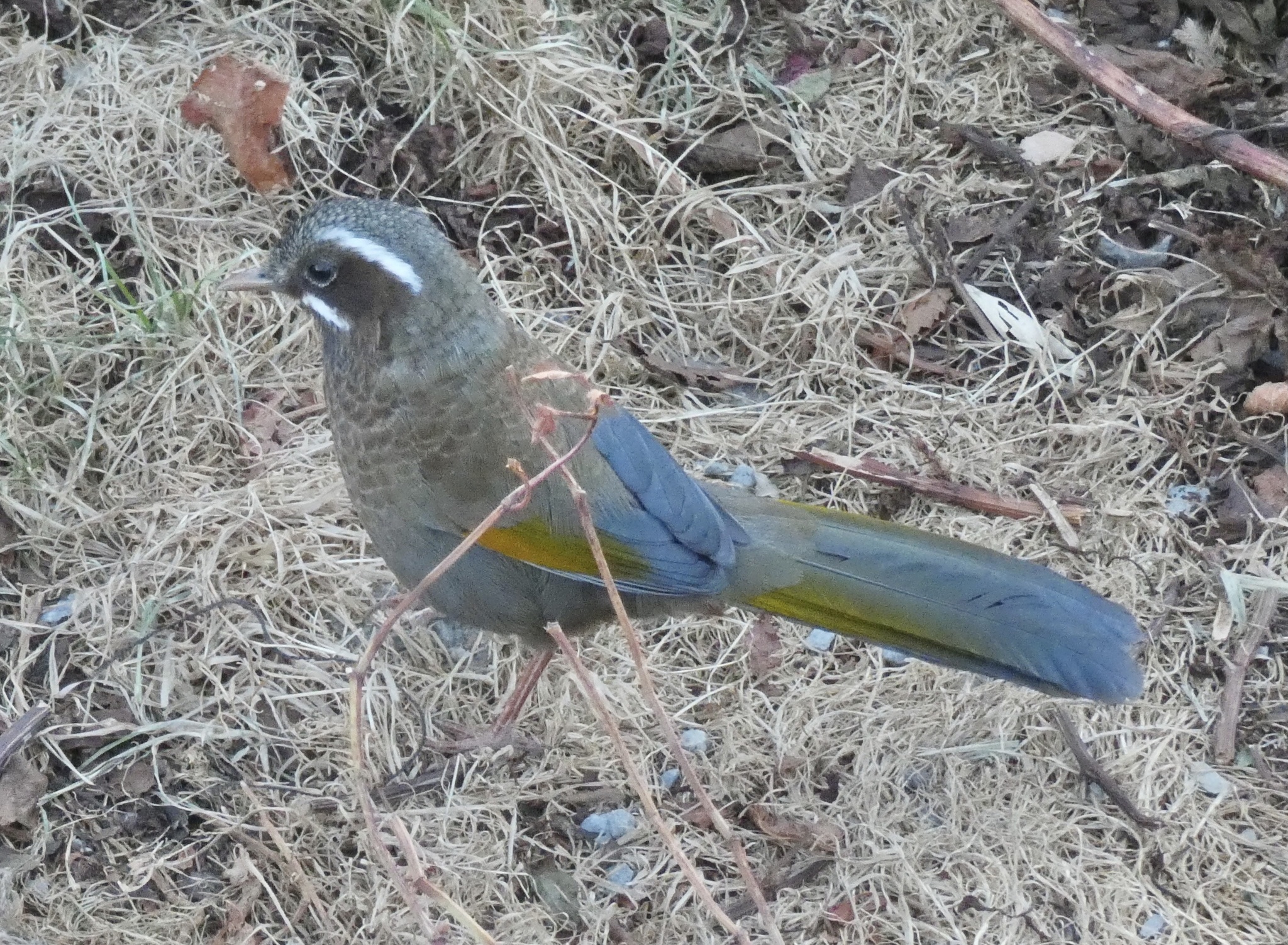
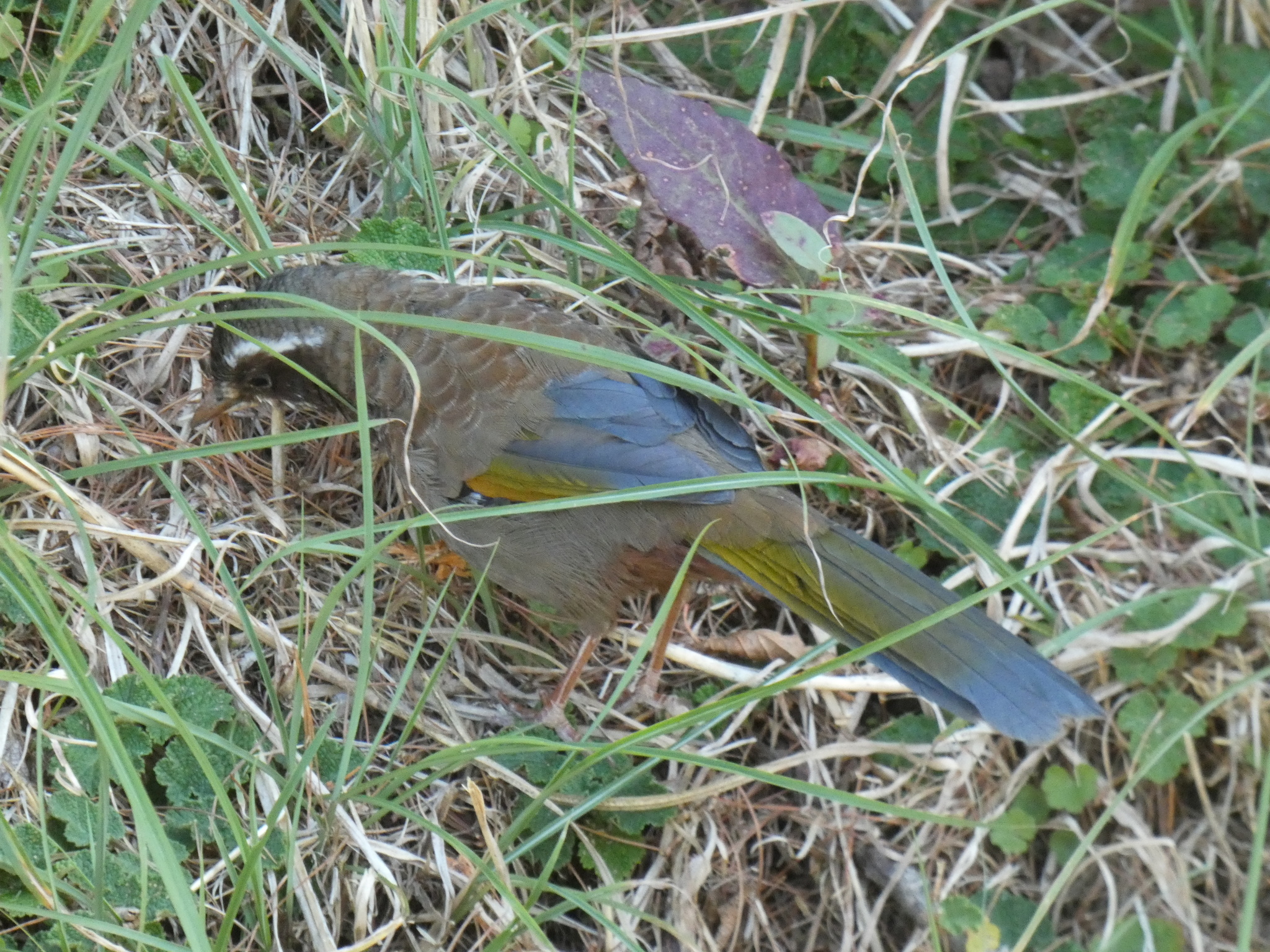
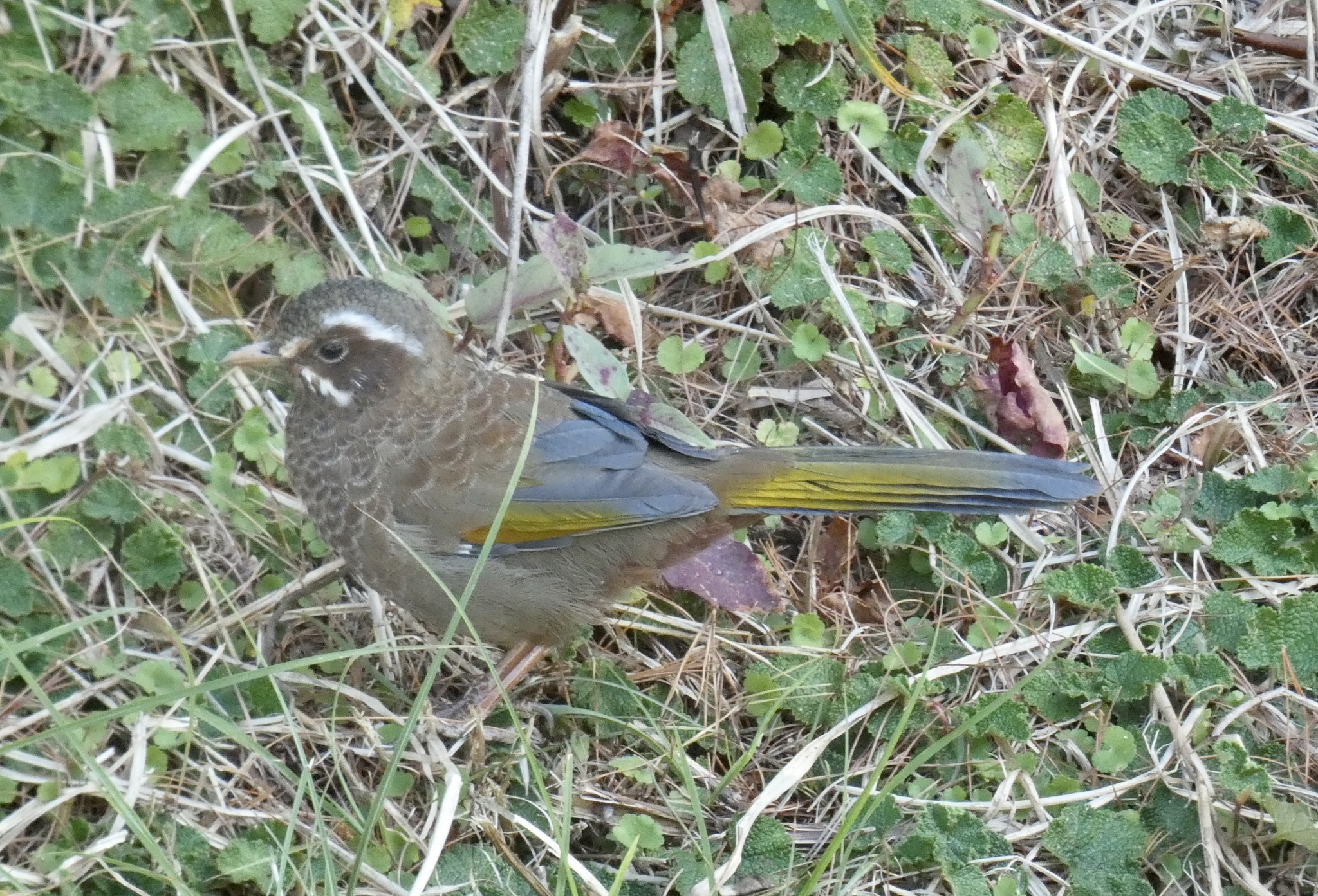
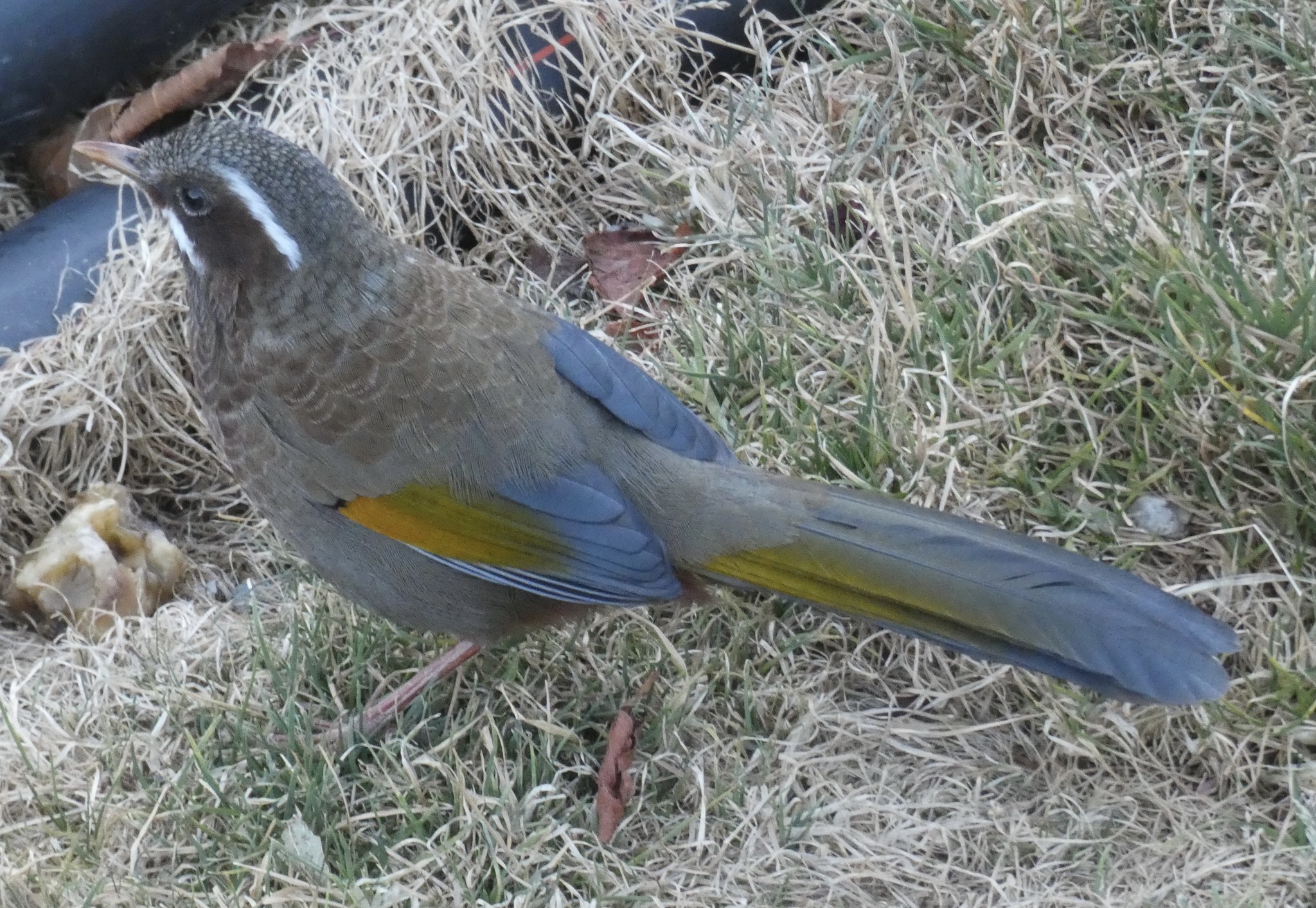
White-whiskered Laughingthrush
Trochalopteron morrisonianum
台湾噪鹛
Introduction
A species of bird in the family Leiothrichidae endemic to the montane forests of the island of Taiwan. Occurs at elevations between 1,475 and 3,300 meters, typically above 2,000 meters, in tall grass, forest undergrowth, thickets, and forest edge scrub. A sociable ground omnivore that often occurs in large groups and is not necessarily afraid of humans. Population estimated at 10,000 to 100,000 breeding pairs; though decreasing due to habitat destruction and fragmentation, it is not considered vulnerable.
Description
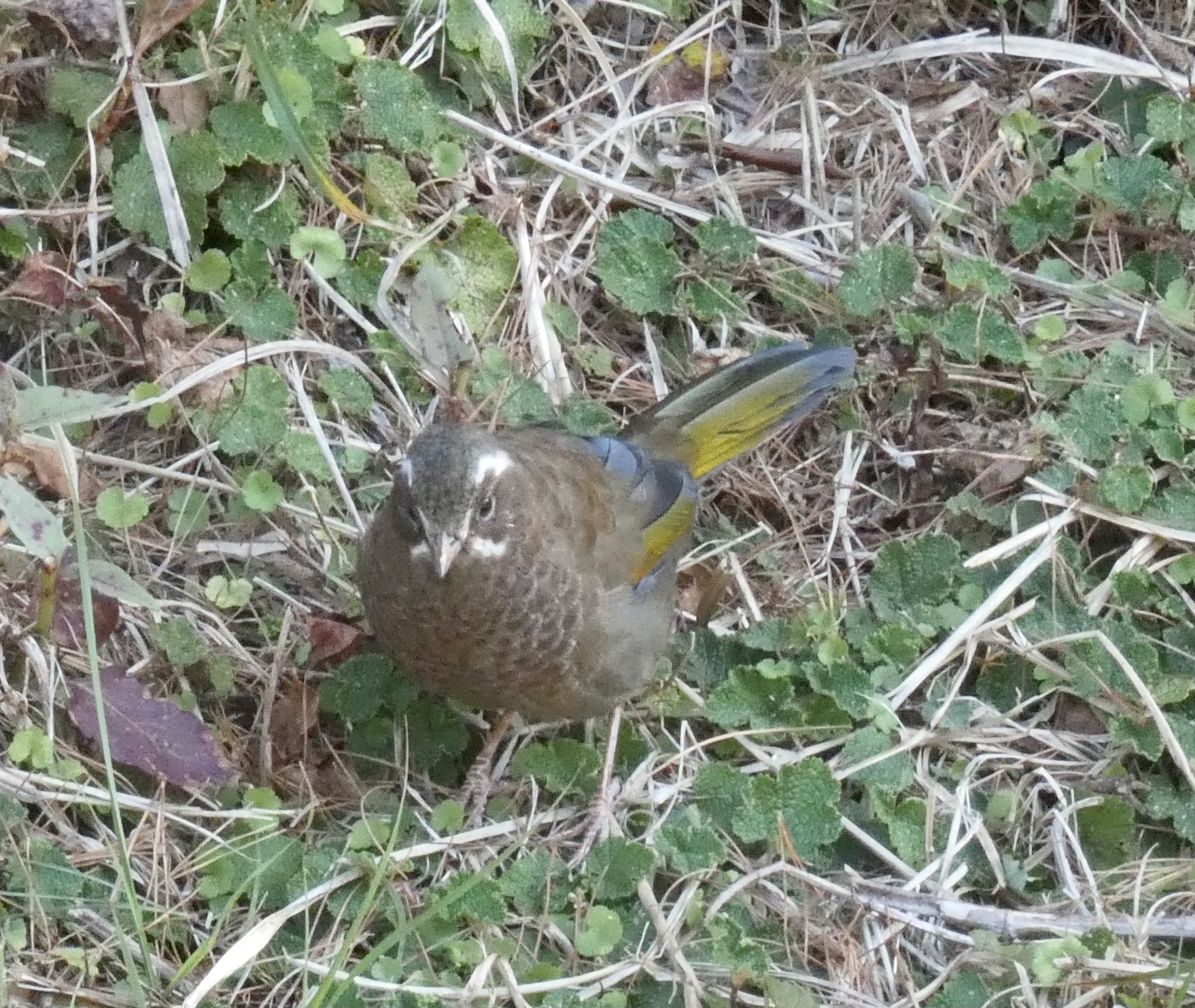
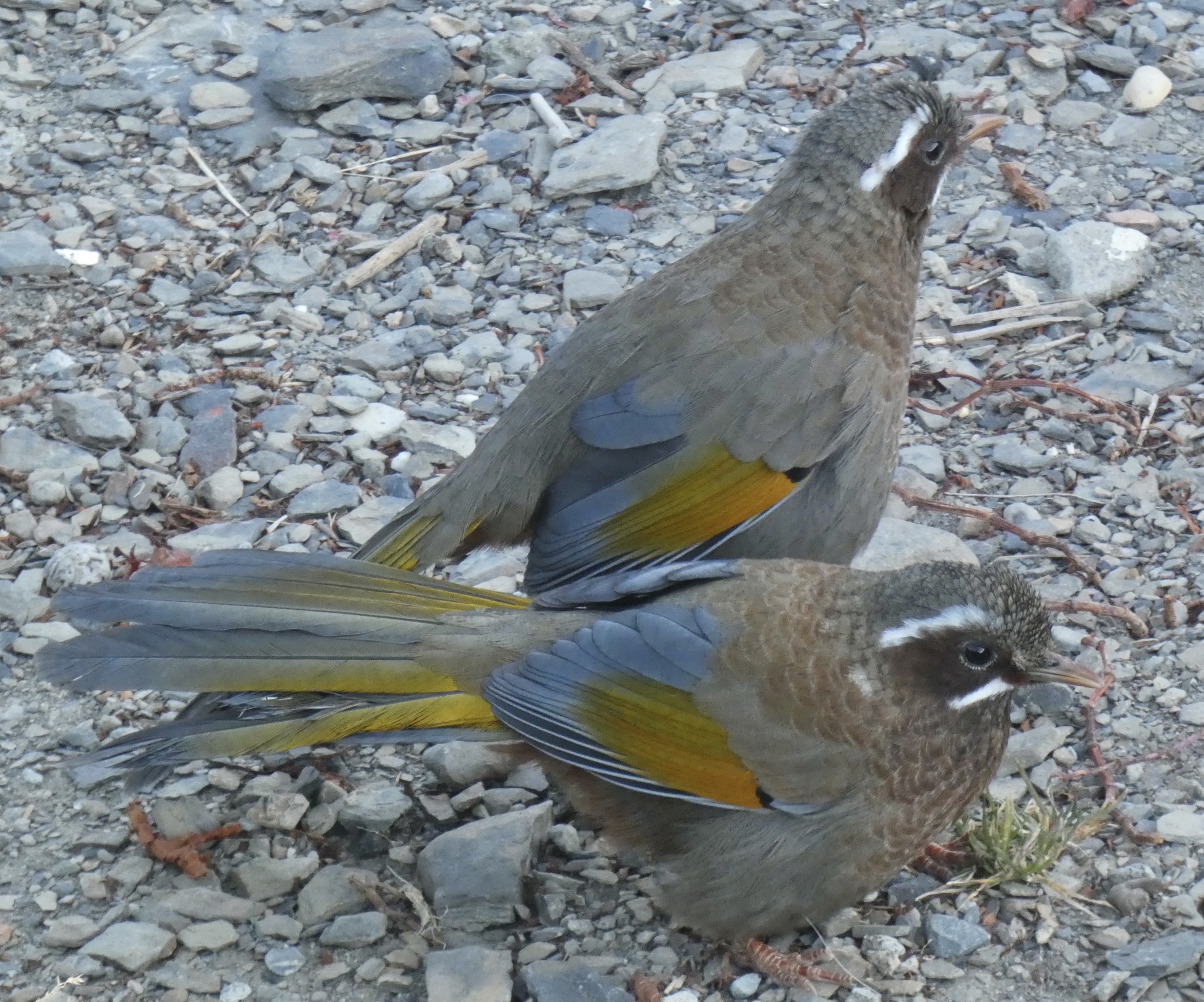
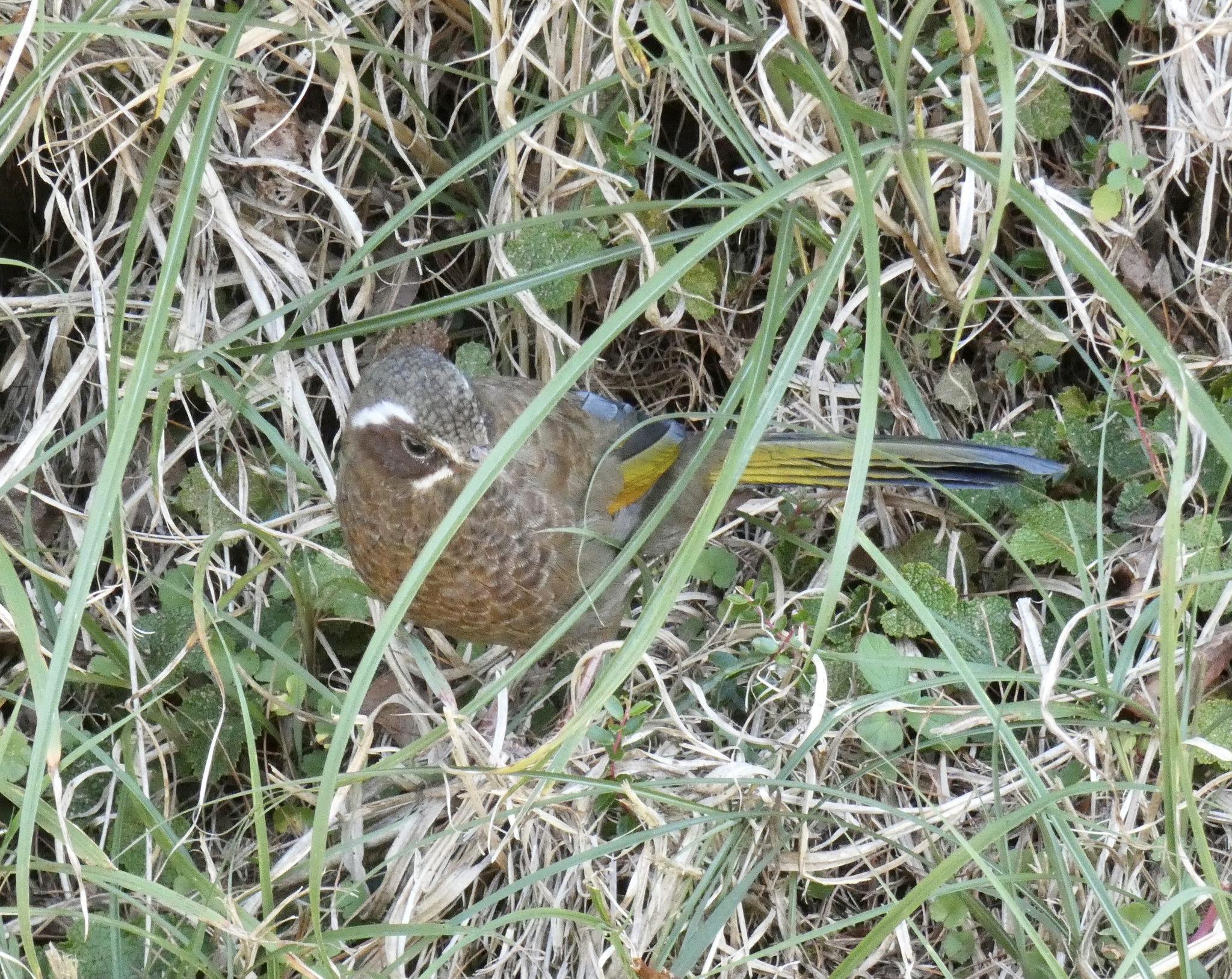
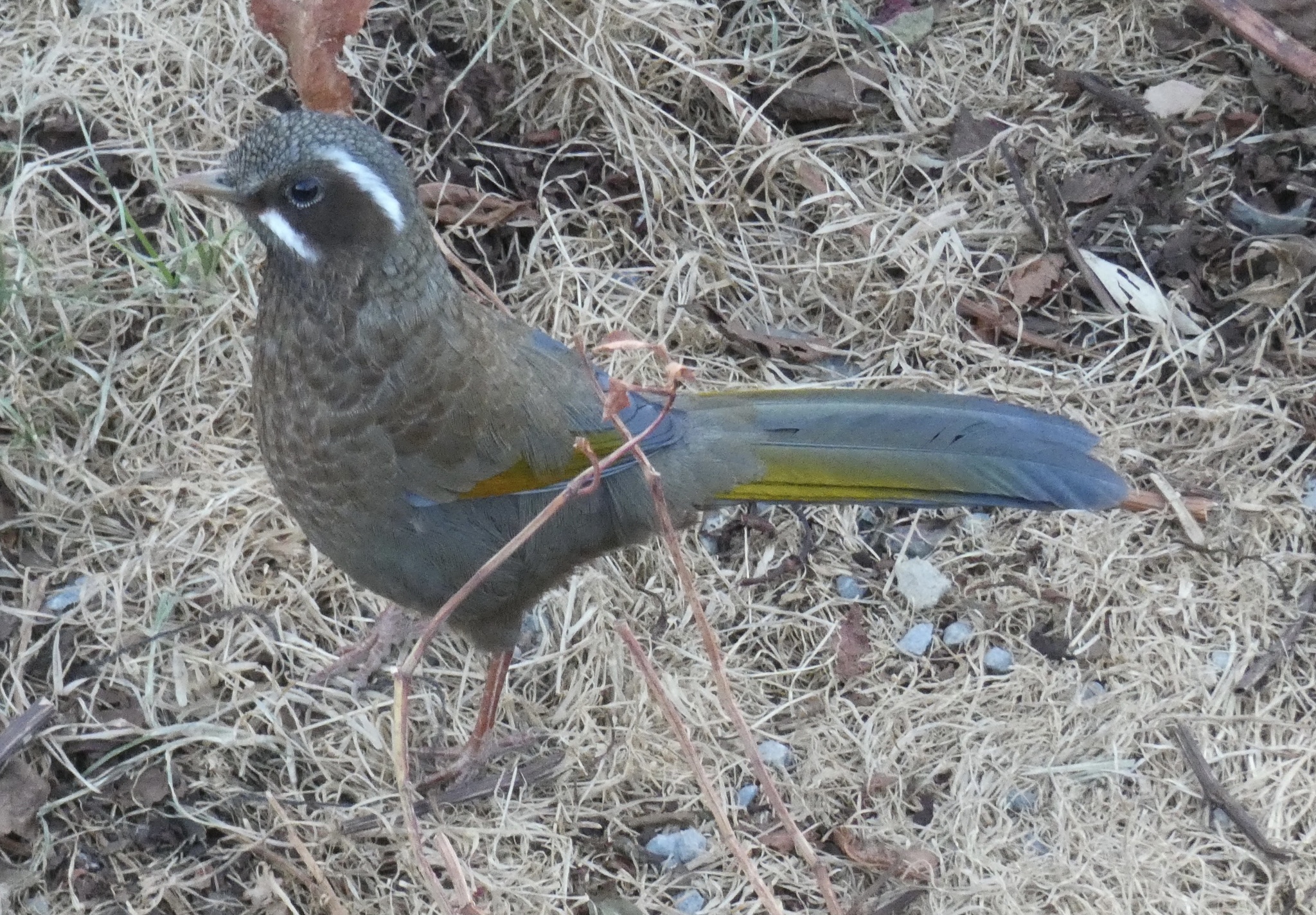
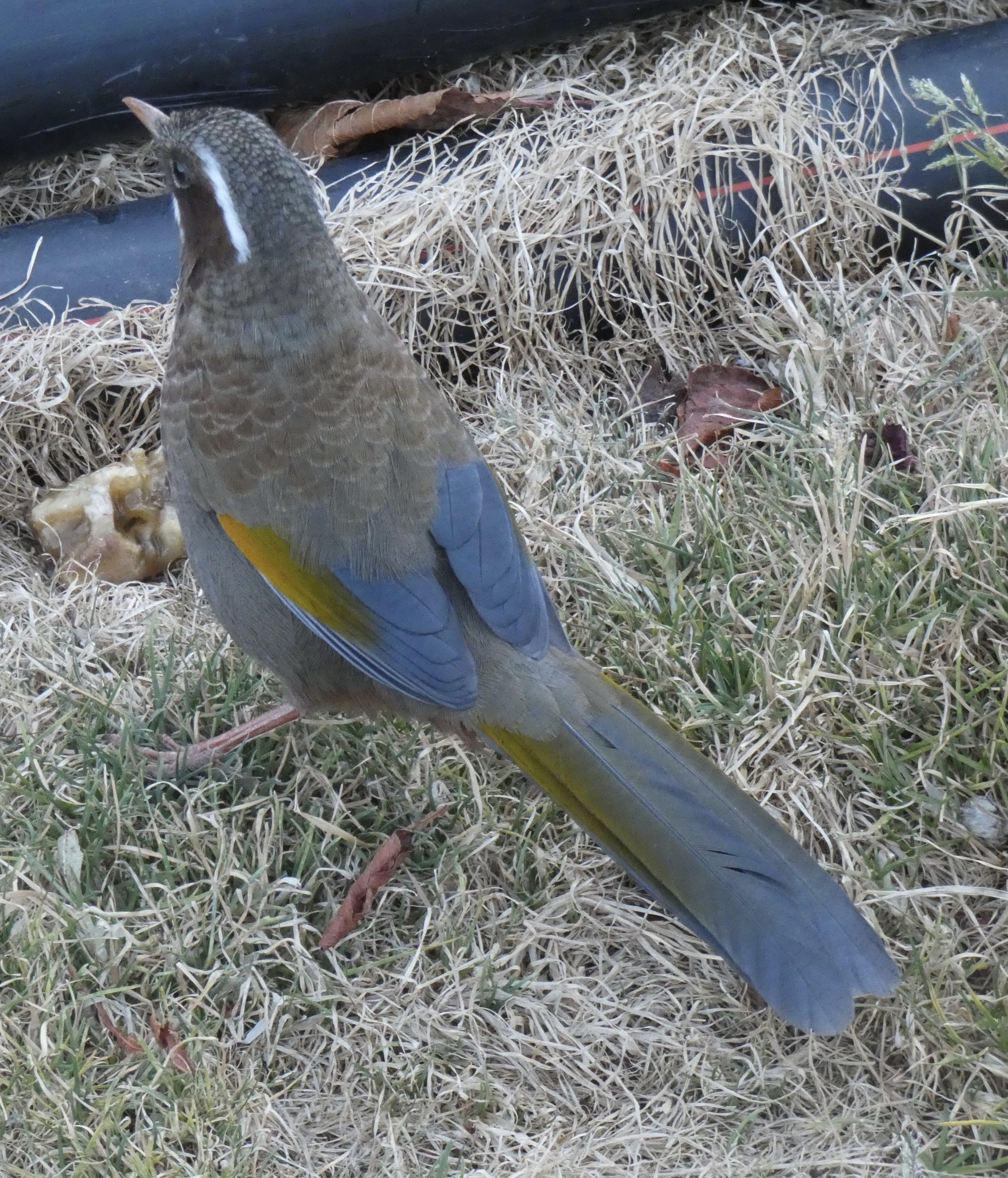
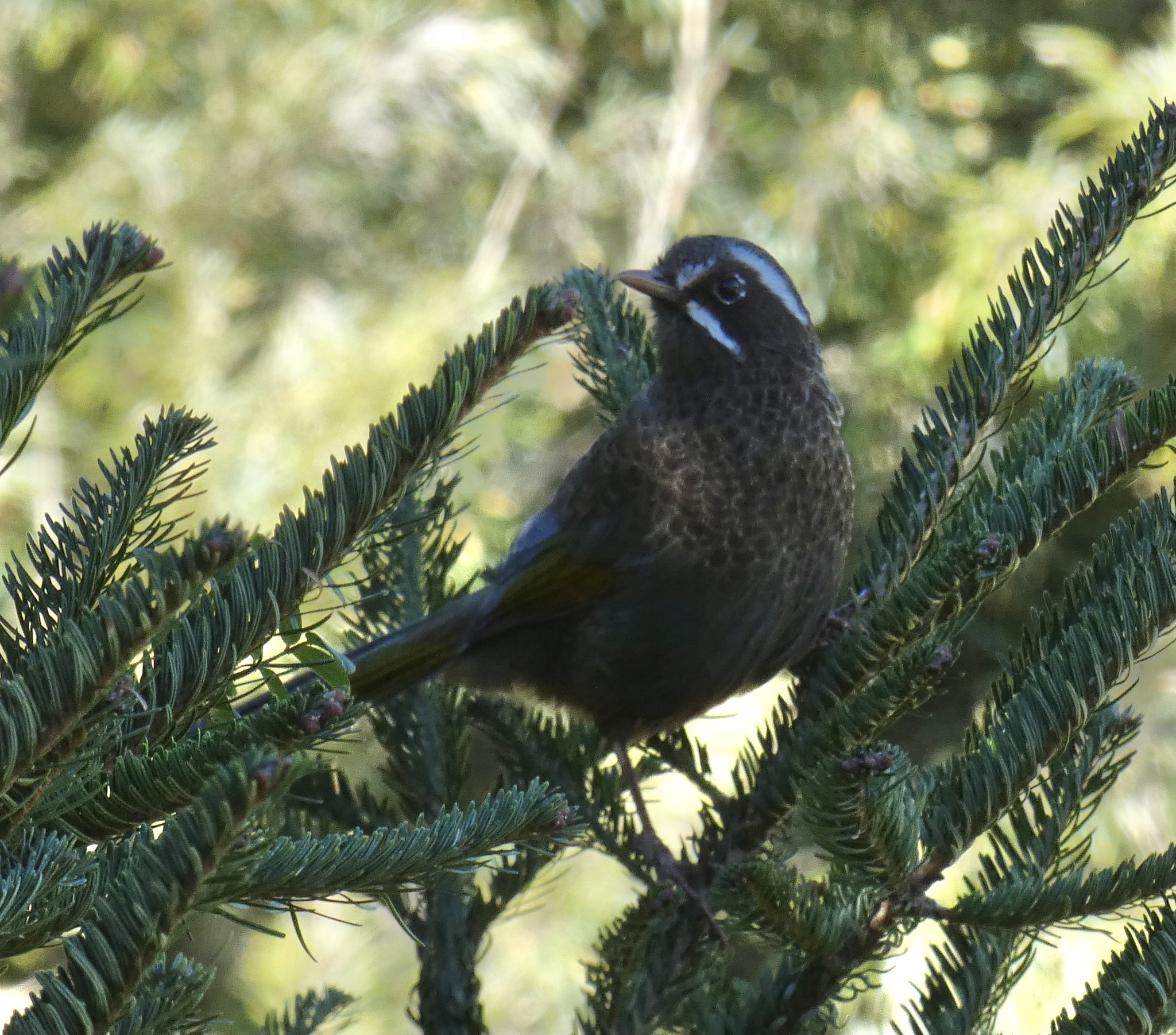
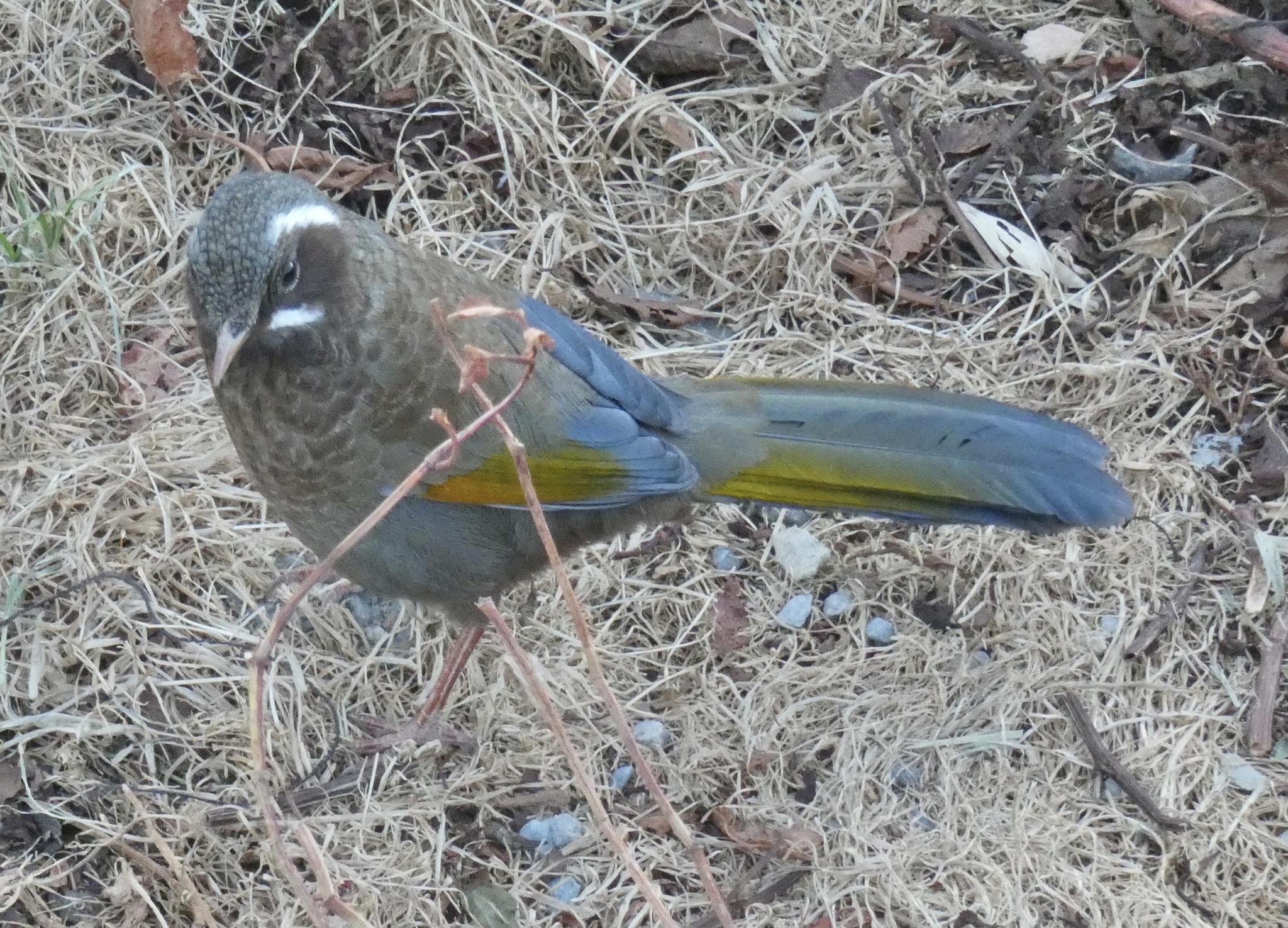
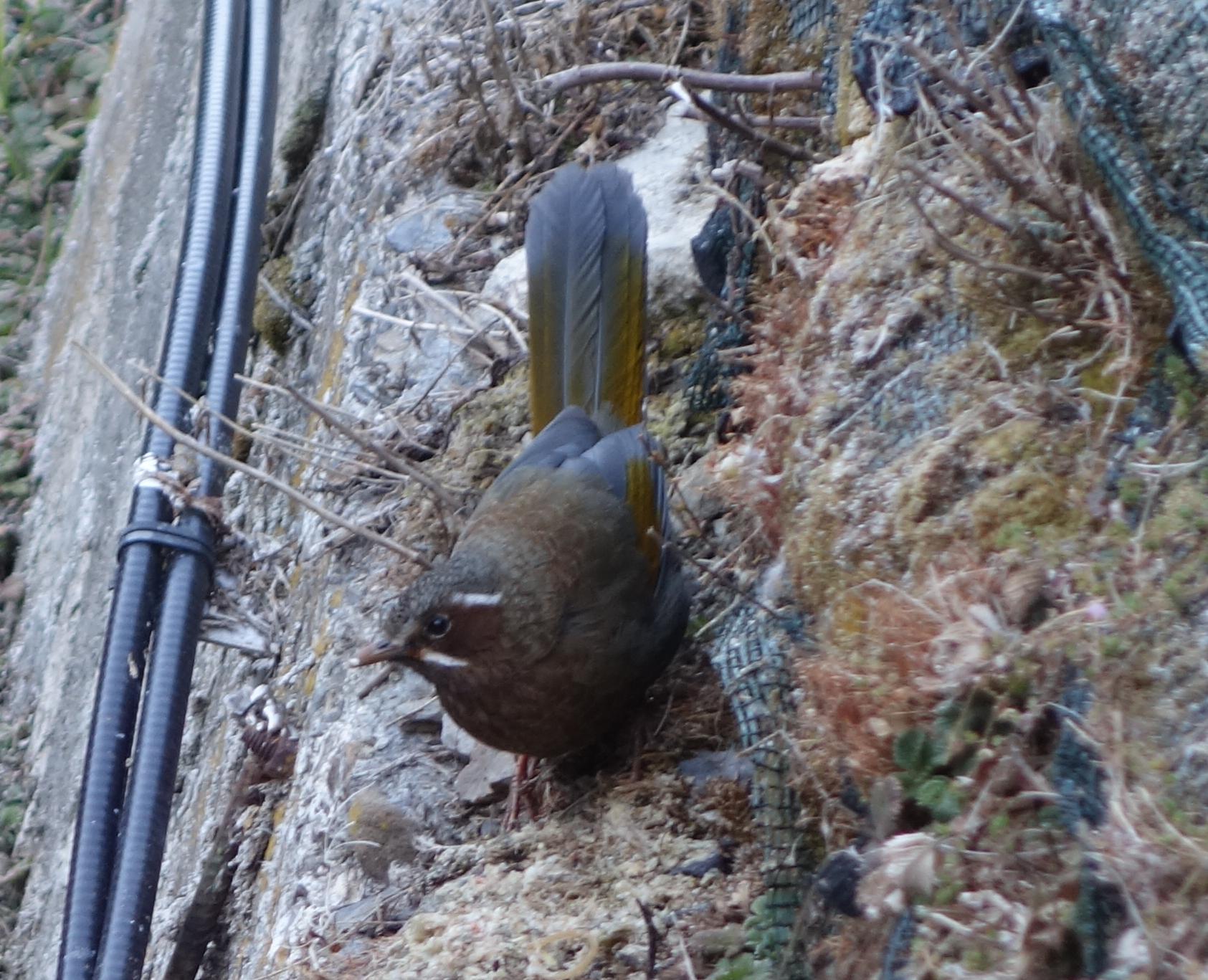
A large laughingthrush measuring 26 to 28 cm in length with a mean body weight of about 77 grams. Features a distinctive face pattern, a thrush-like bill that is yellowish to horn-colored, black eyes, and strong brownish-pink legs.
Distribution & Habitat
Endemic to the island of Taiwan. Inhabits montane forests at elevations between 1,475 and 3,300 meters, though typically above 2,000 meters. Found in tall grass, forest undergrowth, thickets, and forest edge scrub, and will enter open areas along roadsides and in forest clearings. In Yushan National Park, more abundant in mixed coniferous forest than in grassland, pine woodland, or spruce forest.
Behavior & Ecology
A sociable species that often occurs in large groups. Not necessarily afraid of humans. Ground omnivore. Along with Taiwan fulvetta and Taiwan yuhina, it was a dominant species in mixed coniferous forest habitat in Yushan National Park.
Conservation
Considered a somewhat common species in Taiwan with an estimated population of 10,000 to 100,000 breeding pairs. Population is believed to be decreasing due to habitat destruction and fragmentation, though it is not classified as vulnerable.
Source: Wikipedia · CC BY-SA 3.0
Taxonomy
- Order
- Passeriformes
- Family
- Leiothrichidae
- Genus
- Trochalopteron
- eBird Code
- whwlau1
Distribution
montane forest of Taiwan
Vocalizations
Data Sources
Species description from Wikipedia, licensed under CC BY-SA 3.0.
Bird images and sounds sourced from GBIF, contributed by citizen scientists worldwide under Creative Commons licenses.
Taxonomy data from AviList 2025.