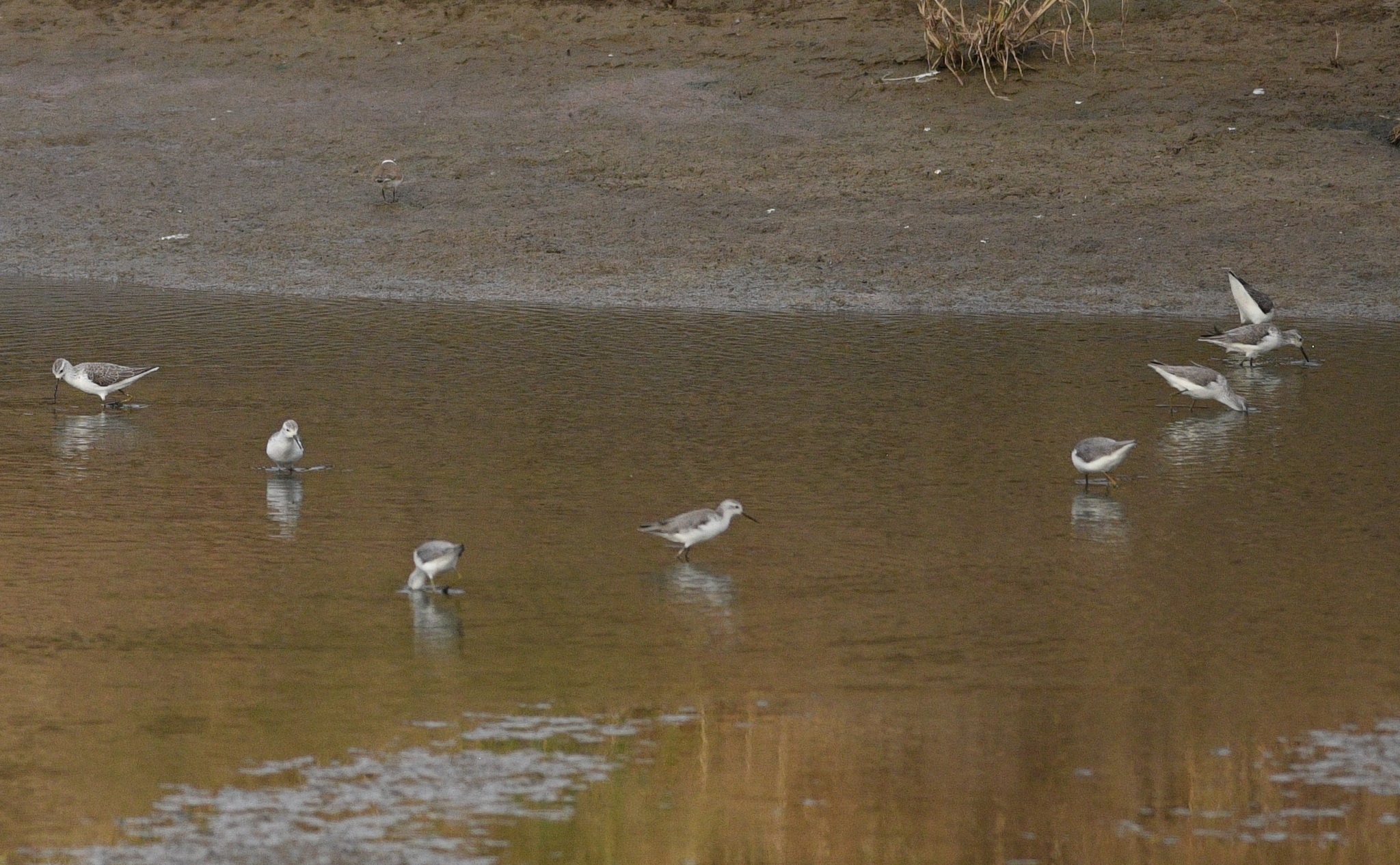
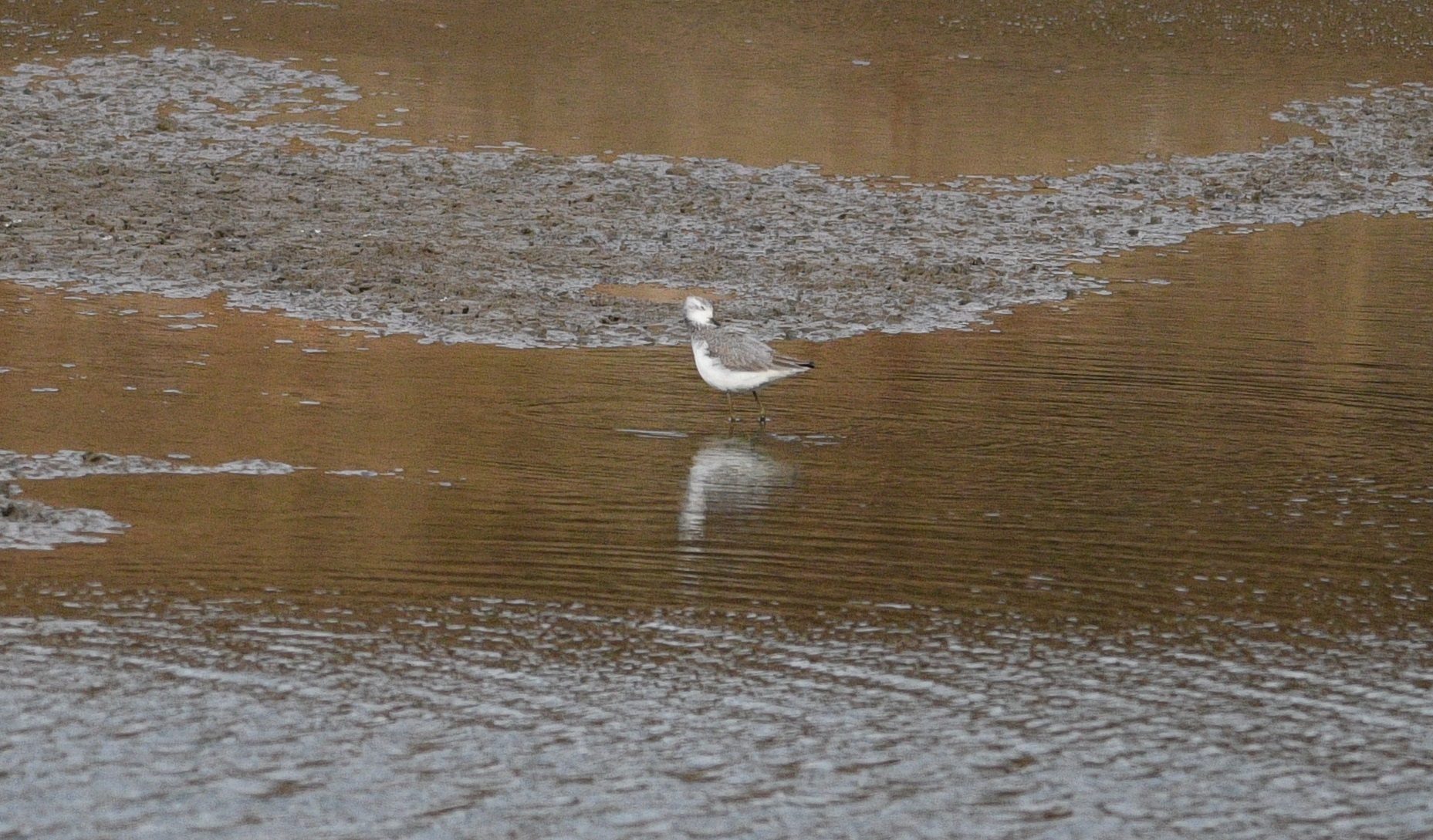
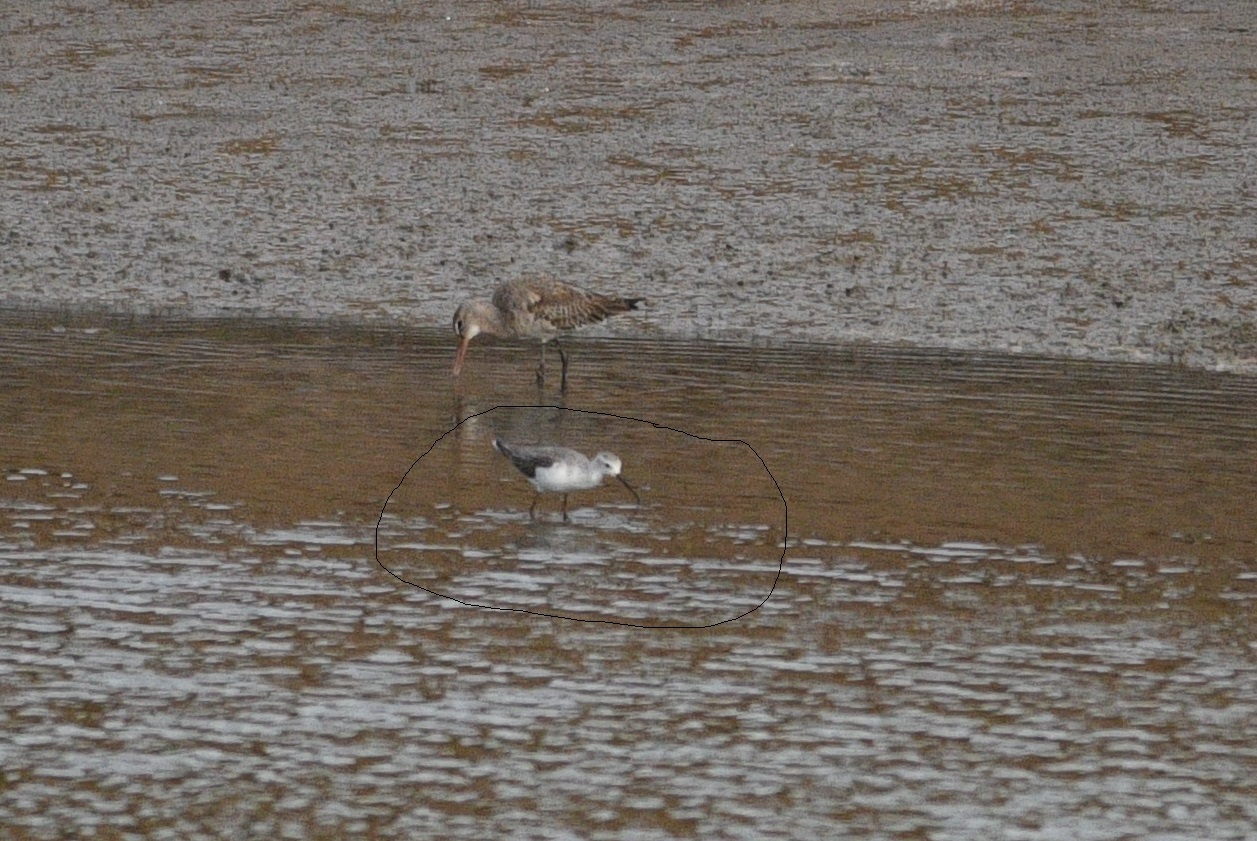
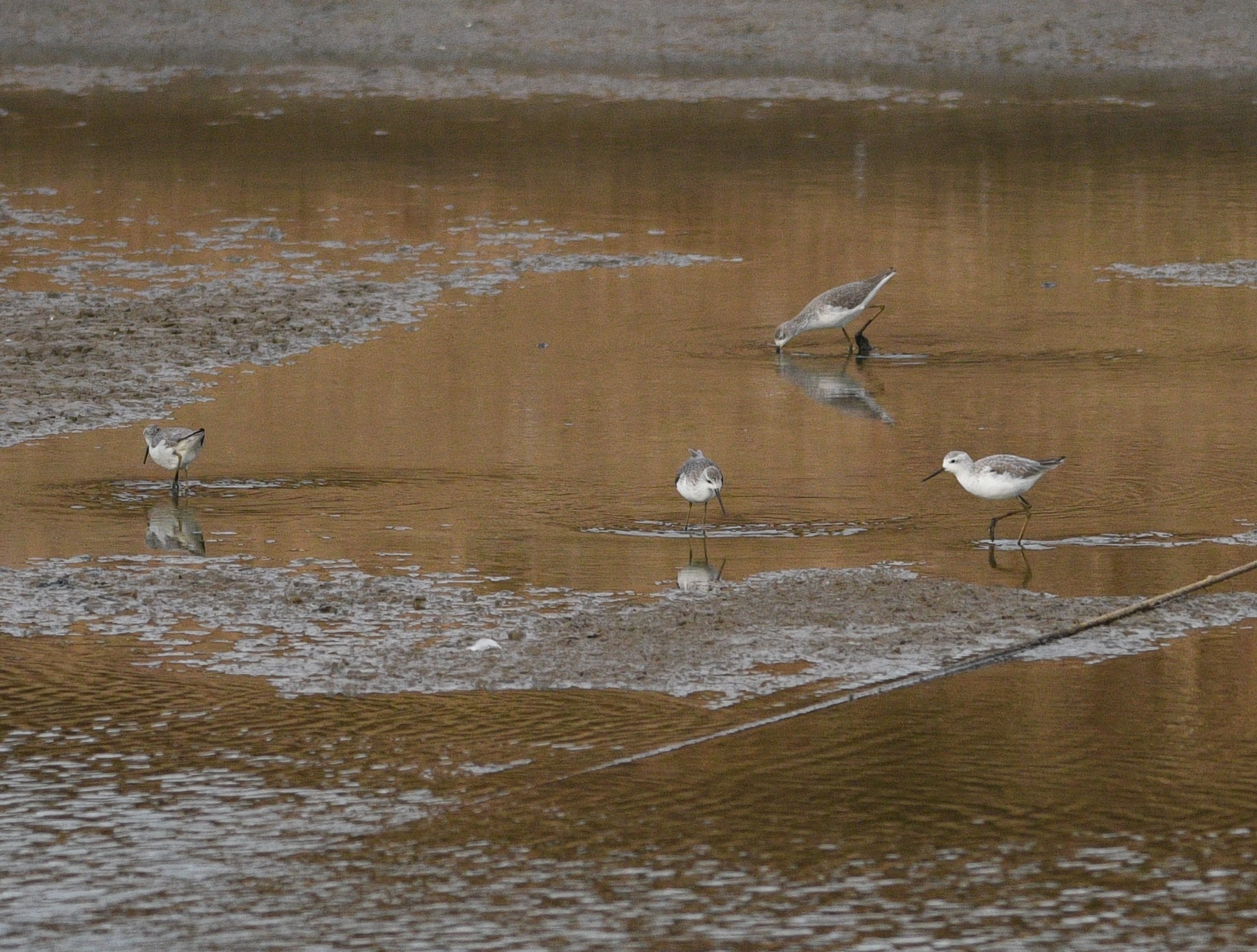
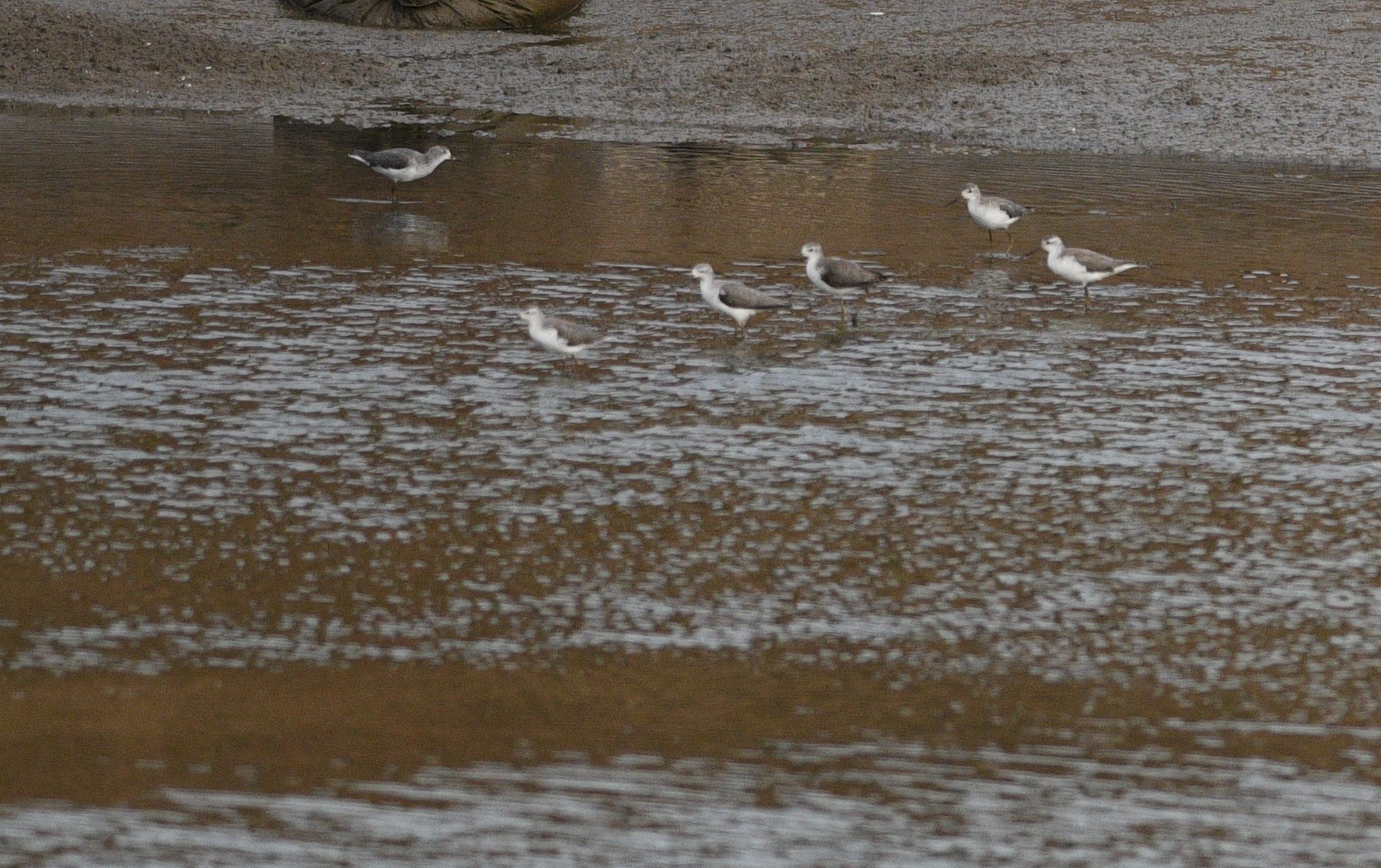
Marsh Sandpiper
Tringa stagnatilis
泽鹬
Introduction
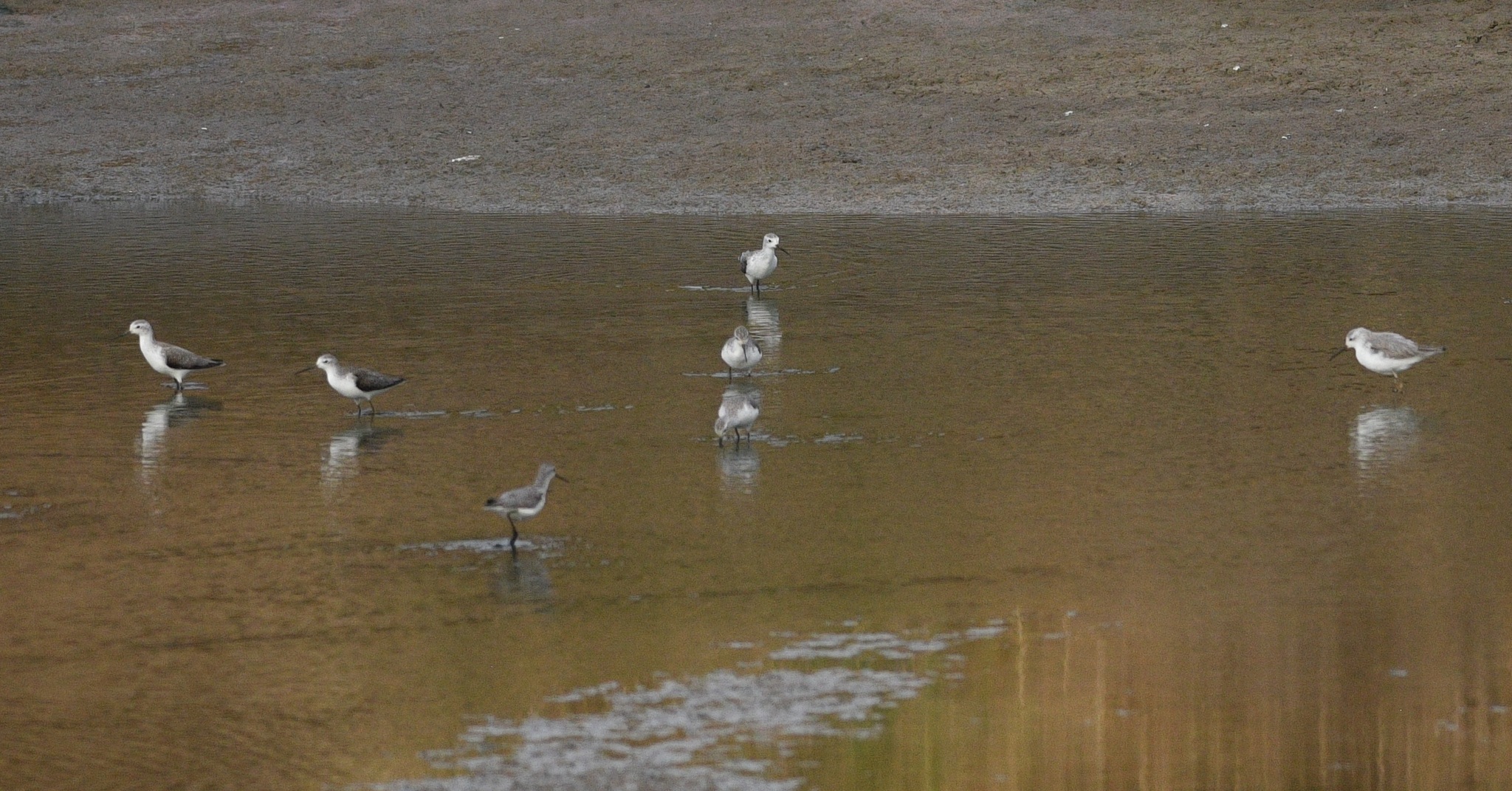
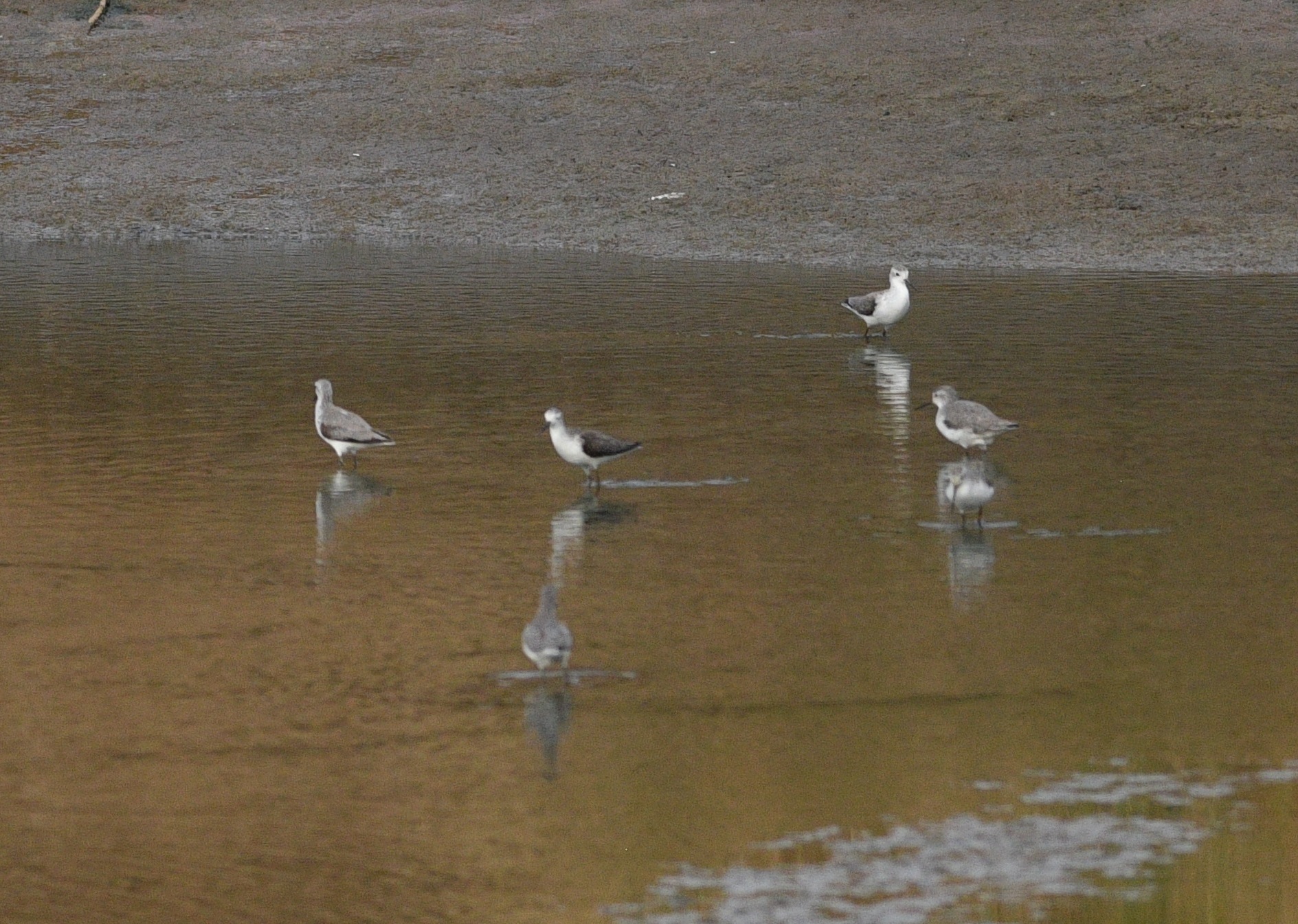
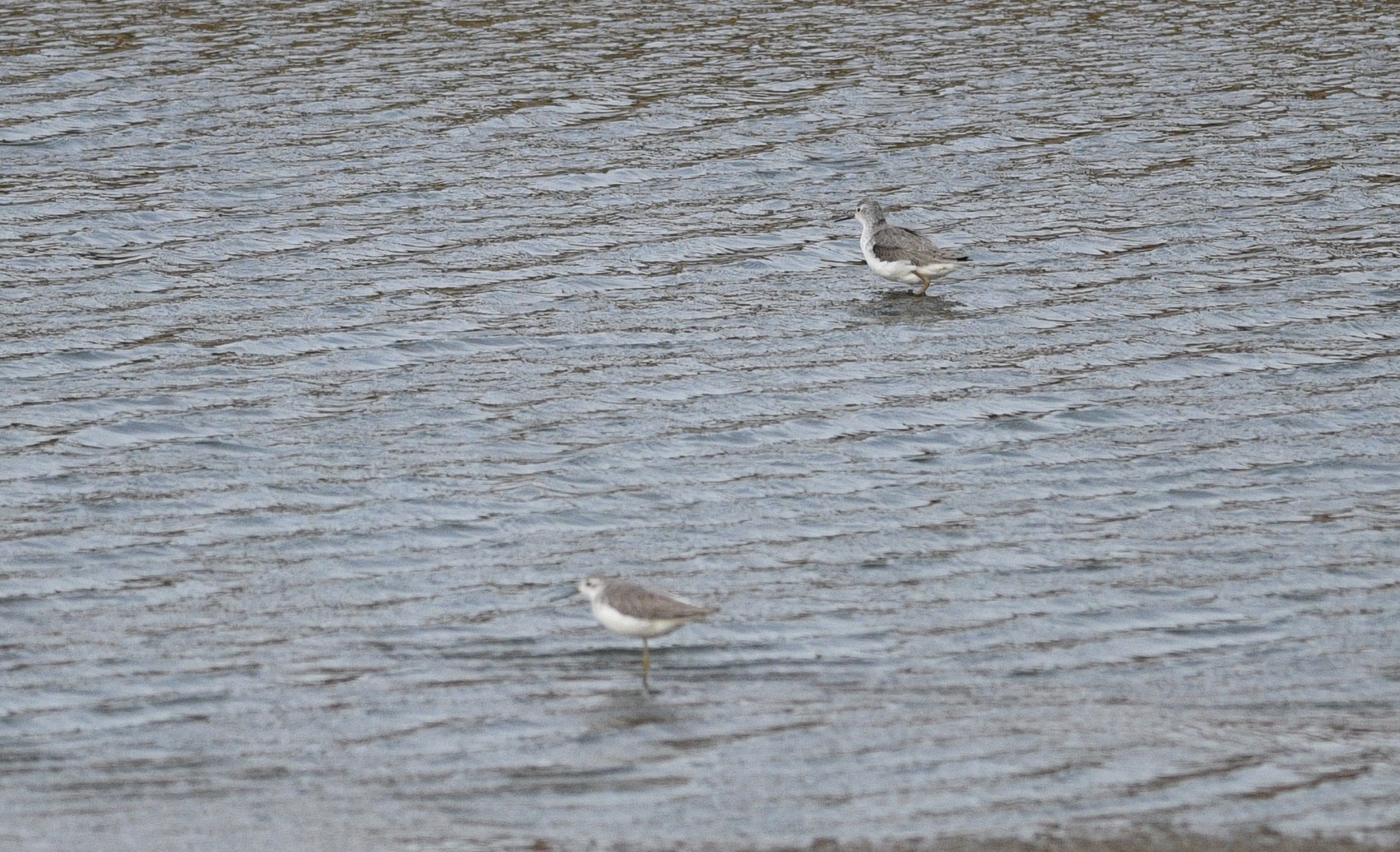
Marsh sandpipers are found across three continents, breeding in temperate wetlands of Eurasia and wintering in Africa, India, and Australia. During migration and winter, they inhabit freshwater marshes, lakes, and swamps. They wade in shallow water and walk along muddy edges. Unlike some waders, they are typically solitary or found in small, loose groups.
Description
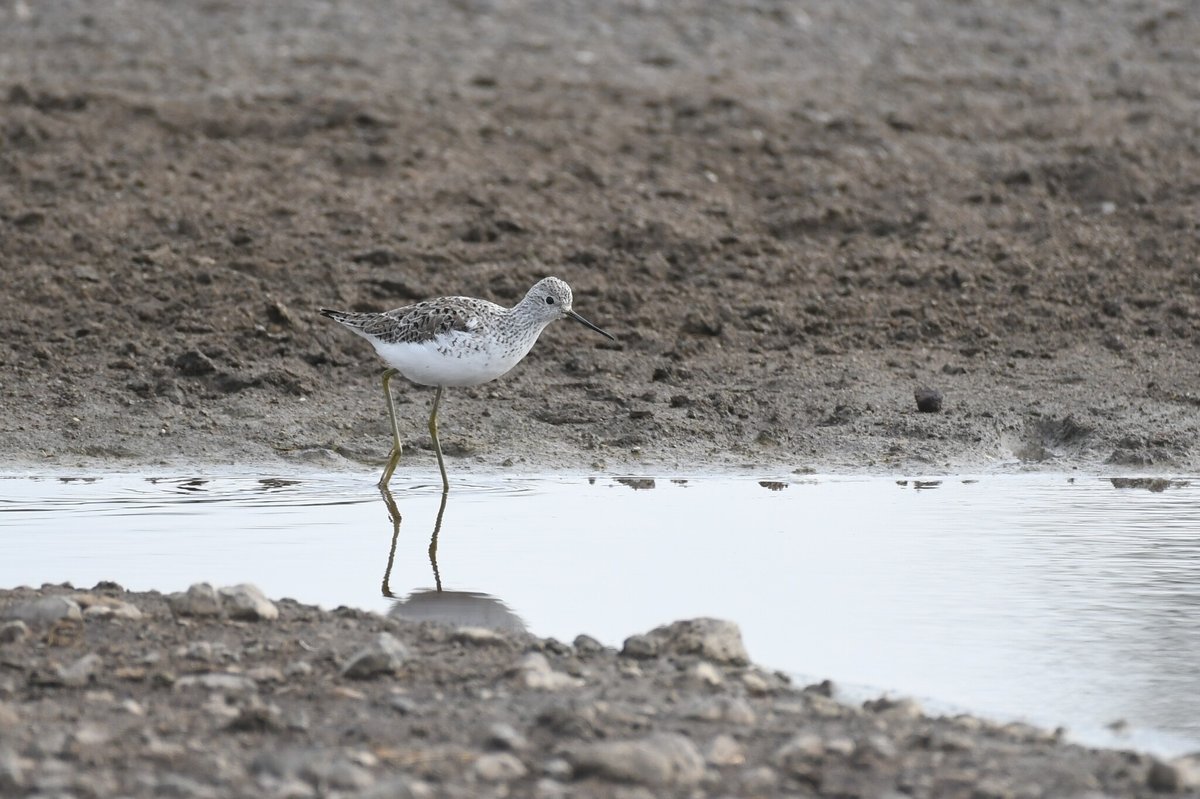
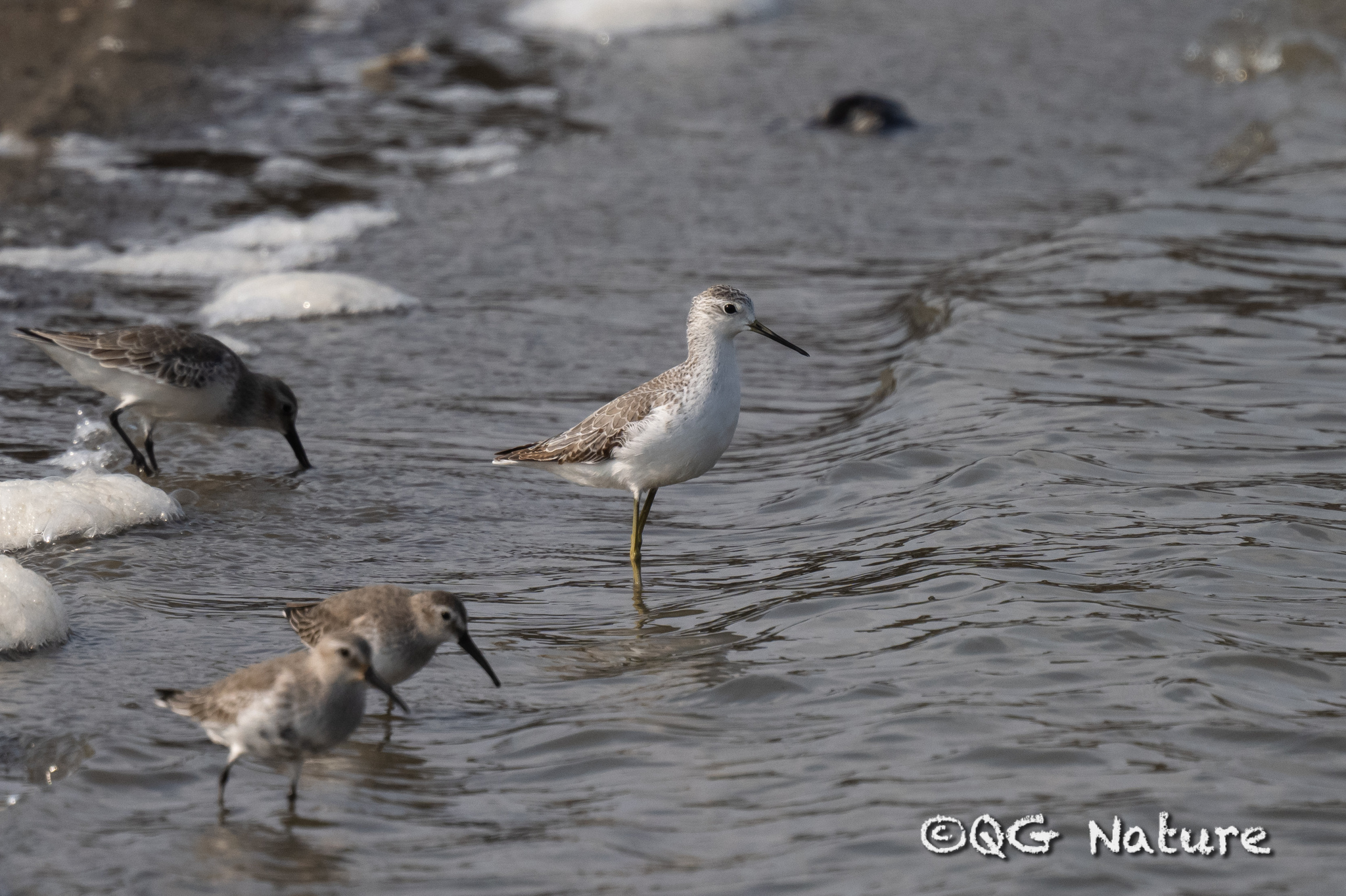
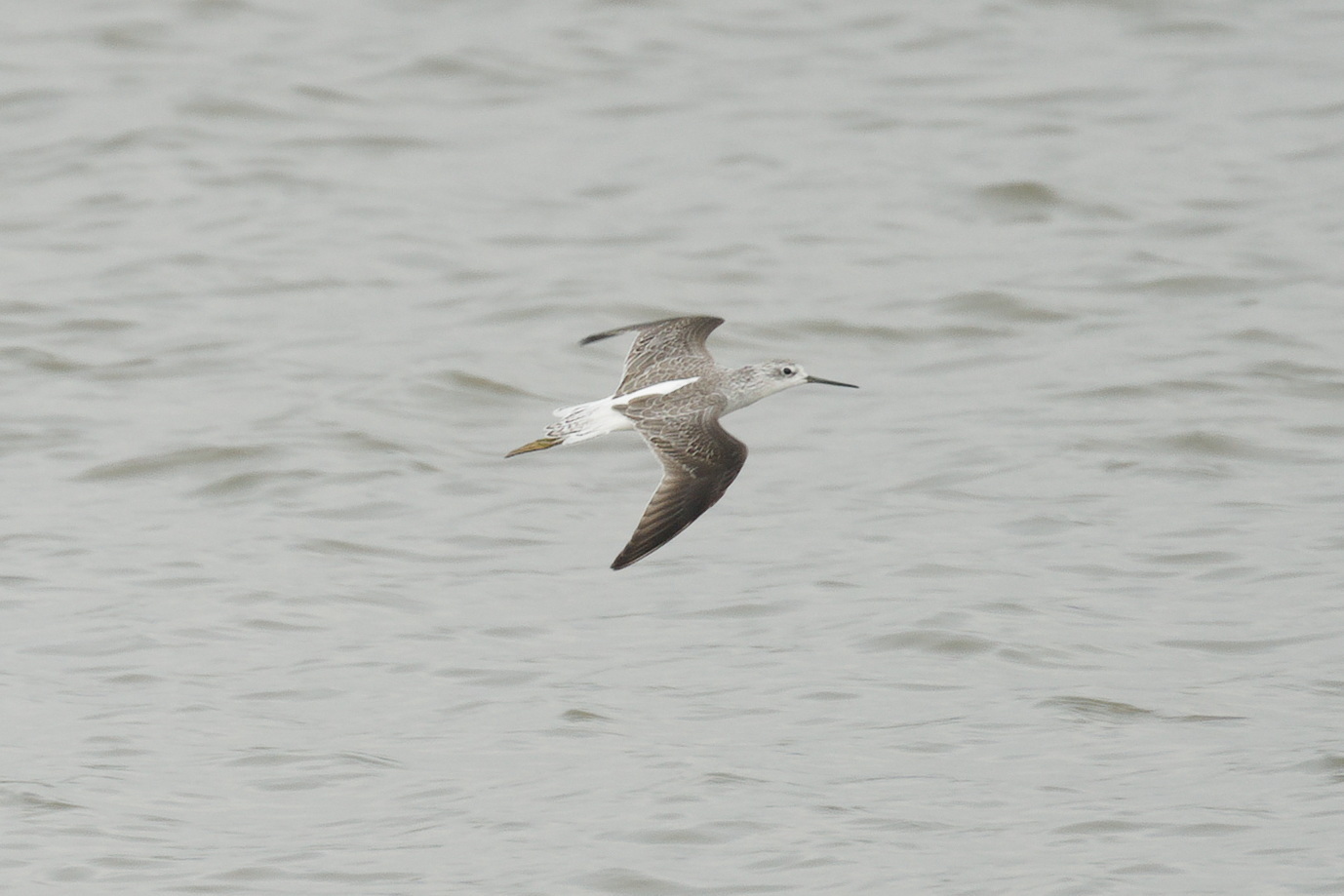
This small shank has a distinctive silhouette characterized by an exceptionally long, fine bill and notably long yellowish legs that set it apart from similar species. Adults measure 22–26 cm in length with a wingspan of 55–59 cm and weigh between 45–120 g. In breeding plumage, the upperparts are greyish brown with darker mottling, while winter birds appear paler overall. A prominent white wedge extends up the back and becomes clearly visible in flight, serving as a useful identification mark. The breast and neck feature diffuse brownish spotting that can be subtle in certain lighting conditions.
Identification
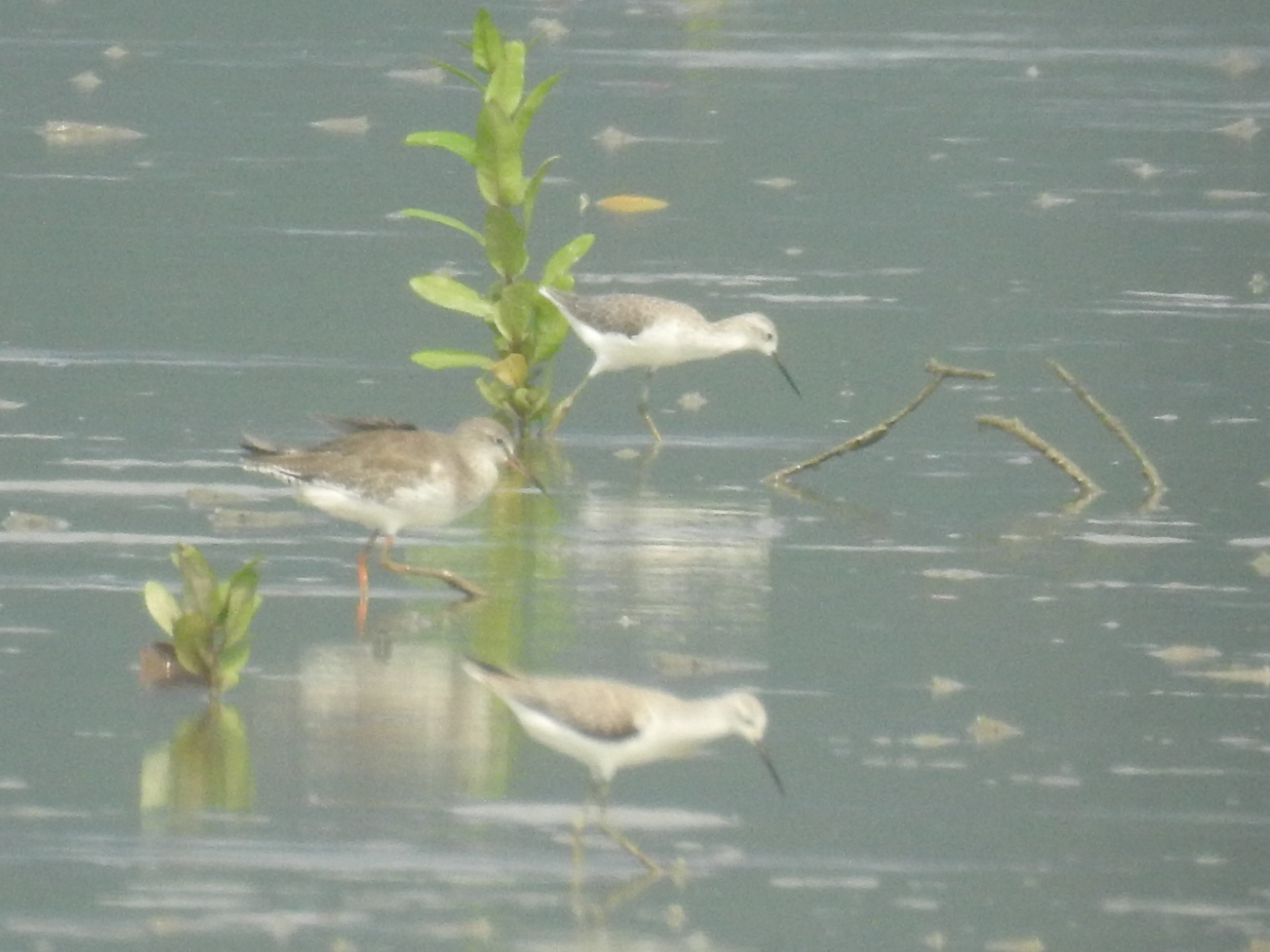
The marsh sandpiper's resemblance to the greenshank can cause initial confusion, though its smaller size, more delicate build, and proportionally longer yellowish legs help distinguish it. Unlike the greenshank's reddish-orange legs, this species shows distinctly yellow legs. It belongs to a group of small shanks that also includes the common redshank and wood sandpiper—species that share similar breeding plumage patterns of subdued brown tones with mottled upperparts and spotted breast and neck. The white back wedge visible in flight is a helpful feature, and its high-pitched, piping calls differ from the louder alarm notes of redshanks.
Distribution & Habitat
This Palearctic breeder occupies open grassy steppe and taiga wetlands from easternmost Europe across Siberia to the Russian Far East. The species is strongly migratory, with most birds wintering in Africa and India while others reach Southeast Asia and Australia. Winter habitat consists of freshwater wetlands including swamps and lakes, where individuals or small groups are typically encountered. North American birders should note that the species is a rare vagrant, with most records from Alaska and California. The first Canadian record occurred on April 30, 2022, in Ontario, drawing significant attention from the birding community. The species is protected under the Agreement on the Conservation of African-Eurasian Migratory Waterbirds.
Behavior & Ecology
Marsh sandpipers forage in shallow water and along muddy margins, using their fine bills to pick prey from the substrate. Their diet consists primarily of small invertebrates including insects, crustaceans, and mollusks. During the breeding season, pairs establish territories in wetland meadows and grassy steppe habitats. Courtship displays involve aerial flights and ground-based posturing. The species produces distinctive high-pitched piping calls, particularly when disturbed or in flight. Outside the breeding season, they are typically seen alone or in loose associations of a few individuals rather than large flocks.
Conservation
The marsh sandpiper is currently evaluated as Least Concern by the IUCN, though populations face ongoing pressures from wetland degradation and loss across their migratory range. Draining of wetlands for agriculture, pollution, and climate-related habitat changes represent significant threats. As a migratory species dependent on multiple stopover and wintering sites across three continents, coordinated international conservation efforts are essential. The AEWA designation provides legal protection and encourages habitat conservation measures throughout the species' range.
Culture
The marsh sandpiper holds little documented cultural significance in folklore or tradition, likely due to its relatively inconspicuous nature and restricted distribution. Its scientific name, stagnatilis, reflects its preference for swampy habitats, derived from the Latin word for swamp.
Source: Wikipedia · CC BY-SA 3.0
Taxonomy
- Order
- Charadriiformes
- Family
- Scolopacidae
- Genus
- Tringa
- eBird Code
- marsan
Distribution
breeds freshwater marshes from eastern Poland and Baltic states eastward through southern Russia and northern Kazakhstan to Amurland and northeastern China; winters wetlands from Africa eastward through southern Asia to southern Japan and Mariana Islands, and southward to Australia
Vocalizations
Data Sources
Species description from Wikipedia, licensed under CC BY-SA 3.0.
Bird images and sounds sourced from GBIF, contributed by citizen scientists worldwide under Creative Commons licenses.
Taxonomy data from AviList 2025.