
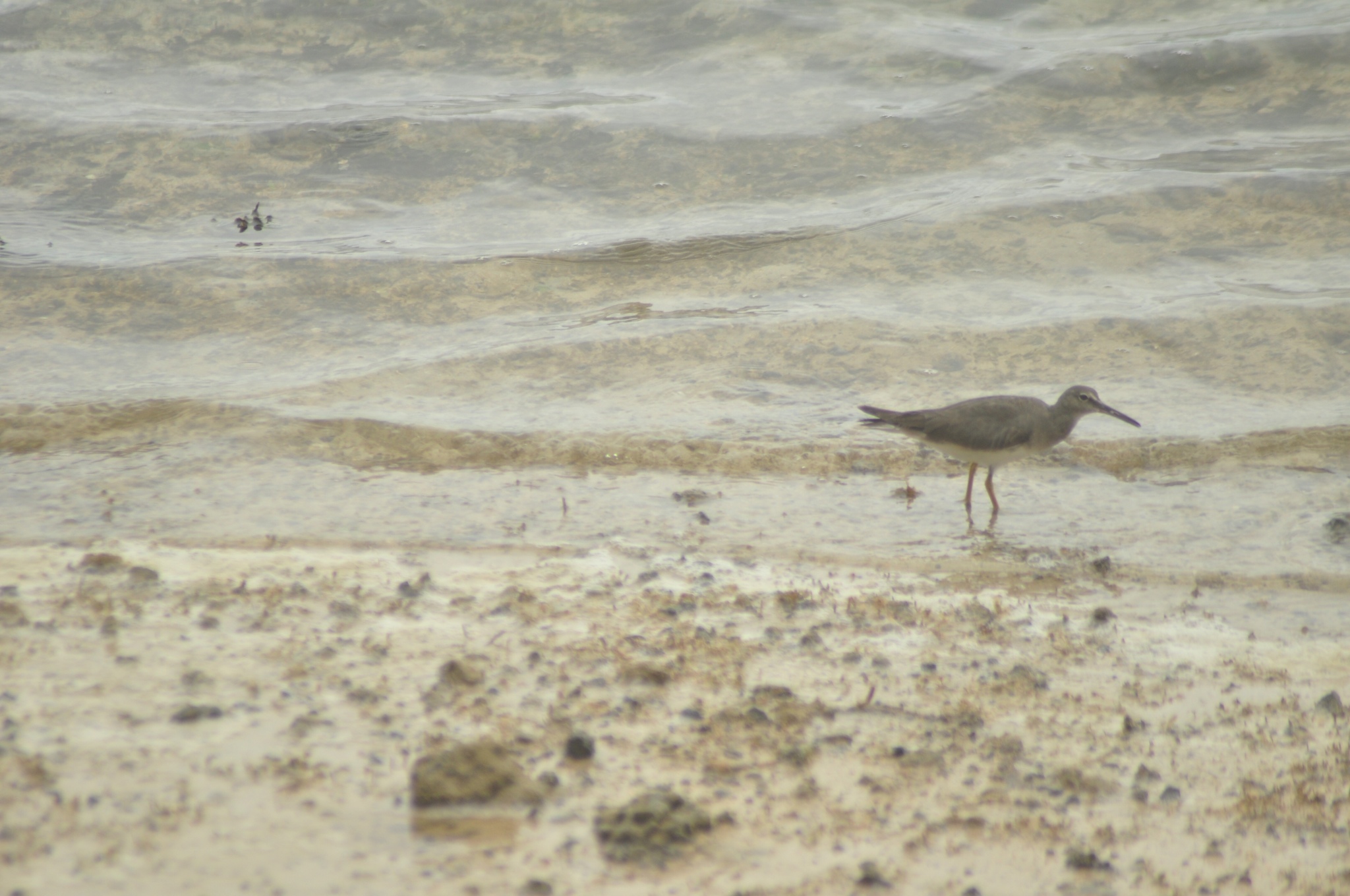
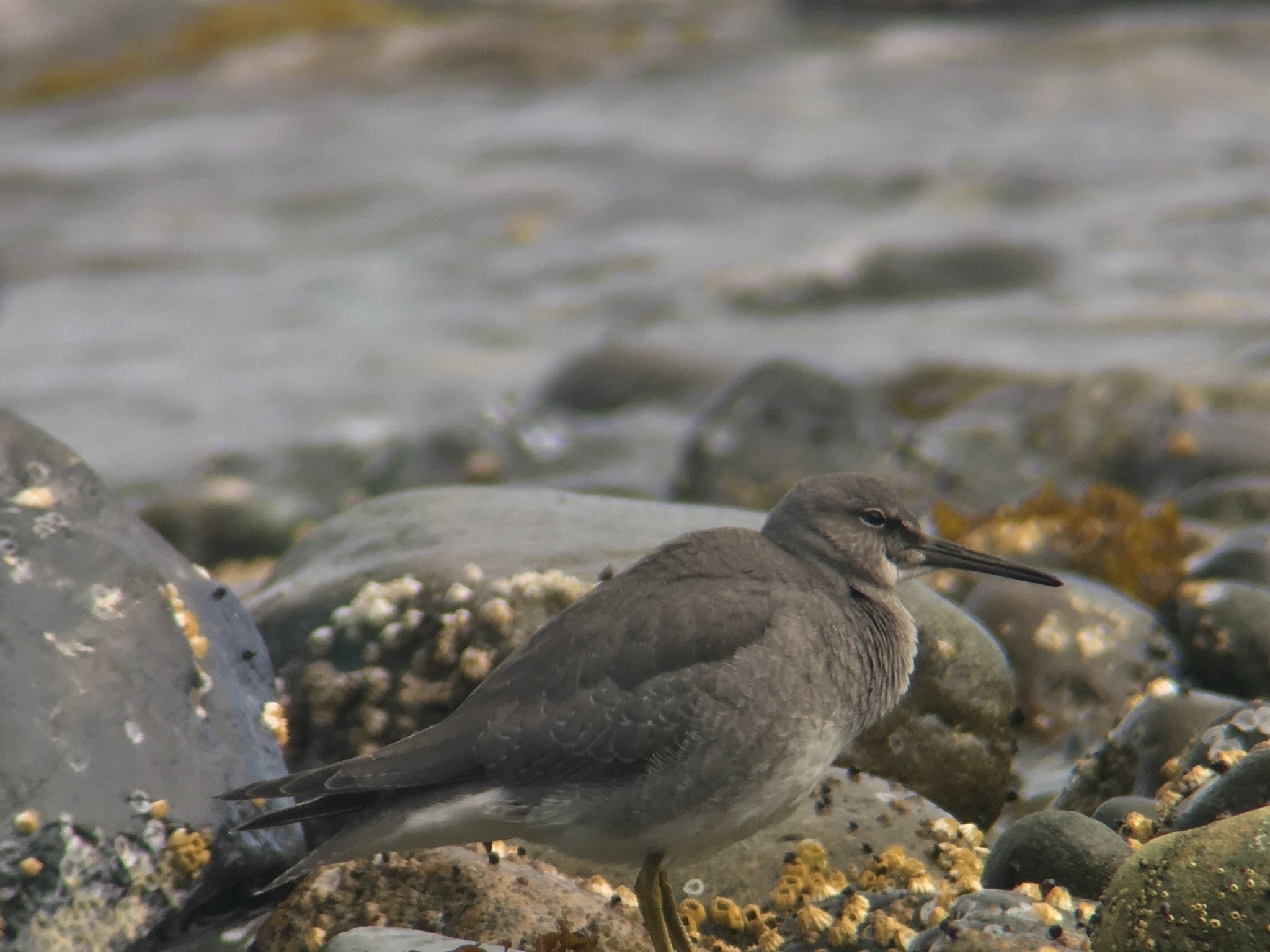
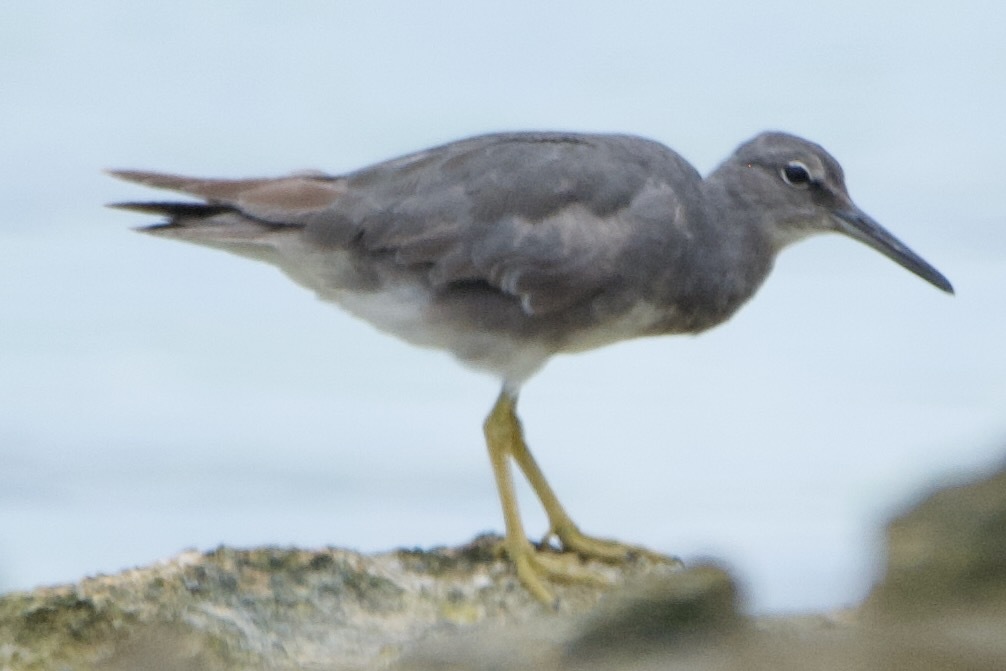
Wandering Tattler
Tringa incana
漂鹬
Introduction
A medium-sized shorebird in the genus Tringa. It breeds in far-eastern Russia, Alaska, portions of the California coast, and northwestern Canada, nesting in rocky areas along mountain streams. During the nonbreeding season, it is widely distributed throughout the Pacific, found on rocky islands in the southwest Pacific and rocky Pacific coasts from California to South America and Australia. Distinguished by unpatterned grayish wings and backs, and a scaly breast pattern extending onto the belly in breeding plumage.
Description
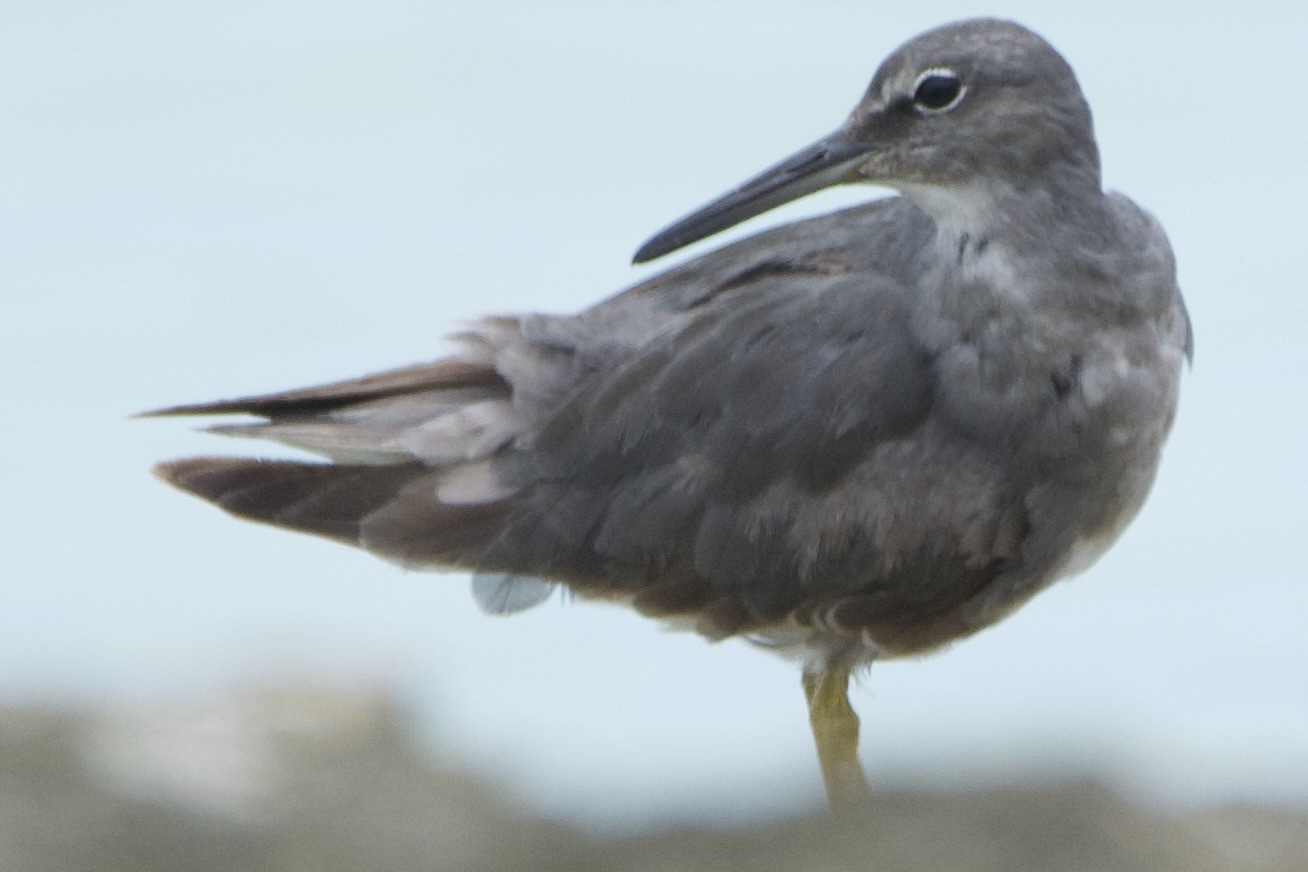
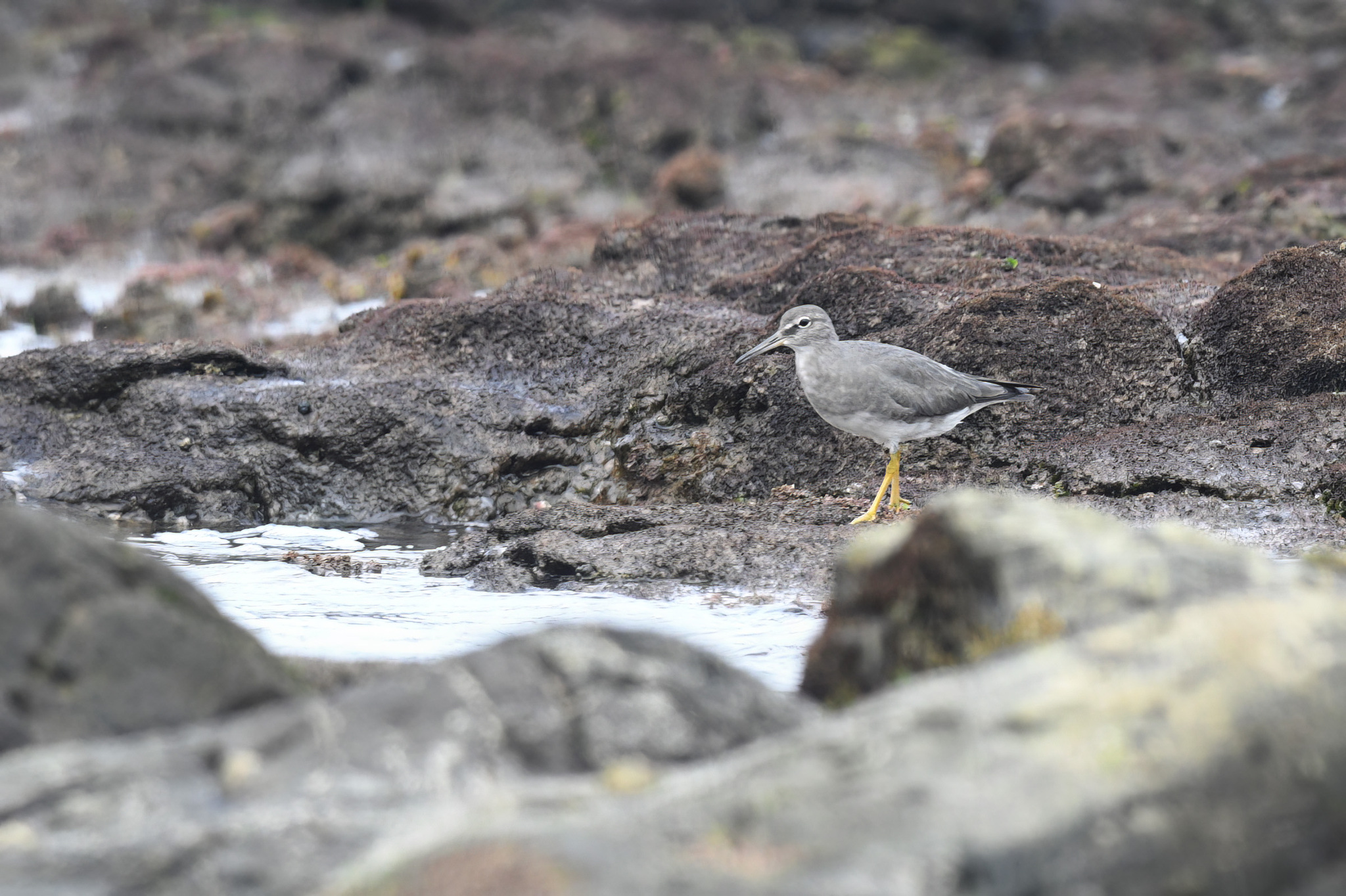
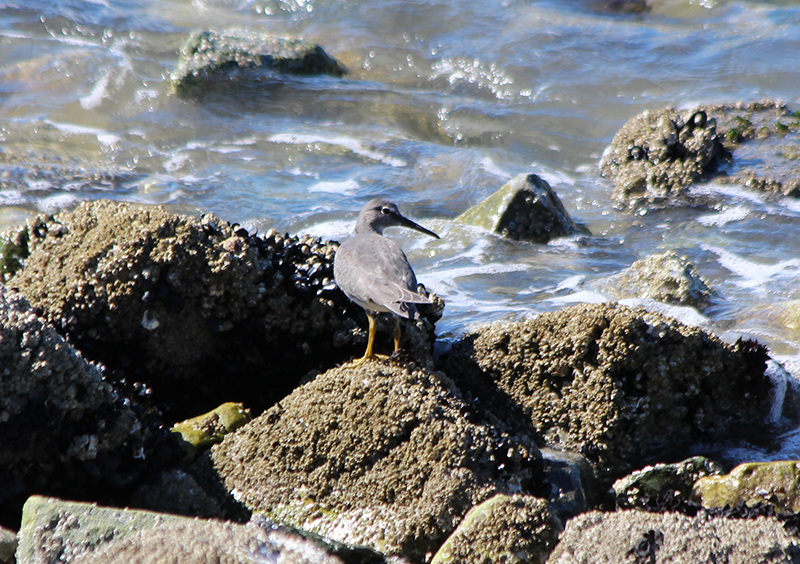
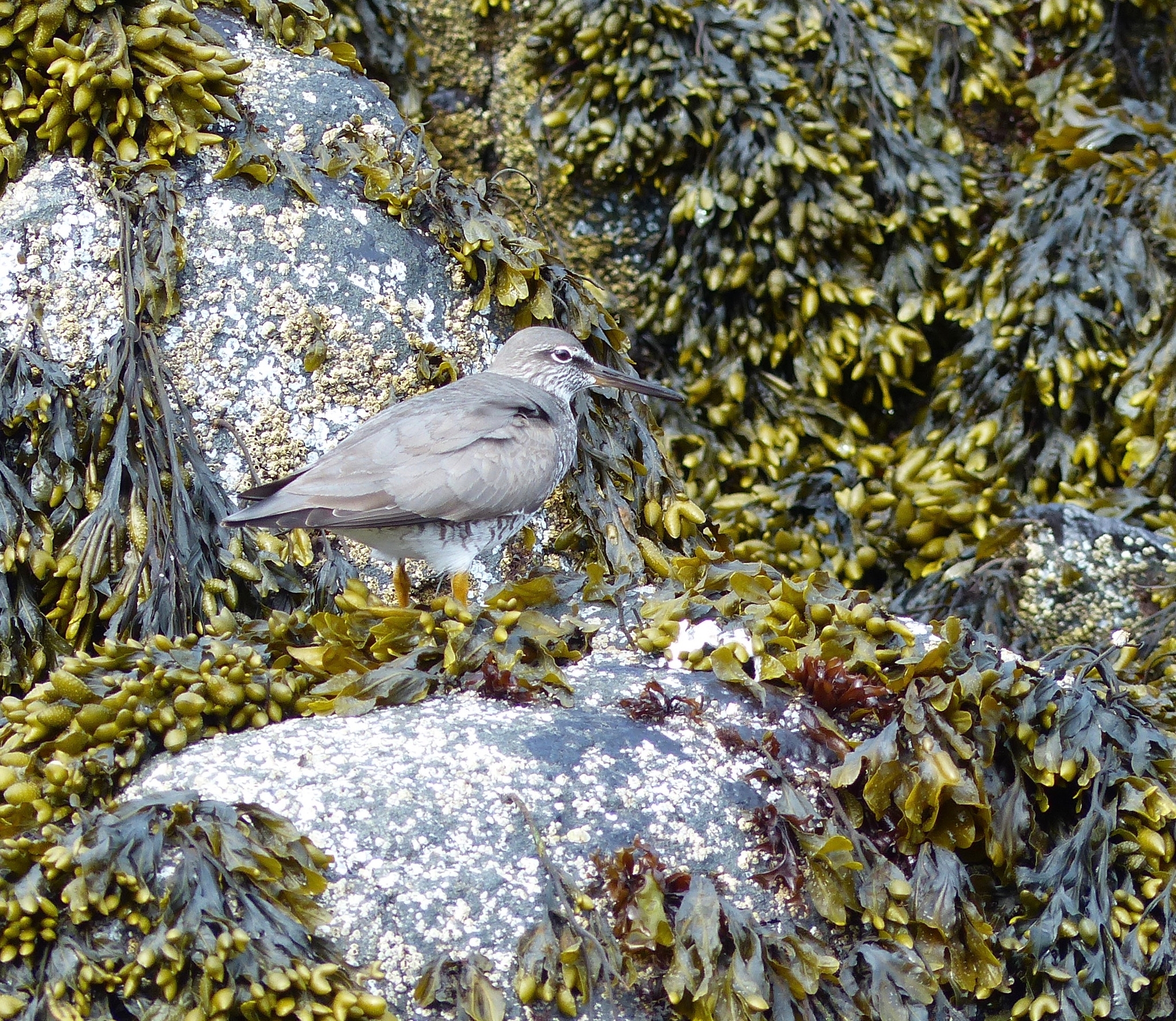
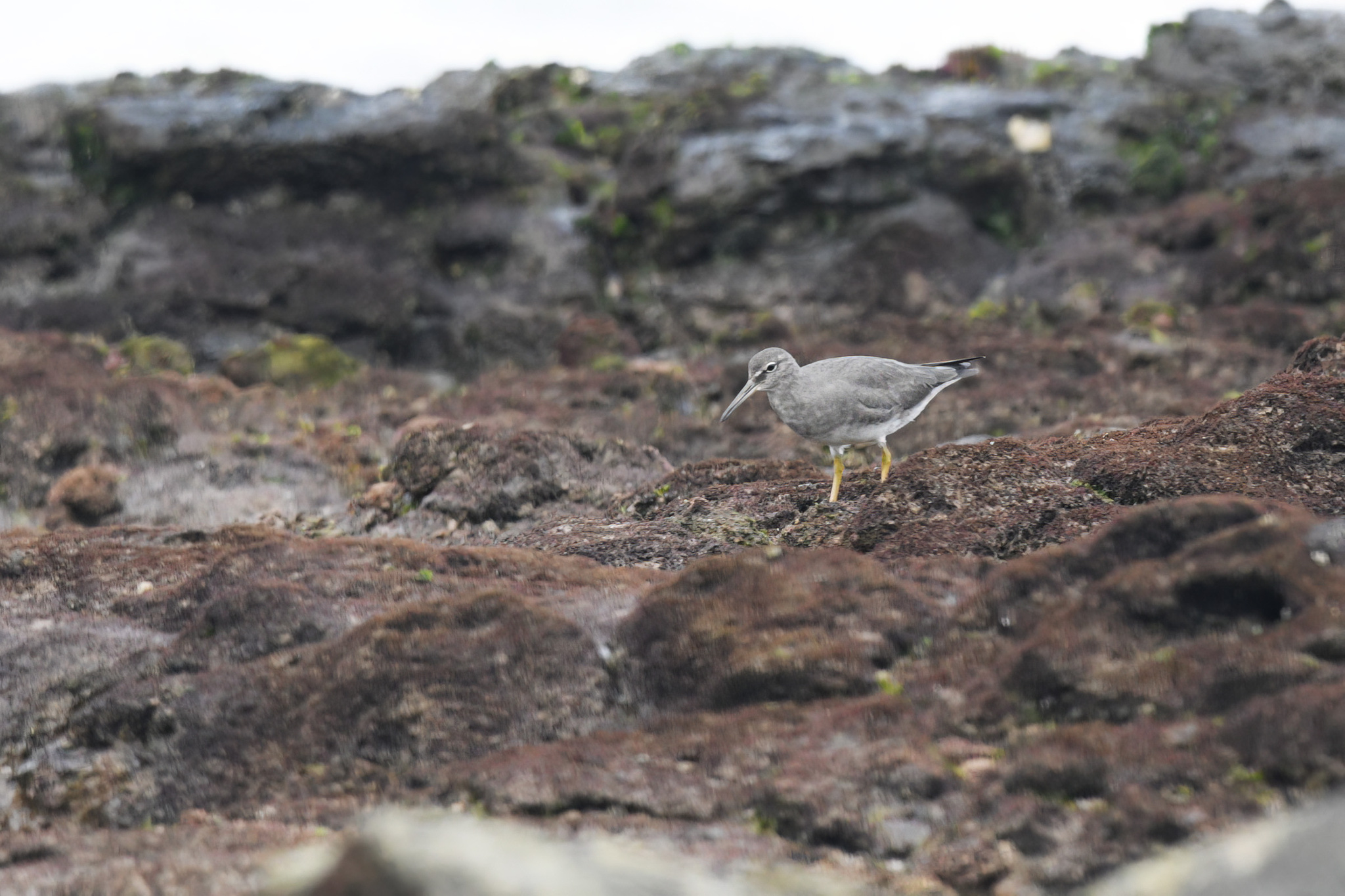
Stocky body with gray upperparts, underwings, face, and neck, contrasting with a white belly. Features short dark yellow legs and a dark gray bill. Length ranges from 26–30 cm, weight from 60–169 g, and wingspan from 50–55 cm. Adults in breeding plumage are heavily barred underneath. Vocalization is a rapid trill of accelerating, staccato notes consisting of three or four beats per call.
Identification
Very similar to the closely related gray-tailed tattler. Both species share unpatterned grayish wings and backs, and a scaly breast pattern extending onto the belly in breeding plumage with a prominent supercilium. The heavily barred underparts in breeding plumage are characteristic field marks.
Distribution & Habitat
Breeds in far-eastern Russia, Alaska, portions of the California coast, and northwestern Canada, where it nests in rocky areas along mountain streams. The female lays four olive-colored eggs in a shallow depression, with both parents sharing incubation and feeding duties. In the nonbreeding season, it inhabits rocky islands in the southwest Pacific and rocky Pacific coasts from California to South America and Australia, often seeking coastlines and isolated islands throughout the Pacific.
Behavior & Ecology
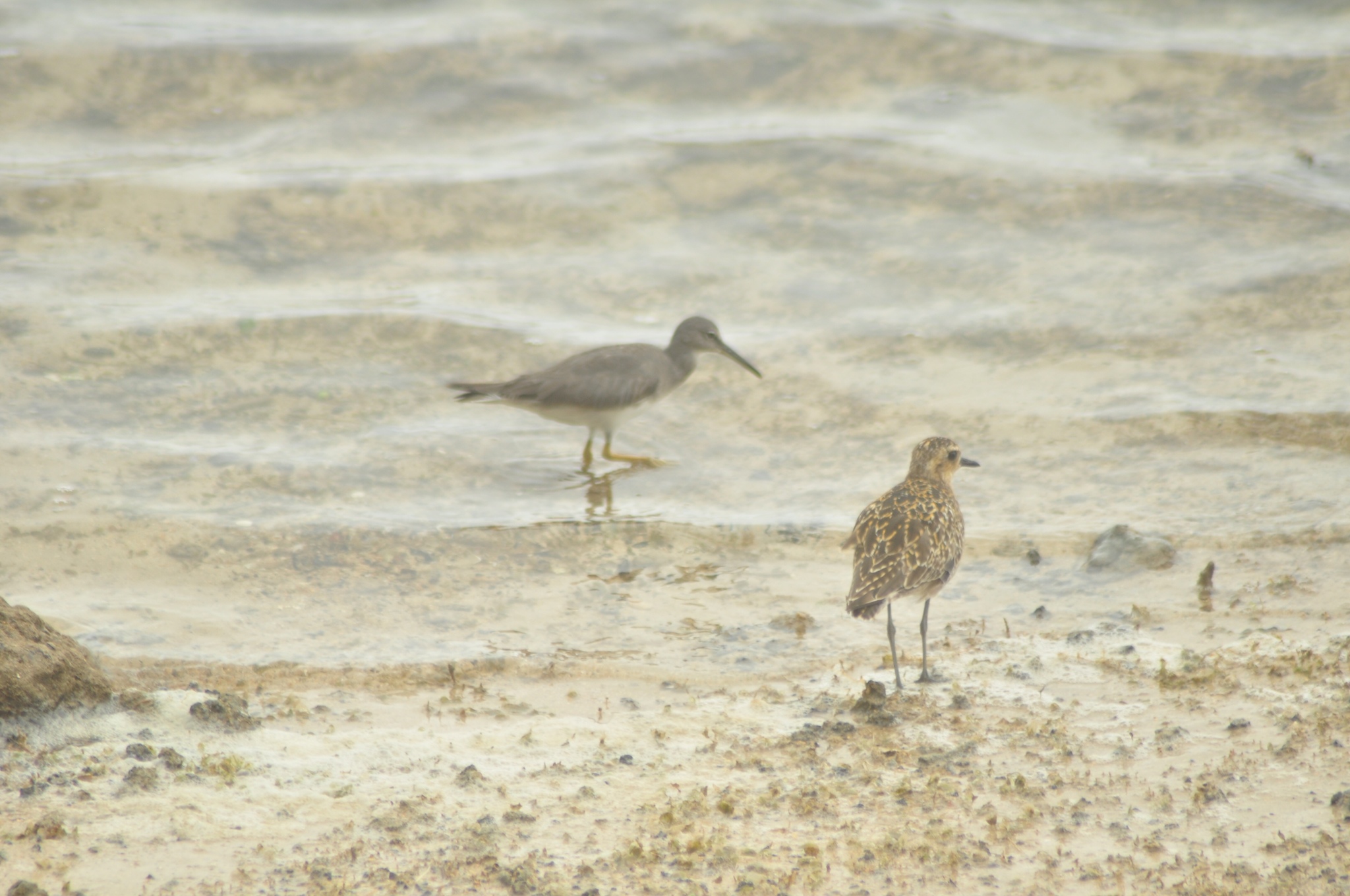
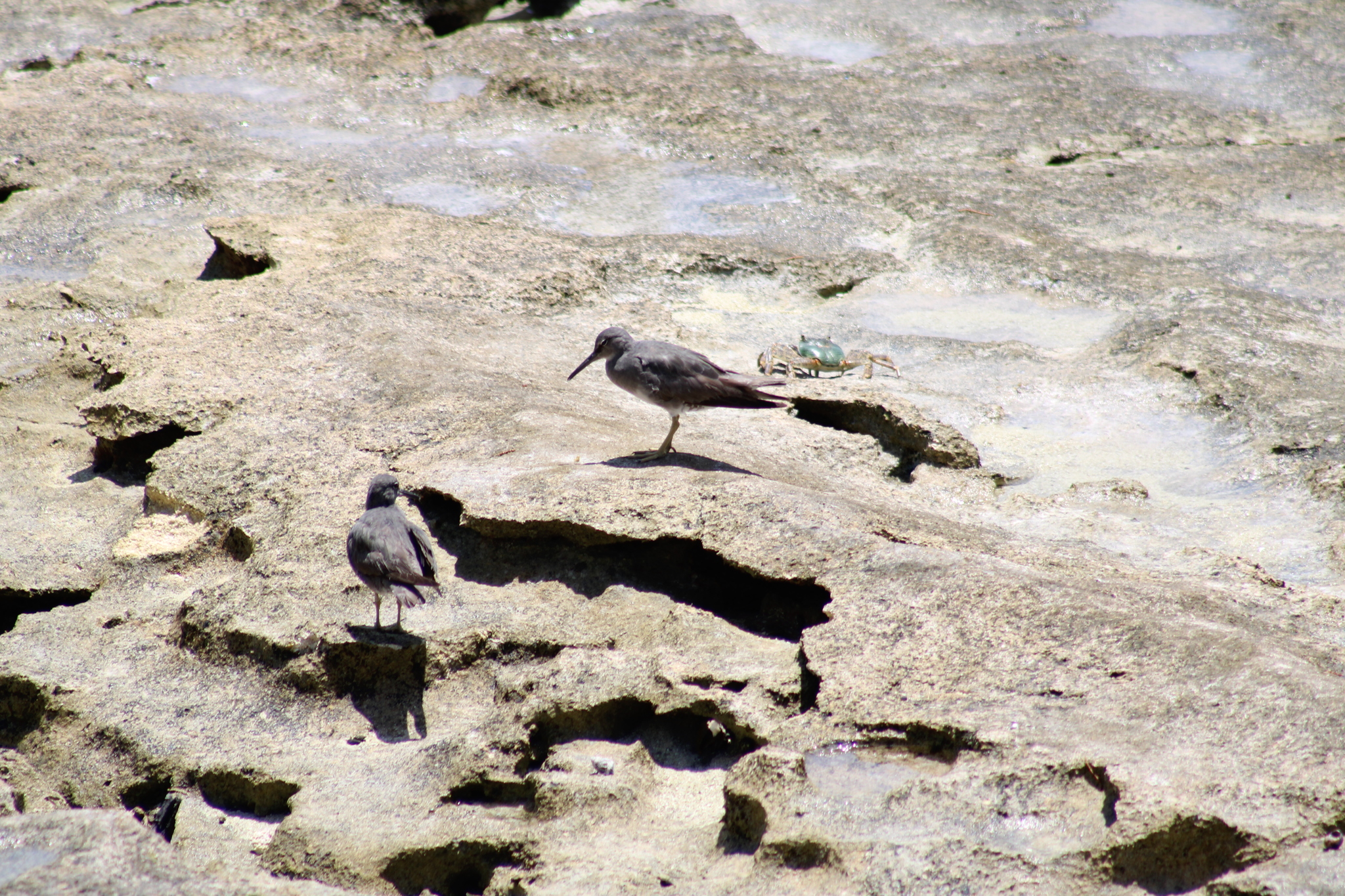
Feeds on aquatic invertebrates including crustaceans and marine worms, with insects added to the diet during breeding season. Forages actively while wading, making jerky bobbing movements and repeatedly returning to the same locations over short periods. Often observed flying low over rocky coastlines or along jetties.
Conservation
Not assessed in the provided article.
Culture
No cultural information provided in the article.
Source: Wikipedia · CC BY-SA 3.0
Taxonomy
- Order
- Charadriiformes
- Family
- Scolopacidae
- Genus
- Tringa
- eBird Code
- wantat1
Distribution
breeds montane tundra from Chukotka (northeastern Siberia) through Alaskan mainland (except far north) to northwestern Canada; winters mainly rocky Pacific coasts from eastern Australasia, Melanesia, Micronesia, Polynesia, isolated eastern Pacific islands, and southwestern Canada to Ecuador
Vocalizations
Data Sources
Species description from Wikipedia, licensed under CC BY-SA 3.0.
Bird images and sounds sourced from GBIF, contributed by citizen scientists worldwide under Creative Commons licenses.
Taxonomy data from AviList 2025.