Temminck's Tragopan
Tragopan temminckii
红腹角雉
Introduction
A medium-sized pheasant in the genus Tragopan, measuring approximately 64 cm in length. This species inhabits mountainous regions across far northeast India, central China, far northern Myanmar, and northwestern Tonkin. The diet consists primarily of berries, grass, and plants. Males display distinctive ornamental features including bare blue facial skin, an inflatable dark-blue lappet, and horns. The species has a wide distribution and occurs commonly throughout its extensive habitat range. It is evaluated as Least Concern on the IUCN Red List of Threatened Species.
Description
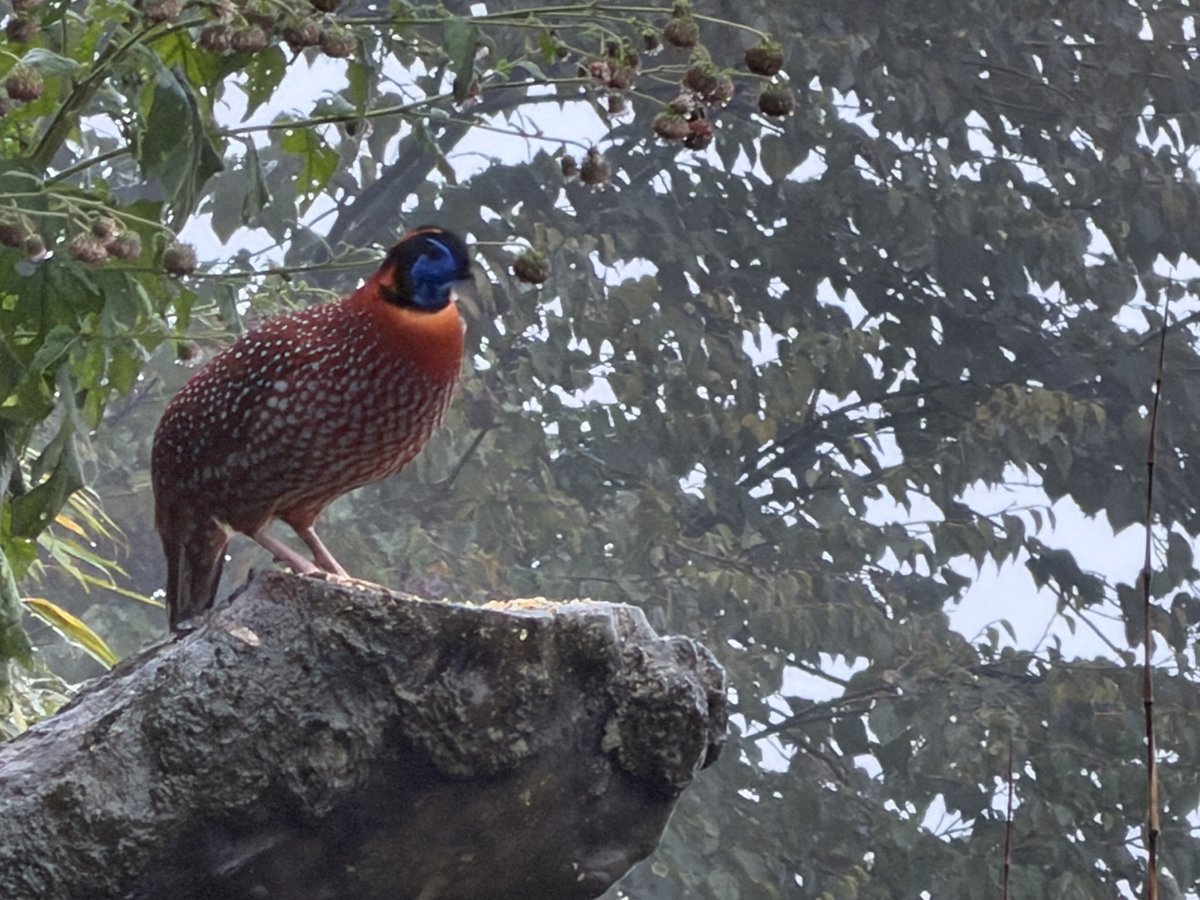
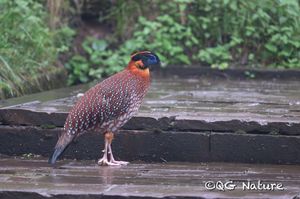
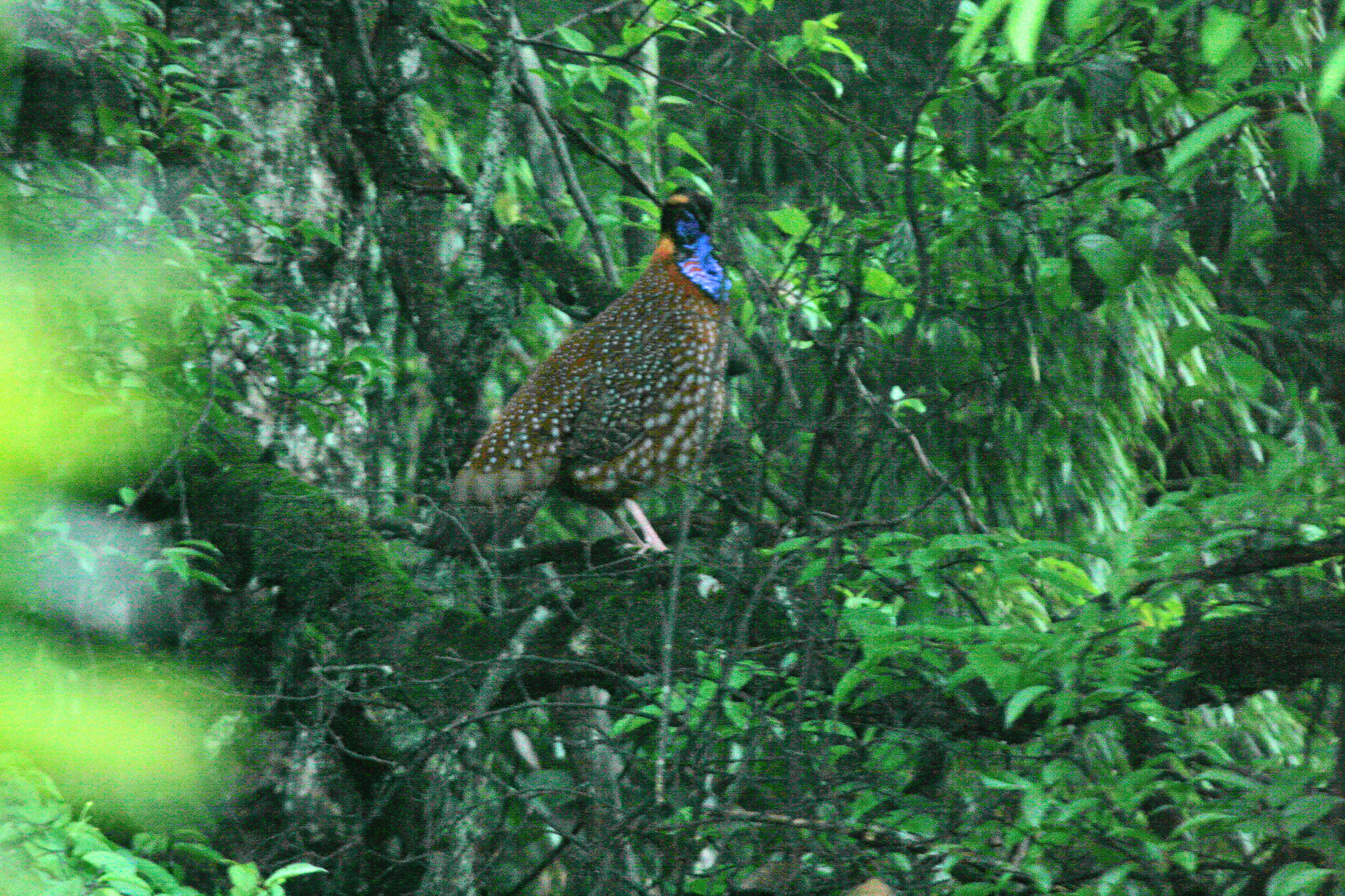
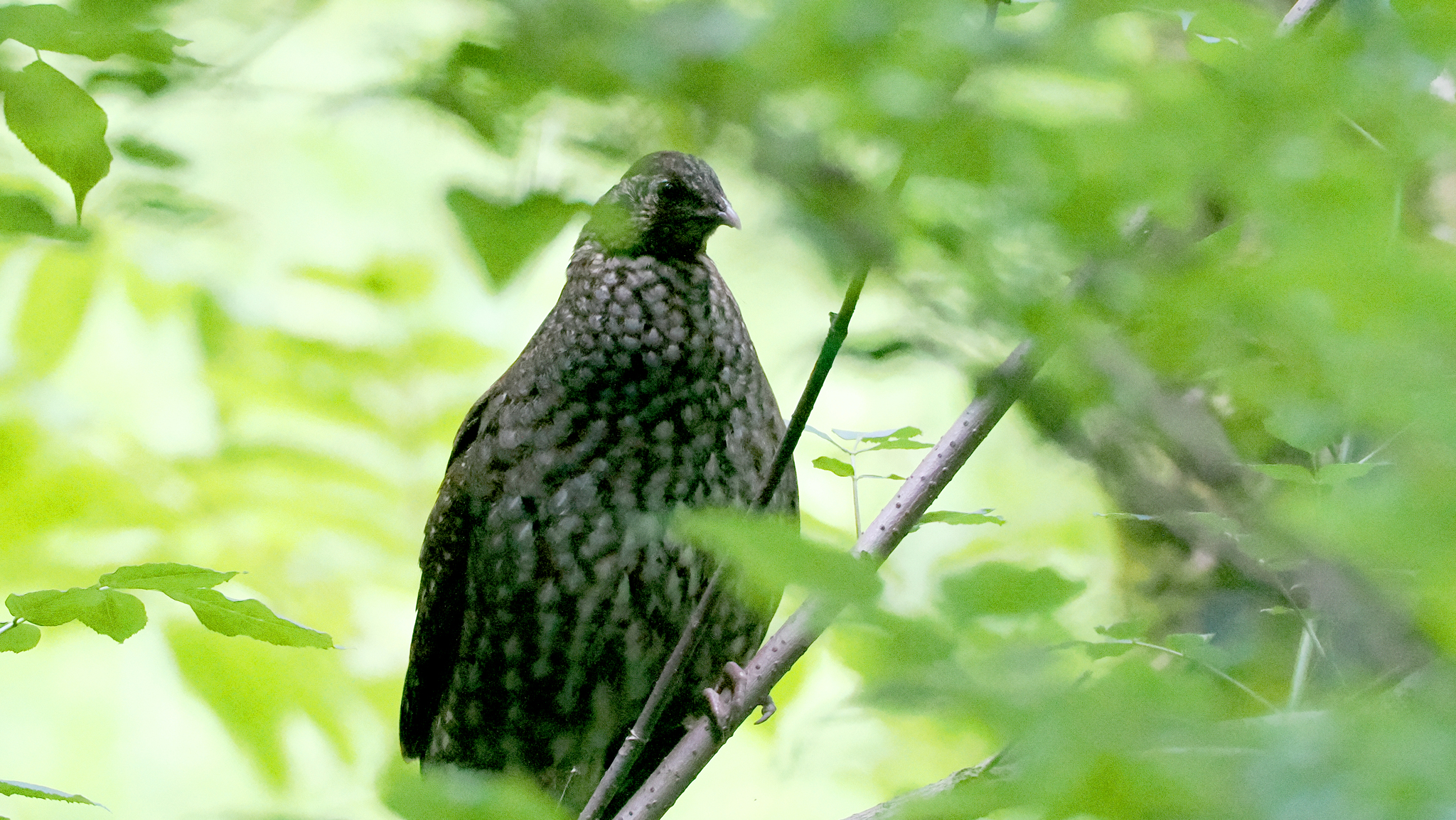
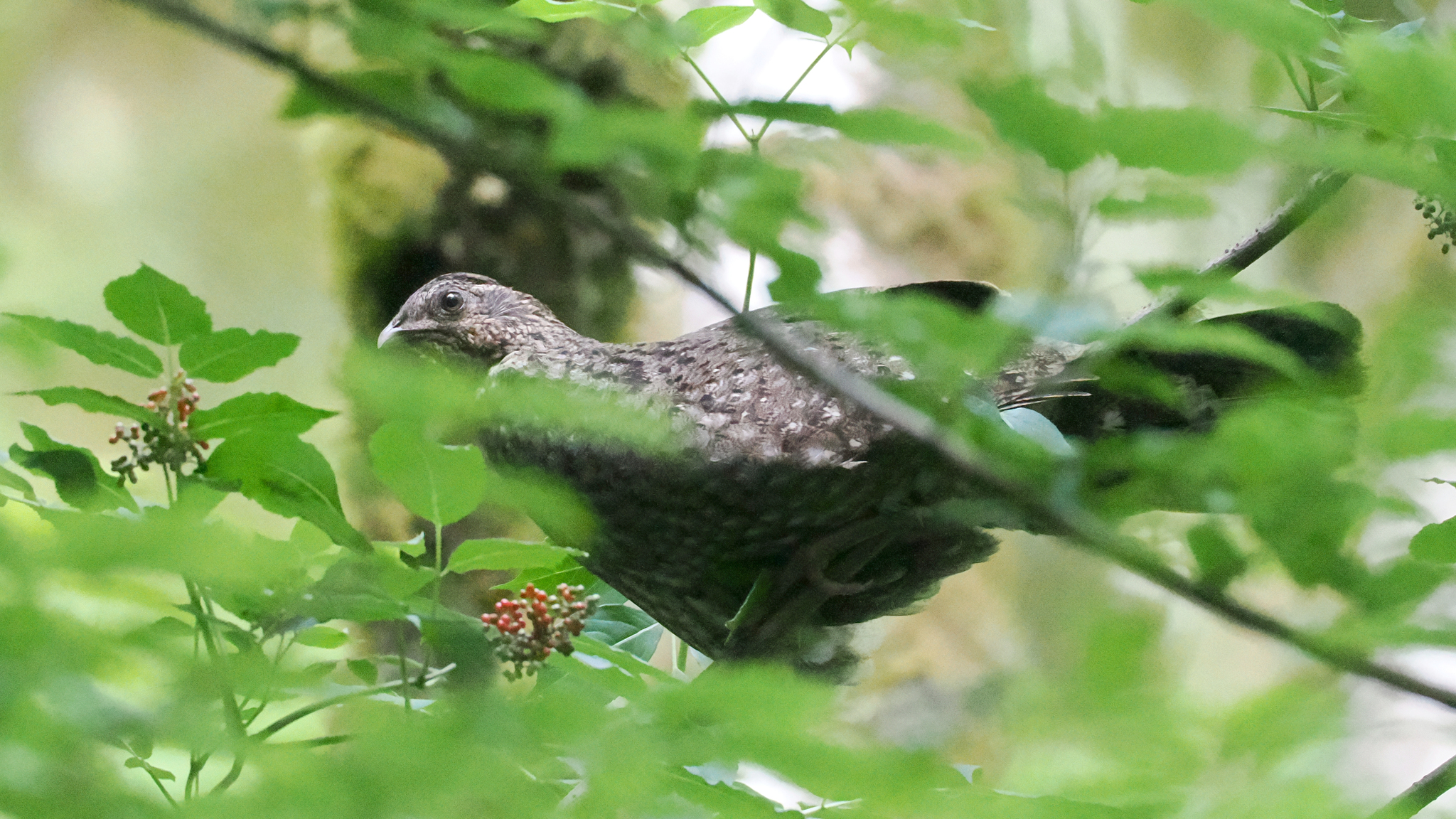
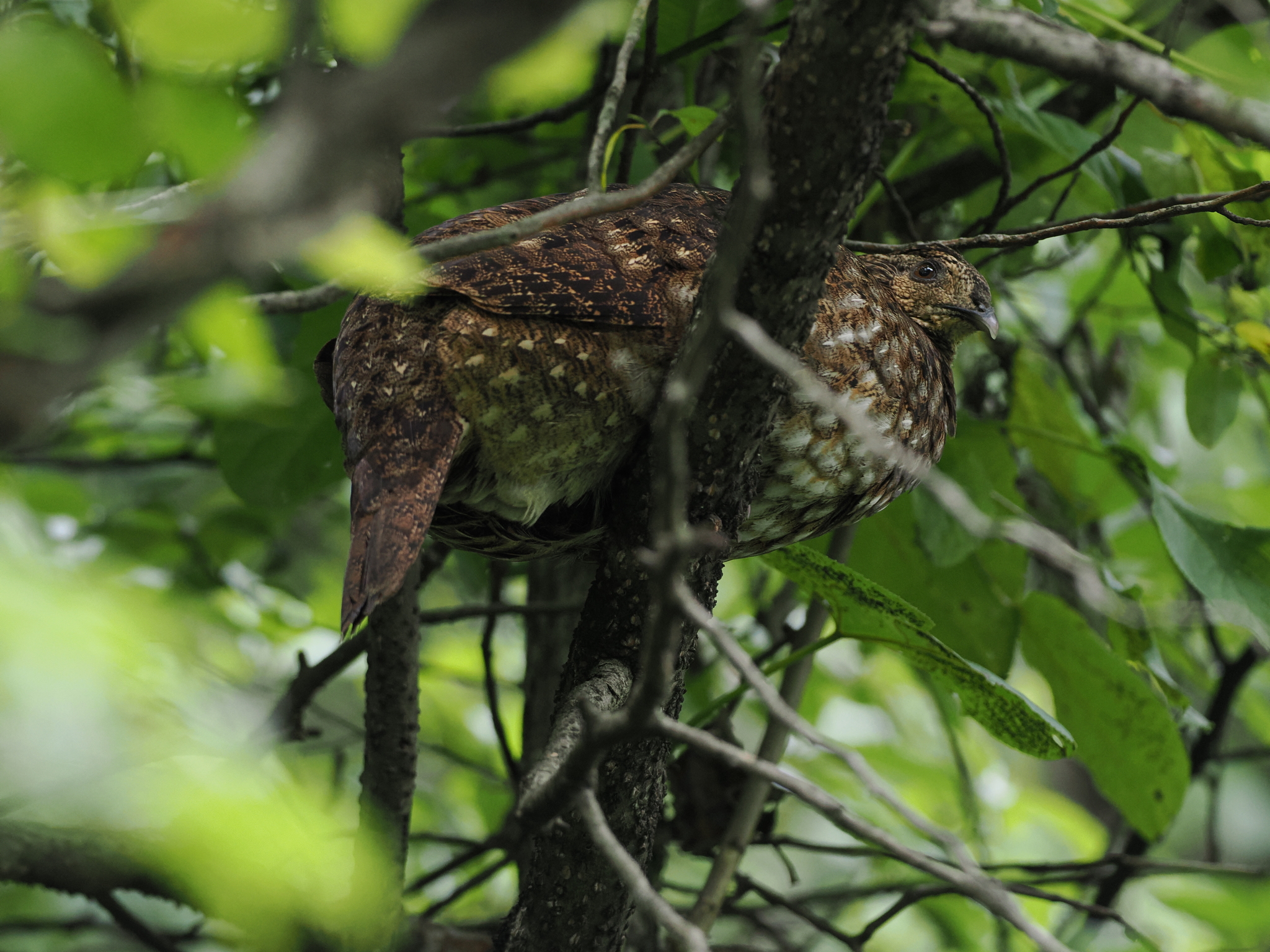
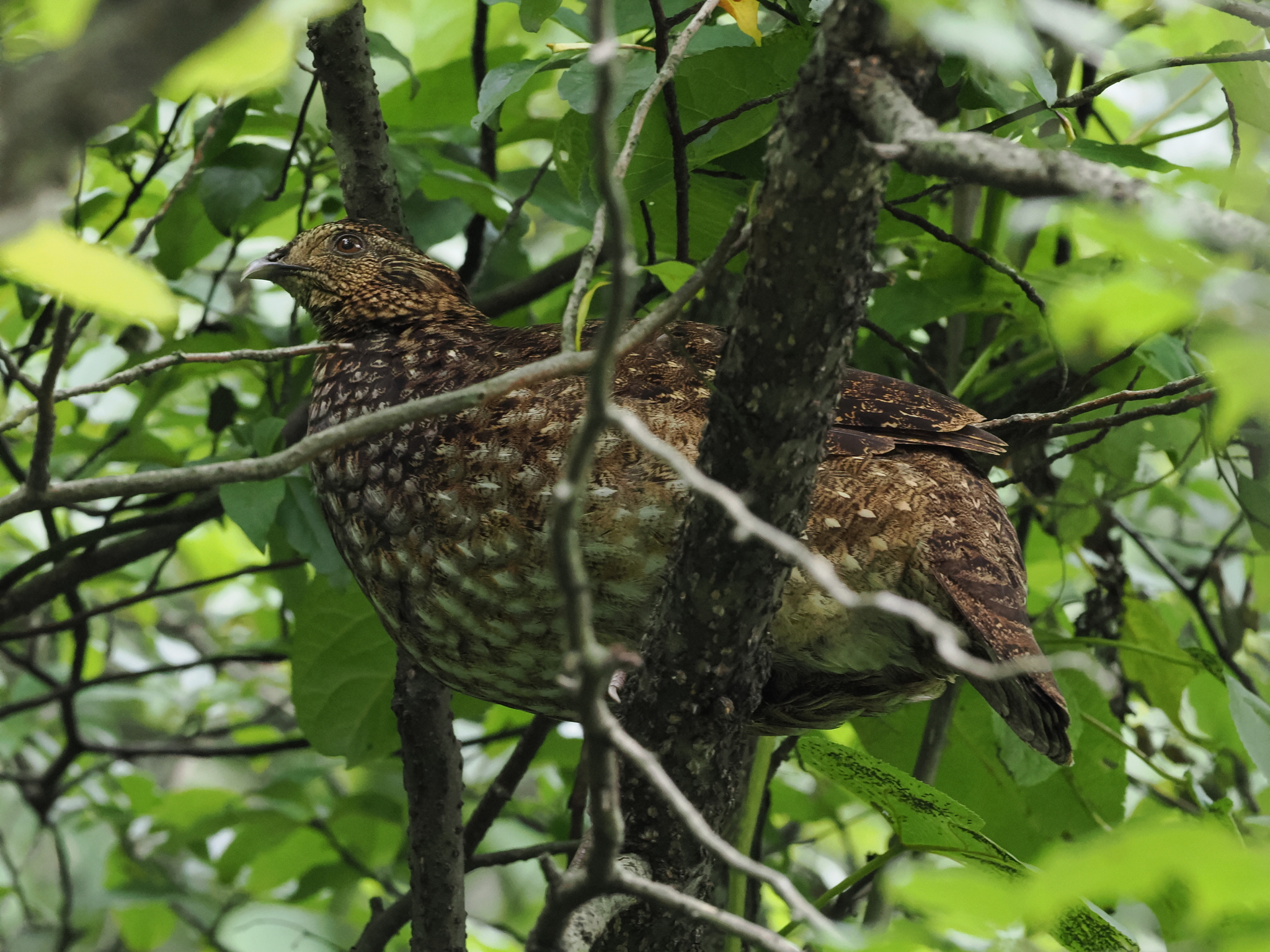
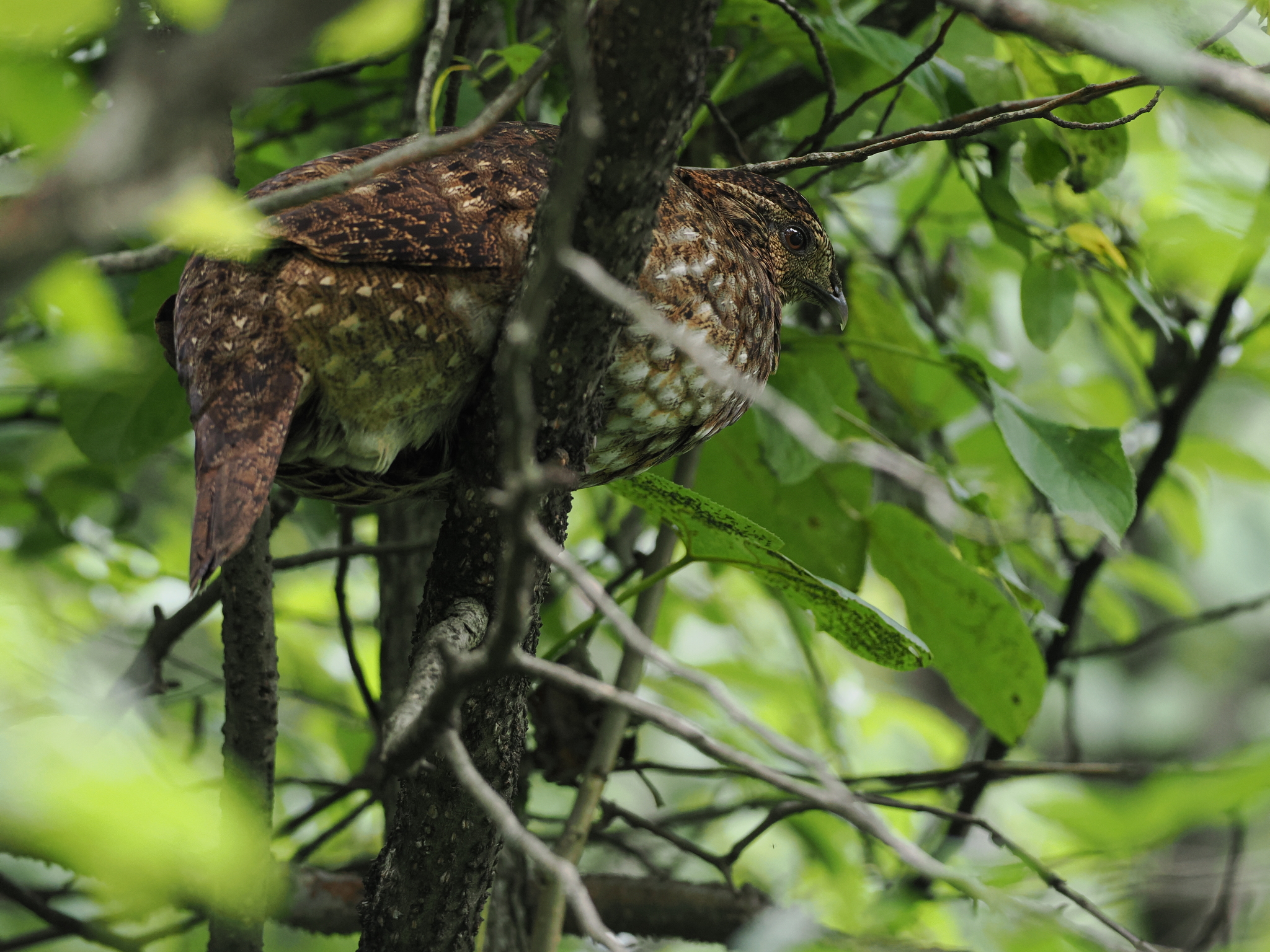
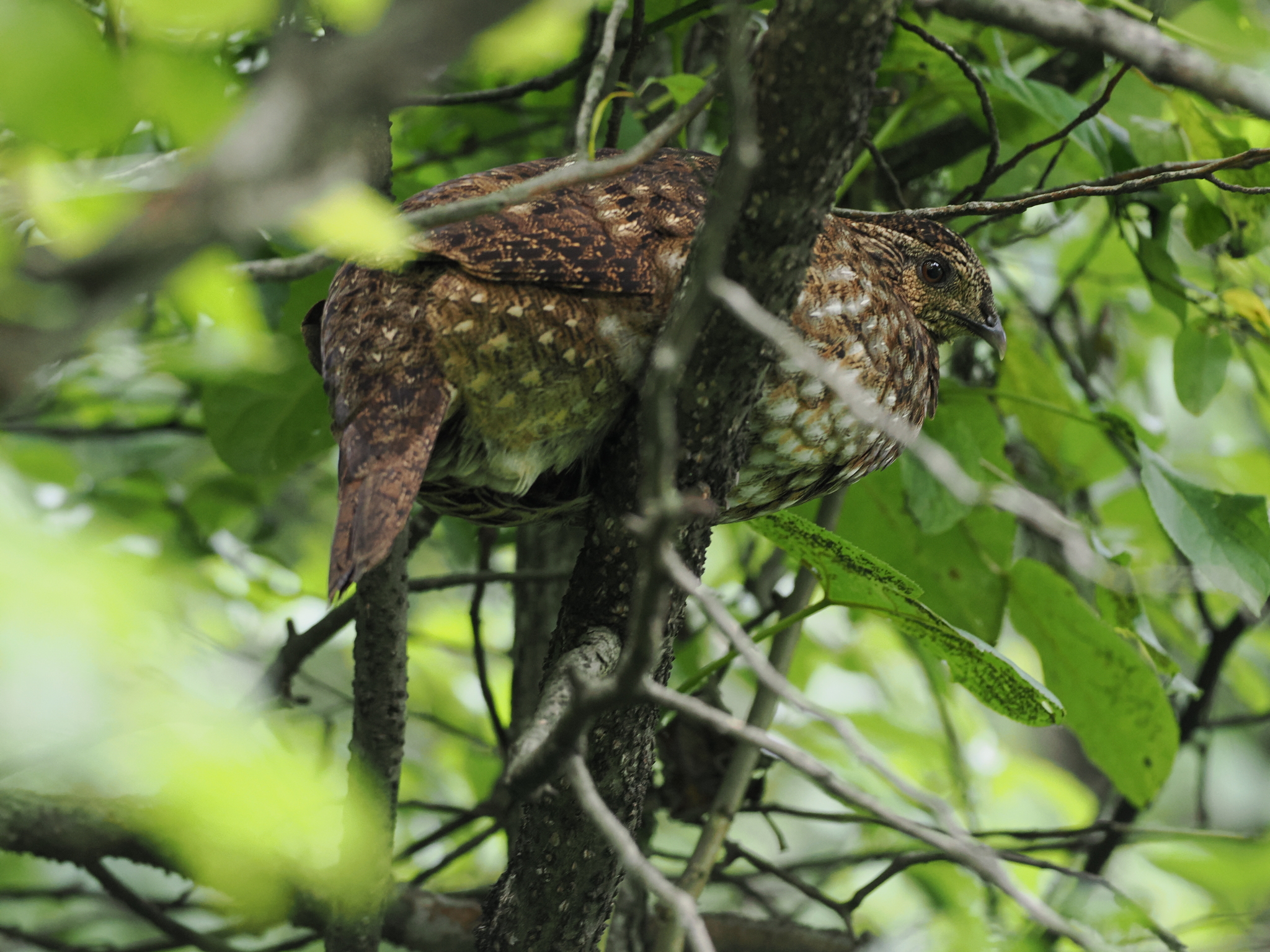
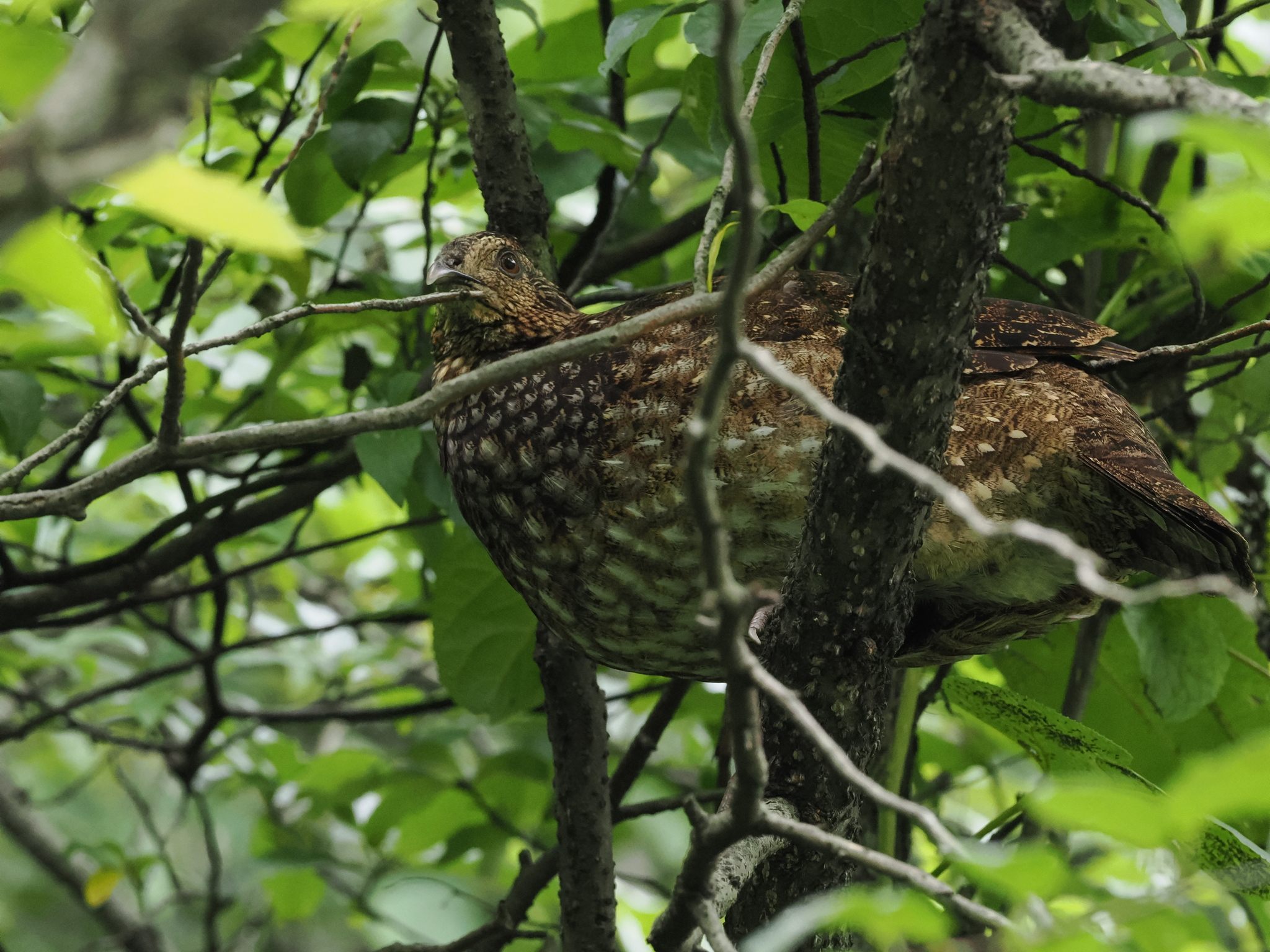
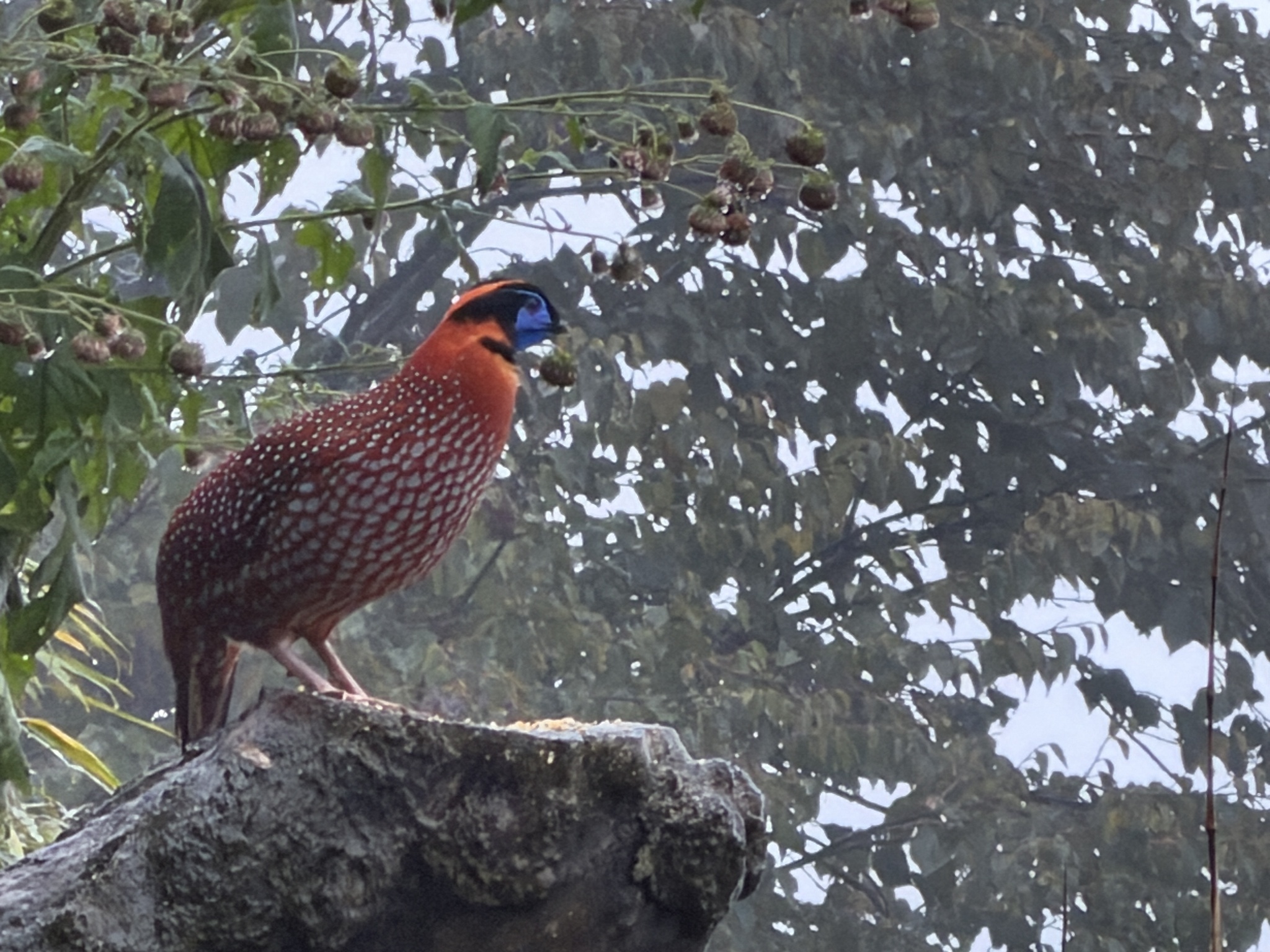
A stocky pheasant with pronounced sexual dimorphism. Males exhibit vibrant red-and-orange plumage with white spotting across the body, complemented by a black bill and pink legs. The male's most distinctive features are the bare blue facial skin and the inflatable dark-blue lappet and horns used in courtship displays. Females are predominantly brown with white spotting and possess distinctive blue circular skin around the eyes.
Identification
Very similar in appearance to the satyr tragopan but can be distinguished by its entirely red upperbody plumage and prominent orange collar, features not present in the satyr tragopan. The combination of red upperparts, orange collar, and blue facial ornaments serves as the key distinguishing characteristics for field identification.
Distribution & Habitat
Occurs across the mountainous regions of far northeast India, through central China, extending into far northern Myanmar and northwestern Tonkin. Inhabits montane forest and scrub habitats within these mountain ranges.
Behavior & Ecology
Forages primarily on the ground, consuming a diet of berries, grasses, and plant matter. Males perform elaborate courtship displays featuring the inflation of their dark-blue lappet and horns while showing their brightly colored facial skin. The extent of social behavior beyond breeding displays is not well documented in available sources.
Conservation
Classified as Least Concern on the IUCN Red List of Threatened Species. The species is described as widespread and common throughout its large habitat range, with no immediate conservation concerns identified based on current population assessments.
Culture
Both the common English name and the Latin binomial commemorate the Dutch naturalist Coenraad Jacob Temminck, who lived from 1778 to 1858. No additional cultural significance or folklore is documented in available sources.
Source: Wikipedia · CC BY-SA 3.0
Taxonomy
- Order
- Galliformes
- Family
- Phasianidae
- Genus
- Tragopan
- eBird Code
- temtra1
Distribution
hill and montane forest of northeastern India to central China (Zhejiang southward through Guangxi), northern Myanmar, and northwestern Tonkin
Data Sources
Species description from Wikipedia, licensed under CC BY-SA 3.0.
Bird images and sounds sourced from GBIF, contributed by citizen scientists worldwide under Creative Commons licenses.
Taxonomy data from AviList 2025.