
Chestnut-capped Babbler
Timalia pileata
红顶鹛
Introduction
A passerine bird of the family Timaliidae, monotypic within the genus Timalia. Native to Bangladesh, Cambodia, China, India, Indonesia, Laos, Myanmar, Nepal, Thailand, and Vietnam. Inhabits tall grass, reed beds, and shrublands. Feeds primarily on butterfly larvae, beetles, and other insects. The IUCN categorizes this species as Least Concern due to its large range and population, though numbers are declining from habitat destruction and fragmentation. The western limit of its distribution is the Sukla Phanta Wildlife Reserve in Nepal.
Description
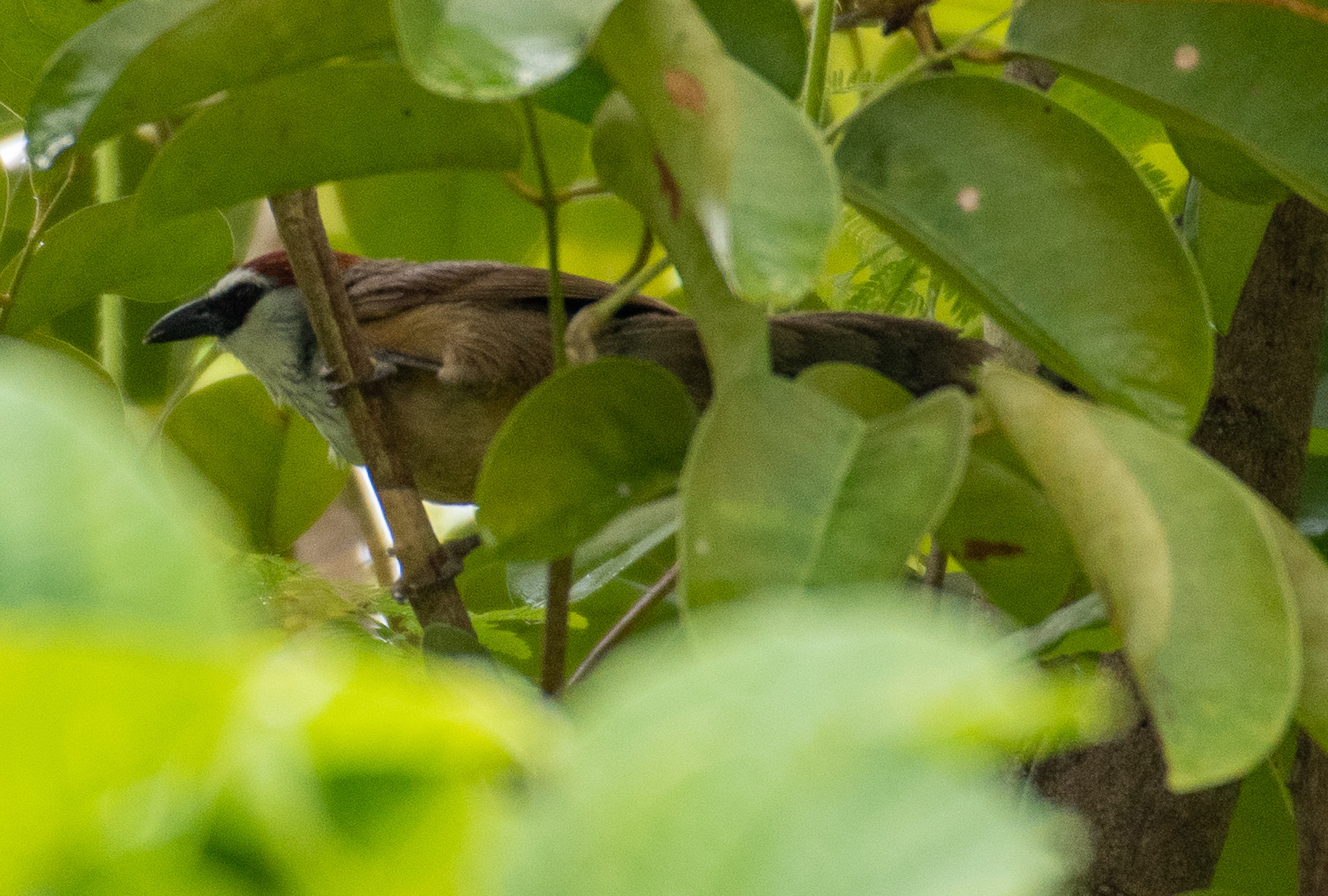
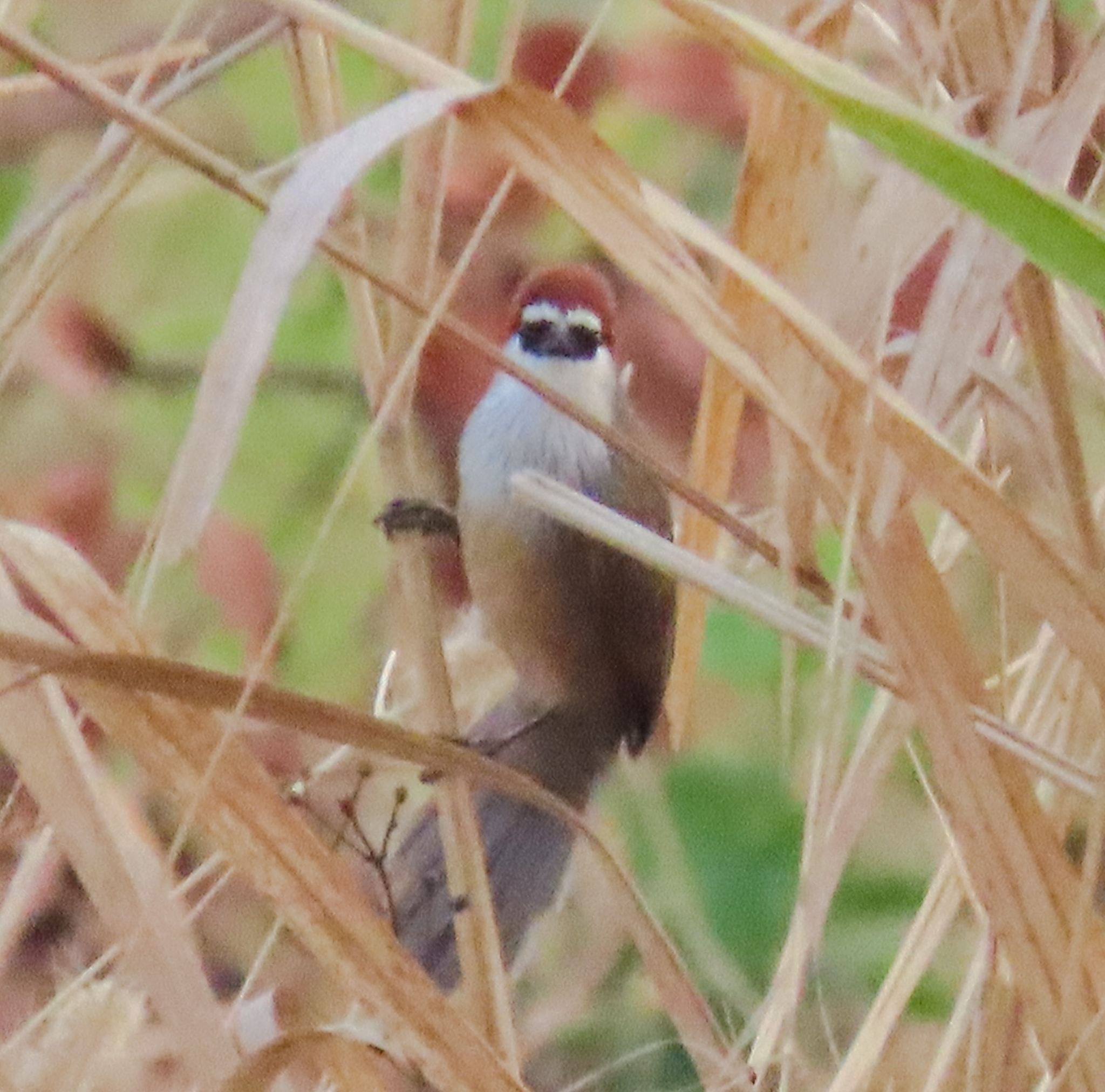
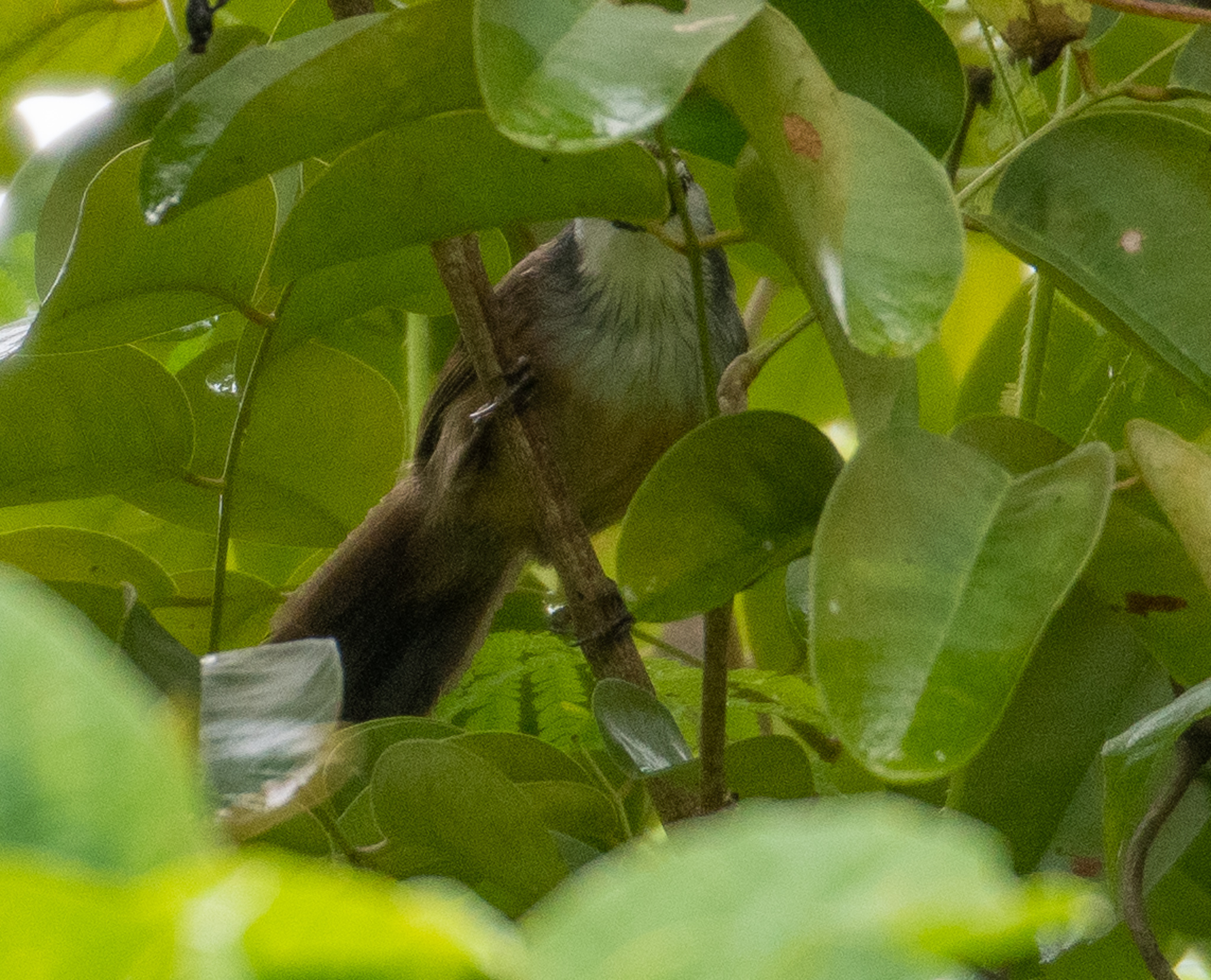
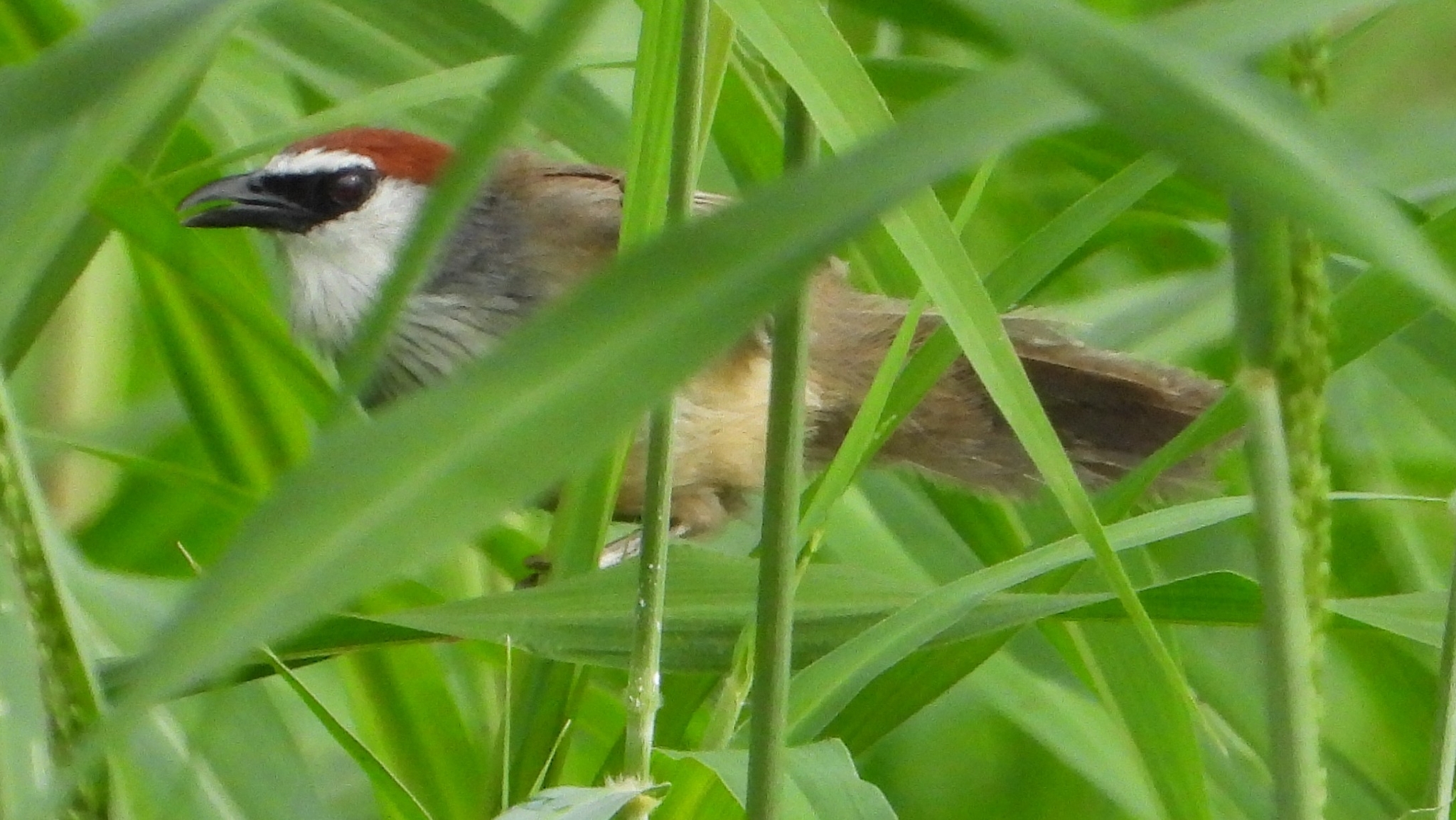
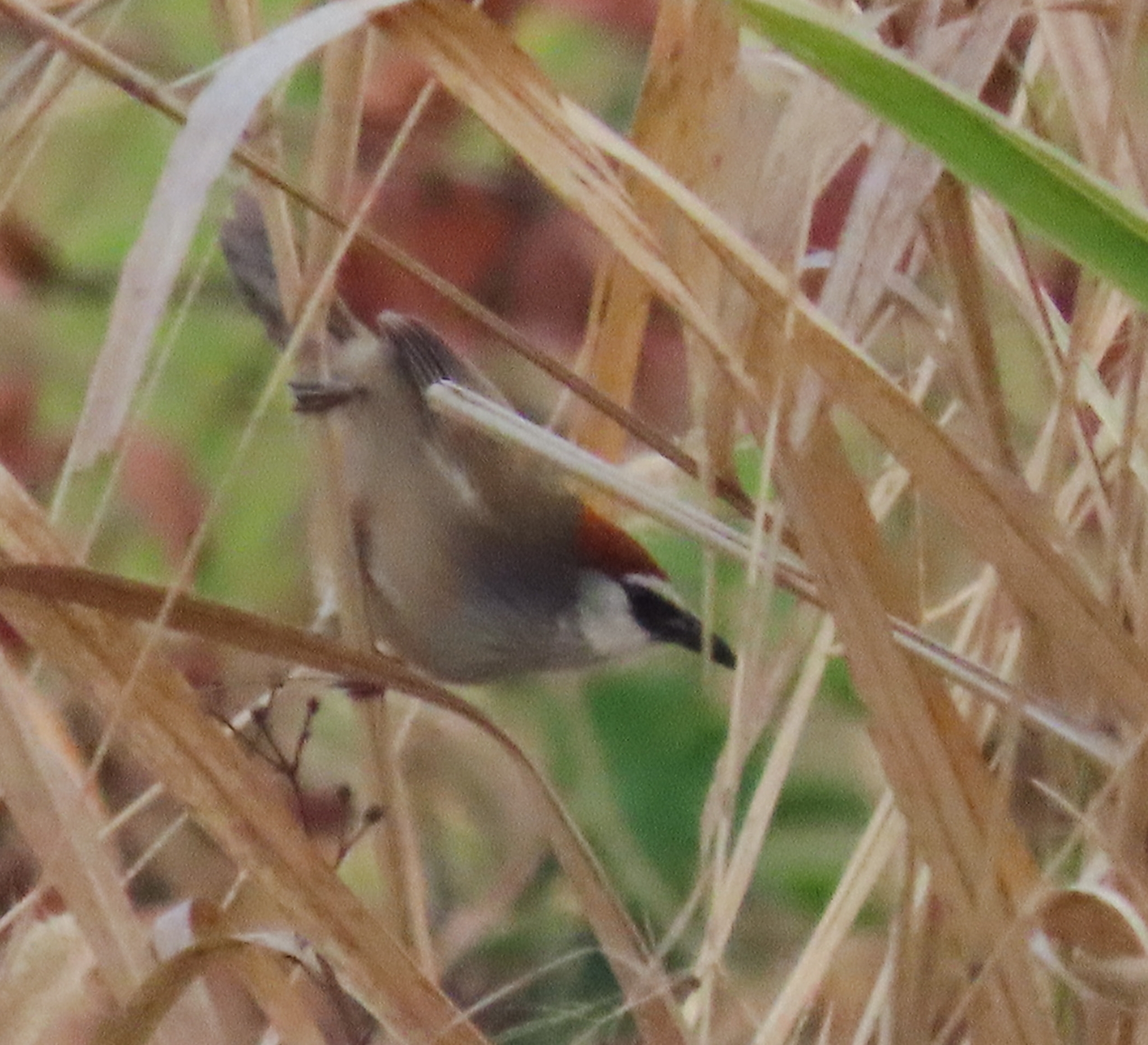
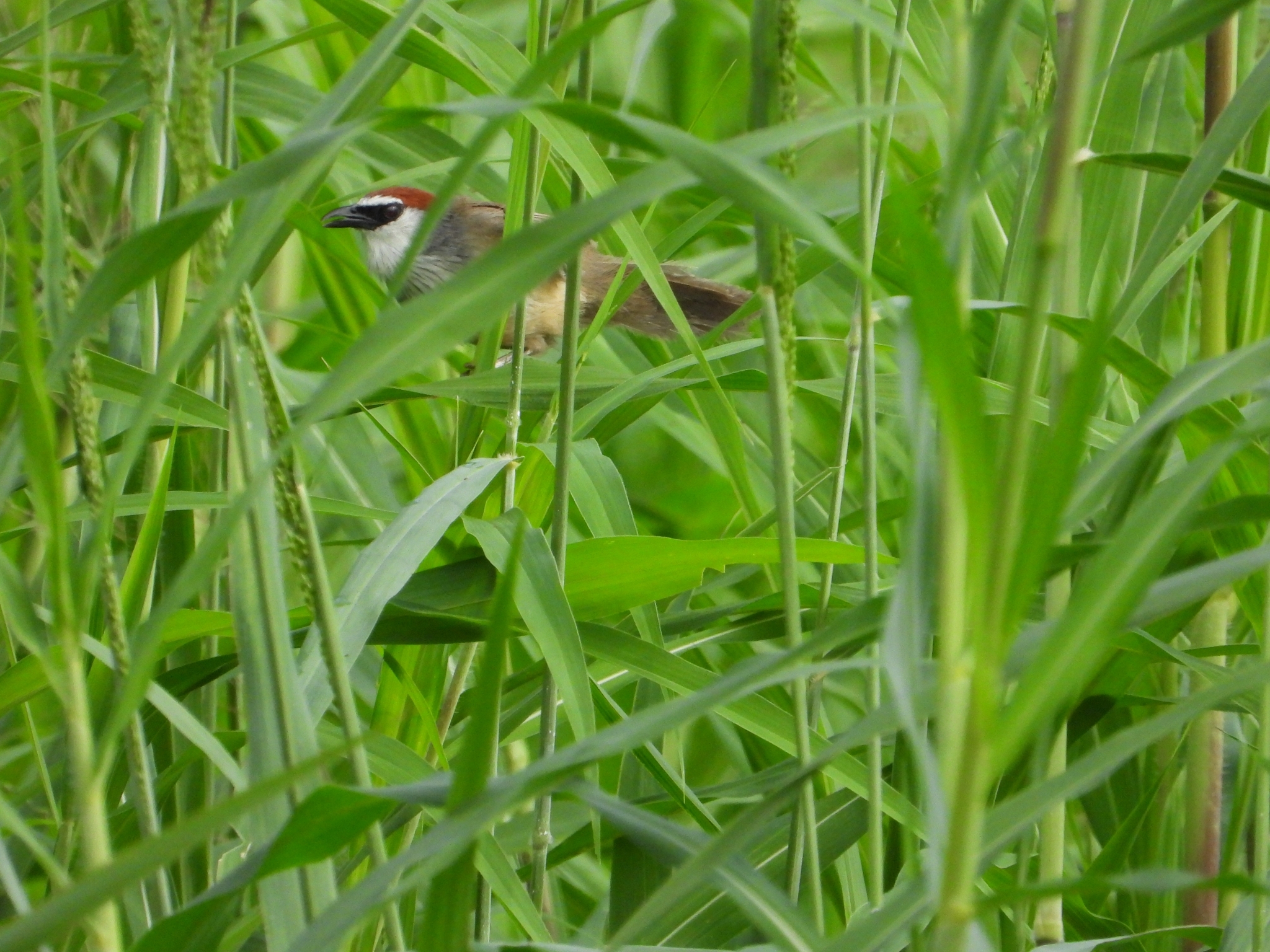
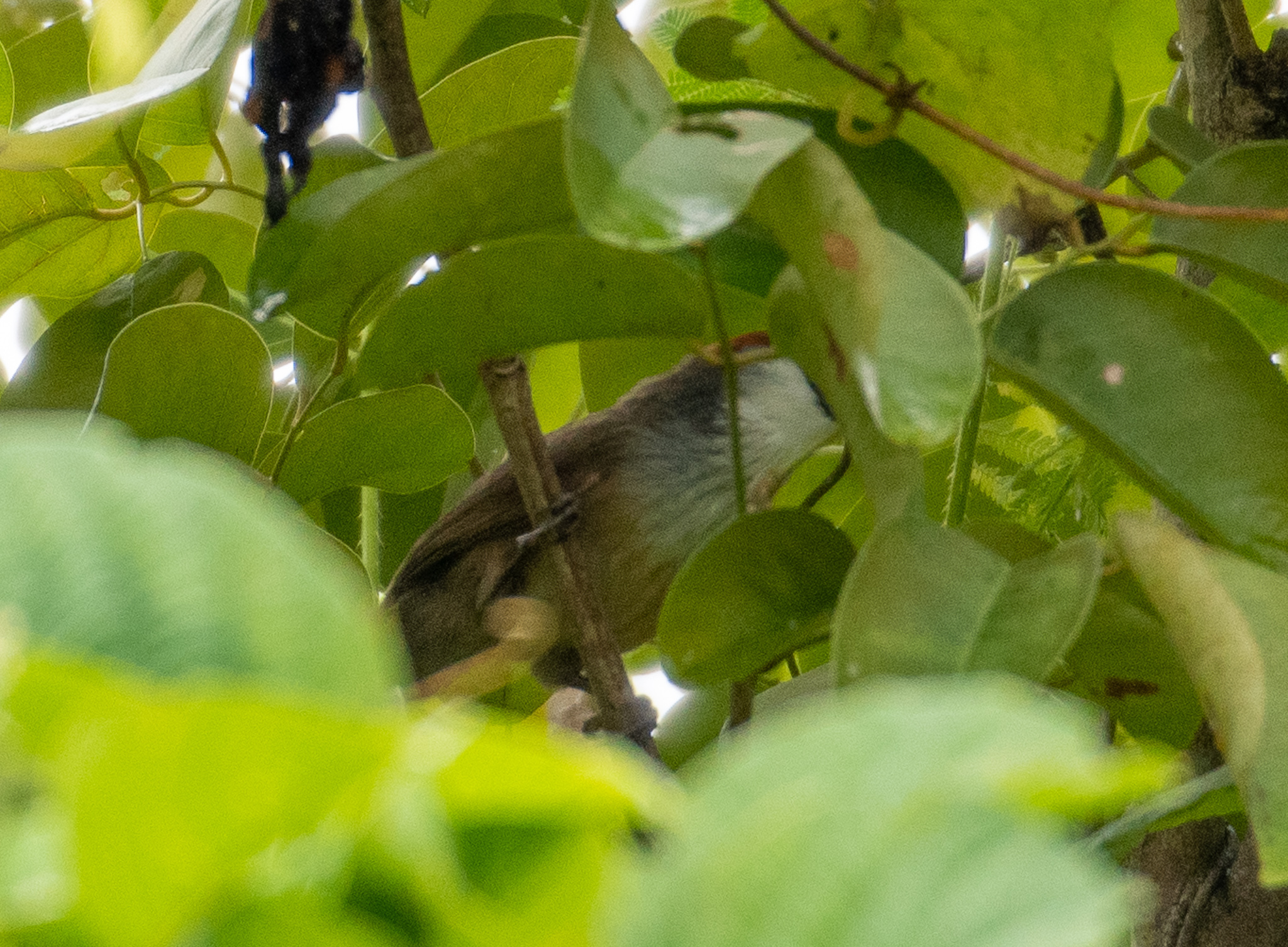
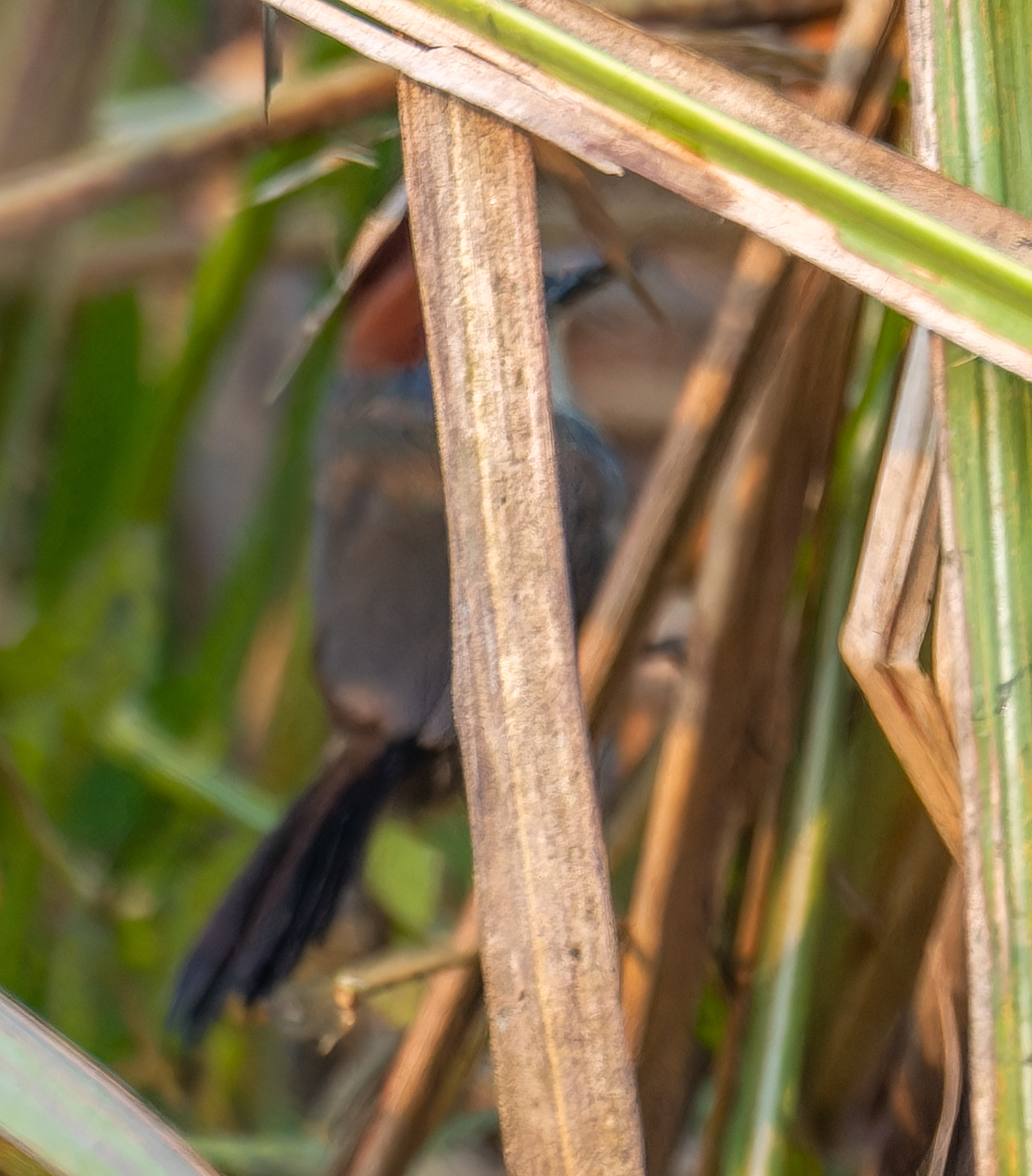
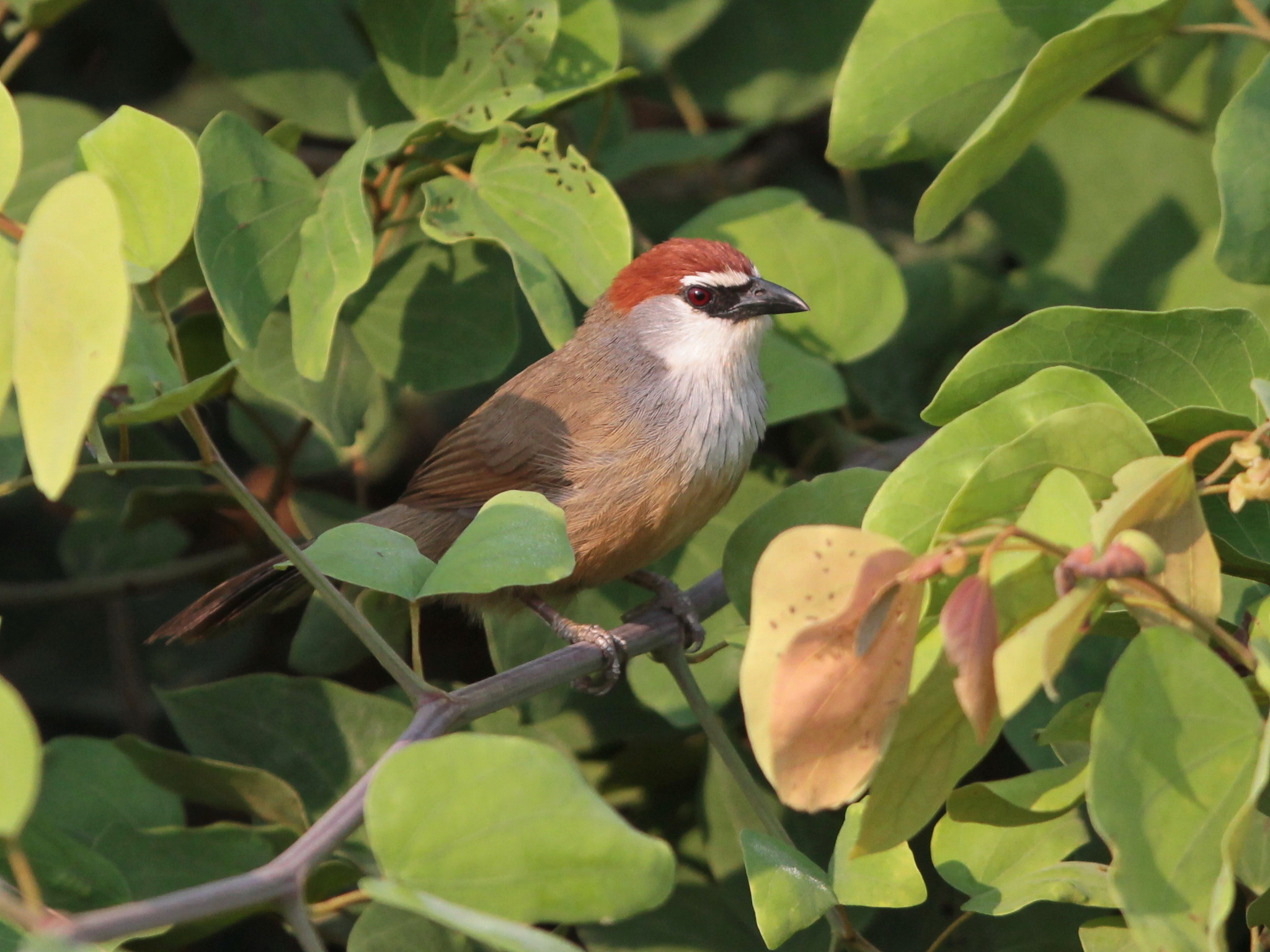
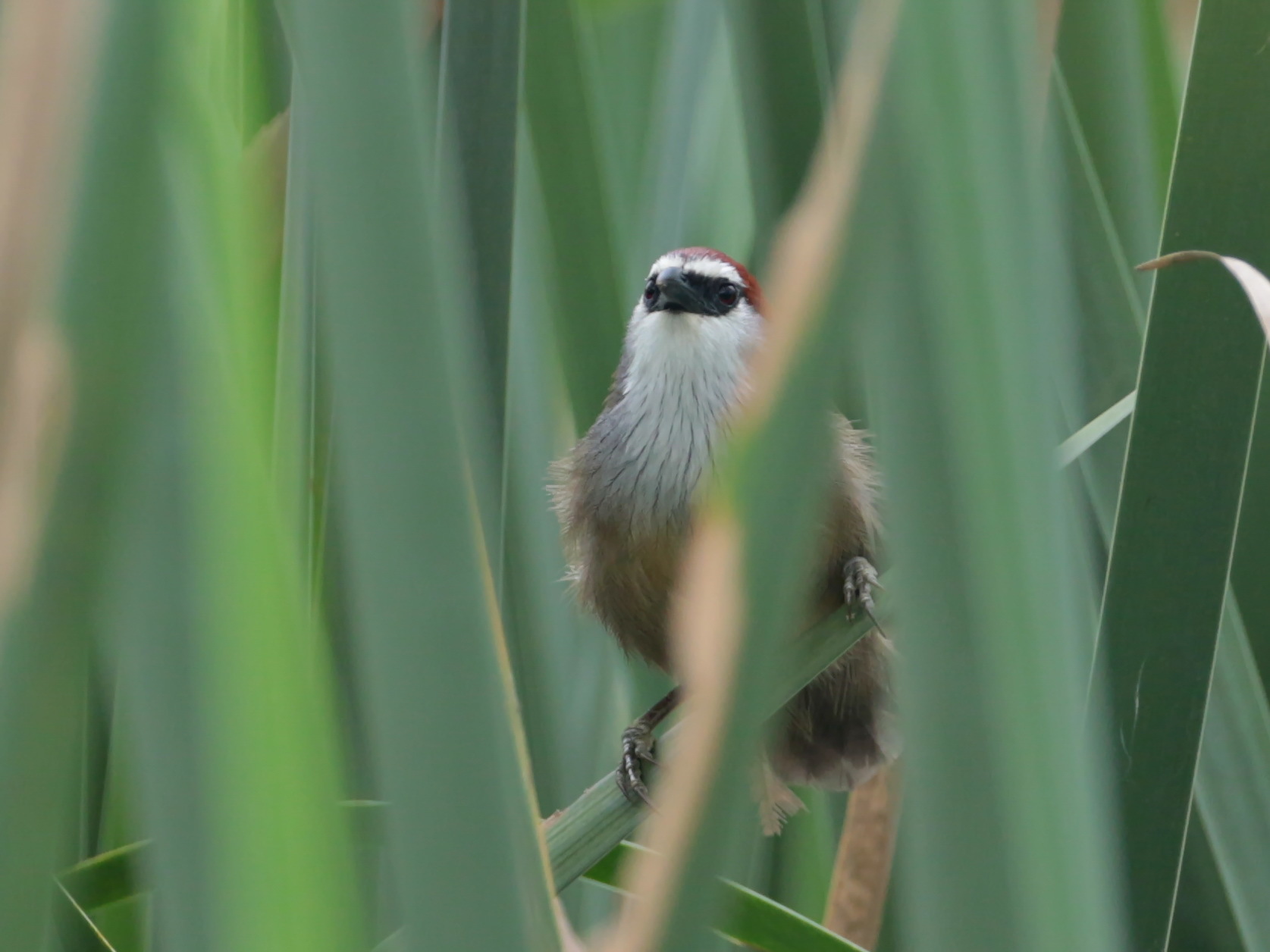
A medium-sized babbler measuring 15.5-17 cm in length with a relatively long, wedge-shaped tail and a thick, black bill. The plumage is unmarked brown overall. The head displays distinctive markings: a chestnut-colored crown, a black eye mask, white forehead, and a prominent white eyebrow line. The combination of these head markings against the unbarred brown plumage creates a recognizable profile.
Distribution & Habitat
Occurs across Southeast Asia including Bangladesh, Cambodia, China, India, Indonesia, Laos, Myanmar, Nepal, Thailand, and Vietnam. Inhabits tall grassland, reed beds, and shrubland environments throughout its range. The western limit extends to the Sukla Phanta Wildlife Reserve in Nepal. No significant migratory movements are documented for this species.
Behavior & Ecology
Forages in dense vegetation for insect prey including butterfly larvae and beetles. Breeding season varies by region: February to October in India and April to September in Southeast Asia. The species likely produces multiple clutches per breeding season. Information on vocalizations and social behavior beyond breeding is limited.
Conservation
The IUCN Red List categorizes this species as Least Concern. While it maintains a large range and population size, numbers are experiencing a declining trend due to ongoing habitat destruction and fragmentation. The global population has not been estimated, though locally it ranges from common to uncommon depending on habitat quality and availability.
Source: Wikipedia · CC BY-SA 3.0
Taxonomy
- Order
- Passeriformes
- Family
- Timaliidae
- Genus
- Timalia
- eBird Code
- chcbab1
Subspecies (6)
-
Timalia pileata bengalensis
submontane Himalayas (Nepal to Assam and northwestern Myanmar)
-
Timalia pileata dictator
eastern and southeastern Thailand to southern Indochina
-
Timalia pileata intermedia
central and southern Myanmar to southwestern Thailand
-
Timalia pileata patriciae
western portion of central plains of Thailand
-
Timalia pileata pileata
Java
-
Timalia pileata smithi
northern Myanmar to southern China, northern Thailand, and northern Indochina
Data Sources
Species description from Wikipedia, licensed under CC BY-SA 3.0.
Bird images and sounds sourced from GBIF, contributed by citizen scientists worldwide under Creative Commons licenses.
Taxonomy data from AviList 2025.