Sandwich Tern
Thalasseus sandvicensis
白嘴端凤头燕鸥
Introduction
Species in the genus Thalasseus, family Laridae. Breeds in the Palearctic from Europe to the Caspian Sea, and winters in the Mediterranean and on the coasts of Africa, India, and Sri Lanka. Nests in very dense ground scrapes on coasts and islands, occasionally inland on large freshwater lakes near the coast. Classified as Least Concern with an estimated global population of 460,000–500,000 individuals and extensive range of 100,000–1,000,000 km². Highly vulnerable to highly pathogenic avian influenza outbreaks, with mass mortality recorded in northwestern European colonies in 2022.
Description
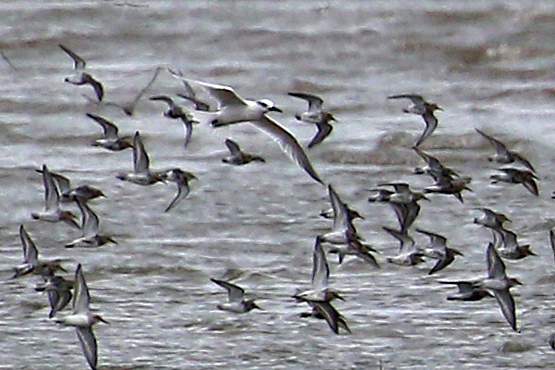
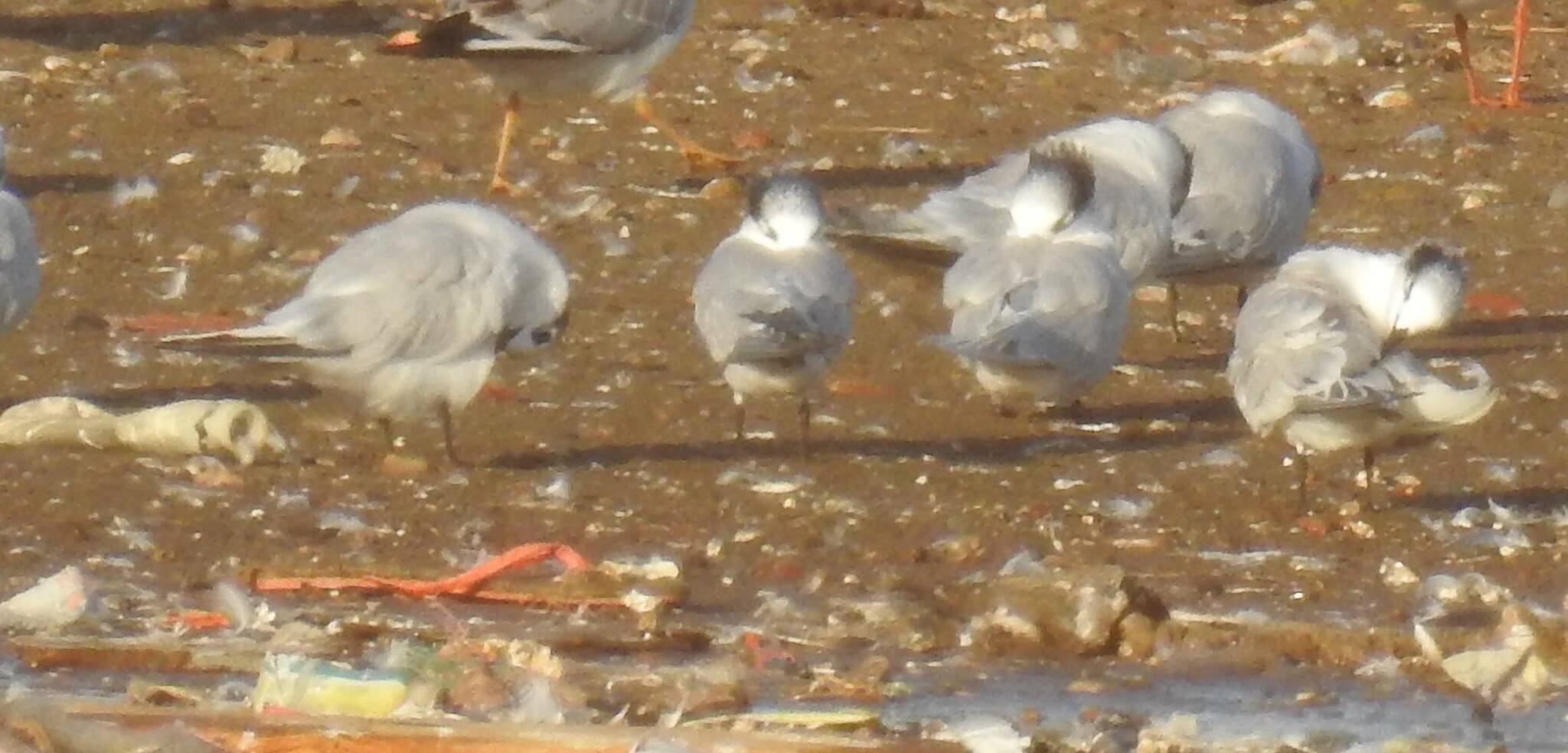
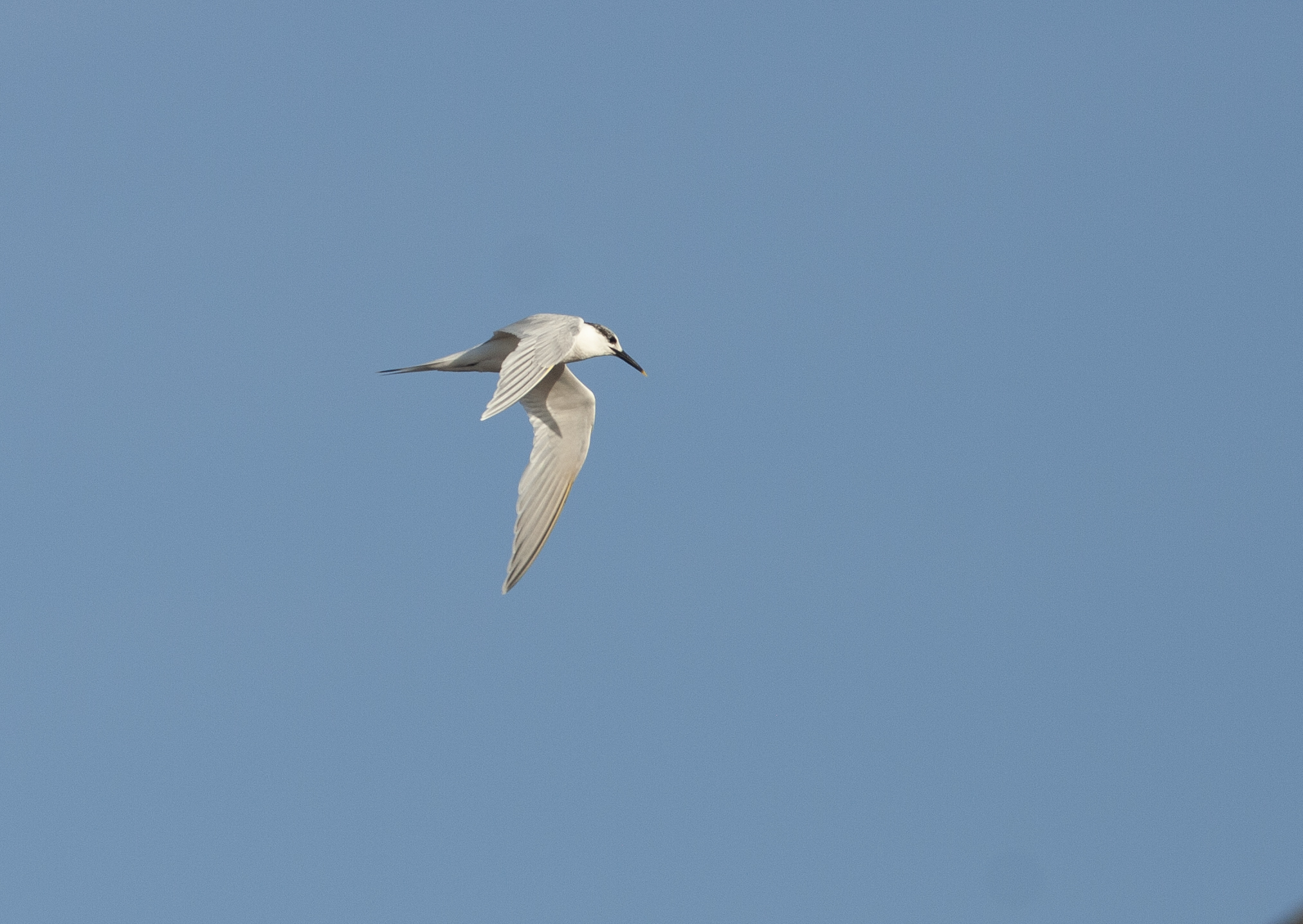
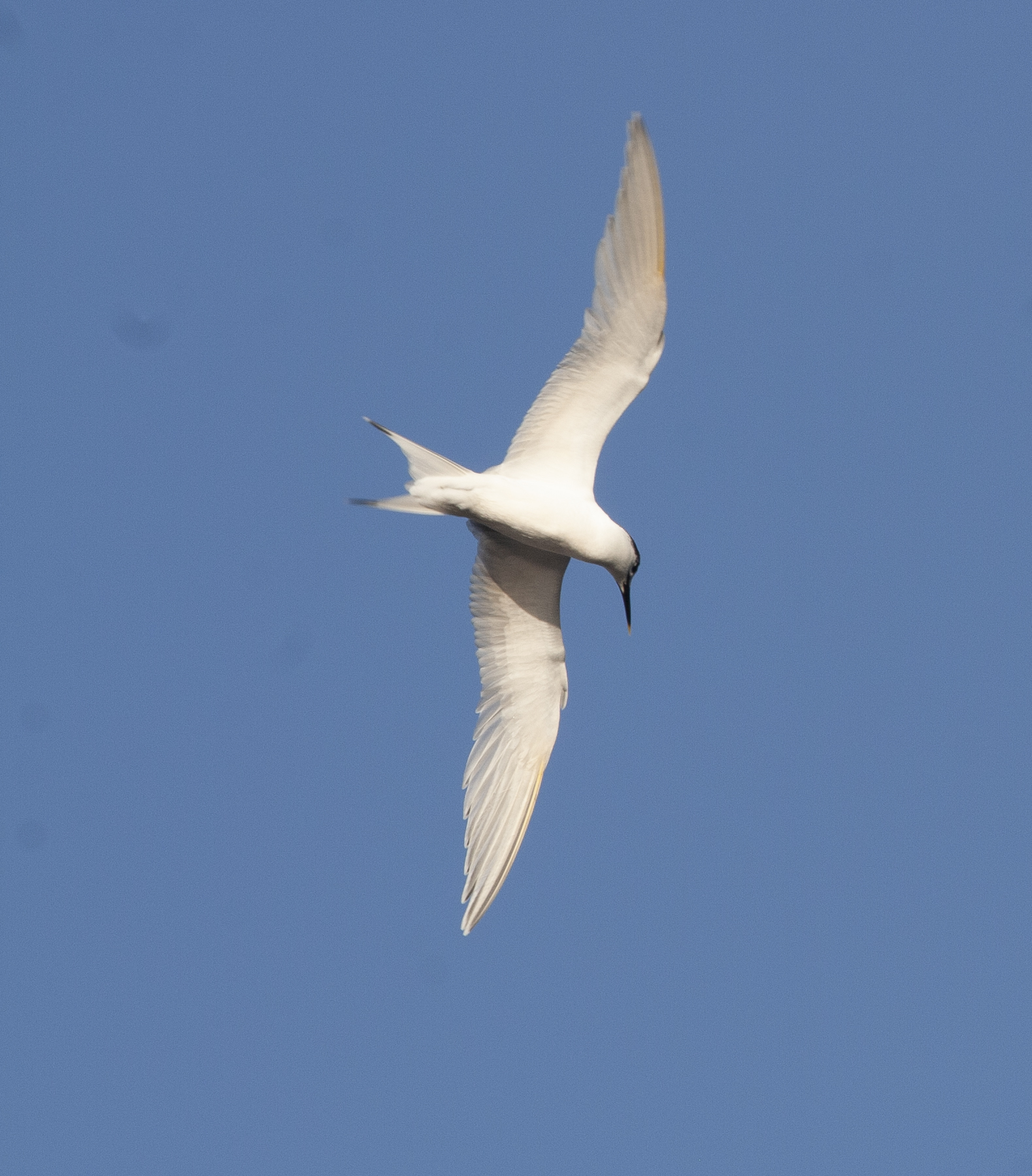
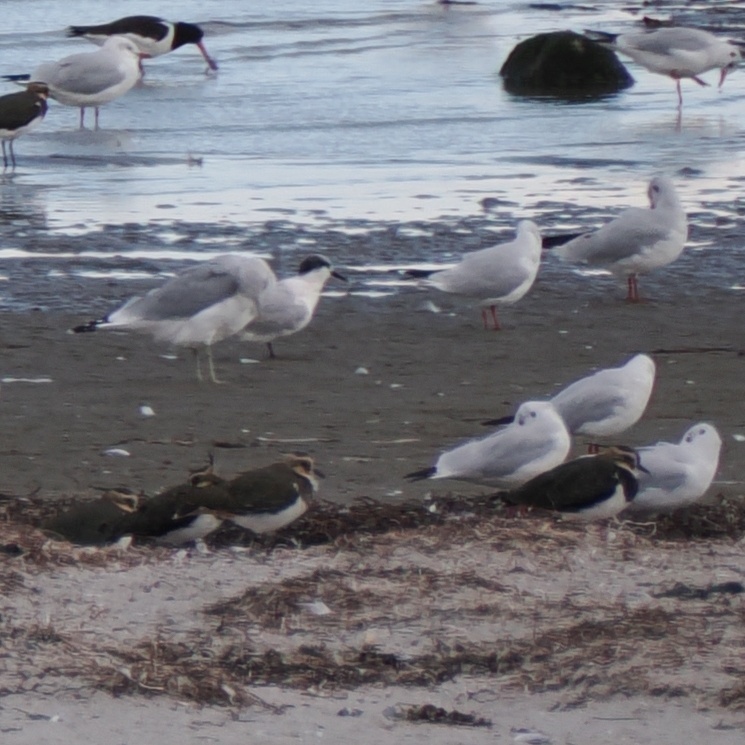
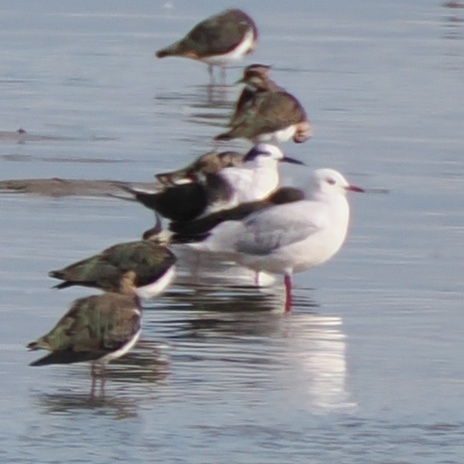
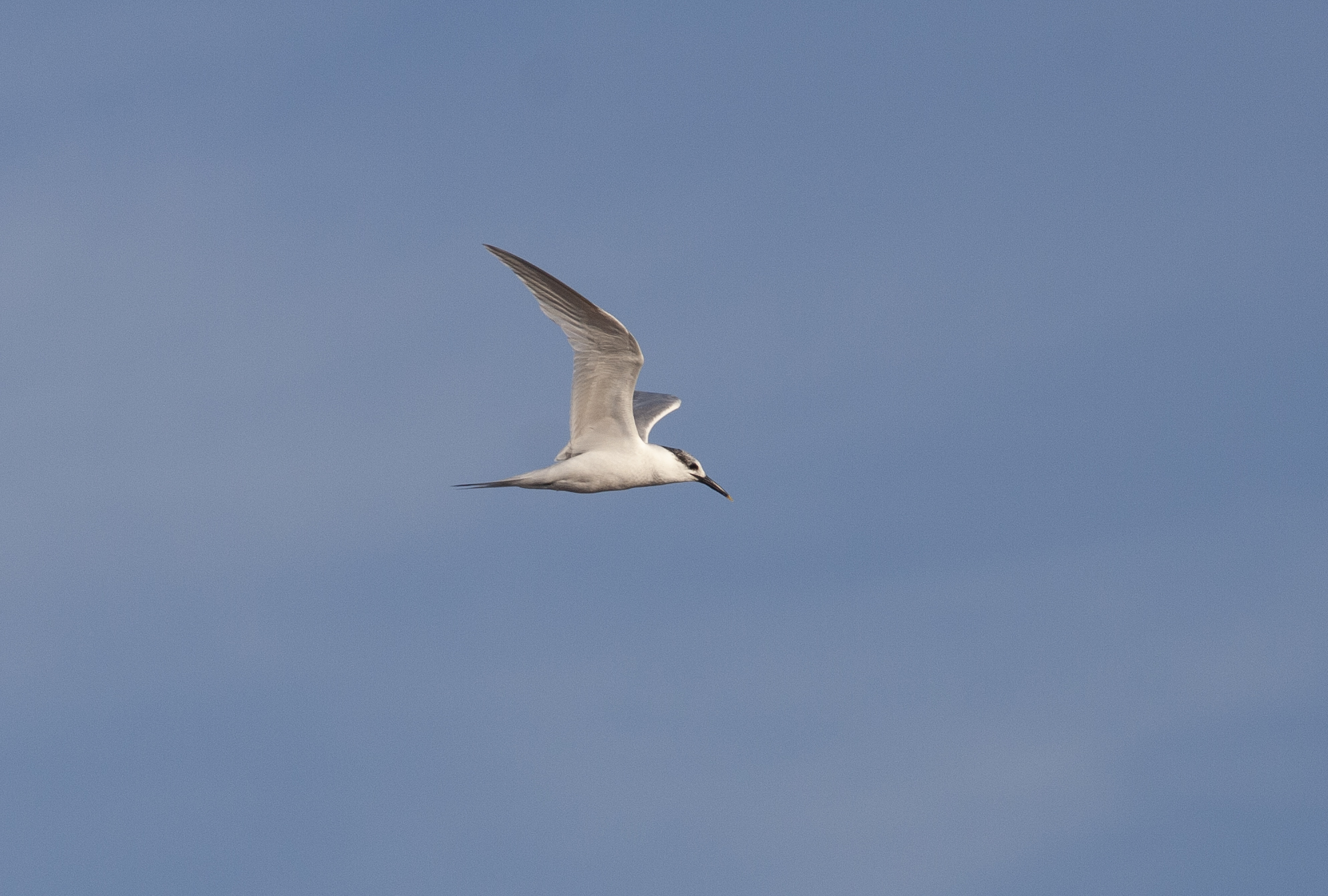
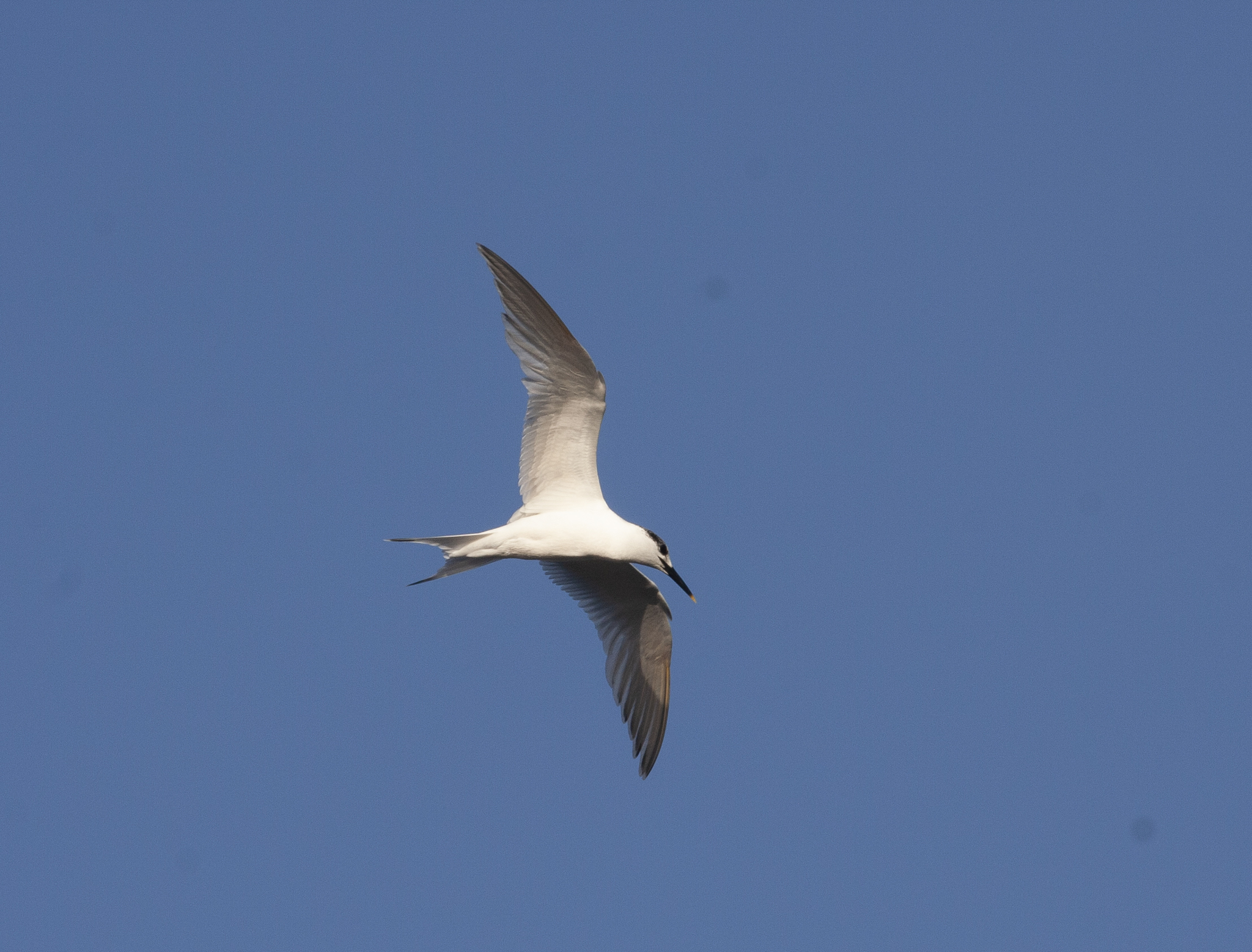
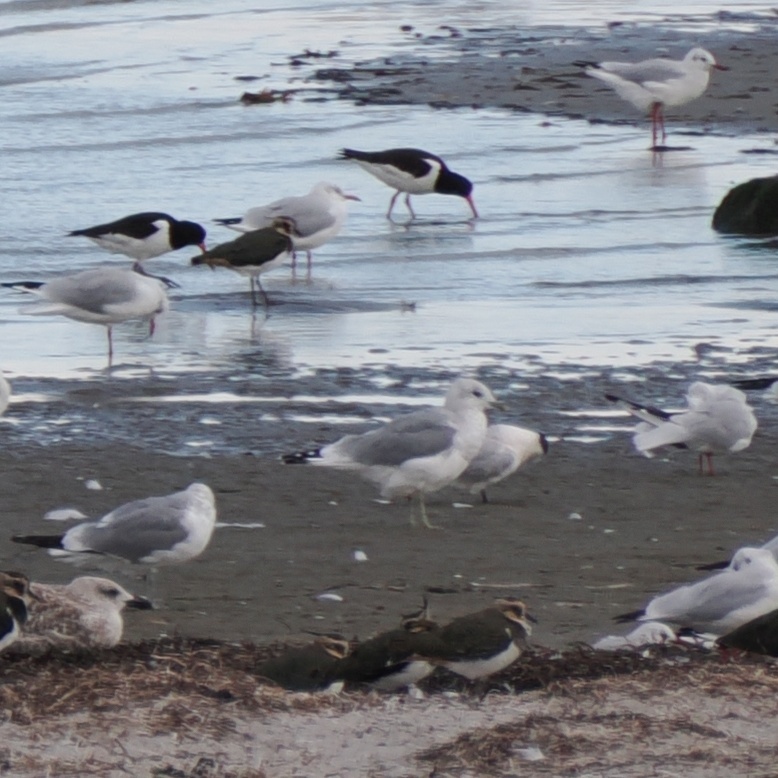
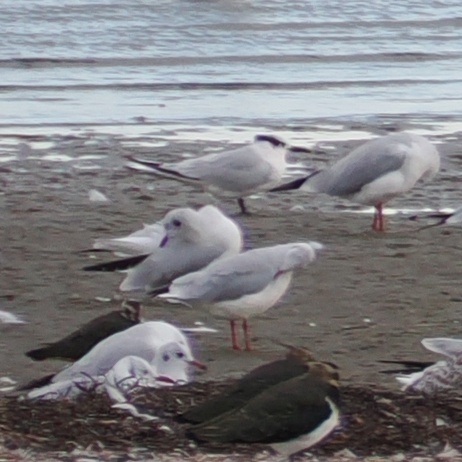
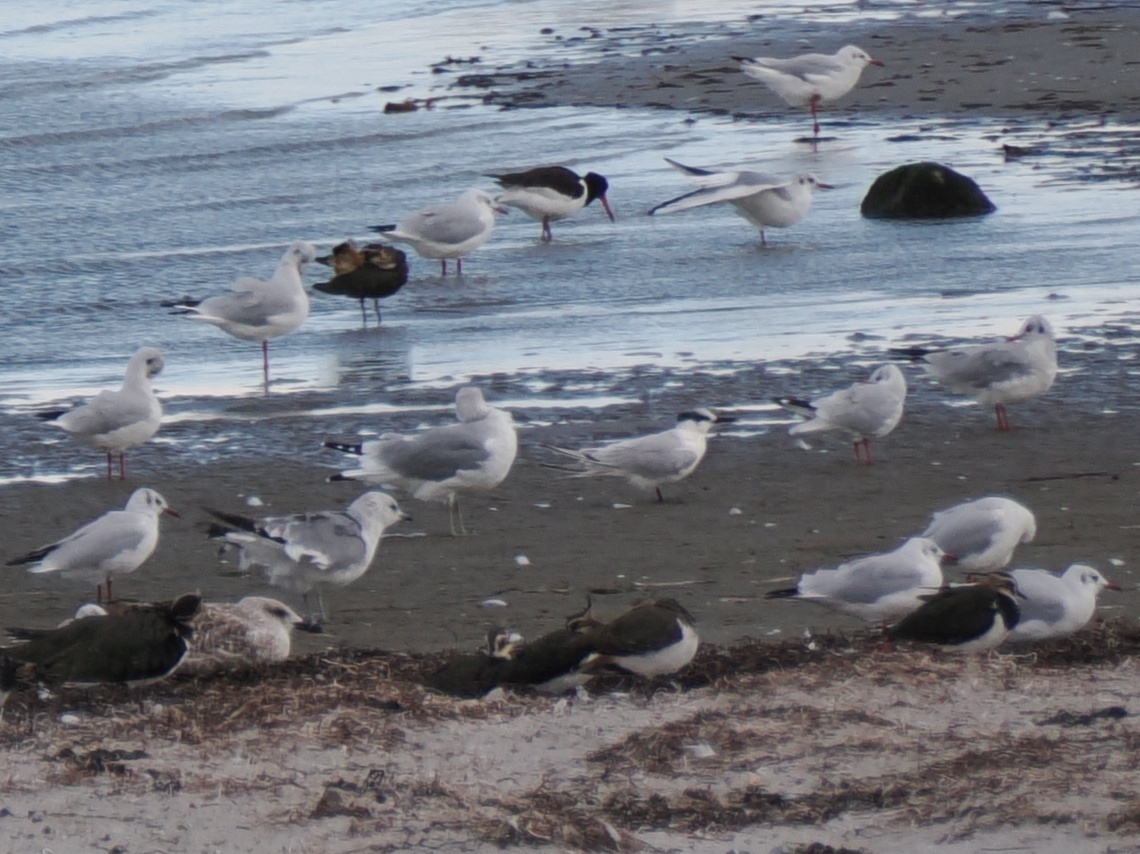
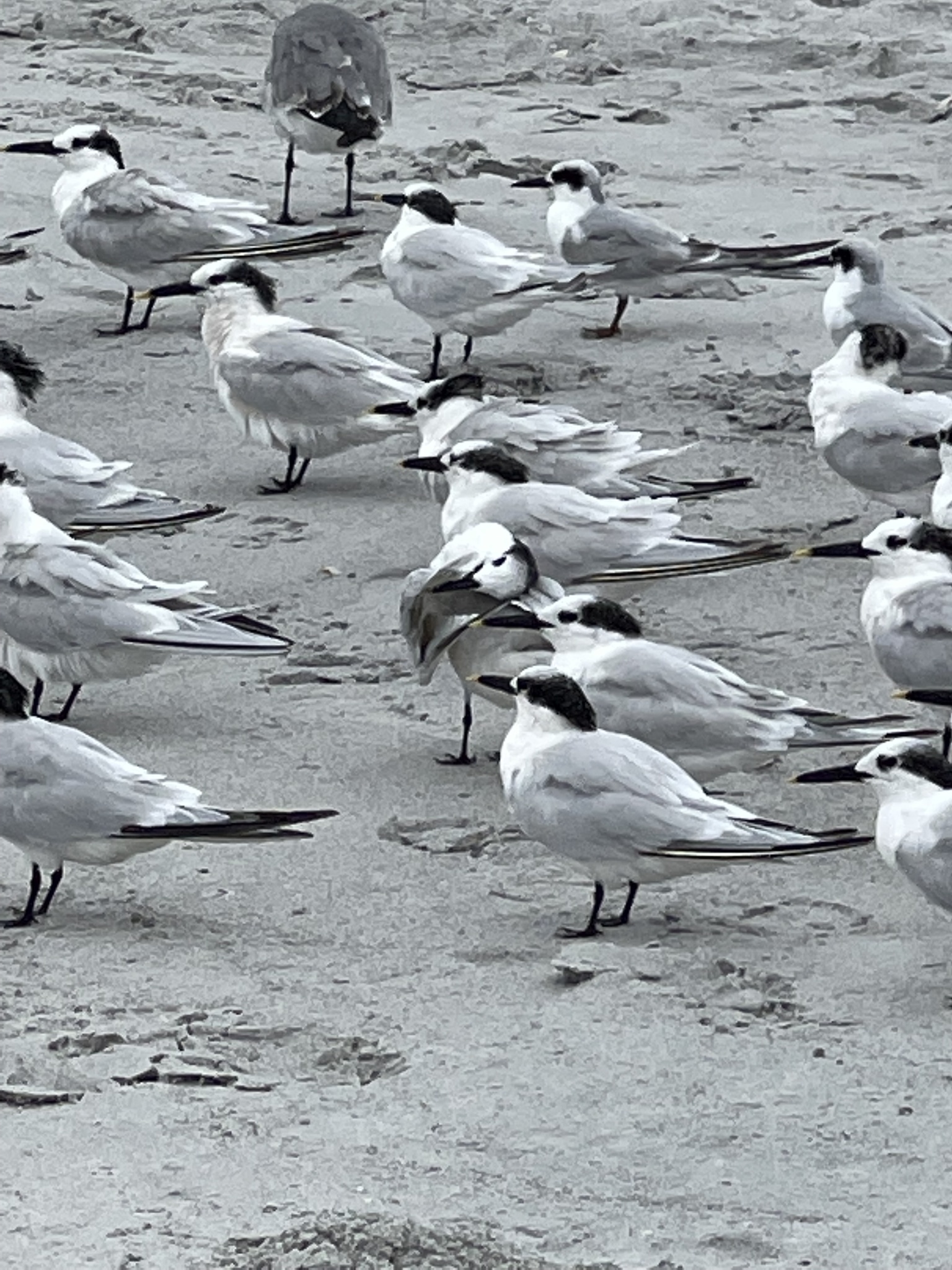
Medium-large tern measuring 36–41 cm in length with a wingspan of 95–105 cm. Weight ranges from 200–300 g, with males averaging slightly heavier. Has pale silvery-grey upperparts and white underparts. The thin, sharp bill is black with a distinctive yellow tip. Short legs are black. A shaggy black crest is present, becoming less extensive in winter when a white crown develops. Juvenile plumage shows grey and blackish scalloping on the back and wings. The overall appearance is very pale in flight, though primary flight feathers darken during summer.
Identification
Medium-large pale tern unlikely to be confused within most of its range. The yellow-tipped black bill is the most distinctive feature. Cabot's tern is most similar but has a stouter bill, different moult timing, and primaries lack the broad white margin on the inner web. The lesser crested tern and elegant tern differ in having entirely orange bills. The Chinese crested tern has a reversed bill pattern (yellow with black tip) but does not overlap in range. Vocal with a characteristic loud grating kear-ik or kerr ink call.
Distribution & Habitat
Breeds across the Palearctic from Europe to the Caspian Sea. Populations from Great Britain migrate over 10,000 km to winter along the West African coast from Senegal south to South Africa. Caspian Sea breeders migrate to the Indian Subcontinent, south to Sri Lanka. Inhabits coastal and island environments for breeding, with occasional inland breeding on large freshwater lakes near the coast. Also winters throughout the Mediterranean basin.
Behavior & Ecology
Feeds by plunge-diving for fish, almost invariably from marine environments, usually diving directly rather than from a stepped-hover. Courtship involves the male offering fish to the female. Breeds in very dense colonies with nests spaced only 20–30 cm apart. Nests are ground scrapes containing one to three eggs. Not highly aggressive toward predators, relying instead on nest density and proximity to more aggressive species such as Arctic terns and black-headed gulls for protection. The call is a loud, grating kear-ik or kerr ink.
Conservation
Evaluated as Least Concern on the IUCN Red List. Global population estimated at 460,000–500,000 individuals with an extensive range of 100,000–1,000,000 km². Population trends have not been quantified, but the species is not believed to approach decline thresholds of 30% over ten years or three generations. Covered by the Agreement on the Conservation of African-Eurasian Migratory Waterbirds (AEWA). Highly susceptible to highly pathogenic avian influenza, with mass mortality events recorded across numerous northwestern European colonies during the 2021–2023 outbreaks.
Source: Wikipedia · CC BY-SA 3.0
Taxonomy
- Order
- Charadriiformes
- Family
- Laridae
- Genus
- Thalasseus
- eBird Code
- santer1
Vocalizations
Subspecies (3)
-
Thalasseus sandvicensis acuflavidus
breeds coastal Atlantic from Virginia southward to Florida, Gulf of Mexico to southern Texas, Campeche Bank (east-central Mexico), Belize cays, and West Indies; winters to southern Peru and Uruguay
-
Thalasseus sandvicensis eurygnathus
islands off Venezuela and the Guianas, and coastal eastern Brazil to southeastern Argentina
-
Thalasseus sandvicensis sandvicensis
breeds coastal Europe from British Isles eastward to Baltic Sea and southward to eastern Iberian Peninsula, Mediterranean, Black, and Caspian seas; winters coastal southwestern Europe and Mediterranean to Africa, Persian Gulf, India, and Sri Lanka
Data Sources
Species description from Wikipedia, licensed under CC BY-SA 3.0.
Bird images and sounds sourced from GBIF, contributed by citizen scientists worldwide under Creative Commons licenses.
Taxonomy data from AviList 2025.