Lesser Crested Tern
Thalasseus bengalensis
小凤头燕鸥
Introduction
A tern in the family Laridae. Breeds in subtropical coastal areas from the Red Sea across the Indian Ocean to the western Pacific and Australia, with a significant population on two islands off the Libyan coast in the southern Mediterranean. Australian populations are sedentary; other populations are migratory, wintering south to South Africa. An occasional vagrant to Europe, where it has hybridized with Sandwich Tern. Three subspecies are recognized: T. b. emigratus (Mediterranean/Libya), T. b. bengalensis (northern Indian Ocean), and T. b. torresii (Indonesia to Australia). Feeds by plunge-diving for fish in saline environments.
Description
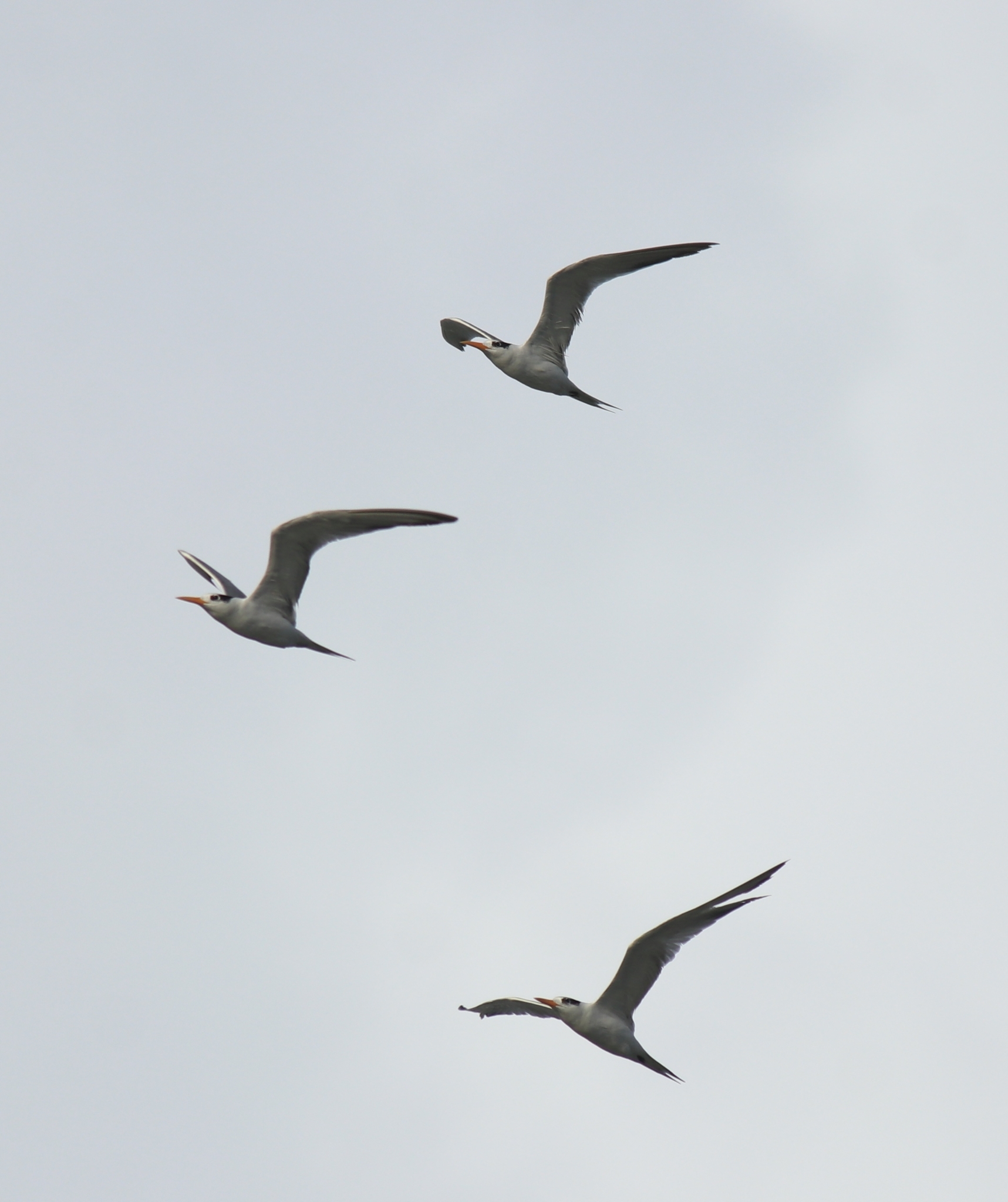
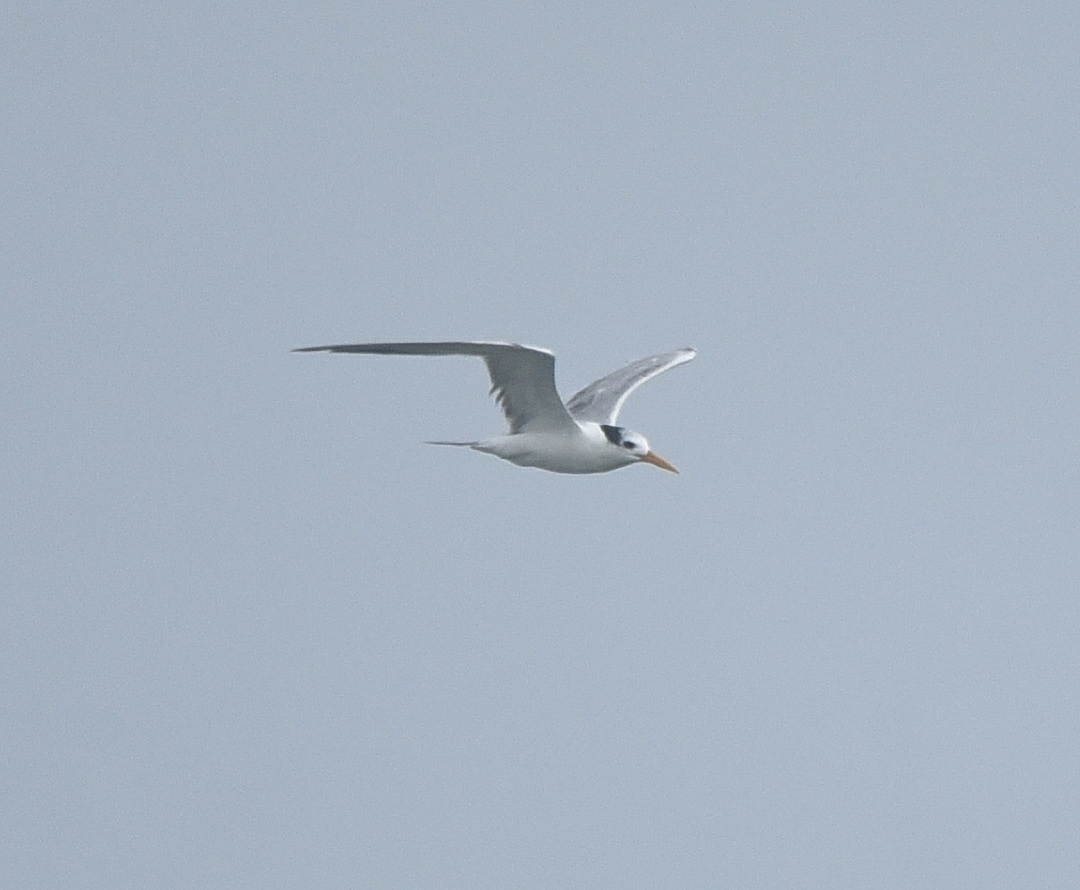
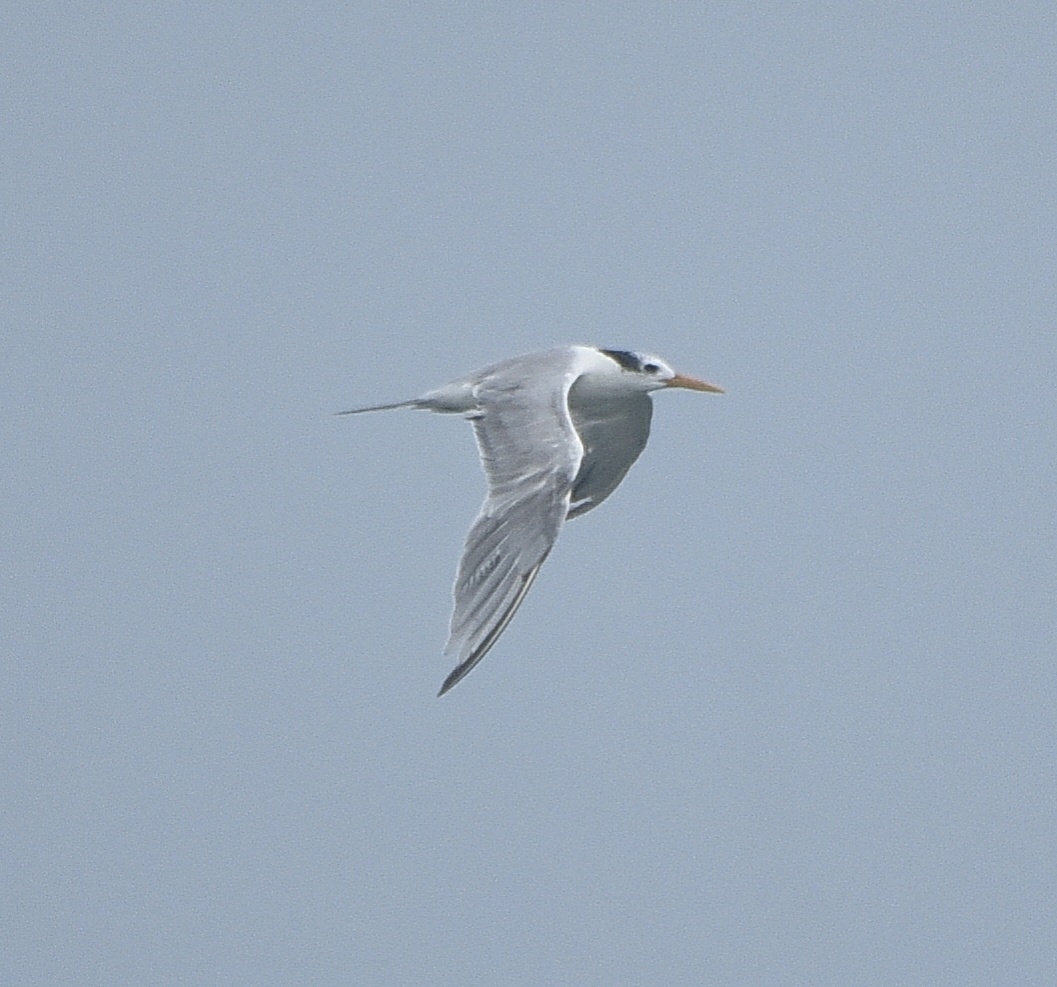
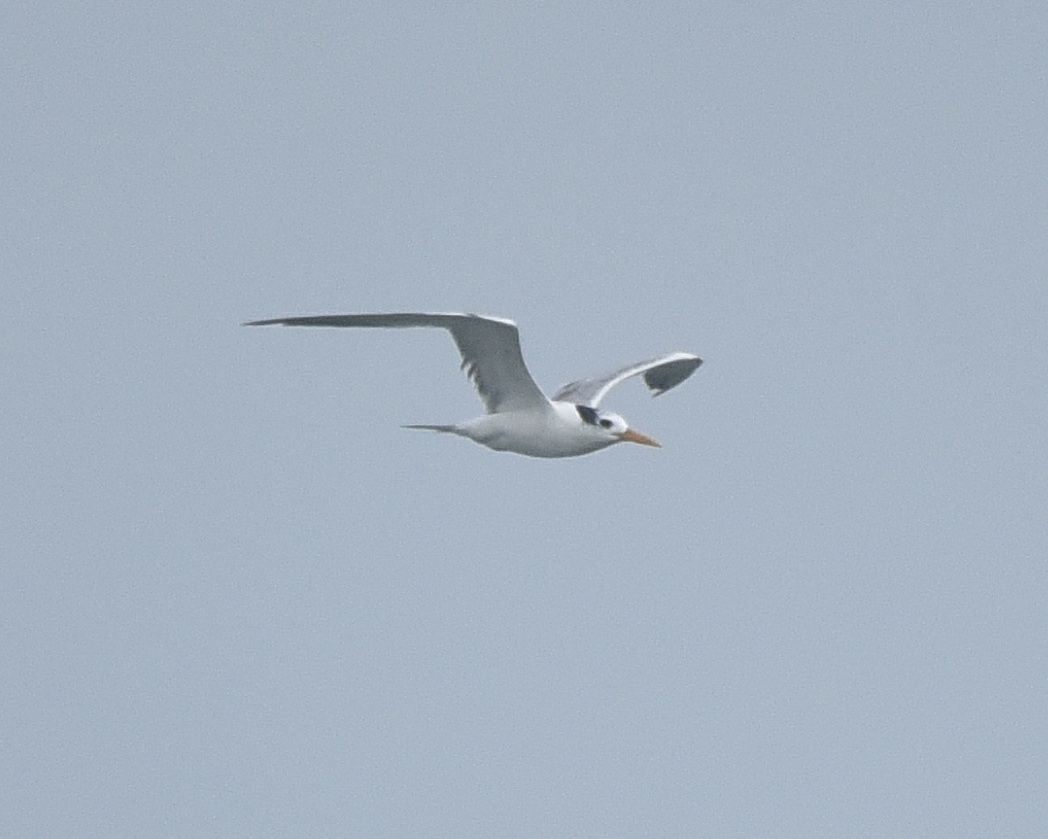
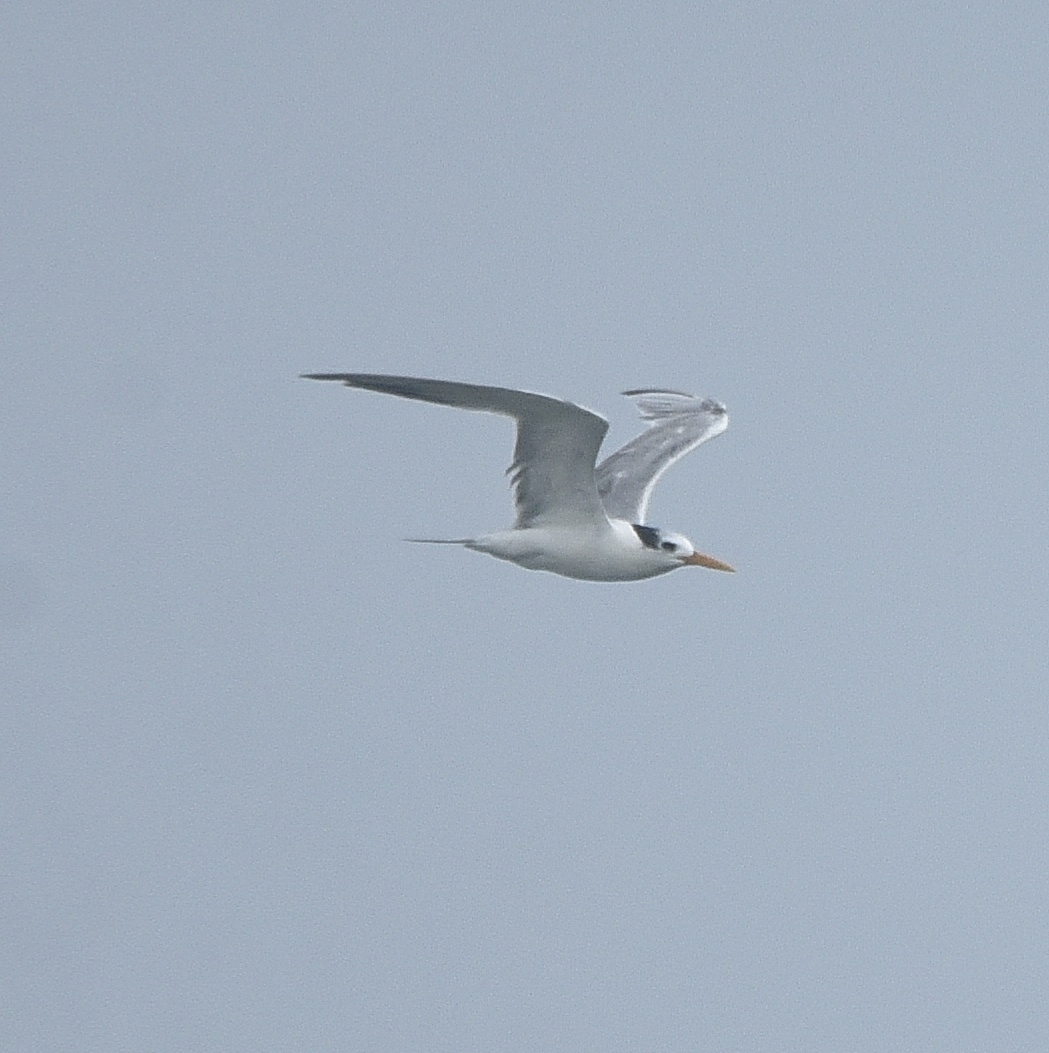
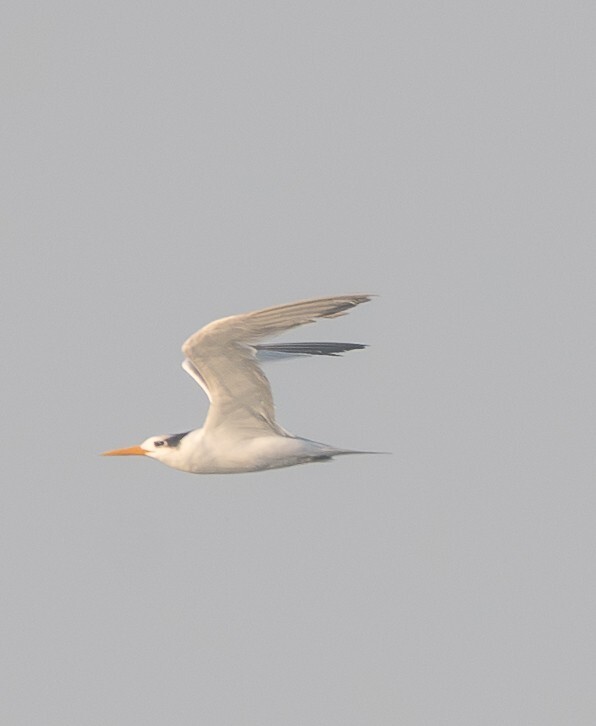
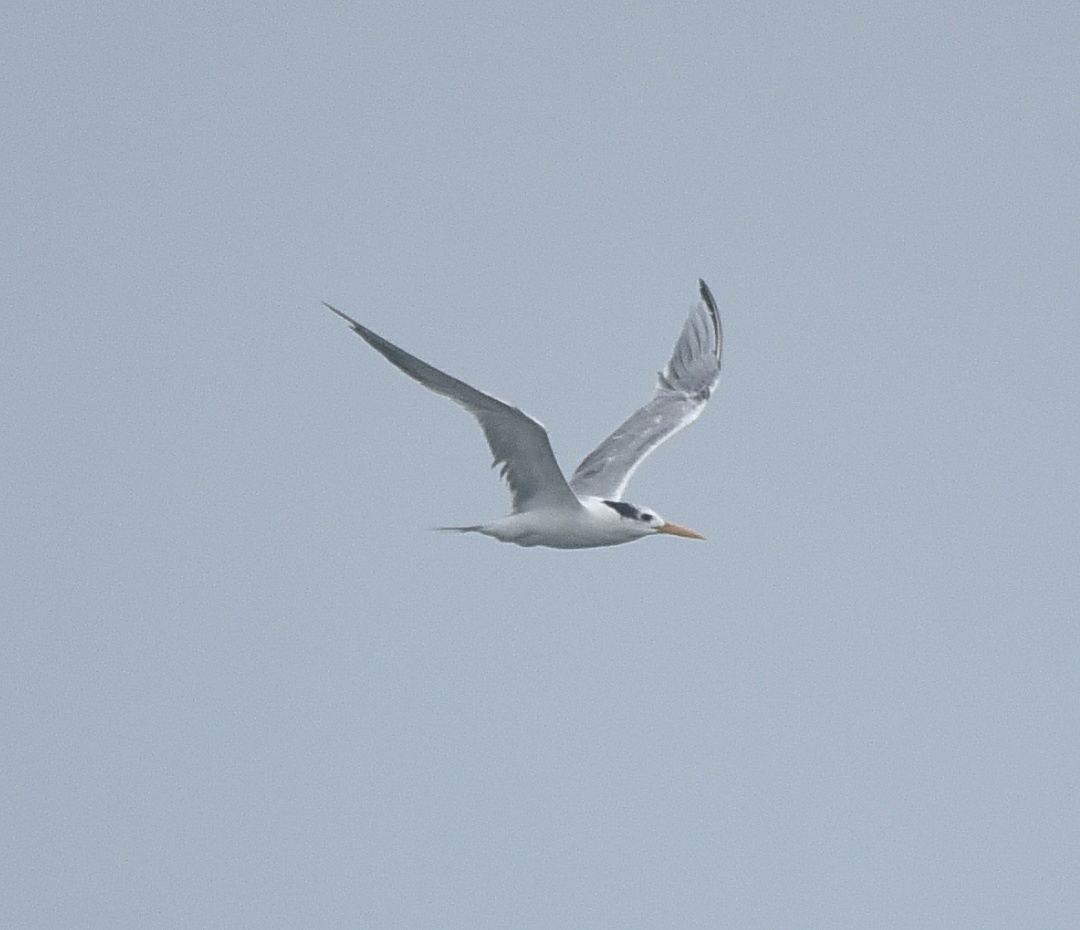
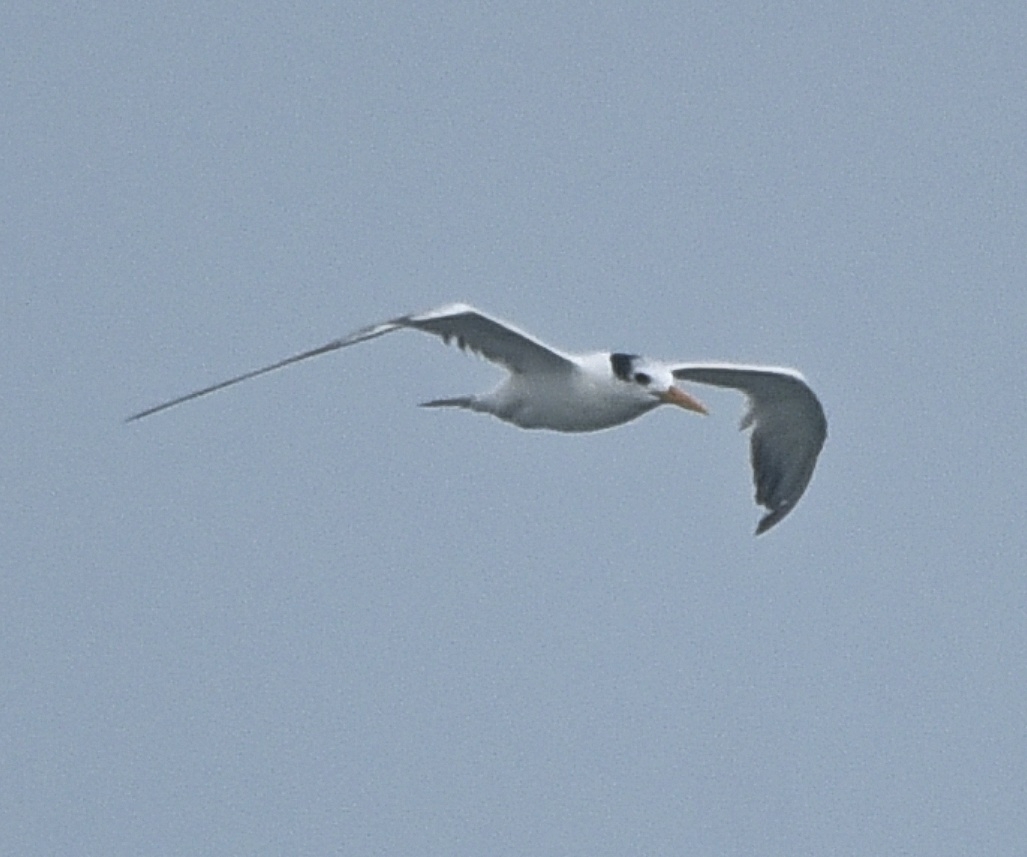
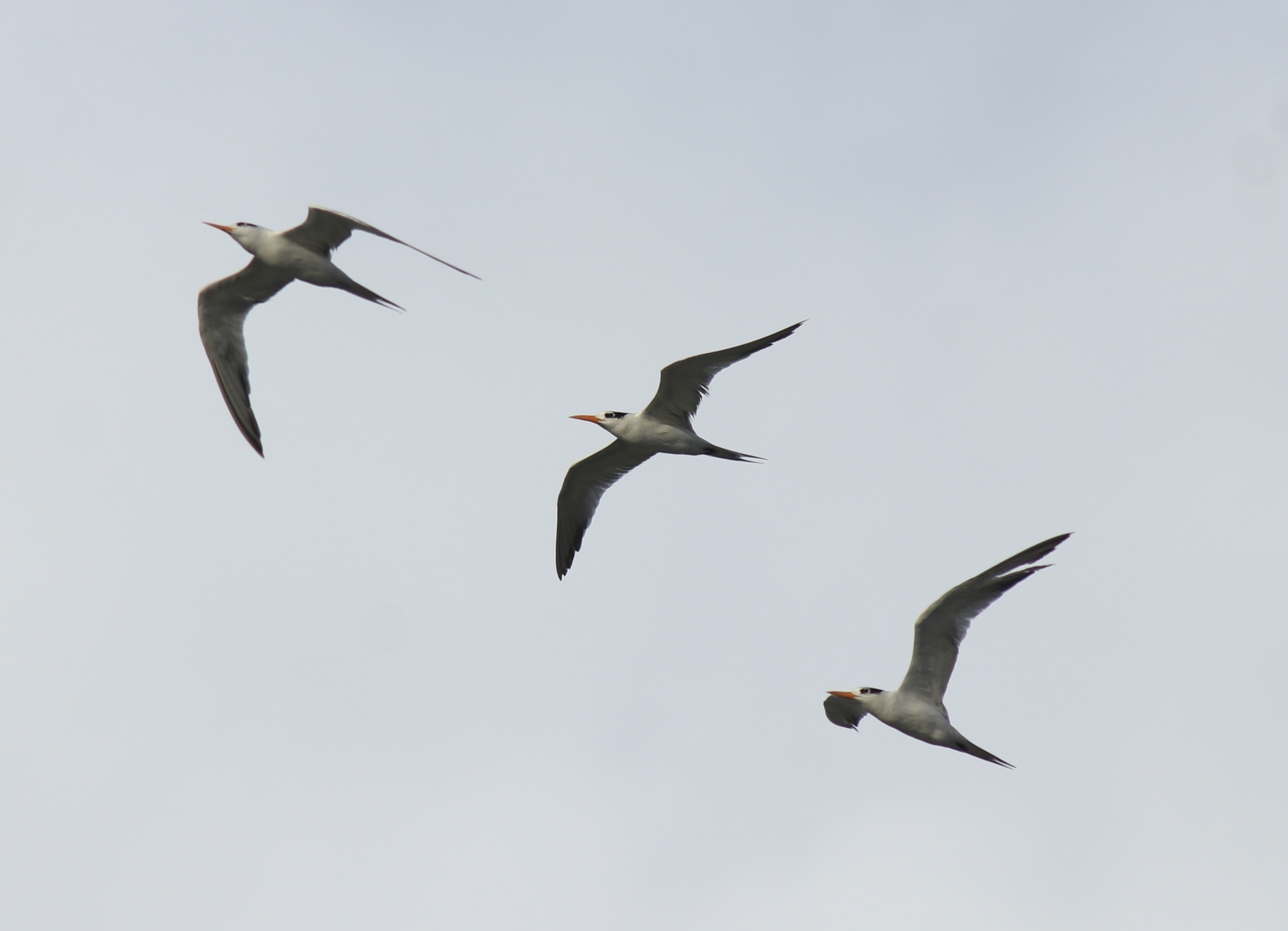
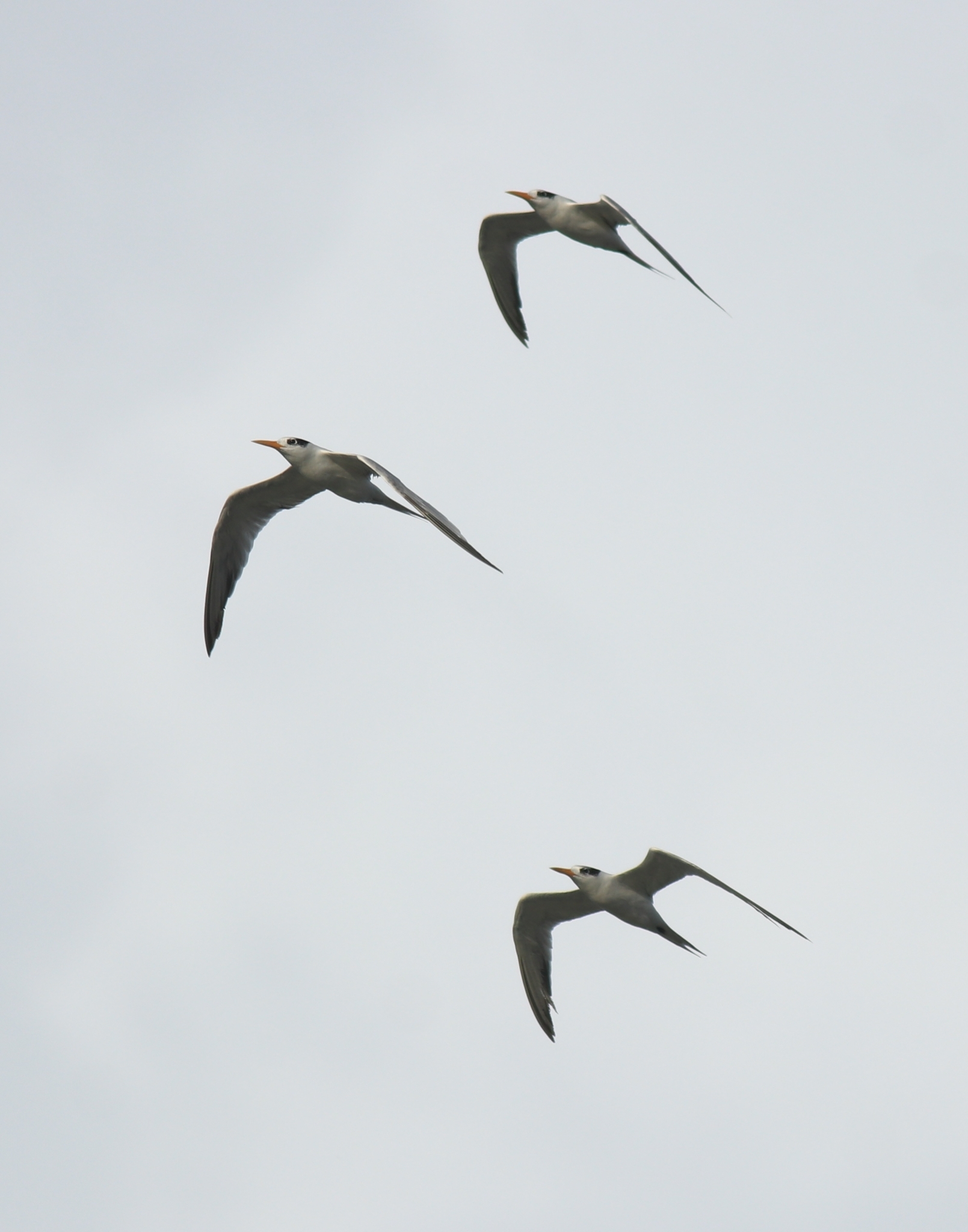
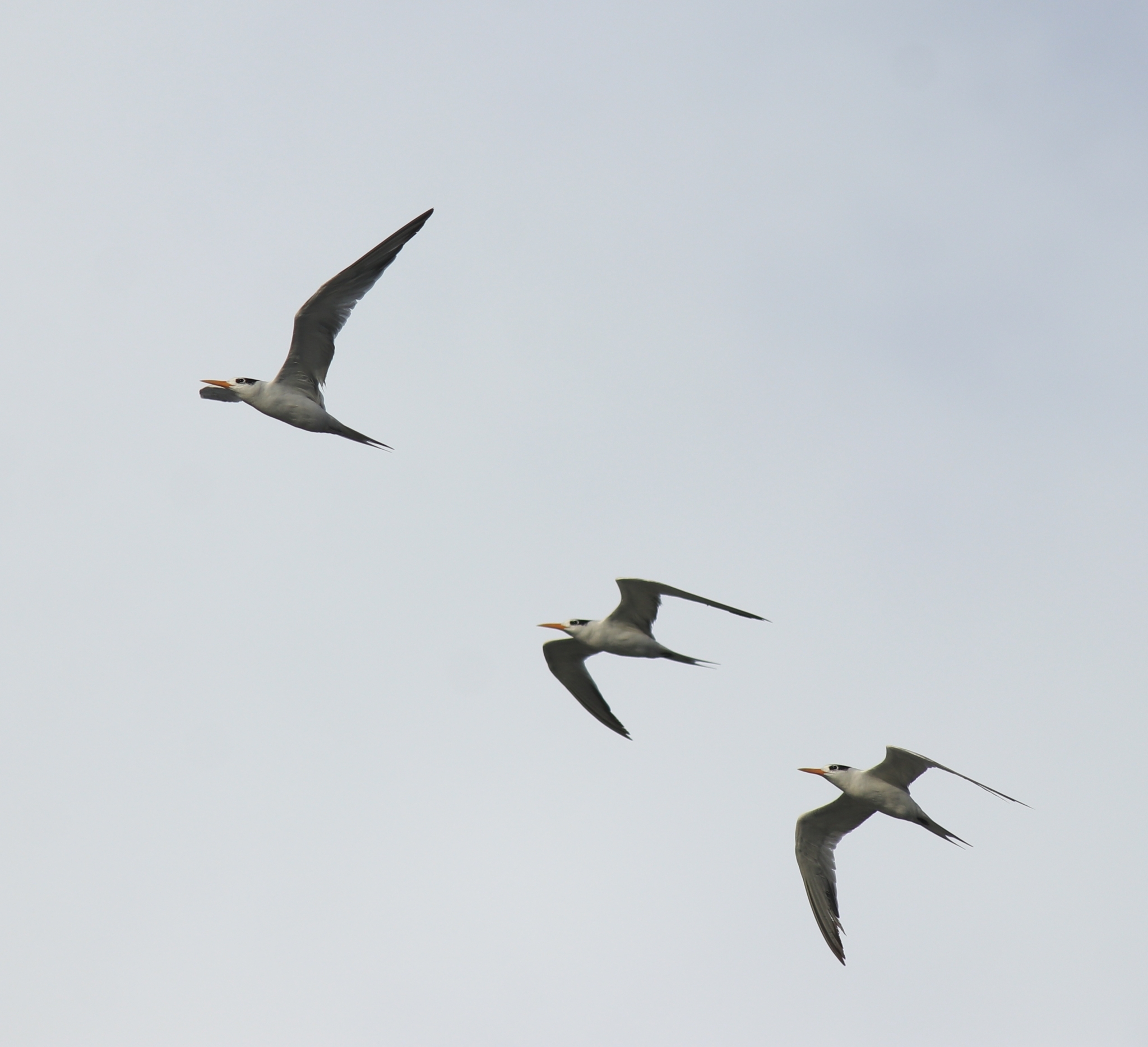
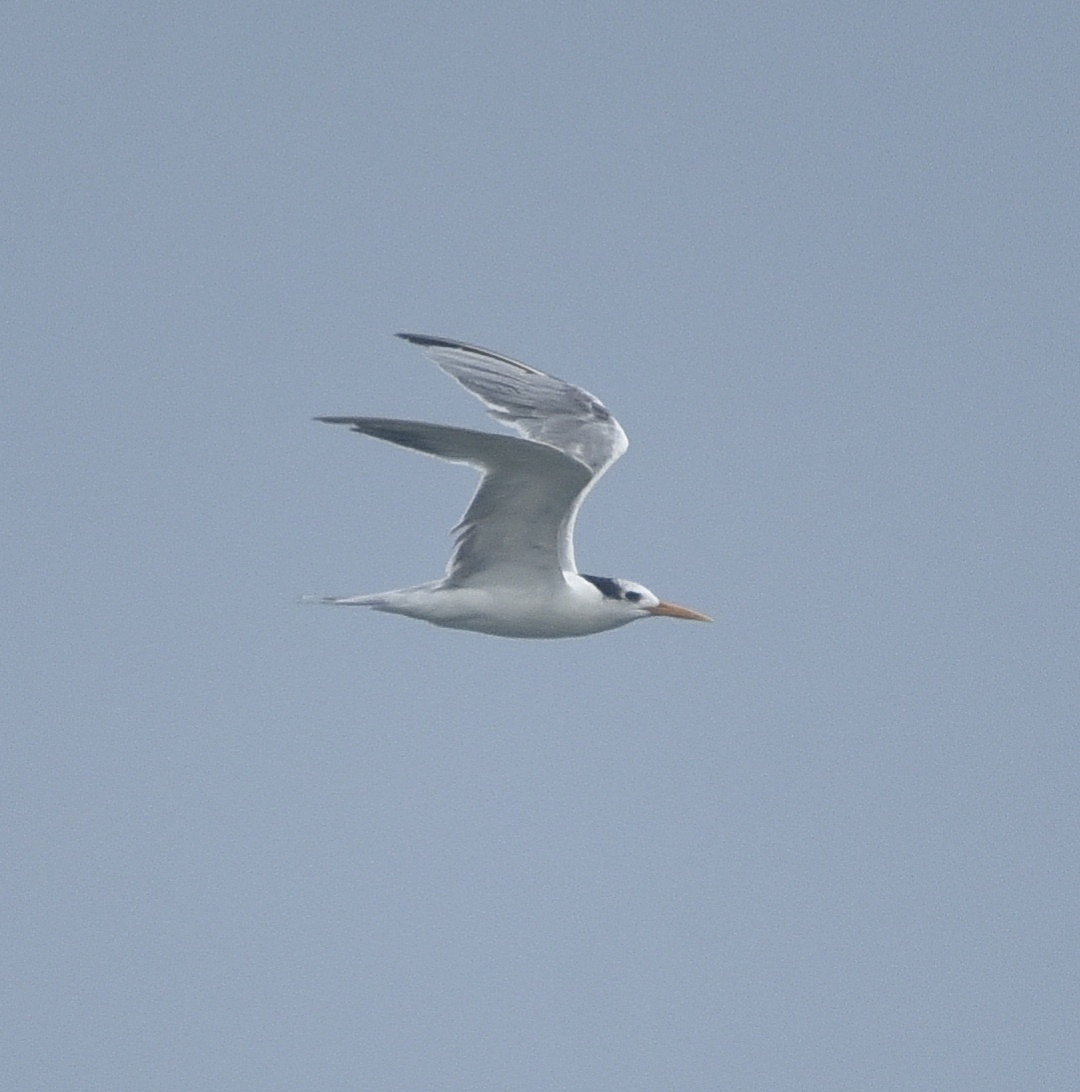
A medium-large tern measuring 35–43 cm in length with a wingspan of 88–105 cm and weighing 185–242 g. Summer adults have a black cap, black legs, and a long sharp orange bill. The upperwings, rump, and central tail feathers are grey; underparts are white. Primary flight feathers darken during summer. Winter plumage features a white forehead. The call is a loud grating noise similar to the Sandwich Tern. Juveniles have a yellow-orange bill, paler overall coloration, and faint dark crescents on the mantle feathers.
Identification
Very similar in size and appearance to the Sandwich Tern, Elegant Tern, and Chinese Crested Tern. The grey rump is a key identification feature distinguishing it from the related Sandwich Tern. The Elegant Tern has a slightly longer, slenderer bill; the Chinese Crested Tern shows a black tip to the bill; the Sandwich Tern has a black bill with a yellow tip. Two larger orange-billed terns occur within its range: the West African Crested Tern (white rump and tail, stouter bill) and the Greater Crested Tern (darker upperparts, yellower to greenish-yellow bill).
Distribution & Habitat
Breeds in subtropical coastal regions from the Red Sea across the Indian Ocean to the western Pacific and Australia. A significant population breeds on two islands off the Libyan coast in the southern Mediterranean. Australian birds are largely sedentary. Other populations are migratory, wintering south to South Africa. Three subspecies are geographically distributed: emigratus in the Mediterranean, bengalensis across the northern Indian Ocean, and torresii from Indonesia to Queensland, Australia.
Behavior & Ecology
Feeds by plunge-diving for fish, typically in saline environments, usually diving directly rather than from a stepped-hover like the Arctic Tern. Males present fish to females as part of courtship displays. Breeds in dense colonies on coasts and islands, nesting in ground scrapes. Lays one to two, rarely three, eggs. Predator avoidance is achieved through very dense colony nesting; T. b. emigratus additionally nests in late summer after yellow-legged gulls have finished breeding and departed the area.
Conservation
Listed under the Agreement on the Conservation of African-Eurasian Migratory Waterbirds (AEWA). One of ten marine bird species listed in the Mediterranean marine birds Action Plan. In India, the species is protected within the PM Sayeed Marine Birds Conservation Reserve.
Culture
The genus name Thalasseus derives from Ancient Greek thalassa meaning 'sea' and thalasseus meaning 'fisherman.' The specific epithet bengalensis refers to Bengal, the type locality historically encompassing much of northern India and Bangladesh.
Source: Wikipedia · CC BY-SA 3.0
Taxonomy
- Order
- Charadriiformes
- Family
- Laridae
- Genus
- Thalasseus
- eBird Code
- lecter2
Subspecies (3)
-
Thalasseus bengalensis bengalensis
breeds Red Sea and Persian Gulf eastward to Sind (southern Pakistan) and (perhaps) Lakshadweep and Maldives (Indian Ocean) and Odisha (Bay of Bengal); winters to coastal southern Africa, Seychelles, Malagasy region, and Sri Lanka
-
Thalasseus bengalensis emigratus
breeds coastal Libya; winters off northern and western African coast
-
Thalasseus bengalensis torresii
Sulawesi to New Guinea and northern Australia (Pilbara region to northeastern New South Wales)
Data Sources
Species description from Wikipedia, licensed under CC BY-SA 3.0.
Bird images and sounds sourced from GBIF, contributed by citizen scientists worldwide under Creative Commons licenses.
Taxonomy data from AviList 2025.