Chinese Grouse
Tetrastes sewerzowi
斑尾榛鸡
Introduction
Smallest grouse species in the world, belonging to the family Phasianidae. Endemic to China, occurring in the provinces of Gansu, Qinghai, Sichuan, Yunnan, and Tibet. Inhabits mountainous coniferous and deciduous forests at elevations of 2,400 to 4,300 meters. Requires coniferous trees for cover and deciduous trees and shrubs for food. Named after Russian explorer Nikolai Alekseevich Severtzov. Considered Endangered in China and Near Threatened on the IUCN Red List.
Description
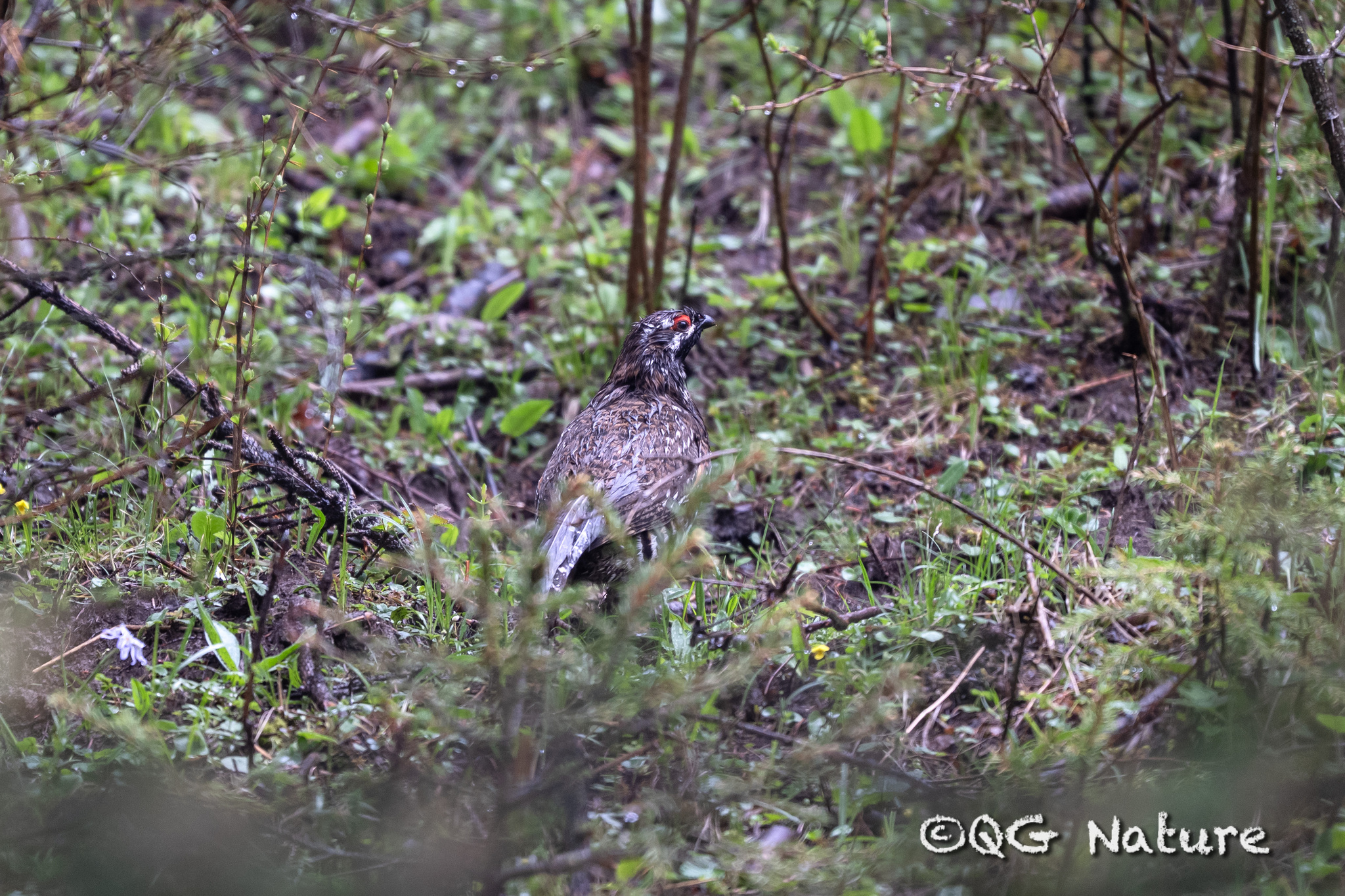
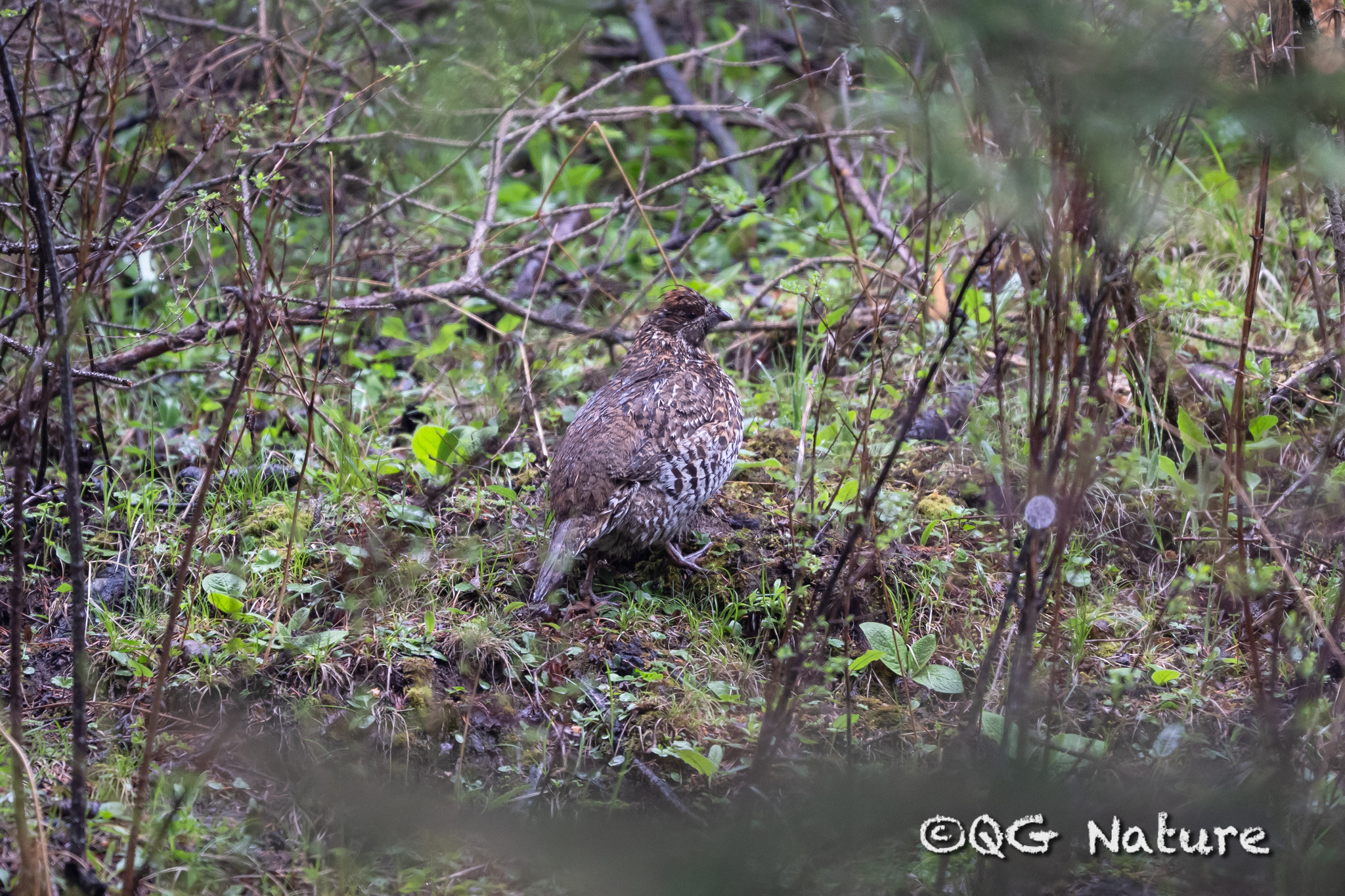
The smallest grouse species globally. Females average 270-407 g and 327-384 mm in length; males average 279-390 g and 355-403 mm in length. Plumage is primarily brown with extensive white and black patterning on the belly. Males display a distinctive black chin patch absent in females. Both sexes possess a red comb above the eyes, more prominently developed in males. Similar in appearance to the hazel grouse but with different plumage coloration and pattern.
Identification
Distinguished from similar hazel grouse by plumage coloration and pattern differences. Males identifiable by black chin patch and more prominent red eye comb. The smallest grouse species worldwide helps distinguish it from related species. Females lack the male's black chin patch and have less prominent eye combs.
Distribution & Habitat
Endemic to central and western China, occurring in Gansu, Qinghai, Sichuan, Yunnan, and Tibet provinces. As of 2000, distribution covered approximately 155,000 km². Inhabits mountain regions exclusively between 2,400 and 4,300 m elevation. Habitat requirements include proximity to coniferous forest for cover and deciduous vegetation for foraging. No significant migration documented.
Behavior & Ecology
Diet varies seasonally: winter diet consists almost exclusively of willow buds and twigs; breeding season diet includes willow for males while females supplement with dragon spruce seeds, invertebrates, and forbs. Breeding season occurs March to May. Males arrive first to establish and defend territories through vocalizations including whirring bi-syllabic flutter-jump sounds and nasal cluck displays. Males fan tails, spread wings, and fluff plumage during courtship. Females lay 5-8 light yellow spotted eggs every other day at tree base. Incubation period 27-29 days. Chicks precocial, follow female for 2-3 months before dispersing.
Conservation
Listed as Near Threatened on the IUCN Red List and Endangered in China's Red Data Book. Population declining due to habitat loss from deforestation and fragmentation. Conservation efforts in China focus on reducing logging to stabilize populations. No specific population estimates provided.
Source: Wikipedia · CC BY-SA 3.0
Taxonomy
- Order
- Galliformes
- Family
- Phasianidae
- Genus
- Tetrastes
- eBird Code
- sevgro1
Subspecies (2)
-
Tetrastes sewerzowi secundus
montane forest and scrub of eastern Tibet, eastern Qinghai, northwestern Yunnan, and western Sichuan (south-central China)
-
Tetrastes sewerzowi sewerzowi
montane forest and scrub of southern Gansu, northern Sichuan, and northeastern Qinghai (north-central China)
Data Sources
Species description from Wikipedia, licensed under CC BY-SA 3.0.
Bird images and sounds sourced from GBIF, contributed by citizen scientists worldwide under Creative Commons licenses.
Taxonomy data from AviList 2025.