Zebra Finch
Taeniopygia guttata
斑胸草雀
Introduction
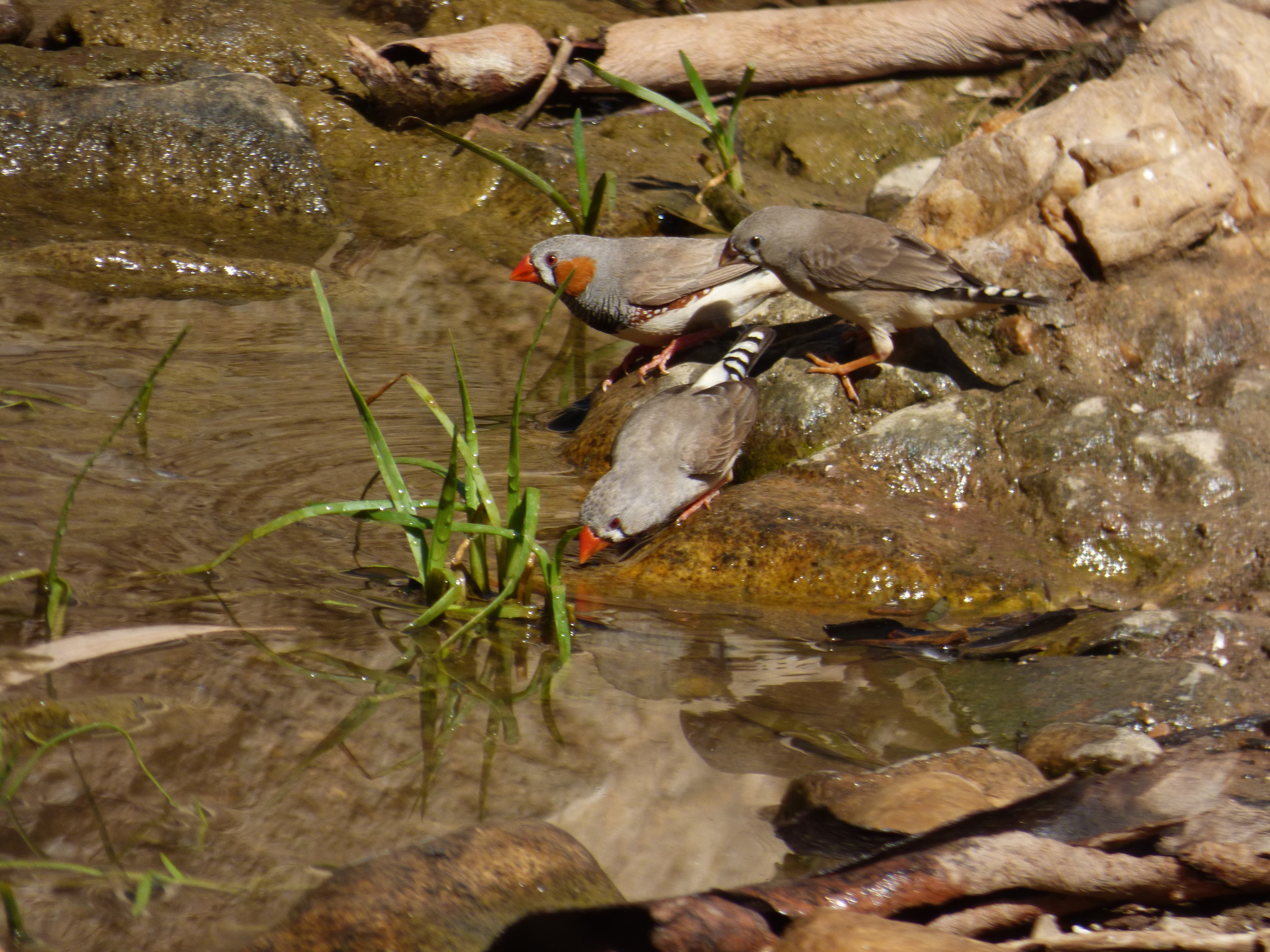
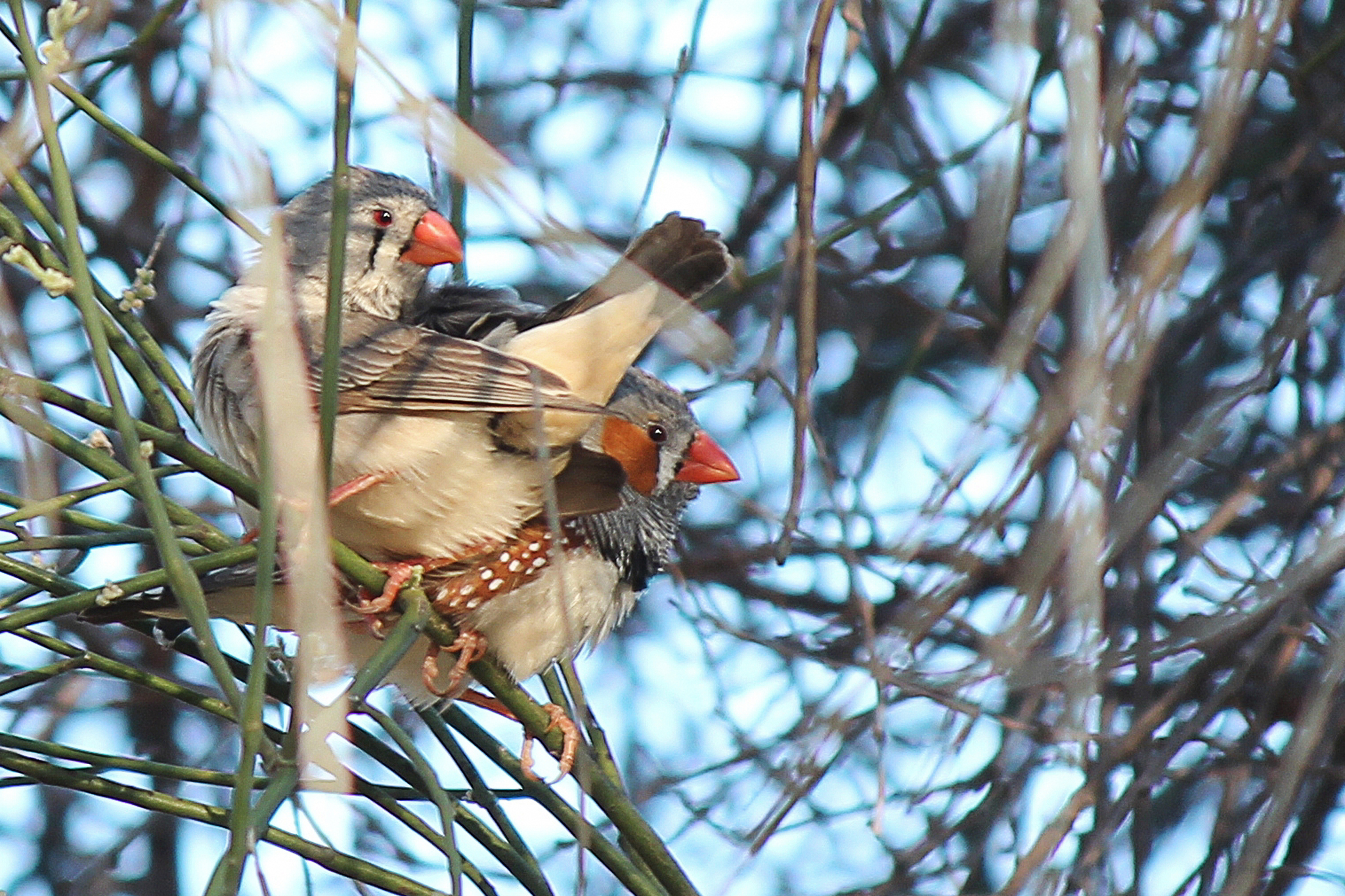
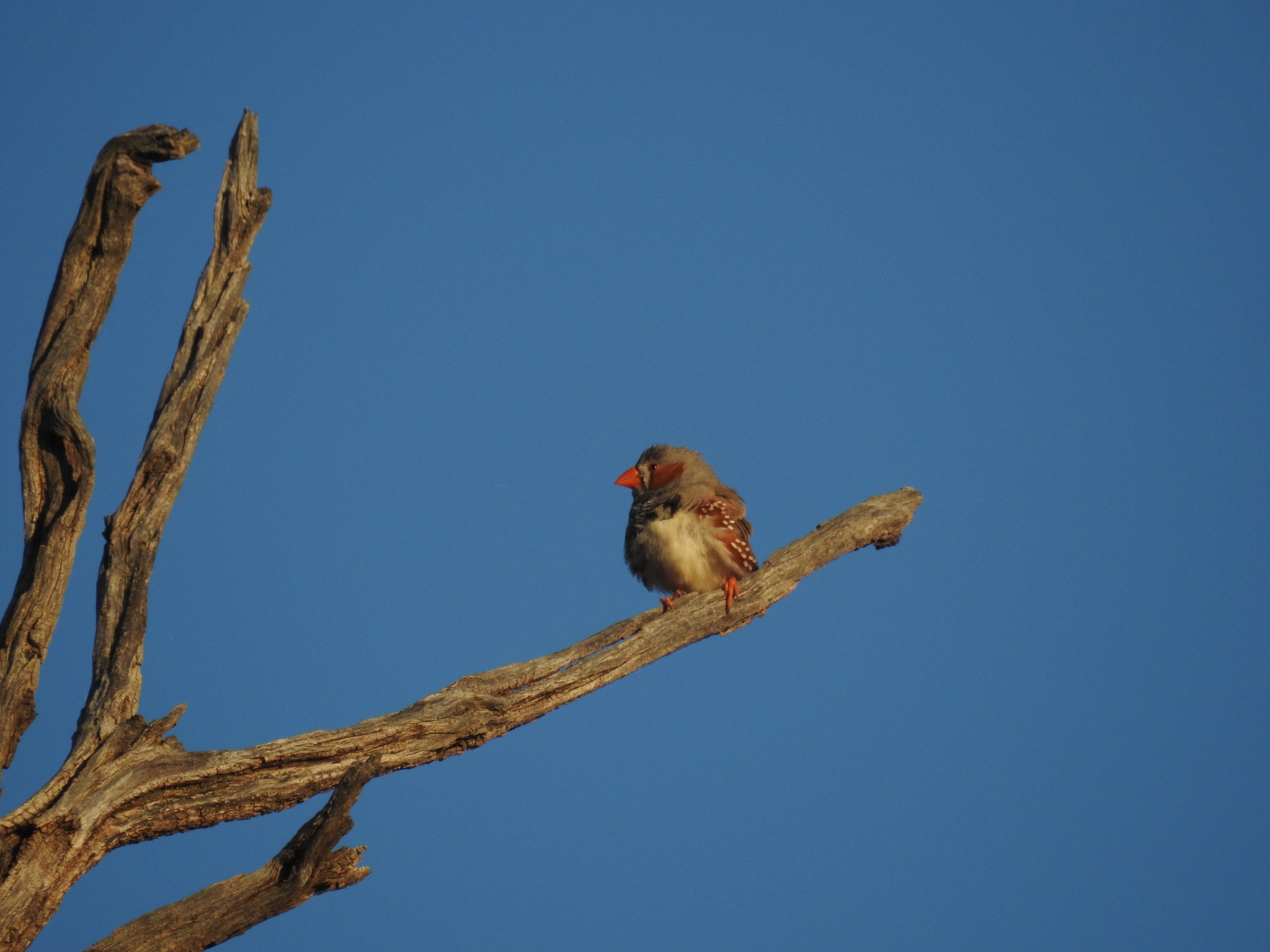
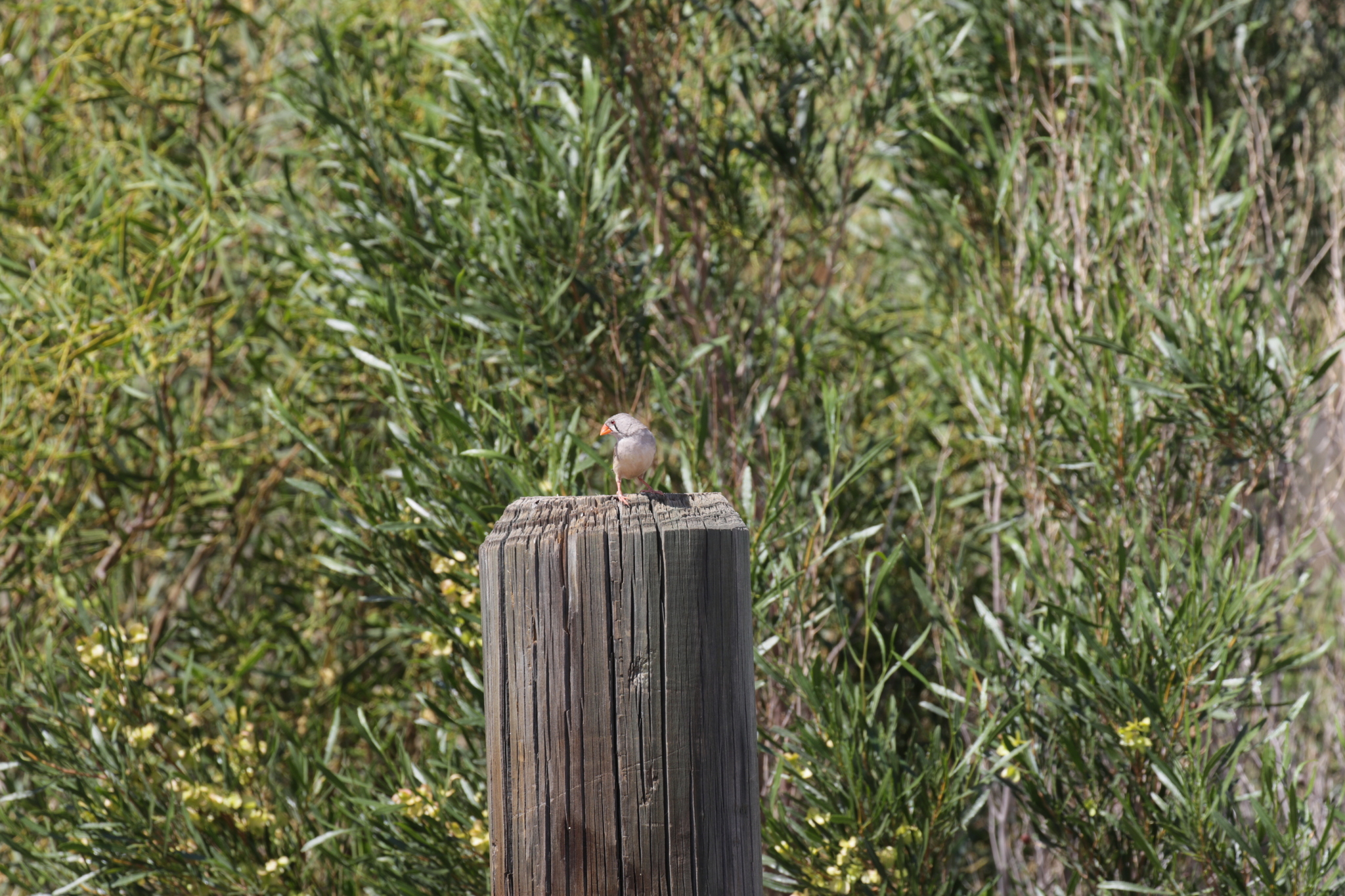
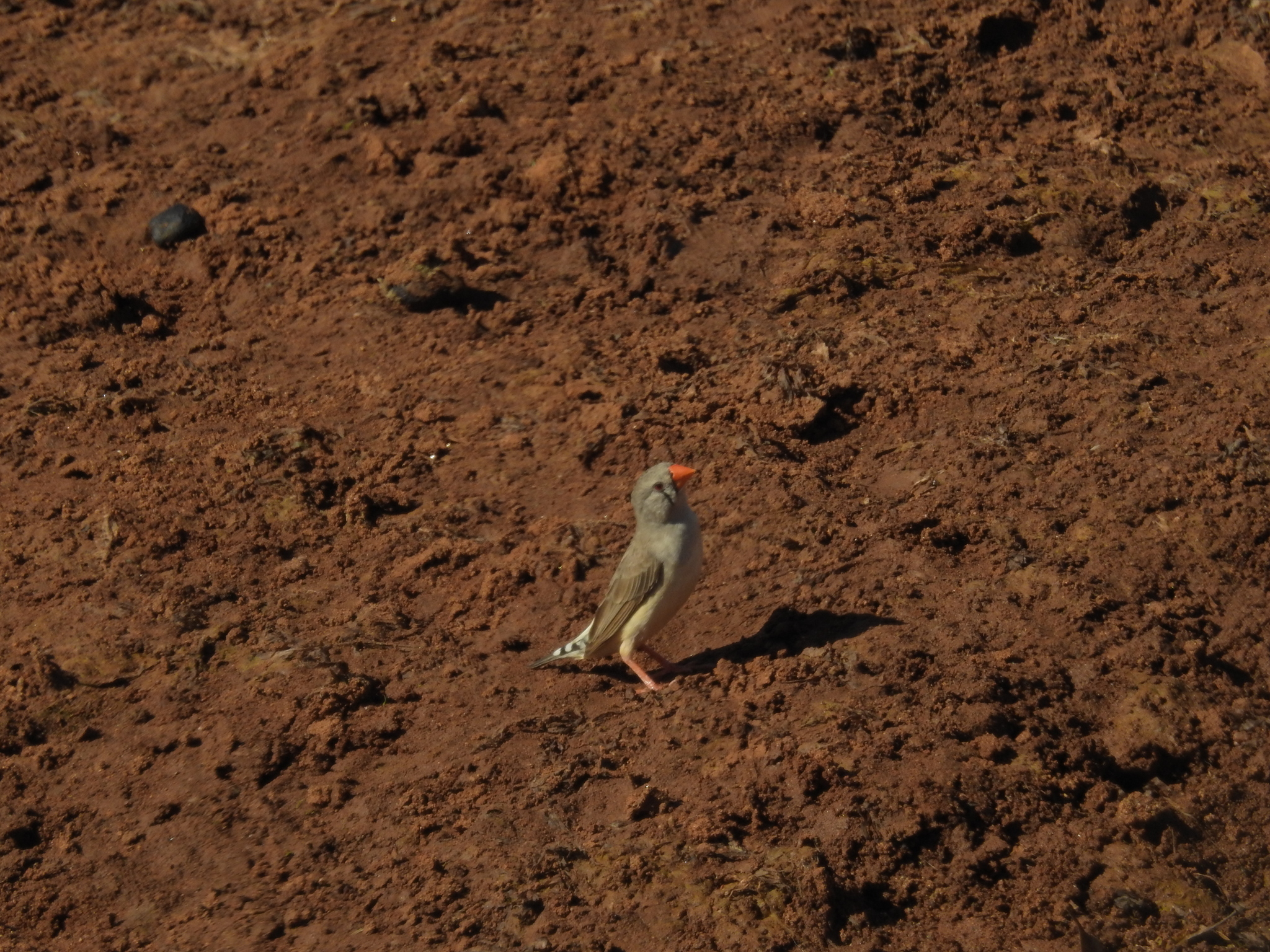
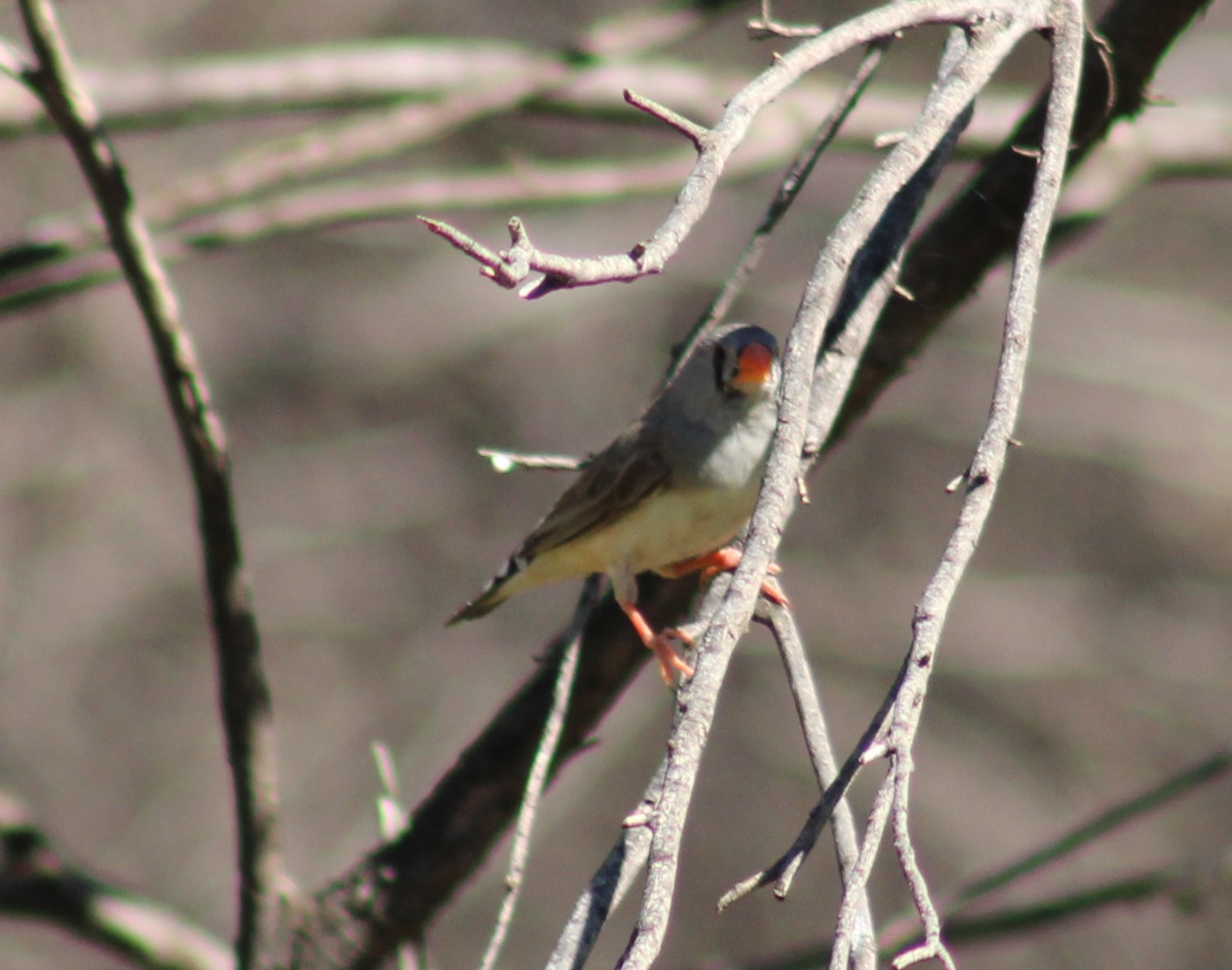
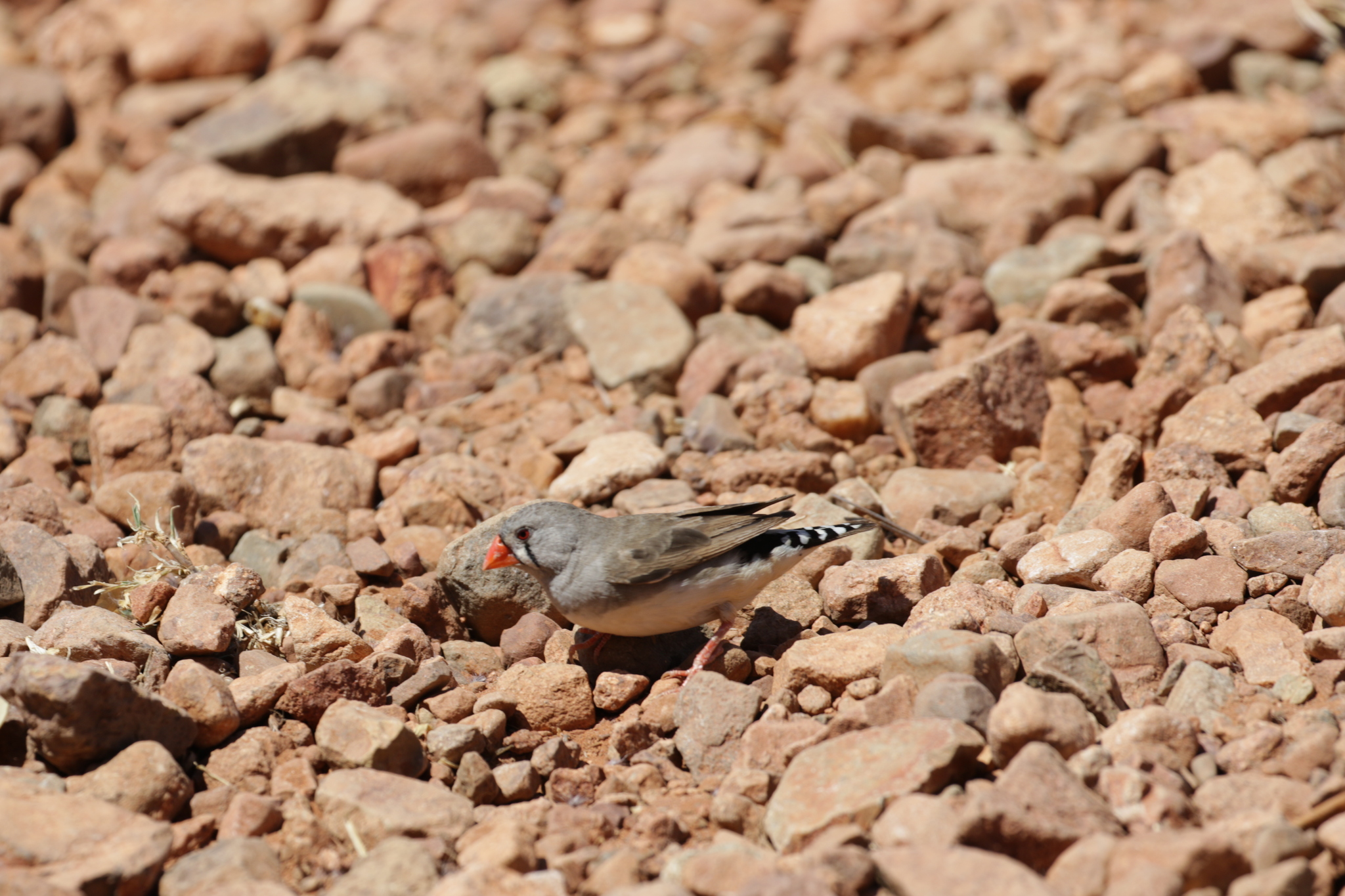
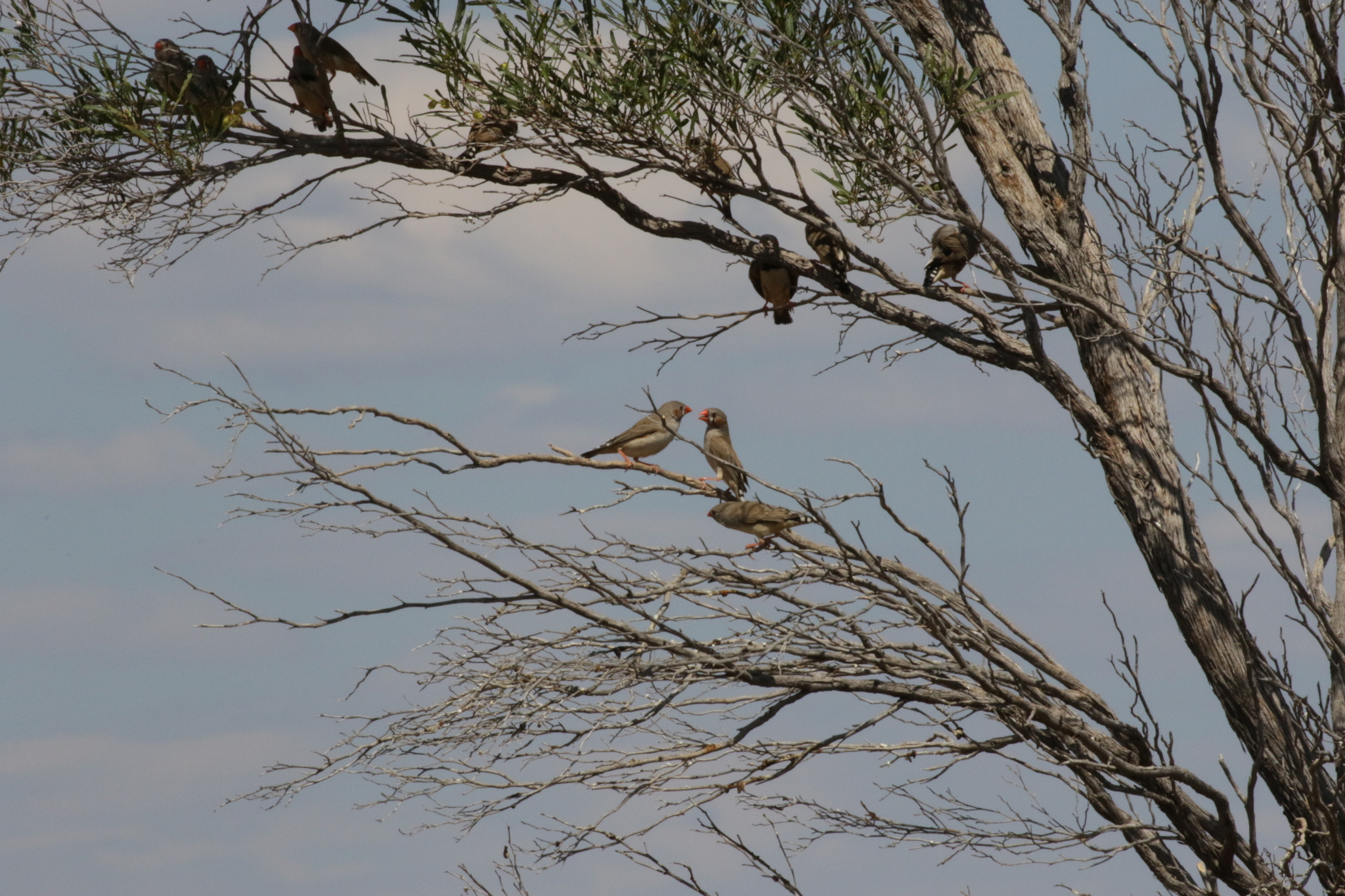
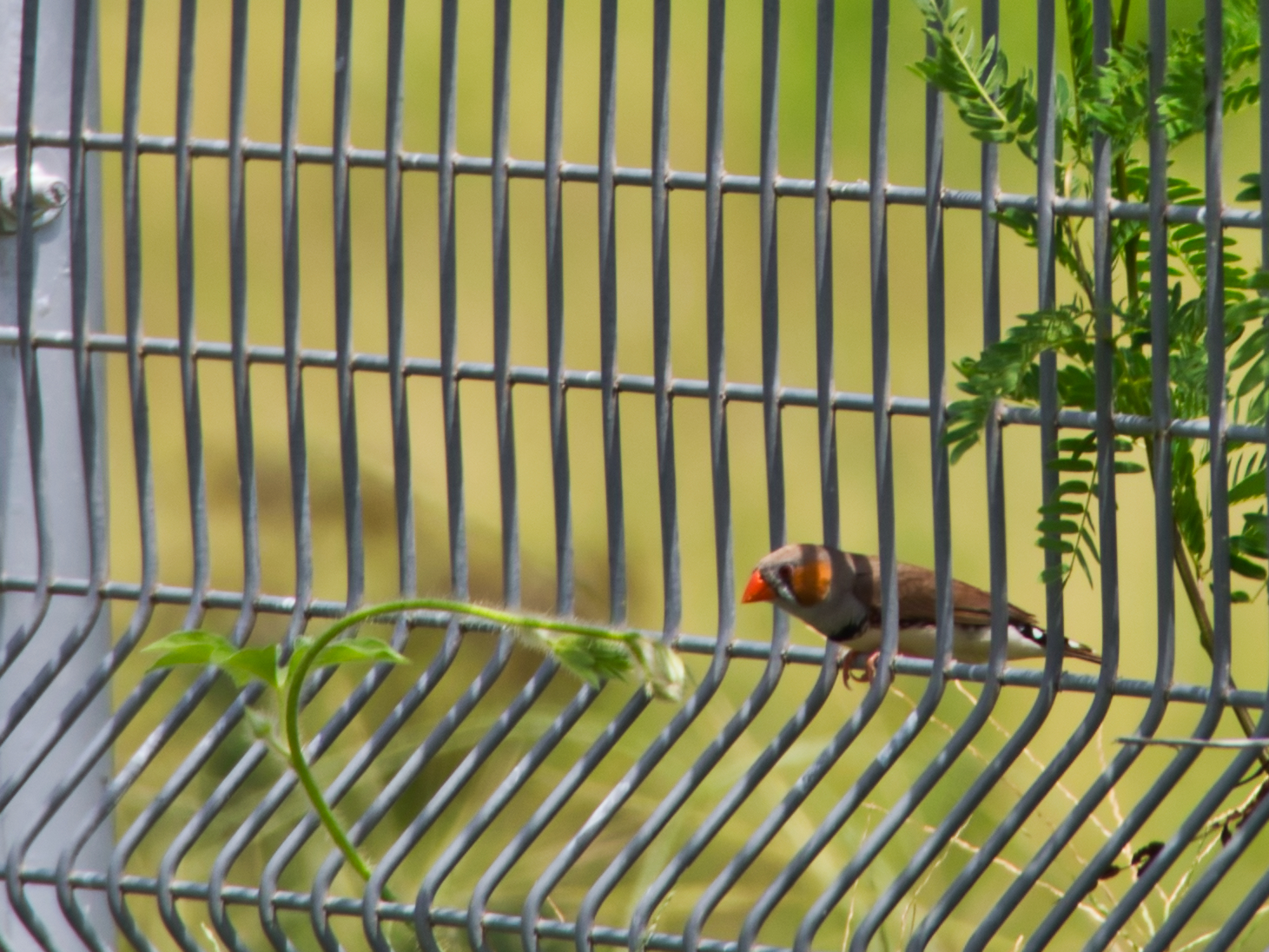
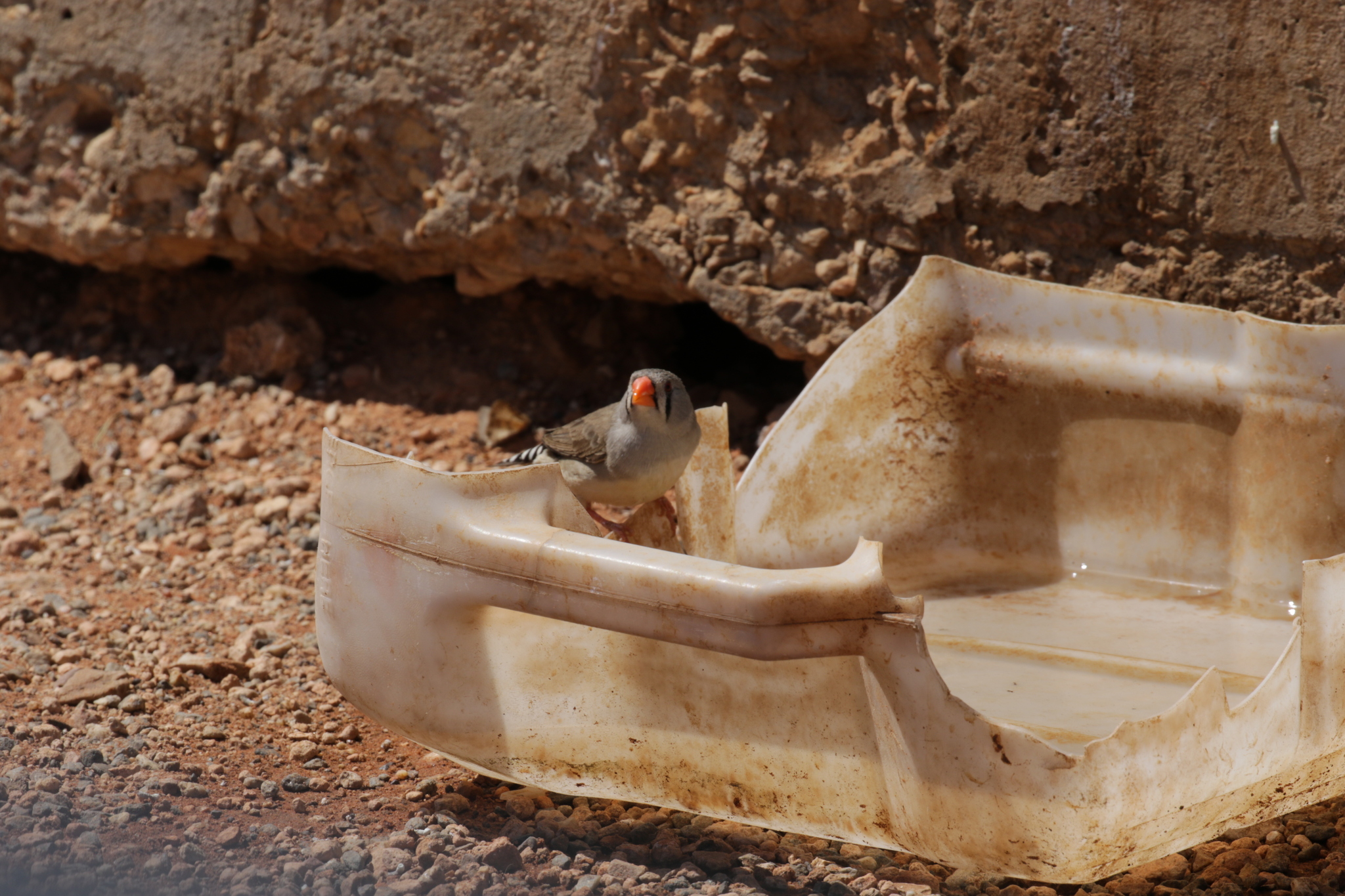
The zebra finches are two species of estrildid finch in the genus Taeniopygia found in Australia and Indonesia. The genus contains T. castanotis (Australian zebra finch) and T. guttata (Sunda/Indonesian zebra finch). These seed-eaters travel in large flocks. The genus is placed in the tribe Poephilini. The species were split as recently as 2016 by the IUCN Red List and BirdLife International based on differences in plumage, mtDNA divergence, and assortative mating. The genus likely evolved in Australia, with either northern or southeastern Australia postulated as places of origin.
Description
The two species differ in size, with T. guttata being smaller than T. castanotis. Males of T. guttata lack the fine barring found on the throat and upper breast of T. castanotis males and have smaller breast bands. The incubation period is approximately 14 days. As an altricial species, the embryonic development differs from precocial birds like chickens, with different growth stages and shorter incubation time.
Identification
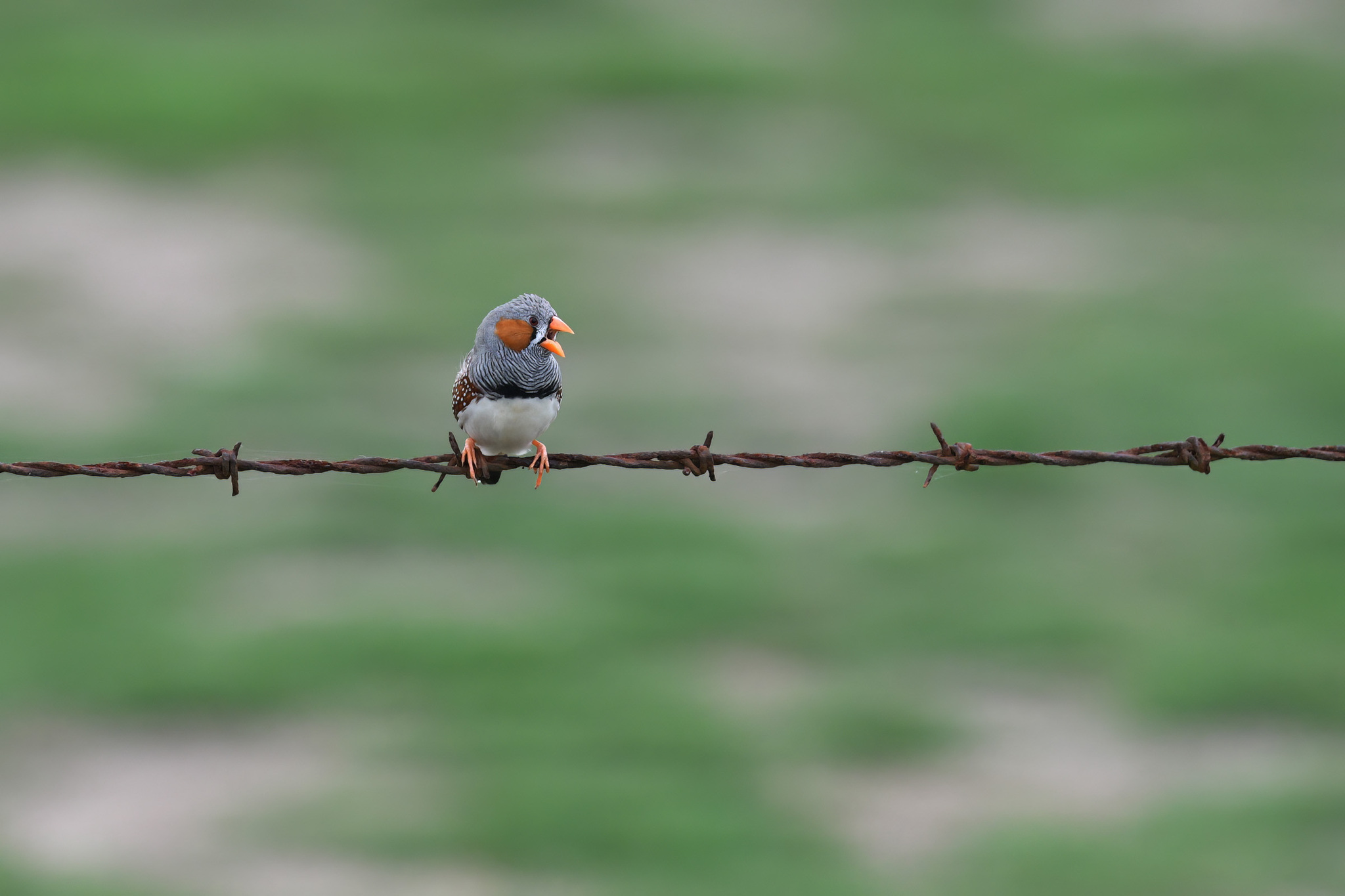
The two species in the genus can be distinguished by size and male plumage. The Indonesian T. guttata is smaller than the Australian T. castanotis. Male T. guttata lack the fine barring on the throat and upper breast characteristic of T. castanotis males and display smaller breast bands.
Distribution & Habitat
The genus evolved in Australia, with either northern or southeastern Australia as potential sites of origin. The present-day distribution of T. guttata likely resulted from a Pleistocene glaciation event where sea levels dropped approximately 100 to 150 metres, bringing the coasts of Timor and Australia closer. This allowed T. castanotis individuals swept out to sea by cyclones to sight mountains near the west coast of Timor and make landfall on the island.
Behavior & Ecology
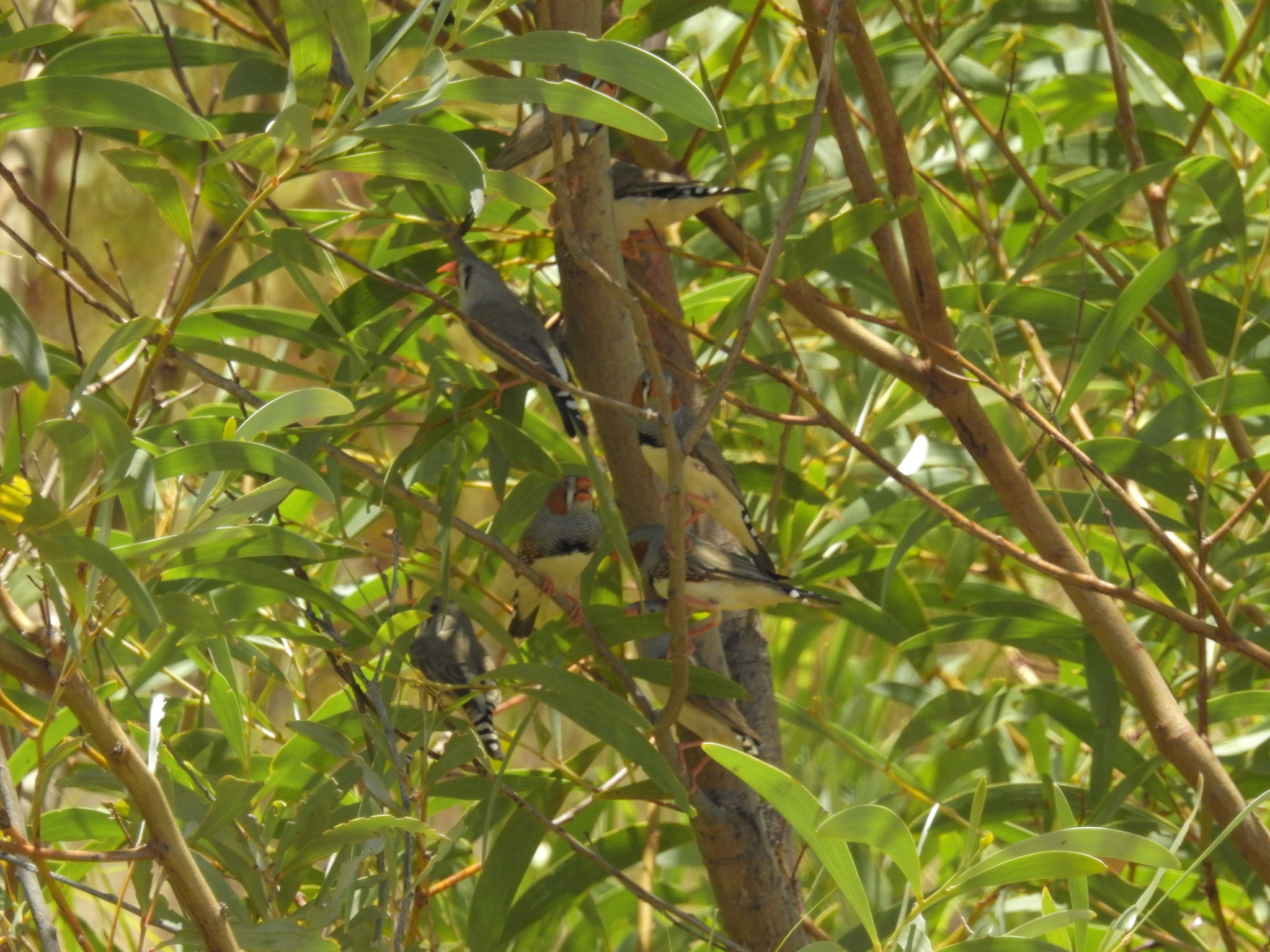
These birds are seed-eaters that travel in small bands and sometimes gather in larger groups. They are among the bird species capable of learning new vocalizations, making them a dominant model species in the study of vocal learning. Songs can change over time through cultural transmission, creating dialects in geographically distant populations. Female zebra finches show a preference for mates with dialects similar to those they heard during adolescence. Research indicates they can hear and respond to song variations imperceptible to humans.
Conservation
The two species were classified as a single species until 2016 when the IUCN Red List and BirdLife International split them. The Australian zebra finch is the far more widely recognized member of the genus.
Culture
The Australian zebra finch is extensively used worldwide as a model organism in research fields including neurobiology, physiology, behavior, ecology, and evolution. Individuals are easy to maintain and breed in captivity. Researchers are exploring analogies between human language and birdsong.
Source: Wikipedia · CC BY-SA 3.0
Taxonomy
- Order
- Passeriformes
- Family
- Estrildidae
- Genus
- Taeniopygia
- eBird Code
- zebfin2
Subspecies (2)
-
Taeniopygia guttata castanotis
Australia (except northern, southwestern, and eastern coastal regions, Cape York Peninsula, and Tasmania)
-
Taeniopygia guttata guttata
Lesser Sundas (Lombok and Sumba eastward to Timor and Sermata)
Data Sources
Species description from Wikipedia, licensed under CC BY-SA 3.0.
Bird images and sounds sourced from GBIF, contributed by citizen scientists worldwide under Creative Commons licenses.
Taxonomy data from AviList 2025.