
Alpine Swift
Tachymarptis melba
高山雨燕
Introduction
A swift in the family Apodidae, genus Tachymarptis. Found across Africa, southern Europe, and Asia. Breeds in mountainous regions from southern Europe to the Himalayas, typically below 1,500 m elevation. A highly aerial species that spends most of its life airborne, catching insects in flight and never settling voluntarily on the ground. Very short legs are adapted for clinging to vertical cliff surfaces. Migratory; southern European populations winter in southern Africa. Has adapted to urban environments, nesting in old buildings throughout the Mediterranean region.
Description
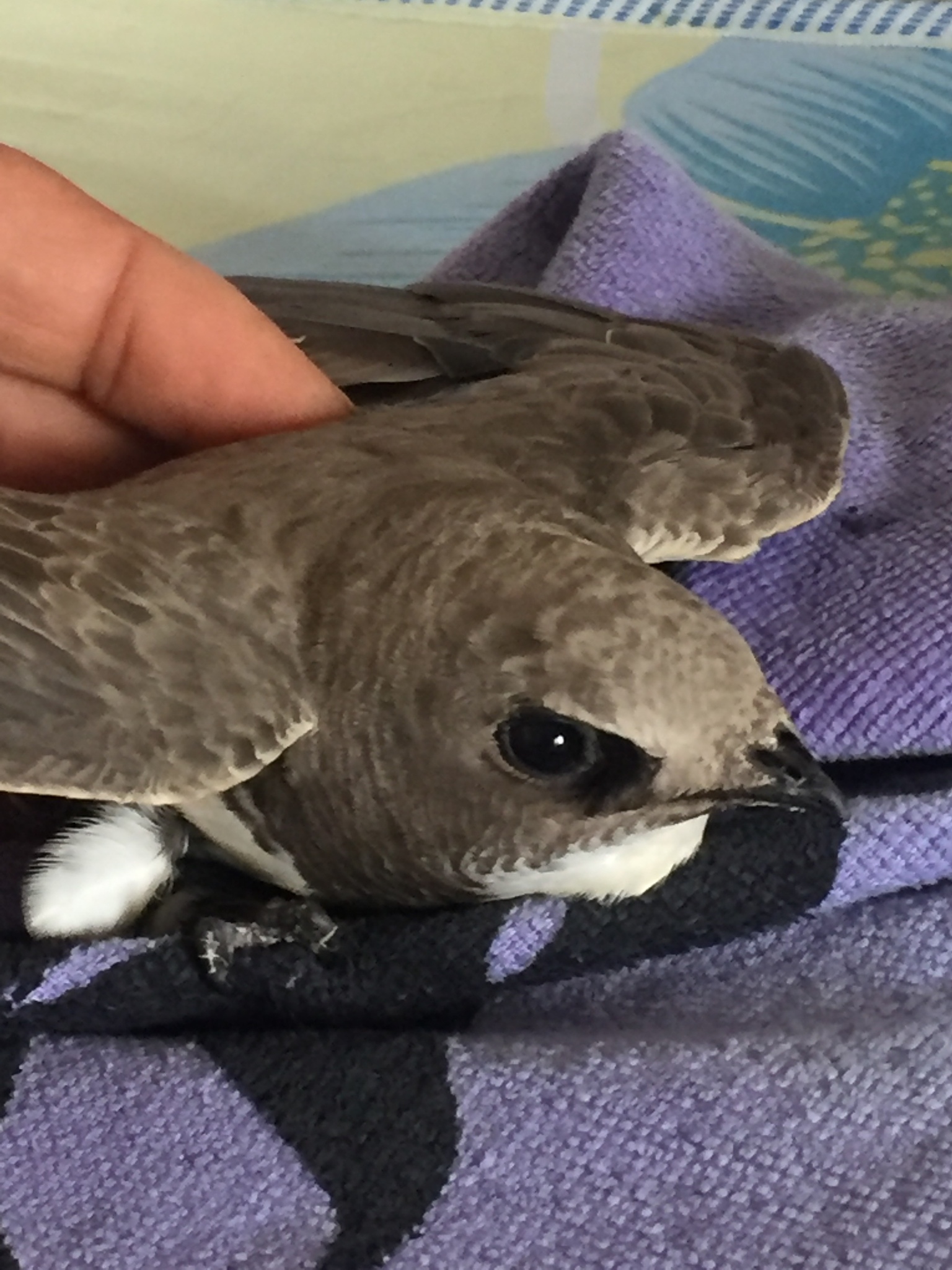
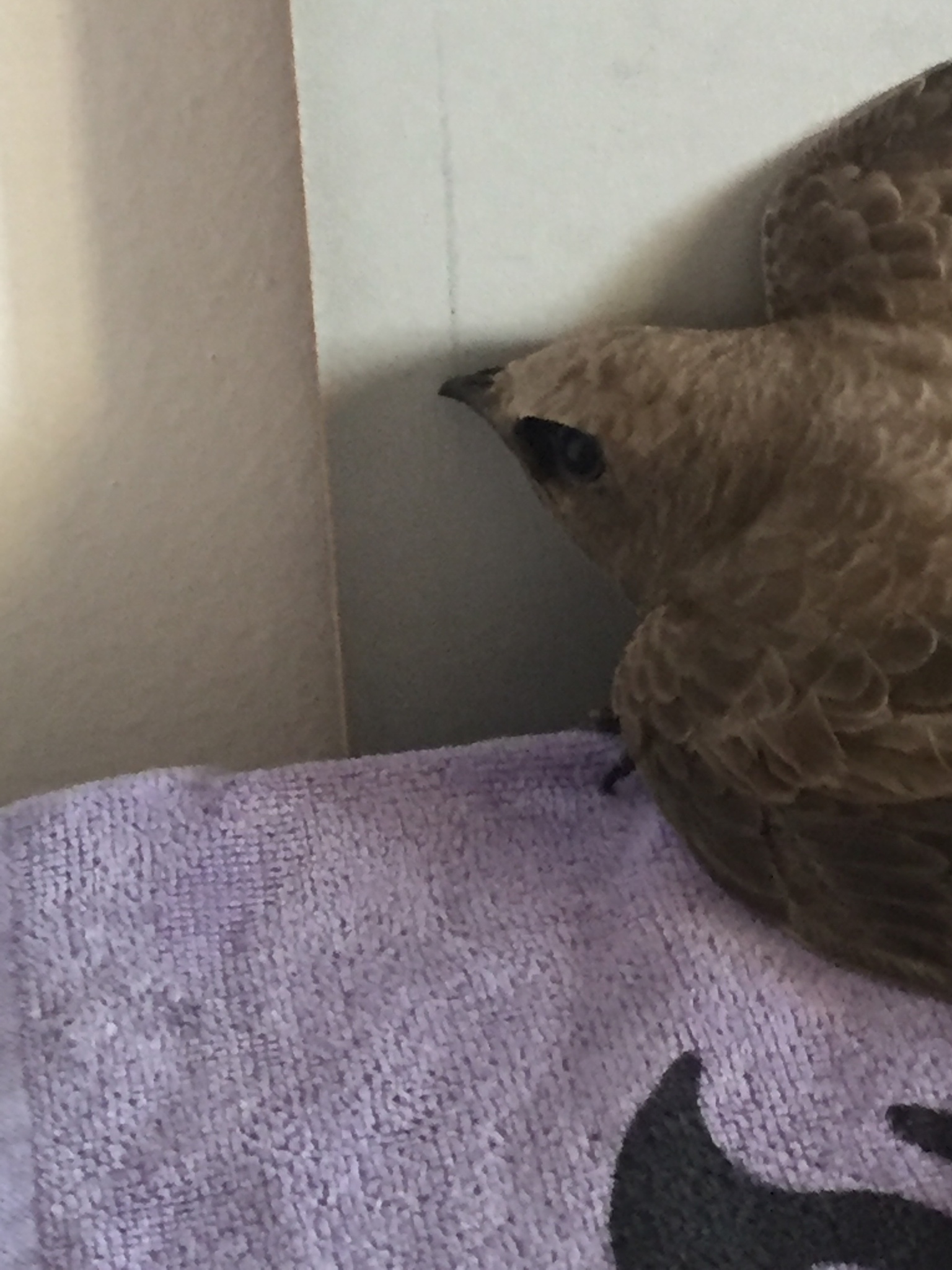
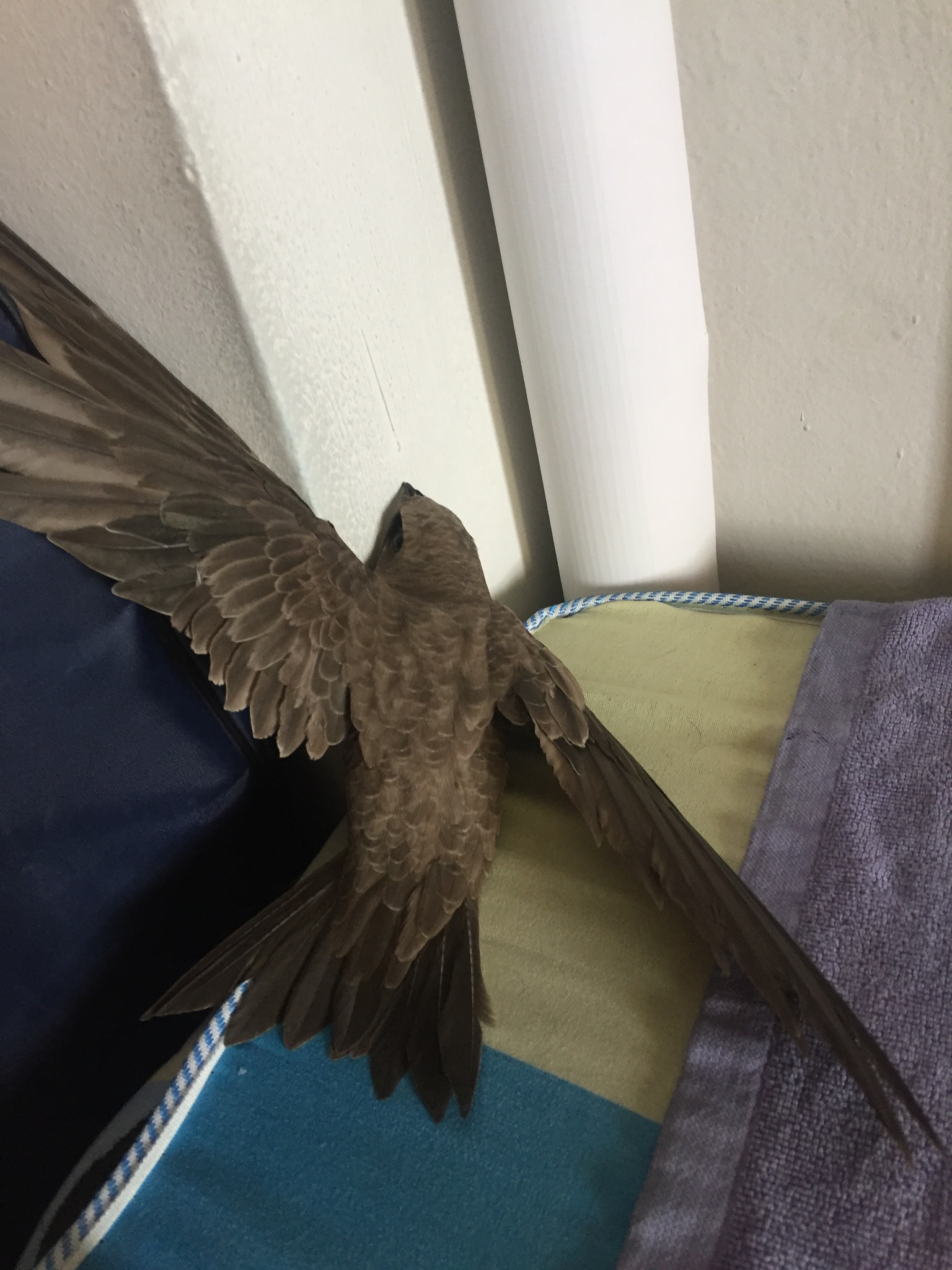
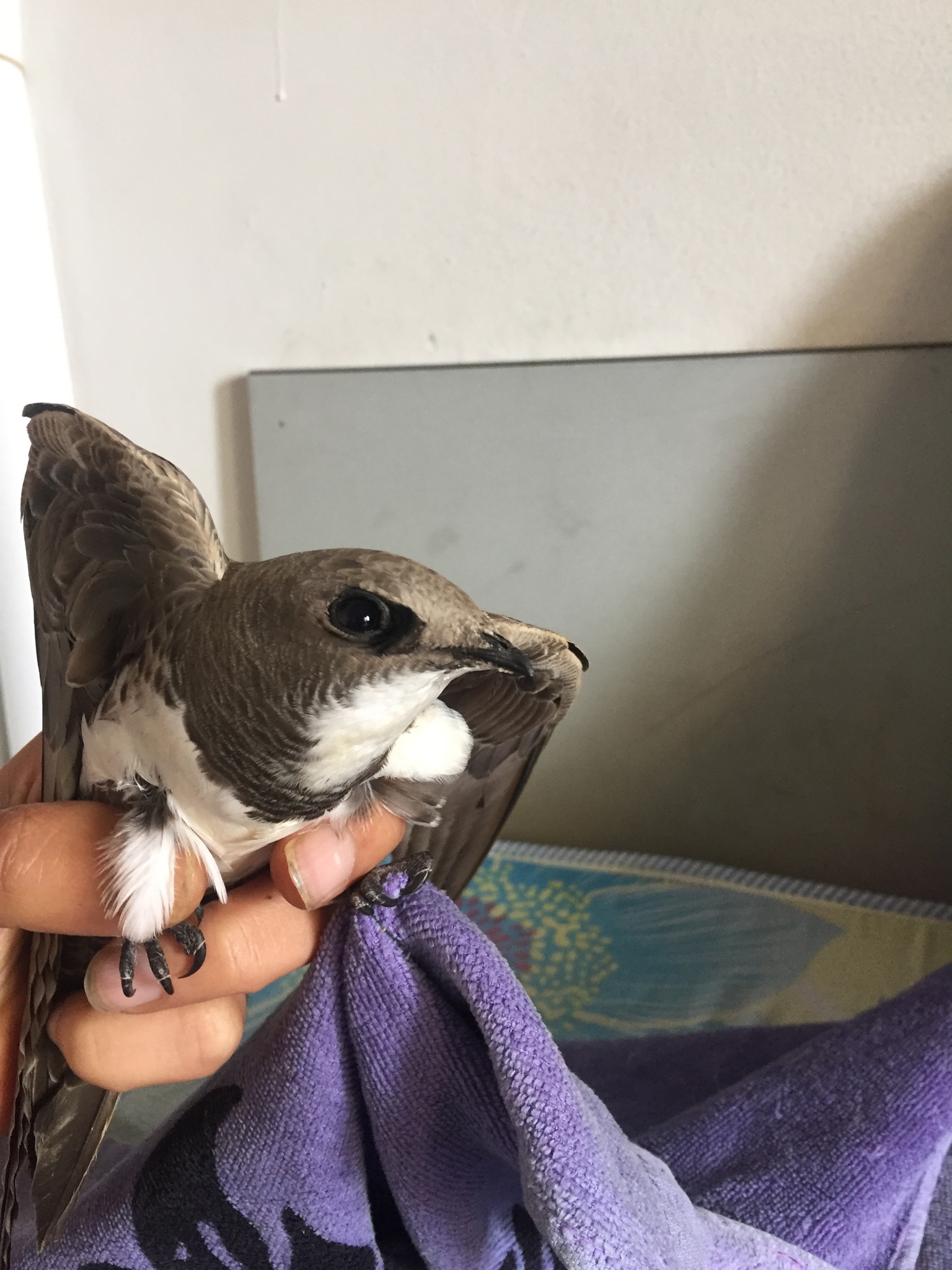
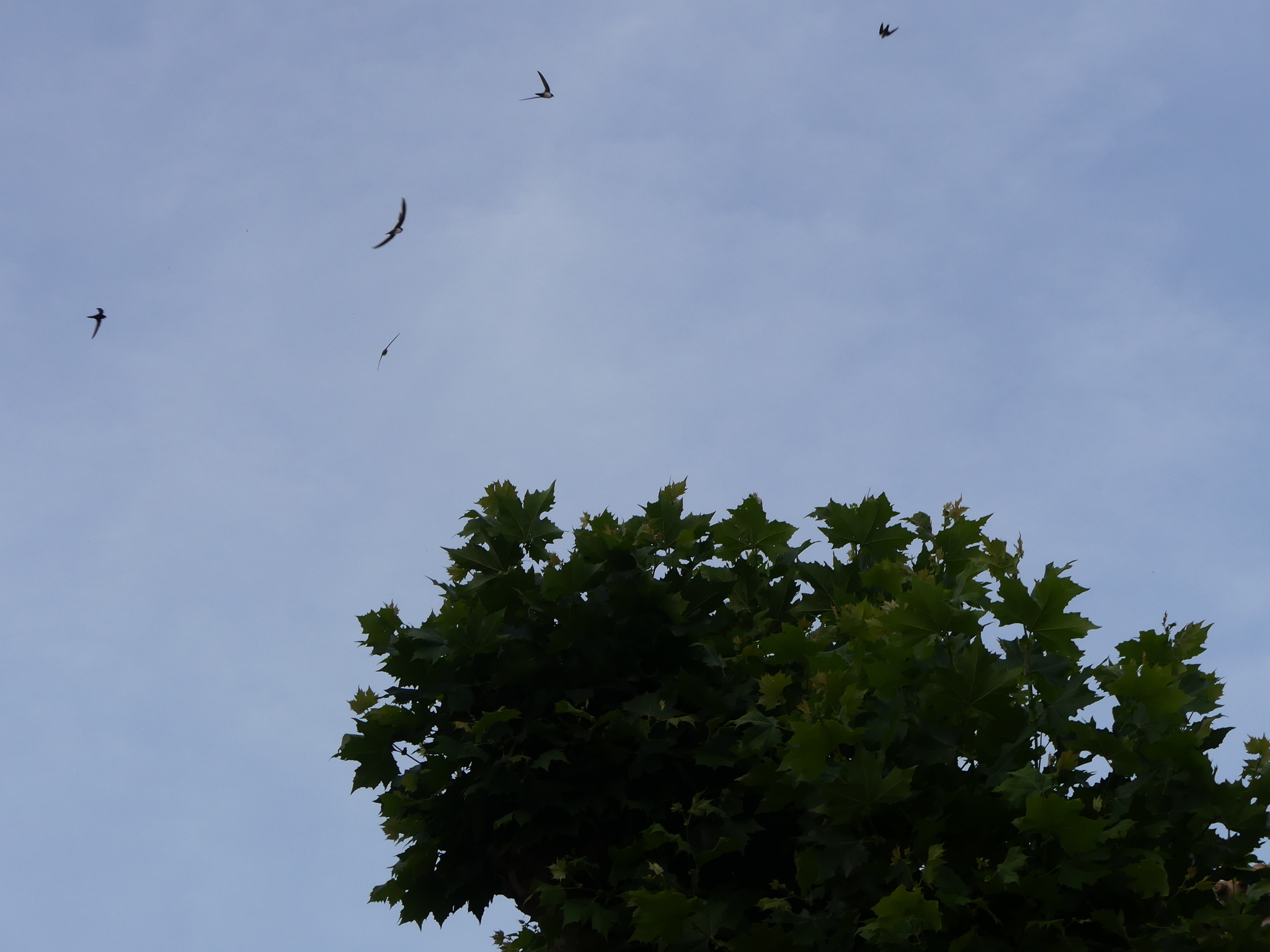
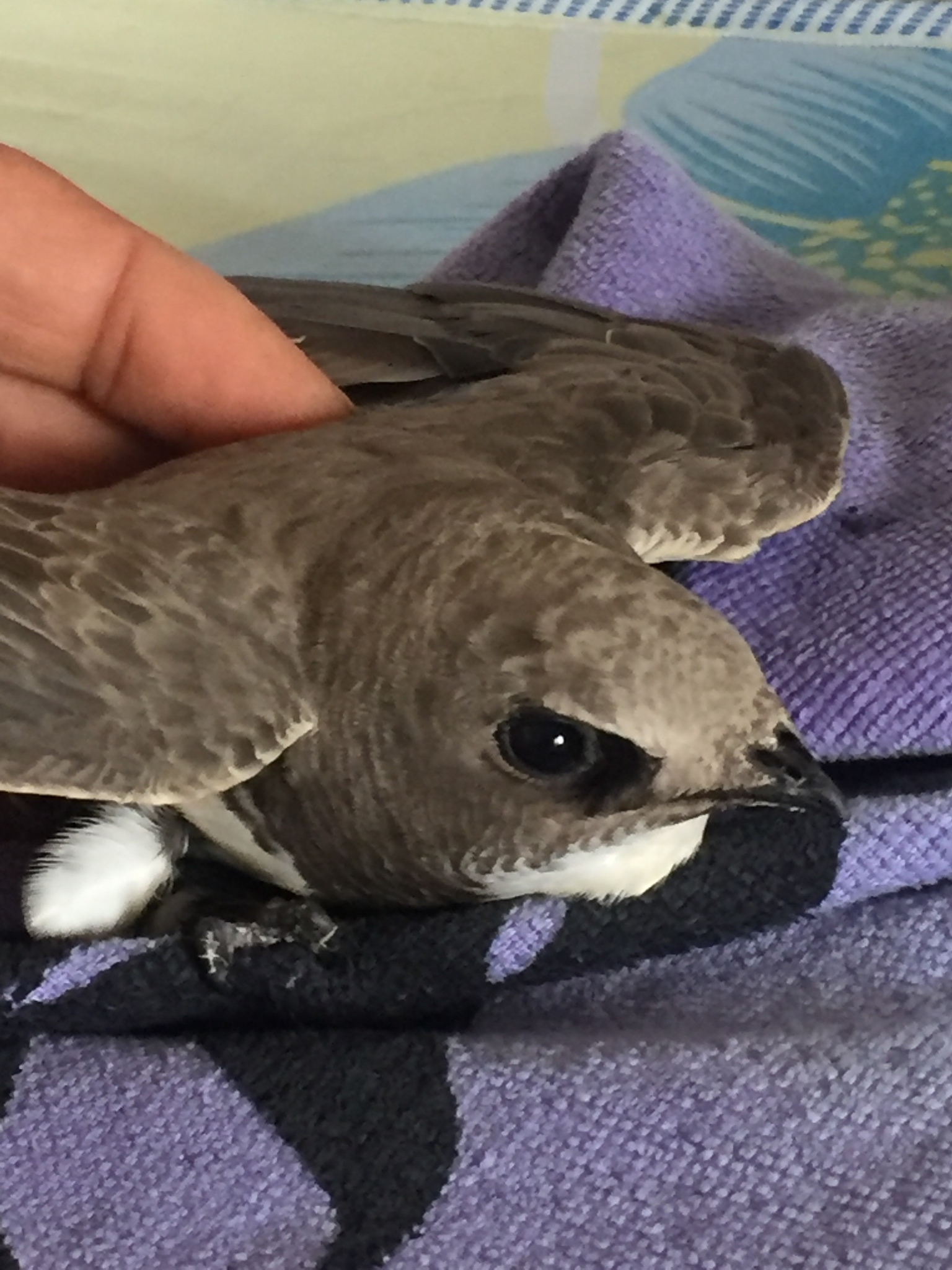
A large swift measuring 20-22 cm in length with a wingspan of 54-60 cm. Has broad wings and a shallowly forked tail. Upperparts are olive-brown with blacker wing-tips. The most distinctive feature is the white throat and a prominent oval white belly patch encircled by an olive-brown breastband. Overall plumage is dark brown with contrasting white underparts. The superficially swallow-like appearance results from convergent evolution rather than shared ancestry. Ten subspecies are recognized, varying in size and plumage coloration, with T. m. maximus being the largest (128g) and T. m. africanus among the smallest (67-87g).
Identification
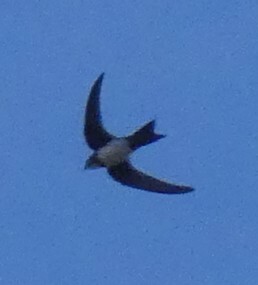
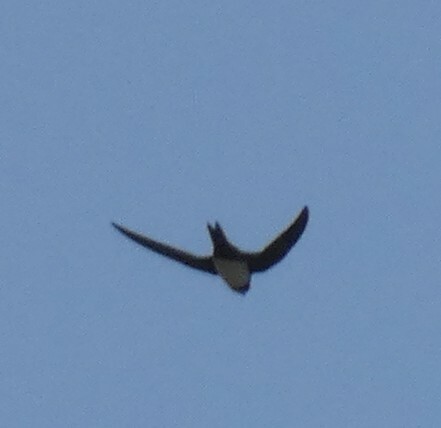
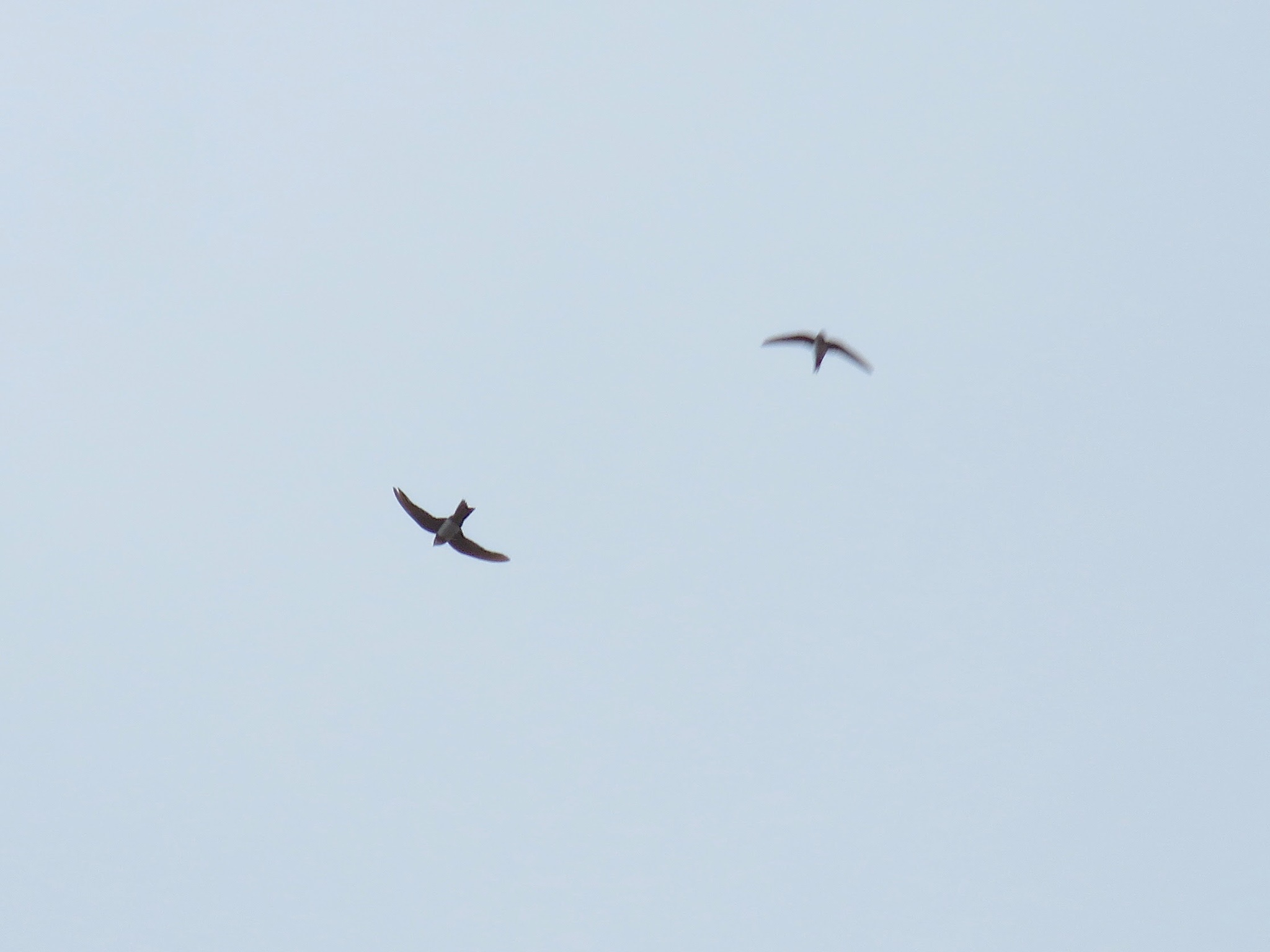
Readily distinguished from common swifts by significantly larger size and distinctive white belly and throat patch. Approximately twice the size of other swifts in its range, measuring 20-23 cm with a 57 cm wingspan and weighing around 100 g. The dark brown plumage features a dark neck band that separates the white throat from the white belly. Compared to common swifts (wingspan 42 cm), appears more robust in flight with slower, more powerful wing beats. Juveniles resemble adults but have pale-edged plumage. The combination of large size, white underparts, and long curved wings creates a distinctive silhouette.
Distribution & Habitat
Breeds across southern Europe east through Turkey, the Caucasus, and along the Black Sea coast to Crimea, Central Asia, Iran, Afghanistan, and the Himalayas. Year-round populations occur in eastern and southern Africa, Madagascar, western peninsular India, and Sri Lanka. Northern populations migrate south to winter in sub-Saharan Africa. The species wanders widely on migration and is regularly observed in southern Europe, the Middle East, and Asia. Scattered populations exist in northwestern Africa and northern Libya. In the western Palearctic, it is typically mountain-dwelling but occasionally found in lowlands. In sub-Saharan Africa and south Asia, it occupies a wider variety of habitats from sub-desert steppe to mountains. Has been recorded as a rare vagrant in the Americas, including Bermuda, Brazil, Barbados, and Puerto Rico.
Behavior & Ecology
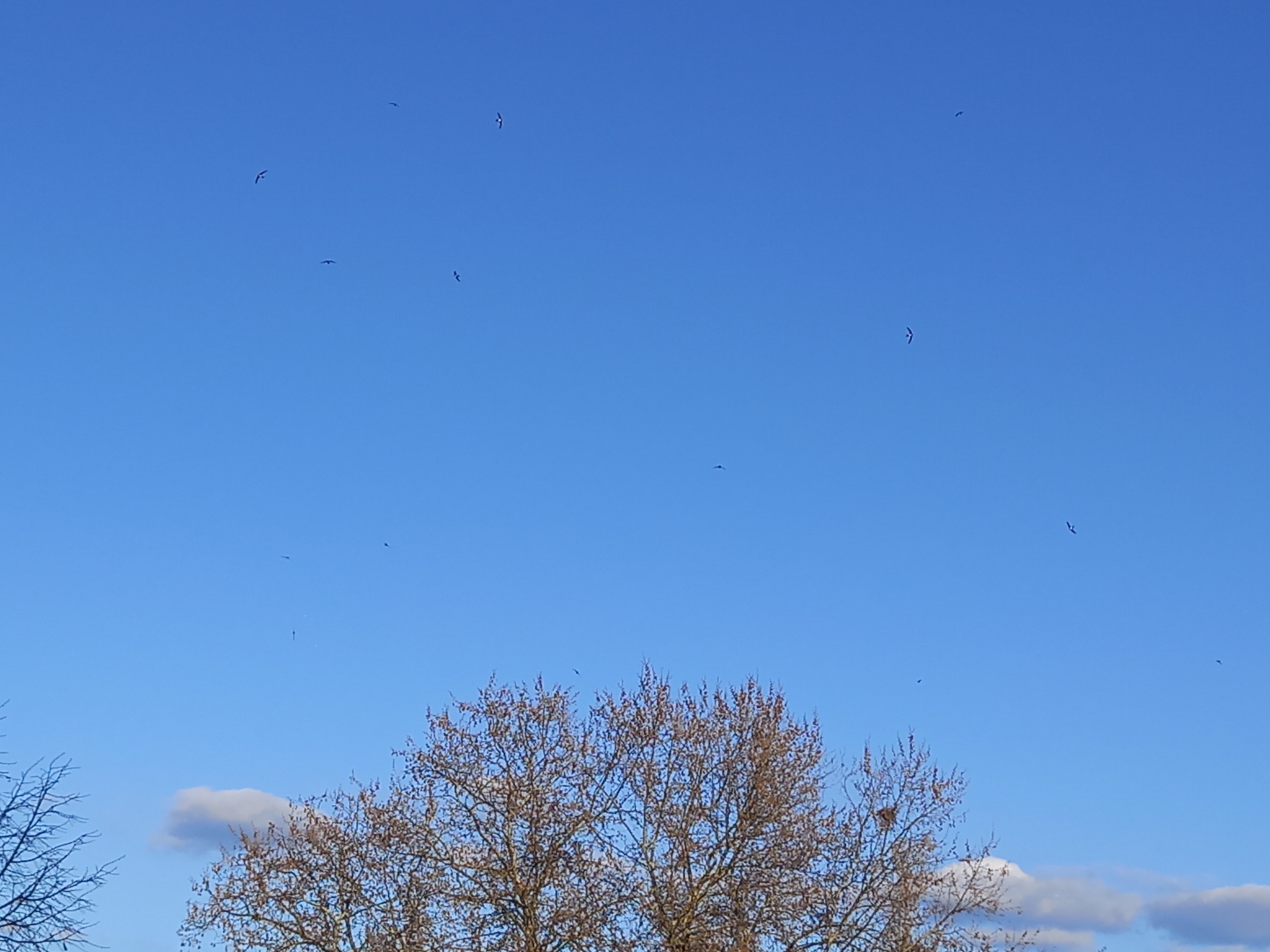
Spends virtually its entire life in flight; a 2013 study documented individuals remaining airborne for over six months. Performs twilight ascents with increased flight activity and altitude gain at dawn and dusk, possibly for social interaction. Flight is powerful and rapid with deep, slow wing beats. Nests colonially in cliff holes, caves, or buildings, returning to the same sites annually. Breeds once per year with clutches of 1-4 eggs; both parents incubate and feed young, which fledge at approximately 50 days. Monogamous with low rates of extra-pair paternity. Diet consists primarily of arthropods, especially insects from 10 orders and 79 families, with Homoptera, Diptera, and Hymenoptera most frequently consumed. Call is a drawn-out twittering. Sexual dimorphism is subtle, with males having a tail fork approximately 7% longer than females.
Conservation
IUCN assessment and population trends are not provided in the source article.
Culture
Cultural significance and folklore are not addressed in the source article.
Source: Wikipedia · CC BY-SA 3.0
Taxonomy
- Order
- Apodiformes
- Family
- Apodidae
- Genus
- Tachymarptis
- eBird Code
- alpswi1
Vocalizations
Subspecies (10)
-
Tachymarptis melba africanus
Ethiopia to Cape Province and southwestern Angola
-
Tachymarptis melba archeri
northern Somalia to southwestern Arabia and Dead Sea depression
-
Tachymarptis melba bakeri
Sri Lanka
-
Tachymarptis melba dorabtatai
mountains of western peninsular India
-
Tachymarptis melba marjoriae
north-central Namibia to northwestern Cape Province
-
Tachymarptis melba maximus
Rwenzori Mountains (northeastern Democratic Republic of the Congo and southwestern Uganda)
-
Tachymarptis melba melba
breeds southern Europe to Türkiye and northwestern Iran; winters Afrotropics
-
Tachymarptis melba nubifugus
breeds Himalayas; winters central India
-
Tachymarptis melba tuneti
eastern Morocco to Middle East, Iran, Kazakhstan, and western Pakistan
-
Tachymarptis melba willsi
Madagascar
Data Sources
Species description from Wikipedia, licensed under CC BY-SA 3.0.
Bird images and sounds sourced from GBIF, contributed by citizen scientists worldwide under Creative Commons licenses.
Taxonomy data from AviList 2025.