Mikado Pheasant
Syrmaticus mikado
黑长尾雉
Introduction
The Mikado pheasant (Syrmaticus mikado) is a gamebird in the pheasant family Phasianidae of the order Galliformes. This species is endemic to the mountainous regions of central and southern Taiwan, where it inhabits dense shrubs, bamboo growth, and grassy terrain with conifer overstory at elevations between 2000 and 3200 meters above sea level. The species is crepuscular and often emerges into the open during light rain or misty conditions when visibility is reduced. It is evaluated as near threatened on the IUCN Red List of Threatened Species and is listed on Appendix I of CITES.
Description
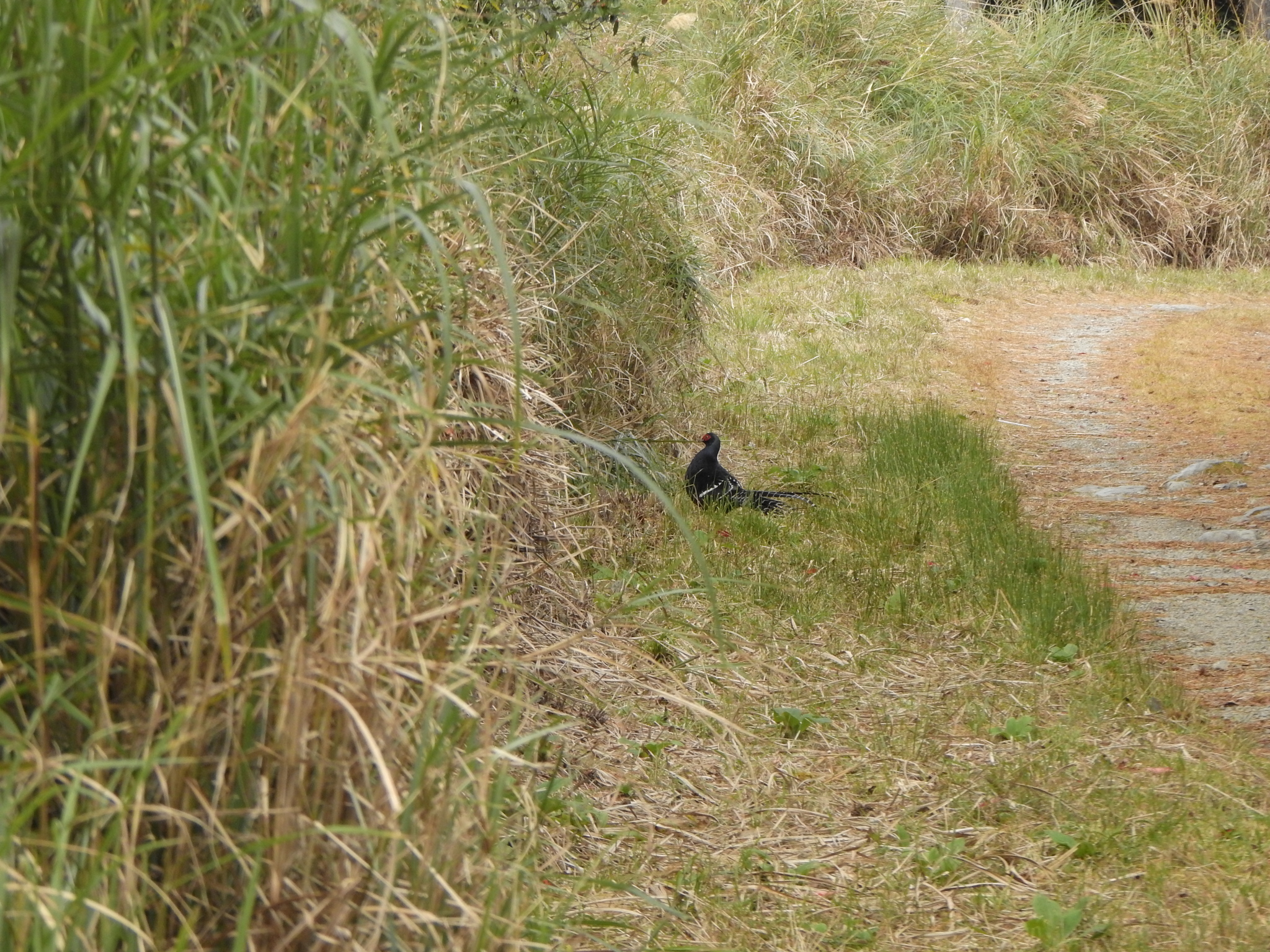
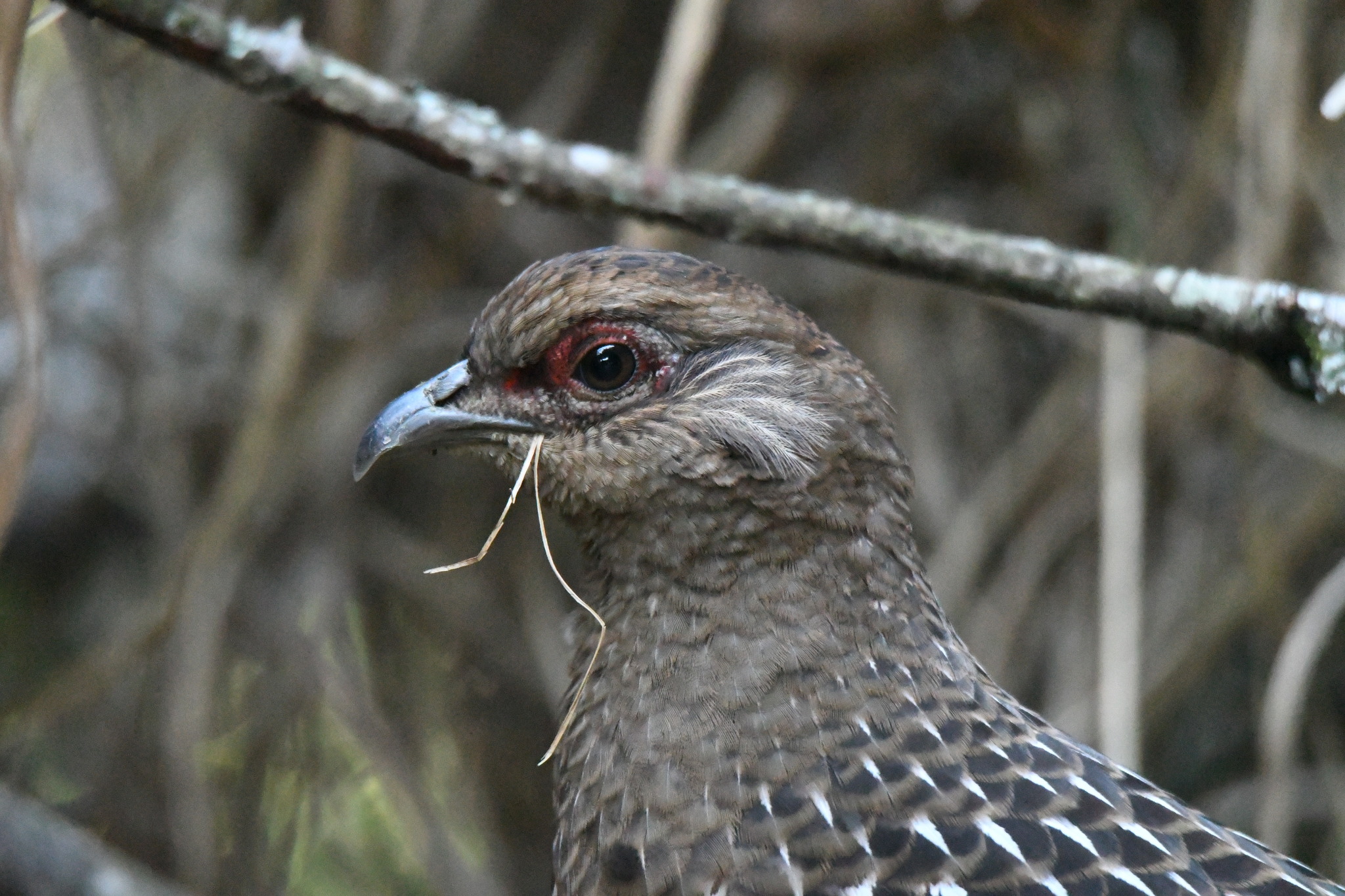
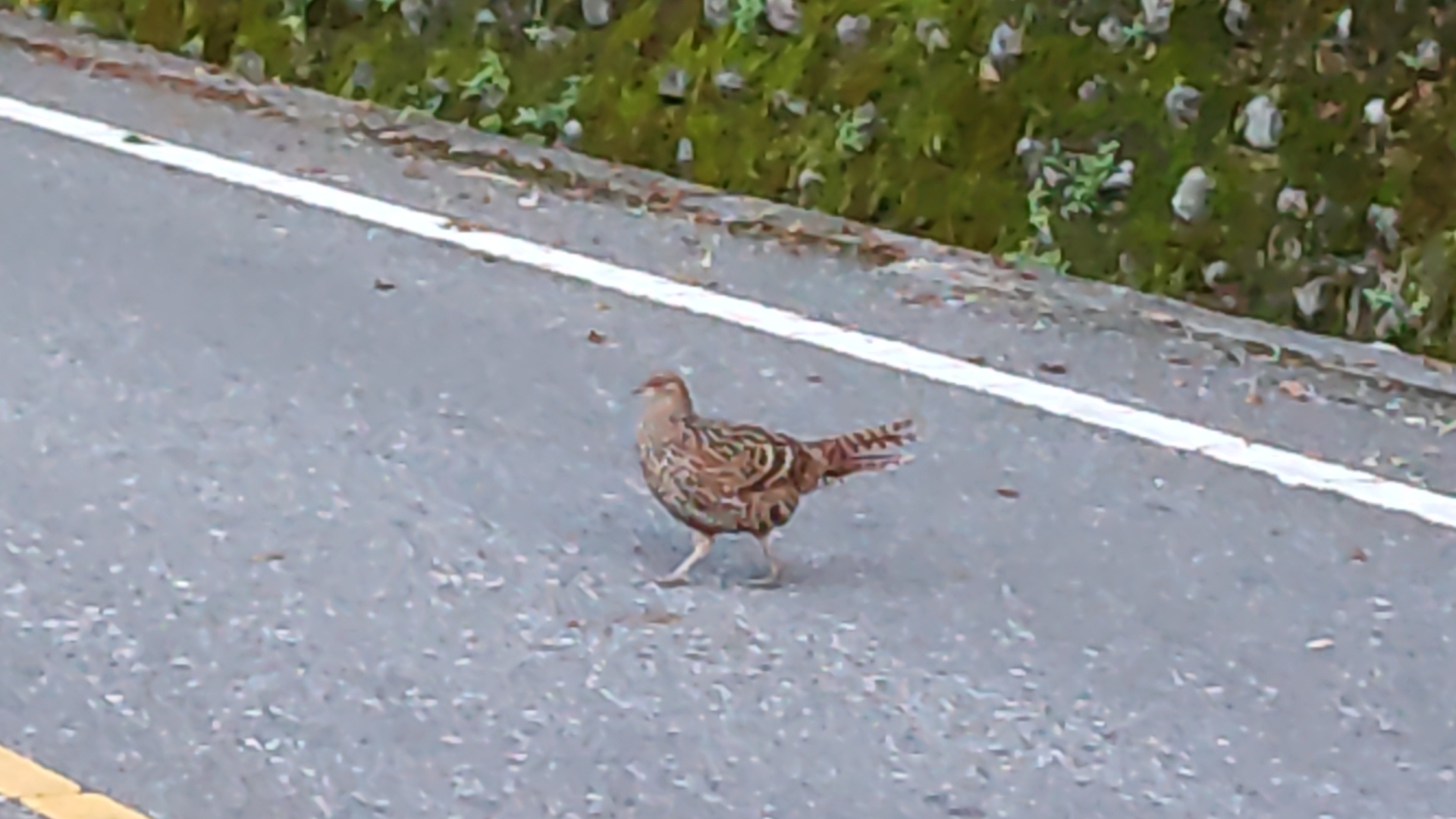
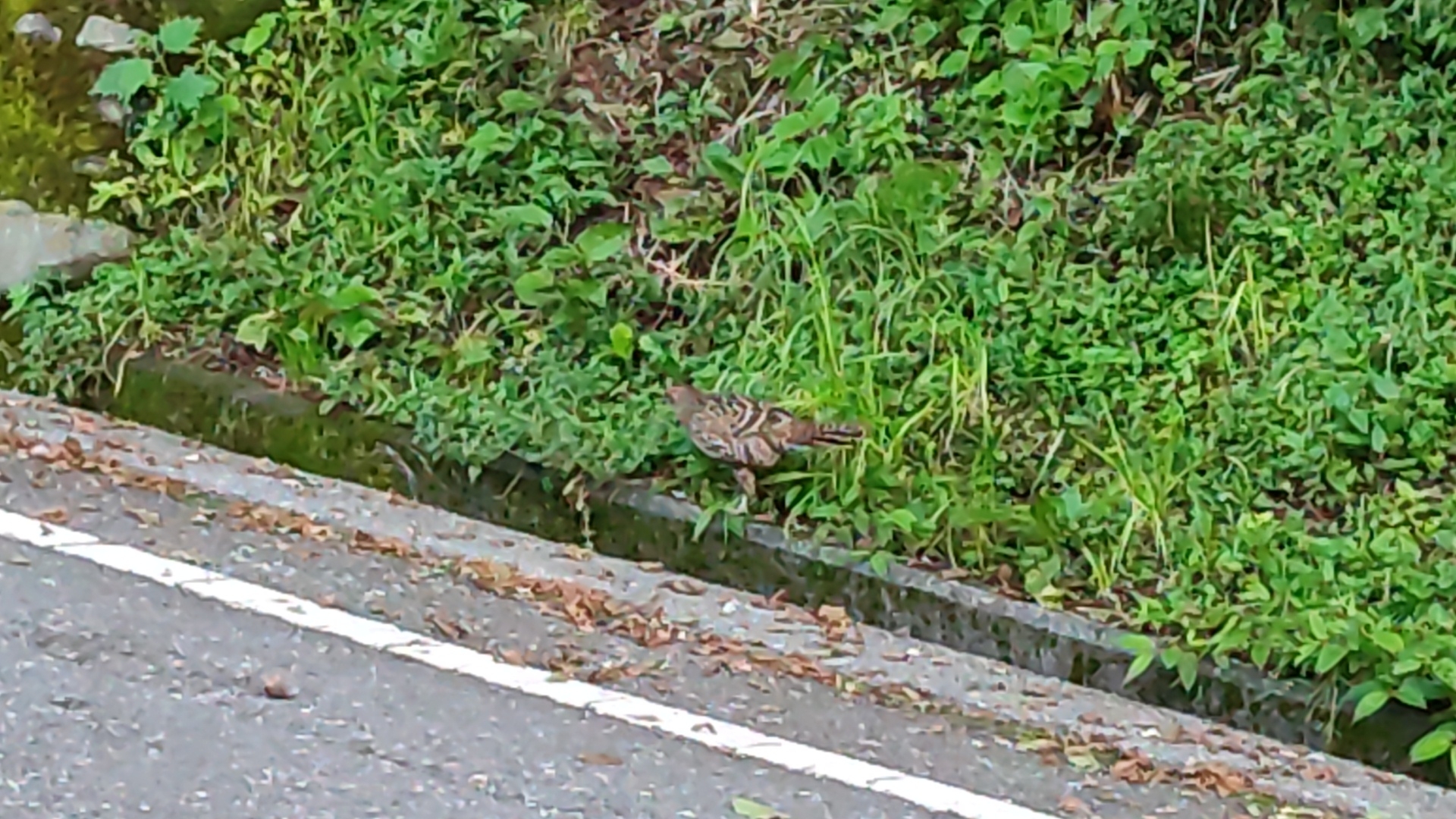
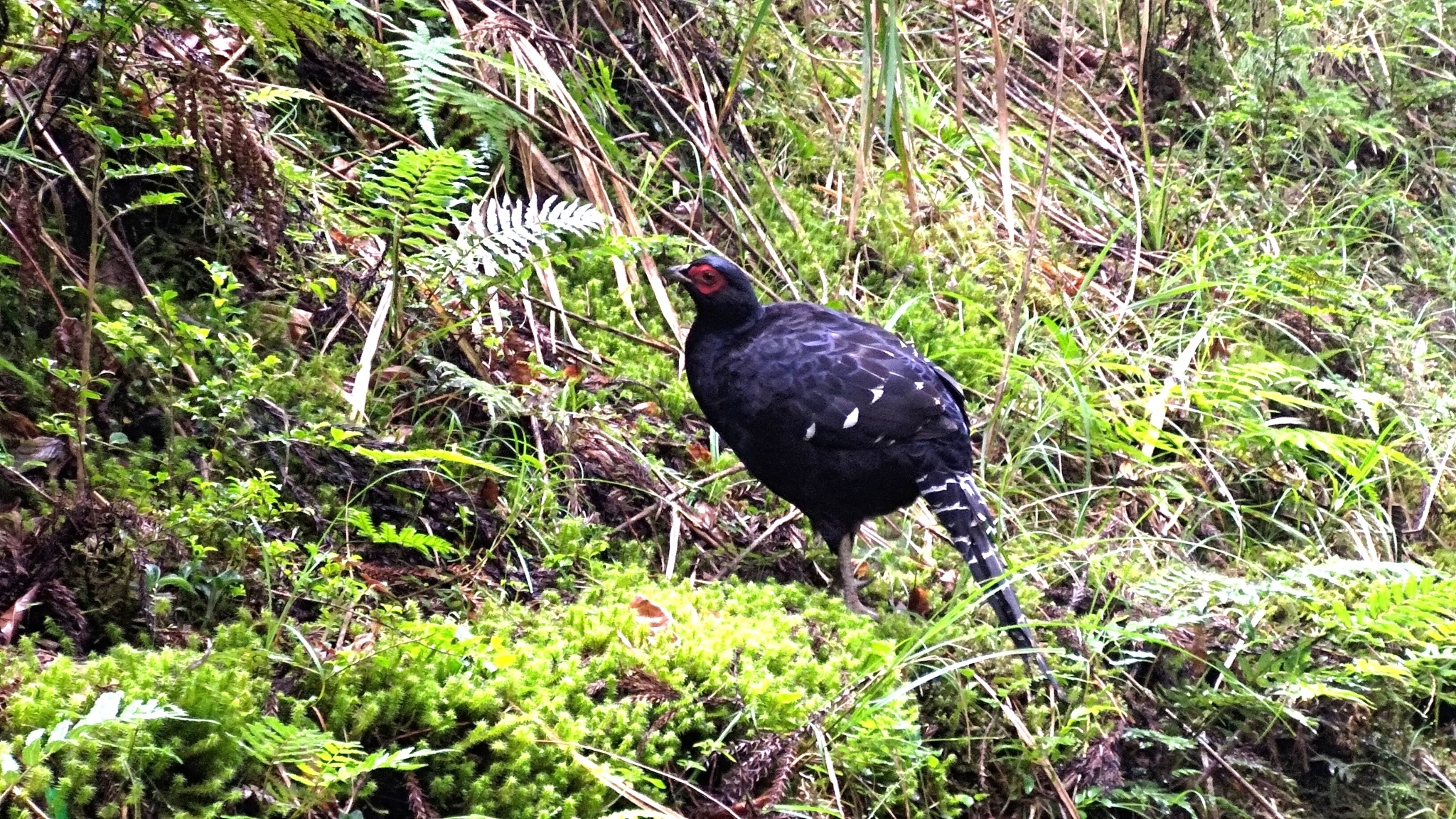
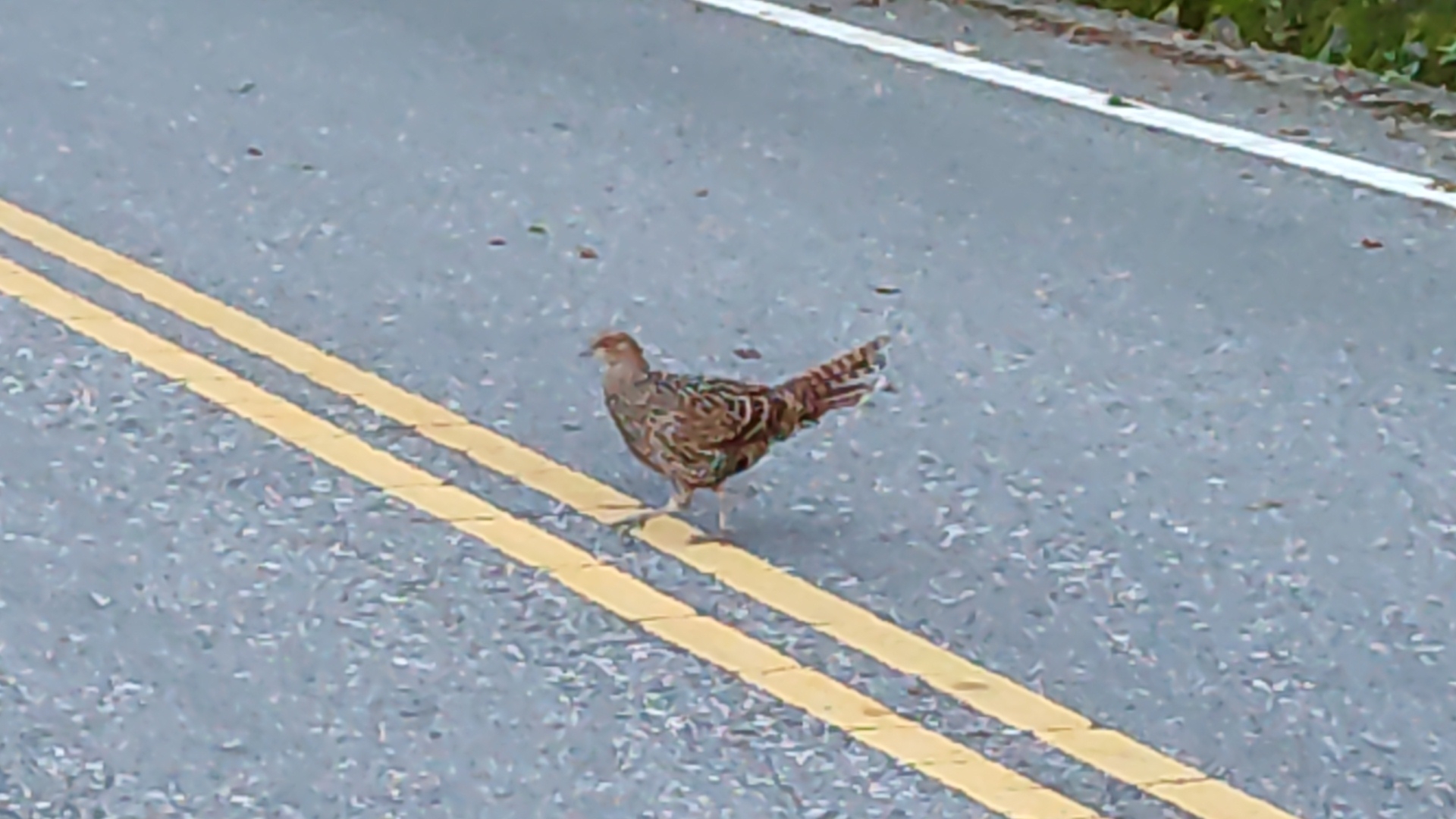
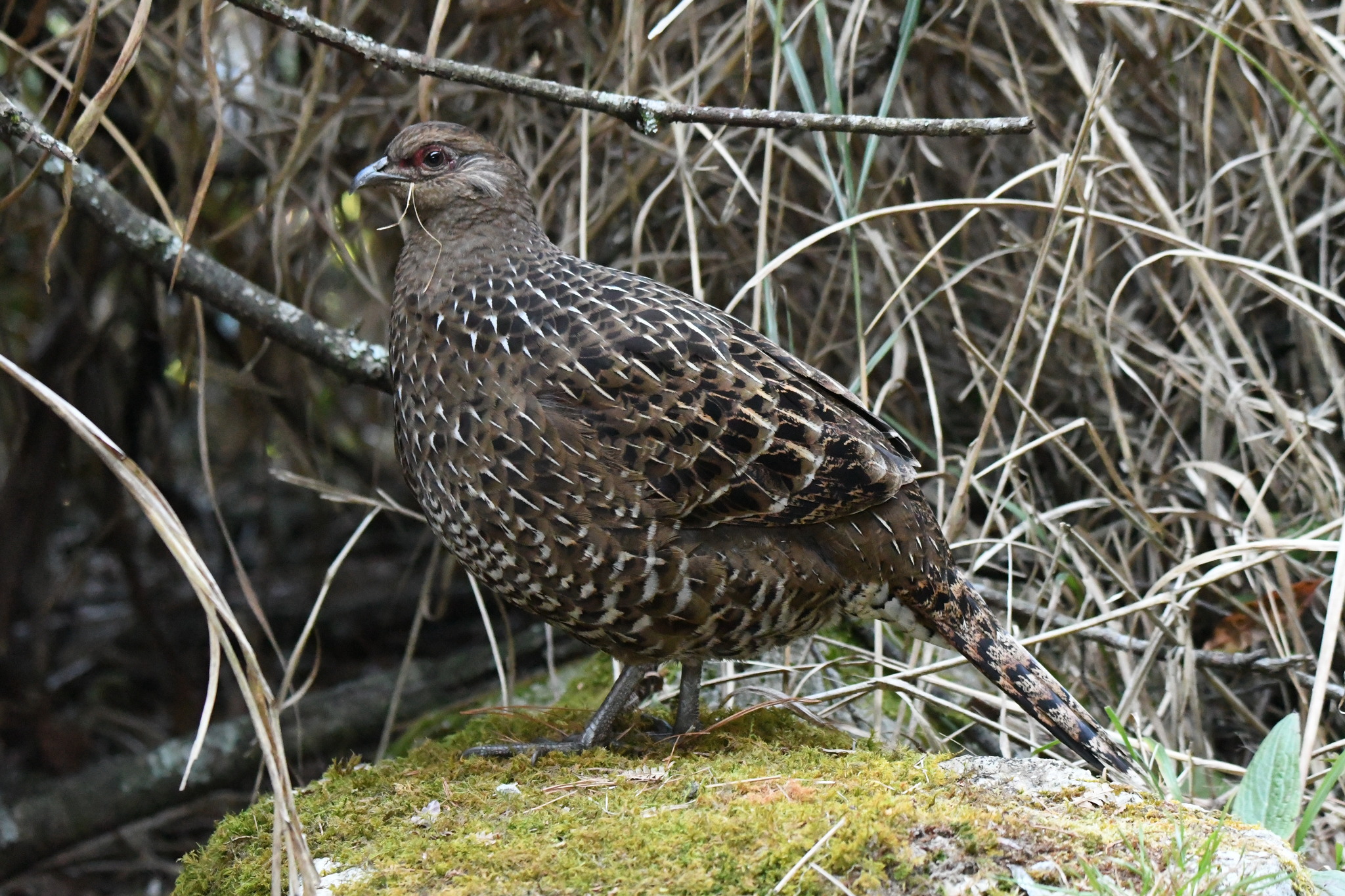
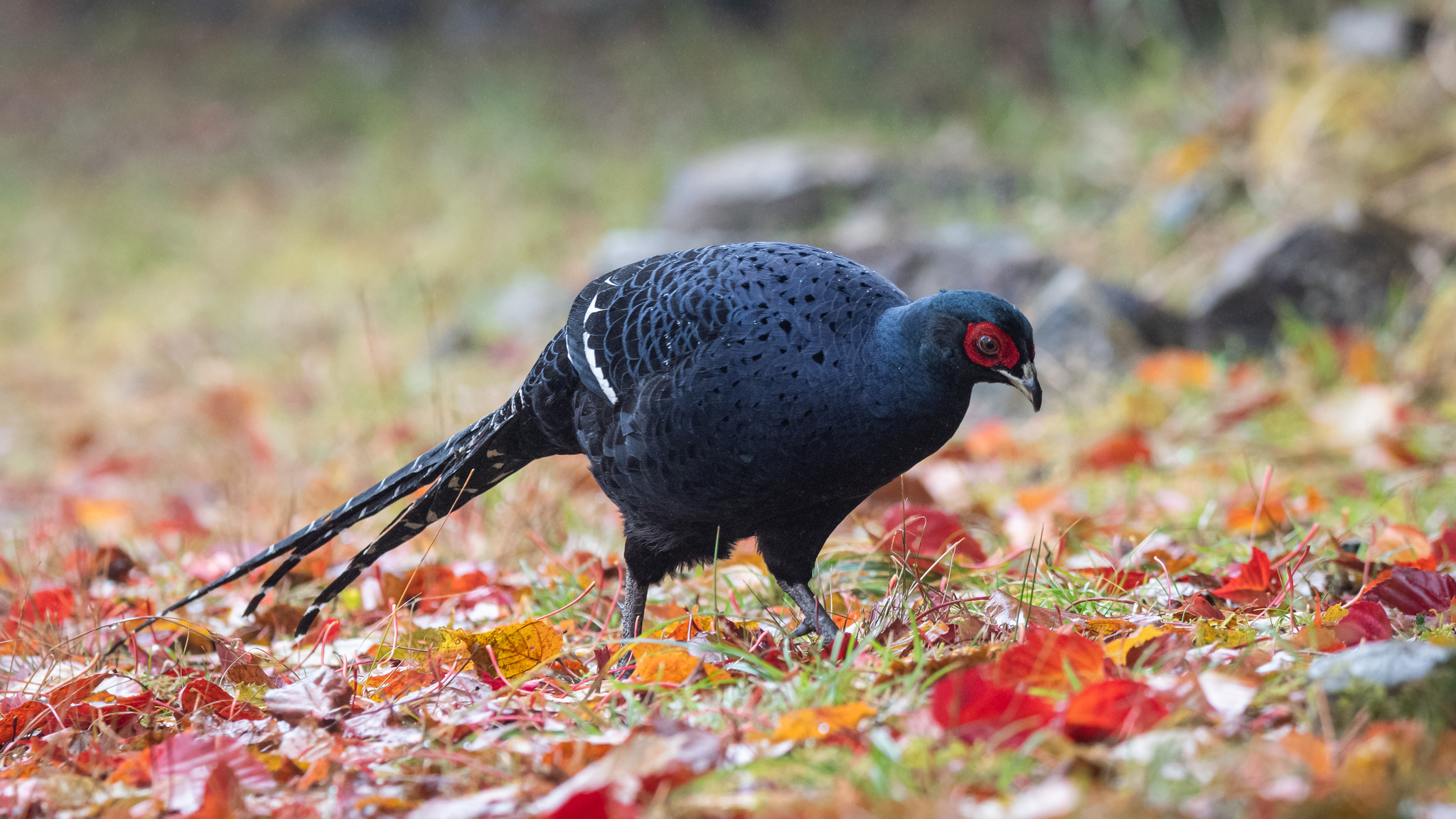
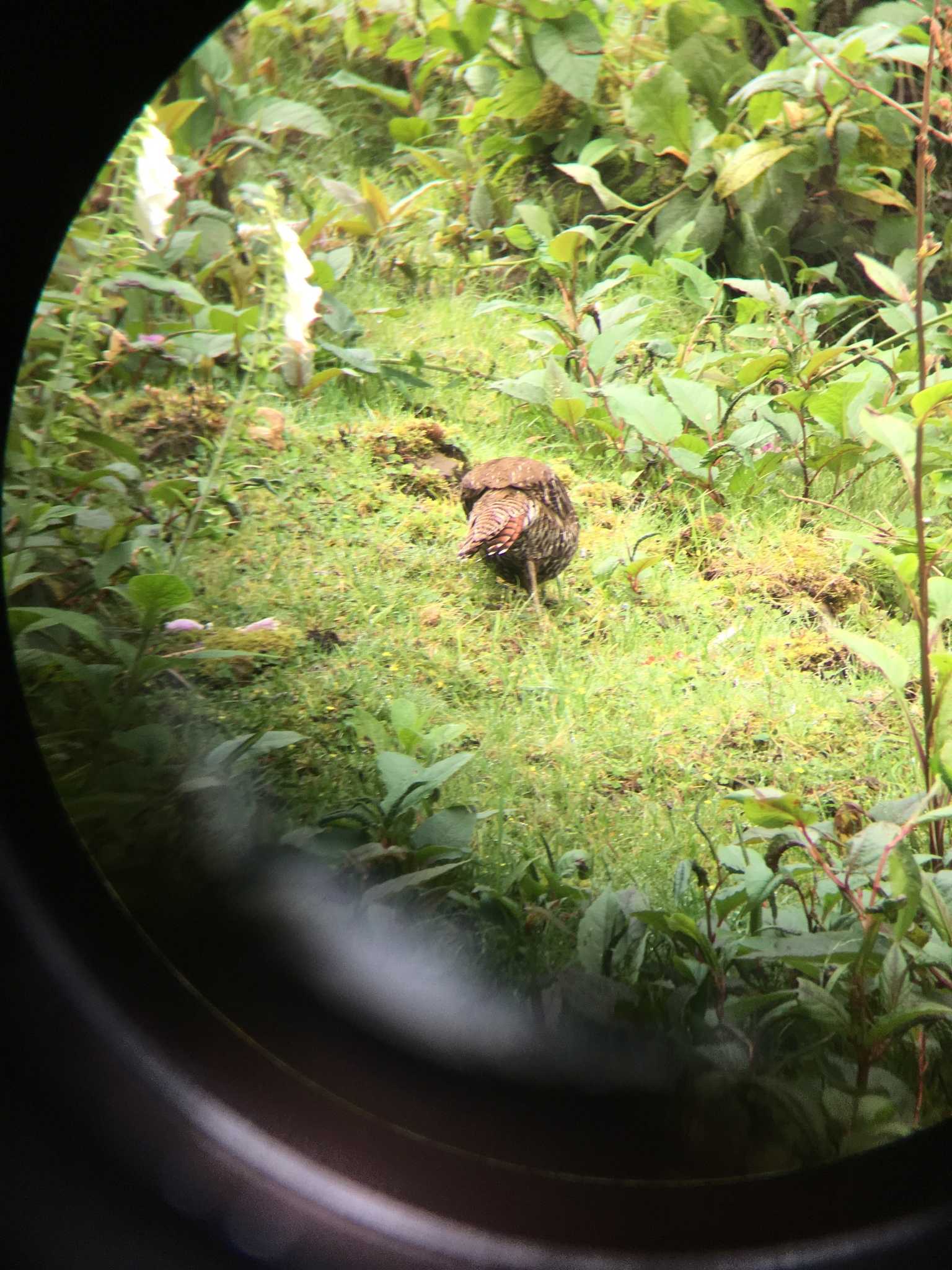
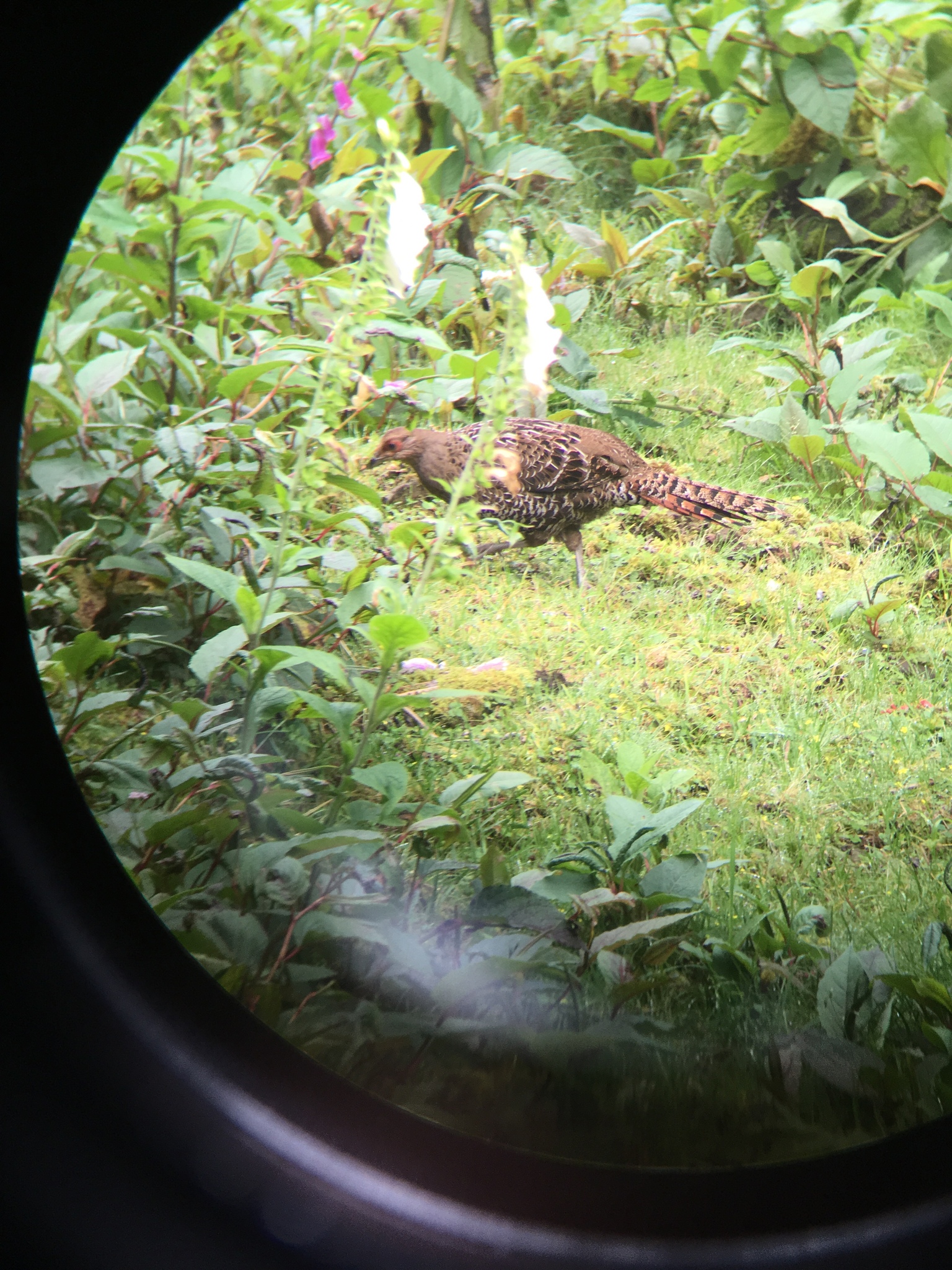
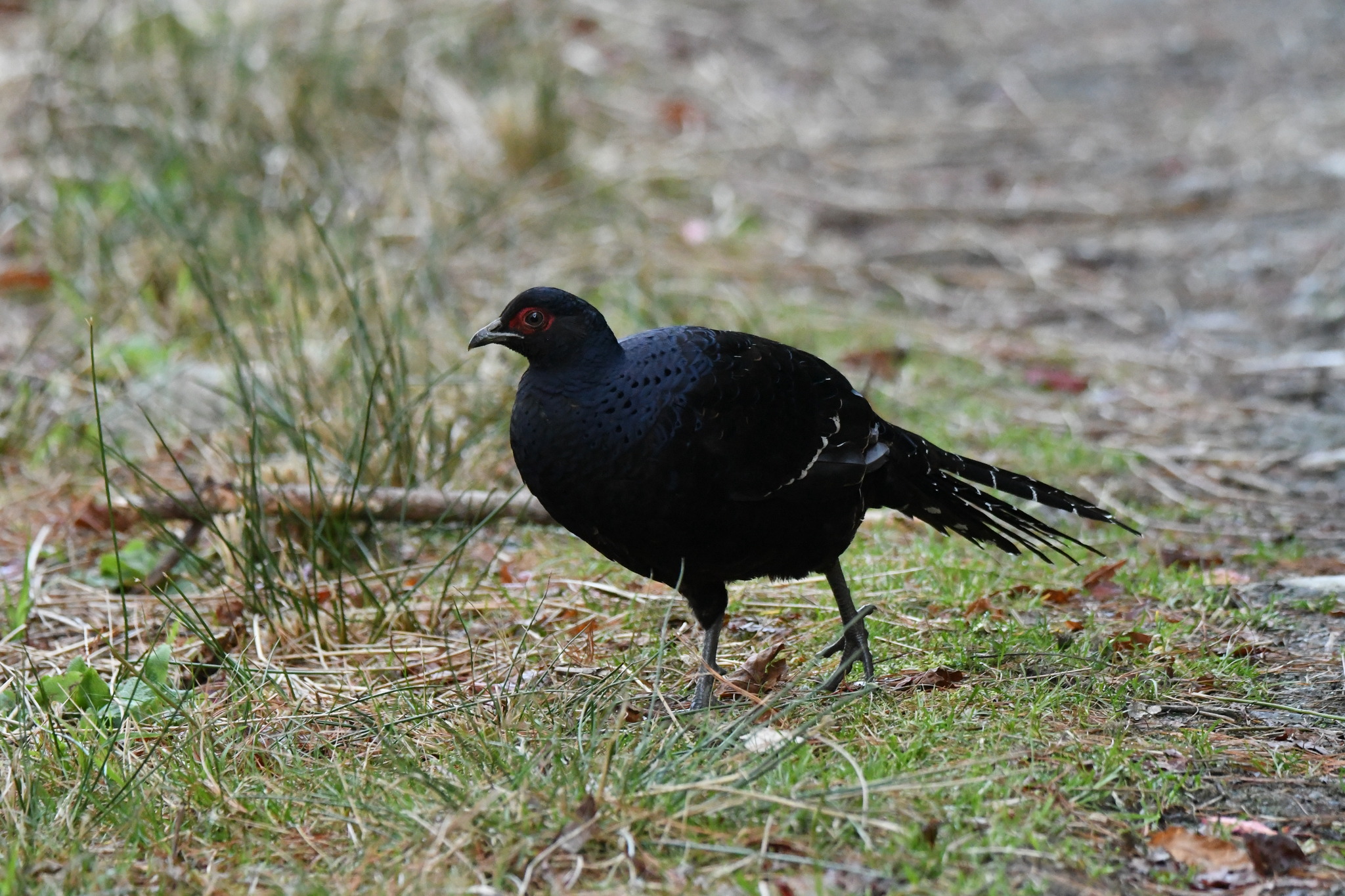
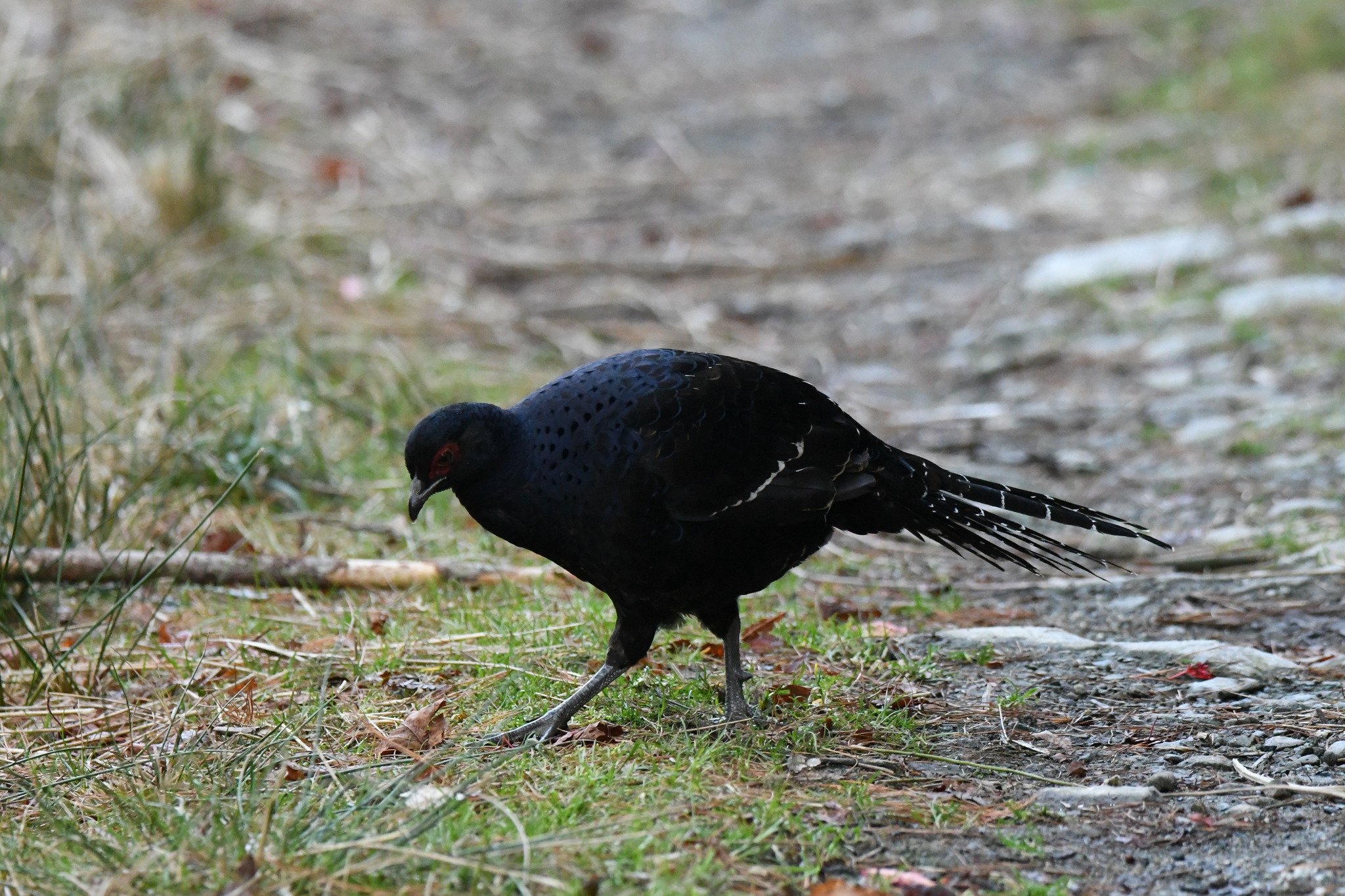
This pheasant exhibits marked sexual dimorphism. Males reach up to 70 cm in body length including the tail, while females are smaller at up to 47 cm. Males have dark plumage with blue or violet iridescence, accented by white stripes on the wings and tail. The long, striped tail feathers are particularly distinctive. Females are brown with speckling of brown and white throughout their plumage.
Identification
Males are readily identified by their dark, iridescent blue-violet plumage with prominent white wing and tail stripes. The species' long striped tail distinguishes it from other Taiwan pheasants. Females can be identified by their brown, speckled appearance. Both sexes have the characteristic pheasant shape with long tails and robust bodies.
Distribution & Habitat
This species is endemic to Taiwan, occurring in central and southern mountainous regions. It inhabits dense shrublands, bamboo thickets, and grassy areas with conifer overstory at elevations from 2000 to 3200 meters. Significant populations occur in Yushan National Park, Shei-Pa National Park, and Taroko National Park. It is non-migratory.
Behavior & Ecology
The Mikado pheasant is crepuscular, with optimal observation times at 5-6 a.m. and 6-7 p.m. It forages on the forest floor and mountain trails for fruit, leaves, vegetation, seeds, and invertebrates, particularly during rainy and foggy days. Birds are typically solitary or found in pairs and tolerate human presence in habituated areas. Males maintain territories of 200-400 meters radius. When disturbed, they slowly seek shelter rather than flying away, though they will glide short distances down mountainsides if desperate. Five vocalizations are documented: deep 'gu, gu, gu' when relaxed; higher-pitched 'ko, ko, ko' during mating season or threat; 'ji, ji' when sensing immediate danger; 'cu, cu' when startled and taking flight; and 'hu, hu' when attacking. Both sexes perform wing-whirring displays, and males conduct lateral running displays with expanded body and fanned tail during breeding season from March to June. Females build nests in tree holes or depressions using dead branches, fallen leaves, dry grass, and feathers, laying 3-8 creamy eggs incubated for 26-28 days.
Conservation
The species is classified as near threatened on the IUCN Red List of Threatened Species and listed on Appendix I of CITES. Wild population estimates are approximately 10,000 individuals. Historical hunting pressure has declined and is no longer a primary threat. Population recovery has been documented in protected areas, with numbers in Yushan National Park increasing from 5,000 in 1986 to over 10,000 in 2020. Significant populations also exist in Shei-Pa and Taroko National Parks, and captive breeding programs maintain individuals.
Culture
Sometimes considered an unofficial national bird of Taiwan alongside Swinhoe's pheasant and Taiwan blue magpie, this species is depicted on the 1000 New Taiwan dollar bill alongside Yushan National Park. The long, striped tail feathers of males were traditionally used by Taiwanese aborigines as head-dress decorations. The type specimen, collected in 1906, consisted of two such tail feathers obtained from the head-dress of a porter. The species was named in honor of the Emperor of Japan, given Taiwan was under Japanese occupation at the time of its description.
Source: Wikipedia · CC BY-SA 3.0
Taxonomy
- Order
- Galliformes
- Family
- Phasianidae
- Genus
- Syrmaticus
- eBird Code
- mikphe1
Distribution
montane forest of central Taiwan
Data Sources
CBR Notes: IUCN红色名录等级由NT降为LC
Species description from Wikipedia, licensed under CC BY-SA 3.0.
Bird images and sounds sourced from GBIF, contributed by citizen scientists worldwide under Creative Commons licenses.
Taxonomy data from AviList 2025.