Ancient Murrelet
Synthliboramphus antiquus
扁嘴海雀
Introduction
A small auk species (family Alcidae) in the genus Synthliboramphus. Breeds from the Yellow Sea (off China) through the Russian Pacific coast and Aleutian Islands to Haida Gwaii archipelago of British Columbia, where approximately half the global population nests. One of the largest colonies is on Frederick Island in British Columbia. Distinctive for its unique migration—traveling 8,000 km across the entire North Pacific from Canada to winter near Japan and China—and for spending less time on land than any other bird. The only bird known to cross the whole North Pacific. Conservation status: Special Concern in Canada due to severe population declines from introduced mammalian predators.
Description
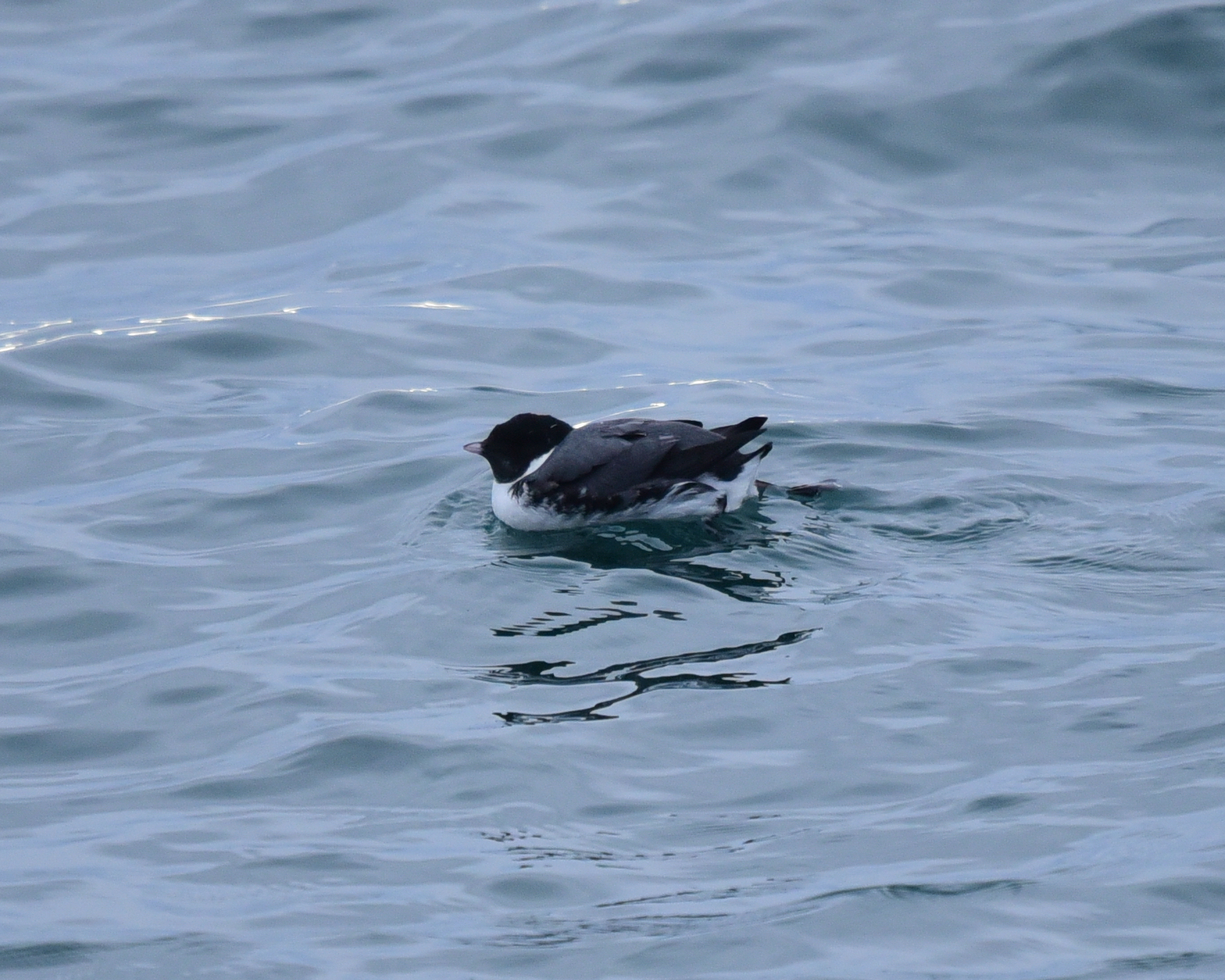
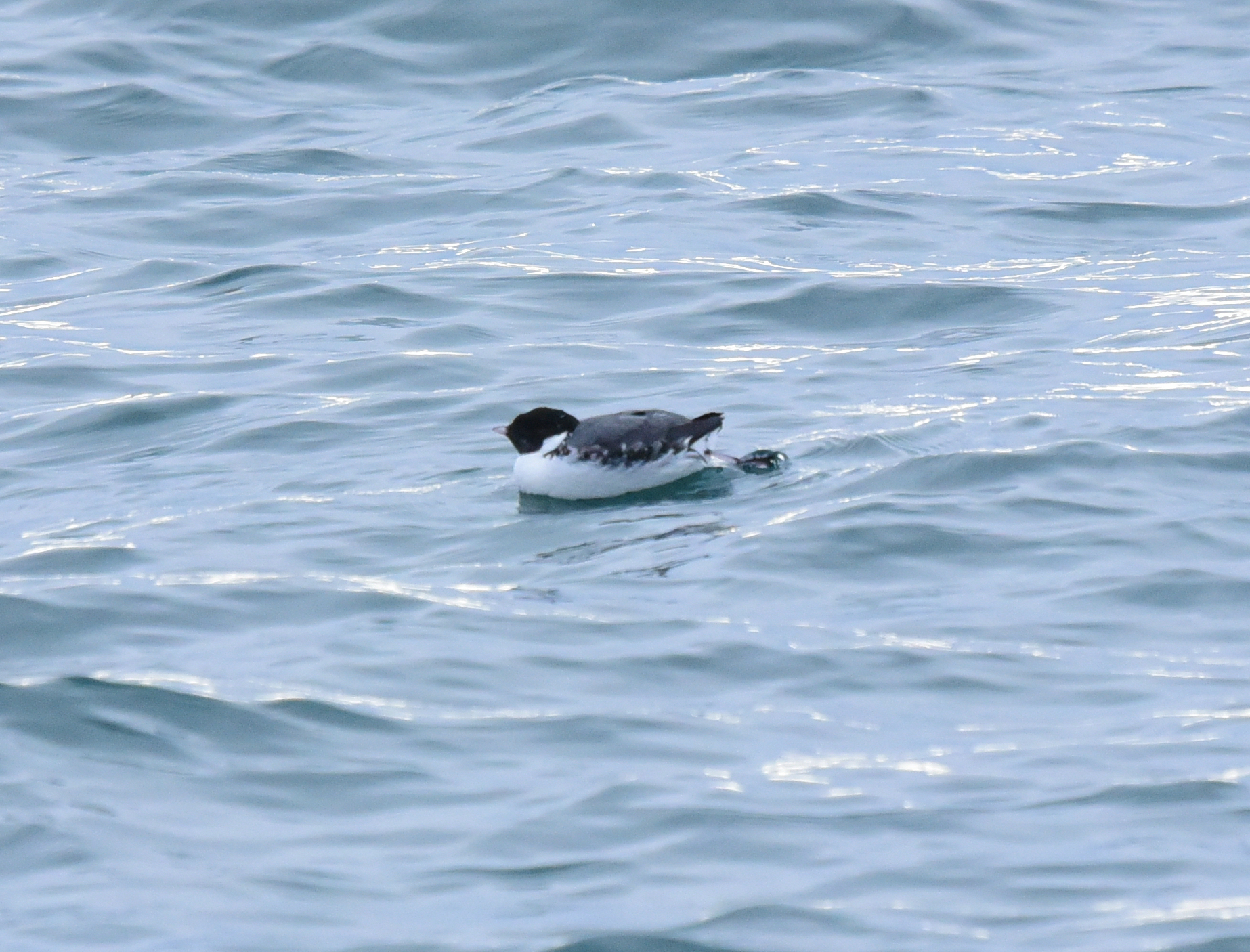
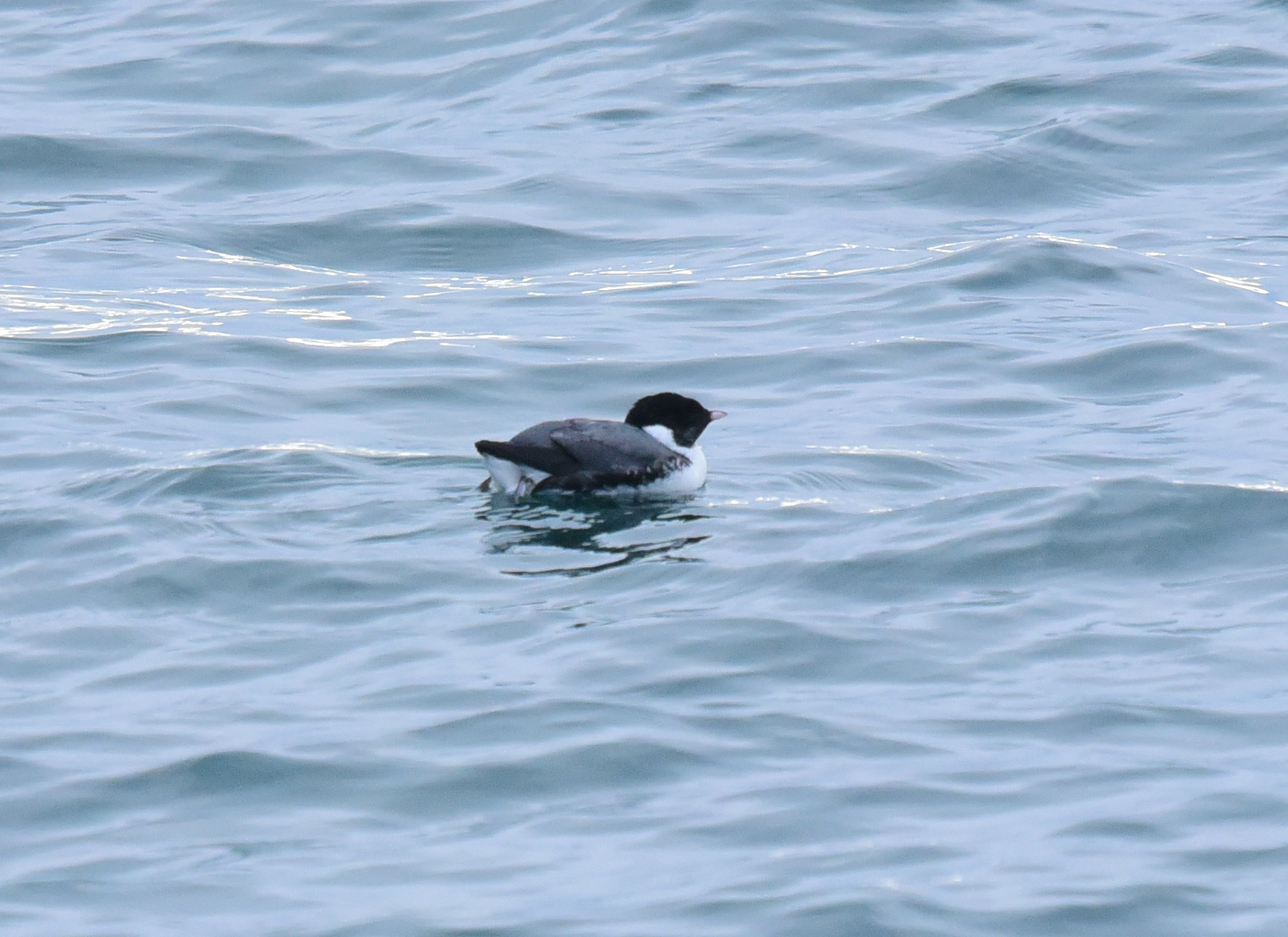
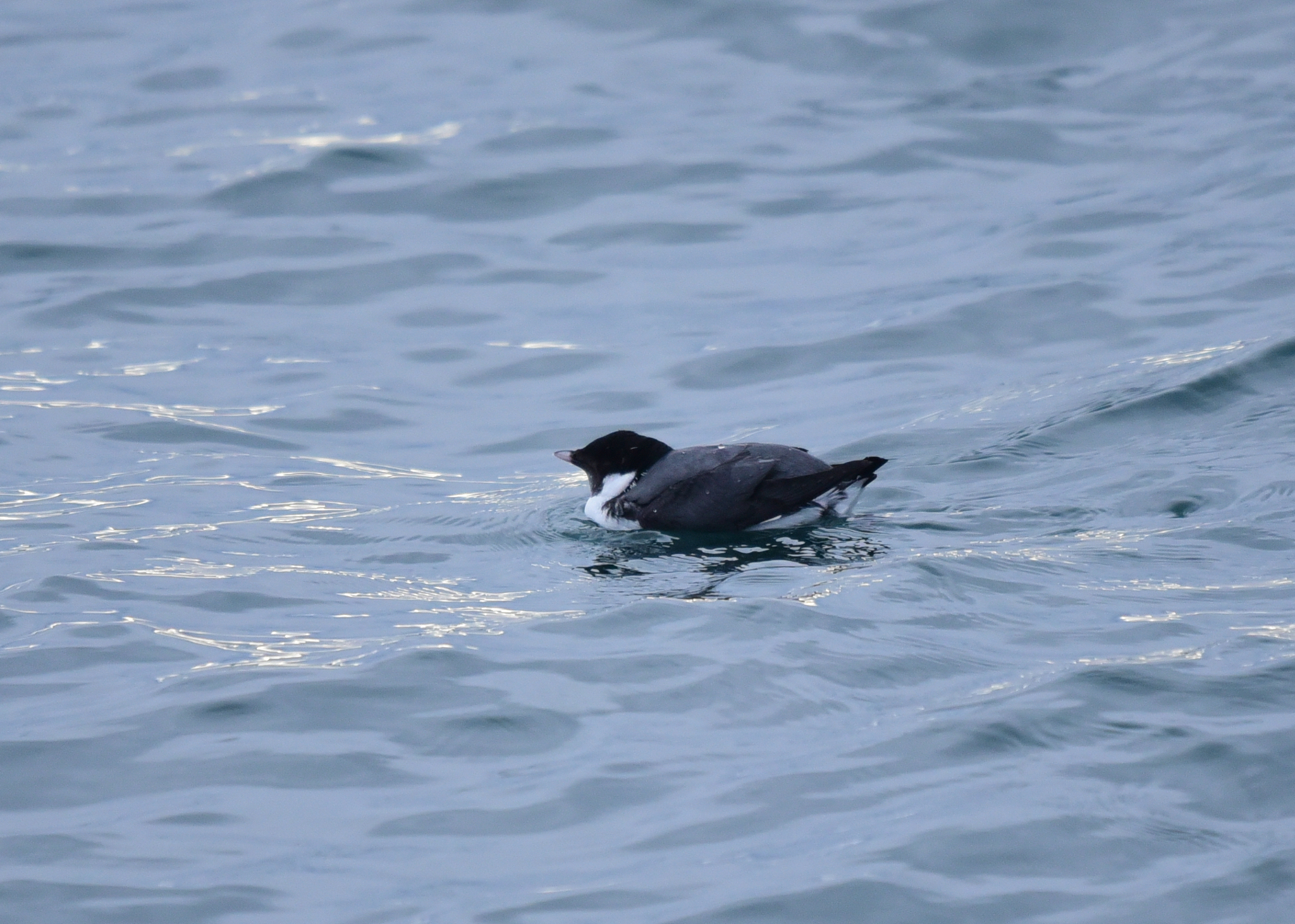
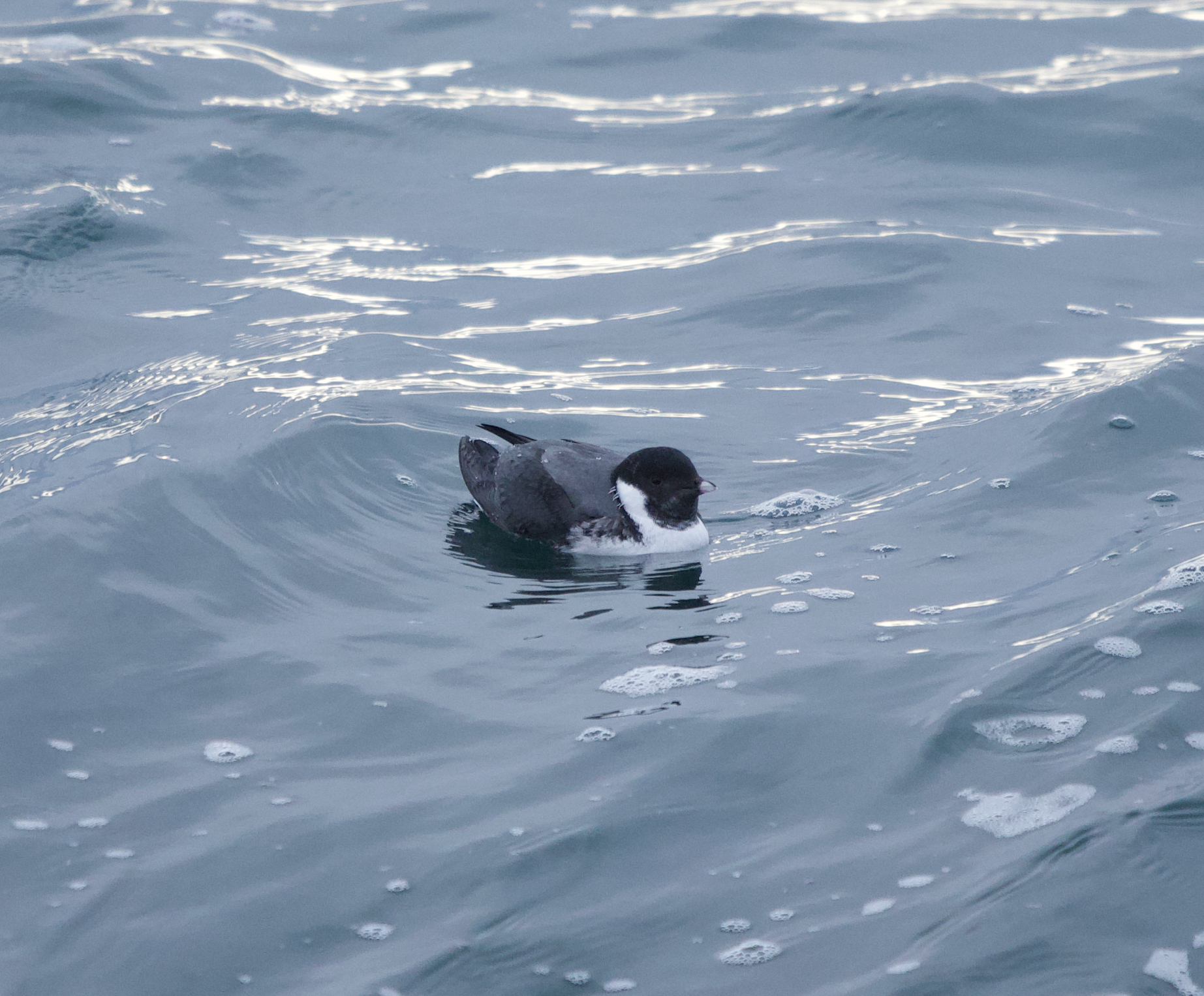
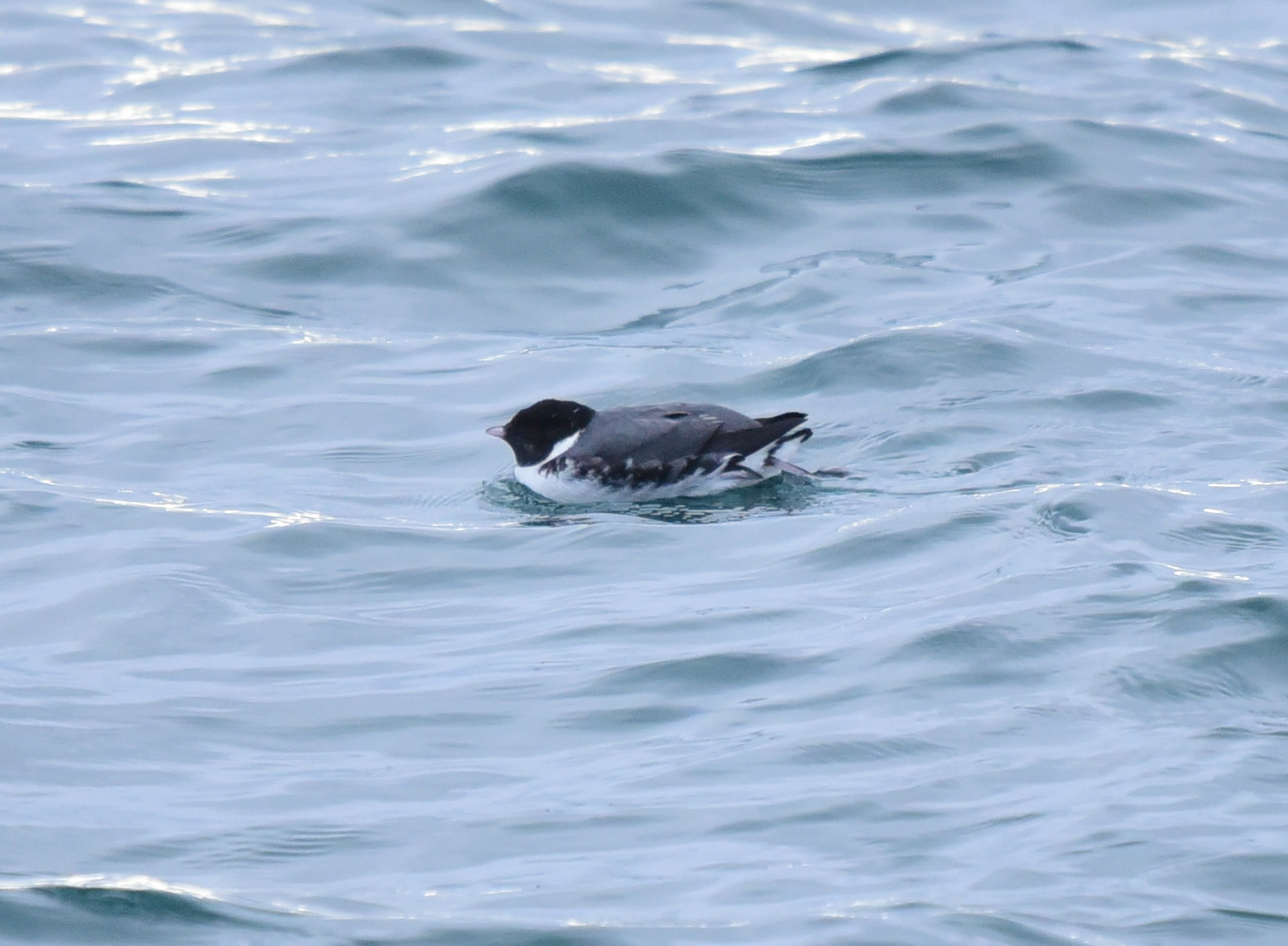
A small auk with black head, throat, and rear neck, grey upperparts, and white underparts. The yellow bill is short and stubby, and the tail is small and rounded black. Summer adults have white head streaks creating an aged appearance. Other plumages are similar but lack the crown streaks and black throat coloration. Measures 20-24 cm in length, 150-250 g in weight, with a wingspan of 45-46 cm.
Identification
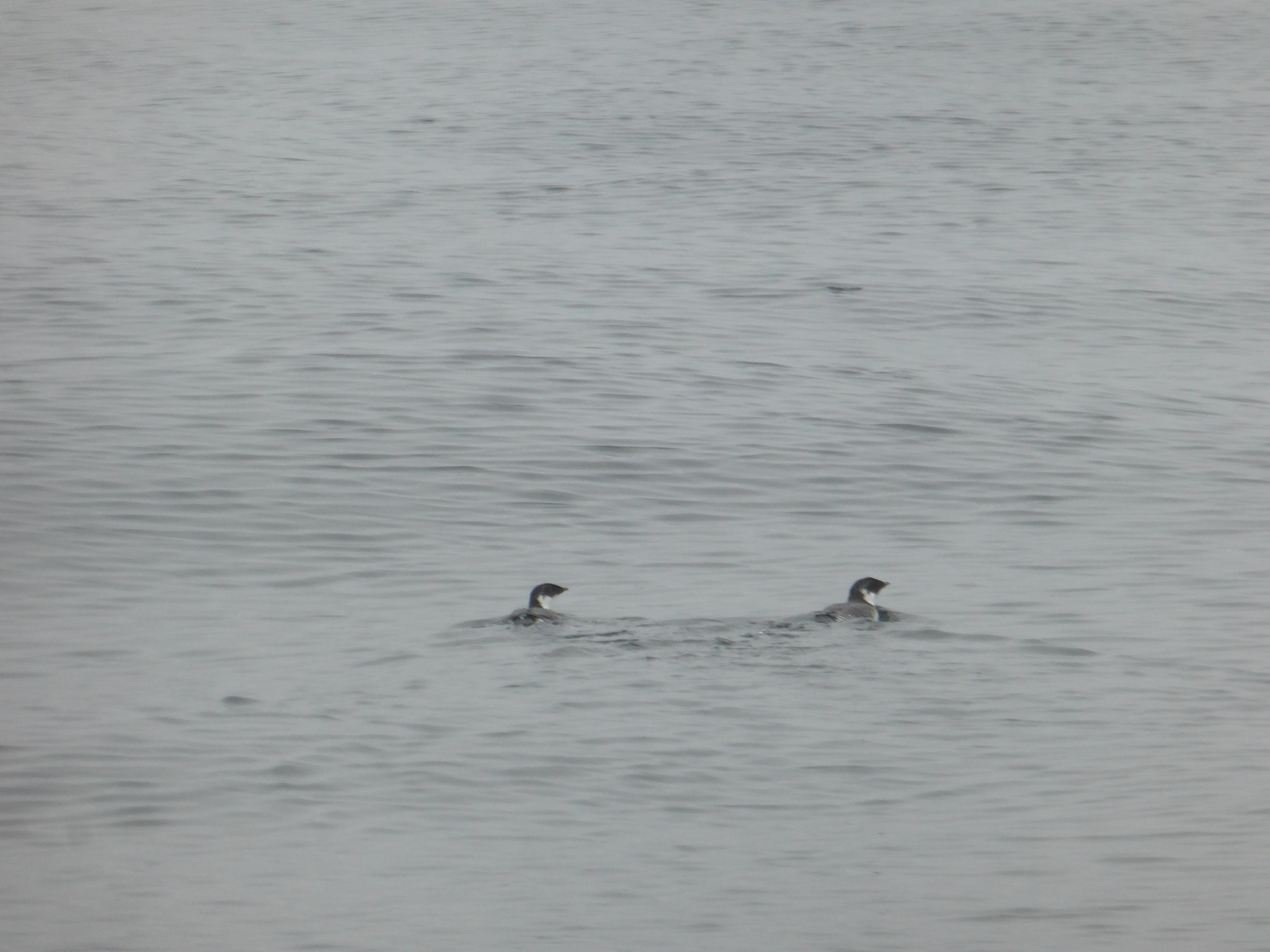
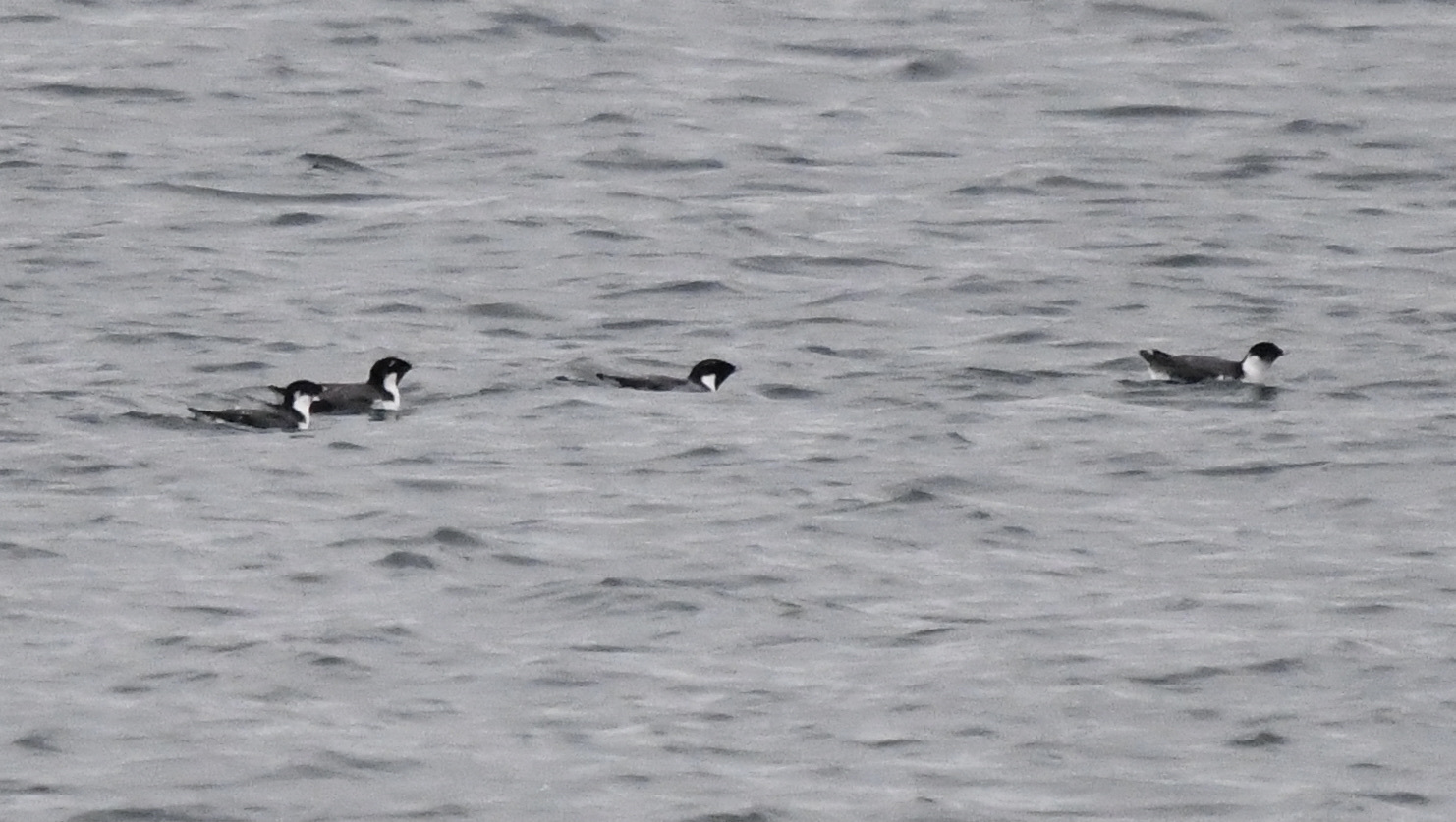
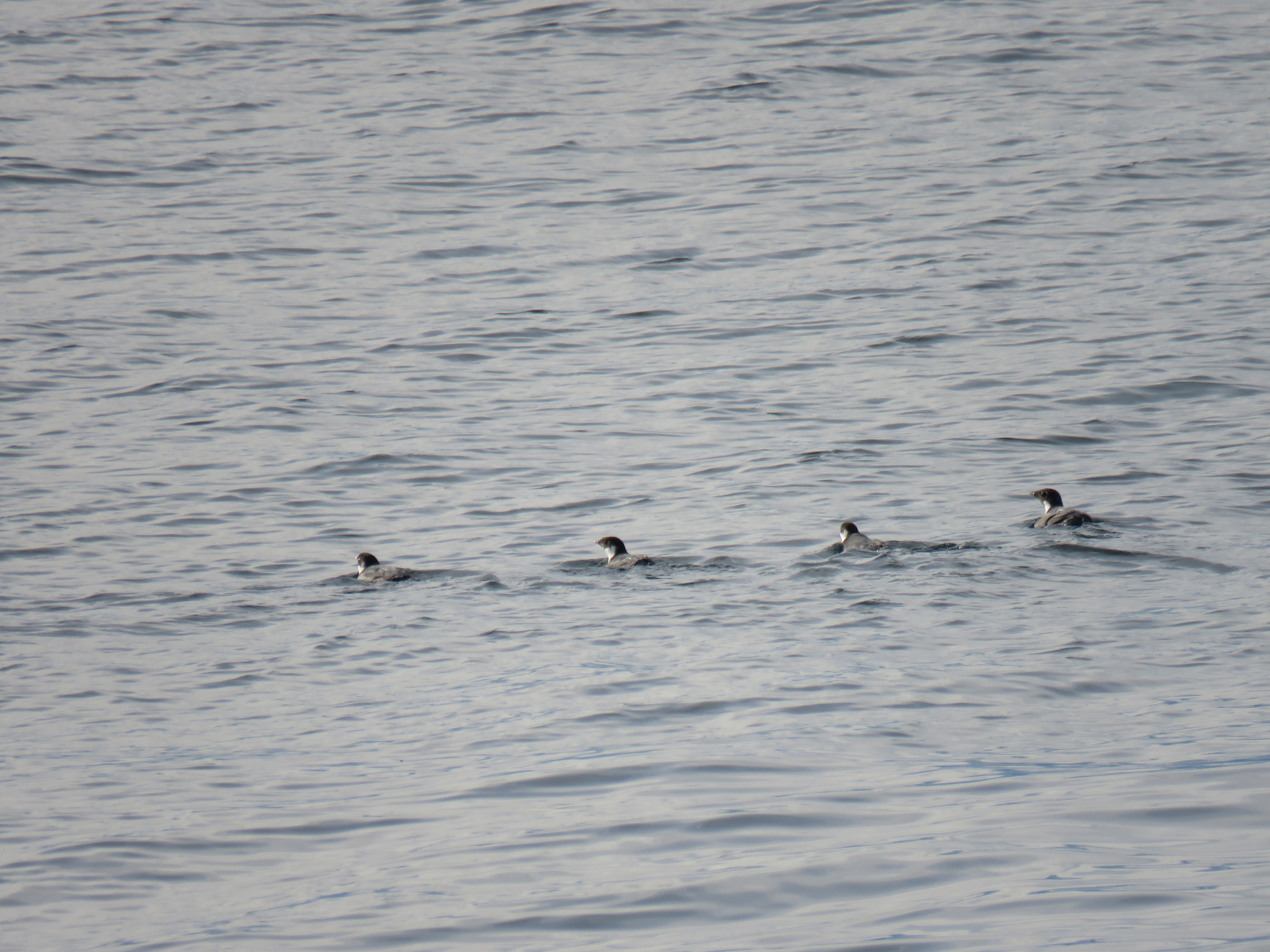
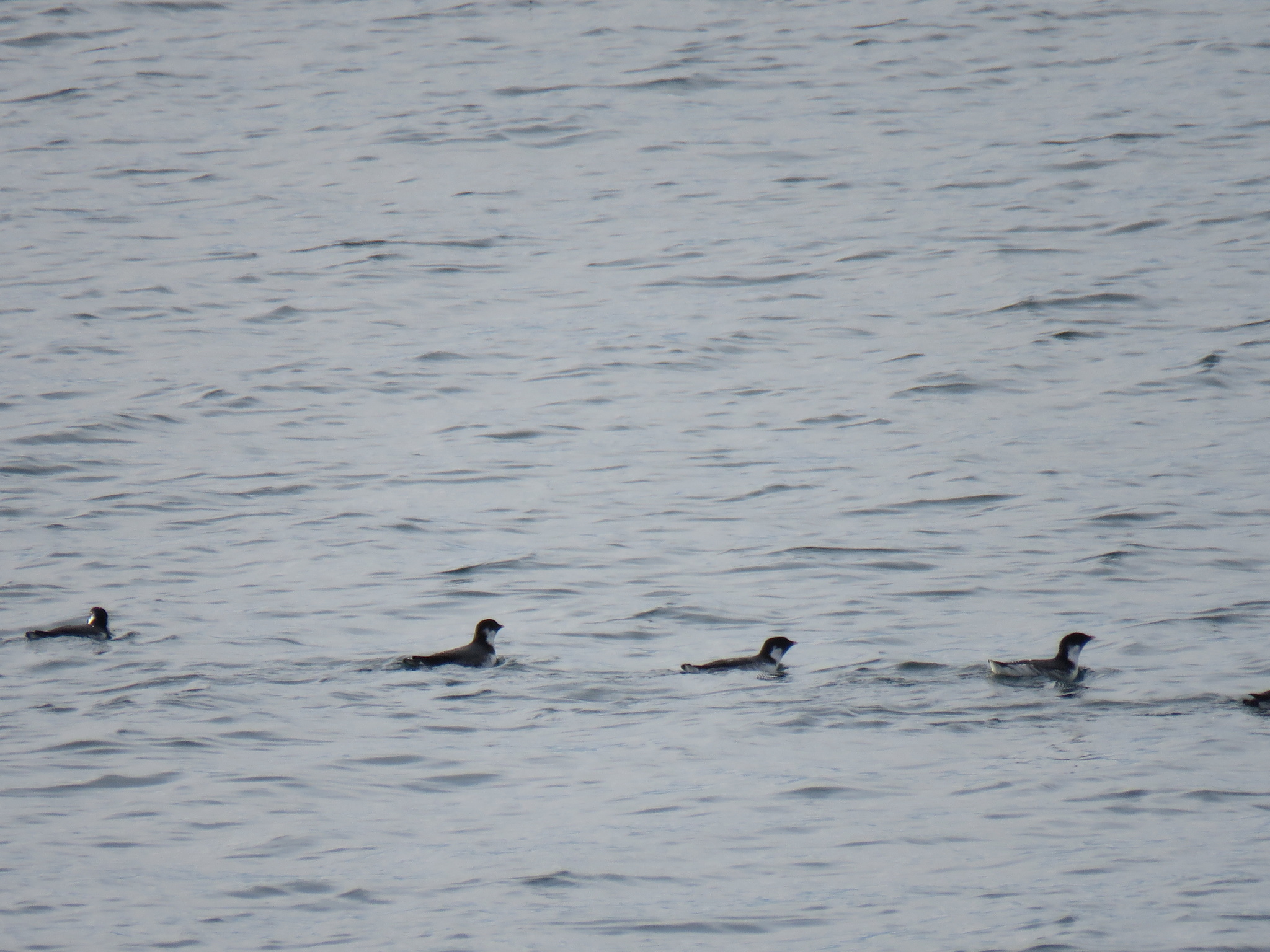
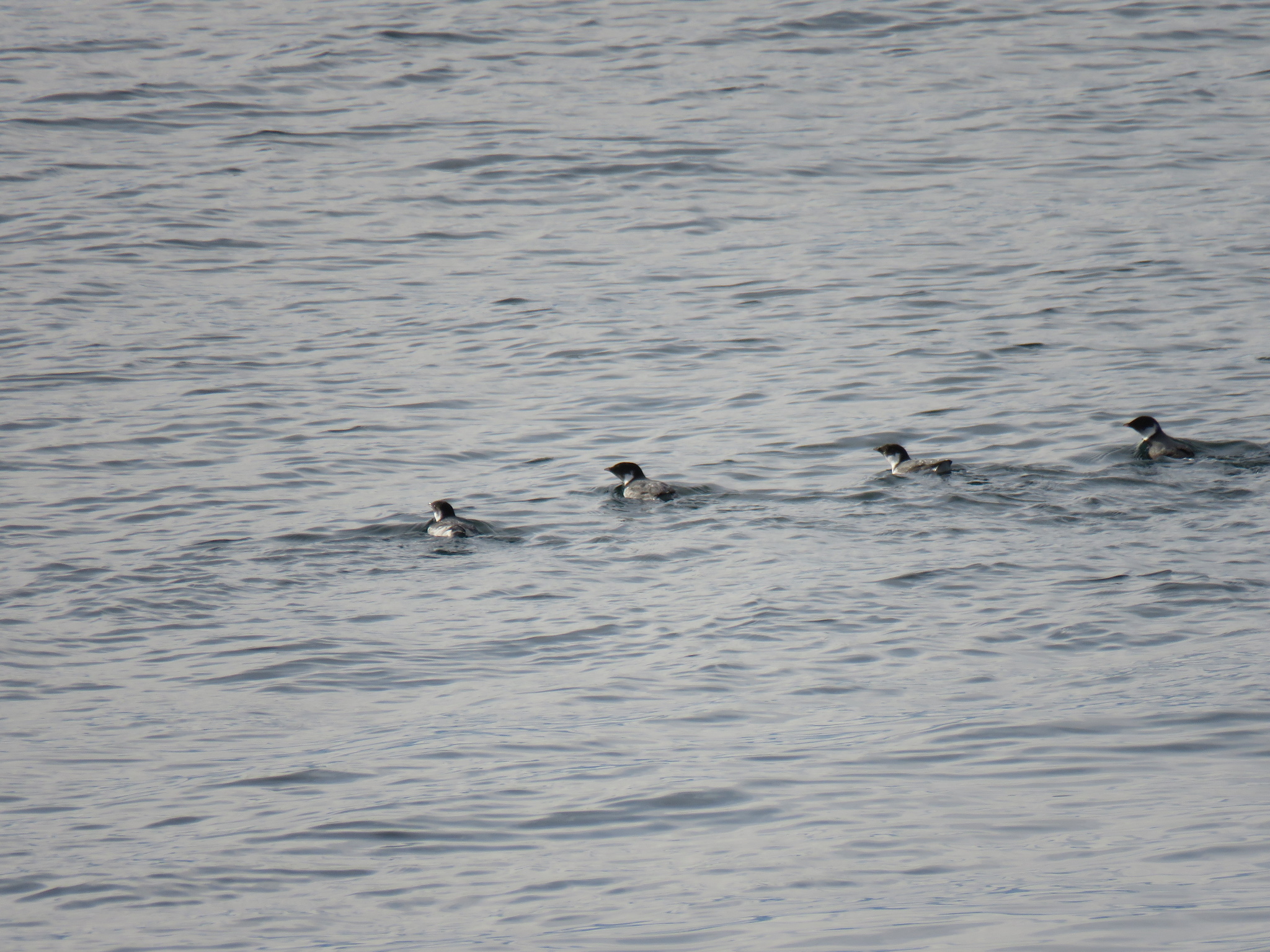
Small compactauk with distinctive dark head contrasting white underparts. Yellow stubby bill separates it from other small auks. The white head streaks of summer adults are distinctive but absent in other plumages. Flight involves pronounced side-to-side banking more than other small auks, with fast wing beats due to short wings. Unlike many auks, often seen in flocks offshore during migration periods.
Distribution & Habitat
Breeds from Yellow Sea islands off China through Russian Pacific coast and Aleutian Islands to Haida Gwaii, British Columbia. Migrates 8,000 km from Canadian breeding grounds to winter near Japan and China, the only bird known to cross the entire North Pacific. Return migration begins in February, flying four to five hours daily. Some populations winter as far south as California. Vagrants recorded in inland North America (carried by autumn storms), Lundy, England (1990-1992), and Finland (2021). Genetic evidence indicates Asian origin with recent colonization of North America.
Behavior & Ecology
Forages by swimming underwater using wings for propulsion. Diet poorly known: crustaceans in winter; small fish and crustaceans in summer. At Haida Gwaii, diet consists primarily of small mesopelagic fish. Nests in colonies on North Pacific islands in burrows excavated in forest soil among tree roots, under logs, or in grass tussocks. Lays two eggs (sometimes one). Arrives and departs nesting grounds at night to reduce predation. Young leave nest 1-3 days after hatching; parents and offspring recognize each other by call. Family swims up to 48 km from land, usually at night. Young fed exclusively at sea for over a month.
Conservation
Listed as Special Concern in Canada due to severe population declines from introduced rats on breeding islands. On one island, breeding pairs dropped from 200,000 pre-infestation to approximately 14,000 in the 21st century. The 2009 Night Birds Returning project (five-year, $2.5 million initiative by Parks Canada, Haida Nation, Island Conservation, and Coastal Conservation) aims to restore populations by eradicating rats from Gwaii Haanas. Ground-based eradication implemented on Arichika and Bischoff islands in 2011; aerial poisoning conducted on Murchison and Faraday islands in fall 2013. Complete eradication required as a single pregnant rat can repopulate an island within 1-2 years.
Culture
The English name derives from the grey plumage on the back resembling a shawl worn by elderly individuals. No specific folklore or cultural significance documented in the source material.
Source: Wikipedia · CC BY-SA 3.0
Taxonomy
- Order
- Charadriiformes
- Family
- Alcidae
- Genus
- Synthliboramphus
- eBird Code
- ancmur
Subspecies (2)
-
Synthliboramphus antiquus antiquus
breeds patchily on North Pacific coasts from Kamchatka to Kuril and Commander islands (eastern Russia) and southward to Yellow Sea, eastward to Aleutian Islands and Gulf of Alaska to western British Columbia (southwestern Canada); winters to south
-
Synthliboramphus antiquus microrhynchos
breeds Komandorskiye Islands; winters to Ryukyu Islands (southern Japan)
Data Sources
Species description from Wikipedia, licensed under CC BY-SA 3.0.
Bird images and sounds sourced from GBIF, contributed by citizen scientists worldwide under Creative Commons licenses.
Taxonomy data from AviList 2025.