



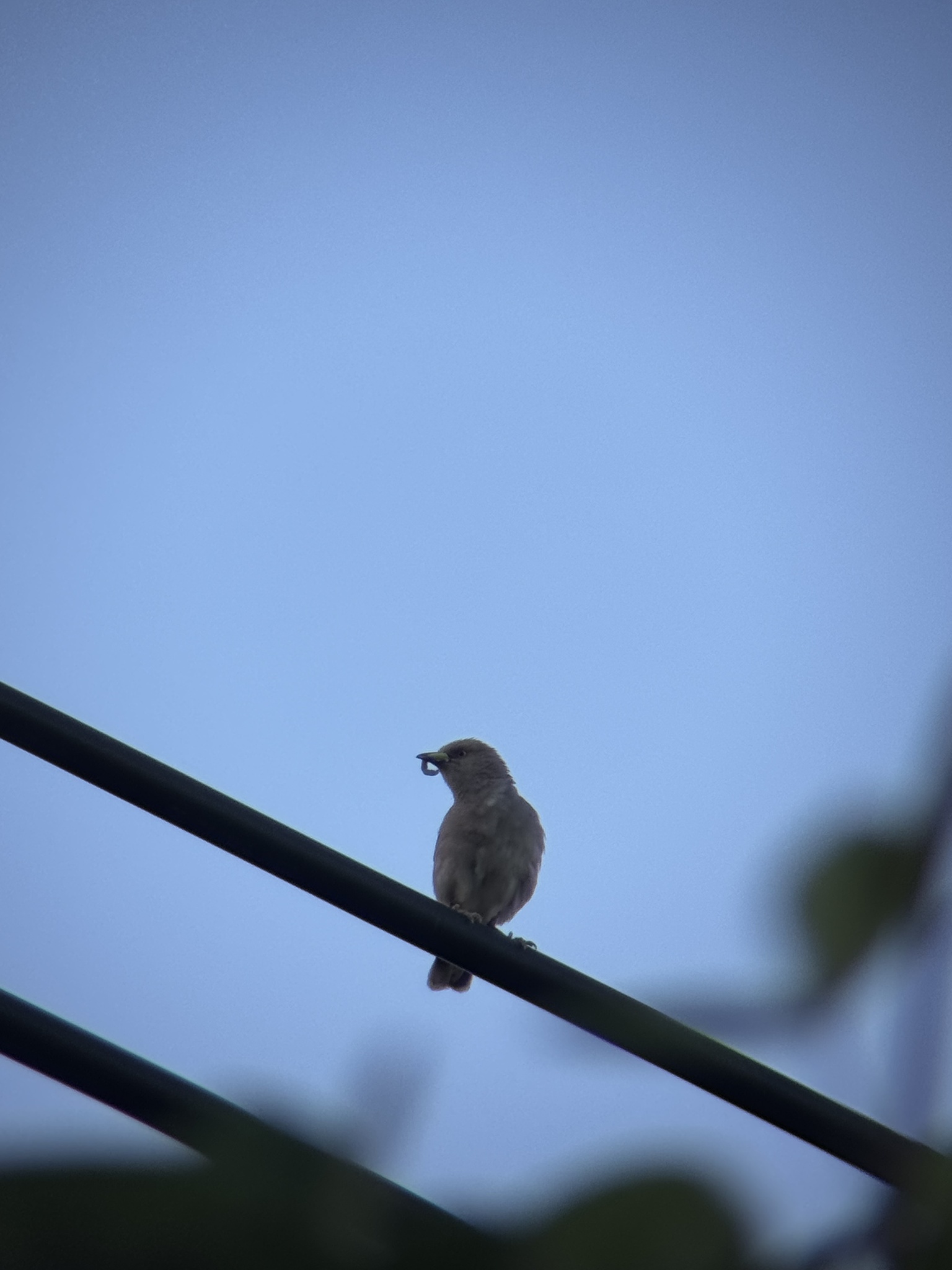
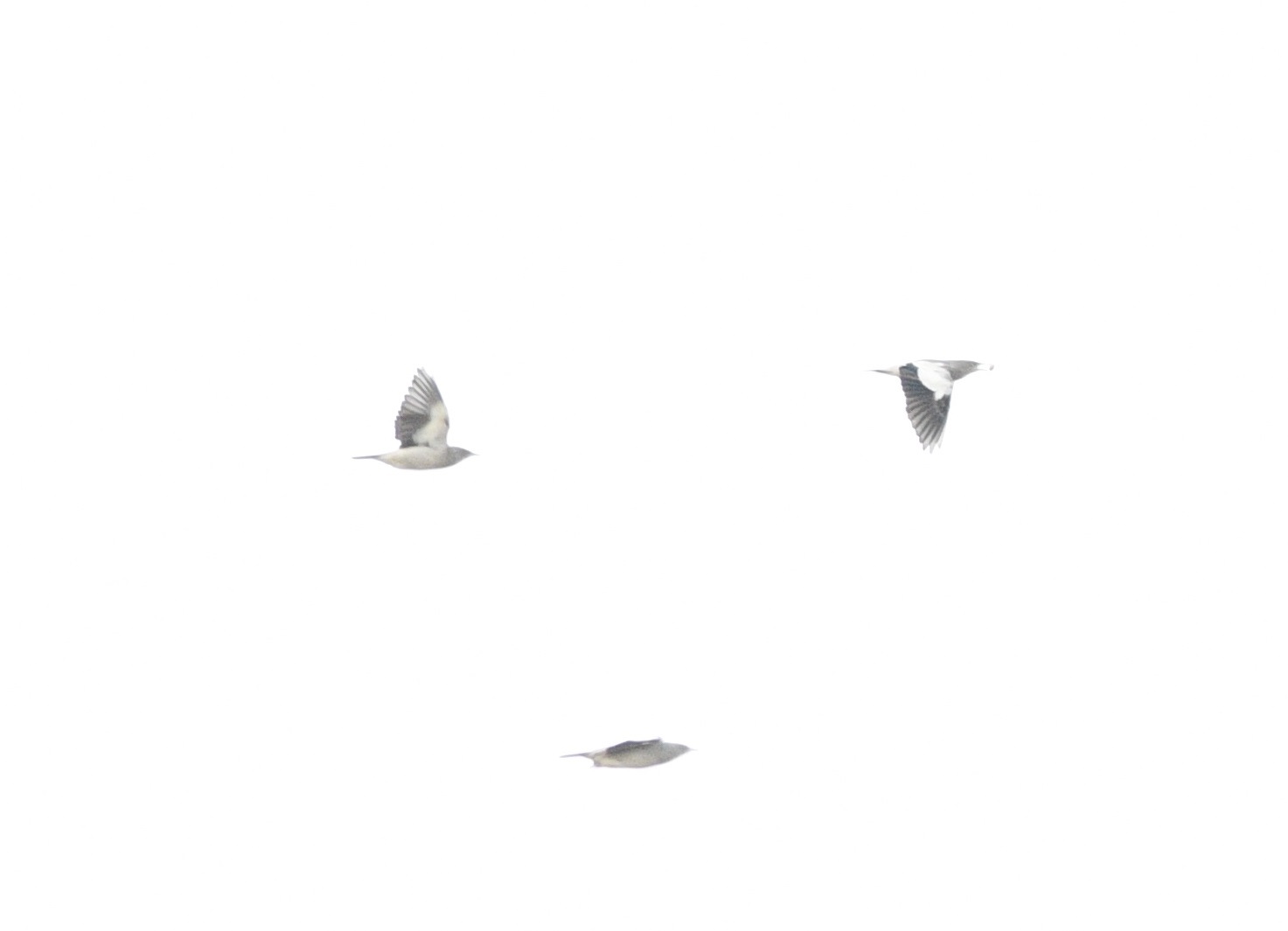
White-shouldered Starling
Sturnia sinensis
灰背椋鸟
Introduction
A member of the family Sturnidae, this passerine is a migratory bird found in Asia. Its breeding grounds are established in southern China and northern Vietnam. For the wintering season, it migrates to Southeast Asia. It was formally described in 1788 by Johann Friedrich Gmelin, who originally placed it with the orioles. Later, it was classified within the genus Sturnus until molecular phylogenetic studies in 2008 resulted in its move to the resurrected genus Sturnia. It is a monotypic species, meaning no subspecies are recognised.
Description
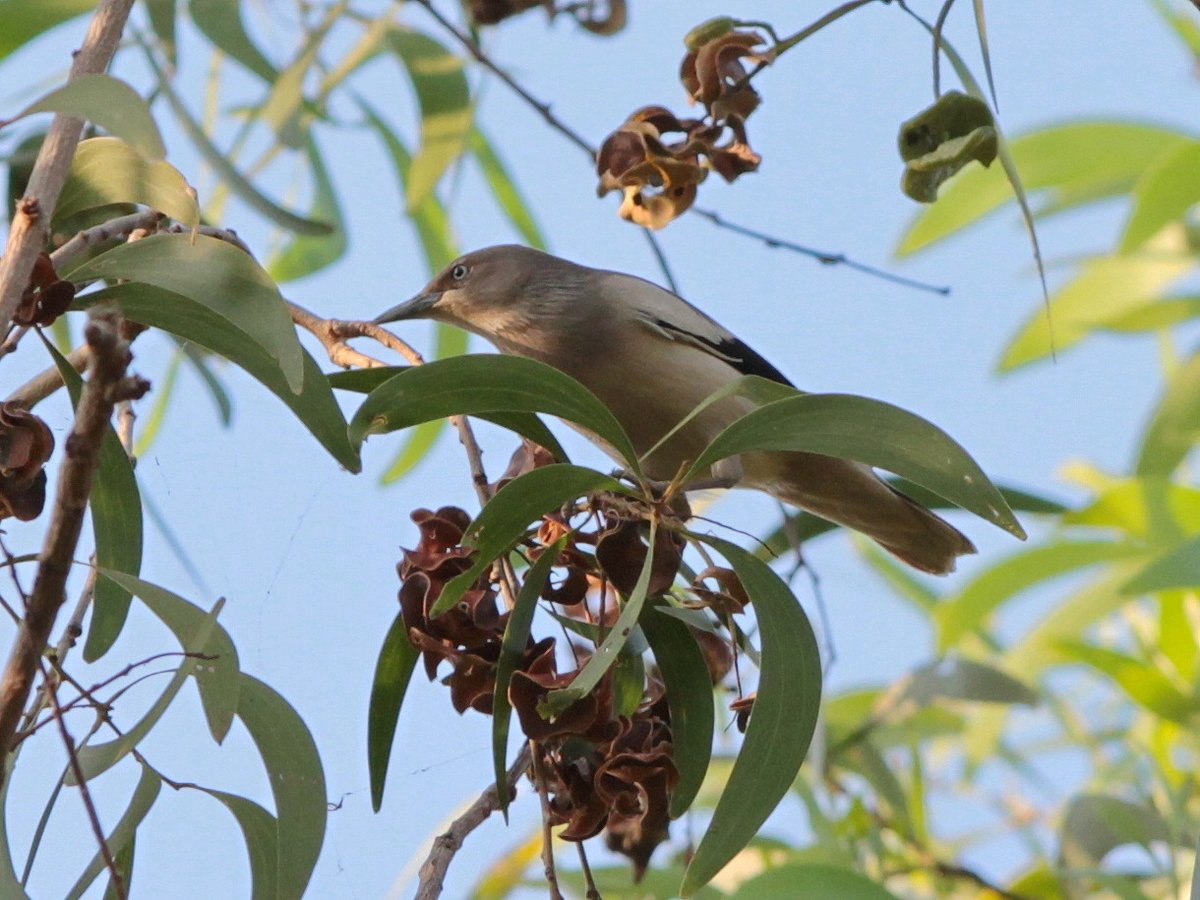
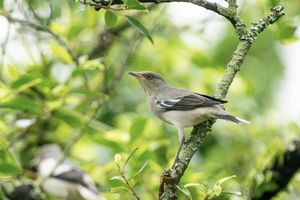
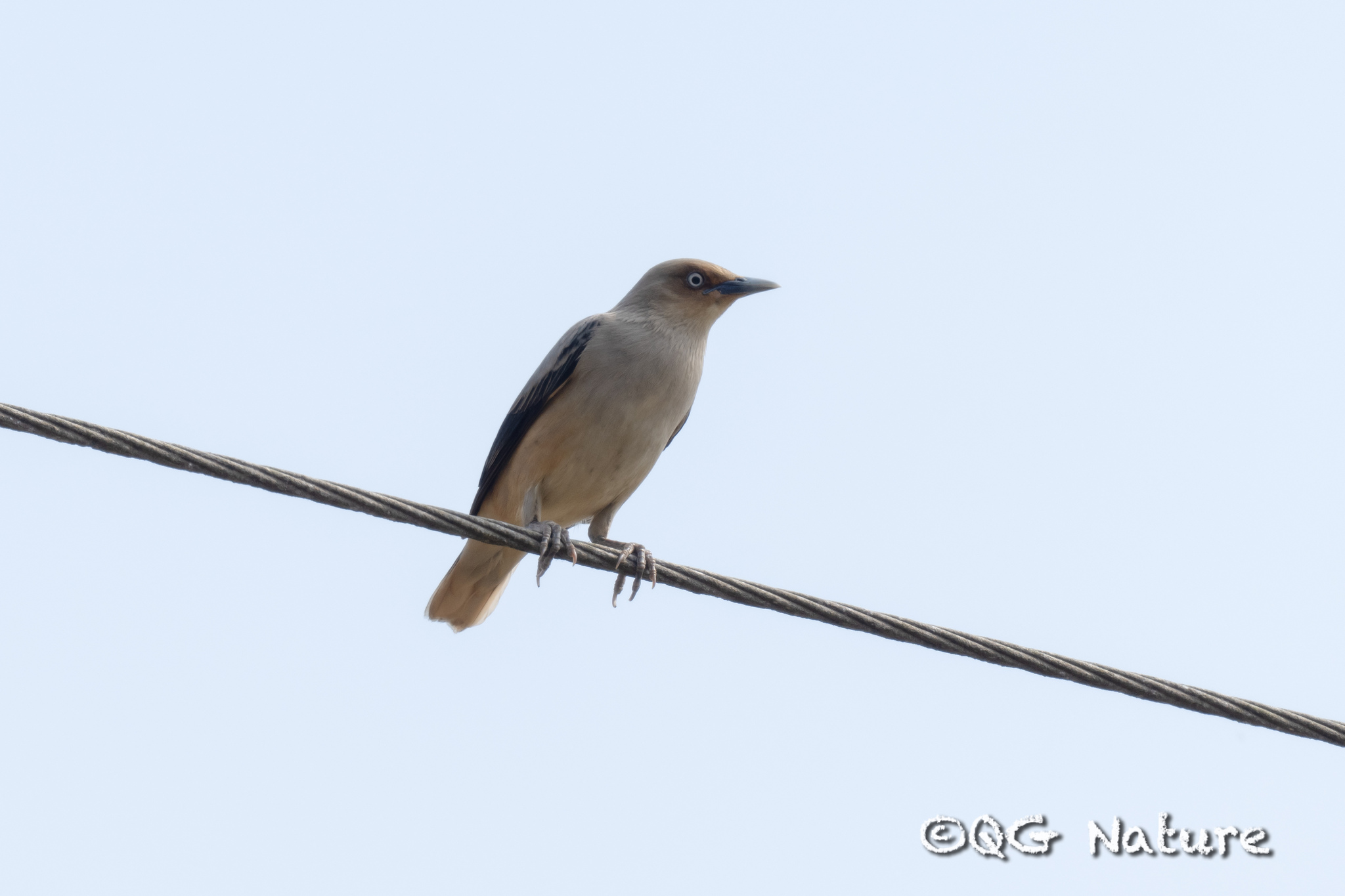
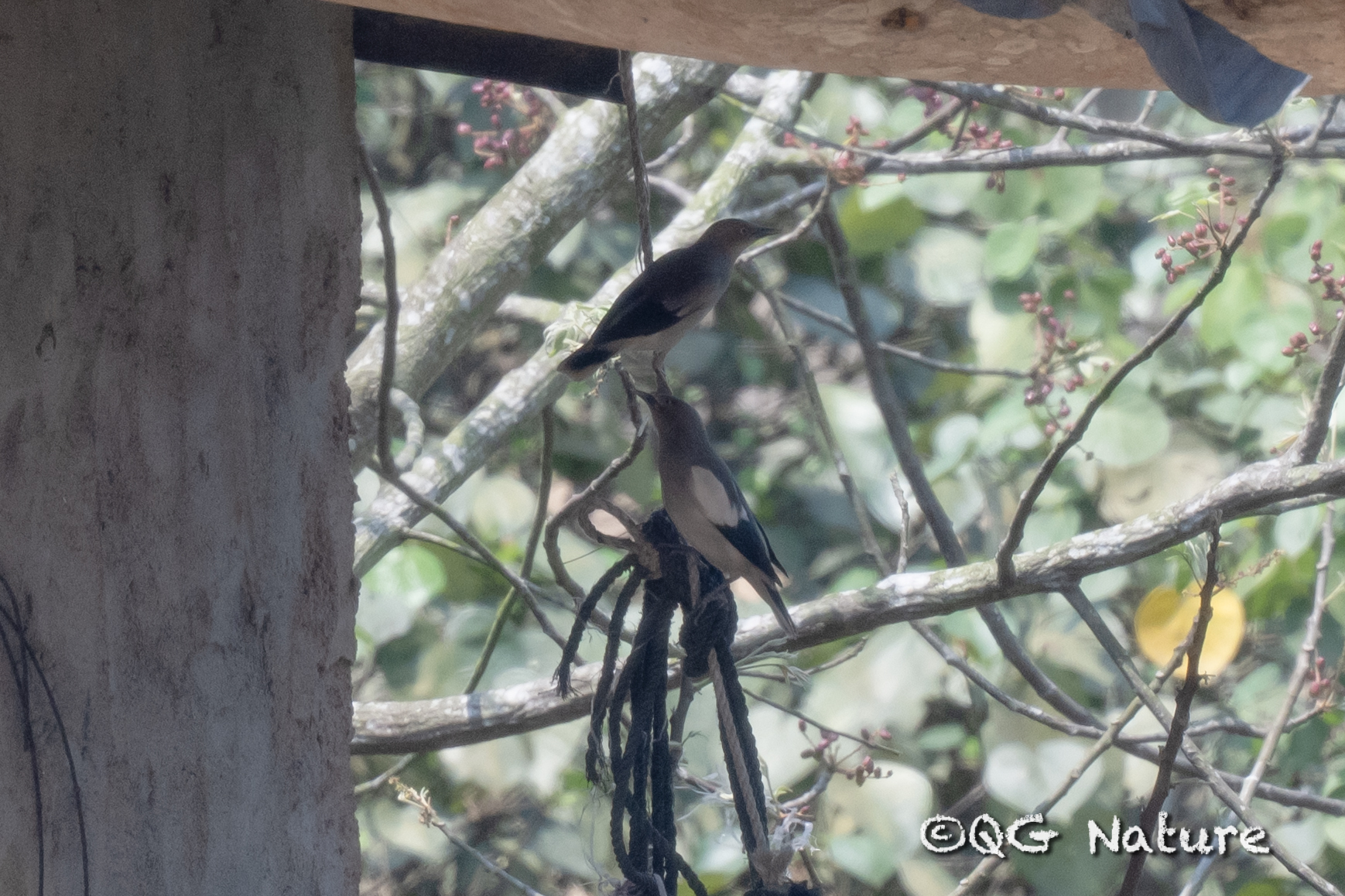
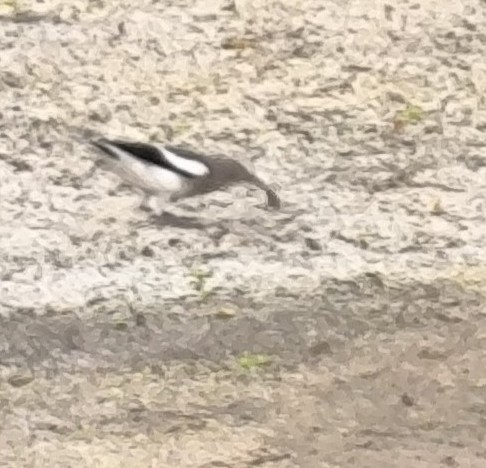
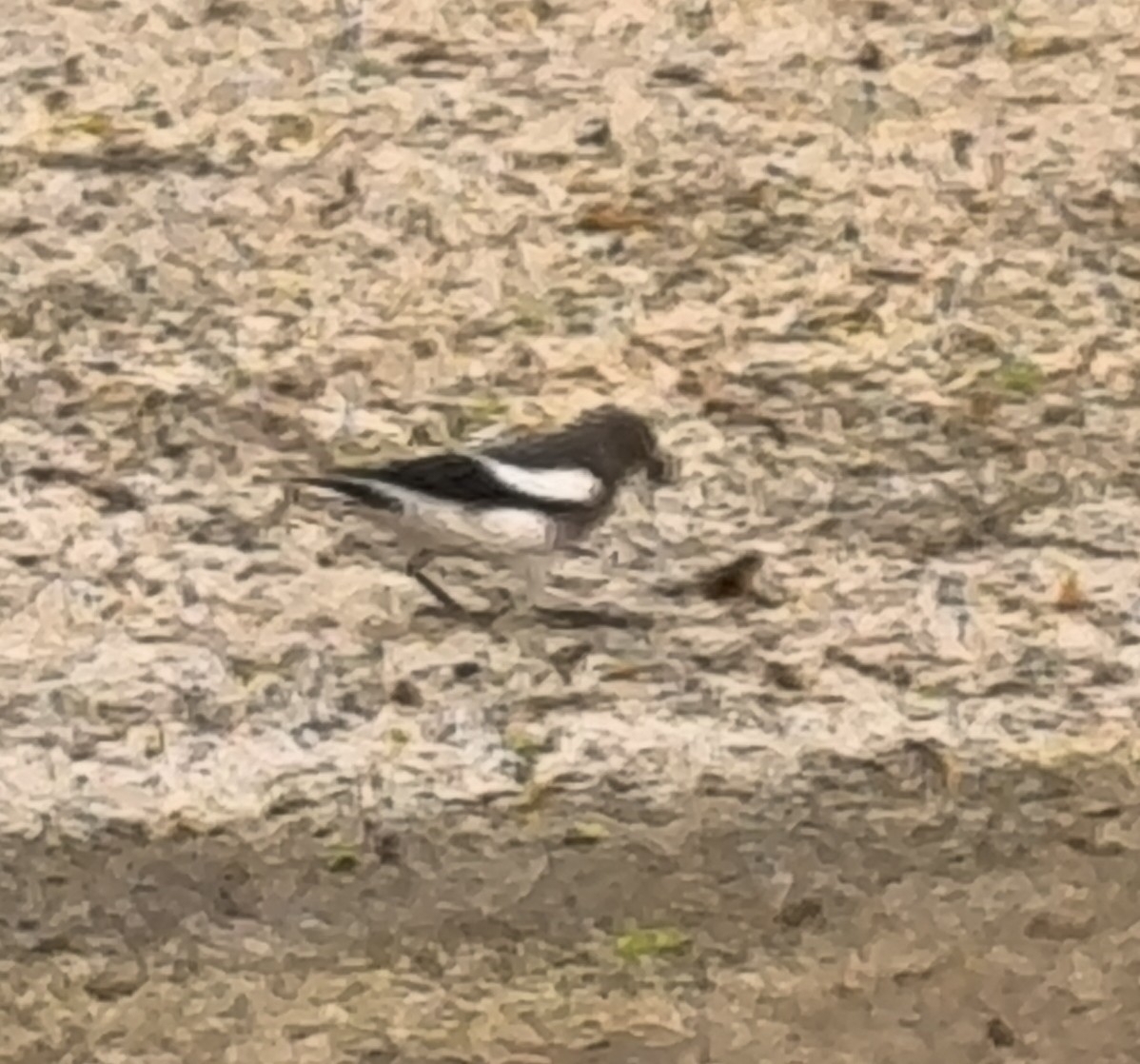
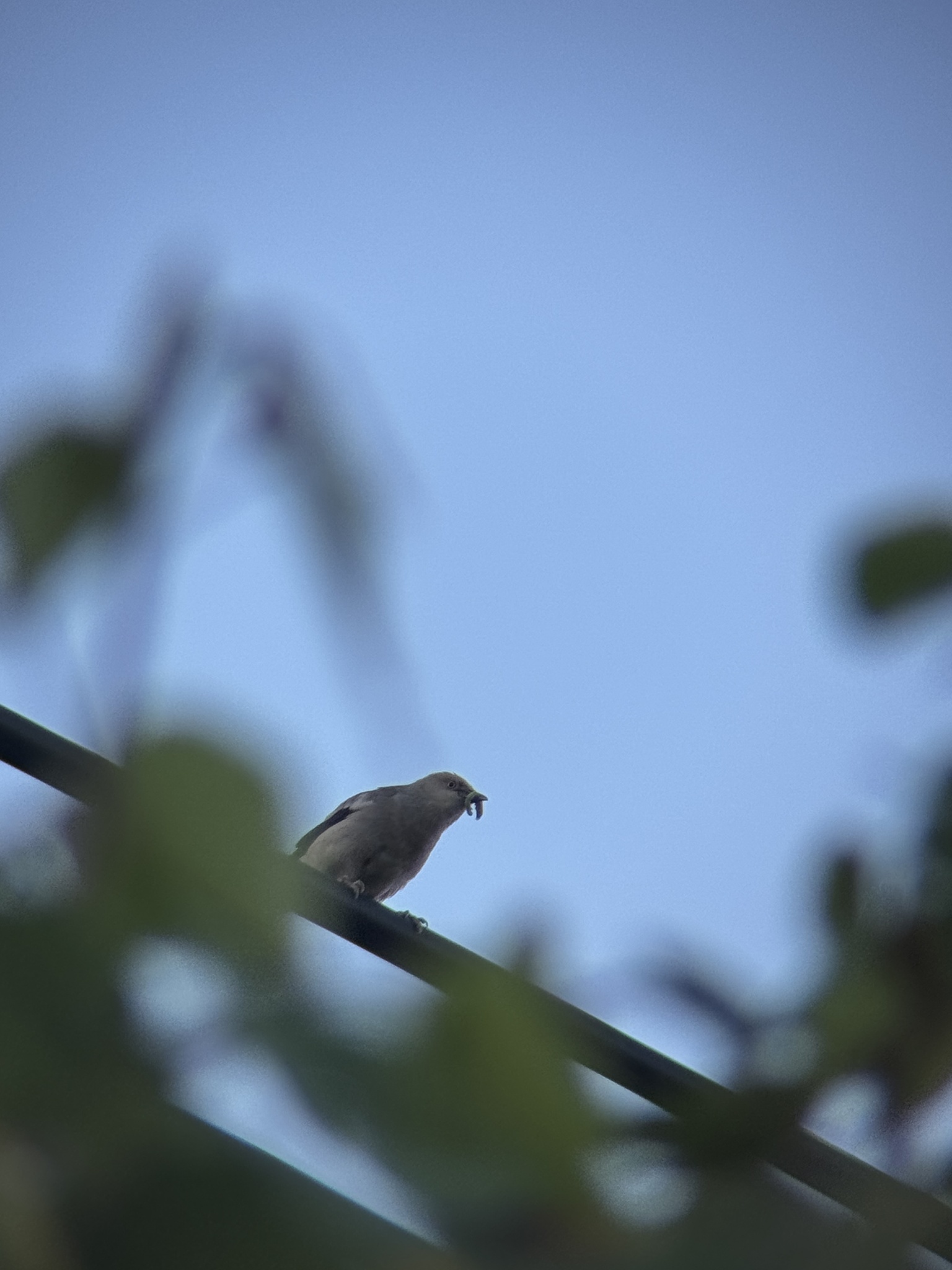
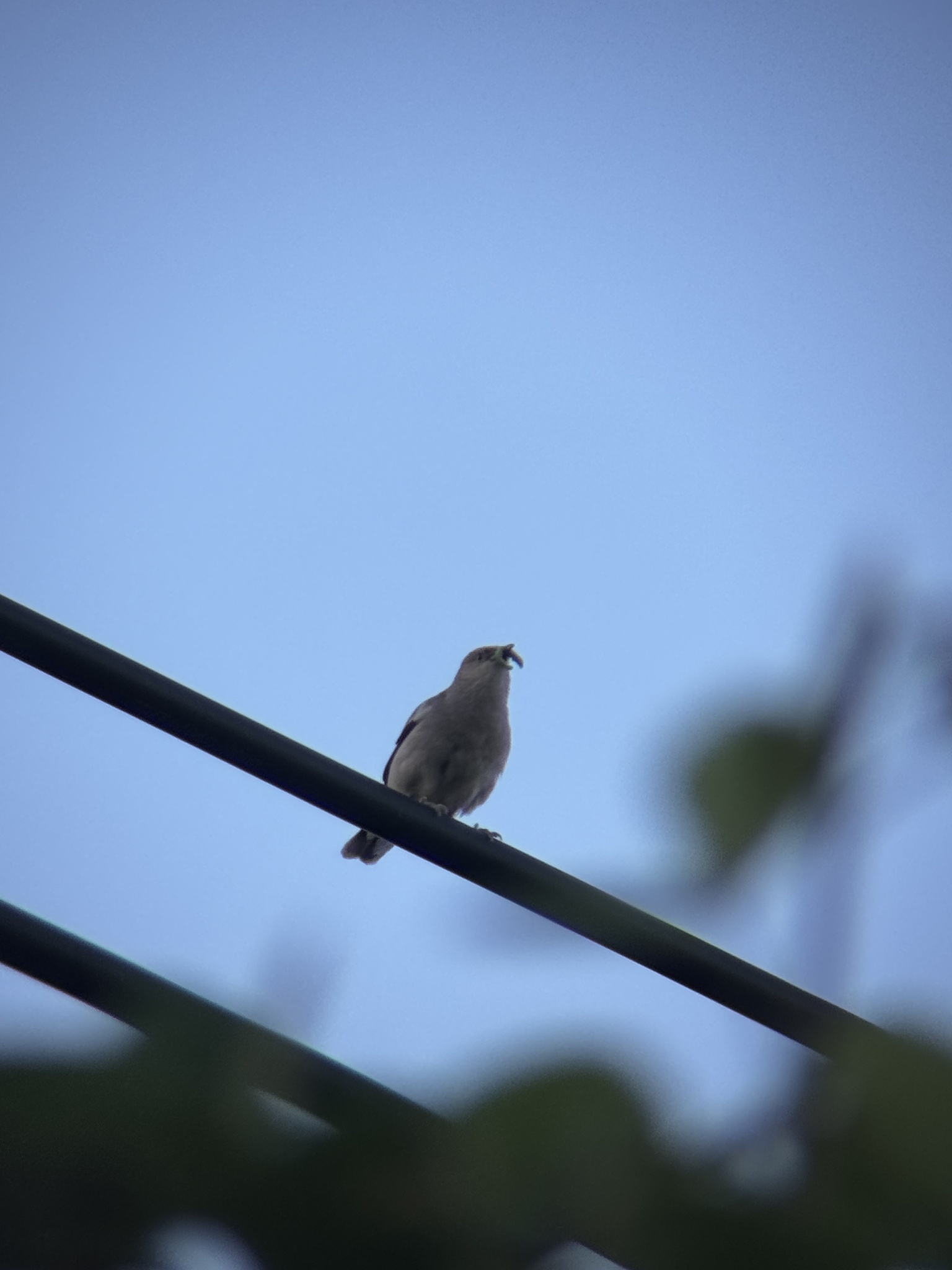
Distinctive physical features include blue eyes, a grey bill, and a characteristic white patch on the shoulder. Sexual dimorphism is present in the plumage. The adult male exhibits a light brown head and breast contrasting with a white belly. In comparison, the adult female appears darker brown on the back and belly.
Distribution & Habitat
The range encompasses a broad area of Asia. Breeding occurs in southern China and northern Vietnam. The bird is found in Asian countries including Brunei, Cambodia, India, Japan, South Korea, Laos, Malaysia, Myanmar, the Philippines, Singapore, Taiwan, and Thailand.
Behavior & Ecology
This bird is typically gregarious and is usually observed in large flocks.
Conservation
The current conservation status is assessed as "Least Concern".
Source: Wikipedia · CC BY-SA 3.0
Taxonomy
- Order
- Passeriformes
- Family
- Sturnidae
- Genus
- Sturnia
- eBird Code
- whssta2
Distribution
breeds southern China to Indochina; winters to southeastern Asia and northern Philippines
Data Sources
Species description from Wikipedia, licensed under CC BY-SA 3.0.
Bird images and sounds sourced from GBIF, contributed by citizen scientists worldwide under Creative Commons licenses.
Taxonomy data from AviList 2025.