Parasitic Jaeger
Stercorarius parasiticus
短尾贼鸥
Introduction
A seabird in the skua family Stercorariidae. Breeds across Northern Fennoscandia, Scotland, Iceland, Greenland, Northern Canada, Alaska, and Siberia. Inhabits dry tundra, higher fells, and islands. Kleptoparasitism (stealing food from other birds, primarily gulls and terns) is a major food source during migration and winter. Migratory species that winters across the southern hemisphere, including the tropics and southern oceans. Globally listed as Least Concern, though regionally Endangered in Iceland since 2018 following drastic population declines in the early 2000s.
Description
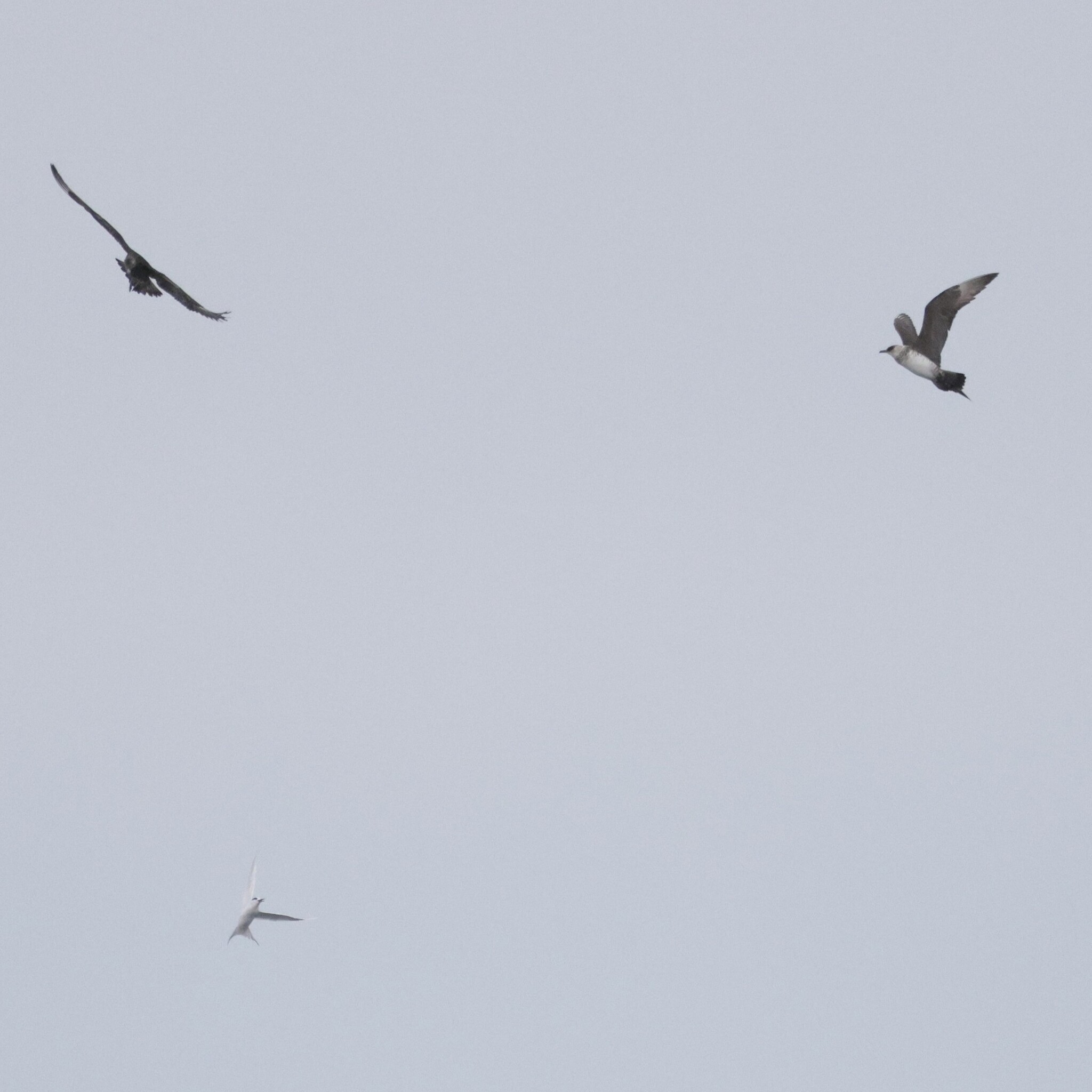
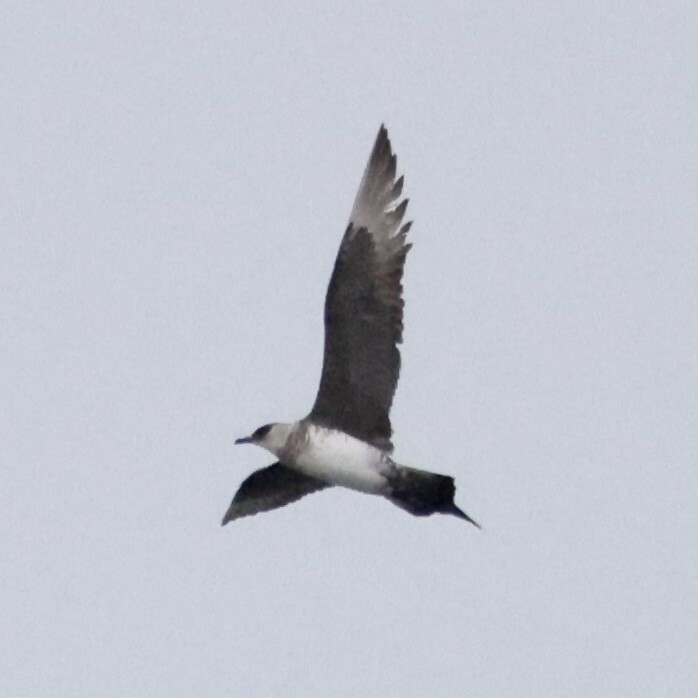
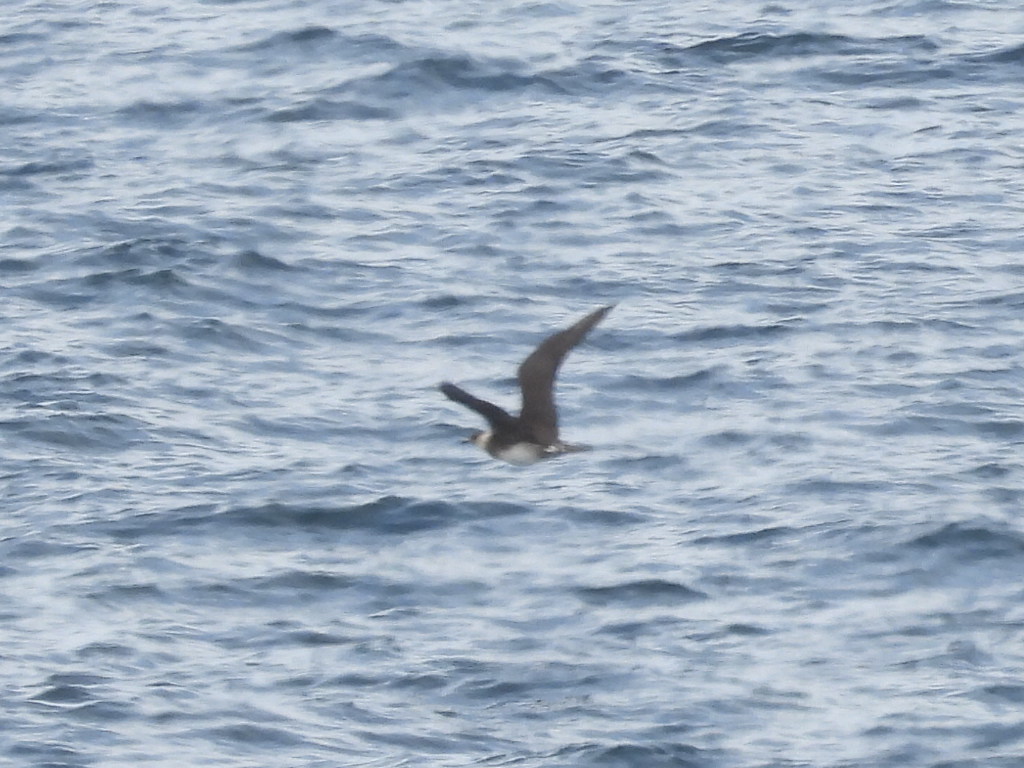
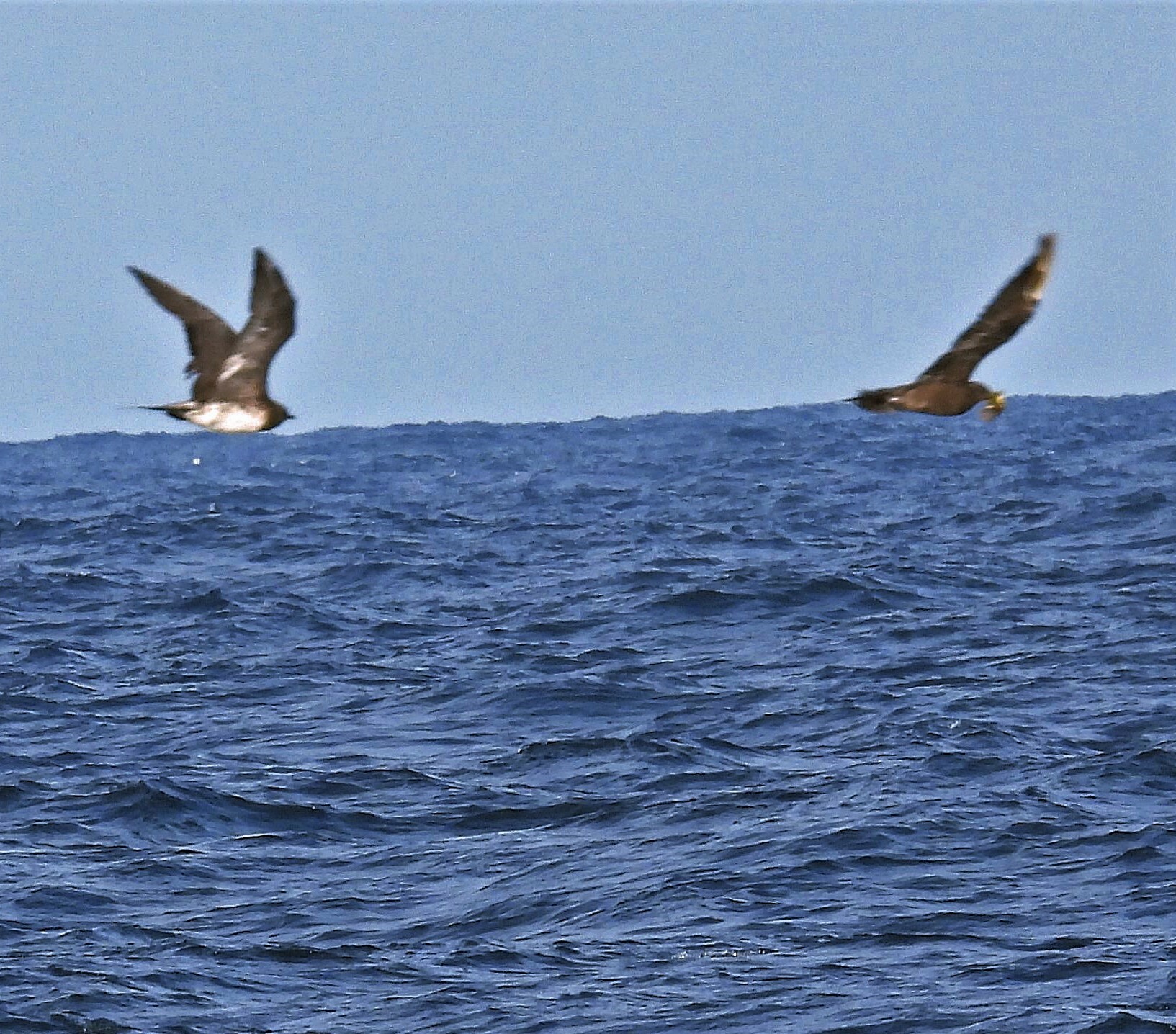
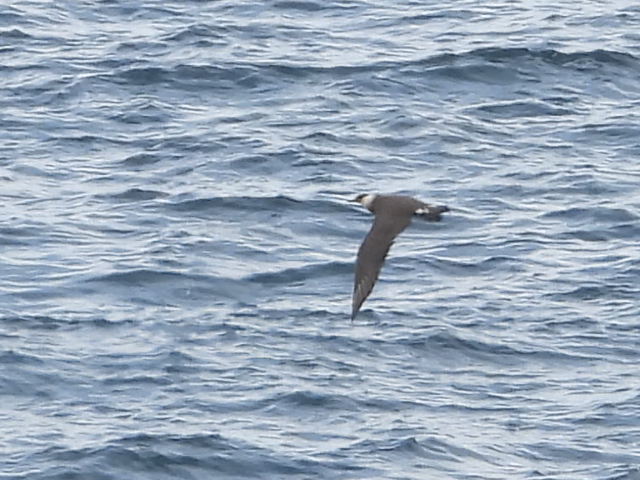
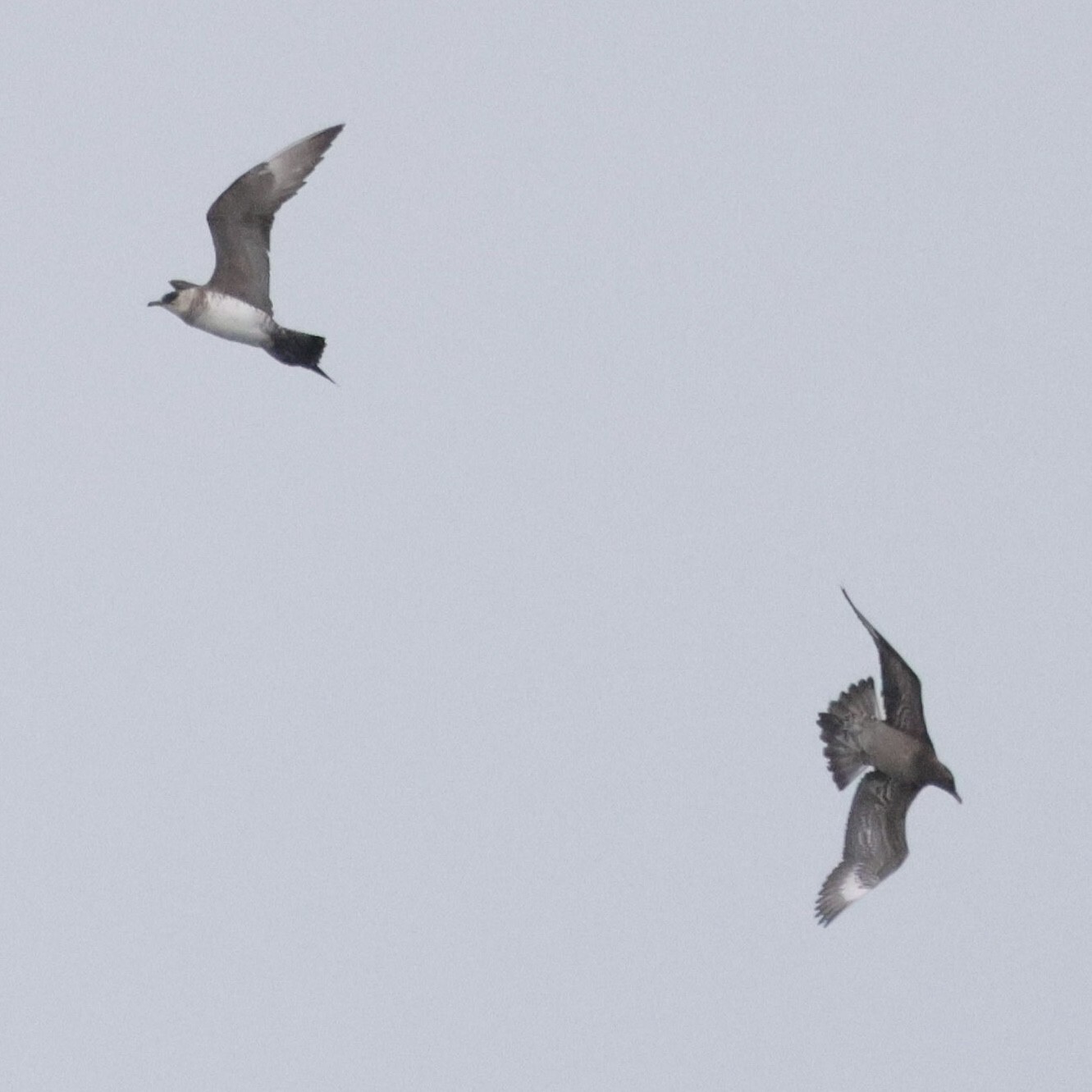
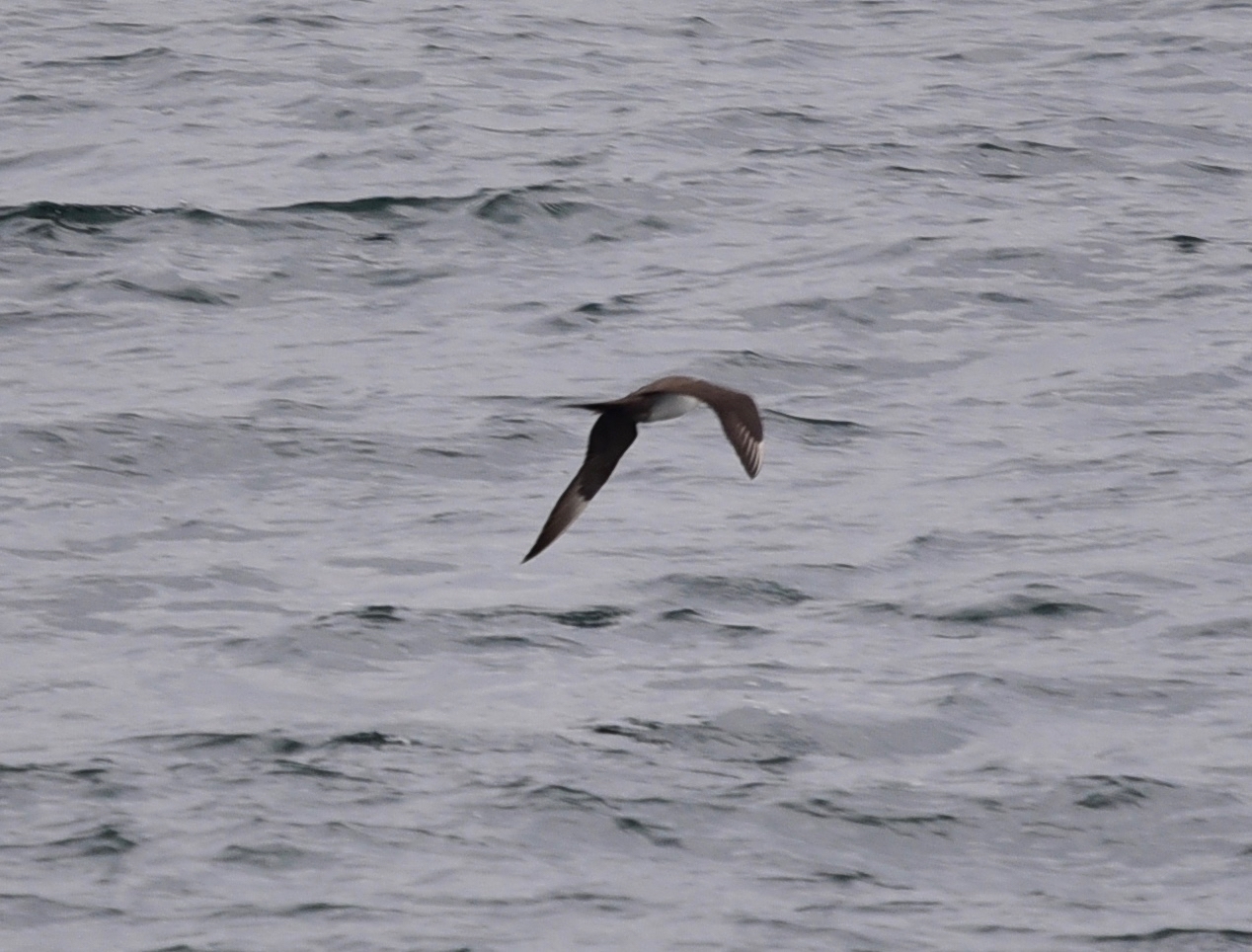
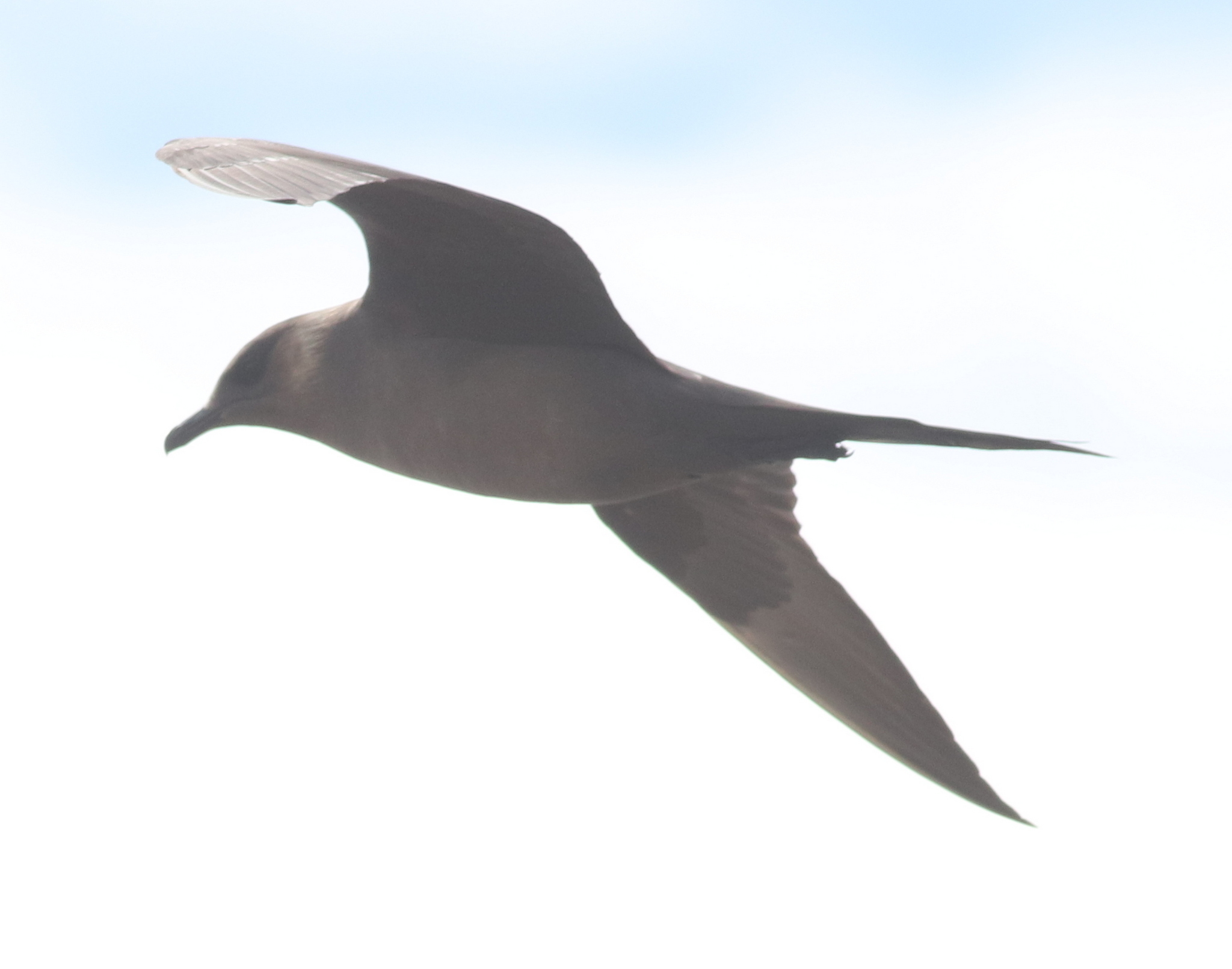
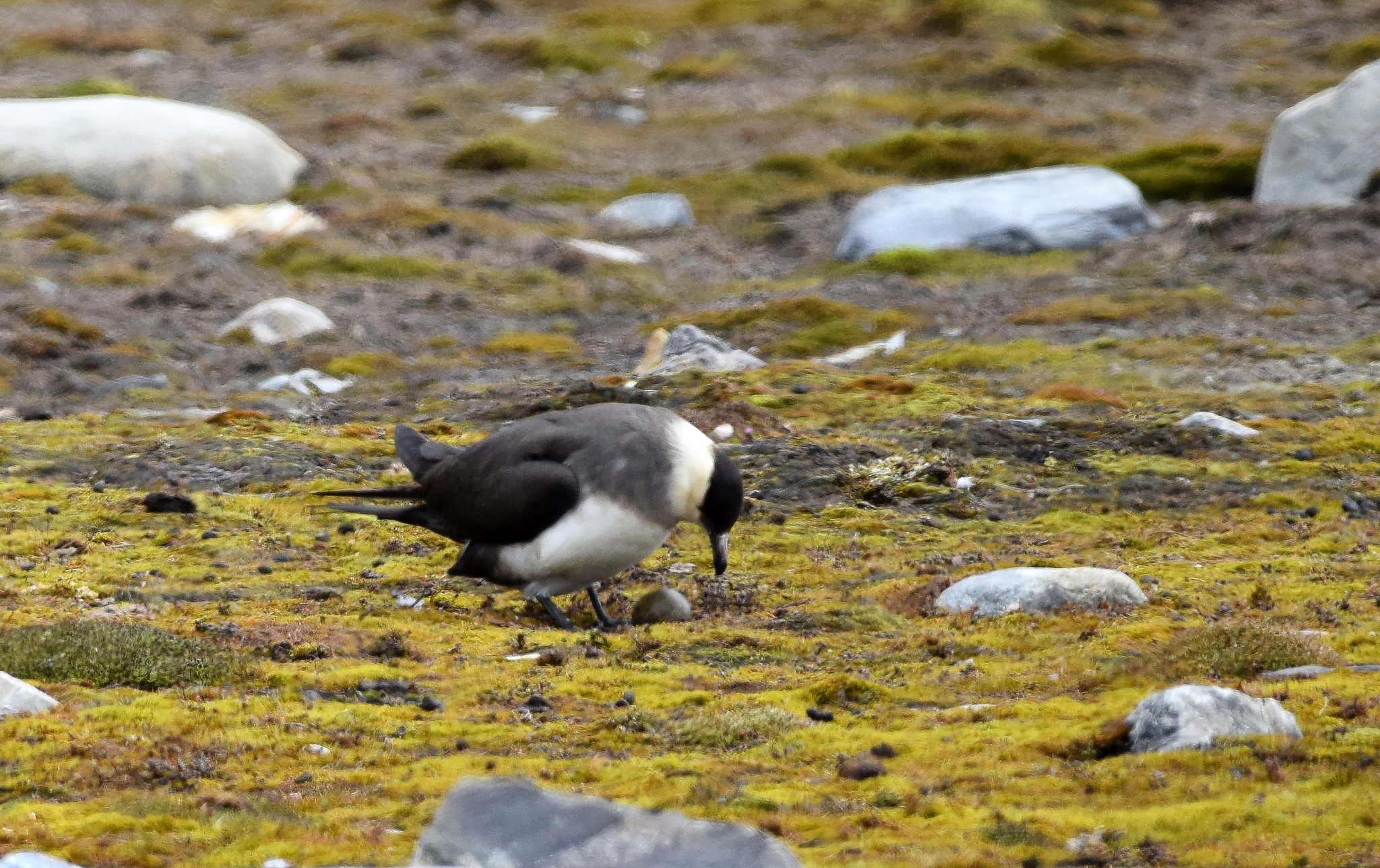
Small for a skua, measuring 41-48 cm in length with a 107-125 cm wingspan and weighing 300-650 g. Breeding adults have a tail streamer accounting for approximately 7 cm of their length. Three color morphs exist: light morph has a brown back, white underparts, dark primary wing feathers with a white flash, yellowish-white head and neck with a black cap, and a pointed central tail projection; dark morph is entirely dark brown; intermediate morph is dark with paler underparts, head, and neck. All morphs display the distinctive white wing flash.
Identification
Complicated by similarities to long-tailed and pomarine jaegers and the three color morphs. Bulkier and shorter-winged than long-tailed jaegers, with less tern-like appearance. Warmer toned with browner shades rather than grey. Flight is more falcon-like. Juvenils are particularly difficult to distinguish from long-tailed jaegers. The most common of the three jaeger species observed from shore. Typical call is a nasal mewing sound repeated in display; alarm call is shorter.
Distribution & Habitat
Breeds across the north of Eurasia and North America. European populations extend to northern Scotland (Shetland, Orkney, Outer Hebrides, Sutherland, Caithness, and Arctic islands). North American breeders include Alaska, Yukon, Northwest Territories, Nunavut, Hudson Bay coast, and parts of Northern Quebec and Nunatsiavut. Winters at sea in the tropics and southern oceans. Spring migration occurs overland through the Canning River Valley, Alaska. Fall migration routes include from northern Russia to the Persian Gulf (Eurasian populations) and over the Great Lakes, particularly Lake Ontario (American populations).
Behavior & Ecology
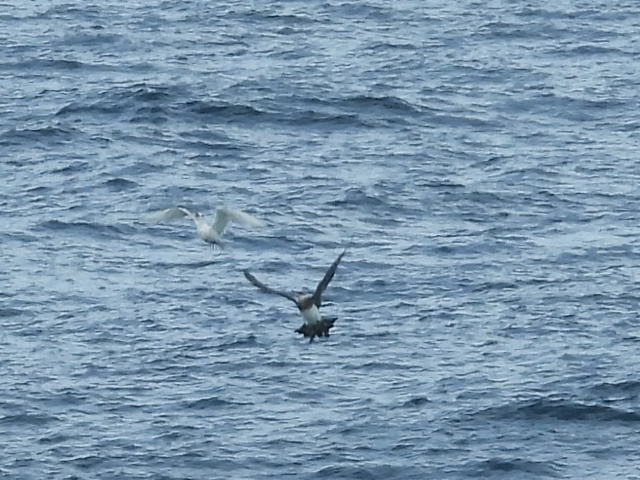
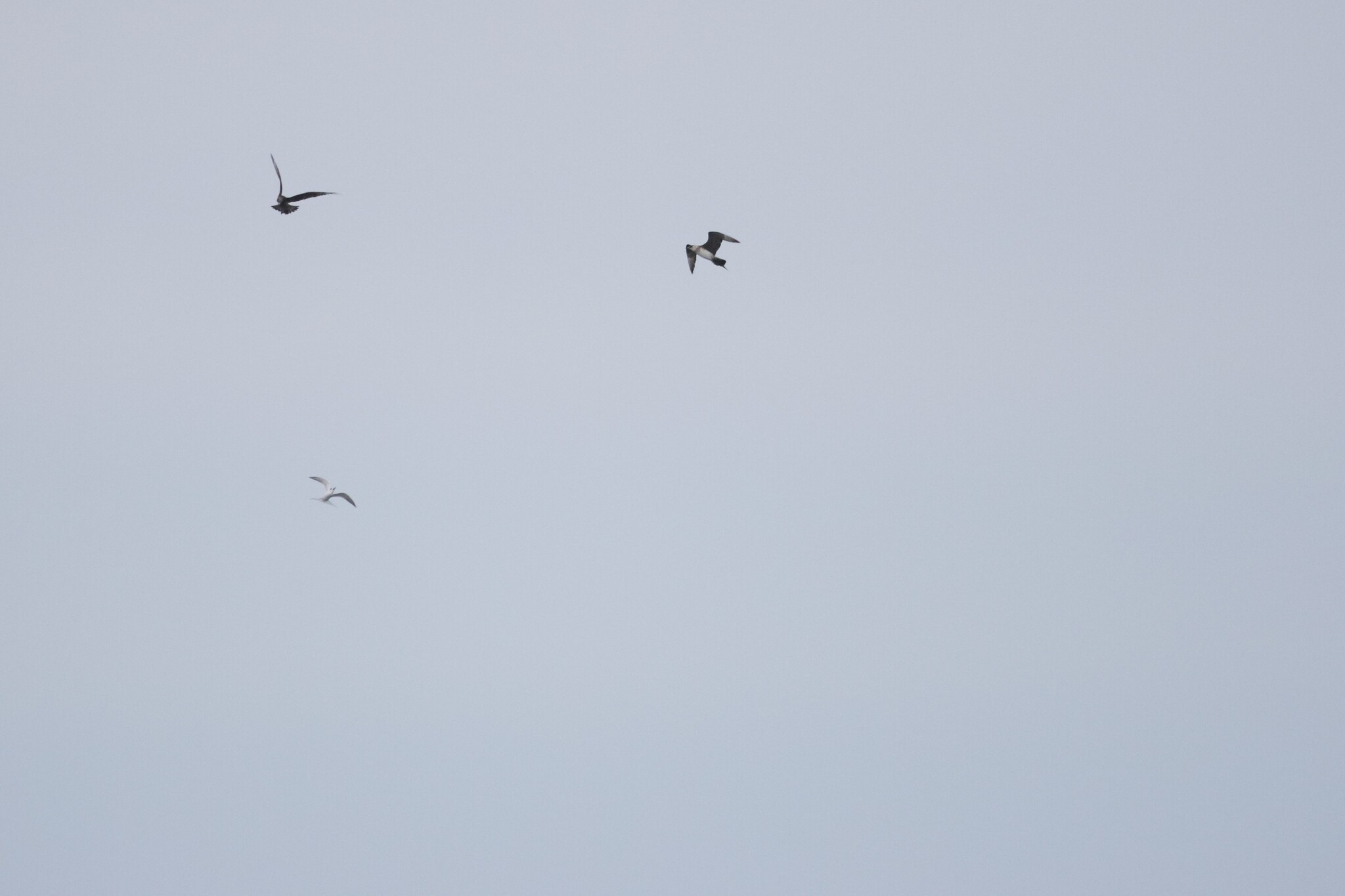
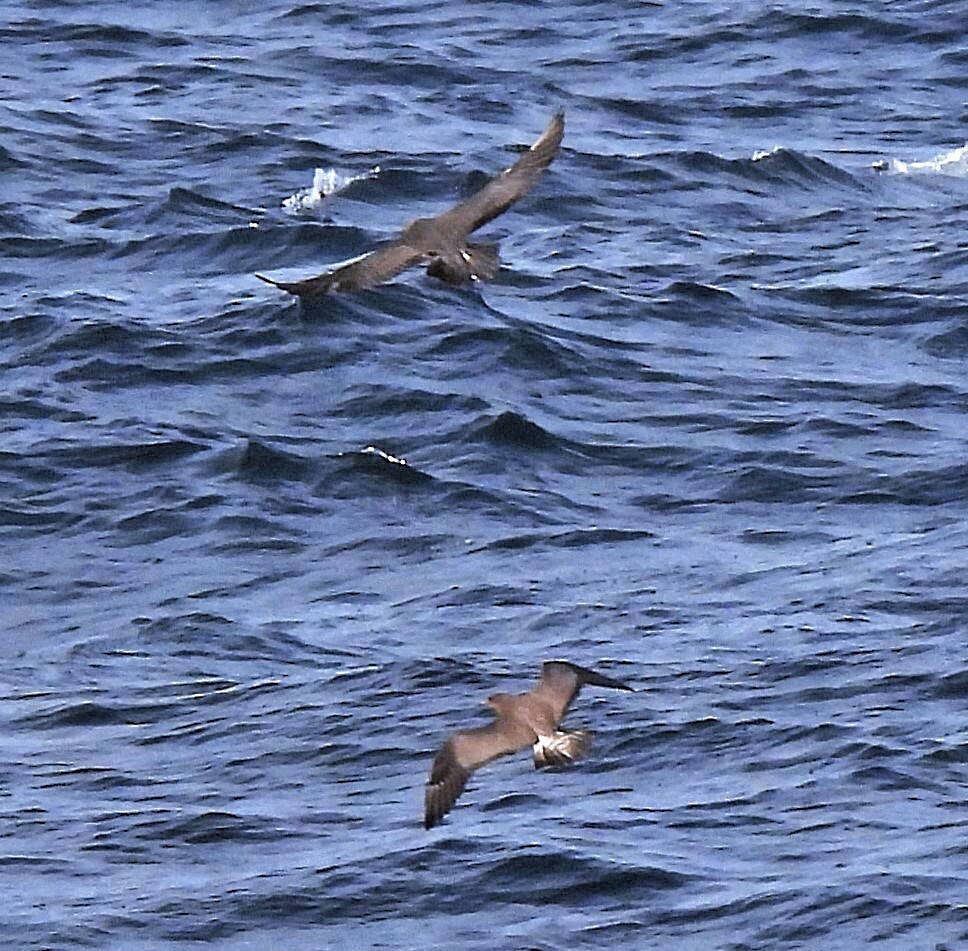
Nests on dry tundra, higher fends, and islands. Clutches consist of up to four olive-brown eggs. Breeding season diet includes rodents, insects, eggs, chicks, and small birds. Majority of diet (especially during migration and winter) comes from kleptoparasitism—robbing gulls and terns of their catches. Territorial and aggressive around nest, will fly at the head of approaching humans or foxes. Usually silent except for mewing and wailing notes on breeding grounds.
Conservation
Globally listed as Least Concern. In Iceland, uplisted to Endangered in 2018 (previously Least Concern in 2000) following drastic population declines in the early 2000s. No subspecies are recognized (monotypic species).
Source: Wikipedia · CC BY-SA 3.0
Taxonomy
- Order
- Charadriiformes
- Family
- Stercorariidae
- Genus
- Stercorarius
- eBird Code
- parjae
Distribution
breeds mostly low Arctic tundra from Greenland, Iceland, and Scotland eastward to northeastern Siberia and Kamchatka, Aleutian and Bering Sea islands, through Alaska to east-central Arctic Canada (except northern high Arctic islands); winters to coastal waters of Africa, Persian Gulf, western India and Sri Lanka, eastward to Australasia, and Peru, Chile, and east-central Argentina
Vocalizations
Data Sources
Species description from Wikipedia, licensed under CC BY-SA 3.0.
Bird images and sounds sourced from GBIF, contributed by citizen scientists worldwide under Creative Commons licenses.
Taxonomy data from AviList 2025.