South Polar Skua
Stercorarius maccormicki
南极贼鸥
Introduction
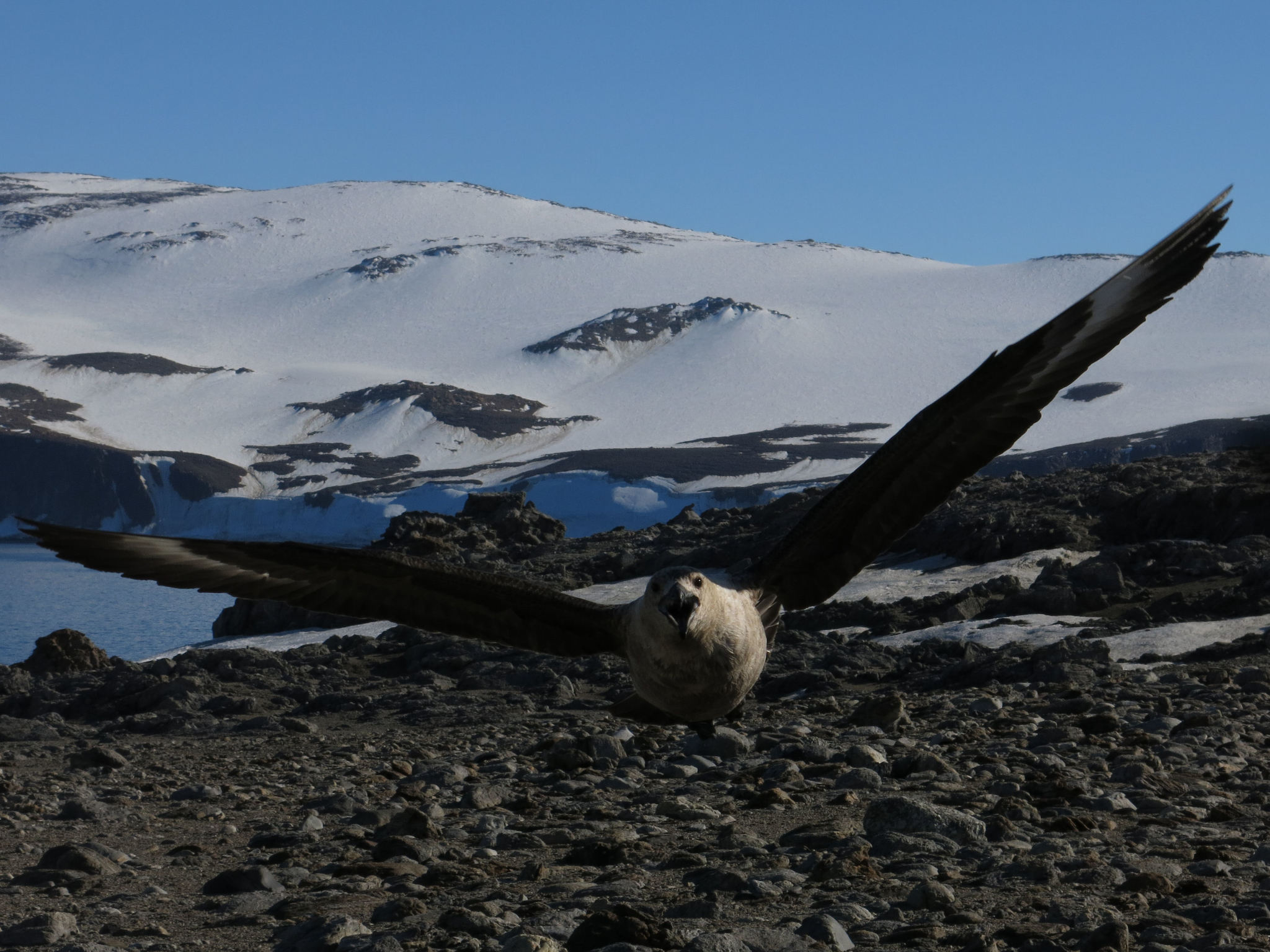
A large seabird in the skua family Stercorariidae. Breeds exclusively on Antarctic coasts, where it typically lays two eggs in November and December. This migratory species winters at sea across the Pacific, Indian, and Atlantic Oceans. It exhibits strong piratical feeding behavior, obtaining fish by robbing gulls, terns, and gannets. Unlike smaller jaegers, it relies more on brute force than agility when harassing other birds for food. The species and other large skuas are sometimes placed in the separate genus Catharacta.
Description
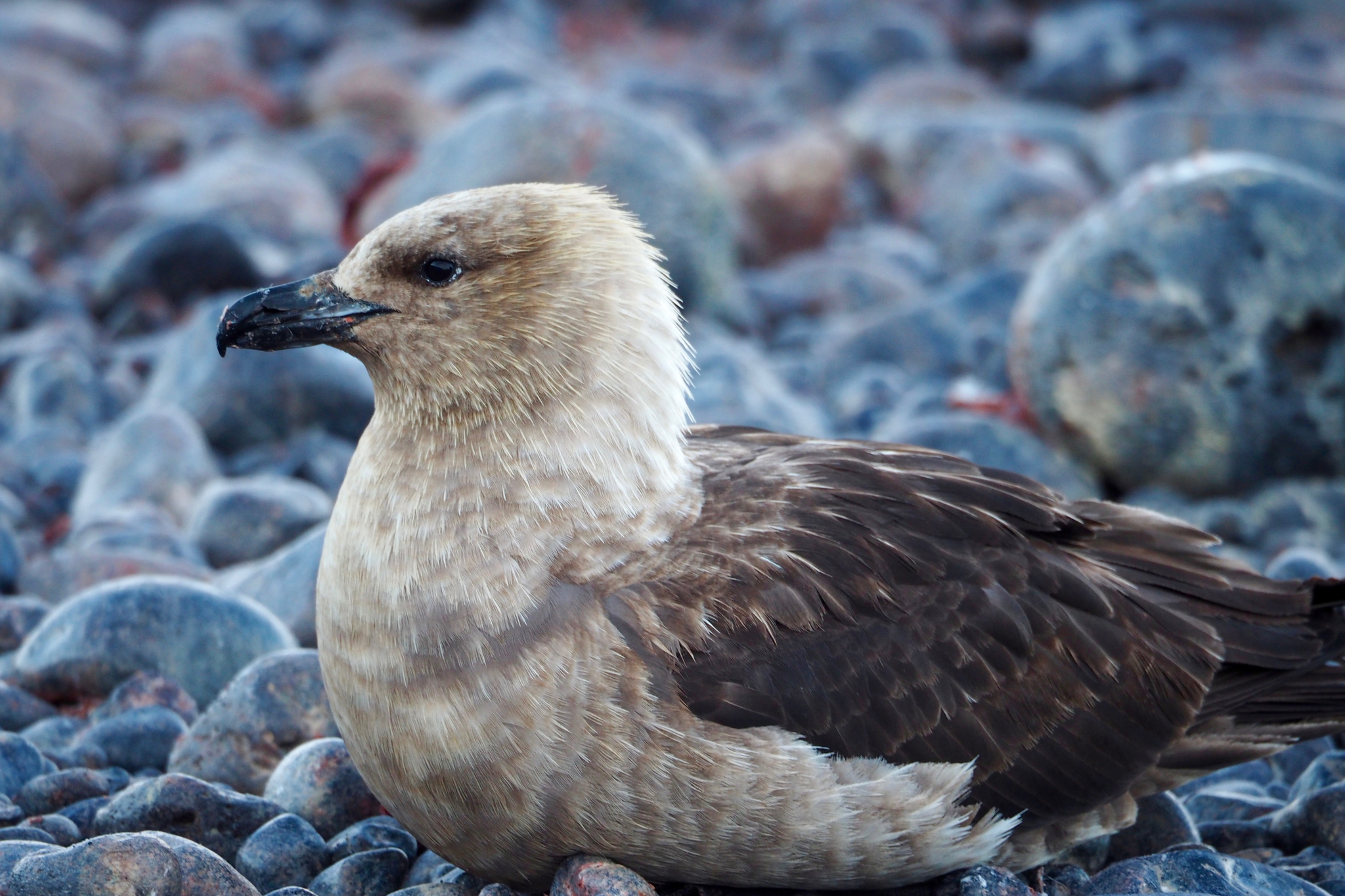
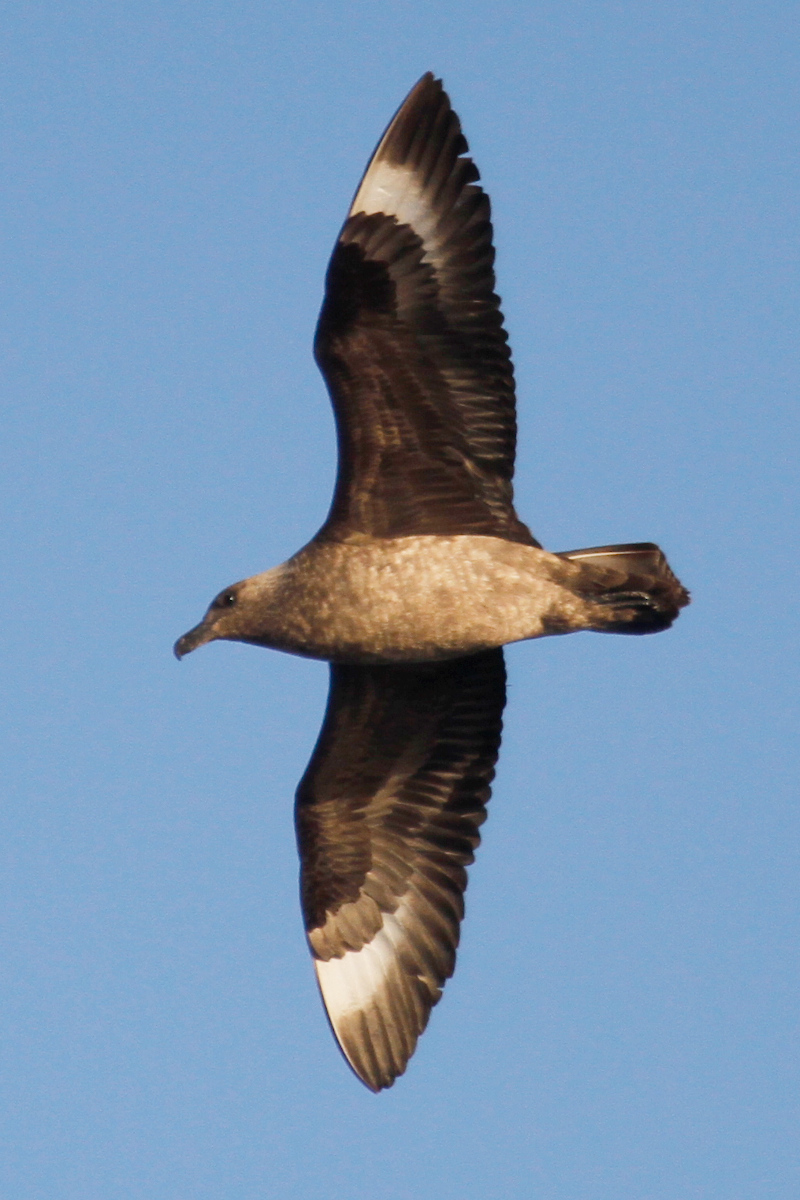
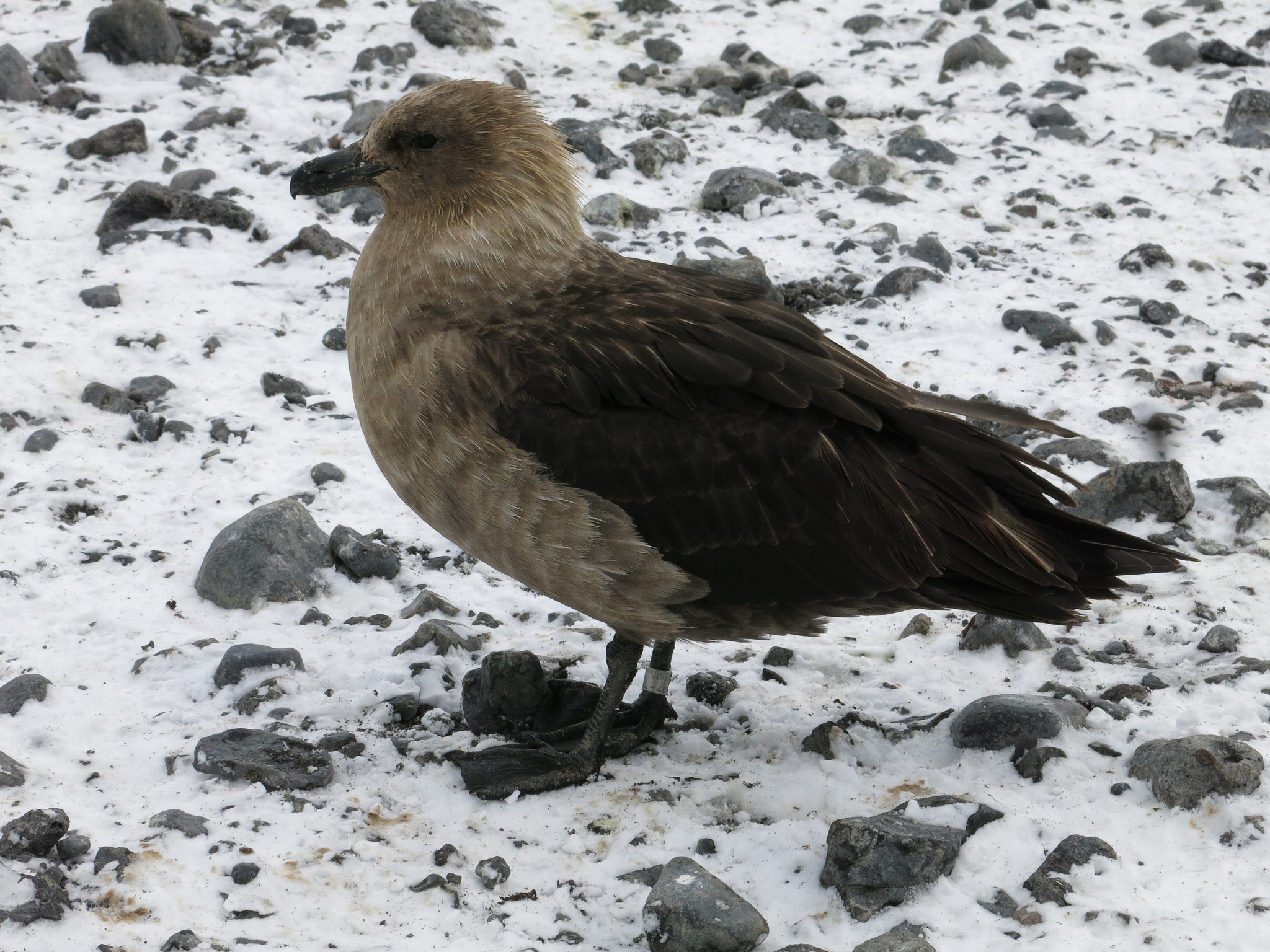
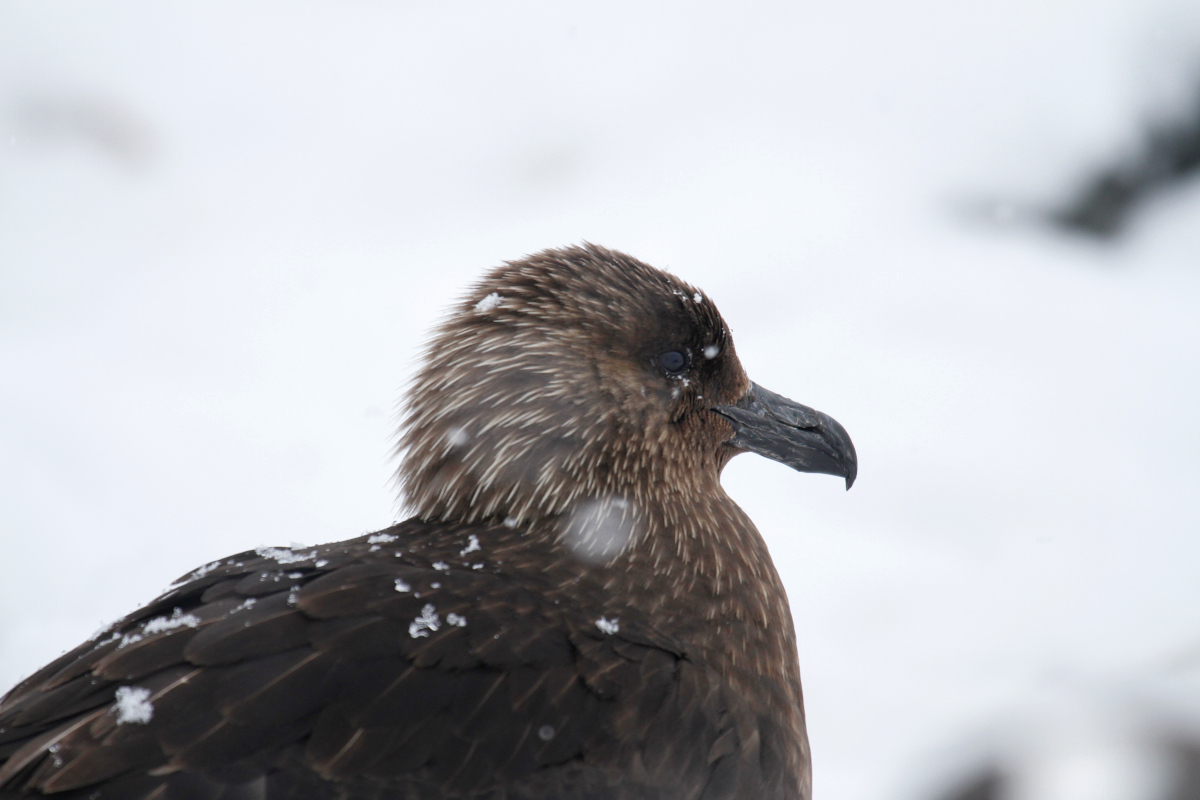
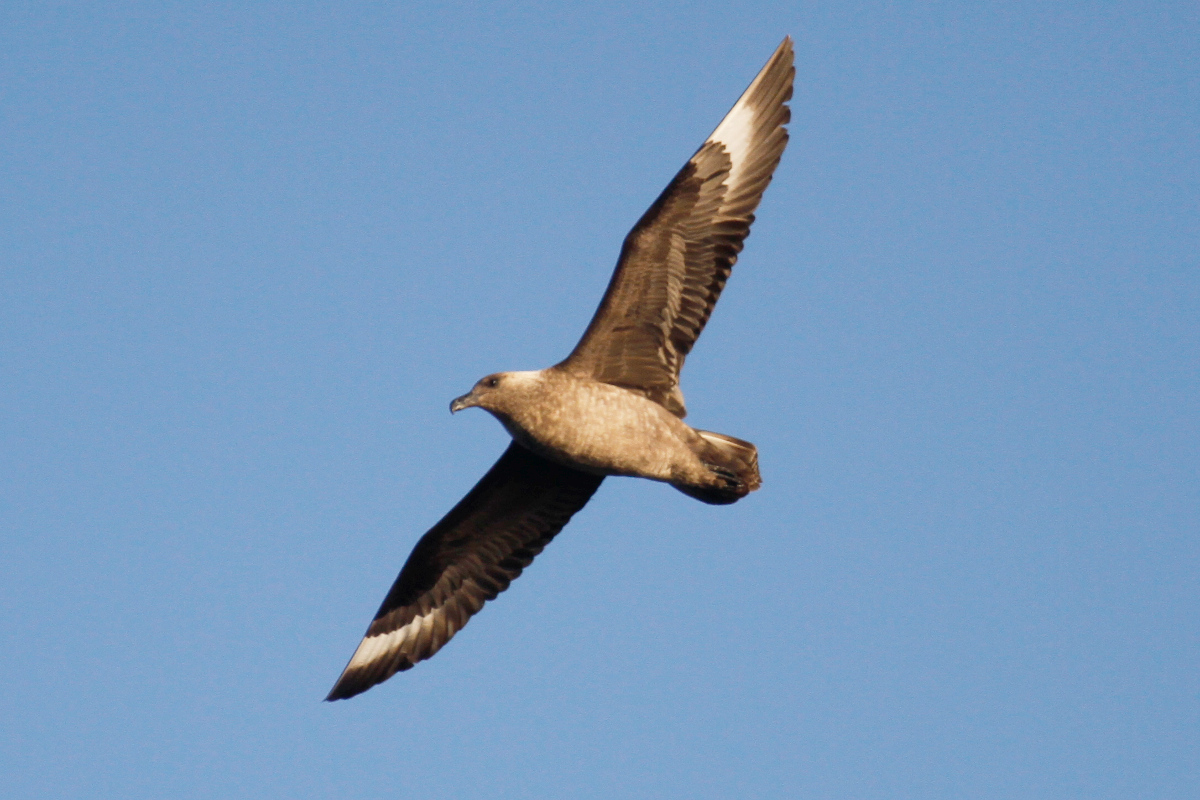
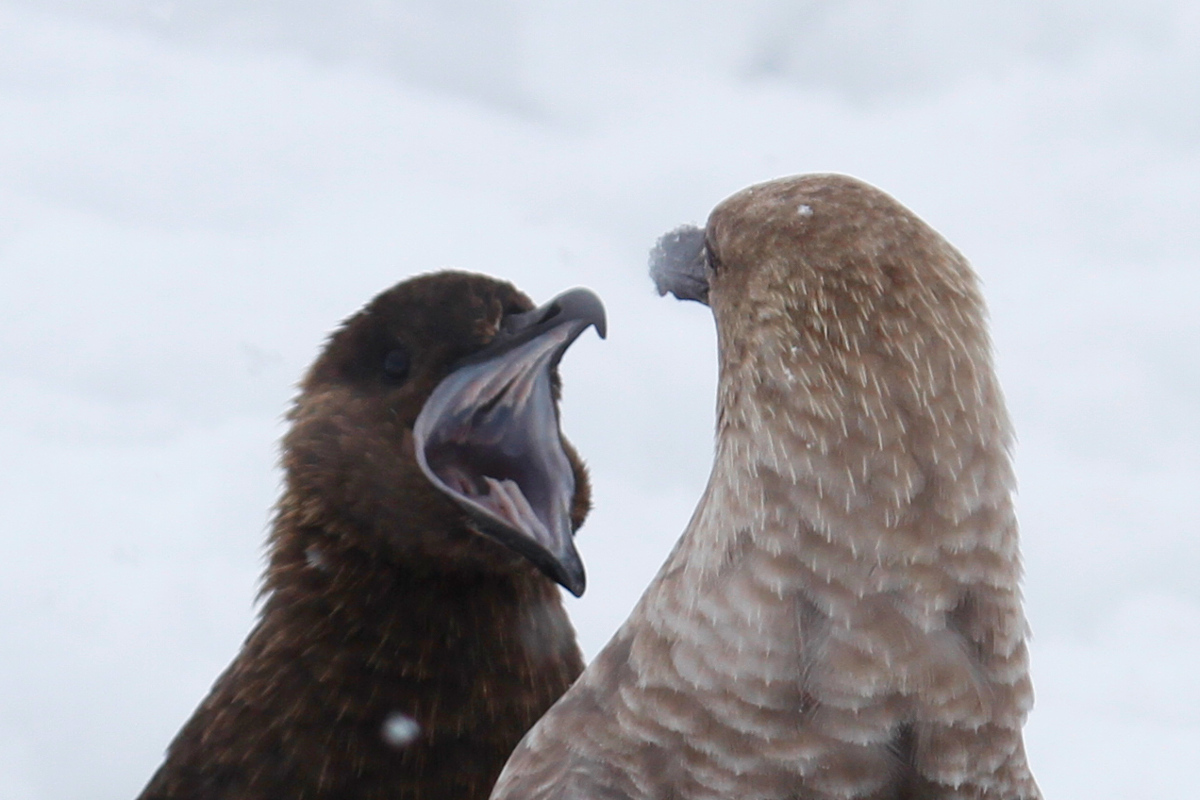
A large skua measuring approximately 53 cm (21 in) in length, though smaller than other Catharacta skuas. Adults are greyish brown above. The pale morph has whitish head and underparts, while the intermediate morph displays straw-brown coloration on these areas. The high contrast between head and body aids identification with good views. Juveniles and dark morph adults are more difficult to distinguish from related species, requiring observation of subtler characteristics such as colder brown plumage and a blue base to the bill.
Identification
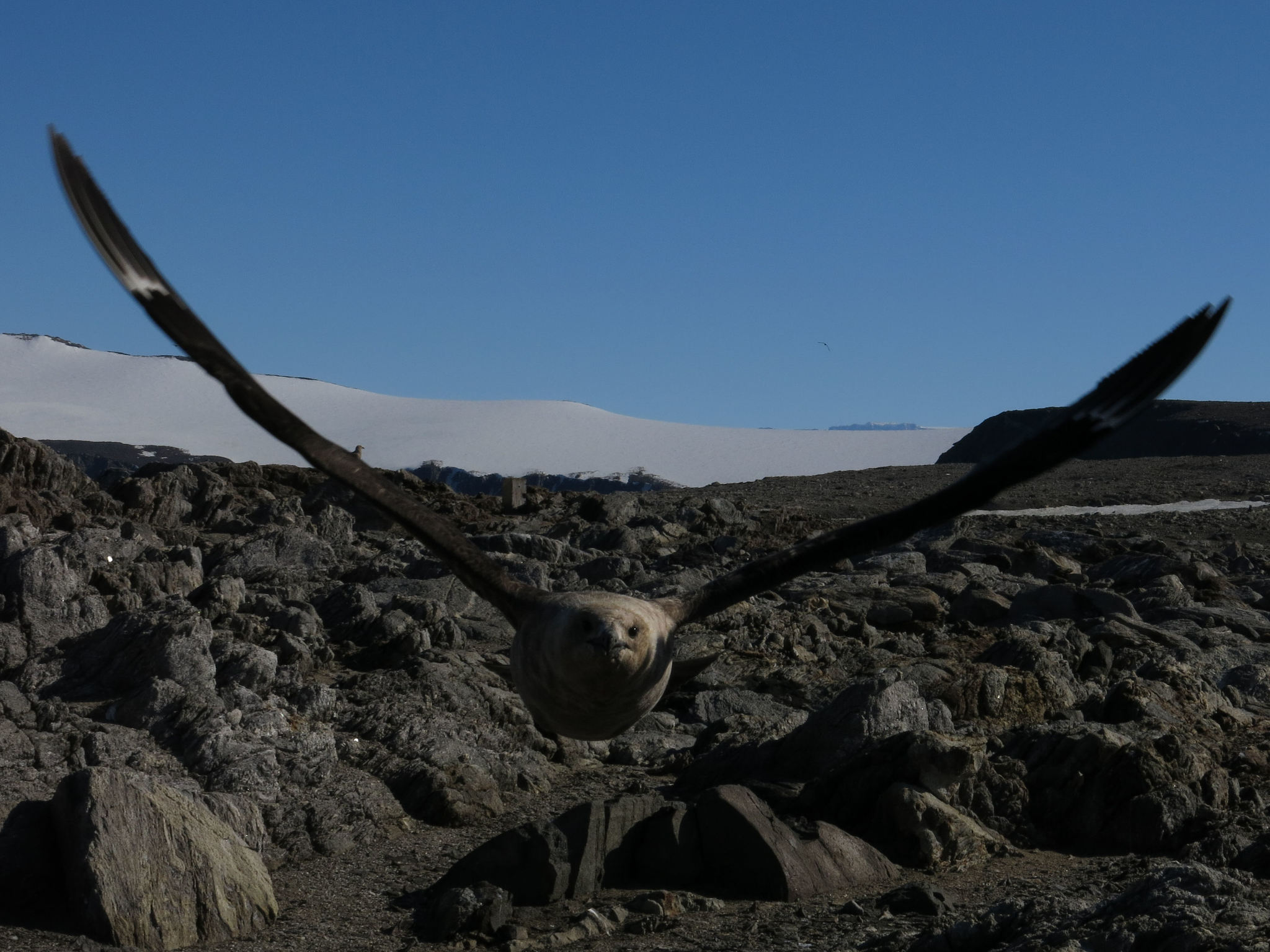
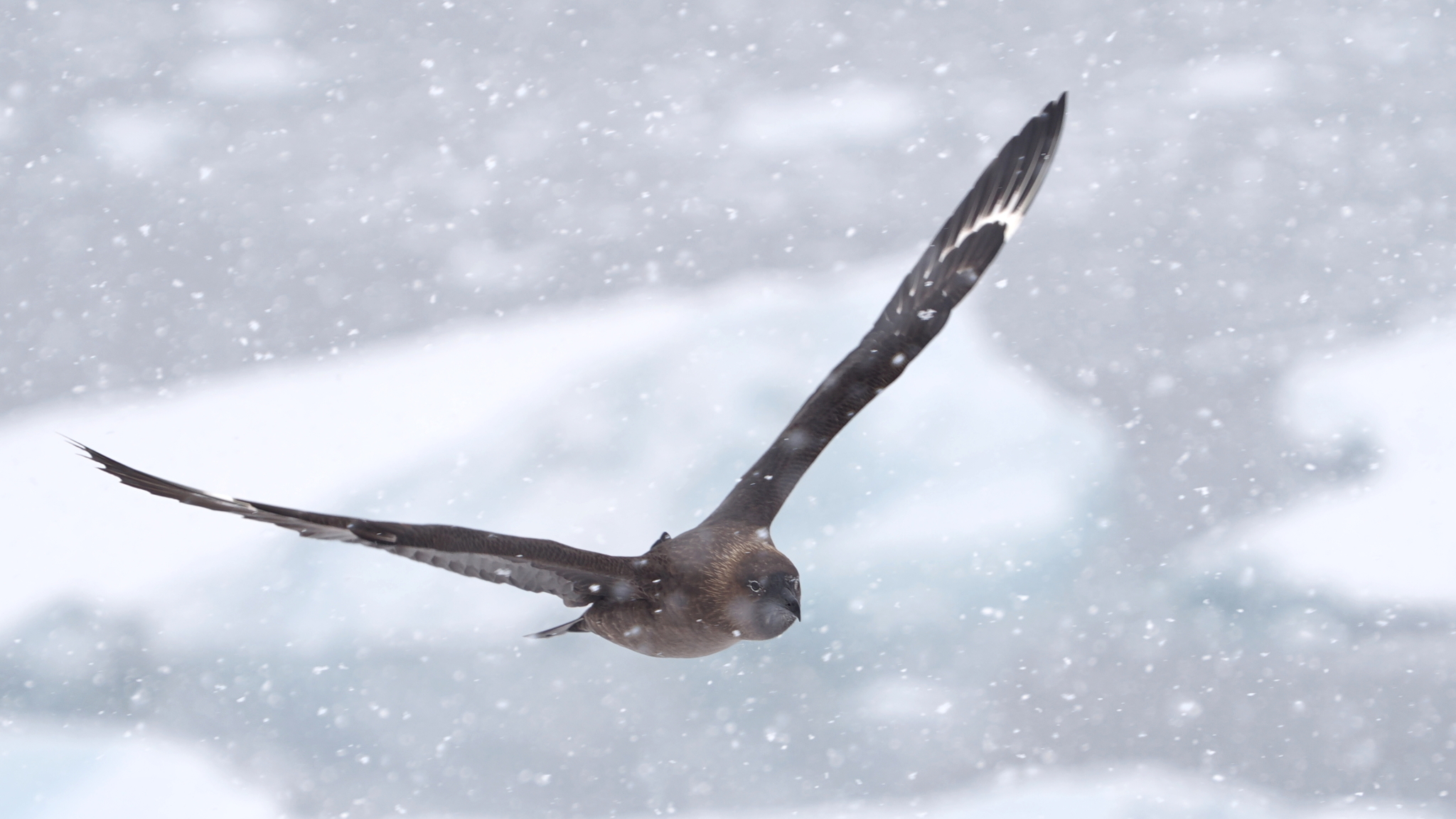
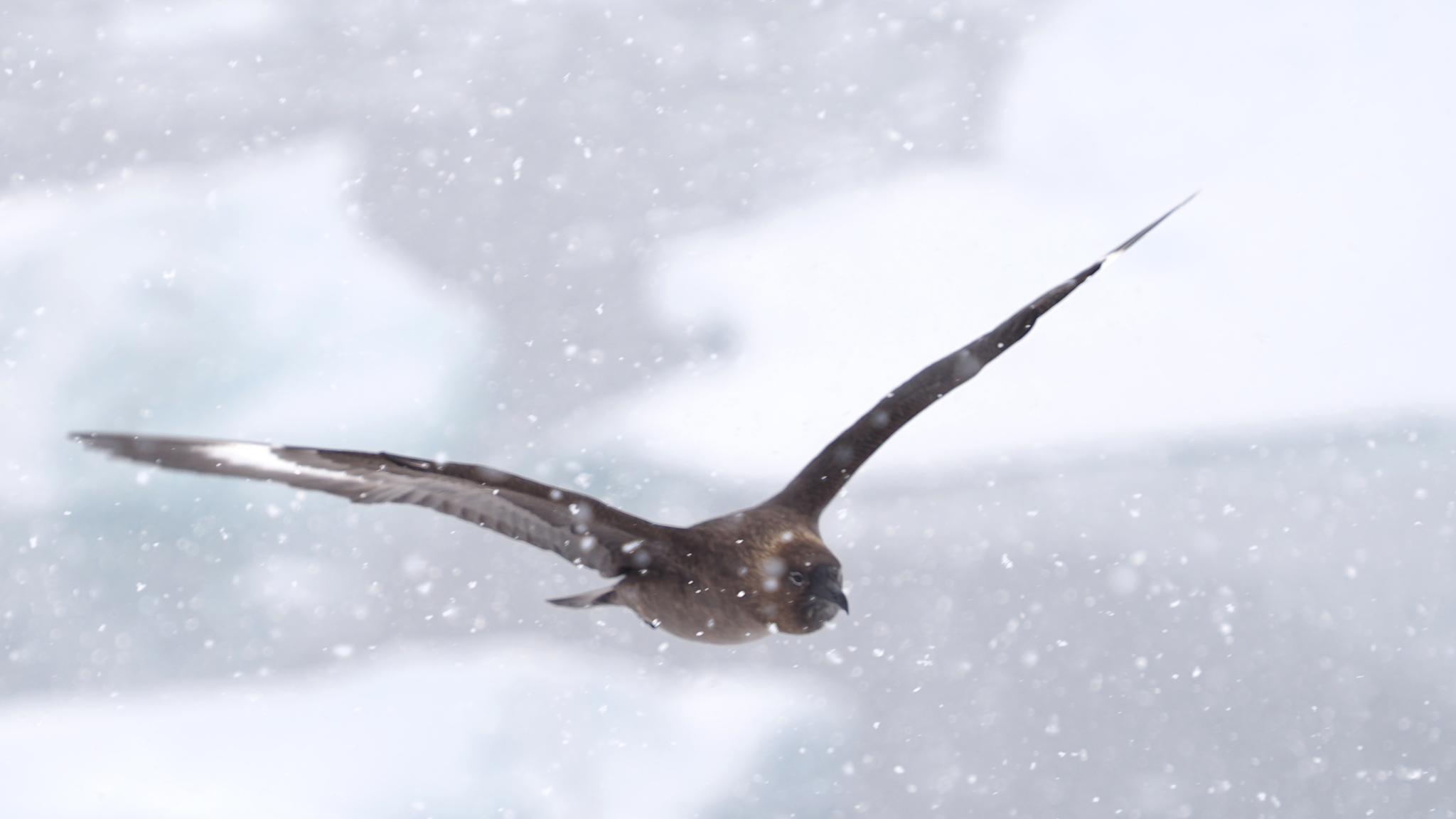
Distinguished from Northern Hemisphere Arctic, pomarine, and long-tailed skuas by its large size, massive barrel chest, and prominent white wing flashes visible at distance. The flight is direct and powerful. More challenging to separate from the closely related great skua of the North Atlantic and other large Southern Hemisphere skuas. Claims of any Southern Hemisphere skua in the eastern North Atlantic are treated cautiously due to identification difficulties, and few south polar skua records have been accepted in Western Europe.
Distribution & Habitat
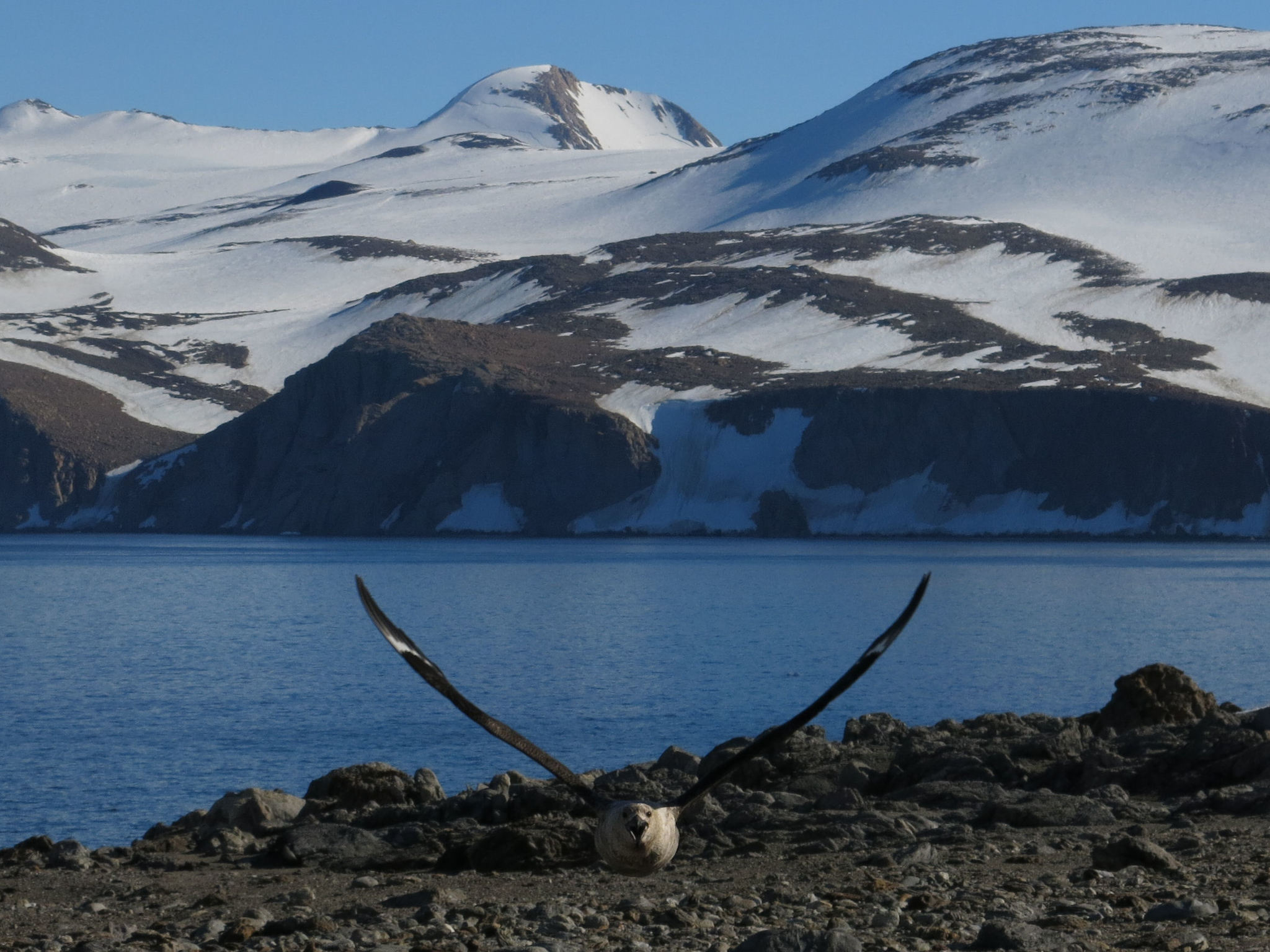
Breeds exclusively on Antarctic coasts, typically nesting on level ground and laying two eggs during November and December. After breeding, it disperses to winter at sea across the Pacific, Indian, and Atlantic Oceans. The closely related great skua occupies the eastern North Atlantic, effectively replacing this species in that region. Remarkably, individuals have been recorded at the actual Geographic South Pole. The type specimen was collected by explorer and naval surgeon Robert McCormick.
Behavior & Ecology
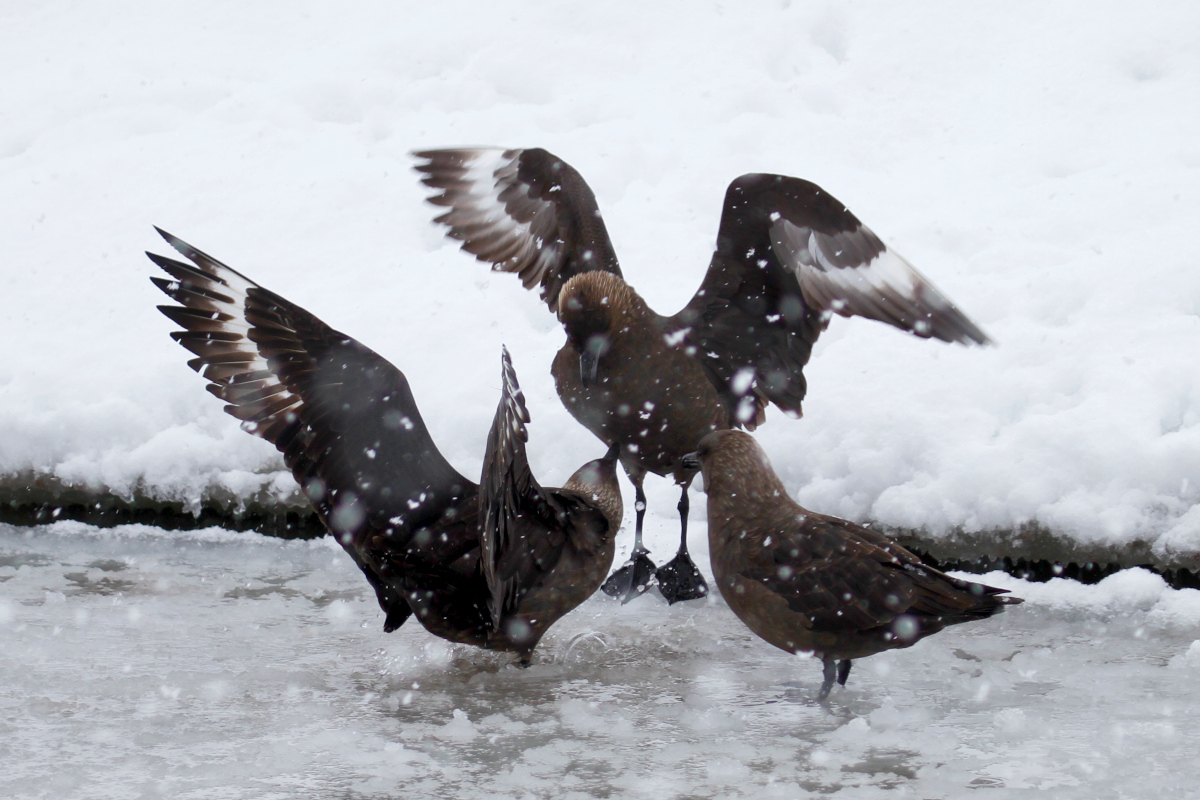
Defensive behavior includes flying directly at the head of humans or other intruders approaching the nest. The diet consists primarily of fish, which are often obtained through kleptoparasitism—robbing gulls, terns, and even gannets of their catches. It also consumes other birds, rabbits, and carrion. Like most skua species, this piratical behavior continues throughout the year. When harassing victims, it demonstrates less agility but more brute force compared to the smaller skuas known as jaegers.
Culture
Megalestris Hill on Petermann Island in the Wilhelm Archipelago of Antarctica is named after an obsolete generic name for this species.
Source: Wikipedia · CC BY-SA 3.0
Taxonomy
- Order
- Charadriiformes
- Family
- Stercorariidae
- Genus
- Stercorarius
- eBird Code
- sopsku1
Distribution
breeds coastal Antarctica, especially Ross Sea; also South Shetland and South Orkney islands (off Antarctic Peninsula); winters to northern offshore waters and North Indian Ocean: mostly clockwise to Japanese and Korean waters and Gulf Stream of eastern USA, then southwestern Canada to northern Baja California and northwestern Africa
Vocalizations
Data Sources
Species description from Wikipedia, licensed under CC BY-SA 3.0.
Bird images and sounds sourced from GBIF, contributed by citizen scientists worldwide under Creative Commons licenses.
Taxonomy data from AviList 2025.