Long-tailed Jaeger
Stercorarius longicaudus
长尾贼鸥
Introduction
A seabird in the skua family Stercorariidae. Breeds in the high Arctic across Eurasia and North America, with major populations in Russia, Alaska, and Canada. Inhabits dry tundra and higher fells during breeding season, spending most of the non-breeding period over open ocean. Two subspecies are recognized: S. l. longicaudus in northern Scandinavia and Russia, and S. l. pallescens in eastern Siberia, Arctic North America, and Greenland. Migratory, wintering in the south Atlantic and Pacific. Distinguished by being the smallest skua species and by its exceptionally long tail streamers. Undertakes kleptoparasitism as an important winter food source.
Description
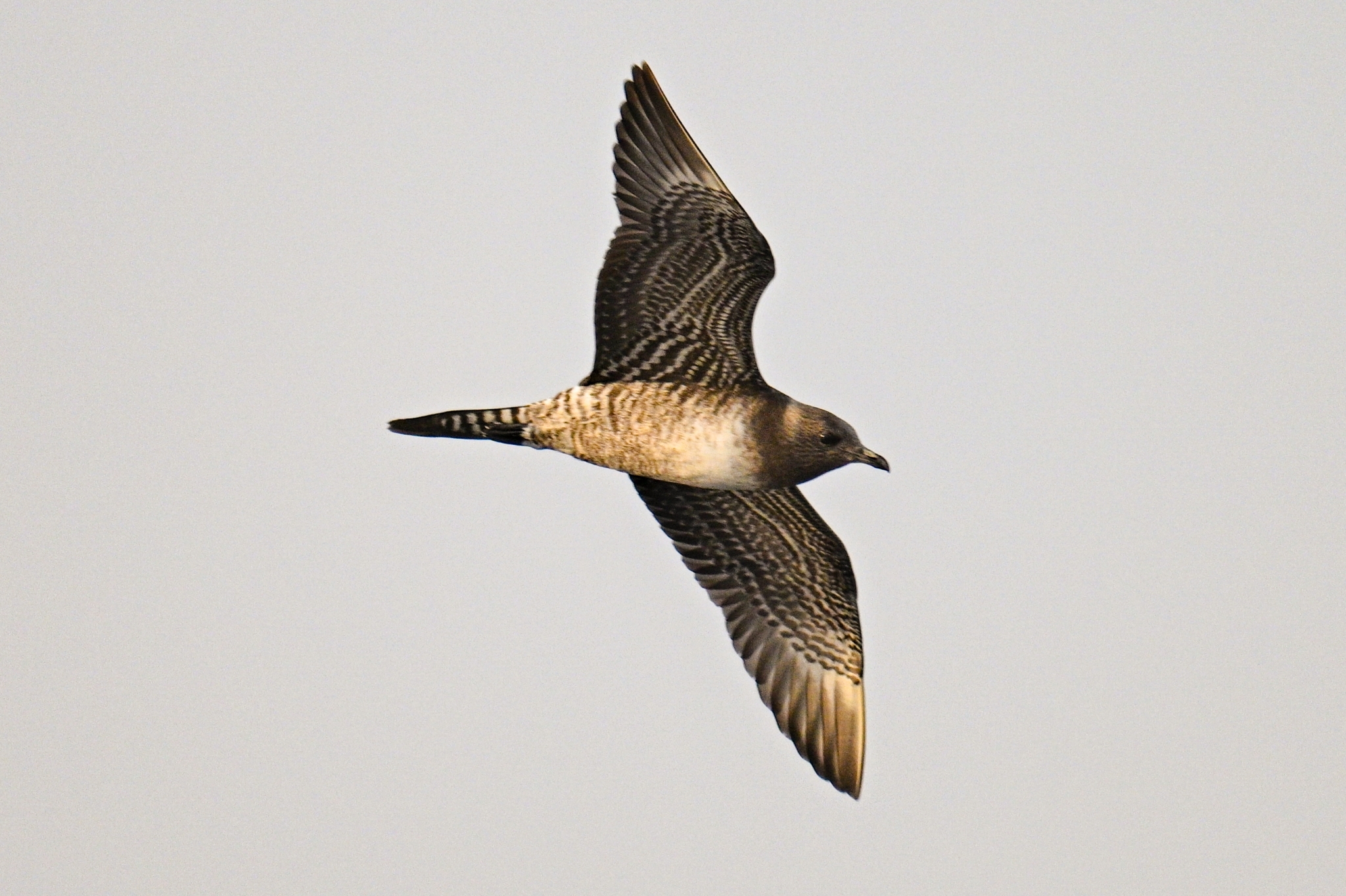
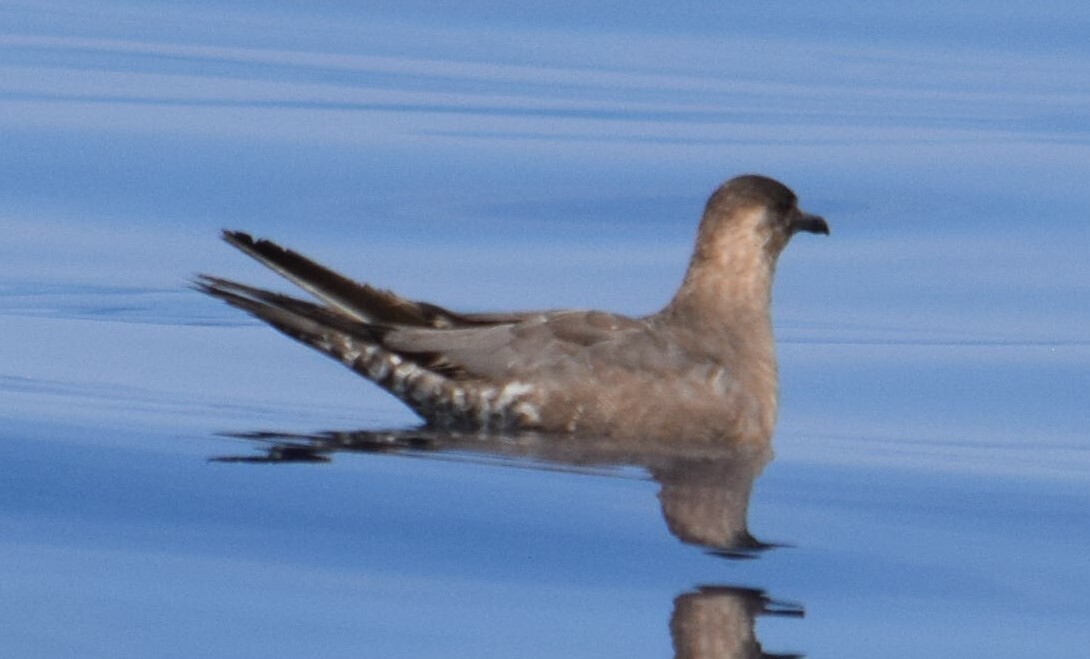
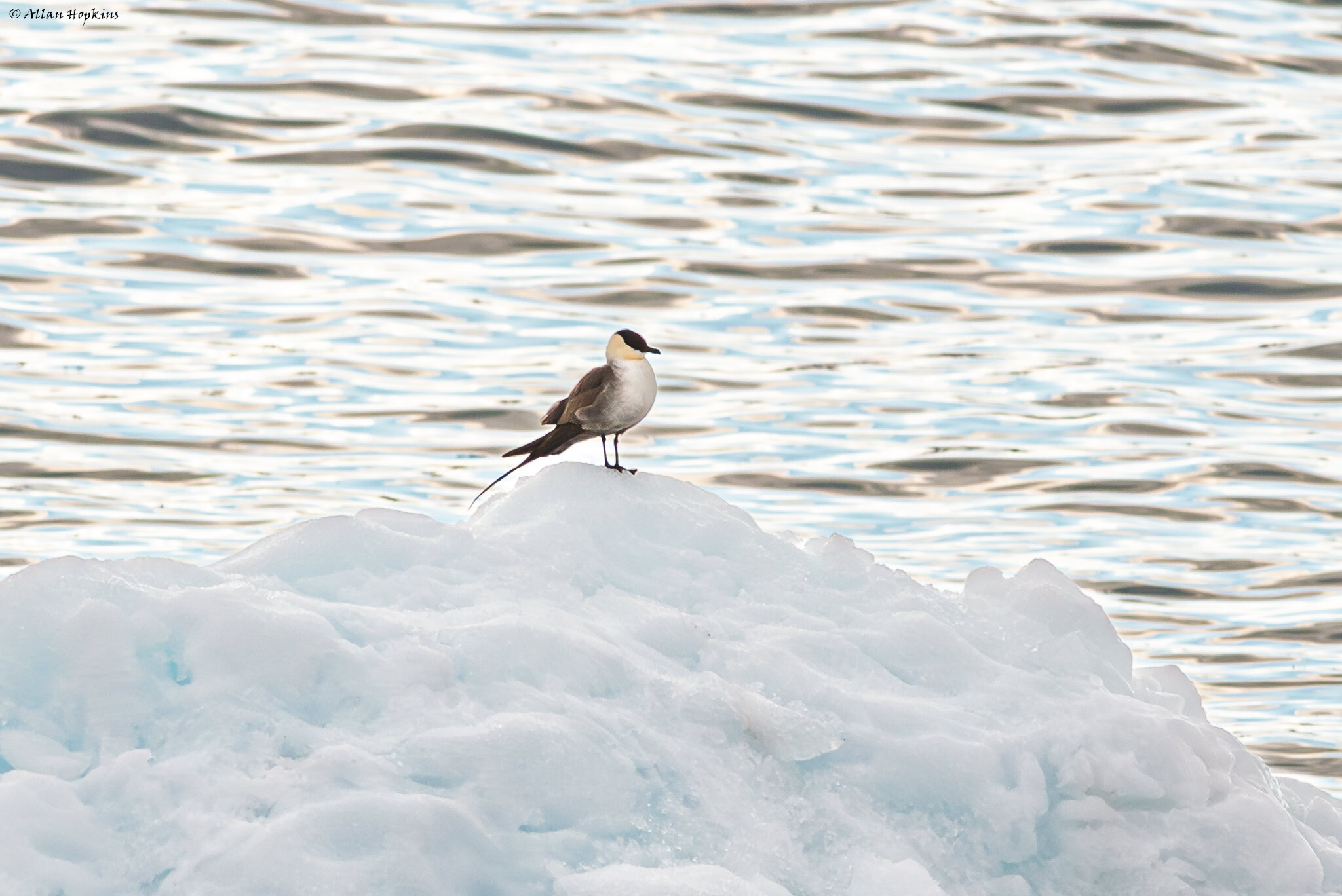
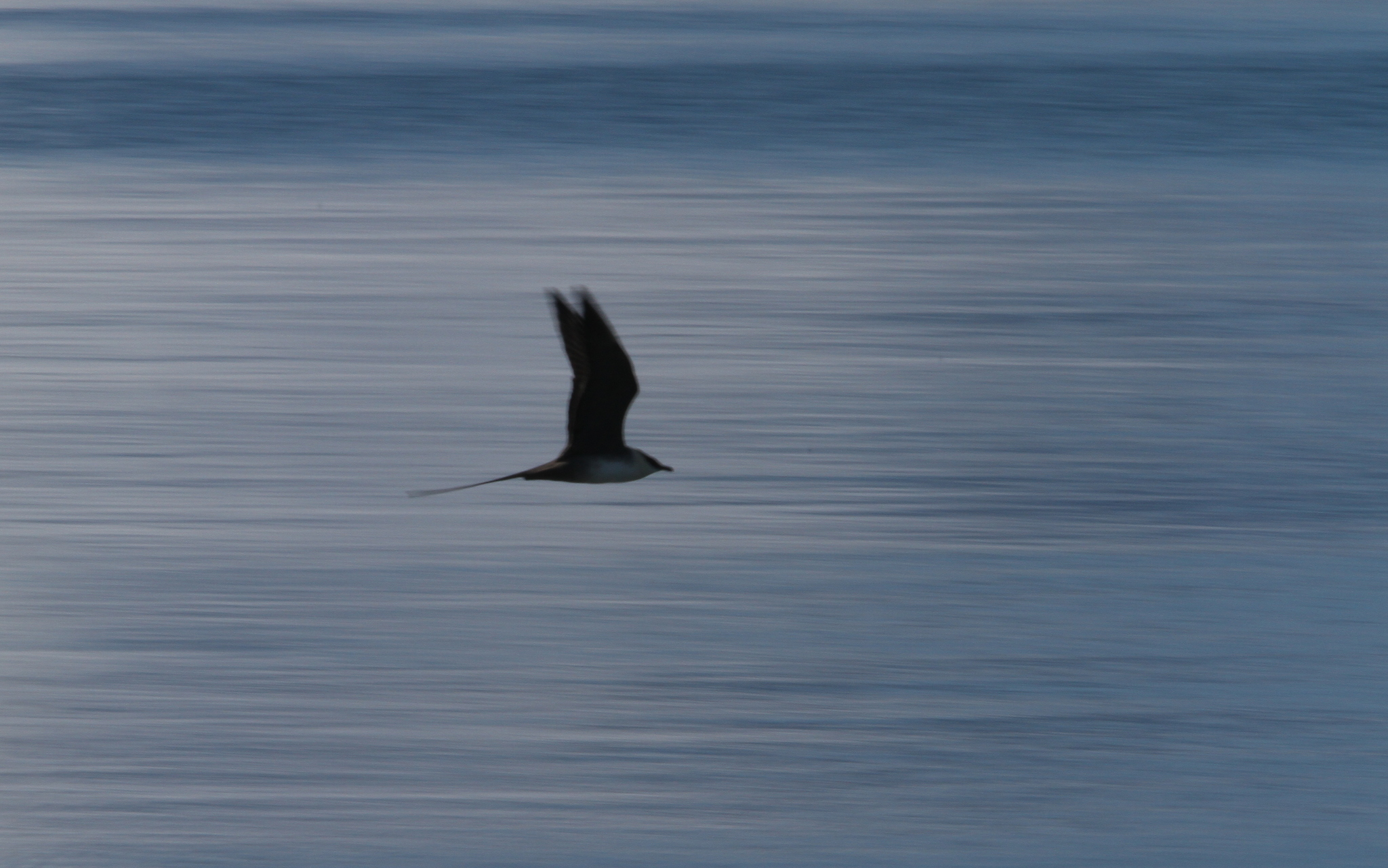
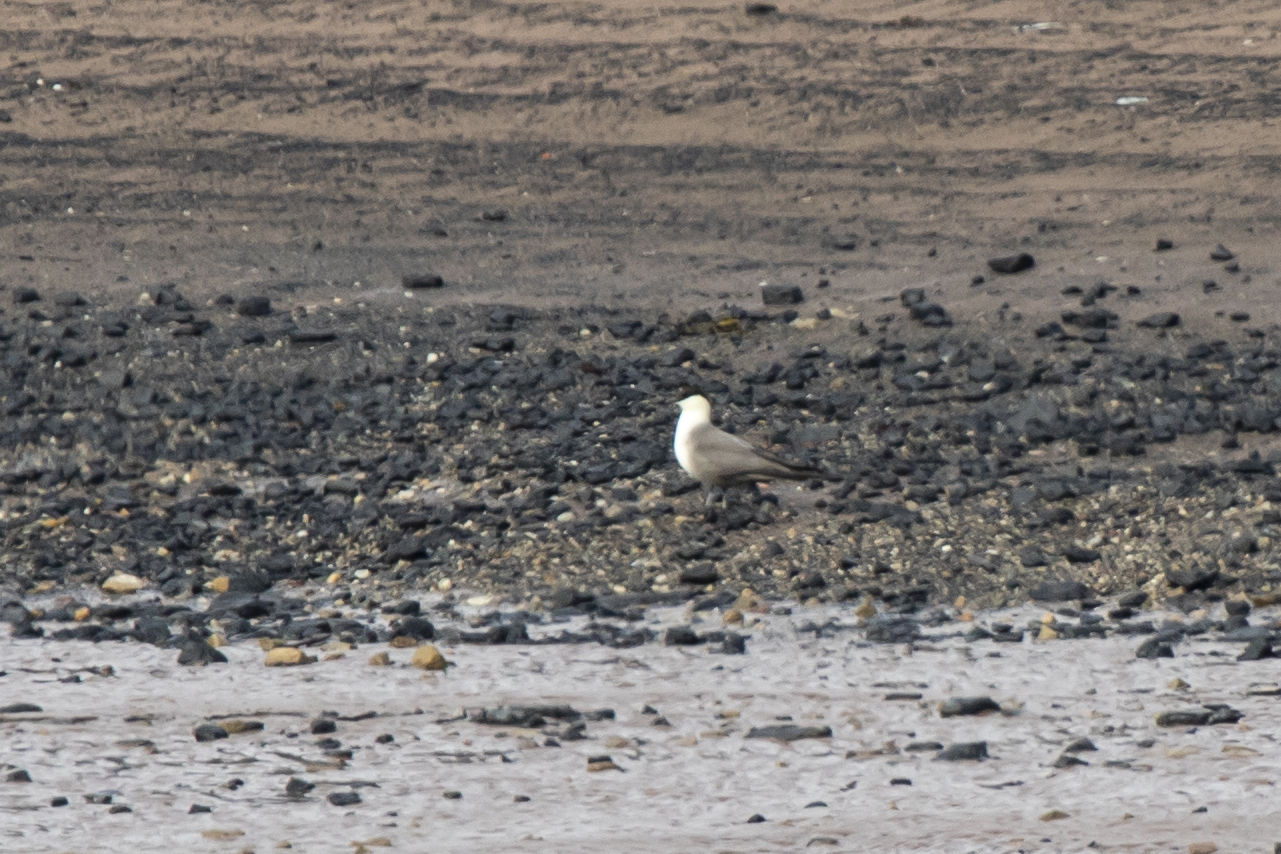
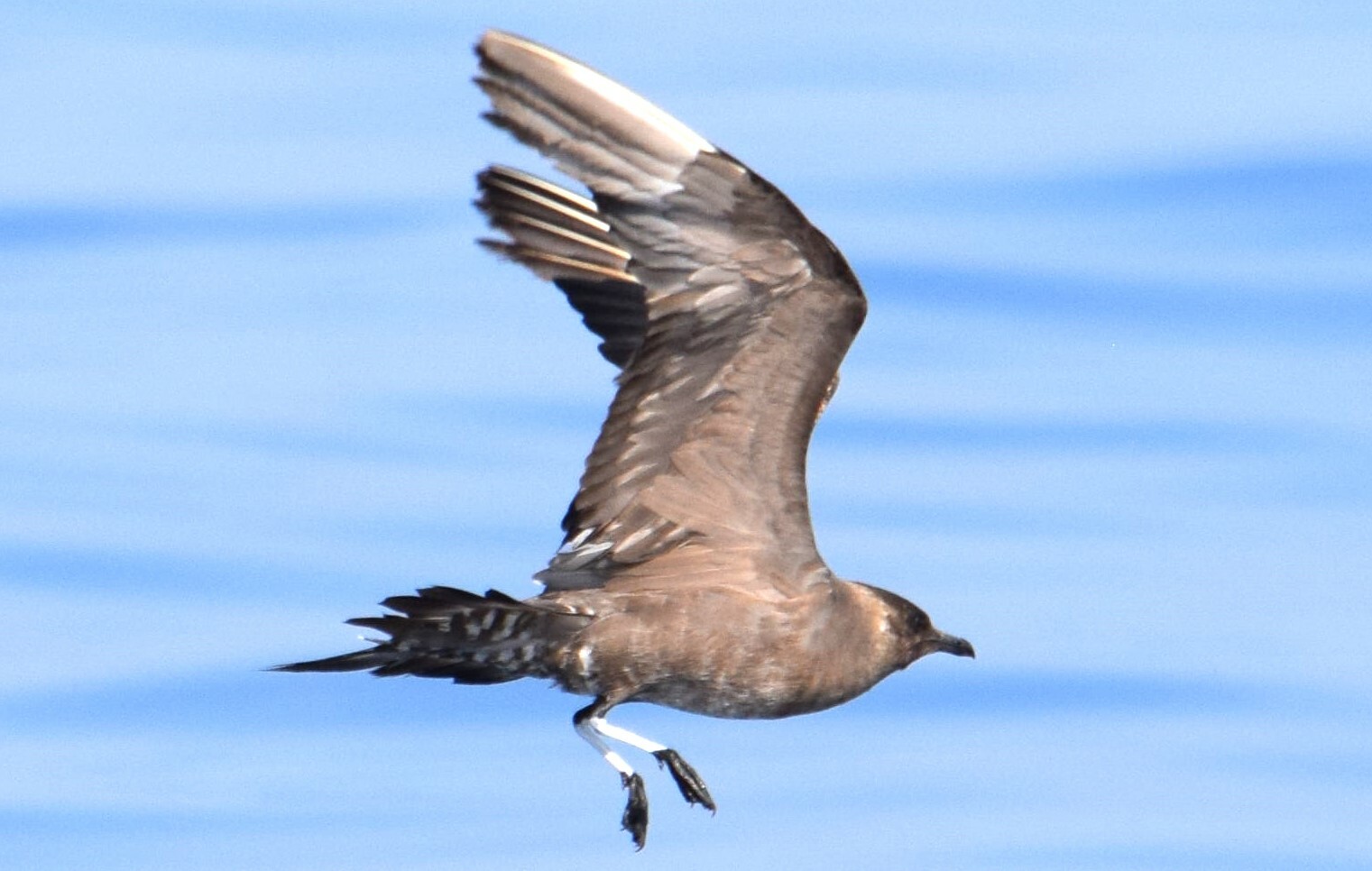
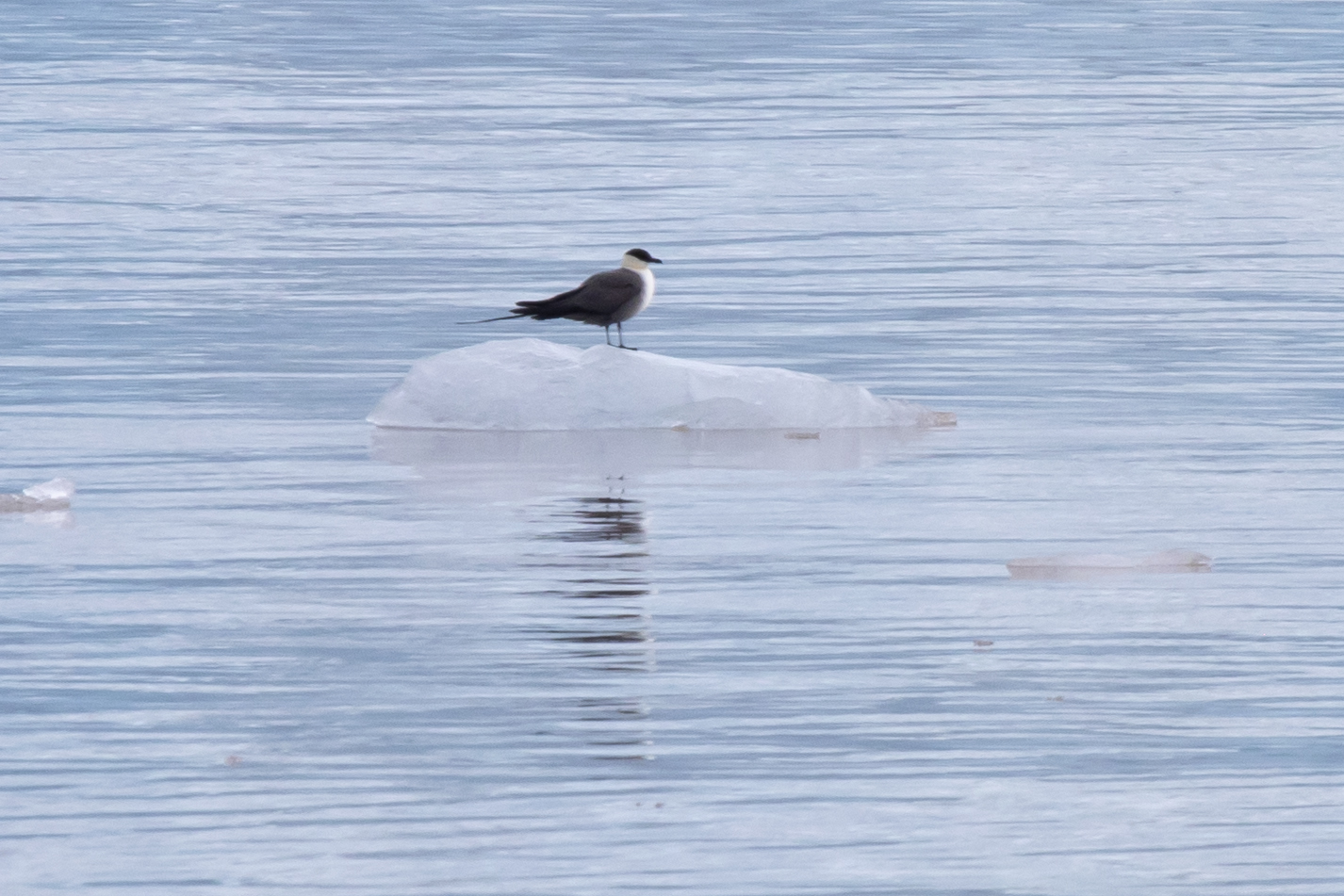
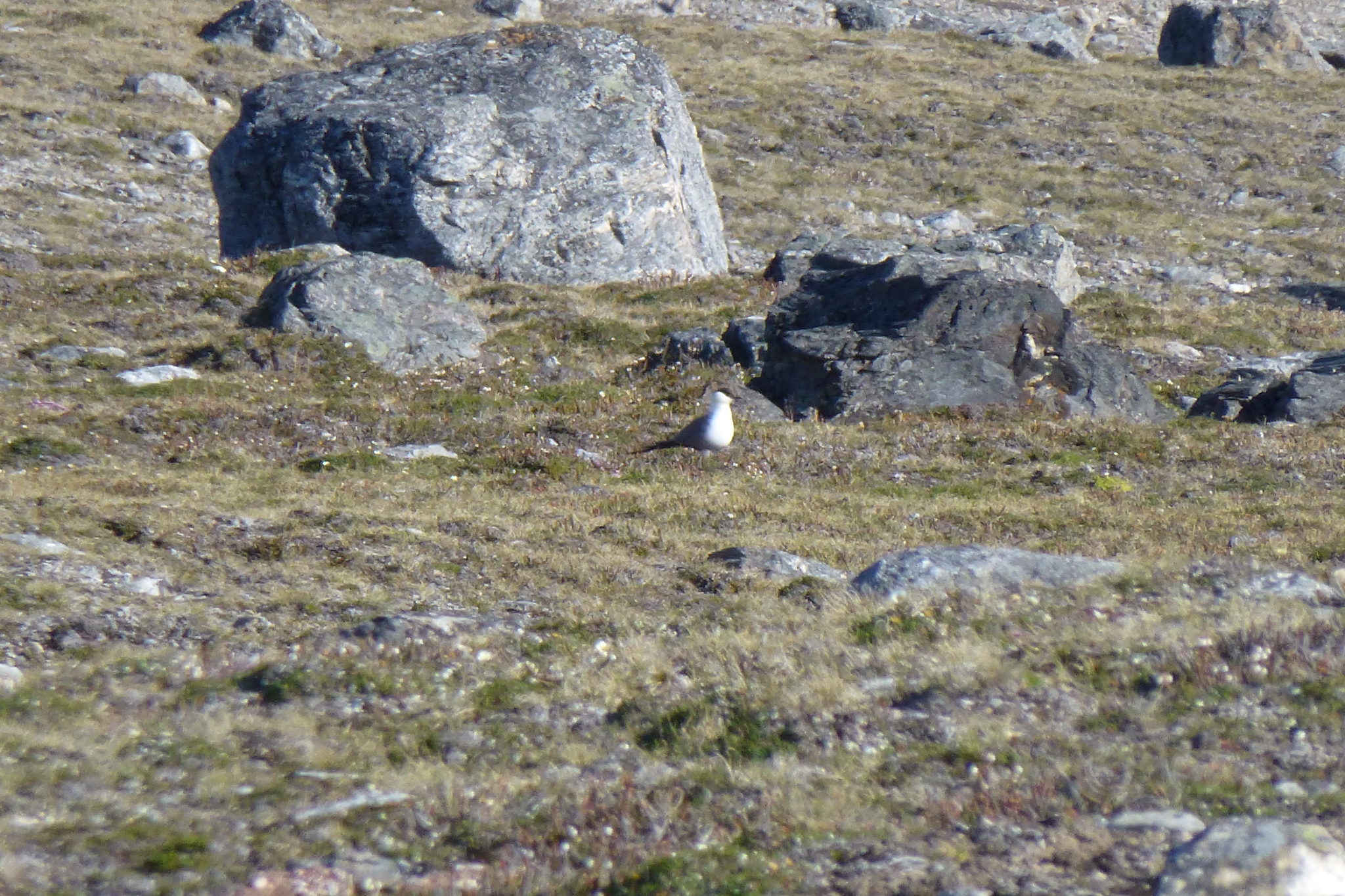
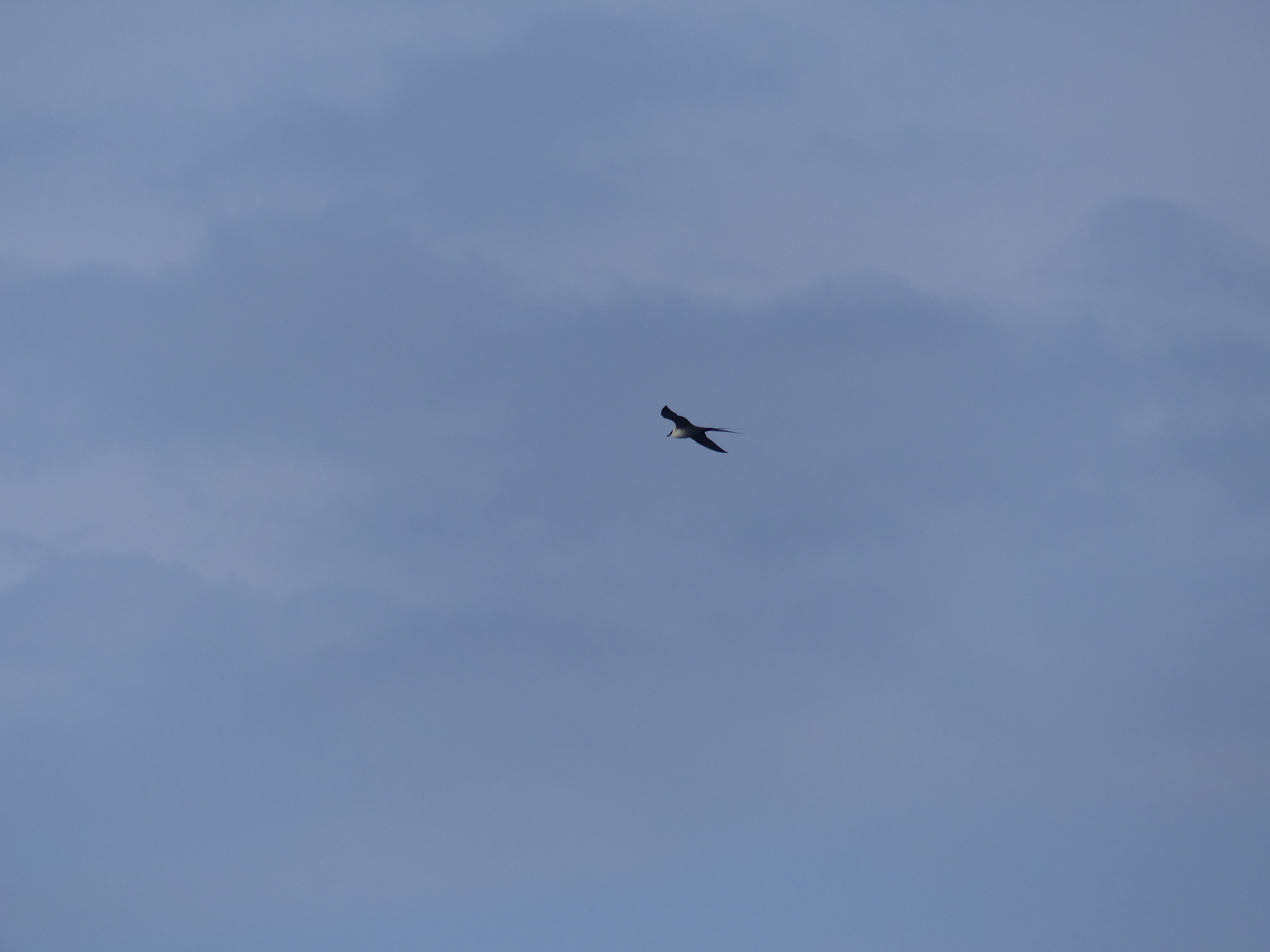
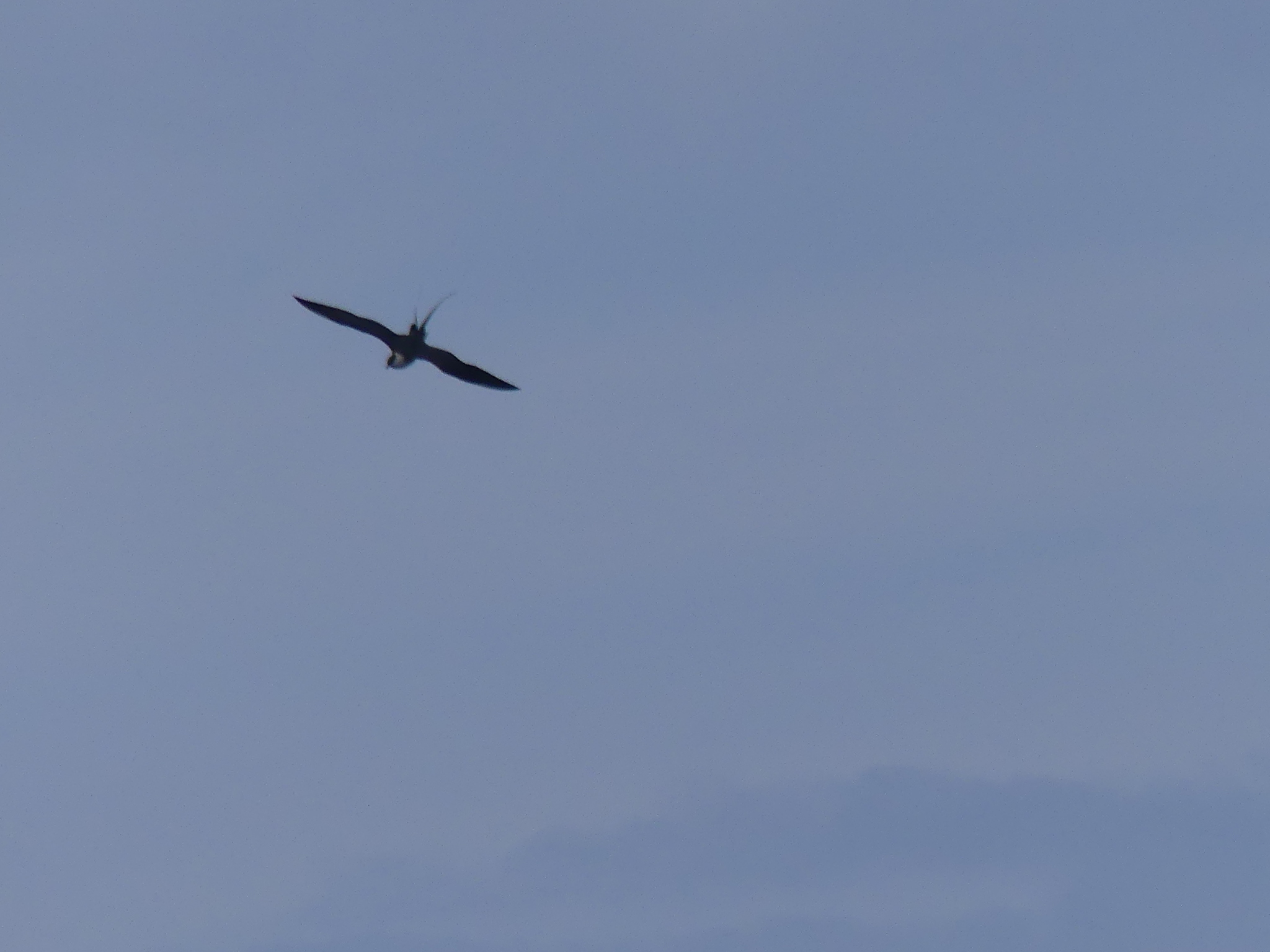
The smallest skua, measuring 38-58 cm in length depending on season and age, with up to 29 cm of this being tail, including the 15 cm tail streamers of summer adults. Wingspan ranges from 102-117 cm and body mass is 230-444 g. Adults have a grey back, dark primary wing feathers without a white flash, and a black cap. The very long tail streamers are diagnostic. Juveniles are slimmer, longer-winged, and more tern-like than other jaegers, with colder grey tones rather than the brown shades of Arctic jaegers. Adults frequently hover over breeding territories.
Identification
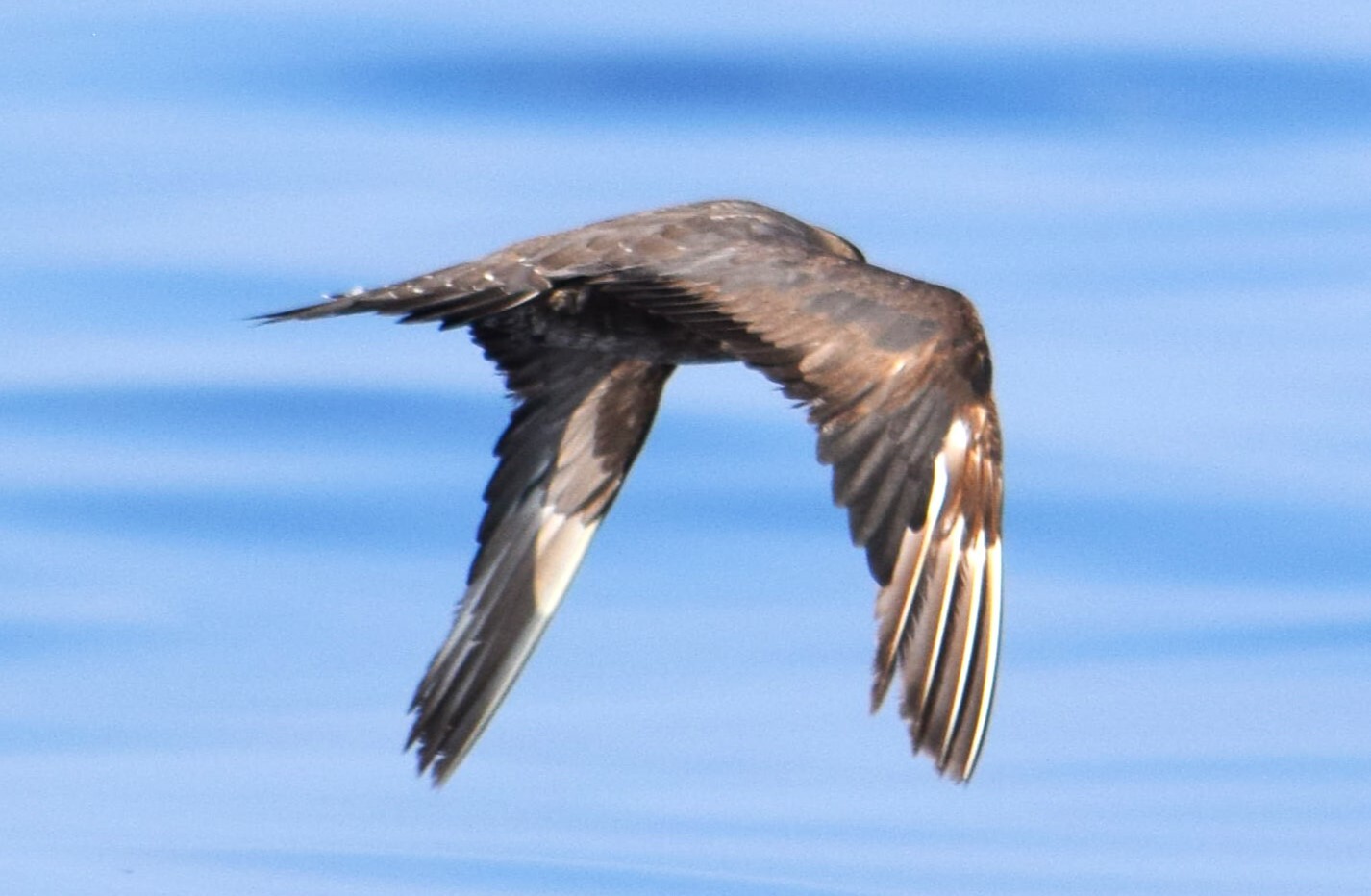
Adults are unmistakable with their grey back, dark primaries lacking white flash, black cap, and extremely long tail streamers. Juveniles present greater identification challenges and are difficult to separate from parasitic jaeger at sea. However, this species is slimmer, longer-winged, and more tern-like, with colder grey plumage tones compared to the browner Arctic jaeger. All age classes show wide plumage variation. Flight is more buoyant and tern-like than larger skuas.
Distribution & Habitat
Breeds across the high Arctic of Eurasia and North America, from northern Scandinavia and Russia through Alaska and Canada to Greenland and eastern Siberia. Migrates south to winter in the south Atlantic and Pacific Oceans. Nests on dry tundra or higher fells, laying two spotted olive-brown eggs. Passage juveniles sometimes hunt in ploughed fields and golf courses, showing little fear of humans. Outside breeding season, occurs almost exclusively over open ocean.
Behavior & Ecology
Diet varies seasonally: at sea catches fish and small prey at the surface; during Arctic summer breeding season feeds primarily on lemmings, also taking insects and small birds. A kleptoparasite year-round, chasing other seabirds—particularly arctic terns and Sabine's gulls—to steal their catch; this is especially important during winter. Nests on dry tundra or higher fells, laying two spotted olive-brown eggs. On breeding grounds makes yelping and rattling calls; at sea gives a harsh kreeah cry. Passage juveniles are notably fearless of humans.
Conservation
IUCN assessment, population trends, and threats are not detailed in this source.
Culture
No cultural significance or folklore information is provided in this source.
Source: Wikipedia · CC BY-SA 3.0
Taxonomy
- Order
- Charadriiformes
- Family
- Stercorariidae
- Genus
- Stercorarius
- eBird Code
- lotjae
Subspecies (2)
-
Stercorarius longicaudus longicaudus
breeds tundra of northern Scandinavia (including Svalbard) and northern Russia eastward to Lena River (east-central Siberia); winters to southern South America and South Africa
-
Stercorarius longicaudus pallescens
breeds tundra from Lena River (east-central Siberia) eastward to northeastern Siberia including Kamchatka, and Alaska through high Arctic Canada to Ellesmere and Baffin islands and Greenland; winters to southern South America and South Africa
Data Sources
Species description from Wikipedia, licensed under CC BY-SA 3.0.
Bird images and sounds sourced from GBIF, contributed by citizen scientists worldwide under Creative Commons licenses.
Taxonomy data from AviList 2025.