Tibetan Serin
Spinus thibetanus
藏黄雀
Introduction
A true finch species in the family Fringillidae, formerly placed in the genus Serinus but reassigned to Spinus based on DNA analysis. This small passerine bird is endemic to Bhutan, China, India, Myanmar, and Nepal, where it inhabits temperate forests. It breeds in mixed forest and spends winters in alder stands in the central and eastern Himalayas. The species measures approximately 12 cm in length and lacks yellow wing panels in all plumages, distinguishing it from similar siskin species.
Description
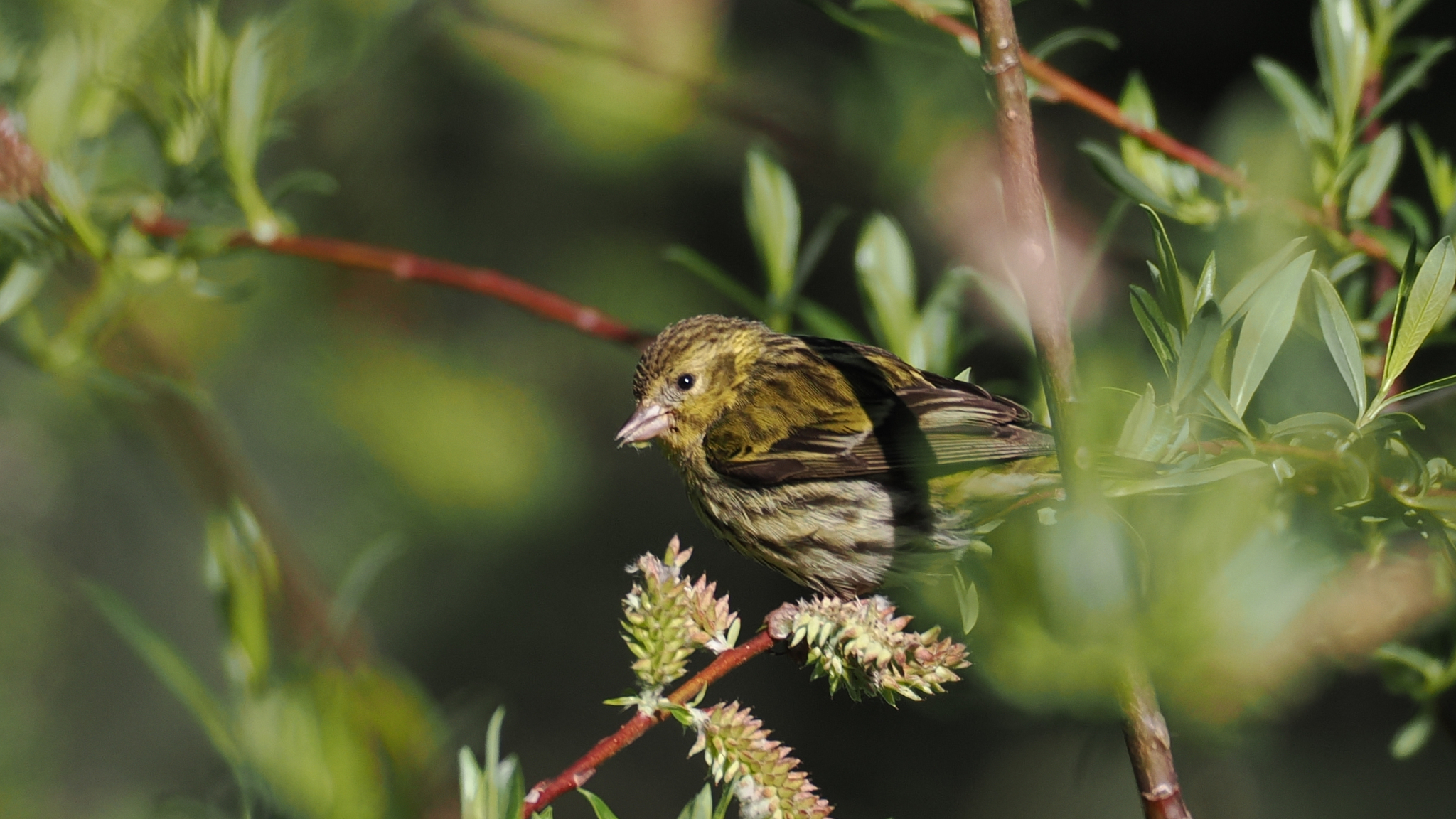
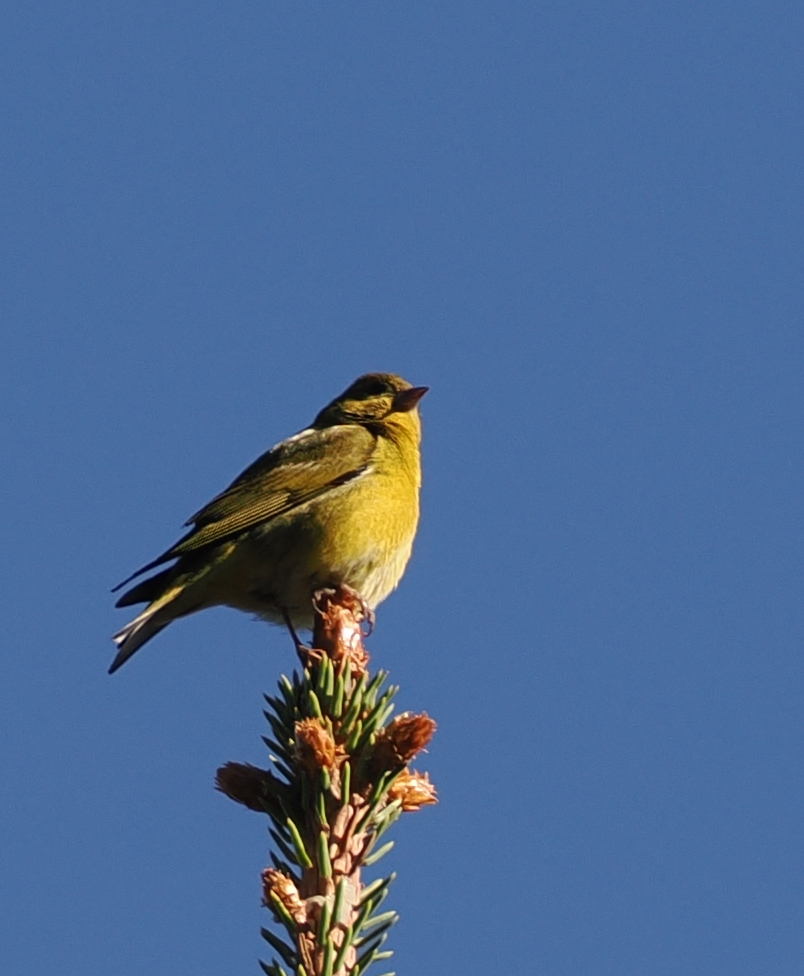
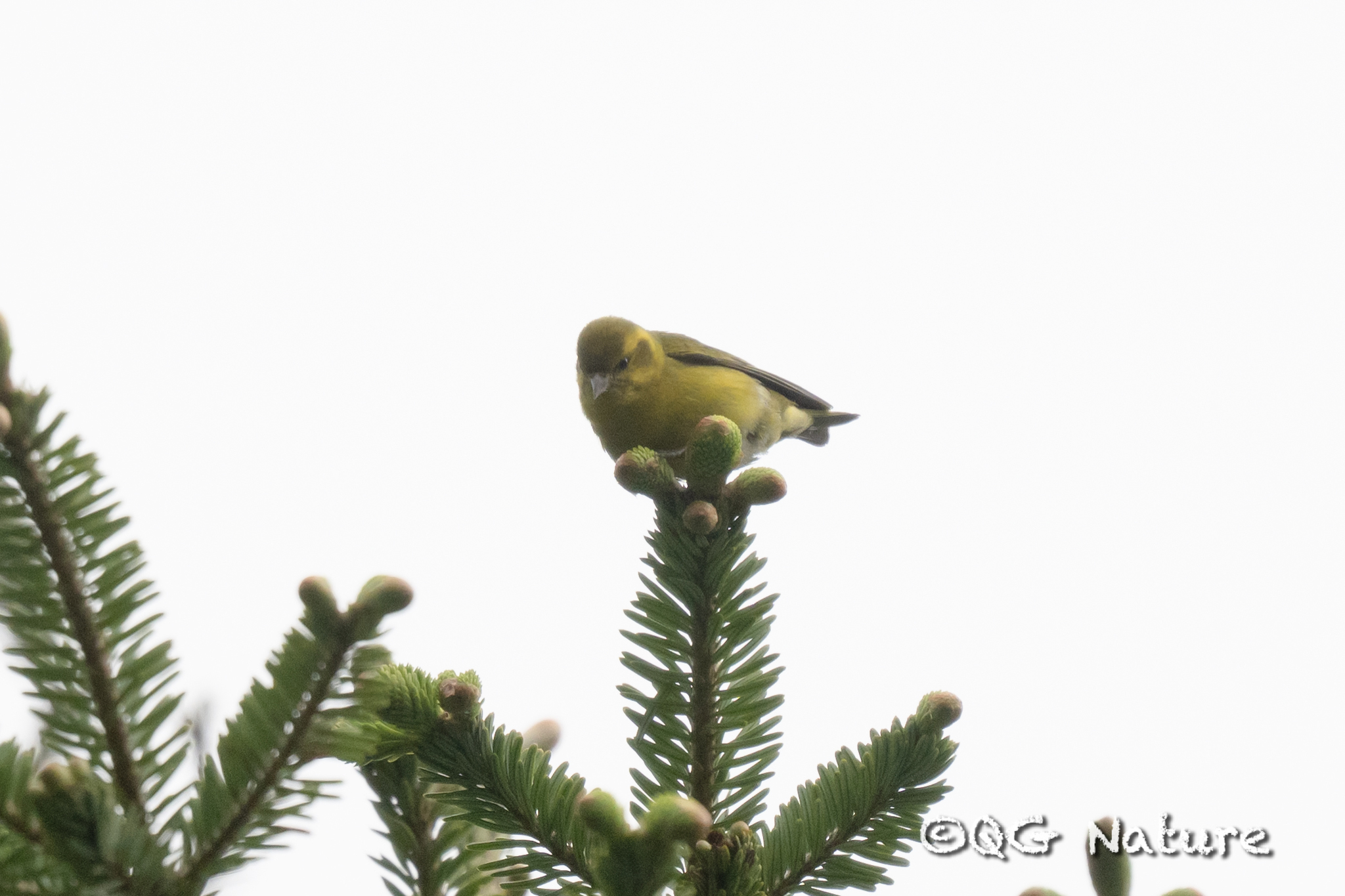
A very small finch measuring 12 cm (4.7 in) in total length. Adult males display olive-greenish upperparts, bright yellow underparts, yellowish-green rumps, yellow supercilium, and yellow borders behind the ear-coverts. The wing and tail feathers are broadly washed with yellowish-green. Adult females have darker greyish-green upperparts with black streaking, more prominently defined wing-bars than males, paler yellowish throats, and black-flanked breasts with streaking. Juveniles are duller green overall, tinged brownish-buff on the upperparts with duller rumps, buff fringes to the greater coverts, and paler or heavily streaked underparts.
Identification
The complete absence of yellow wing panels in all plumages is the most reliable field mark, distinguishing this species from other siskin species. Adult males are distinctive with their combination of olive-green upperparts, yellow underparts, and yellowish-green rump. Females and juveniles are best identified by their heavily streaked appearance, defined wing-bars, and overall greenish coloration without the yellow wing panels typical of related species.
Distribution & Habitat
Range includes Bhutan, China, India, Myanmar, and Nepal throughout the Himalayas. The species inhabits temperate forests, breeding in mixed forest habitat and moving to alder stands for winter. It winters in the central and eastern Himalayas. A population was documented at Hee Village near Varsey Rhododendron Sanctuary in Sikkim, India in March 2013, representing a range extension or previously undocumented occurrence in that area.
Behavior & Ecology
Breeds in mixed forest habitat and switches to alder-dominated areas during winter months. The vocalization consists of a soft chattering call described as 'twang twang', described as much like a twanging sound. No additional information on diet, breeding behavior, or social structure was provided.
Conservation
No conservation status or population information was provided in the source article.
Culture
In the 19th century, this species was referred to as the Sikkim siskin. The Lepcha people of Sikkim historically called it 'tŭk nyil nyón', which translates to 'fierce wormwood'.
Source: Wikipedia · CC BY-SA 3.0
Taxonomy
- Order
- Passeriformes
- Family
- Fringillidae
- Genus
- Spinus
- eBird Code
- tibser1
Distribution
breeds montane coniferous forest of southeastern Tibet, Sichuan, northern Myanmar, and northwestern Yunnan (southwestern China); winters to lower elevations, western Nepal to Arunachal Pradesh (northeastern India)
Data Sources
Species description from Wikipedia, licensed under CC BY-SA 3.0.
Bird images and sounds sourced from GBIF, contributed by citizen scientists worldwide under Creative Commons licenses.
Taxonomy data from AviList 2025.