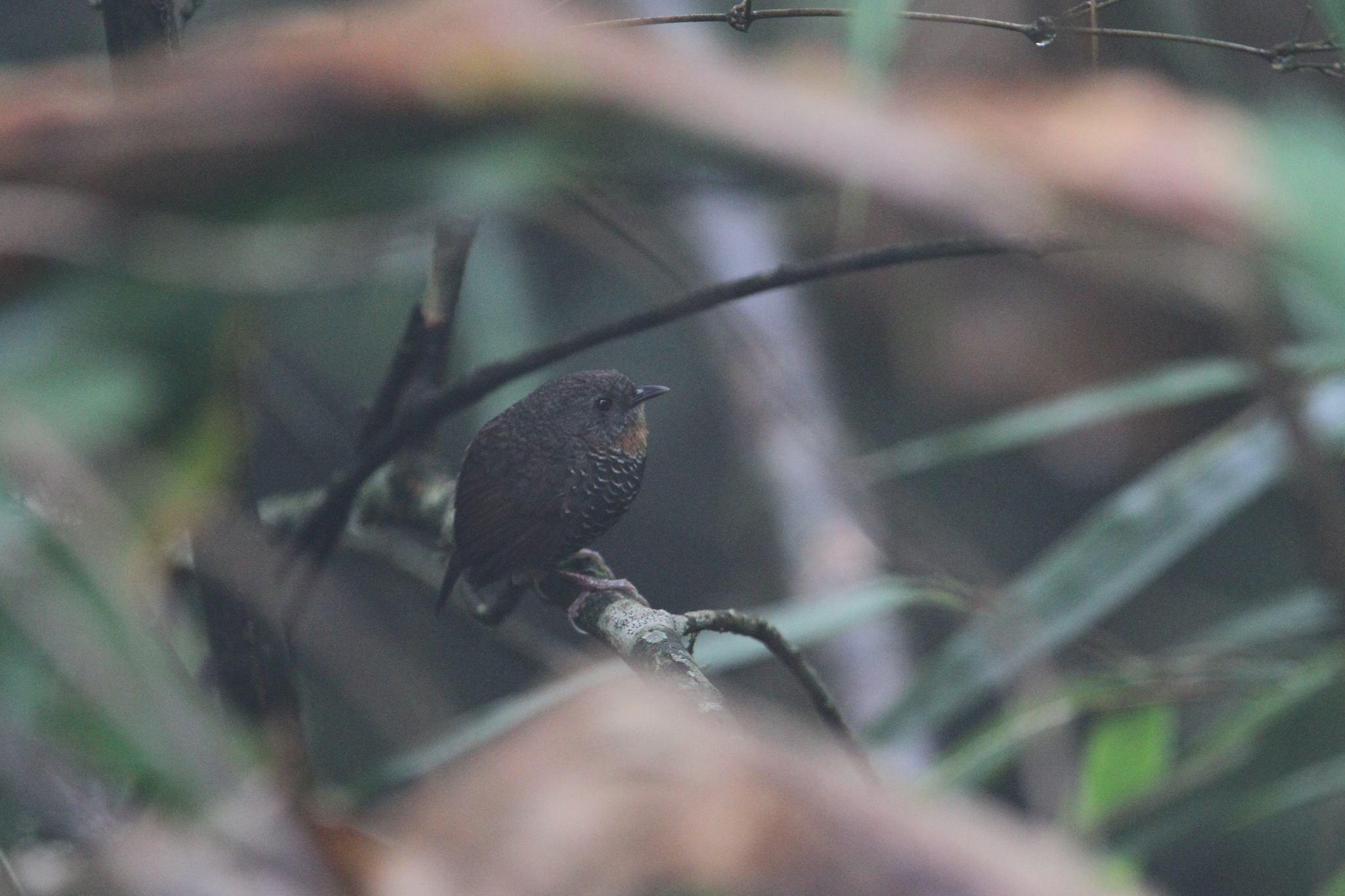
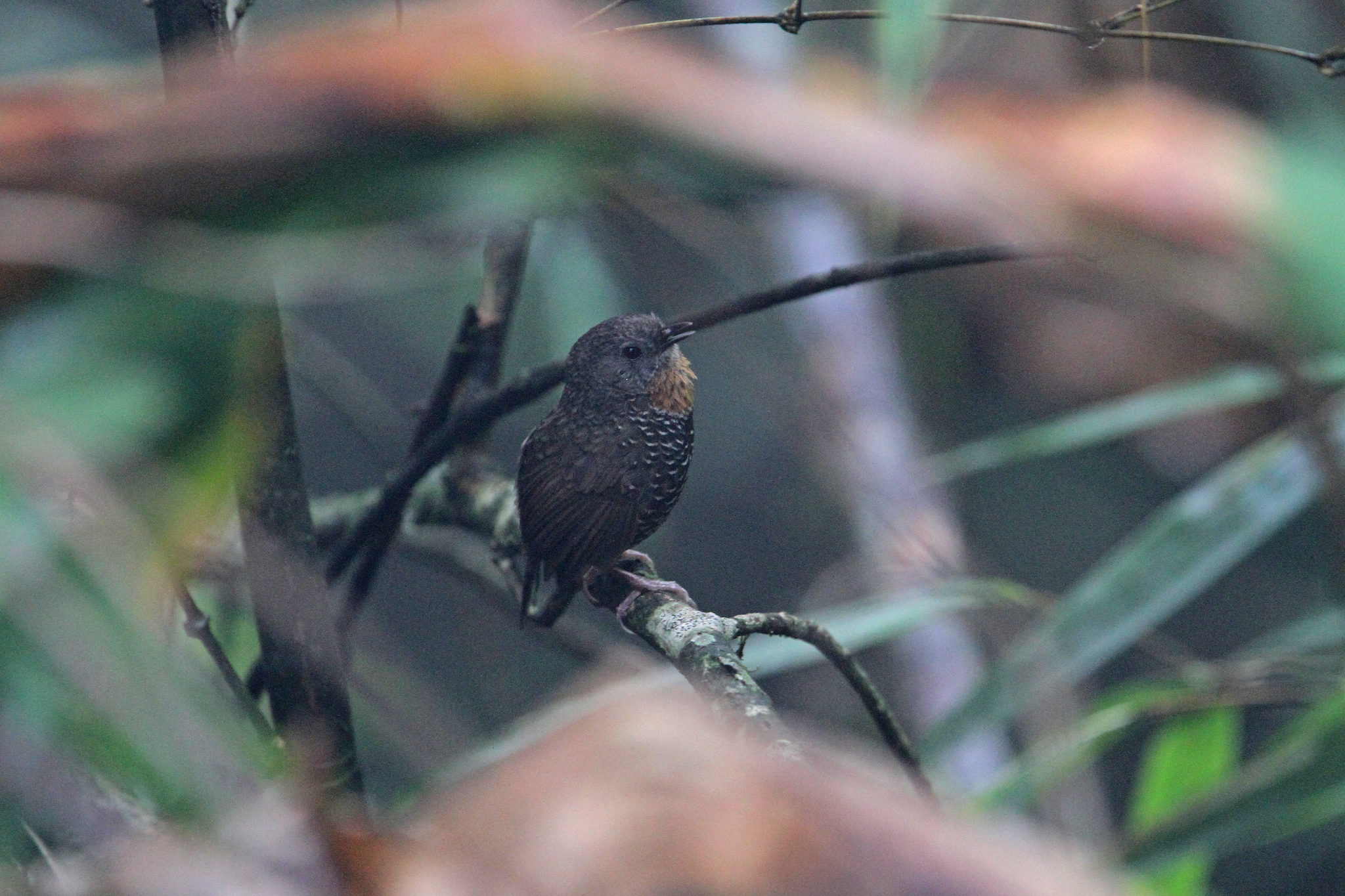
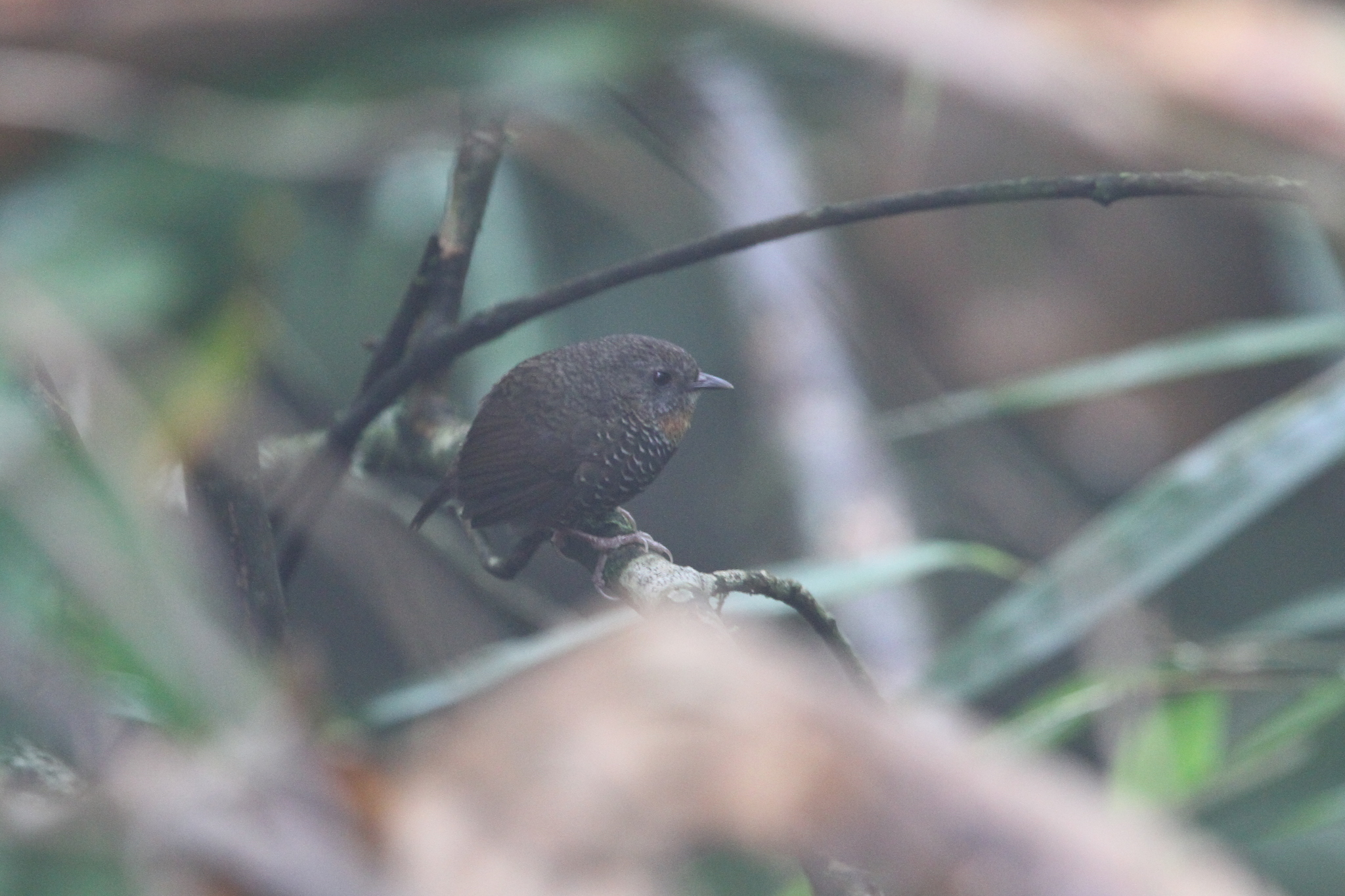
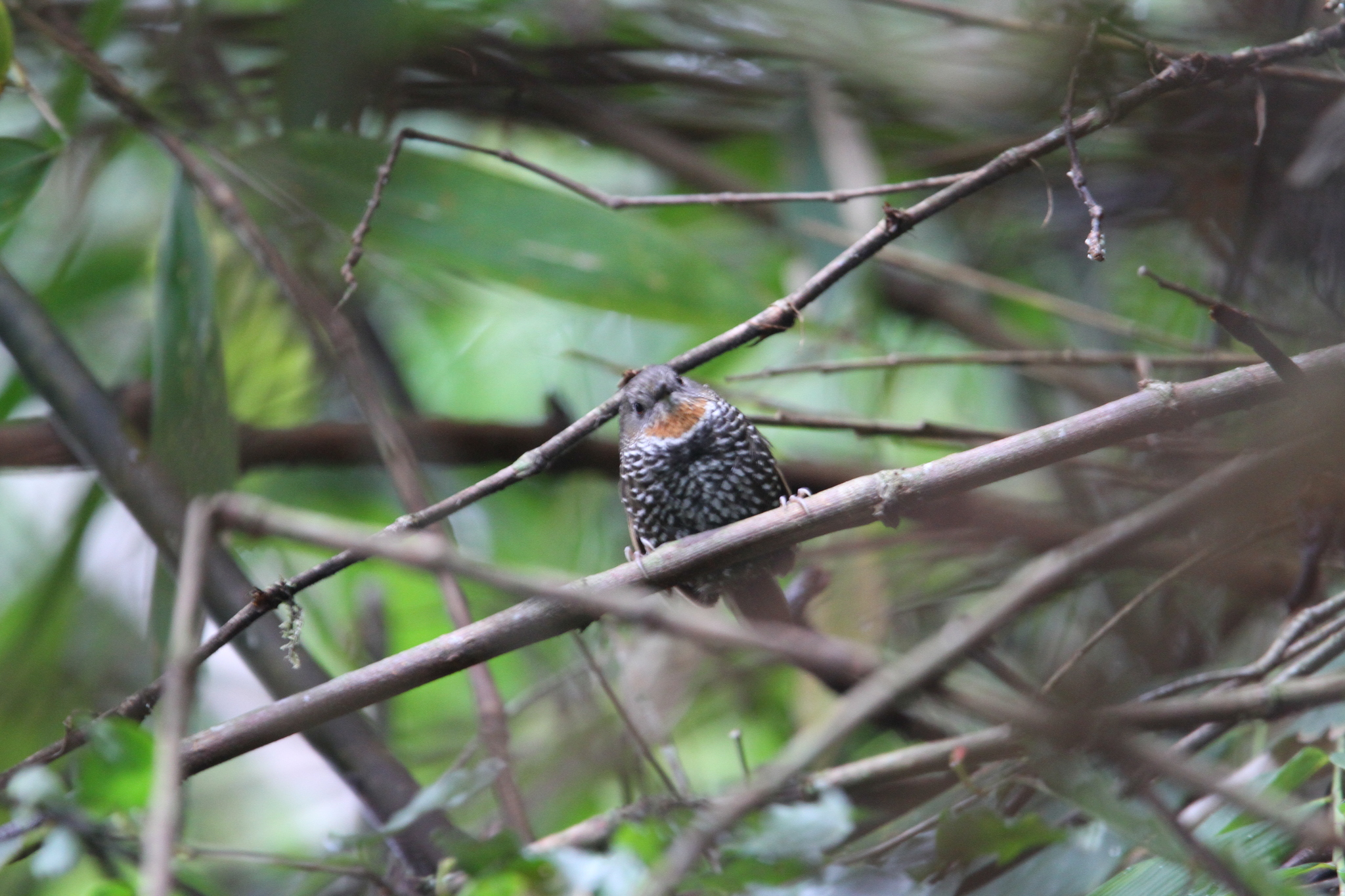
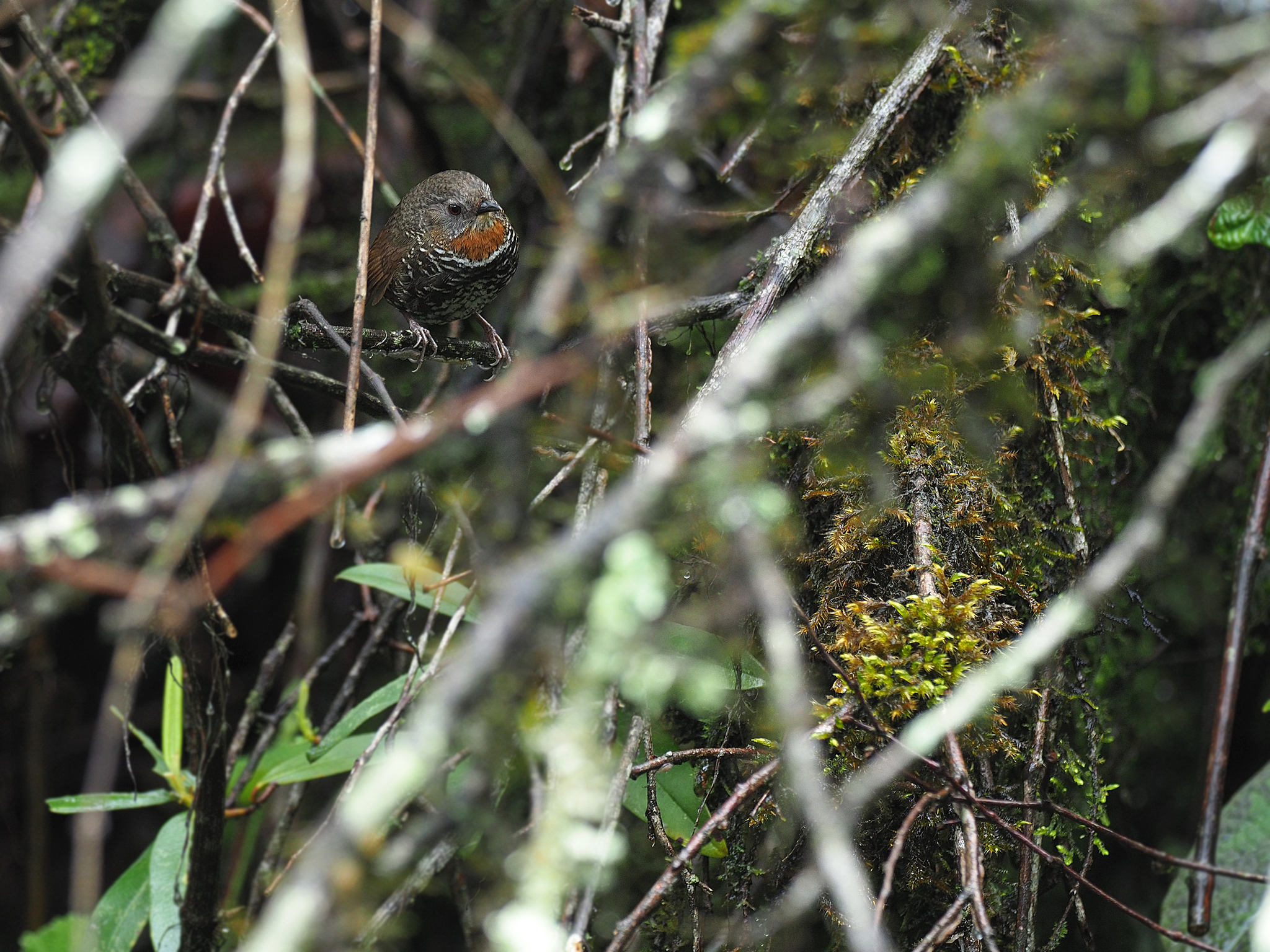
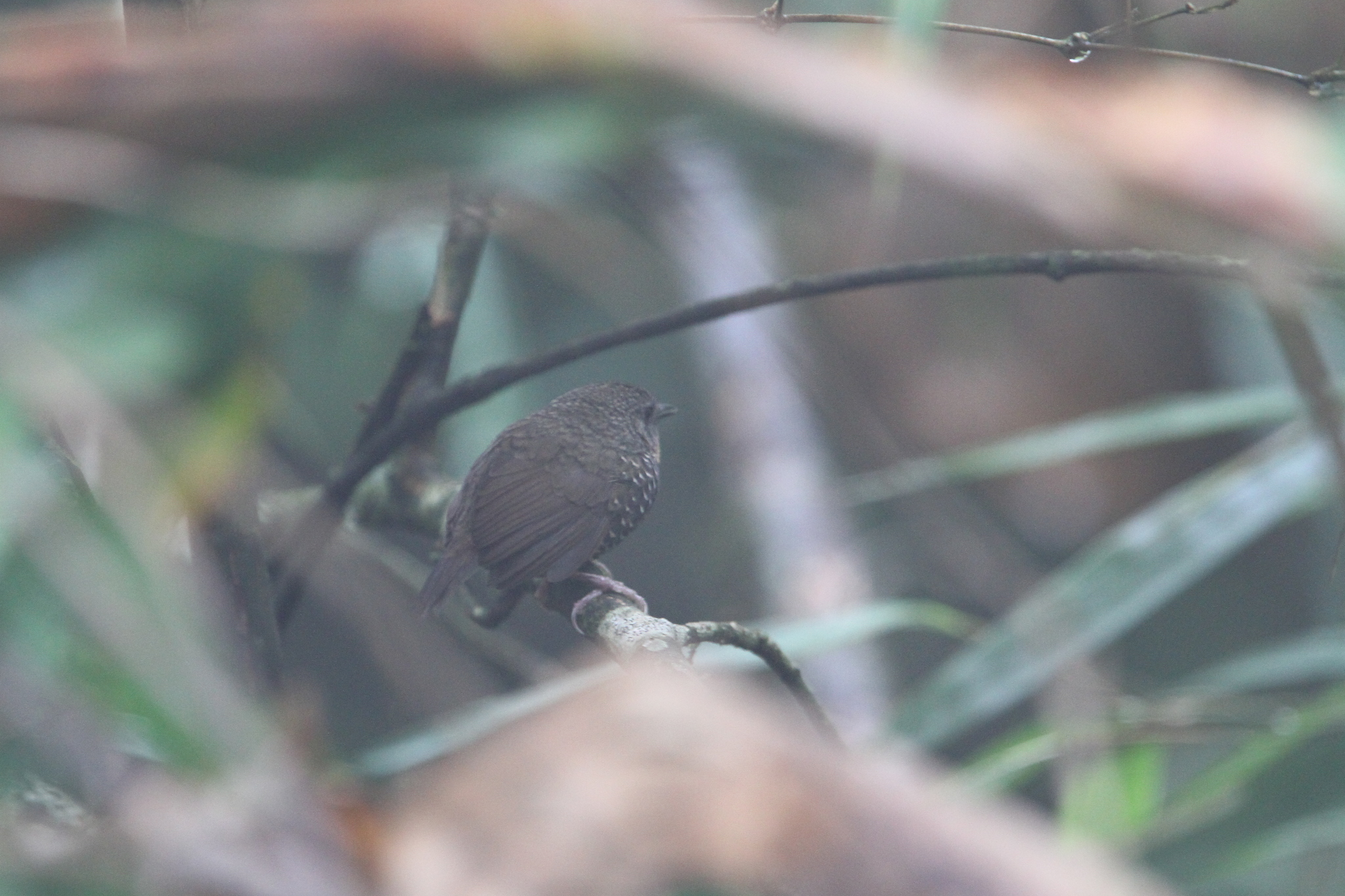
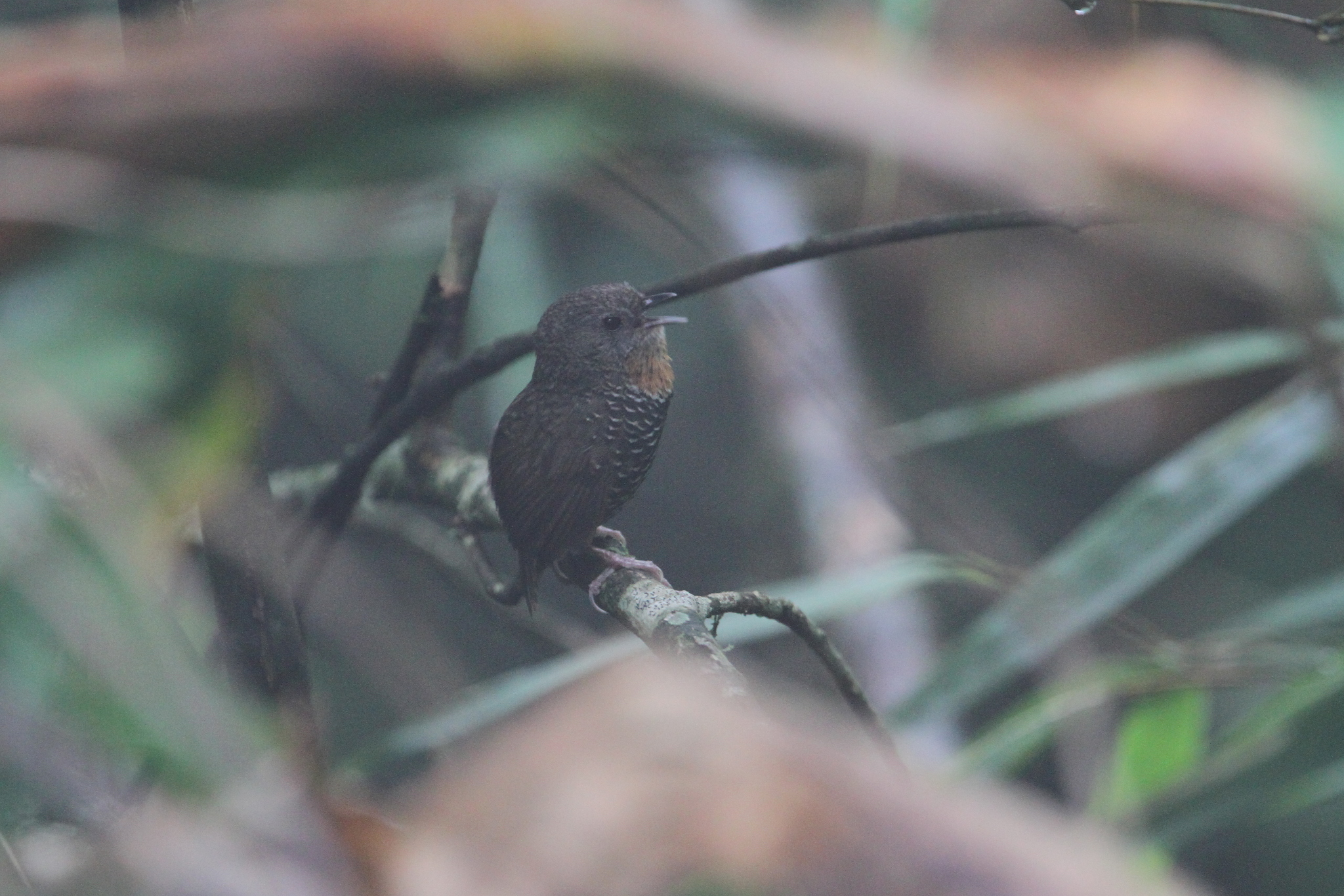
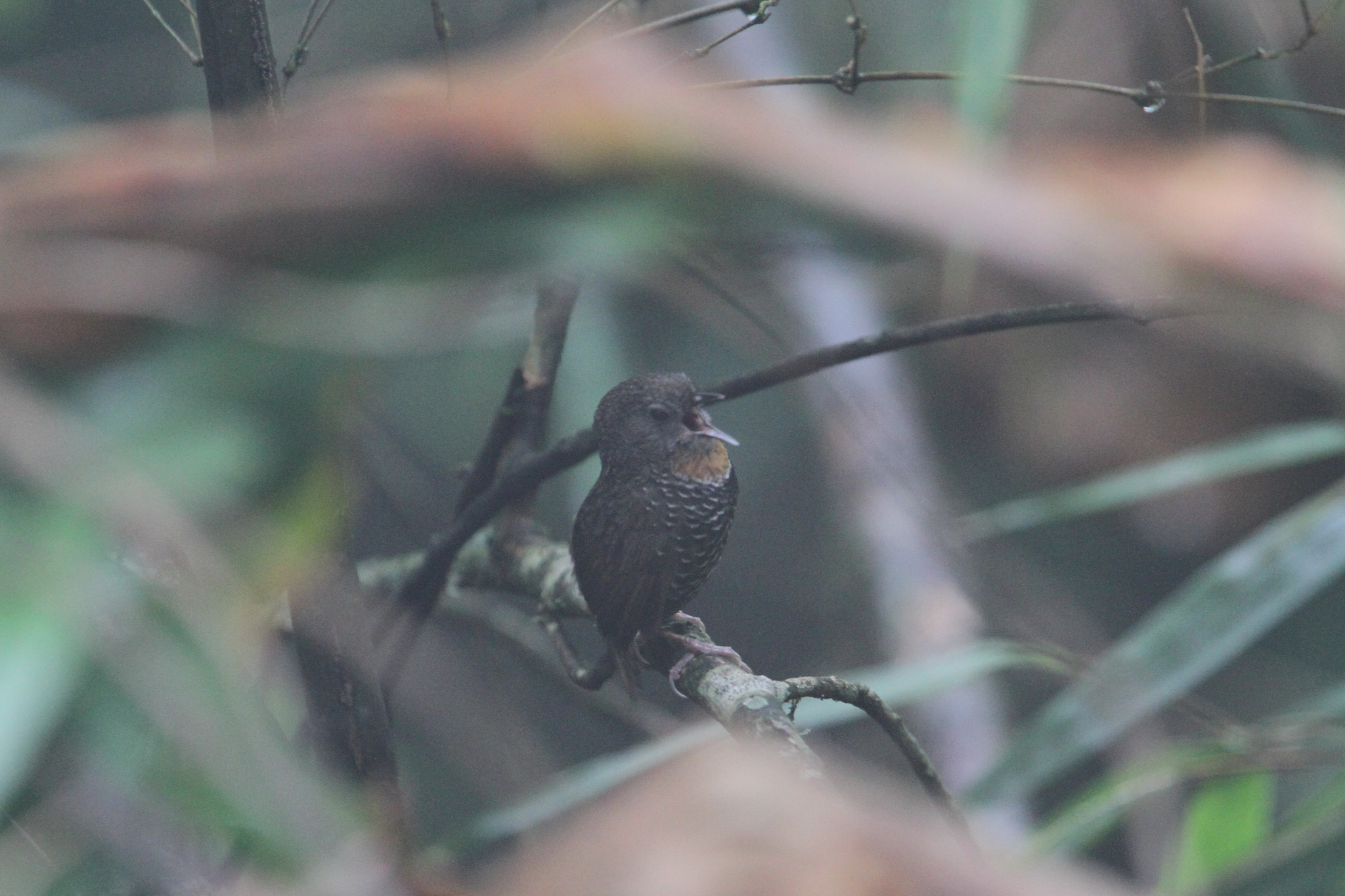
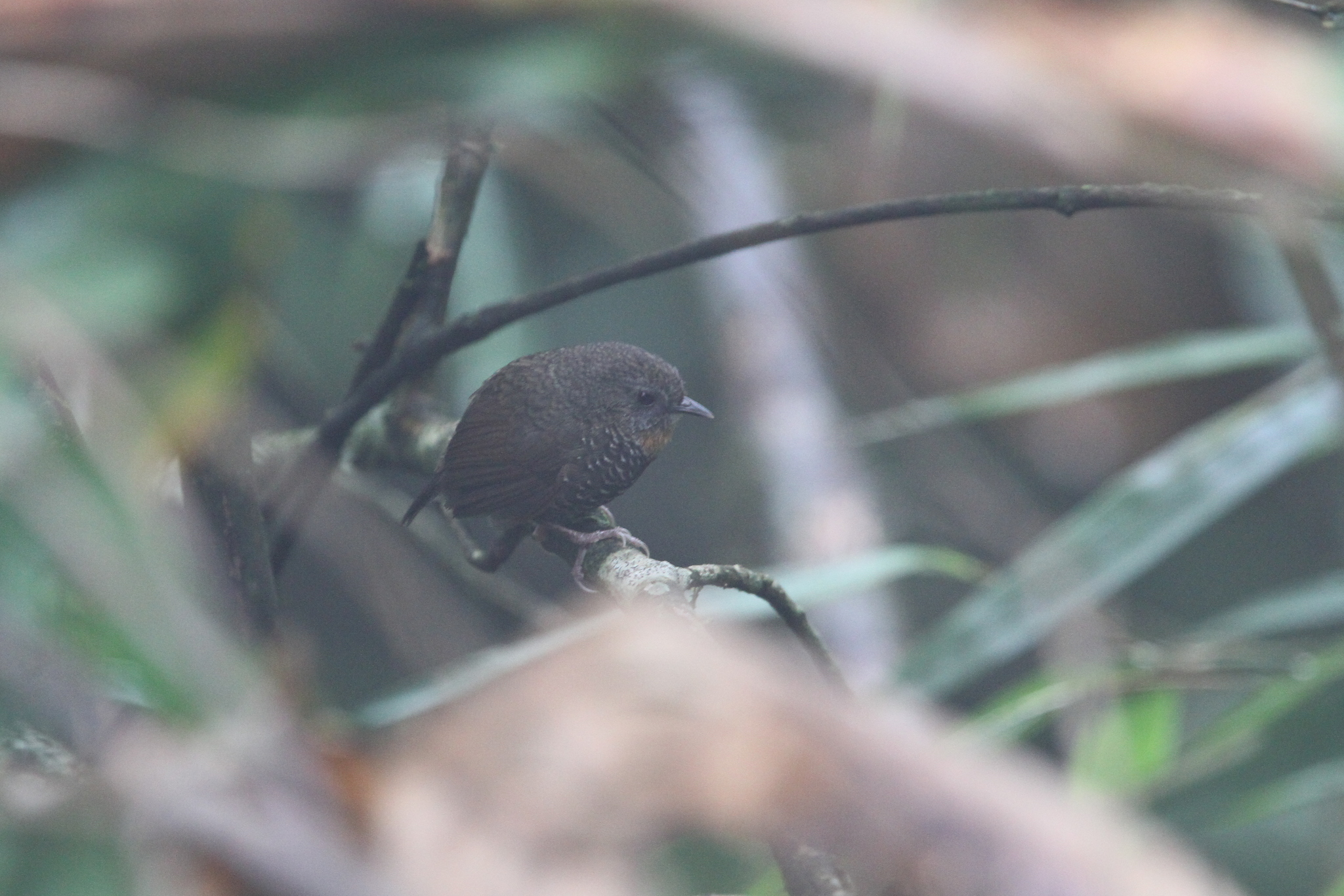
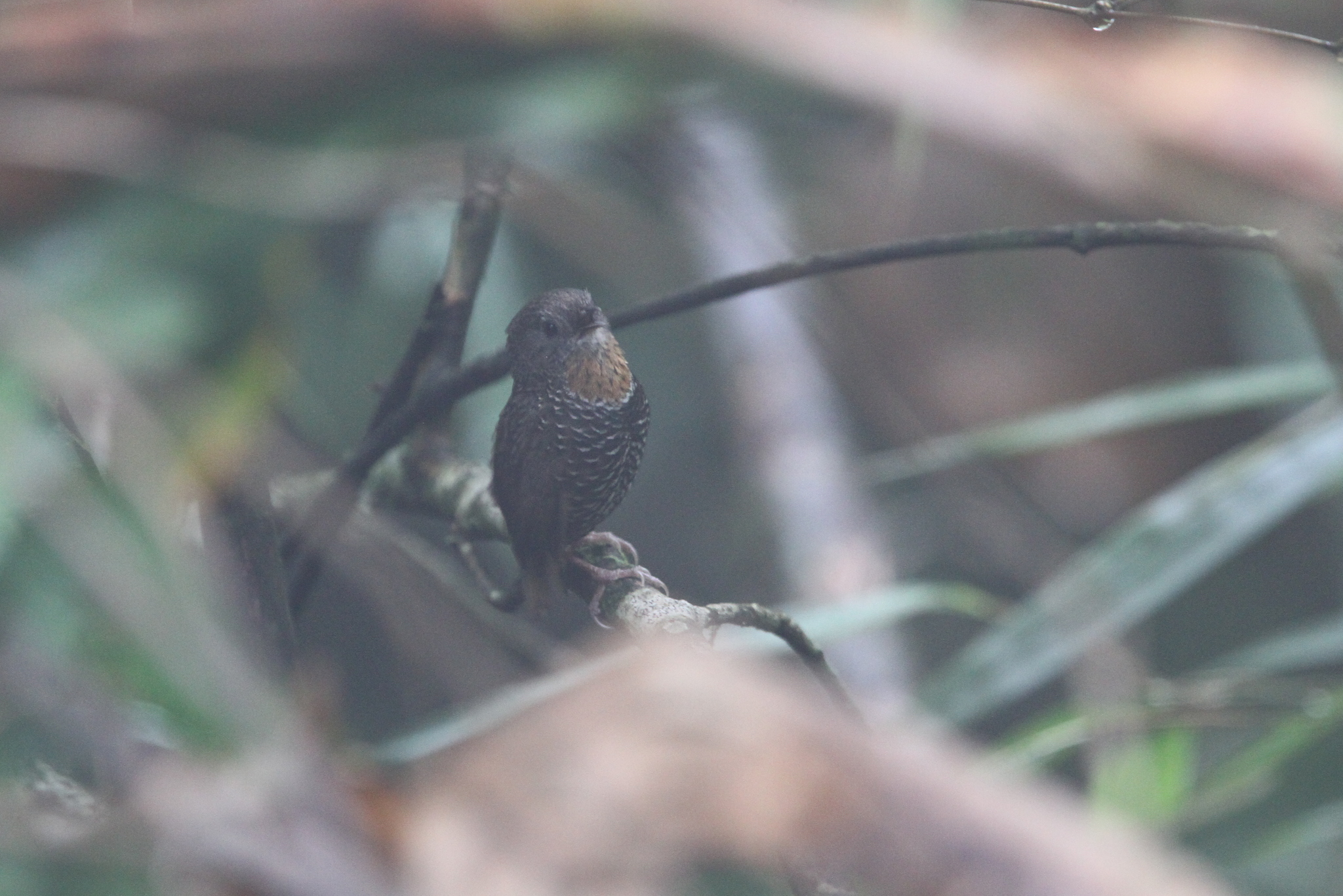
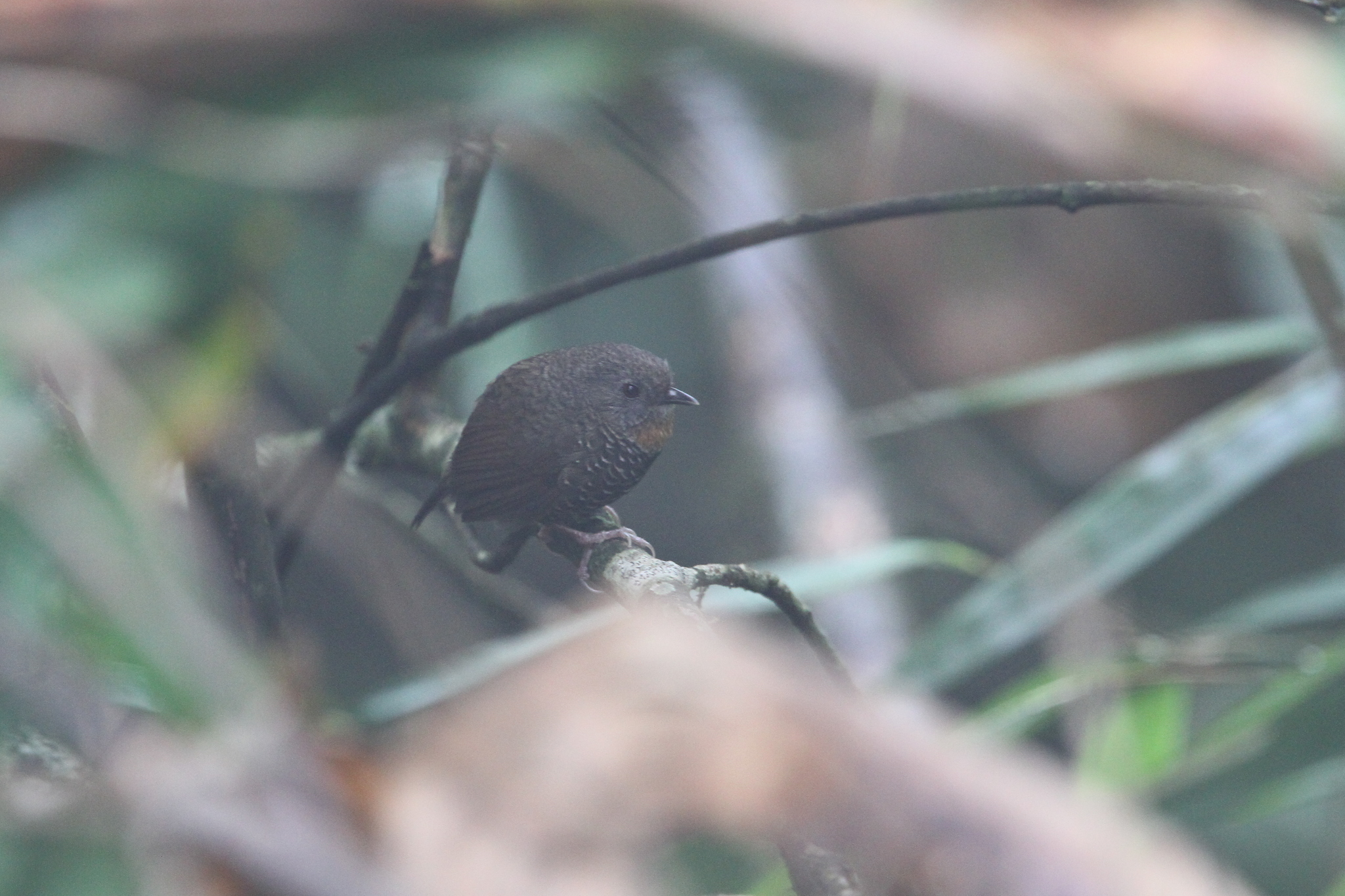
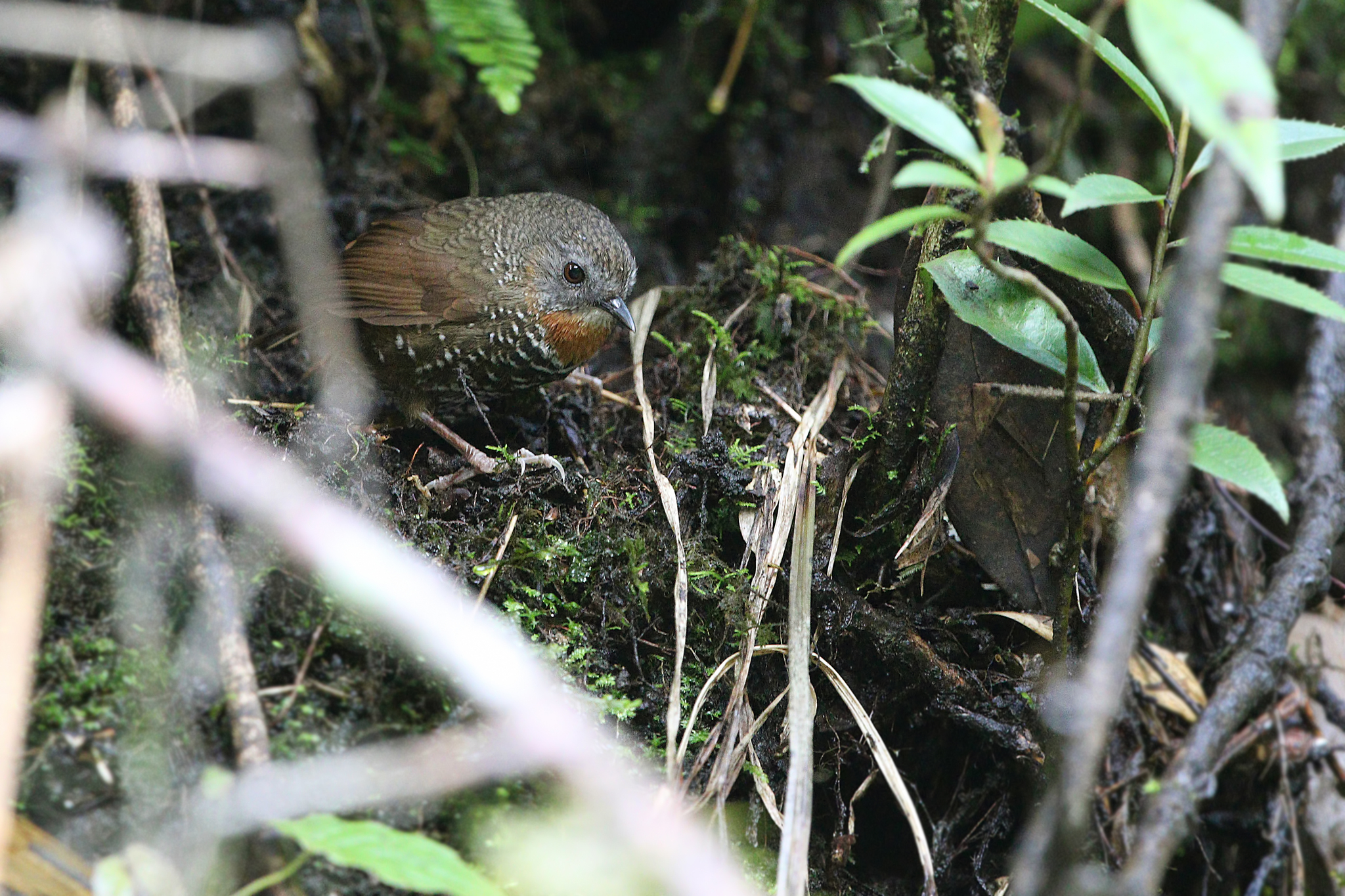
Mishmi Wren-Babbler
Spelaeornis badeigularis
锈喉鹩鹛
Introduction
A small passerine bird in the Timaliidae family. Endemic to Northeast India, specifically the Mishmi Hills in Arunachal Pradesh. Inhabits subtropical or tropical moist montane forests. Notably one of the rarest and most localized bird species, known from only a single specimen collected in 1947 before being effectively lost to science for 57 years until its rediscovery in 2004, when it was found to be moderately common in a restricted area. Classified as threatened due to ongoing habitat loss.
Distribution & Habitat
Restricted range endemic to the Mishmi Hills in Arunachal Pradesh, Northeast India. Inhabits subtropical or tropical moist montane forest at moderate elevations. Known from a very localized area with a highly fragmented distribution.
Behavior & Ecology
Information limited due to the species' extreme rarity and recent rediscovery. Presumably forages in the understory of dense montane forest, typical of wren-babbler behavior. No documented vocalizations or breeding details are available from the original text.
Conservation
Threatened by habitat loss. The extreme restricted range and dependence on montane forest habitats make this species particularly vulnerable to deforestation and forest degradation. Population data remains limited due to its secretive nature and remote habitat.
Source: Wikipedia · CC BY-SA 3.0
Taxonomy
- Order
- Passeriformes
- Family
- Timaliidae
- Genus
- Spelaeornis
- eBird Code
- miswrb1
Distribution
northeastern India (Mishmi Hills, in eastern Arunachal Pradesh)
Data Sources
CBR Notes: IUCN红色名录等级由VU降为NT,2022年4月13日,西藏墨脱,陈阳阳
Species description from Wikipedia, licensed under CC BY-SA 3.0.
Bird images and sounds sourced from GBIF, contributed by citizen scientists worldwide under Creative Commons licenses.
Taxonomy data from AviList 2025.