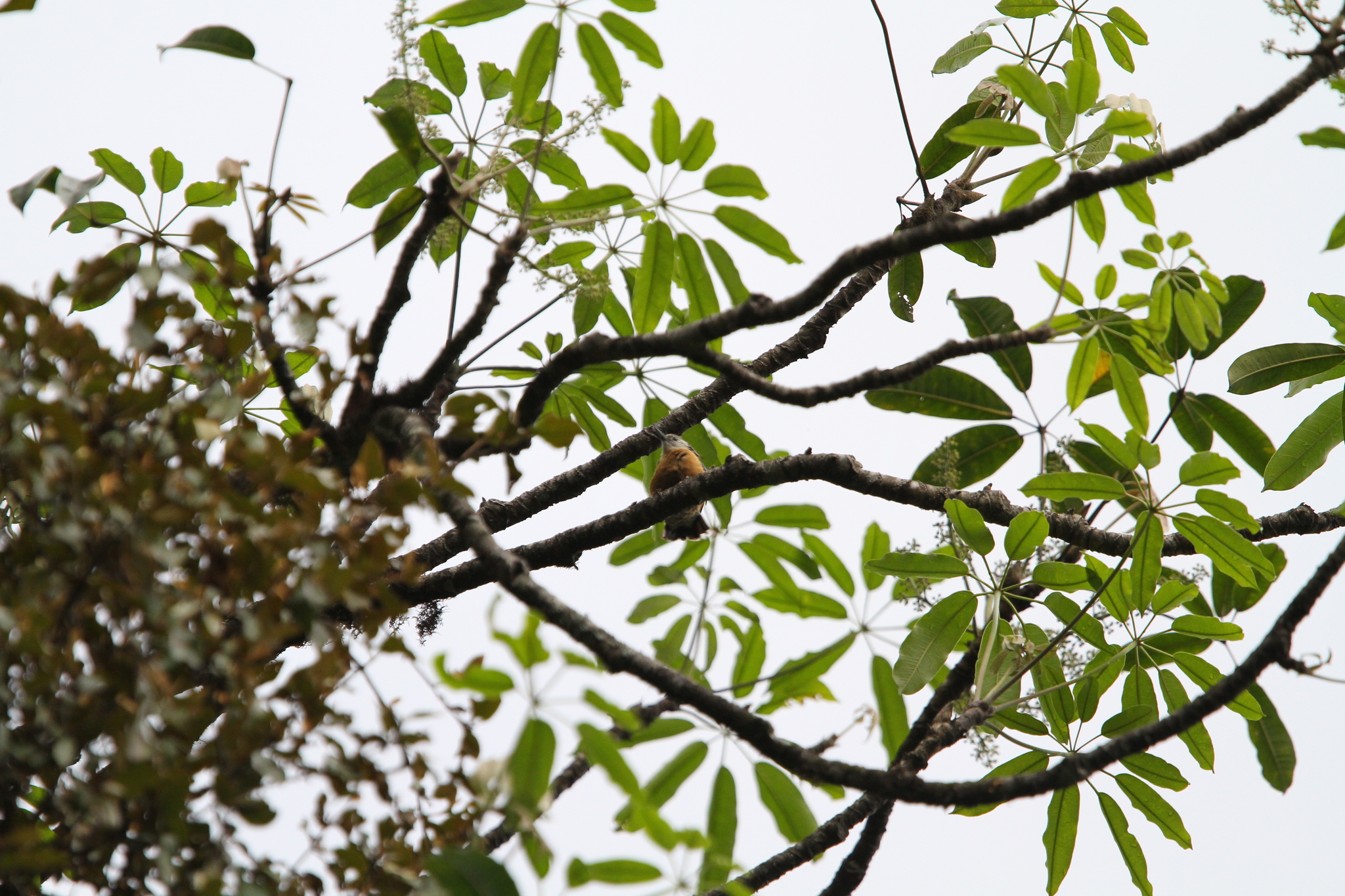
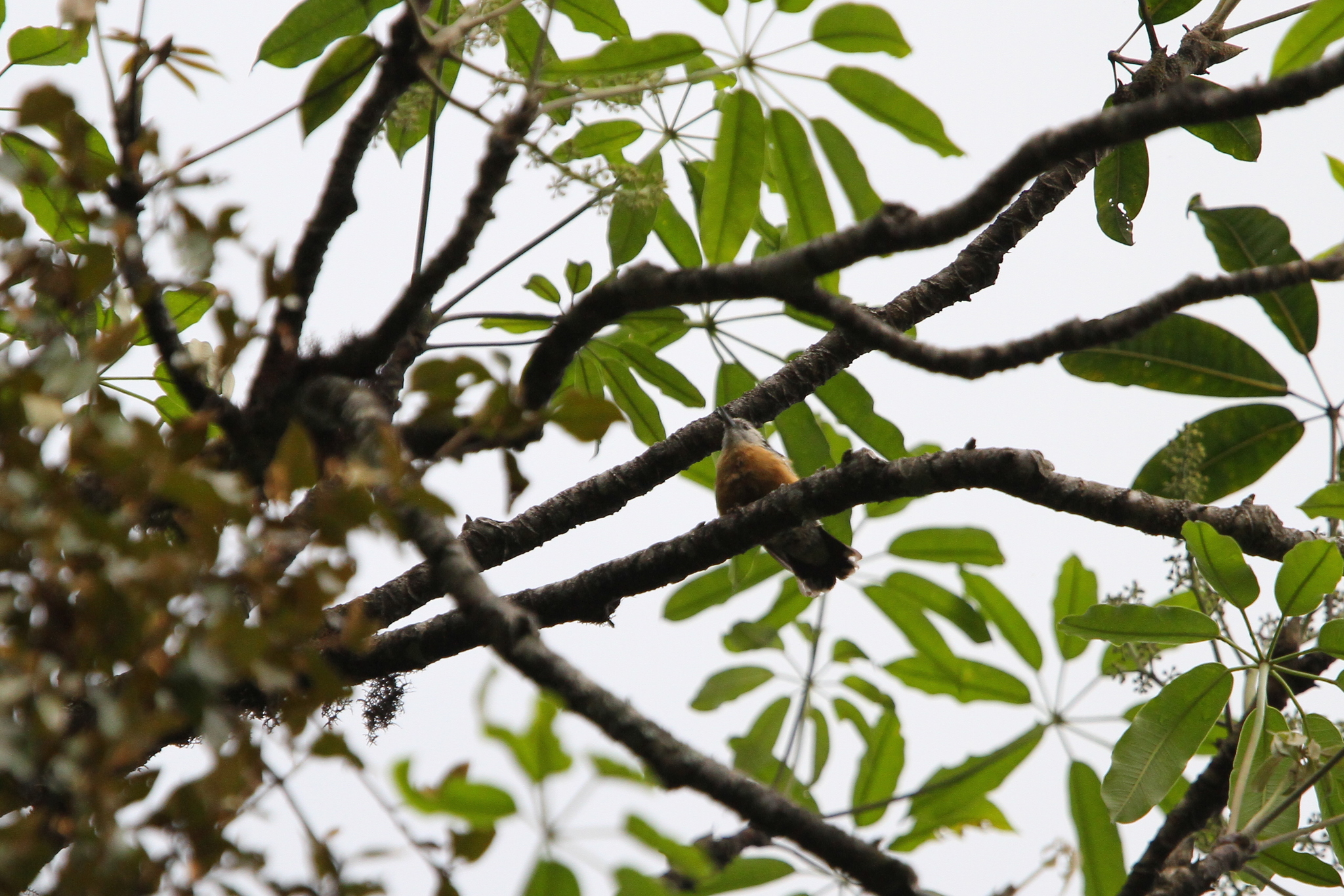
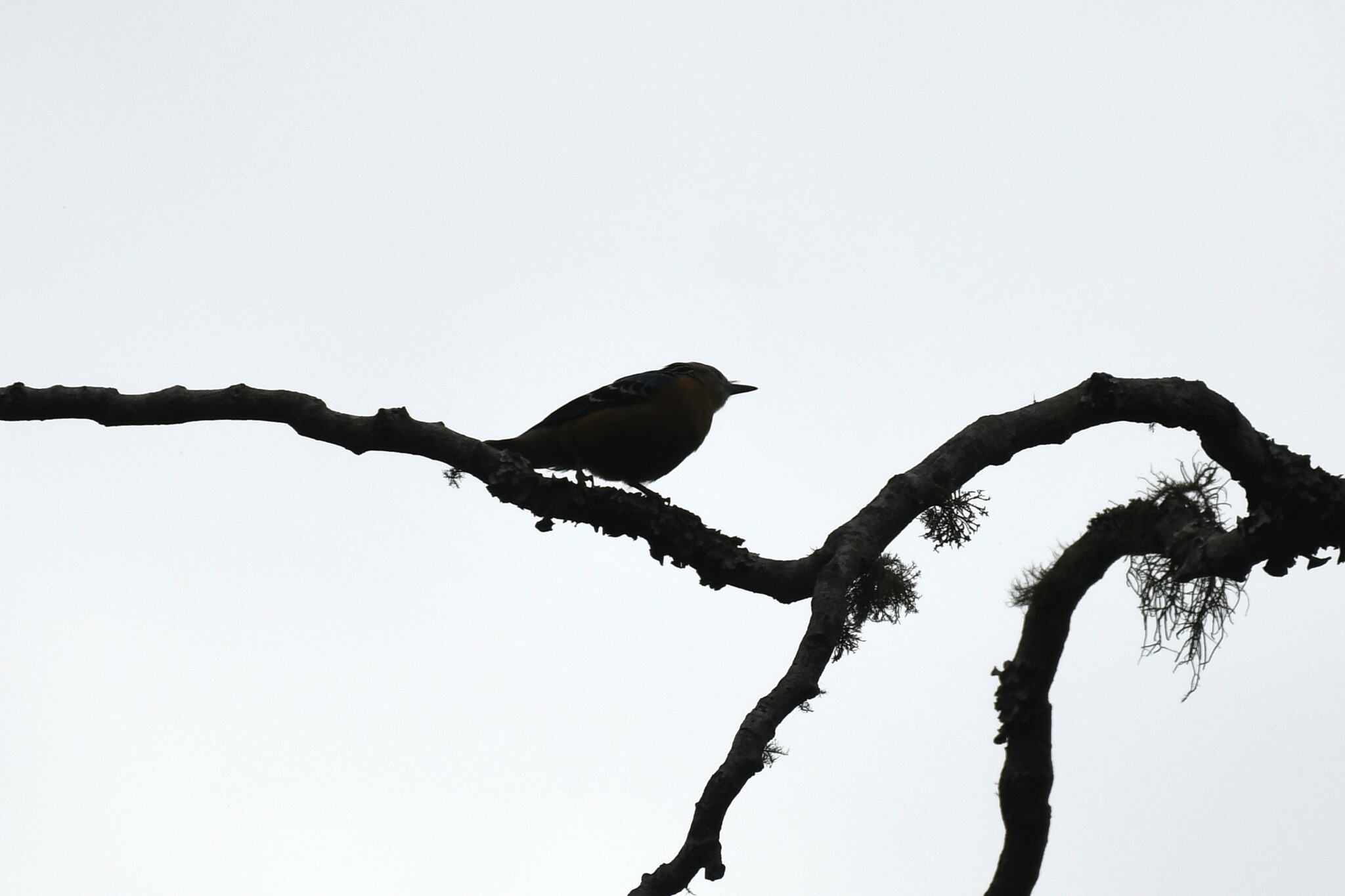
Beautiful Nuthatch
Sitta formosa
丽䴓
Introduction
A passerine bird in family Sittidae (nuthatches). Found in the eastern Himalayas and across mainland Southeast Asia including Bhutan, India, Burma, Laos, Vietnam, Thailand, and China's Yunnan province. Inhabits evergreen and semi-evergreen montane forest at altitudes from 950m to 2,300m, with seasonal vertical migration to lower elevations in winter. Known for its large size among nuthatches and dramatically colored plumage. Population estimated at 3,500-15,000 total individuals, classified as vulnerable by the IUCN due to habitat loss from deforestation.
Description
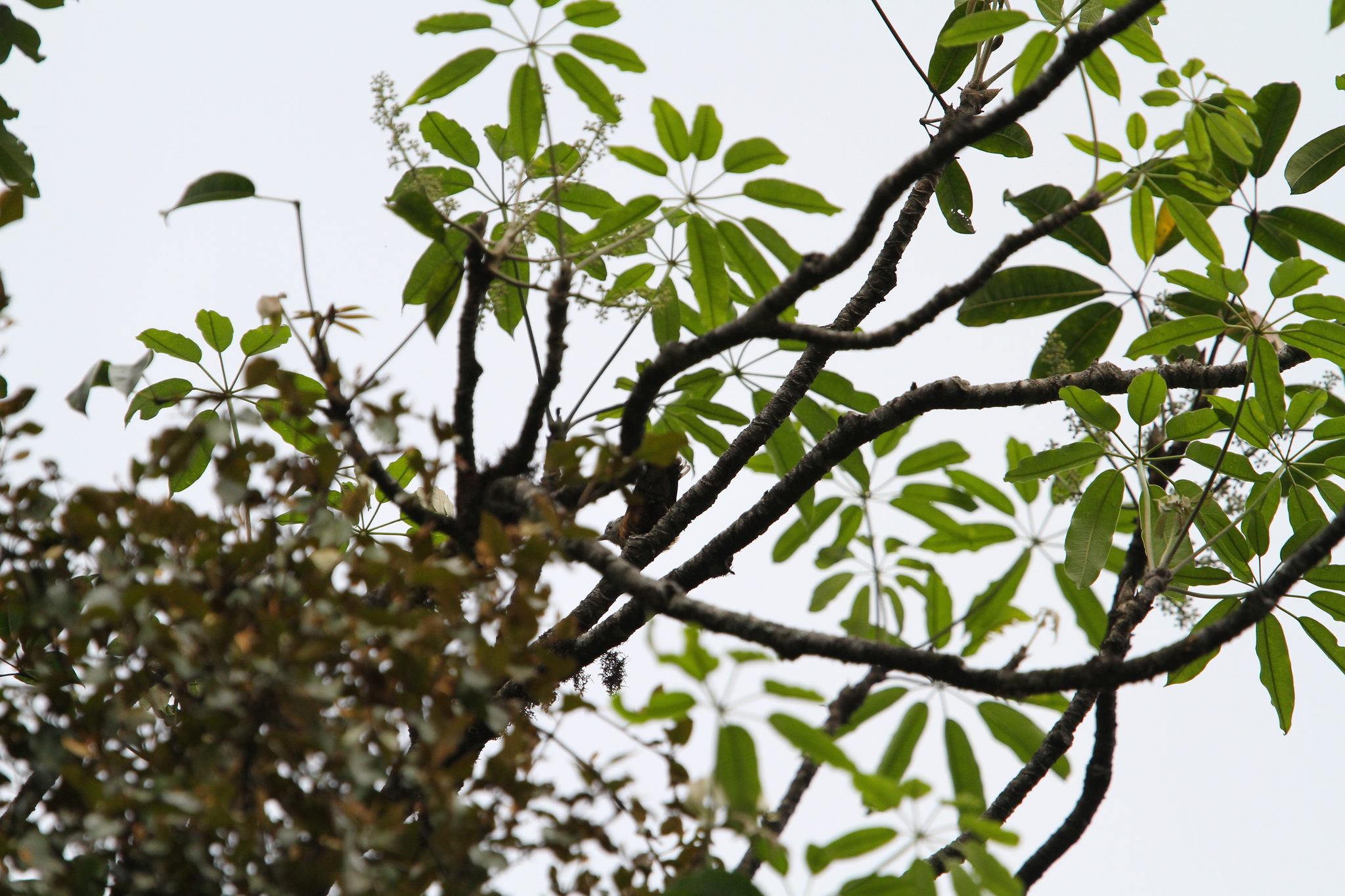
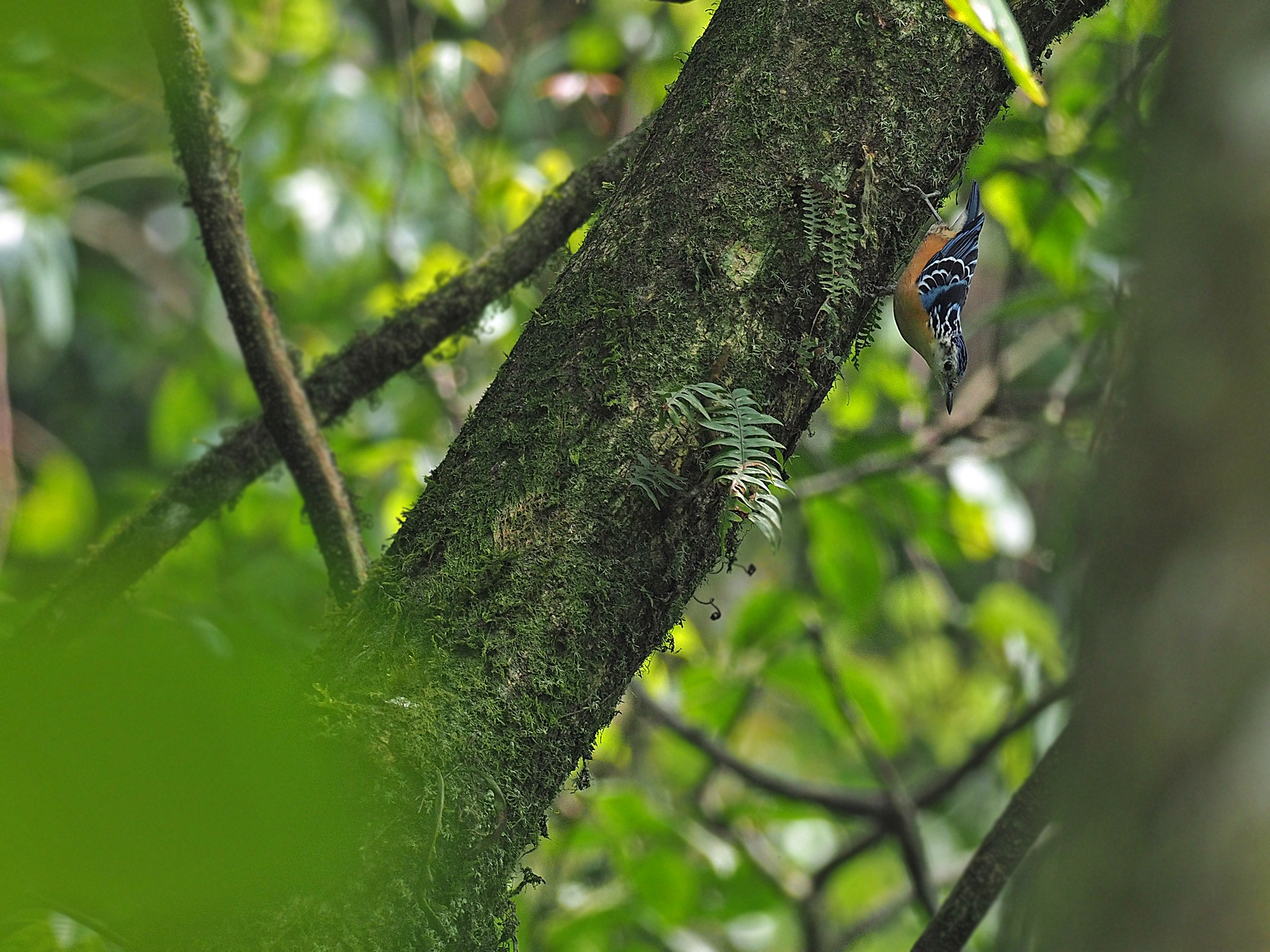
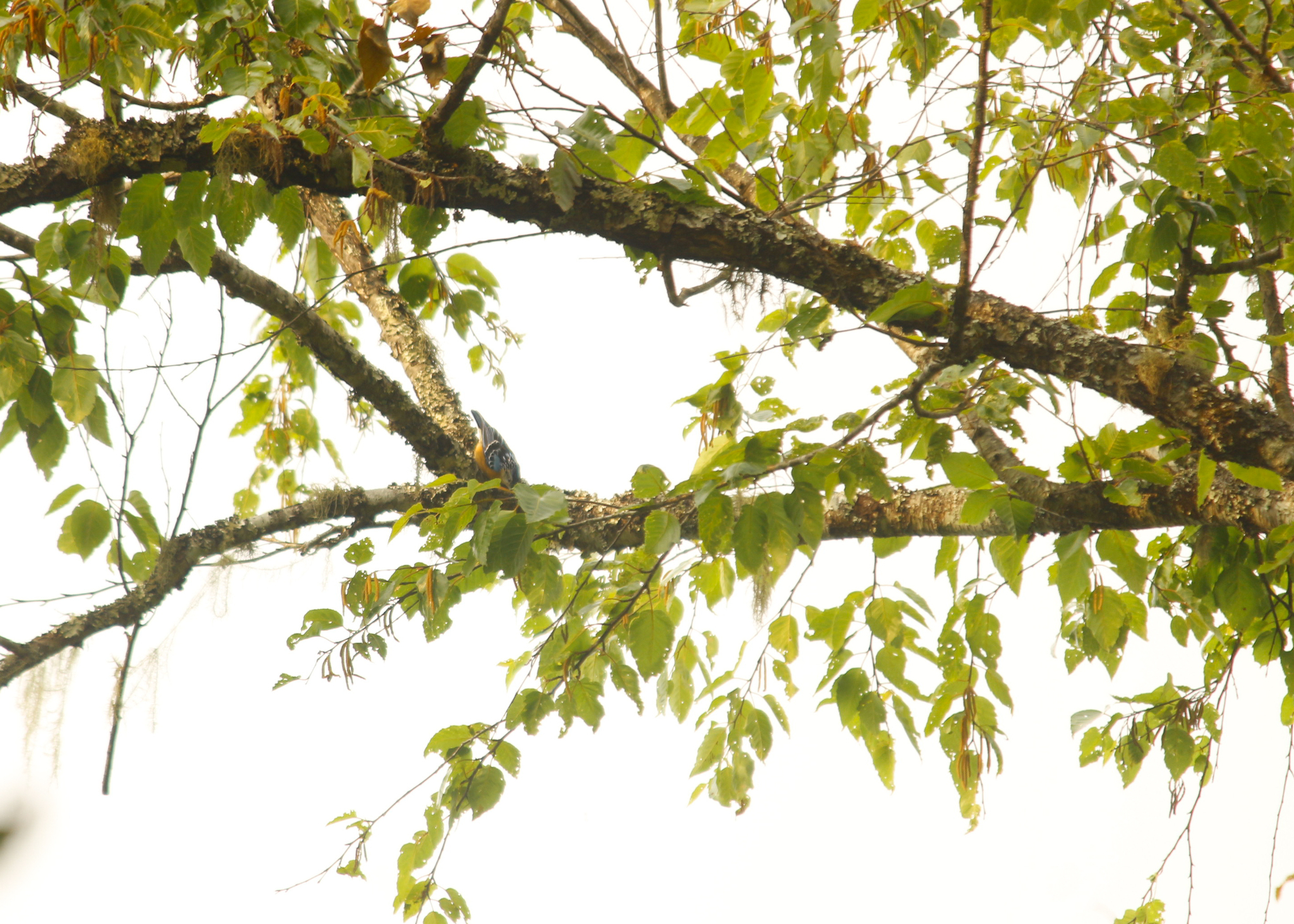
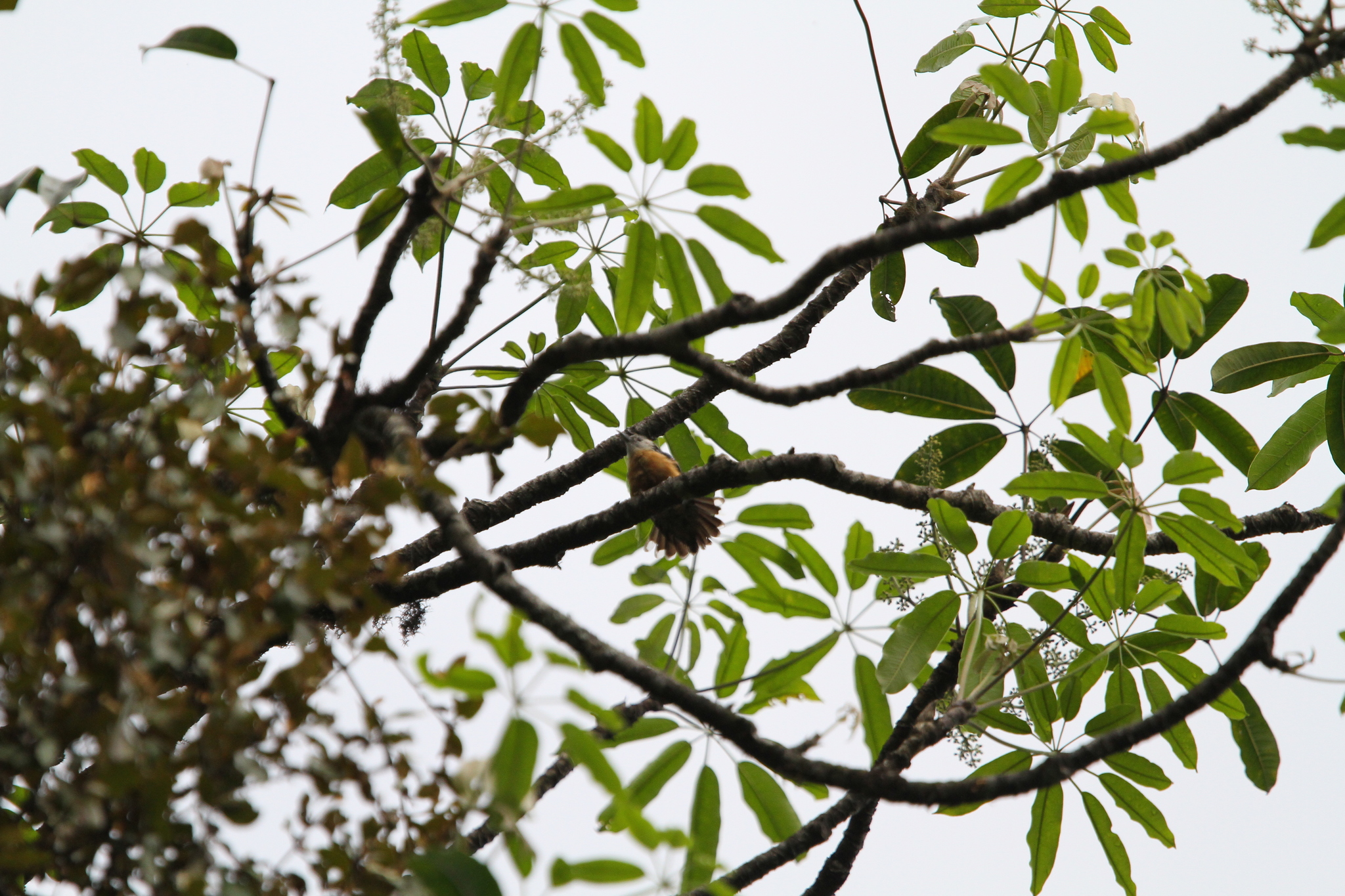
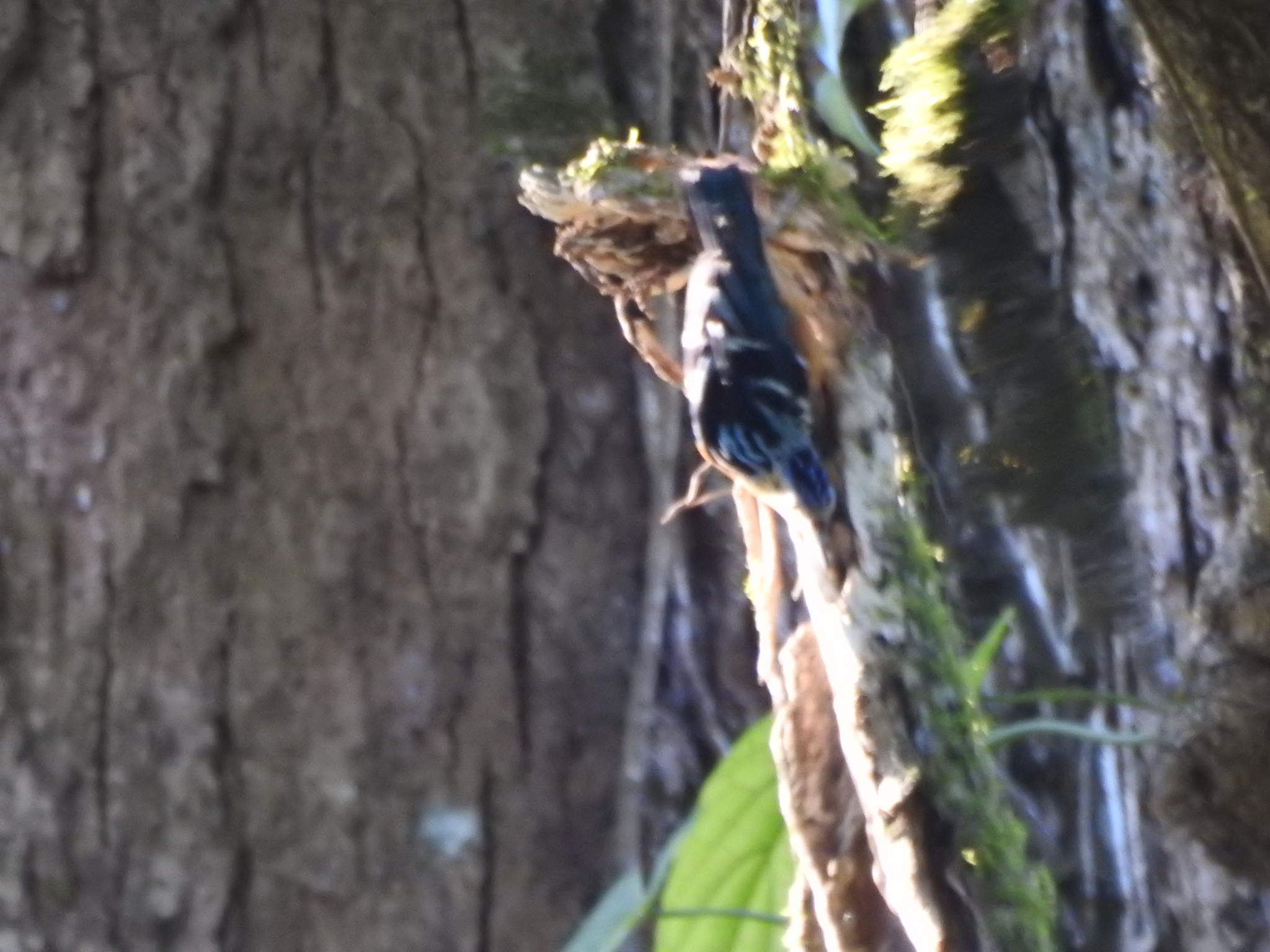
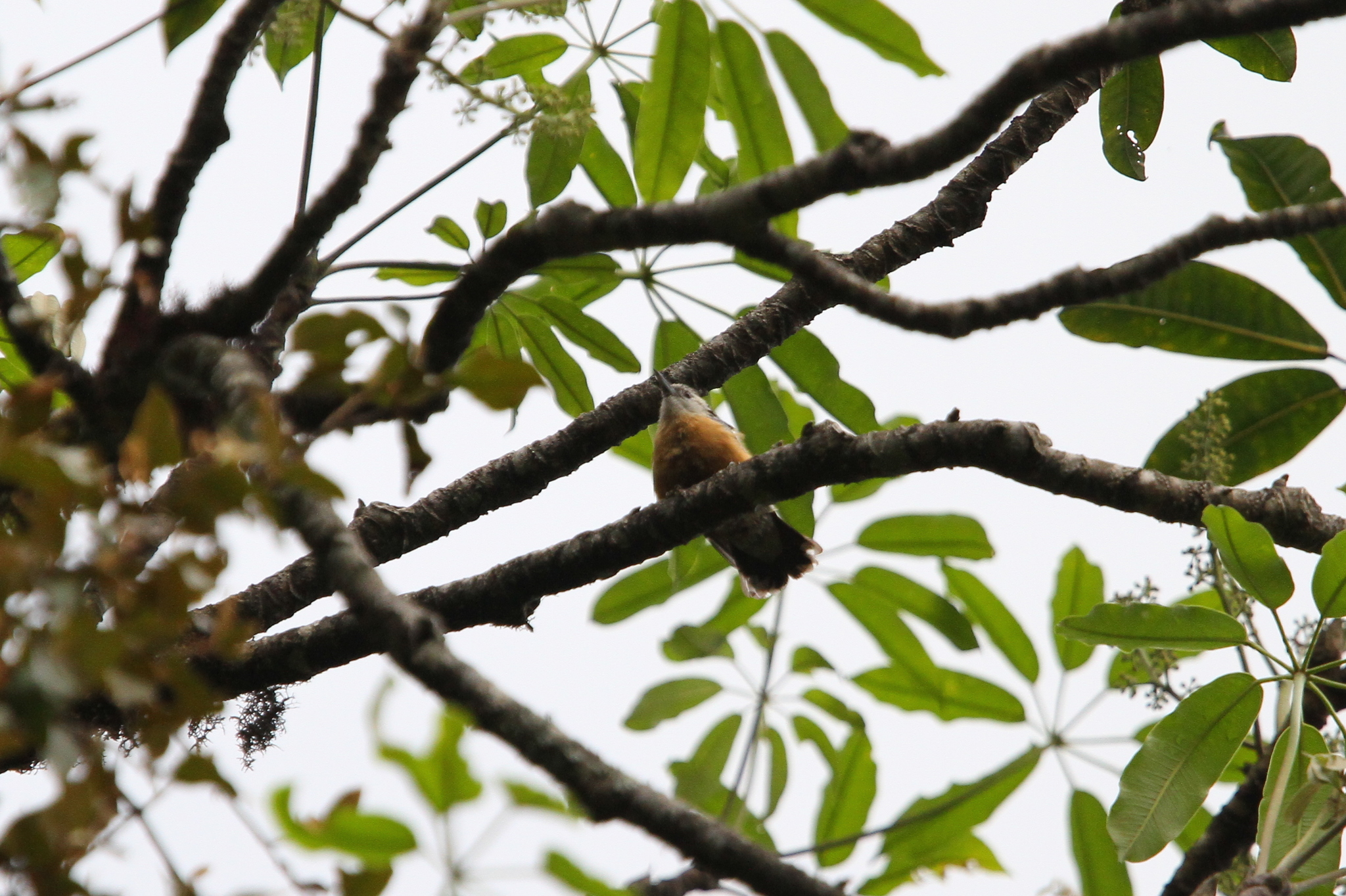
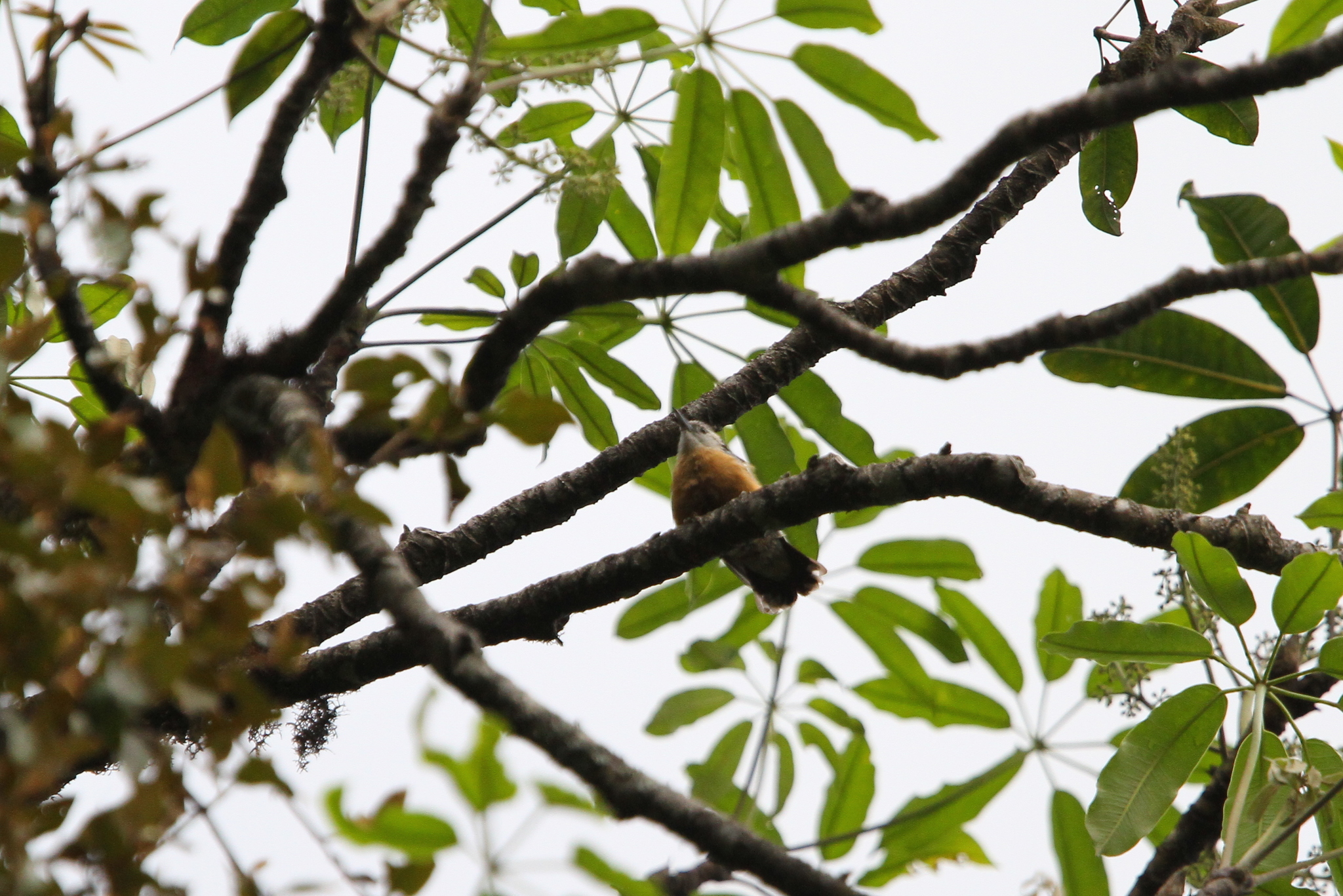
A large nuthatch measuring 16.5 cm in length with no sexual dimorphism. Upperparts are black and azure blue; crown and upper mantle are black streaked with pale blue and white. Scapulars, back, and rump are azure blue. Wing feathers are black with fine white edges forming two narrow wing bars. Underparts are orange-cinnamon. Features a white and buff eyebrow and throat with an irregular dark eyestripe. Iris is reddish-brown or dark brown; bill is black with a whitish tinge at the base of the lower mandible. Legs and feet are yellowish-brown to olive-brown. Folded wing measures 98-109 mm in males, 97-100 mm in females; tail measures 48-60 mm in males, 52-56 mm in females; beak measures 20-24.9 mm; tarsus measures 19-22 mm.
Identification
Unmistakable due to its dramatic black, azure, and orange plumage. The combination of orange underparts and azure upperparts distinguishes it from most other nuthatches. The fine white wing bars and irregular dark eyestripe are key field marks. Similar species include the blue nuthatch (S. azurea), which has more uniform blue plumage, and the velvet-fronted nuthatch (S. frontalis). The white-tailed nuthatch (S. himalayensis) has white outer tail feathers and lacks the azure coloring.
Distribution & Habitat
Eastern Himalayas and mainland Southeast Asia including Bhutan, northeast India (Sikkim, Meghalaya, Assam, Arunachal Pradesh, Manipur, Nagaland), Burma, central Laos, northwest Vietnam, northern Thailand, and China's Yunnan province. Residential and breeding range covers approximately 376,000 km². Inhabits interior and edges of evergreen and semi-evergreen montane forest. Altitudinal range: 950-2,300m in summer, descending to 300-800m in winter depending on location.
Behavior & Ecology
Forages alone, in pairs, or small groups of 4-5 individuals, though gatherings of up to 21 have been recorded. Joins mixed-species foraging flocks and feeds on small insects and larvae found on tree trunks and epiphyte-covered branches. Forages from mid-canopy to tree apex, working unhurriedly and sometimes hanging upside down. Breeding occurs from April to May in northeastern India. Nests are placed 2-8m high in tree holes (oak, rhododendron, or other large trees), constructed from leaves, bark, and hair. Lays 4-6 white eggs speckled with red spots, measuring 20.8 mm × 15.3 mm. Song is described as low and sweet in tone; calls are typical nuthatch-like but less strident than Eurasian nuthatch.
Conservation
Classified as Vulnerable by the IUCN. Population estimated at 2,500-10,000 adults (3,500-15,000 total individuals) in 2001, with numbers in decline. Primary threats include deforestation from logging and forest clearance for human habitation. In central Laos and northern Vietnam, Fokienia trees (used for foraging and nesting) are harvested commercially. High-elevation habitats provide some refuge, but habitat reduction throughout the range continues to threaten the species.
Culture
Described by Erik Matthysen in his 1998 treatise as a bird that 'deserves its name' due to its highly distinctive and colorful plumage. Otherwise, no significant cultural or folklore references are documented.
Source: Wikipedia · CC BY-SA 3.0
Taxonomy
- Order
- Passeriformes
- Family
- Sittidae
- Genus
- Sitta
- eBird Code
- beanut1
Distribution
Sikkim and Bhutan to Yunnan, Myanmar, and northwestern Tonkin
Data Sources
Species description from Wikipedia, licensed under CC BY-SA 3.0.
Bird images and sounds sourced from GBIF, contributed by citizen scientists worldwide under Creative Commons licenses.
Taxonomy data from AviList 2025.