Red-fronted Serin
Serinus pusillus
金额丝雀
Introduction
A small passerine bird in the finch family Fringillidae, measuring 11-12 cm (4.3-4.7 in) in length. Inhabits high mountain regions across the Caucasus, the higher mountains of Turkey and Iran, and Ladakh with other parts of the Indian Himalayas. Outside the breeding season, occurs in small flocks typically seen searching through thistle patches. Vagrants occasionally reach the Greek Eastern Aegean Islands in winter. Popular as a cagebird, with escapees from captivity occasionally recorded throughout Europe.
Description
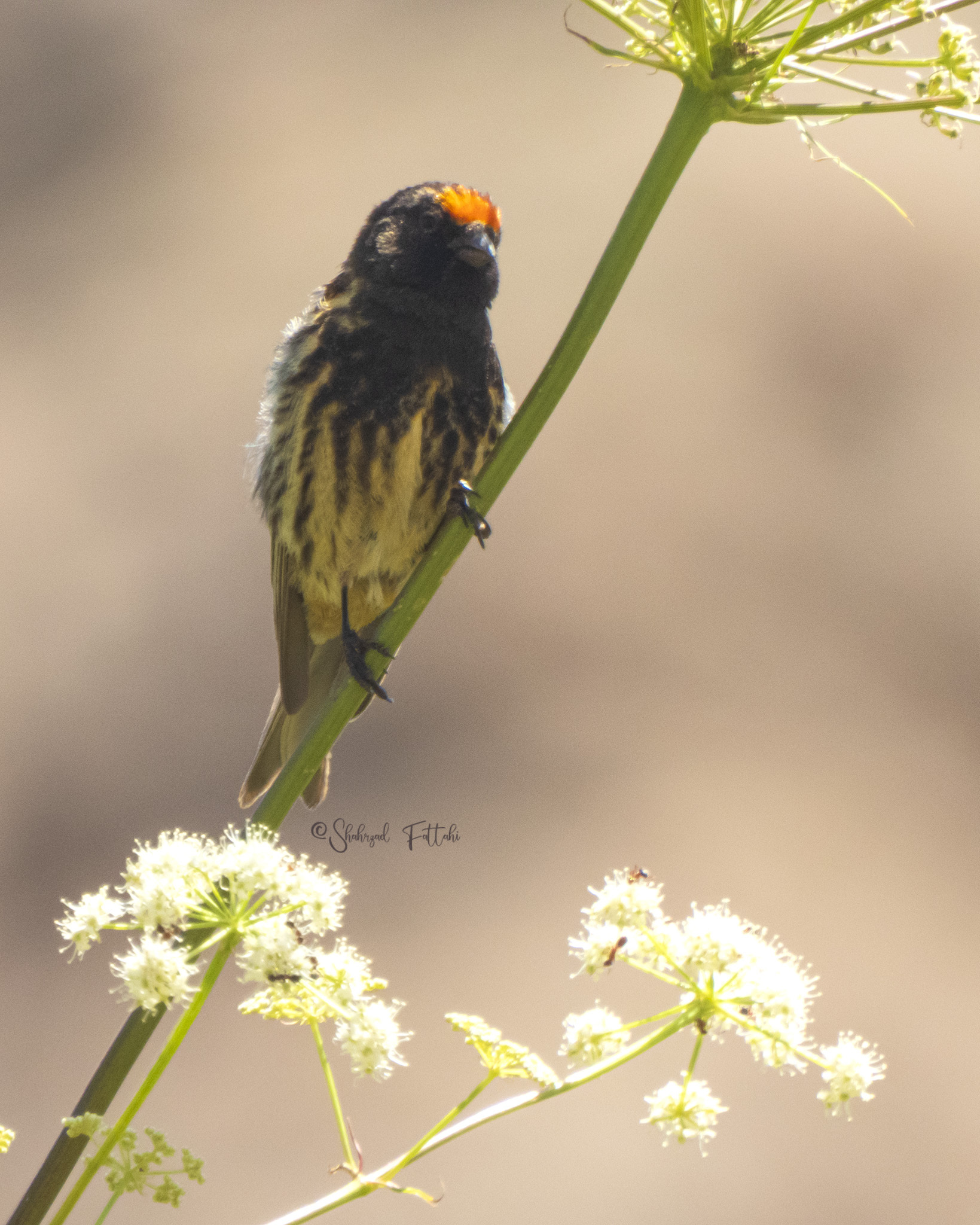
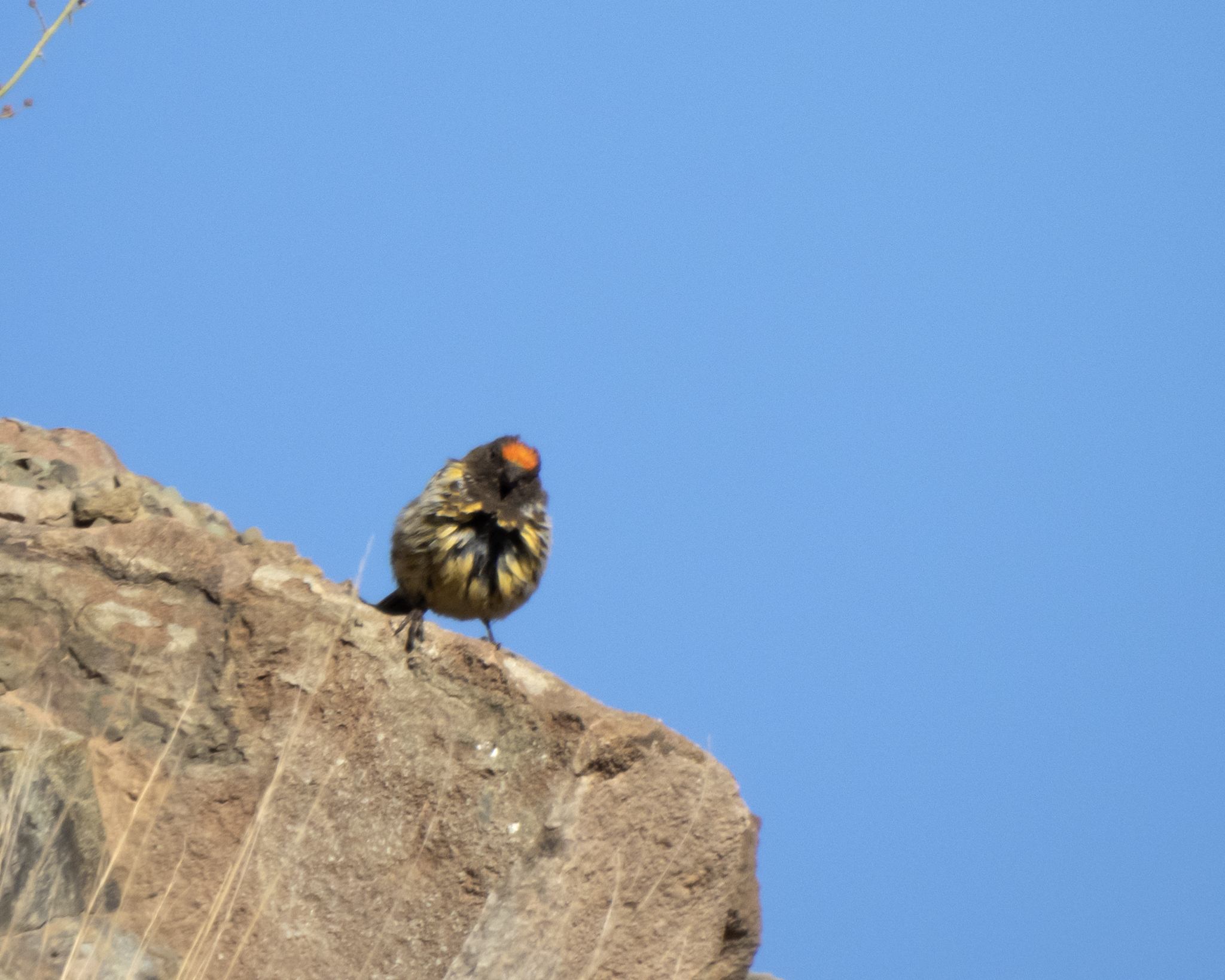
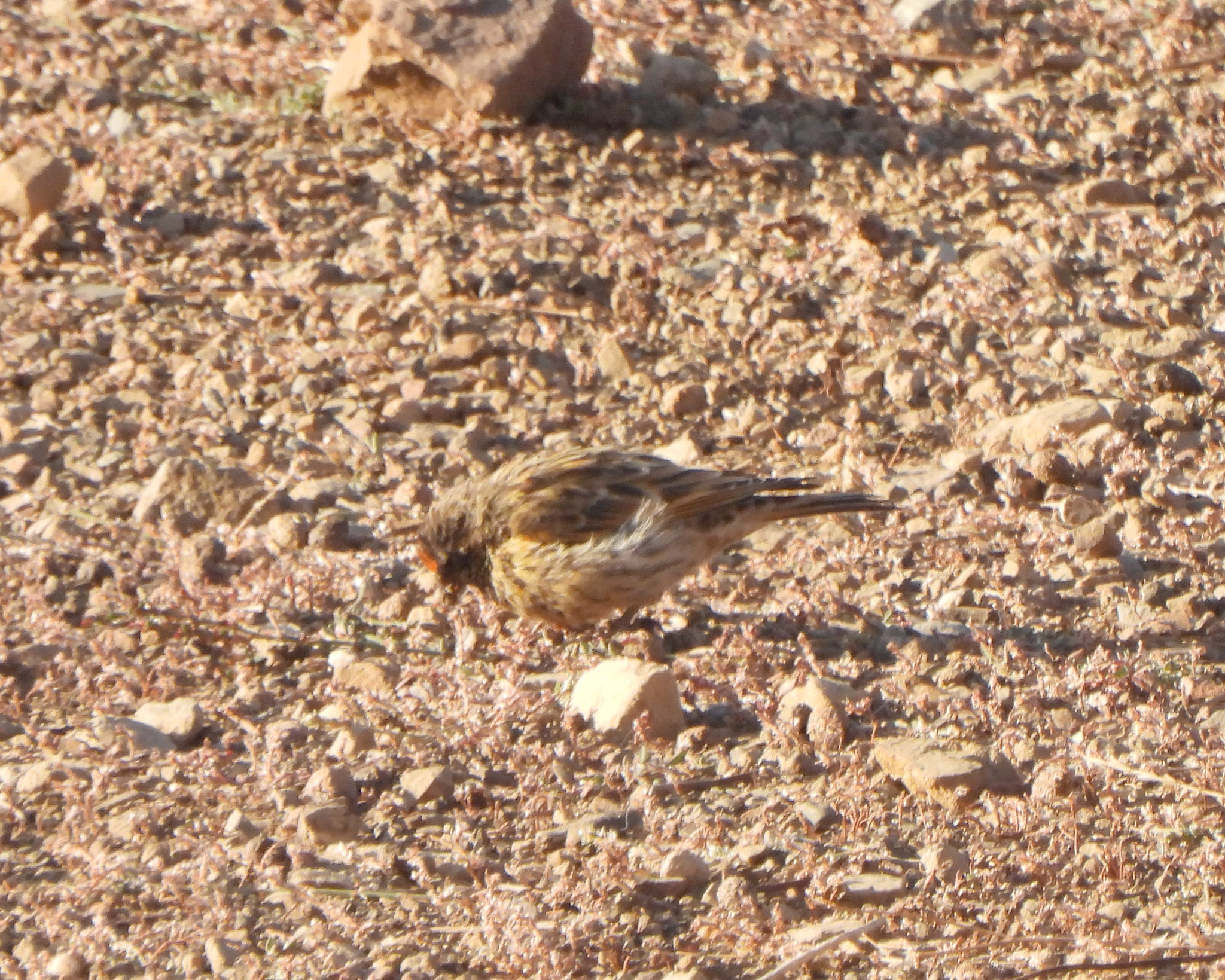
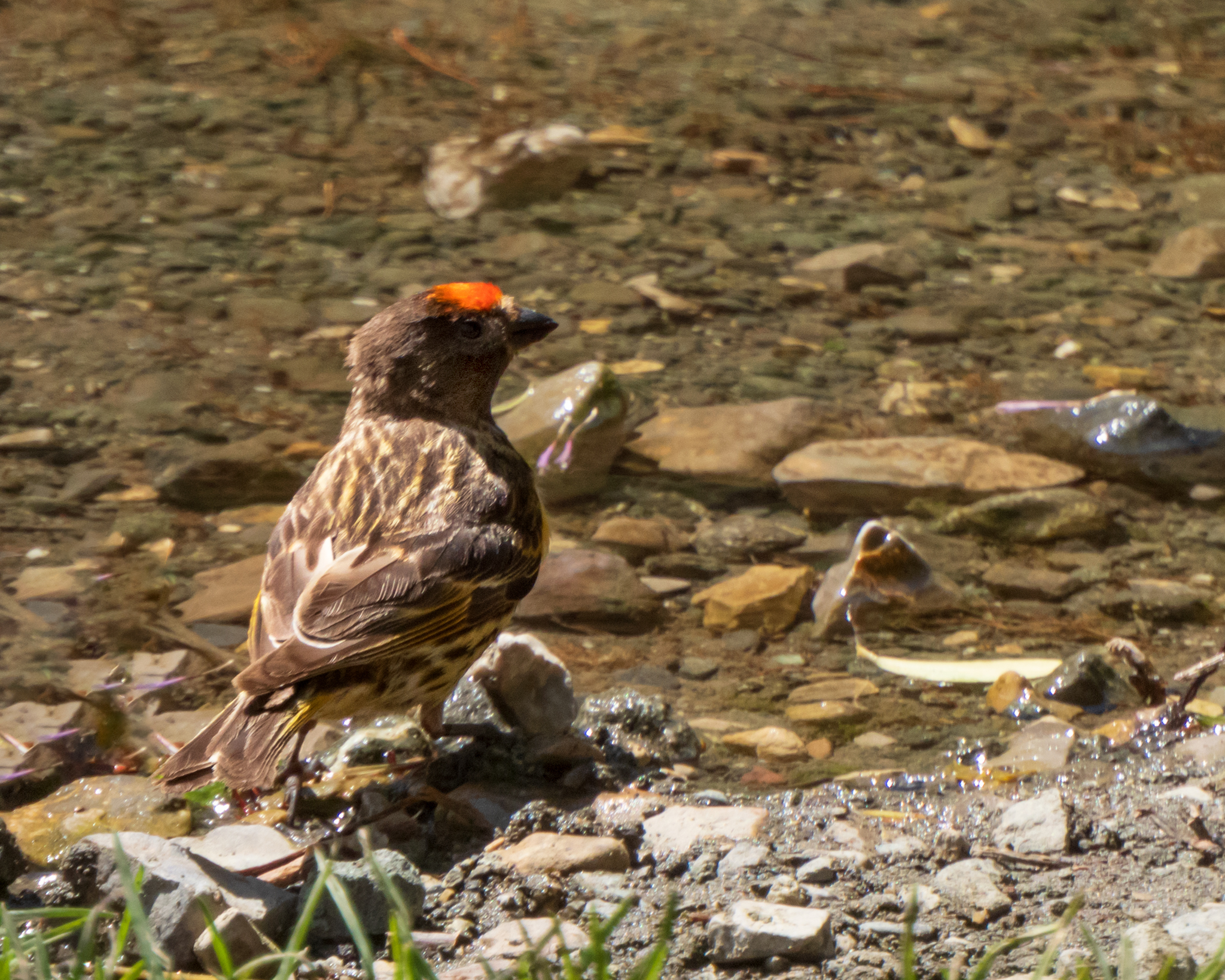
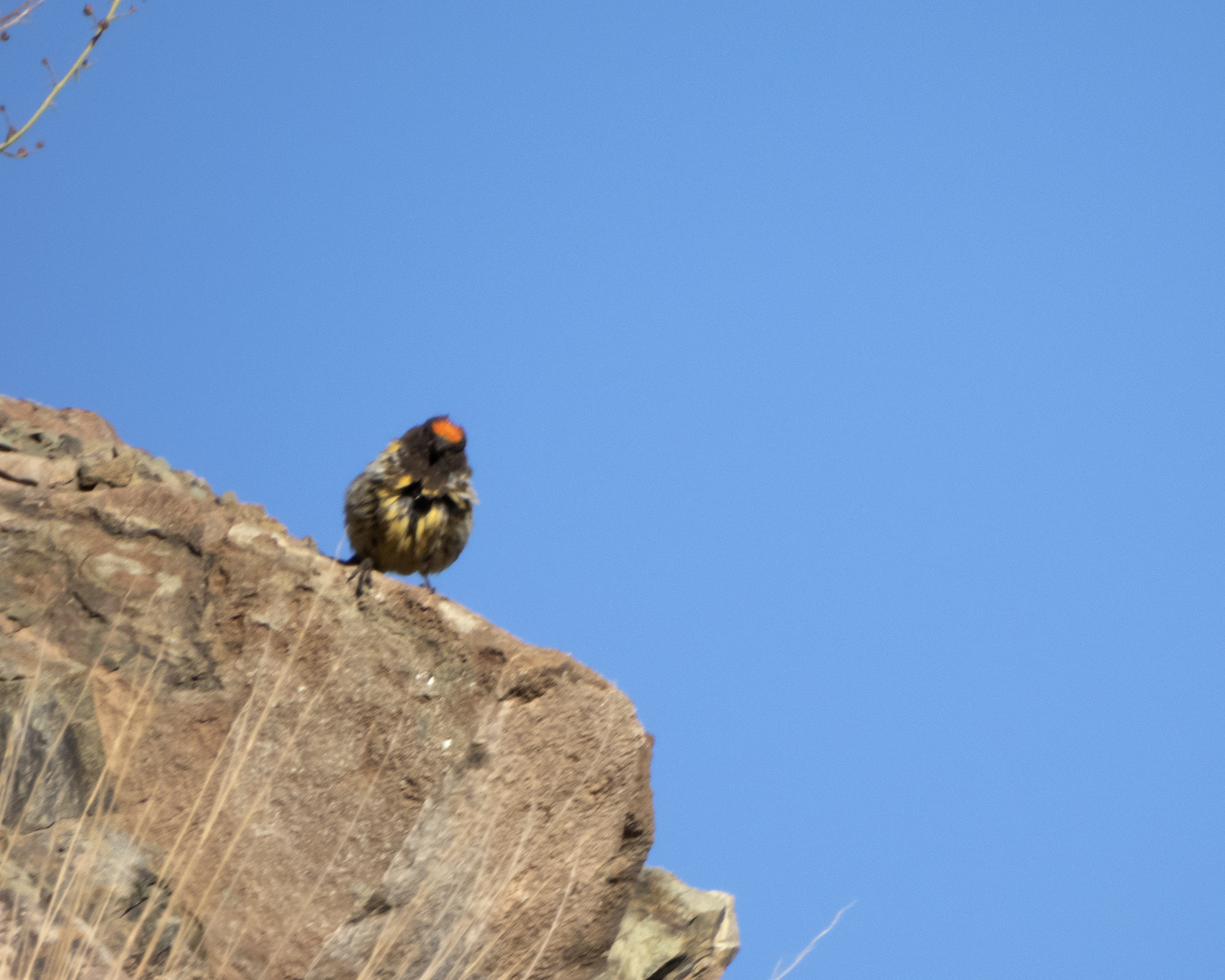
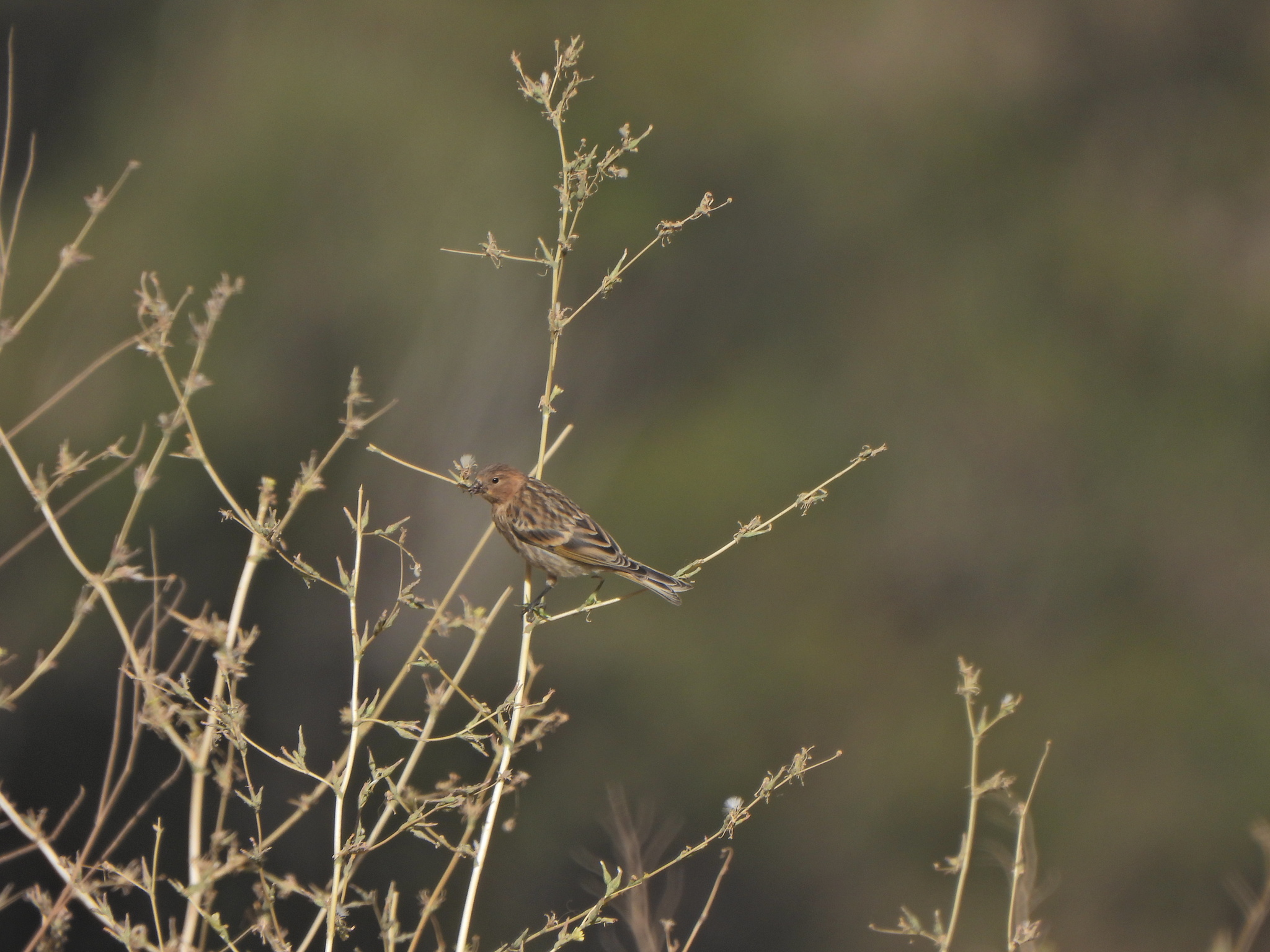
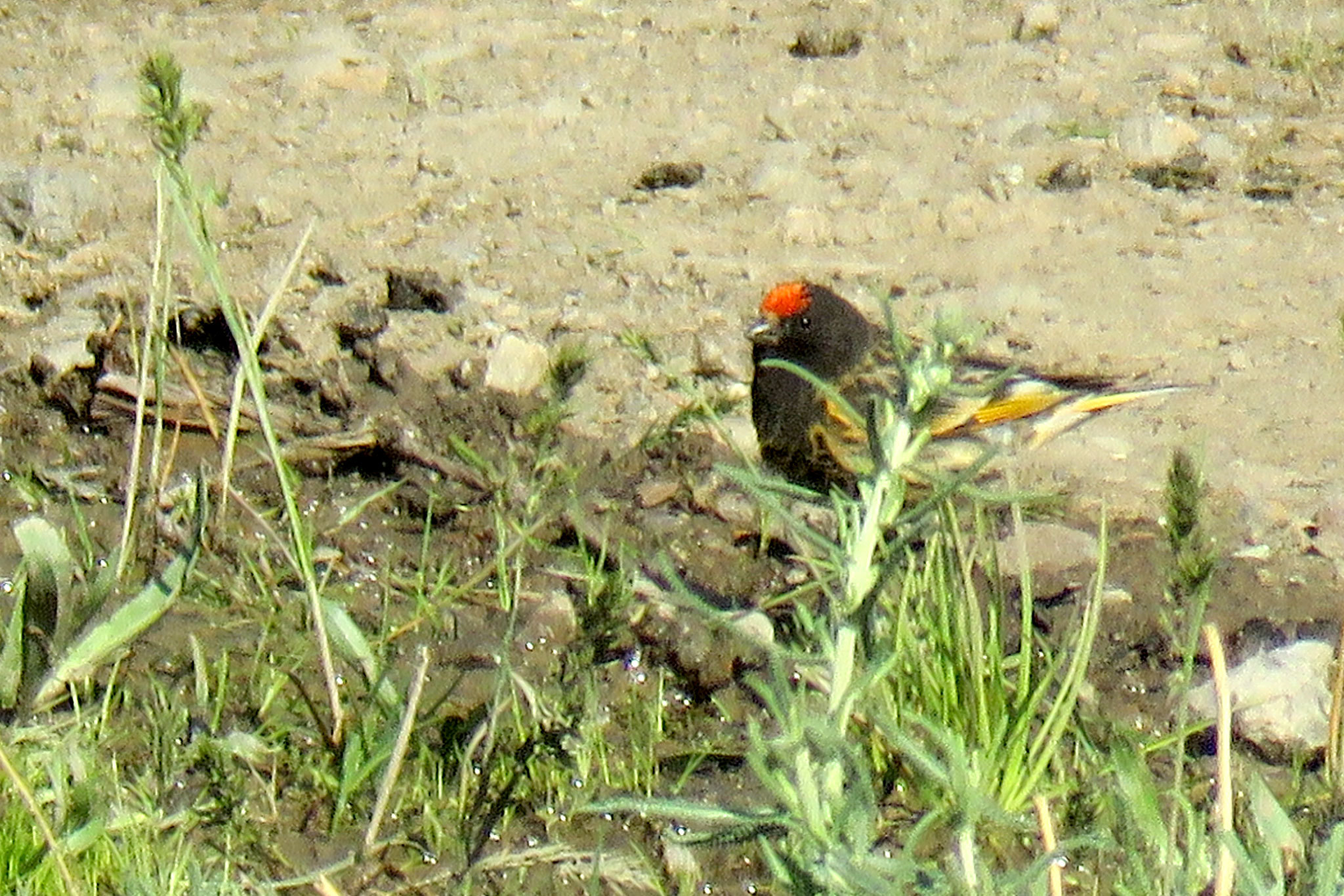
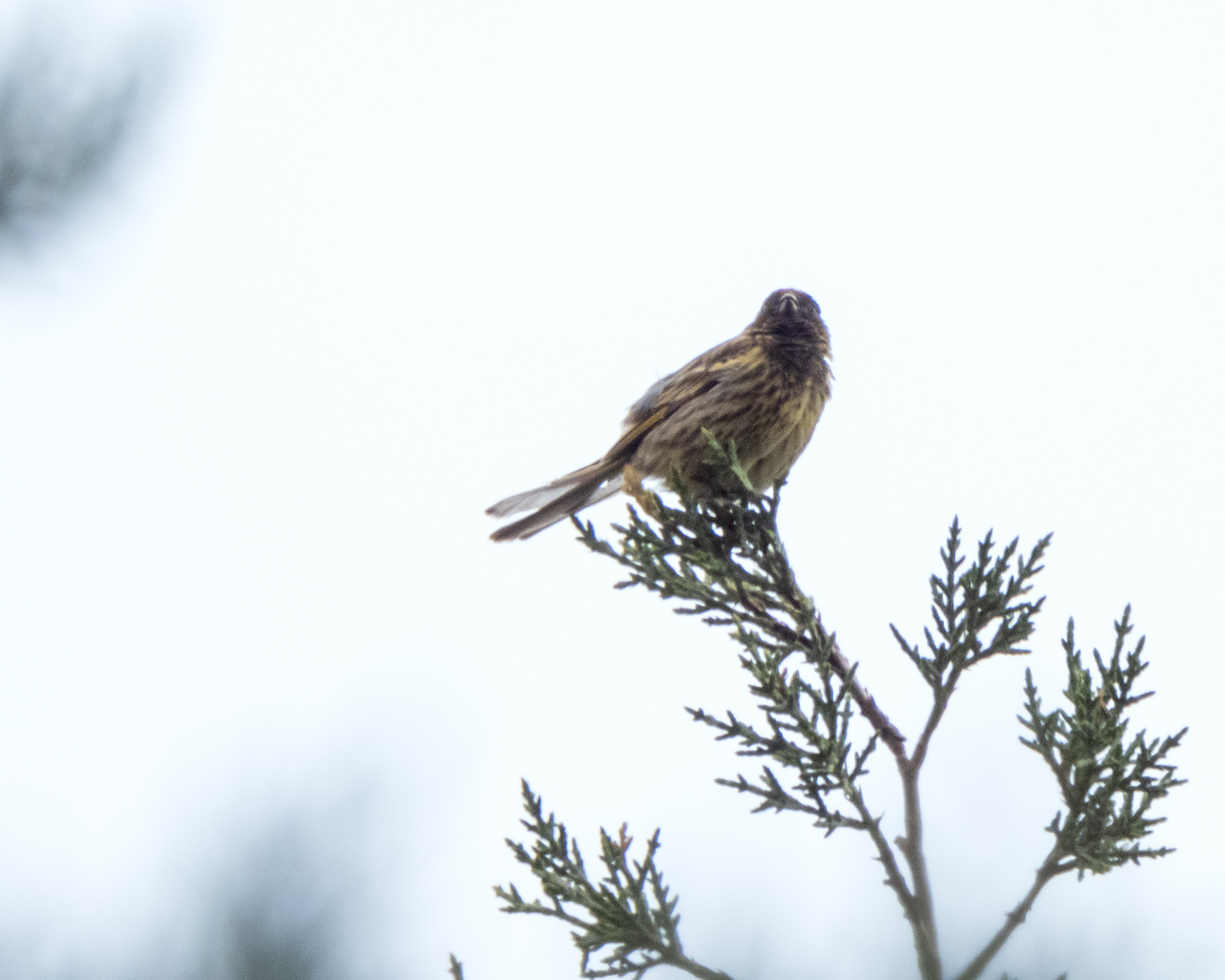
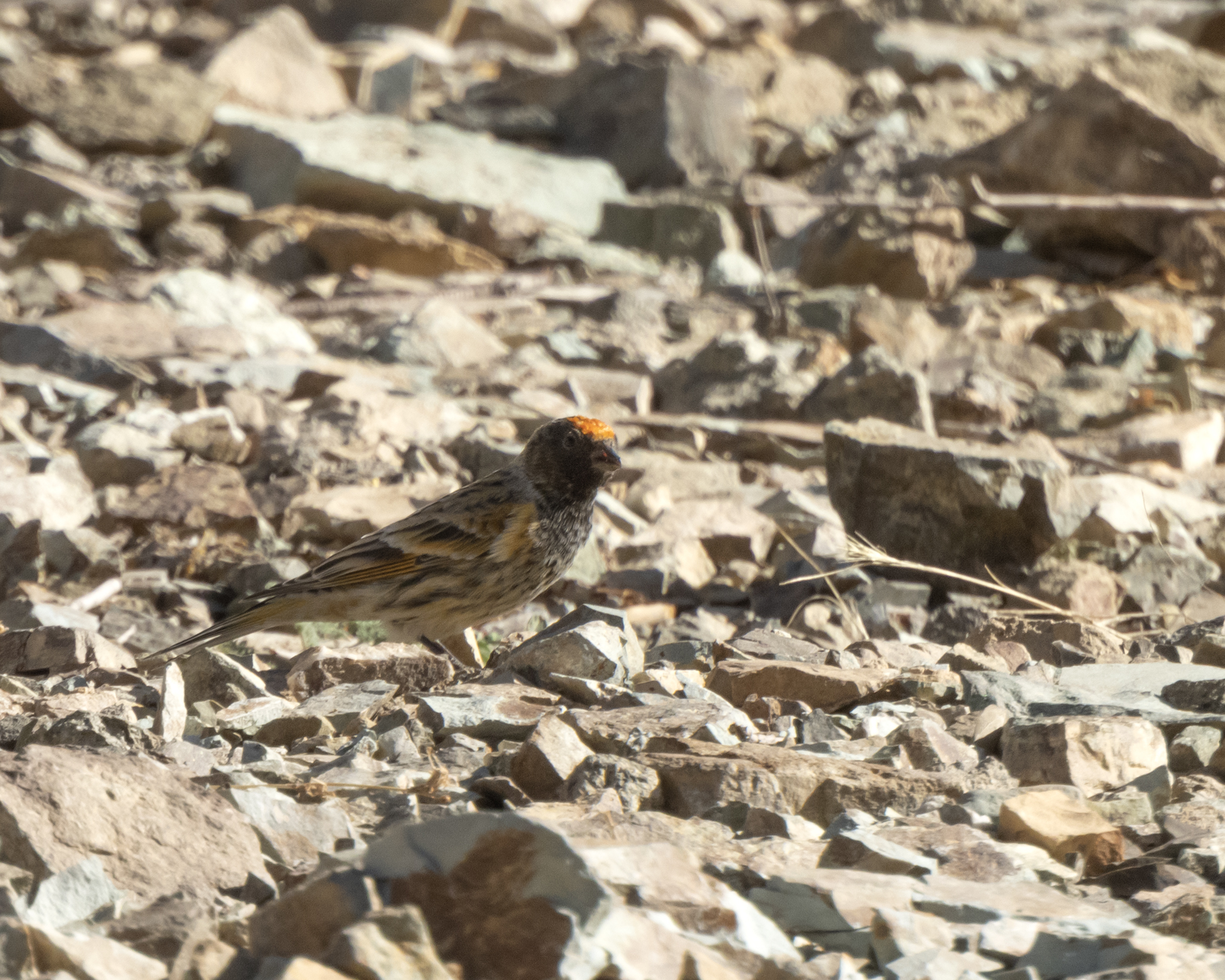
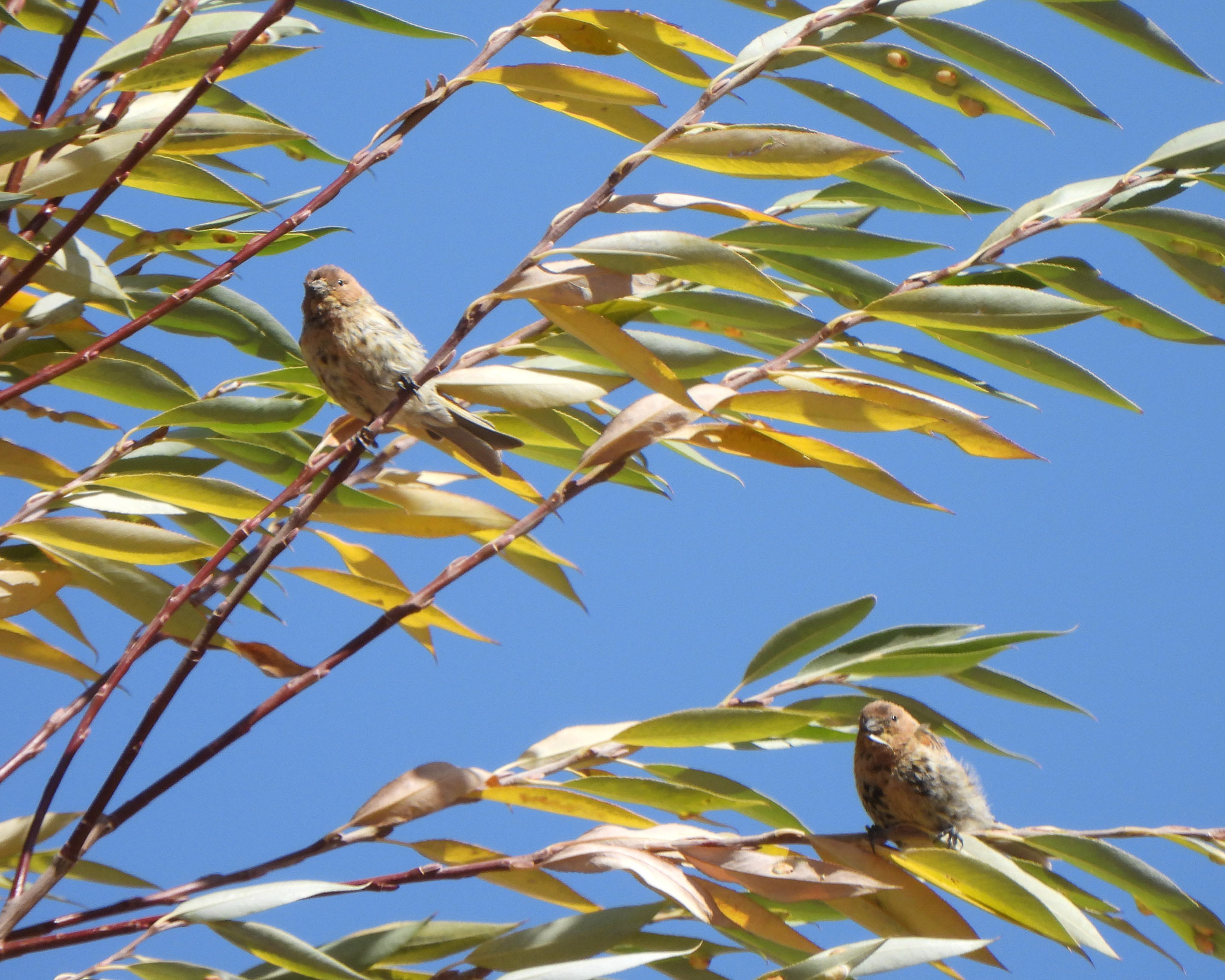
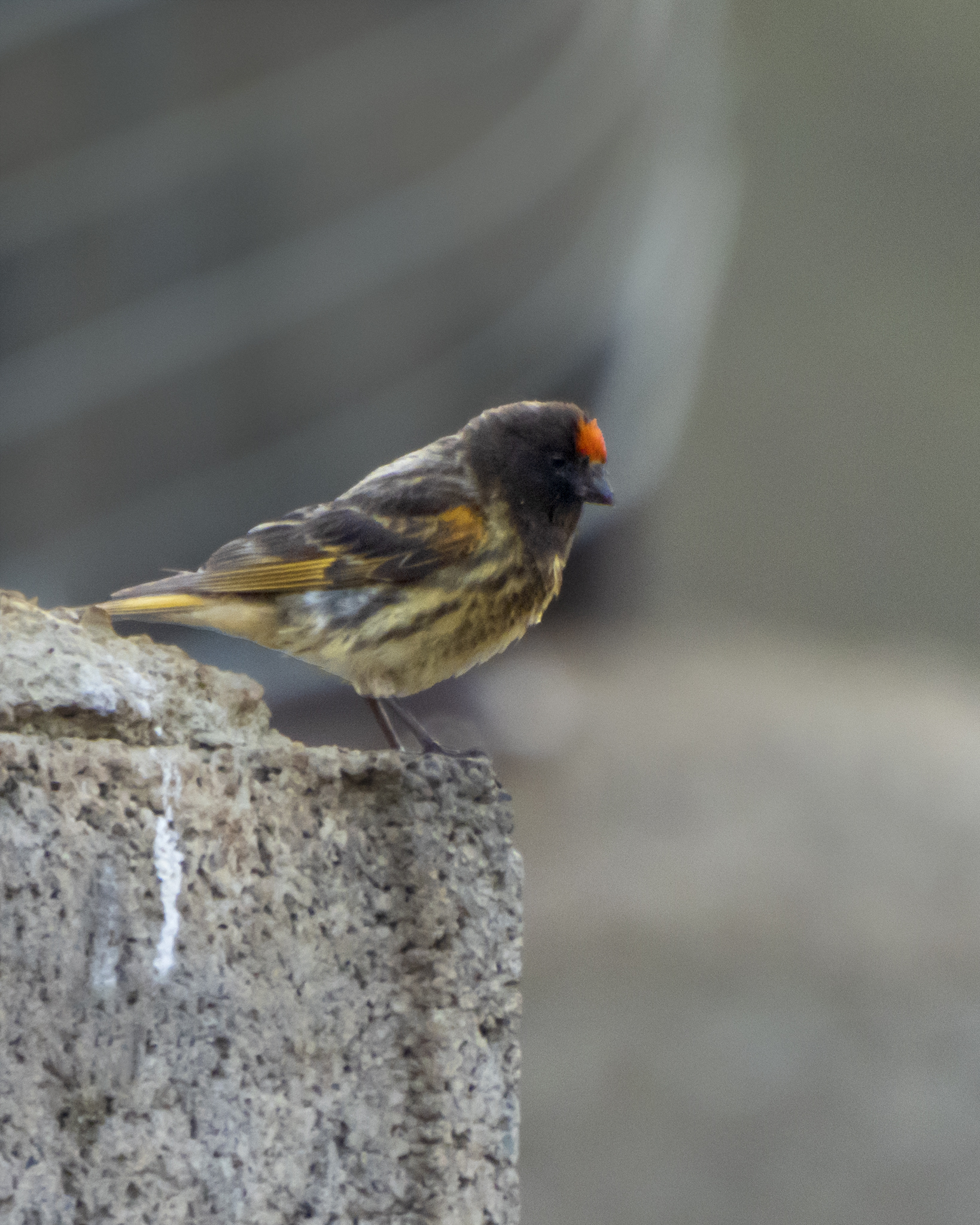
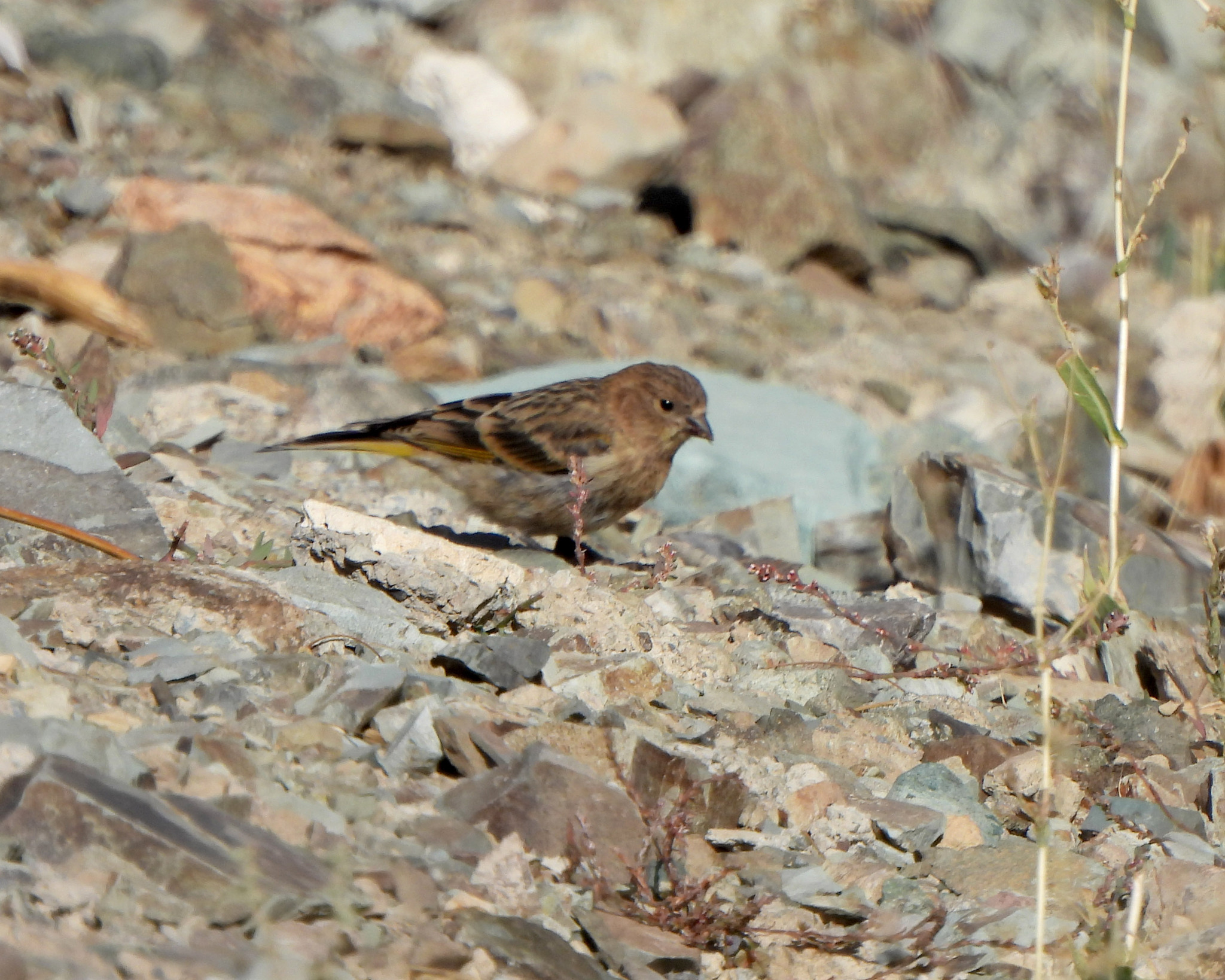
A small finch with variable plumage. Adults are sooty on the foreparts with distinctive red coloration on the forehead, resembling very dark redpolls in overall appearance. Juveniles display buff-brown head coloration. The species measures 11-12 cm (4.3-4.7 in) in length.
Identification
Adults are best identified by the combination of very dark plumage reminiscent of redpolls and the bright red forehead. Juveniles are distinguished by their buff-brown head coloration. The rapid, shrill call 'titihihihihihi' resembles that of a Linnet and can aid identification.
Distribution & Habitat
Breeds in the Caucasus region and the higher mountains of Turkey and Iran. Also occurs in Ladakh and other parts of the Indian Himalayas. In winter, vagrants occasionally reach the Greek Eastern Aegean Islands. Outside the breeding season, found in small flocks typically associated with thistle patches.
Behavior & Ecology
Outside the breeding season, occurs in small flocks. The call is a rapid, shrill 'titihihihihihi', resembling that of a Linnet. In captivity, breeds readily and thrives on a diet of canary grass seed, millet, and other small seeds. Will bathe daily if water is accessible.
Conservation
The article does not provide specific IUCN assessment data. As a popular cagebird, there may be collection pressures, though the article notes escapees from captivity are occasionally found throughout Europe.
Culture
Described as a popular cagebird, which has led to escapees being recorded throughout Europe. No folklore or cultural significance is mentioned.
Source: Wikipedia · CC BY-SA 3.0
Taxonomy
- Order
- Passeriformes
- Family
- Fringillidae
- Genus
- Serinus
- eBird Code
- fifser1
Distribution
mountains of Türkiye to western China; winters to Israel
Vocalizations
Data Sources
Species description from Wikipedia, licensed under CC BY-SA 3.0.
Bird images and sounds sourced from GBIF, contributed by citizen scientists worldwide under Creative Commons licenses.
Taxonomy data from AviList 2025.