Atlantic Canary
Serinus canaria
金丝雀
Introduction
Small passerine bird (Serinus canaria) in the true finch family Fringillidae. Native to the Canary Islands, Azores, and Madeira in the Macaronesia region of the eastern Atlantic. Inhabits diverse habitats including pine and laurel forests, sand dunes, orchards, copses, parks, and gardens. Occurs from sea level to 1,500m elevation. Gregarious species that often nests in groups. The wild form is predominantly yellow-green with brownish streaking on the upperparts. Population estimated at 80,000-90,000 pairs in Canary Islands, 30,000-60,000 pairs in Azores, and 4,000-5,000 pairs in Madeira.
Description
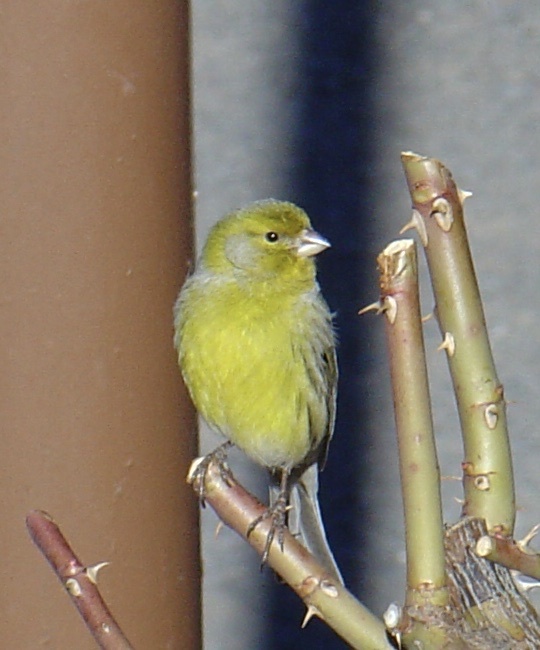
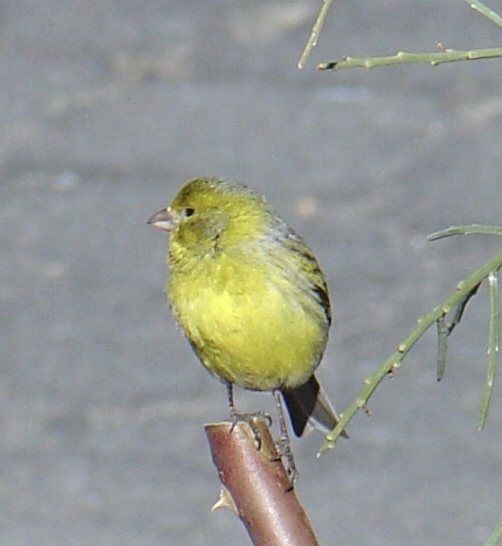
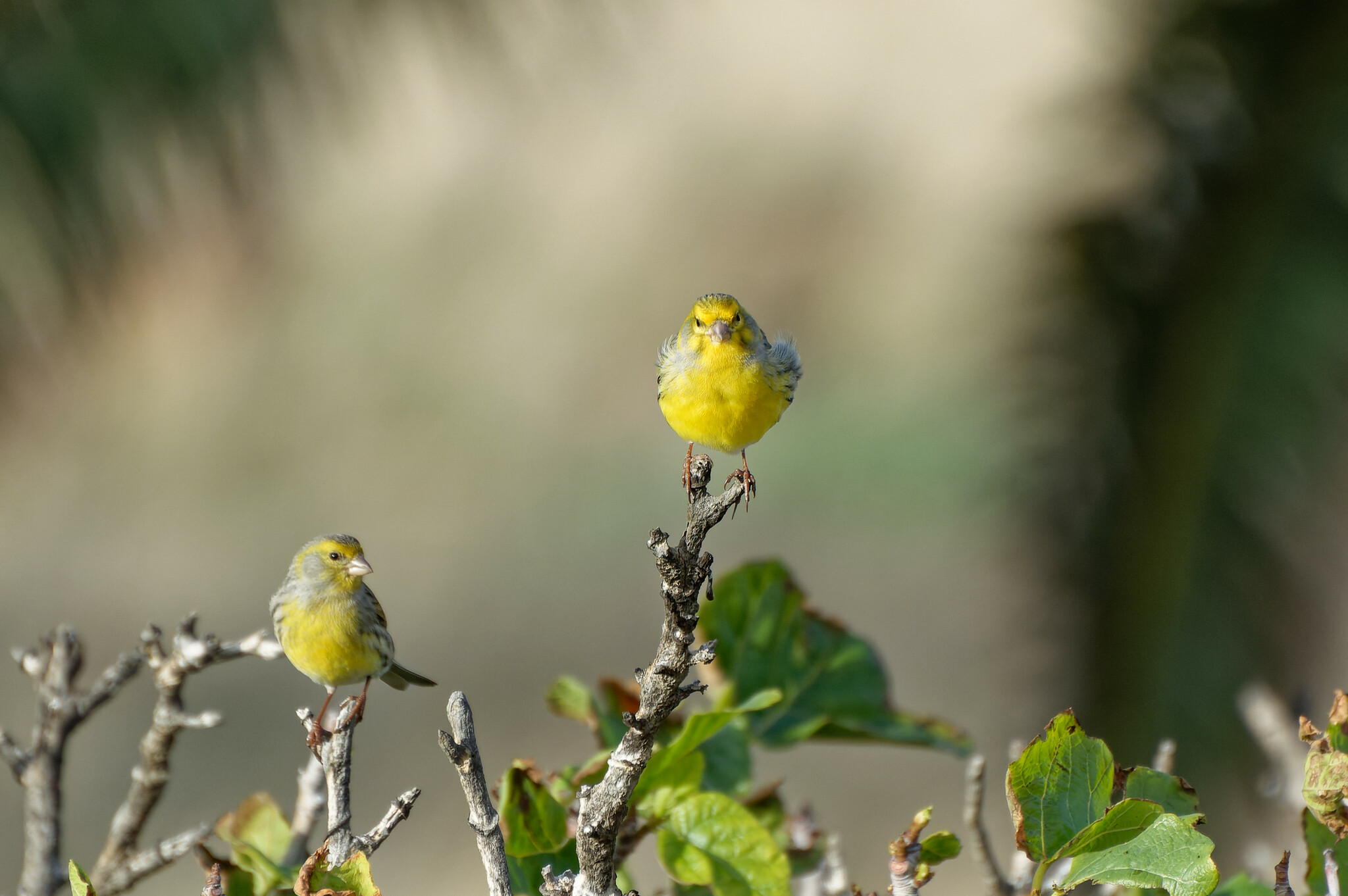
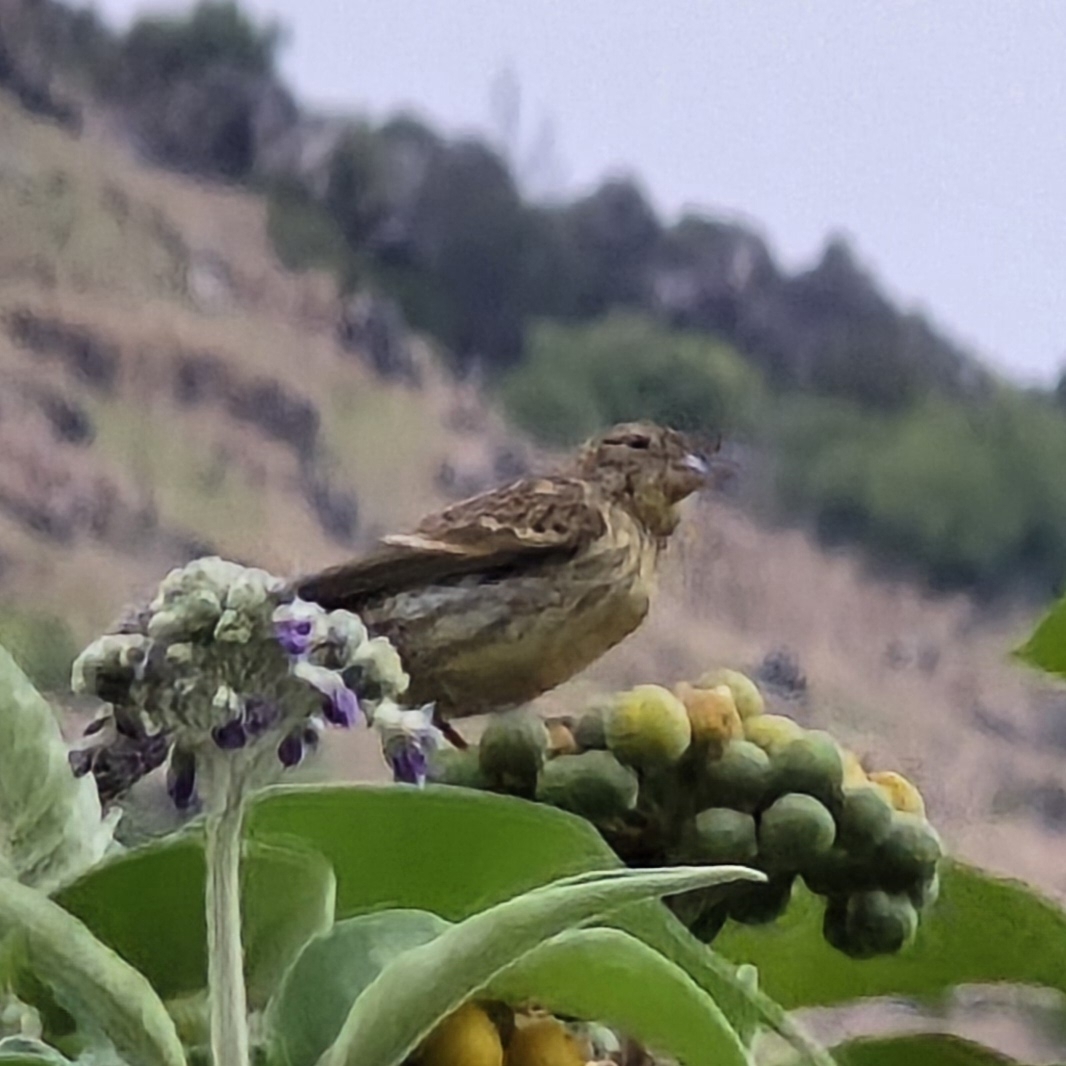
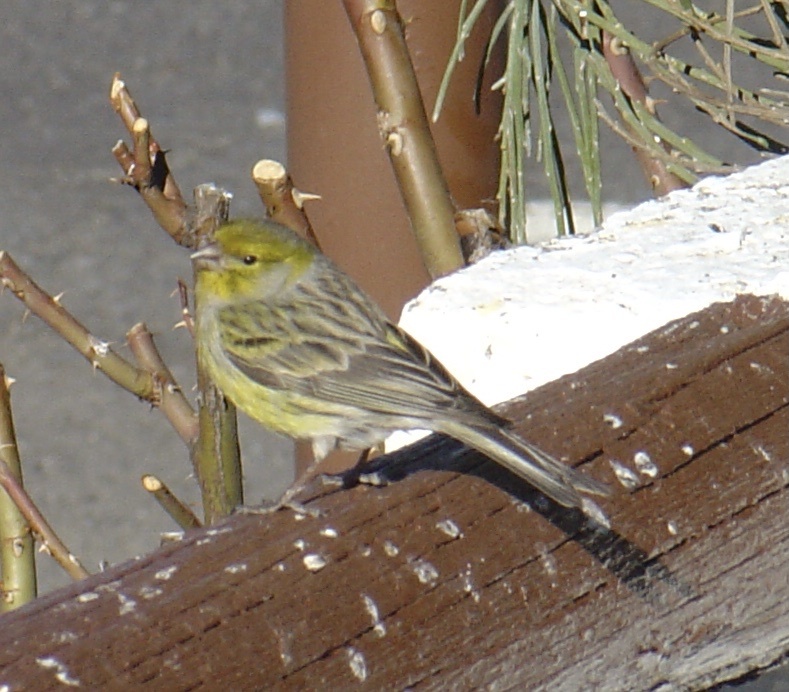
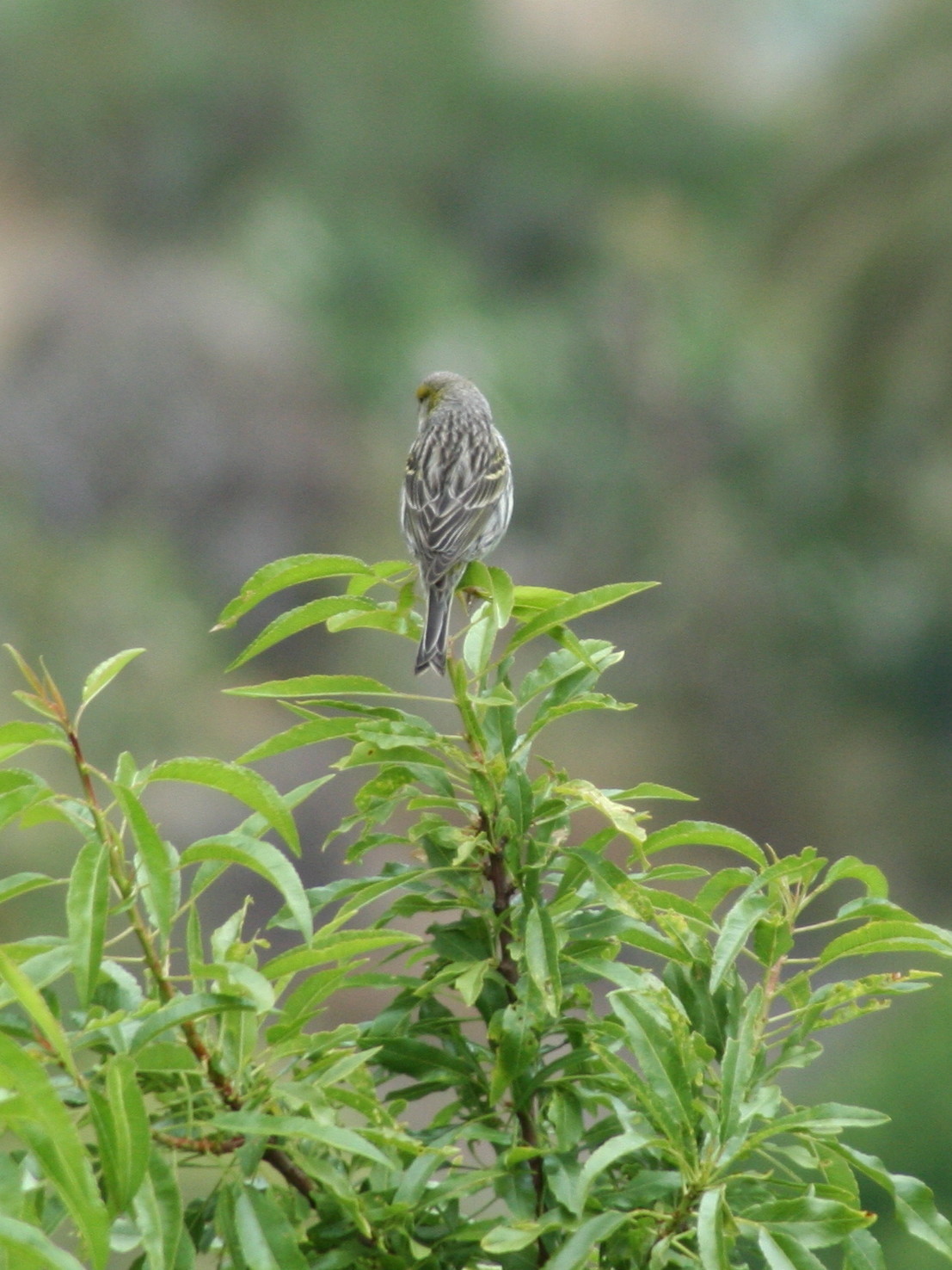
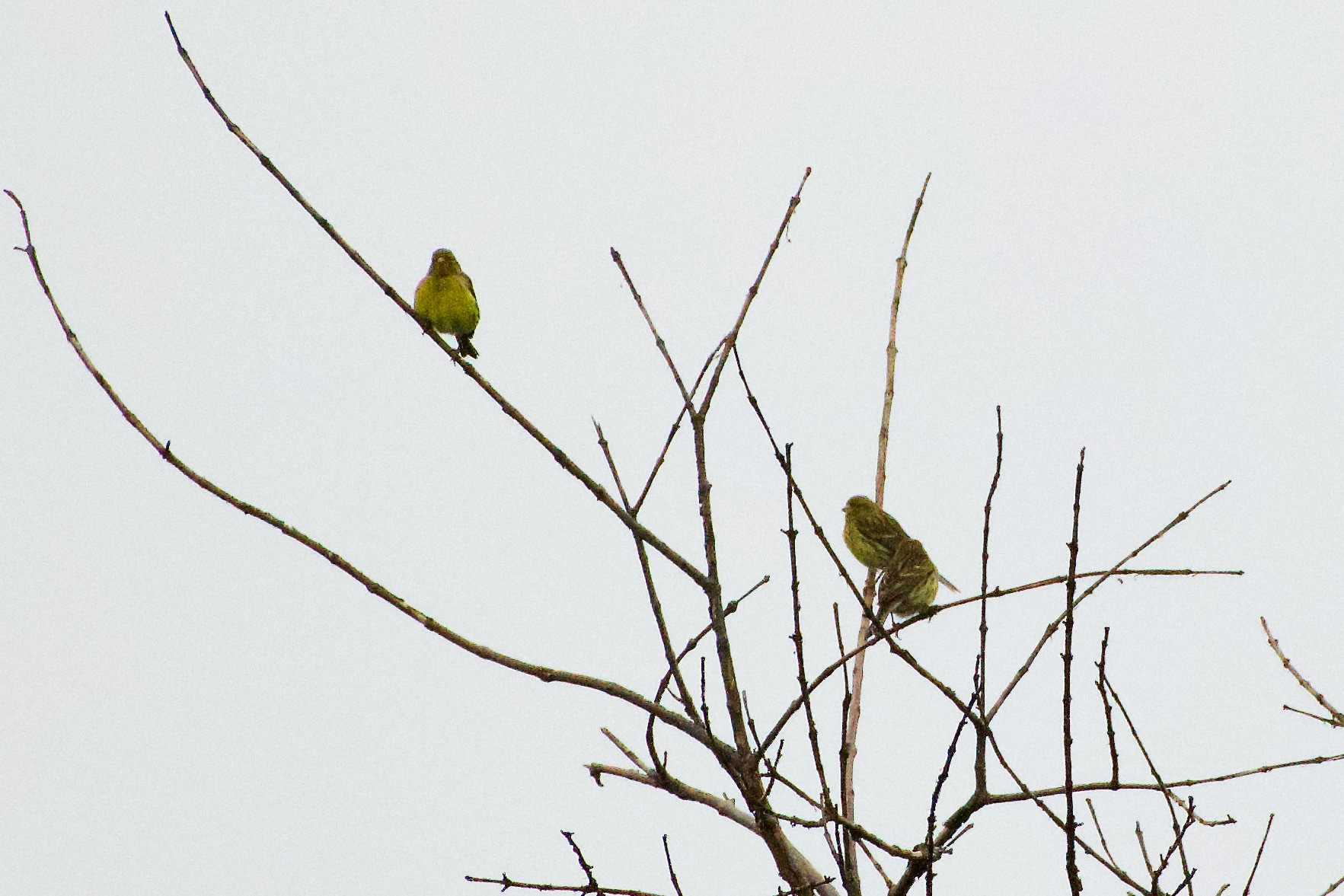
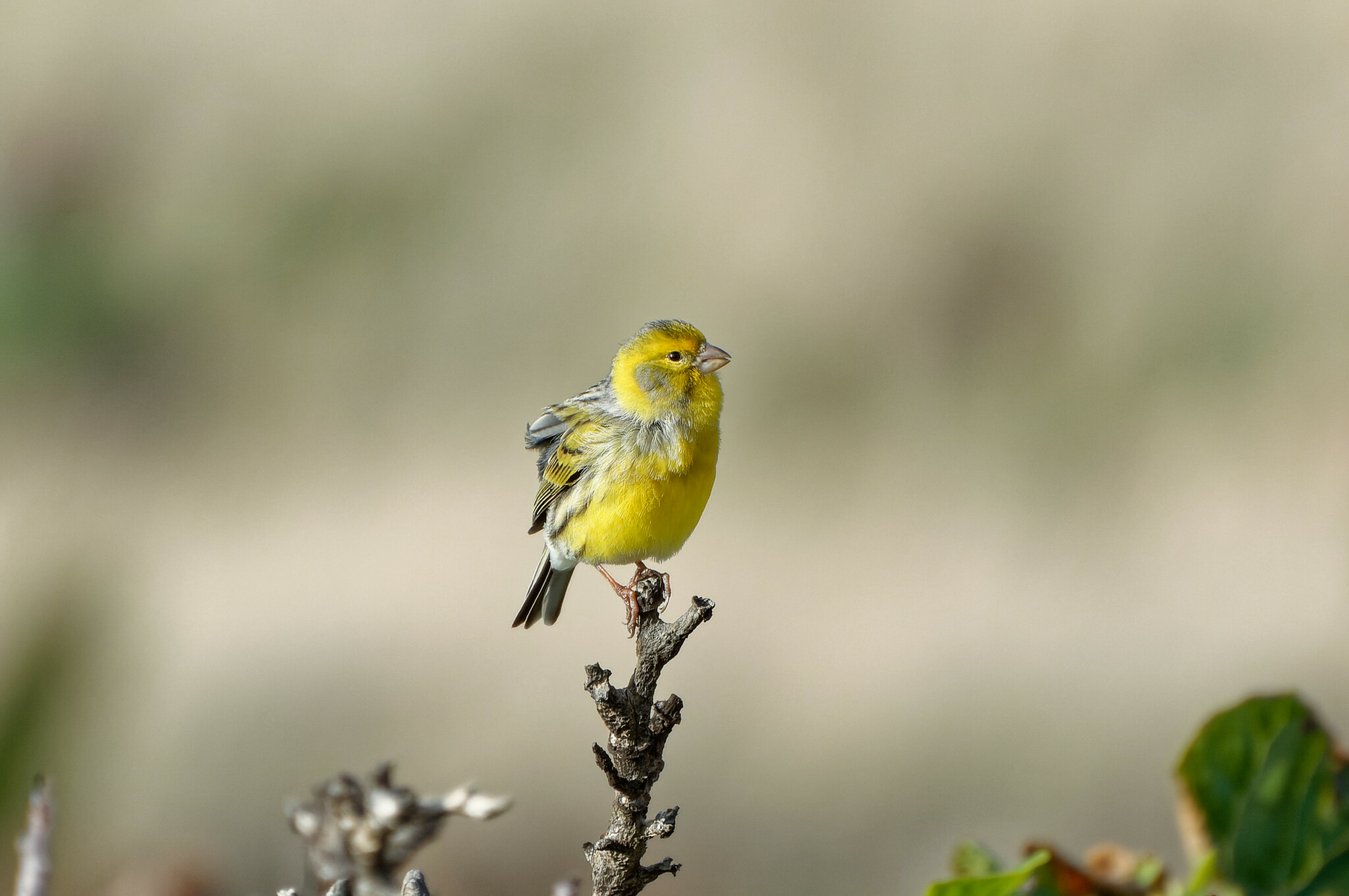
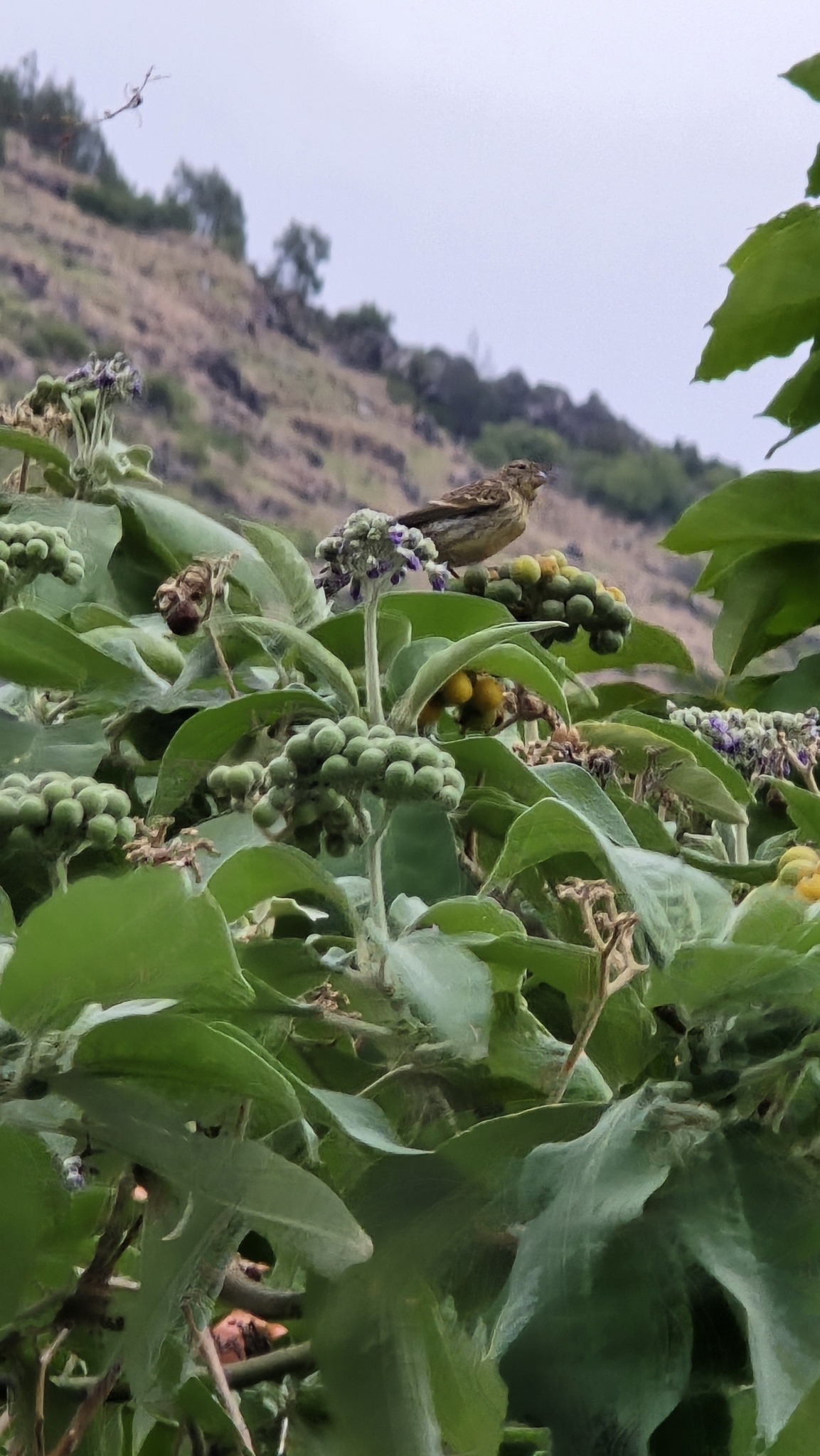
Length 10-12 cm, wingspan 21-23.7 cm, weight 8.4-24.3 g (average approximately 15 g). Male has yellow-green head and underparts with yellower forehead, face and supercilium. Lower belly and undertail-coverts are whitish with dark streaks on the sides. Upperparts are grey-green with dark streaks; rump is dull yellow. Female is similar but duller with greyer head and breast and less yellow on underparts. Juveniles are largely brown with dark streaking. Plumage is approximately 10% larger and less contrasted than the European serin, with more grey and brown coloration and relatively shorter wings.
Identification
Slightly larger and longer than the European serin with more grey and brown in plumage and shorter wings. The combination of yellow-green coloration with brownish streaking on the back and yellowish rump distinguishes it from similar species. The silvery twittering song is similar to European serin and citril finch. Males are brighter yellow-green than females and juveniles, which are predominantly brown with streaking.
Distribution & Habitat
Endemic to Macaronesia: Canary Islands (common on Tenerife, La Gomera, La Palma, El Hierro; local on Gran Canaria; rare on Lanzarote and Fuerteventura), Azores (common on all islands), and Madeira (common including Porto Santo and Desertas Islands; recorded on Savage Islands). Also established on Midway Atoll in the Hawaiian Islands (introduced 1911), with historical presence in Bermuda (1930s-1960s). Occurs in Puerto Rico and Ascension Island but not established. Inhabits diverse habitats from sea level to 1,500m.
Behavior & Ecology
Gregarious species that often nests in groups while defending small territories. Cup-shaped nest built 1-6m above ground (most commonly 3-4m) in trees or bushes, well-hidden among leaves at branch ends or forks. Constructed of twigs, grass, moss and plant material, lined with hair and feathers. Eggs laid January-July in Canary Islands, March-June in Madeira, March-July in Azores. Clutch contains 3-4 eggs (occasionally 5); 2-3 broods raised annually. Incubation lasts 13-14 days; young fledge after 14-21 days. Forages in flocks on ground or low vegetation, feeding mainly on seeds of weeds, grasses and figs, plus other plant material and small insects. Song is a silvery twittering.
Conservation
Not globally threatened. Populations appear stable across native range. Introduced populations established on Midway Atoll but failed at Kure Atoll and Bermuda (declined after scale insects devastated Bermuda cedar in the 1940s, died out by 1960s). No IUCN assessment explicitly stated in source material.
Culture
Natural symbol of the Canary Islands, designated alongside the Canary Island date palm. The bird's name derives from the Canary Islands; the islands' name comes from the Latin 'canariae insulae' ('islands of dogs') used by Arnobius, referring to dogs kept by island inhabitants. An alternative legend states conquistadors named the islands after the 'Canarii' tribe. The term 'canary yellow' is named after the yellow domestic canary, a color mutation that suppressed melanins in the original dull greenish wild coloration.
Source: Wikipedia · CC BY-SA 3.0
Taxonomy
- Order
- Passeriformes
- Family
- Fringillidae
- Genus
- Serinus
- eBird Code
- comcan
Distribution
Madeira, Azores, and western Canary Islands
Data Sources
Species description from Wikipedia, licensed under CC BY-SA 3.0.
Bird images and sounds sourced from GBIF, contributed by citizen scientists worldwide under Creative Commons licenses.
Taxonomy data from AviList 2025.