
Saunders's Gull
Saundersilarus saundersi
黑嘴鸥
Introduction
A small gull species in the family Laridae found in China, Japan, North Korea, South Korea, Macau, Russia, Taiwan, and Vietnam. Its natural habitats are estuarine waters and intertidal marshes. This species breeds in saltmarshes dominated by Suaeda glauca and is highly dependent on this specific habitat type. It is threatened by habitat loss from conversion of saltmarsh to agricultural land, fish farms, and industrial development including oil extraction. The Yancheng Coastal Wetlands hosts approximately 20% of the world's population. The IUCN has rated this species as vulnerable.
Description
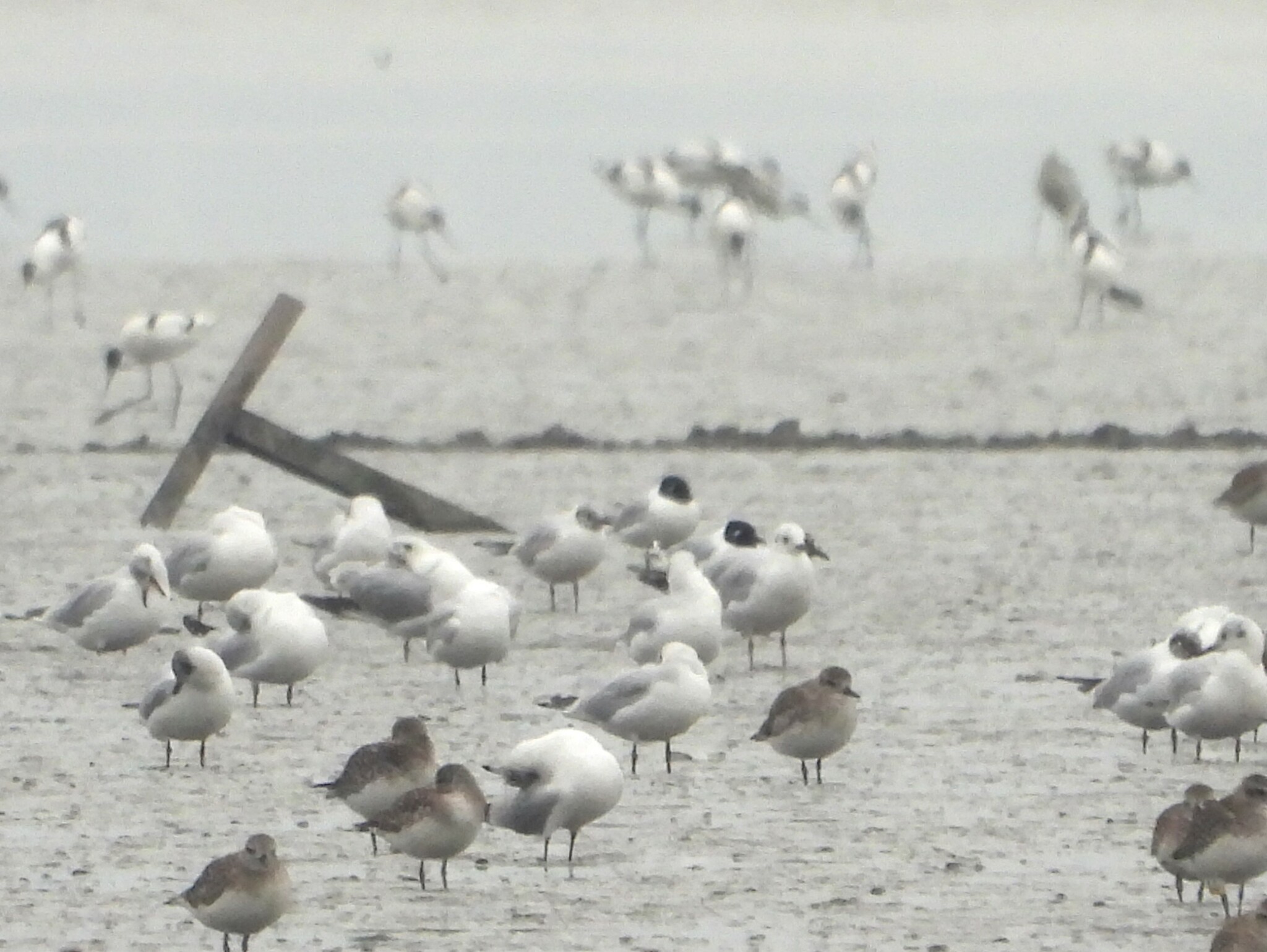
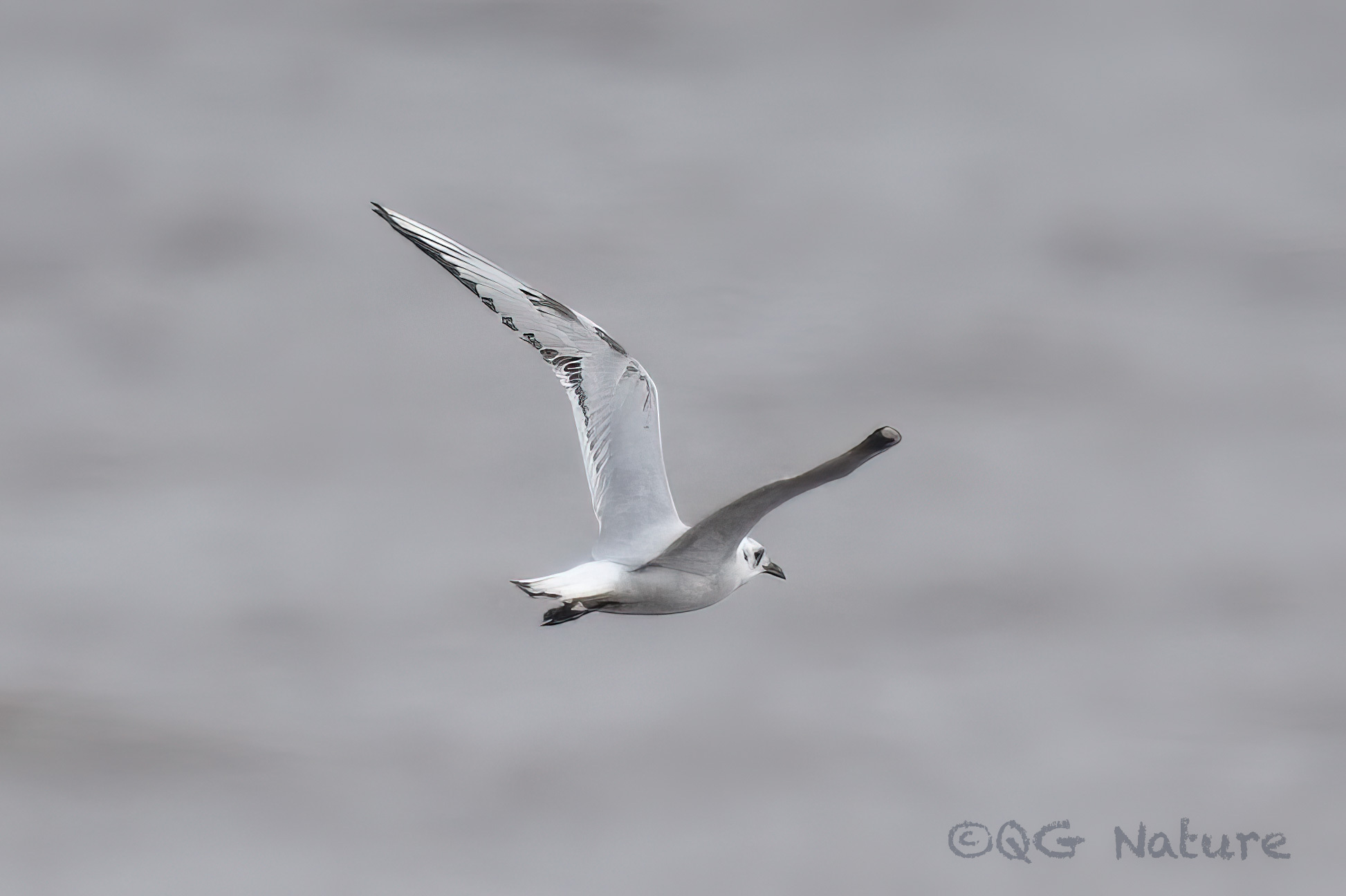
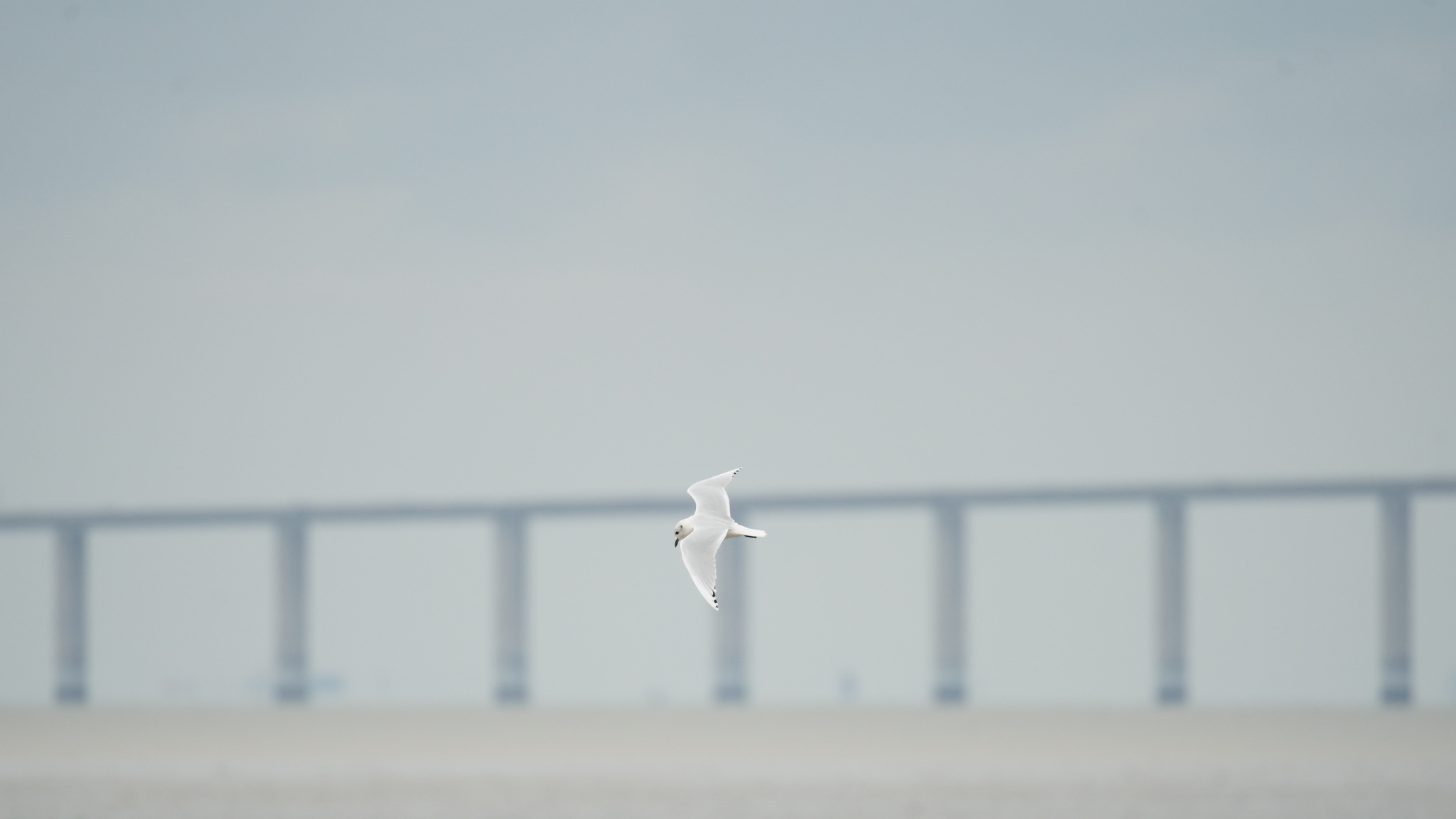
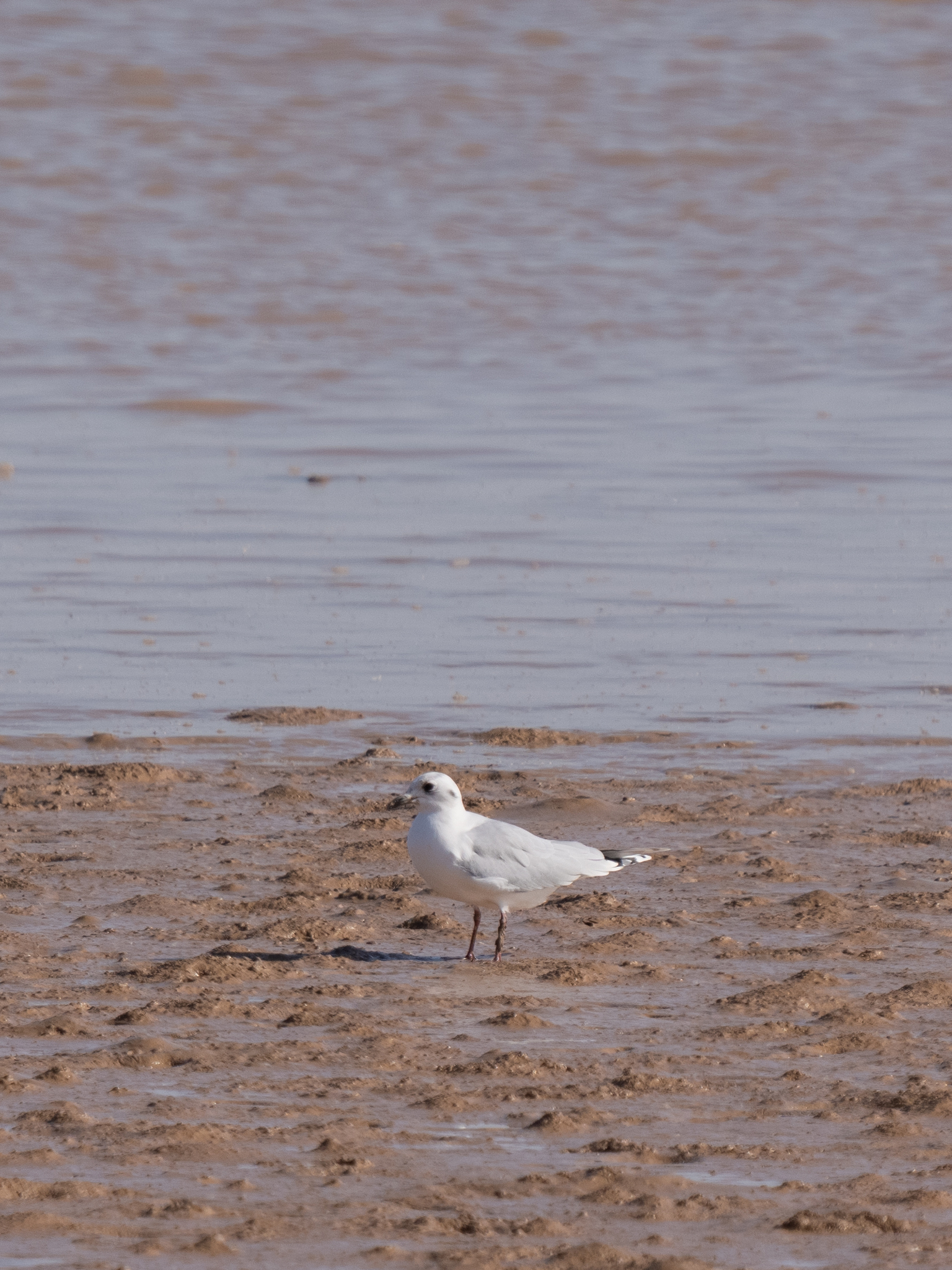
A very small gull species measuring 33 cm in length, making it the second-smallest gull after the little gull. Adults in breeding plumage have a black hood and nape. The overall appearance is very pale with a white body and tail, and pale grey wings. Non-breeding birds have a mottled grey hood and nape with white-tipped wings featuring black markings on the primaries. Immatures display a narrow black tail band and dark mottling on the upperwing. The legs are dark red-brown and the short bill is black. The body shape is notably squat.
Identification
This species is distinguished by its very small size (33 cm), making it easily separable from most other gulls except the little gull. The black breeding hood of adults is a key field mark. The combination of dark red-brown legs and short black bill helps separate it from similar species. Immatures can be identified by their narrow black tail band and dark mottling on the upperwing.
Distribution & Habitat
Breeds in eastern China and the west coast of Korea, specifically in saltmarshes dominated by Suaeda glauca. It overwinters in southern China, Hong Kong, Macau, Taiwan, South Korea, southwestern Japan, and Vietnam. Winter habitats include estuaries, aquaculture ponds, and some populations move inland to lakes and marshes. Adults and young migrate to winter quarters in October.
Behavior & Ecology
Forages by flying about 10 meters above the ground and dropping swiftly to capture prey. Its diet includes mudskippers, crabs, fish, and worms. It also engages in kleptoparasitism, stealing food from other bird species. It is a poor swimmer with only partially webbed feet and typically remains on land, moving up the beach with the rising tide. Breeding occurs in saltmarshes where the nest is a simple scrape on the ground. The birds are monogamous, each pair occupying a territory. Two or three eggs are laid in May with an incubation period of approximately 22 days.
Conservation
The IUCN has rated this species as vulnerable. The total population is estimated at 14,400 individuals, potentially as low as 7,100-9,600, with numbers appearing to decline. The primary threat is habitat degradation from drainage of saltmarshes for aquaculture in China, Taiwan, South Korea, Japan, and elsewhere. The invasive smooth cord-grass (Spartina alterniflora) has also had deleterious effects on its habitat. Human disturbance during breeding results in greater predation on eggs and chicks.
Culture
This species is named after the British ornithologist Howard Saunders.
Source: Wikipedia · CC BY-SA 3.0
Taxonomy
- Order
- Charadriiformes
- Family
- Laridae
- Genus
- Saundersilarus
- eBird Code
- saugul2
Distribution
breeds Yellow Sea coasts from Liaoning to Jiangsu (eastern China) and Songdo (northwestern South Korea); winters coasts of East China Sea from Japan and Korean Peninsula to northern Vietnam
Data Sources
CBR Notes: 由Chroicocephalus属移入Saundersilarus属(Pons et al. 2005; Černý and Natale 2022)
Species description from Wikipedia, licensed under CC BY-SA 3.0.
Bird images and sounds sourced from GBIF, contributed by citizen scientists worldwide under Creative Commons licenses.
Taxonomy data from AviList 2025.