White-browed Piculet
Sasia ochracea
白眉棕啄木鸟
Introduction
A species of bird in the woodpecker family (Picidae). Found across Bangladesh, Bhutan, Cambodia, India, Laos, Myanmar, Nepal, Thailand, and Vietnam. Inhabits temperate forests and subtropical or tropical moist montane forests. Distinguished by its tiny size (up to 10 cm), distinctive white streak above the eye, and feet with only three toes instead of the typical four in woodpecker family members. Conservation status: Least Concern due to fairly common status, extensive range, and apparently stable population.
Description
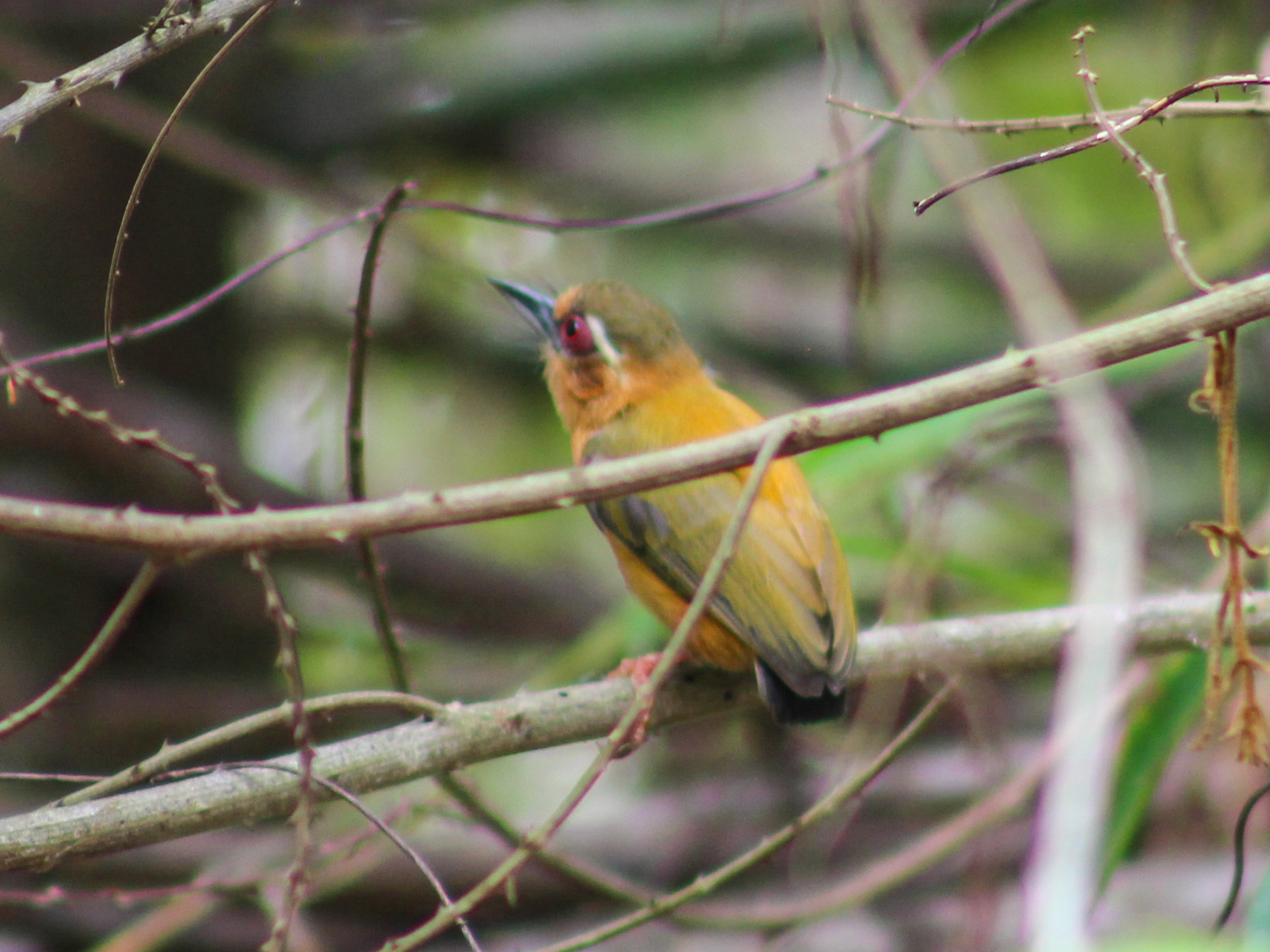
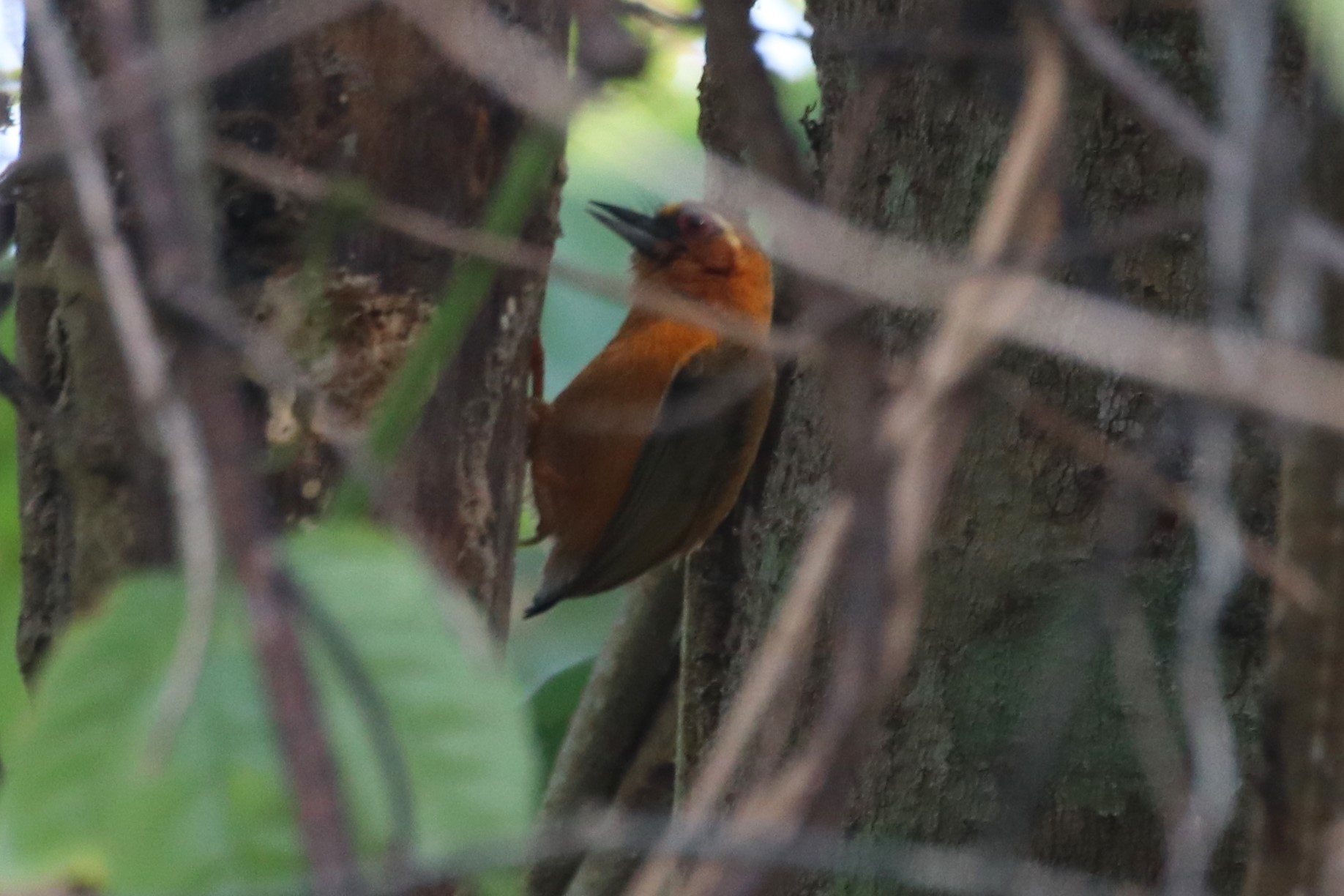
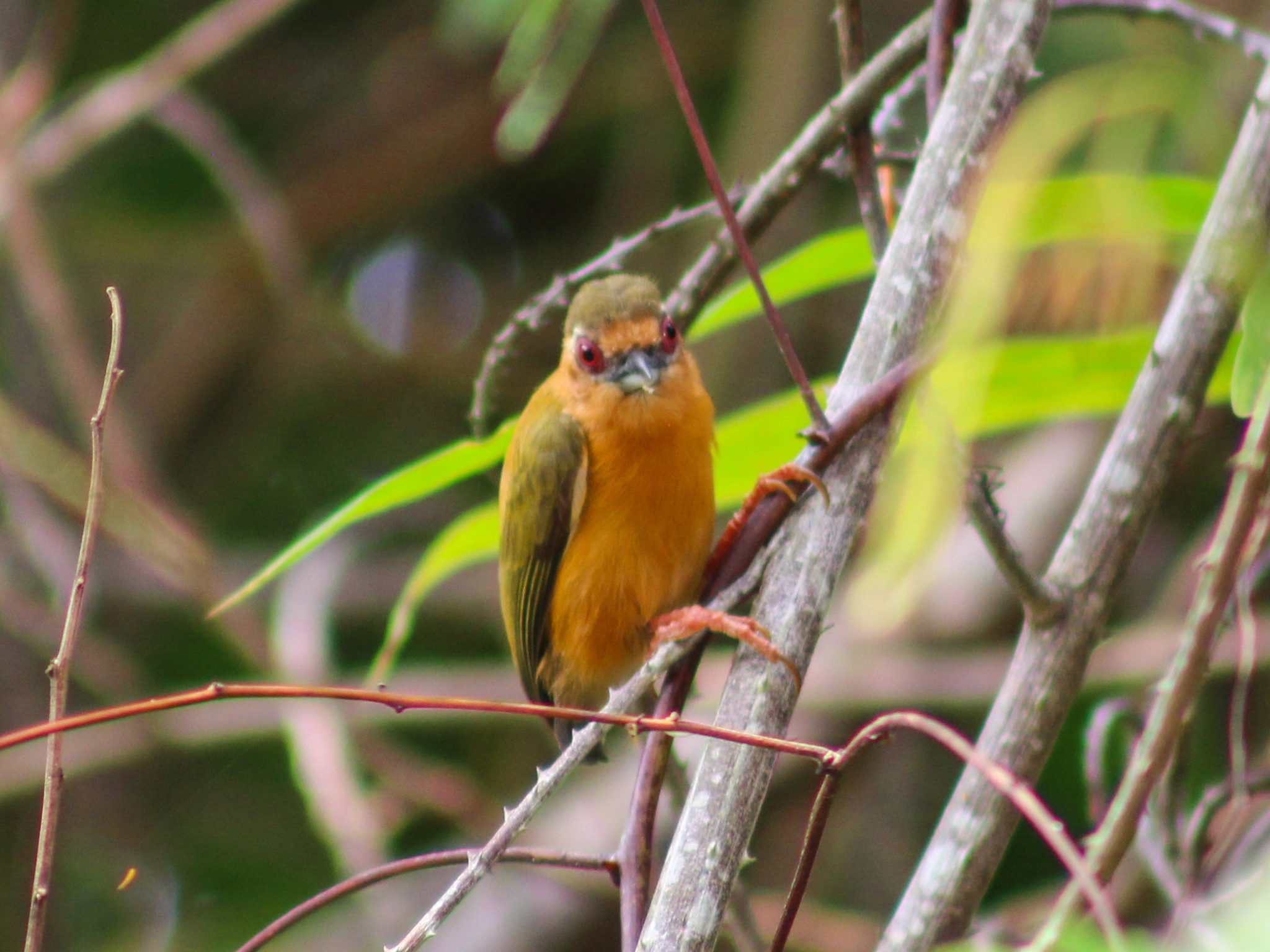
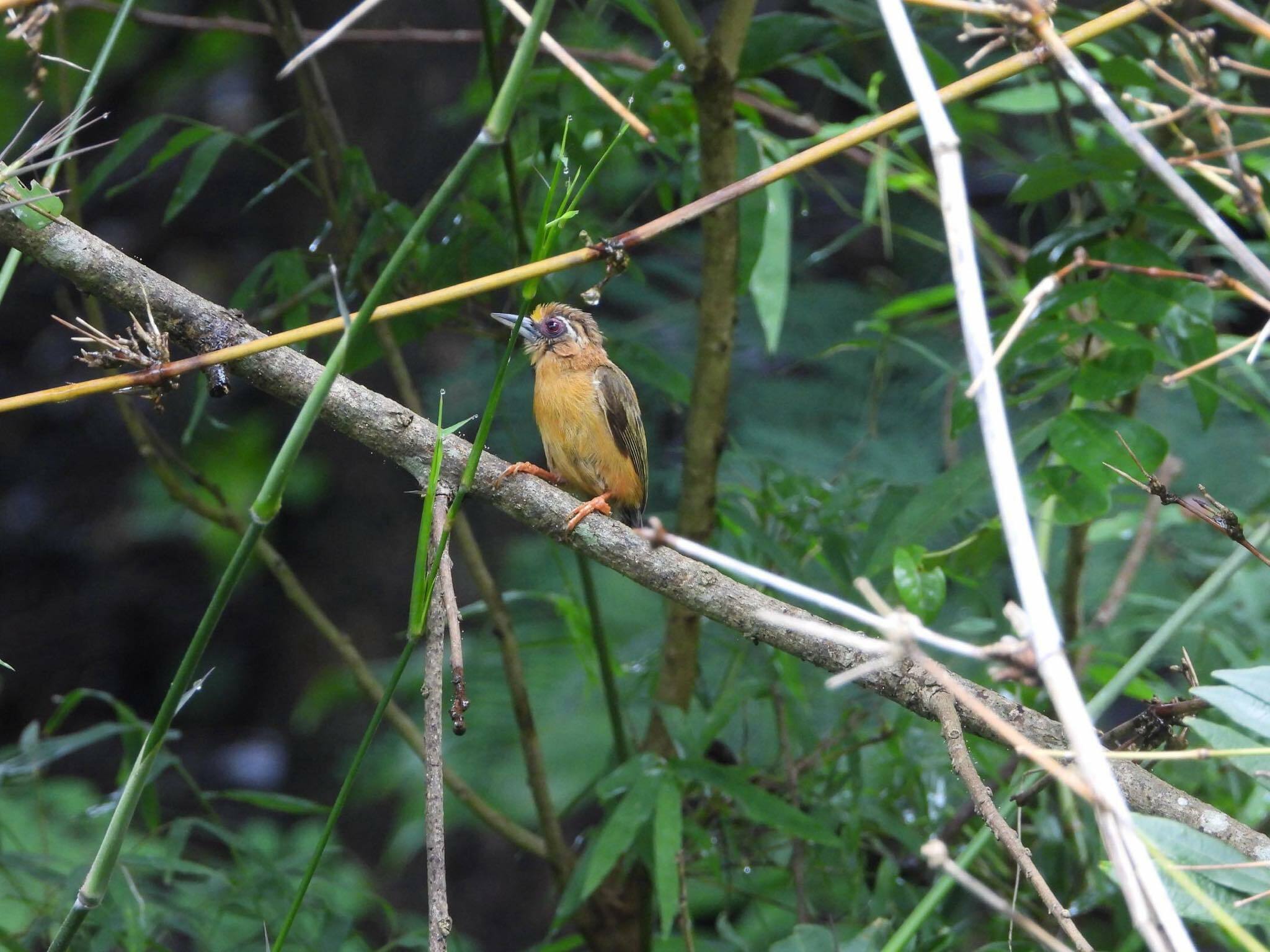
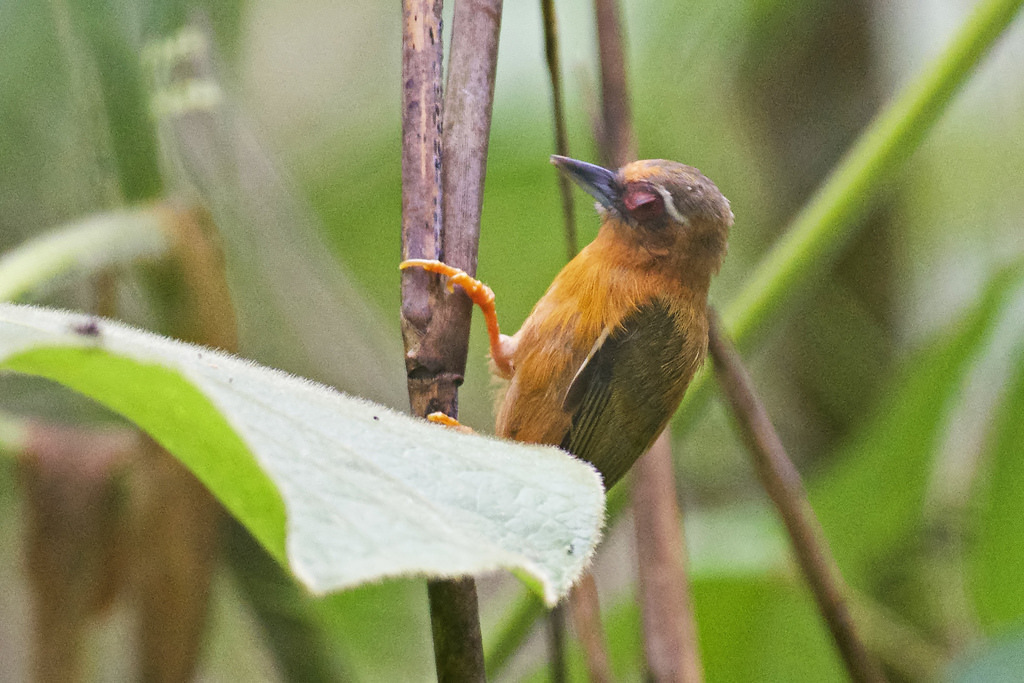
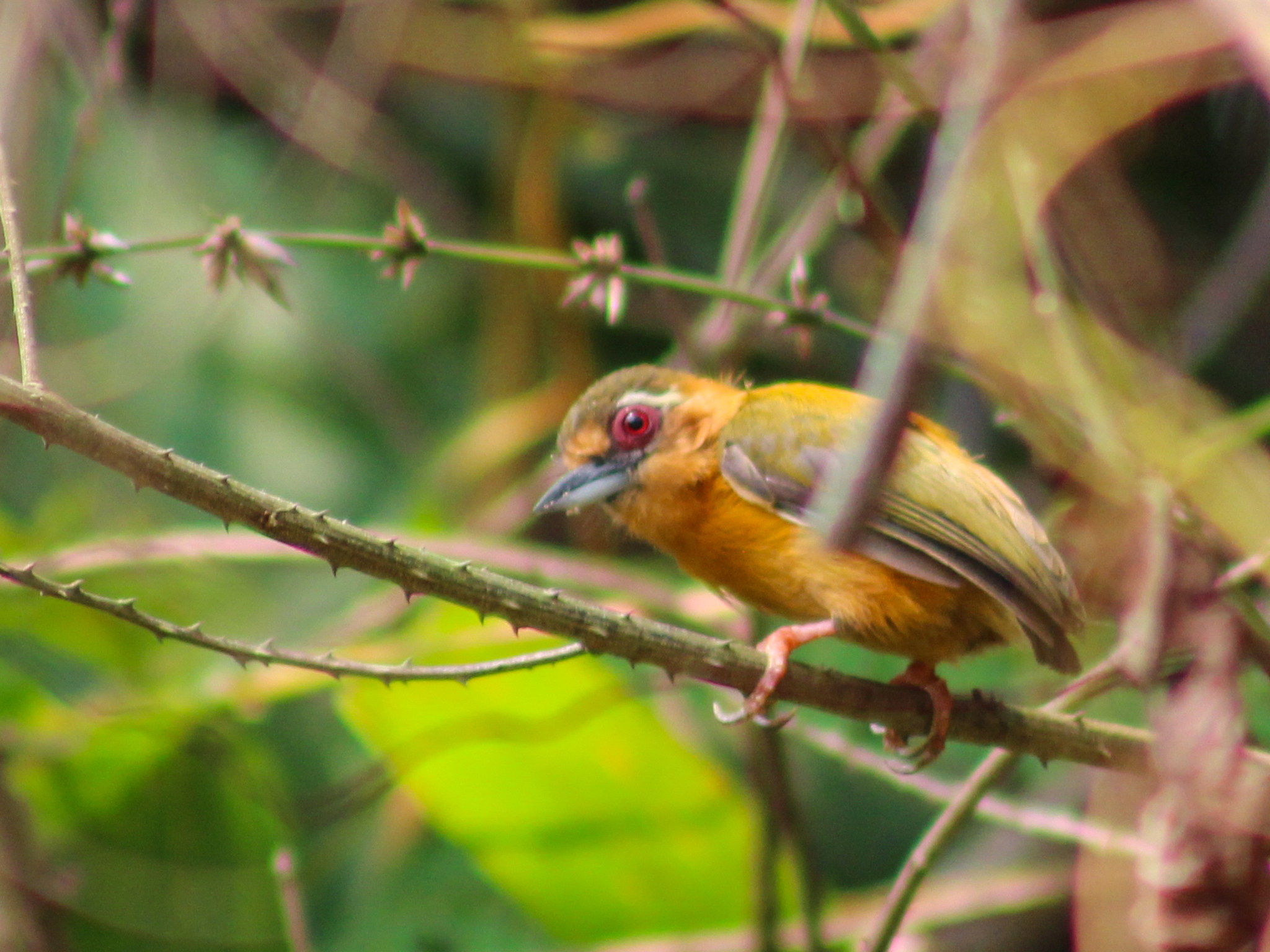
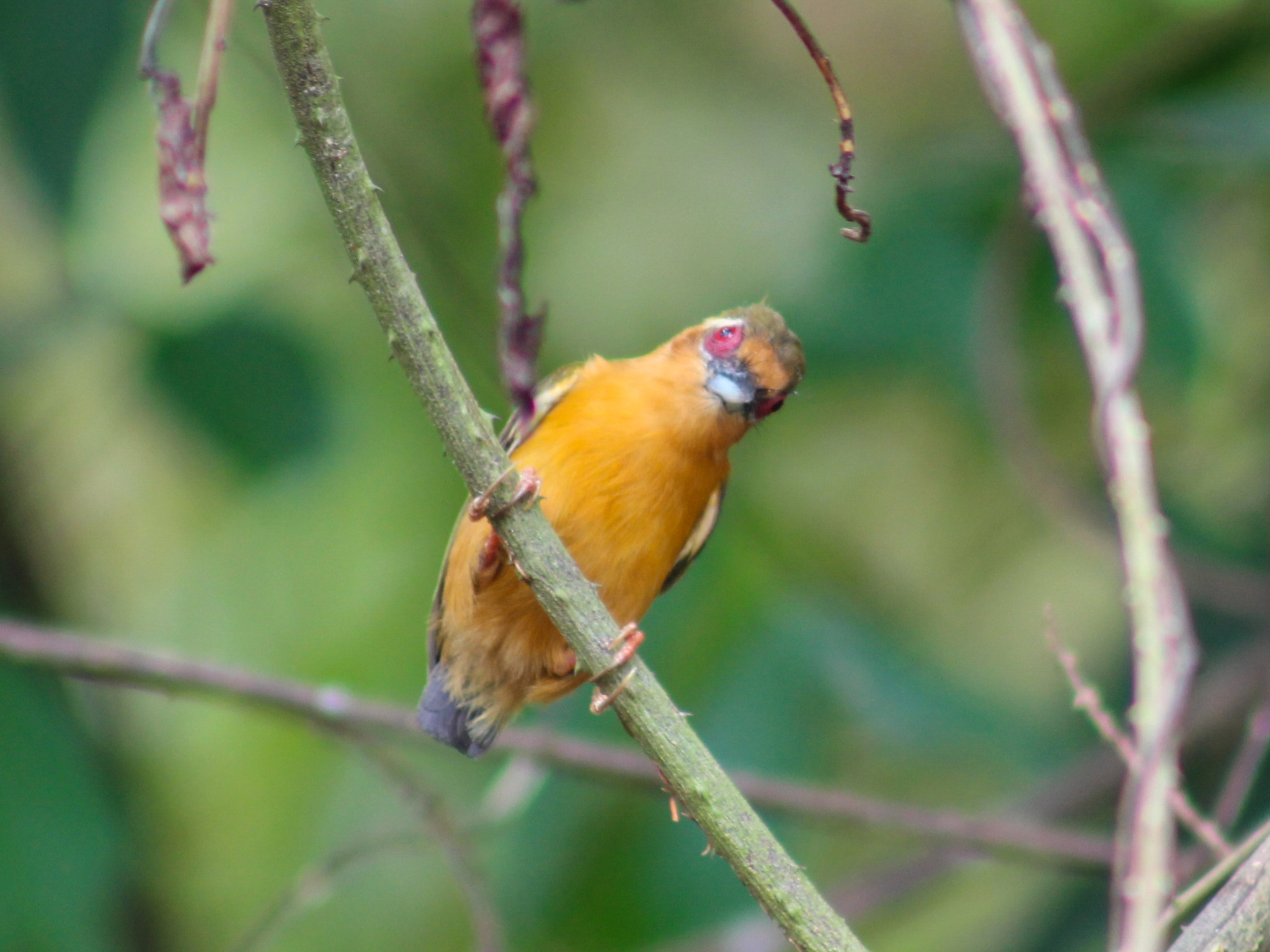
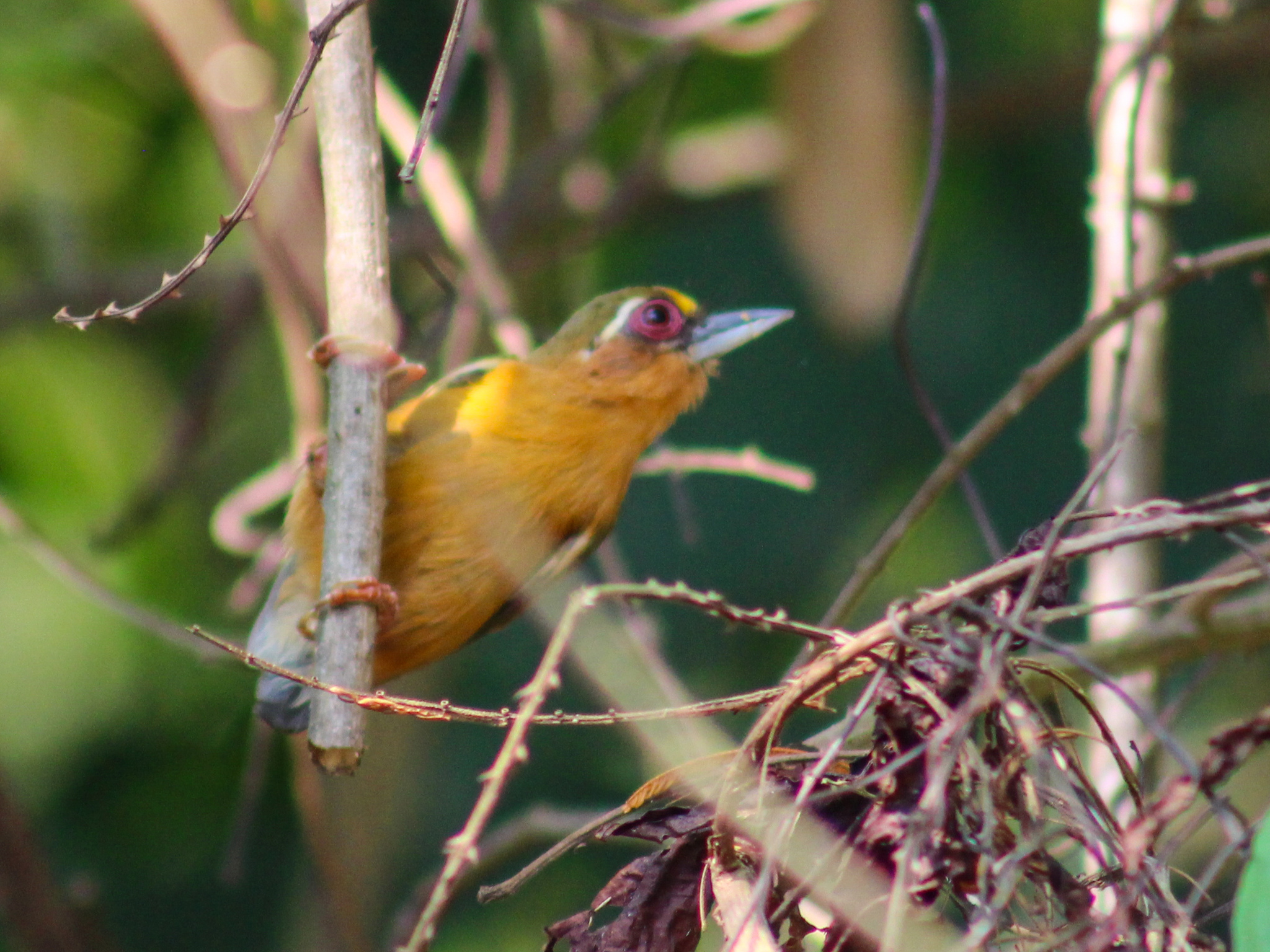
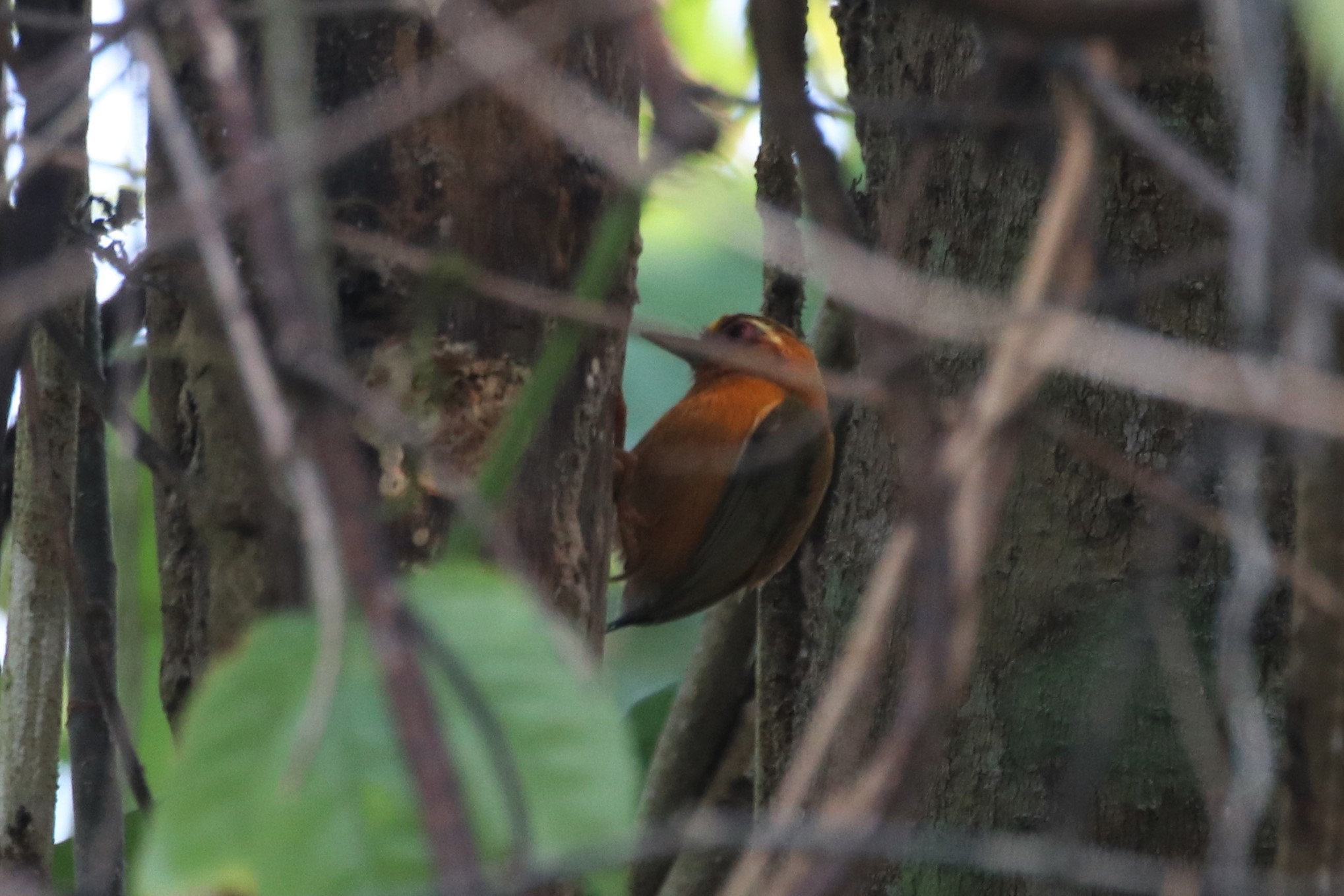
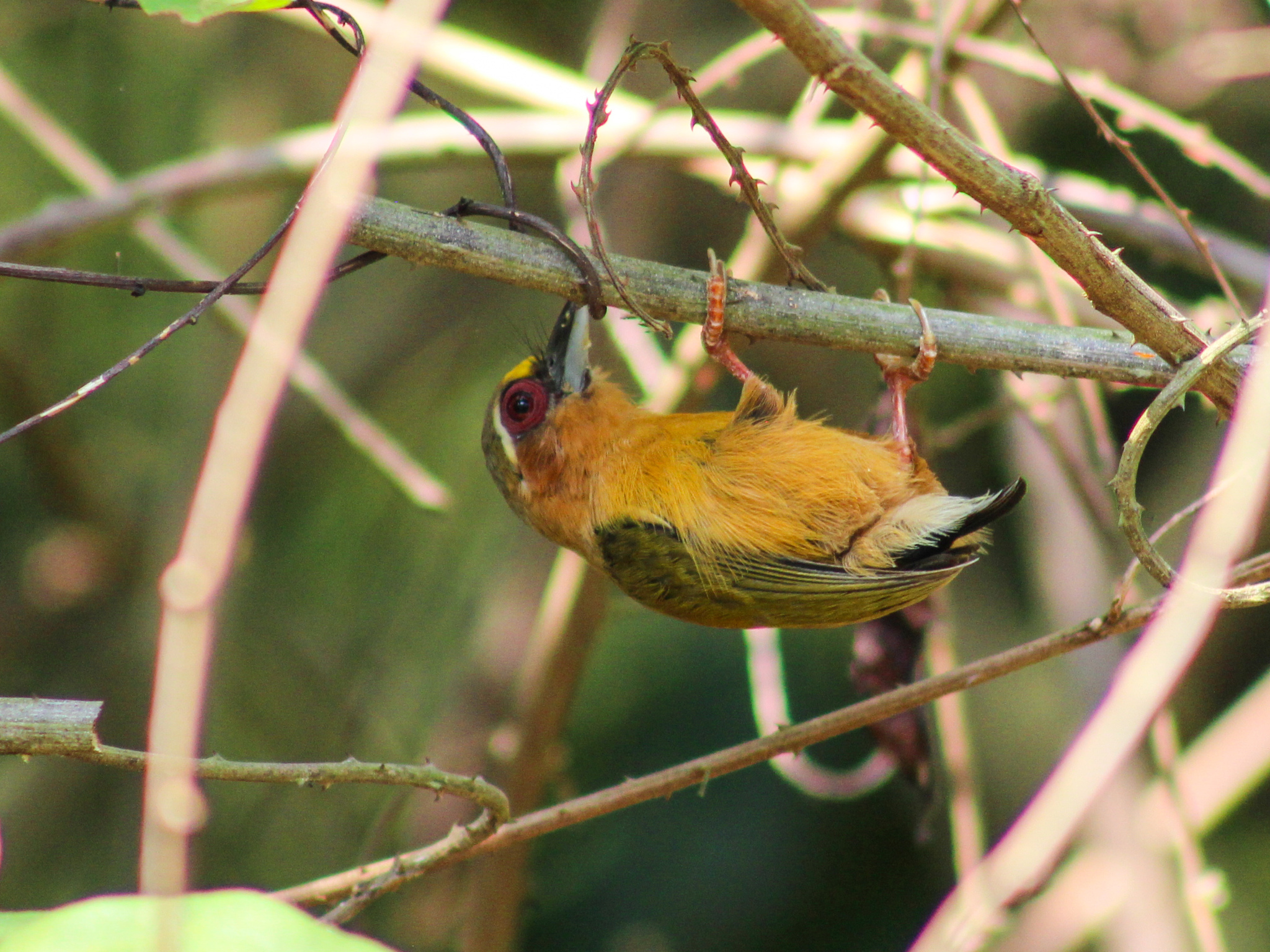
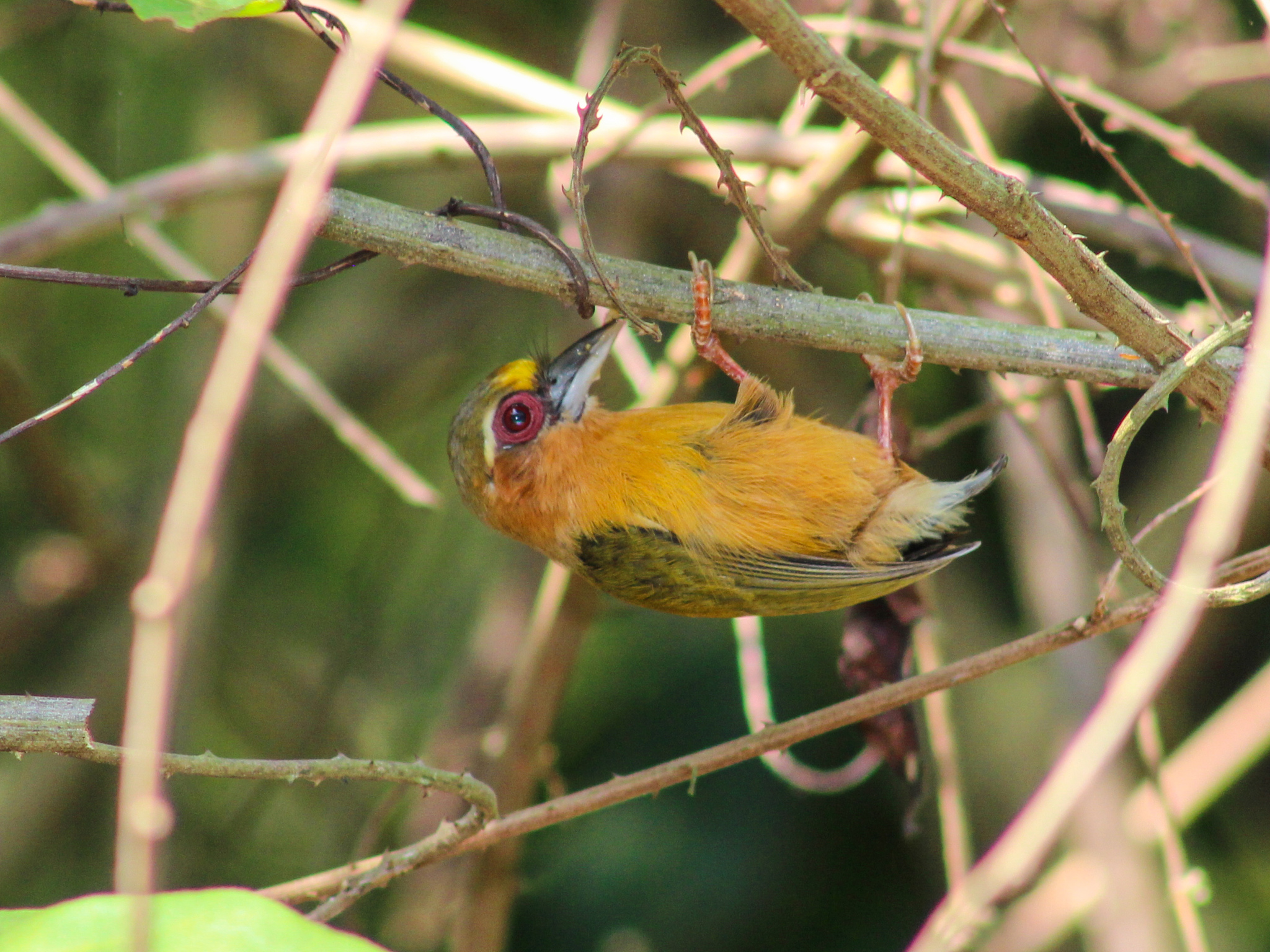
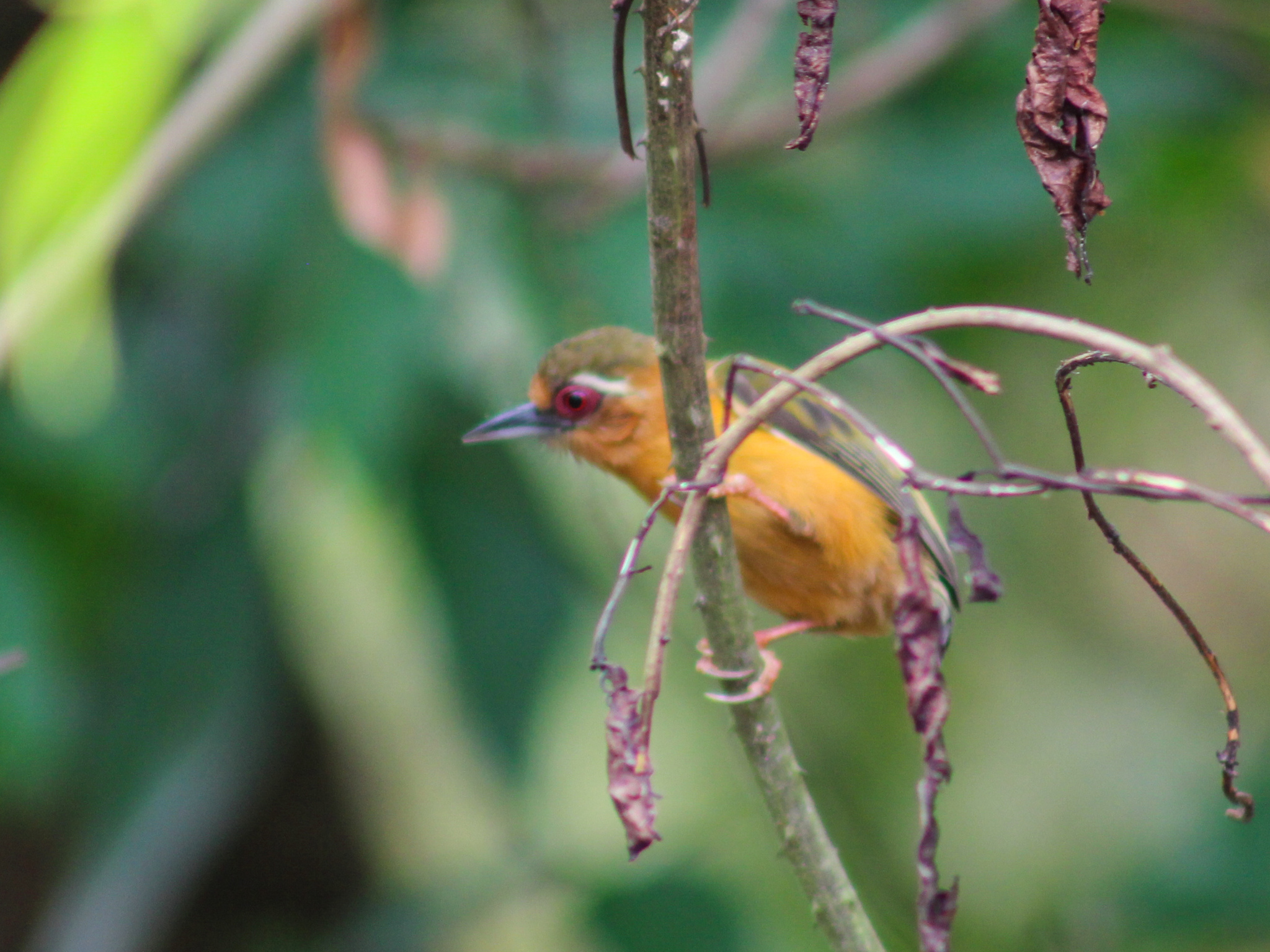
A diminutive piculet reaching up to 10 cm (4 in) in length. Upper parts are olive-green tinged with chestnut, while underparts range from cinnamon to rufous, sometimes showing yellowish coloration on the flanks. The stubby tail is blackish. The crown is green, and a conspicuous white streak extends above and behind the eye. The eye is surrounded by a ring of bare pinkish or reddish skin. Males possess a small golden-yellow patch on the forehead absent in females. Juveniles are duller overall, greener above and greyer beneath. The beak is grey, iris red, and legs are yellow or orange. Unique among woodpeckers in having only three toes on each foot.
Identification
Very similar to the rufous piculet (Sasia abnormis) where ranges overlap in southern Myanmar and southeastern Thailand. Distinguished by the prominent white streak above the eye and darker beak. The combination of small size, olive-green and chestnut upperparts, and white post-ocular streak helps separate it from similar species in its range.
Distribution & Habitat
Native to tropical southeastern Asia. Range extends from northern India, Nepal, Bhutan, and Bangladesh through southern China to Myanmar, Laos, Vietnam, and Thailand. Inhabits dense wet or dry forest with abundant vines and bamboo, scrub, and swampy woodlands. Found from lowlands to elevations of up to 2,600 m (8,500 ft).
Behavior & Ecology
Forages in the understory layer close to the ground, pecking and probing with its sharp beak. Diet consists of small insects, bark beetles, ants, termites, spiders, and other invertebrates. Typically forages in pairs or joins mixed-species flocks. Occasionally descends to the ground, hopping short distances. Nests in bamboo, using pieces of broken bamboo gathered with the feet and manipulated with the beak. Breeding occurs between March and July.
Conservation
IUCN status: Least Concern. Described as fairly common throughout its very extensive range. No specific threats have been identified, and the population is believed to be stable in the absence of evidence to the contrary.
Source: Wikipedia · CC BY-SA 3.0
Taxonomy
- Order
- Piciformes
- Family
- Picidae
- Genus
- Sasia
- eBird Code
- whbpic3
Subspecies (3)
-
Sasia ochracea kinneari
southern China (Yunnan and Guangxi) and far northern Vietnam
-
Sasia ochracea ochracea
northern India (Uttar Pradesh) and central Nepal to Thailand and Vietnam
-
Sasia ochracea reichenowi
southern Myanmar and adjacent southwestern Thailand southward to Isthmus of Kra
Data Sources
Species description from Wikipedia, licensed under CC BY-SA 3.0.
Bird images and sounds sourced from GBIF, contributed by citizen scientists worldwide under Creative Commons licenses.
Taxonomy data from AviList 2025.