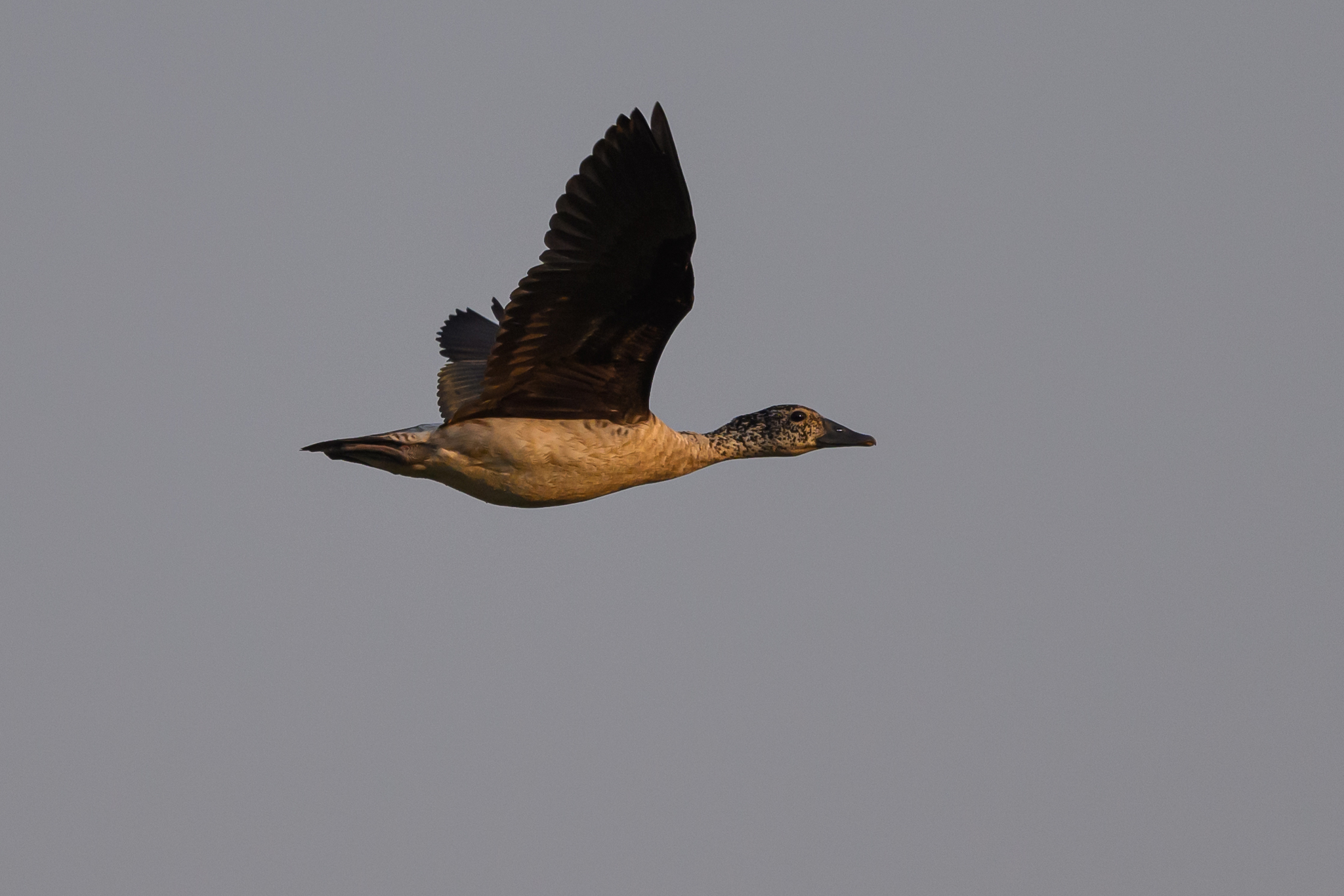
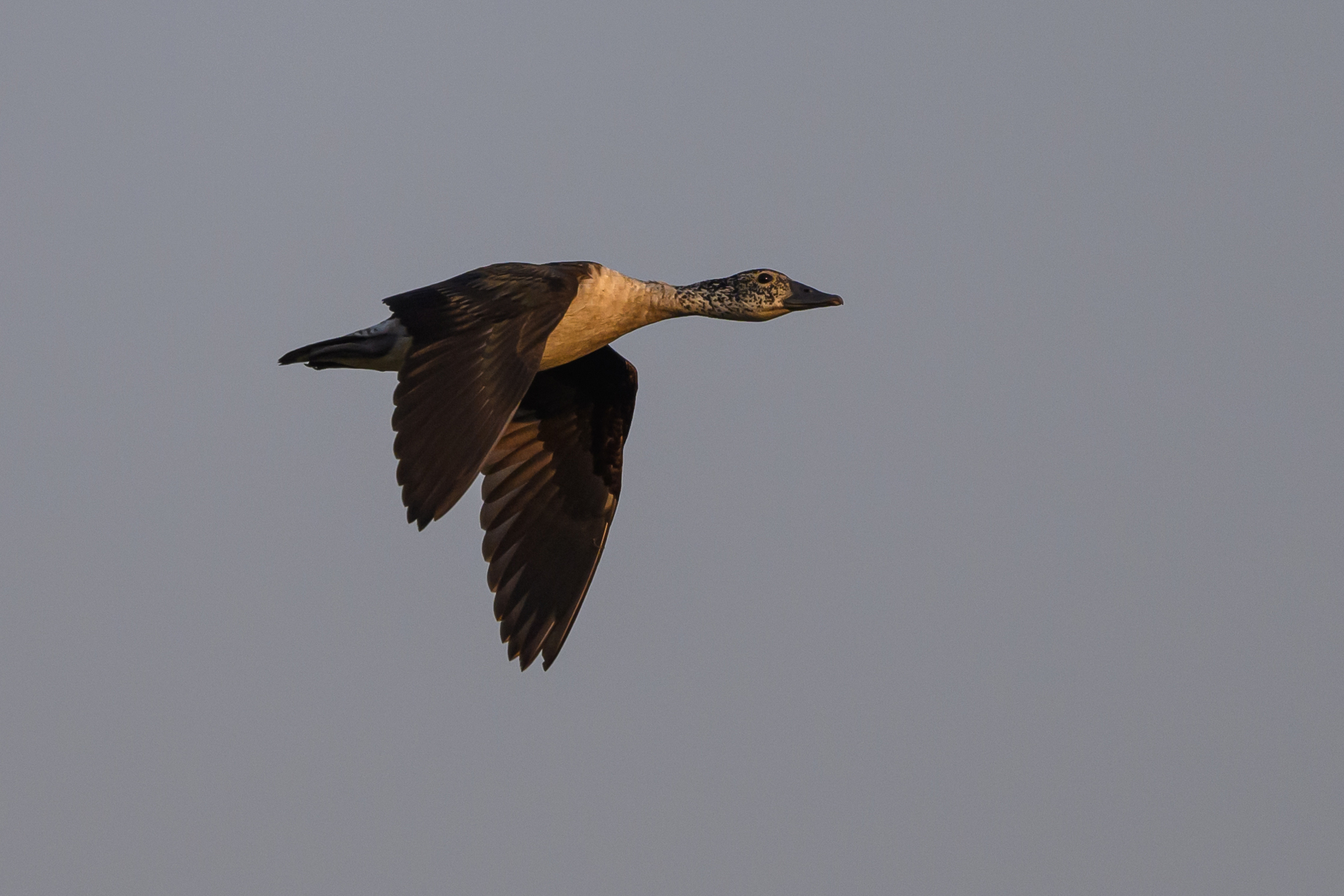
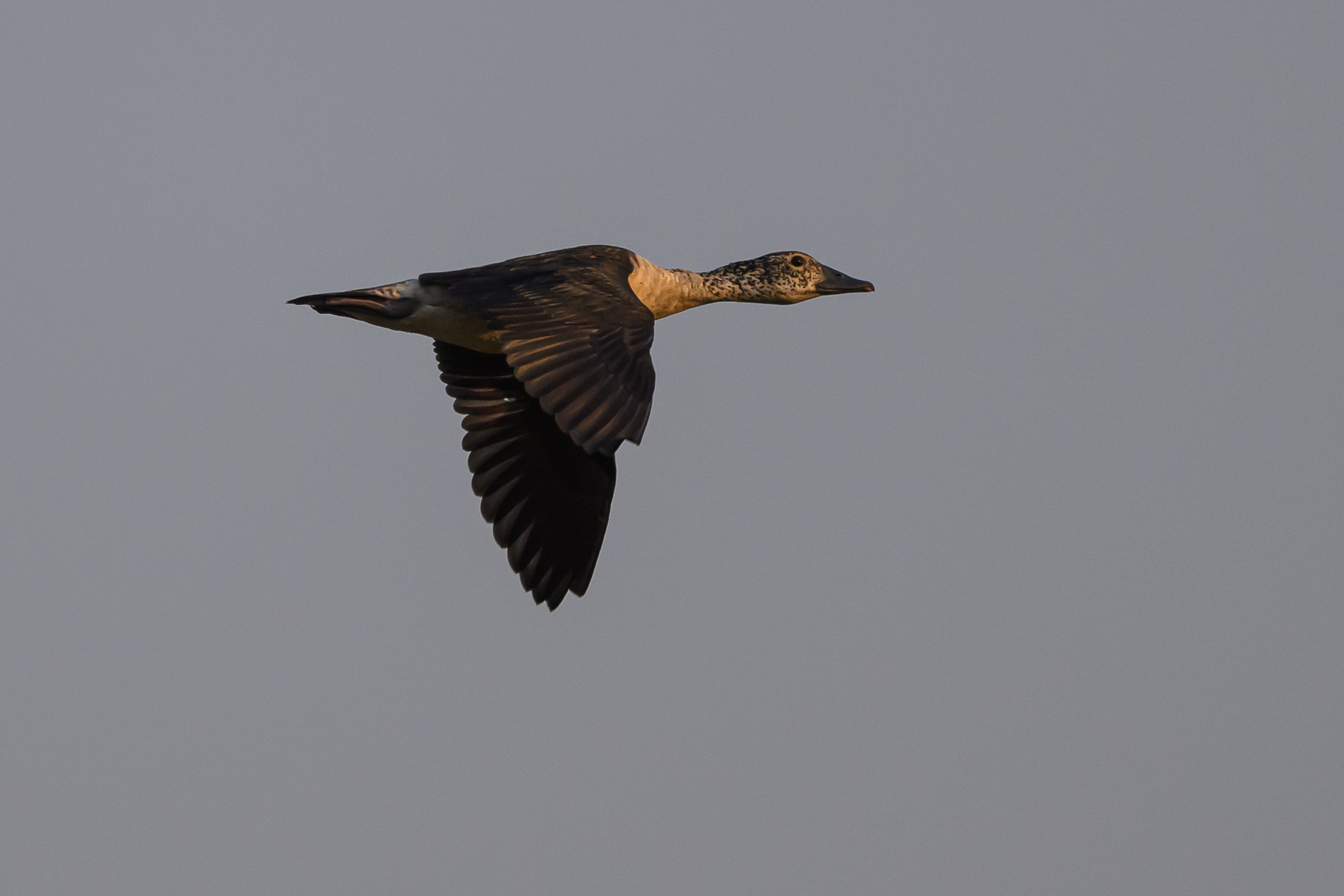
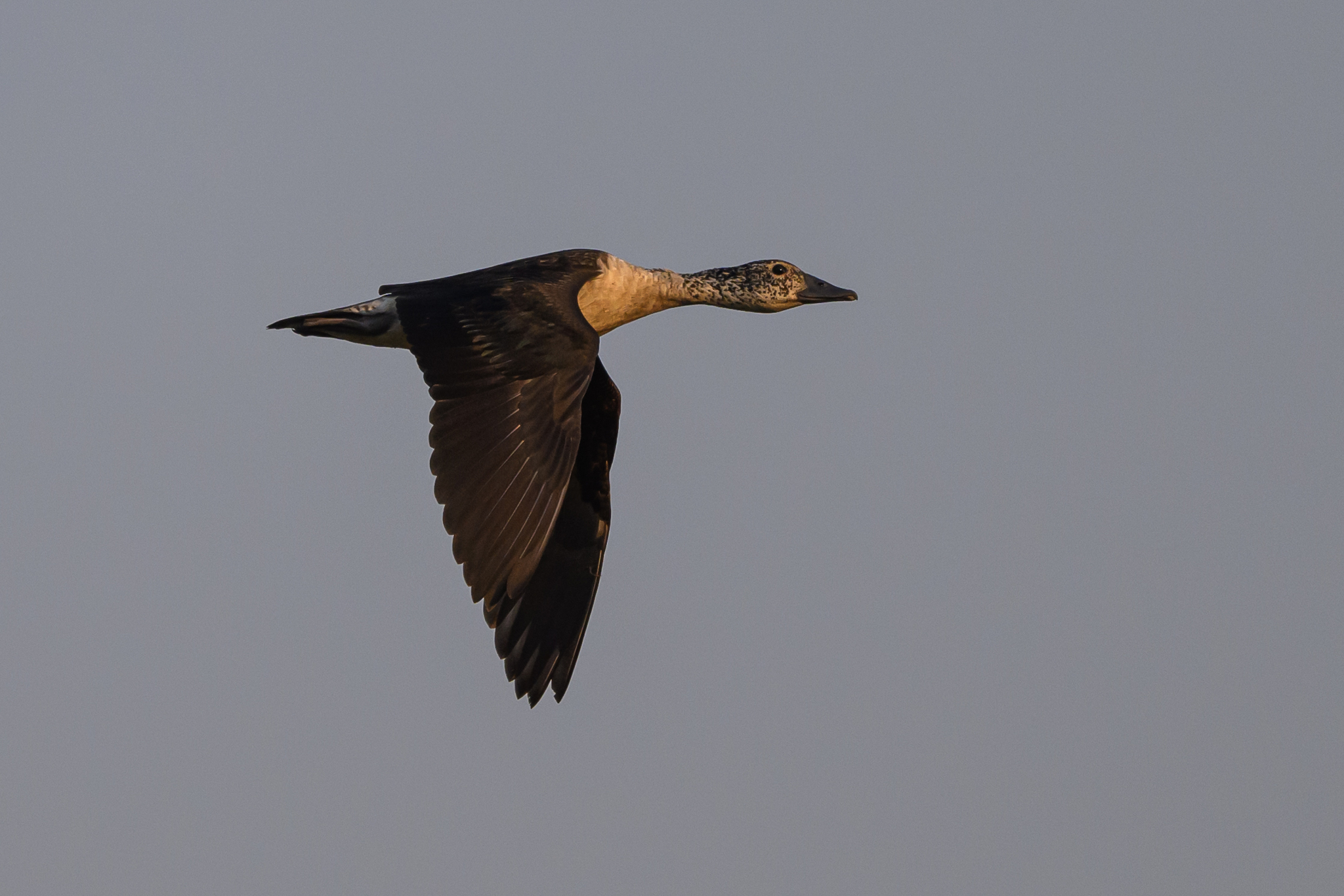
Knob-billed Duck
Sarkidiornis melanotos
瘤鸭
Introduction
A large waterfowl species (family Anatidae) found in tropical and subtropical wetlands across Sub-Saharan Africa, Madagascar, South Asia, and mainland Indochina. Inhabits still freshwater swamps and lakes. Notable for being one of the largest duck species and for the male's distinctive black bill knob. Perches in trees and feeds primarily on vegetation. Populations are declining locally but the species is not considered globally threatened due to its extensive range.
Description
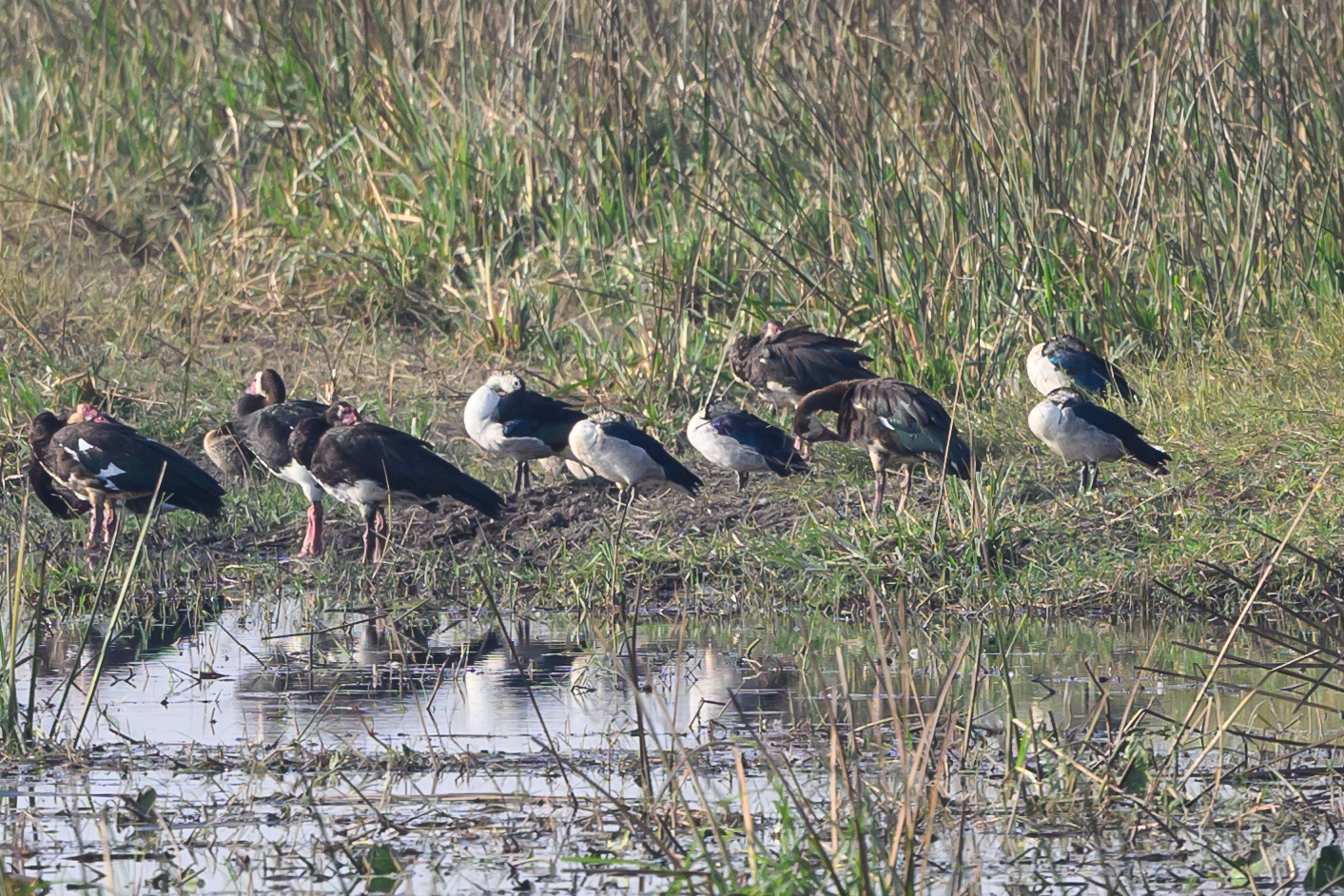
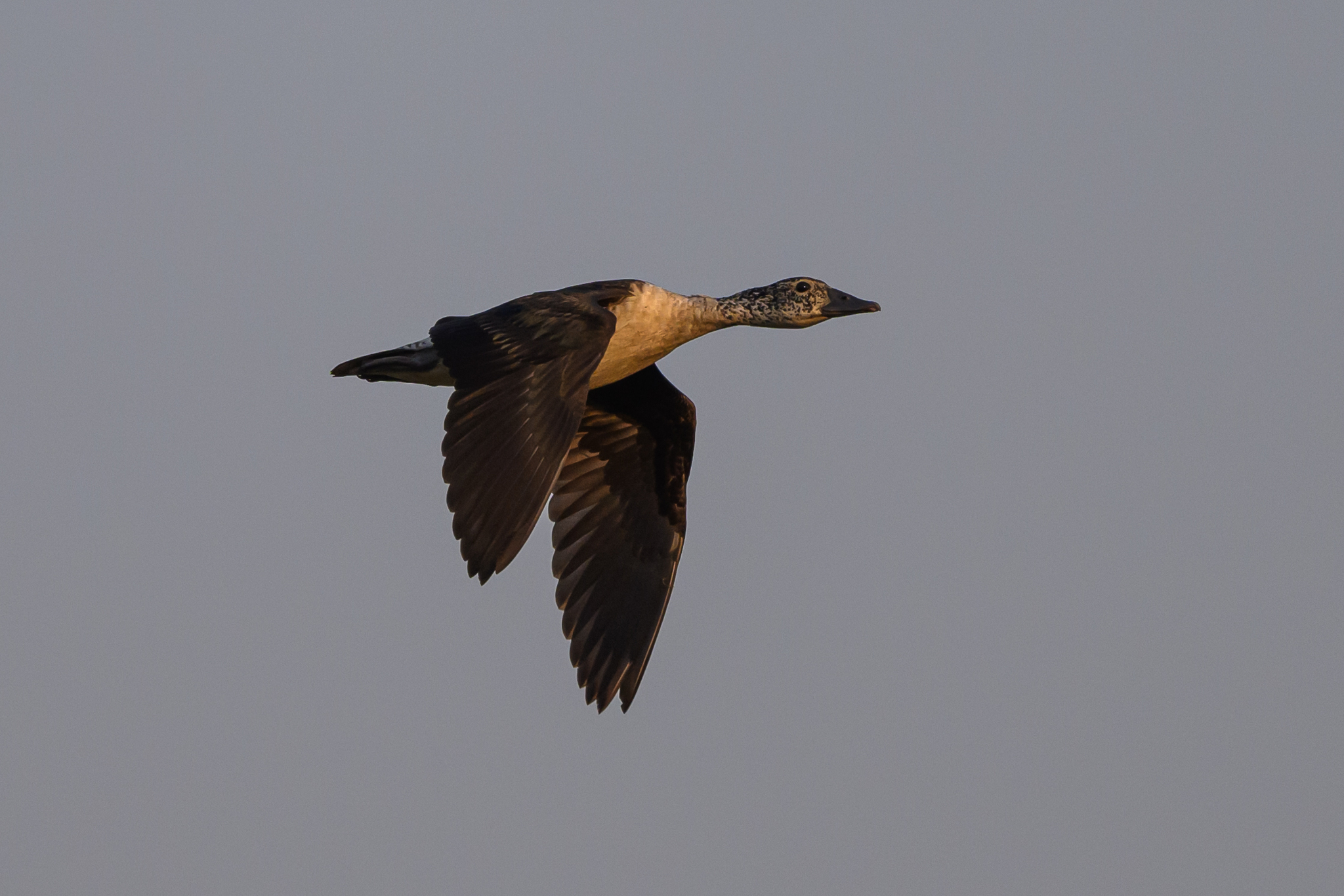
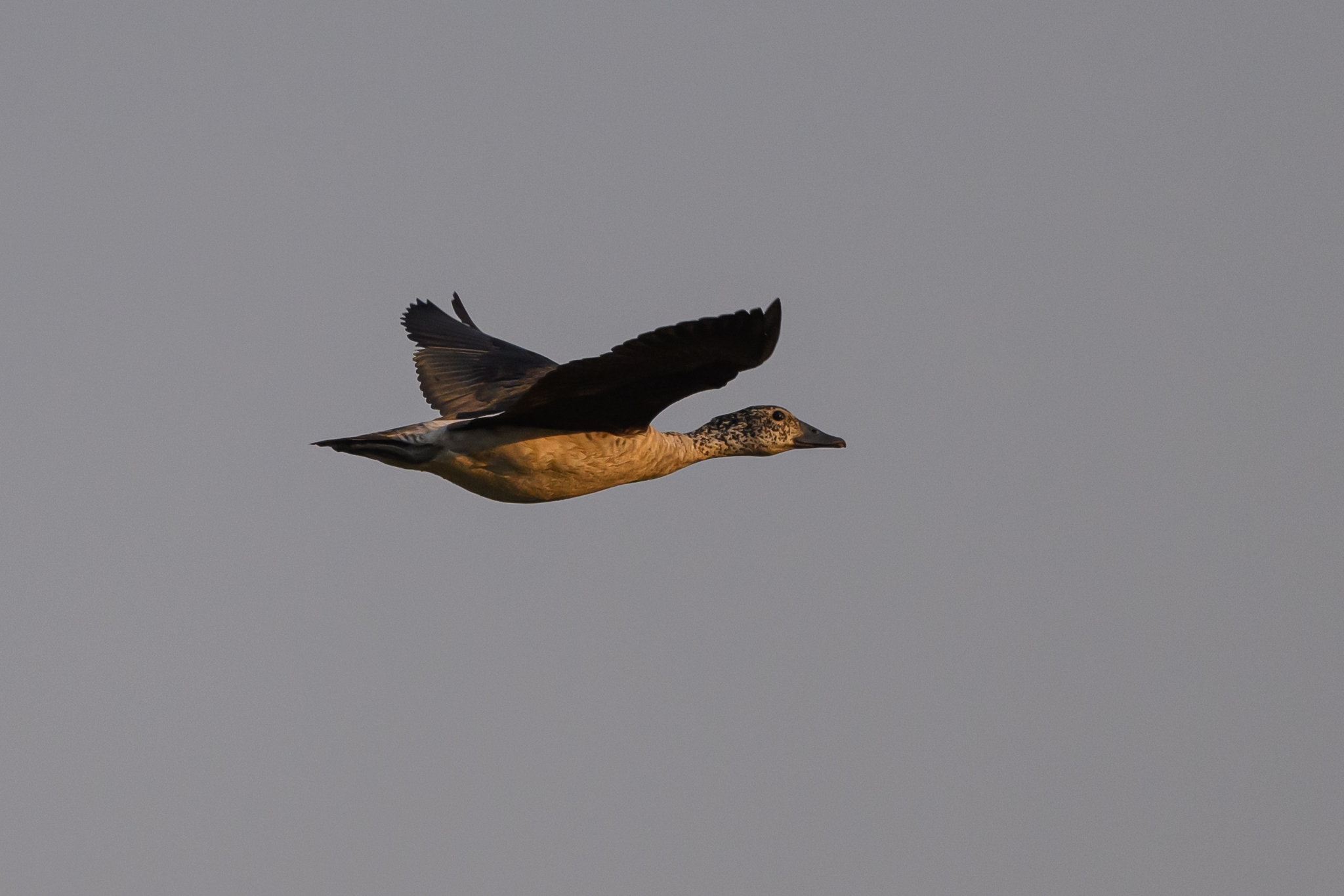
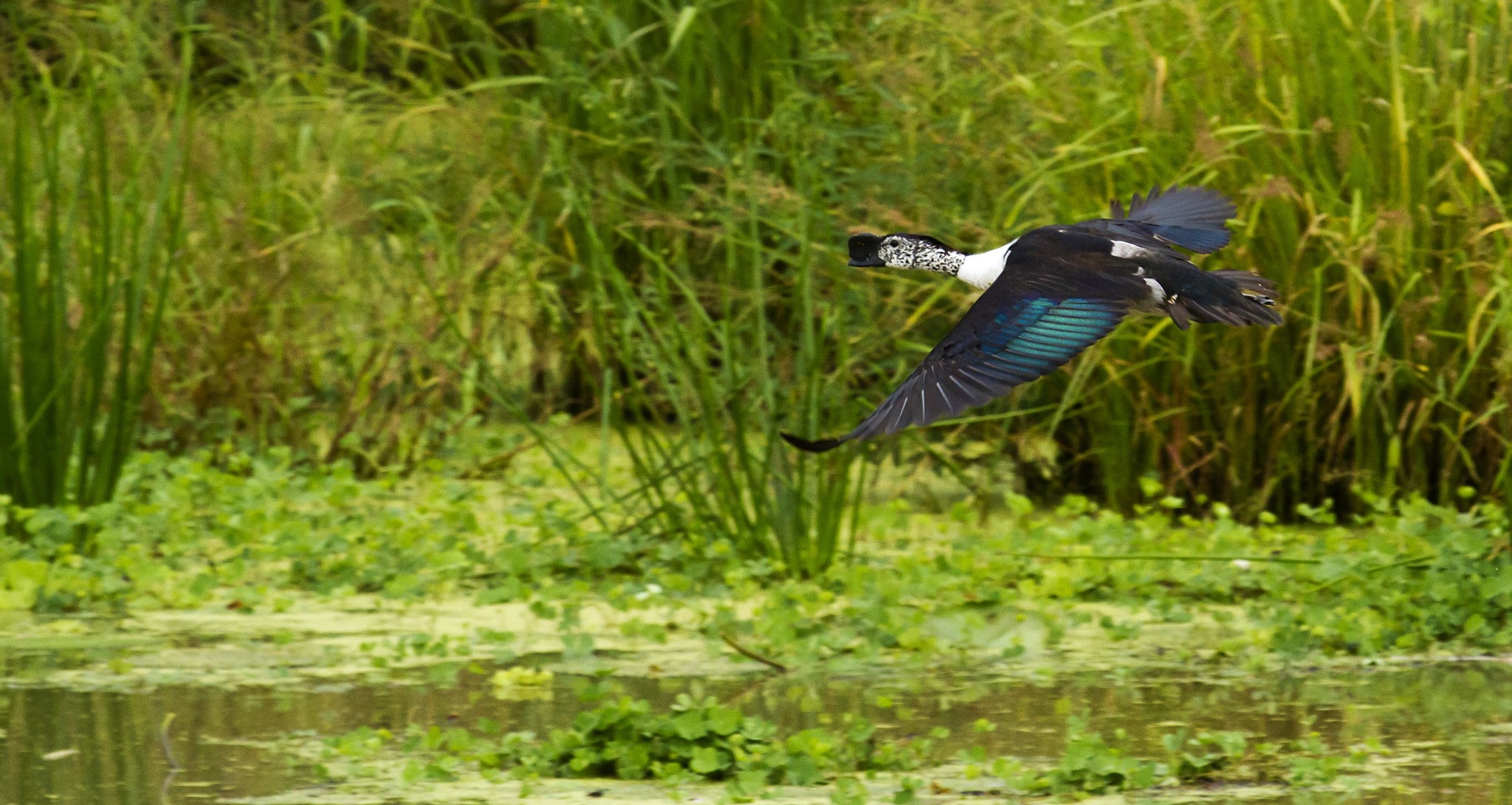
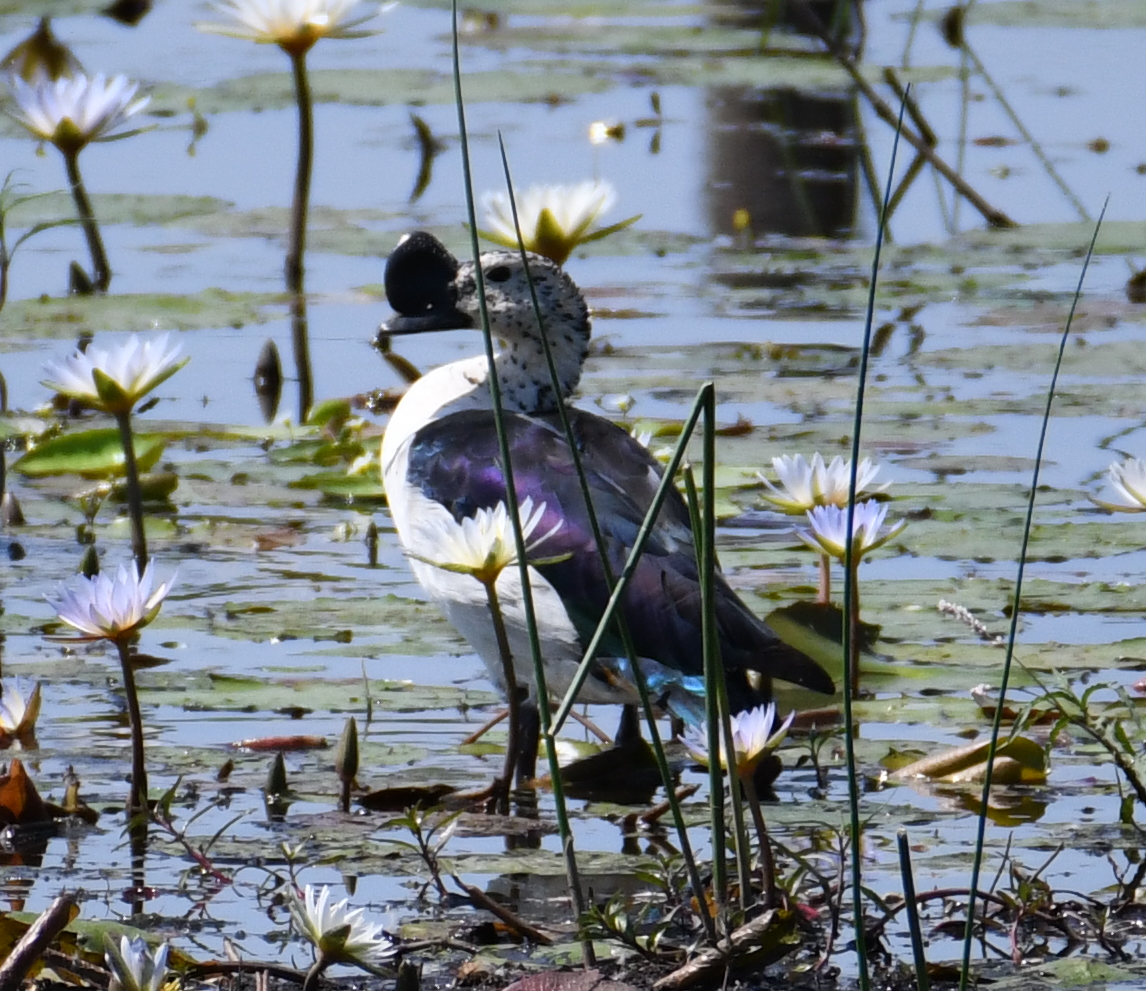
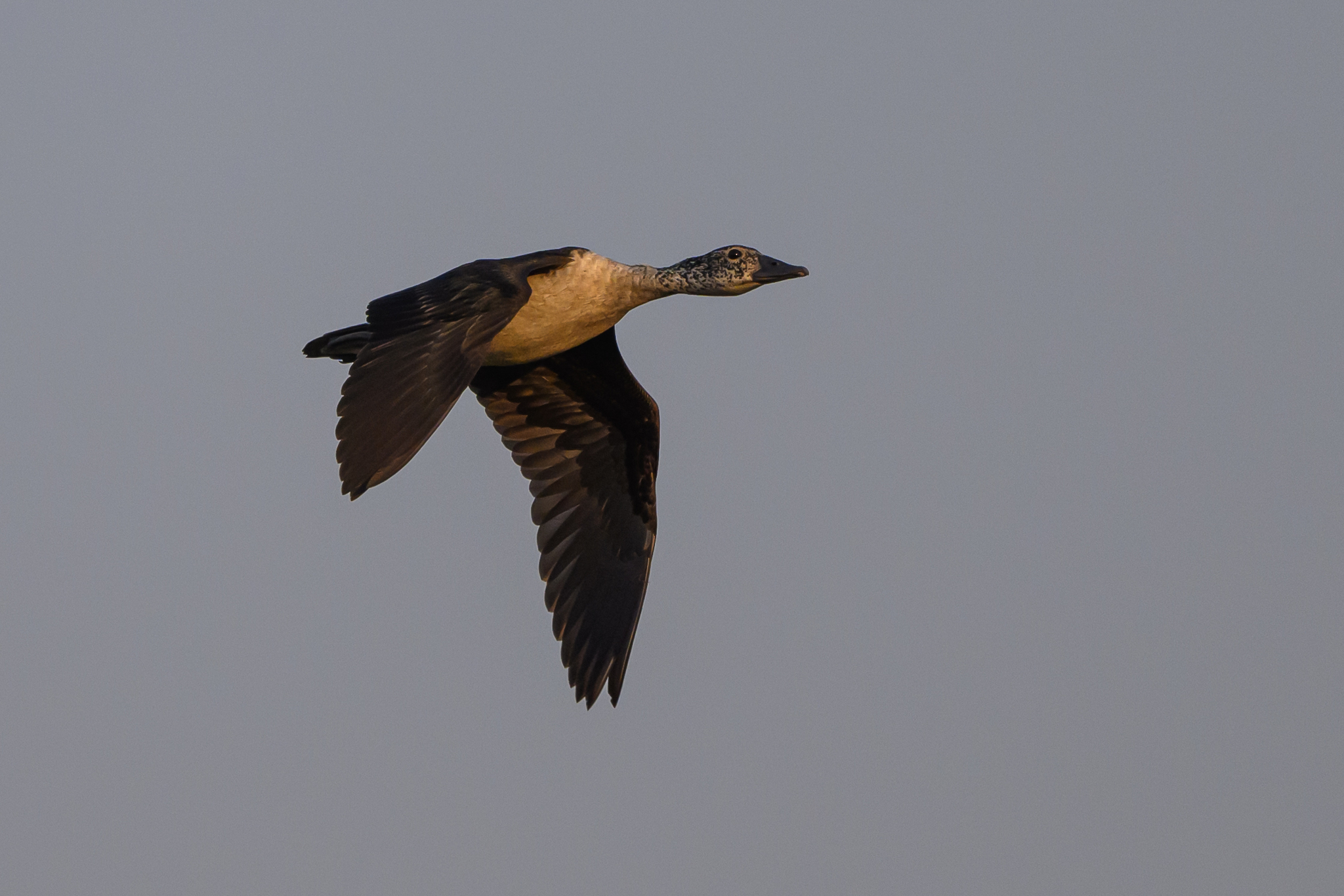
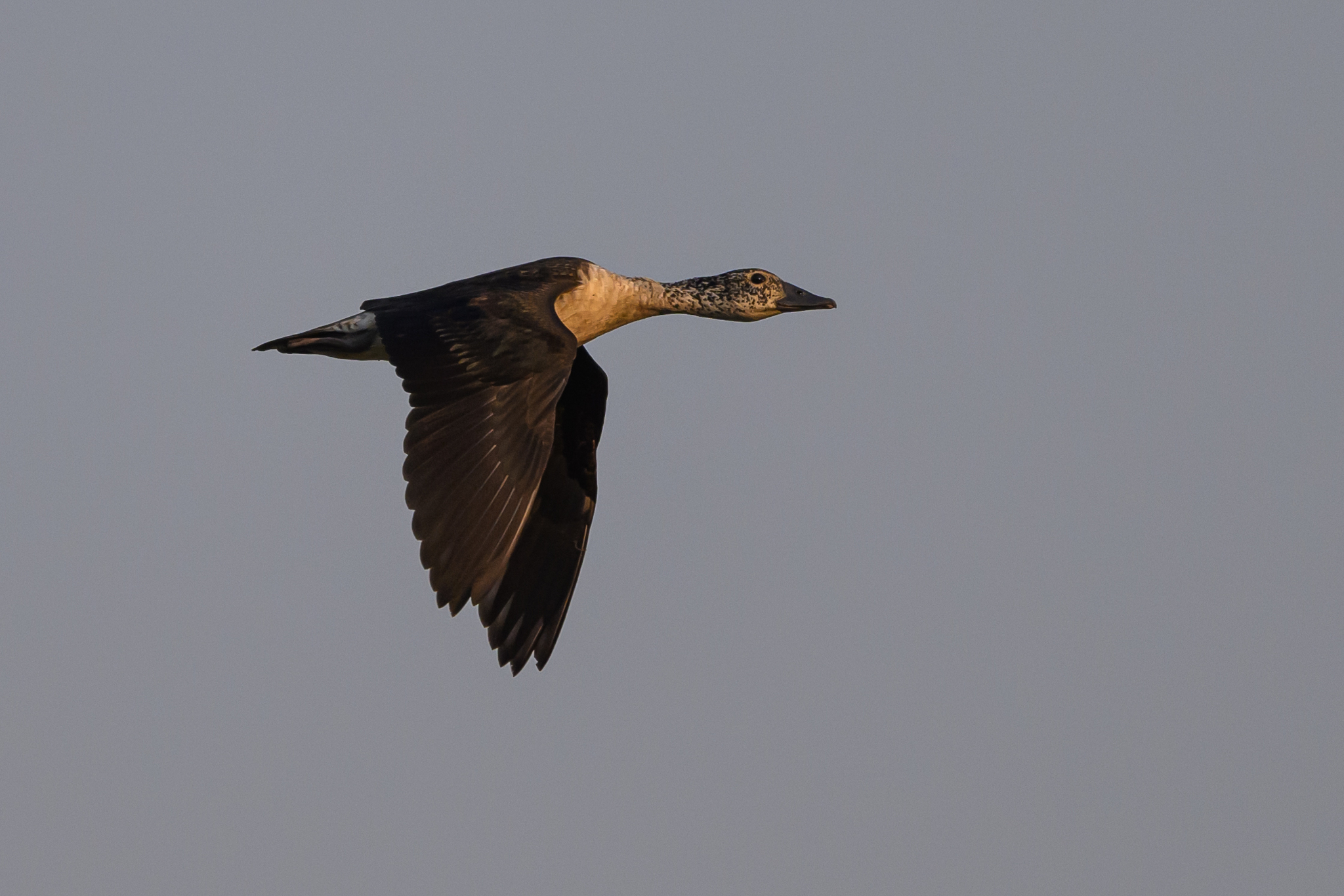
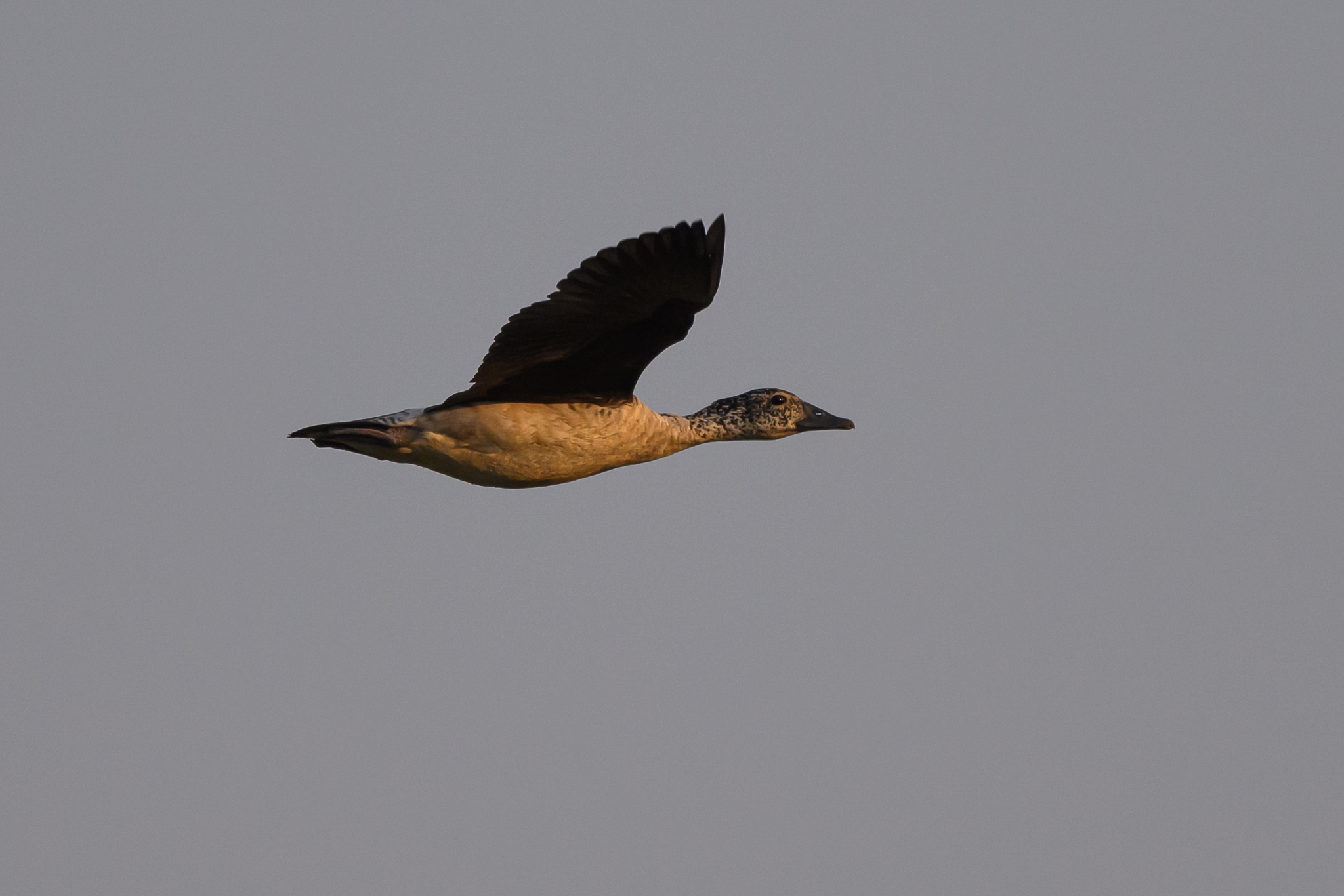
One of the largest duck species, measuring 56-76 cm in length with a wingspan of 116-145 cm and weighing 1.03-2.9 kg. Adults have a white head speckled with dark spots, pure white neck and underparts, and glossy blue-black upperparts with blue-green iridescence on the secondary feathers. Males are significantly larger than females and possess a prominent black knob on the bill. Immature birds are dull buff on the face, neck, and underparts with brown upperparts.
Identification
Unmistakable when adult males are present due to the large black bill knob. Males are considerably larger than females. Generally larger than similar species with lighter flanks (light grey in males, sometimes whitish in females). Immature birds resemble the female cotton pygmy goose but can be distinguished by size comparison and are rarely seen without adults nearby. Silent except for a low croak when flushed.
Distribution & Habitat
Occurs across Sub-Saharan Africa, Madagascar, South Asia, and mainland Indochina. Inhabits tropical and subtropical wetlands including still freshwater swamps and lakes. Largely resident apart from seasonal dispersion during wet seasons. Found along various wetland habitats and waterways throughout its range.
Behavior & Ecology
Feeds primarily on vegetation through grazing and dabbling, with occasional consumption of small fish, invertebrates, and seeds. Can impact rice crops. Often perches in trees. Typically seen in flocks, small during the wet season and up to 100 individuals during the dry season; sometimes segregates by sex. Breeds in tree holes or tall grass; females lay 7-15 yellowish-white eggs. Males may have multiple mates. Generally silent but produces a low croak when flushed.
Conservation
Not globally threatened according to the IUCN due to its extensive range, though populations are declining locally. Protected under the Agreement on the Conservation of African-Eurasian Migratory Waterbirds.
Source: Wikipedia · CC BY-SA 3.0
Taxonomy
- Order
- Anseriformes
- Family
- Anatidae
- Genus
- Sarkidiornis
- eBird Code
- comduc2
Distribution
tropical Africa and Madagascar; disjunctly India to southern China
Data Sources
Species description from Wikipedia, licensed under CC BY-SA 3.0.
Bird images and sounds sourced from GBIF, contributed by citizen scientists worldwide under Creative Commons licenses.
Taxonomy data from AviList 2025.