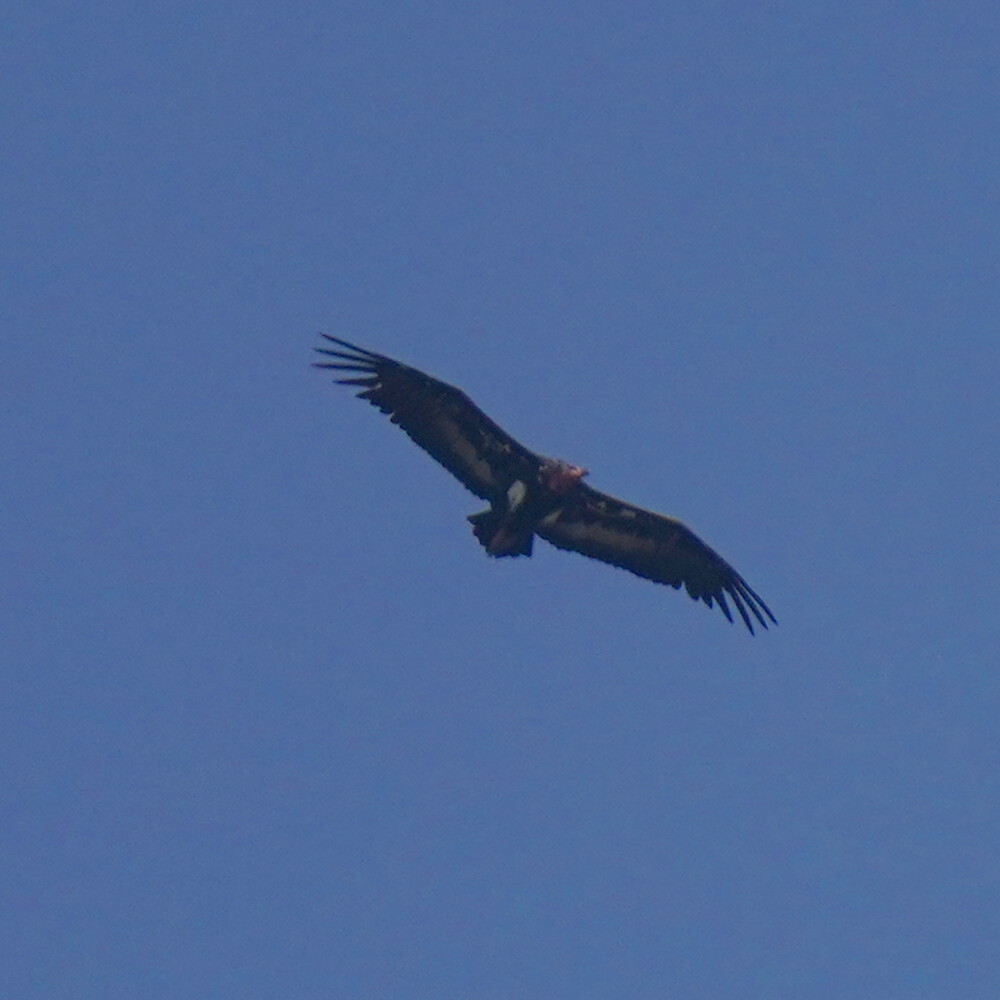
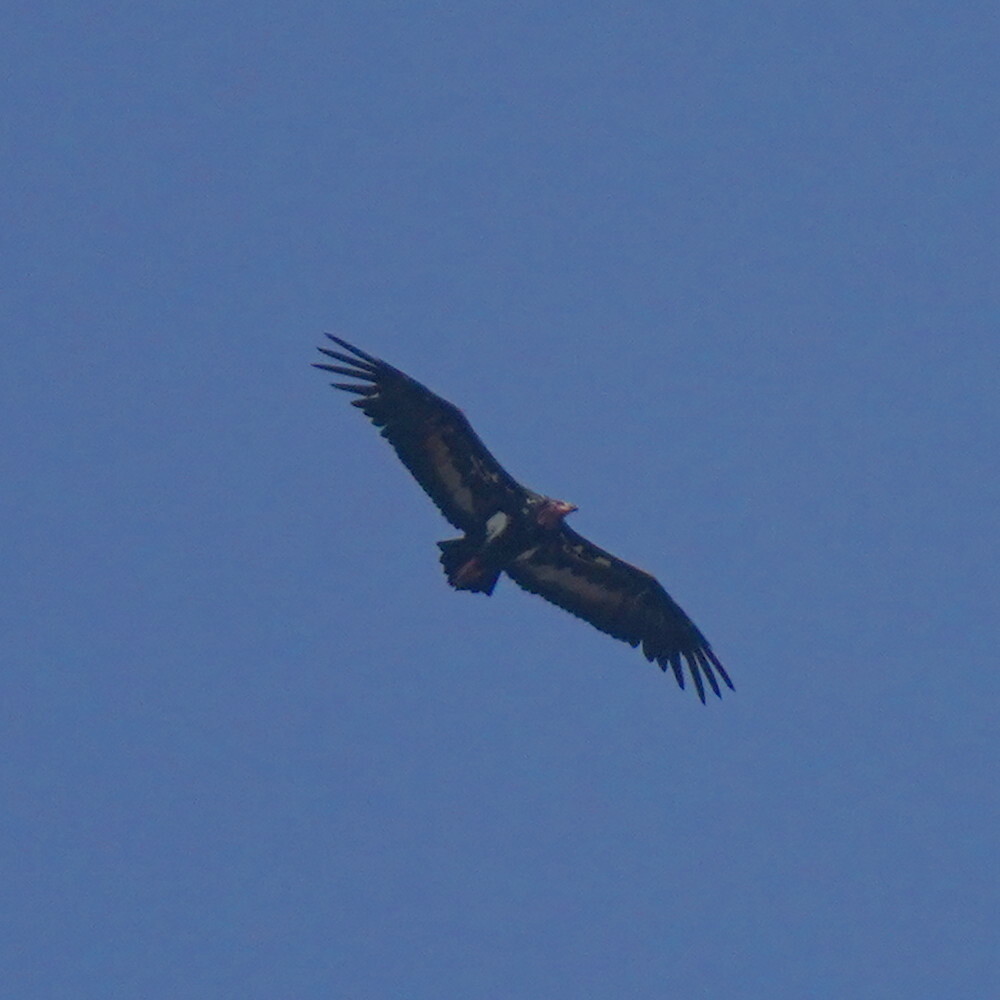
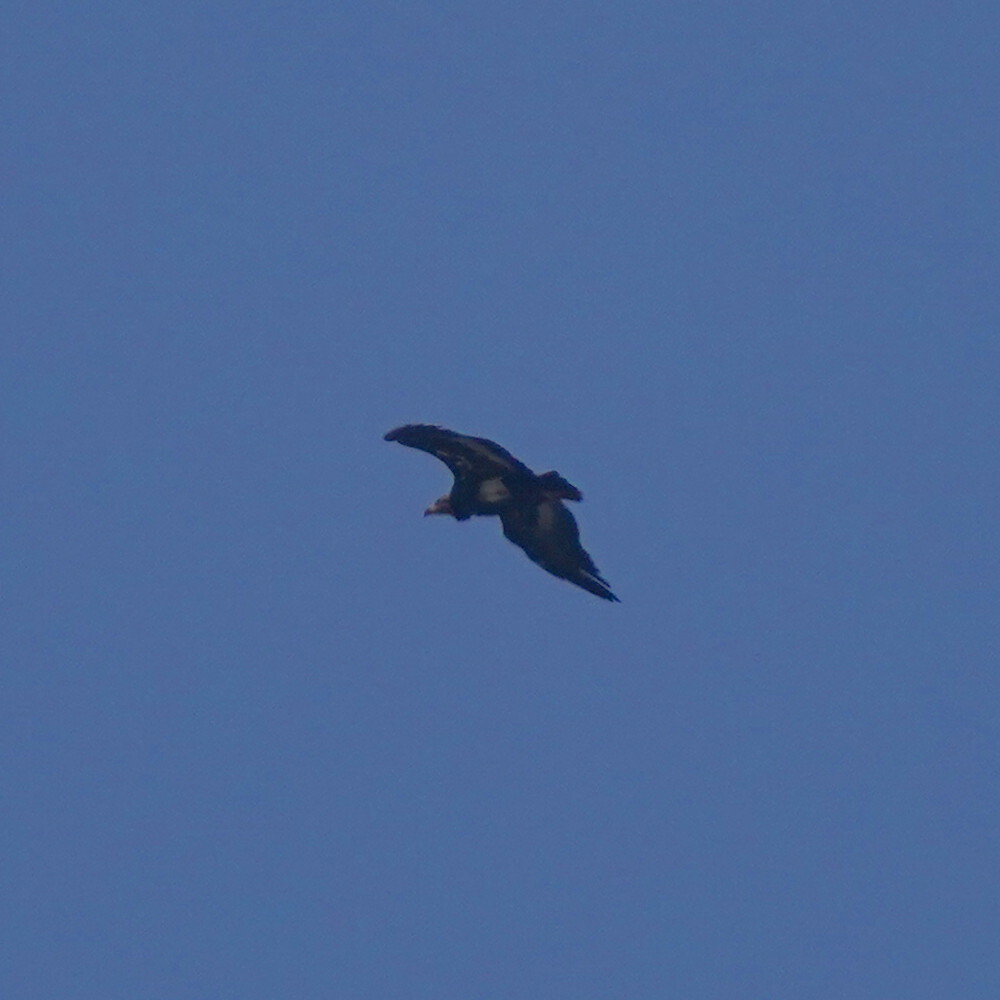
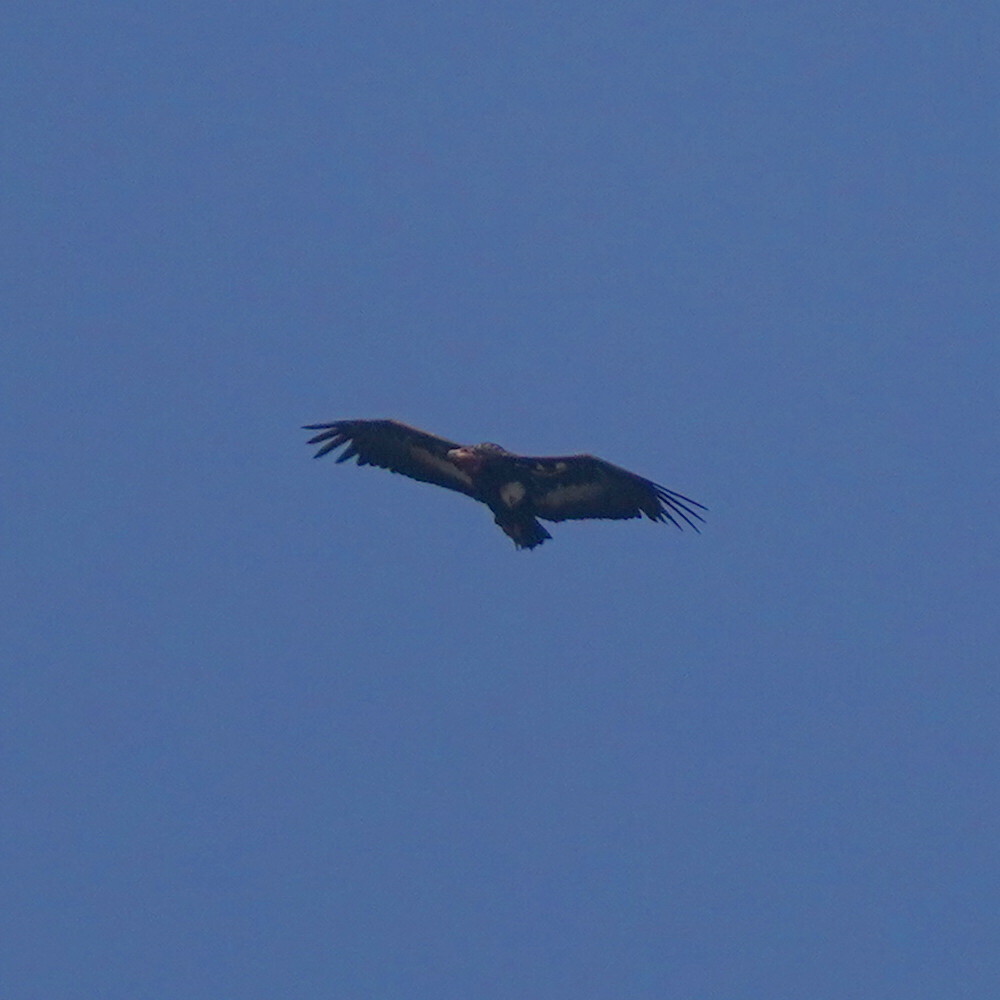
Red-headed Vulture
Sarcogyps calvus
黑兀鹫
Introduction
An Old World vulture and the only member of the genus Sarcogyps. Monotypic species with no recognized subspecies. Historically ranged widely across the Indian subcontinent eastward to south-central and southeastern Asia, from India to Singapore. Present range is now localized primarily to northern India with small disjunct populations in parts of Southeast Asia. Inhabits open country, cultivated and semi-desert areas, deciduous forests, foothills, and river valleys up to 3000m altitude. Characterized by a prominent naked red head and similar anatomical features to the African lappet-faced vulture, including skull shape and dangling skin lappets. Classified as Critically Endangered on the 2007 IUCN Red List due to catastrophic population decline from veterinary drug poisoning.
Description
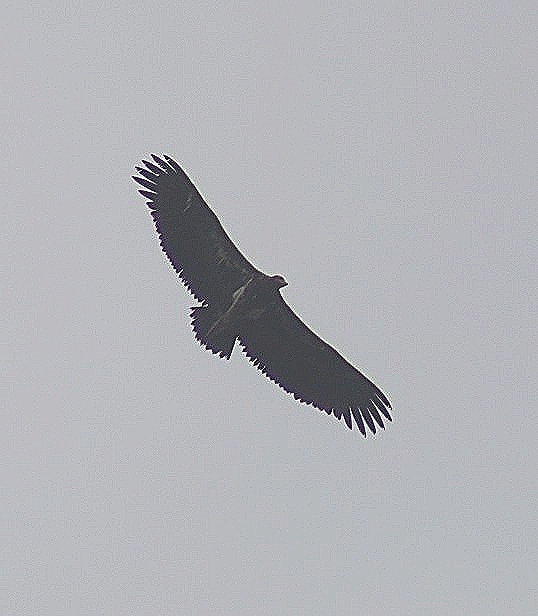
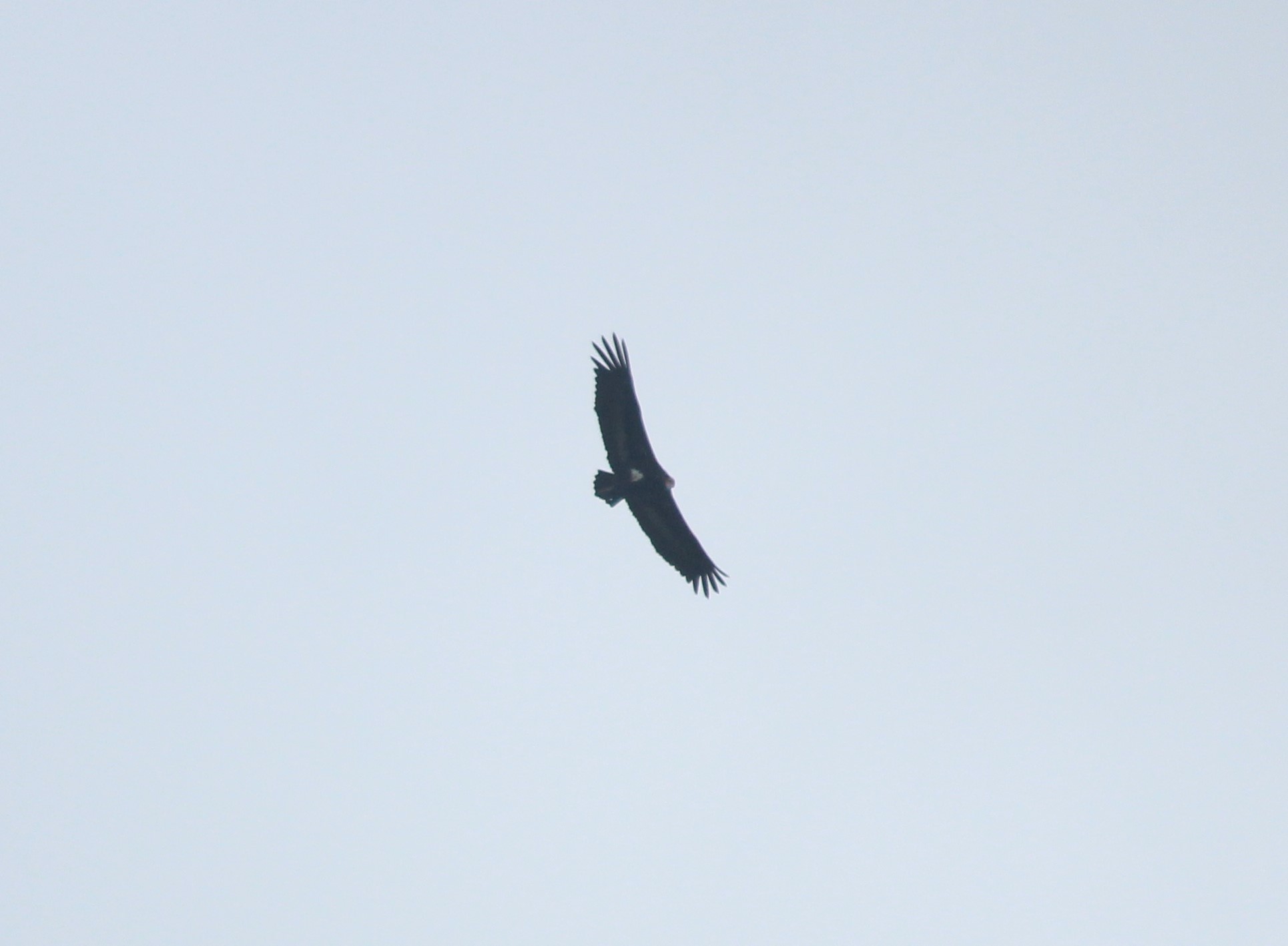
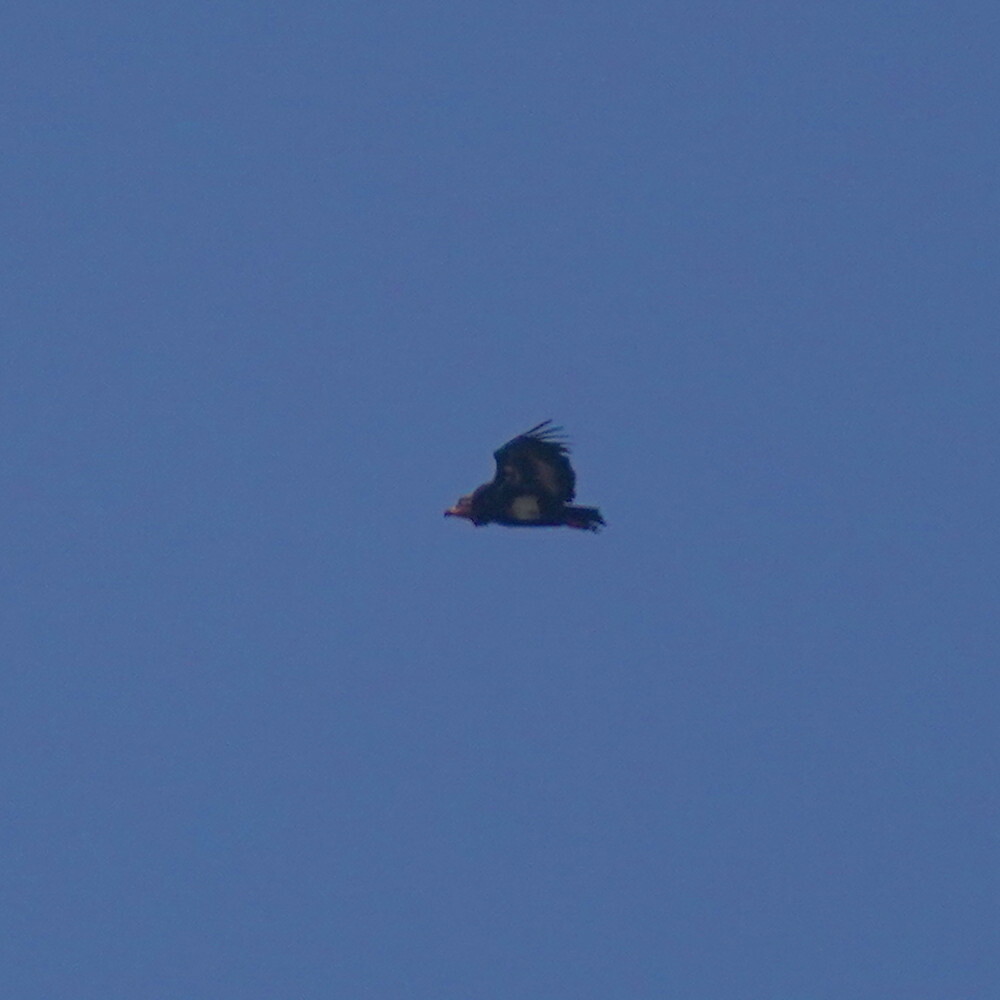
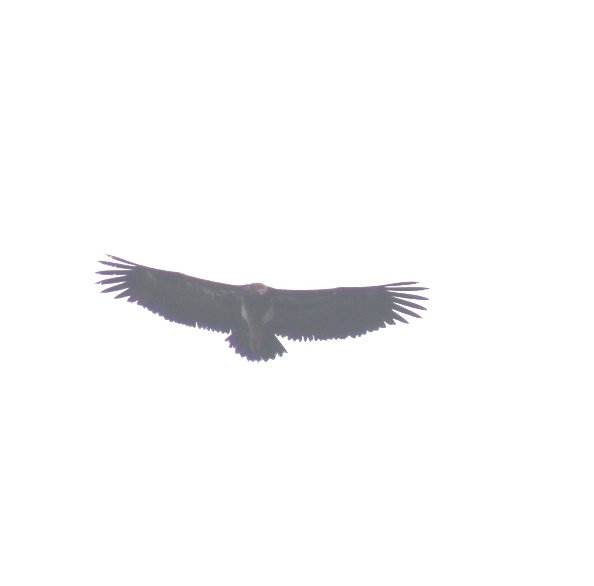
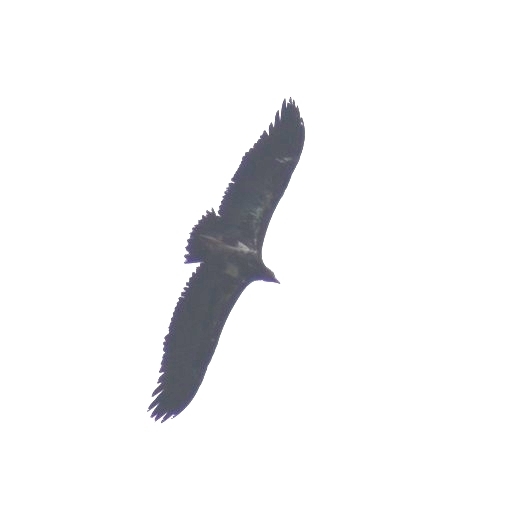
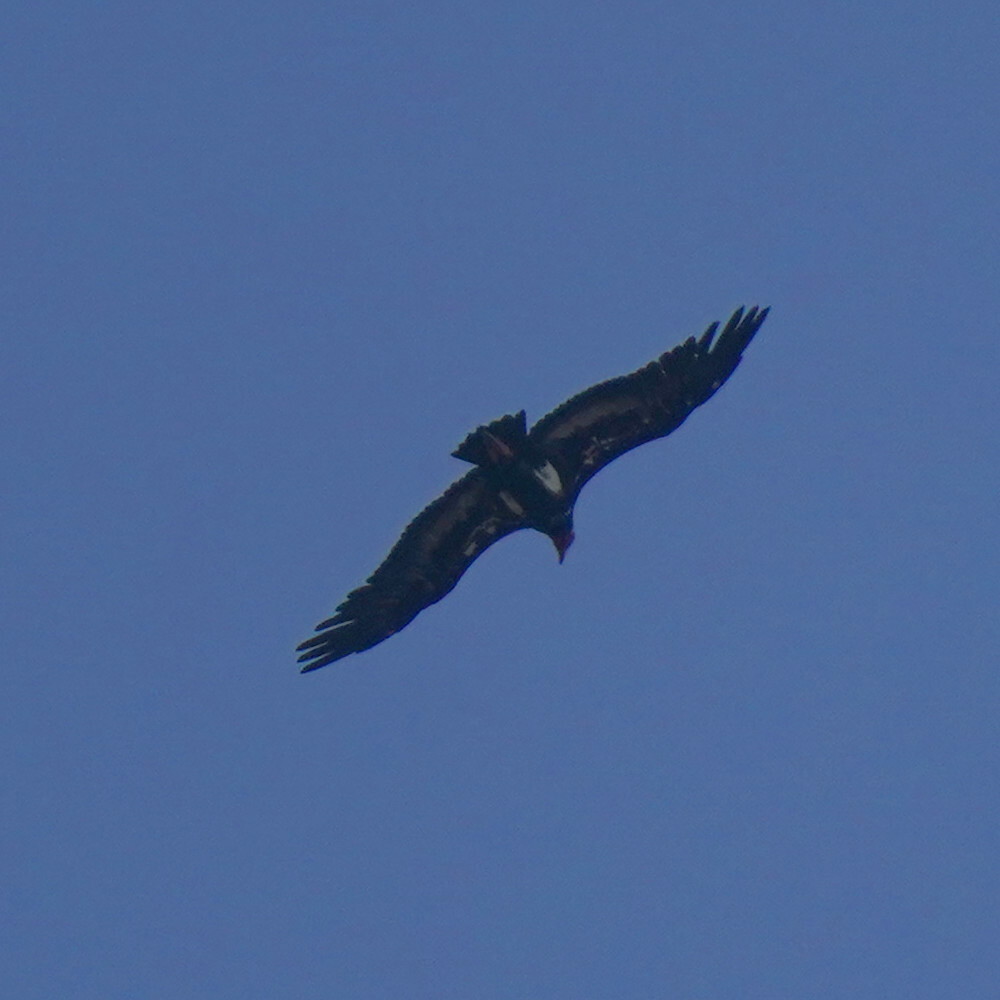
Medium-sized vulture measuring 76-86 cm in length, weighing 3.5-6.3 kg, with a wingspan of 1.99-2.6 m. Features a prominent naked head: deep-red to orange in adults, paler red in juveniles. Body is black with a pale grey band at the base of flight feathers. Sexual dimorphism present in iris coloration: males have a paler whitish iris while females have a dark brown iris. Overall appearance is similar to but smaller than the African lappet-faced vulture.
Identification
Very similar in appearance to the larger lappet-faced vulture found in Africa and Arabia, sharing similar anatomical features including skull shape and dangling skin lappets on the head. The red-headed vulture was historically placed in the same genus (Torgos) as the lappet-faced vulture, reflecting their close relationship and physical similarity. Distinguished from larger relatives by smaller size and range, as the lappet-faced vulture does not occur in South Asia.
Distribution & Habitat
Formerly widespread across the Indian subcontinent extending east to south-central and southeastern Asia, historically present from India to Singapore. Current range is severely fragmented and localized primarily to northern India, with small disjunct populations persisting in parts of Southeast Asia. Inhabits open country, cultivated lands, semi-desert areas, deciduous forests, foothills, and river valleys. Found at elevations up to 3000m above sea level. No significant migration documented, though some local movements may occur.
Behavior & Ecology
Scavenging bird that feeds primarily on carrion. As a medium-sized vulture, it shares ecosystems with larger Gyps vultures which typically outcompete it for access to carcasses. This competitive disadvantage may limit feeding opportunities and contribute to population pressures. Breeding behavior follows typical Old World vulture patterns, though specific details of courtship, nesting, and chick-rearing are not extensively documented in the provided text. Vocalizations typical of vultures, though specific characteristics not described.
Conservation
Critically Endangered status on the 2007 IUCN Red List. Population has declined catastrophically since the late 1990s, essentially halving every other year. Previous population numbered in the hundreds of thousands; 2021 assessment estimates 2,500-9,999 mature individuals remaining. Primary threat is the veterinary NSAID diclofenac, which causes renal failure and visceral gout in vultures. Ban on diclofenac in India has shown signs of population recovery. Additional threats include: poisoning (both intentional and incidental from fish/waterbird hunting at waterholes), logging of nesting trees, electrocution, and collisions with powerlines. Competition from dominant Gyps vultures for food resources also impacts survival.
Culture
Also known as the Asian king vulture, Indian black vulture, or Pondicherry vulture. No specific cultural significance, folklore, or mythological references documented in the provided article.
Source: Wikipedia · CC BY-SA 3.0
Taxonomy
- Order
- Accipitriformes
- Family
- Accipitridae
- Genus
- Sarcogyps
- eBird Code
- rehvul1
Distribution
India and southeastern Asia
Data Sources
Species description from Wikipedia, licensed under CC BY-SA 3.0.
Bird images and sounds sourced from GBIF, contributed by citizen scientists worldwide under Creative Commons licenses.
Taxonomy data from AviList 2025.