White-browed Fantail
Rhipidura aureola
白眉扇尾鹟
Introduction
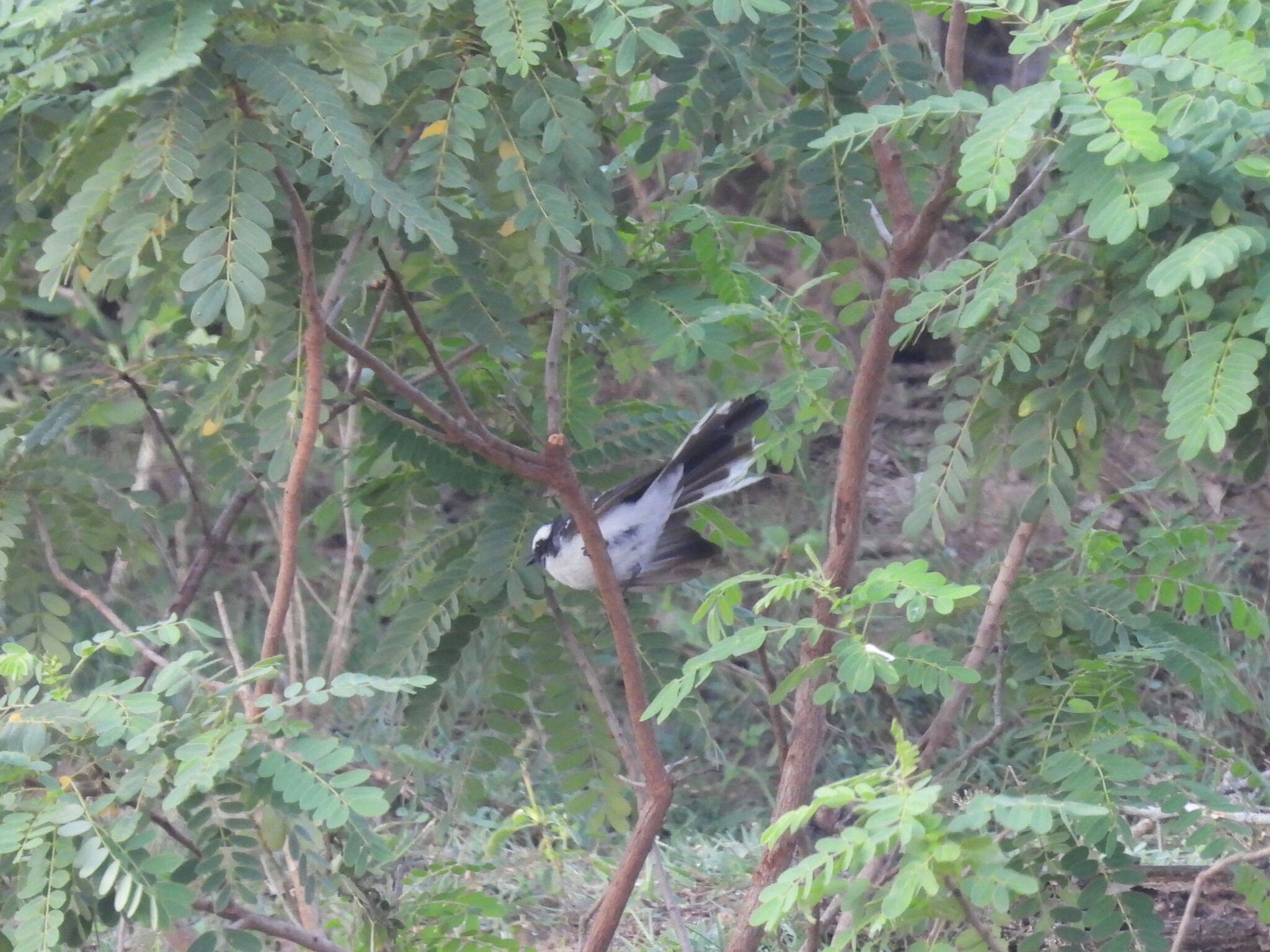
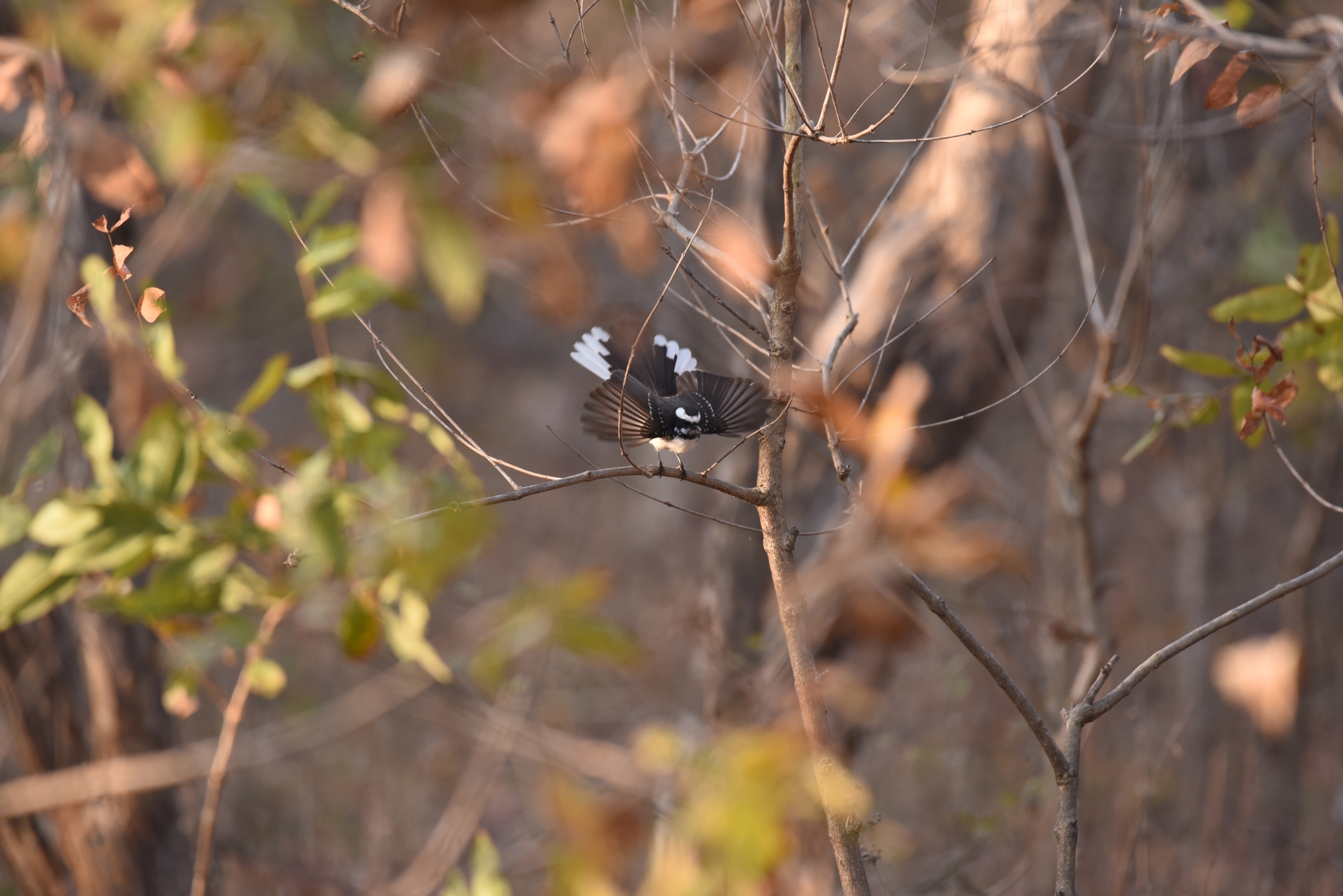
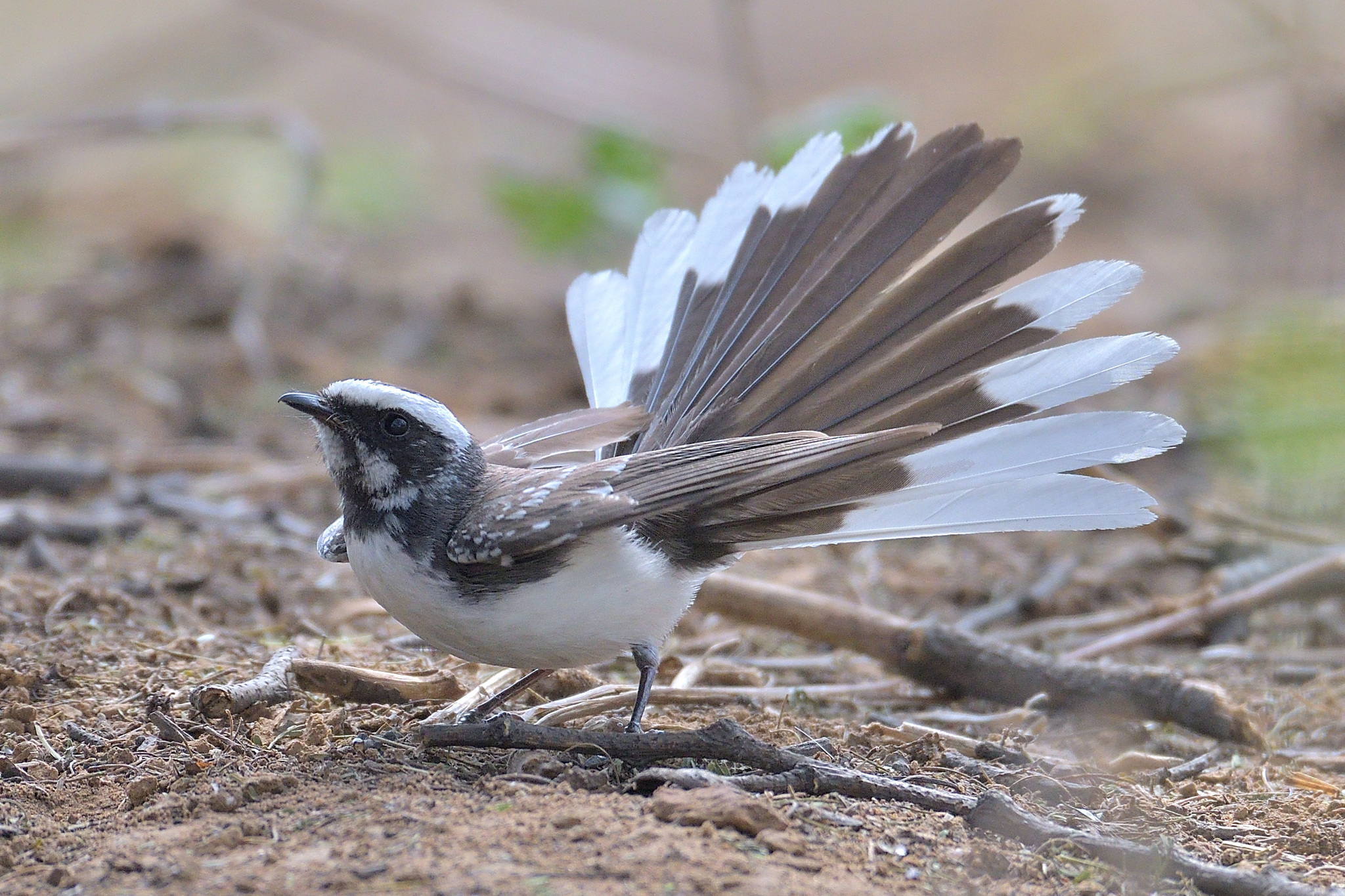
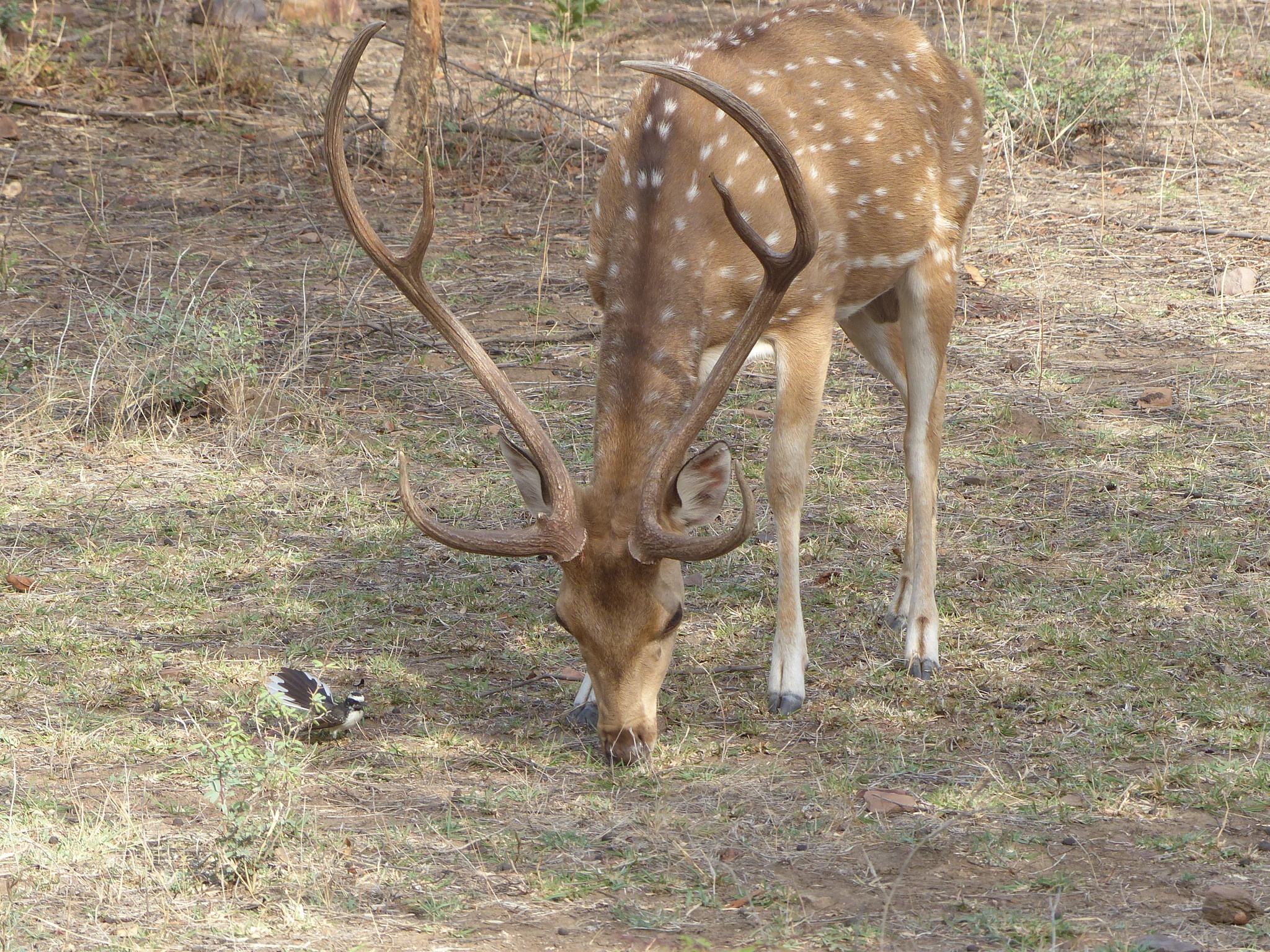
The white-browed fantail (Rhipidura aureola) is a small passerine bird belonging to the family Rhipiduridae. It breeds across tropical regions of the Indian subcontinent and Southeast Asia, ranging from eastern Pakistan to southern Indochina. The species inhabits forests and other woodland areas. As an insectivore, it forages by moving through the undergrowth, where it is distinctive for its habit of fanning its tail while actively searching for prey.
Description
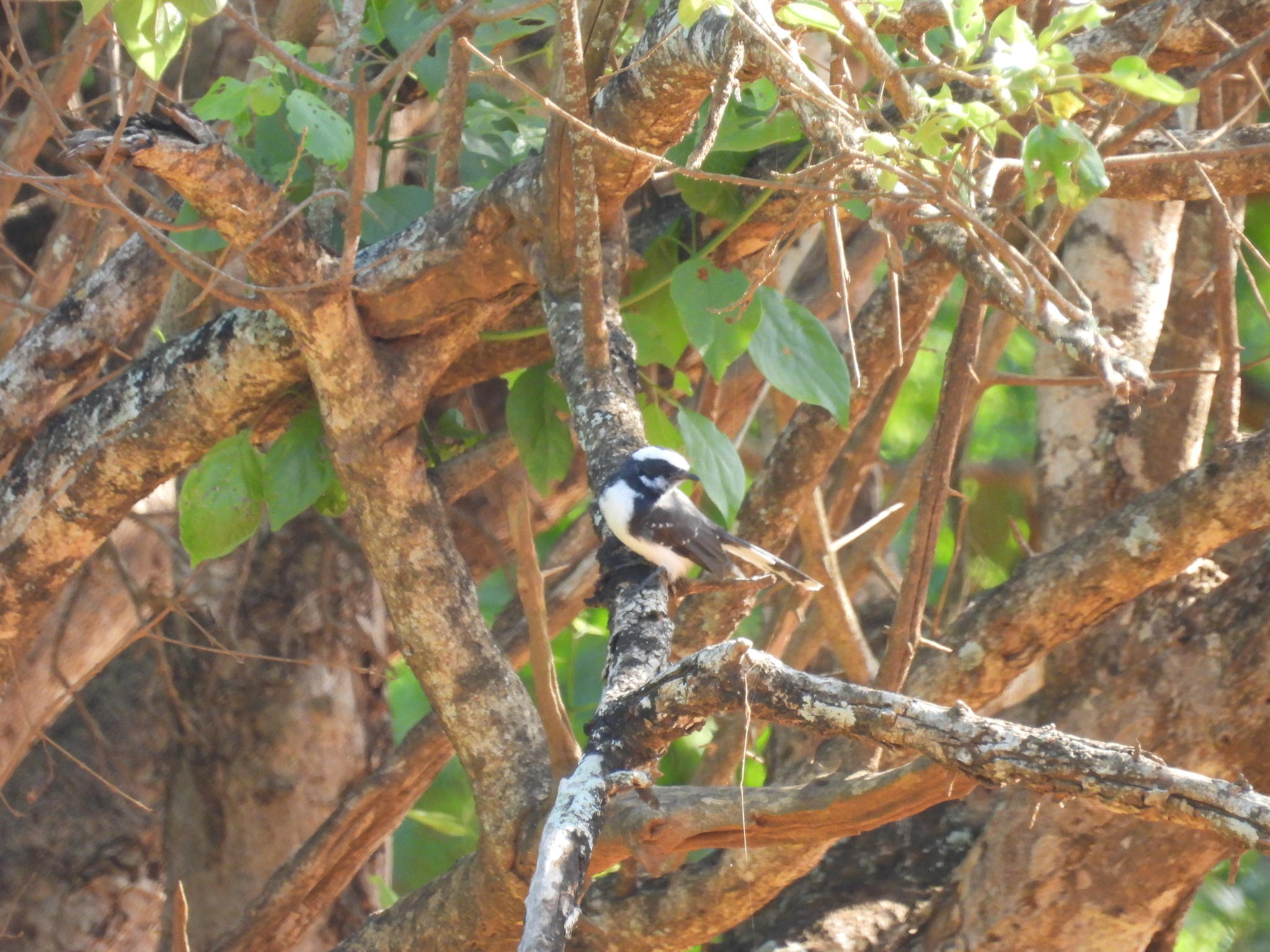
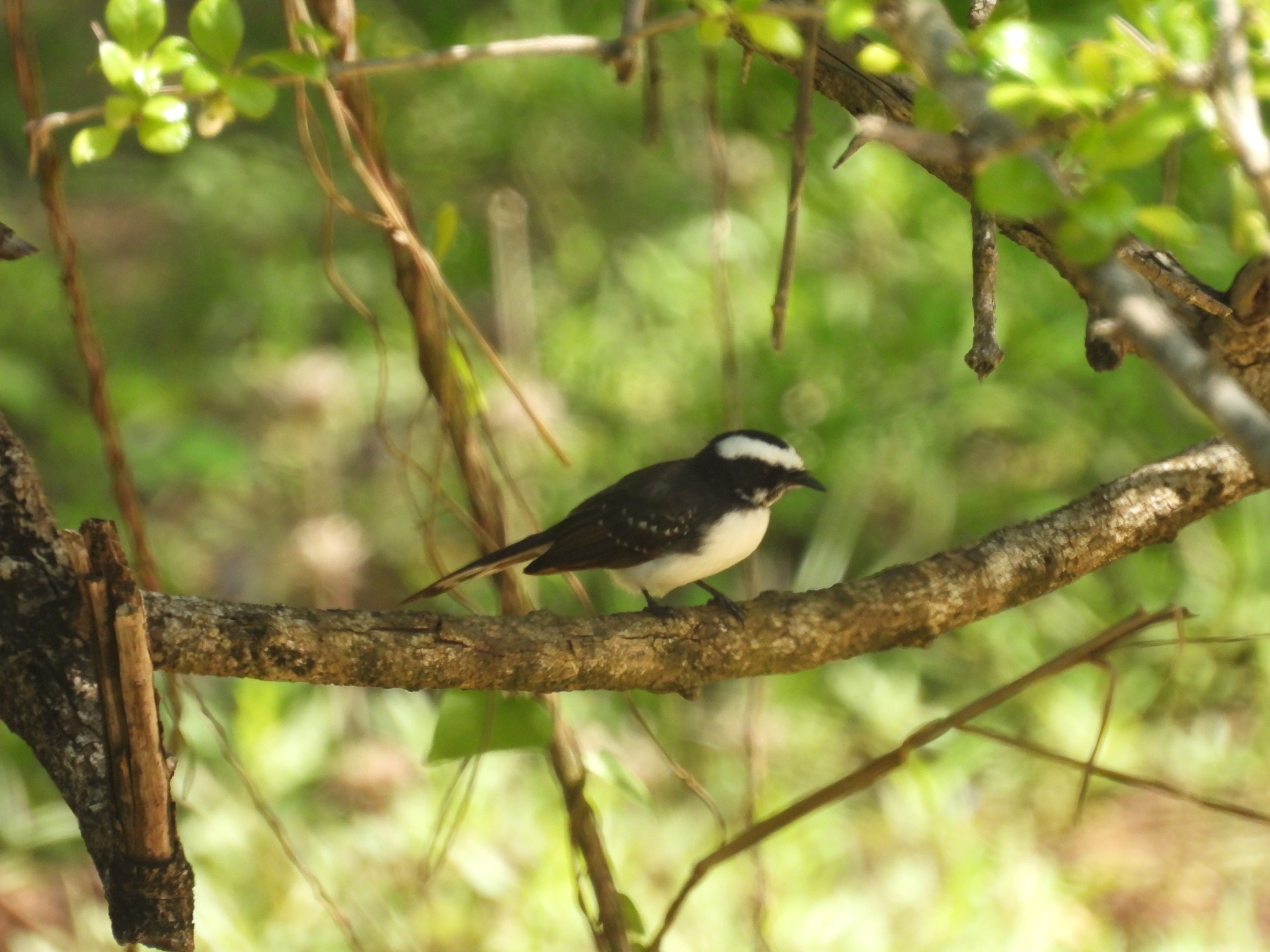
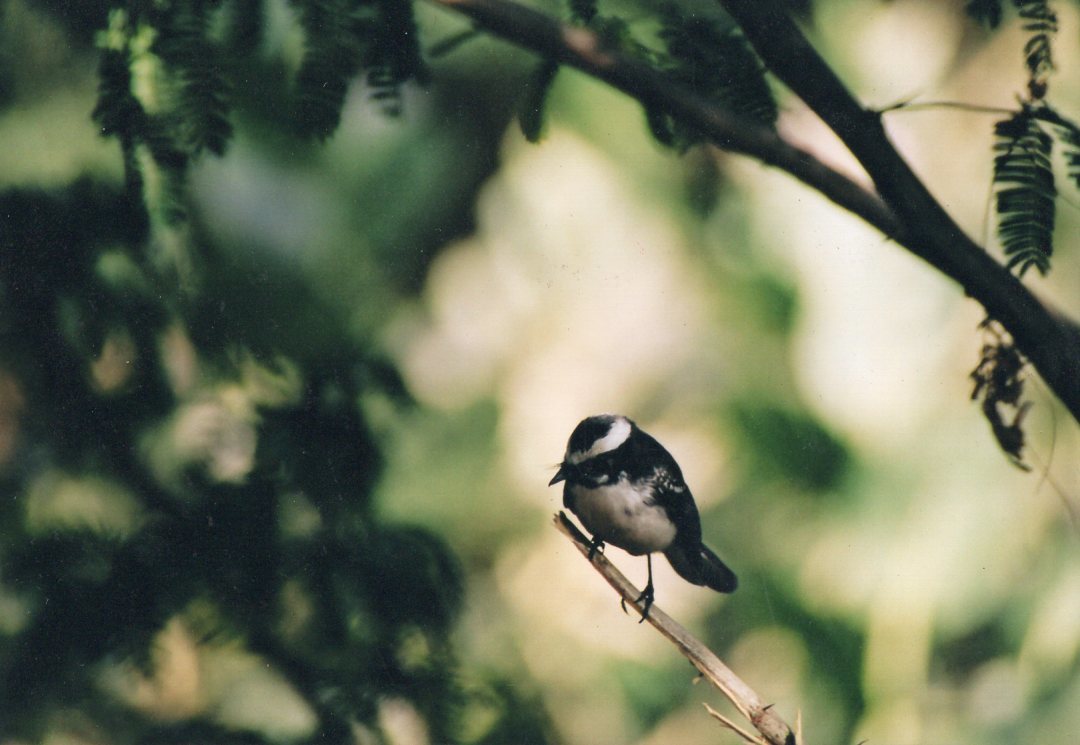
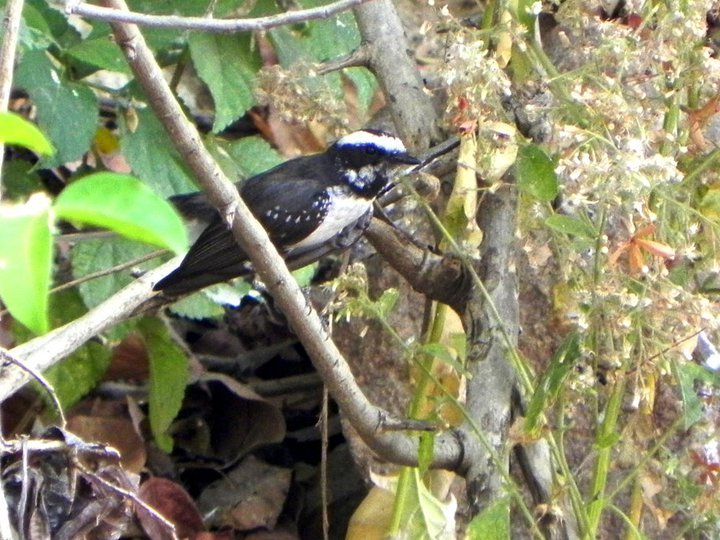
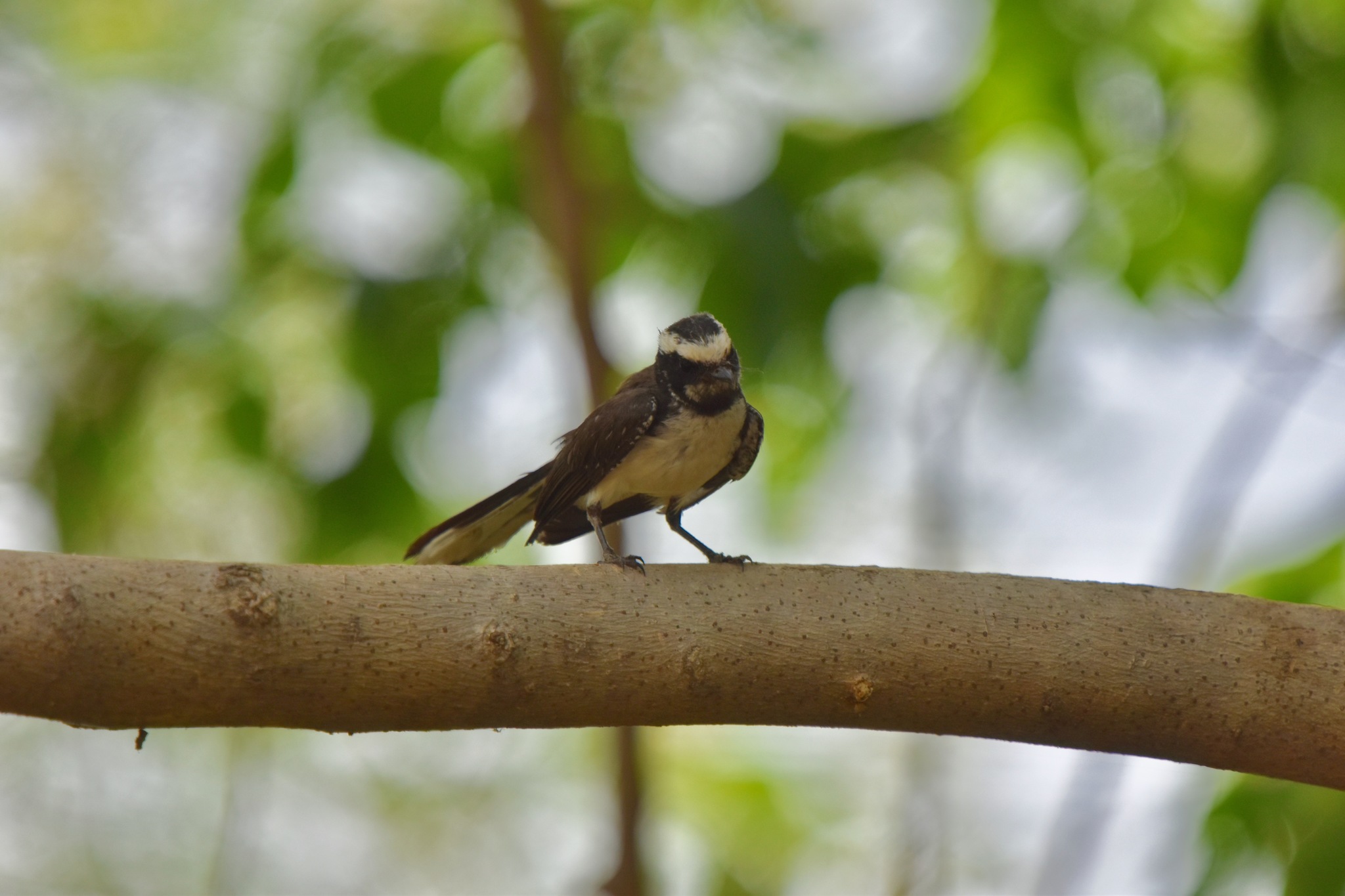
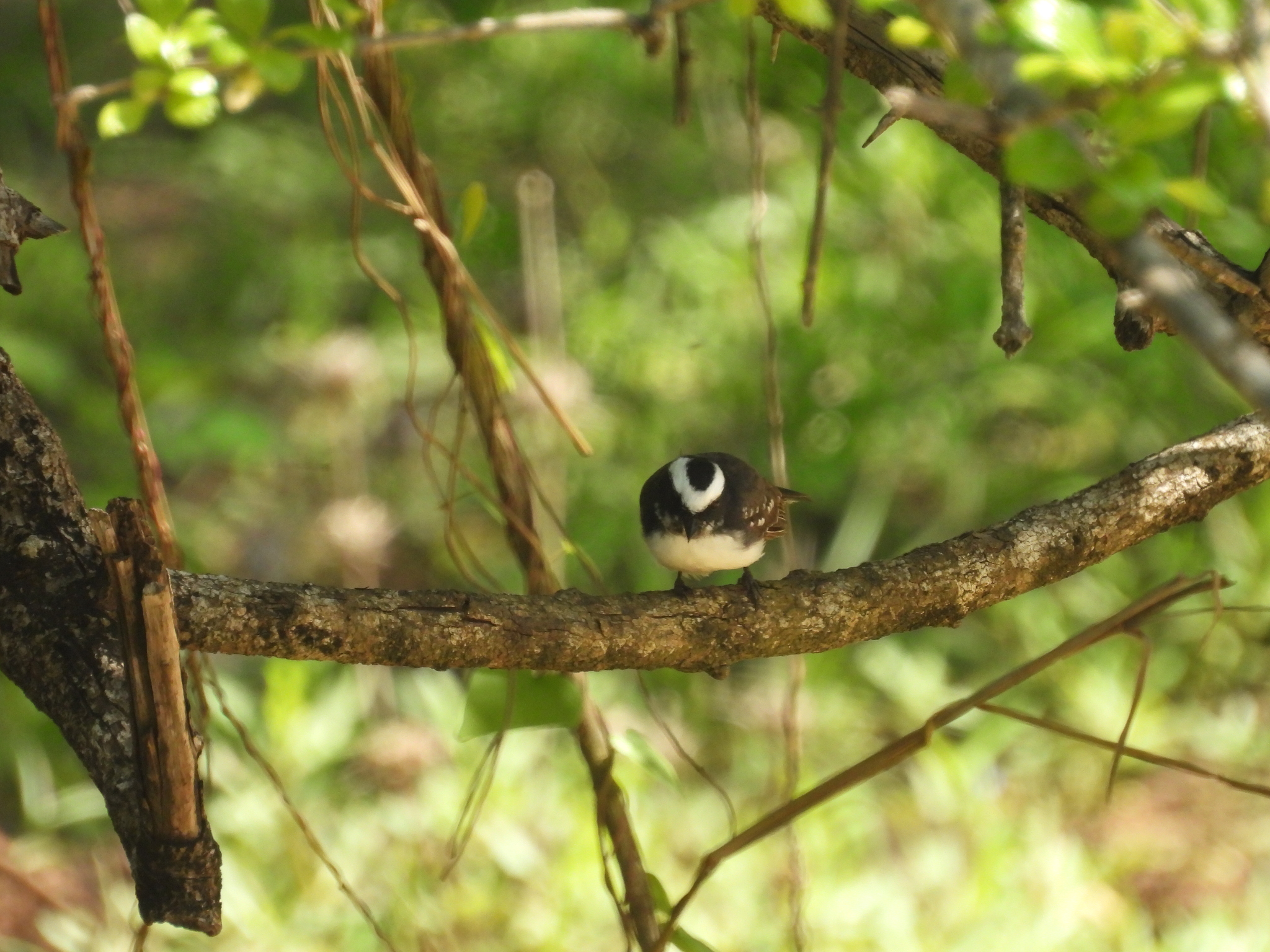
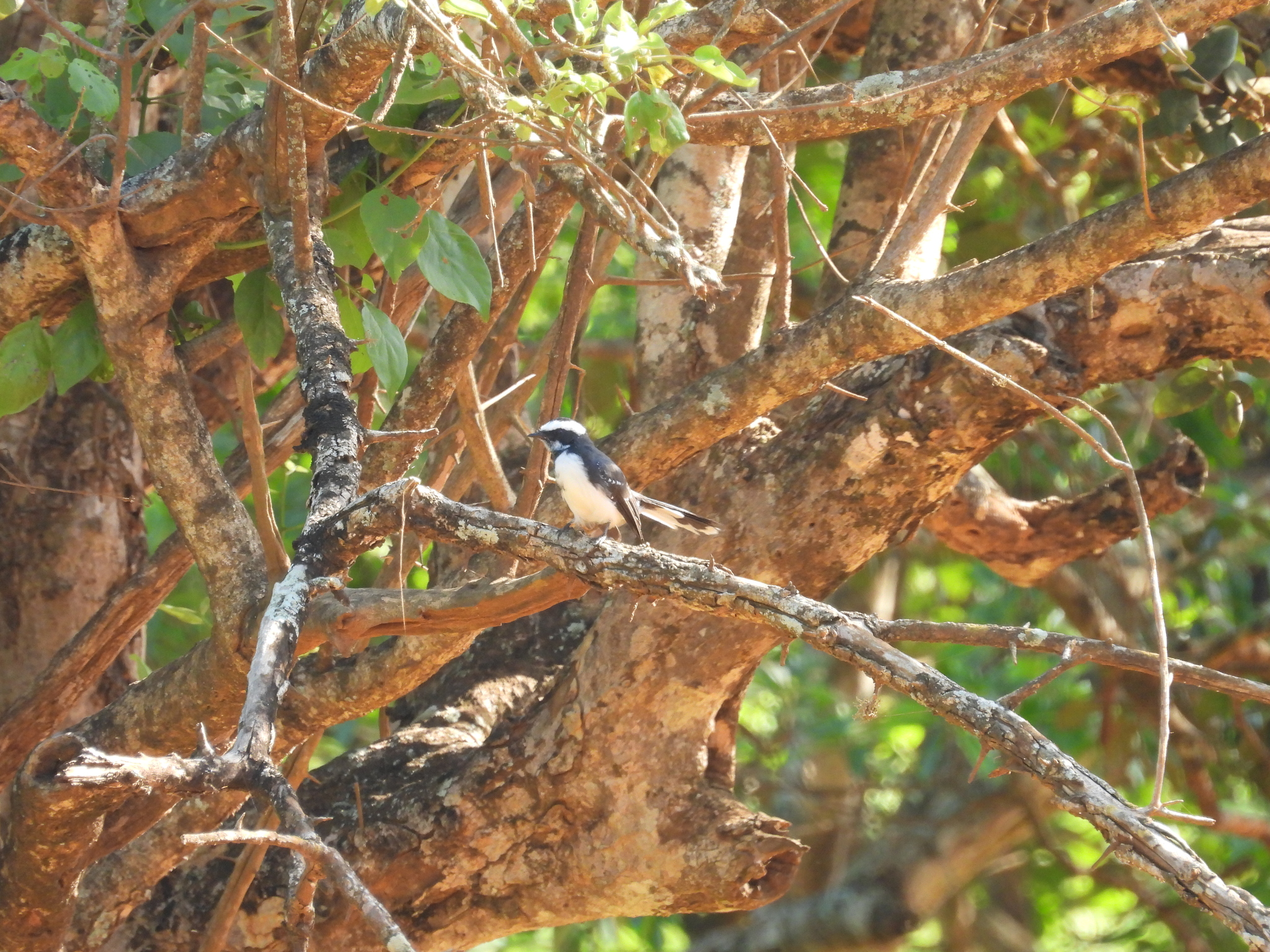
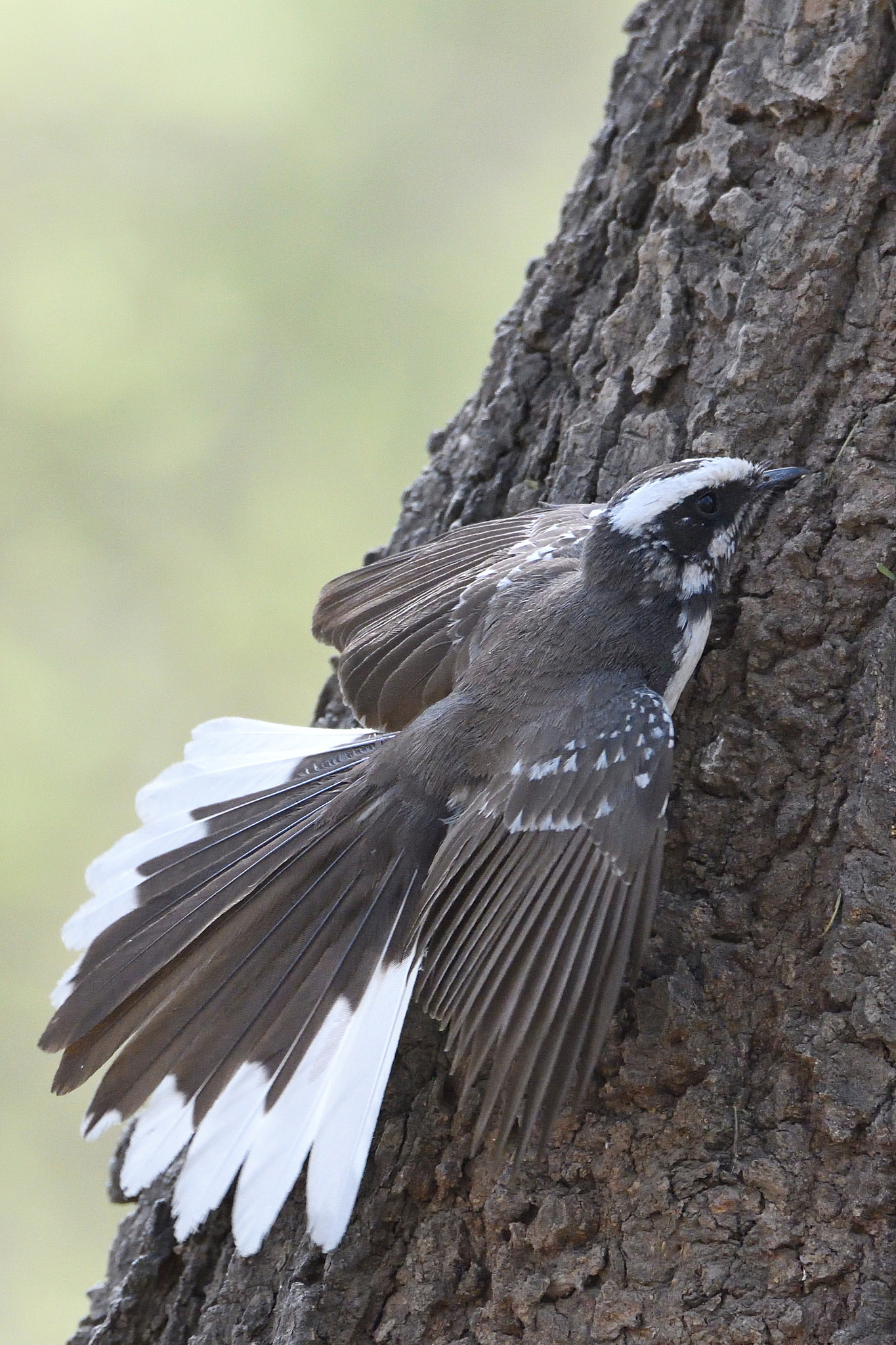
This small bird measures approximately 18 cm in length. The upperparts are dark brown with distinctive white spots on the wings. The underparts are whitish. The tail is fan-shaped and edged in white, serving as a key identification feature. Two long white supercilia (eyebrows) extend across the head and meet on the forehead. The throat and eyemask appear blackish, bordered by whitish moustachial stripes that create a contrasting facial pattern.
Distribution & Habitat
The species breeds across tropical regions of the Indian subcontinent and Southeast Asia, with its range extending from eastern Pakistan through India and Sri Lanka to southern Indochina. It occupies forest habitats and various types of woodland throughout this extensive distribution.
Behavior & Ecology
The white-browed fantail is insectivorous, feeding primarily on insects caught while foraging through vegetation. During breeding season, it constructs a small cup nest in a tree where it lays three eggs. A distinctive behavioral trait involves fanning its tail while moving through the undergrowth, both during foraging and territorial displays.
Source: Wikipedia · CC BY-SA 3.0
Taxonomy
- Order
- Passeriformes
- Family
- Rhipiduridae
- Genus
- Rhipidura
- eBird Code
- whbfan2
Subspecies (3)
-
Rhipidura aureola aureola
northern India
-
Rhipidura aureola burmanica
Assam to western Yunnan, Myanmar, peninsular Thailand, and Indochina
-
Rhipidura aureola compressirostris
southern peninsular India and Sri Lanka
Data Sources
Species description from Wikipedia, licensed under CC BY-SA 3.0.
Bird images and sounds sourced from GBIF, contributed by citizen scientists worldwide under Creative Commons licenses.
Taxonomy data from AviList 2025.