
Eurasian Penduline Tit
Remiz pendulinus
欧亚攀雀
Introduction
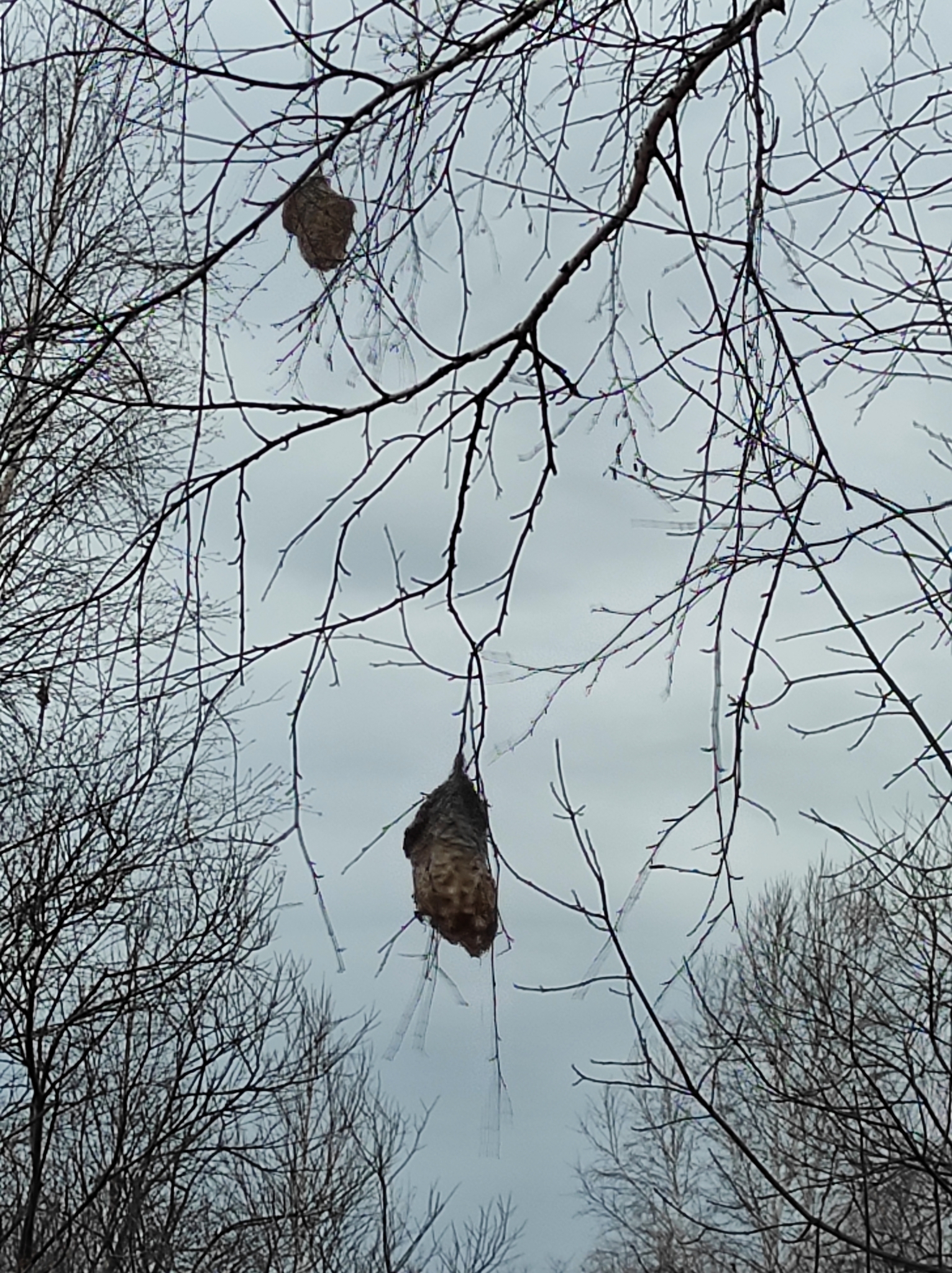
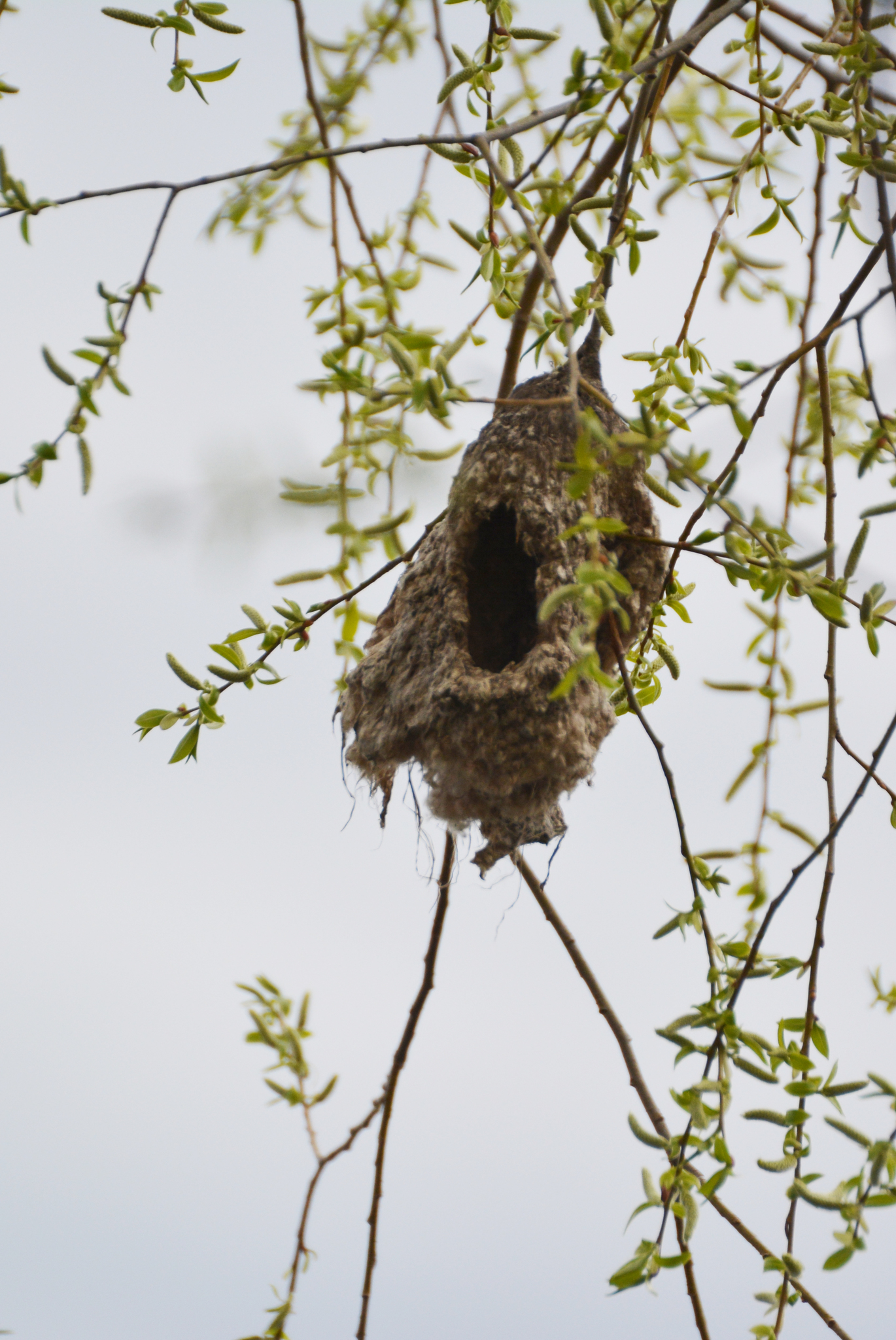
A passerine bird of the genus Remiz, this species is relatively widespread throughout the western Palearctic. It is migratory in the northern part of its range but resident in the southern part. The most distinctive traits are its elaborate hanging pouch-shaped nest and the expansion of its breeding range in Western Europe during the 1980s and 1990s. With a large range of 1-10 million square kilometers and a European population of 420,000-840,000 individuals that is increasing, it is evaluated as Least Concern.
Description
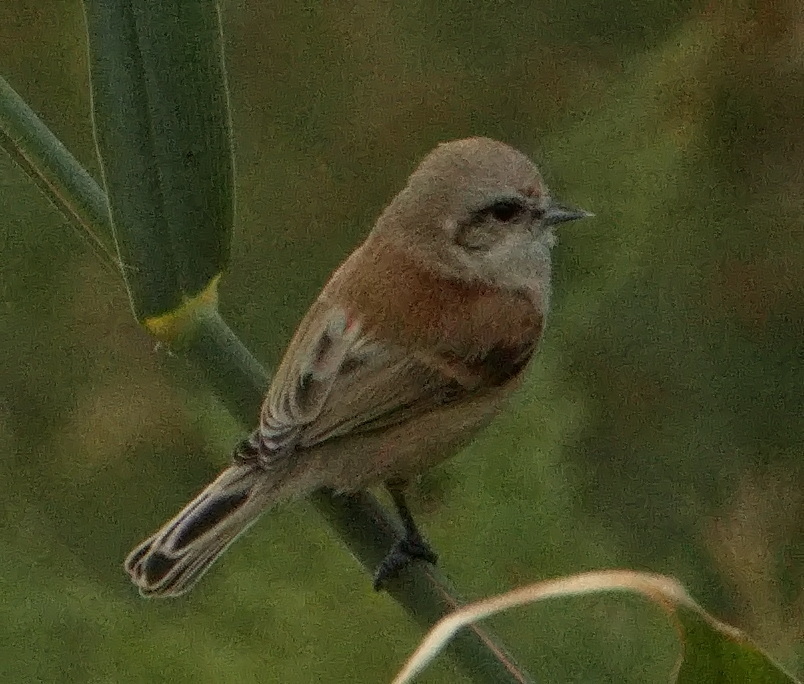
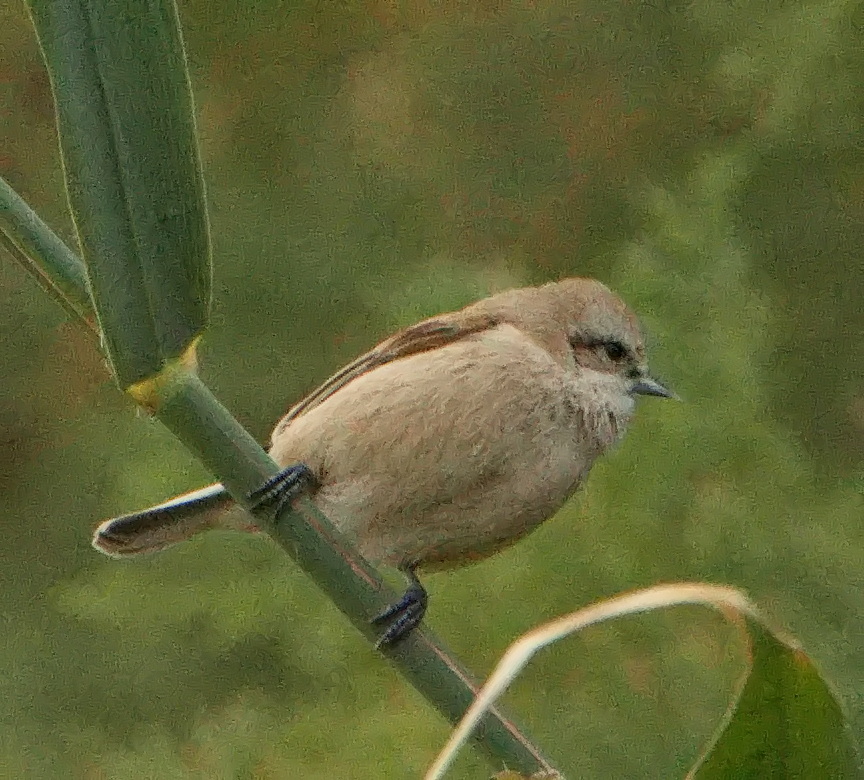
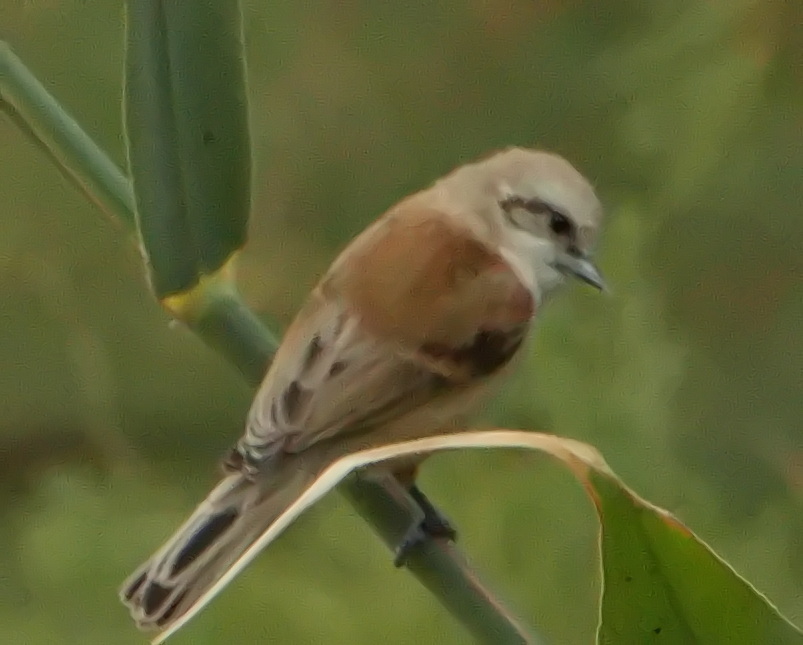
A small tit with body length of 10-11.5 cm (3.9-4.5 in), featuring a finely pointed bill and a relatively long tail. The head is light grey with a distinctive black mask extending through the eye. The back is chestnut brown. Sexes appear very similar, though the male has a broader mask and a more rufous back.
Identification
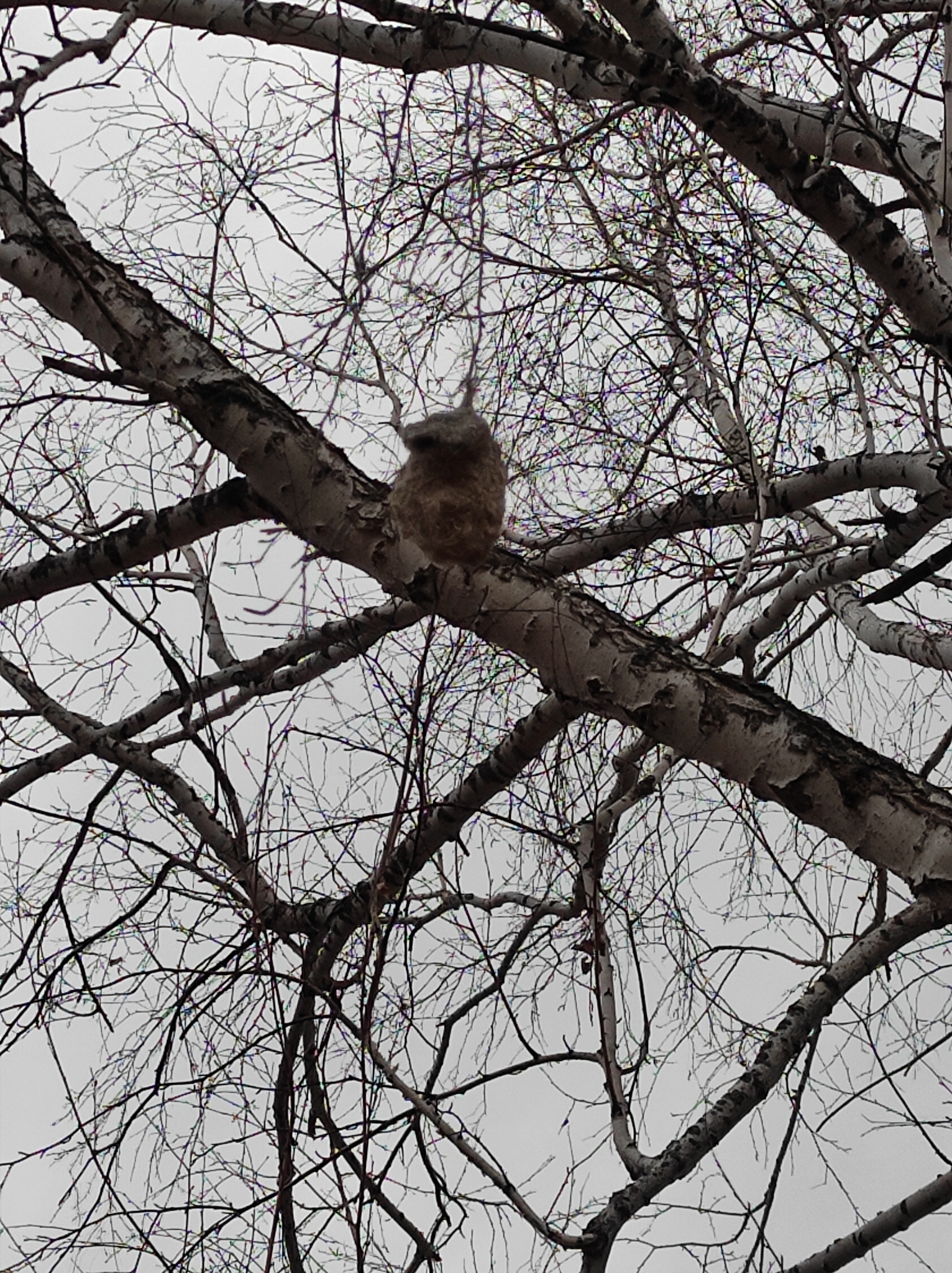
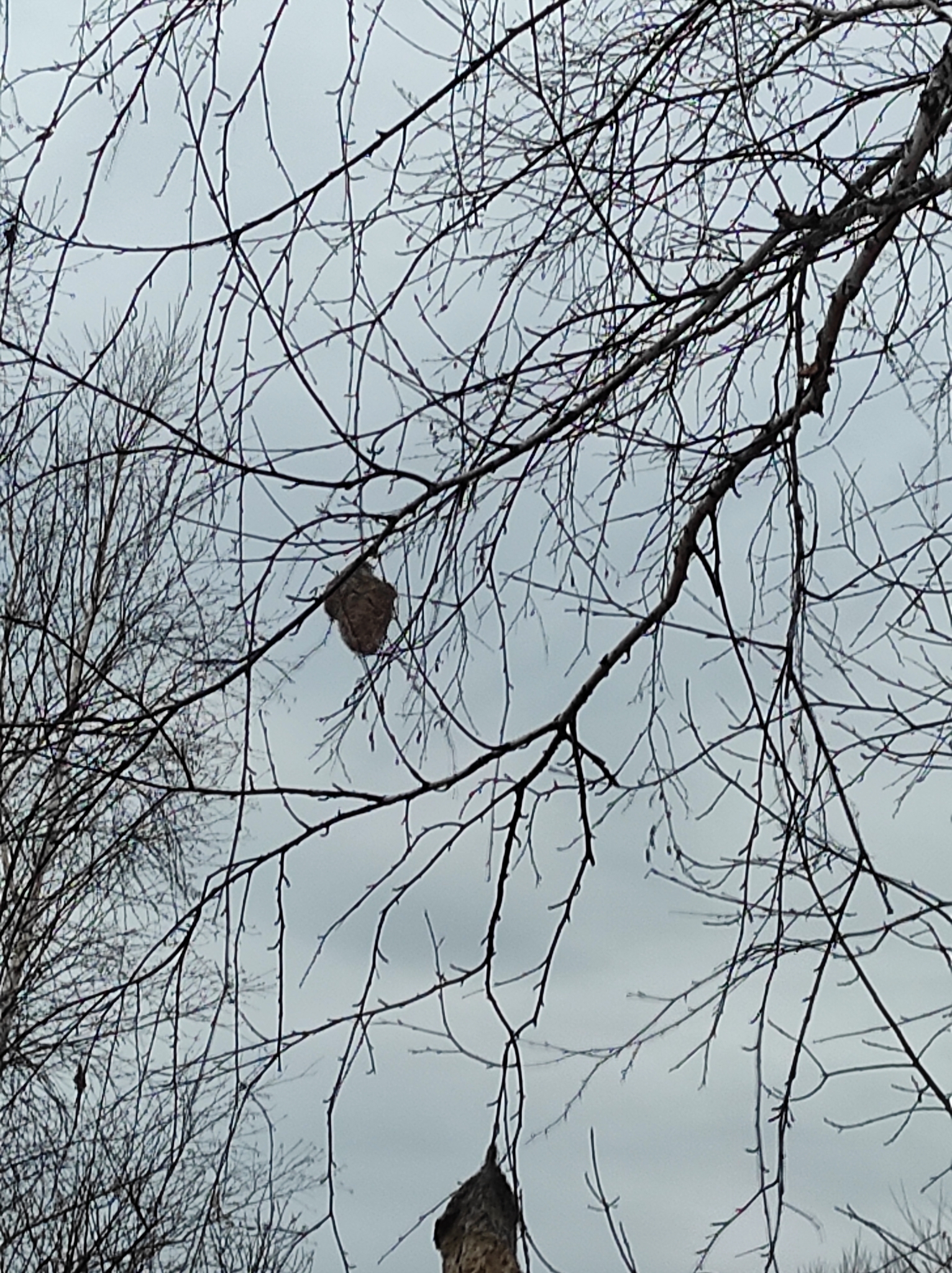
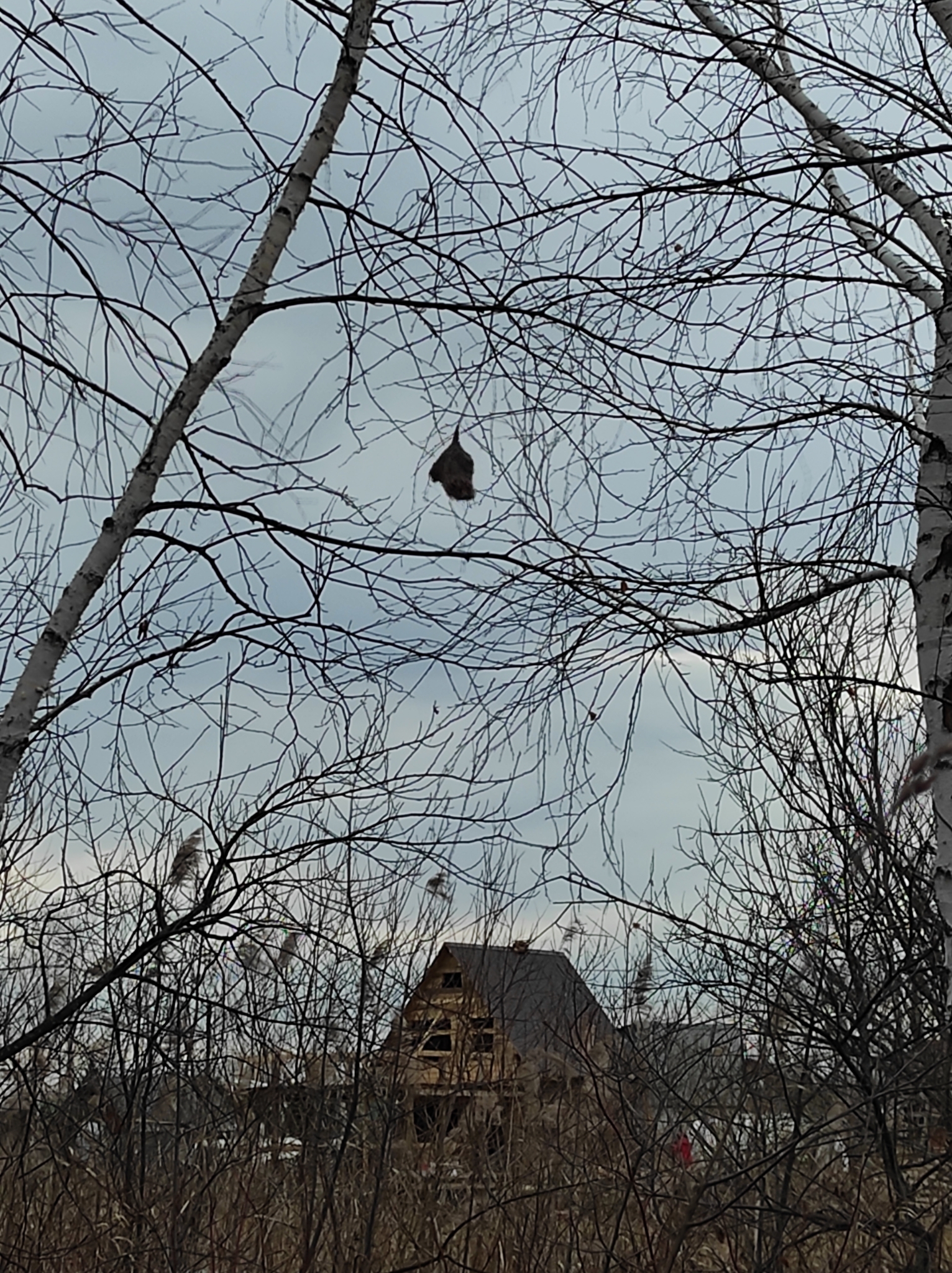
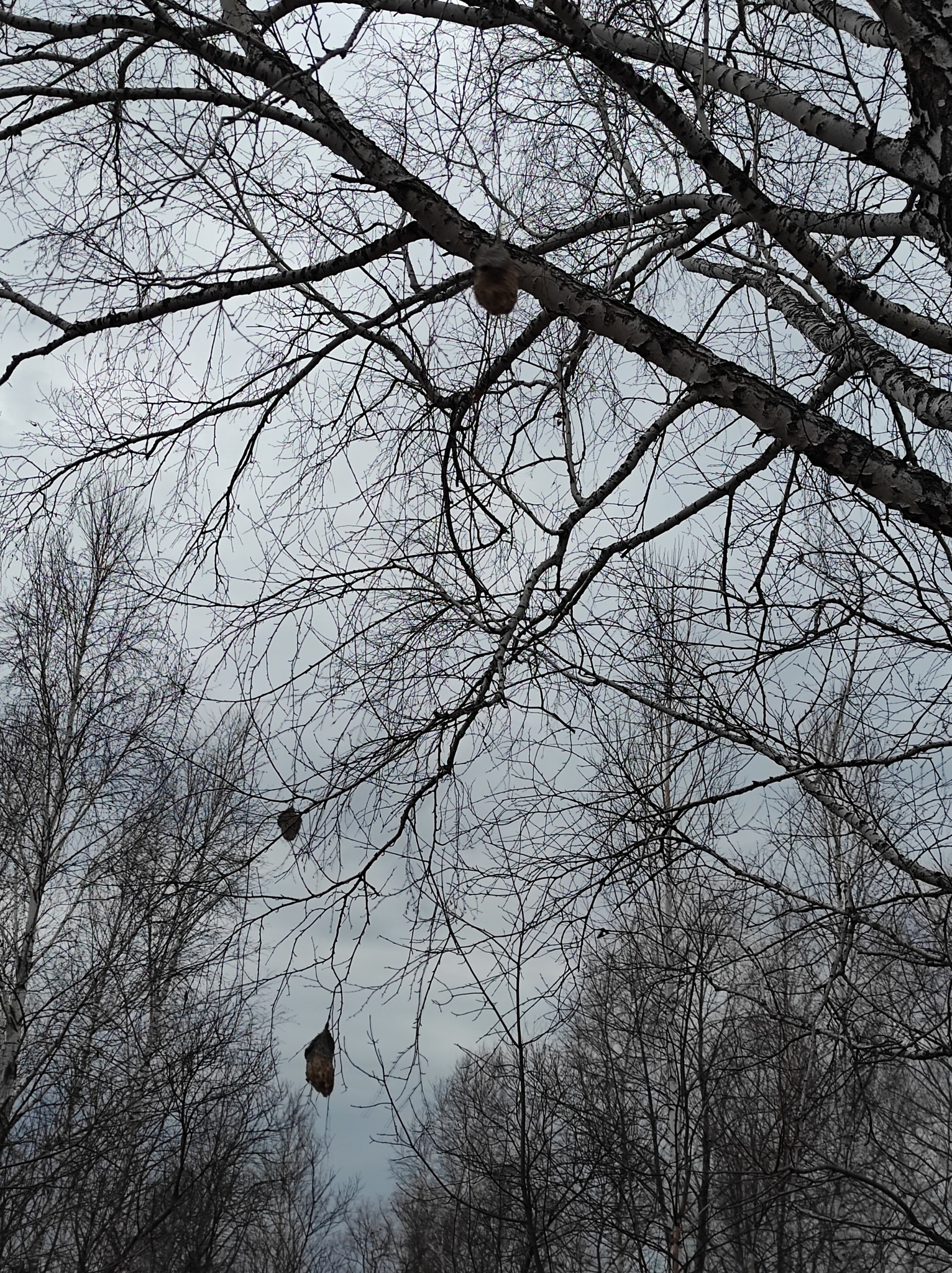
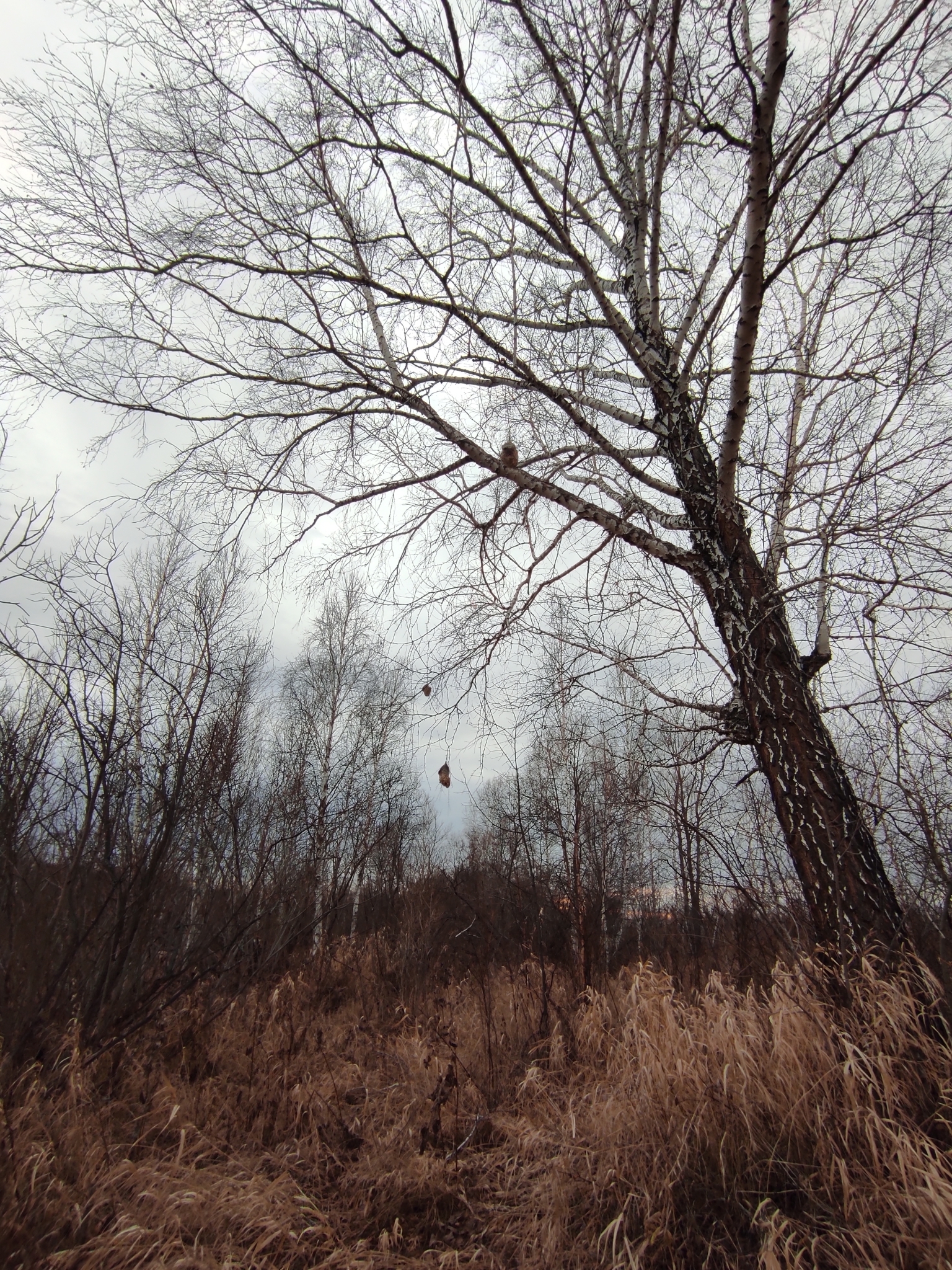
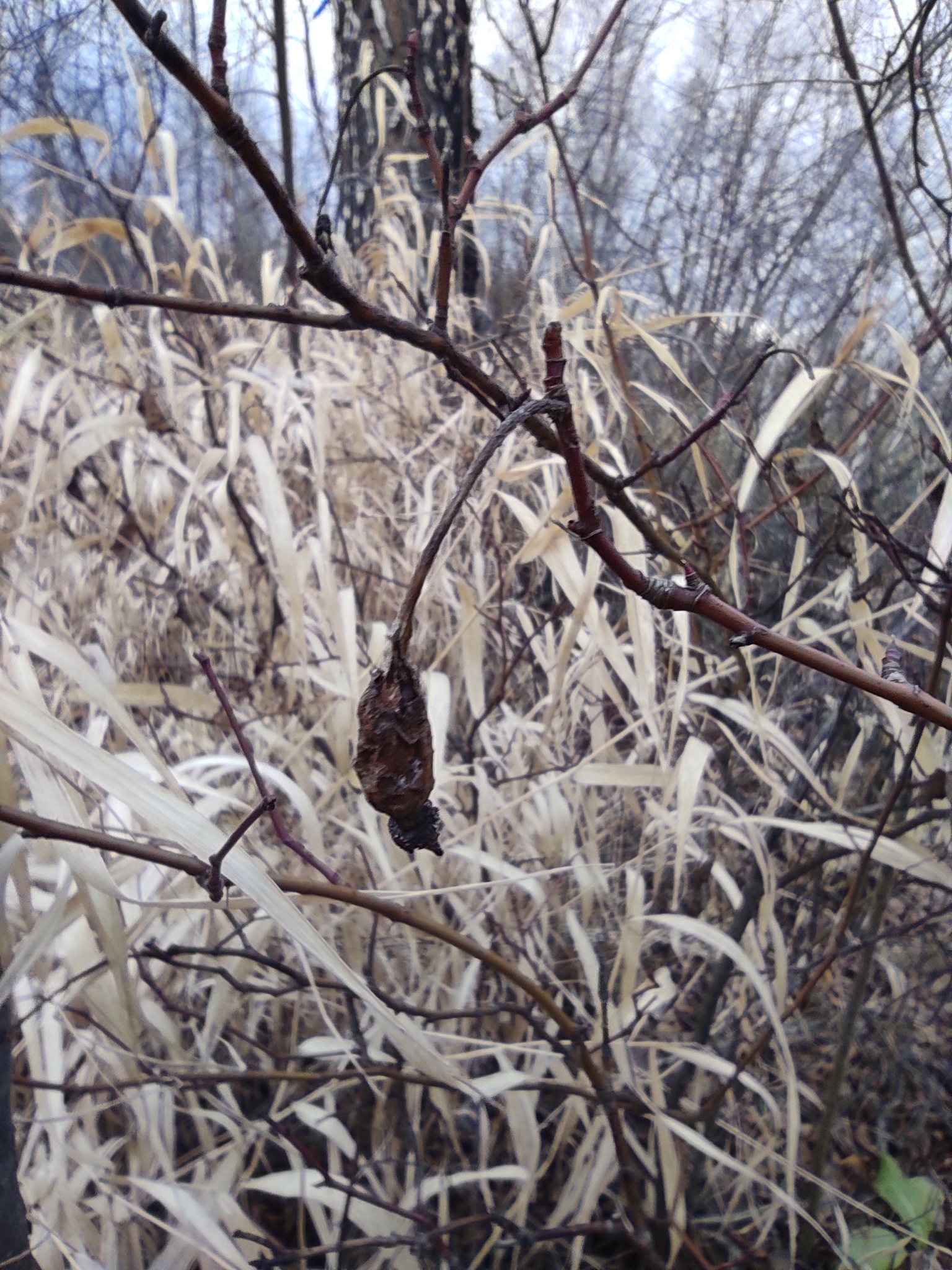
Small size combined with the distinctive black face mask and chestnut brown back are key field marks. The hanging nest, a large free-standing pouch, is a characteristic sign of presence. Sexes are difficult to distinguish in the field; males show slightly broader masks and more rufous upperparts.
Distribution & Habitat
Occurs throughout the western Palearctic. Northern populations are migratory, while southern populations are resident. Western European breeding range expanded significantly during the 1980s and 1990s, with winter range extending south to northern Morocco. Four subspecies recognized across different regions from Europe to west Siberia.
Behavior & Ecology
Diet consists primarily of insects and spiders, with occasional seeds such as willow. Forages in trees and reeds, using one foot to cling while extracting seeds. Breeding occurs from late April to early July. Both sexes build the elaborate hanging nest over approximately 20 days; the pouch measures 25 cm tall and 17 cm in diameter. Clutch contains 6-8 white eggs (16.2 mm × 10.7 mm), incubated by one parent for 14 days. Young fledge at around 22 days and are fed larval insects and spiders.
Conservation
IUCN Red List assessment: Least Concern. The species has a large range (1-10 million square kilometers) and European population of 420,000-840,000 individuals. Population is increasing and does not meet criteria for threatened status.
Culture
The elaborate hanging nests were formerly used in Central Europe as children's slippers.
Source: Wikipedia · CC BY-SA 3.0
Taxonomy
- Order
- Passeriformes
- Family
- Remizidae
- Genus
- Remiz
- eBird Code
- euptit1
Subspecies (4)
-
Remiz pendulinus caspius
northwestern Kazakhstan (Volga and Ural plains) to Caspian Sea
-
Remiz pendulinus jaxarticus
eastern Urals to western Siberia and northern Kazakhstan
-
Remiz pendulinus menzbieri
southern and eastern Türkiye to Armenia and northwestern Iran
-
Remiz pendulinus pendulinus
Europe to Ural Mountains, Caucasus Mountains, and western Türkiye
Data Sources
CBR Notes: 2024年1月27日,新疆艾比湖,汪卉、蒋文妮、克德尔汗·巴亚肯、吐尔洪江·吐尔逊、阙品甲、雷维蟠、张正旺、陈德(汪卉等,2024)
Species description from Wikipedia, licensed under CC BY-SA 3.0.
Bird images and sounds sourced from GBIF, contributed by citizen scientists worldwide under Creative Commons licenses.
Taxonomy data from AviList 2025.