Flamecrest
Regulus goodfellowi
台湾戴菊
Introduction
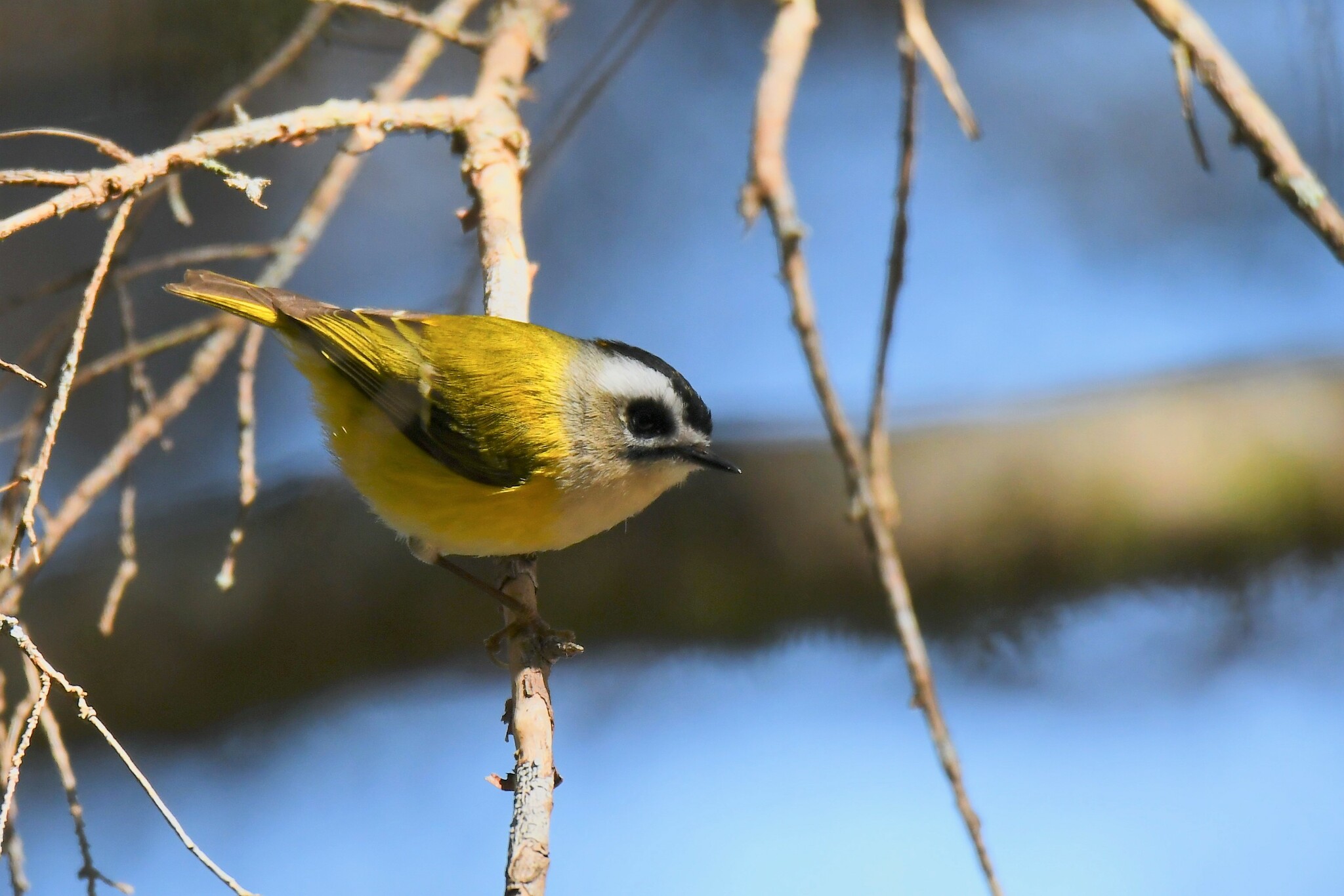
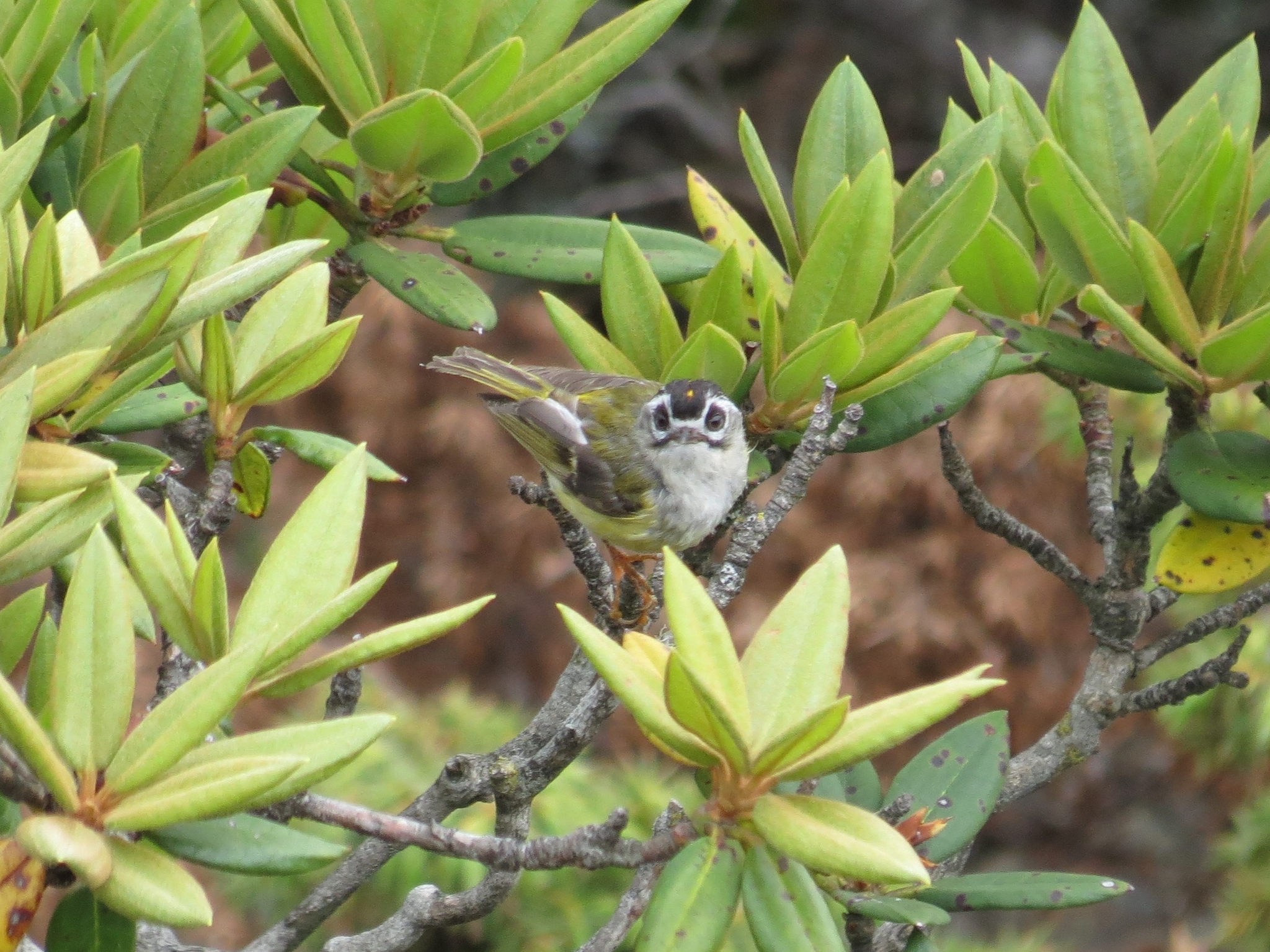
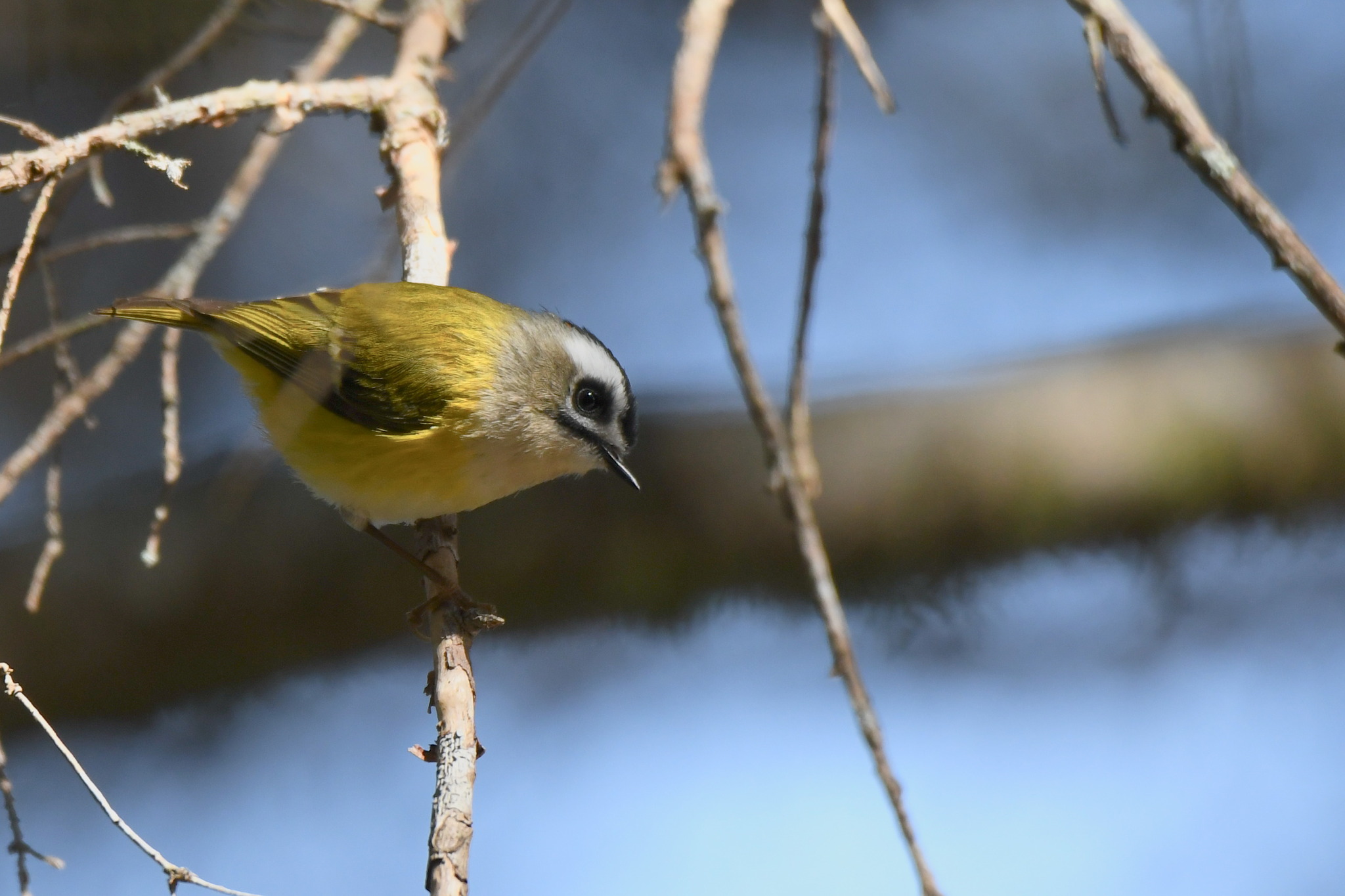
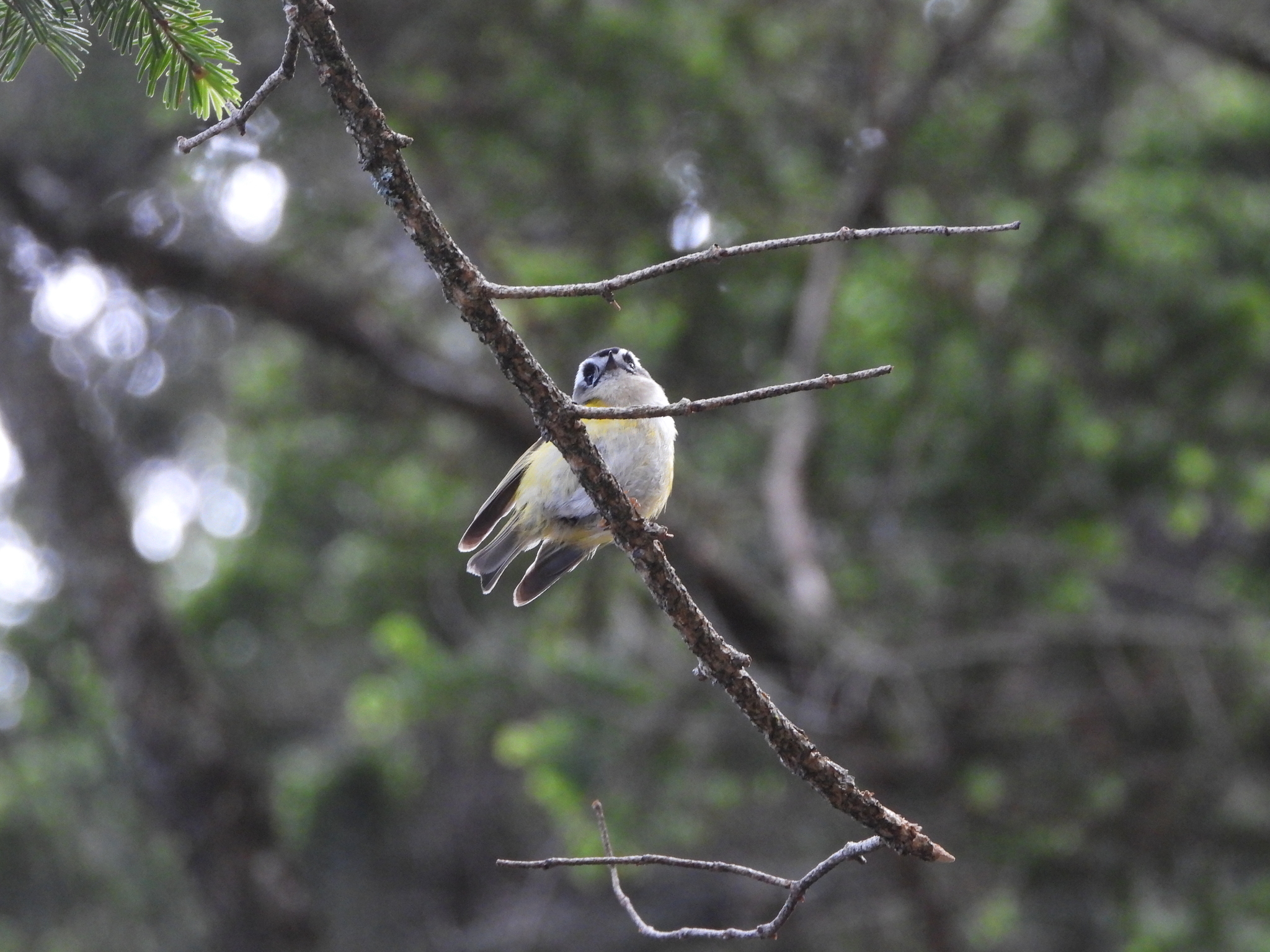
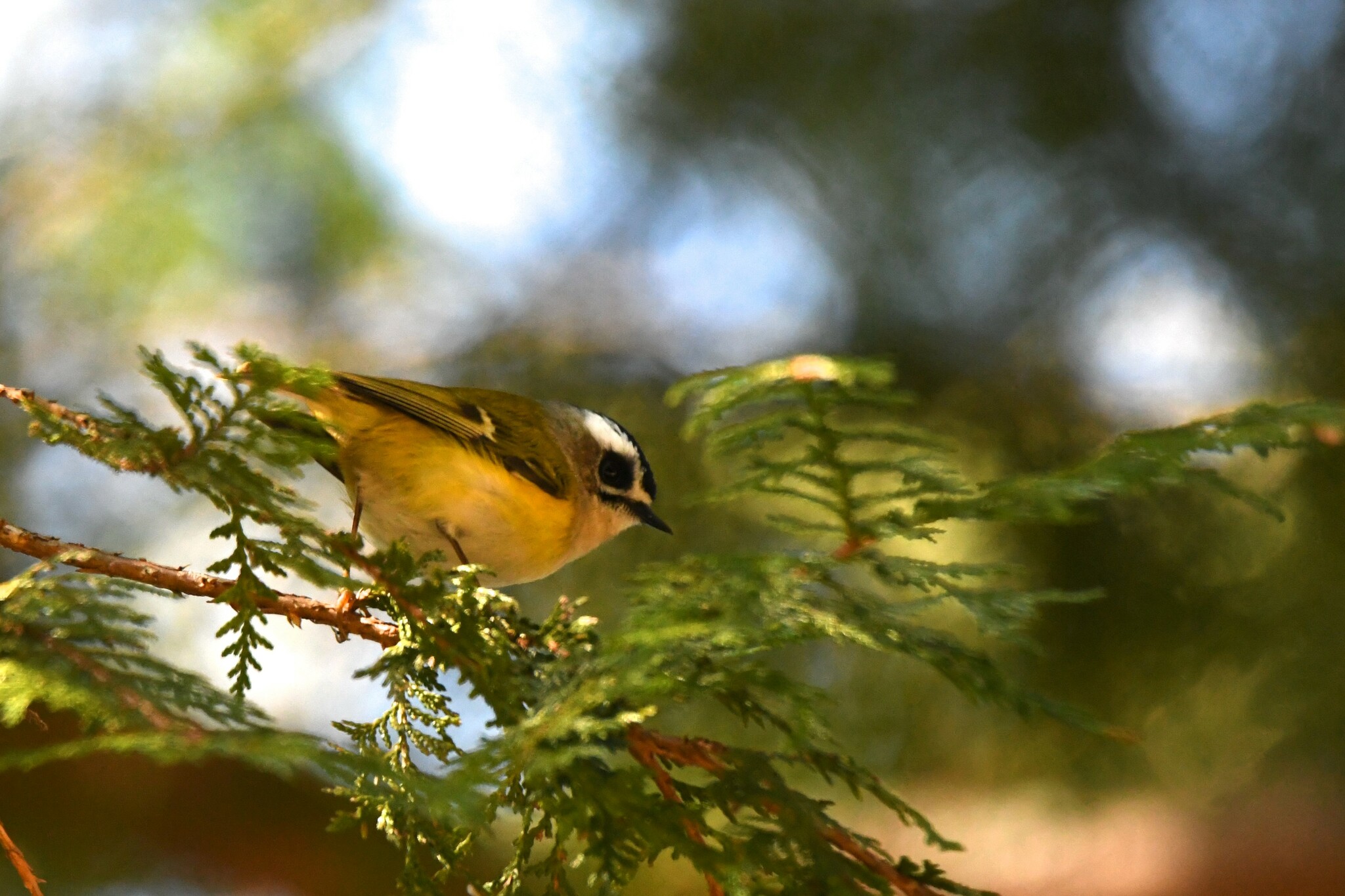
The flamecrest (Regulus goodfellowi) is a species of kinglet in the family Regulidae. It is endemic to the mountains of Taiwan, where it inhabits coniferous forests above 2,000 meters elevation. This is the smallest of all Taiwan's endemic bird species at just 9 cm in length and 7 g in weight, and it is also the smallest and most colorful member of its family worldwide. The species is characterized by an orange-yellow crest on top of the head and distinctive white feathers encircling black eye-patches. It typically forages in the forest canopy and is known to form loose, mixed-species foraging flocks. The flamecrest is classified as uncommon among Taiwan's 17 endemic bird species.
Description
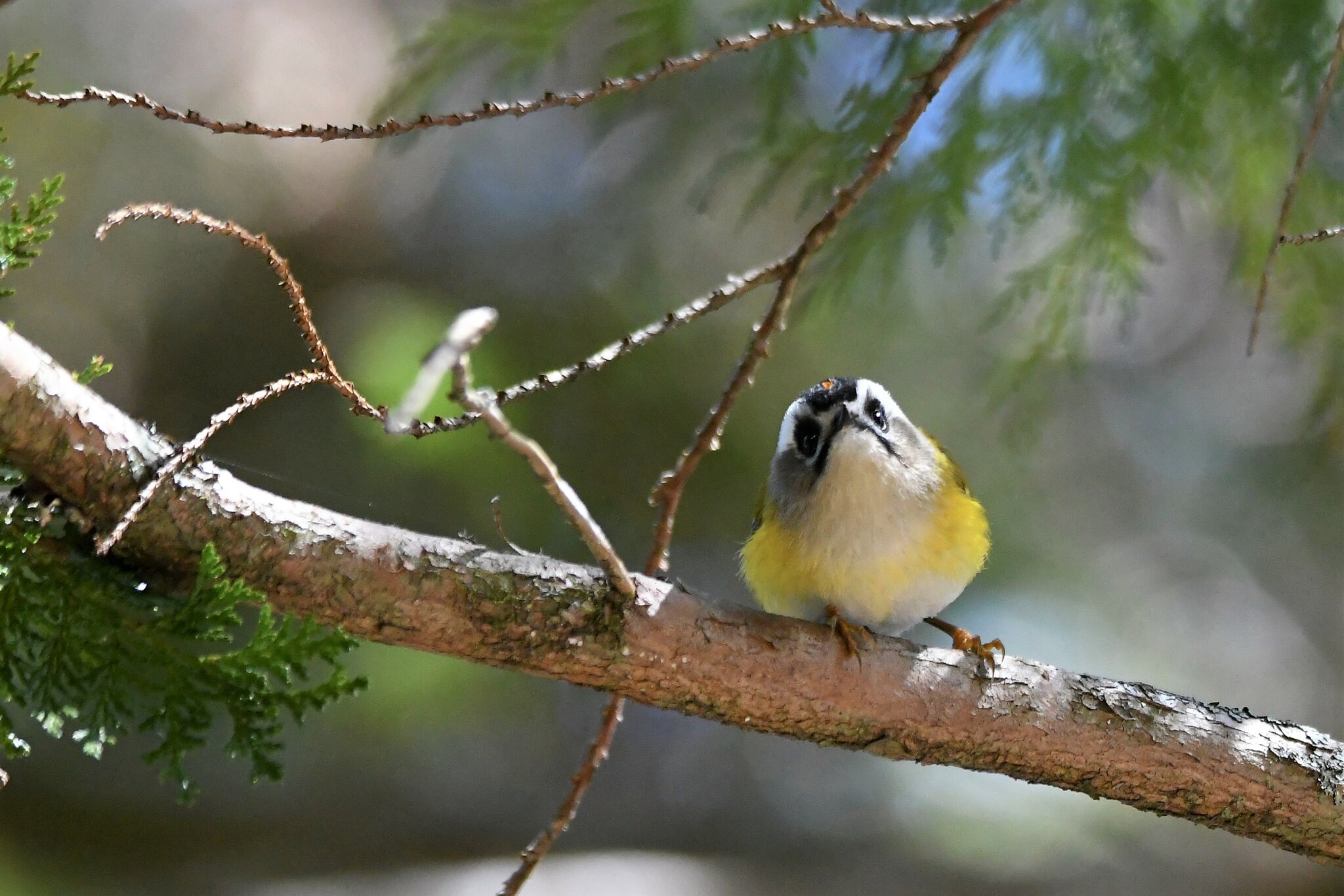
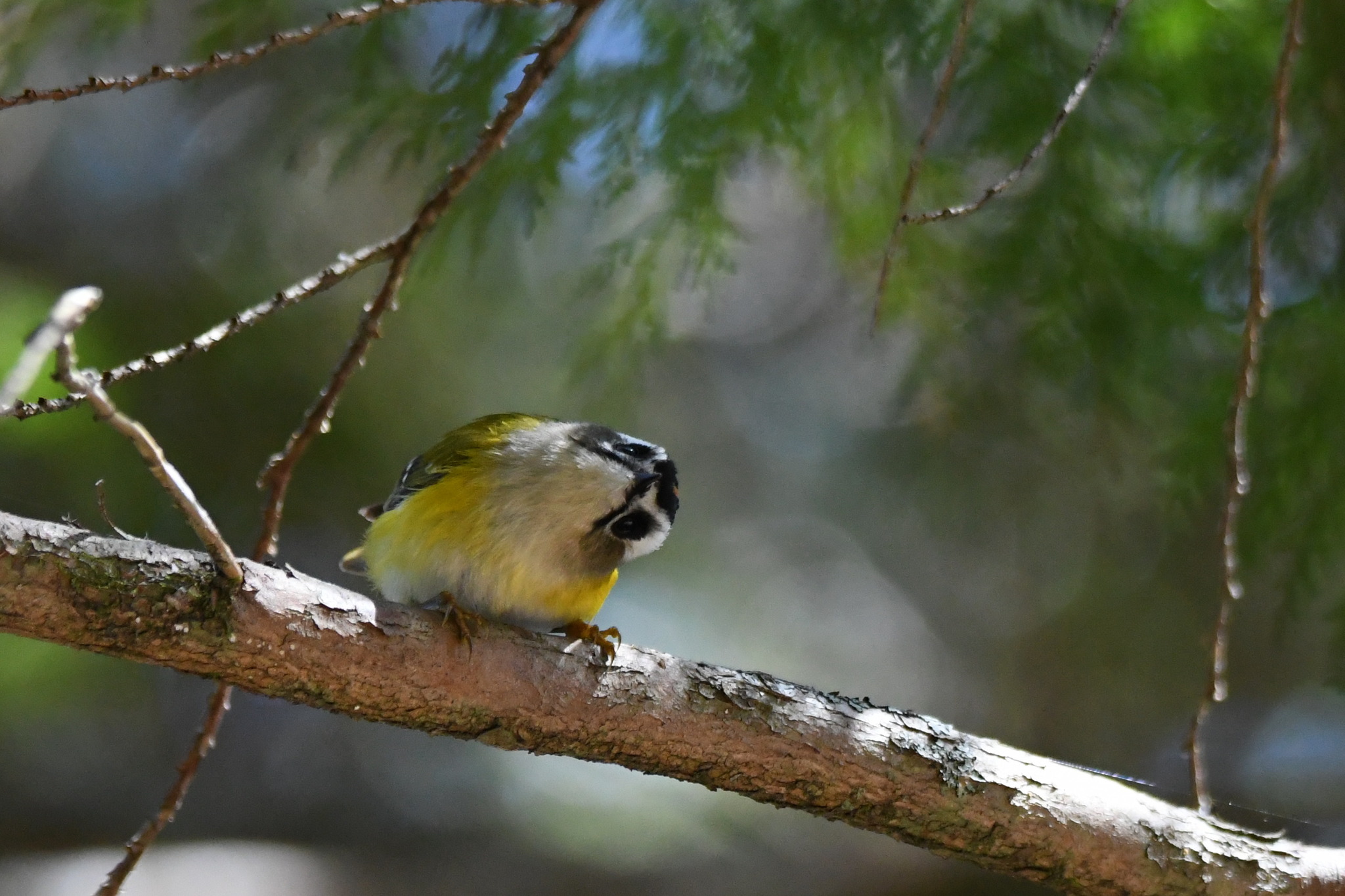
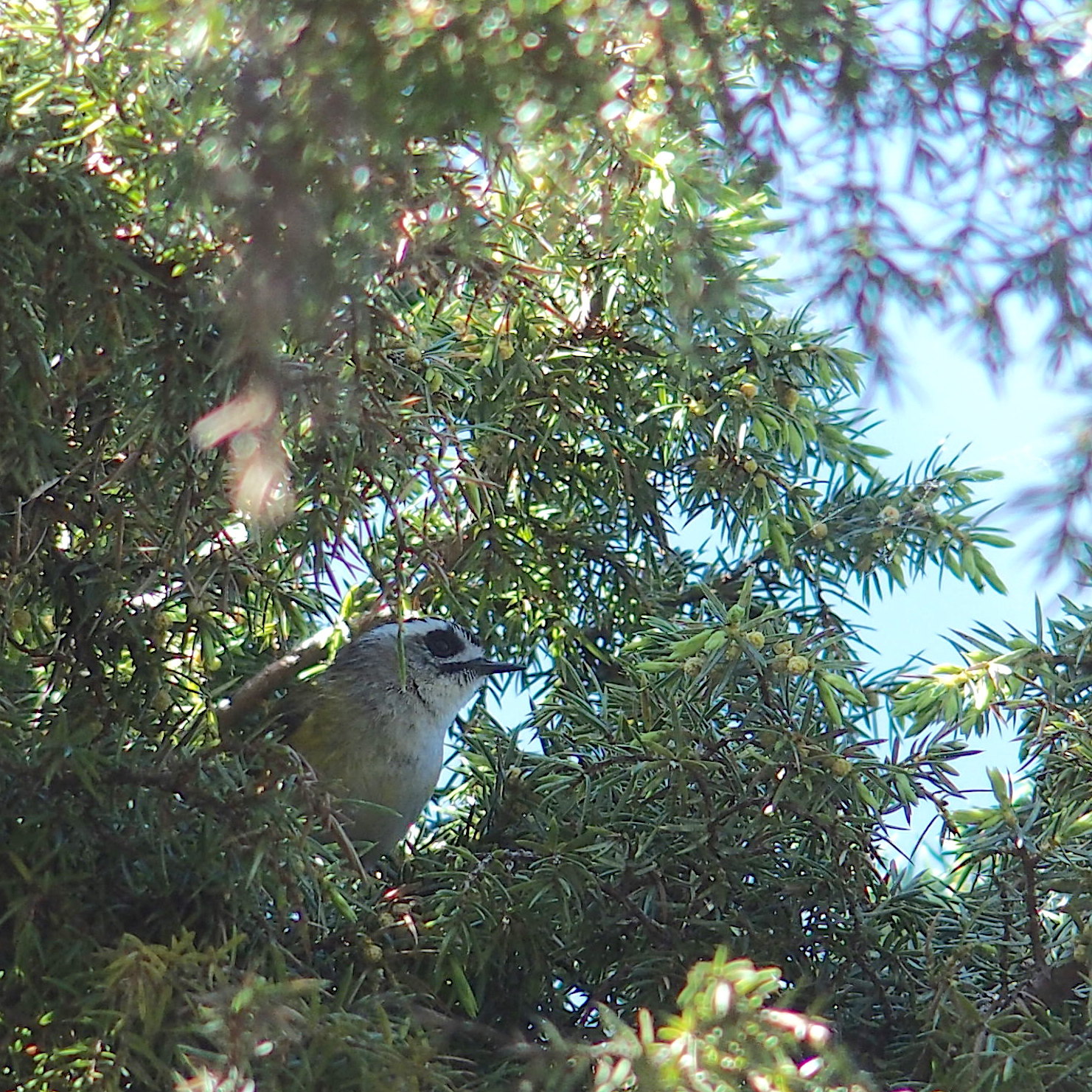
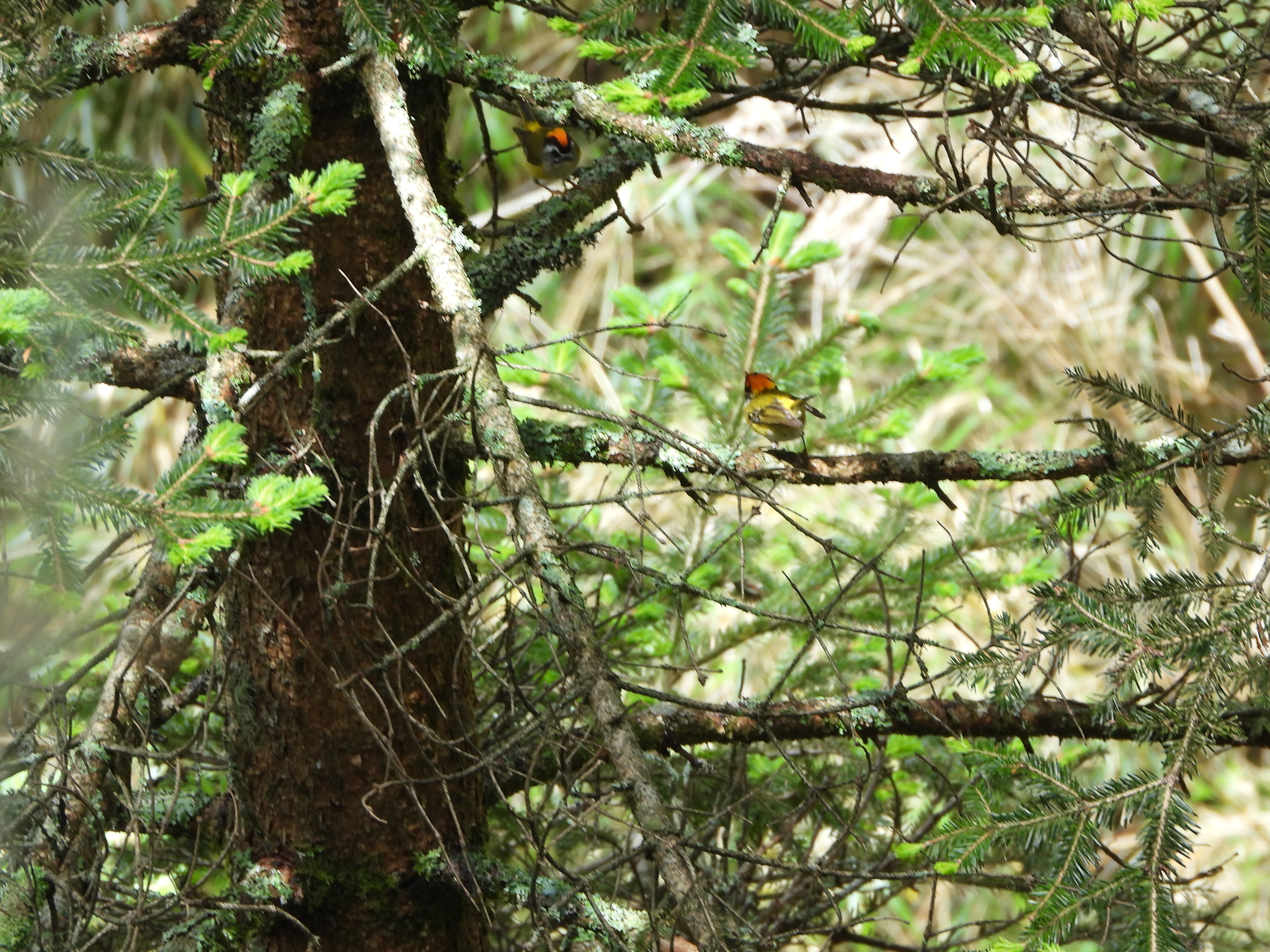
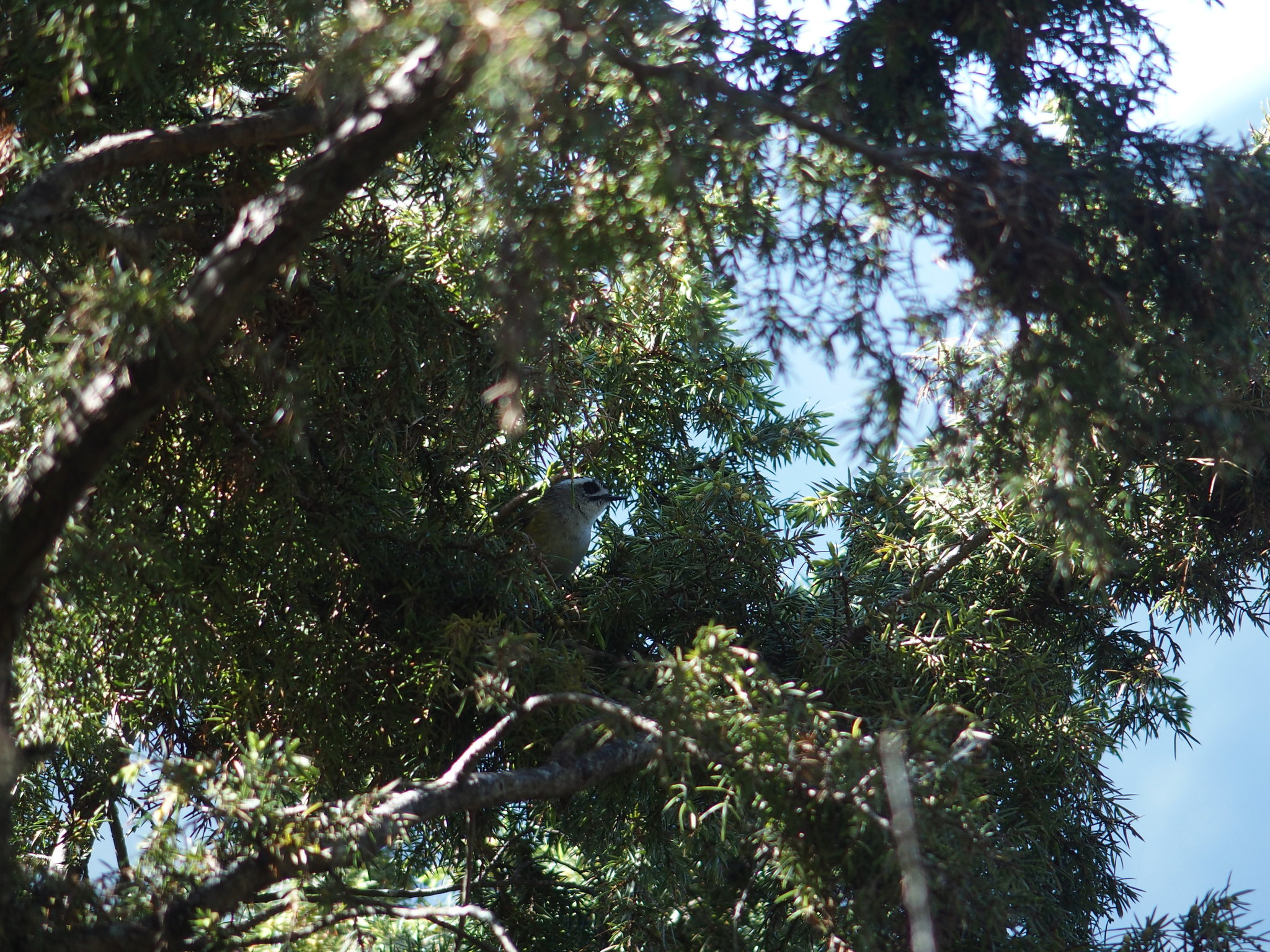
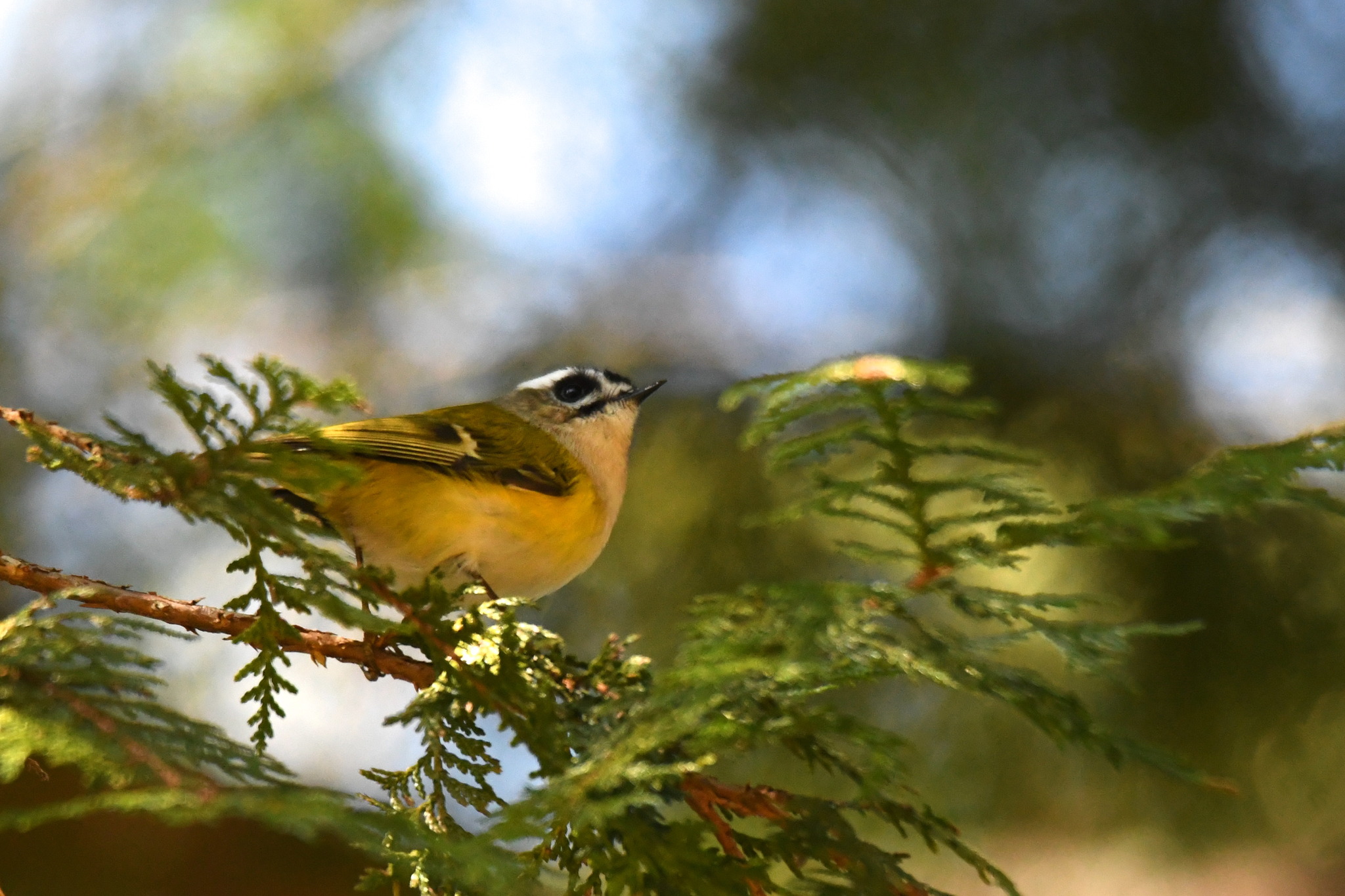
A small warbler-like bird measuring 9 cm (3.5 in) in length and weighing approximately 7 g. The head features yellow and orange coloration with black crown stripes, and white feathers surrounding black eye-patches create a distinctive appearance. The orange-yellow crest is the most prominent feature. Males display an orange center to the crown stripe while females have a pure yellow stripe. The supercilium is very broad, with whitish lores and forehead. A narrow black malar stripe is present, and the chin is whitish. The throat, ear-coverts, and sides of the neck are grey. The mantle is green while the rump and flanks are yellow, with a buff-colored center of the belly. Wings display broad white covert tips forming a wing bar. The tarsi are pinkish.
Identification
A tiny, restless bird resembling a warbler with a conspicuous orange-yellow crest. The broad white wing bar and white eye-patches surrounding black eyes are distinctive field marks. Sexes differ in crown coloration: pure yellow in females, orange-centered in males. When excited, males erect their crest. It resembles the goldcrest but has orange (not yellow) crest feathers. The firecrest of Eurasia is similar but is geographically separated; the Taiwan flamecrest is sometimes considered closely related to goldcrest rather than firecrest based on genetics and song.
Distribution & Habitat
Endemic to the mountains of Taiwan, occurring at elevations from 2,000 m to 3,700 m, most commonly above 2,500 m. Found in coniferous forests including areas at Alishan, Da Yu Ling, Hehuanshan, Yu Shan, and higher elevations of Anmashan. Occupies both high- and mid-altitude coniferous forests and high-altitude broad-leaved mixed forests, with an average recorded altitude of approximately 2,550 m—the highest of all Taiwan's endemic birds. Prefers evergreen conifers for foraging but will venture into lower vegetation. Non-migratory resident.
Behavior & Ecology
Active and restless birds that hop and flutter in the canopy. Primarily solitary but form small, loose flocks of their own species and associate with coal tits and Eurasian nuthatches in mixed-species foraging flocks during non-breeding season. Flight is weak and whirring. Primarily insectivorous, feeding on insects and larvae by hovering and gleaning from branches and leaf sheaths. Utilizes almost the entire tree crown when foraging, making it the most generalized forager among associated species. Breeding biology is poorly known. Voice consists of high-pitched, shrill calls described as 'zi zi yi' or 'see-see-see'; the song is a series of high notes. Although noisy at close range, the voice is soft and does not carry far.
Conservation
Classified as Least Concern globally. In Taiwan, it is classified as uncommon among the 17 endemic bird species. Population trend is considered stable with no significant decline documented. No major threats are specifically identified. The species' high-altitude habitat in protected areas likely provides some protection from human disturbance.
Culture
No specific cultural significance or folklore is documented for this species.
Source: Wikipedia · CC BY-SA 3.0
Taxonomy
- Order
- Passeriformes
- Family
- Regulidae
- Genus
- Regulus
- eBird Code
- flamec1
Distribution
montane forest of central Taiwan
Vocalizations
Data Sources
Species description from Wikipedia, licensed under CC BY-SA 3.0.
Bird images and sounds sourced from GBIF, contributed by citizen scientists worldwide under Creative Commons licenses.
Taxonomy data from AviList 2025.