Eurasian Bullfinch
Pyrrhula pyrrhula
红腹灰雀
Introduction
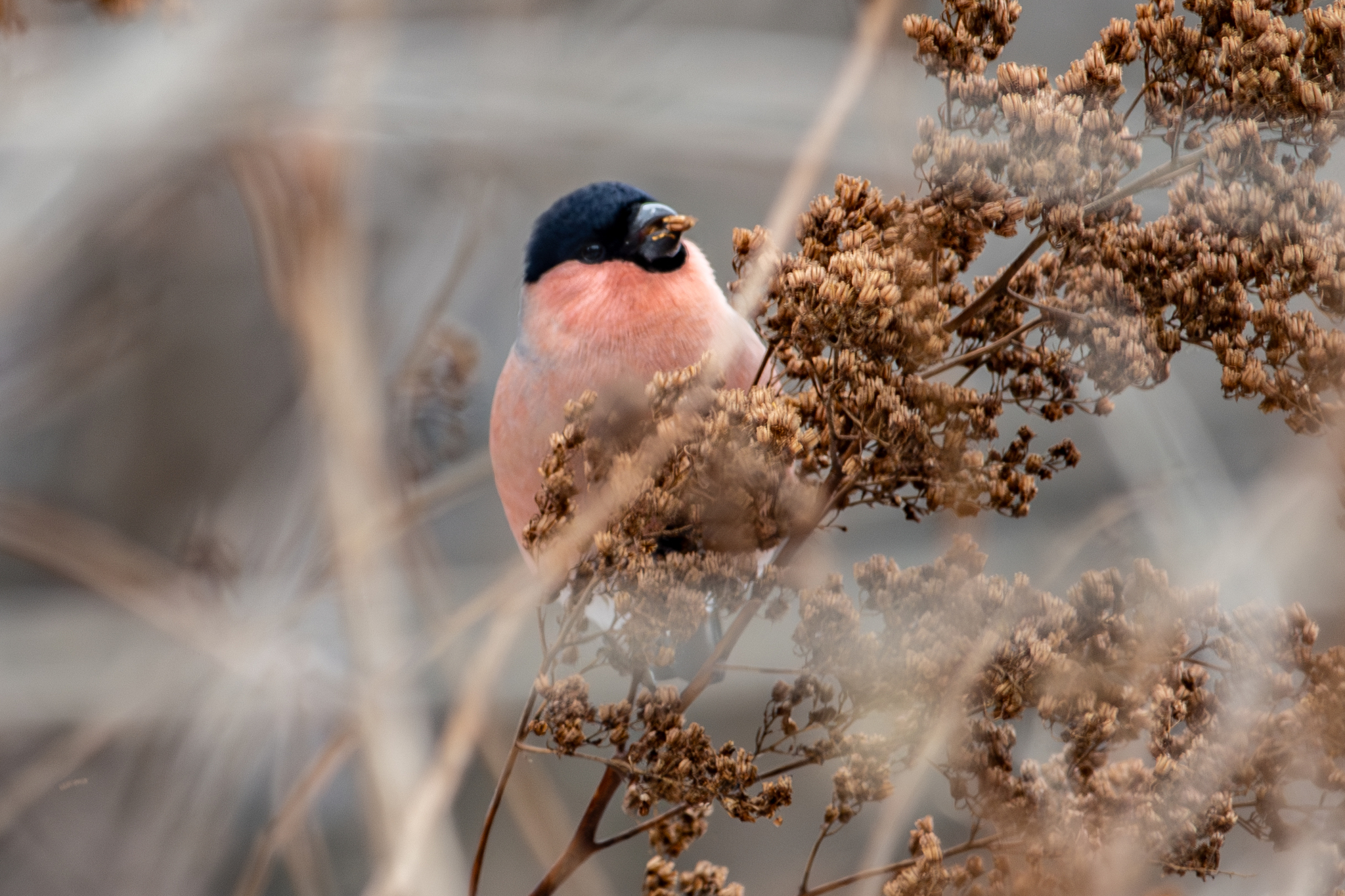
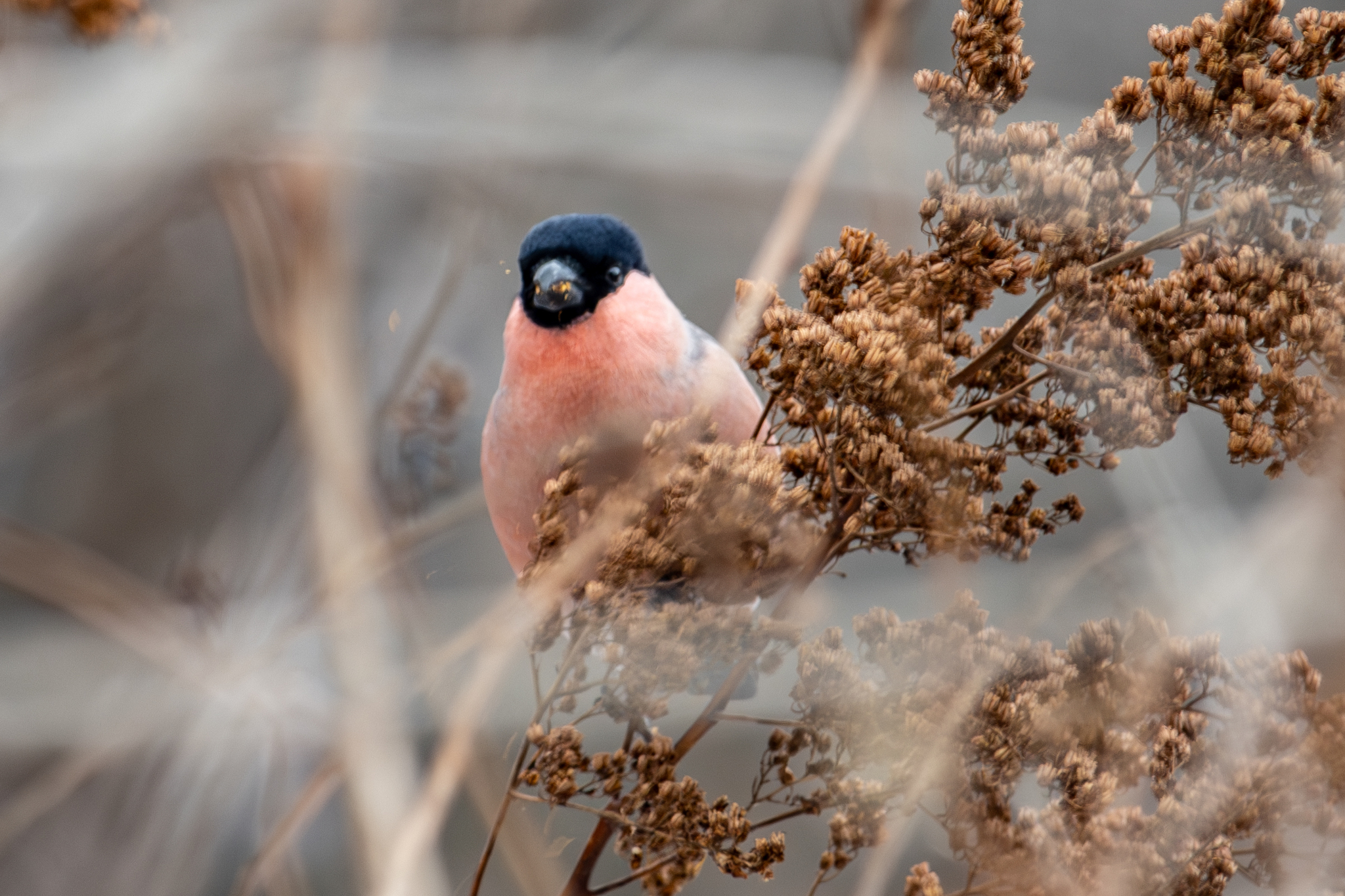
A small passerine bird in the finch family Fringillidae. It breeds across Europe and temperate Asia, favouring mixed woodland with conifers, parkland, and gardens. The species is mainly resident, though northern populations migrate south in winter. Notable characteristics include its bulky bull-headed appearance, striking black face and cap, and the male's distinctive rich red chest. The bird is known for its unobtrusive behaviour and mournful whistled calls. It is considered a pest in orchards due to its consumption of fruit tree buds.
Description
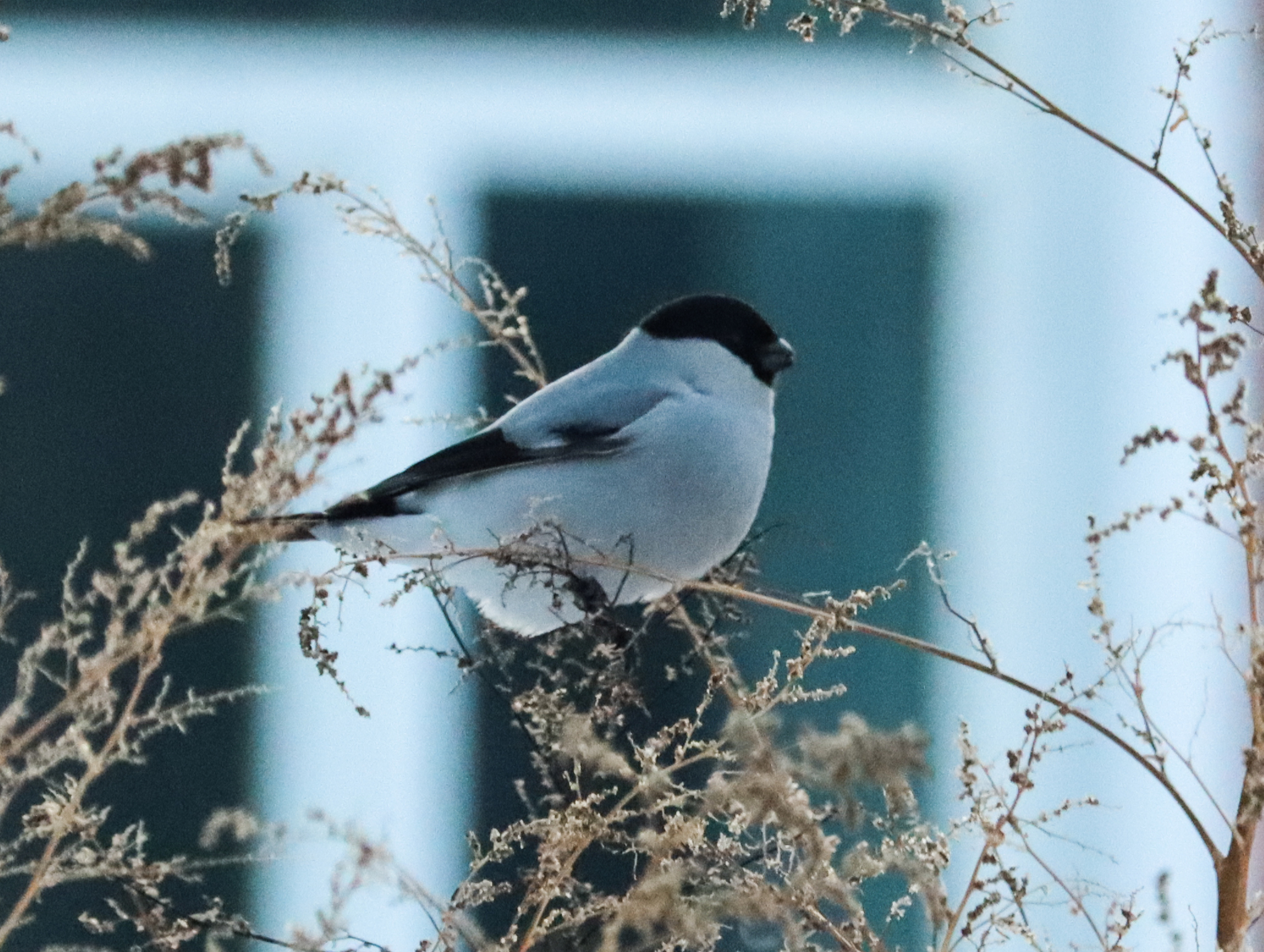
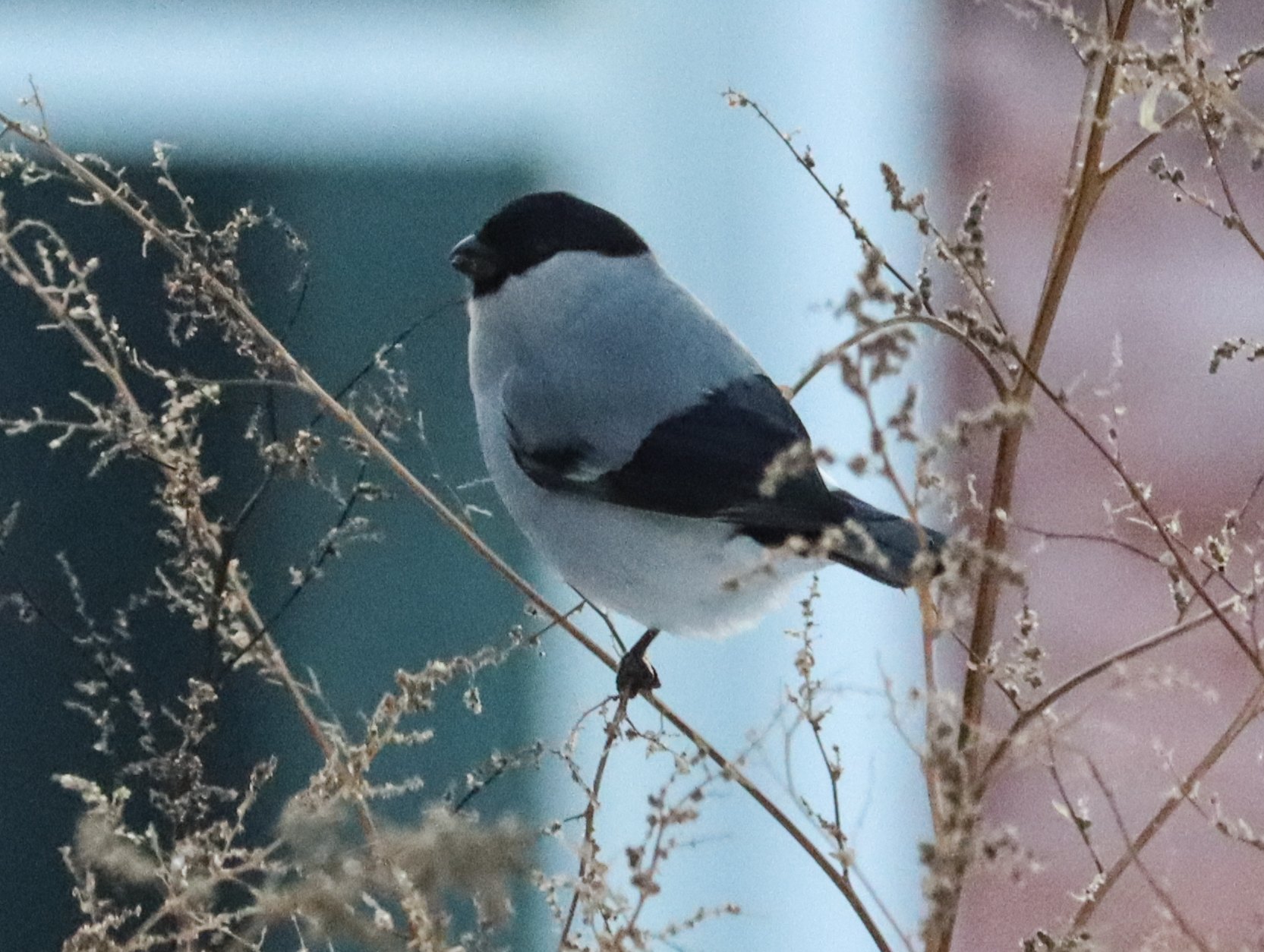
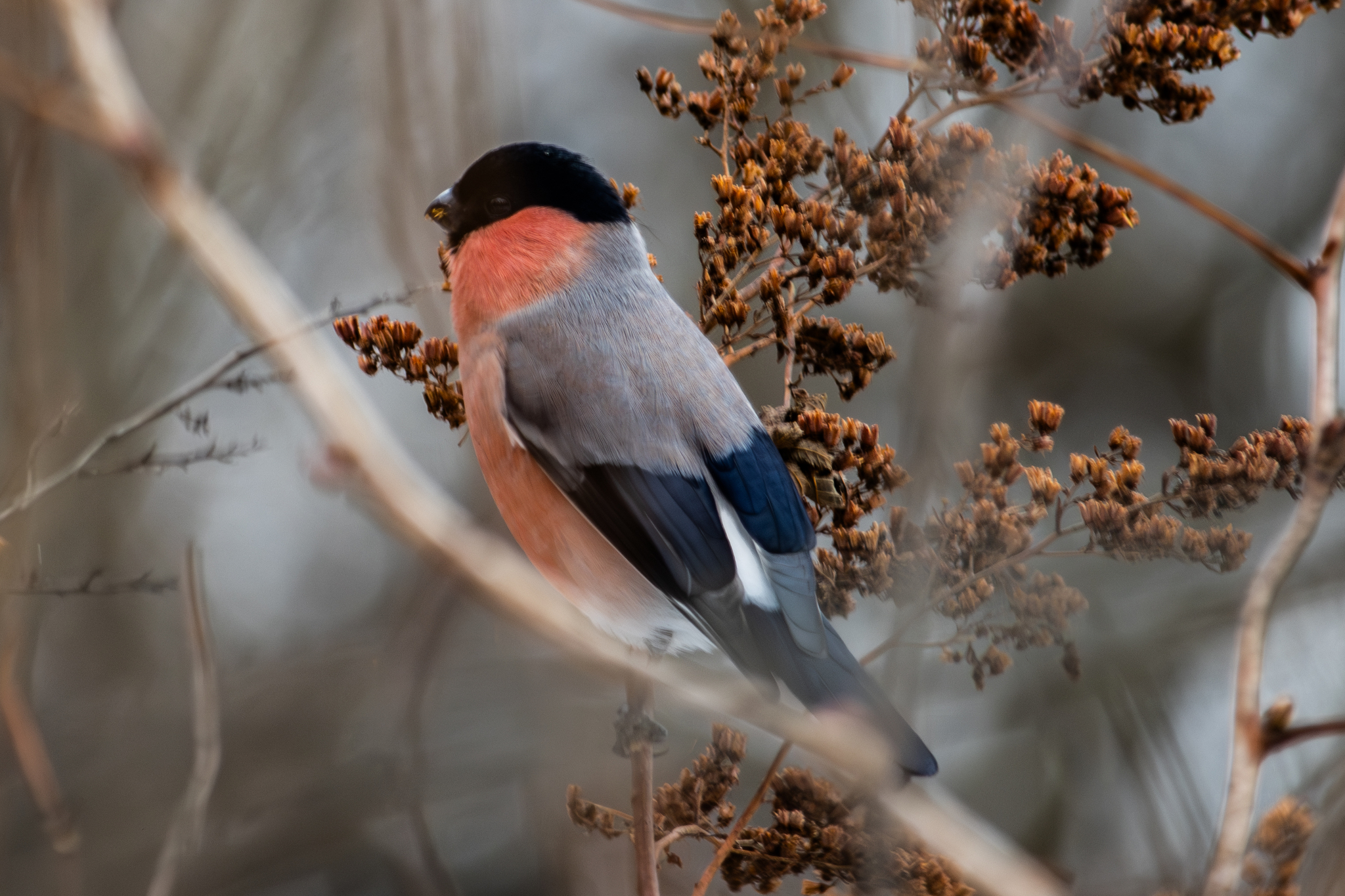
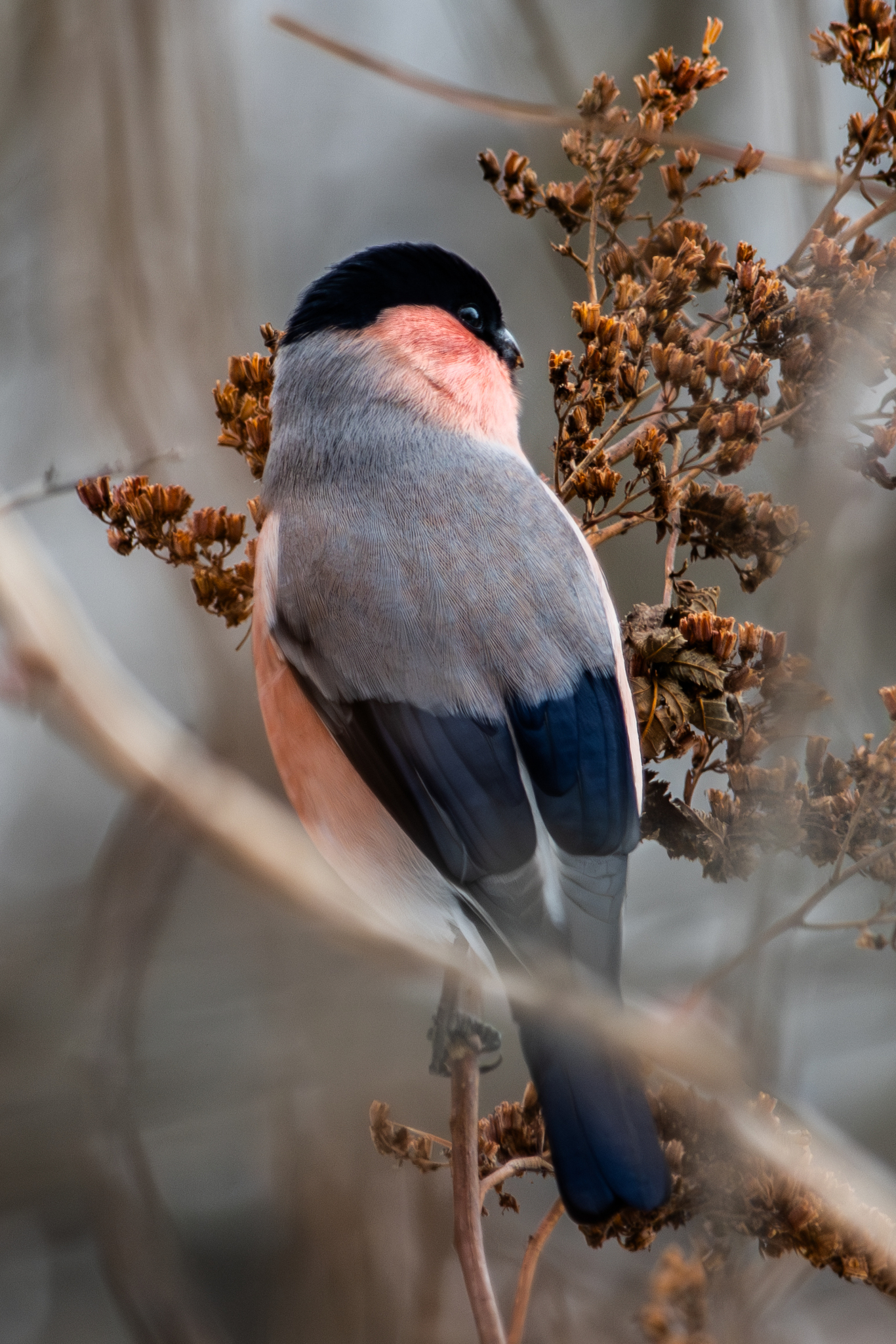
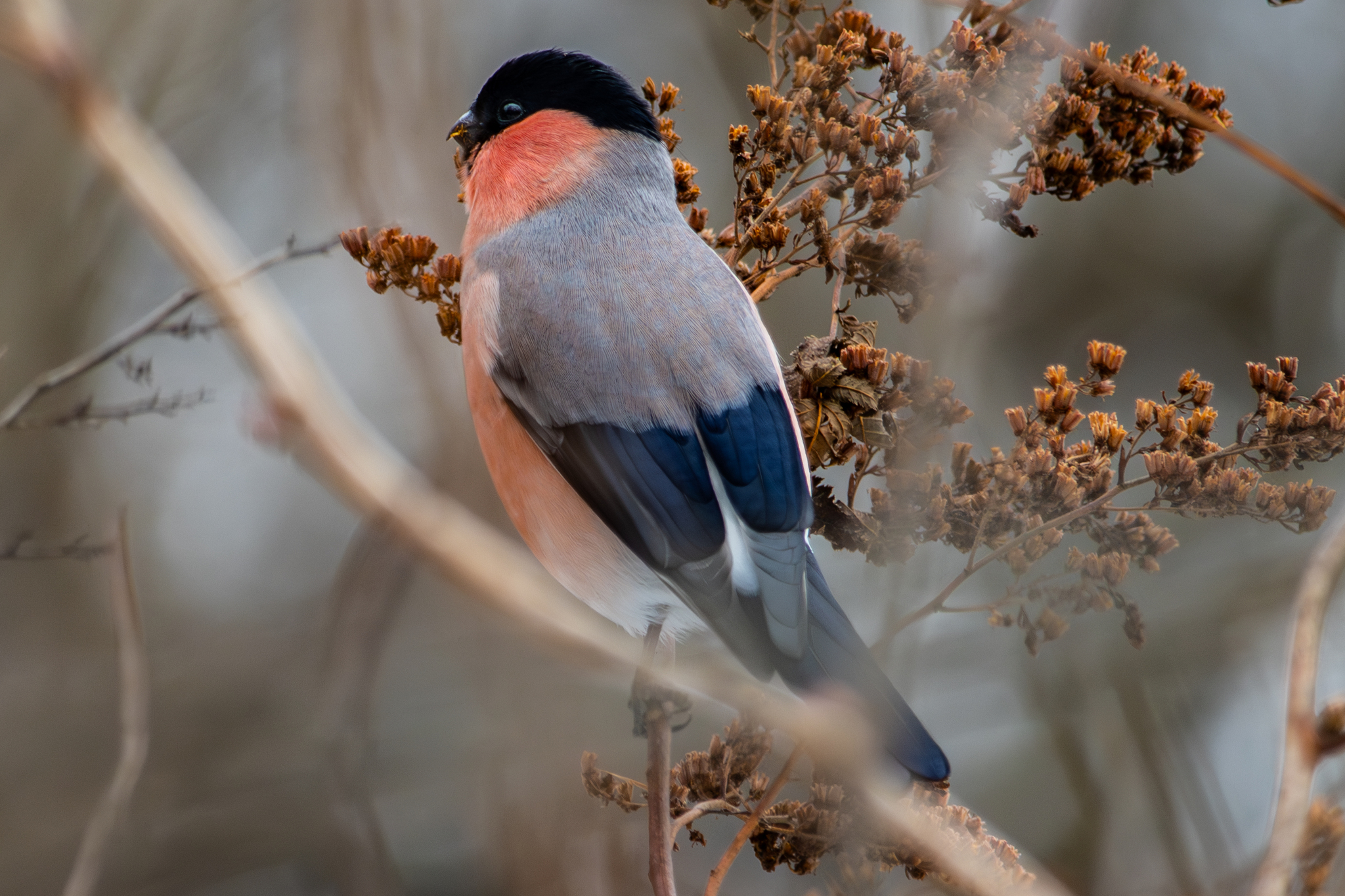
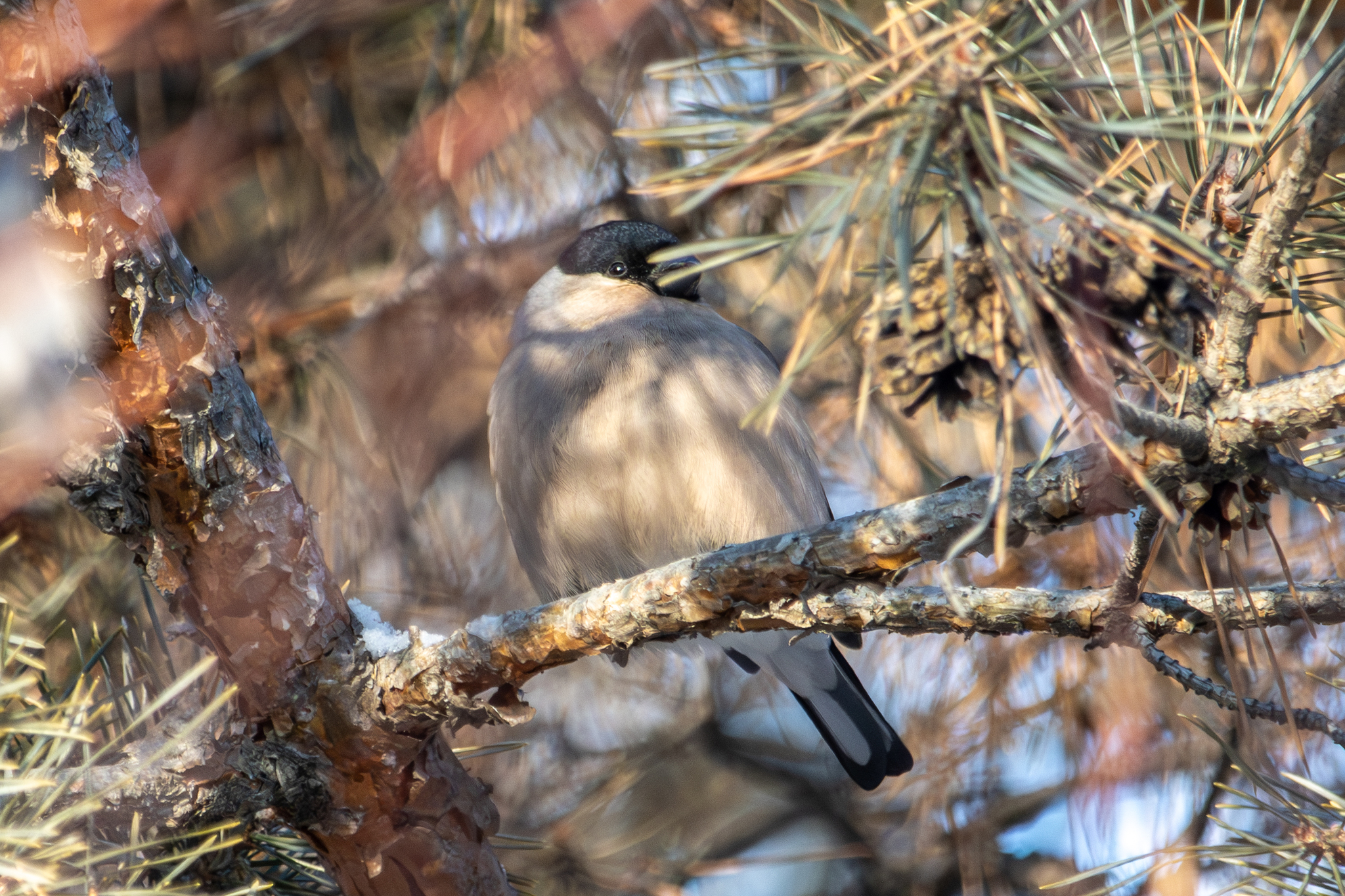
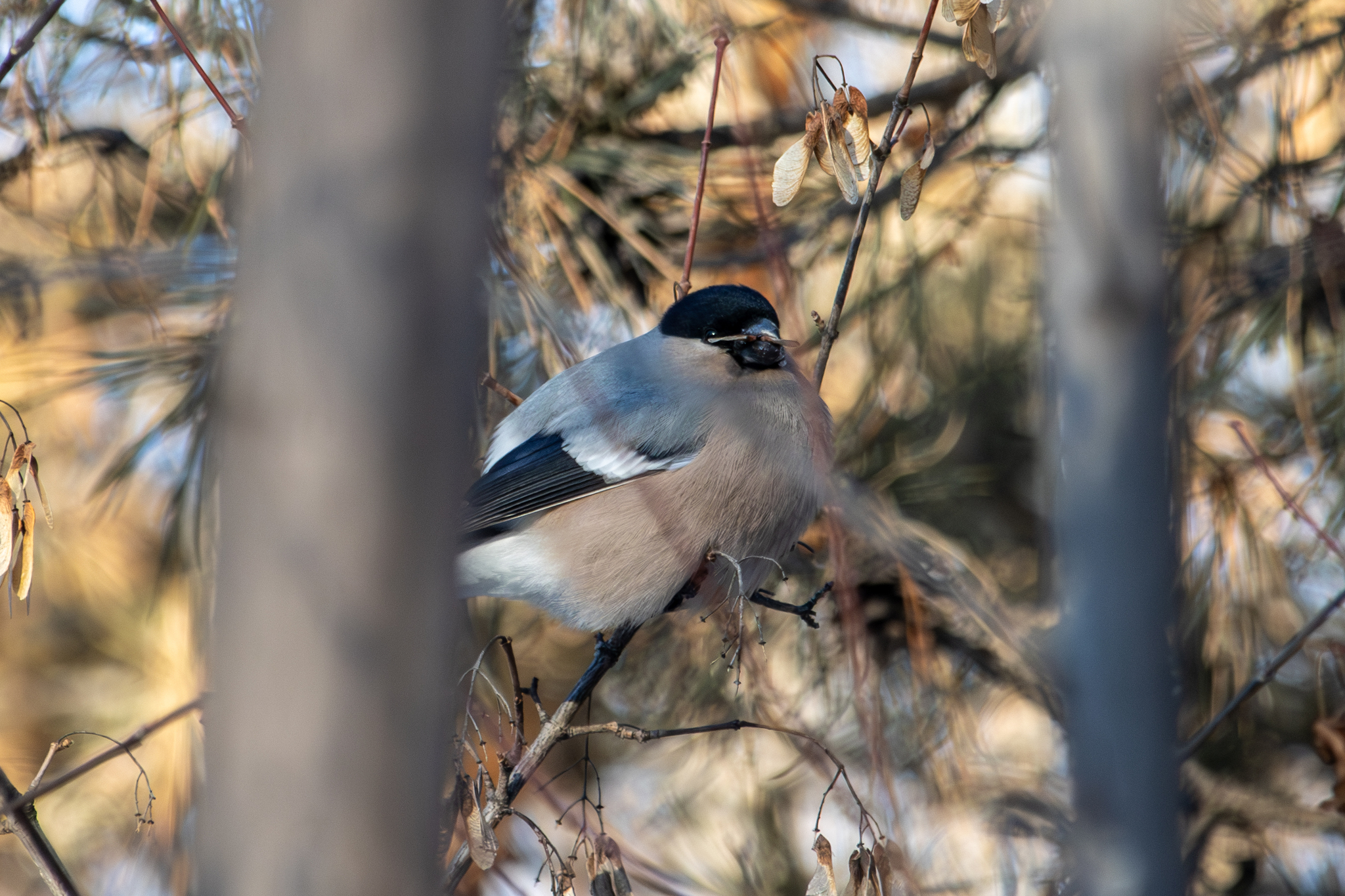
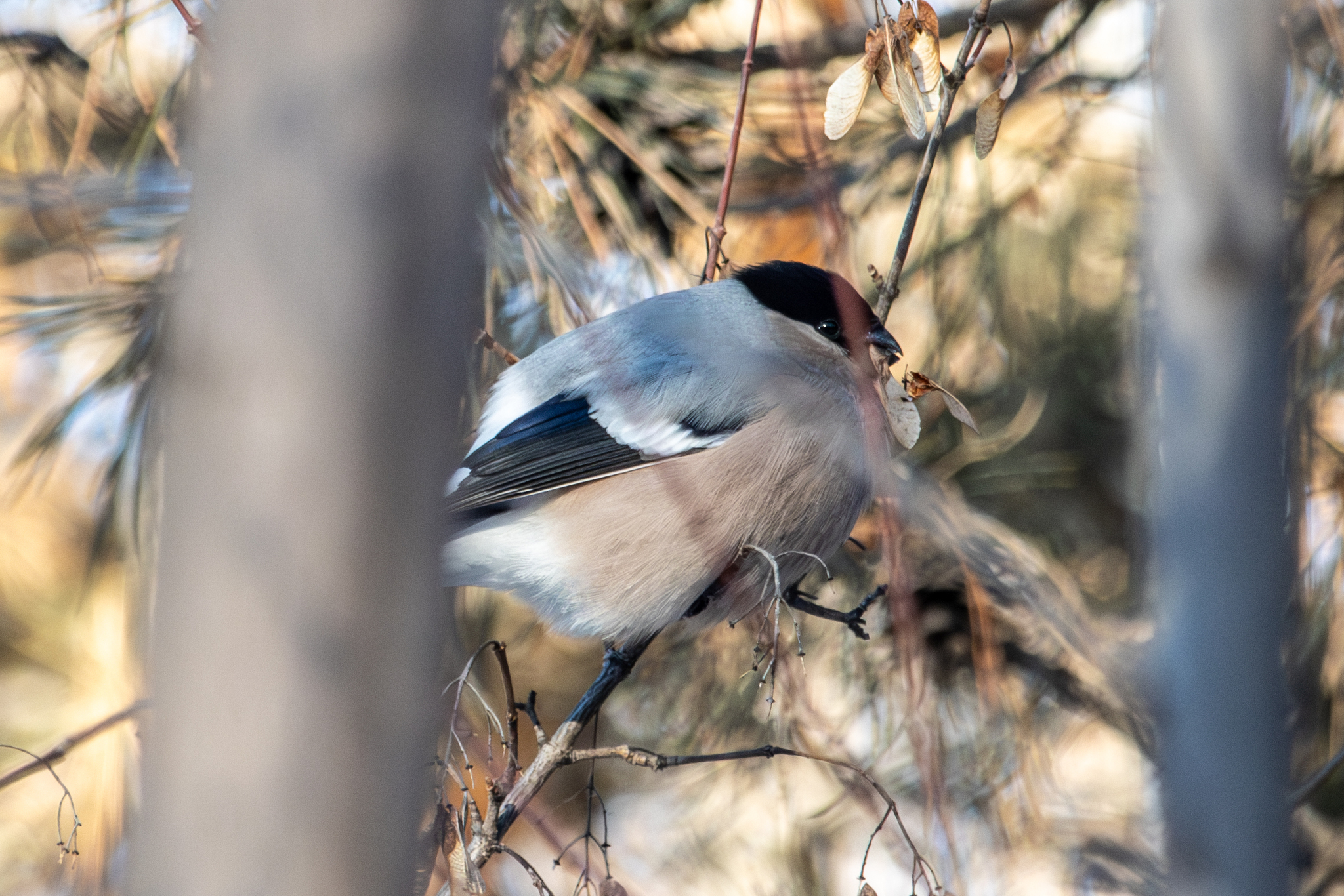
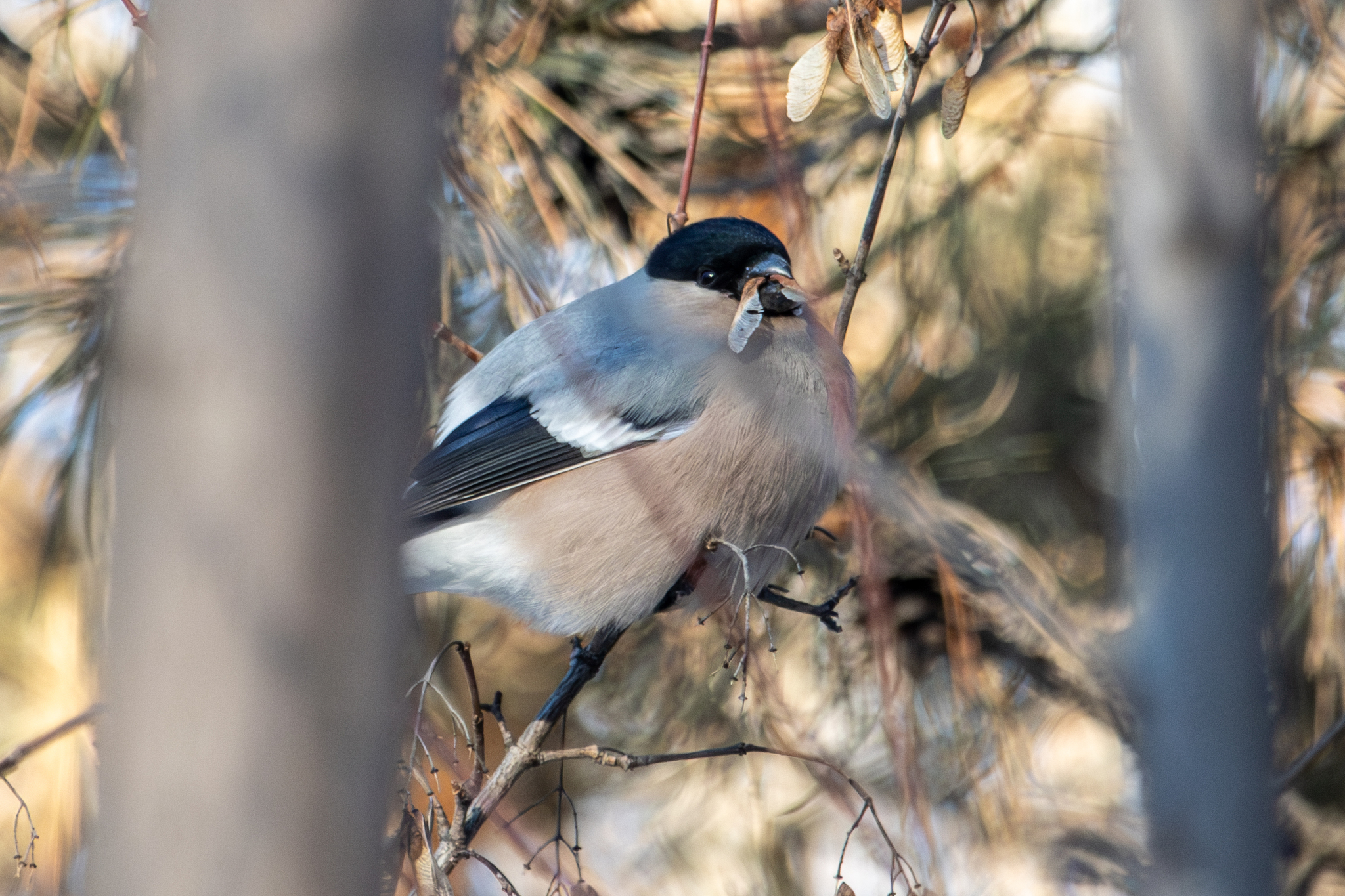
A compact, bulky bird with a bull-headed profile. The upperparts are grey, while the flight feathers, short thick bill, cap, and face are black—though juveniles have greyish-brown face and cap. The white rump and wing bars are conspicuous in flight. Adult males display a striking rich red chest and underparts, whereas females and juveniles have grey-buff plumage in these areas. The species undergoes a complete moult between July and October, but unlike many finches, males retain their bright colouring without acquiring a duller autumn plumage.
Identification
The bulky, bull-headed silhouette with black face and cap combined with the white wing bars and rump make this species distinctive. Adult males are unmistakable with their bright red underparts; females and juveniles show grey-buff underparts. In flight, the white rump and wing bars are prominent diagnostic features. The heavy, conical black bill separates it from similar-sized finches.
Distribution & Habitat
Breeds throughout Europe and across temperate Asia to central Siberia. Northern populations are migratory, moving south for winter, while southern populations are resident year-round. The preferred breeding habitat consists of mixed woodland containing conifers, as well as parkland and gardens with adequate tree and shrub cover.
Behavior & Ecology
The song consists of weak, scratchy warbling alternating with soft fluted whistles, described as mournful and audible only at close range. The typical call is a quiet, low, melancholy whistled 'peeu' or 'pew'. Outside breeding season, they are rarely seen in large flocks, occurring as pairs or family groups. The species builds nests in tall bushes, mature scrub, or trees, preferring vegetation over four metres in height and width. It produces two or three broods per season from early May to mid-July, laying four to seven pale blue eggs mottled with red-brown. Diet consists mainly of seeds and fruit tree buds, with adults feeding invertebrates to chicks.
Conservation
UK populations have declined significantly since the 1970s, primarily due to loss of orchards and woodland habitats. Historically, English parishes paid bounties for each bird killed due to crop damage. The species remains common in parts of its range but faces ongoing pressure from agricultural intensification and habitat fragmentation.
Culture
In regional English dialects, particularly Shropshire, it is known as the 'plum bird.' Historically significant as an orchard pest, it was subject to bounty payments in English parishes for centuries. Its name derives from the Greek 'pyrrhos' meaning flame-coloured, referring to the male's bright red underparts.
Source: Wikipedia · CC BY-SA 3.0
Taxonomy
- Order
- Passeriformes
- Family
- Fringillidae
- Genus
- Pyrrhula
- eBird Code
- eurbul
Subspecies (10)
-
Pyrrhula pyrrhula caspica
northeastern and northern Iran
-
Pyrrhula pyrrhula cassinii
Kamchatka Peninsula, Paramušir Island (northern Kurils), and Sea of Okhotsk coast
-
Pyrrhula pyrrhula cineracea
Sayan and northern Altai Mountains; winters to Amur region and Manchuria
-
Pyrrhula pyrrhula europaea
Denmark, western Germany, Netherlands, Belgium, and western France
-
Pyrrhula pyrrhula griseiventris
Kuril Islands southward to Honshu (central Japan)
-
Pyrrhula pyrrhula iberiae
mountains of northern Portugal to northwestern Spain (Pyrenees)
-
Pyrrhula pyrrhula pileata
British Isles
-
Pyrrhula pyrrhula pyrrhula
northern and south-central Europe eastward to central Siberia
-
Pyrrhula pyrrhula rosacea
Sakhalin Island
-
Pyrrhula pyrrhula rossikowi
northeastern Türkiye and the Caucasus
Data Sources
Species description from Wikipedia, licensed under CC BY-SA 3.0.
Bird images and sounds sourced from GBIF, contributed by citizen scientists worldwide under Creative Commons licenses.
Taxonomy data from AviList 2025.