Rufous-necked Snowfinch
Pyrgilauda ruficollis
棕颈雪雀
Introduction
A passerine bird in the sparrow family (Passeridae). Found across Tibet and adjacent regions of central and western China, inhabiting alpine temperate grasslands, barren stony steppes, and plateaus. This species winters southward to Uttarakhand, Nepal, Sikkim, and Bhutan. Notably forms close associations with pikas (mouse-hares), utilizing their burrows for breeding and shelter. Characterized by a higher metabolic rate than most birds, enhanced cold tolerance, and greater mobility capacity. The article notes it as locally common within its range.
Description
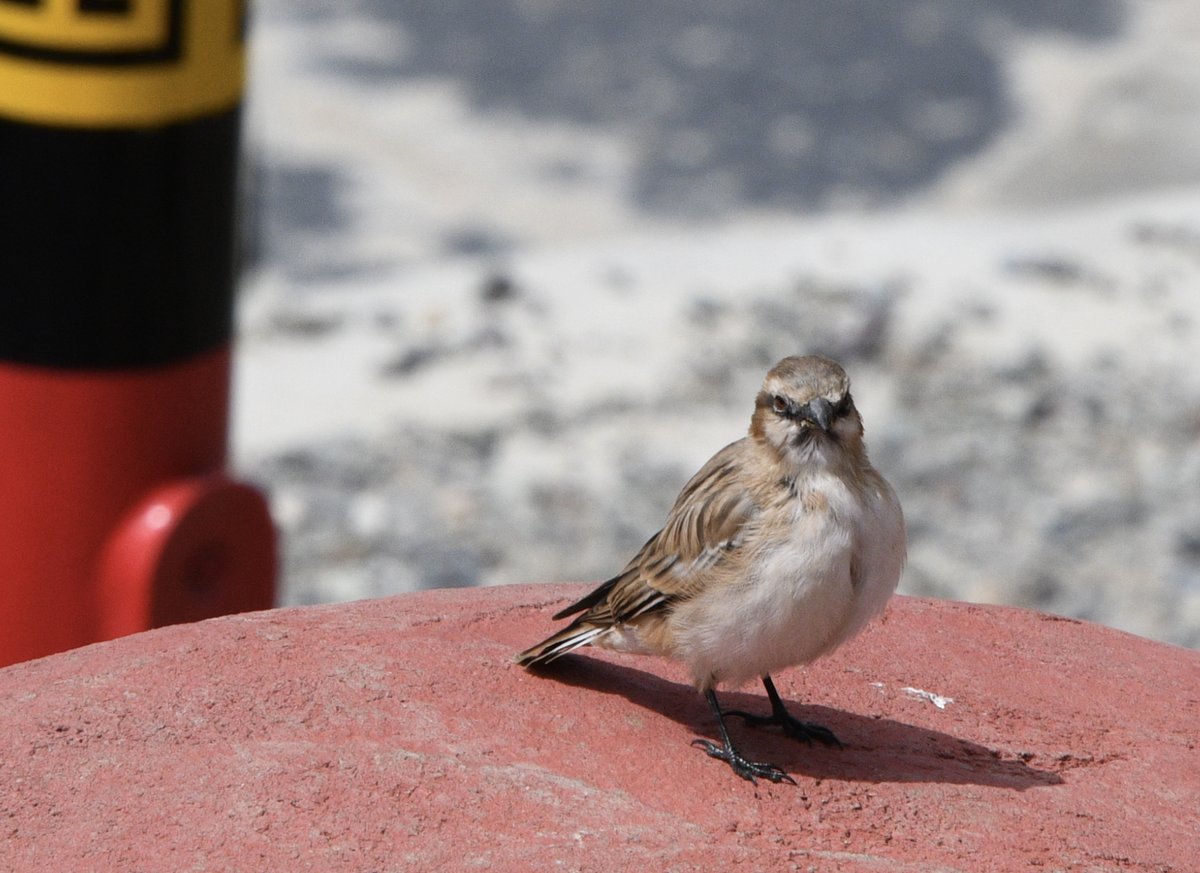
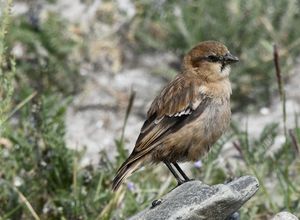
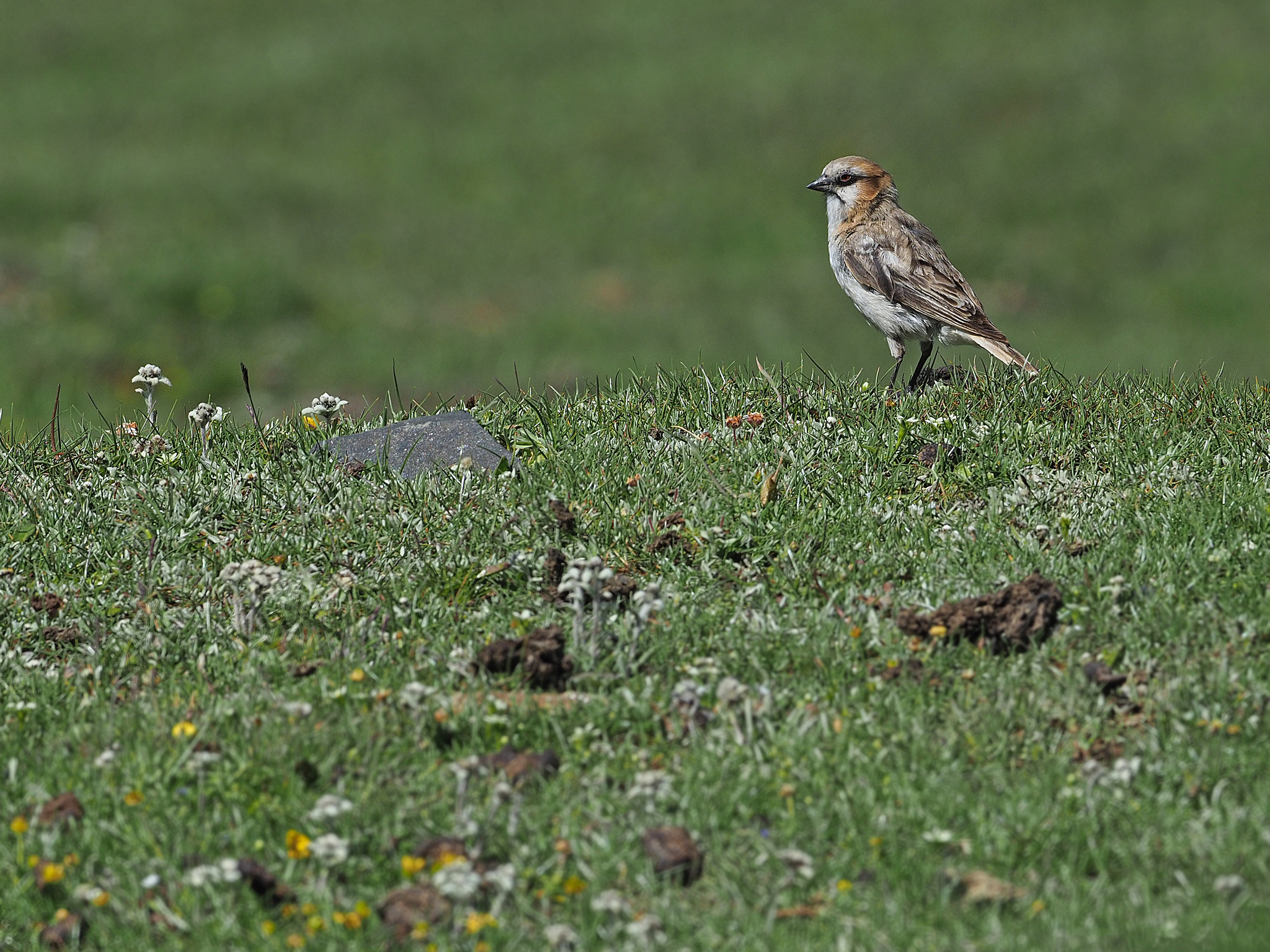
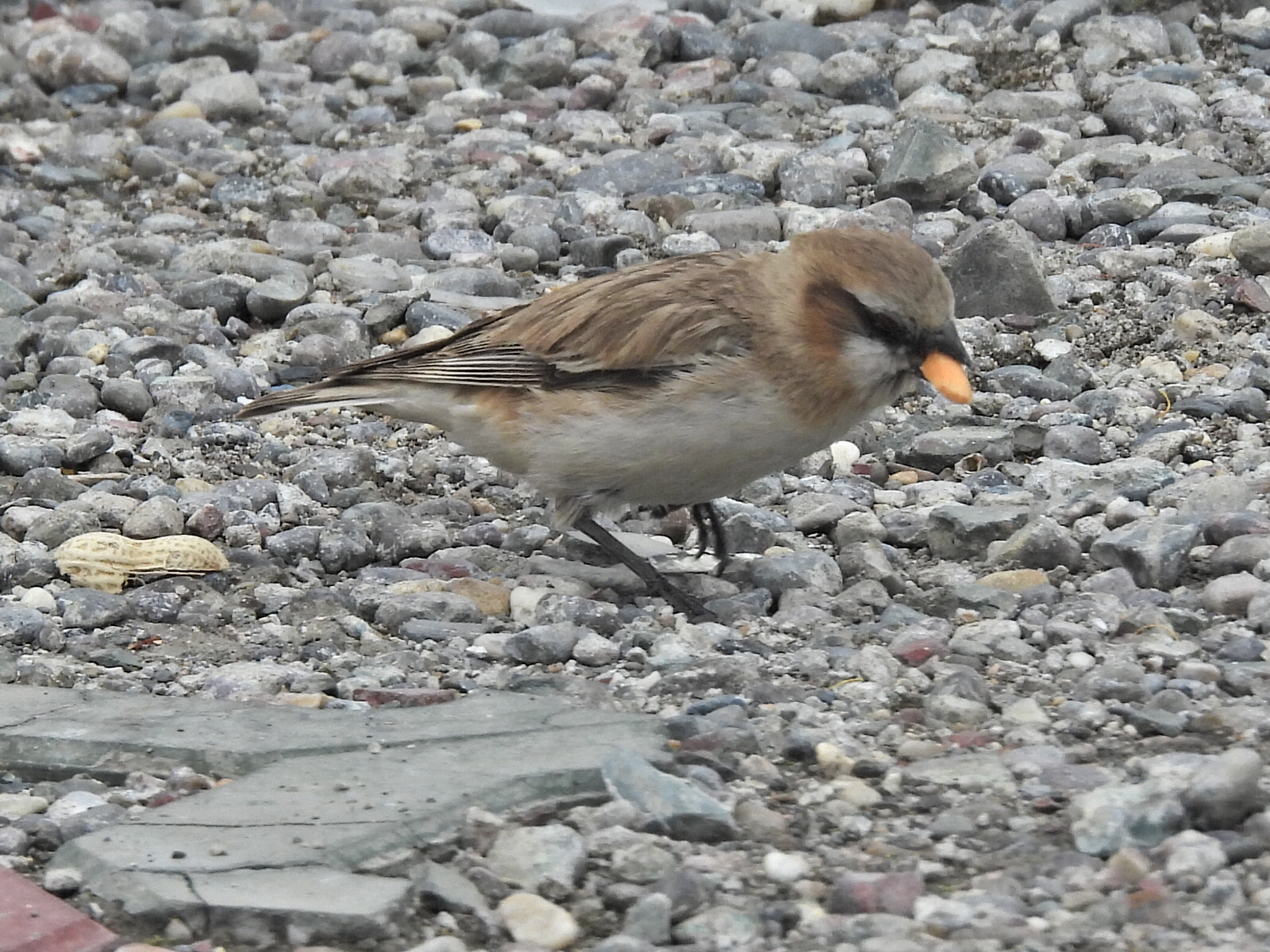
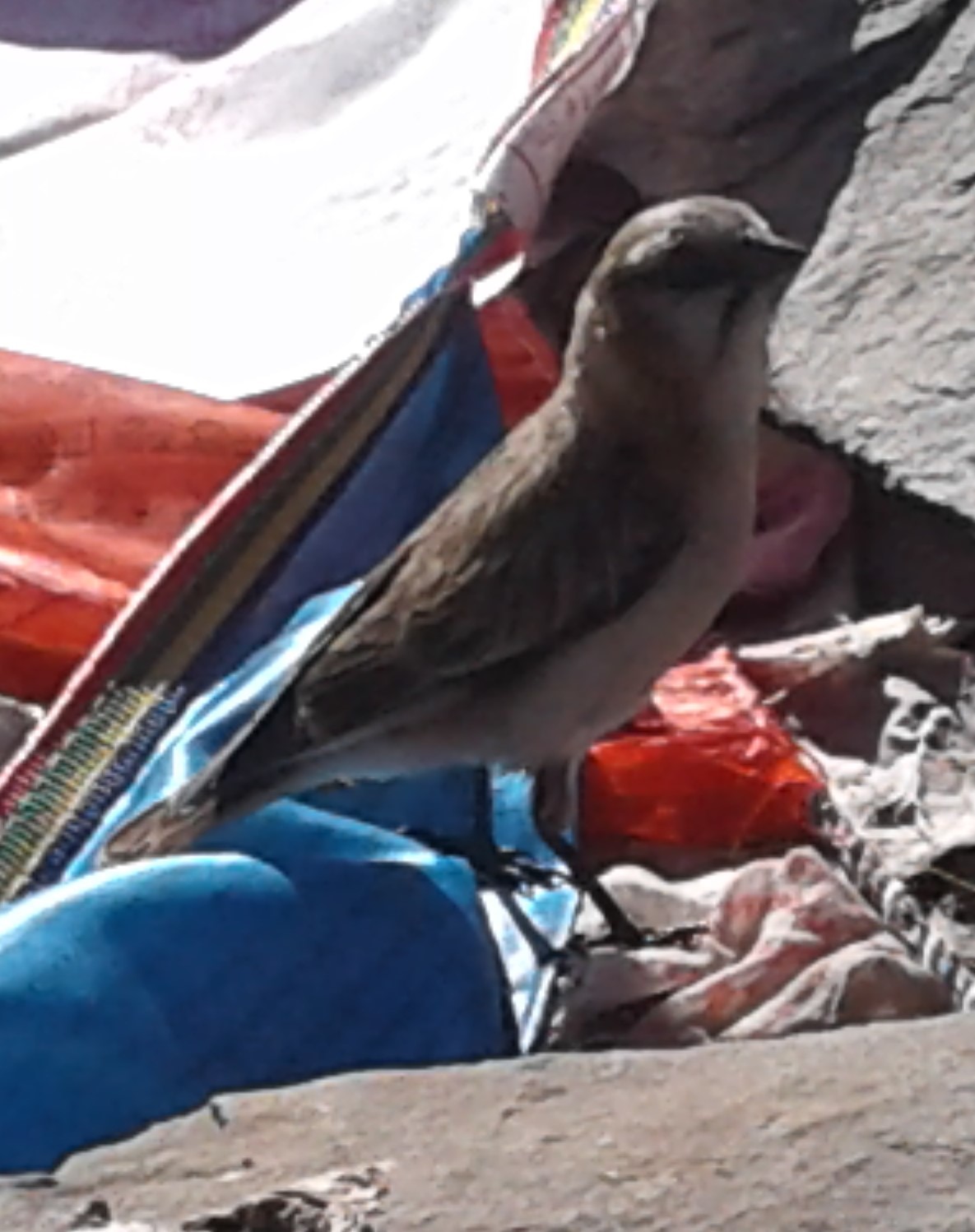
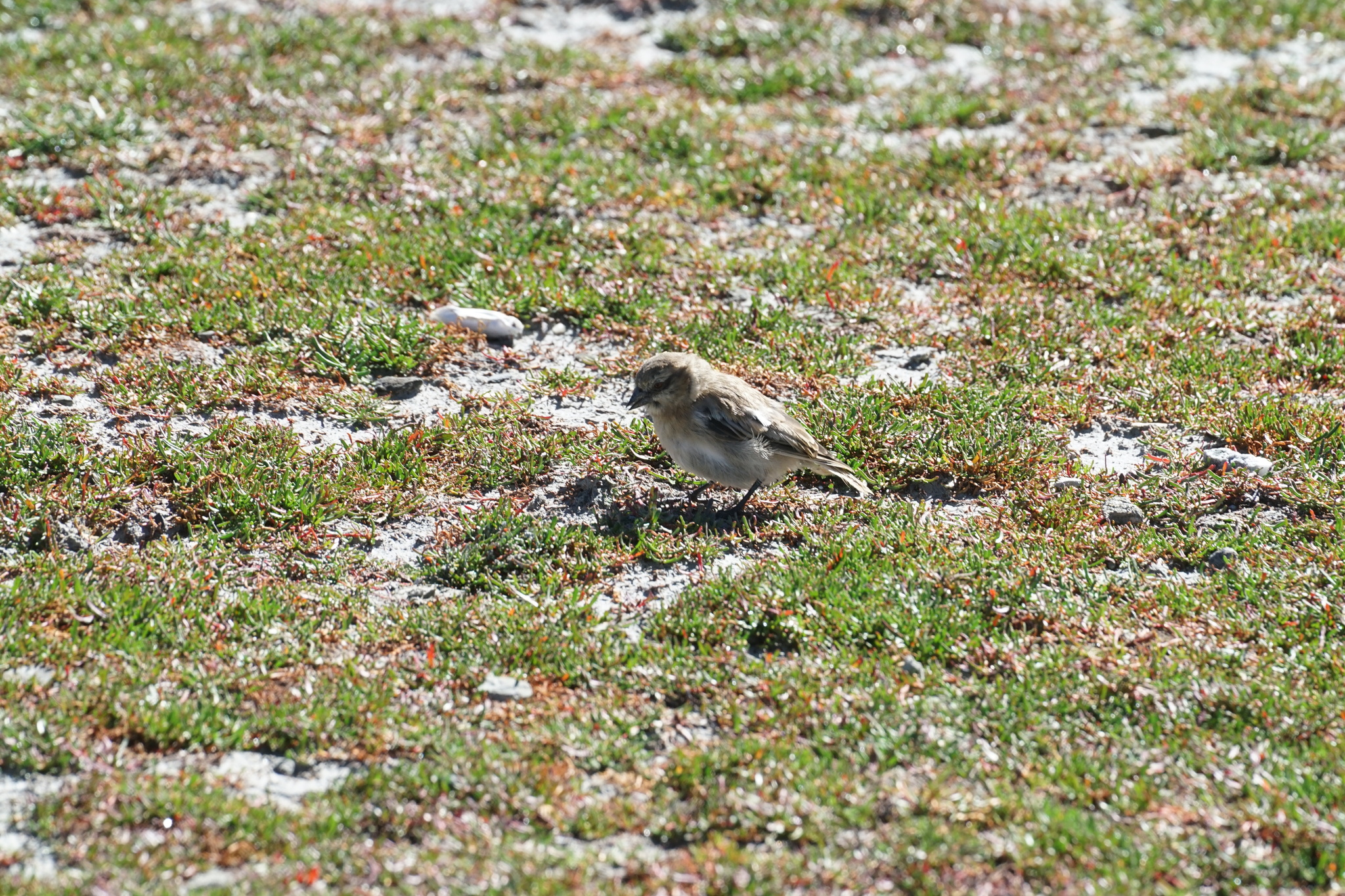
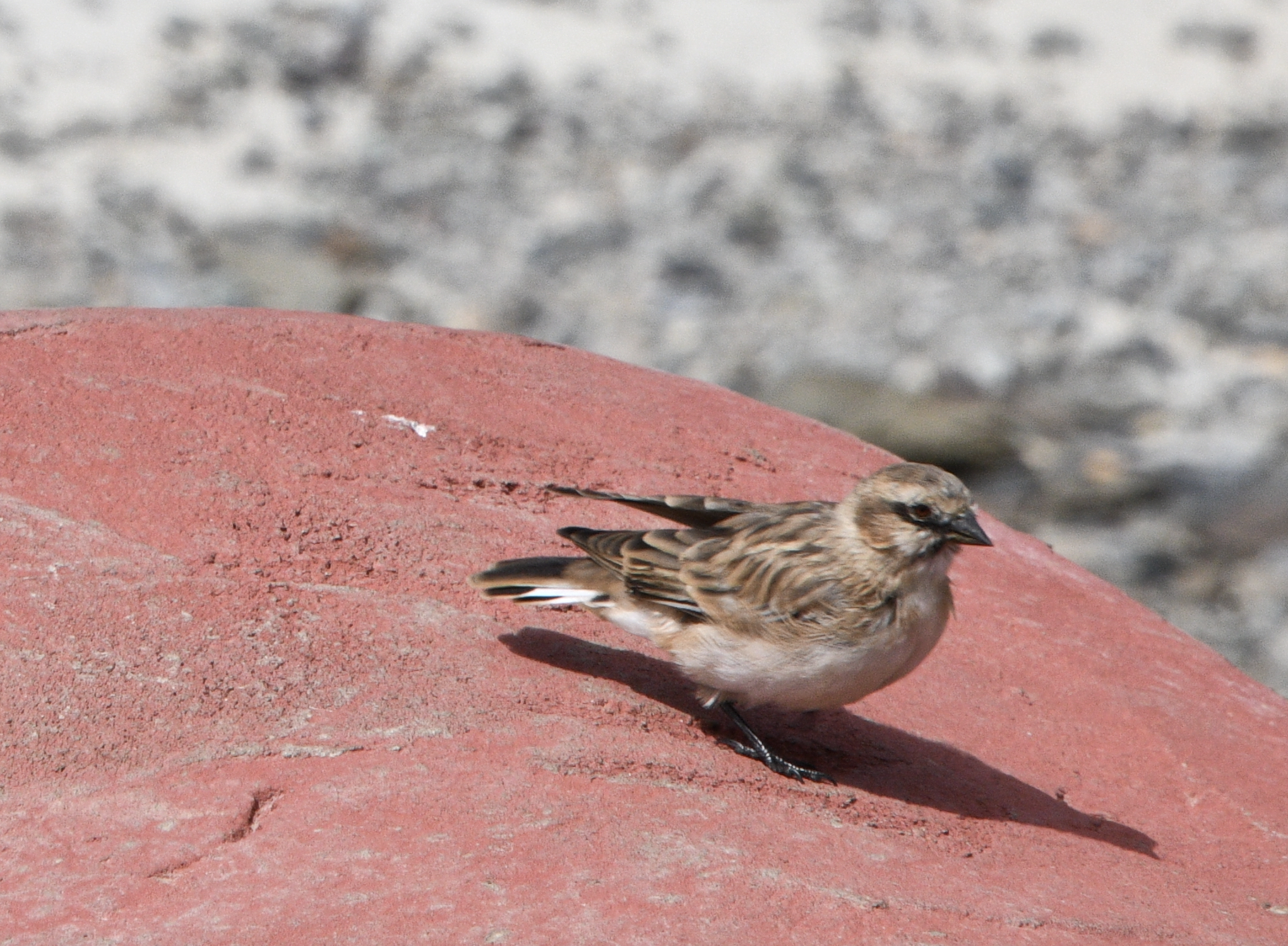
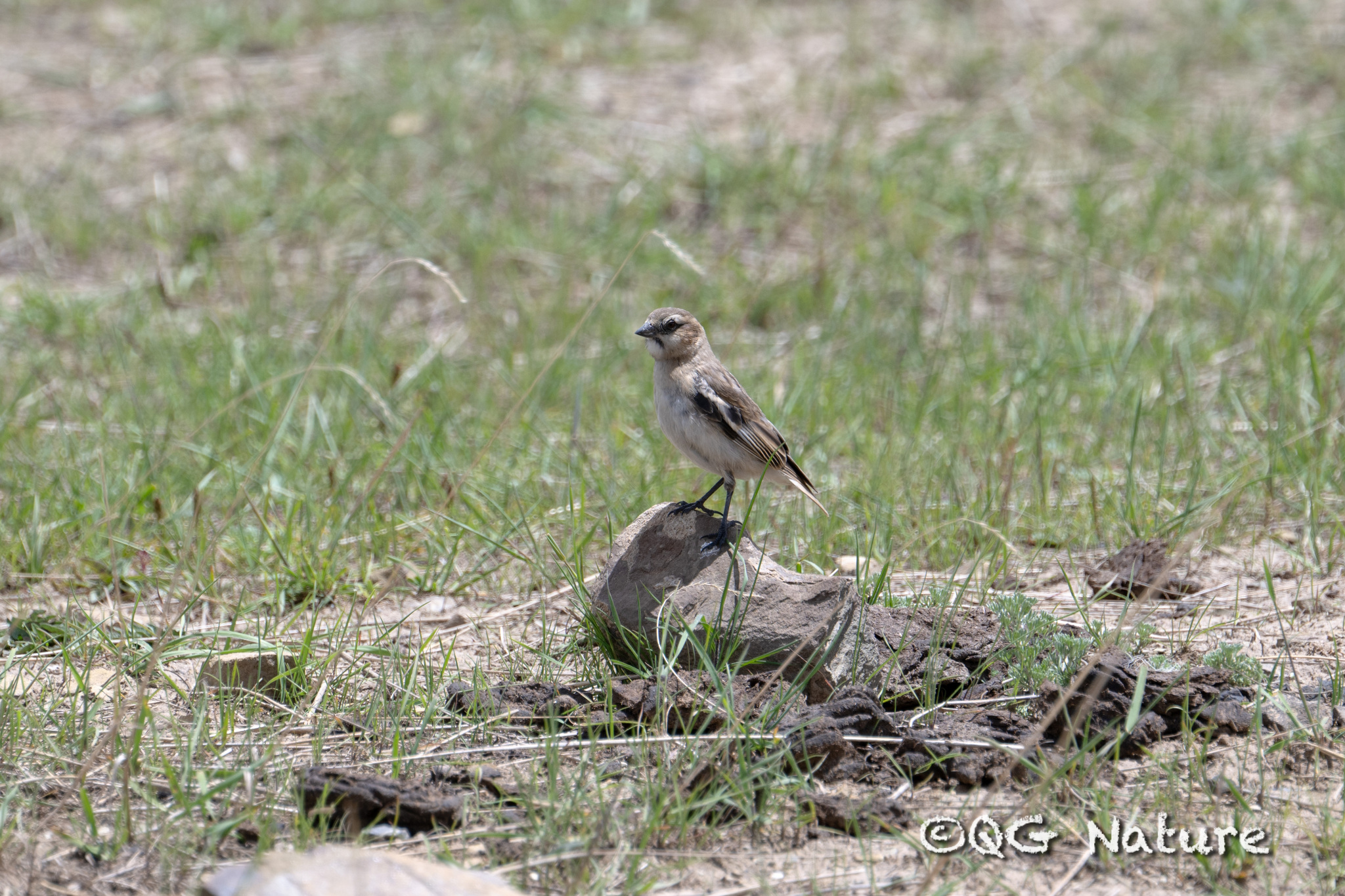
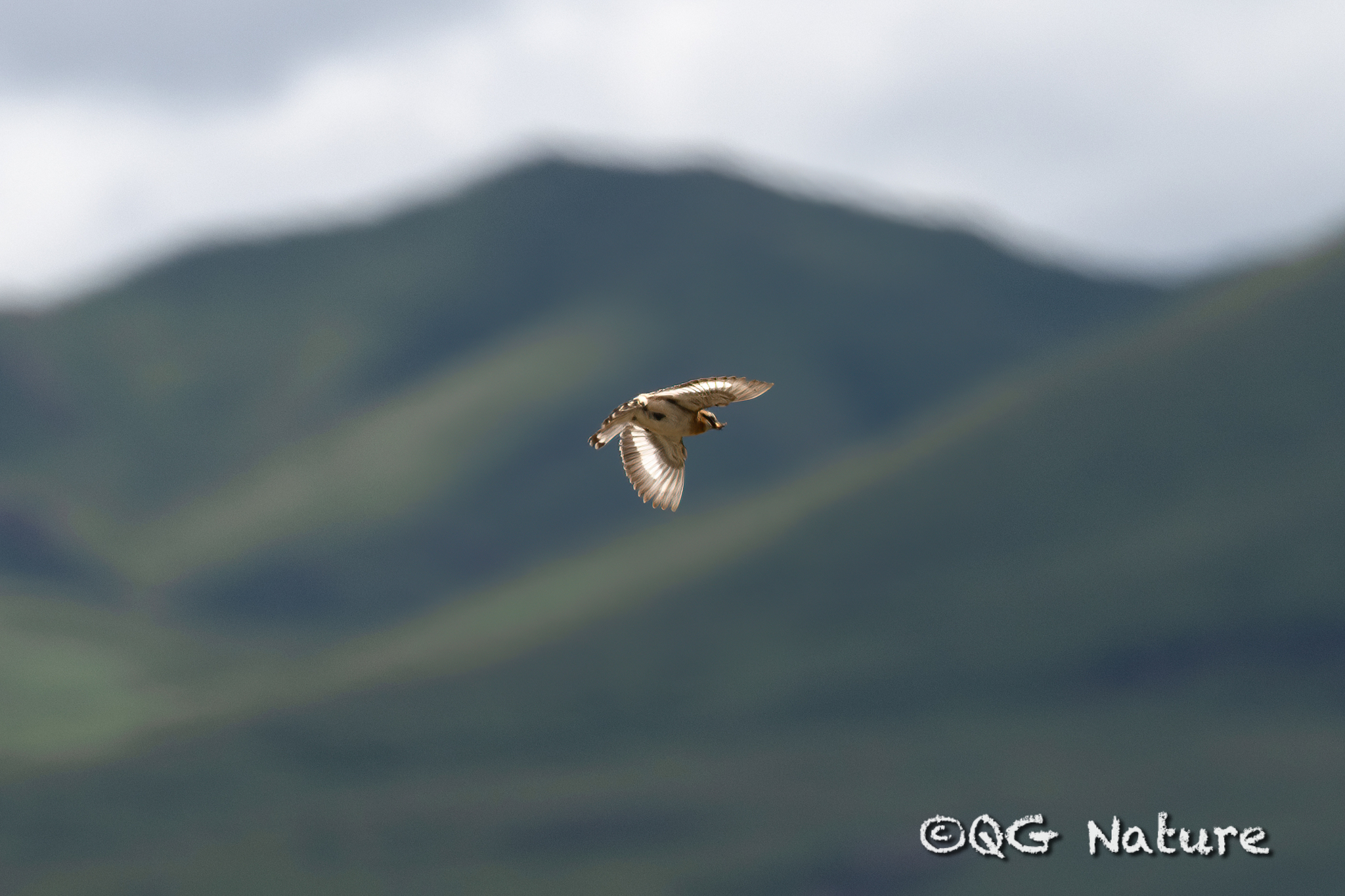
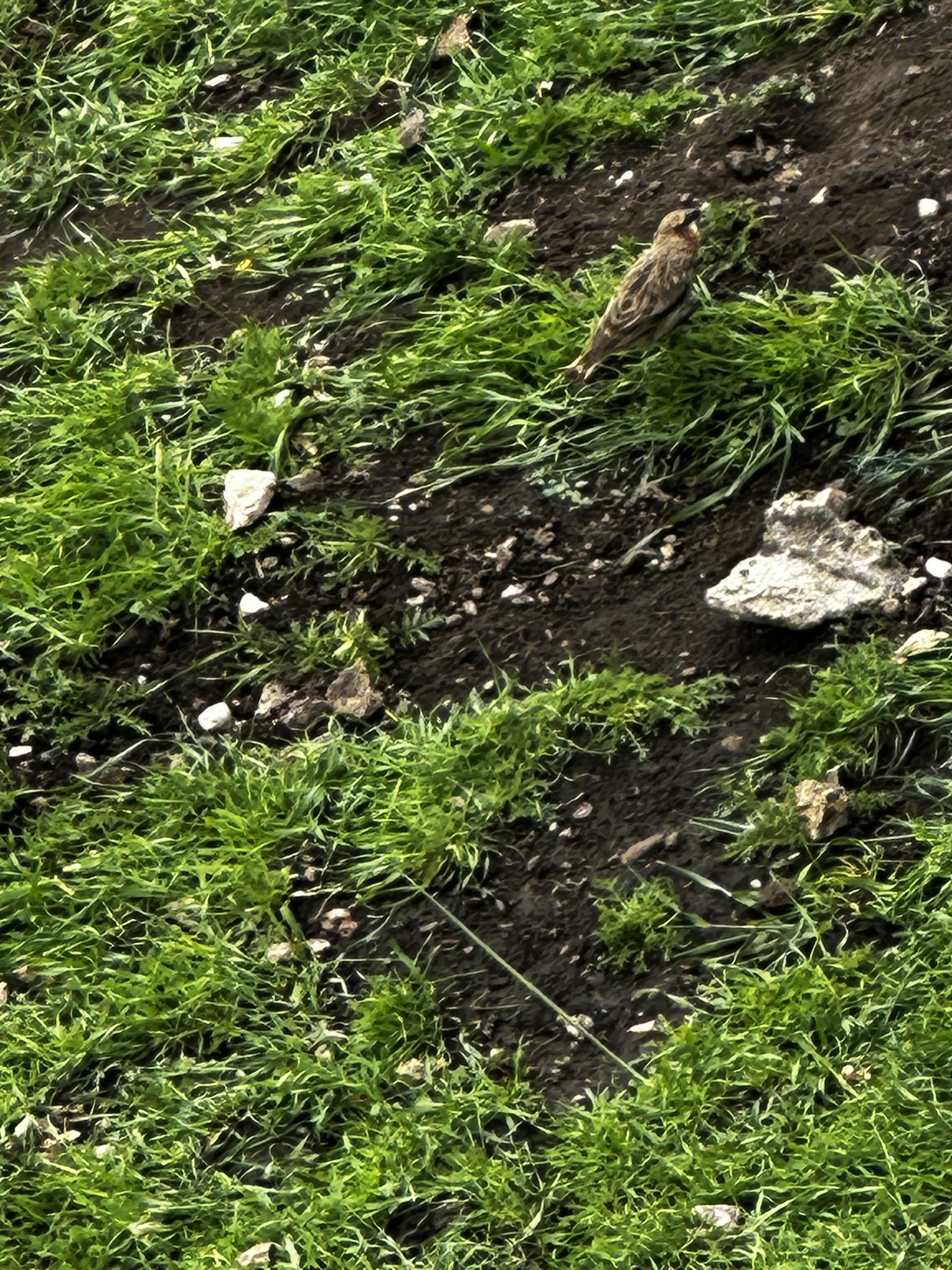
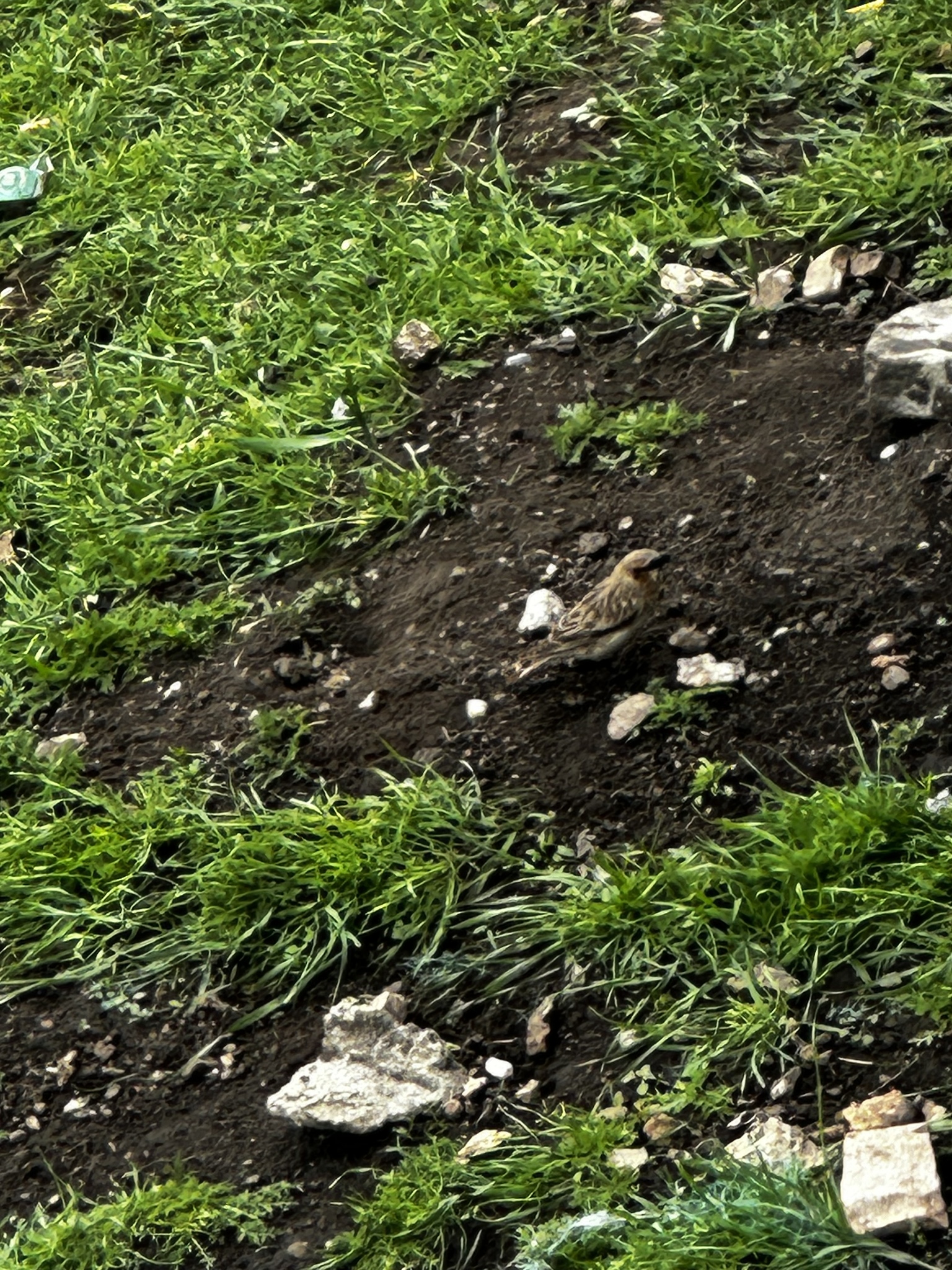
A small passerine measuring approximately 15 cm in length. Adults display black lores and whitish facial plumage, contrasting with chestnut to reddish-brown rear ear-coverts and sides of neck. The remaining plumage is light brown, with darker streaking on the mantle and scapulars. The wings feature two prominent white wingbars formed by the tips of the coverts. Juveniles are overall paler than adults and lack the well-defined face pattern characteristic of mature individuals.
Identification
Fairly distinctive within its range, being more brightly colored than most snowfinch species. Confusion is possible with Blanford's snowfinch, but this species can be distinguished by two black stripes on the face. Adults and juveniles are readily separated by plumage, with adults showing the striking facial pattern while juveniles appear washed out with indistinct facial markings.
Distribution & Habitat
Resident across Tibet and adjacent areas of central and western China, inhabiting high-altitude grasslands, stony steppes, and plateaus. Winter range extends to Uttarakhand, Nepal, Sikkim, and Bhutan, sometimes at lower elevations. Occupies wide, open steppe meadows, pastures, and areas near human settlements. Primarily sedentary, undertaking only irregular altitudinal movements in response to harsh weather rather than long-distance migrations.
Behavior & Ecology
Forages on the ground, consuming small seeds and insects. Breeds in the burrows of pikas (mouse-hares), with which it maintains close associations throughout the breeding season. After breeding, forms small flocks and ranges across mountainous terrain, often associating with other finch species including Blanford's snowfinches. Flight is weak and low, rarely covering long distances. Vocalizations include a soft voice, chattering alarm calls, and buzzing noises emitted during flight. Possesses a higher metabolic rate than most avian species, with enhanced cold tolerance and mobility capacity.
Source: Wikipedia · CC BY-SA 3.0
Taxonomy
- Order
- Passeriformes
- Family
- Passeridae
- Genus
- Pyrgilauda
- eBird Code
- runsno1
Subspecies (2)
-
Pyrgilauda ruficollis isabellina
breeds western China (southern Xinjiang to northwestern Qinghai); winters to India
-
Pyrgilauda ruficollis ruficollis
western Tibet to Sikkim, Kokonor, and southern Nan Shan Mountains
Data Sources
Species description from Wikipedia, licensed under CC BY-SA 3.0.
Bird images and sounds sourced from GBIF, contributed by citizen scientists worldwide under Creative Commons licenses.
Taxonomy data from AviList 2025.