



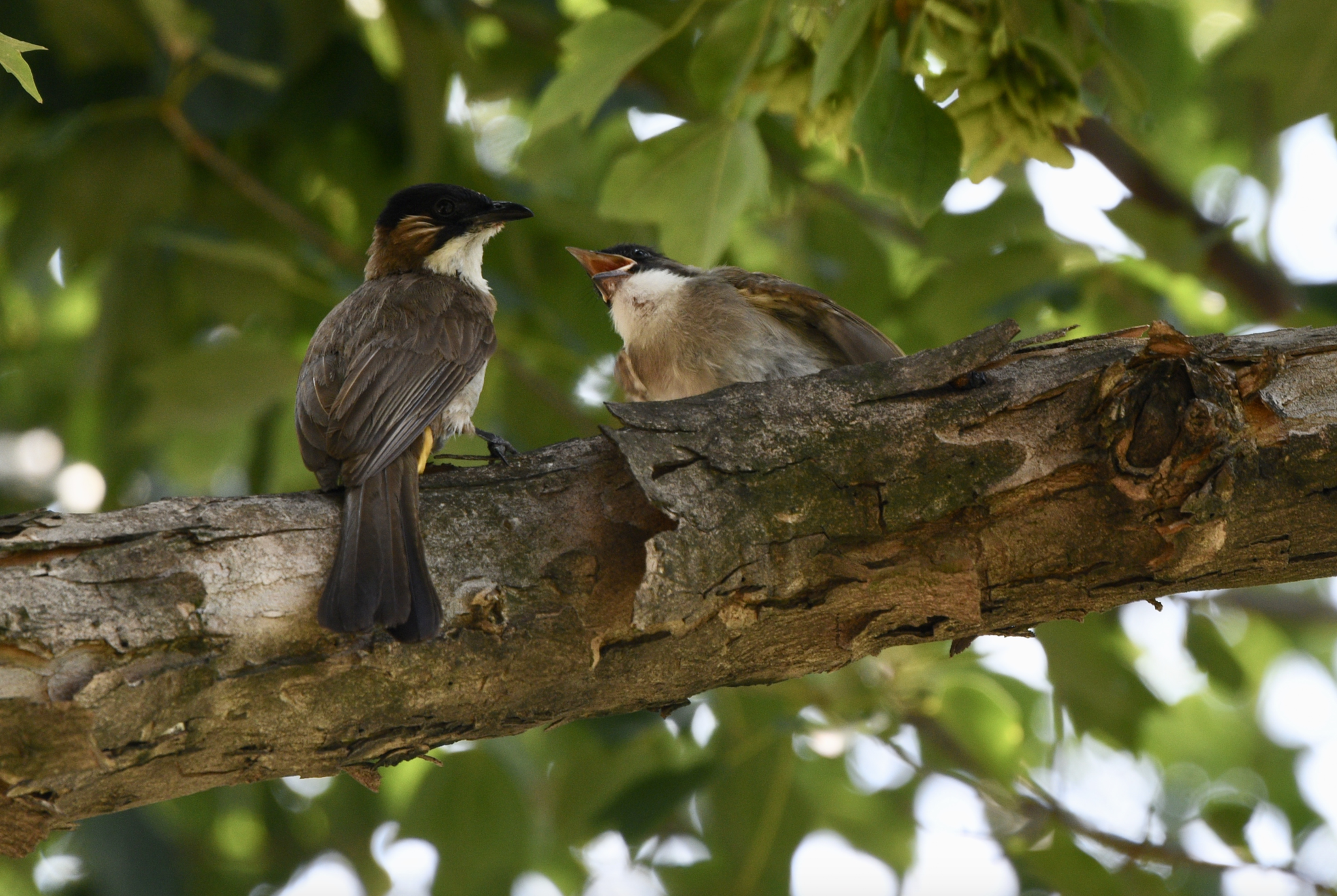
Brown-breasted Bulbul
Pycnonotus xanthorrhous
黄臀鹎
Introduction
The brown-breasted bulbul is a medium-sized songbird in the bulbul family Pycnonotidae. First described by John Anderson in 1869, it inhabits forested hills and mountainous regions of south-eastern Asia. It forages in the mid to upper canopy layers of forest edges, secondary growth, and cultivated areas. The species is active and vocal throughout the day. While not globally threatened, populations face pressure from habitat loss in parts of its range.
Description
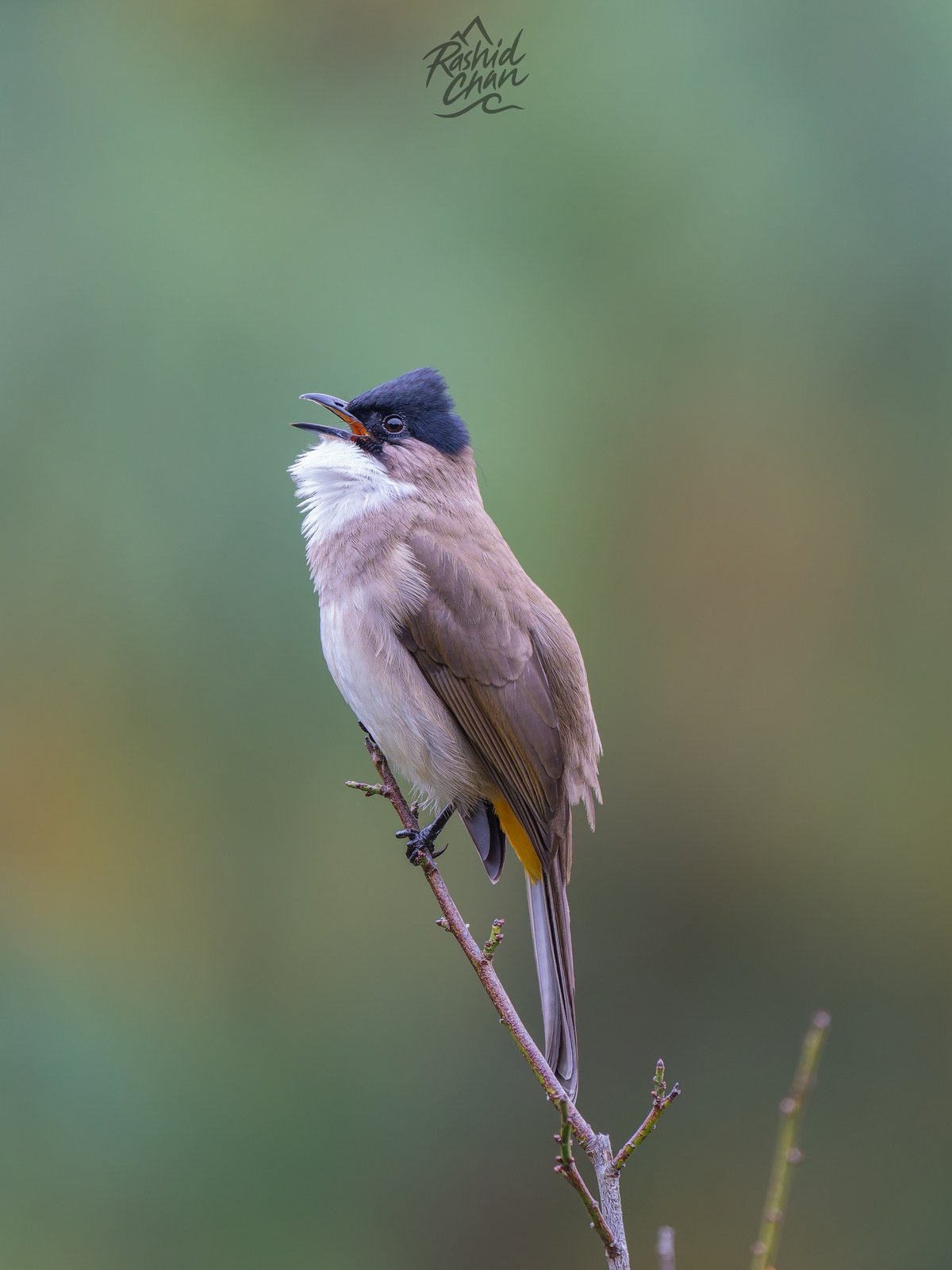
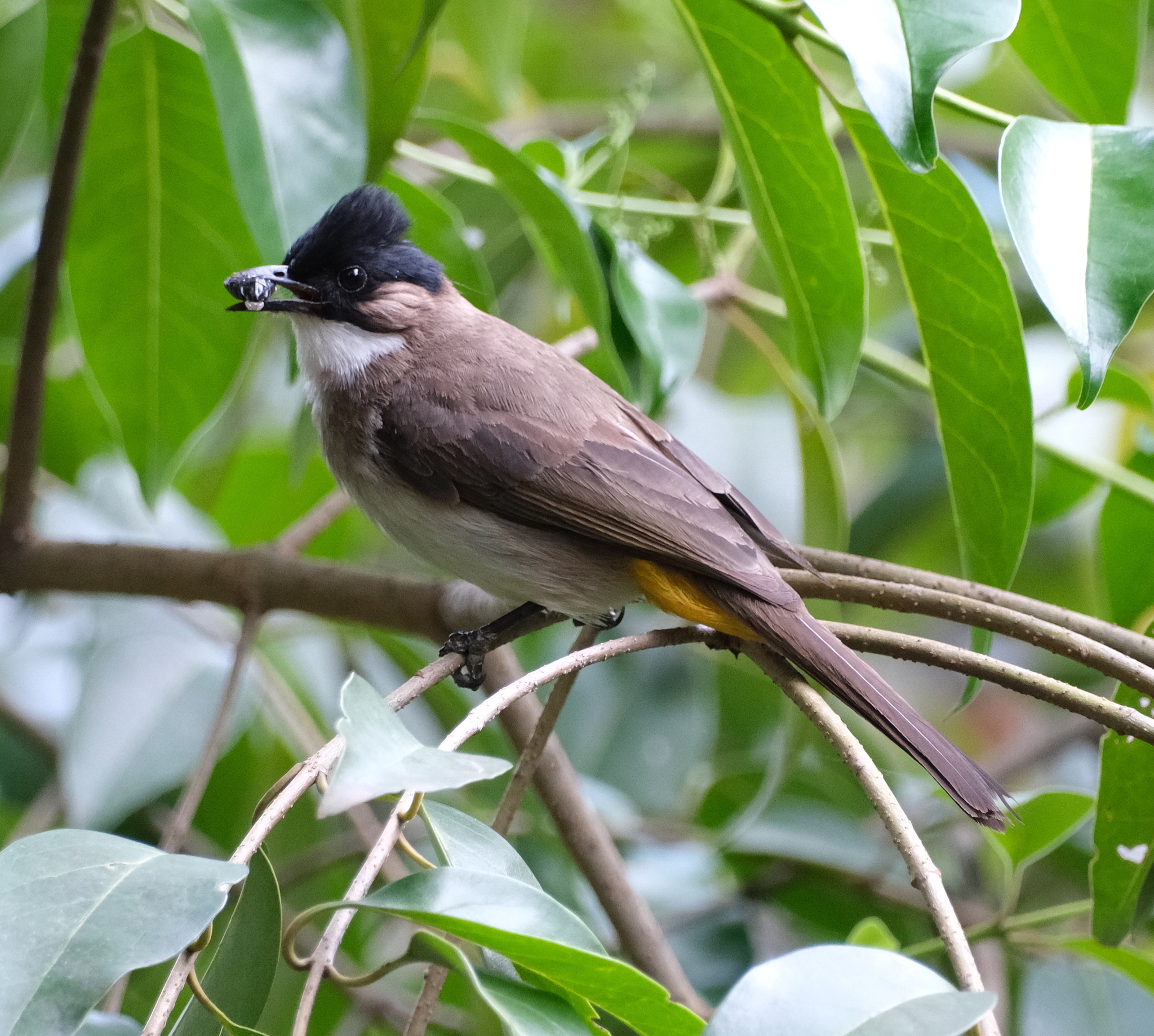
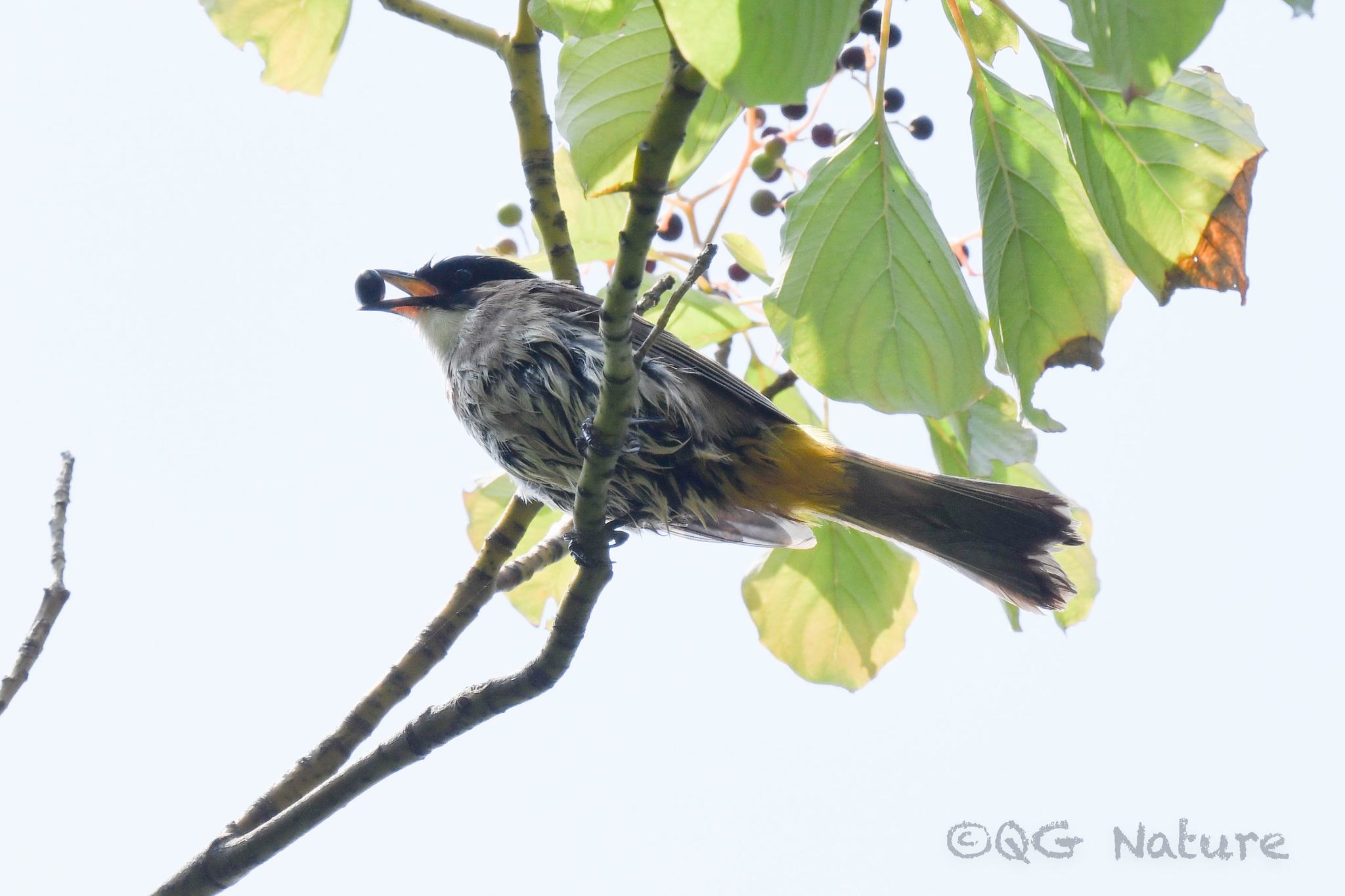
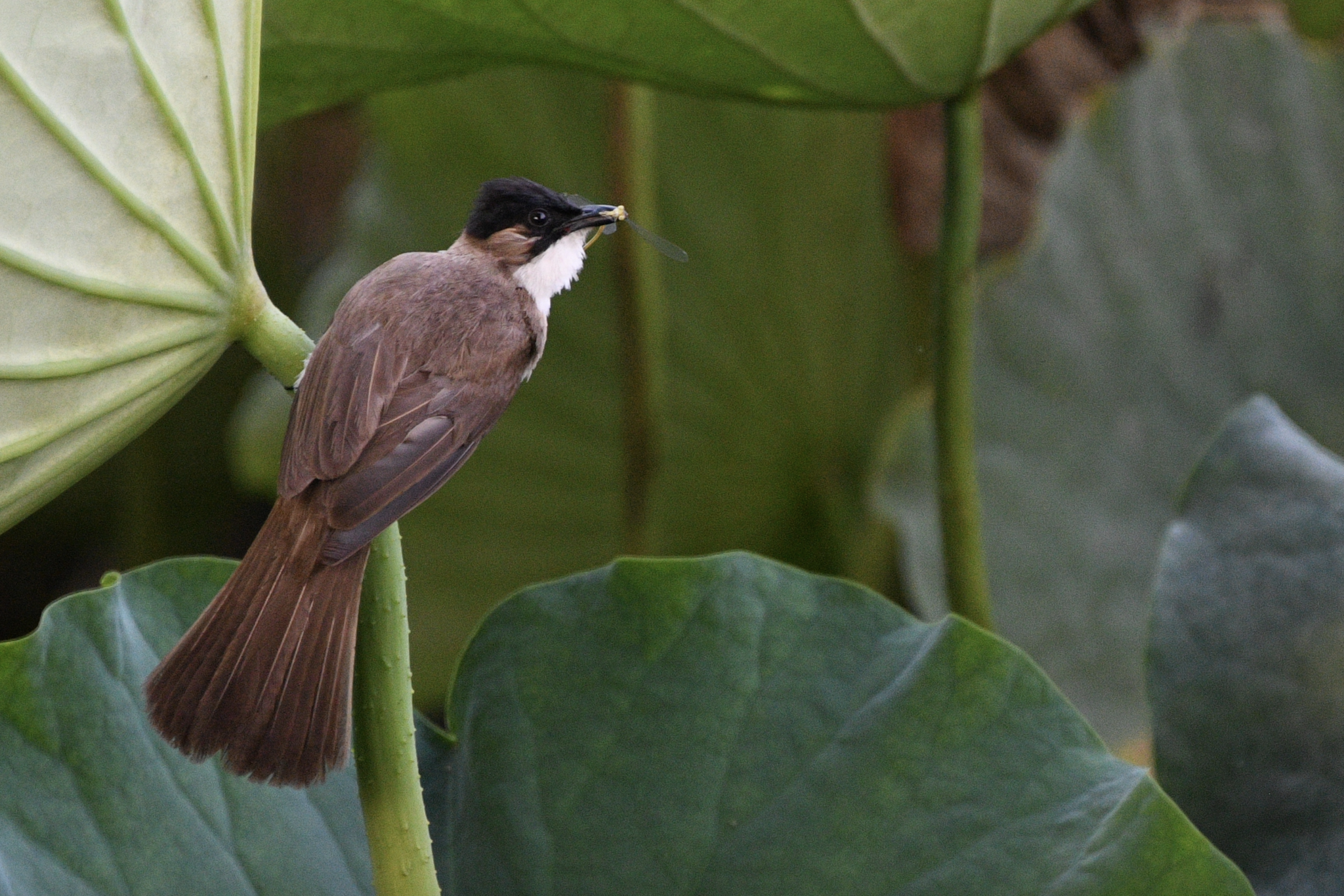
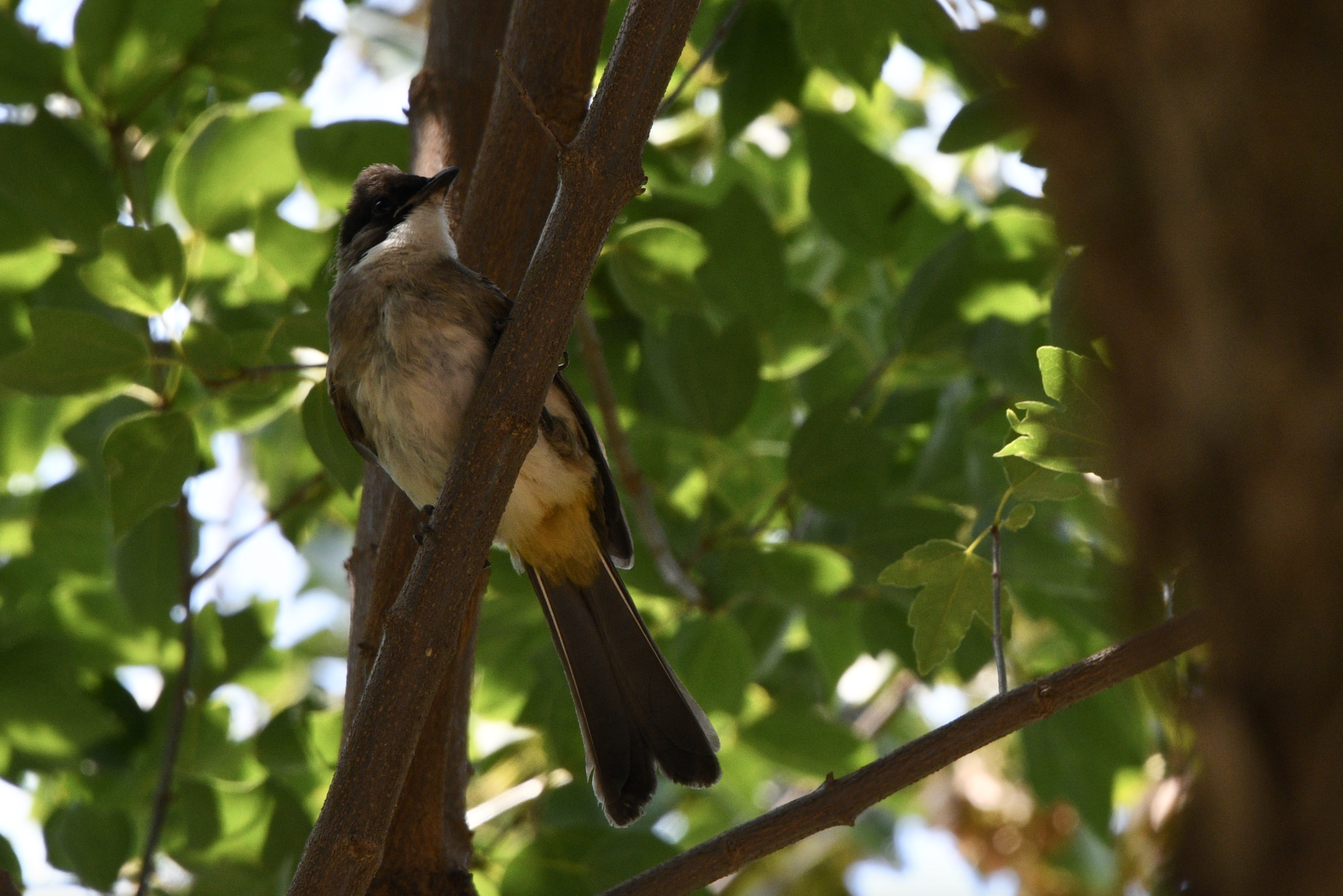
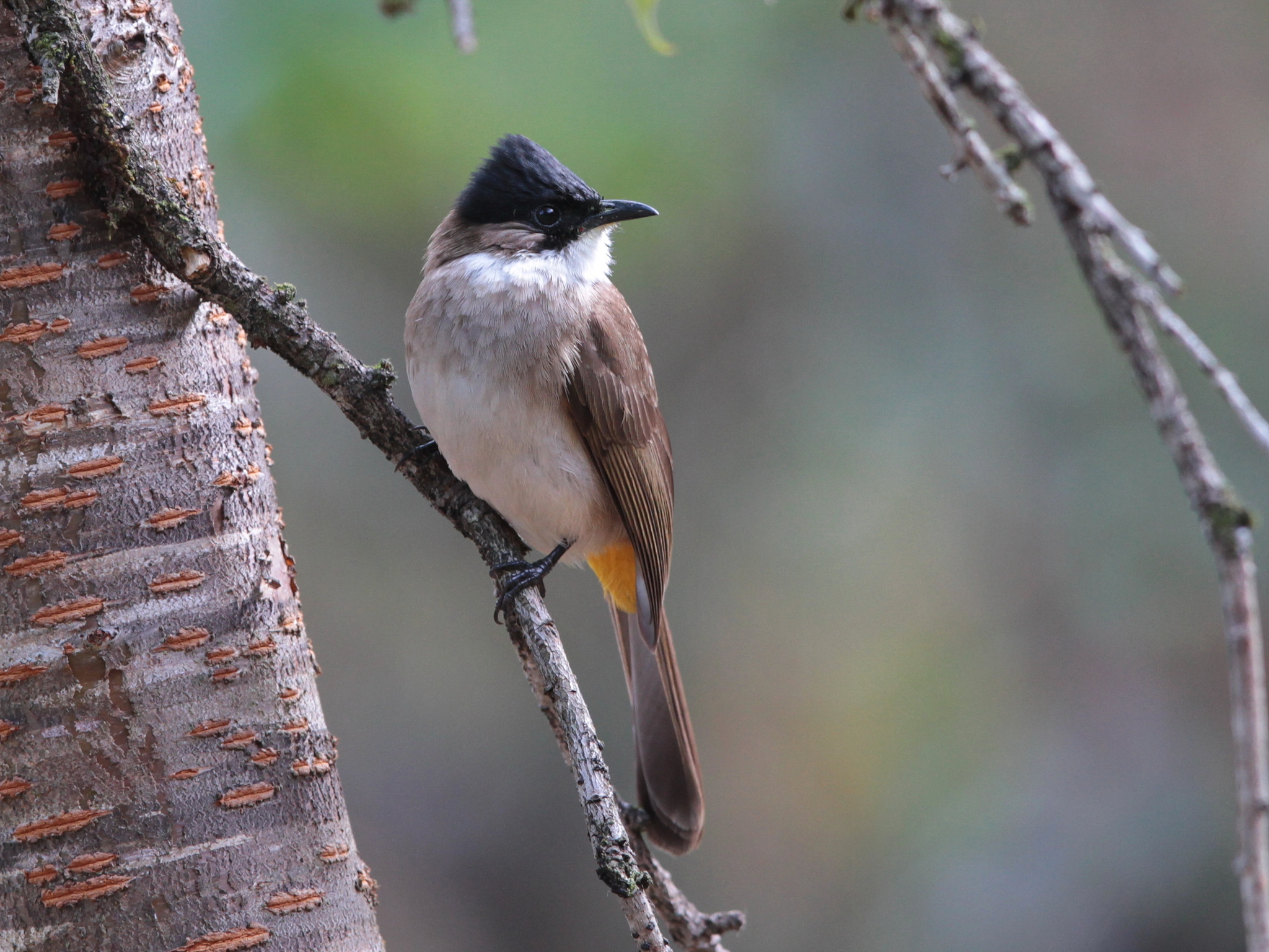
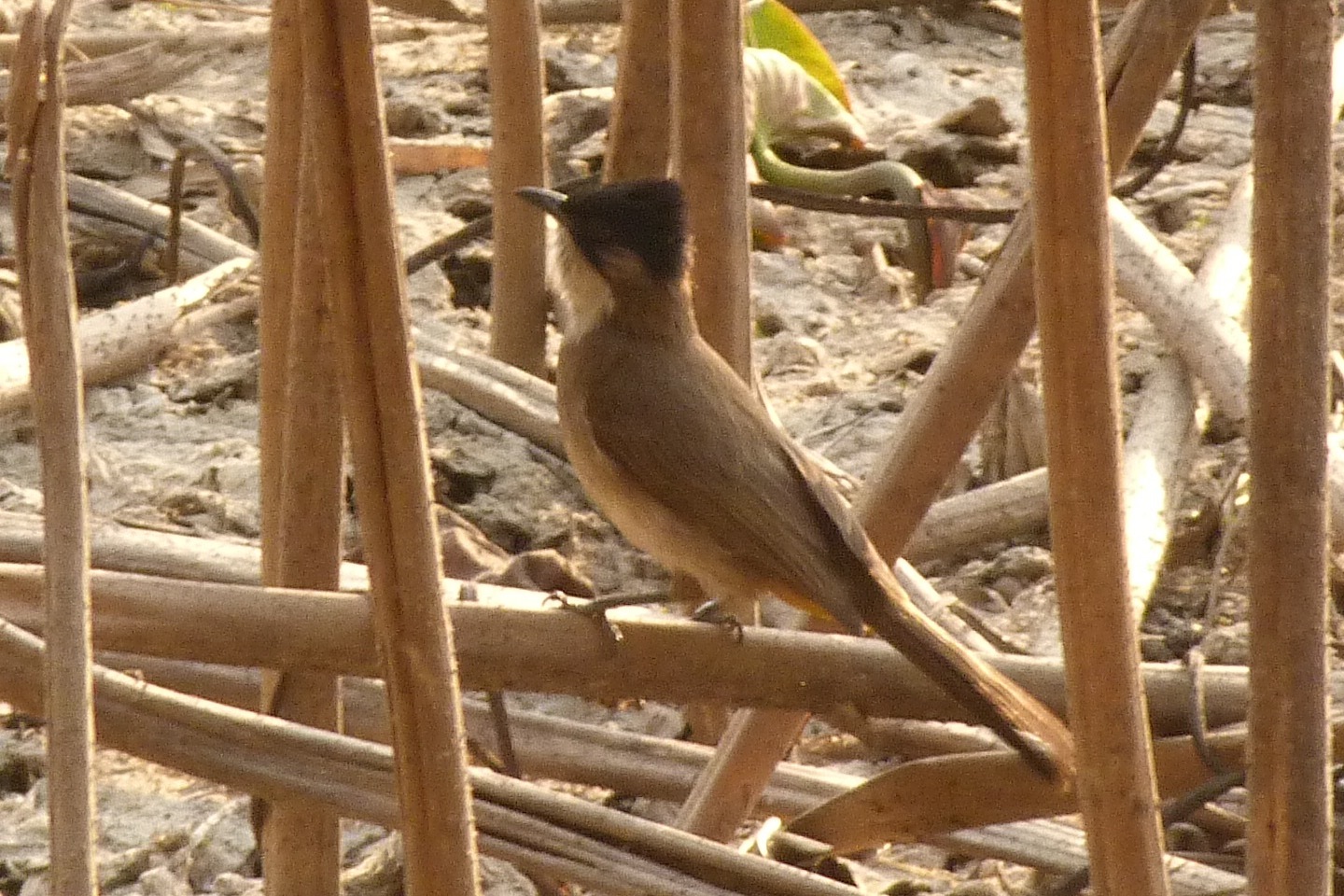
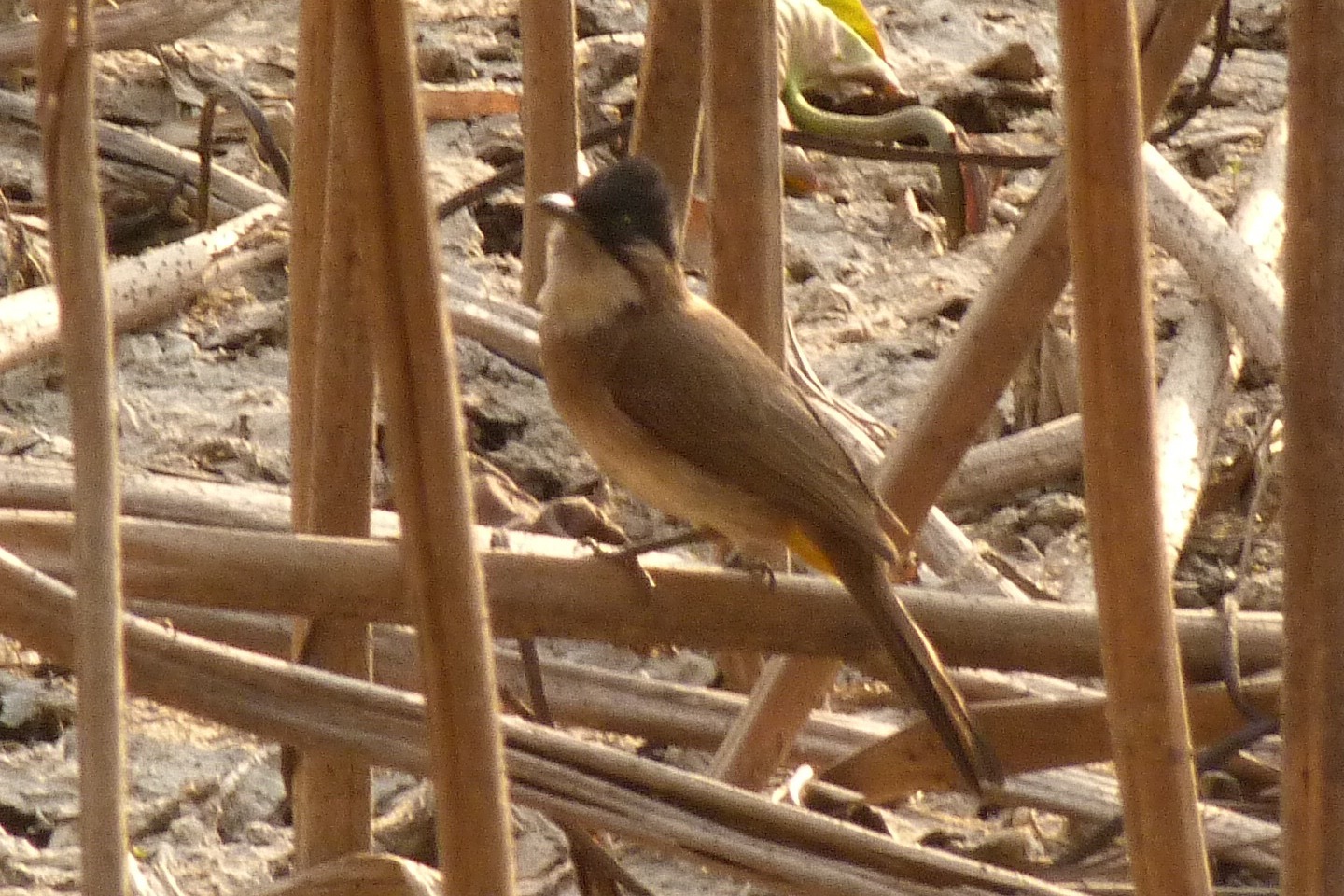
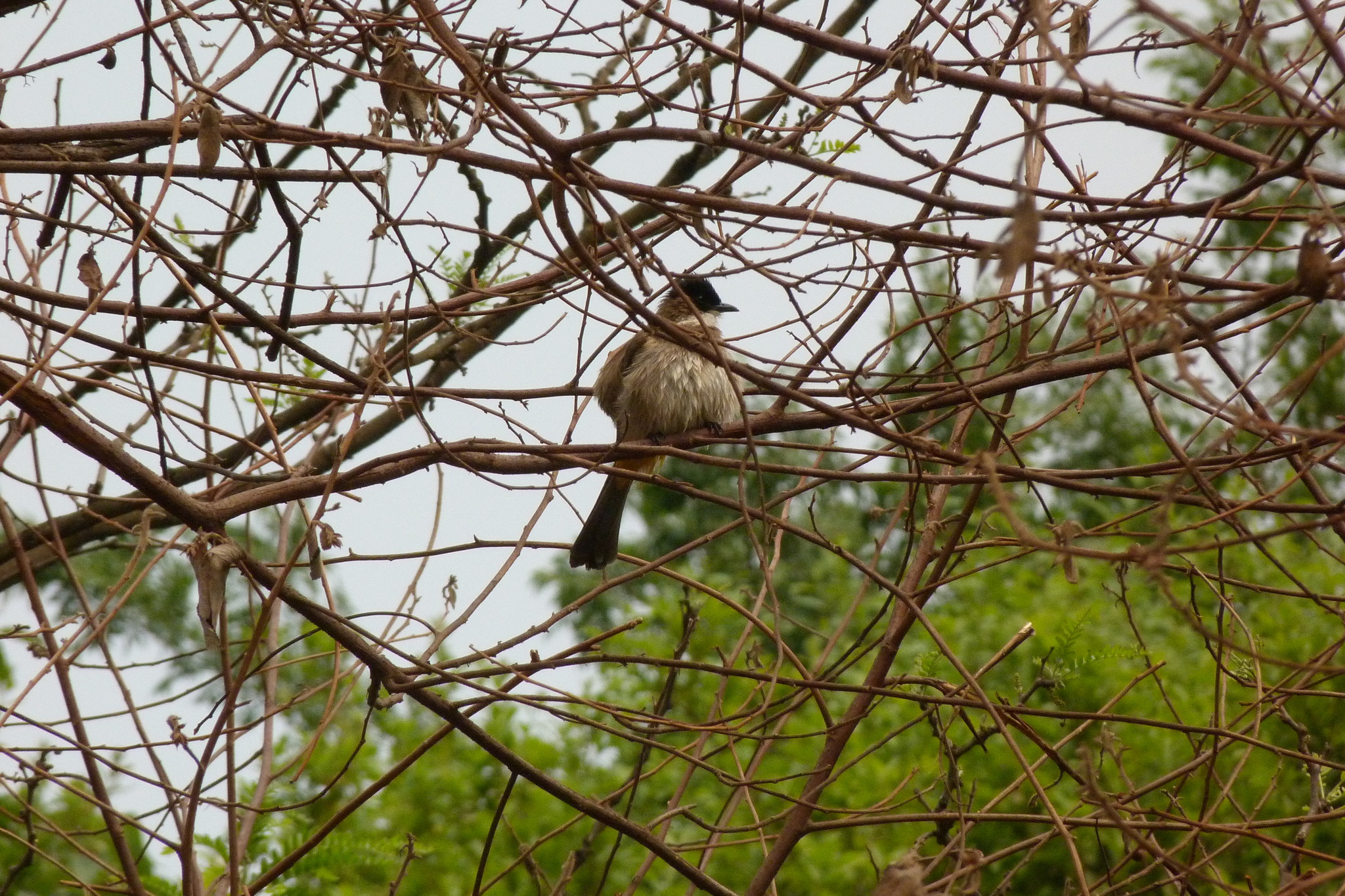
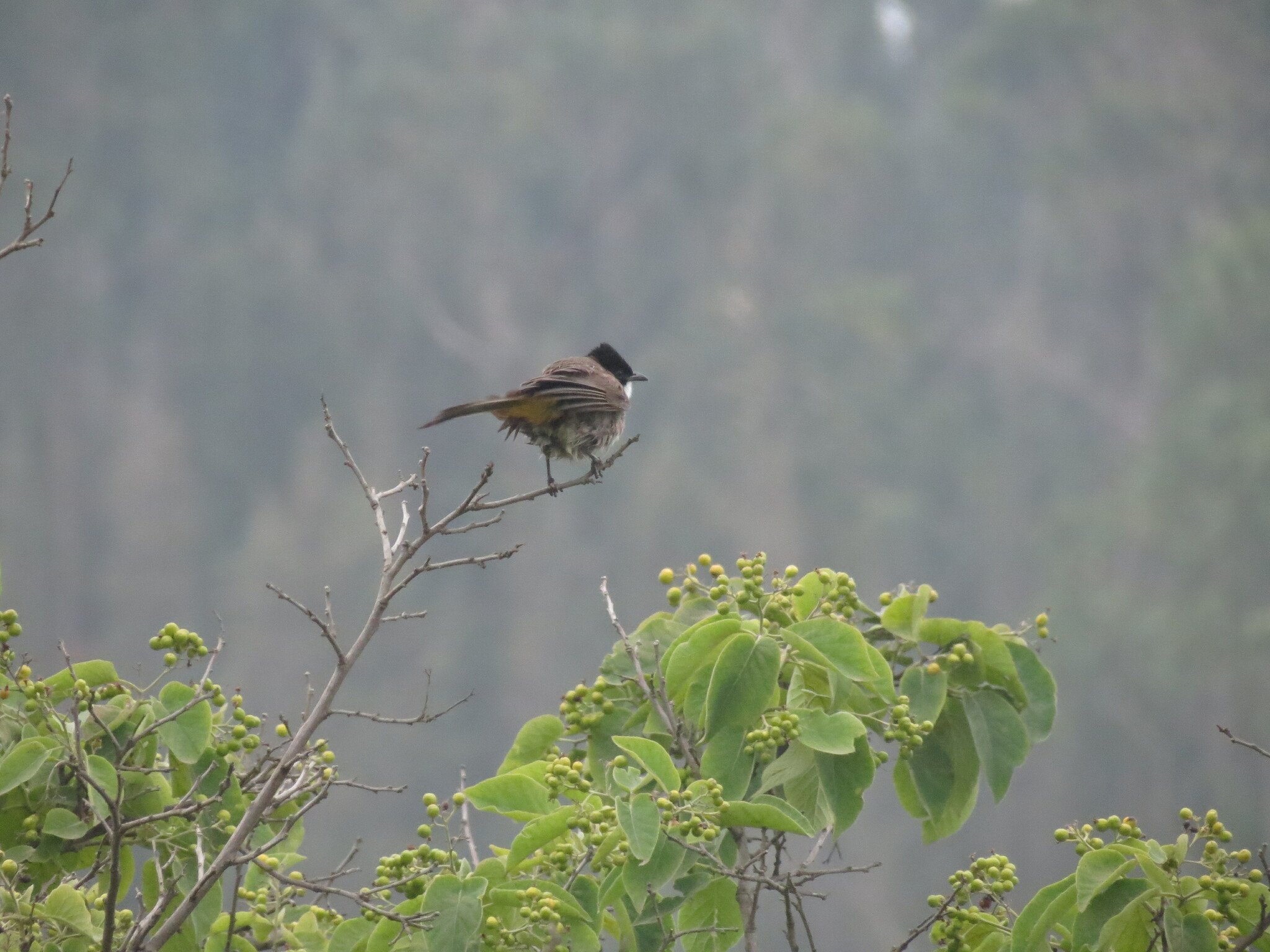
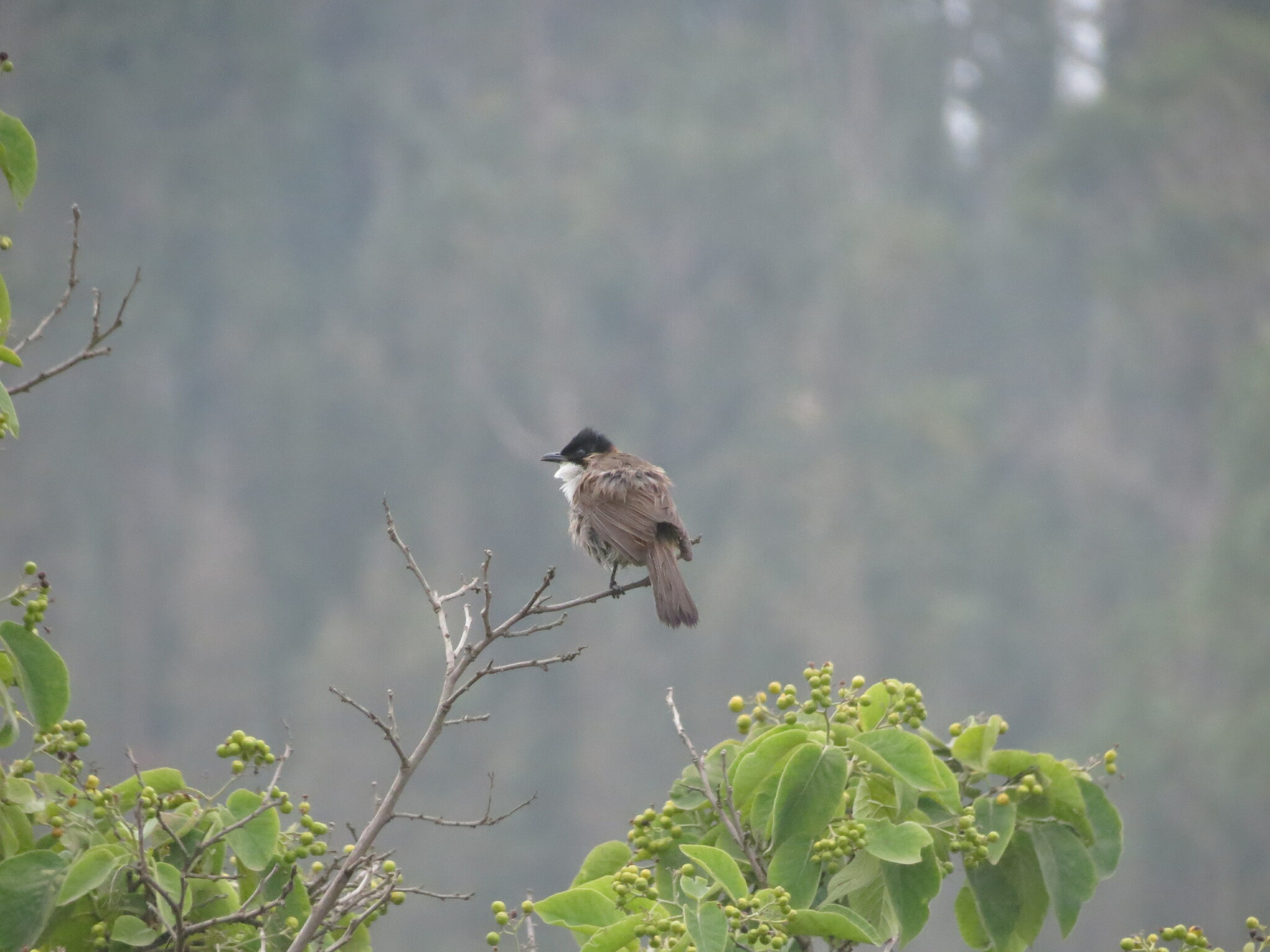
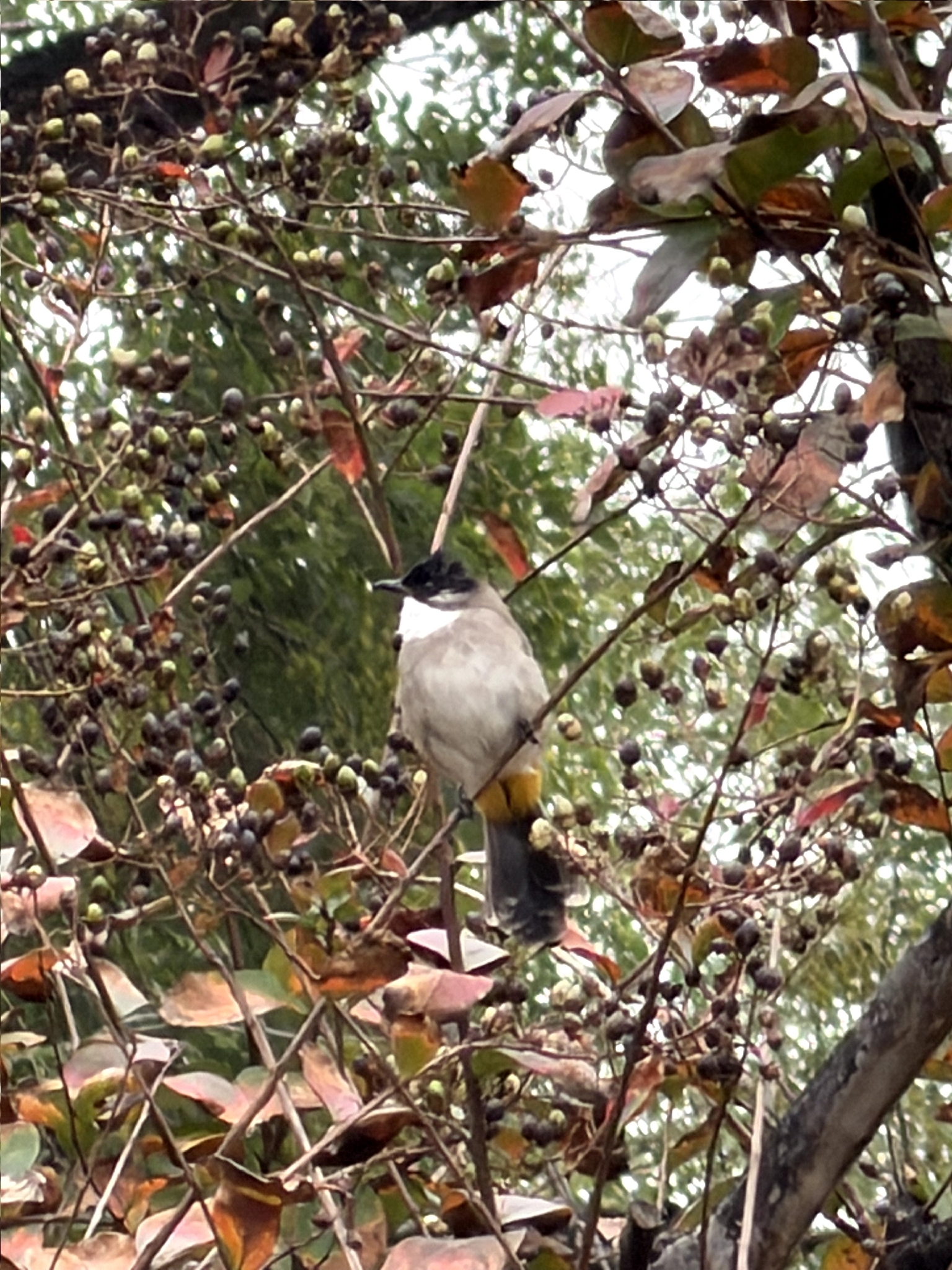
This bulbul presents a moderately built body with a slender appearance characteristic of its genus. The plumage shows brownish tones across the upperparts, with the characteristic brown breast that gives the species its common name. The undertail coverts display yellowish coloration, a feature that helps distinguish it from some related species. Like other members of Pycnonotus, it possesses a fine, pointed bill adapted for fruit consumption and a rounded wing structure. The tail appears relatively long and slightly rounded at the tip. Specific measurements for body length and wingspan are not provided in available sources, though the species falls within the typical size range for medium-sized bulbuls.
Identification
Field identification of this species requires attention to regional variation and comparison with sympatric bulbul species. The brown breast patch is a key identifying feature, though this can appear variable depending on lighting conditions and individual plumage wear. The yellowish undertail coverts help distinguish it from similar-looking species, particularly the White-throated Bulbul and other brown-bodied bulbuls occurring in the same region. Care must be taken to avoid confusion with the Yellow-vented Bulbul (Pycnonotus goiavier), which shares a similar name but is a distinct species with different plumage characteristics. Subspecific variation exists between the two recognized forms, with P. x. andersoni occurring in central and southern China showing differences from the nominate subspecies found in Myanmar and northern Indochina regions.
Distribution & Habitat
The species occupies a broad but discontinuous range across south-eastern Asia, extending from central and southern China westward through northern Myanmar to northern Thailand and northern Indochina. This distribution follows forested mountainous terrain, with the species occurring at elevations ranging from foothills to mid-level mountains. The two recognized subspecies occupy distinct geographical areas: P. x. xanthorrhous is found from south-western China and northern Myanmar across northern Indochina, while P. x. andersoni occupies central and southern China. The species shows preference for forest edges, secondary woodland, and agricultural areas adjacent to natural habitat. Seasonal movements are not well documented but likely involve elevational shifts in response to food availability and breeding cycles.
Behavior & Ecology
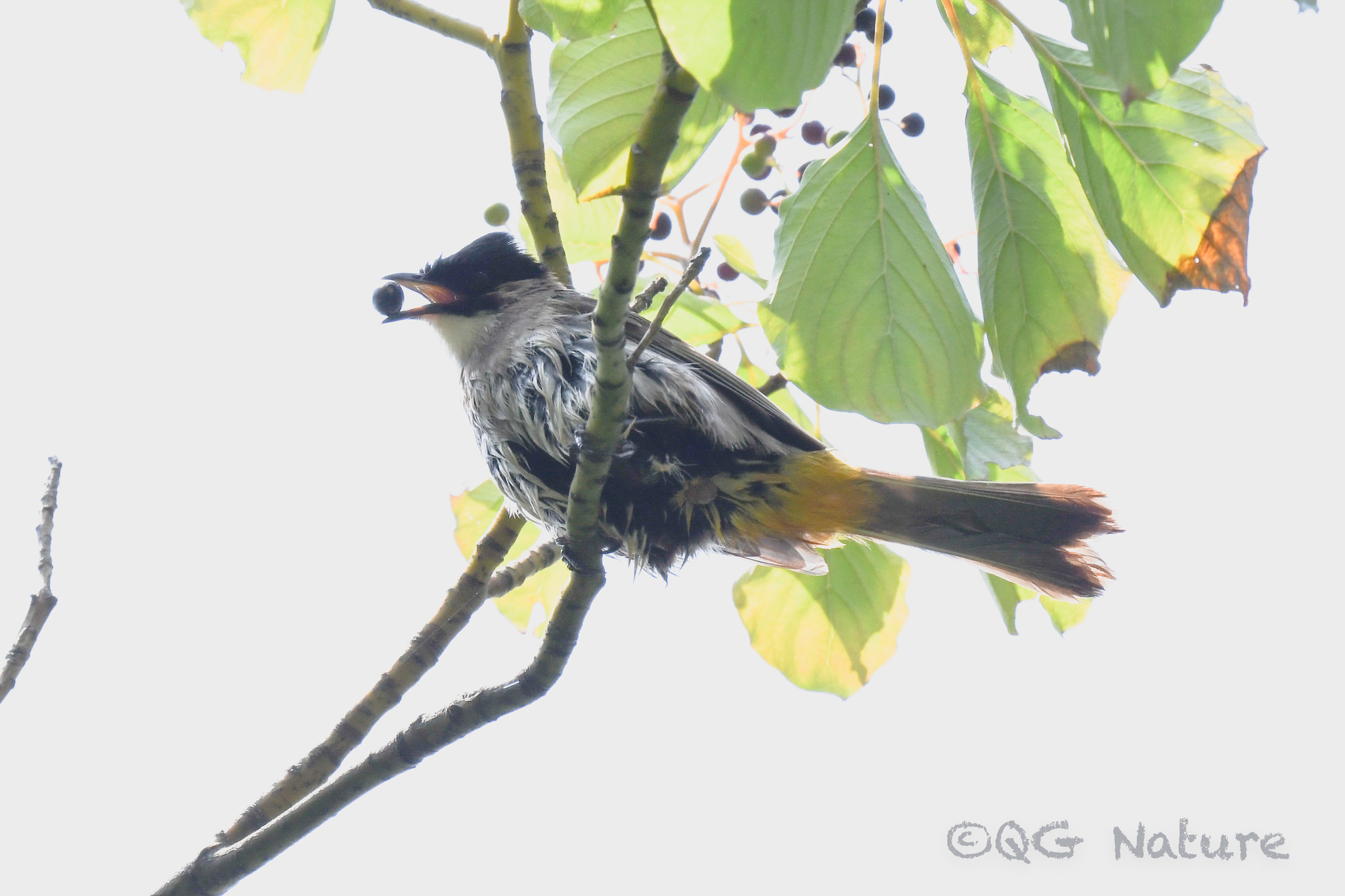
As a frugivorous species, this bulbul feeds primarily on fruit, with documented consumption of Camellia japonica seeds and pulp representing an important food source during certain seasons. The diet likely includes a variety of native and cultivated fruits depending on availability. The species forages actively through the canopy, moving with agility as it searches for ripe fruit. Breeding behavior follows the typical bulbul pattern, though specific details including nest construction, clutch size, and breeding season timing are not extensively documented in available sources. The species produces vocalizations characteristic of the Pycnonotidae family, consisting of varied notes and melodic phrases used for territorial defense and mate attraction. Social organization involves pairs during breeding season and small family groups during non-breeding periods.
Conservation
Insufficient data exists to determine the conservation status of this species according to global assessments. Population trends have not been quantified, and comprehensive surveys across its range have not been conducted. Potential threats include habitat loss from agricultural expansion, deforestation for timber extraction, and urbanization in parts of its Chinese range. The species' relatively wide distribution across multiple countries may provide some resilience, but localized populations in heavily impacted areas likely face declines. Research into population sizes, distribution changes, and threat impacts would benefit conservation planning for this and other south-east Asian bulbul species.
Culture
No specific cultural significance or folklore associated with this species has been documented in available sources. The alternative name Anderson's bulbul honors the species' describer, John Anderson, reflecting the convention of recognizing naturalists through eponymous common names. As a non-descript forest bird without remarkable vocal qualities or cultural symbolism, it has not featured prominently in the traditions or practices of local human populations within its range.
Source: Wikipedia · CC BY-SA 3.0
Taxonomy
- Order
- Passeriformes
- Family
- Pycnonotidae
- Genus
- Pycnonotus
- eBird Code
- brbbul1
Subspecies (2)
-
Pycnonotus xanthorrhous andersoni
southern China (Sichuan to northern Guangdong and northwestern Fujian)
-
Pycnonotus xanthorrhous xanthorrhous
Himalayas of Tibet to northeastern Myanmar, southwestern China, and northern Vietnam
Data Sources
Species description from Wikipedia, licensed under CC BY-SA 3.0.
Bird images and sounds sourced from GBIF, contributed by citizen scientists worldwide under Creative Commons licenses.
Taxonomy data from AviList 2025.