
Light-vented Bulbul
Pycnonotus sinensis
白头鹎
Introduction
This bulbul occurs in central and southern China, Hong Kong, Macao, the Philippines, northern Vietnam, southern Japan and Taiwan, with occasional records from South Korea. It inhabits lightly wooded areas and human-modified landscapes including towns, suburbs and urban parks. In Hong Kong, it occupies lightly wooded areas, cultivated land and shrubland. In Shanghai, it ranks among the three most common urban birds alongside tree sparrows and spotted doves. In Taiwan, it dominates all lowland habitats except along the east coast where Styan's bulbul replaces it.
Description
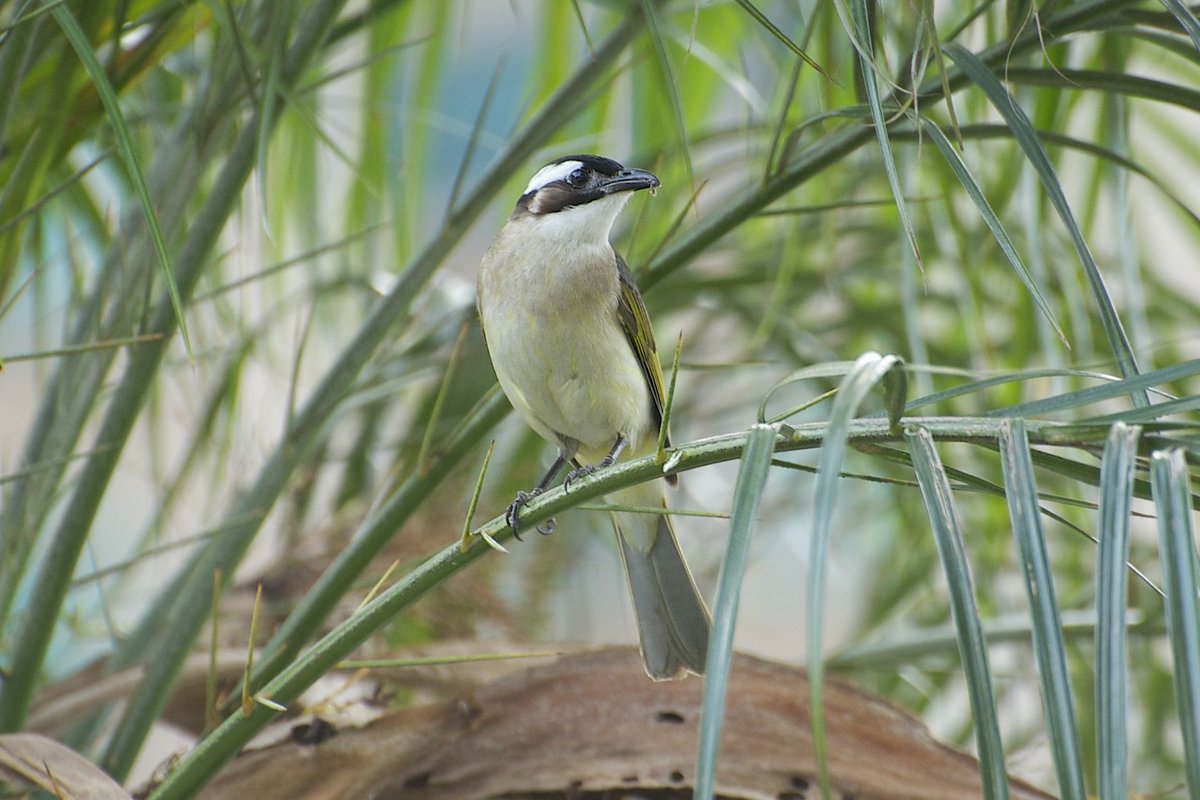
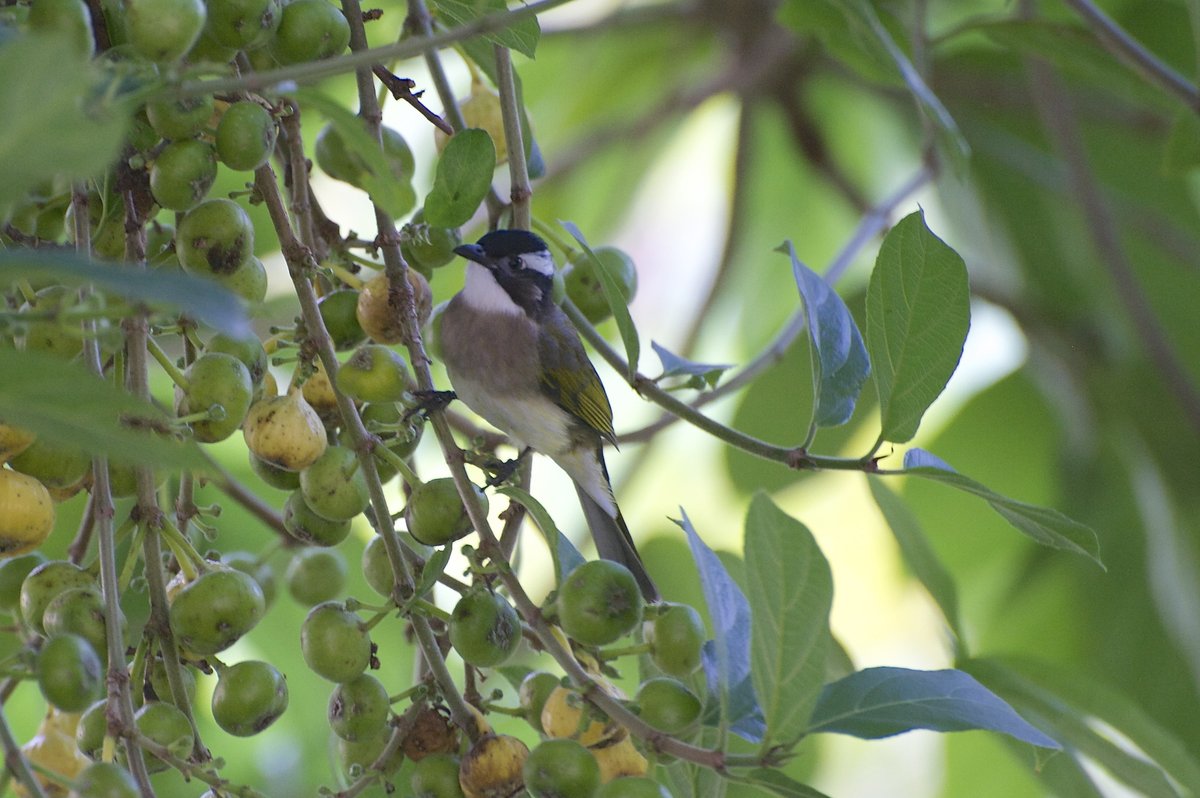
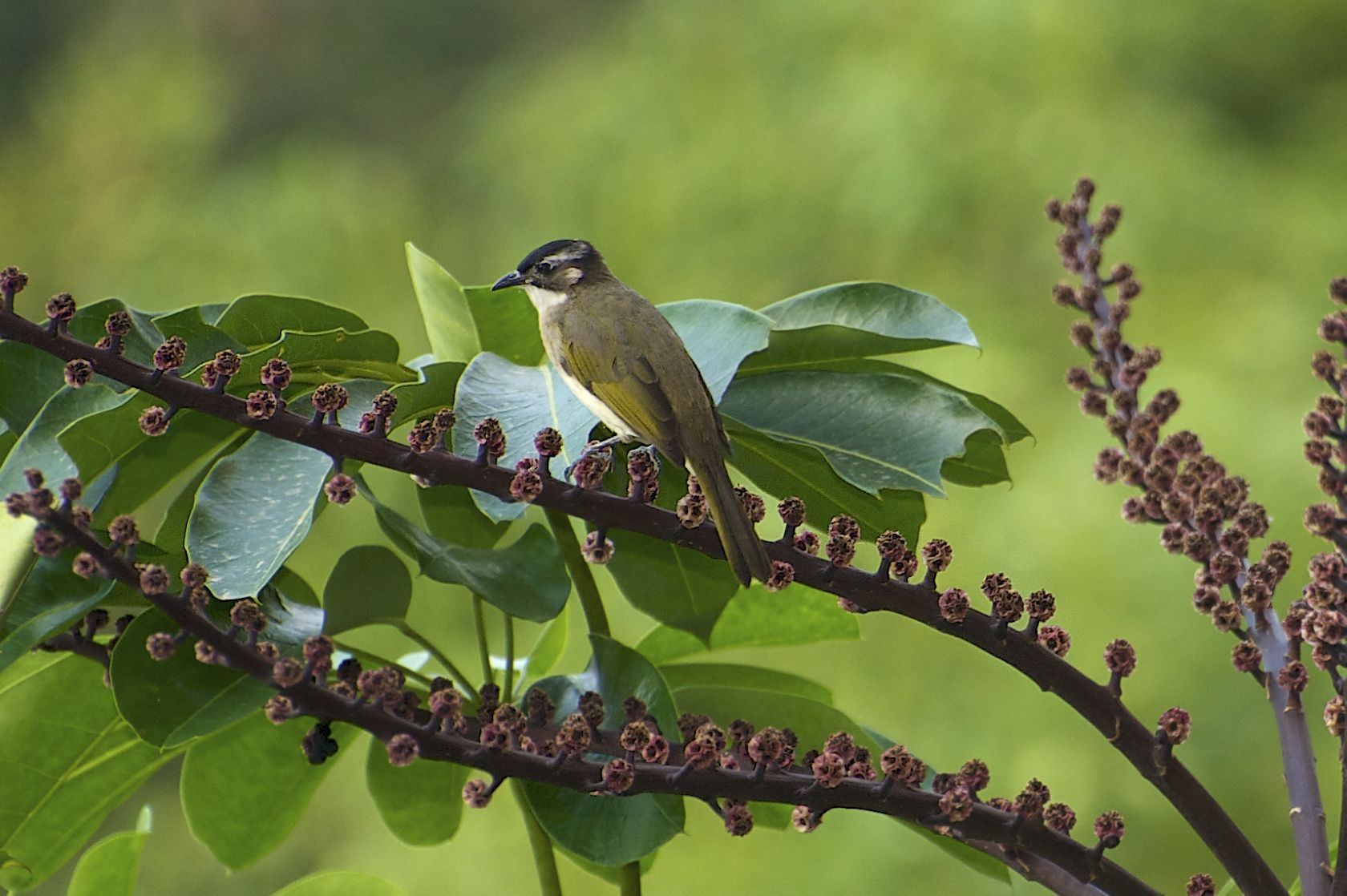
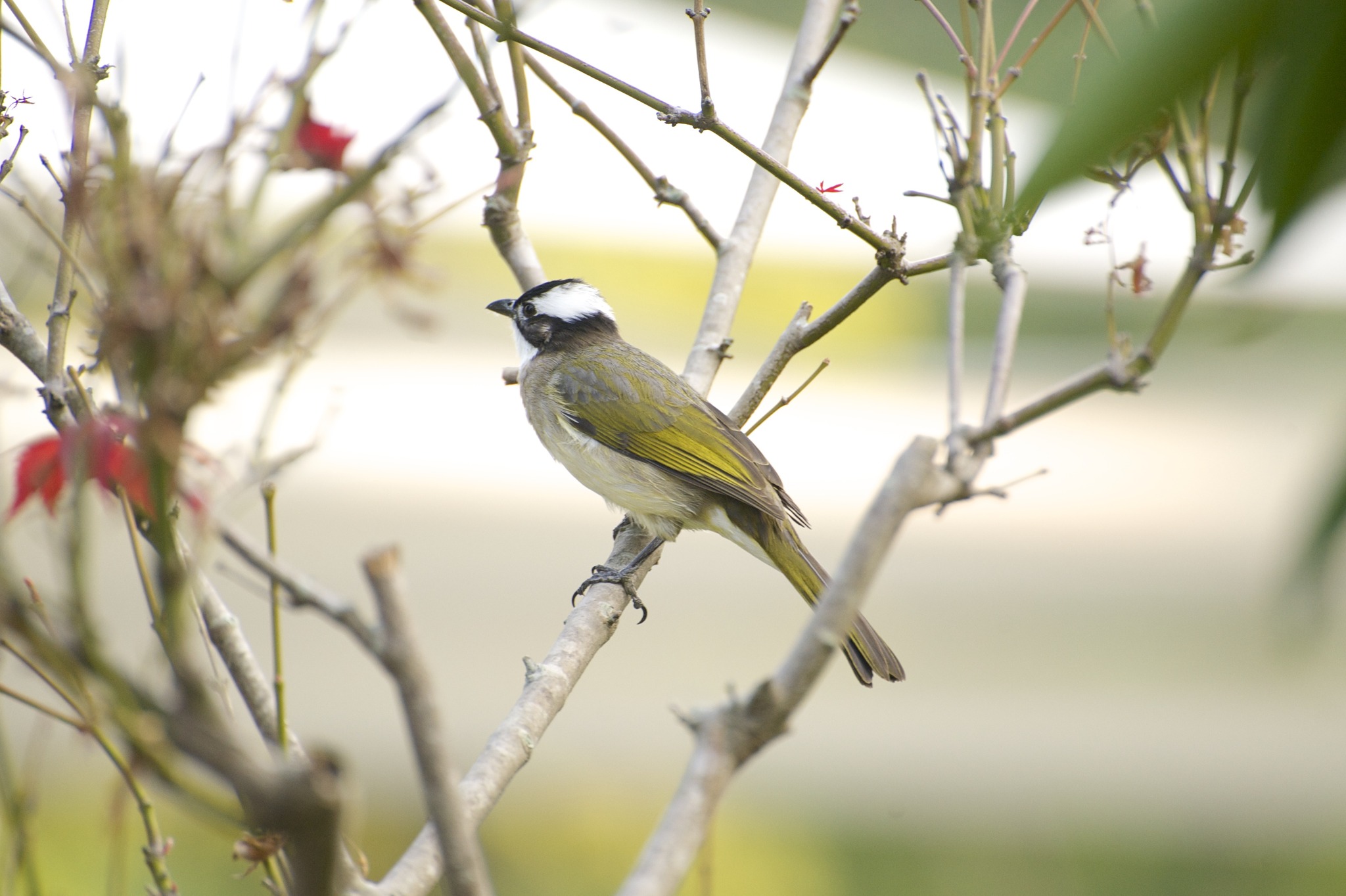
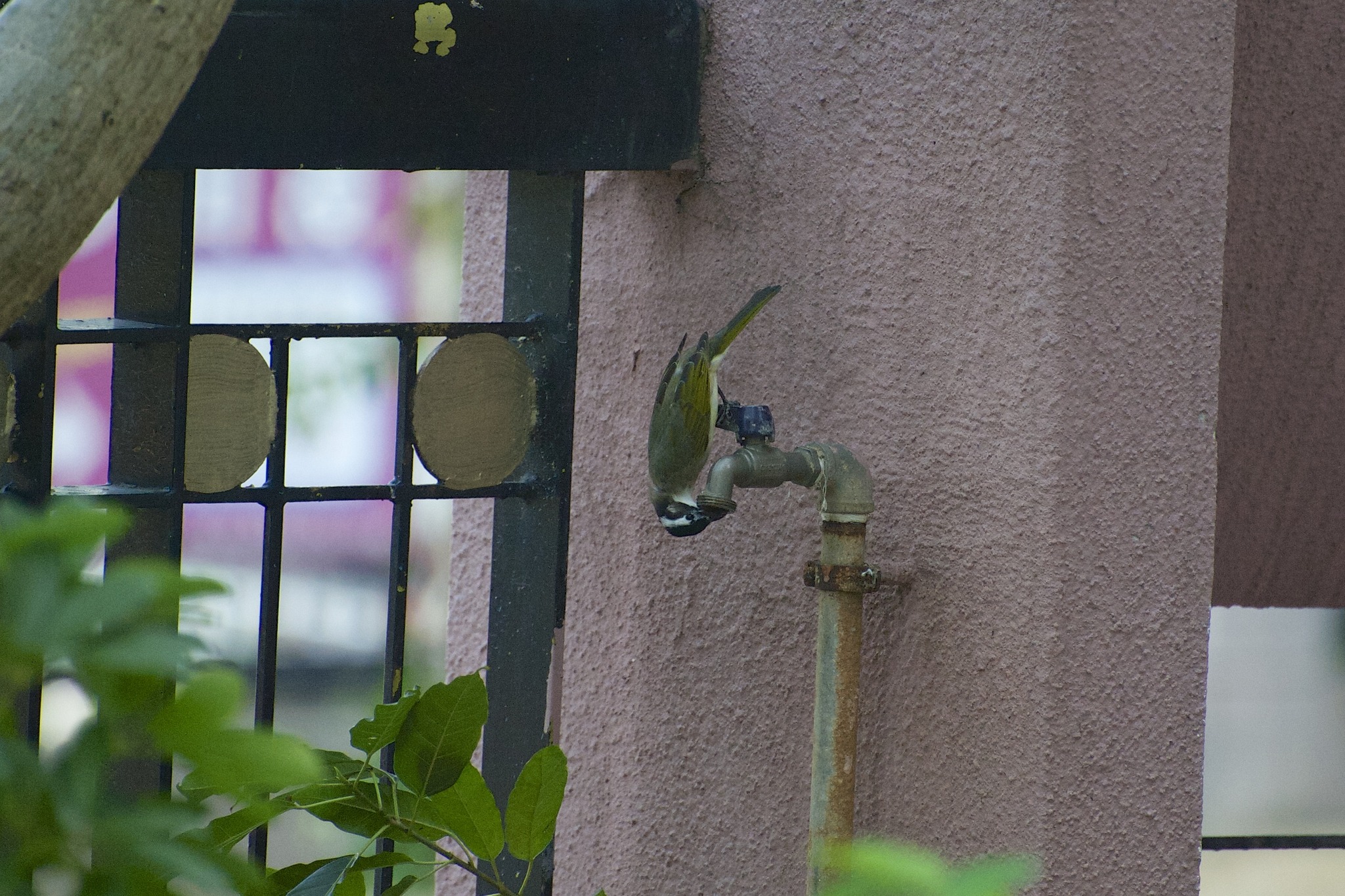
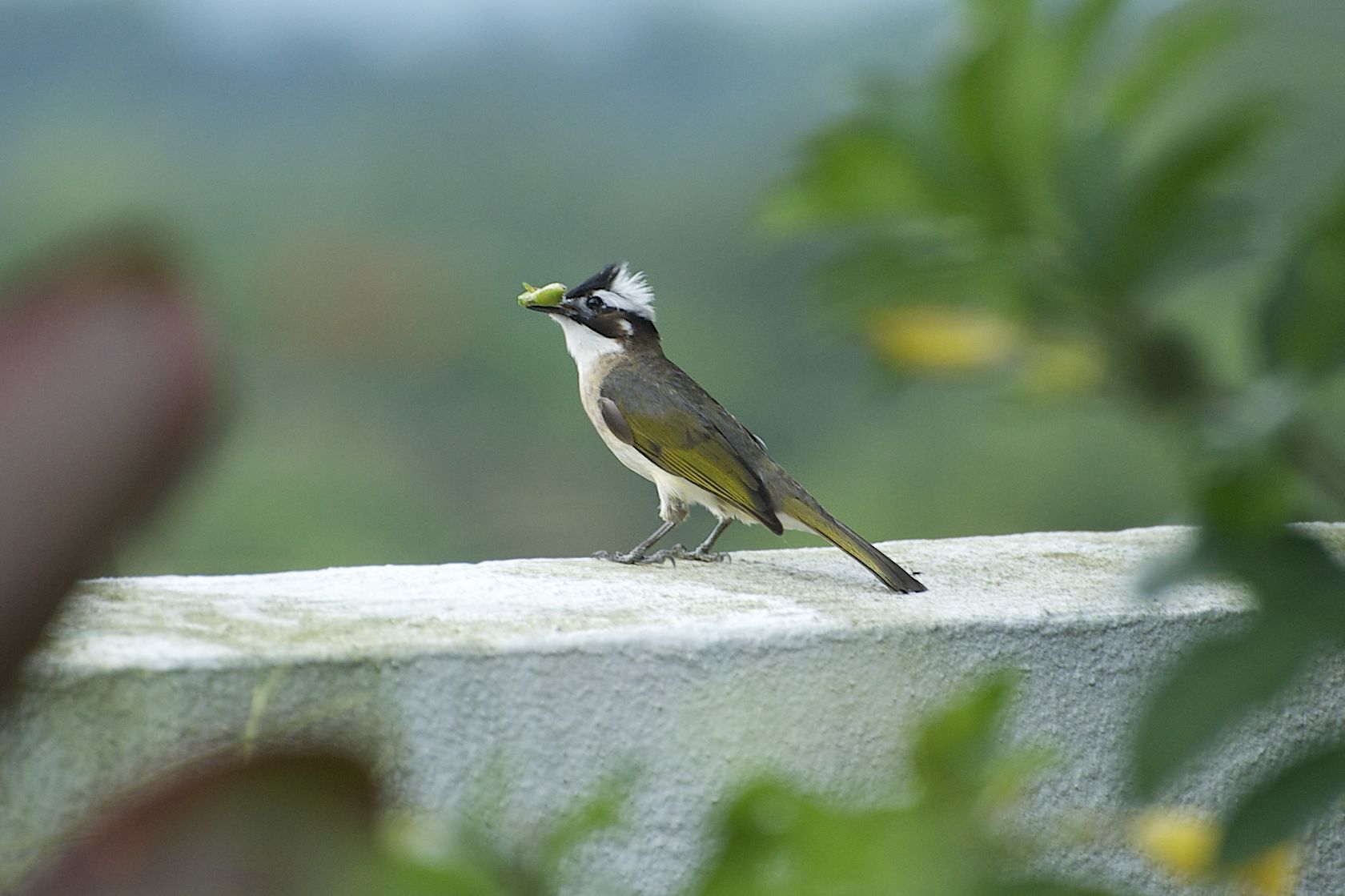
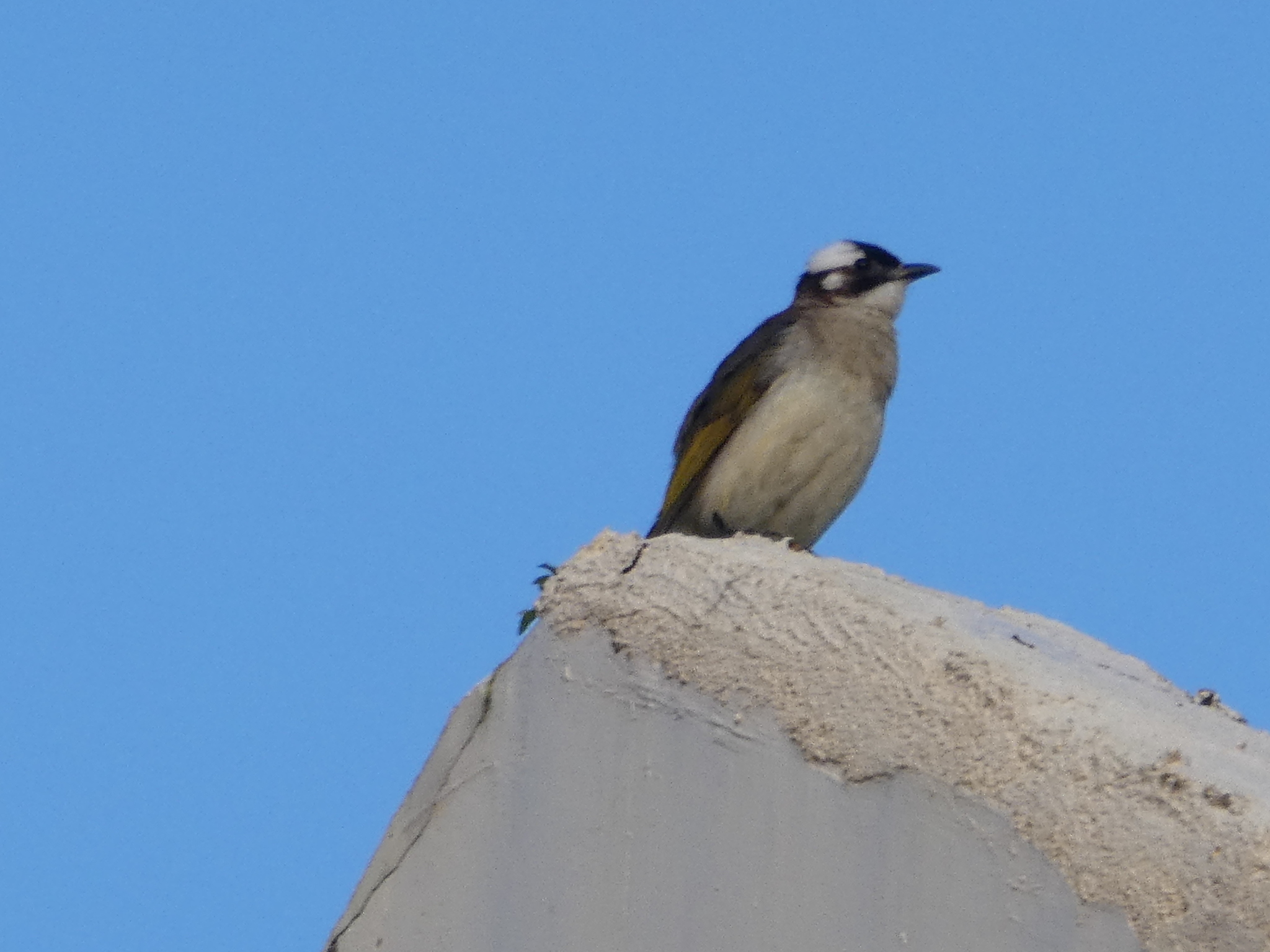
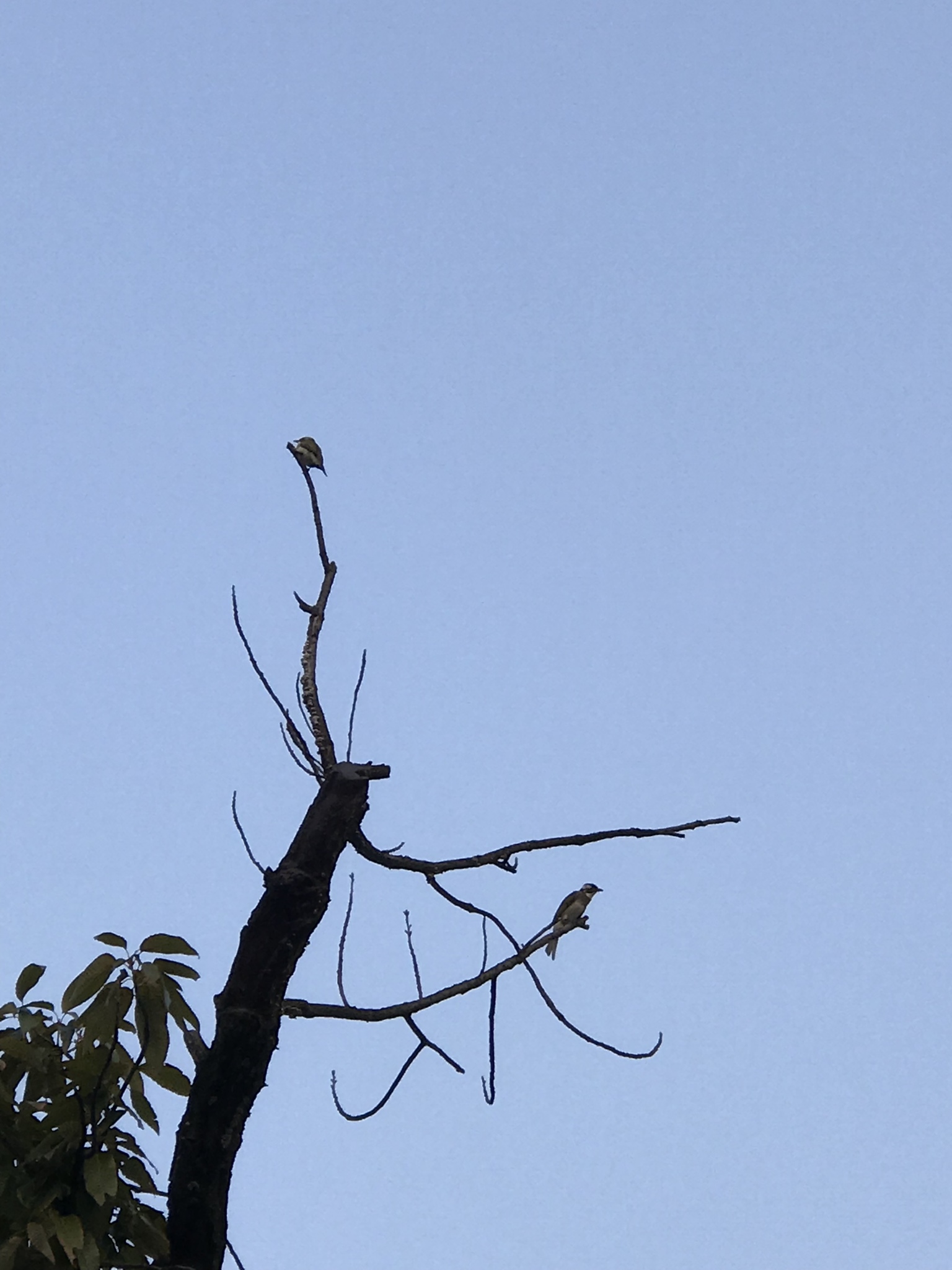
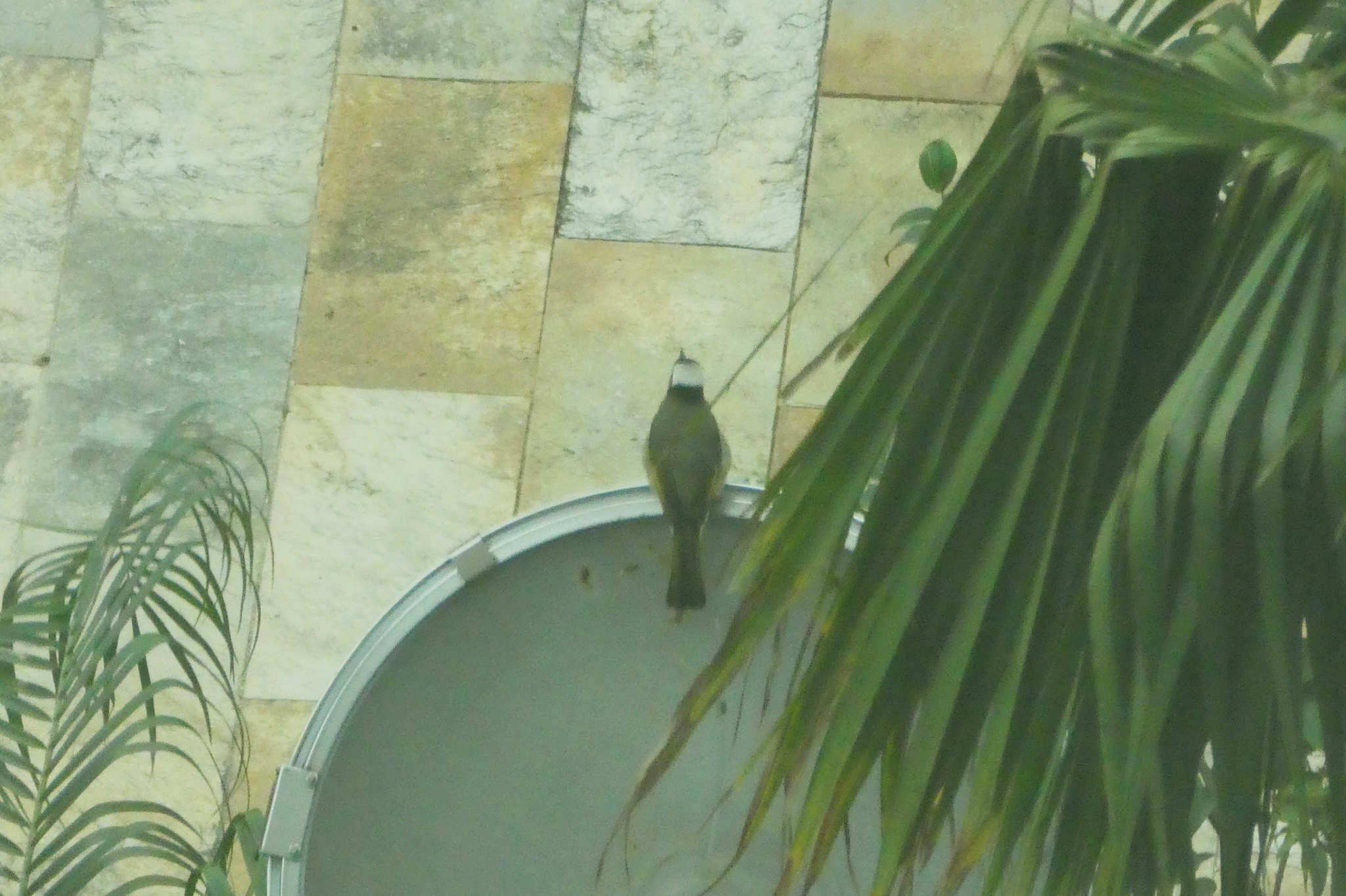
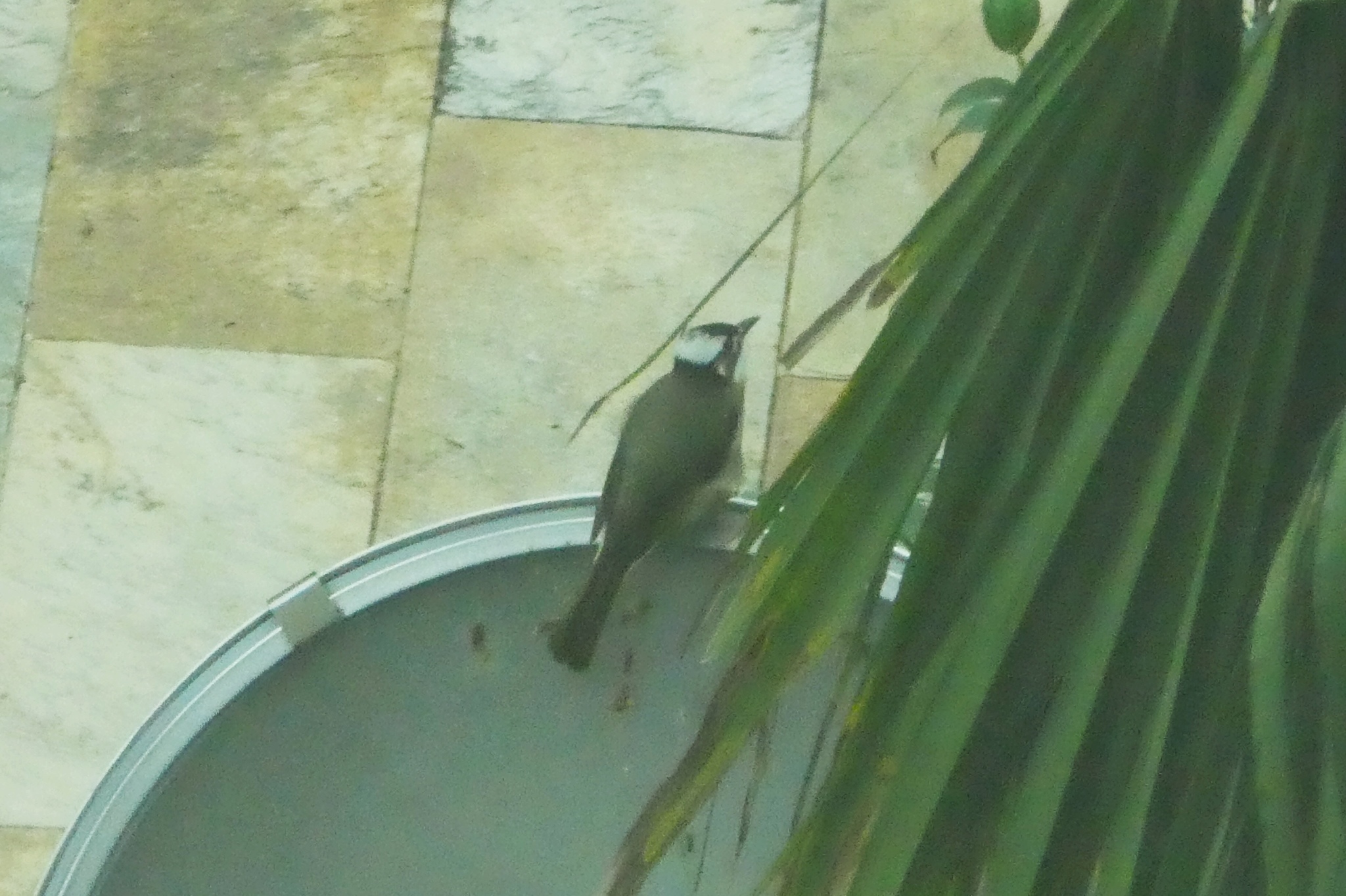
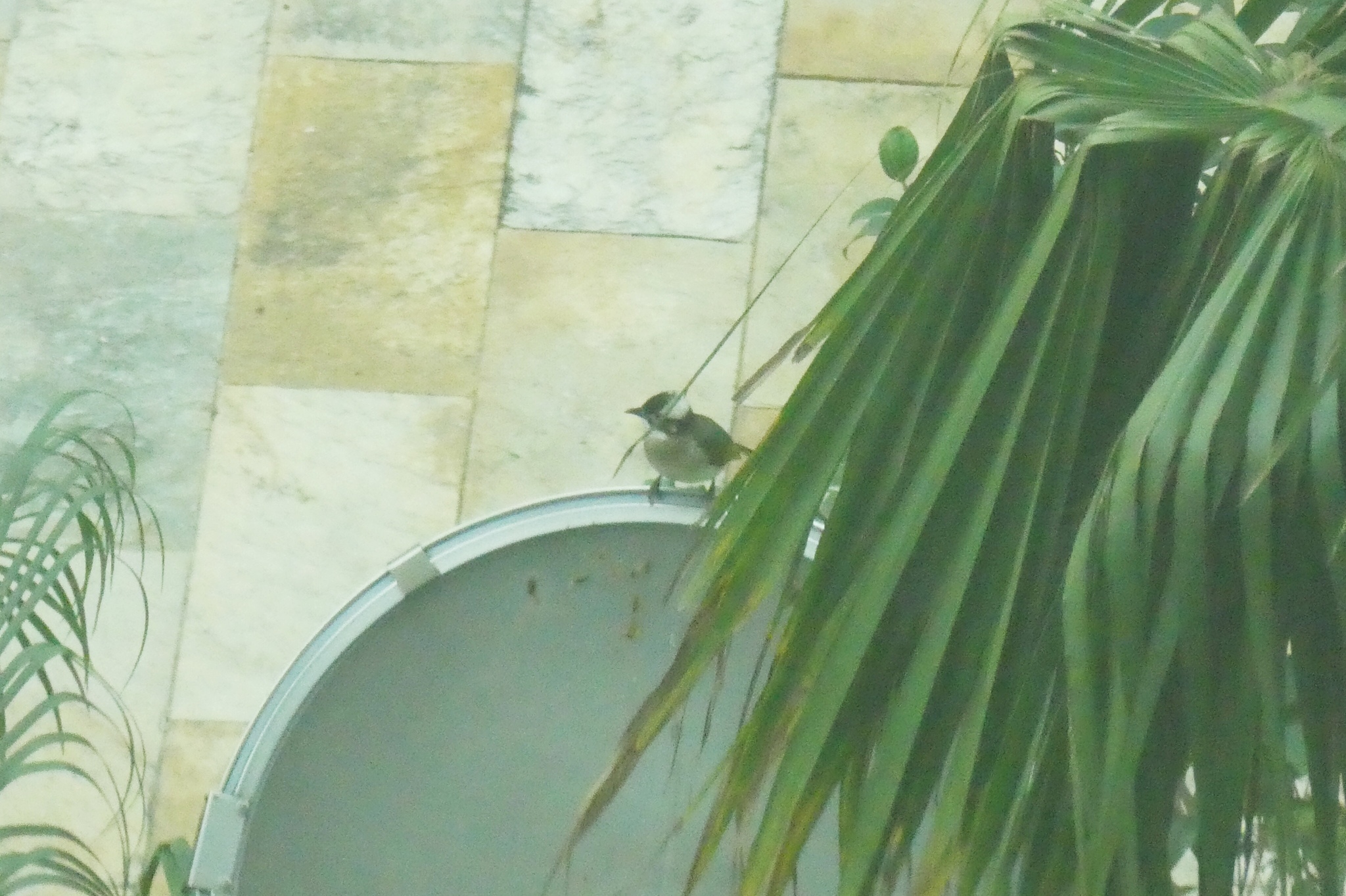
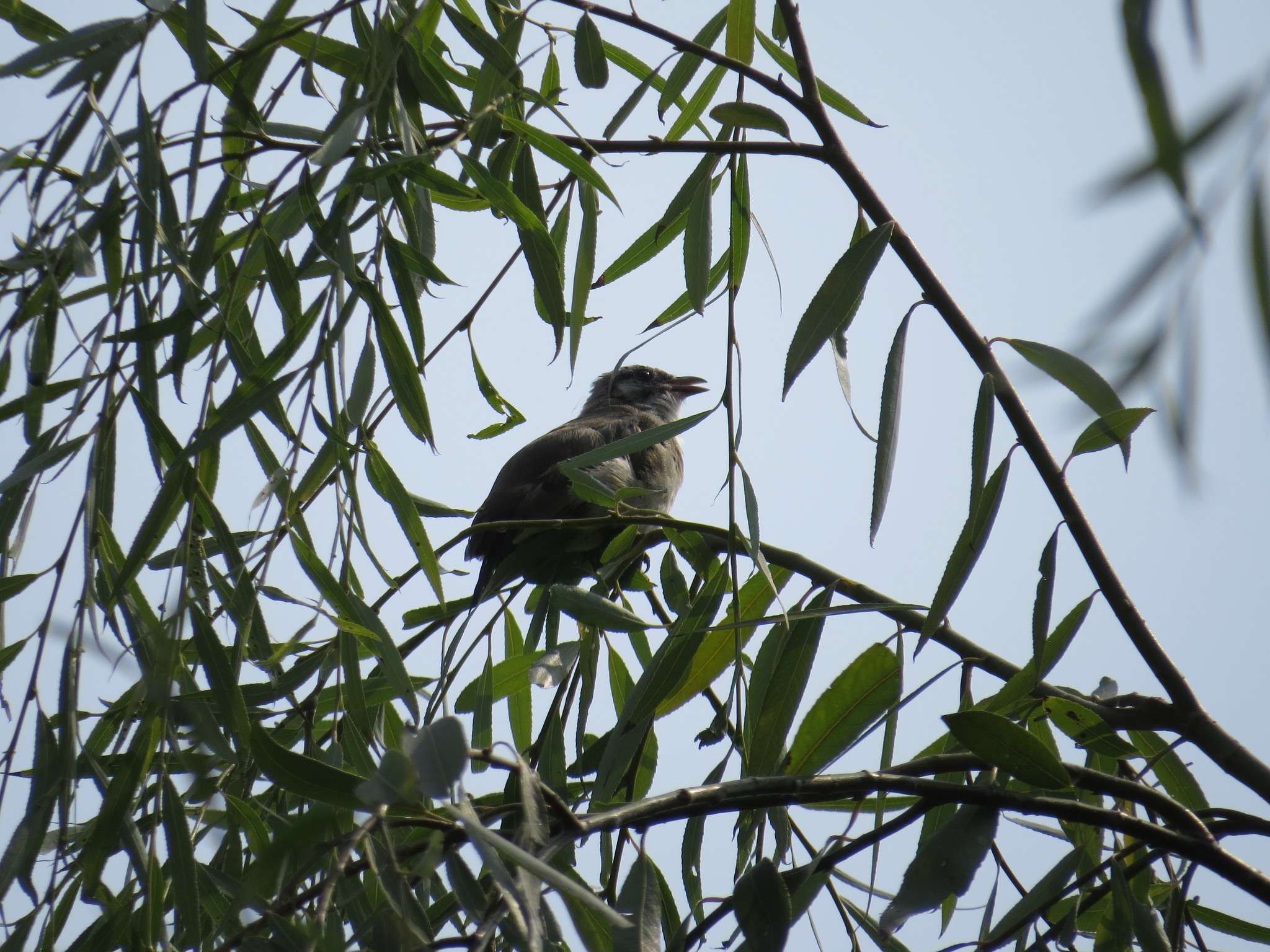
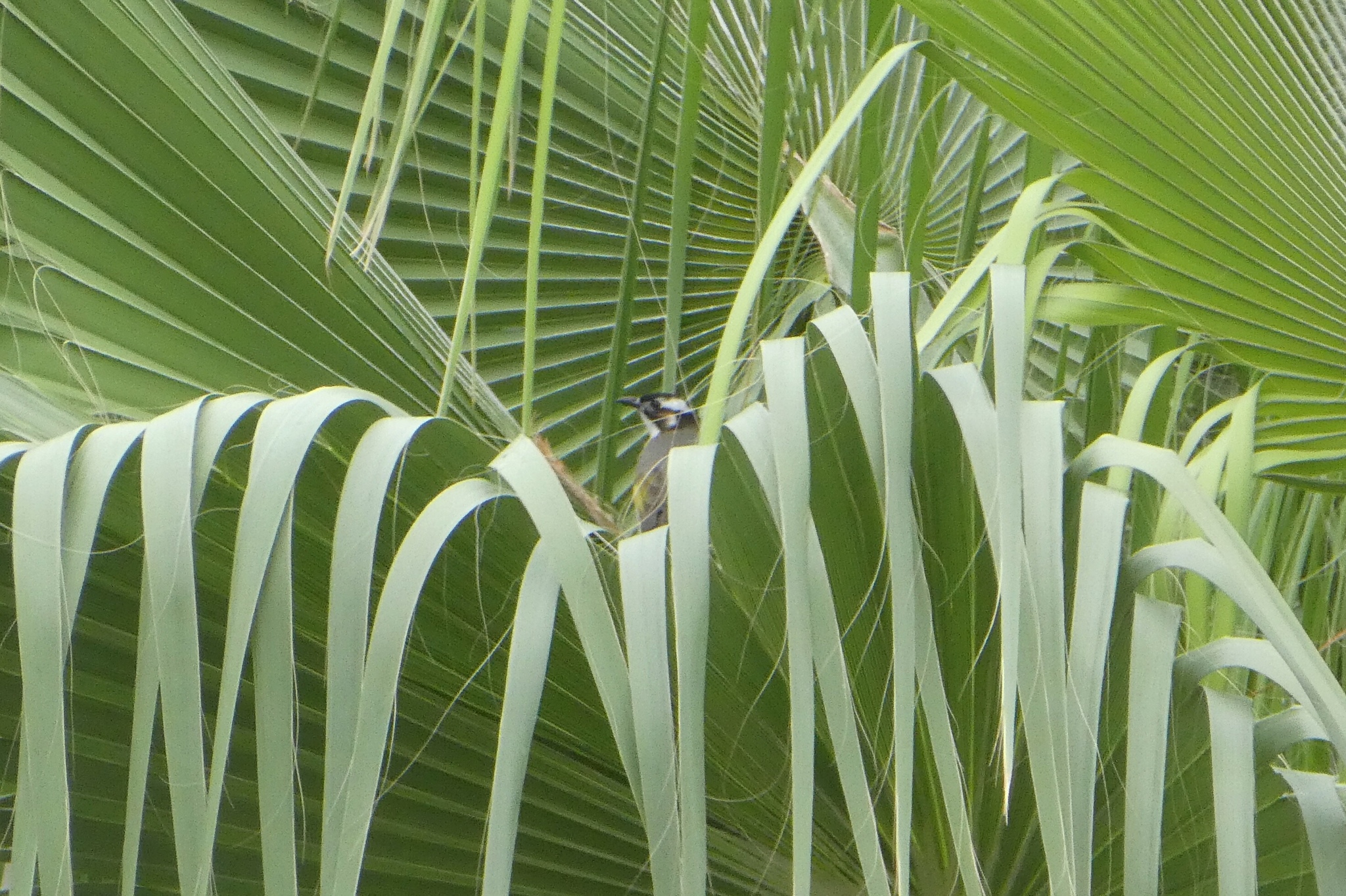
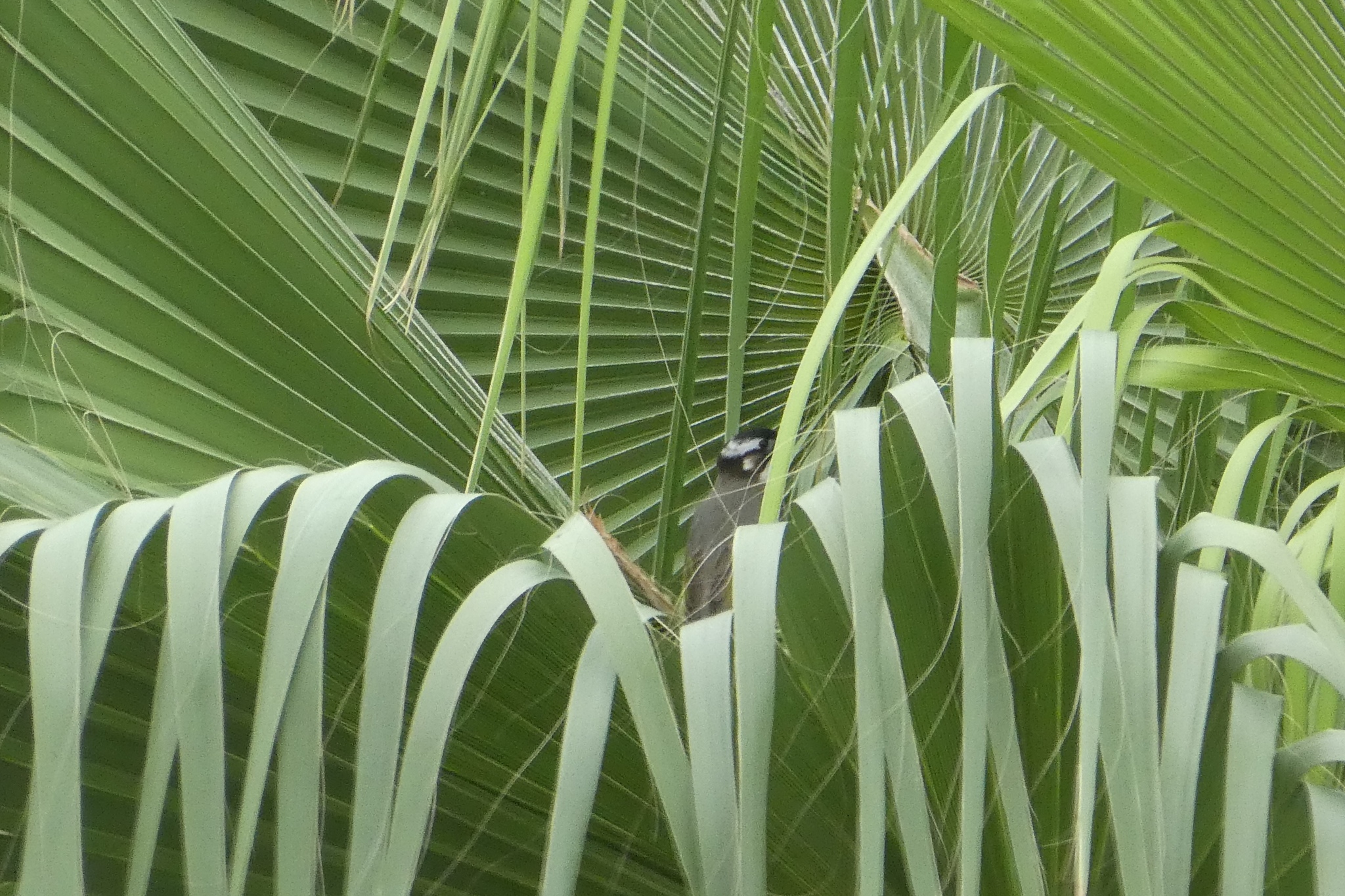
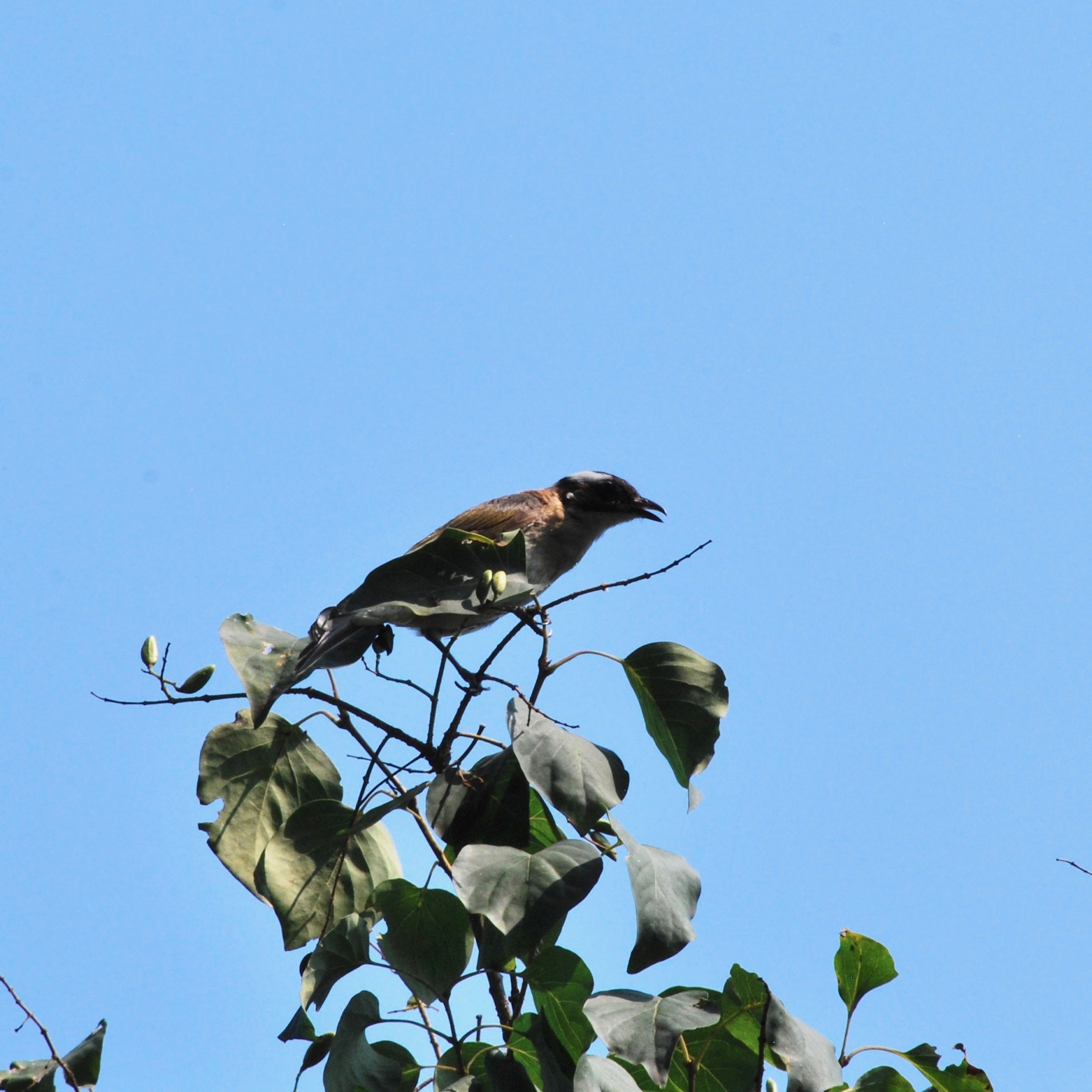
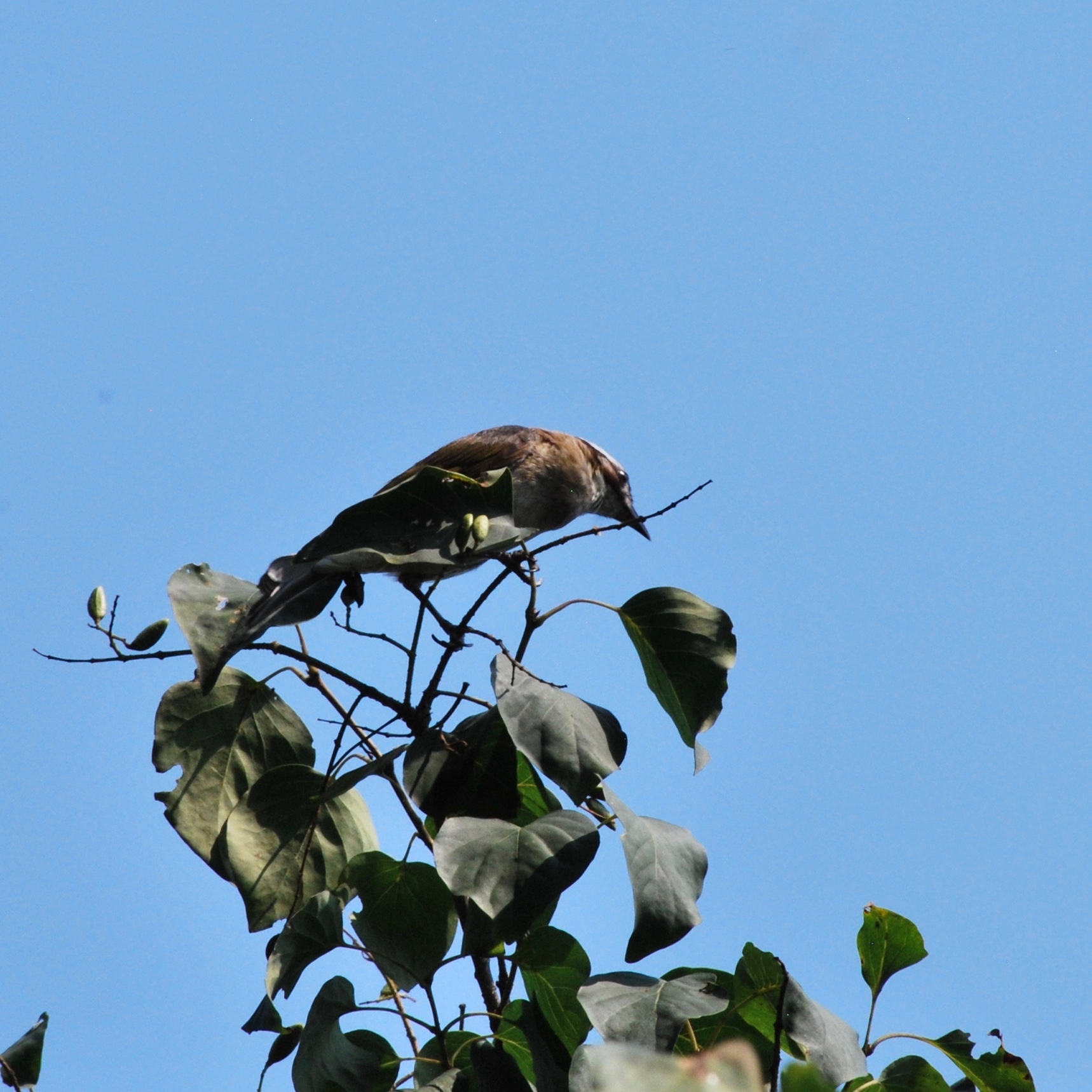
This compact bulbul measures approximately 19 cm in length. The head shows striking contrast with a black crown and moustachial stripe, while white patches cover the nape and sides of the black head, with additional white plumage extending from the eyes to the back of the head. The upperparts display greyish-brown feathers mixed with olive tones. Wings and tail are brown, edged with bright olive highlights. Underparts appear whitish with a pale brown breastband across the chest. The overall coloration creates a distinctive two-toned head pattern that sets this species apart from other bulbuls in its range.
Identification
The contrasting black and white head pattern with white nape and facial patches provides the most reliable field mark. In Hong Kong, it shares habitat with the red-whiskered bulbul but favors more natural, lightly wooded areas while the red-whiskered species dominates suburbs and urban parks. In Taiwan, it dominates most habitats but is replaced by Styan's bulbul along the east coast. The combination of the black crown, white face and nape patches, and pale breastband distinguishes it from similar bulbuls throughout its range.
Distribution & Habitat
This species ranges across central and southern China, Hong Kong, Macao, the Philippines, northern Vietnam, southern Japan (Nansei Islands), Thailand and Taiwan, with rare records from both North and South Korea. Four subspecies are recognized, with P. s. sinensis found in central and eastern China, P. s. hainanus in southeastern China and northern Vietnam, P. s. formosae on Taiwan, and P. s. orii on the southern Ryukyu Islands. It inhabits lightly wooded areas, cultivated land, shrubland, parks and gardens throughout its range.
Behavior & Ecology
A noisy and active songbird, it produces bright, varied songs with a characteristic cha-ko-lee...cha-ko-lee... call. While specific dietary and breeding details are not provided in available sources, it is known to be a common resident throughout its range with no significant migratory movements documented. The species shows social flexibility, occurring in various habitat types from natural woodlands to urban environments.
Conservation
No conservation status information is available in the current source material.
Culture
No cultural or folklore information is available in the current source material.
Source: Wikipedia · CC BY-SA 3.0
Taxonomy
- Order
- Passeriformes
- Family
- Pycnonotidae
- Genus
- Pycnonotus
- eBird Code
- livbul1
Vocalizations
Subspecies (4)
-
Pycnonotus sinensis formosae
Taiwan
-
Pycnonotus sinensis hainanus
southern China (southwestern Guangdong and southern Guangxi); northern Vietnam; Hainan
-
Pycnonotus sinensis orii
southern Ryukyu Islands (Yonaguni and Ishigaki, southern Japan)
-
Pycnonotus sinensis sinensis
central and eastern China (Sichuan and southern Shaanxi) eastward to Jiangsu, and southward to Guangxi, Guangdong, and Fujian; also isolated sites in Beijing and Hebei); partially migratory, some moving in winter to central Vietnam, Hainan, and South Korea
Data Sources
Species description from Wikipedia, licensed under CC BY-SA 3.0.
Bird images and sounds sourced from GBIF, contributed by citizen scientists worldwide under Creative Commons licenses.
Taxonomy data from AviList 2025.