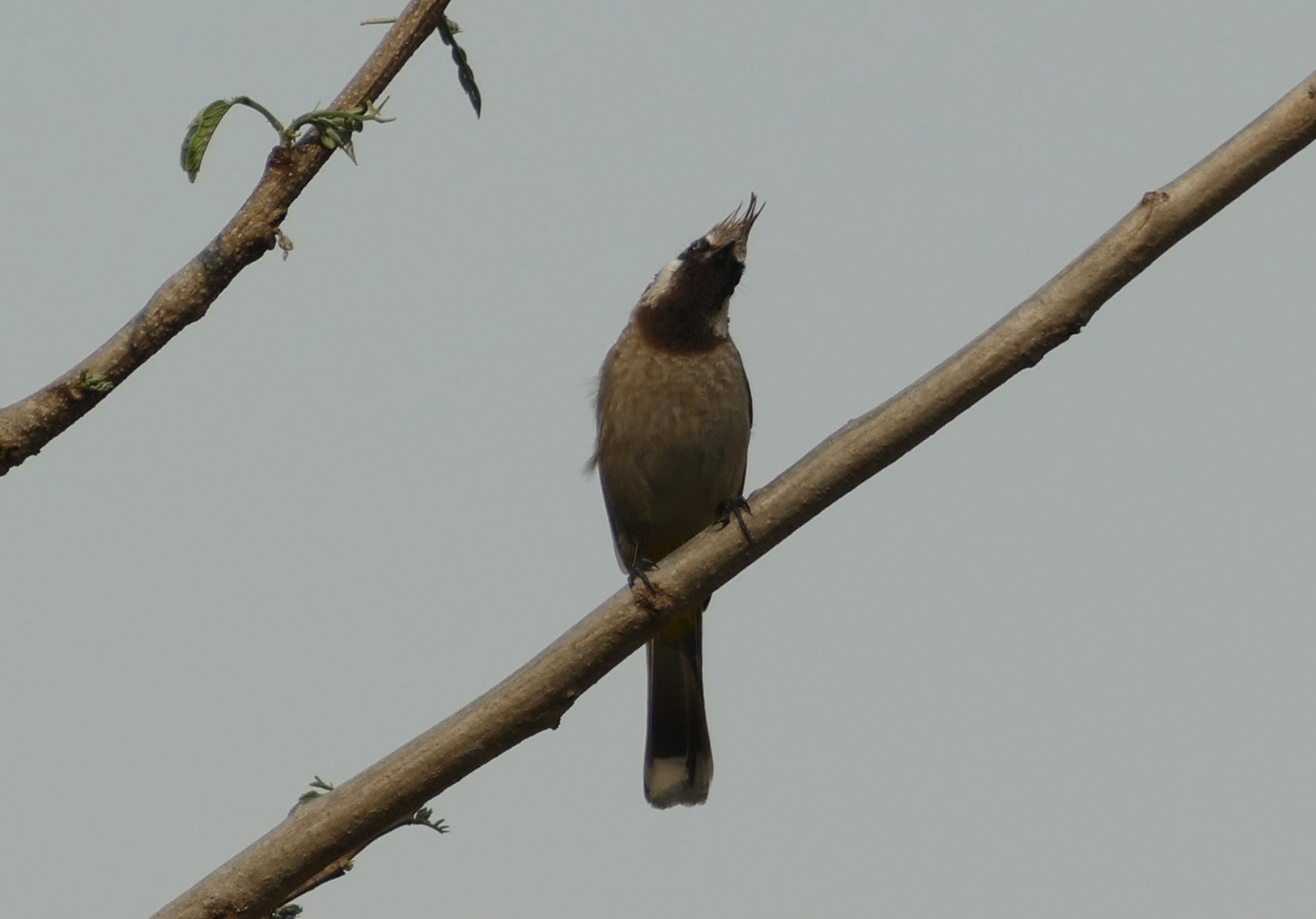
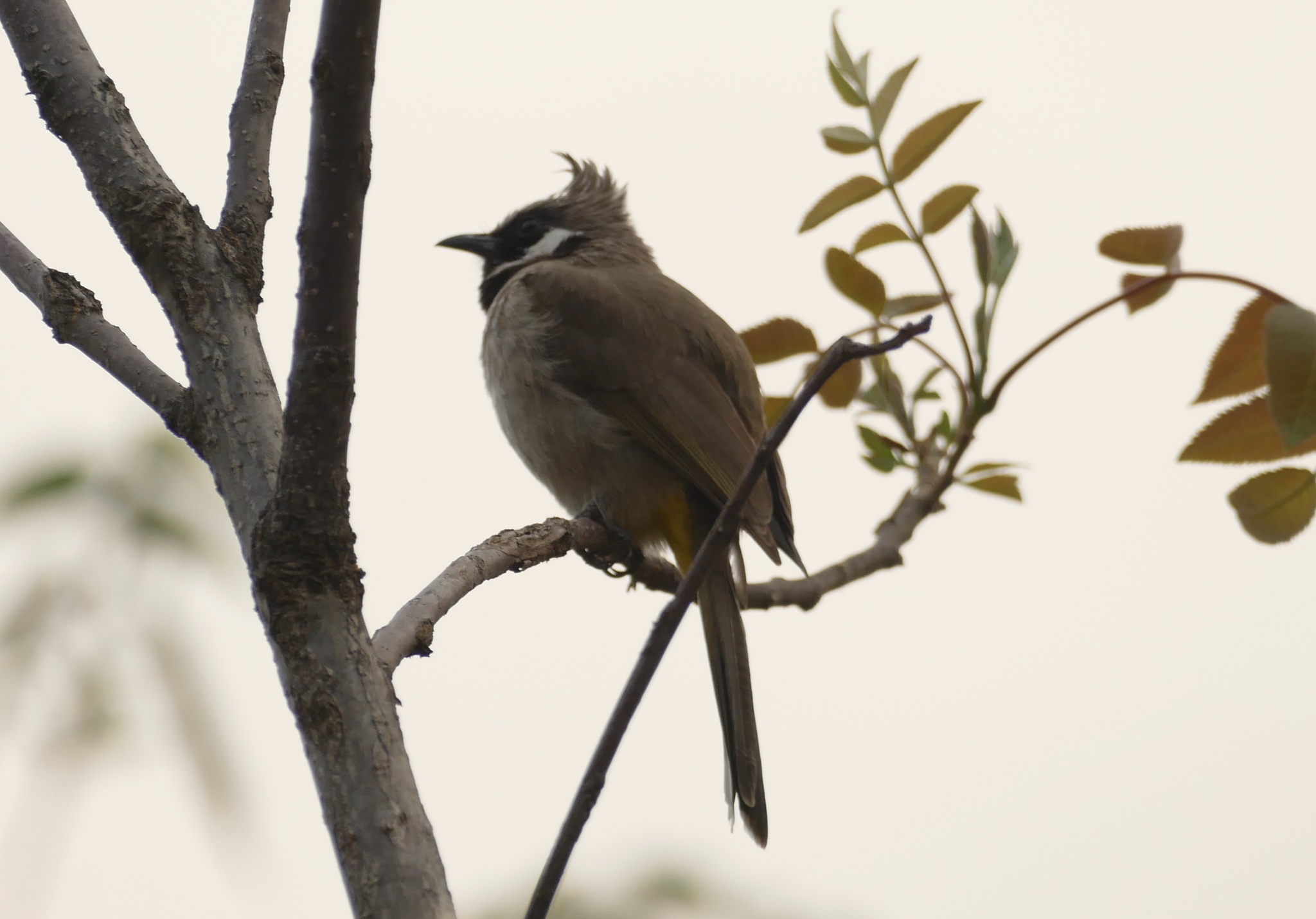
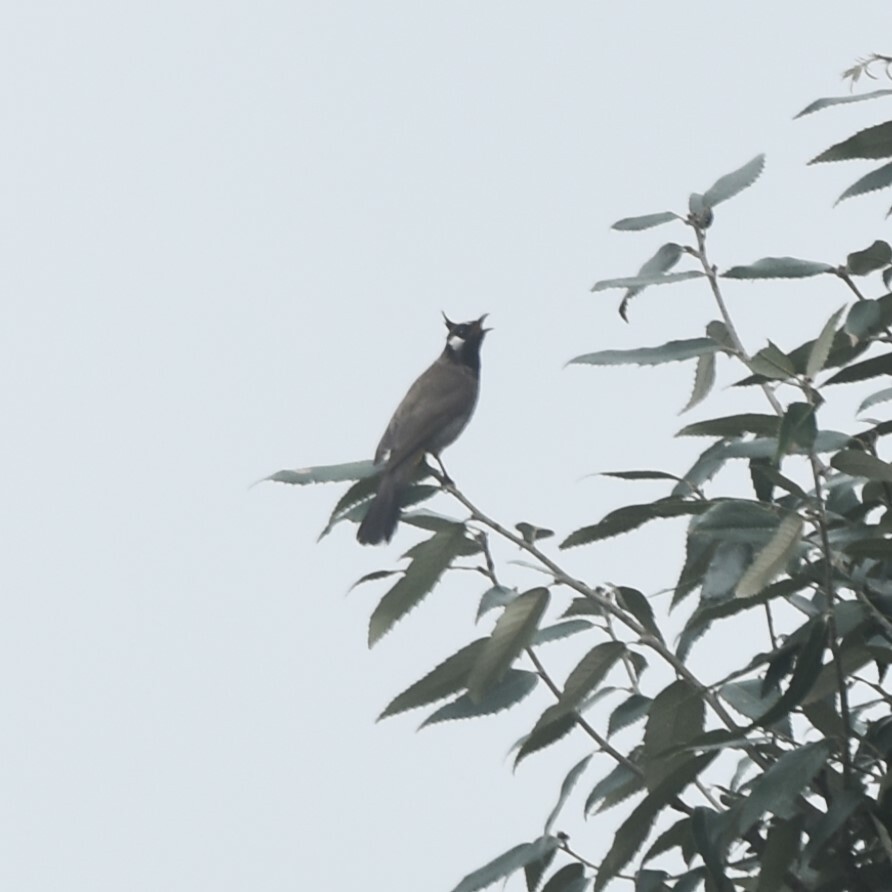
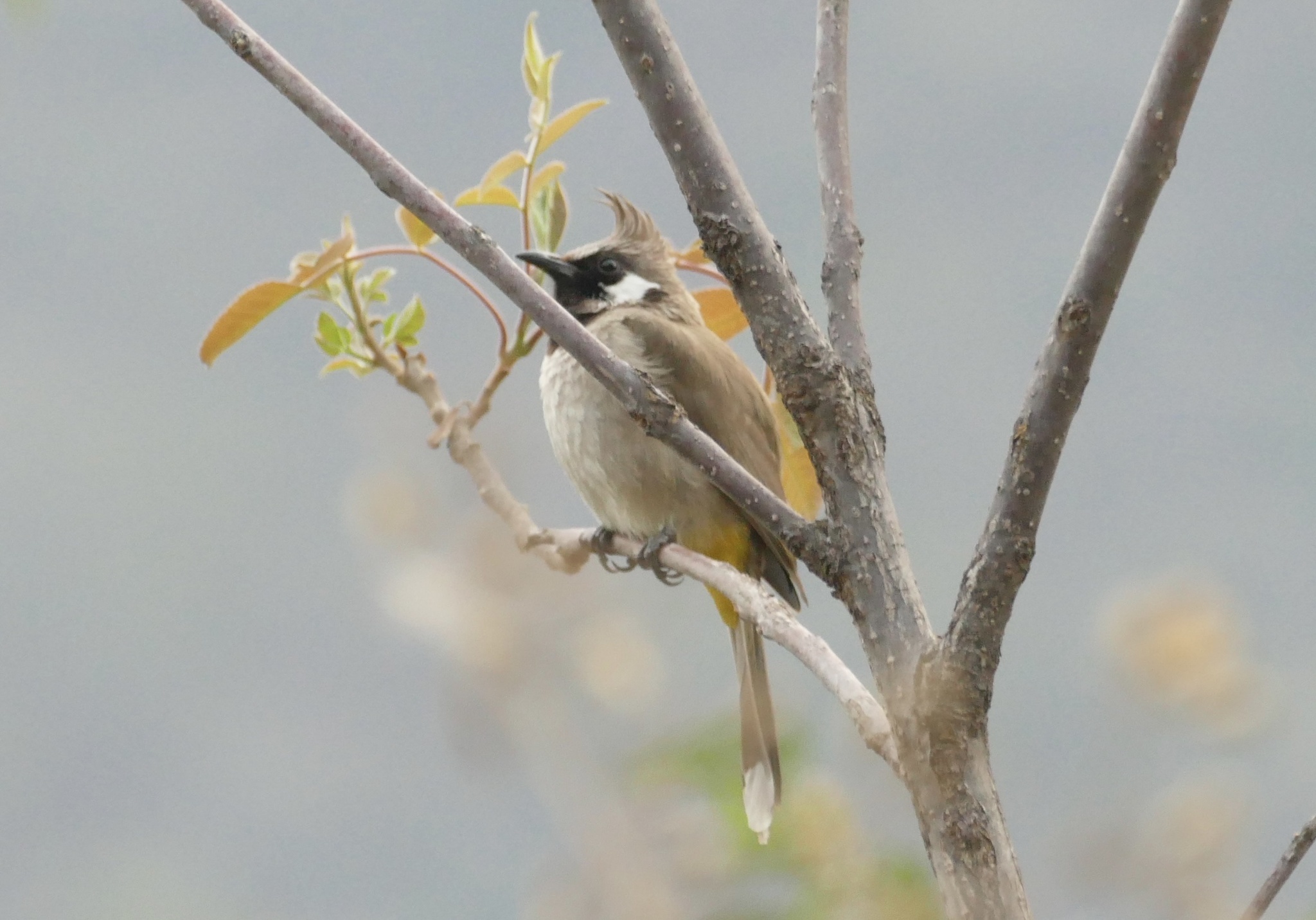
Himalayan Bulbul
Pycnonotus leucogenys
白颊鹎
Introduction
A songbird in the bulbul family (Pycnonotidae) found across Central and South Asia. Scientific name: Pycnonotus leucogenys. Inhabits forests, shrubland, gardens, and parks throughout the northern Indian subcontinent and Himalayan foothills. Known for its distinctive black and white head patterning and its melodious 4-part whistle song. Part of a superspecies complex that includes the white-eared bulbul, white-spectacled bulbul, African red-eyed bulbul, Cape bulbul, and common bulbul. Exhibits strong territorial behavior during breeding season.
Description
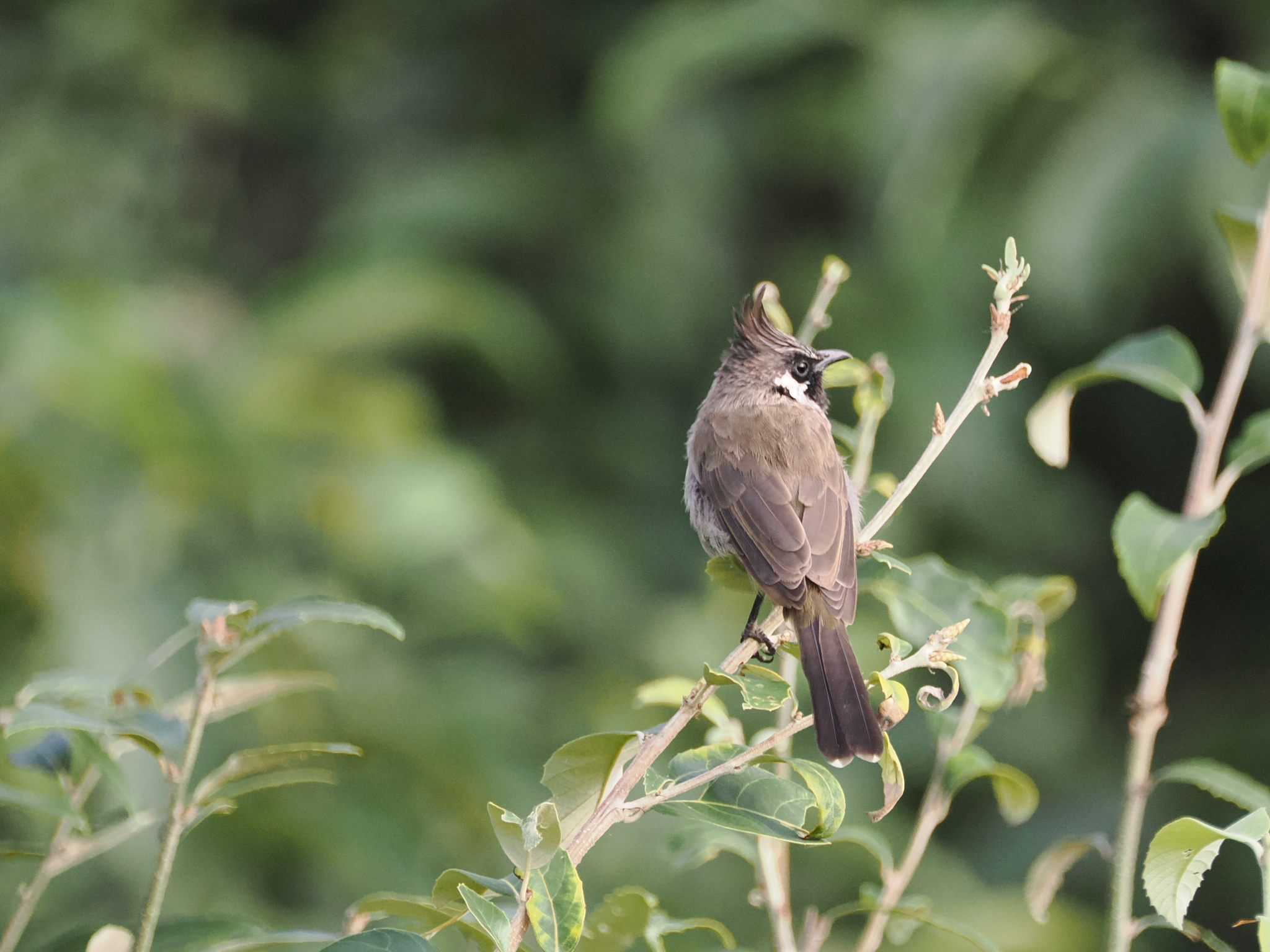
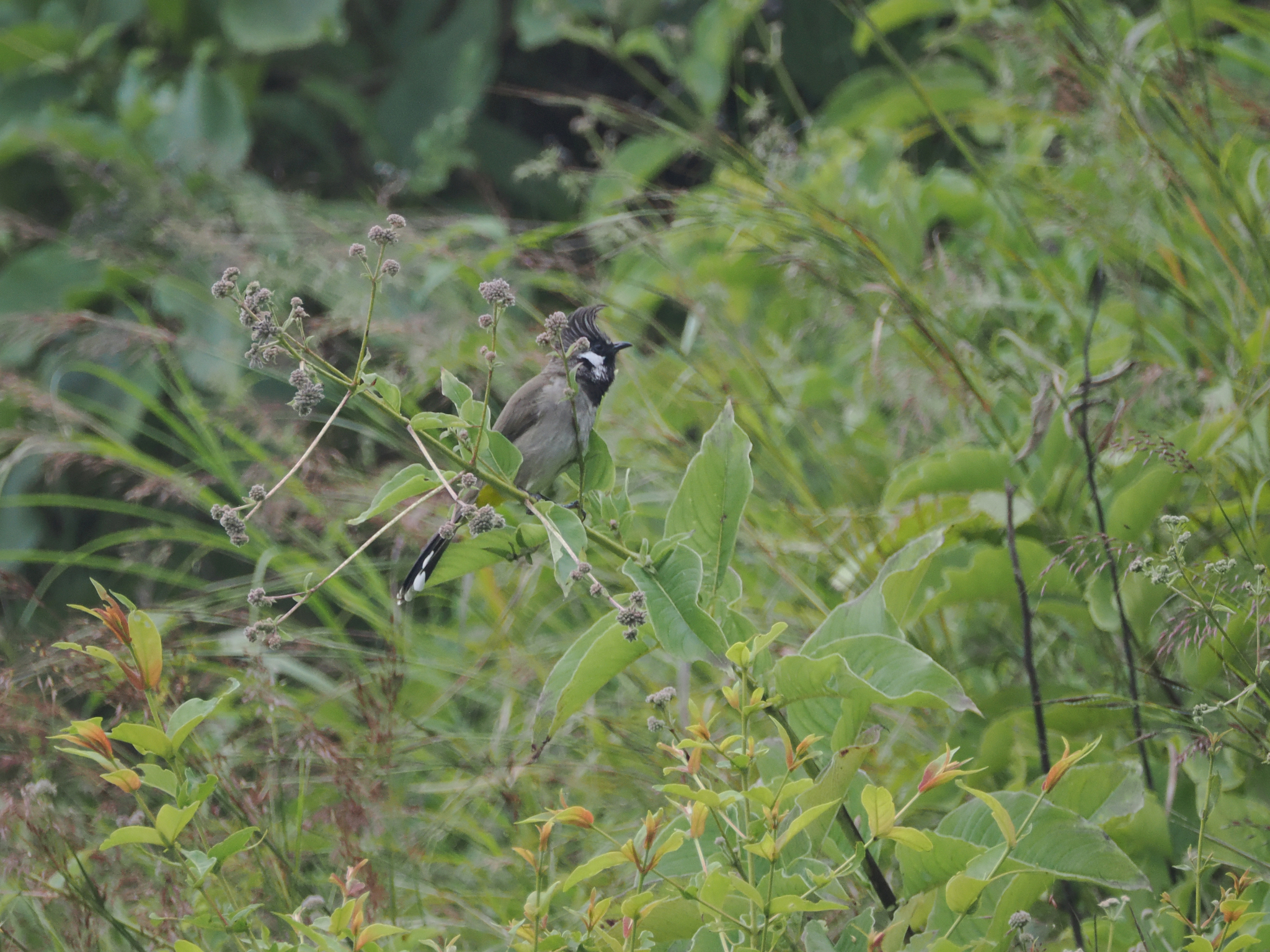
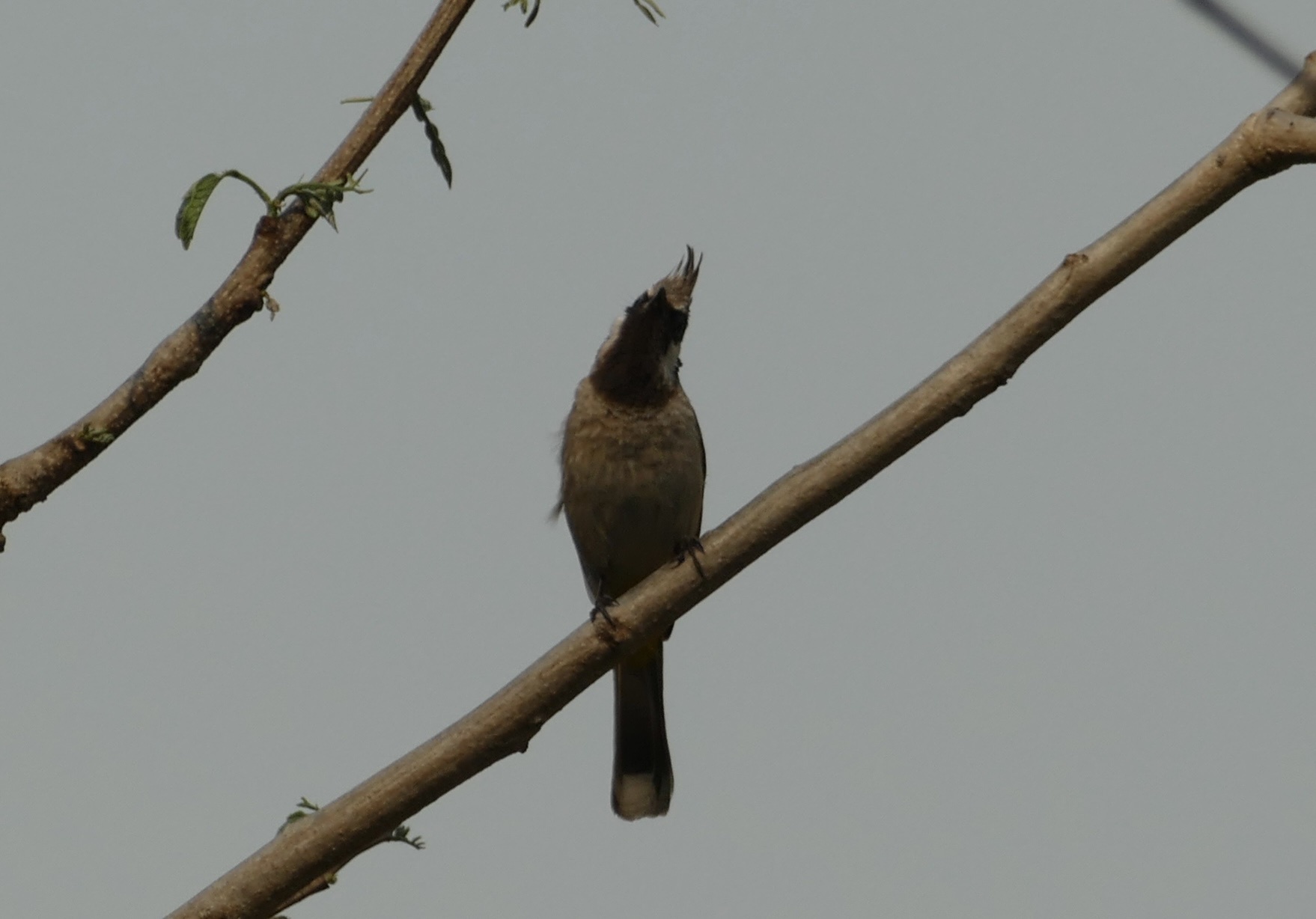
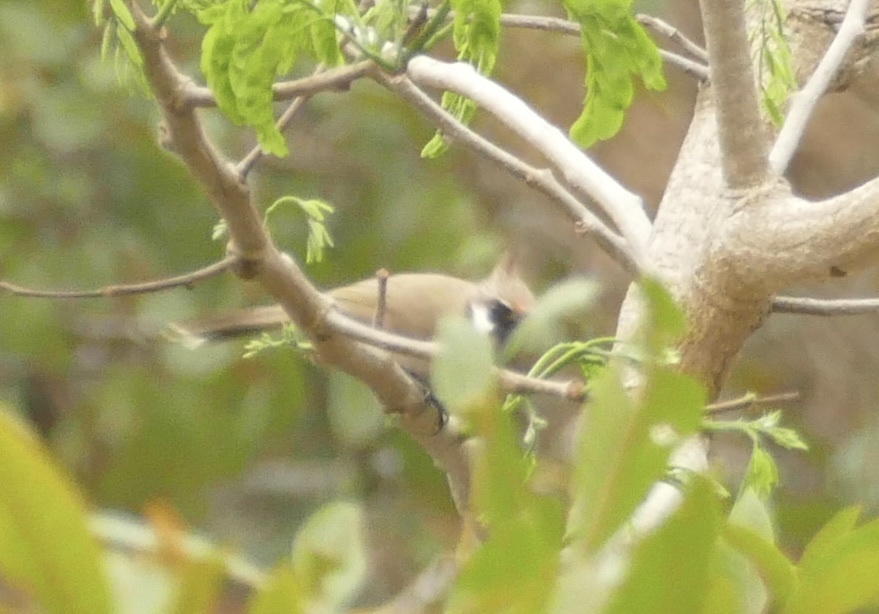
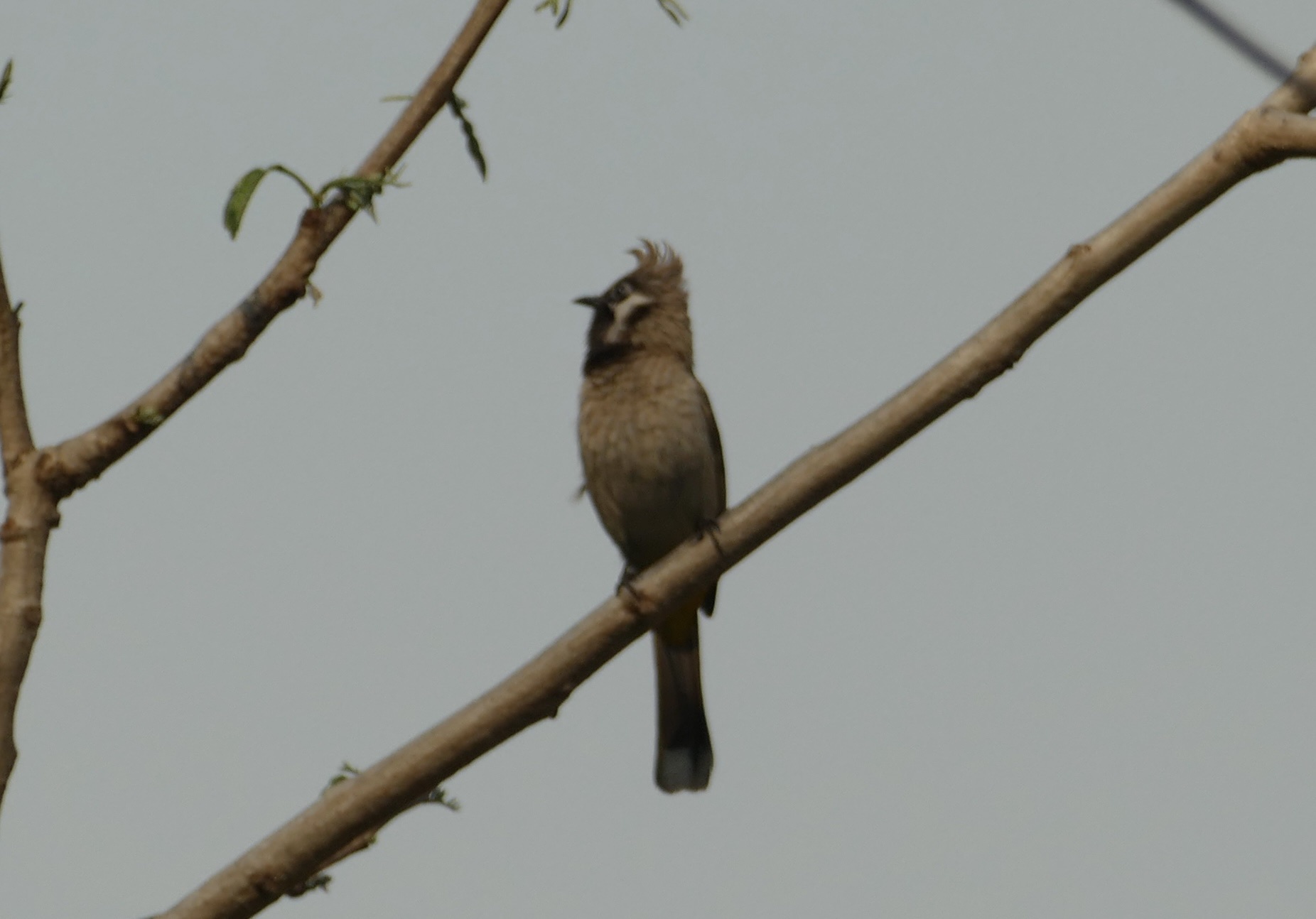
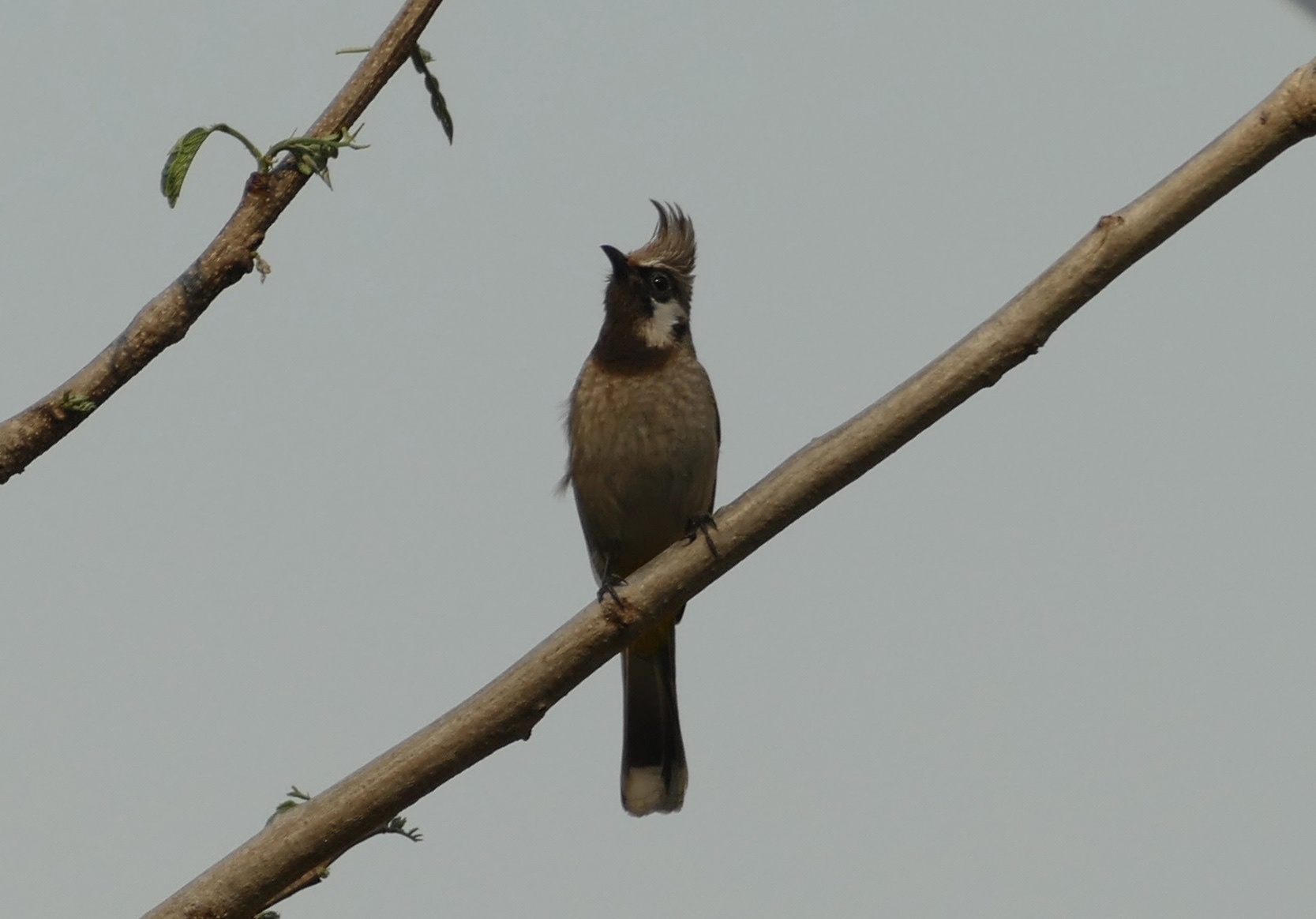
A small passerine measuring approximately 18 cm in length with a wingspan of 25.5-28 cm and average weight of 30 g. The head, throat, and crest display black and white plumage. The back, sides, and relatively long tail are brown, while the underside is pale yellow. The sexes are similar in appearance. The bird's song consists of a rapid, four-part whistle reminiscent of an accelerated oriole call.
Identification
Distinguished from similar bulbuls by the combination of black and white head patterning with a crest. The white cheek patch is a key识别特征. The brown upperparts and pale yellow underparts differentiate it from the white-eared bulbul, which shares the alternate name white-cheeked bulbul. The relatively long tail and crest are useful identification marks in the field.
Distribution & Habitat
Found throughout the northern regions of the Indian subcontinent and adjoining Himalayan areas. Occurs from foothills into mountainous regions, favoring forested habitats and shrubland. Also commonly found in human-modified landscapes including gardens, parks, and cultivated areas. No significant migratory movements reported; considered largely resident within its range.
Behavior & Ecology
Omnivorous diet includes insects, other small invertebrates, berries, fruits, seeds, buds, and nectar. Breeding season produces up to three broods annually. Nests are cup-shaped structures built in bushes or low branches using stems, roots, and twigs. Females typically lay three eggs incubated for 12 days. Chicks fledge at 9-11 days old. Adults become highly territorial during the breeding period. Vocalization is a distinctive four-part whistle.
Conservation
Information not provided in source material.
Culture
Information not provided in source material.
Source: Wikipedia · CC BY-SA 3.0
Taxonomy
- Order
- Passeriformes
- Family
- Pycnonotidae
- Genus
- Pycnonotus
- eBird Code
- whcbul2
Distribution
northeastern Afghanistan and Himalayas from northern Pakistan eastward at least to Arunachal (northeastern India)
Vocalizations
Data Sources
Species description from Wikipedia, licensed under CC BY-SA 3.0.
Bird images and sounds sourced from GBIF, contributed by citizen scientists worldwide under Creative Commons licenses.
Taxonomy data from AviList 2025.